2 Peter 1:3–4: “Partakers of the Divine Nature”
Introduction
2 Peter 1:3–4 contains the most explicit statement in the New Testament that human beings can “become partakers of the divine nature” (θείας κοινωνοὶ φύσεως). This phrase became the scriptural foundation for the entire Eastern Orthodox doctrine of theosis. Athanasius, the Cappadocians, Maximus the Confessor, and Gregory Palamas all cite this verse as proof that divinization is not merely metaphorical but ontological: human beings genuinely participate in the nature of God.
The passage is also one of the most theologically contested in the canon. Western theology has generally interpreted “partakers of the divine nature” as moral transformation (becoming like God in character), not ontological participation. The Gnostics read it as confirmation that the divine spark within humanity is a literal fragment of God’s nature. The difference between these readings shapes the entire history of Christian theology.
The text is from Codex Sinaiticus. The authorship of 2 Peter is disputed (most modern scholars consider it pseudepigraphal, written in Peter’s name in the early second century), but its theological influence is undeniable regardless of authorship.
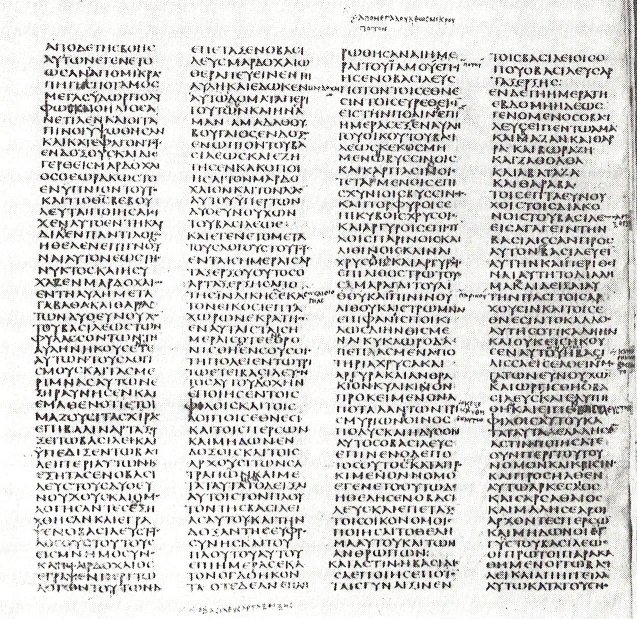
ὡς πάντα ἡμῖν τῆς θείας δυνάμεως αὐτοῦ τὰ πρὸς ζωὴν καὶ εὐσέβειαν δεδωρημένης · διὰ τῆς ἐπιγνώσεως τοῦ καλέσαντος ἡμᾶς ἰδίᾳ δόξῃ καὶ ἀρετῇ ·
His divine power has granted to us all things that pertain to life and godliness, through the knowledge (epignosis, ἐπίγνωσις) of him who called us by his own glory and excellence,
δι’ ὧν τὰ τίμια καὶ μέγιστα ἡμῖν ἐπαγγέλματα δεδώρηται · ἵνα διὰ τούτων γένησθε θείας κοινωνοὶ φύσεως · ἀποφυγόντες τῆς ἐν τῷ κόσμῳ ἐν ἐπιθυμίᾳ φθορᾶς ·
by which he has granted to us the precious and very great promises, so that through them you may become partakers of the divine nature (θείας κοινωνοὶ φύσεως), having escaped the corruption that is in the world because of sinful desire.
Translator's Notes
- §1:3: The word ἐπίγνωσις (epignosis) is stronger than simple γνῶσις (gnosis): it denotes full, participatory knowledge rather than mere awareness. The Gnostic resonance is unavoidable. The author may be deliberately using the stronger form to reclaim the concept of “knowledge” from Gnostic usage while maintaining that true knowledge comes through divine calling, not esoteric revelation.
- §1:4: The phrase θείας κοινωνοὶ φύσεως (“partakers of the divine nature”) is the most philosophically precise theosis statement in the New Testament. The word κοινωνοί means sharers, participants, those who hold something in common. The word φύσις means nature in the ontological sense (not merely character or behavior). Together they assert that human beings can genuinely share in what God is by nature. Athanasius cited this verse alongside his famous formula “God became man so that man might become God.” The Western tradition, beginning with Augustine, reads “nature” here more cautiously, as moral likeness rather than ontological participation.
Export
Source & Cross-References
- Source text: Codex Sinaiticus (4th century), British Library Add. MS 43725 — view original
- Critical edition: Lake, K. and Lake, S. (eds.), Codex Sinaiticus Petropolitanus, Oxford: Clarendon Press, 1911
- Gospel of John, Chapter 1:1–18 (The Logos Prologue) by John (attributed)
- Gospel of John 10:22–39: “I Said, You Are Gods” by John (attributed)