Ecclesiastes, Chapter 8 (Leningrad Codex)
Introduction
Ecclesiastes chapter 8 from the Leningrad Codex (Codex Leningradensis, National Library of Russia, Firkovich EBP. I B 19a), copied in Cairo by Samuel ben Jacob and dated 1008/1009 AD, the oldest complete manuscript of the Hebrew Bible and the base text of the Biblia Hebraica editions. This chapter stands on folios 428r, 428v.
This entry meets the strict three-criteria standard of the Theosis Library:
- Manuscript scan: the specific folio side(s) carrying each section's verses, from the full-colour West Semitic Research Project photographs of the codex as redistributed on Internet Archive (item Leningrad_Codex_Color_Images, marked Creative Commons Public Domain Mark 1.0). Folio-to-verse ranges come from the tanach.us LC folio index, which was derived from the West Semitic Research Project's published index; each section links only to the page(s) whose recorded verse range contains its verses.
- Original text: the verbatim Hebrew of this manuscript in the Unicode/XML Leningrad Codex (UXLC 2.5 build 27.6, tanach.us), a transcription of Firkovich B 19a with vowels and cantillation, released without restriction on the biblical text.
- English translation: the King James Version (1611, public domain), retrieved verbatim from bolls.life (KJV text, Strong's numbers stripped).
How was this verified? (Provenance)
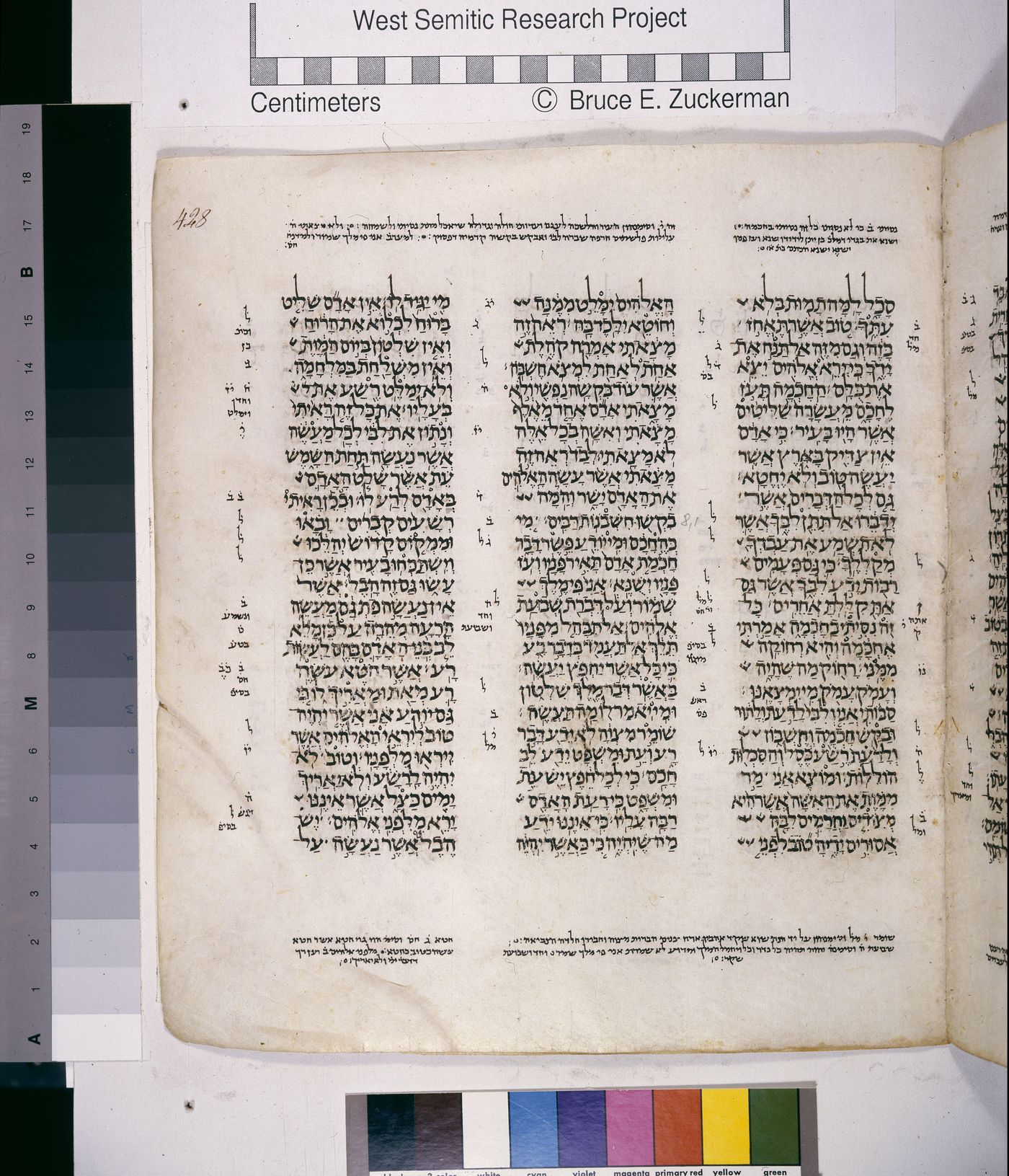
1מִ֚י כְּהֶ֣חָכָ֔ם וּמִ֥י יוֹדֵ֖עַ פֵּ֣שֶׁר דָּבָ֑ר חָכְמַ֤ת אָדָם֙ תָּאִ֣יר פָּנָ֔יו וְעֹ֥ז פָּנָ֖יו יְשֻׁנֶּֽא׃ 2אֲנִי֙ פִּי־מֶ֣לֶךְ שְׁמ֔וֹר וְעַ֕ל דִּבְרַ֖ת שְׁבוּעַ֥ת אֱלֹהִֽים׃ 3אַל־תִּבָּהֵ֤ל מִפָּנָיו֙ תֵּלֵ֔ךְ אַֽל־תַּעֲמֹ֖ד בְּדָבָ֣ר רָ֑ע כִּ֛י כָּל־אֲשֶׁ֥ר יַחְפֹּ֖ץ יַעֲשֶֽׂה׃ 4בַּאֲשֶׁ֥ר דְּבַר־מֶ֖לֶךְ שִׁלְט֑וֹן וּמִ֥י יֹֽאמַר־ל֖וֹ מַֽה־תַּעֲשֶֽׂה׃ 5שׁוֹמֵ֣ר מִצְוָ֔ה לֹ֥א יֵדַ֖ע דָּבָ֣ר רָ֑ע וְעֵ֣ת וּמִשְׁפָּ֔ט יֵדַ֖ע לֵ֥ב חָכָֽם׃ 6כִּ֣י לְכָל־חֵ֔פֶץ יֵ֖שׁ עֵ֣ת וּמִשְׁפָּ֑ט כִּֽי־רָעַ֥ת הָאָדָ֖ם רַבָּ֥ה עָלָֽיו׃ 7כִּֽי־אֵינֶ֥נּוּ יֹדֵ֖עַ מַה־שֶׁיִּֽהְיֶ֑ה כִּ֚י כַּאֲשֶׁ֣ר יִֽהְיֶ֔ה מִ֖י יַגִּ֥יד לֽוֹ׃ 8אֵ֣ין אָדָ֞ם שַׁלִּ֤יט בָּר֙וּחַ֙ לִכְל֣וֹא אֶת־הָר֔וּחַ וְאֵ֤ין שִׁלְטוֹן֙ בְּי֣וֹם הַמָּ֔וֶת וְאֵ֥ין מִשְׁלַ֖חַת בַּמִּלְחָמָ֑ה וְלֹֽא־יְמַלֵּ֥ט רֶ֖שַׁע אֶת־בְּעָלָֽיו׃
1Who is as the wise man? and who knoweth the interpretation of a thing? a man's wisdom maketh his face to shine, and the boldness of his face shall be changed. 2I counsel thee to keep the king's commandment, and that in regard of the oath of God. 3Be not hasty to go out of his sight: stand not in an evil thing; for he doeth whatsoever pleaseth him. 4Where the word of a king is, there is power: and who may say unto him, What doest thou? 5Whoso keepeth the commandment shall feel no evil thing: and a wise man's heart discerneth both time and judgment. 6Because to every purpose there is time and judgment, therefore the misery of man is great upon him. 7For he knoweth not that which shall be: for who can tell him when it shall be? 8There is no man that hath power over the spirit to retain the spirit; neither hath he power in the day of death: and there is no discharge in that war; neither shall wickedness deliver those that are given to it.
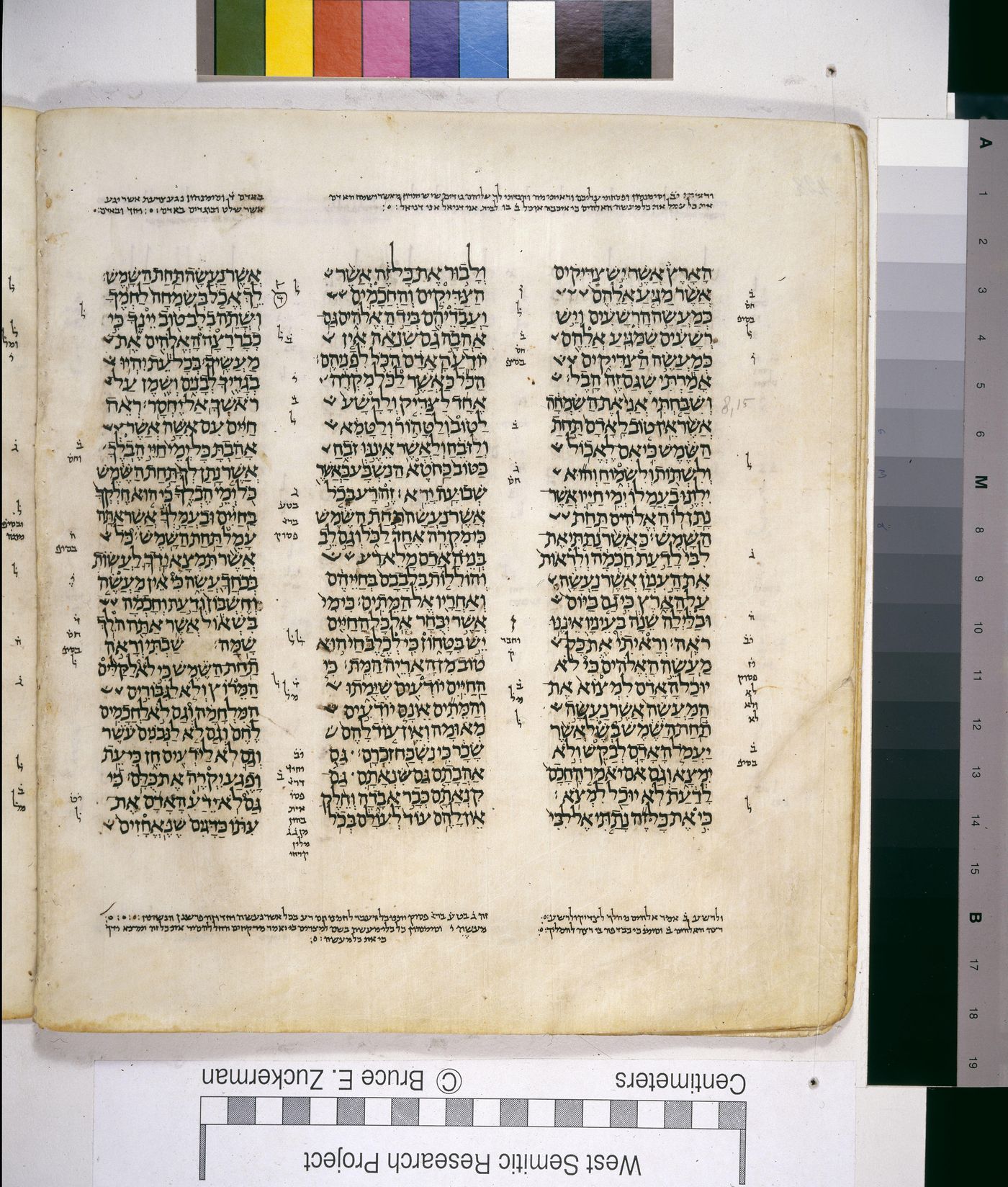
9אֶת־כָּל־זֶ֤ה רָאִ֙יתִי֙ וְנָת֣וֹן אֶת־לִבִּ֔י לְכָֽל־מַעֲשֶׂ֔ה אֲשֶׁ֥ר נַעֲשָׂ֖ה תַּ֣חַת הַשָּׁ֑מֶשׁ עֵ֗ת אֲשֶׁ֨ר שָׁלַ֧ט הָאָדָ֛ם בְּאָדָ֖ם לְרַ֥ע לֽוֹ׃ 10וּבְכֵ֡ן רָאִיתִי֩ רְשָׁעִ֨ים קְבֻרִ֜ים וָבָ֗אוּ וּמִמְּק֤וֹם קָדוֹשׁ֙ יְהַלֵּ֔כוּ וְיִֽשְׁתַּכְּח֥וּ בָעִ֖יר אֲשֶׁ֣ר כֵּן־עָשׂ֑וּ גַּם־זֶ֖ה הָֽבֶל׃ 11אֲשֶׁר֙ אֵין־נַעֲשָׂ֣ה פִתְגָ֔ם מַעֲשֵׂ֥ה הָרָעָ֖ה מְהֵרָ֑ה עַל־כֵּ֡ן מָלֵ֞א לֵ֧ב בְּֽנֵי־הָאָדָ֛ם בָּהֶ֖ם לַעֲשׂ֥וֹת רָֽע׃ 12אֲשֶׁ֣ר חֹטֶ֗א עֹשֶׂ֥ה רָ֛ע מְאַ֖ת וּמַאֲרִ֣יךְ ל֑וֹ כִּ֚י גַּם־יוֹדֵ֣עַ אָ֔נִי אֲשֶׁ֤ר יִהְיֶה־טּוֹב֙ לְיִרְאֵ֣י הָאֱלֹהִ֔ים אֲשֶׁ֥ר יִֽירְא֖וּ מִלְּפָנָֽיו׃ 13וְטוֹב֙ לֹֽא־יִהְיֶ֣ה לָֽרָשָׁ֔ע וְלֹֽא־יַאֲרִ֥יךְ יָמִ֖ים כַּצֵּ֑ל אֲשֶׁ֛ר אֵינֶ֥נּוּ יָרֵ֖א מִלִּפְנֵ֥י אֱלֹהִֽים׃ 14יֶשׁ־הֶבֶל֮ אֲשֶׁ֣ר נַעֲשָׂ֣ה עַל־הָאָרֶץ֒ אֲשֶׁ֣ר ׀ יֵ֣שׁ צַדִּיקִ֗ים אֲשֶׁ֨ר מַגִּ֤יעַ אֲלֵהֶם֙ כְּמַעֲשֵׂ֣ה הָרְשָׁעִ֔ים וְיֵ֣שׁ רְשָׁעִ֔ים שֶׁמַּגִּ֥יעַ אֲלֵהֶ֖ם כְּמַעֲשֵׂ֣ה הַצַדִּיקִ֑ים אָמַ֕רְתִּי שֶׁגַּם־זֶ֖ה הָֽבֶל׃ 15וְשִׁבַּ֤חְתִּֽי אֲנִי֙ אֶת־הַשִּׂמְחָ֔ה אֲשֶׁ֨ר אֵֽין־ט֤וֹב לָֽאָדָם֙ תַּ֣חַת הַשֶּׁ֔מֶשׁ כִּ֛י אִם־לֶאֱכ֥וֹל וְלִשְׁתּ֖וֹת וְלִשְׂמ֑וֹחַ וְה֞וּא יִלְוֶ֣נּוּ בַעֲמָל֗וֹ יְמֵ֥י חַיָּ֛יו אֲשֶׁר־נָֽתַן־ל֥וֹ הָאֱלֹהִ֖ים תַּ֥חַת הַשָּֽׁמֶשׁ׃ 16כַּאֲשֶׁ֨ר נָתַ֤תִּי אֶת־לִבִּי֙ לָדַ֣עַת חָכְמָ֔ה וְלִרְאוֹת֙ אֶת־הָ֣עִנְיָ֔ן אֲשֶׁ֥ר נַעֲשָׂ֖ה עַל־הָאָ֑רֶץ כִּ֣י גַ֤ם בַּיּוֹם֙ וּבַלַּ֔יְלָה שֵׁנָ֕ה בְּעֵינָ֖יו אֵינֶ֥נּוּ רֹאֶֽה׃ 17וְרָאִיתִי֮ אֶת־כָּל־מַעֲשֵׂ֣ה הָאֱלֹהִים֒ כִּי֩ לֹ֨א יוּכַ֜ל הָאָדָ֗ם לִמְצוֹא֙ אֶת־הַֽמַּעֲשֶׂה֙ אֲשֶׁ֣ר נַעֲשָׂ֣ה תַֽחַת־הַשֶּׁ֔מֶשׁ בְּ֠שֶׁל אֲשֶׁ֨ר יַעֲמֹ֧ל הָאָדָ֛ם לְבַקֵּ֖שׁ וְלֹ֣א יִמְצָ֑א וְגַ֨ם אִם־יֹאמַ֤ר הֶֽחָכָם֙ לָדַ֔עַת לֹ֥א יוּכַ֖ל לִמְצֹֽא׃
9All this have I seen, and applied my heart unto every work that is done under the sun: there is a time wherein one man ruleth over another to his own hurt. 10And so I saw the wicked buried, who had come and gone from the place of the holy, and they were forgotten in the city where they had so done: this is also vanity. 11Because sentence against an evil work is not executed speedily, therefore the heart of the sons of men is fully set in them to do evil. 12Though a sinner do evil an hundred times, and his days be prolonged, yet surely I know that it shall be well with them that fear God, which fear before him: 13But it shall not be well with the wicked, neither shall he prolong his days, which are as a shadow; because he feareth not before God. 14There is a vanity which is done upon the earth; that there be just men, unto whom it happeneth according to the work of the wicked; again, there be wicked men, to whom it happeneth according to the work of the righteous: I said that this also is vanity. 15Then I commended mirth, because a man hath no better thing under the sun, than to eat, and to drink, and to be merry: for that shall abide with him of his labour the days of his life, which God giveth him under the sun. 16When I applied mine heart to know wisdom, and to see the business that is done upon the earth: (for also there is that neither day nor night seeth sleep with his eyes:) 17Then I beheld all the work of God, that a man cannot find out the work that is done under the sun: because though a man labour to seek it out, yet he shall not find it; yea further; though a wise man think to know it, yet shall he not be able to find it.
Translator's Notes
- §:
Cite
Source & Cross-References
- Source text: Leningrad Codex folios (Internet Archive, WSRP photographs) + tanach.us LC folio index + UXLC Hebrew + KJV — view original
- Critical edition: Unicode/XML Leningrad Codex (tanach.us), transcription of this manuscript
← previous · → next · v cycle view · l back to library