2 Kingdoms (2 Samuel), Chapter 1 (Codex Alexandrinus)
Introduction
2 Kingdoms (2 Samuel) 1 in the Greek Old Testament (the Septuagint) as written in Codex Alexandrinus, a Greek Bible copied in the fifth century, probably in Egypt, and now in the British Library (Royal MS 1 D. V, the first of its four volumes). It is one of the three great early codices of the whole Greek Bible, with Codex Vaticanus and Codex Sinaiticus.
This entry meets the strict three-criteria standard of the Theosis Library:
- Manuscript scan: the pages of Codex Alexandrinus carrying this chapter (fol. 182r, fol. 182v), from the full-size photographic (autotype) facsimile published by the British Museum in 1879-1883, as digitised on the Internet Archive. The verse range of every page comes from the reduced photographic facsimile of 1930, which prints it beneath each plate, and the opening words of every page were read on the plate to confirm the page and the verse it begins with. Each section links to the page or pages that hold its verses. Folio numbers are those written at the head of each leaf and visible on the plates.
- Original text: Swete's edition, which here prints the text of Codex Vaticanus (Vat. gr. 1209), the base of his edition, and gives the readings of Alexandrinus only in his apparatus. The Greek column is therefore Vaticanus' text; where Alexandrinus differs, the plate shows what Alexandrinus reads.
- English translation: Sir Lancelot C. L. Brenton, The Septuagint Version of the Old Testament (1844; 1851 edition), a translation of the Greek, public domain, from the eBible.org text.
How was this verified? (Provenance)
Where on the image
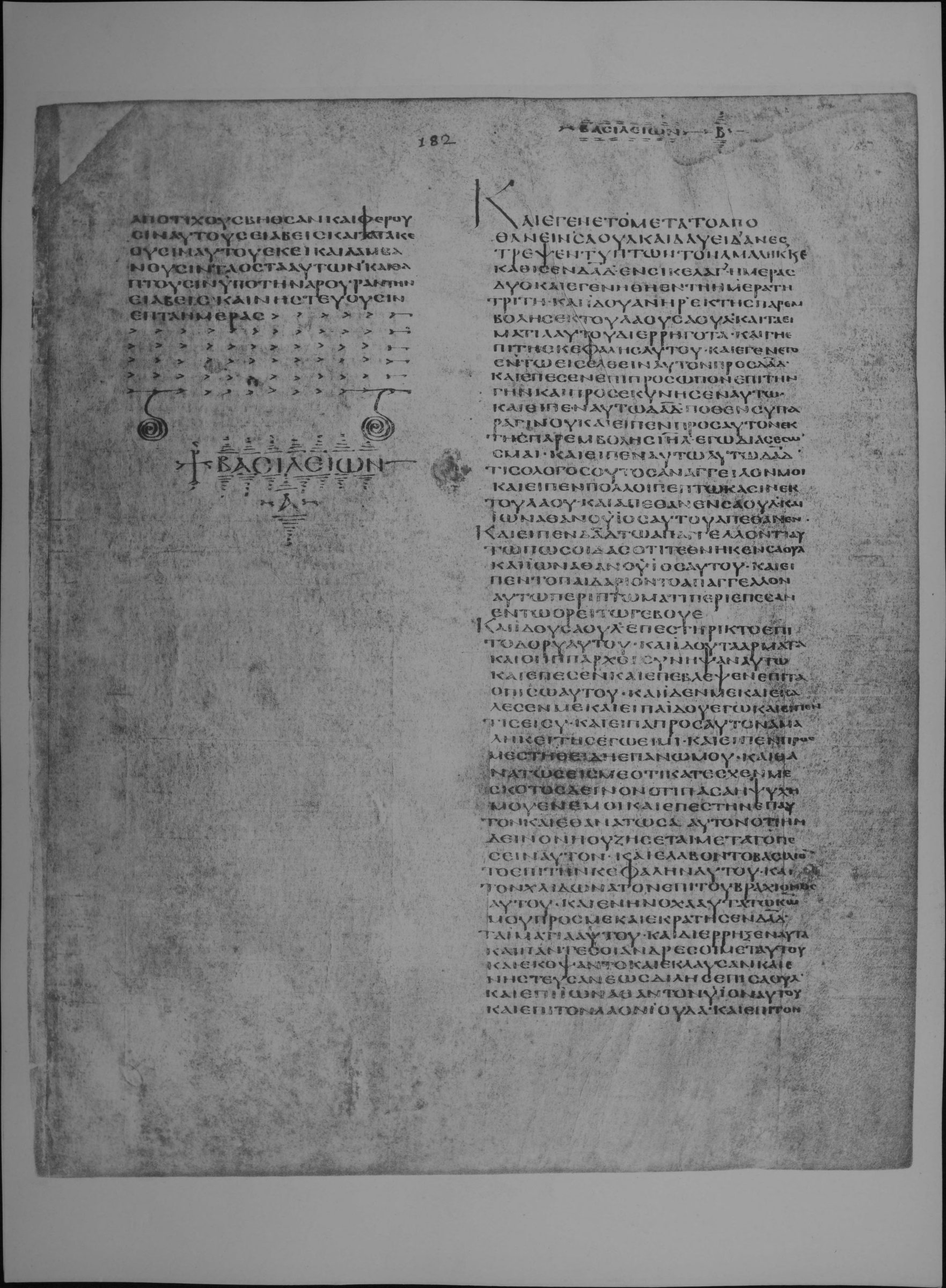
2 Kingdoms (2 Samuel) 1:1-8 is on fol. 182r (full-size facsimile of 1879-83, Internet Archive codex-alexandrinus leaf 382). The 1930 reduced facsimile prints beneath this page: 1 Sam. xxxi. 12-2 Sam. i. 12. Checked on the plate: the page begins inside 1Sa 31:12 (first words read: ΑΠΟ ΤΟΥ ΤΕΙΧΟΥΣ ΒΗΘΣΑΝ ΚΑΙ ΦΕΡΟΥΣΙΝ ΑΥΤΟΥΣ ΕΙΣ ΙΑΒΕΙΣ ΚΑΙ ΚΑΤΑΚΑΙΟΥΣΙΝ ΑΥΤΟΥΣ ΕΚΕΙ).
1ΚΑΙ ἐγένετο μετὰ τὸ ἀποθανεῖν Σαούλ, καὶ Δαυεὶδ ἀνέστρεψεν τύπτων τὸν Ἀμαλήκ· καὶ ἐκάθισεν Δαυεὶδ ἐν Σεκελὰκ ἡμέρας δύο. 2καὶ ἐγενήθη τῇ ἡμέρᾳ τῇ τρίτῃ καὶ ἰδοὺ ἀνὴρ ἦλθεν ἐκ τῆς παρεμβολῆς ἐκ τοῦ λαοῦ Σαούλ, καὶ τὰ ἱμάτια αὐτοῦ διερρωγότα καὶ γῆ ἐπὶ τῆς κεφαλῆς αὐτοῦ· καὶ ἐγένετο ἐν τῷ εἰσελθεῖν αὐτὸν πρὸς Δαυεὶδ καὶ ἔπεσεν ἐπὶ τὴν γῆν καὶ προσεκύνησεν αὐτῷ. 3καὶ εἶπεν αὐτῷ Δαυείδ Πόθεν σὺ παραγίνῃ; καὶ εἶπεν πρὸς αὐτόν Ἐκ τῆς παρεμβολῆς Ἰσραὴλ ἐγὼ διασέσωμαι. 4καὶ εἶπεν αὐτῷ Δαυείδ Τίς ὁ λόγος οὗτος; ἀπάγγειλόν μοι. καὶ εἶπεν ὅτι Ἔφυγεν ὁ λαὸς ἐκ τοῦ πολέμου, καὶ πεπτώκασι πολλοὶ ἐκ τοῦ λαοῦ καὶ ἀπέθανον· καὶ ἀπέθανεν καὶ Σαούλ, καὶ Ἰωναθὰν ὁ υἱὸς αὐτοῦ ἀπέθανεν. 5καὶ εἶπεν Δαυεὶδ τῷ παιδαρίῳ τῷ ἀπαγγέλλοντι αὐτῷ Πῶς οἶδας ὅτι τέθνηκεν Σαοὺλ καὶ Ἰωναθὰν ὁ υἱὸς αὐτοῦ; 6καὶ εἶπεν τὸ παιδάριον τὸ ἀπαγγέλλον αὐτῷ Περιπτώματι περιέπεσαν ἐν τῷ ὄρει τῷ Γελβοῦε, καὶ ἰδοὺ Σαοὺλ ἐπεστήρικτο ἐπὶ τὸ δόρυ αὐτοῦ, καὶ ἰδοὺ τὰ ἅρματα καὶ οἱ ἱππάρχαι συνῆψαν αὐτῷ. 7καὶ ἐπέβλεψεν ἐπὶ τὰ ὀπίσω αὐτοῦ, καὶ εἶδεν καὶ ἐκάλεσέν με, καὶ εἶπα Ἰδοὺ ἐγώ. 8καὶ εἶπέν μοι Τίς εἶ σύ; καὶ εἶπα Ἀμαληκείτης ἐγώ εἰμι.
1And it came to pass after Saul was dead, that David returned from smiting Amalec, and David abode two days in Sekelac. 2And it came to pass on the third day, that, behold, a man came from the camp, from the people of Saul, and his garments were rent, and earth was upon his head: and it came to pass when he went in to David, that he fell upon the earth, and did obeisance to him. 3And David said to him, Whence comest thou? and he said to him, I have escaped out of the camp of Israel. 4And David said to him, What is the matter? tell me. And he said, The people fled out of the battle, and many of the people have fallen and are dead, and Saul and Jonathan his son are dead. 5And David said to the young man who brought him the tidings, How knowest thou that Saul and Jonathan his son are dead? 6And the young man that brought the tidings, said to him, I happened accidentally to be upon mount Gelbue; and, behold, Saul was leaning upon his spear, and, behold, the chariots and captains of horse pressed hard upon him. 7And he looked behind him, and saw me, and called me; and I said, Behold, here am I. 8And he said to me, Who art thou? and I said, I am an Amalekite.
Where on the image
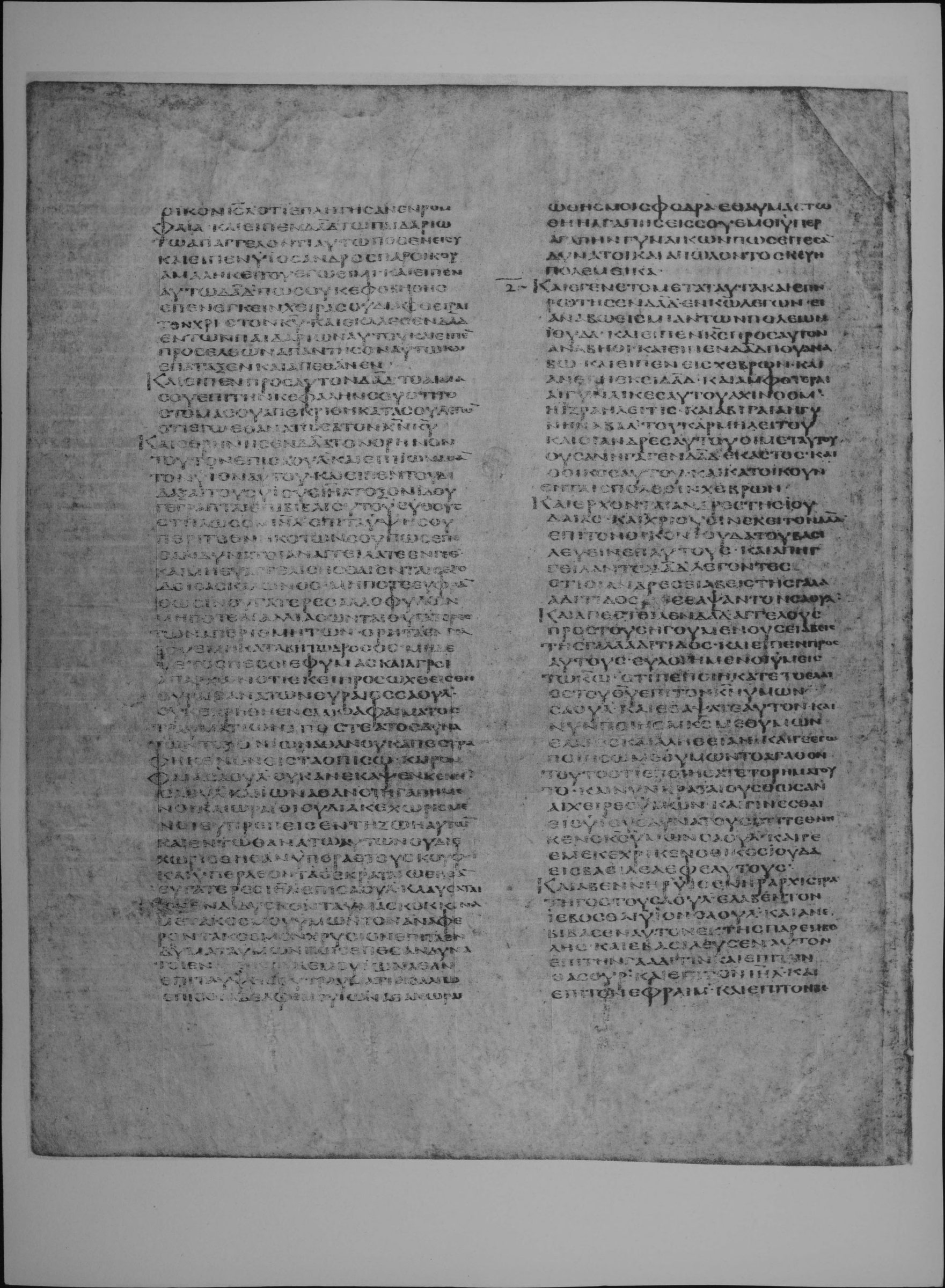
2 Kingdoms (2 Samuel) 1:9-12 is on fol. 182r (full-size facsimile of 1879-83, Internet Archive codex-alexandrinus leaf 382). The 1930 reduced facsimile prints beneath this page: 1 Sam. xxxi. 12-2 Sam. i. 12. Checked on the plate: the page begins inside 1Sa 31:12 (first words read: ΑΠΟ ΤΟΥ ΤΕΙΧΟΥΣ ΒΗΘΣΑΝ ΚΑΙ ΦΕΡΟΥΣΙΝ ΑΥΤΟΥΣ ΕΙΣ ΙΑΒΕΙΣ ΚΑΙ ΚΑΤΑΚΑΙΟΥΣΙΝ ΑΥΤΟΥΣ ΕΚΕΙ). 2 Kingdoms (2 Samuel) 1:12-16 is on fol. 182v (full-size facsimile of 1879-83, Internet Archive codex-alexandrinus leaf 383). The 1930 reduced facsimile prints beneath this page: 2 Sam. i. 12-ii. 9. Checked on the plate: the page begins inside 2 Kingdoms (2 Samuel) 1:12 (first words read: ΟΙΚΟΝ ΙΣΡΑΗΛ ΟΤΙ ΕΠΛΗΓΗΣΑΝ ΕΝ ΡΟΜΦΑΙΑ ΚΑΙ ΕΙΠΕΝ ΔΑΥΕΙΔ ΤΩ ΠΑΙΔΑΡΙΩ ΤΩ ΑΠΑΓΓΕΛΛΟΝΤΙ).
9καὶ εἶπεν πρὸς μέ Στῆθι δὴ ἐπάνω μου καὶ θανάτωσόν με, ὅτι κατέσχεν με σκότος δεινόν, ὅτι πᾶσα ἡ ψυχή μου ἐν ἐμοί. 10καὶ ἐπέστην ἐπ᾽ αὐτὸν καὶ ἐθανάτωσα αὐτόν, ὅτι ᾔδειν ὅτι οὐ ζήσεται μετὰ τὸ πεσεῖν αὐτόν· καὶ ἔλαβον τὸ βασίλειον τὸ ἐπὶ τὴν κεφαλὴν αὐτοῦ καὶ τὸν χλίδωνα τὸν ἐπὶ τοῦ βραχίονος αὐτοῦ, καὶ ἐνήνοχα αὐτὰ τῷ κυρίῳ μου ὧδε. 11καὶ ἐκράτησεν Δαυεὶδ τῶν ἱματίων αὐτοῦ καὶ διέρρηξεν αὐτά, καὶ πάντες οἱ ἄνδρες οἱ μετ᾽ αὐτοῦ διέρρηξαν τὰ ἱμάτια αὐτῶν. 12καὶ ἐκόψαντο καὶ ἐνήστευσαν καὶ ἔκλαυσαν ἕως δείλης ἐπὶ Σαοὺλ καὶ ἐπὶ Ἰωναθὰν τὸν υἱὸν αὐτοῦ καὶ ἐπὶ τὸν λαὸν Ἰούδα καὶ ἐπὶ τὸν οἶκον Ἰσραήλ, ὅτι ἐπλήγησαν ἐν ῥομφαίᾳ. 13καὶ εἶπεν Δαυεὶδ τῷ παιδαρίῳ τῷ ἀπαγγέλλοντι αὐτῷ Πόθεν εἶ σύ; καὶ εἶπεν Υἱὸς ἀνδρὸς παροίκου Ἀμαληκείτου ἐγώ εἰμι. 14καὶ εἶπεν αὐτῷ Δαυείδ Πῶς οὐκ ἐφοβήθης ἐπενεγκεῖν χεῖρά σου διαφθεῖραι τὸν χριστὸν Κυρίου; 15καὶ ἐκάλεσεν Δαυεὶδ ἓν τῶν παιδαρίων αὐτοῦ καὶ εἶπεν Προσελθὼν ἀπάντησον αὐτῷ· καὶ ἐπάταξεν αὐτόν, καὶ ἀπέθανεν. 16καὶ εἶπεν Δαυεὶδ πρὸς αὐτόν Τὸ αἷμά σου ἐπὶ τὴν κεφαλήν σου, ὅτι τὸ στόμα σου ἀπεκρίθη κατὰ σοῦ λέγων ὅτι Ἐγὼ ἐθανάτωσα τόν χριστὸν Κυρίου.
9And he said to me, Stand, I pray thee, over me, and slay me, for a dreadful darkness has come upon me, for all my life is in me. 10So I stood over him and slew him, because I knew he would not live after he was fallen; and I took the crown that was upon his head, and the bracelet that was upon his arm, and I have brought them hither to my lord. 11And David laid hold of his garments, and rent them; and all the men who were with him rent their garments. 12And they lamented, and wept, and fasted till evening, for Saul and for Jonathan his son, and for the people of Juda, and for the house of Israel, because they were smitten with the sword. 13And David said to the young man who brought the tidings to him, Whence art thou? and he said, I am the son of an Amalekite sojourner. 14And David said to him, How was it thou wast not afraid to lift thy hand to destroy the anointed of the Lord? 15And David called one of his young men, and said, Go and fall upon him: and he smote him, and he died. 16And David said to him, Thy blood be upon thine own head; for thy mouth has testified against thee, saying, I have slain the anointed of the Lord.
Where on the image
2 Kingdoms (2 Samuel) 1:17-24 is on fol. 182v (full-size facsimile of 1879-83, Internet Archive codex-alexandrinus leaf 383). The 1930 reduced facsimile prints beneath this page: 2 Sam. i. 12-ii. 9. Checked on the plate: the page begins inside 2 Kingdoms (2 Samuel) 1:12 (first words read: ΟΙΚΟΝ ΙΣΡΑΗΛ ΟΤΙ ΕΠΛΗΓΗΣΑΝ ΕΝ ΡΟΜΦΑΙΑ ΚΑΙ ΕΙΠΕΝ ΔΑΥΕΙΔ ΤΩ ΠΑΙΔΑΡΙΩ ΤΩ ΑΠΑΓΓΕΛΛΟΝΤΙ).
17Καὶ ἐθρήνησεν Δαυεὶδ τὸν θρῆνον τοῦτον ἐπὶ Σαοὺλ καὶ ἐπὶ Ἰωναθὰν τὸν υἱὸν αὐτοῦ, 18καὶ εἶπεν τοῦ διδάξαι τοὺς υἱοὺς Ἰούδα· ἰδοὺ γέγραπται ἐπὶ βιβλίου τοῦ εὐθοῦς. 19Στήλωσον, Ἰσραήλ, ὑπὲρ τῶν τεθνηκότων ἐπὶ τὰ ὕψη σου τραυματιῶν· πῶς ἔπεσαν δυνατοί. 20μὴ ἀναγγείλητε ἐν Γέθ, καὶ μὴ εὐαγγελίσησθε ἐν ταῖς ἐξόδοις Ἀσκάλωνος· μή ποτε εὐφρανθῶσιν θυγατέρες ἀλλοφύλων, μή ποτε ἀγαλλιάσωνται θυγατέρες τῶν ἀπεριτμήτων. 21ὄρη τὰ ἐν Γελβοῦε, μὴ καταβῇ δρόσος καὶ μὴ ὑετὸς ἐφ᾽ ὑμᾶς καὶ ἀγροὶ ἀπαρχῶν· ὅτι ἐκεῖ προσωχθίσθη θυρεὸς δυνατῶν· θυρεὸς Σαοὺλ οὐκ ἐχρίσθη ἐν ἐλαίῳ. 22ἀφ᾽ αἵματος τραυματιῶν, ἀπὸ στέατος δυνατῶν, τόξον Ἰωναθὰν οὐκ ἀπεστράφη κενὸν εἰς τὰ ὀπίσω, καὶ ῥομφαία Σαοὺλ οὐκ ἀνέκαμψεν κενή. 23Σαοὺλ καὶ Ἰωναθάν, οἱ ἠγαπημένοι καὶ ὡραῖοι, οὐ διακεχωρισμένοι· εὐπρεπεῖς ἐν τῇ ζωῇ αὐτῶν, καὶ ἐν τῷ θανάτῳ αὐτῶν οὐ διεχωρίσθησαν. ὑπὲρ ἀετοὺς κοῦφοι, καὶ ὑπὲρ λέοντας ἐκραταιώθησαν. 24θυγατέρες Ἰσραήλ, ἐπὶ Σαοὺλ κλαύσατε· κλαύσατε τὸν ἐνδιδύσκοντα ὑμᾶς κόκκινα μετὰ κόσμου ὑμῶν, τὸν ἀναφέροντα κόσμον χρυσοῦν ἐπὶ τὰ ἐνδύματα ὑμῶν.
17And David lamented with this lamentation over Saul and over Jonathan his son. 18And he gave orders to teach it the sons of Juda: behold, it is written in the book of Right. 19Set up a pillar, O Israel, for the slain that died upon thy high places: how are the mighty fallen! 20Tell it not in Geth, and tell it not as glad tidings in the streets of Ascalon, lest the daughters of the Philistines rejoice, lest the daughters of the uncircumcised triumph. 21Ye mountains of Gelbue, let not dew nor rain descend upon you, nor fields of first-fruits be upon you, for there the shield of the mighty ones has been grievously assailed; the shield of Saul was not anointed with oil. 22From the blood of the slain, and from the fat of the mighty, the bow of Jonathan returned not empty; and the sword of Saul turned not back empty. 23Saul and Jonathan, the beloved and the beautiful, were not divided: comely were they in their life, and in their death they were not divided: they were swifter than eagles, and they were stronger than lions. 24Daughters of Israel, weep for Saul, who clothed you with scarlet together with your adorning, who added golden ornaments to your apparel.
Where on the image
2 Kingdoms (2 Samuel) 1:25-27 is on fol. 182v (full-size facsimile of 1879-83, Internet Archive codex-alexandrinus leaf 383). The 1930 reduced facsimile prints beneath this page: 2 Sam. i. 12-ii. 9. Checked on the plate: the page begins inside 2 Kingdoms (2 Samuel) 1:12 (first words read: ΟΙΚΟΝ ΙΣΡΑΗΛ ΟΤΙ ΕΠΛΗΓΗΣΑΝ ΕΝ ΡΟΜΦΑΙΑ ΚΑΙ ΕΙΠΕΝ ΔΑΥΕΙΔ ΤΩ ΠΑΙΔΑΡΙΩ ΤΩ ΑΠΑΓΓΕΛΛΟΝΤΙ).
25πῶς ἔπεσαν δυνατοὶ ἐν μέσῳ τοῦ πολέμου· Ἰωναθάν, ἐπὶ τὰ ὕψη σου τραυματίαι. 26ἀλγῶ ἐπὶ σοί, ἀδελφέ μου Ἰωναθάν· ὡραιώθης μοι σφόδρα. ἐθαυμαστώθη ἡ ἀγάπησίς σου ἐμοὶ ὑπὲρ ἀγάπησιν γυναικῶν. 27πῶς ἔπεσαν δυνατοί, καὶ ἀπώλοντο σκεύη πολεμικά.
25How are the mighty fallen in the midst of the battle! O Jonathan, even the slain ones upon thy high places! 26I am grieved for thee, my brother Jonathan; thou wast very lovely to me; thy love to me was wonderful beyond the love of women. 27How are the mighty fallen, and the weapons of war perished!
Cite
Sources
- Source: Codex Alexandrinus (British Library Royal MS 1 D. V) via the British Museum photographic facsimiles of 1879-83 and 1930 (Internet Archive) + Swete's Septuagint + Brenton's English (holding institution)
- Critical edition: H. B. Swete, The Old Testament in Greek according to the Septuagint (1909)
← previous · → next · v cycle view · l back to library