Deuteronomy, Chapter 27 (Codex Alexandrinus)
Introduction
Deuteronomy 27 in the Greek Old Testament (the Septuagint) as written in Codex Alexandrinus, a Greek Bible copied in the fifth century, probably in Egypt, and now in the British Library (Royal MS 1 D. V, the first of its four volumes). It is one of the three great early codices of the whole Greek Bible, with Codex Vaticanus and Codex Sinaiticus, and for Genesis 1:1-46:28, which Codex Vaticanus has lost, it is the oldest surviving complete Greek text (older papyri such as the Berlin Genesis papyrus and Chester Beatty 961 survive only in part).
This entry meets the strict three-criteria standard of the Theosis Library:
- Manuscript scan: the pages of Codex Alexandrinus carrying this chapter (fol. 118v, fol. 119r), from the full-size photographic (autotype) facsimile published by the British Museum in 1879-1883, as digitised on the Internet Archive. The verse range of every page comes from the reduced photographic facsimile of 1915, which prints it beneath each plate, and the opening words of every page were read on the plate to confirm the page and the verse it begins with. Each section links to the page or pages that hold its verses. Folio numbers are those written at the head of each leaf and visible on the plates.
- Original text: Swete's edition, which here prints the text of Codex Vaticanus (Vat. gr. 1209), the base of his edition, and gives the readings of Alexandrinus only in his apparatus. The Greek column is therefore Vaticanus' text; where Alexandrinus differs, the plate shows what Alexandrinus reads.
- English translation: Sir Lancelot C. L. Brenton, The Septuagint Version of the Old Testament (1844; 1851 edition), a translation of the Greek, public domain, from the eBible.org text.
How was this verified? (Provenance)
Where on the image
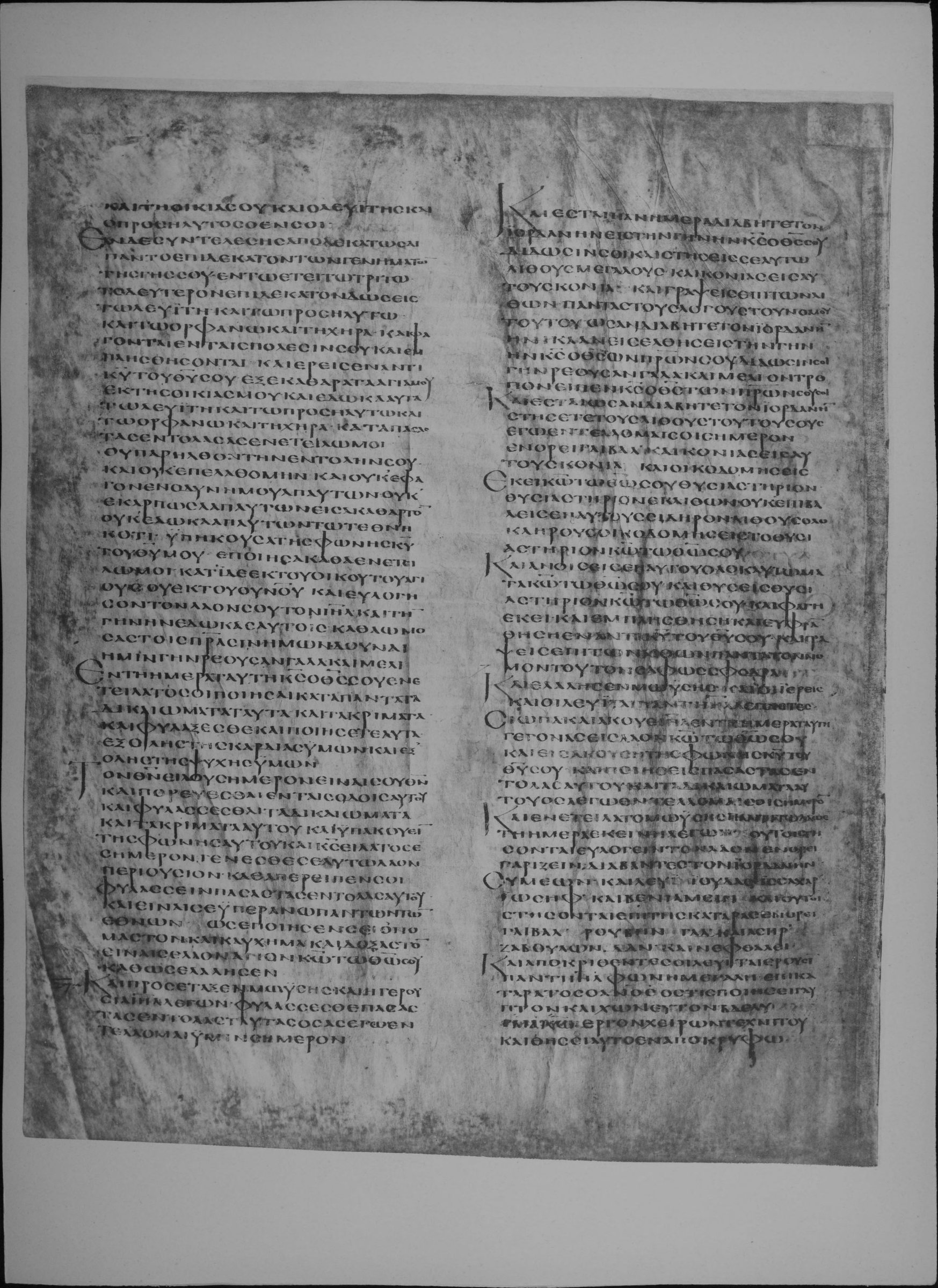
Deuteronomy 27:1-8 is on fol. 118v (full-size facsimile of 1879-83, Internet Archive codex-alexandrinus leaf 257). The 1915 reduced facsimile prints beneath this page: Deut. xxvi. 11-xxvii. 15. Checked on the plate: the page begins inside Deuteronomy 26:11 (first words read: ΚΑΙ Η ΟΙΚΙΑ ΣΟΥ ΚΑΙ Ο ΛΕΥΙΤΗΣ ΚΑΙ Ο ΠΡΟΣΗΛΥΤΟΣ Ο ΕΝ ΣΟΙ ΕΑΝ ΔΕ ΣΥΝΤΕΛΕΣΗΣ).
1Καὶ προσέταξεν Μωυσῆς καὶ ἡ γερουσία Ἰσραηλειτῶν Φυλάσσεσθε πάσας τὰς ἐντολάς ταύτας ὅσας ἐγὼ ἐντέλλομαι ὑμῖν σήμερον. 2καὶ ἔσται ᾗ ἂν ἡμέρᾳ διαβῆτε τὸν Ἰορδάνην εἰς τὴν γῆν ἣν Κύριος ὁ θεός σου δίδωσίν σοι, καὶ στήσεις σεαυτῷ λίθους μεγάλους καὶ κονιάσεις αὐτοὺς κονίᾳ· 3καὶ γράψεις ἐπὶ τῶν λίθων τούτων πάντας τούς λόγους τοῦ νόμου τούτου, ὡς ἂν διαβῆτε τὸν Ἰορδάνην, ἡνίκα ἐὰν εἰσέλθητε εἰς τὴν γῆν ἣν Κύριος ὁ θεὸς τῶν πατέρων σου δίδωσίν σοι, γῆν ῥέουσαν γάλα καὶ μέλι, ὃν τρόπον εἶπεν Κύριος ὁ θεὸς τῶν πατέρων σού σοι. 4καὶ ἔσται ὡς ἂν διαβῆτε τὸν Ἰορδάνην, στήσετε τοὺς λίθους τούτους οὓς ἐγὼ ἐντέλλομαί σοι σήμερον ἐν ὄρει Γαιβάλ, καὶ κονιάσεις αὐτοὺς κονίᾳ. 5καὶ οἰκοδομήσεις ἐκεῖ θυσιαστήριον Κυρίῳ τῷ θεῷ σου, θυσιαστήριον ἐκ λίθων, οὐκ ἐπιβαλεῖς ἐπ᾽ αὐτὸ σίδηρον· 6λίθους ὁλοκλήρους οἰκοδομήσεις θυσιαστήριον Κυρίῳ τῷ θεῷ σου, καὶ ἀνοίσεις ἐπ᾽ αὐτὸ τὰ ὁλοκαυτώματα Κυρίῳ τῷ θεῷ σου· 7καὶ θύσεις ἐκεῖ θυσίαν σωτηρίου, καὶ φάγῃ καὶ ἐμπλησθήσῃ καὶ εὐφρανθήσῃ ἐναντίον Κυρίου τοῦ θεοῦ σου· 8καὶ γράψεις ἐπὶ τῶν λίθων πάντα τὸν νόμον τοῦτον σαφῶς σφόδρα.
1And Moses and the elders of Israel commanded, saying, Keep all these commands, all that I command you this day. 2And it shall come to pass in the day when ye shall cross over Jordan into the land which the Lord thy God gives thee, that thou shalt set up for thyself great stones, and shalt plaster them with plaster. 3And thou shalt write on these stones all the words of this law, as soon as ye have crossed Jordan, when ye are entered into the land, which the Lord God of thy fathers gives thee, a land flowing with milk and honey, according as the Lord God of thy fathers said to thee. 4And it shall be as soon as ye are gone over Jordan, ye shall set up these stones, which I command thee this day, on mount Gæbal, and thou shalt plaster them with plaster. 5And thou shalt build there an altar to the Lord thy God, an altar of stones; thou shalt not lift up iron upon it. 6Of whole stones shalt thou build an altar to the Lord thy God, and thou shalt offer upon it whole-burnt-offerings to the Lord thy God. 7And thou shalt there offer a peace-offering; and thou shalt eat and be filled, and rejoice before the Lord thy God. 8And thou shalt write upon the stones all this law very plainly.
Where on the image
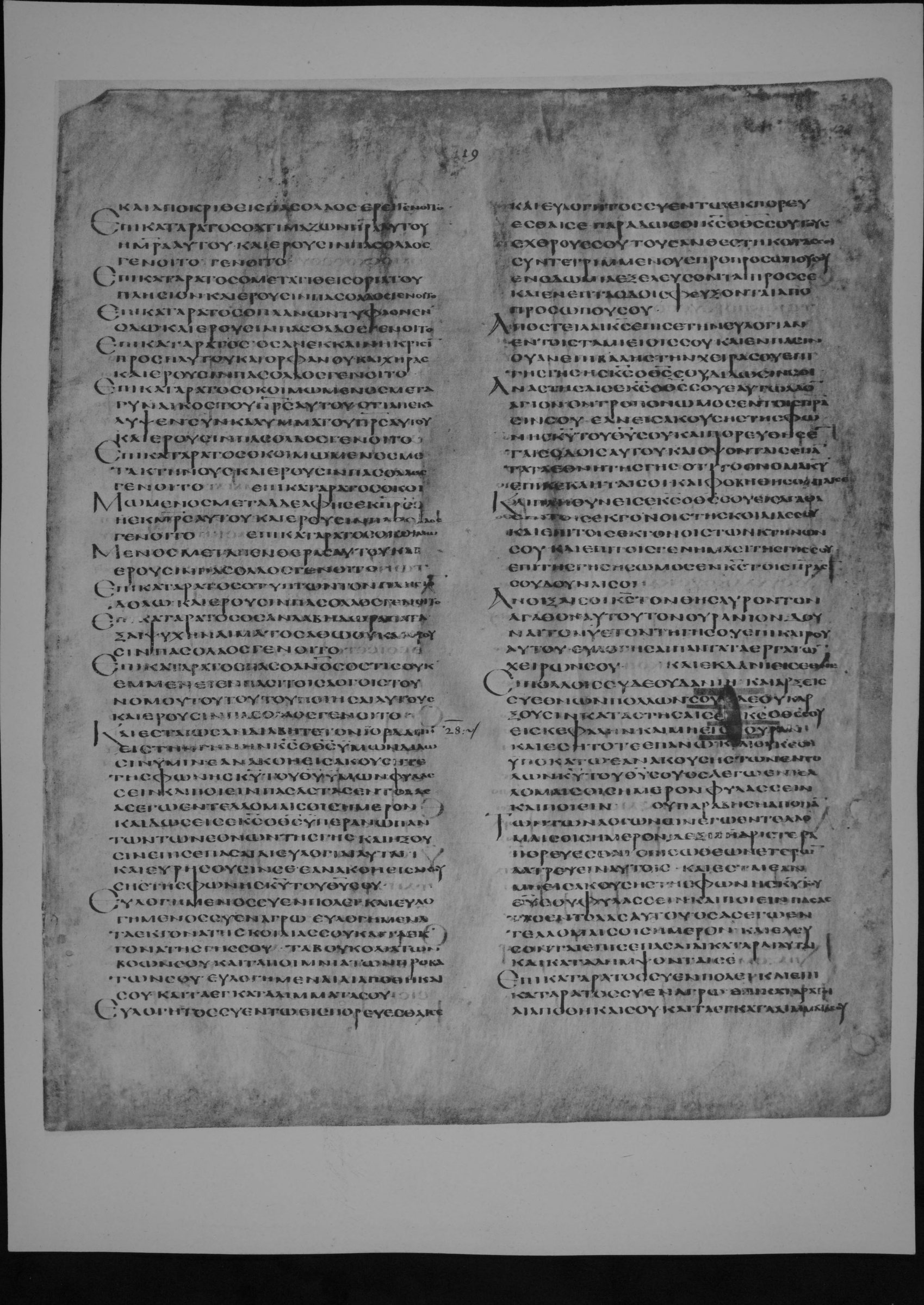
Deuteronomy 27:9-15 is on fol. 118v (full-size facsimile of 1879-83, Internet Archive codex-alexandrinus leaf 257). The 1915 reduced facsimile prints beneath this page: Deut. xxvi. 11-xxvii. 15. Checked on the plate: the page begins inside Deuteronomy 26:11 (first words read: ΚΑΙ Η ΟΙΚΙΑ ΣΟΥ ΚΑΙ Ο ΛΕΥΙΤΗΣ ΚΑΙ Ο ΠΡΟΣΗΛΥΤΟΣ Ο ΕΝ ΣΟΙ ΕΑΝ ΔΕ ΣΥΝΤΕΛΕΣΗΣ). Deuteronomy 27:15-16 is on fol. 119r (full-size facsimile of 1879-83, Internet Archive codex-alexandrinus leaf 258). The 1915 reduced facsimile prints beneath this page: Deut. xxvii. 15-xxviii. 17. Checked on the plate: the page begins inside Deuteronomy 27:15 (first words read: ΚΑΙ ΑΠΟΚΡΙΘΕΙΣ ΠΑΣ Ο ΛΑΟΣ ΕΡΕΙ ΓΕΝΟΙΤΟ ΕΠΙΚΑΤΑΡΑΤΟΣ Ο ΑΤΙΜΑΖΩΝ ΠΑΤΕΡΑ ΑΥΤΟΥ).
9Καὶ ἐλάλησεν Μωυσῆς καὶ οἱ ἱερεῖς οἱ Λευεῖται παντὶ Ἰσραὴλ λέγοντες Σιώπα καὶ ἄκουε, Ἰσραήλ· ἐν τῇ ἡμέρᾳ ταύτῃ γέγονας εἰς λαὸν Κυρίῳ τῷ θεῷ σου. 10καὶ εἰσακούσῃ τῆς φωνῆς Κυρίου τοῦ θεοῦ σου, καὶ ποιήσεις πάσας τὰς ἐντολὰς αὐτοῦ καὶ τὰ δικαιώματα αὐτοῦ ὅσα ἐγὼ ἐντέλλομαί σοι σήμερον. 11Καὶ ἐνετείλατο Μωυσῆς τῷ λαῷ ἐν τῇ ἡμέρᾳ ἐκείνῃ λέγων 12Οὗτοι στήσονται εὐλογεῖν τὸν λαὸν ἐν ὄρει Γαριζείν, διαβάντες τὸν Ἰορδάνην· Συμεών, Λευεί, Ἰουδά, Ἰσσαχάρ, Ἰωσὴφ καὶ Βενιαμείν. 13καὶ οὗτοι στήσονται ἐπὶ τῆς κατάρας ἐν ὄρει Γαιβάλ· Ῥουβήν, Γὰδ καὶ Ἀσήρ, Ζαβουλών, Δὰν καὶ Νεφθαλεί. 14Καὶ ἀποκριθέντες οἱ Λευεῖται ἐροῦσιν παντὶ Ἰσραὴλ φωνῇ μεγάλῃ 15Ἐπικατάρατος ἄνθρωπος ὅστις ποιήσει γλυπτὸν καὶ χωνευτόν, βδέλυγμα Κυρίῳ, ἔργον χειρῶν τεχνιτῶν, καὶ θήσει αὐτὸ ἐν ἀποκρύφῳ. καὶ ἀποκριθεὶς ὁ λαὸς ἐροῦσιν Γένοιτο. 16Ἐπικατάρατος ὁ ἀτιμάζων πατέρα αὐτοῦ ἢ μητέρα αὐτοῦ. καὶ ἐροῦσιν πᾶς ὁ λαός Γένοιτο.
9And Moses and the priests the Levites spoke to all Israel, saying, Be silent and hear, O Israel; this day thou art become a people to the Lord thy God. 10And thou shalt hearken to the voice of the Lord thy God, and shalt do all his commands, and his ordinances, as many as I command thee this day. 11And Moses charged the people on that day, saying, 12These shall stand to bless the people on mount Garizin having gone over Jordan; Symeon, Levi, Judas, Issachar, Joseph, and Benjamin. 13And these shall stand for cursing on mount Gæbal; Ruben, Gad, and Aser, Zabulon, Dan, and Nephthali. 14And the Levites shall answer and say to all Israel with a loud voice, 15Cursed is the man whosoever shall make a graven or molten image, an abomination to the Lord, the work of the hands of craftsmen, and shall put it in a secret place: and all the people shall answer and say, So be it. 16Cursed is the man that dishonours his father or his mother: and all the people shall say, So be it.
Where on the image
Deuteronomy 27:17-26 is on fol. 119r (full-size facsimile of 1879-83, Internet Archive codex-alexandrinus leaf 258). The 1915 reduced facsimile prints beneath this page: Deut. xxvii. 15-xxviii. 17. Checked on the plate: the page begins inside Deuteronomy 27:15 (first words read: ΚΑΙ ΑΠΟΚΡΙΘΕΙΣ ΠΑΣ Ο ΛΑΟΣ ΕΡΕΙ ΓΕΝΟΙΤΟ ΕΠΙΚΑΤΑΡΑΤΟΣ Ο ΑΤΙΜΑΖΩΝ ΠΑΤΕΡΑ ΑΥΤΟΥ).
17Ἐπικατάρατος ὁ μετατιθεὶς ὅρια τοῦ πλησίον. καὶ ἐροῦσιν πᾶς ὁ λαός Γένοιτο. 18Ἐπικατάρατος ὁ πλανῶν τυφλὸν ἐν ὁδῷ. καὶ ἐροῦσιν πᾶς ὁ λαός Γένοιτο. 19Ἐπικατάρατος ὃς ἂν ἐκκλίνῃ κρίσιν προσηλύτου καὶ ὀρφανοῦ καὶ χήρας. καὶ ἐροῦσιν πᾶς ὁ λαός Γένοιτο. 20Ἐπικατάρατος ὁ κοιμώμενος μετὰ γυναικὸς ἐκ πατρὸς αὐτοῦ, ὅτι ἀπεκάλυψεν συνκάλυμμα τοῦ πατρὸς αὐτοῦ. καὶ ἐροῦσιν πᾶς ὁ λαός Γένοιτο. 21Ἐπικατάρατος ὁ κοιμώμενος μετὰ παντὸς κτήνους. καὶ ἐροῦσιν πᾶς ὁ λαός Γένοιτο. 22Ἐπικατάρατος ὁ κοιμώμενος μετὰ ἀδελφῆς πατρὸς ἢ μητρὸς αὐτοῦ. καὶ ἐροῦσιν πᾶς ὁ λαός Γένοιτο. 23Ἐπικατάρατος ὁ κοιμώμενος μετὰ νύμφης αὐτοῦ. καὶ ἐροῦσιν πᾶς ὁ λαός Γένοιτο. Ἐπικατάρατος ὁ κοιμώμενος μετὰ ἀδελφῆς γυναικὸς αὐτοῦ. καὶ ἐροῦσιν πᾶς ὁ λαός Γένοιτο. 24Ἐπικατάρατος ὁ τύπτων τὸν πλησίον αὐτοῦ δόλῳ. καὶ ἐροῦσιν πᾶς ὁ λαός Γένοιτο. 25Ἐπικατάρατος ὃς ἂν λάβῃ δῶρα πατάξαι ψυχὴν αἵματος ἀθῴου. καὶ ἐροῦσιν πᾶς ὁ λαός Γένοιτο. 26Ἐπικατάρατος πᾶς ἄνθρωπος ὃς οὐκ ἐμμένει ἐν πᾶσιν τοῖς λόγοις τοῦ νόμου τούτου ποιῆσαι αὐτούς. καὶ ἐροῦσιν πᾶς ὁ λαός Γένοιτο.
17Cursed is he that removes his neighbour's landmarks: and all the people shall say, So be it. 18Cursed is he that makes the blind to wander in the way: and all the people shall say, So be it. 19Cursed is every one that shall pervert the judgment of the stranger, and orphan, and widow: and all the people shall say, So be it. 20Cursed is he that lies with his father's wife, because he has uncovered his father's skirt: and all the people shall say, So be it. 21Cursed is he that lies with any beast: and all the people shall say, So be it. 22Cursed is he that lies with his sister by his father or his mother: and all the people shall say, So be it. 23Cursed is he that lies with his daughter-in-law: and all the people shall say, So be it. Cursed is he that lies with his wife's sister: and all the people shall say, So be it. 24Cursed is he that smites his neighbour secretly: and all the people shall say, So be it. 25Cursed is he whosoever shall have taken a bribe to slay an innocent man: and all the people shall say, So be it. 26Cursed is every man that continues not in all the words of this law to do them: and all the people shall say, So be it.
Cite
Sources
- Source: Codex Alexandrinus (British Library Royal MS 1 D. V) via the British Museum photographic facsimiles of 1879-83 and 1915 (Internet Archive) + Swete's Septuagint + Brenton's English (holding institution)
- Critical edition: H. B. Swete, The Old Testament in Greek according to the Septuagint (1909)
← previous · → next · v cycle view · l back to library