Exodus, Chapter 18 (Codex Alexandrinus)
Introduction
Exodus 18 in the Greek Old Testament (the Septuagint) as written in Codex Alexandrinus, a Greek Bible copied in the fifth century, probably in Egypt, and now in the British Library (Royal MS 1 D. V, the first of its four volumes). It is one of the three great early codices of the whole Greek Bible, with Codex Vaticanus and Codex Sinaiticus, and for Genesis 1:1-46:28, which Codex Vaticanus has lost, it is the oldest surviving complete Greek text (older papyri such as the Berlin Genesis papyrus and Chester Beatty 961 survive only in part).
This entry meets the strict three-criteria standard of the Theosis Library:
- Manuscript scan: the pages of Codex Alexandrinus carrying this chapter (fol. 44v, fol. 45r, fol. 45v), from the full-size photographic (autotype) facsimile published by the British Museum in 1879-1883, as digitised on the Internet Archive. The verse range of every page comes from the reduced photographic facsimile of 1915, which prints it beneath each plate, and the opening words of every page were read on the plate to confirm the page and the verse it begins with. Each section links to the page or pages that hold its verses. Folio numbers are those written at the head of each leaf and visible on the plates.
- Original text: Swete's edition, which here prints the text of Codex Vaticanus (Vat. gr. 1209), the base of his edition, and gives the readings of Alexandrinus only in his apparatus. The Greek column is therefore Vaticanus' text; where Alexandrinus differs, the plate shows what Alexandrinus reads.
- English translation: Sir Lancelot C. L. Brenton, The Septuagint Version of the Old Testament (1844; 1851 edition), a translation of the Greek, public domain, from the eBible.org text.
How was this verified? (Provenance)
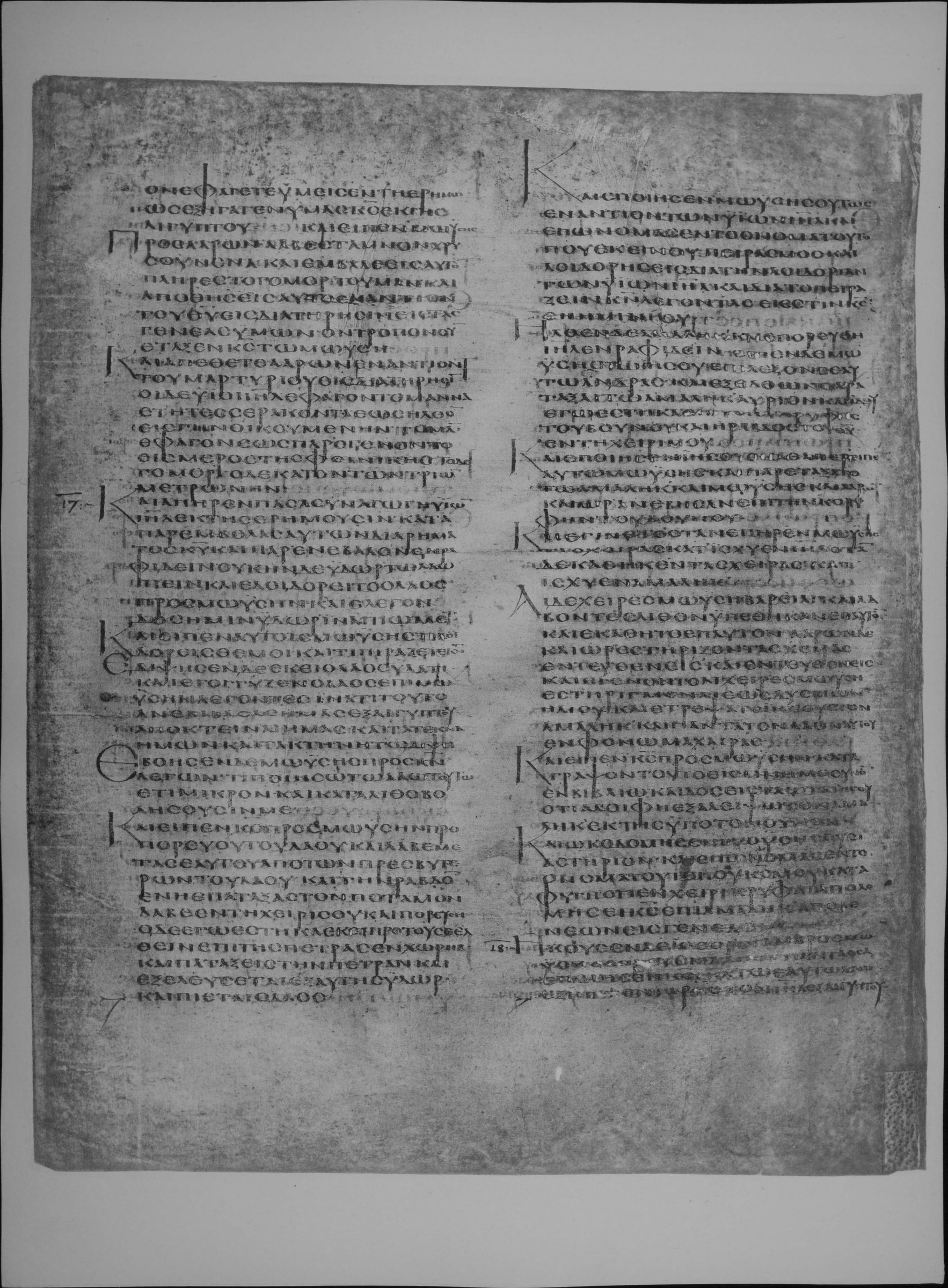
Where on the image
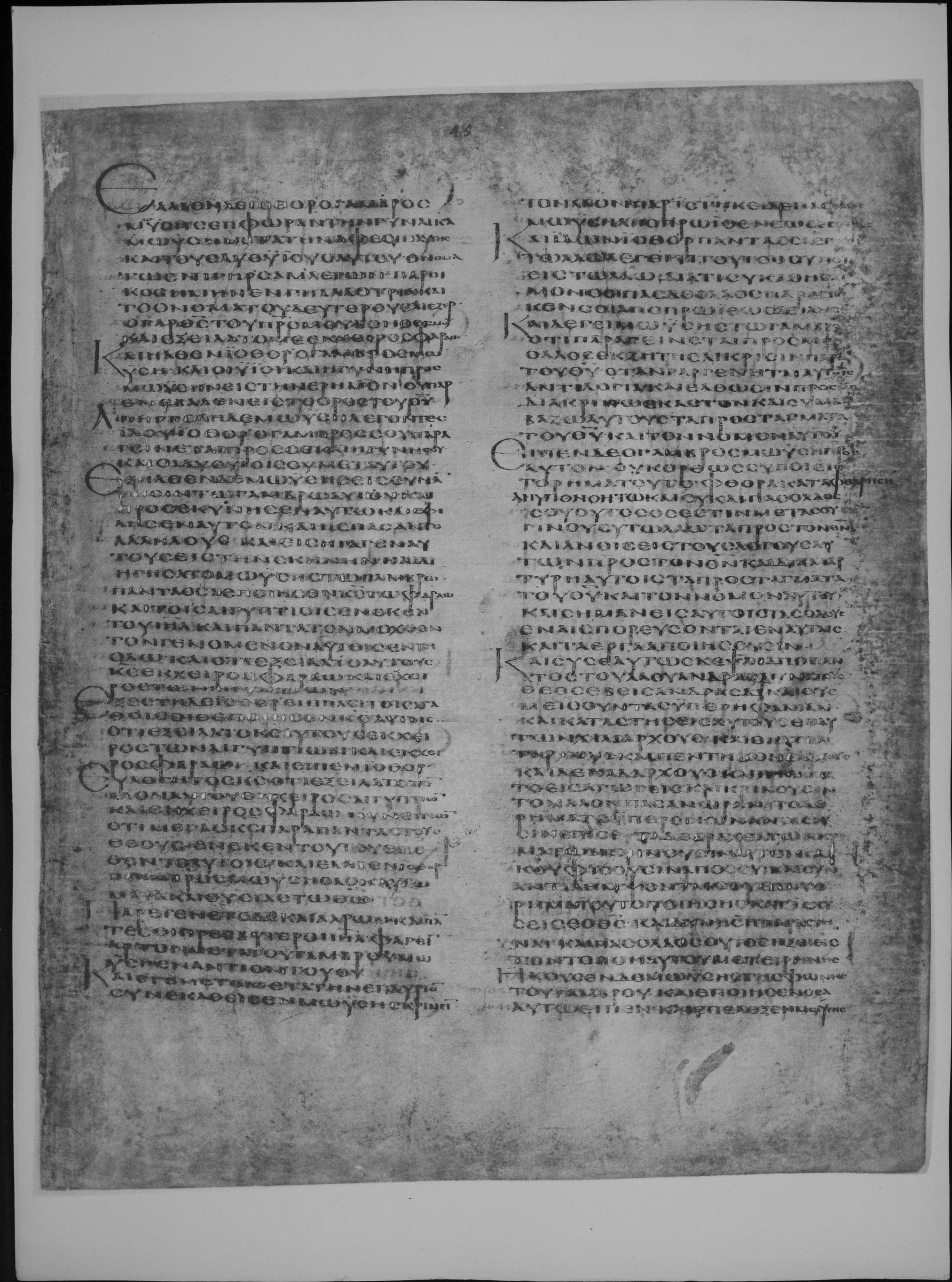
Exodus 18:1 is on fol. 44v (full-size facsimile of 1879-83, Internet Archive codex-alexandrinus leaf 109). The 1915 reduced facsimile prints beneath this page: Exod. xvi. 32-xviii. 1. Checked on the plate: the page begins inside Exodus 16:32 (first words read: ΟΝ ΕΦΑΓΕΤΕ ΥΜΕΙΣ ΕΝ ΤΗ ΕΡΗΜΩ ΩΣ ΕΞΗΓΑΓΕΝ ΥΜΑΣ ΚΣ ΕΚ ΓΗΣ ΑΙΓΥΠΤΟΥ). Exodus 18:2-8 is on fol. 45r (full-size facsimile of 1879-83, Internet Archive codex-alexandrinus leaf 110). The 1915 reduced facsimile prints beneath this page: Exod. xviii. 2-25. Checked on the plate: the page begins at the start of Exodus 18:2 (first words read: ΕΛΑΒΕΝ ΔΕ ΙΟΘΟΡ Ο ΓΑΜΒΡΟΣ ΜΩΥΣΗ ΣΕΠΦΩΡΑΝ ΤΗΝ ΓΥΝΑΙΚΑ).
1Ἤκουσεν δὲ Ἰοθὸρ ὁ ἱερεὺς Μαδιὰμ ὁ γαμβρὸς Μωυσῆ πάντα ὅσα ἐποίησεν Κύριος Ἰσραὴλ τῷ ἑαυτοῦ λαῷ· ἐξήγαγεν γὰρ Κύριος τὸν Ἰσραὴλ ἐξ Αἰγύπτου. 2ἔλαβεν δὲ Ἰοθὸρ ὁ γαμβρὸς Μωυσῆ Σεπφώραν τὴν γυναῖκα Μωυσῆ, μετὰ τὴν ἄφεσιν αὐτῆς, 3καὶ τοὺς δύο υἱοὺς αὐτῆς· ὄνομα τῷ ἑνὶ αὐτῶν Γηρσάμ, λέγων Πάροικος ἤμην ἐν γῇ ἀλλοτρίᾳ· 4καὶ τὸ ὄνομα τοῦ δευτέρου Ἐλιέζερ, λέγων Ὁ γὰρ θεὸς τοῦ πατρός μου βοηθός μου, καὶ ἐξείλατό με ἐκ χειρὸς Φαραώ. 5καὶ ἐξῆλθεν Ἰοθὸρ ὁ γαμβρὸς Μωυσῆ καὶ οἱ υἱοὶ καὶ ἡ γυνὴ πρὸς Μωυσῆν εἰς τὴν ἔρημον, οὗ παρενέβαλεν ἐπ᾽ ὄρους τοῦ θεοῦ. 6ἀνηγγέλη δὲ Μωυσεῖ λέγοντες Ἰδοὺ ὁ γαμβρός σου Ἰοθὸρ παραγίνεται πρὸς σέ, καὶ ἡ γυνὴ καὶ οἱ δύο υἱοί σου μετ᾽ αὐτοῦ. 7ἐξῆλθεν δὲ Μωυσῆς εἰς συνάντησιν τῷ γαμβρῷ, καὶ προσεκύνησεν αὐτῷ καὶ ἐφίλησεν αὐτόν, καὶ ἠσπάσαντο ἀλλήλους· καὶ εἰσήγαγεν αὐτὸν εἰς τὴν σκηνήν. 8καὶ διηγήσατο Μωσῆς τῷ γαμβρῷ πάντα ὅσα ἐποίησεν Κύριος τῷ Φαραὼ καὶ πᾶσι τοῖς Αἰγυπτίοις ἕνεκεν τοῦ Ἰσραήλ, καὶ πάντα τὸν μόχθον τὸν γενόμενον αὐτοῖς ἐν τῇ ὁδῷ, καὶ ὅτι ἐξείλατο αὐτοὺς Κύριος ἐκ χειρὸς Φαραὼ καὶ ἐκ χειρὸς τῶν Αἰγυπτίων.
1And Jothor the priest of Madiam, the father-in-law of Moses, heard of all that the Lord did to his people Israel; for the Lord brought Israel out of Egypt. 2And Jothor the father-in-law of Moses, took Sepphora the wife of Moses after she had been sent away, 3and her two sons: the name of the one was Gersam, his father saying, I was a sojourner in a strange land;— 4and the name of the second Eliezer, saying, For the God of my father is my helper, and he has rescued me out of the hand of Pharao. 5And Jothor the father-in-law of Moses, and his sons and his wife, went forth to Moses into the wilderness, where he encamped on the mount of God. 6And it was told Moses, saying, Behold, thy father-in-law Jothor is coming to thee, and thy wife and two sons with him. 7And Moses went forth to meet his father-in-law, and did him reverence, and kissed him, and they embraced each other, and he brought them into the tent. 8And Moses related to his father-in-law all things that the Lord did to Pharao and all the Egyptians for Israel's sake, and all the labour that had befallen them in the way, and that the Lord had rescued them out of the hand of Pharao, and out of the hand of the Egyptians.
Where on the image
Exodus 18:9-16 is on fol. 45r (full-size facsimile of 1879-83, Internet Archive codex-alexandrinus leaf 110). The 1915 reduced facsimile prints beneath this page: Exod. xviii. 2-25. Checked on the plate: the page begins at the start of Exodus 18:2 (first words read: ΕΛΑΒΕΝ ΔΕ ΙΟΘΟΡ Ο ΓΑΜΒΡΟΣ ΜΩΥΣΗ ΣΕΠΦΩΡΑΝ ΤΗΝ ΓΥΝΑΙΚΑ).
9ἐξέστη δὲ Ἰοθὸρ ἐπὶ πᾶσι τοῖς ἀγαθοῖς οἷς ἐποίησεν αὐτοῖς Κύριος, ὅτι ἐξείλατο αὐτοὺς ἐκ χειρὸς Αἰγυπτίων καὶ ἐκ χειρὸς Φαραώ. 10καὶ εἶπεν Ἰοθόρ Εὐλογητὸς Κύριος, ὅτι ἐξείλατο αὐτοὺς ἐκ χειρὸς Αἰγυπτίων καὶ ἐκ χειρὸς Φαραώ. 11νῦν ἔγνων ὅτι μέγας Κύριος παρὰ πάντας τοὺς θεούς, ἕνεκεν τούτου ὅτι ἐπέθεντο αὐτοῖς. 12καὶ ἔλαβεν Ἰοθὸρ ὁ γαμβρὸς Μωυσῆ ὁλοκαυτώματα καὶ θυσίας τῷ θεῷ· παρεγένετο δὲ Ἀαρὼν καὶ πάντες οἱ πρεσβύτεροι Ἰσραὴλ συνφαγεῖν ἄρτον μετὰ τοῦ γαμβροῦ Μωυσῆ ἐναντίον τοῦ θεοῦ. 13Καὶ ἐγένετο μετὰ τὴν ἐπαύριον συνεκάθισεν Μωυσῆς κρίνειν τὸν λαόν· παριστήκει δὲ πᾶς ὁ λαὸς Μωυσεῖ ἀπὸ πρωίθεν ἕως δείλης. 14καὶ ἰδὼν Ἰοθὸρ πάντα ὅσα ποιεῖ τῷ λαῷ λέγει Τί τοῦτο ὃ σὺ ποιεῖς τῷ λαῷ; διὰ τί σὺ κάθησαι μόνος, πᾶς δὲ ὁ λαὸς παρέστηκέν σοι ἀπὸ πρωίθεν ἕως δείλης; 15καὶ λέγει Μωυσῆς τῷ γαμβρῷ Ὅτι παραγίνεται πρὸς μὲ ὁ λαὸς ἐκζητῆσαι κρίσιν παρὰ τοῦ θεοῦ. 16ὅταν γὰρ γένηται αὐτοῖς ἀντιλογία καὶ ἔλθωσι πρὸς μέ, διακρίνω ἕκαστον, καὶ συμβιβάζω αὐτοὺς τὰ προστάγματα τοῦ θεοῦ καὶ τὸν νόμον αὐτοῦ.
9And Jothor was amazed at all the good things which the Lord did to them, forasmuch as he rescued them out of the hand of the Egyptians and out of the hand of Pharao. 10And Jothor said, Blessed be the Lord, because he has rescued them out of the hand of the Egyptians and out of the hand of Pharao. 11Now know I that the Lord is great above all gods, because of this, wherein they attacked them. 12And Jothor the father-in-law of Moses took whole burnt-offerings and sacrifices for God, for Aaron and all the elders of Israel came to eat bread with the father-in-law of Moses before God. 13And it came to pass after the morrow that Moses sat to judge the people, and all the people stood by Moses from morning till evening. 14And Jothor having seen all that Moses did to the people, says, What is this that thou doest to the people? wherefore sittest thou alone, and all the people stand by thee from morning till evening? 15And Moses says to his father-in-law, Because the people come to me to seek judgment from God. 16For whenever there is a dispute among them, and they come to me, I give judgment upon each, and I teach them the ordinances of God and his law.
Where on the image
Exodus 18:17-24 is on fol. 45r (full-size facsimile of 1879-83, Internet Archive codex-alexandrinus leaf 110). The 1915 reduced facsimile prints beneath this page: Exod. xviii. 2-25. Checked on the plate: the page begins at the start of Exodus 18:2 (first words read: ΕΛΑΒΕΝ ΔΕ ΙΟΘΟΡ Ο ΓΑΜΒΡΟΣ ΜΩΥΣΗ ΣΕΠΦΩΡΑΝ ΤΗΝ ΓΥΝΑΙΚΑ).
17εἶπεν δὲ ὁ γαμβρὸς Μωυσῆ πρὸς αὐτόν 18Οὐκ ὀρθῶς σὺ ποιεῖς τὸ ῥῆμα τοῦτο· φθορᾷ καταφθαρήσῃ ἀνυπομονήτῳ καὶ σὺ καὶ πᾶς ὁ λαὸς ὅς ἐστιν μετὰ σοῦ· βαρύ σοι τὸ ῥῆμα τοῦτο, οὐ δυνήσῃ ποιεῖν μόνος. 19νῦν οὖν ἄκουσόν μου, καὶ συμβουλεύσω σοι, καὶ ἔσται ὁ θεὸς μετὰ σοῦ. γίνου σὺ τῷ λαῷ τὰ πρὸς τὸν θεόν, καὶ ἀνοίσεις τοὺς λόγους αὐτῶν πρὸς τὸν θεόν· 20καὶ διαμαρτυρῇ αὐτοῖς τὰ προστάγματα τοῦ θεοῦ καὶ τὸν νόμον αὐτοῦ, καὶ σημανεῖς αὐτοῖς τὰς ὁδοὺς ἐν αἷς πορεύσονται ἐν αὐταῖς, καὶ τὰ ἔργα ἃ ποιήσουσιν. 21καὶ σὺ σεαυτῷ σκέψαι ἀπὸ παντὸς τοῦ λαοῦ ἄνδρας δυνατούς, θεοσεβεῖς, ἄνδρας δικαίους, μισοῦντας ὑπερηφανίαν, καὶ καταστήσεις ἐπ᾽ αὐτῶν χιλιάρχους καὶ ἑκατοντάρχους καὶ πεντηκοντάρχους καὶ δεκαδάρχους, 22καὶ κρινοῦσιν τὸν λαὸν πᾶσαν ὥραν· τὸ δὲ ῥῆμα τὸ ὑπέρογκον ἀνοίσουσιν ἐπὶ σέ, τὰ δὲ βραχέα τῶν κριμάτων κρινοῦσιν αὐτοί, καὶ κουφιοῦσιν ἀπὸ σοῦ καὶ συναντιλήμψονταί σοι. 23ἐὰν τὸ ῥῆμα τοῦτο ποιήσῃς, κατισχύσει σε ὁ θεὸς καὶ δυνήσῃ παραστῆναι, καὶ πᾶς ὁ λαὸς οὗτος εἰς τὸν ἑαυτοῦ τόπον μετ᾽ εἰρήνης ἥξει. 24ἤκουσεν δὲ Μωυσῆς τῆς φωνῆς τοῦ γαμβροῦ, καὶ ἐποίησεν ὅσα αὐτῷ εἶπεν.
17And the father-in-law of Moses said to him, Thou dost not this thing rightly, 18thou wilt wear away with intolerable weariness, both thou and all this people which is with thee: this thing is hard, thou wilt not be able to endure it thyself alone. 19Now then hearken to me, and I will advise thee, and God shall be with thee: be thou to the people in the things pertaining to God, and thou shalt bring their matters to God. 20And thou shalt testify to them the ordinances of God and his law, and thou shalt shew to them the ways in which they shall walk, and the works which they shall do. 21And do thou look out for thyself out of all the people able men, fearing God, righteous men, hating pride, and thou shalt set over the people captains of thousands and captains of hundreds, and captains of fifties, and captains of tens. 22And they shall judge the people at all times, and the too burdensome matter they shall bring to thee, but they shall judge the smaller cases; so they shall relieve thee and help thee. 23If thou wilt do this thing, God shall strengthen thee, and thou shalt be able to attend, and all this people shall come with peace into their own place. 24And Moses hearkened to the voice of his father-in-law, and did whatsoever he said to him.
Where on the image
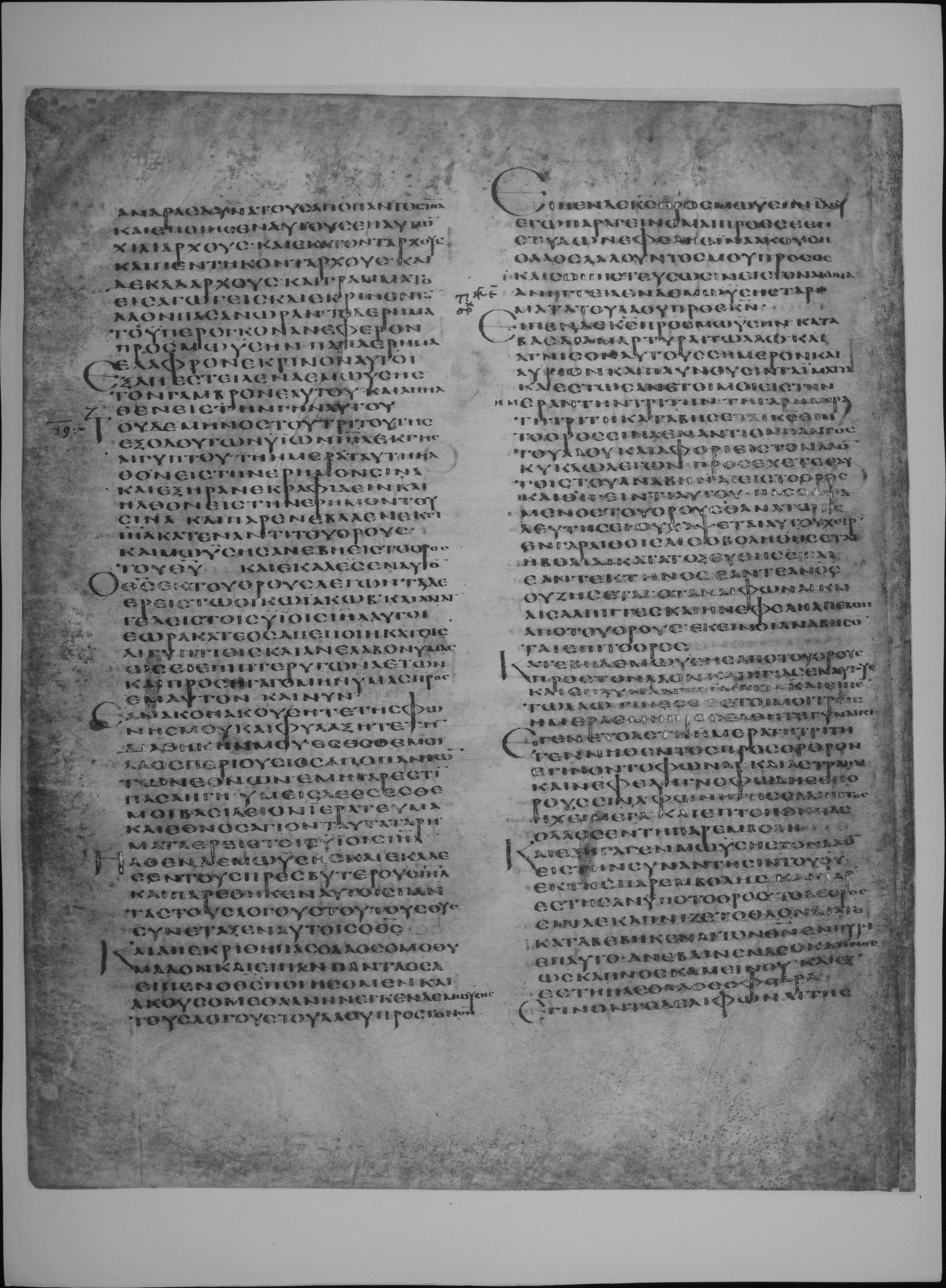
Exodus 18:25 is on fol. 45r (full-size facsimile of 1879-83, Internet Archive codex-alexandrinus leaf 110). The 1915 reduced facsimile prints beneath this page: Exod. xviii. 2-25. Checked on the plate: the page begins at the start of Exodus 18:2 (first words read: ΕΛΑΒΕΝ ΔΕ ΙΟΘΟΡ Ο ΓΑΜΒΡΟΣ ΜΩΥΣΗ ΣΕΠΦΩΡΑΝ ΤΗΝ ΓΥΝΑΙΚΑ). Exodus 18:25-27 is on fol. 45v (full-size facsimile of 1879-83, Internet Archive codex-alexandrinus leaf 111). The 1915 reduced facsimile prints beneath this page: Exod. xviii. 25-xix. 19. Checked on the plate: the page begins inside Exodus 18:25 (first words read: ΑΝΔΡΑΣ ΔΥΝΑΤΟΥΣ ΑΠΟ ΠΑΝΤΟΣ ΙΣΡΑΗΛ ΚΑΙ ΕΠΟΙΗΣΕΝ ΑΥΤΟΥΣ ΕΠ ΑΥΤΩΝ ΧΙΛΙΑΡΧΟΥΣ).
25καὶ ἐπέλεξεν Μωσῆς ἄνδρας δυνατοὺς ἀπὸ παντὸς Ἰσραήλ, καὶ ἐποίησεν αὐτοὺς ἐπ᾽ αὐτῶν χιλιάρχους καὶ ἑκατοντάρχους καὶ πεντηκοντάρχους καὶ δεκαδάρχους, 26καὶ ἐκρίνοσαν τὸν λαὸν πᾶσαν ὥραν· πᾶν δὲ ῥῆμα ὑπέρογκον ἀνεφέροσαν ἐπὶ Μωυσῆν, πᾶν δὲ ῥῆμα ἐλαφρὸν ἐκρίνοσαν αὐτοί. 27ἐξαπέστειλεν δὲ Μωυσῆς τὸν ἑαυτοῦ γαμβρόν, καὶ ἀπῆλθεν εἰς τὴν γῆν αὐτοῦ.
25And Moses chose out able men out of all Israel, and he made them captains of thousands and captains of hundreds, and captains of fifties and captains of tens over the people. 26And they judged the people at all times; and every too burdensome matter they brought to Moses, but every light matter they judged themselves. 27And Moses dismissed his father-in-law, and he returned to his own land.
Cite
Sources
- Source: Codex Alexandrinus (British Library Royal MS 1 D. V) via the British Museum photographic facsimiles of 1879-83 and 1915 (Internet Archive) + Swete's Septuagint + Brenton's English (holding institution)
- Critical edition: H. B. Swete, The Old Testament in Greek according to the Septuagint (1909)
← previous · → next · v cycle view · l back to library