Isaiah, Chapter 58 (Codex Alexandrinus)
Introduction
Isaiah 58 in the Greek Old Testament (the Septuagint) as written in Codex Alexandrinus, a Greek Bible copied in the fifth century, probably in Egypt, and now in the British Library (Royal MS 1 D. VI, the second of its four volumes). It is one of the three great early codices of the whole Greek Bible, with Codex Vaticanus and Codex Sinaiticus.
This entry meets the strict three-criteria standard of the Theosis Library:
- Manuscript scan: the pages of Codex Alexandrinus carrying this chapter (fol. 326v, fol. 327r), from the full-size photographic (autotype) facsimile published by the British Museum in 1879-1883, as digitised on the Internet Archive. The verse range of every page comes from the reduced photographic facsimile of 1936, which prints it beneath each plate, and the opening words of every page were read on the plate to confirm the page and the verse it begins with. Each section links to the page or pages that hold its verses. Folio numbers are those written at the head of each leaf and visible on the plates.
- Original text: Swete's edition, which here prints the text of Codex Vaticanus (Vat. gr. 1209), the base of his edition, and gives the readings of Alexandrinus only in his apparatus. The Greek column is therefore Vaticanus' text; where Alexandrinus differs, the plate shows what Alexandrinus reads.
- English translation: Sir Lancelot C. L. Brenton, The Septuagint Version of the Old Testament (1844; 1851 edition), a translation of the Greek, public domain, from the eBible.org text.
How was this verified? (Provenance)
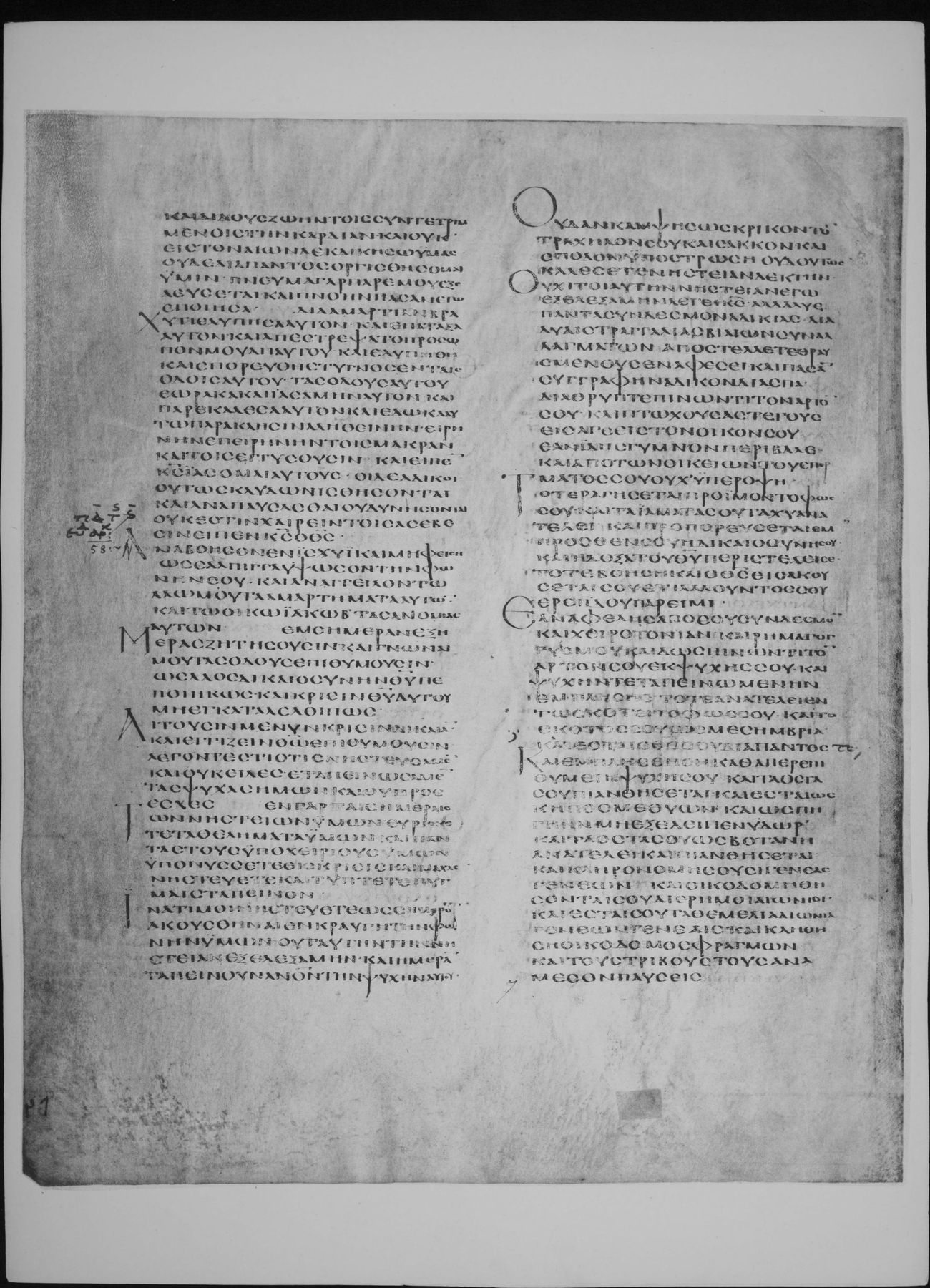
Where on the image
Isaiah 58:1-8 is on fol. 326v (full-size facsimile of 1879-83, Internet Archive codex-alexandrinus leaf 677). The 1936 reduced facsimile prints beneath this page: Is. lvii. 15-lviii. 12. Checked on the plate: the page begins inside Isaiah 57:15 (first words read: ΚΑΙ ΔΙΔΟΥΣ ΖΩΗΝ ΤΟΙΣ ΣΥΝΤΕΤΡΙΜΜΕΝΟΙΣ ΤΗΝ ΚΑΡΔΙΑΝ ΟΥ ΓΑΡ ΕΙΣ ΤΟΝ ΑΙΩΝΑ ΕΚΔΙΚΗΣΩ).
1Ἀναβόησον ἐν ἰσχύι καὶ μὴ φείσῃ, ὡς σάλπιγγι ὕψωσον τὴν φωνήν σου, καὶ ἀνάγγειλον τῷ λαῷ μου τὰ ἁμαρτήματα αὐτῶν καὶ τῷ οἴκῳ Ἰακὼβ τὰς ἀνομίας αὐτῶν. 2ἐμὲ ἡμέραν ἐξ ἡμέρας ζητοῦσιν, καὶ γνῶναί μου τὰς ὁδοὺς ἐπιθυμοῦσιν, ὡς λαὸς δικαιοσύνην πεποιηκὼς καὶ κρίσιν θεοῦ αὐτοῦ μὴ ἐγκαταλελοιπώς· αἰτοῦσίν με νῦν κρίσιν δικαίαν, καὶ ἐγγίζειν θεῷ ἐπιθυμοῦσιν 3λέγοντες Τί ὅτι ἐνηστεύσαμεν καὶ οὐκ εἶδες; ἐταπεινώσαμεν τὰς ψυχὰς ἡμῶν καὶ οὐκ ἔγνως; ἐν γὰρ ταῖς ἡμέραις τῶν νηστειῶν ὑμῶν εὑρίσκετε τὰ θελήματα ὑμῶν, καὶ πάντας τοὺς ὑποχειρίους ὑμῶν ὑπονύσσετε. 4εἰ εἰς κρίσεις καὶ μάχας νηστεύετε καὶ τύπτετε πυγμαῖς ταπεινόν, ἵνα τί μοι νηστεύετε ὡς σήμερον, ἀκουσθῆναι ἐν κραυγῇ τὴν φωνὴν ὑμῶν; 5οὐ ταύτην τὴν νηστείαν ἐξελεξάμην, καὶ ἡμέραν ταπεινοῦν ἄνθρωπον τὴν ψυχὴν αὐτοῦ· οὐδ᾽ ἂν κάμψῃς ὡς κρίκον τὸν τράχηλόν σου, καὶ σάκκον καὶ σποδὸν ὑποστρώσῃ, οὐδ᾽ οὕτως καλέσετε νηστείαν δεκτήν. 6οὐχὶ τοιαύτην νηστείαν ἐγὼ ἐξελεξάμην, λέγει Κύριος, ἀλλὰ λῦε πάντα σύνδεσμον ἀδικίας, διάλυε στραγγαλιὰς βιαίων συναλλαγμάτων, ἀπόστελλε τεθραυσμένους ἐν ἀφέσει, καὶ πᾶσαν συνγραφὴν ἄδικον διάσπα. 7διάθρυπτε πεινῶντι τὸν ἄρτον σου, καὶ πτωχοὺς ἀστέγους εἴσαγε εἰς τὸν οἶκόν σου· ἐὰν ἴδῃς γυμνόν, περίβαλε, καὶ ἀπὸ τῶν οἰκείων τοῦ σπέρματός σου οὐχ ὑπερόψῃ. 8τότε ῥαγήσεται πρόιμον τὸ φῶς σου, καὶ τὰ ἰάματά σου ταχὺ ἀνατελεῖ, καὶ προπορεύσεται ἔμπροσθέν σου ἡ δικαιοσύνη σου, καὶ ἡ δόξα τοῦ θεοῦ περιστελεῖ σε·
1Cry aloud, and spare not; lift up thy voice as with a trumpet, and declare to my people their sins, and to the house of Jacob their iniquities. 2They seek me day by day, and desire to know my ways, as a people that had done righteousness, and had not forsaken the judgment of their God: they now ask of me righteous judgment, and desire to draw nigh to God, 3saying, Why have we fasted, and thou regardest not? why have we afflicted our souls, and thou didst not know it? 4If ye fast for quarrels and strifes, and smite the lowly with your fists, wherefore do ye fast to me as ye do this day, so that your voice may be heard in crying? 5I have not chosen this fast, nor such a day for a man to afflict his soul; neither though thou shouldest bend down thy neck as a ring, and spread under thee sackcloth and ashes, neither thus shall ye call a fast acceptable. 6I have not chosen such a fast, saith the Lord; but do thou loose every burden of iniquity, do thou untie the knots of hard bargains, set the bruised free, and cancel every unjust account. 7Break thy bread to the hungry, and lead the unsheltered poor to thy house: if thou seest one naked, clothe him, and thou shalt not disregard the relations of thine own seed. 8Then shall thy light break forth as the morning, and thy health shall speedily spring forth: and thy righteousness shall go before thee, and the glory of God shall compass thee.
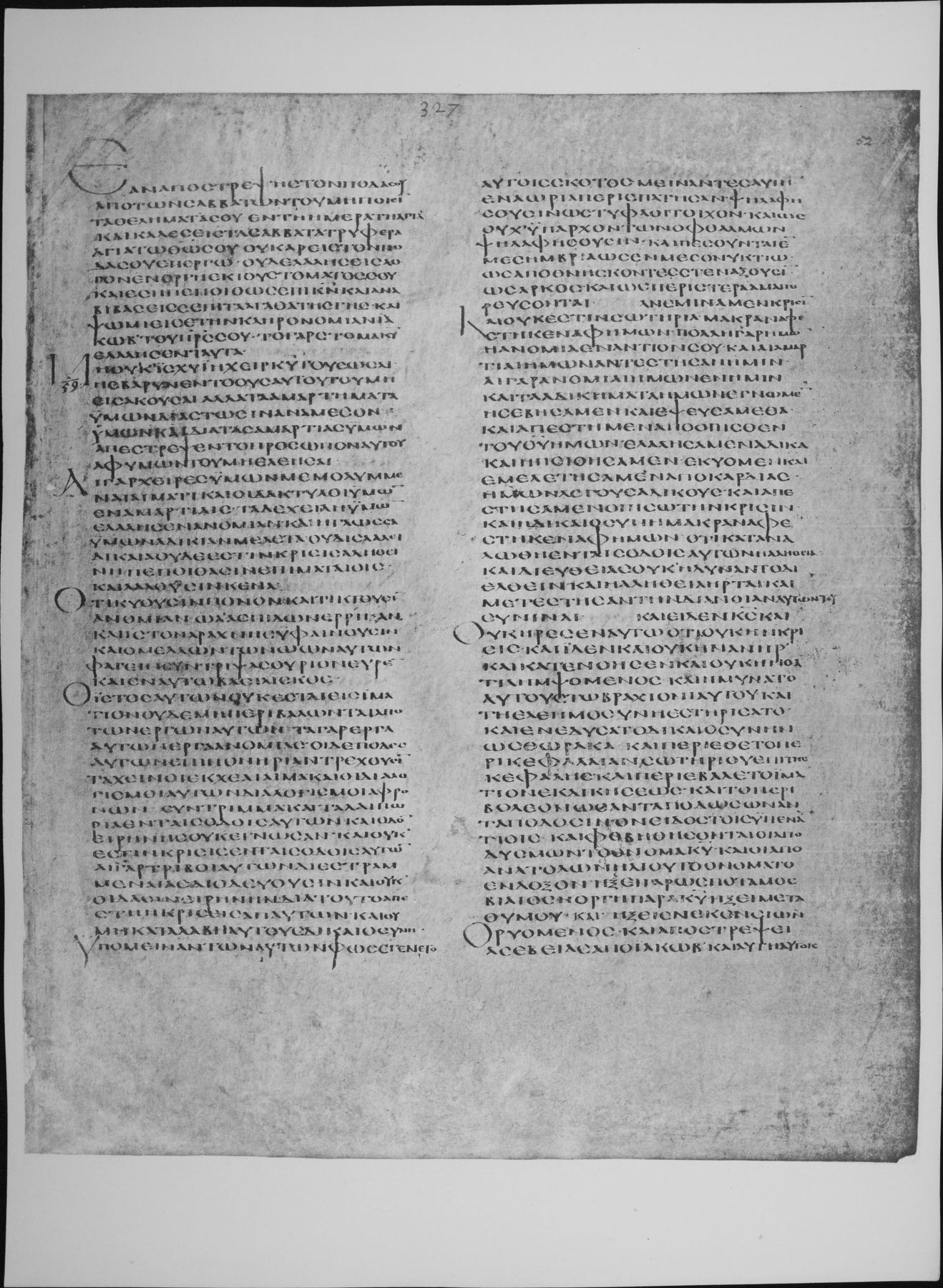
Where on the image
Isaiah 58:9-12 is on fol. 326v (full-size facsimile of 1879-83, Internet Archive codex-alexandrinus leaf 677). The 1936 reduced facsimile prints beneath this page: Is. lvii. 15-lviii. 12. Checked on the plate: the page begins inside Isaiah 57:15 (first words read: ΚΑΙ ΔΙΔΟΥΣ ΖΩΗΝ ΤΟΙΣ ΣΥΝΤΕΤΡΙΜΜΕΝΟΙΣ ΤΗΝ ΚΑΡΔΙΑΝ ΟΥ ΓΑΡ ΕΙΣ ΤΟΝ ΑΙΩΝΑ ΕΚΔΙΚΗΣΩ). Isaiah 58:13-14 is on fol. 327r (full-size facsimile of 1879-83, Internet Archive codex-alexandrinus leaf 678). The 1936 reduced facsimile prints beneath this page: (caption not legible in the scan; range bounded by the captions of leaves 105 and 107). Checked on the plate: the page begins at the start of Isaiah 58:13 (first words read: ΕΑΝ ΑΠΟΣΤΡΕΨΗΣ ΤΟΝ ΠΟΔΑ ΣΟΥ ΑΠΟ ΤΩΝ ΣΑΒΒΑΤΩΝ ΤΟΥ ΜΗ ΠΟΙΕΙΝ ΤΑ ΘΕΛΗΜΑΤΑ ΣΟΥ).
9τότε βοήσῃ, καὶ ὁ θεὸς εἰσακούσεταί σου, ἔτι λαλοῦντός σου ἐρεῖ Ἰδοὺ πάρειμι. ἐὰν ἀφέλῃς ἀπὸ σοῦ σύνδεσμον καὶ χειροτονίαν καὶ ῥῆμα γογγυσμοῦ, 10καὶ δῷς πεινῶντι τὸν ἄρτον ἐκ ψυχῆς σου, καὶ ψυχὴν τεταπεινωμένην ἐμπλήσῃς, τότε ἀνατελεῖ ἐν τῷ σκότει τὸ φῶς σου, καὶ τὸ σκότος σου ὡς μεσημβρία, 11καὶ ἔσται ὁ θεός σου μετὰ σοῦ διὰ παντός· καὶ ἐμπλησθήσῃ καθάπερ ἐπιθυμεῖ ἡ ψυχή σου, καὶ τὰ ὀστᾶ σου πιανθήσεται, καὶ ἔσται ὡς κῆπος μεθύων καὶ ὡς πηγὴ ἣν μὴ ἐξέλιπεν ὕδωρ· 12καὶ οἰκοδομηθήσονταί σου αἱ ἔρημοι αἰώνιοι, καὶ ἔσται τὰ θεμέλιά σου αἰώνια γενεῶν γενεαῖς· καὶ κληθήσῃ Οἰκοδόμος φραγμῶν, καὶ τοὺς τρίβους σου ἀνὰ μέσον παύσεις. 13ἐὰν ἀποστρέψῃς ἀπὸ τῶν σαββάτων τὸν πόδα σου τοῦ μὴ ποιεῖν τὰ θελήματά σου ἐν τῇ ἡμέρᾳ τῇ ἁγίᾳ, καὶ καλέσεις τὰ σάββατα τρυφερά, ἅγια τῷ θεῷ, οὐκ ἀρεῖς τὸν πόδα σου ἐπ᾽ ἔργῳ, οὐδὲ λαλήσεις λόγον ἐν ὀργῇ ἐκ τοῦ στόματός σου, 14καὶ ἔσῃ πεποιθὼς ἐπὶ Κύριον, καὶ ἀναβιβάσει σε ἐπὶ τὰ ἀγαθὰ τῆς γῆς, καὶ ψωμιεῖ σε τὴν κληρονομίαν Ἰακὼβ τοῦ πατρός σου· τὸ γὰρ στόμα Κυρίου ἐλάλησεν ταῦτα.
9Then shalt thou cry, and God shall hearken to thee; while thou art yet speaking he will say, Behold, I am here. If thou remove from thee the band, and the stretching forth of the hands, and murmuring speech; 10and if thou give bread to the hungry from thy heart, and satisfy the afflicted soul; then shall thy light spring up in darkness, and thy darkness shall be as noon-day: 11and thy God shall be with thee continually, and thou shalt be satisfied according as thy soul desires; and thy bones shall be made fat, and shall be as a well-watered garden, and as a fountain from which the water has not failed. 12And thy old waste desert places shall be built up, and thy foundations shall last through all generations; and thou shalt be called a repairer of breaches, and thou shalt cause thy paths between to be in peace. 13If thou turn away thy foot from the sabbath, so as not to do thy pleasure on the holy days, and shalt call the sabbaths delightful, holy to God; if thou shalt not lift up thy foot to work, nor speak a word in anger out of thy mouth, 14then shalt thou trust on the Lord; and he shall bring thee up to the good places of the land, and feed thee with the heritage of Jacob thy father: for the mouth of the Lord has spoken this.
Cite
Sources
- Source: Codex Alexandrinus (British Library Royal MS 1 D. VI) via the British Museum photographic facsimiles of 1879-83 and 1936 (Internet Archive) + Swete's Septuagint + Brenton's English (holding institution)
- Critical edition: H. B. Swete, The Old Testament in Greek according to the Septuagint (1909)
← previous · → next · v cycle view · l back to library