Leviticus, Chapter 10 (Codex Alexandrinus)
Introduction
Leviticus 10 in the Greek Old Testament (the Septuagint) as written in Codex Alexandrinus, a Greek Bible copied in the fifth century, probably in Egypt, and now in the British Library (Royal MS 1 D. V, the first of its four volumes). It is one of the three great early codices of the whole Greek Bible, with Codex Vaticanus and Codex Sinaiticus, and for Genesis 1:1-46:28, which Codex Vaticanus has lost, it is the oldest surviving complete Greek text (older papyri such as the Berlin Genesis papyrus and Chester Beatty 961 survive only in part).
This entry meets the strict three-criteria standard of the Theosis Library:
- Manuscript scan: the pages of Codex Alexandrinus carrying this chapter (fol. 64v, fol. 65r), from the full-size photographic (autotype) facsimile published by the British Museum in 1879-1883, as digitised on the Internet Archive. The verse range of every page comes from the reduced photographic facsimile of 1915, which prints it beneath each plate, and the opening words of every page were read on the plate to confirm the page and the verse it begins with. Each section links to the page or pages that hold its verses. Folio numbers are those written at the head of each leaf and visible on the plates.
- Original text: Swete's edition, which here prints the text of Codex Vaticanus (Vat. gr. 1209), the base of his edition, and gives the readings of Alexandrinus only in his apparatus. The Greek column is therefore Vaticanus' text; where Alexandrinus differs, the plate shows what Alexandrinus reads.
- English translation: Sir Lancelot C. L. Brenton, The Septuagint Version of the Old Testament (1844; 1851 edition), a translation of the Greek, public domain, from the eBible.org text.
How was this verified? (Provenance)
Where on the image
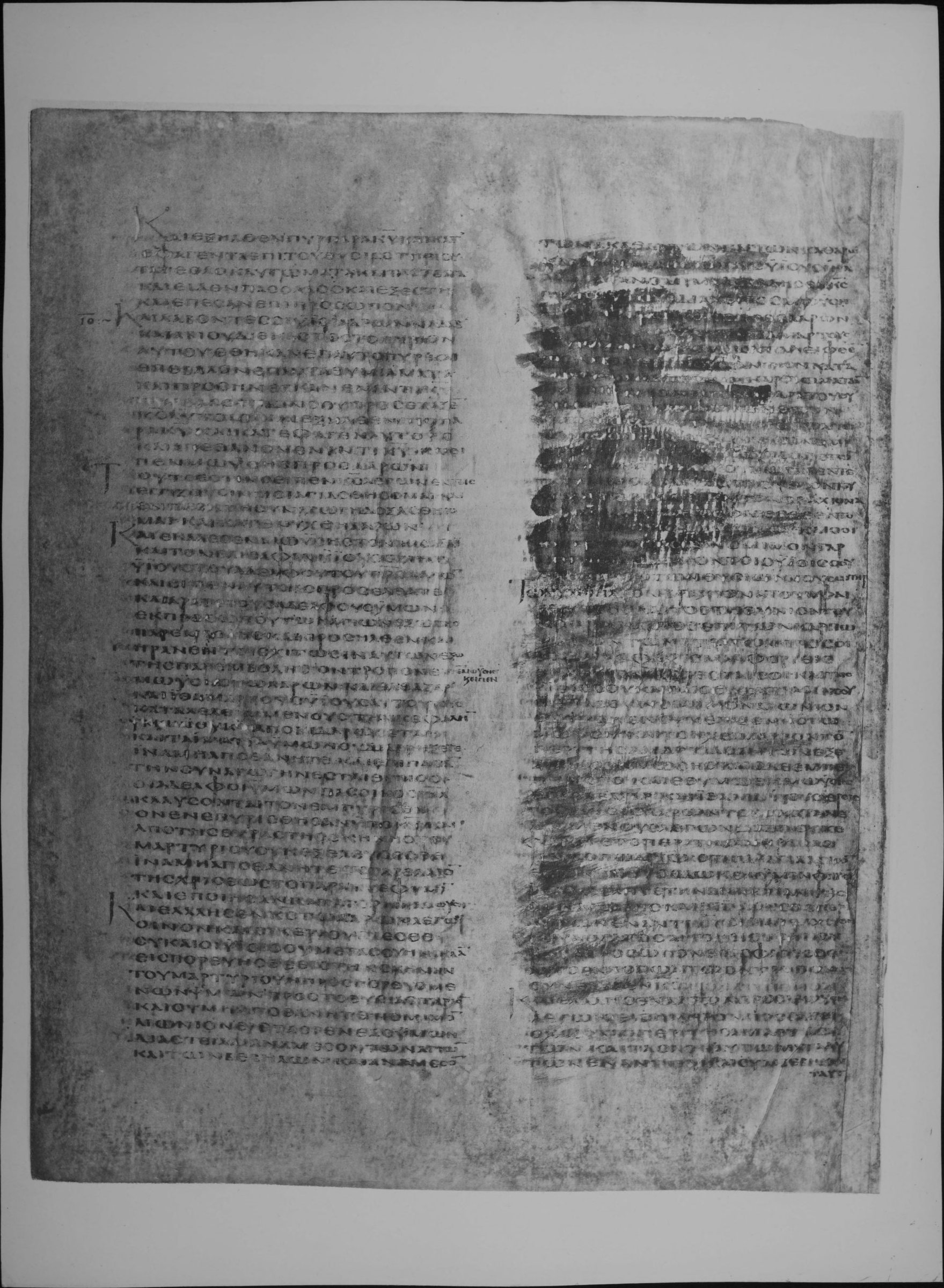
Leviticus 10:1-8 is on fol. 64v (full-size facsimile of 1879-83, Internet Archive codex-alexandrinus leaf 149). The 1915 reduced facsimile prints beneath this page: Levit. ix. 24-x. 19. Checked on the plate: the page begins at the start of Leviticus 9:24 (first words read: ΚΑΙ ΕΞΗΛΘΕΝ ΠΥΡ ΠΑΡΑ ΚΥ ΚΑΙ ΚΑΤΕΦΑΓΕΝ ΤΑ ΕΠΙ ΤΟΥ ΘΥΣΙΑΣΤΗΡΙΟΥ).
1Καὶ λαβόντες οἱ δύο υἱοὶ Ἀαρὼν Ναδὰβ καὶ Ἀβιοὺδ ἕκαστος τὸ πυρεῖον αὐτοῦ ἐπέθηκαν ἐπ᾽ αὐτὸ πῦρ καὶ ἐπέβαλον ἐπ᾽ αὐτὸ θυμίαμα, καὶ προσήνεγκαν ἔναντι Κυρίου πῦρ ἀλλότριον ὃ οὐ προσέταξεν κύριος αὐτοῖς. 2καὶ ἐξῆλθεν πῦρ παρὰ Κυρίου καὶ κατέφαγεν αὐτούς, καὶ ἀπέθανον ἔναντι Κυρίου. 3καὶ εἶπεν Μωυσῆς πρὸς Ἀαρών Τοῦτό ἐστιν ὃ εἶπεν Κύριος λέγων Ἐν τοῖς ἐγγίζουσίν μοι ἁγιασθήσομαι, καὶ ἐν πάσῃ συναγωγῇ δοξασθήσομαι· καὶ κατενύχθη Ἀαρών. 4καὶ ἐκάλεσεν Μωυσῆς τὸν Μισαδαὶ καὶ τὸν Ἐλισαφάν, υἱοὺς Ἀζιήλ, υἱοὺς τοῦ ἀδελφοῦ τοῦ πατρὸς Ἀαρών, καὶ εἶπεν αὐτοῖς Προσέλθατε καὶ ἄρατε τοὺς ἀδελφοὺς ὑμῶν ἐκ προσώπου τῶν ἁγίων ἔξω τῆς παρεμβολῆς. 5καὶ προσῆλθον καὶ ἦραν ἐν τοῖς χιτῶσιν αὐτῶν ἔξω τῆς παρεμβολῆς, ὃν τρόπον εἶπεν Μωυσῆς. 6καὶ εἶπεν Μωσῆς πρὸς Ἀαρὼν καὶ Ἐλεαζὰρ καὶ Ἰθαμὰρ τοὺς υἱοὺς αὐτοῦ τοὺς καταλελιμμένους Τὴν κεφαλὴν ὑμῶν οὐκ ἀποκιδαρώσετε καὶ τὰ ἱμάτια ὑμῶν οὐ διαρρήξετε, ἵνα μὴ ἀποθάνητε καὶ ἐπὶ πᾶσαν τὴν συναγωγὴν ἔσται θυμός· οἱ ἀδελφοὶ ὑμῶν πᾶς ὁ οἶκος Ἰσραὴλ κλαύσονται τὸν ἐνπυρισμὸν ὃν ἐνεπυρίσθησαν ὑπὸ Κυρίου. 7καὶ ἀπὸ τῆς θύρας τῆς σκηνῆς τοῦ μαρτυρίου οὐκ ἐξελεύσεσθε, ἵνα μὴ ἀποθάνητε· τὸ γὰρ ἔλαιον τῆς χρίσεως τὸ παρὰ Κυρίου ἐφ᾽ ὑμῖν. καὶ ἐποίησαν κατὰ τὸ ῥῆμα Μωσῆ. 8Καὶ ἐλάλησεν Κύριος τῷ Ἀαρὼν λέγων
1And the two sons of Aaron, Nadab and Abiud, took each his censer, and put fire therein, and threw incense thereon, and offered strange fire before the Lord, which the Lord did not command them, 2and fire came forth from the Lord, and devoured them, and they died before the Lord. 3And Moses said to Aaron, This is the thing which the Lord spoke, saying, I will be sanctified among them that draw nigh to me, and I will be glorified in the whole congregation; and Aaron was pricked in his heart. 4And Moses called Misadaë, and Elisaphan, sons of Oziel, sons of the brother of Aaron's father, and said to them, Draw near and take your brethren from before the sanctuary out of the camp. 5And they came near and took them in their coats out of the camp, as Moses said. 6And Moses said to Aaron, and Eleazar and Ithamar his sons that were left, Ye shall not make bare your heads, and ye shall not tear your garments; that ye die not, and so there should be wrath on all the congregation: but your brethren, even all the house of Israel, shall lament for the burning, with which they were burnt by the Lord. 7And ye shall not go forth from the door of the tabernacle of witness, that ye die not; for the Lord's anointing oil is upon you: and they did according to the word of Moses. 8And the Lord spoke to Aaron, saying,
Where on the image
Leviticus 10:9-16 is on fol. 64v (full-size facsimile of 1879-83, Internet Archive codex-alexandrinus leaf 149). The 1915 reduced facsimile prints beneath this page: Levit. ix. 24-x. 19. Checked on the plate: the page begins at the start of Leviticus 9:24 (first words read: ΚΑΙ ΕΞΗΛΘΕΝ ΠΥΡ ΠΑΡΑ ΚΥ ΚΑΙ ΚΑΤΕΦΑΓΕΝ ΤΑ ΕΠΙ ΤΟΥ ΘΥΣΙΑΣΤΗΡΙΟΥ).
9Οἶνον καὶ σίκερα οὐ πίεσθε, σὺ καὶ οἱ υἱοί σου μετὰ σοῦ, ἡνίκα ἂν εἰσπορεύησθε εἰς τὴν σκηνὴν τοῦ μαρτυρίου, ἢ προσπορευομένων ὑμῶν πρὸς τὸ θυσιαστήριον, καὶ οὐ μὴ ἀποθάνητε· νόμιμον αἰώνιον εἰς τὰς γενεὰς ὑμῶν· 10διαστεῖλαι ἀνὰ μέσον τῶν ἁγίων καὶ τῶν βεβήλων, καὶ ἀνὰ μέσον τῶν ἀκαθάρτων καὶ τῶν καθαρῶν. 11καὶ συμβιβάσεις τοὺς υἱοὺς Ἰσραὴλ πάντα τὰ νόμιμα ἃ ἐλάλησεν Κύριος πρὸς αὐτοὺς διὰ χειρὸς Μωσῆ. 12Καὶ εἶπεν Μωυσῆς πρὸς Ἀαρὼν καὶ πρὸς Ἐλεαζὰρ καὶ Ἰθαμὰρ τοὺς υἱοὺς Ἀαρὼν τοὺς καταλειφθέντας Λάβετε τὴν θυσίαν τὴν καταλειφθεῖσαν ἀπὸ τῶν καρπωμάτων Κυρίου, καὶ φάγεσθε ἄζυμα παρὰ τὸ θυσιαστήριον· ἅγια ἁγίων ἐστίν. 13καὶ φάγεσθε αὐτὴν ἐν τόπῳ ἁγίῳ· νόμιμον αἰώνιον γάρ σοί ἐστιν καὶ νόμιμον τοῖς υἱοῖς σου τοῦτο ἀπὸ τῶν καρπωμάτων Κυρίου· οὕτω γὰρ ἐντέταλταί μοι. 14καὶ τὸ στηθύνιον τοῦ ἀφορίσματος καὶ τὸν βραχίονα τοῦ ἀφαιρέματος φάγεσθε ἐν τόπῳ ἁγίῳ, σὺ καὶ οἱ υἱοί σου καὶ ὁ οἶκός σου μετὰ σοῦ· νόμιμον γὰρ σοὶ καὶ νόμιμον τοῖς υἱοῖς σου ἐδόθη ἀπὸ τῶν θυσιῶν τοῦ σωτηρίου τῶν υἱῶν Ἰσραήλ. 15τὸν βραχίονα τοῦ ἀφαιρέματος καὶ τὸ στηθύνιον τοῦ ἀφορίσματος ἐπὶ τῶν καρπωμάτων τῶν στεάτων προσοίσουσιν, ἀφόρισμα ἀφορίσαι ἔναντι Κυρίου· καὶ ἔσται σοὶ καὶ τοῖς υἱοῖς σου καὶ ταῖς θυγατράσιν σου μετὰ σοῦ νόμιμον αἰώνιον, ὃν τρόπον συνέταξεν Κύριος τῷ Μωυσῇ. 16Καὶ τὸν χίμαρον τὸν περὶ τῆς ἁμαρτίας ζητῶν ἐξεζήτησεν Μωσῆς, καὶ ὅδε ἐνπεπύριστο· καὶ ἐθυμώθη Μωσῆς ἐπὶ Ἐλεαζὰρ καὶ Ἰθαμὰρ τοὺς υἱοὺς Ἀαρὼν τοὺς καταλελιμμένους λέγων
9Ye shall not drink wine nor strong drink, thou and thy sons with thee, whensoever ye enter into the tabernacle of witness, or when ye approach the altar, so shall ye not die; it is a perpetual statute for your generations, 10to distinguish between sacred and profane, and between clean and unclean, 11and to teach the children of Israel all the statutes, which the Lord spoke to them by Moses. 12And Moses said to Aaron, and to Eleazar and Ithamar, the sons of Aaron who survived, Take the sacrifice that is left of the burnt-offerings of the Lord, and ye shall eat unleavened bread by the altar: it is most holy. 13And ye shall eat it in the holy place; for this is a statute for thee and a statute for thy sons, of the burnt-offerings to the Lord; for so it has been commanded me. 14And ye shall eat the breast of separation, and the shoulder of the choice-offering in the holy place, thou and thy sons and thy house with thee; for it has been given as an ordinance for thee and an ordinance for thy sons, of the sacrifices of peace-offering of the children of Israel. 15They shall bring the shoulder of the choice-offering, and the breast of the separation upon the burnt-offerings of the fat, to separate for a separation before the Lord; and it shall be a perpetual ordinance for thee and thy sons and thy daughters with thee, as the Lord commanded Moses. 16And Moses diligently sought the goat of the sin-offering, but it had been consumed by fire; and Moses was angry with Eleazar and Ithamar the sons of Aaron that were left, saying,
Where on the image
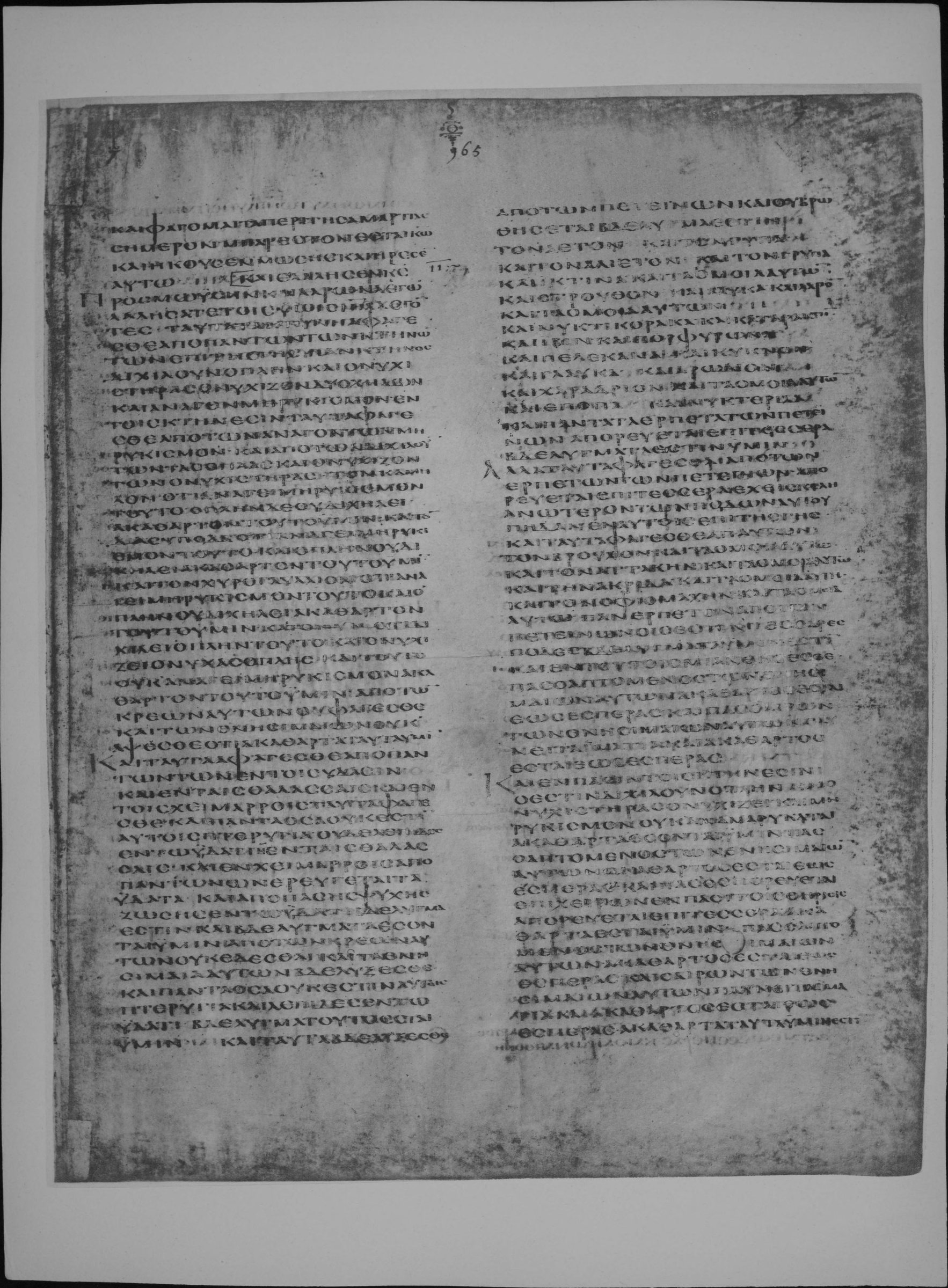
Leviticus 10:17-19 is on fol. 64v (full-size facsimile of 1879-83, Internet Archive codex-alexandrinus leaf 149). The 1915 reduced facsimile prints beneath this page: Levit. ix. 24-x. 19. Checked on the plate: the page begins at the start of Leviticus 9:24 (first words read: ΚΑΙ ΕΞΗΛΘΕΝ ΠΥΡ ΠΑΡΑ ΚΥ ΚΑΙ ΚΑΤΕΦΑΓΕΝ ΤΑ ΕΠΙ ΤΟΥ ΘΥΣΙΑΣΤΗΡΙΟΥ). Leviticus 10:19-20 is on fol. 65r (full-size facsimile of 1879-83, Internet Archive codex-alexandrinus leaf 150). The 1915 reduced facsimile prints beneath this page: Levit. x. 19-xi. 28. Checked on the plate: the page begins inside Leviticus 10:19 (first words read: ΚΑΙ ΦΑΓΟΜΑΙ ΤΑ ΠΕΡΙ ΤΗΣ ΑΜΑΡΤΙΑΣ ΣΗΜΕΡΟΝ ΜΗ ΑΡΕΣΤΟΝ ΕΣΤΑΙ ΚΩ). Note: the first line of the page is faded; the second line is inside Lev. 10:19.
17Διὰ τί οὐκ ἐφάγετε τὸ περὶ τῆς ἁμαρτίας ἐν τόπῳ ἁγίῳ; ὅτι γὰρ ἅγια ἁγίων ἐστίν, τοῦτο ἔδωκεν ὑμῖν φαγεῖν, ἵνα ἀφέλητε τὴν ἁμαρτίαν τῆς συναγωγῆς καὶ ἐξιλάσησθε περὶ αὐτῶν ἔναντι Κυρίου. 18οὐ γὰρ εἰσήχθη τοῦ αἵματος αὐτοῦ εἰς τὸ ἅγιον· κατὰ πρόσωπον ἔσω φάγεσθε αὐτὸ ἐν τόπῳ ἁγίῳ, ὃν τρόπον μοι συνέταξεν Κύριος. 19καὶ ἐλάλησεν Ἀαρὼν πρὸς Μωυσῆν λέγων Εἰ σήμερον προσαγιόχασιν τὰ περὶ τῆς ἁμαρτίας αὐτῶν καὶ τὰ ὁλοκαυτώματα αὐτῶν ἔναντι Κυρίου, καὶ συμβέβηκέν μοι ταῦτα, καὶ φάγομαι τὰ περὶ τῆς ἁμαρτίας σήμερον, μὴ ἀρεστὸν ἔσται Κυρίῳ; 20καὶ ἤκουσεν Μωυσῆς, καὶ ἤρεσεν αὐτῷ.
17Why did ye not eat the sin-offering in the holy place? for because it is most holy he has given you this to eat, that ye might take away the sin of the congregation, and make atonement for them before the Lord. 18For the blood of it was not brought into the holy place: ye shall eat it within, before the Lord, as the Lord commanded me. 19And Aaron spoke to Moses, saying, If they have brought nigh to-day their sin-offerings, and their whole-burnt-offerings before the Lord, and these events have happened to me, and yet I should eat to-day of the sin-offerings, would it be pleasing to the Lord? 20And Moses heard it, and it pleased him.
Cite
Sources
- Source: Codex Alexandrinus (British Library Royal MS 1 D. V) via the British Museum photographic facsimiles of 1879-83 and 1915 (Internet Archive) + Swete's Septuagint + Brenton's English (holding institution)
- Critical edition: H. B. Swete, The Old Testament in Greek according to the Septuagint (1909)
← previous · → next · v cycle view · l back to library