Obadiah, Chapter 1 (Codex Alexandrinus)
Introduction
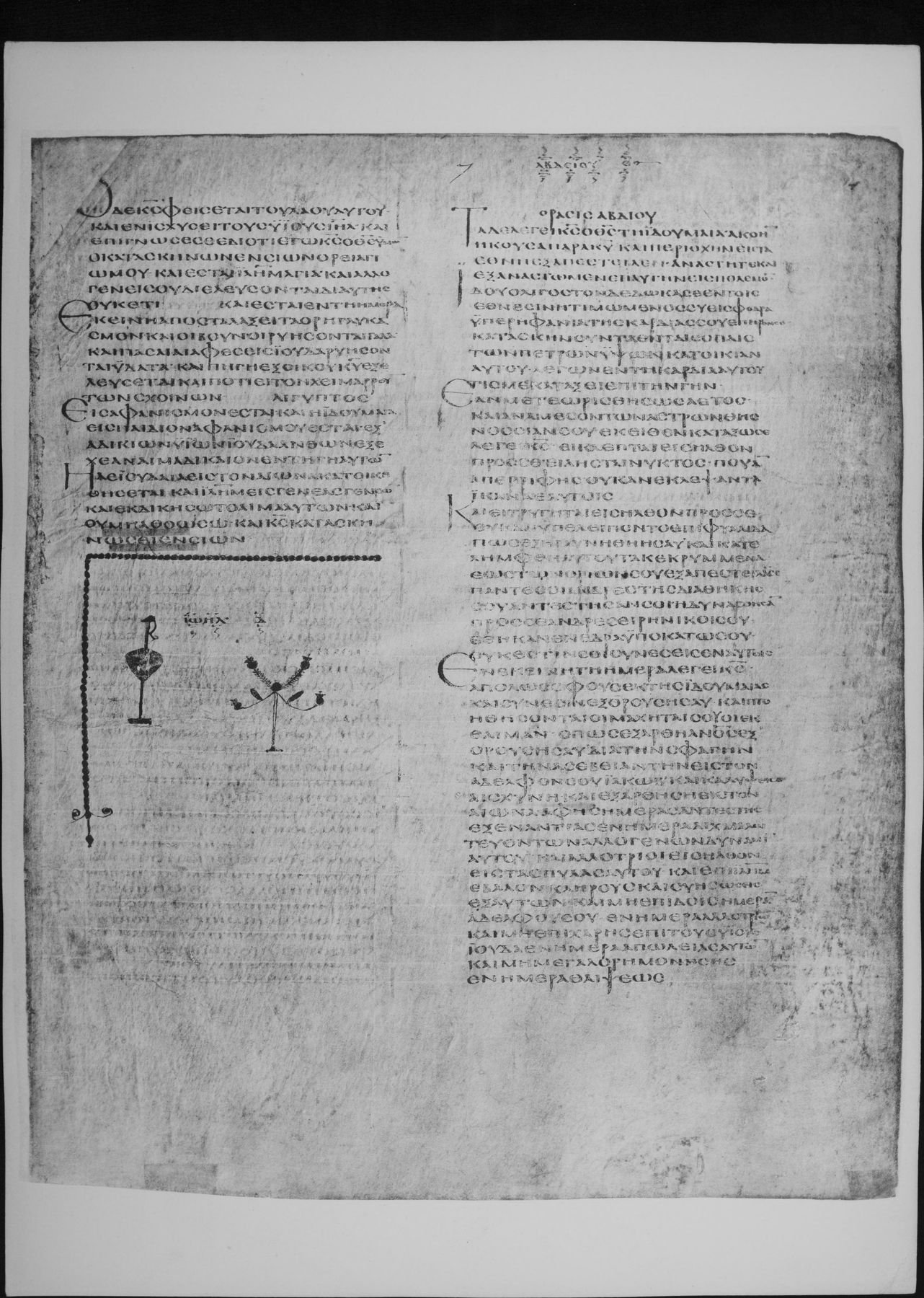
Obadiah 1 in the Greek Old Testament (the Septuagint) as written in Codex Alexandrinus, a Greek Bible copied in the fifth century, probably in Egypt, and now in the British Library (Royal MS 1 D. VI, the second of its four volumes). It is one of the three great early codices of the whole Greek Bible, with Codex Vaticanus and Codex Sinaiticus.
This entry meets the strict three-criteria standard of the Theosis Library:
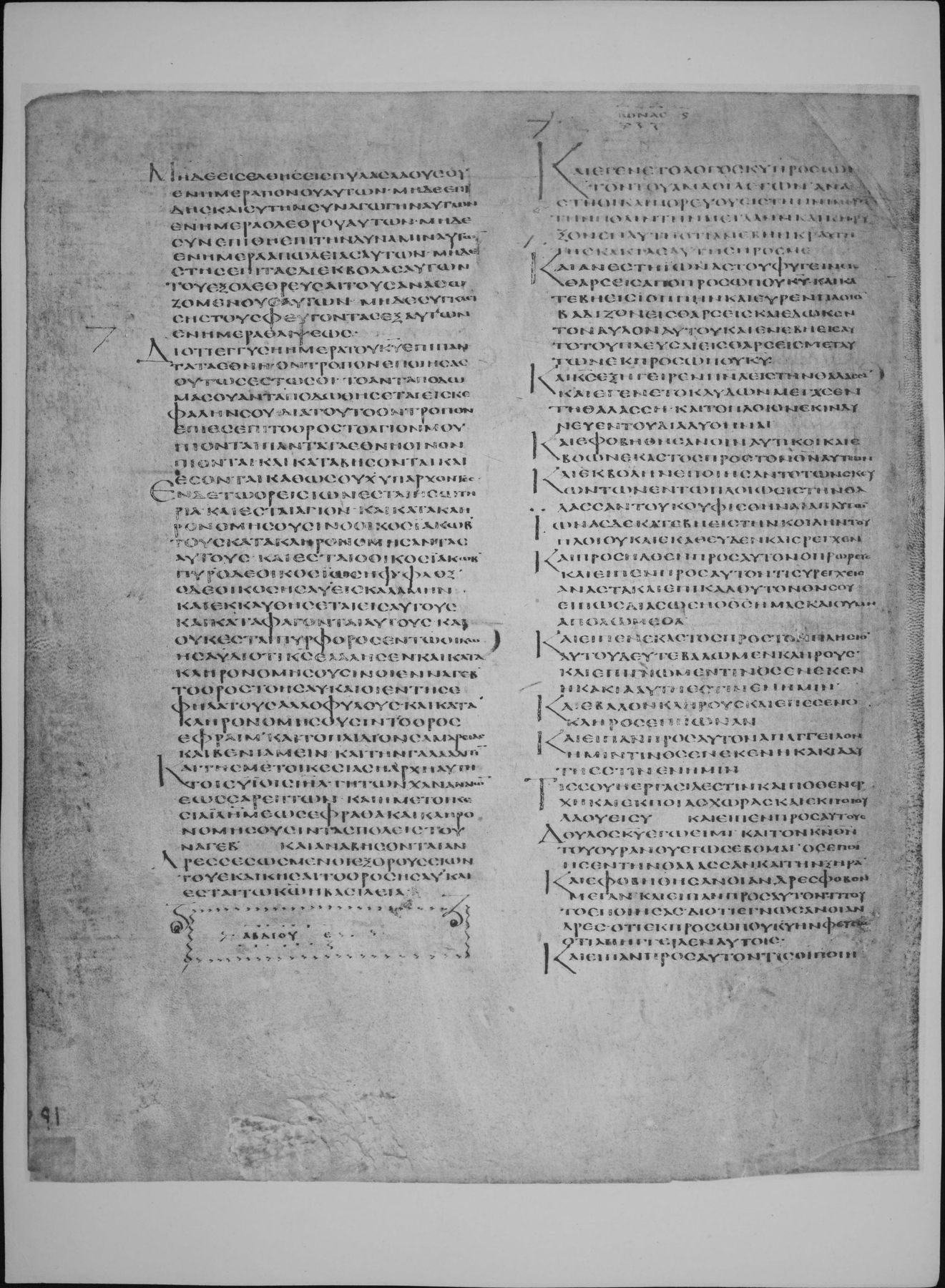
- Manuscript scan: the pages of Codex Alexandrinus carrying this chapter (fol. 289r, fol. 289v), from the full-size photographic (autotype) facsimile published by the British Museum in 1879-1883, as digitised on the Internet Archive. The verse range of every page comes from the reduced photographic facsimile of 1936, which prints it beneath each plate, and the opening words of every page were read on the plate to confirm the page and the verse it begins with. Each section links to the page or pages that hold its verses. Folio numbers are those written at the head of each leaf and visible on the plates.
- Original text: Swete's edition, which here prints the text of Codex Vaticanus (Vat. gr. 1209), the base of his edition, and gives the readings of Alexandrinus only in his apparatus. The Greek column is therefore Vaticanus' text; where Alexandrinus differs, the plate shows what Alexandrinus reads.
- English translation: Sir Lancelot C. L. Brenton, The Septuagint Version of the Old Testament (1844; 1851 edition), a translation of the Greek, public domain, from the eBible.org text.
How was this verified? (Provenance)
Where on the image
Obadiah 1:1-8 is on fol. 289r (full-size facsimile of 1879-83, Internet Archive codex-alexandrinus leaf 602). The 1936 reduced facsimile prints beneath this page: Joel iii. 16-21, Obad. 1-12. Checked on the plate: the page begins inside Joe 3:16 (first words read: Ο ΔΕ ΚΣ ΦΕΙΣΕΤΑΙ ΤΟΥ ΛΑΟΥ ΑΥΤΟΥ ΚΑΙ ΕΝΙΣΧΥΣΕΙ ΤΟΥΣ ΥΙΟΥΣ ΙΣΡΑΗΛ).
1ΟΡΑΣΙΣ Ὀβδειού. Τάδε λέγει Κύριος ὁ θεὸς τῇ Ἰδουμαίᾳ Ἀκοὴν ἤκουσα παρὰ Κυρίου, καὶ περιοχὴν εἰς τὰ ἔθνη ἐξαπέστειλεν Ἀνάστητε καὶ ἐξαναστῶμεν ἐπ᾽ αὐτὴν εἰς πόλεμον. 2ἰδοὺ ὀλιγοστὸν δέδωκά σε ἐν τοῖς ἔθνεσιν, ἠτιμωμένος σὺ εἶ σφόδρα· 3ὑπερηφανία τῆς καρδίας σου ἐπῆρέν σε κατασκηνοῦντα ἐν ταῖς ὀπαῖς τῶν πετρῶν· ὑψῶν κατοικίαν αὐτοῦ, λέγων ἐν καρδίᾳ αὐτοῦ Τίς με κατάξει ἐπὶ τὴν γῆν; 4ἐὰν μετεωρισθῇς ὡς ἀετός, καὶ ἐὰν ἀνὰ μέσον τῶν ἄστρων θῇς νοσσιάν σου, ἐκεῖθεν κατάξω σε, λέγει Κύριος. 5εἰ κλέπται εἰσῆλθον πρὸς σὲ ἢ λῃσταὶ νυκτός, ποῦ ἂν ἀπερρίφης; οὐκ ἂν ἔκλεψαν τὰ ἱκανὰ ἑαυτοῖς; καὶ εἰ τρυγηταὶ εἰσῆλθον πρὸς σέ, οὐκ ἂν ὑπελίποντο ἐπιφυλλίδας; 6πῶς ἐξηρευνήθη Ἠσαὺ καὶ κατελήμφθη αὐτοῦ τὰ κεκρυμμένα. 7ἕως τῶν ὁρίων ἐξαπέστειλάν σε· πάντες οἱ ἄνδρες τῆς διαθήκης σου ἀντέστησάν σοι, ἠδυνάσθησαν πρὸς σὲ ἄνδρες εἰρηνικοί σου, ἔθηκαν ἔνεδρα ὑποκάτω σου, οὐκ ἔστιν σύνεσις αὐτοῖς. 8ἐν ἐκείνῃ τῇ ἡμέρᾳ, λέγει Κύριος, ἀπολῶ σοφοὺς ἐκ τῆς Ἰδουμαίας καὶ σύνεσιν ἐξ ὄρους Ἠσαύ·
1The vision of Obdias. Thus saith the Lord God to Idumea; I have heard a report from the Lord, and he has sent forth a message to the nations. 2Arise ye, and let us rise up against her to war. 3Behold, I have made thee small among the Gentiles: thou art greatly dishonoured. The pride of thine heart has elated thee, dwelling as thou dost in the holes of the rocks, as one that exalts his habitation, saying in his heart, Who will bring me down to the ground? 4If thou shouldest mount up as the eagle, and if thou shouldest make thy nest among the stars, thence will I bring thee down, saith the Lord. 5If thieves came in to thee, or robbers by night, where wouldest thou have been cast away? would they not have stolen just enough for themselves? and if grape-gatherers went in to thee, would they not leave a gleaning? 6How has Esau been searched out, and how have his hidden things been detected? 7They sent thee to thy coasts: all the men of thy covenant have withstood thee; thine allies have prevailed against thee, they have set snares under thee: they have no understanding. 8In that day, saith the Lord, I will destroy the wise men out of Idumea, and understanding out of the mount of Esau.
Where on the image
Obadiah 1:9-12 is on fol. 289r (full-size facsimile of 1879-83, Internet Archive codex-alexandrinus leaf 602). The 1936 reduced facsimile prints beneath this page: Joel iii. 16-21, Obad. 1-12. Checked on the plate: the page begins inside Joe 3:16 (first words read: Ο ΔΕ ΚΣ ΦΕΙΣΕΤΑΙ ΤΟΥ ΛΑΟΥ ΑΥΤΟΥ ΚΑΙ ΕΝΙΣΧΥΣΕΙ ΤΟΥΣ ΥΙΟΥΣ ΙΣΡΑΗΛ). Obadiah 1:13-16 is on fol. 289v (full-size facsimile of 1879-83, Internet Archive codex-alexandrinus leaf 603). The 1936 reduced facsimile prints beneath this page: Obad. 13-21. Checked on the plate: the page begins at the start of Obadiah 1:13 (first words read: ΜΗΔΕ ΕΙΣΕΛΘΗΣ ΕΙΣ ΠΥΛΑΣ ΛΑΟΥ ΕΝ ΗΜΕΡΑ ΠΟΝΩΝ ΑΥΤΩΝ ΜΗΔΕ ΕΠΙΔΗΣ ΚΑΙ ΣΥ ΤΗΝ ΣΥΝΑΓΩΓΗΝ ΑΥΤΩΝ). Note: the page also carries Jonah 1:1-11 in its second column (read on the plate: ΚΑΙ ΕΒΑΛΟΝ ΚΛΗΡΟΥΣ ΚΑΙ ΕΠΕΣΕΝ Ο ΚΛΗΡΟΣ ΕΠΙ ΙΩΝΑΝ, Jonah 1:7, down to Jonah 1:11), where the next page begins.
9καὶ πτοηθήσονται οἱ μαχηταί σου οἱ ἐκ Θαιμάν, ὅπως ἐξαρθῇ ἄνθρωπος ἐξ ὄρους Ἠσαύ· 10διὰ τὴν σφαγὴν καὶ τὴν ἀσέβειαν ἀδελφοῦ σου Ἰακὼβ καλύψει σε αἰσχύνη, καὶ ἐξαρθήσῃ εἰς τὸν αἰῶνα. 11Ἀφ᾽ ἧς ἡμέρας ἀντέστης ἐξ ἐναντίας ἐν ἡμέραις αἰχμαλωτευόντων ἀλλογενῶν δύναμιν αὐτοῦ, καὶ ἀλλότριοι εἰσῆλθον εἰς πύλας αὐτοῦ καὶ ἐπὶ Ἰερουσαλὴμ ἔβαλον κλήρους, καὶ σὺ ἦς ὡς εἷς ἐξ αὐτῶν. 12καὶ μὴ ἐπίδῃς ἡμέραν ἀδελφοῦ σου ἐν ἡμέρᾳ ἀλλοτρίων, καὶ μὴ ἐπιχαρῇς ἐπὶ τοὺς υἱοὺς Ἰούδα ἐν ἡμέρᾳ ἀπωλίας αὐτῶν, καὶ μὴ μεγαλορημονῇς ἐν ἡμέρᾳ θλίψεως· 13μηδὲ εἰσέλθῃς εἰς πύλας λαῶν ἐν ἡμέρᾳ πόνων αὐτῶν, μηδὲ ἐπίδῃς καὶ σὺ τὴν συναγωγὴν αὐτῶν ἐν ἡμέρᾳ ὀλέθρου αὐτῶν, μηδὲ συνεπιθῇ ἐπὶ τὴν δύναμιν αὐτῶν ἐν ἡμέρᾳ ἀπωλίας αὐτῶν· 14μηδὲ ἐπιστῇς ἐπὶ τὰς διεκβολὰς αὐτοῦ ἐξολεθρεῦσαι τοὺς ἀνασωζομένους αὐτοῦ, μηδὲ συγκλείσῃς τοὺς φεύγοντας αὐτοῦ ἐν ἡμέρᾳ θλίψεως. 15διότι ἐγγὺς ἡμέρα Κυρίου ἐπὶ πάντα τὰ ἔθνη· ὃν τρόπον ἐποίησας, οὕτως ἔσται σοι· τὸ ἀνταπόδομά σου ἀνταποδοθήσεται εἰς κεφαλήν σου· 16διότι ὃν τρόπον ἔπιες ἐπὶ τὸ ὄρος τὸ ἅγιόν μου, πίονται καὶ καταβήσονται, καὶ ἔσονται καθὼς οὐχ ὑπάρχοντες.
9And thy warriors from Thæman shall be dismayed, to the end that man may be cut off from the mount of Esau. 10Because of the slaughter and the sin committed against thy brother Jacob, shame shall cover thee, and thou shalt be cut off for ever. 11From the day that thou stoodest in opposition to him, in the days when foreigners were taking captive his forces, and strangers entered into his gates, and cast lots on Jerusalem, thou also wast as one of them. 12And thou shouldest not have looked on the day of thy brother in the day of strangers; nor shouldest thou have rejoiced against the children of Juda in the day of their destruction; neither shouldest thou have boasted in the day of their affliction. 13Neither shouldest thou have gone into the gates of the people in the day of their troubles; nor yet shouldest thou have looked upon their gathering in the day of their destruction, nor shouldest thou have attacked their host in the day of their perishing. 14Neither shouldest thou have stood at the opening of their passages, to destroy utterly those of them that were escaping; neither shouldest thou have shut up his fugitives in the day of affliction. 15For the day of the Lord is near upon all the Gentiles: as thou hast done, so shall it be done to thee: thy recompense shall be returned on thine own head. 16For as thou hast drunk upon my holy mountain, so shall all the nations drink wine; they shall drink, and go down, and be as if they were not.
Where on the image
Obadiah 1:17-21 is on fol. 289v (full-size facsimile of 1879-83, Internet Archive codex-alexandrinus leaf 603). The 1936 reduced facsimile prints beneath this page: Obad. 13-21. Checked on the plate: the page begins at the start of Obadiah 1:13 (first words read: ΜΗΔΕ ΕΙΣΕΛΘΗΣ ΕΙΣ ΠΥΛΑΣ ΛΑΟΥ ΕΝ ΗΜΕΡΑ ΠΟΝΩΝ ΑΥΤΩΝ ΜΗΔΕ ΕΠΙΔΗΣ ΚΑΙ ΣΥ ΤΗΝ ΣΥΝΑΓΩΓΗΝ ΑΥΤΩΝ). Note: the page also carries Jonah 1:1-11 in its second column (read on the plate: ΚΑΙ ΕΒΑΛΟΝ ΚΛΗΡΟΥΣ ΚΑΙ ΕΠΕΣΕΝ Ο ΚΛΗΡΟΣ ΕΠΙ ΙΩΝΑΝ, Jonah 1:7, down to Jonah 1:11), where the next page begins.
17Ἐν δὲ τῷ ὄρει Σειὼν ἔσται σωτηρία, καὶ ἔσται ἅγιον καὶ κατακληρονομήσουσιν ὁ οἶκος Ἰακὼβ τοὺς κατακληρονομήσαντας αὐτούς. 18καὶ ἔσται ὁ οἶκος Ἰακὼβ πῦρ, ὁ δὲ οἶκος Ἰωσὴφ φλόξ, ὁ δὲ οἶκος Ἠσαὺ εἰς καλάμην, καὶ ἐκκαυθήσονται εἰς αὐτοὺς καὶ καταφάγονται αὐτούς, καὶ οὐκ ἔσται πυροφόρος τῷ οἴκῳ Ἠσαύ, διότι Κύριος ἐλάλησεν. 19καὶ κατακληρονομήσουσιν οἱ ἐν Νάγεβ τὸ ὄρος τὸ Ἠσαύ, καὶ οἱ ἐν τῇ Σεφηλὰ τοὺς ἀλλοφύλους· καὶ κατακληρονομήσουσιν τὸ ὄρος Ἐφράιμ καὶ τὸ πεδίον Σαμαρείας καὶ Βενιαμεὶν καὶ τὴν Γαλααδεῖτιν. 20καὶ τῆς μετοικεσίας ἡ ἀρχὴ αὕτη· τοῖς υἱοῖς Ἰσραήλ, γῆ τῶν Χαναναίων ἕως Σαρέπτων, καὶ ἡ μετοικεσία Ἰερουσαλὴμ ἕως Ἐφράθα· κληρονομήσουσιν τὰς πόλεις τοῦ Νάγεβ. 21καὶ ἀναβήσονται ἀνασωζόμενοι ἐξ ὄρους Σειὼν τοῦ ἐκδικῆσαι τὸ ὄρος Ἠσαύ, καὶ ἔσται τῷ κυρίῳ ἡ βασιλεία.
17But on mount Sion there shall be deliverance, and there shall be a sanctuary; and the house of Jacob shall take for an inheritance those that took them for an inheritance. 18And the house of Jacob shall be fire, and the house of Joseph a flame, and the house of Esau shall be for stubble; and Israel shall flame forth against them, and shall devour them, and there shall not be a corn-field left to the house of Esau; because the Lord has spoken. 19And they that dwell in the south shall inherit the mount of Esau, and they in the plain the Philistines: and they shall inherit the mount of Ephraim, and the plain of Samaria, and Benjamin, and the land of Galaad. 20And this shall be the domain of the captivity of the children of Israel, the land of the Chananites as far as Sarepta; and the captives of Jerusalem shall inherit as far as Ephratha; they shall inherit the cities of the south. 21And they that escape shall come up from mount Sion, to take vengeance on the mount of Esau; and the kingdom shall be the Lord's.
Cite
Sources
- Source: Codex Alexandrinus (British Library Royal MS 1 D. VI) via the British Museum photographic facsimiles of 1879-83 and 1936 (Internet Archive) + Swete's Septuagint + Brenton's English (holding institution)
- Critical edition: H. B. Swete, The Old Testament in Greek according to the Septuagint (1909)
← previous · → next · v cycle view · l back to library