Ruth, Chapter 1 (Codex Alexandrinus)
Introduction
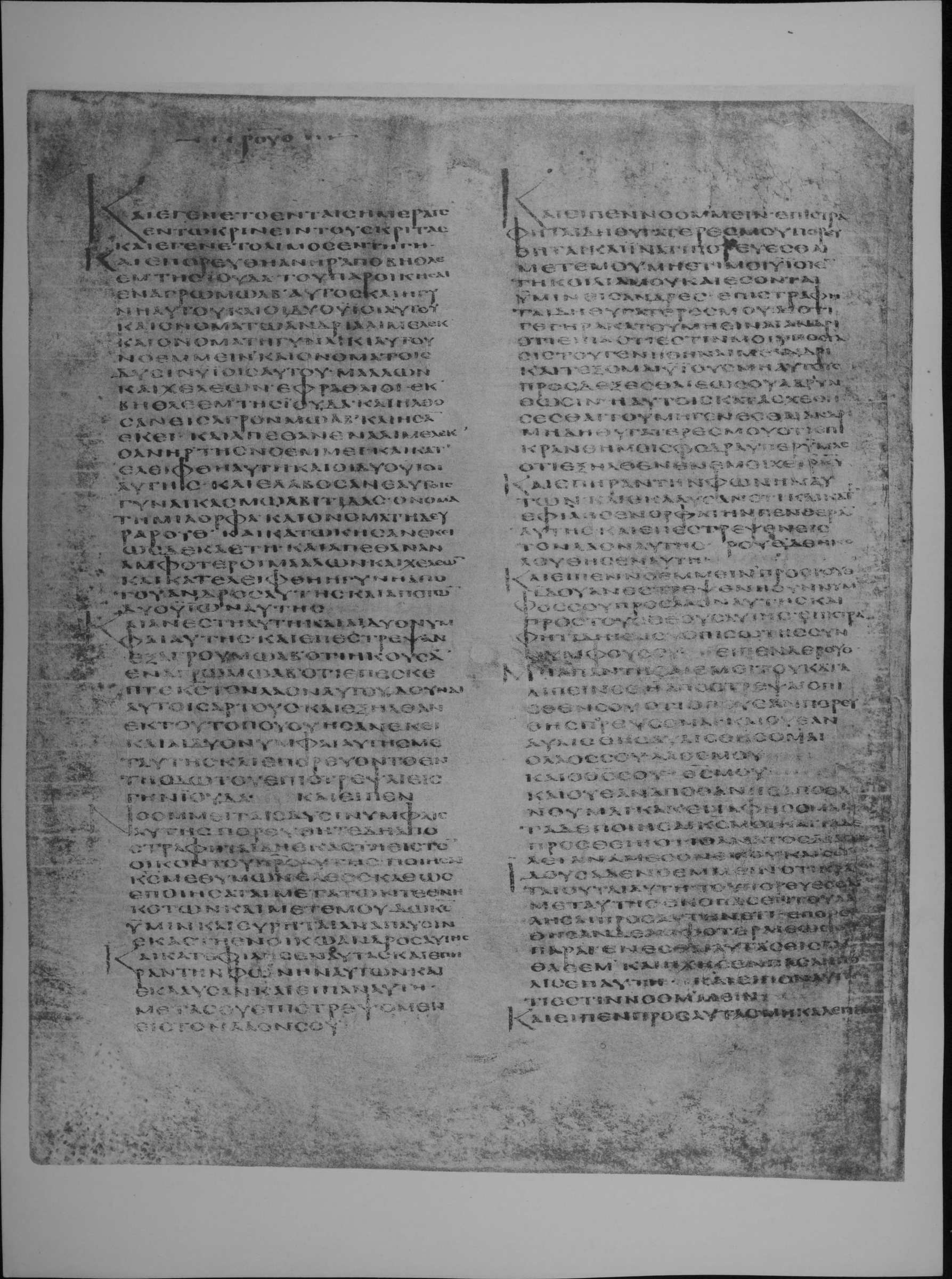
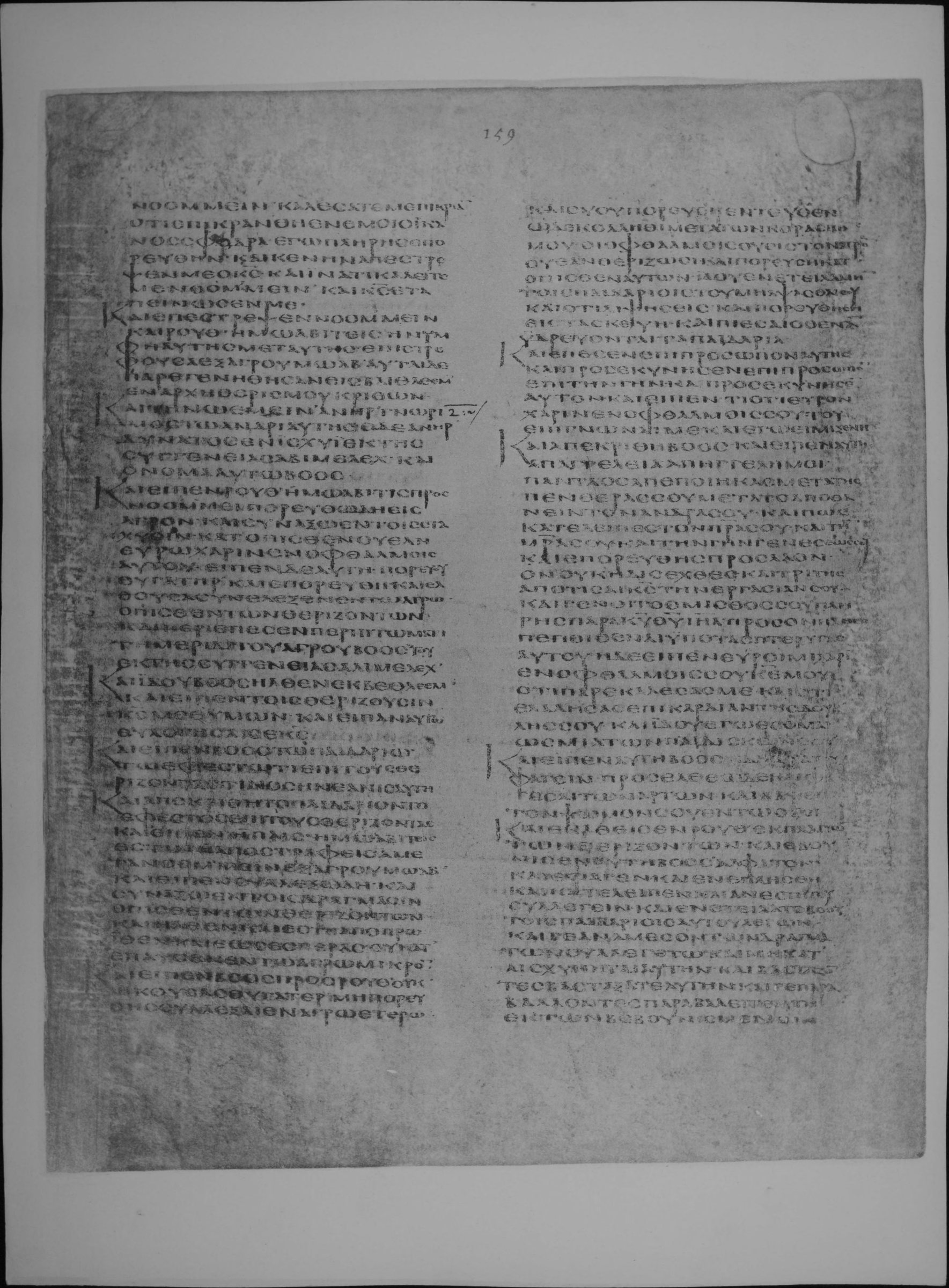
Ruth 1 in the Greek Old Testament (the Septuagint) as written in Codex Alexandrinus, a Greek Bible copied in the fifth century, probably in Egypt, and now in the British Library (Royal MS 1 D. V, the first of its four volumes). It is one of the three great early codices of the whole Greek Bible, with Codex Vaticanus and Codex Sinaiticus.
This entry meets the strict three-criteria standard of the Theosis Library:
- Manuscript scan: the pages of Codex Alexandrinus carrying this chapter (fol. 158v, fol. 159r), from the full-size photographic (autotype) facsimile published by the British Museum in 1879-1883, as digitised on the Internet Archive. The verse range of every page comes from the reduced photographic facsimile of 1915, which prints it beneath each plate, and the opening words of every page were read on the plate to confirm the page and the verse it begins with. Each section links to the page or pages that hold its verses. Folio numbers are those written at the head of each leaf and visible on the plates.
- Original text: Swete's edition, which here prints the text of Codex Vaticanus (Vat. gr. 1209), the base of his edition, and gives the readings of Alexandrinus only in his apparatus. The Greek column is therefore Vaticanus' text; where Alexandrinus differs, the plate shows what Alexandrinus reads.
- English translation: Sir Lancelot C. L. Brenton, The Septuagint Version of the Old Testament (1844; 1851 edition), a translation of the Greek, public domain, from the eBible.org text.
How was this verified? (Provenance)
Where on the image
Ruth 1:1-8 is on fol. 158v (full-size facsimile of 1879-83, Internet Archive codex-alexandrinus leaf 337). The 1915 reduced facsimile prints beneath this page: Ruth i. 1-20. Checked on the plate: the page begins at the start of Ruth 1:1 (first words read: ΚΑΙ ΕΓΕΝΕΤΟ ΕΝ ΤΑΙΣ ΗΜΕΡΑΙΣ ΕΝ ΤΩ ΚΡΙΝΕΙΝ ΤΟΥΣ ΚΡΙΤΑΣ ΚΑΙ ΕΓΕΝΕΤΟ ΛΙΜΟΣ ΕΝ ΤΗ ΓΗ ΚΑΙ ΕΠΟΡΕΥΘΗ ΑΝΗΡ). Note: the page begins at Ruth 1:1, which Codex Alexandrinus opens ΚΑΙ ΕΓΕΝΕΤΟ ΕΝ ΤΑΙΣ ΗΜΕΡΑΙΣ ΕΝ ΤΩ ΚΡΙΝΕΙΝ, with words that Swete's text lacks.
1ΚΑΙ ἐγένετο ἐν τῷ κρίνειν τοὺς κριτὰς καὶ ἐγένετο λιμὸς ἐν τῇ γῇ· καὶ ἐπορεύθη ἀνὴρ ἀπὸ Βαιθλέεμ τῆς Ἰούδα τοῦ παροικῆσαι ἐν ἀγρῷ Μωάβ, αὐτὸς καὶ ἡ γυνὴ αὐτοῦ καὶ οἱ υἱοὶ αὐτοῦ. 2καὶ ὄνομα τῷ ἀνδρὶ Ἀβειμέλεχ, καὶ ὄνομα τοῖς δυσὶν υἱοῖς αὐτοῦ Μααλὼν καὶ Κελαιών, Ἐφραθαῖοι ἐκ Βαιθλέεμ τῆς Ἰούδα· καὶ ἤλθοσαν εἰς ἀγρὸν Μωὰβ καὶ ἦσαν ἐκεῖ. 3καὶ ἀπέθανεν Ἀβειμέλεχ ὁ ἀνὴρ τῆς Νωεμείν, καὶ κατελείφθη αὕτη καὶ οἱ δύο υἱοὶ αὐτῆς. 4καὶ ἐλάβοσαν ἑαυτοῖς γυναῖκας Μωαβείτιδας· ὄνομα τῇ μιᾷ Ὀρφά, καὶ ὄνομα τῇ δευτέρᾳ Ῥούθ· καὶ κατῴκησαν ἐκεῖ ὡς δέκα ἔτη. 5καὶ ἀπέθανον καί γε ἀμφότεροι, Μααλὼν καὶ Χελαιών· καὶ κατελείφθη ἡ γυνὴ ἀπὸ τοῦ ἀνδρὸς αὐτῆς καὶ ἀπὸ τῶν δύο υἱῶν αὐτῆς. 6Καὶ ἀνέστη αὕτη καὶ αἱ δύο νύμφαι αὐτῆς καὶ ἀπέστρεψαν ἐξ ἀγροῦ Μωάβ, ὅτι ἤκουσαν ἐν ἀγρῷ Μωὰβ ὅτι Ἐπέσκεπται Κύριος τὸν λαὸν αὐτοῦ, δοῦναι αὐτοῖς ἄρτους. 7καὶ ἐξῆλθεν ἐκ τοῦ τόπου οὗ ἦν ἐκεῖ, καὶ αἱ δύο νύμφαι αὐτῆς μετ᾽ αὐτῆς· καὶ ἐπορεύοντο ἐν τῇ ὁδῷ τοῦ ἐπιστρέψαι εἰς τὴν γῆν Ἰούδα. 8καὶ εἶπεν Νωεμεὶν ταῖς νύμφαις αὐτῆς Πορεύεσθε δή, ἀποστράφητε ἑκάστη εἰς οἶκον μητρὸς αὐτῆς· ποιήσαι Κύριος μεθ᾽ ὑμῶν ἔλεος, καθὼς ἐποιήσατε μετὰ τῶν τεθνηκότων καὶ μετ᾽ ἐμοῦ·
1And it came to pass when the judges ruled, that there was a famine in the land: and a man went from Bethleem Juda to sojourn in the land of Moab, he, and his wife, and his two sons. 2And the man's name was Elimelech, and his wife's name Noemin, and the names of his two sons Maalon and Chelaion, Ephrathites of Bethleem of Juda: and they came to the land of Moab, and remained there. 3And Elimelech the husband of Noemin died; and she was left, and her two sons. 4And they took to themselves wives, women of Moab; the name of the one was Orpha, and the name of the second Ruth; and they dwelt there about ten years. 5And both Maalon and Chelaion died also; and the woman was left of her husband and her two sons. 6And she rose up and her two daughters-in-law, and they returned out of the country of Moab, for she heard in the country of Moab that the Lord had visited his people to give them bread. 7And she went forth out of the place where she was, and her two daughters-in-law with her: and they went by the way to return to the land of Juda. 8And Noemin said to her daughters-in-law, Go now, return each to the house of her mother: the Lord deal mercifully with you, as ye have dealt with the dead, and with me.
Where on the image
Ruth 1:9-16 is on fol. 158v (full-size facsimile of 1879-83, Internet Archive codex-alexandrinus leaf 337). The 1915 reduced facsimile prints beneath this page: Ruth i. 1-20. Checked on the plate: the page begins at the start of Ruth 1:1 (first words read: ΚΑΙ ΕΓΕΝΕΤΟ ΕΝ ΤΑΙΣ ΗΜΕΡΑΙΣ ΕΝ ΤΩ ΚΡΙΝΕΙΝ ΤΟΥΣ ΚΡΙΤΑΣ ΚΑΙ ΕΓΕΝΕΤΟ ΛΙΜΟΣ ΕΝ ΤΗ ΓΗ ΚΑΙ ΕΠΟΡΕΥΘΗ ΑΝΗΡ). Note: the page begins at Ruth 1:1, which Codex Alexandrinus opens ΚΑΙ ΕΓΕΝΕΤΟ ΕΝ ΤΑΙΣ ΗΜΕΡΑΙΣ ΕΝ ΤΩ ΚΡΙΝΕΙΝ, with words that Swete's text lacks.
9δῴη Κύριος ὑμῖν καὶ εὕροιτε ἀνάπαυσιν, ἑκάστη ἐν οἴκῳ ἀνδρὸς αὐτῆς. καὶ κατεφίλησεν αὐτάς· καὶ ἐπῆραν τὴν φωνὴν αὐτῶν καὶ ἔκλαυσαν. 10καὶ εἶπαν αὐτῇ Μετὰ σοῦ ἐπιστρέφομεν εἰς τὸν λαόν σου. 11καὶ εἶπεν Νωεμείν Ἐπιστράφητε δή, θυγατέρες μου· καὶ ἵνα τί πορεύεσθε μετ᾽ ἐμοῦ; μὴ ἔτι μοι υἱοὶ ἐν τῇ κοιλίᾳ μου, καὶ ἔσονται ὑμῖν εἰς ἄνδρας; 12ἐπιστράφητε δή, θυγατέρες μου, διότι γεγήρακα τοῦ μὴ εἶναι ἀνδρί· ὅτι εἶπα ὅτι ἔστιν μοι ὑπόστασις τοῦ γενηθῆναί με ἀνδρὶ καὶ τέξομαι υἱούς, 13μὴ αὐτοὺς προσδέξεσθε ἕως οὗ ἁδρυνθῶσιν; ἢ αὐτοῖς κατασχεθήσεσθε τοῦ μὴ γενέσθαι ἀνδρί; μὴ δὴ θυγατέρες μου, ὅτι ἐπικράνθη μοι ὑπὲρ ὑμᾶς, ὅτι ἐξῆλθεν ἐν ἐμοὶ χεὶρ Κυρίου. 14καὶ ἐπῆραν τὴν φωνὴν αὐτῶν καὶ ἔκλαυσαν ἔτι· καὶ κατεφίλησεν Ὀρφὰ τὴν πενθερὰν αὐτῆς καὶ ἐπέστρεψεν εἰς τὸν λαὸν αὐτῆς, Ῥοὺθ δὲ ἠκολούθησεν αὐτῇ. 15καὶ εἶπεν Νωεμεὶν πρὸς Ῥούθ Ἰδοὺ ἀνέστρεψεν σύννυμφός σου πρὸς λαὸν αὐτῆς καὶ πρὸς τοὺς θεοὺς αὐτῆς· ἐπιστράφητι δὴ καὶ σὺ ὀπίσω τῆς συννύμφου σου. 16εἶπεν δὲ Ῥούθ Μὴ ἀπαντήσαι ἐμοὶ τοῦ καταλιπεῖν σε ἢ ἀποστρέψαι ὄπισθέν σου, ὅτι σὺ ὅπου ἐὰν πορευθῇς πορεύσομαι, καὶ οὗ ἐὰν αὐλισθῇς αὐλισθήσομαι· ὁ λαός σου λαός μου, καὶ ὁ θεός σου θεός μου·
9The Lord grant you that ye may find rest each of you in the house of her husband: and she kissed them; and they lifted up their voice, and wept. 10And they said to her, We will return with thee to thy people. 11And Noemin said, Return now, my daughters; and why do ye go with me? have I yet sons in my womb to be your husbands? 12Turn now, my daughters, for I am too old to be married: for I said, Suppose I were married, and should bear sons; 13would ye wait for them till they should be grown? or would ye refrain from being married for their sakes? Not so, my daughters; for I am grieved for you, that the hand of the Lord has gone forth against me. 14And they lifted up their voice, and wept again; and Orpha kissed her mother-in-law and returned to her people; but Ruth followed her. 15And Noemin said to Ruth, Behold, thy sister-in-law has returned to her people and to her gods; turn now thou also after thy sister-in-law. 16And Ruth said, Intreat me not to leave thee, or to return from following thee; for whithersoever thou goest, I will go, and wheresoever thou lodgest, I will lodge; thy people shall be my people, and thy God my God.
Where on the image
Ruth 1:17-20 is on fol. 158v (full-size facsimile of 1879-83, Internet Archive codex-alexandrinus leaf 337). The 1915 reduced facsimile prints beneath this page: Ruth i. 1-20. Checked on the plate: the page begins at the start of Ruth 1:1 (first words read: ΚΑΙ ΕΓΕΝΕΤΟ ΕΝ ΤΑΙΣ ΗΜΕΡΑΙΣ ΕΝ ΤΩ ΚΡΙΝΕΙΝ ΤΟΥΣ ΚΡΙΤΑΣ ΚΑΙ ΕΓΕΝΕΤΟ ΛΙΜΟΣ ΕΝ ΤΗ ΓΗ ΚΑΙ ΕΠΟΡΕΥΘΗ ΑΝΗΡ). Note: the page begins at Ruth 1:1, which Codex Alexandrinus opens ΚΑΙ ΕΓΕΝΕΤΟ ΕΝ ΤΑΙΣ ΗΜΕΡΑΙΣ ΕΝ ΤΩ ΚΡΙΝΕΙΝ, with words that Swete's text lacks. Ruth 1:20-22 is on fol. 159r (full-size facsimile of 1879-83, Internet Archive codex-alexandrinus leaf 338). The 1915 reduced facsimile prints beneath this page: Ruth i. 20-ii. 16. Checked on the plate: the page begins inside Ruth 1:20 (first words read: ΝΩΕΜΕΙΝ ΚΑΛΕΣΑΤΕ ΜΕ ΠΙΚΡΑΝ ΟΤΙ ΕΠΙΚΡΑΝΘΗ ΕΝ ΕΜΟΙ Ο ΙΚΑΝΟΣ ΣΦΟΔΡΑ ΕΓΩ ΠΛΗΡΗΣ ΕΠΟΡΕΥΘΗΝ).
17καὶ οὗ ἐὰν ἀποθάνῃς ἀποθανοῦμαι, κἀκεῖ ταφήσομαι. τάδε ποιήσαι μοι Κύριος καὶ τάδε προσθείη, ὅτι θάνατος διαστελεῖ ἀνὰ μέσον ἐμοῦ καὶ σοῦ. 18ἰδοῦσα δὲ Νωεμεὶν ὅτι κραταιοῦται αὐτὴ τοῦ πορεύεσθαι μετ᾽ αὐτῆς, ἐκόπασεν τοῦ λαλῆσαι πρὸς αὐτὴν ἔτι. 19Ἐπορεύθησαν δὲ ἀμφότεραι ἕως τοῦ παραγενέσθαι αὐτὰς εἰς Βαιθλέεμ. καὶ ἤχησεν πᾶσα ἡ πόλις ἐπ᾽ αὐτῆς, καὶ εἶπον Αὕτη ἐστὶν Νωεμείν; 20καὶ εἶπεν πρὸς αὐτάς Μὴ δὴ καλεῖτέ με Νωεμείν, καλέσατέ με Πικράν, ὅτι ἐπικράνθη ἐν ἐμοὶ ὁ ἱκανὸς σφόδρα. 21ἐγὼ πλήρης ἐπορεύθην, καὶ κενὴν ἀπέστρεψέν με ὁ κύριος· καὶ ἵνα τί καλεῖτέ με Νωεμείν, καὶ Κύριος ἐταπείνωσέν με, καὶ ὁ ἱκανὸς ἐκάκωσέν με; 22καὶ ἐπέστρεψεν Νωεμεὶν καὶ Ῥοὺθ ἡ Μωαβεῖτις ἡ νύμφη αὐτῆς ἐπιστρέφουσα ἐξ ἀγροῦ Μωάβ· αὗται δὲ παρεγενήθησαν εἰς Βαιθλέεμ ἐν ἀρχῇ θερισμοῦ κριθῶν.
17And wherever thou diest, I will die, and there will I be buried: the Lord do so to me, and more also, if I leave thee, for death only shall divide between me and thee. 18And Noemin seeing that she was determined to go with her, ceased to speak to her any more. 19And they went both of them until they came to Bethleem: and it came to pass, when they arrived at Bethleem, that all the city rang with them, and they said, Is this Noemin? 20And she said to them, Nay, do not call me Noemin; call me ‘Bitter,’ for the Mighty One has dealt very bitterly with me. 21I went out full, and the Lord has brought me back empty: and why call ye me Noemin, whereas the Lord has humbled me, and the Mighty One has afflicted me? 22So Noemin and Ruth the Moabitess, her daughter-in-law, returned from the country of Moab; and they came to Bethleem in the beginning of barley harvest.
Cite
Sources
- Source: Codex Alexandrinus (British Library Royal MS 1 D. V) via the British Museum photographic facsimiles of 1879-83 and 1915 (Internet Archive) + Swete's Septuagint + Brenton's English (holding institution)
- Critical edition: H. B. Swete, The Old Testament in Greek according to the Septuagint (1909)
← previous · → next · v cycle view · l back to library