Quran, Sura 2 (al-baqarah) (Codex Parisino-petropolitanus)
Introduction
Sura 2 (al-baqarah) as preserved on 2 folio sides of the Codex Parisino-petropolitanus (Paris, BnF Arabe 328 (a) and (b)), one of the oldest surviving Quran manuscripts, written in hijazi script on parchment, c. 650-750 AD. Each section below is one folio side, and the image shown is that exact page.
- Manuscript scan: the specific folio side from Gallica (Bibliotheque nationale de France IIIF). The folio's sura:verse range was taken from the Corpus Coranicum "Manuscripta Coranica" record for that page, which states the first and last word on the page; the folio numbers of both services were cross-checked by comparing the two images pixel by pixel.
- Original text: the Arabic of the Tanzil Project Uthmani text (CC BY 3.0), reproduced unchanged, verse by verse.
- English: Marmaduke Pickthall, The Meaning of the Glorious Koran (1930), public domain, verse by verse.
Orthography: the codex is written in scriptio defectiva: no vowel signs, almost no consonantal dots, long vowels often unwritten, and letter shapes that differ from the printed Uthmani text. The modern text given here therefore differs orthographically from what is on the folio while conveying the same reading; readers should expect, for example, the basmala and words such as qala to be spelled with fewer letters on the page.
Numbering: verse numbers follow the standard Kufan (Cairo 1924) division used by Corpus Coranicum, Tanzil and Pickthall. Early codices mark verse ends with ink dots that in places divide the text differently, so a verse count made on the page may not match these numbers exactly. In Tanzil's text the basmala opening each sura (except sura 9) is printed as part of verse 1. Where a page begins or ends in the middle of a verse the whole verse is given and the word position is stated in the section heading.
Lacunae: the surviving Paris leaves do not carry every verse of this sura. Only the verses listed in the sections below are on the folios shown; the rest of the sura is lost or preserved in other fragments of the same codex (St Petersburg Marcel 18, Vatican Ar. 1605/1, London KFQ 60) that are not included here.
How was this verified? (Provenance)
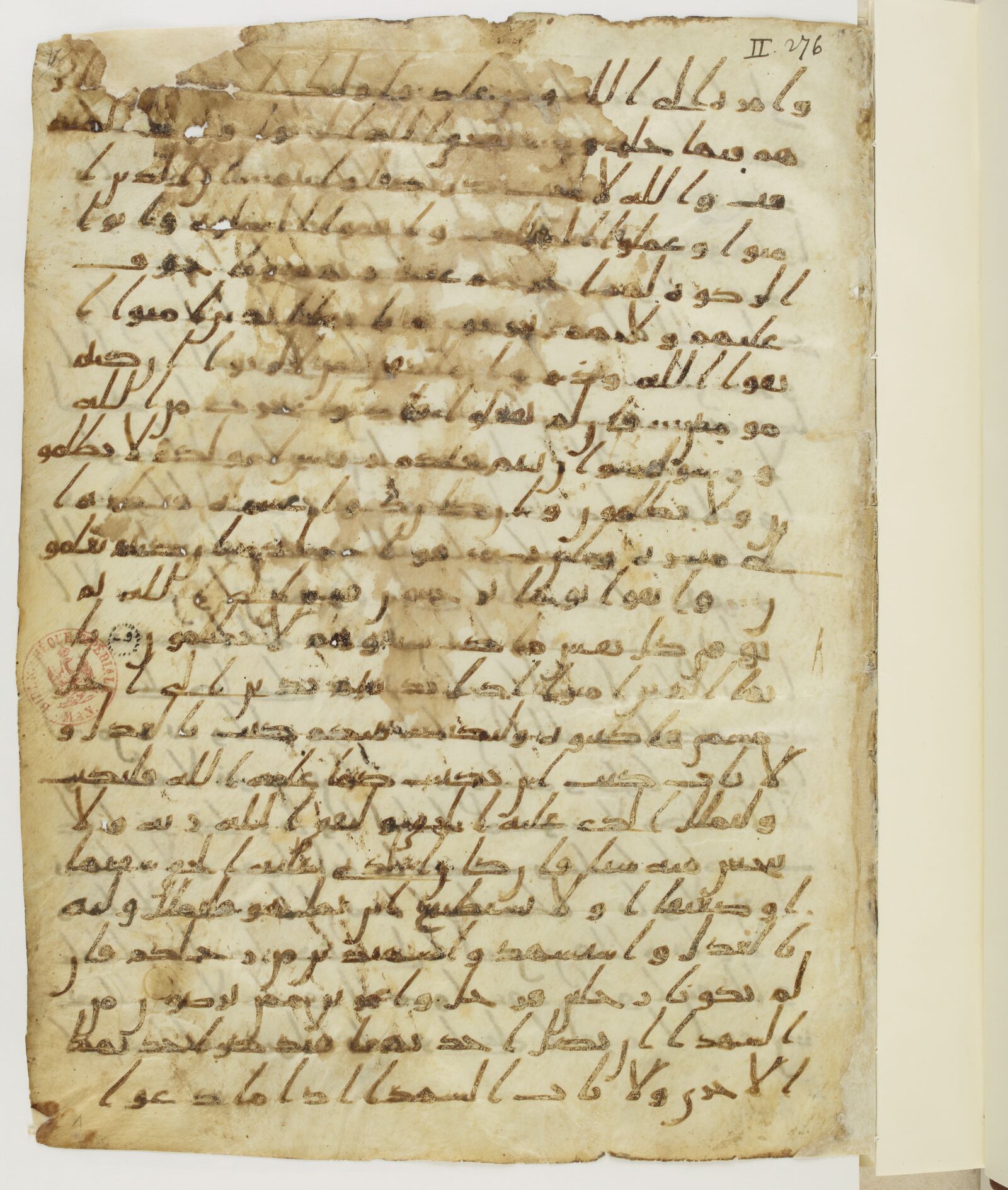
275ٱلَّذِينَ يَأْكُلُونَ ٱلرِّبَوٰا۟ لَا يَقُومُونَ إِلَّا كَمَا يَقُومُ ٱلَّذِى يَتَخَبَّطُهُ ٱلشَّيْطَٰنُ مِنَ ٱلْمَسِّ ذَٰلِكَ بِأَنَّهُمْ قَالُوٓا۟ إِنَّمَا ٱلْبَيْعُ مِثْلُ ٱلرِّبَوٰا۟ وَأَحَلَّ ٱللَّهُ ٱلْبَيْعَ وَحَرَّمَ ٱلرِّبَوٰا۟ فَمَن جَآءَهُۥ مَوْعِظَةٌ مِّن رَّبِّهِۦ فَٱنتَهَىٰ فَلَهُۥ مَا سَلَفَ وَأَمْرُهُۥٓ إِلَى ٱللَّهِ وَمَنْ عَادَ فَأُو۟لَٰٓئِكَ أَصْحَٰبُ ٱلنَّارِ هُمْ فِيهَا خَٰلِدُونَ 276يَمْحَقُ ٱللَّهُ ٱلرِّبَوٰا۟ وَيُرْبِى ٱلصَّدَقَٰتِ وَٱللَّهُ لَا يُحِبُّ كُلَّ كَفَّارٍ أَثِيمٍ 277إِنَّ ٱلَّذِينَ ءَامَنُوا۟ وَعَمِلُوا۟ ٱلصَّٰلِحَٰتِ وَأَقَامُوا۟ ٱلصَّلَوٰةَ وَءَاتَوُا۟ ٱلزَّكَوٰةَ لَهُمْ أَجْرُهُمْ عِندَ رَبِّهِمْ وَلَا خَوْفٌ عَلَيْهِمْ وَلَا هُمْ يَحْزَنُونَ 278يَٰٓأَيُّهَا ٱلَّذِينَ ءَامَنُوا۟ ٱتَّقُوا۟ ٱللَّهَ وَذَرُوا۟ مَا بَقِىَ مِنَ ٱلرِّبَوٰٓا۟ إِن كُنتُم مُّؤْمِنِينَ 279فَإِن لَّمْ تَفْعَلُوا۟ فَأْذَنُوا۟ بِحَرْبٍ مِّنَ ٱللَّهِ وَرَسُولِهِۦ وَإِن تُبْتُمْ فَلَكُمْ رُءُوسُ أَمْوَٰلِكُمْ لَا تَظْلِمُونَ وَلَا تُظْلَمُونَ 280وَإِن كَانَ ذُو عُسْرَةٍ فَنَظِرَةٌ إِلَىٰ مَيْسَرَةٍ وَأَن تَصَدَّقُوا۟ خَيْرٌ لَّكُمْ إِن كُنتُمْ تَعْلَمُونَ 281وَٱتَّقُوا۟ يَوْمًا تُرْجَعُونَ فِيهِ إِلَى ٱللَّهِ ثُمَّ تُوَفَّىٰ كُلُّ نَفْسٍ مَّا كَسَبَتْ وَهُمْ لَا يُظْلَمُونَ 282يَٰٓأَيُّهَا ٱلَّذِينَ ءَامَنُوٓا۟ إِذَا تَدَايَنتُم بِدَيْنٍ إِلَىٰٓ أَجَلٍ مُّسَمًّى فَٱكْتُبُوهُ وَلْيَكْتُب بَّيْنَكُمْ كَاتِبٌۢ بِٱلْعَدْلِ وَلَا يَأْبَ كَاتِبٌ أَن يَكْتُبَ كَمَا عَلَّمَهُ ٱللَّهُ فَلْيَكْتُبْ وَلْيُمْلِلِ ٱلَّذِى عَلَيْهِ ٱلْحَقُّ وَلْيَتَّقِ ٱللَّهَ رَبَّهُۥ وَلَا يَبْخَسْ مِنْهُ شَيْـًٔا فَإِن كَانَ ٱلَّذِى عَلَيْهِ ٱلْحَقُّ سَفِيهًا أَوْ ضَعِيفًا أَوْ لَا يَسْتَطِيعُ أَن يُمِلَّ هُوَ فَلْيُمْلِلْ وَلِيُّهُۥ بِٱلْعَدْلِ وَٱسْتَشْهِدُوا۟ شَهِيدَيْنِ مِن رِّجَالِكُمْ فَإِن لَّمْ يَكُونَا رَجُلَيْنِ فَرَجُلٌ وَٱمْرَأَتَانِ مِمَّن تَرْضَوْنَ مِنَ ٱلشُّهَدَآءِ أَن تَضِلَّ إِحْدَىٰهُمَا فَتُذَكِّرَ إِحْدَىٰهُمَا ٱلْأُخْرَىٰ وَلَا يَأْبَ ٱلشُّهَدَآءُ إِذَا مَا دُعُوا۟ وَلَا تَسْـَٔمُوٓا۟ أَن تَكْتُبُوهُ صَغِيرًا أَوْ كَبِيرًا إِلَىٰٓ أَجَلِهِۦ ذَٰلِكُمْ أَقْسَطُ عِندَ ٱللَّهِ وَأَقْوَمُ لِلشَّهَٰدَةِ وَأَدْنَىٰٓ أَلَّا تَرْتَابُوٓا۟ إِلَّآ أَن تَكُونَ تِجَٰرَةً حَاضِرَةً تُدِيرُونَهَا بَيْنَكُمْ فَلَيْسَ عَلَيْكُمْ جُنَاحٌ أَلَّا تَكْتُبُوهَا وَأَشْهِدُوٓا۟ إِذَا تَبَايَعْتُمْ وَلَا يُضَآرَّ كَاتِبٌ وَلَا شَهِيدٌ وَإِن تَفْعَلُوا۟ فَإِنَّهُۥ فُسُوقٌۢ بِكُمْ وَٱتَّقُوا۟ ٱللَّهَ وَيُعَلِّمُكُمُ ٱللَّهُ وَٱللَّهُ بِكُلِّ شَىْءٍ عَلِيمٌ
275Those who swallow usury cannot rise up save as he ariseth whom the devil hath prostrated by (his) touch. That is because they say: Trade is just like usury; whereas Allah permitteth trading and forbiddeth usury. He unto whom an admonition from his Lord cometh, and (he) refraineth (in obedience thereto), he shall keep (the profits of) that which is past, and his affair (henceforth) is with Allah. As for him who returneth (to usury) - Such are rightful owners of the Fire. They will abide therein. 276Allah hath blighted usury and made almsgiving fruitful. Allah loveth not the impious and guilty. 277Lo! those who believe and do good works and establish worship and pay the poor-due, their reward is with their Lord and there shall no fear come upon them neither shall they grieve. 278O ye who believe! Observe your duty to Allah, and give up what remaineth (due to you) from usury, if ye are (in truth) believers. 279And if ye do not, then be warned of war (against you) from Allah and His messenger. And if ye repent, then ye have your principal (without interest). Wrong not, and ye shall not be wronged. 280And if the debtor is in straitened circumstances, then (let there be) postponement to (the time of) ease; and that ye remit the debt as almsgiving would be better for you if ye did but know. 281And guard yourselves against a day in which ye will be brought back to Allah. Then every soul will be paid in full that which it hath earned, and they will not be wronged. 282O ye who believe! When ye contract a debt for a fixed term, record it in writing. Let a scribe record it in writing between you in (terms of) equity. No scribe should refuse to write as Allah hath taught him, so let him write, and let him who incurreth the debt dictate, and let him observe his duty to Allah his Lord, and diminish naught thereof. But if he who oweth the debt is of low understanding, or weak, or unable himself to dictate, then let the guardian of his interests dictate in (terms of) equity. And call to witness, from among your men, two witnesses. And if two men be not (at hand) then a man and two women, of such as ye approve as witnesses, so that if the one erreth (through forgetfulness) the other will remember. And the witnesses must not refuse when they are summoned. Be not averse to writing down (the contract) whether it be small or great, with (record of) the term thereof. That is more equitable in the sight of Allah and more sure for testimony, and the best way of avoiding doubt between you; save only in the case when it is actual merchandise which ye transfer among yourselves from hand to hand. In that case it is no sin for you if ye write it not. And have witnesses when ye sell one to another, and let no harm be done to scribe or witness. If ye do (harm to them) lo! it is a sin in you. Observe your duty to Allah. Allah is teaching you. And Allah is knower of all things.
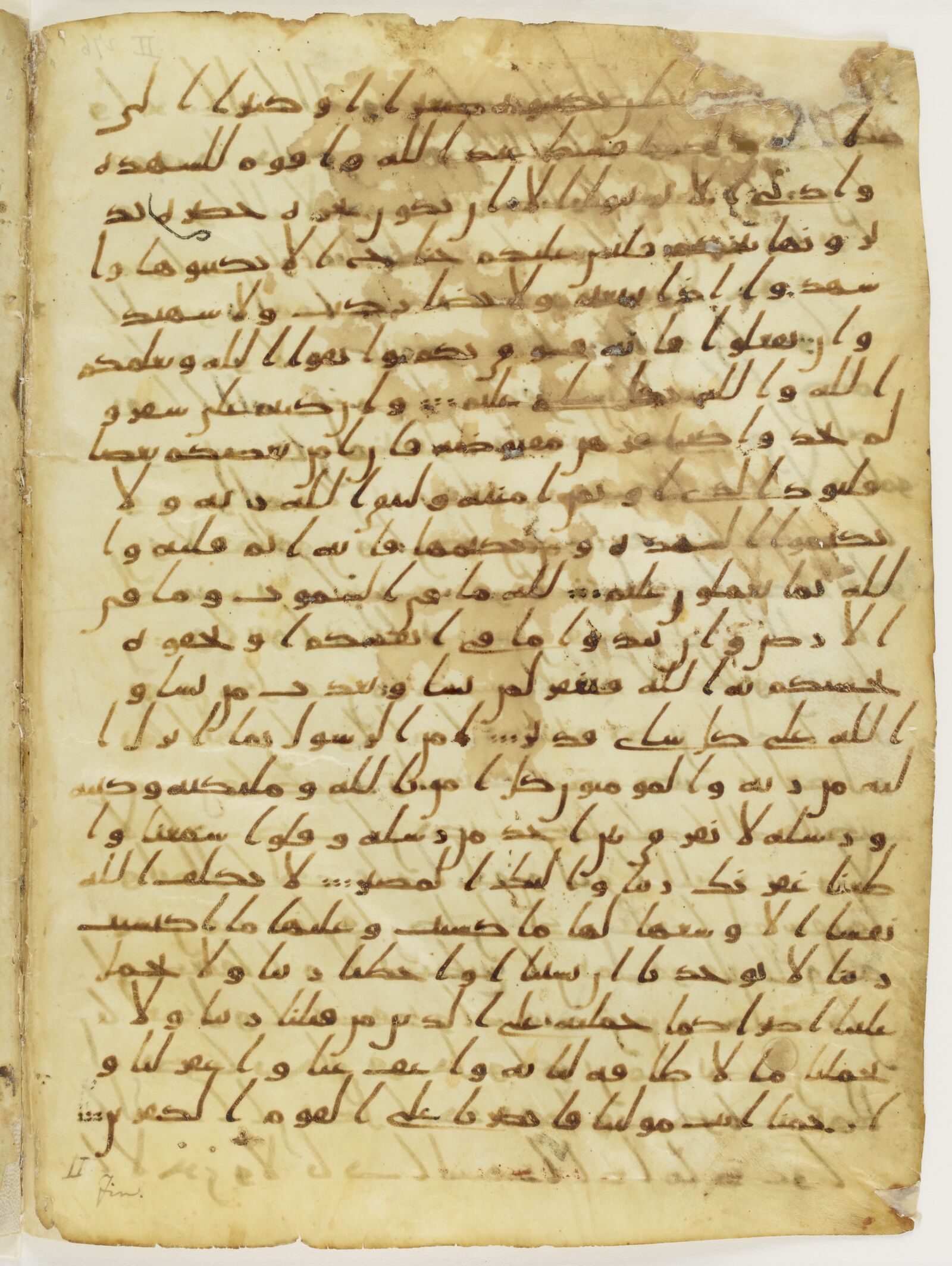
282يَٰٓأَيُّهَا ٱلَّذِينَ ءَامَنُوٓا۟ إِذَا تَدَايَنتُم بِدَيْنٍ إِلَىٰٓ أَجَلٍ مُّسَمًّى فَٱكْتُبُوهُ وَلْيَكْتُب بَّيْنَكُمْ كَاتِبٌۢ بِٱلْعَدْلِ وَلَا يَأْبَ كَاتِبٌ أَن يَكْتُبَ كَمَا عَلَّمَهُ ٱللَّهُ فَلْيَكْتُبْ وَلْيُمْلِلِ ٱلَّذِى عَلَيْهِ ٱلْحَقُّ وَلْيَتَّقِ ٱللَّهَ رَبَّهُۥ وَلَا يَبْخَسْ مِنْهُ شَيْـًٔا فَإِن كَانَ ٱلَّذِى عَلَيْهِ ٱلْحَقُّ سَفِيهًا أَوْ ضَعِيفًا أَوْ لَا يَسْتَطِيعُ أَن يُمِلَّ هُوَ فَلْيُمْلِلْ وَلِيُّهُۥ بِٱلْعَدْلِ وَٱسْتَشْهِدُوا۟ شَهِيدَيْنِ مِن رِّجَالِكُمْ فَإِن لَّمْ يَكُونَا رَجُلَيْنِ فَرَجُلٌ وَٱمْرَأَتَانِ مِمَّن تَرْضَوْنَ مِنَ ٱلشُّهَدَآءِ أَن تَضِلَّ إِحْدَىٰهُمَا فَتُذَكِّرَ إِحْدَىٰهُمَا ٱلْأُخْرَىٰ وَلَا يَأْبَ ٱلشُّهَدَآءُ إِذَا مَا دُعُوا۟ وَلَا تَسْـَٔمُوٓا۟ أَن تَكْتُبُوهُ صَغِيرًا أَوْ كَبِيرًا إِلَىٰٓ أَجَلِهِۦ ذَٰلِكُمْ أَقْسَطُ عِندَ ٱللَّهِ وَأَقْوَمُ لِلشَّهَٰدَةِ وَأَدْنَىٰٓ أَلَّا تَرْتَابُوٓا۟ إِلَّآ أَن تَكُونَ تِجَٰرَةً حَاضِرَةً تُدِيرُونَهَا بَيْنَكُمْ فَلَيْسَ عَلَيْكُمْ جُنَاحٌ أَلَّا تَكْتُبُوهَا وَأَشْهِدُوٓا۟ إِذَا تَبَايَعْتُمْ وَلَا يُضَآرَّ كَاتِبٌ وَلَا شَهِيدٌ وَإِن تَفْعَلُوا۟ فَإِنَّهُۥ فُسُوقٌۢ بِكُمْ وَٱتَّقُوا۟ ٱللَّهَ وَيُعَلِّمُكُمُ ٱللَّهُ وَٱللَّهُ بِكُلِّ شَىْءٍ عَلِيمٌ 283وَإِن كُنتُمْ عَلَىٰ سَفَرٍ وَلَمْ تَجِدُوا۟ كَاتِبًا فَرِهَٰنٌ مَّقْبُوضَةٌ فَإِنْ أَمِنَ بَعْضُكُم بَعْضًا فَلْيُؤَدِّ ٱلَّذِى ٱؤْتُمِنَ أَمَٰنَتَهُۥ وَلْيَتَّقِ ٱللَّهَ رَبَّهُۥ وَلَا تَكْتُمُوا۟ ٱلشَّهَٰدَةَ وَمَن يَكْتُمْهَا فَإِنَّهُۥٓ ءَاثِمٌ قَلْبُهُۥ وَٱللَّهُ بِمَا تَعْمَلُونَ عَلِيمٌ 284لِّلَّهِ مَا فِى ٱلسَّمَٰوَٰتِ وَمَا فِى ٱلْأَرْضِ وَإِن تُبْدُوا۟ مَا فِىٓ أَنفُسِكُمْ أَوْ تُخْفُوهُ يُحَاسِبْكُم بِهِ ٱللَّهُ فَيَغْفِرُ لِمَن يَشَآءُ وَيُعَذِّبُ مَن يَشَآءُ وَٱللَّهُ عَلَىٰ كُلِّ شَىْءٍ قَدِيرٌ 285ءَامَنَ ٱلرَّسُولُ بِمَآ أُنزِلَ إِلَيْهِ مِن رَّبِّهِۦ وَٱلْمُؤْمِنُونَ كُلٌّ ءَامَنَ بِٱللَّهِ وَمَلَٰٓئِكَتِهِۦ وَكُتُبِهِۦ وَرُسُلِهِۦ لَا نُفَرِّقُ بَيْنَ أَحَدٍ مِّن رُّسُلِهِۦ وَقَالُوا۟ سَمِعْنَا وَأَطَعْنَا غُفْرَانَكَ رَبَّنَا وَإِلَيْكَ ٱلْمَصِيرُ 286لَا يُكَلِّفُ ٱللَّهُ نَفْسًا إِلَّا وُسْعَهَا لَهَا مَا كَسَبَتْ وَعَلَيْهَا مَا ٱكْتَسَبَتْ رَبَّنَا لَا تُؤَاخِذْنَآ إِن نَّسِينَآ أَوْ أَخْطَأْنَا رَبَّنَا وَلَا تَحْمِلْ عَلَيْنَآ إِصْرًا كَمَا حَمَلْتَهُۥ عَلَى ٱلَّذِينَ مِن قَبْلِنَا رَبَّنَا وَلَا تُحَمِّلْنَا مَا لَا طَاقَةَ لَنَا بِهِۦ وَٱعْفُ عَنَّا وَٱغْفِرْ لَنَا وَٱرْحَمْنَآ أَنتَ مَوْلَىٰنَا فَٱنصُرْنَا عَلَى ٱلْقَوْمِ ٱلْكَٰفِرِينَ
282O ye who believe! When ye contract a debt for a fixed term, record it in writing. Let a scribe record it in writing between you in (terms of) equity. No scribe should refuse to write as Allah hath taught him, so let him write, and let him who incurreth the debt dictate, and let him observe his duty to Allah his Lord, and diminish naught thereof. But if he who oweth the debt is of low understanding, or weak, or unable himself to dictate, then let the guardian of his interests dictate in (terms of) equity. And call to witness, from among your men, two witnesses. And if two men be not (at hand) then a man and two women, of such as ye approve as witnesses, so that if the one erreth (through forgetfulness) the other will remember. And the witnesses must not refuse when they are summoned. Be not averse to writing down (the contract) whether it be small or great, with (record of) the term thereof. That is more equitable in the sight of Allah and more sure for testimony, and the best way of avoiding doubt between you; save only in the case when it is actual merchandise which ye transfer among yourselves from hand to hand. In that case it is no sin for you if ye write it not. And have witnesses when ye sell one to another, and let no harm be done to scribe or witness. If ye do (harm to them) lo! it is a sin in you. Observe your duty to Allah. Allah is teaching you. And Allah is knower of all things. 283If ye be on a journey and cannot find a scribe, then a pledge in hand (shall suffice). And if one of you entrusteth to another let him who is trusted deliver up that which is entrusted to him (according to the pact between them) and let him observe his duty to Allah his Lord. Hide not testimony. He who hideth it, verily his heart is sinful. Allah is Aware of what ye do. 284Unto Allah (belongeth) whatsoever is in the heavens and whatsoever is in the earth; and whether ye make known what is in your minds or hide it, Allah will bring you to account for it. He will forgive whom He will and He will punish whom He will. Allah is Able to do all things. 285The messenger believeth in that which hath been revealed unto him from his Lord and (so do) believers. Each one believeth in Allah and His angels and His scriptures and His messengers - We make no distinction between any of His messengers - and they say: We hear, and we obey. (Grant us) Thy forgiveness, our Lord. Unto Thee is the journeying. 286Allah tasketh not a soul beyond its scope. For it (is only) that which it hath earned, and against it (only) that which it hath deserved. Our Lord! Condemn us not if we forget, or miss the mark! Our Lord! Lay not on us such a burden as thou didst lay on those before us! Our Lord! Impose not on us that which we have not the strength to bear! Pardon us, absolve us and have mercy on us, Thou, our Protector, and give us victory over the disbelieving folk.
Translator's Notes
- §:
- §:
Cite
Source & Cross-References
- Source text: Codex Parisino-petropolitanus (BnF Arabe 328) via Gallica IIIF + Corpus Coranicum folio mapping + Tanzil + Pickthall — view original
- Critical edition: Tanzil Uthmani text (CC BY 3.0); folio mapping Corpus Coranicum
← previous · → next · v cycle view · l back to library