Gospel of Philip, pages 51-56 (Nag Hammadi Codex II)
Introduction
The Gospel of Philip is a Christian anthology of short teachings, sayings and reflections on baptism, anointing, the bridal chamber and becoming what one perceives. It was composed in Greek, probably in the 2nd or 3rd century, and survives only in a Coptic translation: the third tractate of Nag Hammadi Codex II, a papyrus book copied in the 4th century, found near Nag Hammadi in Upper Egypt in 1945 and now in the Coptic Museum, Cairo (inv. 10544). The text runs from page 51 line 29, directly after the Gospel of Thomas, to page 86 line 19, where the title 'The Gospel according to Philip' stands at the end.
This entry covers codex pages 51-56, one section per page. The Coptic is given line by line with codex page and line numbers, so each line can be found on the photograph. The English is Mark M. Mattison's public domain translation, divided at the page numbers Mattison prints in it; because English word order differs from Coptic, a sentence divided between two pages is divided where the translator put the page mark.
Photographs: A-Series negatives of the Facsimile Edition of the Nag Hammadi Codices, Nag Hammadi Archive of the Institute for Antiquity and Christianity, Claremont Colleges Digital Library. Coptic: Marcion (Milan Konvicka), which does not name the printed edition behind its transcription. First and last line read on each photograph: 51: 'ⲟⲩϩⲉⲃⲣⲁⲓⲟⲥ ⲣ̄ⲣⲱⲙⲉ', directly below the title of the Gospel of Thomas (lines 27-28) ... 'ⲁⲩⲱ ⲥⲉⲧⲁⲙⲉⲓⲟ ⲛ̄ϩⲛ̄ⲕⲟ', breaking off at the lower break; 52: '...ⲣⲱϣⲉ ⲉⲣⲟⲟⲩ ϣⲓⲛⲁ ⲉⲩⲛⲁ' (its beginning lost) ... '...ⲁⲧⲕⲁⲣⲡⲟⲥ ⲧⲉ ⲁⲡⲉⲭⲣ︤ⲥ︥ ⲉⲓ'; 53: 'ϩⲟⲉⲓⲛⲉ ⲙⲉⲛ ⲉⲧⲣⲉϥⲧⲟⲟⲩ...' ... 'ⲥⲉϣⲟⲟⲡ ϩⲙ̄ ⲡⲕⲟⲥⲙⲟ...'; 54: '...ⲟⲟⲡ ϩⲙ̄ ⲡⲁⲓⲱⲛ ⲛⲉⲩⲛⲁ' ... '...ⲁⲩⲱ ⲛⲉⲩⲧⲁⲗⲉ ⲑⲏⲣⲓⲟⲛ'; 55: 'ⲉϩⲣⲁⲓ̈ ⲛ̄ⲛ̄ⲇⲩⲛⲁⲙⲓⲥ ⲛⲉ...' ... 'ⲡⲉϫⲉ ⲡϫⲟⲉⲓⲥ ⲛ̄ⲙ̄ⲙⲁ...'; 56: '...ⲉⲛⲓ ⲉϩⲟⲩⲛ⳿ ⲉⲡⲏⲉⲓ' ... '...ⲛⲓⲙ⳿ ⲧⲉ ⲧⲁⲉⲓ⳿ ⲉⲧⲛⲁⲕⲗⲏ'.
How was this verified? (Provenance)
Where on the image
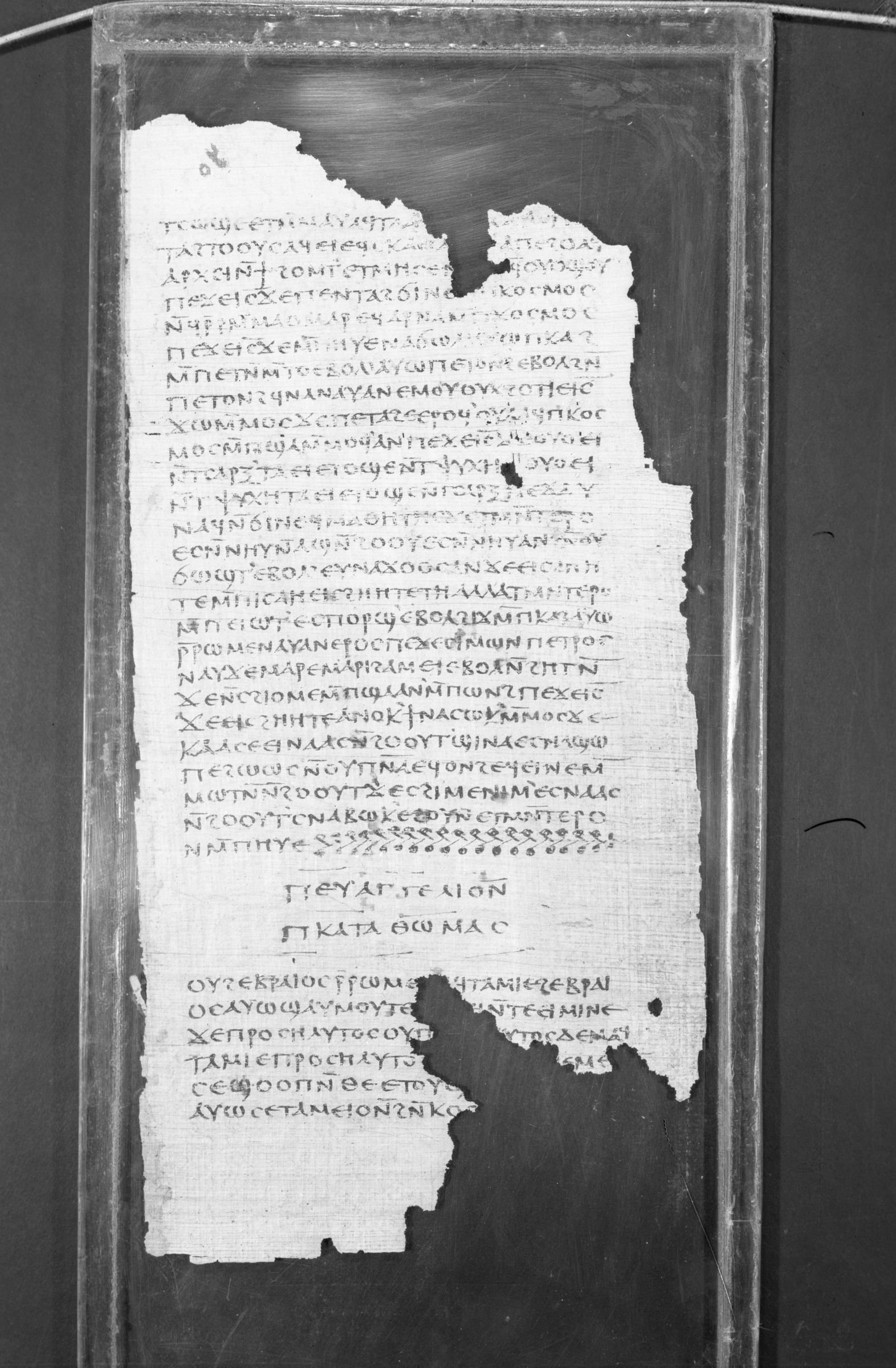
Page 51, lines 29-34 (Codex II page 51, A-Series negative, Facsimile Edition (Codex II, 1974) p. 63, CCDL nha 2842). Checked on the photograph: line 29 begins 'ⲟⲩϩⲉⲃⲣⲁⲓⲟⲥ ⲣ̄ⲣⲱⲙⲉ', directly below the title of the Gospel of Thomas (lines 27-28); line 34 reads 'ⲁⲩⲱ ⲥⲉⲧⲁⲙⲉⲓⲟ ⲛ̄ϩⲛ̄ⲕⲟ', breaking off at the lower break. Page and line numbers from the Marcion transcription; English from Mattison's text between his page marks 51 and 52.
51.29ⲟⲩϩⲉⲃⲣⲁⲓⲟⲥ ⲣ̄ⲣⲱⲙⲉ [ϣ]ⲁ̣ϥⲧⲁⲙⲓⲉ ϩⲉⲃⲣⲁⲓ-
51.30ⲟⲥ ⲁⲩⲱ ϣⲁⲩⲙⲟⲩⲧⲉ [ⲉⲛⲁ]ⲉⲓ ⲛ̄ⲧⲉⲉⲓⲙⲓⲛⲉ
51.31ϫⲉ ⲡⲣⲟⲥⲏⲗⲩⲧⲟⲥ ⲟⲩⲡ[ⲣⲟⲥⲏ]ⲗ̣ⲩⲧⲟⲥ ⲇⲉ ⲙⲁϥ-
51.32ⲧⲁⲙⲓⲉ ⲡⲣⲟⲥⲏⲗⲩⲧⲟⲥ̣ [......].ⲉ ⲙⲉ̣ⲛ
51.33ⲥⲉϣⲟⲟⲡ ⲛ̄ⲑⲉ ⲉⲧⲟⲩϣ[.........]
51.34ⲁⲩⲱ ⲥⲉⲧⲁⲙⲉⲓⲟ ⲛ̄ϩⲛ̄ⲕⲟⲟ̣[ⲩⲉ .......]
Gentiles, Hebrews, and Christians
A Hebrew creates a Hebrew, and [those] of this kind are called "a proselyte." But a [proselyte] doesn't create (another) proselyte. They're like […] and they create others […]
Where on the image
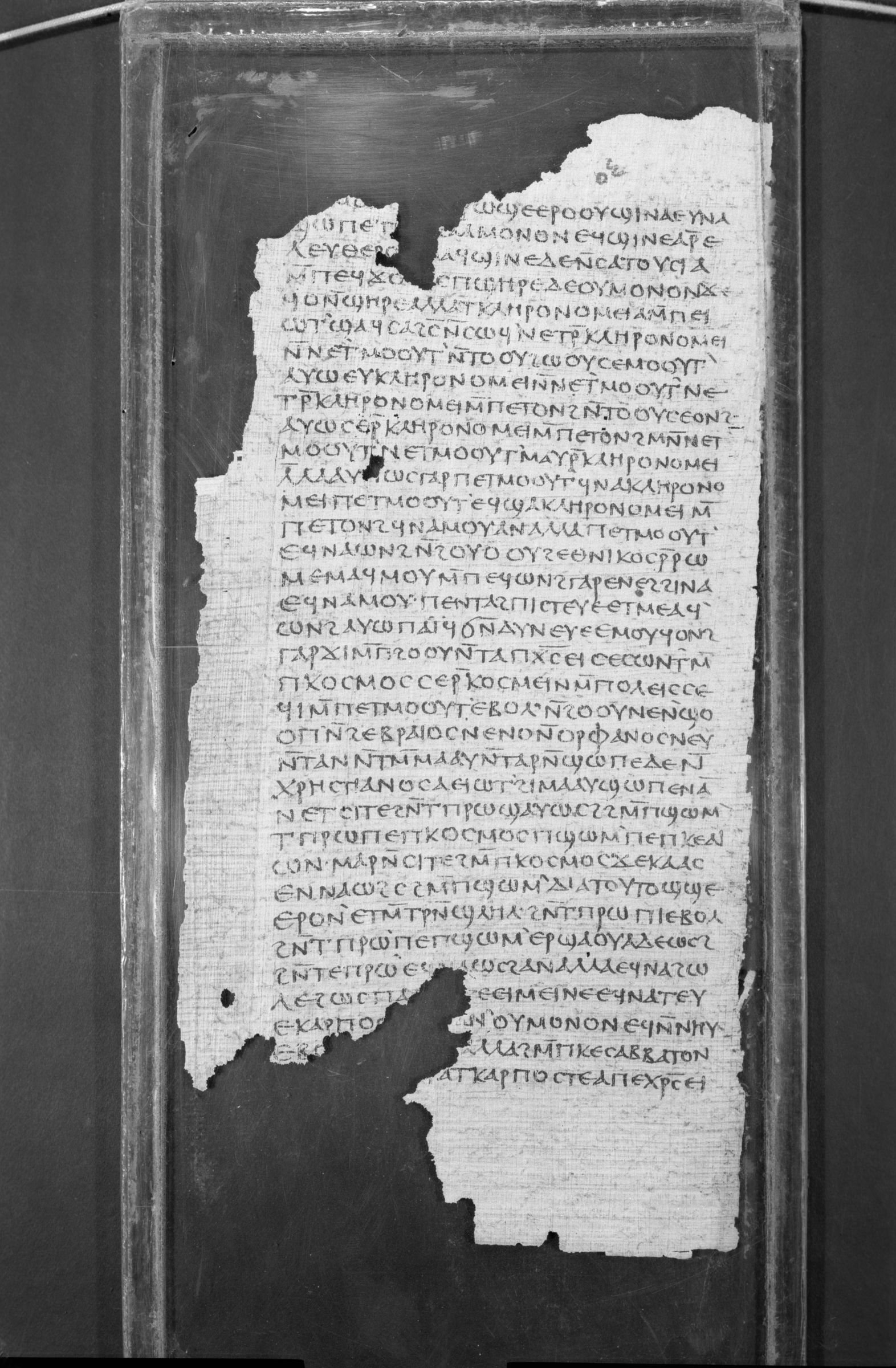
Page 52, lines 1-35 (Codex II page 52, A-Series negative, Facsimile Edition (Codex II, 1974) p. 64, CCDL nha 2825). Checked on the photograph: line 1 begins '...ⲣⲱϣⲉ ⲉⲣⲟⲟⲩ ϣⲓⲛⲁ ⲉⲩⲛⲁ' (its beginning lost); line 35 reads '...ⲁⲧⲕⲁⲣⲡⲟⲥ ⲧⲉ ⲁⲡⲉⲭⲣ︤ⲥ︥ ⲉⲓ'; the left part of the page is broken away. Page and line numbers from the Marcion transcription; English from Mattison's text between his page marks 52 and 53.
52.1[ⲇⲉ] ⲙⲟⲛ̣ⲟ̣[ⲛ ⲉⲥ]ⲣ̣ⲱϣⲉ ⲉⲣⲟⲟⲩ ϣⲓⲛⲁ ⲉⲩⲛⲁ-
52.2ϣⲱⲡⲉ⳿ ⲡ[ϩⲙ]ϩ̣︤ⲁ︦ⲗ︥ ⲙⲟⲛⲟⲛ ⲉϥϣⲓⲛⲉ ⲁⲣ̄ⲉ-
52.3ⲗⲉⲩⲑⲉⲣ̣ⲟ[ⲥ] ⲙ̣ⲁϥϣⲓⲛⲉ ⲇⲉ ⲛ̄ⲥⲁ ⲧⲟⲩⲥⲓⲁ
52.4ⲙ̄ⲡⲉϥϫⲟ[ⲉⲓ]ⲥ ⲡϣⲏⲣⲉ ⲇⲉ ⲟⲩ ⲙⲟⲛⲟⲛ ϫⲉ
52.5ϥⲟ ⲛ̄ϣⲏⲣⲉ ⲁⲗⲗⲁ ⲧⲕⲗⲏⲣⲟⲛⲟⲙⲉⲓⲁ ⲙ̄ⲡⲉⲓ-
52.6ⲱⲧ⳿ ϣⲁϥⲥⲁϩⲥ̄ ⲛ̄ⲥⲱϥ⳿ ⲛⲉⲧⲣ̄ⲕⲗⲏⲣⲟⲛⲟⲙⲉⲓ
52.7ⲛ̄ⲛⲉⲧ⳿ⲙⲟⲟⲩⲧ⳿ ⲛ̄ⲧⲟⲟⲩ ϩⲱⲟⲩ ⲥⲉⲙⲟⲟⲩⲧ⳿
52.8ⲁⲩⲱ ⲉⲩⲕⲗⲏⲣⲟⲛⲟⲙⲉⲓ ⲛ̄ⲛⲉⲧ⳿ⲙⲟⲟⲩⲧ⳿ ⲛⲉ-
52.9ⲧⲣ̄ⲕⲗⲏⲣⲟⲛⲟⲙⲉⲓ ⲙ̄ⲡⲉⲧⲟⲛϩ ⲛ̄ⲧⲟⲟⲩ ⲥⲉⲟⲛϩ
52.10ⲁⲩⲱ ⲥⲉⲣ̄ⲕⲗⲏⲣⲟⲛⲟⲙⲉⲓ ⲙ̄ⲡⲉⲧⲟⲛϩ ⲙⲛ̄ ⲛⲉⲧ⳿-
52.11ⲙⲟⲟⲩⲧ⳿ ⲛⲉⲧⲙⲟⲟⲩⲧ⳿ ⲙⲁⲩⲣ̄ⲕⲗⲏⲣⲟⲛⲟⲙⲉⲓ
52.12ⲗ̄ⲗⲁⲁⲩ ⲡ̣ⲱⲥ ⲅⲁⲣ ⲡⲉⲧⲙⲟⲟⲩⲧ⳿ ϥⲛⲁⲕⲗⲏⲣⲟⲛⲟ-
52.13ⲙⲉⲓ ⲡⲉⲧⲙⲟⲟⲩⲧ⳿ ⲉϥϣⲁⲕⲗⲏⲣⲟⲛⲟⲙⲉⲓ ⲙ̄-
52.14ⲡⲉⲧⲟⲛϩ ϥⲛⲁⲙⲟⲩ ⲁⲛ ⲁⲗⲗⲁ ⲡⲉⲧⲙⲟⲟⲩⲧ⳿
52.15ⲉϥⲛⲁⲱⲛϩ ⲛ̄ϩⲟⲩⲟ ⲟⲩϩⲉⲑⲛⲓⲕⲟⲥ ⲣ̄ⲣⲱ-
52.16ⲙⲉ ⲙⲁϥⲙⲟⲩ ⲙ̄ⲡⲉϥⲱⲛϩ ⲅⲁⲣ ⲉⲛⲉϩ ϩⲓⲛⲁ
52.17ⲉϥⲛⲁⲙⲟⲩ⳿ ⲡⲉⲛⲧⲁϩⲡⲓⲥⲧⲉⲩⲉ ⲉⲧⲙⲉ ⲁϥ⳿-
52.18ⲱⲛϩ ⲁⲩⲱ ⲡⲁⲓ̈ ϥϭⲛ̄ⲇⲩⲛⲉⲩⲉ ⲉⲙⲟⲩ ϥⲟⲛϩ
52.19ⲅⲁⲣ ϫⲓⲙ̄ ⲡϩⲟⲟⲩ ⲛ̄ⲧⲁ ⲡⲭ︤ⲥ︥ ⲉⲓ ⲥⲉⲥⲱⲛⲧ⳿ ⲙ̄-
52.20ⲡⲕⲟⲥⲙⲟⲥ ⲥⲉⲣ̄ⲕⲟⲥⲙⲉⲓ ⲛⲙ̄ⲡⲟⲗⲉⲓⲥ ⲥⲉ-
52.21ϥⲓ ⲙ̄ⲡⲉⲧⲙⲟⲟⲩⲧ⳿ ⲉⲃⲟⲗ⳿ ⲛ̄ϩⲟⲟⲩ ⲛⲉⲛ⳿ϣⲟ-
52.22ⲟⲡ⳿ ⲛ̄ϩⲉⲃⲣⲁⲓⲟⲥ⳿ ⲛⲉⲛⲟ ⲛ̄ⲟⲣⲫⲁⲛⲟⲥ ⲛⲉⲩ-
52.23ⲛ̄ⲧⲁⲛ ⲛ̄ⲧⲙ̄ⲙⲁⲁⲩ ⲛ̄ⲧⲁⲣⲛ̄ϣⲱⲡⲉ ⲇⲉ ⲛ̄-
52.24ⲭⲣⲏⲥⲧⲓⲁⲛⲟⲥ ⲁⲉⲓⲱⲧ⳿ ϩⲓ ⲙⲁⲁⲩ ϣⲱⲡⲉ ⲛⲁⲛ
52.25ⲛⲉⲧⲥⲓⲧⲉ ϩⲛ̄ ⲧⲡⲣⲱ ϣⲁⲩⲱⲥϩ ϩⲙ̄ ⲡϣⲱⲙ⳿
52.26ⲧⲡⲣⲱ ⲡⲉ ⲡⲕⲟⲥⲙⲟⲥ ⲡϣⲱⲙ⳿ ⲡⲉ ⲡⲕⲉⲁⲓ-
52.27ⲱⲛ⳿ ⲙⲁⲣⲛ̄ⲥⲓⲧⲉ ϩⲙ̄ ⲡⲕⲟⲥⲙⲟⲥ ϫⲉⲕⲁⲁⲥ
52.28ⲉⲛⲛⲁⲱϩⲥ ϩⲙ̄ ⲡϣⲱⲙ⳿ ⲇⲓⲁ ⲧⲟⲩⲧⲟ ϣϣⲉ
52.29ⲉⲣⲟⲛ⳿ ⲉⲧⲙ̄ⲧⲣⲛ̄ϣⲗⲏⲗ⳿ ϩⲛ̄ ⲧⲡⲣⲱ ⲡⲓⲉⲃⲟⲗ
52.30ϩⲛ̄ ⲧⲡⲣⲱ⳿ ⲡⲉ ⲡϣⲱⲙ⳿ ⲉⲣϣⲁ ⲟⲩⲁ ⲇⲉ ⲱⲥϩ
52.31ϩⲛ̄ ⲧⲉⲡⲣⲱ⳿ ⲉϥⲛⲁⲱⲥϩ ⲁⲛ ⲁⲗⲗⲁ ⲉϥⲛⲁϩⲱ-
52.32ⲗⲉ ϩⲱⲥ ⲡⲁⲉ̣[ⲓ ⲛ̄]ⲧⲉⲉⲓⲙⲉⲓⲛⲉ ⲉϥⲛⲁⲧⲉⲩ-
52.33ⲉ ⲕⲁⲣⲡⲟⲥ̣ [ⲛⲁϥ⳿] ⲁⲛ⳿ ⲟⲩ ⲙⲟⲛⲟⲛ ⲉϥⲛ̄ⲛⲏⲩ
52.34ⲉⲃⲟ̣[ⲗ ......] ⲁⲗⲗⲁ ϩⲙ̄ ⲡⲕⲉⲥⲁⲃⲃⲁⲧⲟⲛ
52.35[....... ⲟ]ⲩ̣ⲁⲧⲕⲁⲣⲡⲟⲥ ⲧⲉ ⲁⲡⲉⲭⲣ︤ⲥ︥ ⲉⲓ
it's good enough for them that they come into being.
The slave seeks only freedom; they don't seek their master's property. But the son isn't just a son; he claims his father's inheritance for himself. Those who inherit the dead are themselves dead, and they inherit the dead. Those who inherit the living are themselves alive, and they inherit (both) the living and the dead. The dead can't inherit anything, because how can the dead inherit? If the dead inherits the living they won't die, but the dead will live even more! A gentile doesn't die, because they've never lived in order that they may die. Whoever has believed in the Truth has lived, and is at risk of dying, because they're alive since the day Christ came. The world is created, the cities gentrified, and the dead carried out.
When we were Hebrews, we were fatherless – we had (only) our mother. But when we became Christians, we gained both father and mother.
Life, Death, Light, and Darkness
Those who sow in the winter reap in the summer. The winter is the world, the summer the other age. Let's sow in the world so that we may reap in the summer. Because of this, it's not right for us to pray in the winter. The summer follows the winter. But if someone reaps in the winter they won't reap, but uproot, as this kind won't produce fruit […] it doesn't just come out […] but in the other Sabbath […] it's fruitless.
Christ came
Where on the image
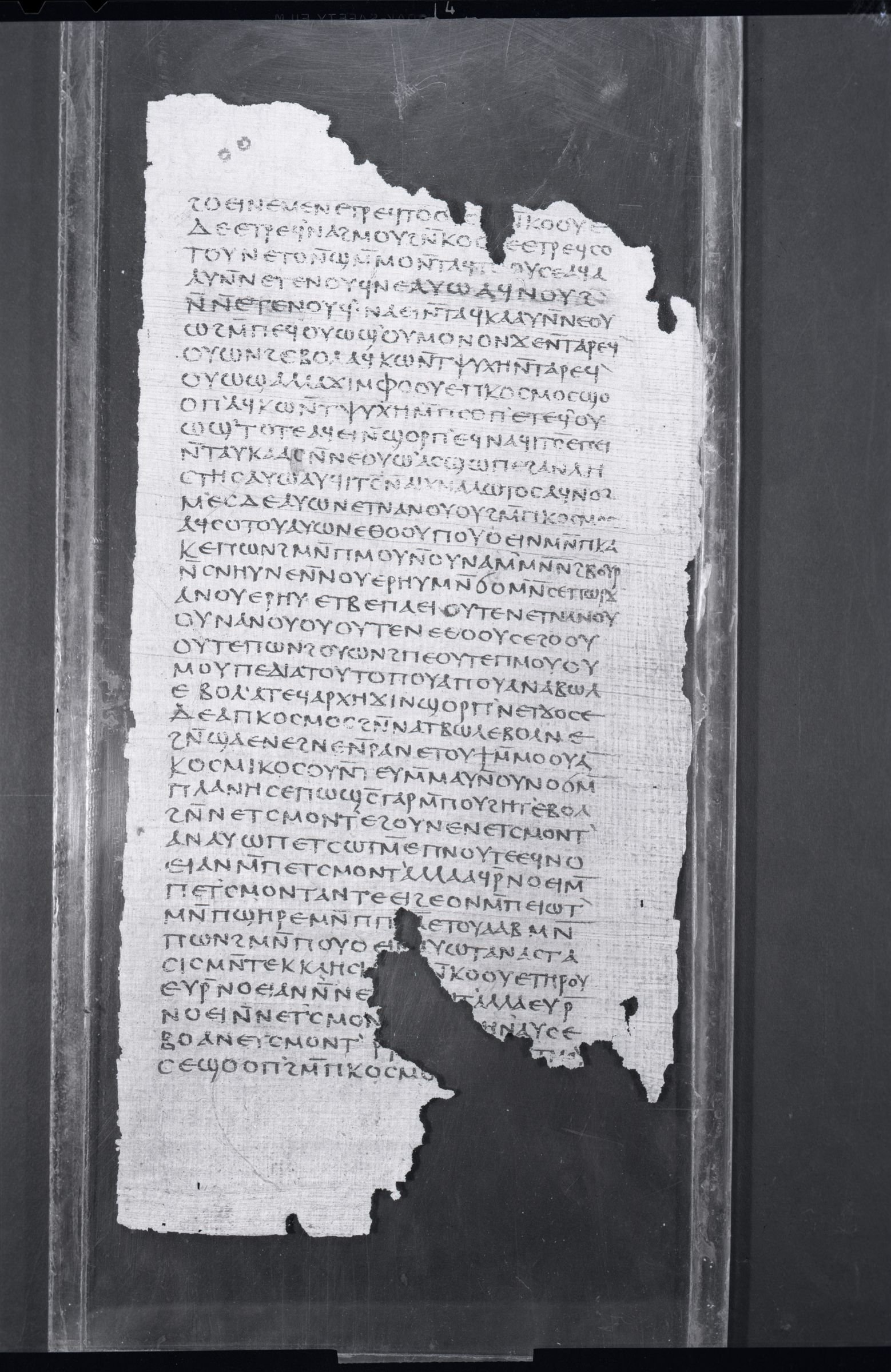
Page 53, lines 1-36 (Codex II page 53, A-Series negative, Facsimile Edition (Codex II, 1974) p. 65, CCDL nha 2928). Checked on the photograph: line 1 begins 'ϩⲟⲉⲓⲛⲉ ⲙⲉⲛ ⲉⲧⲣⲉϥⲧⲟⲟⲩ...'; line 36 reads 'ⲥⲉϣⲟⲟⲡ ϩⲙ̄ ⲡⲕⲟⲥⲙⲟ...'. Page and line numbers from the Marcion transcription; English from Mattison's text between his page marks 53 and 54.
53.1ϩⲟⲉⲓⲛⲉ ⲙⲉⲛ ⲉⲧⲣⲉϥⲧⲟⲟⲩⲥ[ⲉ ϩ]ⲛ̄ⲕⲟⲟⲩⲉ
53.2ⲇⲉ ⲉⲧⲣⲉϥ⳿ⲛⲁϩⲙⲟⲩ ϩⲛ̄ⲕⲟⲟⲩ̣ⲉ ⲉⲧⲣⲉϥⲥⲟ-
53.3ⲧⲟⲩ ⲛⲉⲧⲟ ⲛ̄ϣⲙ̄ⲙⲟ ⲛ̄ⲧⲁϥⲧⲟⲟⲩⲥⲉ ⲁϥⲁ-
53.4ⲁⲩ ⲛ̄ⲛⲉⲧⲉ ⲛⲟⲩϥ ⲛⲉ ⲁⲩⲱ ⲁϥⲛⲟⲩϩ⳿
53.5ⲛ̄ⲛ̄ⲉⲧⲉ ⲛⲟⲩϥ ⲛⲁⲉⲓ ⲛ̄ⲧⲁϥⲕⲁⲁⲩ ⲛ̄ⲛⲉⲟⲩ-
53.6ⲱ ϩⲙ̄ ⲡⲉϥ⳿ⲟⲩⲱϣ⳿ ⲟⲩ ⲙⲟⲛⲟⲛ ϫⲉ ⲛ̄ⲧⲁⲣⲉϥ⳿-
53.7ⲟⲩⲱⲛϩ ⲉⲃⲟⲗ ⲁϥⲕⲱ ⲛ̄ⲧⲯⲩⲭⲏ ⲛ̄ⲧⲁⲣⲉϥ⳿-
53.8ⲟⲩⲱϣ ⲁⲗⲗⲁ ϫⲓⲙ ⲫⲟⲟⲩ ⲉⲡⲕⲟⲥⲙⲟⲥ ϣⲟ-
53.9ⲟⲡ⳿ ⲁϥⲕⲱ ⲛ̄ⲧⲯⲩⲭⲏ ⲙ̄ⲡⲥⲟⲡ⳿ ⲉⲧⲉϥ⳿ⲟⲩ-
53.10ⲱϣ⳿ ⲧⲟⲧⲉ ⲁϥⲉⲓ ⲛ̄ϣⲟⲣⲡ⳿ ⲉϥⲛⲁϥⲓⲧⲥ̄ ⲉⲡⲉⲓ
53.11ⲛ̄ⲧⲁⲩⲕⲁⲁⲥ ⲛ̄ⲛⲉⲟⲩⲱ⳿ ⲁⲥϣⲱⲡⲉ ϩⲁ ⲛⲗⲏ-
53.12ⲥⲧⲏⲥ ⲁⲩⲱ ⲁⲩϥⲓⲧⲥ̄ ⲛ̄ⲁⲓⲭⲙⲁⲗⲱⲧⲟⲥ ⲁϥⲛⲟϩ-
53.13ⲙⲉⲥ ⲇⲉ ⲁⲩⲱ ⲛⲉⲧⲛⲁⲛⲟⲩⲟⲩ ϩⲙ̄ ⲡⲕⲟⲥⲙⲟⲥ
53.14ⲁϥⲥⲟⲧⲟⲩ ⲁⲩⲱ ⲛⲉⲑⲟⲟⲩ ⲡⲟⲩⲟⲉⲓⲛ ⲙⲛ̄ ⲡⲕⲁ-
53.15ⲕⲉ ⲡⲱⲛϩ ⲙⲛ̄ ⲡⲙⲟⲩ ⲛ̄ⲟⲩⲛⲁⲙ⳿ ⲙⲛ̄ ⲛ̄ϩⲃⲟⲩⲣ
53.16ⲛ̄ⲥⲛⲏⲩ ⲛⲉ ⲛ̄ⲛⲟⲩⲉⲣⲏⲩ ⲙⲛ̄ ϭⲟⲙ⳿ ⲛ̄ⲥⲉⲡⲱⲣϫ
53.17ⲁⲛⲟⲩⲉⲣⲏⲩ⳿ ⲉⲧⲃⲉ ⲡⲁⲉⲓ ⲟⲩⲧⲉ ⲛⲉⲧⲛⲁⲛⲟⲩ-
53.18ⲟⲩ ⲛⲁⲛⲟⲩⲟⲩ ⲟⲩⲧⲉ ⲛⲉⲑⲟⲟⲩ ⲥⲉϩⲟⲟⲩ
53.19ⲟⲩⲧⲉ ⲡⲱⲛϩ ⲟⲩⲱⲛϩ ⲡⲉ ⲟⲩⲧⲉ ⲡⲙⲟⲩ ⲟⲩ-
53.20ⲙⲟⲩ ⲡⲉ ⲇⲓⲁ ⲧⲟⲩⲧⲟ ⲡⲟⲩⲁ ⲡⲟⲩⲁ ⲛⲁⲃⲱⲗ
53.21ⲉⲃⲟⲗ⳿ ⲁⲧⲉϥⲁⲣⲭⲏ ϫⲓⲛ ϣⲟⲣⲡ⳿ ⲛⲉⲧϫⲟⲥⲉ
53.22ⲇⲉ ⲁⲡⲕⲟⲥⲙⲟⲥ ϩⲛ̄ⲛⲁⲧⲃⲱⲗ ⲉⲃⲟⲗ ⲛⲉ
53.23ϩⲛ̄ϣⲁ ⲉⲛⲉϩ ⲛⲉ ⲛ̄ⲣⲁⲛ ⲉⲧⲟⲩϯ ⲙ̄ⲙⲟⲟⲩ ⲁⲛ-
53.24ⲕⲟⲥⲙⲓⲕⲟⲥ ⲟⲩⲛ̄ⲧⲉⲩ ⲙ̄ⲙⲁⲩ ⲛ̄ⲟⲩⲛⲟϭ ⲙ̄-
53.25ⲡⲗⲁⲛⲏ ⲥⲉⲡⲱϣⲥ̄ ⲅⲁⲣ ⲙ̄ⲡⲟⲩϩⲏⲧ⳿ ⲉⲃⲟⲗ
53.26ϩⲛ̄ ⲛⲉⲧⲥⲙⲟⲛⲧ⳿ ⲉϩⲟⲩⲛ ⲉⲛⲉⲧⲥⲙⲟⲛⲧ⳿
53.27ⲁⲛ ⲁⲩⲱ ⲡⲉⲧⲥⲱⲧⲙ̄ ⲉⲡⲛⲟⲩⲧⲉ ⲉϥⲛⲟ-
53.28ⲉⲓ ⲁⲛ ⲙ̄ⲡⲉⲧⲥⲙⲟⲛⲧ⳿ ⲁⲗⲗⲁ ⲁϥⲣ̄ⲛⲟⲉⲓ ⲙ̄-
53.29ⲡⲉⲧ⳿ⲥⲙⲟⲛⲧ ⲁⲛ ⲧⲉⲉⲓϩⲉ ⲟⲛ ⲙ̄ⲡⲉⲓⲱⲧ⳿
53.30ⲙⲛ̄ ⲡϣⲏⲣⲉ ⲙⲛ̄ ⲡⲡⲛ̣︤ⲁ︥ ⲉⲧⲟⲩⲁⲁⲃ ⲙⲛ̄
53.31ⲡⲱⲛϩ ⲙⲛ̄ ⲡⲟⲩⲟⲉⲓⲛ ⲁⲩⲱ ⲧⲁⲛⲁⲥⲧⲁ-
53.32ⲥⲓⲥ ⲙⲛ̄ ⲧⲉⲕⲕⲗⲏⲥⲓⲁ̣ [ⲙ]ⲛ̣̄ ⲛ̄ⲕⲟⲟⲩⲉ ⲧⲏⲣⲟⲩ
53.33ⲉⲩⲣ̄ⲛⲟⲉⲓ ⲁⲛ ⲛ̄ⲛⲉⲧ̣[ⲥⲙⲟ]ⲛ̣ⲧ⳿ ⲁⲗⲗⲁ ⲉⲩⲣ̄-
53.34ⲛⲟⲉⲓ ⲛ̄ⲛⲉⲧ⳿ⲥⲙⲟⲛ[ⲧ⳿ ⲁⲛ ⲡⲗ]ⲏⲛ⳿ ⲁⲩⲥⲉ-
53.35ⲃⲟ ⲁⲛⲉⲧⲥⲙⲟⲛⲧ⳿ ⲣ̄ⲣ̣ⲁ̣[ⲛ ⲛ̄ⲧⲁⲩⲥ]ⲁ̣ⲧⲙⲟⲩ
53.36ⲥⲉϣⲟⲟⲡ⳿ ϩⲙ̄ ⲡⲕⲟⲥⲙⲟ[ⲥ .......]
to buy some, but to save others, and to redeem yet others. He bought those who were strangers, made them his own, and set them apart as a pledge as he wanted to. It wasn't just when he appeared that he laid down his life when he wanted to, but since the day the world came into being he laid down his life when he wanted to. Then he came first to take it, since it had been pledged. It was dominated by the robbers that had captured it, but he saved it; and those who are good in the world he redeemed, as well as those who are bad.
The light and the darkness, the right and the left, are brothers of each other. They're inseparable. So, those who are good aren't good, those who are bad aren't bad, nor is life (really) life, nor is death (really) death. Because of this, each one will be dissolved into its origin from the beginning. But those who are exalted above the world are indissoluble and eternal.
Names
The names that are given to those who are worldly are very deceptive, because they turn the heart away from what's right to what's not right, and someone who hears "God" doesn't think of what's right but thinks of what's not right. So also with "the Father," "the Son," "the Holy Spirit," "the life," "the light," "the resurrection," "the church," and all the others – they don't think of [what's right] but think of what's [not] right, [unless] they've learned what's right. The [names that were heard] exist in the world […]
Where on the image
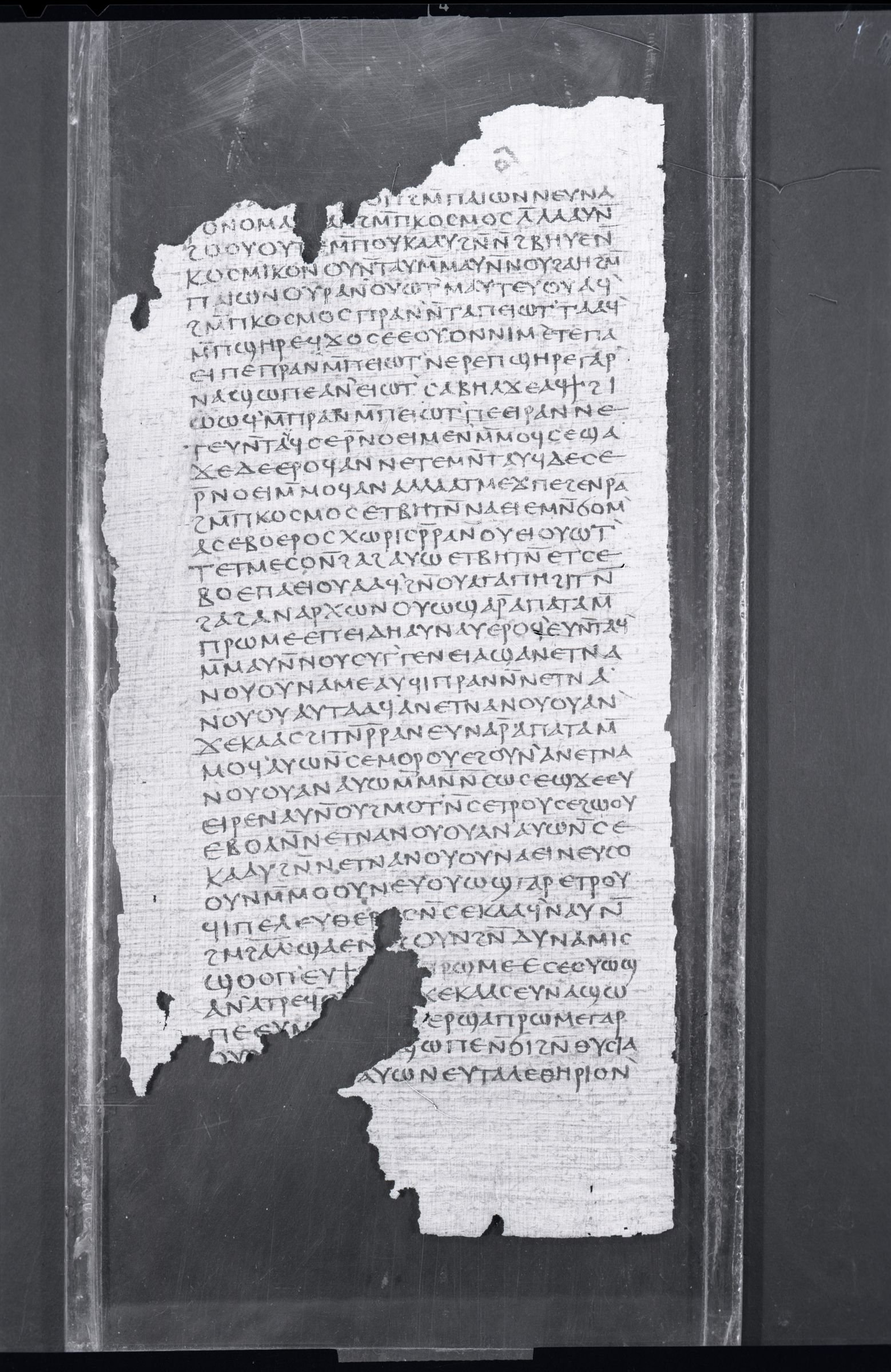
Page 54, lines 1-36 (Codex II page 54, A-Series negative, Facsimile Edition (Codex II, 1974) p. 66, CCDL nha 2944). Checked on the photograph: line 1 begins '...ⲟⲟⲡ ϩⲙ̄ ⲡⲁⲓⲱⲛ ⲛⲉⲩⲛⲁ'; line 36 reads '...ⲁⲩⲱ ⲛⲉⲩⲧⲁⲗⲉ ⲑⲏⲣⲓⲟⲛ'. Page and line numbers from the Marcion transcription; English from Mattison's text between his page marks 54 and 55.
54.1[ⲁⲡ]ⲁ̣ⲧ̣ⲁ [ⲉ]ⲛ̣[ⲉⲩ]ϣ[ⲟ]ⲟⲡ⳿ ϩⲙ̄ ⲡⲁⲓⲱⲛ ⲛⲉⲩⲛⲁ-
54.2ⲣ̣̄ⲟⲛⲟⲙⲁⲍ̣[ⲉ] ⲁⲛ ϩⲙ̄ ⲡⲕⲟⲥⲙⲟⲥ ⲗ̄ⲗⲁⲁⲩ ⲛ̄-
54.3ϩⲟⲟⲩ ⲟⲩⲧⲉ ⲙ̄ⲡⲟⲩⲕⲁⲁⲩ ϩⲛ̄ ⲛ̄ϩⲃⲏⲩⲉ ⲛ̄-
54.4ⲕⲟⲥⲙⲓⲕⲟⲛ ⲟⲩⲛ̄ⲧⲁⲩ ⲙ̄ⲙⲁⲩ ⲛ̄ⲛⲟⲩϩⲁⲏ ϩⲙ̄
54.5ⲡⲁⲓⲱⲛ ⲟⲩⲣⲁⲛ⳿ ⲟⲩⲱⲧ⳿ ⲙⲁⲩⲧⲉⲩⲟⲩⲁϥ⳿
54.6ϩⲙ̄ ⲡⲕⲟⲥⲙⲟⲥ ⲡⲣⲁⲛ⳿ ⲛ̄ⲧⲁ ⲡⲉⲓⲱⲧ⳿ ⲧⲁⲁϥ⳿
54.7ⲙ̄ⲡϣⲏⲣⲉ ϥϫⲟⲥⲉ ⲉⲟⲩⲟⲛ ⲛⲓⲙ⳿ ⲉⲧⲉ ⲡⲁ-
54.8ⲉⲓ ⲡⲉ ⲡⲣⲁⲛ⳿ ⲙ̄ⲡⲉⲓⲱⲧ⳿ ⲛⲉⲣⲉ ⲡϣⲏⲣⲉ ⲅⲁⲣ⳿
54.9ⲛⲁϣⲱⲡⲉ ⲁⲛ⳿ ⲉⲓⲱⲧ⳿ ⲥⲁⲃⲏⲗ ϫⲉ ⲁϥϯ ϩⲓ-
54.10ⲱⲱϥ⳿ ⲙ̄ⲡⲣⲁⲛ ⲙ̄ⲡⲉⲓⲱⲧ⳿ ⲡⲉⲉⲓⲣⲁⲛ ⲛⲉ-
54.11ⲧⲉⲩⲛ̄ⲧⲁⲩϥ ⲥⲉⲣ̄ⲛⲟⲉⲓ ⲙⲉⲛ⳿ ⲙ̄ⲙⲟϥ ⲥⲉϣⲁ-
54.12ϫⲉ ⲇⲉ ⲉⲣⲟϥ ⲁⲛ ⲛⲉⲧⲉ ⲙⲛ̄ⲧⲁⲩϥ ⲇⲉ ⲥⲉ-
54.13ⲣ̄ⲛⲟⲉⲓ ⲙ̄ⲙⲟϥ ⲁⲛ ⲁⲗⲗⲁ ⲁⲧⲙⲉ ϫⲡⲉ ϩⲉⲛⲣⲁⲛ
54.14ϩⲙ̄ ⲡⲕⲟⲥⲙⲟⲥ ⲉⲧⲃⲏⲧⲛ̄ ⲛⲁⲉⲓ ⲉⲙⲛ̄ ϭⲟⲙ⳿
54.15ⲁⲥⲉⲃⲟ ⲉⲣⲟⲥ ⲭⲱⲣⲓⲥ ⲣ̄ⲣⲁⲛ ⲟⲩⲉⲓ ⲟⲩⲱⲧ⳿
54.16ⲧⲉ ⲧⲙⲉ ⲥⲟ ⲛ̄ϩⲁϩ ⲁⲩⲱ ⲉⲧⲃⲏⲧⲛ̄ ⲉⲧⲥⲉ-
54.17ⲃⲟ ⲉⲡⲁⲉⲓ ⲟⲩⲁⲁϥ ϩⲛ̄ ⲟⲩⲁⲅⲁⲡⲏ ϩⲓⲧⲛ̄
54.18ϩⲁϩ ⲁⲛⲁⲣⲭⲱⲛ ⲟⲩⲱϣ ⲁⲣ̄ⲁⲡⲁⲧⲁ ⲙ̄-
54.19ⲡⲣⲱⲙⲉ ⲉⲡⲉⲓⲇⲏ ⲁⲩⲛⲁⲩ ⲉⲣⲟϥ⳿ ⲉⲩⲛ̄ⲧⲁϥ⳿
54.20ⲙ̄ⲙⲁⲩ ⲛ̄ⲛⲟⲩⲥⲩⲅ⳿ⲅⲉⲛⲉⲓⲁ ϣⲁ ⲛⲉⲧⲛⲁ-
54.21ⲛⲟⲩⲟⲩ ⲛⲁⲙⲉ ⲁⲩϥⲓ ⲡⲣⲁⲛ ⲛ̄ⲛⲉⲧⲛⲁ⳿-
54.22ⲛⲟⲩⲟⲩ ⲁⲩⲧⲁⲁϥ⳿ ⲁⲛⲉⲧⲛⲁⲛⲟⲩⲟⲩ ⲁⲛ⳿
54.23ϫⲉⲕⲁⲁⲥ ϩⲓⲧⲛ̄ ⲣ̄ⲣⲁⲛ ⲉⲩⲛⲁⲣ̄⳿ⲁⲡⲁⲧⲁ ⲙ̄-
54.24ⲙⲟϥ⳿ ⲁⲩⲱ ⲛ̄ⲥⲉⲙⲟⲣⲟⲩ ⲉϩⲟⲩⲛ⳿ ⲁⲛⲉⲧⲛⲁ-
54.25ⲛⲟⲩⲟⲩ ⲁⲛ ⲁⲩⲱ ⲙ̄ⲙⲛ̄ⲛ̄ⲥⲱⲥ ⲉϣϫⲉ ⲉⲩ-
54.26ⲉⲓⲣⲉ ⲛⲁⲩ ⲛ̄ⲟⲩϩⲙⲟⲧ⳿ ⲛ̄ⲥⲉⲧⲣⲟⲩⲥⲉϩⲱⲟⲩ
54.27ⲉⲃⲟⲗ ⲛ̄ⲛⲉⲧⲛⲁⲛⲟⲩⲟⲩ ⲁⲛ ⲁⲩⲱ ⲛ̄ⲥⲉ-
54.28ⲕⲁⲁⲩ ϩⲛ̄ ⲛⲉⲧⲛⲁⲛⲟⲩⲟⲩ ⲛⲁⲉⲓ ⲛⲉⲩⲥⲟ-
54.29ⲟⲩⲛ ⲙ̄ⲙⲟⲟⲩ ⲛⲉⲩⲟⲩⲱϣ ⲅⲁⲣ ⲉⲧⲣⲟⲩ-
54.30ϥⲓ ⲡⲉⲗⲉⲩⲑⲉⲣ[ⲟ]ⲥ ⲛ̄ⲥⲉⲕⲁⲁϥ⳿ ⲛⲁⲩ ⲛ̄-
54.31ϩⲙϩ︤ⲁ︦ⲗ︥⳿ ϣⲁ ⲉⲛⲉ̣ϩ ⲟⲩⲛ ϩⲛ̄ⲇⲩⲛⲁⲙⲓⲥ
54.32ϣⲟⲟⲡ⳿ ⲉⲩϯϩ̣[...] ⲡⲣⲱⲙⲉ ⲉⲥⲉⲟⲩⲱϣ
54.33ⲁⲛ⳿ ⲁⲧⲣⲉϥ⳿ⲟ̣ⲩ̣[ϫⲁⲉⲓ] ϫⲉⲕⲁⲁⲥ ⲉⲩⲛⲁϣⲱ-
54.34ⲡⲉ ⲉⲩ̣ⲙ[.....]ⲗ̣ ⲉⲣϣⲁ ⲡⲣⲱⲙⲉ ⲅⲁⲣ
54.35ⲟⲩϫ̣[ⲁⲉⲓ ⲛ̄ⲛⲟⲩ]ϣⲱⲡⲉ ⲛ̄ϭⲓ ϩⲛ̄ⲑⲩⲥⲓⲁ
54.36[........]ⲁⲩⲱ ⲛⲉⲩⲧⲁⲗⲉ ⲑⲏⲣⲓⲟⲛ⳿
[deceive. If they existed] in the (eternal) age they wouldn't have been used as names in the world, nor would they have been placed among worldly things. They have an end in the (eternal) age.
There's one name that isn't uttered in the world: the name which the Father gave to the Son. It's exalted over everything; it's the Father's name, because the Son wouldn't have become father unless he had taken the name of the Father. Those who have this name know it, but don't say it; and those who don't have it, don't know it. But Truth brought names into the world for us, because it's impossible for us to learn it (Truth) without these names. There's only one Truth, but it's many things for us, to teach this one thing in love through many things.
The Rulers
The rulers wanted to deceive humanity, because they (the rulers) saw that they (humanity) had a kinship with those that are truly good. They took the name of those that are good and gave it to those that aren't good, to deceive them (humanity) by the names and bind them to those that aren't good; and then, what a favor they do for them! They take them from those that aren't good and place them among those that are good. They knew what they were doing, because they wanted to take those who were free and place them in slavery forever. There are powers that exist […] humanity, not wanting them to be [saved], so that they may be […] because if humanity [was saved], sacrifices [wouldn't] happen […] and animals offered
Where on the image
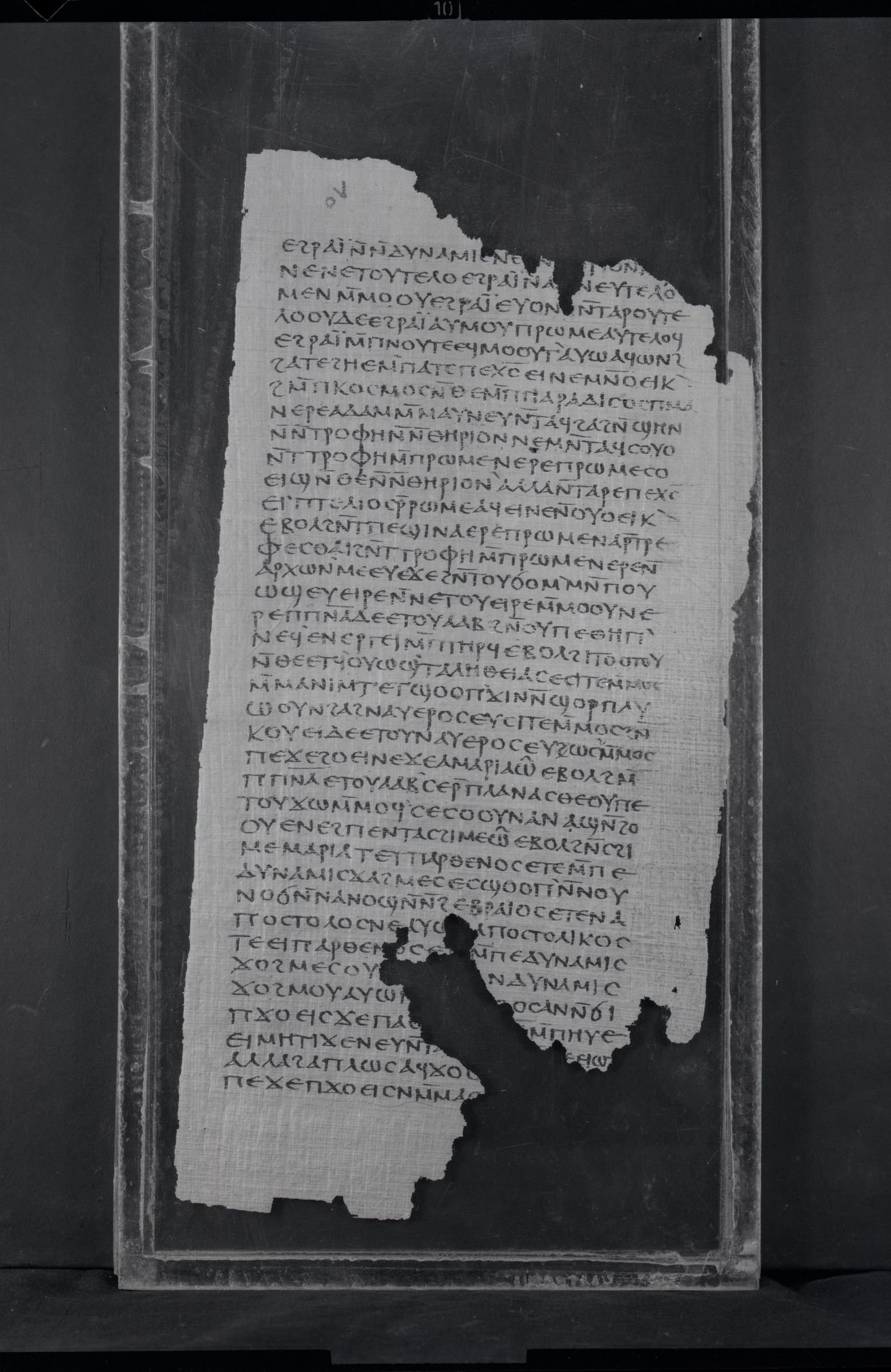
Page 55, lines 1-37 (Codex II page 55, A-Series negative, Facsimile Edition (Codex II, 1974) p. 67, CCDL nha 2889). Checked on the photograph: line 1 begins 'ⲉϩⲣⲁⲓ̈ ⲛ̄ⲛ̄ⲇⲩⲛⲁⲙⲓⲥ ⲛⲉ...'; line 37 reads 'ⲡⲉϫⲉ ⲡϫⲟⲉⲓⲥ ⲛ̄ⲙ̄ⲙⲁ...'; the circumflex over ⲱ in ⲁⲙⲁⲣⲓⲁ ⲱ̂ ⲉⲃⲟⲗ (line 23) is visible. Page and line numbers from the Marcion transcription; English from Mattison's text between his page marks 55 and 56.
55.1ⲉϩⲣⲁⲓ̈ ⲛ̄ⲛ̄ⲇⲩⲛⲁⲙⲓⲥ ⲛⲉ [ϩ]ⲛ̣̄[ⲑ]ⲏ̣ⲣ̣ⲓ̣ⲟⲛ ⲅ̣ⲁ̣ⲣ̣
55.2ⲛⲉ ⲛⲉⲧⲟⲩⲧⲉⲗⲟ ⲉϩⲣⲁⲓ̈ ⲛⲁ[ⲩ] ⲛⲉⲩⲧⲉⲗⲟ
55.3ⲙⲉⲛ ⲙ̄ⲙⲟⲟⲩ ⲉϩⲣⲁⲓ̈ ⲉⲩⲟⲛϩ̣ ⲛ̄ⲧⲁⲣⲟⲩⲧⲉ-
55.4ⲗⲟⲟⲩ ⲇⲉ ⲉϩⲣⲁⲓ̈ ⲁⲩⲙⲟⲩ ⲡⲣⲱⲙⲉ ⲁⲩⲧⲉⲗⲟϥ
55.5ⲉϩⲣⲁⲓ̈ ⲙ̄ⲡⲛⲟⲩⲧⲉ ⲉϥⲙⲟⲟⲩⲧ⳿ ⲁⲩⲱ ⲁϥⲱⲛϩ
55.6ϩⲁ ⲧⲉϩⲏ ⲉⲙ⳿ⲡⲁⲧⲉ ⲡⲉⲭ︤ⲥ︥ ⲉⲓ ⲛⲉ ⲙⲛ̄ ⲟⲉⲓⲕ⳿
55.7ϩⲙ̄ ⲡⲕⲟⲥⲙⲟⲥ ⲛ̄ⲑⲉ ⲙ̄ⲡⲡⲁⲣⲁⲇⲓⲥⲟⲥ ⲡⲙⲁ
55.8ⲛⲉⲣⲉ ⲁⲇⲁⲙ ⲙ̄ⲙⲁⲩ ⲛⲉⲩⲛ̄ⲧⲁϥ ϩⲁϩ ⲛ̄ϣⲏⲛ
55.9ⲛ̄ⲛ̄ⲧⲣⲟⲫⲏ ⲛ̄ⲛ̄ⲑⲏⲣⲓⲟⲛ ⲛⲉ ⲙⲛ̄ⲧⲁϥ ⲥⲟⲩⲟ
55.10ⲛ̄ⲧⲧⲣⲟⲫⲏ ⲙ̄ⲡⲣⲱⲙⲉ ⲛⲉⲣⲉ ⲡⲣⲱⲙⲉ ⲥⲟ-
55.11ⲉⲓϣ ⲛ̄ⲑⲉ ⲛ̄ⲛ̄ⲑⲏⲣⲓⲟⲛ⳿ ⲁⲗⲗⲁ ⲛ̄ⲧⲁⲣⲉ ⲡⲉⲭⲥ̄
55.12ⲉⲓ⳿ ⲡⲧⲉⲗⲓⲟⲥ ⲣ̄ⲣⲱⲙⲉ ⲁϥⲉⲓⲛⲉ ⲛ̄ⲟⲩⲟⲉⲓⲕ⳿
55.13ⲉⲃⲟⲗ ϩⲛ̄ ⲧⲡⲉ ϣⲓⲛⲁ ⲉⲣⲉ ⲡⲣⲱⲙⲉ ⲛⲁⲣ̄ⲧⲣⲉ-
55.14ⲫⲉⲥⲑⲁⲓ ϩⲛ̄ ⲧⲧⲣⲟⲫⲏ ⲙ̄ⲡⲣⲱⲙⲉ ⲛⲉⲣⲉ ⲛ̄-
55.15ⲁⲣⲭⲱⲛ⳿ ⲙⲉⲉⲩⲉ ϫⲉ ϩⲛ̄ ⲧⲟⲩϭⲟⲙ⳿ ⲙⲛ̄ ⲡⲟⲩ-
55.16ⲱϣ ⲉⲩⲉⲓⲣⲉ ⲛ̄ⲛⲉⲧⲟⲩⲉⲓⲣⲉ ⲙ̄ⲙⲟⲟⲩ ⲛⲉ-
55.17ⲣⲉ ⲡⲡⲛ︤ⲁ︥ ⲇⲉ ⲉⲧⲟⲩⲁⲁⲃ ϩⲛ̄ ⲟⲩⲡⲉⲑⲏⲡ⳿
55.18ⲛⲉϥ⳿ⲉⲛⲉⲣⲅⲉⲓ ⲙ̄ⲡⲧⲏⲣϥ ⲉⲃⲟⲗ ϩⲓⲧⲟⲟⲧⲟⲩ
55.19ⲛ̄ⲑⲉ ⲉⲧϥ⳿ⲟⲩⲱϣ⳿ ⲧⲁⲗⲏⲑⲉⲓⲁ ⲥⲉⲥⲓⲧⲉ ⲙ̄ⲙⲟⲥ
55.20ⲙ̄ⲙⲁ ⲛⲓⲙ ⲧⲉⲧϣⲟⲟⲡ⳿ ϫⲓⲛ ⲛ̄ϣⲟⲣⲡ ⲁⲩ-
55.21ⲱ ⲟⲩⲛ ϩⲁϩ ⲛⲁⲩ ⲉⲣⲟⲥ ⲉⲩⲥⲓⲧⲉ ⲙ̄ⲙⲟⲥ ϩⲛ̄-
55.22ⲕⲟⲩⲉⲓ ⲇⲉ ⲉⲧⲟⲩⲛⲁⲩ ⲉⲣⲟⲥ ⲉⲩⲱⲥϩ ⲙ̄ⲙⲟⲥ
55.23ⲡⲉϫⲉ ϩⲟⲉⲓⲛⲉ ϫⲉ ⲁⲙⲁⲣⲓⲁ ⲱ̂ ⲉⲃⲟⲗ ϩⲙ̄
55.24ⲡⲡⲛ︤ⲁ︥ ⲉⲧⲟⲩⲁⲁⲃ⳿ ⲥⲉⲣ̄ⲡⲗⲁⲛⲁⲥⲑⲉ ⲟⲩ ⲡⲉ-
55.25ⲧⲟⲩϫⲱ ⲙ̄ⲙⲟϥ ⲥⲉⲥⲟⲟⲩⲛ ⲁⲛ ⲁϣ ⲛ̄ϩⲟ-
55.26ⲟⲩ ⲉⲛⲉϩ ⲡⲉⲛⲧⲁ ⲥϩⲓⲙⲉ ⲱ̂ ⲉⲃⲟⲗ⳿ ϩⲛ̄ ⲥϩⲓ-
55.27ⲙⲉ ⲙⲁⲣⲓⲁ ⲧⲉ ⲧⲡⲁⲣⲑⲉⲛⲟⲥ ⲉⲧⲉ ⲙ̄ⲡⲉ
55.28ⲇⲩⲛⲁⲙⲓⲥ ϫⲁϩⲙⲉⲥ ⲉⲥϣⲟⲟⲡ⳿ ⲛ̄ⲛⲟⲩ-
55.29ⲛⲟϭ ⲛ̄ⲛⲁⲛⲟϣ ⲛ̄ⲛ̄ϩⲉⲃⲣⲁⲓⲟⲥ ⲉⲧⲉ ⲛⲁ-
55.30ⲡⲟⲥⲧⲟⲗⲟⲥ ⲛⲉ ⲁⲩⲱ [ⲛ̄]ⲁⲡⲟⲥⲧⲟⲗⲓⲕⲟⲥ
55.31ⲧⲉⲉⲓⲡⲁⲣⲑⲉⲛⲟⲥ ⲉⲧ[ⲉ] ⲙ̄ⲡⲉ ⲇⲩⲛⲁⲙⲓⲥ
55.32ϫⲟϩⲙⲉⲥ ⲟⲩ[......ⲁ]ⲛⲇⲩⲛⲁⲙⲓⲥ
55.33ϫⲟϩⲙⲟⲩ ⲁⲩⲱ ⲛ̣[ⲉϥⲛⲁϫ]ⲟ̣ⲟⲥ ⲁⲛ ⲛ̄ϭⲓ
55.34ⲡϫⲟⲉⲓⲥ ϫⲉ ⲡⲁⲉ̣[ⲓⲱⲧ ⲉⲧϩ]ⲛ̣̄ ⲙ̄ⲡⲏⲩⲉ
55.35ⲉⲓ ⲙⲏⲧⲓ ϫⲉ ⲛⲉⲩⲛ︤ⲧ︥ⲁ[ϥ ⲙ̄ⲙⲁⲩ] ⲛ̣̄[ⲕ]ⲉⲉⲓⲱⲧ̣
55.36ⲁⲗⲗⲁ ϩⲁⲡⲗⲱⲥ ⲁϥϫⲟⲟ̣[ⲥ ϫⲉ ⲡⲁⲉⲓⲱⲧ]
55.37ⲡⲉϫⲉ ⲡϫⲟⲉⲓⲥ ⲛⲙ̄ⲙⲁⲑ̣[ⲏⲧⲏⲥ ϫⲉ....]
up to the powers, because those to whom offerings were made were animals. They were offered up alive, but when they were offered up they died. A human was offered up to God dead, and he lived.
Before Christ came, there wasn't any bread in the world – just as Paradise, where Adam was, had many trees to feed the animals but no wheat to feed humanity. Humanity used to eat like the animals, but when Christ, the perfect human, came, he brought bread from heaven so that humanity would be fed with the food of humanity.
The rulers thought they did what they did by their own power and will, but the Holy Spirit was secretly accomplishing everything it wanted to through them. Truth, which has existed from the beginning, is sown everywhere; and many see it being sown, but few see it being reaped.
The Virgin Birth
Some say that "Mary conceived by the Holy Spirit." They're wrong; they don't know what they're saying. When did a woman ever conceive by a woman? "Mary is the virgin whom no power defiled" is the great testimony of those Hebrews who became (the first) apostles and (the) apostolic (successors). The virgin whom no power defiled […] the powers defiled themselves.
And the Lord [wouldn't] have said, "my [Father who is in] heaven" unless [he] had another father. Instead, he would simply have said ["my Father."] The Lord said to the [disciples, "…]
Where on the image
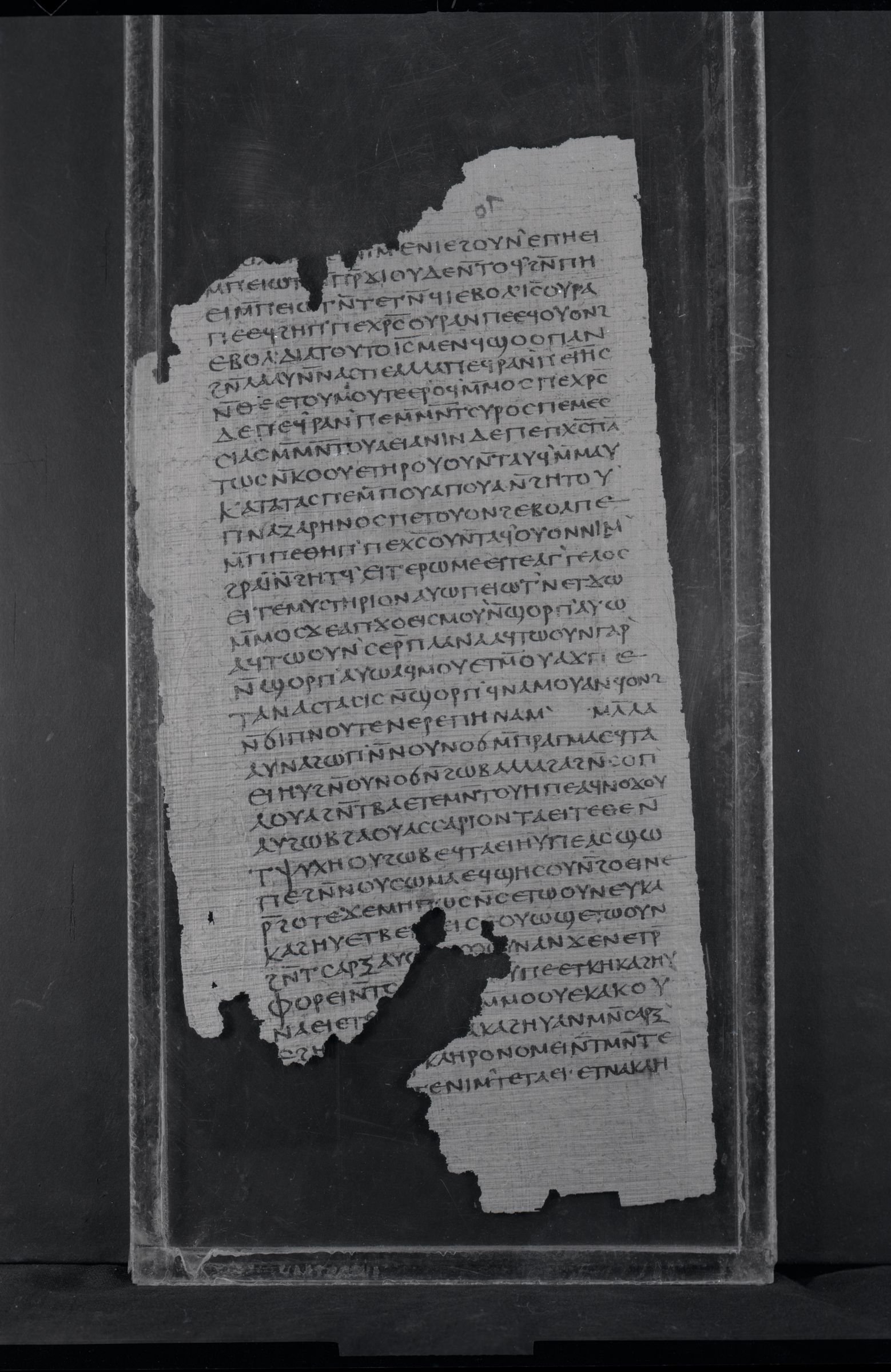
Page 56, lines 1-34 (Codex II page 56, A-Series negative, Facsimile Edition (Codex II, 1974) p. 68, CCDL nha 2835). Checked on the photograph: line 1 begins '...ⲉⲛⲓ ⲉϩⲟⲩⲛ⳿ ⲉⲡⲏⲉⲓ'; line 34 reads '...ⲛⲓⲙ⳿ ⲧⲉ ⲧⲁⲉⲓ⳿ ⲉⲧⲛⲁⲕⲗⲏ'; line 2 has ⲙ̄ⲡⲣ̄ϫⲓⲟⲩ without the ⲉ the editor adds in angle brackets. Page and line numbers from the Marcion transcription; English from Mattison's text between his page marks 56 and 57.
56.1[ⲉⲃ]ⲟ̣ⲗ̣ ϩ̣ⲛ̣̄ [ⲏ]ⲉⲓ ⲛⲓⲙ⳿̣ ⲉⲛⲓ ⲉϩⲟⲩⲛ⳿ ⲉⲡⲏⲉⲓ
56.2ⲙ̄ⲡⲉⲓⲱⲧ ⲙ̣̄ⲡⲣ̄ϫⲓⲟⲩ⟨ⲉ⟩ ⲇⲉ ⲛ̄ⲧⲟϥ⳿ ϩⲛ̄ ⲡⲏ-
56.3ⲉⲓ ⲙ̄ⲡⲉⲓⲱⲧ ⲛ̄ⲧⲉⲧⲛ̄ϥⲓ ⲉⲃⲟⲗ⳿ ⲓⲥ̄ ⲟⲩⲣⲁⲛ
56.4ⲡⲉ ⲉϥϩⲏⲡ⳿ ⲡⲉⲭⲣ︤ⲥ︥ ⲟⲩⲣⲁⲛ ⲡⲉ ⲉϥⲟⲩⲟⲛϩ
56.5ⲉⲃⲟⲗ⳿ ⲇⲓⲁ ⲧⲟⲩⲧⲟ ⲓ︤ⲥ︥ ⲙⲉⲛ ϥϣⲟⲟⲡ ⲁⲛ
56.6ϩⲛ̄ ⲗⲁⲁⲩ ⲛ̄ⲛⲁⲥⲡⲉ ⲁⲗⲗⲁ ⲡⲉϥⲣⲁⲛ⳿ ⲡⲉ ⲓ︤ⲏ︥ⲥ
56.7ⲛ̄ⲑⲉ ⲉⲧⲟⲩⲙⲟⲩⲧⲉ ⲉⲣⲟϥ⳿ ⲙ̄ⲙⲟⲥ ⲡⲉⲭⲣ︤ⲥ︥
56.8ⲇⲉ ⲡⲉϥ⳿ⲣⲁⲛ⳿ {ⲡⲉ} ⲙ̄ⲙ︤ⲛ︦ⲧ︥ⲥⲩⲣⲟⲥ ⲡⲉ ⲙⲉⲥ-
56.9ⲥⲓⲁⲥ ⲙ̄ⲙⲛ︤ⲧ︥ⲟⲩⲁⲉⲓⲁⲛⲓⲛ ⲇⲉ ⲡⲉ ⲡⲭ︤ⲥ︥ ⲡⲁⲛ-
56.10ⲧⲱⲥ ⲛ̄ⲕⲟⲟⲩⲉ ⲧⲏⲣⲟⲩ ⲟⲩⲛ̄ⲧⲁⲩϥ⳿ ⲙ̄ⲙⲁⲩ
56.11ⲕⲁⲧⲁ ⲧⲁⲥⲡⲉ ⲙ̄ⲡⲟⲩⲁ ⲡⲟⲩⲁ ⲛ̄ϩⲏⲧⲟⲩ⳿
56.12ⲡⲛⲁⲍⲁⲣⲏⲛⲟⲥ ⲡⲉⲧⲟⲩⲟⲛϩ ⲉⲃⲟⲗ ⲡⲉ
56.13ⲙ̄ⲡⲡⲉⲑⲏⲡ⳿ ⲡⲉⲭ︤ⲥ︥ ⲟⲩⲛ̄ⲧⲁϥ⳿ ⲟⲩⲟⲛ ⲛⲓⲙ⳿
56.14ϩⲣⲁⲓ̈ ⲛ̄ϩⲏⲧϥ⳿ ⲉⲓⲧⲉ ⲣⲱⲙⲉ ⲉⲓⲧⲉ ⲁⲅ⳿ⲅⲉⲗⲟⲥ
56.15ⲉⲓⲧⲉ ⲙⲩⲥⲧⲏⲣⲓⲟⲛ ⲁⲩⲱ ⲡⲉⲓⲱⲧ⳿ ⲛⲉⲧϫⲱ
56.16ⲙ̄ⲙⲟⲥ ϫⲉ ⲁⲡϫⲟⲉⲓⲥ ⲙⲟⲩ⳿ ⲛ̄ϣⲟⲣⲡ⳿ ⲁⲩⲱ
56.17ⲁϥⲧⲱⲟⲩⲛ⳿ ⲥⲉⲣ̄ⲡⲗⲁⲛⲁ ⲁϥⲧⲱⲟⲩⲛ ⲅⲁⲣ⳿
56.18ⲛ̄ϣⲟⲣⲡ⳿ ⲁⲩⲱ ⲁϥⲙⲟⲩ ⲉⲧⲙ̄ ⲟⲩⲁ ϫⲡⲉ
56.19ⲧⲁⲛⲁⲥⲧⲁⲥⲓⲥ ⲛ̄ϣⲟⲣⲡ⳿ ϥⲛⲁⲙⲟⲩ ⲁⲛ ϥⲟⲛϩ
56.20ⲛ̄ϭⲓ ⲡⲛⲟⲩⲧⲉ ⲛⲉⲣⲉ ⲡⲏ ⲛⲁⲙ⟨---⟩ ⲙⲗ̄ ⲗⲁ-
56.21ⲁⲩ ⲛⲁϩⲱⲡ⳿ ⲛ̄ⲛⲟⲩⲛⲟϭ ⲙ̄ⲡⲣⲁⲅⲙⲁ ⲉϥⲧⲁ-
56.22ⲉⲓⲏⲩ ϩⲛ̄ ⲟⲩⲛⲟϭ ⲛ̄ϩⲱⲃ ⲁⲗⲗⲁ ϩⲁϩ ⲛ̄ⲥⲟⲡ⳿
56.23ⲁⲟⲩⲁ ϩⲛ̄ⲧⲃⲁ ⲉⲧⲉ ⲙⲛ̄ⲧⲟⲩ ⲏⲡⲉ ⲁϥⲛⲟϫⲟⲩ
56.24ⲁⲩϩⲱⲃ ϩⲁ ⲟⲩⲁⲥⲥⲁⲣⲓⲟⲛ ⲧⲁⲉⲓ ⲧⲉ ⲑⲉ ⲛ̄-
56.25ⲧⲯⲩⲭⲏ ⲟⲩϩⲱⲃ ⲉϥⲧⲁⲉⲓⲏⲩ ⲡⲉ ⲁⲥϣⲱ-
56.26ⲡⲉ ϩⲛ̄ⲛⲟⲩⲥⲱⲙⲁ ⲉϥϣⲏⲥ ⲟⲩⲛ̄ ϩⲟⲉⲓⲛⲉ
56.27ⲣ̄ ϩⲟⲧⲉ ϫⲉ ⲙⲏⲡⲱⲥ ⲛ̄ⲥⲉⲧⲱⲟⲩⲛ ⲉⲩⲕⲁ-
56.28ⲕⲁϩⲏⲩ ⲉⲧⲃⲉ ⲡ[ⲁ]ⲉⲓ ⲥⲉⲟⲩⲱϣ ⲉⲧⲱⲟⲩⲛ
56.29ϩⲛ̄ ⲧⲥⲁⲣⲝ ⲁⲩⲱ̣ [ⲥ]ⲉ̣ⲥⲟⲟⲩⲛ ⲁⲛ ϫⲉ ⲛⲉⲧⲣ̄-
56.30ⲫⲟⲣⲉⲓ ⲛ̄ⲧⲥ[ⲁⲣⲝ ⲛ̄ⲧⲟ]ⲟ̣ⲩ ⲡⲉ ⲉⲧⲕⲏⲕⲁϩⲏⲩ
56.31ⲛⲁⲉⲓ ⲉⲧⲉ[......] ⲙ̄ⲙⲟⲟⲩ ⲉⲕⲁⲕⲟⲩ
56.32ⲉϩⲏ[ⲩ] ⲛ̣̄[ⲧⲟⲟⲩ ⲉⲧⲕ]ⲁⲕⲁϩⲏⲩ ⲁⲛ ⲙⲛ̄ ⲥⲁⲣⲝ⳿
56.33[ϩⲓ ⲥⲛⲟϥ ⲛⲁ]ⲣ̣̄ⲕⲗⲏⲣⲟⲛⲟⲙⲉⲓ ⲛ̄ⲧⲙⲛ̄ⲧⲉ-
56.34[ⲣⲟ ⲙ̄ⲡⲛⲟ]ⲩ̣ⲧⲉ ⲛⲓⲙ⳿ ⲧⲉ ⲧⲁⲉⲓ⳿ ⲉⲧⲛⲁⲕⲗⲏ-
[from] every [house] and bring into the Father's house, but don't steal (anything) from the Father's house or carry it away."
Jesus, Christ, Messiah, Nazarene
"Jesus" is a hidden name; "Christ" is a revealed name. So "Jesus" is not translated, but he's called by his name "Jesus." But the name "Christ" in Syriac is "Messiah," in Greek "Christ," and all the others have it according to their own language. "The Nazarene" reveals what's hidden. Christ has everything within himself, whether human or angel or mystery, and the Father.
The Resurrection
Those who say that the Lord died first and then arose are wrong, because he arose first and (then) he died. Anyone who doesn't first acquire the resurrection won't die. As God lives, that one would /die\!
No one will hide something great and valuable in a great thing, but often someone has put countless thousands into something worth (only) a penny. It's the same with the soul; a valuable thing came to be in a contemptible body.
Some are afraid that they'll arise naked. So they want to arise in the flesh, and [they] don't know that those who wear the [flesh] are naked. Those […] to strip themselves naked [are] not naked. "Flesh [and blood won't] inherit [God's] kingdom." What is it that
Notes
- Coptic: Marcion 1.8 (Milan Konvicka), Nag Hammadi text package, converted here from its ASCII font coding to Unicode Coptic letter for letter. Marcion does not name the printed edition behind its text. The small numbers are codex page and line (for example 61.30) as given in the source.
- Signs in the Coptic: a stroke over a letter is the scribe's supralinear stroke; a line over a group of letters marks an abbreviated holy name (for example ⲭ︤ⲥ︥, Christ); ⳿ marks the small stroke or point the scribe writes after some letters (the source does not distinguish the two); a dot under a letter marks an uncertain reading; square brackets mark letters lost in a gap (restored by the editor, or dots for the number of lost letters); round brackets write out an abbreviation; angle brackets mark letters added by the editor; curly brackets letters the editor removes; double square brackets letters cancelled by the scribe; a circumflex (as in ⲱ̂) is the scribe's. A hyphen at the end of a line marks a word that runs on to the next line (the transcription's convention, not a sign in the manuscript).
- Marcion's text also carries a paragraph code, and two further codes whose meaning it does not state (one at 21 places, one at 58.14 and 83.4). They are not reproduced: no mark stands at the paragraph or the first kind of place on the photographs, and at 58.14 and 83.4 the photograph shows only a small mark after the word.
- English: Mark M. Mattison, The Gospel of Philip (public domain), split at Mattison's own page numbers. Mattison's symbols: [ ] gap in the text, ( ) editorial insertion, / \ editorial correction of a scribal error. The headings in italics are his.
- Mattison's note, Page 52: since the day Christ came. It's not clear whether this phrase is the end of the previous sentence or the beginning of the next. This translation follows Hugo Lundhaug, Images of Rebirth: Cognitive Poetics and Transformational Soteriology in the Gospel of Philip and the Exegesis of the Soul (Brill), 2010, p. 236, n. 309. gentrified. Literally, "adorned."
- Mattison's note, Pages 54 and 55: humanity. The term translated "humanity" on these pages is literally "the human" in Coptic, but it clearly refers to humankind as a whole or humans in general. It's the same term used of the "human … offered up to God," where it clearly refers to Christ in a clever wordplay.
Cite
Sources
- Source: Nag Hammadi Codex II page photographs (Claremont Colleges Digital Library, Nag Hammadi Archive) + Coptic transcription from Marcion (Milan Konvicka) + English by Mark M. Mattison (public domain) (holding institution)
- Critical edition: Coptic transcription from Marcion (Milan Konvicka; printed edition not named)
← previous · → next · v cycle view · l back to library