Gospel of Philip, pages 57-62 (Nag Hammadi Codex II)
Introduction
The Gospel of Philip is a Christian anthology of short teachings, sayings and reflections on baptism, anointing, the bridal chamber and becoming what one perceives. It was composed in Greek, probably in the 2nd or 3rd century, and survives only in a Coptic translation: the third tractate of Nag Hammadi Codex II, a papyrus book copied in the 4th century, found near Nag Hammadi in Upper Egypt in 1945 and now in the Coptic Museum, Cairo (inv. 10544). The text runs from page 51 line 29, directly after the Gospel of Thomas, to page 86 line 19, where the title 'The Gospel according to Philip' stands at the end.
This entry covers codex pages 57-62, one section per page. The Coptic is given line by line with codex page and line numbers, so each line can be found on the photograph. The English is Mark M. Mattison's public domain translation, divided at the page numbers Mattison prints in it; because English word order differs from Coptic, a sentence divided between two pages is divided where the translator put the page mark.
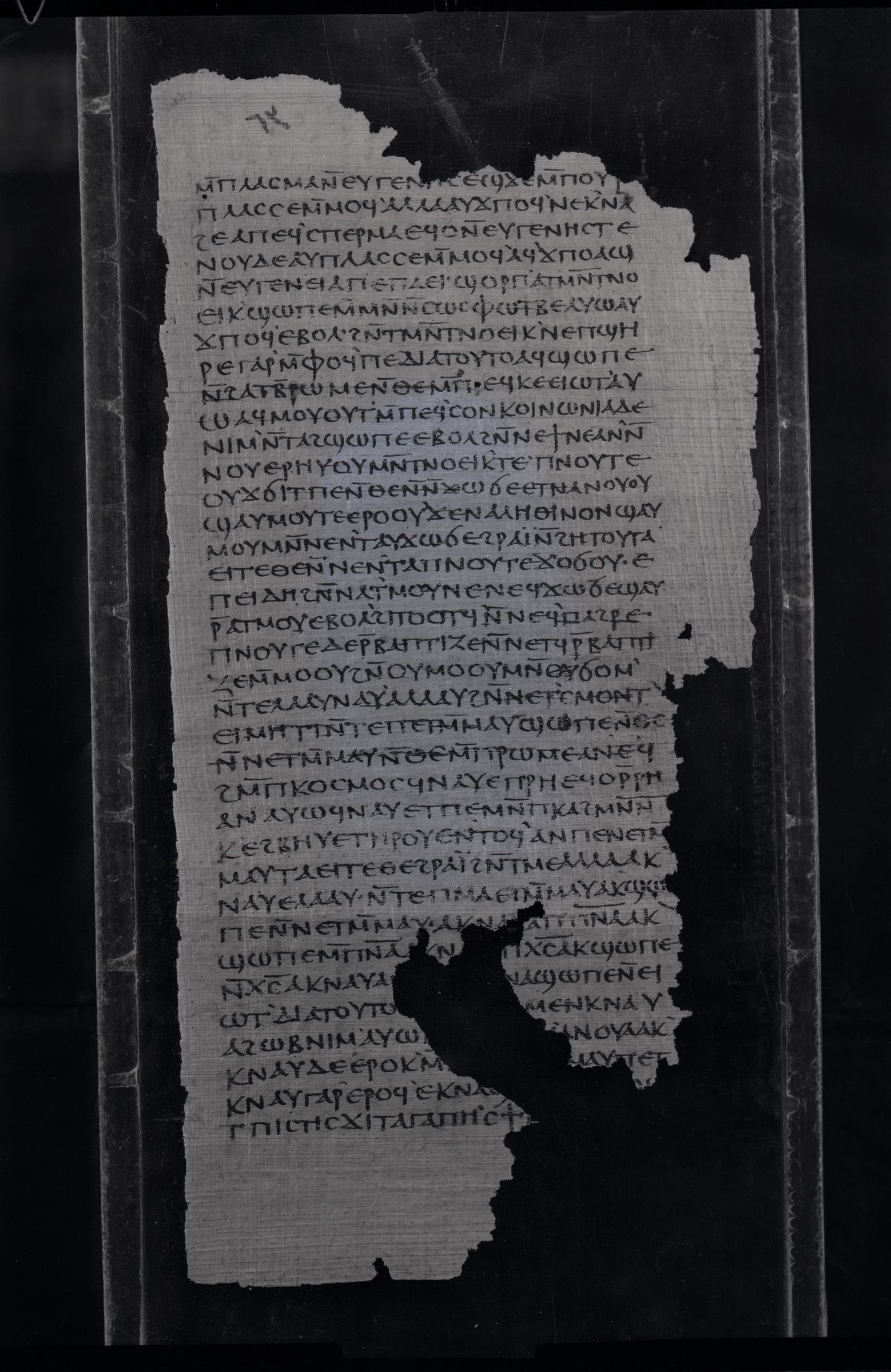
Page 61, lines 29-35 hold the passage on becoming what one sees: 'You saw the Spirit, you became spirit; you saw Christ, you became Christ; you saw [the Father, you] will become father' (Mattison's English). In the Coptic it begins at the end of line 29 with ⲁⲕⲛⲁⲩ ⲁⲡⲡ︤ⲛ︦ⲁ︥ ('you saw the Spirit').
Photographs: A-Series negatives of the Facsimile Edition of the Nag Hammadi Codices, Nag Hammadi Archive of the Institute for Antiquity and Christianity, Claremont Colleges Digital Library. Coptic: Marcion (Milan Konvicka), which does not name the printed edition behind its transcription. First and last line read on each photograph: 57: 'ⲣⲟⲛⲟⲙⲉⲓ ⲁⲛ ⲧⲁⲉⲓ ⲉⲧϩⲓⲱⲱⲛ ⲛⲓⲙ ⲇⲉ ⲧⲉ' ... 'ⲛ̄ⲕⲟⲩⲉⲓ ϩⲱⲥ ⲕⲟⲩⲉⲓ ⲁϥ...'; 58: '...ⲁⲅⲅⲉⲗⲟⲥ ϩⲱⲥ ⲁⲅⲅⲉⲗⲟⲥ ⲁⲩⲱ' ... '...ⲡⲗⲟⲅⲟⲥ ⲉⲓ ⲉⲃⲟⲗ ⲙ̄ⲙⲁⲩ'; 59: 'ⲛⲉϥⲛⲁⲥⲟⲉⲓϣ ⲉⲃⲟⲗ ϩⲛ̄ ⲧⲧⲁⲡⲣⲟ ⲁⲩ...' ... 'ⲛ̄ⲧⲟⲩϩⲉ ⲡⲡⲛ︤ⲁ︥ ⲉⲧⲟⲩⲁ...'; 60: '...ⲛⲉⲥϣⲏⲣⲉ ⲡⲉⲧⲉⲩⲛ̄ⲧⲁϥϥ⳿' ... '...ⲕⲛⲁϩⲉ ⲁⲛⲉϥϣⲏⲣⲉ ⲉⲩⲟ'; 61: 'ⲙ̄ⲡⲗⲁⲥⲙⲁ ⲛ̄ⲉⲩⲅⲉⲛⲏⲥ ⲉϣϫⲉ ⲙ̄ⲡⲟⲩⲣ̄' ... 'ⲧⲡⲓⲥⲧⲓⲥ ϫⲓ ⲧⲁⲅⲁⲡⲏ⳿ ⲥϯ'; 62: '...ⲁϫⲛ̄ ⲧⲡⲓⲥⲧⲓⲥ ... ⲗⲁⲁⲩ ⲛⲁϣϯ ⲁϫⲛ̄' ... '...ⲣⲁⲛ⳿ ⲡⲛⲟⲩⲧⲉ ⲟⲩⲁⲙⲣⲱ⳿'.
How was this verified? (Provenance)
Where on the image
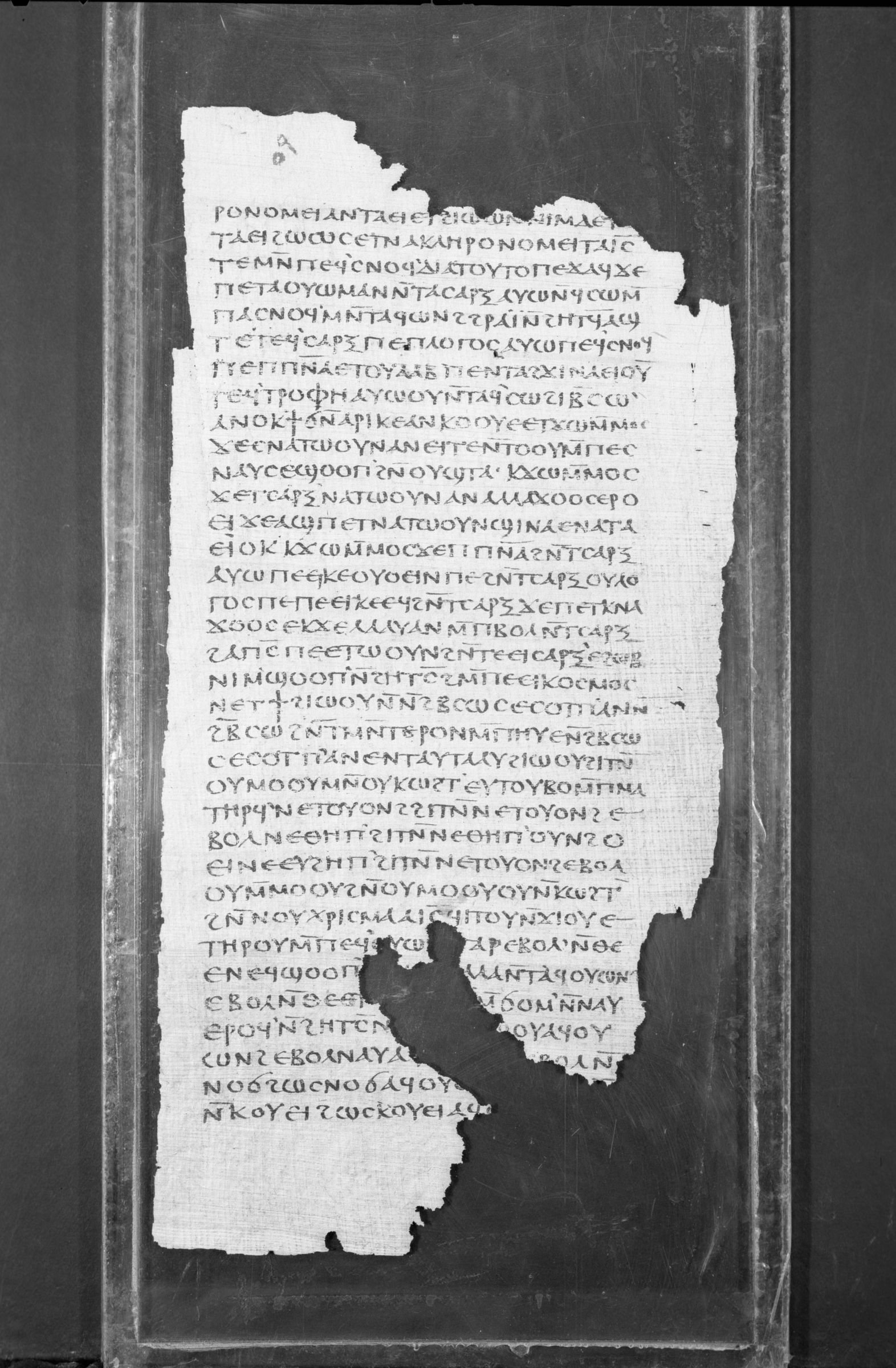
Page 57, lines 1-35 (Codex II page 57, A-Series negative, Facsimile Edition (Codex II, 1974) p. 69, CCDL nha 2838). Checked on the photograph: line 1 begins 'ⲣⲟⲛⲟⲙⲉⲓ ⲁⲛ ⲧⲁⲉⲓ ⲉⲧϩⲓⲱⲱⲛ ⲛⲓⲙ ⲇⲉ ⲧⲉ'; line 35 reads 'ⲛ̄ⲕⲟⲩⲉⲓ ϩⲱⲥ ⲕⲟⲩⲉⲓ ⲁϥ...'. Page and line numbers from the Marcion transcription; English from Mattison's text between his page marks 57 and 58.
57.1ⲣⲟⲛⲟⲙⲉⲓ ⲁⲛ⳿ ⲧⲁⲉⲓ ⲉⲧϩⲓⲱⲱⲛ ⲛⲓⲙ ⲇⲉ ⲧⲉ̣
57.2ⲧⲁⲉⲓ ϩⲱⲱⲥ ⲉⲧⲛⲁⲕⲗⲏⲣⲟⲛⲟⲙⲉⲓ ⲧⲁ ⲓ︤ⲥ︥
57.3ⲧⲉ ⲙⲛ̄ ⲡⲉϥ⳿ⲥⲛⲟϥ⳿ ⲇⲓⲁ ⲧⲟⲩⲧⲟ ⲡⲉϫⲁϥ ϫⲉ
57.4ⲡⲉⲧⲁⲟⲩⲱⲙ ⲁⲛ ⲛ̄ⲧⲁⲥⲁⲣⲝ ⲁⲩⲱ ⲛ̄ϥⲥⲱ ⲙ̄-
57.5ⲡⲁⲥⲛⲟϥ⳿ ⲙⲛ̄ⲧⲁϥ ⲱⲛϩ ϩⲣⲁⲓ̈ ⲛ̄ϩⲏⲧϥ̄ ⲁϣ
57.6ⲧⲉ⳿ ⲧⲉϥ⳿ⲥⲁⲣⲝ ⲡⲉ ⲡⲗⲟⲅⲟⲥ ⲁⲩⲱ ⲡⲉϥ⳿ⲥⲛⲟϥ⳿
57.7ⲡⲉ ⲡⲡ︤ⲛ︦ⲁ︥ ⲉⲧⲟⲩⲁⲁⲃ ⲡⲉⲛⲧⲁϩϫⲓ ⲛⲁⲉⲓ ⲟⲩⲛ-
57.8ⲧⲉϥ⳿ ⲧⲣⲟⲫⲏ ⲁⲩⲱ ⲟⲩⲛ̄ⲧⲁϥ⳿ ⲥⲱ ϩⲓ ⲃ̄ⲥⲱ⳿
57.9ⲁⲛⲟⲕ⳿ ϯϭⲛ̄ ⲁⲣⲓⲕⲉ ⲁⲛⲕⲟⲟⲩⲉ ⲉⲧϫⲱ ⲙ̄ⲙⲟⲥ
57.10ϫⲉ ⲥⲛⲁⲧⲱⲟⲩⲛ ⲁⲛ ⲉⲓⲧⲉ ⲛ̄ⲧⲟⲟⲩ ⲙ̄ⲡⲉⲥ-
57.11ⲛⲁⲩ ⲥⲉϣⲟⲟⲡ⳿ ϩⲛ̄ ⲟⲩϣⲧⲁ⳿ ⲕϫⲱ ⲙ̄ⲙⲟⲥ
57.12ϫⲉ ⲧⲥⲁⲣⲝ⳿ ⲛⲁⲧⲱⲟⲩⲛ ⲁⲛ ⲁⲗⲗⲁ ϫⲟⲟⲥ ⲉⲣⲟ-
57.13ⲉⲓ ϫⲉ ⲁϣ ⲡⲉⲧⲛⲁⲧⲱⲟⲩⲛ ϣⲓⲛⲁ ⲉⲛⲁⲧⲁ-
57.14ⲉⲓⲟⲕ⳿ ⲕϫⲱ ⲙ̄ⲙⲟⲥ ϫⲉ ⲡⲡⲛ︤ⲁ︥ ϩⲛ̄ ⲧⲥⲁⲣⲝ
57.15ⲁⲩⲱ ⲡⲉⲉⲓⲕⲉⲟⲩⲟⲉⲓⲛ ⲡⲉ ϩⲛ̄ ⲧⲥⲁⲣⲝ ⲟⲩⲗⲟ-
57.16ⲅⲟⲥ ⲡⲉ ⲡⲉⲉⲓⲕⲉ ⲉϥϩⲛ̄ ⲧⲥⲁⲣⲝ ϫⲉ ⲡⲉⲧⲕⲛⲁ-
57.17ϫⲟⲟⲥ ⲉⲕϫⲉ ⲗⲁⲁⲩ ⲁⲛ ⲙ̄ⲡⲃⲟⲗ ⲛ̄ⲧⲥⲁⲣⲝ
57.18ϩⲁⲡⲥ̄ ⲡⲉ ⲉⲧⲱⲟⲩⲛ ϩⲛ̄ ⲧⲉⲉⲓⲥⲁⲣⲝ⳿ ⲉϩⲱⲃ
57.19ⲛⲓⲙ⳿ ϣⲟⲟⲡ⳿ ⲛ̄ϩⲏⲧⲥ̄ ϩⲙ̄ ⲡⲉⲉⲓⲕⲟⲥⲙⲟⲥ
57.20ⲛⲉⲧϯ ϩⲓⲱⲟⲩ ⲛ̄ⲛ̄ϩⲃⲥⲱ ⲥⲉⲥⲟⲧⲡ⳿ ⲁⲛⲛ̄-
57.21ϩ︤ⲃ︥ⲥⲱ ϩⲛ̄ ⲧⲙⲛ̄ⲧⲉⲣⲟ ⲛⲙ̄ⲡⲏⲩⲉ ⲛ︤ϩ︥ⲃ̄ⲥⲱ
57.22ⲥⲉⲥⲟⲧⲡ⳿ ⲁⲛⲉⲛⲧⲁⲩⲧⲁⲁⲩ ϩⲓⲱⲟⲩ ϩⲓⲧⲛ̄
57.23ⲟⲩⲙⲟⲟⲩ ⲙⲛ̄ ⲟⲩⲕⲱϩⲧ⳿ ⲉⲩⲧⲟⲩⲃⲟ ⲙ̄ⲡⲙⲁ
57.24ⲧⲏⲣϥ⳿ ⲛⲉⲧⲟⲩⲟⲛϩ ϩⲓⲧⲛ̄ ⲛⲉⲧⲟⲩⲟⲛϩ ⲉ-
57.25ⲃⲟⲗ ⲛⲉⲑⲏⲡ⳿ ϩⲓⲧⲛ̄ ⲛⲉⲑⲏⲡ⳿ ⲟⲩⲛ ϩⲟ-
57.26ⲉⲓⲛⲉ ⲉⲩϩⲏⲡ⳿ ϩⲓⲧⲛ̄ ⲛⲉⲧⲟⲩⲟⲛϩ ⲉⲃⲟⲗ
57.27ⲟⲩⲙ̄ⲙⲟⲟⲩ ϩⲛ̄ ⲟⲩⲙⲟⲟⲩ ⲟⲩⲛ̄ ⲕⲱϩⲧ⳿
57.28ϩⲛ̄ⲛⲟⲩⲭⲣⲓⲥⲙⲁ ⲁⲓⲥ̄ ϥⲓⲧⲟⲩ ⲛ̄ϫⲓⲟⲩⲉ
57.29ⲧⲏⲣⲟⲩ ⲙ̄ⲡⲉϥ⳿ⲟ̣ⲩⲱⲛ̣[ϩ] ⲅⲁⲣ ⲉⲃⲟⲗ⳿ ⲛ̄ⲑⲉ
57.30ⲉⲛⲉϥϣⲟⲟⲡ⳿ [ⲛ̄ϩ]ⲏ̣[ⲧⲥ ⲁ]ⲗⲗⲁ ⲛ̄ⲧ⳿ⲁϥⲟⲩⲱⲛϩ
57.31ⲉⲃⲟⲗ ⲛ̄ⲑⲉ ⲉⲧ[ⲟⲩⲛⲁϣ]ϭ̣ⲙ̄ ϭⲟⲙ⳿ ⲛ̄ⲛⲁⲩ
57.32ⲉⲣⲟϥ⳿ ⲛ̄ϩⲏⲧⲥ̄ ⲛ[ⲁⲉⲓ ⲇⲉ ⲧⲏ]ⲣ̣ⲟⲩ ⲁϥⲟⲩ-
57.33ⲱⲛϩ ⲉⲃⲟⲗ ⲛⲁⲩ ⲁϥ̣[ⲟⲩⲱⲛϩ] ⲉ̣ⲃ̣ⲟⲗ ⲛ̄[ⲛ̄]-
57.34ⲛⲟϭ ϩⲱⲥ ⲛⲟϭ ⲁϥⲟⲩⲱ̣[ⲛϩ ⲉⲃⲟⲗ ⲛ̄]-
57.35ⲛ̄ⲕⲟⲩⲉⲓ ϩⲱⲥ ⲕⲟⲩⲉⲓ ⲁϥⲟ̣[ⲩⲱⲛϩ ⲉⲃⲟⲗ]
won't inherit? That which is on us. But what is it, too, that will inherit? It is Jesus' (flesh) and blood. Because of this, he said, "Whoever doesn't eat my flesh and drink my blood doesn't have life in them." What's his flesh? It's the Word, and his blood is the Holy Spirit. Whoever has received these have food, drink, and clothing.
(So) I myself disagree with the others who say, "It won't arise." Both (sides) are wrong. You who say, "the flesh won't arise," tell me what will arise, so that we may honor you. You say, "the spirit in the flesh and this other light in the flesh." (But) this saying is in the flesh too, because whatever you say, you can't say apart from the flesh. It's necessary to arise in this flesh, since everything exists in it. In this world, people are better than the clothes they wear. In the kingdom of heaven, the clothes are better than the people who wear them.
Everything is purified by water and fire – the visible by the visible, the hidden by the hidden. Some things are hidden by things that are visible. There's water in water, and fire in chrism.
Seeing Jesus
Jesus took all of them by stealth, because he didn't appear as he was, but he appeared as [they'd] be able to see him. He appeared to them (in) [all these] (ways): he [appeared] to [the] great as great. He [appeared] to the small as small. He [appeared]
Where on the image
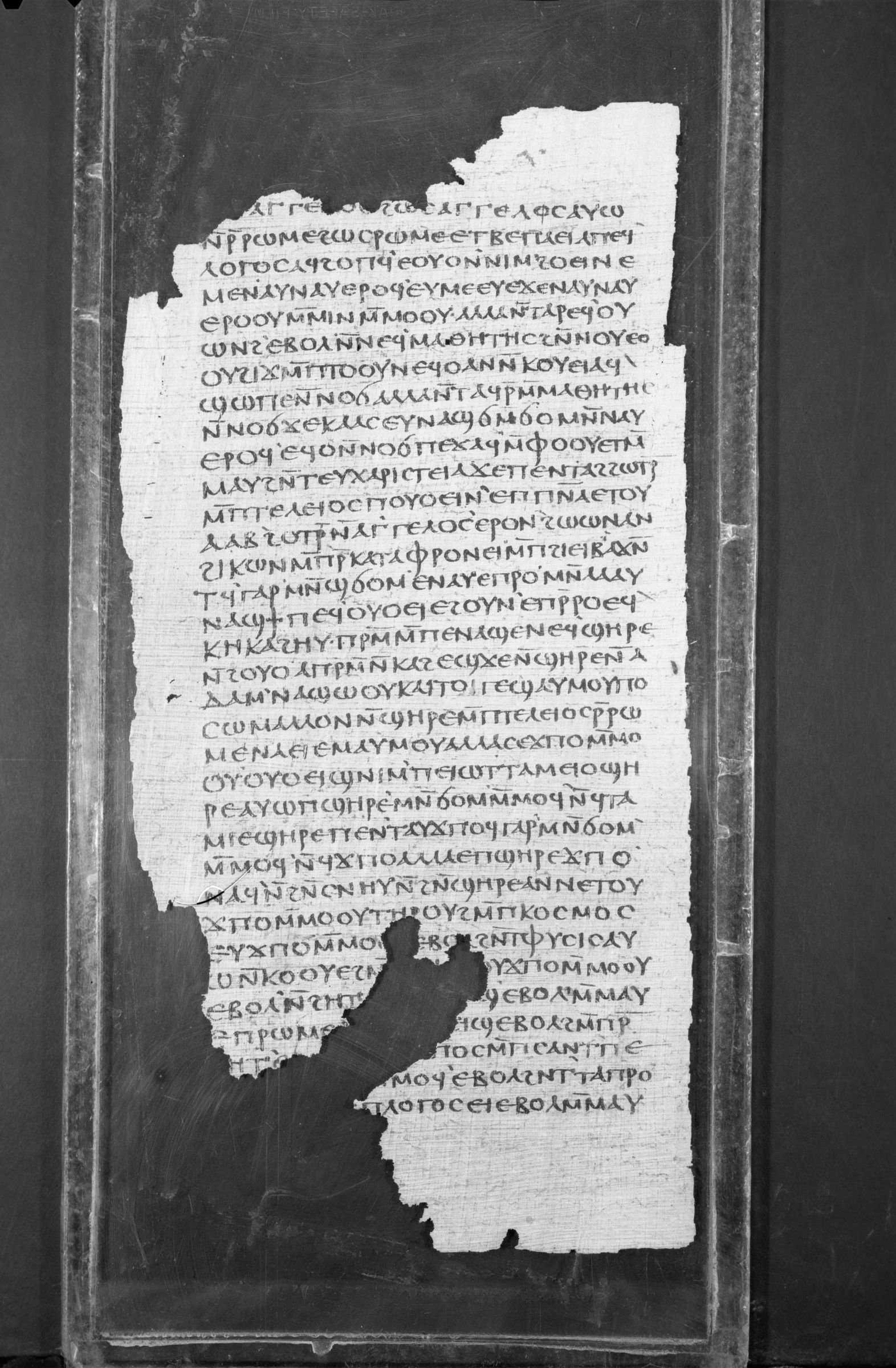
Page 58, lines 1-34 (Codex II page 58, A-Series negative, Facsimile Edition (Codex II, 1974) p. 70, CCDL nha 2950). Checked on the photograph: line 1 begins '...ⲁⲅⲅⲉⲗⲟⲥ ϩⲱⲥ ⲁⲅⲅⲉⲗⲟⲥ ⲁⲩⲱ'; line 34 reads '...ⲡⲗⲟⲅⲟⲥ ⲉⲓ ⲉⲃⲟⲗ ⲙ̄ⲙⲁⲩ'. Page and line numbers from the Marcion transcription; English from Mattison's text between his page marks 58 and 59.
58.1[ⲛ̄ⲛ̄]ⲁⲅⲅⲉⲗ̣ⲟⲥ̣ ϩⲱⲥ ⲁⲅⲅⲉⲗⲟⲥ ⲁⲩⲱ
58.2ⲛ̄ⲣ̄ⲣⲱⲙⲉ ϩⲱⲥ ⲣⲱⲙⲉ ⲉⲧⲃⲉ ⲡⲁⲉⲓ ⲁⲡⲉϥ⳿-
58.3ⲗⲟⲅⲟⲥ ⲁϥϩⲟⲡϥ⳿ ⲉⲟⲩⲟⲛ ⲛⲓⲙ⳿ ϩⲟⲉⲓⲛⲉ
58.4ⲙⲉⲛ⳿ ⲁⲩⲛⲁⲩ ⲉⲣⲟϥ⳿ ⲉⲩⲙⲉⲉⲩⲉ ϫⲉ ⲛⲁⲩⲛⲁⲩ
58.5ⲉⲣⲟⲟⲩ ⲙ̄ⲙⲓⲛ ⲙ̄ⲙⲟⲟⲩ⳿ ⲁⲗⲗⲁ ⲛ̄ⲧⲁⲣⲉϥ⳿ⲟⲩ-
58.6ⲱⲛϩ⳿ ⲉⲃⲟⲗ⳿ ⲛ̄ⲛⲉϥ⳿ⲙⲁⲑⲏⲧⲏⲥ ϩⲛ̄ⲛⲟⲩⲉⲟ-
58.7ⲟⲩ ϩⲓϫⲙ̄ ⲡⲧⲟⲟⲩ ⲛⲉϥⲟ ⲁⲛ ⲛ̄ⲕⲟⲩⲉⲓ ⲁϥ⳿-
58.8ϣⲱⲡⲉ ⲛ̄ⲛⲟϭ ⲁⲗⲗⲁ ⲛ̄ⲧⲁϥⲣ̄ ⲙ̄ⲙⲁⲑⲏⲧⲏⲥ
58.9ⲛ̄ⲛⲟϭ ϫⲉⲕⲁⲁⲥ ⲉⲩⲛⲁϣϭⲙ̄ ϭⲟⲙ ⲛ̄ⲛⲁⲩ
58.10ⲉⲣⲟϥ⳿ ⲉϥⲟ ⲛ̄ⲛⲟϭ ⲡⲉϫⲁϥ⳿ ⲙ̄ⲫⲟⲟⲩ ⲉⲧⲙ̄-
58.11ⲙⲁⲩ ϩⲛ̄ ⲧⲉⲩⲭⲁⲣⲓⲥⲧⲉⲓⲁ ϫⲉ ⲡⲉⲛⲧⲁϩϩⲱⲧ︤ⲣ︥
58.12ⲙ̄ⲡⲧⲉⲗⲉⲓⲟⲥ ⲡⲟⲩⲟⲉⲓⲛ⳿ ⲉⲡⲡⲛ︤ⲁ︥ ⲉⲧⲟⲩ-
58.13ⲁⲁⲃ⳿ ϩⲟⲧⲣ̄ ⲛ̄ⲁⲅ⳿ⲅⲉⲗⲟⲥ ⲉⲣⲟⲛ⳿ ϩⲱⲱⲛ ⲁ ⲛ-
58.14ϩⲓⲕⲱⲛ ⲙ̄ⲡⲣ̄ⲕⲁⲧⲁⲫⲣⲟⲛⲉⲓ⳿ ⲙ̄ⲡϩⲓⲉⲓⲃ ⲁϫⲛ̄-
58.15ⲧϥ⳿ ⲅⲁⲣ⳿ ⲙⲛ̄ ϣϭⲟⲙ⳿ ⲉⲛⲁⲩ ⲉⲡ⟨ⲣ̄⟩ⲣⲟ⳿ ⲙⲛ̄ ⲗⲁⲁⲩ
58.16ⲛⲁϣϯ ⲡⲉϥ⳿ⲟⲩⲟⲉⲓ ⲉϩⲟⲩⲛ⳿ ⲉⲡⲣ̄ⲣⲟ ⲉϥ⳿-
58.17ⲕⲏⲕⲁϩⲏⲩ⳿ ⲡⲣⲙ̄ⲙ̄ⲡⲉ ⲛⲁϣⲉ ⲛⲉϥ⳿ϣⲏⲣⲉ
58.18ⲛ̄ϩⲟⲩⲟ⳿ ⲁⲡⲣⲙ̄ⲛ̄ⲕⲁϩ ⲉϣϫⲉ ⲛ̄ϣⲏⲣⲉ ⲛ̄ⲁ-
58.19ⲇⲁⲙ⳿ ⲛⲁϣⲱⲟⲩ ⲕⲁⲓⲧⲟⲓⲅⲉ ϣⲁⲩⲙⲟⲩ ⲡⲟ-
58.20ⲥⲱ ⲙⲁⲗⲗⲟⲛ ⲛ̄ϣⲏⲣⲉ ⲙ̄ⲡⲧⲉⲗⲉⲓⲟⲥ ⲣ̄ⲣⲱ-
58.21ⲙⲉ ⲛⲁⲉⲓ ⲉⲙⲁⲩⲙⲟⲩ ⲁⲗⲗⲁ ⲥⲉϫⲡⲟ ⲙ̄ⲙⲟ-
58.22ⲟⲩ⳿ ⲟⲩⲟⲉⲓϣ ⲛⲓⲙ⳿ ⲡⲉⲓⲱⲧ⳿ ⲧⲁⲙⲉⲓⲟ ϣⲏ-
58.23ⲣⲉ ⲁⲩⲱ ⲡϣⲏⲣⲉ⳿ ⲙⲛ̄ ϭⲟⲙ ⲙ̄ⲙⲟϥ⳿ ⲛ̄ϥⲧⲁ-
58.24ⲙⲓⲉ ϣⲏⲣⲉ ⲡⲉⲛ⳿ⲧⲁⲩϫⲡⲟϥ ⲅⲁⲣ⳿ ⲙⲛ̄ ϭⲟⲙ⳿
58.25ⲙ̄ⲙⲟϥ⳿ ⲛ̄ϥϫⲡⲟ ⲁⲗⲗⲁ ⲉⲡϣⲏⲣⲉ ϫⲡⲟ⳿
58.26ⲛⲁϥ⳿ ⲛ̄ϩⲛ̄ⲥⲛⲏⲩ ⲛ̄ϩⲛ̄ϣⲏⲣⲉ ⲁⲛ ⲛⲉⲧⲟⲩ-
58.27ϫⲡⲟ ⲙ̄ⲙⲟⲟⲩ ⲧⲏⲣⲟⲩ ϩⲙ̄ ⲡⲕⲟⲥⲙⲟⲥ
58.28ⲉⲩϫⲡⲟ ⲙ̄ⲙⲟⲟ̣[ⲩ] ⲉⲃⲟⲗ̣ ϩⲛ̄ ⲧⲫⲩⲥⲓⲥ ⲁⲩ-
58.29ⲱ ⲛ̄ⲕⲟⲟⲩⲉ ϩⲙ̣̄ [ⲡⲁⲉ]ⲓ̣ [ⲉⲧ]ⲟ̣ⲩϫⲡⲟ ⲙ̄ⲙⲟⲟⲩ
58.30ⲉⲃⲟⲗ⳿ ⲛ̄ϩⲏⲧϥ̣ [ⲉⲩⲥⲟⲉⲓ]ϣ⳿ ⲉⲃⲟⲗ⳿ ⲙ̄ⲙⲁⲩ
58.31ⲉⲡⲣⲱⲙⲉ ϫ̣[ⲓ ⲙ̄ⲡⲥⲟ]ⲉⲓϣ ⲉⲃⲟⲗ ϩⲙ̄ ⲡⲣ̄-
58.32[ⲣ]ⲏⲧ⳿ ⲉϩ̣ⲟ̣[ⲩⲛ ⲉⲡⲧⲟ]ⲡⲟⲥ ⲙ̄ⲡⲥⲁ ⲛⲧⲡⲉ
58.33[........] ⲙ̣̄ⲙⲟϥ⳿ ⲉⲃⲟⲗ ϩⲛ ⲧ⳿ⲧⲁⲡⲣⲟ
58.34[ⲁⲩⲱ ⲉⲛⲉ] ⲁ̣ⲡⲗⲟⲅⲟⲥ ⲉⲓ ⲉⲃⲟⲗ ⲙ̄ⲙⲁⲩ
[to the] angels as an angel, and to humans as a human. So his Word hid itself from everyone. Some did see him, thinking they were seeing themselves. But when he appeared to his disciples in glory on the mountain, he wasn't small. He became great, but he made the disciples great (too) so that they would be able to see him as great.
He said on that day in the Eucharist, "You who've united the perfect light with the Holy Spirit, unite the angels with us too, with the images!"
Don't despise the lamb, because without him it's impossible to see the door. No one will be able to approach the king naked.
Father, Son, and Holy Spirit
The children of the heavenly human are more numerous than those of the earthly human. If Adam has so many children, even though they die, how many children does the perfect human have – those who don't die, but are begotten all the time?
The father makes a son, but it's impossible for a son to make a son, because it's impossible for someone who's been born to beget (sons); the son begets brothers, not sons. All who are begotten in the world are begotten physically, and the others in […] are begotten by him […] out there to the human […] in the […] heavenly place […] it from the mouth […] the Word came out from there
Where on the image
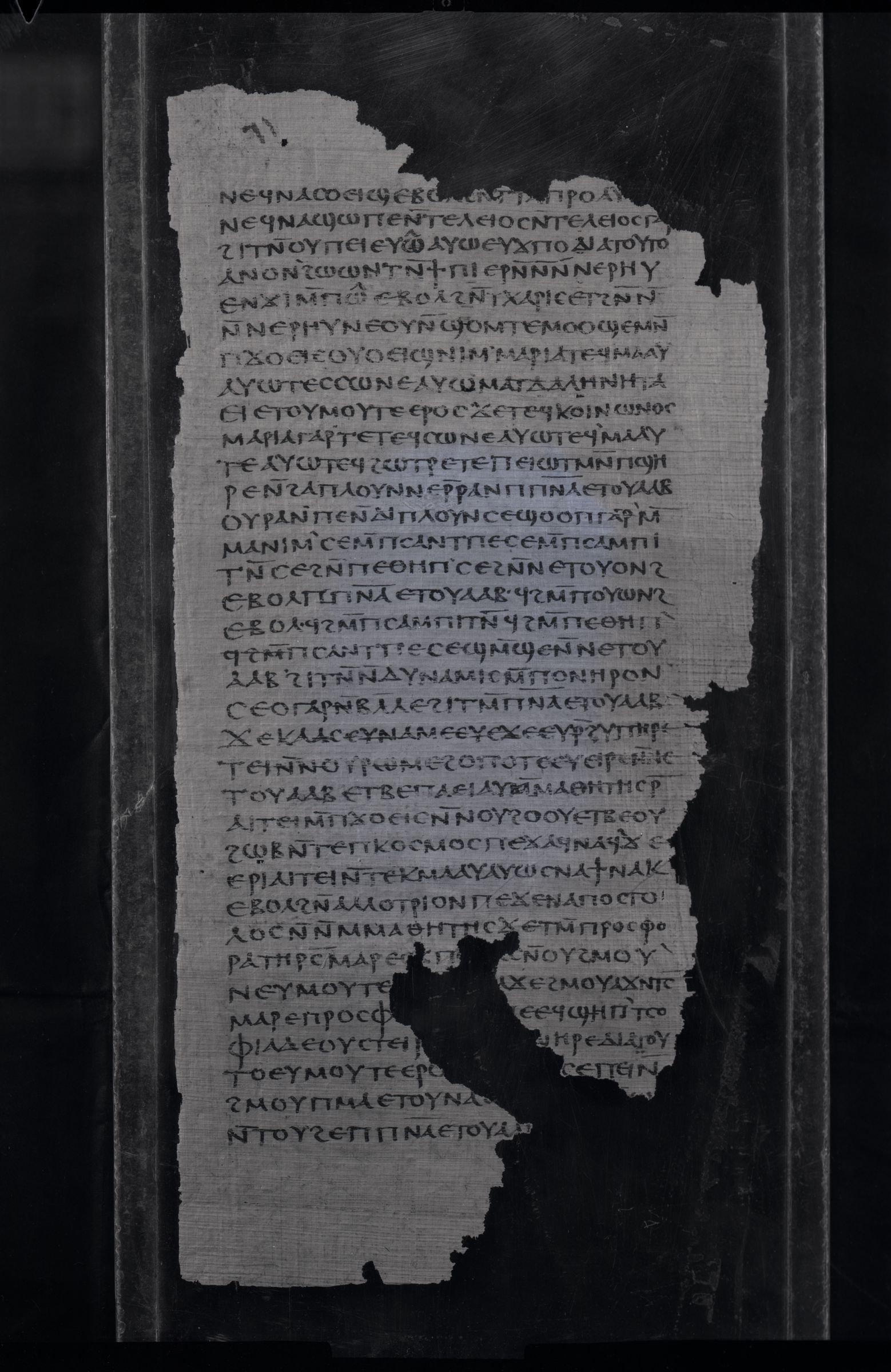
Page 59, lines 1-35 (Codex II page 59, A-Series negative, Facsimile Edition (Codex II, 1974) p. 71, CCDL nha 2956). Checked on the photograph: line 1 begins 'ⲛⲉϥⲛⲁⲥⲟⲉⲓϣ ⲉⲃⲟⲗ ϩⲛ̄ ⲧⲧⲁⲡⲣⲟ ⲁⲩ...'; line 35 reads 'ⲛ̄ⲧⲟⲩϩⲉ ⲡⲡⲛ︤ⲁ︥ ⲉⲧⲟⲩⲁ...'. Page and line numbers from the Marcion transcription; English from Mattison's text between his page marks 59 and 60.
59.1ⲛⲉϥⲛⲁⲥⲟⲉⲓϣ ⲉⲃⲟⲗ ϩⲛ̣̄ ⲧⲧⲁⲡⲣⲟ ⲁⲩ[ⲱ]
59.2ⲛⲉϥⲛⲁϣⲱⲡⲉ ⲛ̄ⲧⲉⲗⲉⲓⲟⲥ ⲛ̄ⲧⲉⲗⲉⲓⲟⲥ ⲅⲁⲣ
59.3ϩⲓⲧⲛ̄ ⲟⲩⲡⲉⲓ ⲉⲩⲱ̂ ⲁⲩⲱ ⲉⲩϫⲡⲟ ⲇⲓⲁ ⲧⲟⲩⲧⲟ
59.4ⲁⲛⲟⲛ⳿ ϩⲱⲱⲛ ⲧⲛ̄ϯ ⲡⲓ ⲉⲣⲛ̄ ⲛ̄ⲛ̄ⲛⲉⲣⲏⲩ
59.5ⲉⲛϫⲓ ⲙ̄ⲡⲱ̂ ⲉⲃⲟⲗ ϩⲛ̄ ⲧⲭⲁⲣⲓⲥ ⲉⲧϩⲛ̄ ⲛ̄-
59.6ⲛ̄ⲛⲉⲣⲏⲩ ⲛⲉ ⲟⲩⲛ̄ ϣⲟⲙⲧⲉ ⲙⲟⲟϣⲉ ⲙⲛ̄
59.7ⲡϫⲟⲉⲓⲥ ⲟⲩⲟⲉⲓϣ ⲛⲓⲙ⳿ ⲙⲁⲣⲓⲁ ⲧⲉϥⲙⲁⲁⲩ
59.8ⲁⲩⲱ ⲧⲉⲥⲥⲱⲛⲉ ⲁⲩⲱ ⲙⲁⲅⲇⲁⲗⲏⲛⲏ ⲧⲁ-
59.9ⲉⲓ ⲉⲧⲟⲩⲙⲟⲩⲧⲉ ⲉⲣⲟⲥ ϫⲉ ⲧⲉϥⲕⲟⲓⲛⲱⲛⲟⲥ
59.10ⲙⲁⲣⲓⲁ ⲅⲁⲣ⳿ ⲧⲉ ⲧⲉϥⲥⲱⲛⲉ ⲁⲩⲱ ⲧⲉϥ⳿ⲙⲁⲁⲩ
59.11ⲧⲉ ⲁⲩⲱ ⲧⲉϥϩⲱⲧⲣⲉ ⲧⲉ ⲡⲉⲓⲱⲧ ⲙⲛ̄ ⲡϣⲏ-
59.12ⲣⲉ ⲛ̄ϩⲁⲡⲗⲟⲩⲛ ⲛⲉ ⲣ̄ⲣⲁⲛ ⲡⲡ︤ⲛ︦ⲁ︥ ⲉⲧⲟⲩⲁⲁⲃ
59.13ⲟⲩⲣⲁⲛ⳿ ⲡⲉ ⲛ̄ⲇⲓⲡⲗⲟⲩⲛ ⲥⲉϣⲟⲟⲡ ⲅⲁⲣ⳿ ⲙ̄-
59.14ⲙⲁ ⲛⲓⲙ⳿ ⲥⲉⲙ̄ⲡⲥⲁ ⲛⲧⲡⲉ ⲥⲉⲙ̄ⲡⲥⲁ ⲙⲡⲓ-
59.15ⲧⲛ̄ ⲥⲉϩⲛ̄ ⲡⲉⲑⲏⲡ⳿ ⲥⲉϩⲛ̄ ⲛⲉⲧⲟⲩⲟⲛϩ
59.16ⲉⲃⲟⲗ ⲡⲡⲛ︤ⲁ︥ ⲉⲧⲟⲩⲁⲁⲃ⳿ ϥϩⲙ̄ ⲡⲟⲩⲱⲛϩ
59.17ⲉⲃⲟⲗ⳿ ϥϩⲙ̄ ⲡⲥⲁ ⲙⲡⲓⲧⲛ̄ ϥϩⲙ̄ ⲡⲉⲑⲏⲡ⳿
59.18ϥϩⲙ̄ ⲡⲥⲁ ⲛⲧⲡⲉ ⲥⲉϣⲙ̄ϣⲉ ⲛ̄ⲛⲉⲧⲟⲩ-
59.19ⲁⲁⲃ⳿ ϩⲓⲧⲛ̄ ⲛ̄ⲇⲩⲛⲁⲙⲓⲥ ⲙ̄ⲡⲟⲛⲏⲣⲟⲛ⳿
59.20ⲥⲉⲟ ⲅⲁⲣ ⲛ̄ⲃⲗ̄ⲗⲉ ϩⲓⲧⲙ̄ ⲡ︤ⲛ︦ⲁ︥ ⲉⲧⲟⲩⲁⲁⲃ⳿
59.21ϫⲉⲕⲁⲁⲥ ⲉⲩⲛⲁⲙⲉⲉⲩⲉ ϫⲉ ⲉⲩⲣ̄ϩⲩⲡⲏⲣⲉ-
59.22ⲧⲉⲓ ⲛ̄ⲛⲟⲩⲣⲱⲙⲉ ϩⲟⲡⲟⲧⲉ ⲉⲩⲉⲓⲣⲉ ⲛ̄ⲛⲉ-
59.23ⲧⲟⲩⲁⲁⲃ⳿ ⲉⲧⲃⲉ ⲡⲁⲉⲓ ⲁⲩ⟦ⲙ̄⟧ⲙⲁⲑⲏⲧⲏⲥ ⲣ̄-
59.24ⲁⲓⲧⲉⲓ ⲙ̄ⲡϫⲟⲉⲓⲥ ⲛ̄ⲛⲟⲩϩⲟⲟⲩ ⲉⲧⲃⲉ ⲟⲩ-
59.25ϩⲱⲃ ⲛ̄ⲧⲉ ⲡⲕⲟⲥⲙⲟⲥ ⲡⲉϫⲁϥ ⲛⲁϥ⳿ ϫⲉ
59.26ⲉⲣⲓⲁⲓⲧⲉⲓ ⲛ̄ⲧⲉⲕⲙⲁⲁⲩ ⲁⲩⲱ ⲥⲛⲁϯ ⲛⲁⲕ
59.27ⲉⲃⲟⲗ ϩⲛ̄ ⲁⲗⲗⲟⲧⲣⲓⲟⲛ ⲡⲉϫⲉ ⲛⲁⲡⲟⲥⲧⲟ-
59.28ⲗⲟⲥ ⲛ̄ⲛ̄ⲙⲙⲁⲑⲏⲧⲏⲥ ϫⲉ ⲧⲙ̄ⲡⲣⲟⲥⲫⲟ-
59.29ⲣⲁ ⲧⲏⲣⲥ̄ ⲙⲁⲣⲉⲥϫⲡⲟ̣ [ⲛ]ⲁ̣ⲥ ⲛ̄ⲟⲩϩⲙⲟⲩ⳿
59.30ⲛⲉⲩⲙⲟⲩⲧⲉ [ⲉⲧⲥⲟⲫⲓ]ⲁ ϫⲉ ϩⲙⲟⲩ ⲁϫⲛⲧ︤ⲥ︥
59.31ⲙⲁⲣⲉ ⲡⲣⲟⲥⲫ[ⲟⲣⲁ ϣⲱ]ⲡⲉ ⲉϥϣⲏⲡ⳿ ⲧⲥⲟ-
59.32ⲫⲓⲁ ⲇⲉ ⲟⲩⲥⲧⲉⲓⲣ[ⲁ ⲧⲉ ⲁϫⲛ̄] ϣⲏⲣⲉ ⲇⲓⲁ ⲧⲟⲩ-
59.33ⲧⲟ ⲉⲩⲙⲟⲩⲧⲉ ⲉⲣⲟ[ⲥ ϫⲉ ⲡⲕⲉ]ⲥⲉⲡⲉⲓ ⲛ̄-
59.34ϩⲙⲟⲩ ⲡⲙⲁ ⲉⲧⲟⲩⲛⲁϣ̣[....]ⲛ̣̄ϣ̣
59.35ⲛ̄ⲧⲟⲩϩⲉ ⲡⲡⲛ︤ⲁ︥ ⲉⲧⲟⲩⲁⲁⲃ̣ [......]
they would be nourished from the mouth [and] become perfect. The perfect are conceived and begotten through a kiss. Because of this we kiss each other too, conceiving from the grace within each other.
There were three who traveled with the Lord all the time: His mother Mary, her sister, and Magdalene, who is called his companion; because Mary is his sister, his mother, and his partner.
"The Father" and "The Son" are single names; "the Holy Spirit" is a double name, because they're everywhere. They're in heaven, they're below, they're hidden, and they're revealed. The Holy Spirit is revealed below and hidden in heaven.
Those who are holy are served through the evil powers, because the Holy Spirit has blinded them so that they think they're serving a (regular) human when they're (really) working for the holy ones. So a disciple asked the Lord one day about a worldly thing. He told him, "Ask your Mother, and she'll give you from someone else."
The apostles said to the disciples, "May our entire offering acquire salt." They called […] "salt." Without it, the offering doesn't [become] acceptable. But Wisdom [is] childless; because of this [she's] called […], this of salt, the place they'll […] in their own way. The Holy Spirit […]
Where on the image
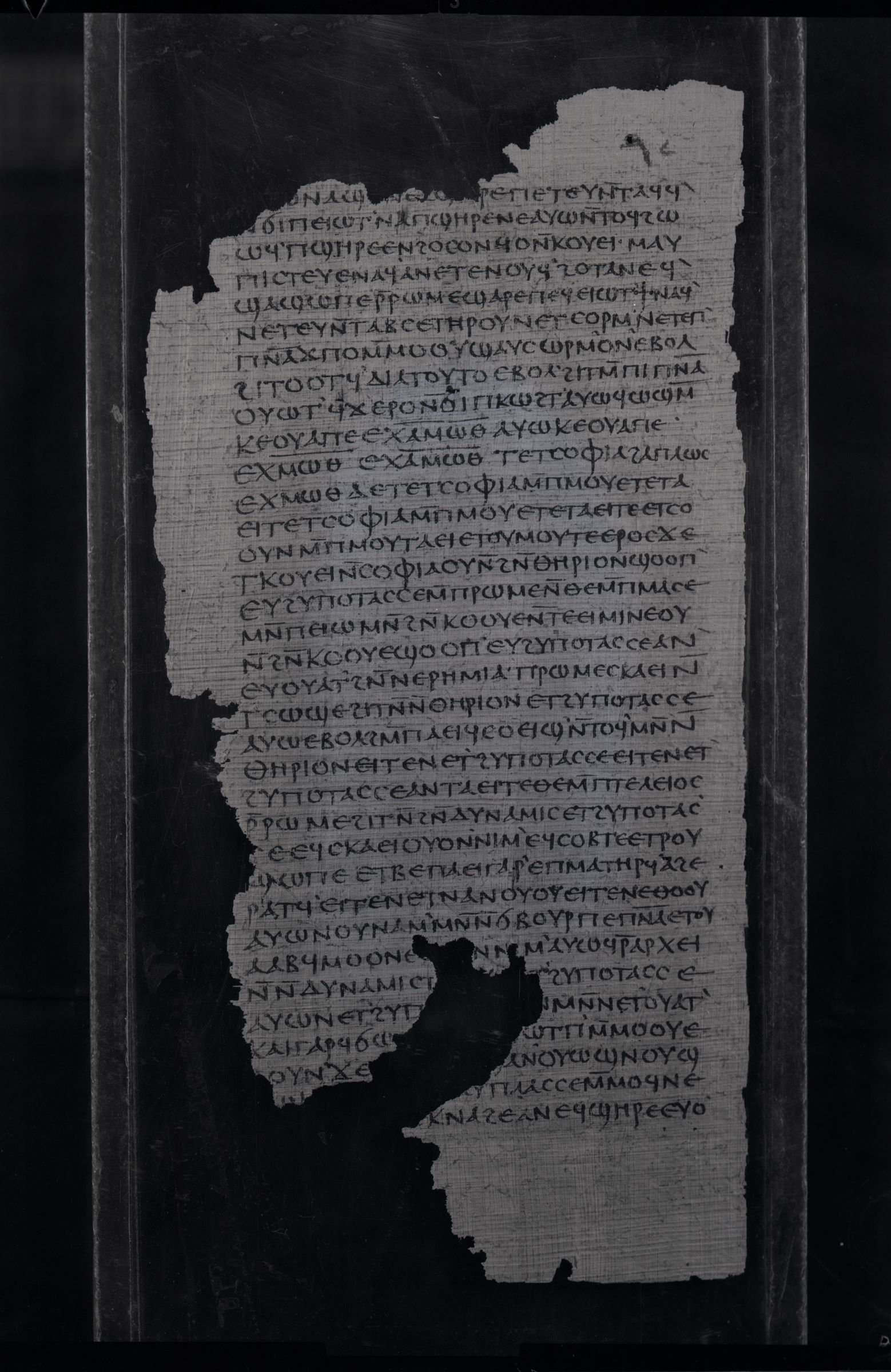
Page 60, lines 1-35 (Codex II page 60, A-Series negative, Facsimile Edition (Codex II, 1974) p. 72, CCDL nha 2945). Checked on the photograph: line 1 begins '...ⲛⲉⲥϣⲏⲣⲉ ⲡⲉⲧⲉⲩⲛ̄ⲧⲁϥϥ⳿'; line 35 reads '...ⲕⲛⲁϩⲉ ⲁⲛⲉϥϣⲏⲣⲉ ⲉⲩⲟ'. Page and line numbers from the Marcion transcription; English from Mattison's text between his page marks 60 and 61.
60.1[ⲁⲩ]ⲱ̣ ⲛⲁϣ[ⲉ] ⲛⲉⲥϣⲏ̣ⲣⲉ ⲡⲉⲧⲉⲩⲛ̄ⲧⲁϥϥ⳿
60.2ⲛ̄ϭⲓ ⲡⲉⲓⲱⲧ⳿ ⲛⲁ ⲡϣⲏⲣⲉ ⲛⲉ ⲁⲩⲱ ⲛ̄ⲧⲟϥ ϩⲱ-
60.3ⲱϥ⳿ ⲡϣⲏⲣⲉ ⲉⲛ ϩⲟⲥⲟⲛ ϥⲟ ⲛ̄ⲕⲟⲩⲉⲓ⳿ ⲙⲁⲩ-
60.4ⲡⲓⲥⲧⲉⲩⲉ ⲛⲁϥ⳿ ⲁⲛⲉⲧⲉ ⲛⲟⲩϥ⳿ ϩⲟⲧⲁⲛ ⲉϥ
60.5ϣⲁϣⲱⲡⲉ ⲣ̄ⲣⲱⲙⲉ ϣⲁⲣⲉ ⲡⲉϥⲉⲓⲱⲧ⳿ ϯ ⲛⲁϥ
60.6ⲛⲉⲧⲉⲩⲛ̄ⲧⲁⲃⲥⲉ ⲧⲏⲣⲟⲩ ⲛⲉⲧⲥⲟⲣⲙ⳿ ⲛⲉⲧⲉ ⲡ⳿-
60.7ⲡⲛ︤ⲁ︥ ϫⲡⲟ ⲙ̄ⲙⲟⲟⲩ ϣⲁⲩⲥⲱⲣⲙ⳿ ⲟⲛ⳿ ⲉⲃⲟⲗ
60.8ϩⲓⲧⲟⲟⲧϥ⳿ ⲇⲓⲁ ⲧⲟⲩⲧⲟ ⲉⲃⲟⲗ⳿ ϩⲓⲧⲙ̄ ⲡⲓⲡⲛ︤ⲁ︥
60.9ⲟⲩⲱⲧ⳿ ϥϫⲉⲣⲟ ⲛ̄ϭⲓ ⲡⲕⲱϩⲧ⳿ ⲁⲩⲱ ϥⲱϣⲙ̄
60.10ⲕⲉⲟⲩⲁ ⲡⲉ ⲉⲭ︤ⲁ︦ⲙ︦ⲱ︦ⲑ︥ ⲁⲩⲱ ⲕⲉⲟⲩⲁ ⲡⲉ⳿
60.11ⲉⲭ︤ⲙ︦ⲱ︦ⲑ︥ ⲉⲭ︤ⲁ︦ⲙ︦ⲱ︦ⲑ︥ ⲧⲉ ⲧⲥⲟⲫⲓⲁ ϩⲁⲡⲗⲱⲥ
60.12ⲉⲭⲙⲱⲑ ⲇⲉ ⲧⲉ ⲧⲥⲟⲫⲓⲁ ⲙ̄ⲡⲙⲟⲩ ⲉⲧⲉ ⲧⲁ-
60.13ⲉⲓ ⲧⲉ {ⲧⲥⲟⲫⲓⲁ ⲙ̄ⲡⲙⲟⲩ ⲉⲧⲉ ⲧⲁⲉⲓ ⲧⲉ} ⲉⲧⲥⲟ-
60.14ⲟⲩⲛ ⲙ̄ⲡⲙⲟⲩ ⲧⲁⲉⲓ ⲉⲧⲟⲩⲙⲟⲩⲧⲉ ⲉⲣⲟⲥ ϫⲉ
60.15ⲧⲕⲟⲩⲉⲓ ⲛ̄ⲥⲟⲫⲓⲁ ⲟⲩⲛ̄ ϩⲛ̄ⲑⲏⲣⲓⲟⲛ ϣⲟⲟⲡ⳿
60.16ⲉⲩϩⲩⲡⲟⲧⲁⲥⲥⲉ ⲙ̄ⲡⲣⲱⲙⲉ ⲛ̄ⲑⲉ ⲙ̄ⲡⲙⲁⲥⲉ
60.17ⲙⲛ̄ ⲡⲉⲓⲱ ⲙⲛ̄ ϩⲛ̄ⲕⲟⲟⲩⲉ ⲛ̄ⲧⲉⲉⲓⲙⲓⲛⲉ ⲟⲩ-
60.18ⲛ̄ ϩⲛ̄ⲕⲟⲟⲩⲉ ϣⲟⲟⲡ⳿ ⲉⲩϩⲩⲡⲟⲧⲁⲥⲥⲉ ⲁⲛ⳿
60.19ⲉⲩⲟⲩⲁⲧ⳿ ϩⲛ̄ ⲛⲉⲣⲏⲙⲓⲁ⳿ ⲡⲣⲱⲙⲉ ⲥⲕⲁⲉⲓ ⲛ̄-
60.20ⲧⲥⲱϣⲉ ϩⲓⲧⲛ̄ ⲛ̄ⲑⲏⲣⲓⲟⲛ ⲉⲧϩⲩⲡⲟⲧⲁⲥⲥⲉ
60.21ⲁⲩⲱ ⲉⲃⲟⲗ ϩⲙ̄ ⲡⲁⲉⲓ ϥⲥⲟⲉⲓϣ⳿ ⲛ̄ⲧⲟϥ⳿ ⲙⲛ̄ ⲛ̄-
60.22ⲑⲏⲣⲓⲟⲛ ⲉⲓⲧⲉ ⲛⲉⲧ⳿ϩⲩⲡⲟⲧⲁⲥⲥⲉ ⲉⲓⲧⲉ ⲛⲉⲧ⳿-
60.23ϩⲩⲡⲟⲧⲁⲥⲥⲉ ⲁⲛ ⲧⲁⲉⲓ ⲧⲉ ⲑⲉ ⲙ̄ⲡⲧⲉⲗⲓⲟⲥ
60.24ⲣ̄ⲣⲱⲙⲉ ϩⲓⲧⲛ̄ ϩⲛ̄ⲇⲩⲛⲁⲙⲓⲥ ⲉⲧϩⲩⲡⲟⲧⲁⲥ⳿-
60.25ⲥⲉ ⲉϥⲥⲕⲁⲉⲓ ⲟⲩⲟⲛ⳿ ⲛⲓⲙ⳿ ⲉϥⲥⲟⲃⲧⲉ ⲉⲧⲣⲟⲩ-
60.26ϣⲱⲡⲉ ⲉⲧⲃⲉ ⲡⲁⲉⲓ ⲅⲁⲣ⳿ ⲉⲡⲙⲁ ⲧⲏⲣϥ⳿ ⲁϩⲉ-
60.27ⲣⲁⲧϥ⳿ ⲉⲓⲧⲉ ⲛⲉⲧⲛⲁⲛⲟⲩⲟⲩ⳿ ⲉⲓⲧⲉ ⲛⲉⲑⲟⲟⲩ
60.28ⲁⲩⲱ ⲛⲟⲩⲛⲁⲙ⳿ ⲙⲛ̄ ⲛ̄ϭⲃⲟⲩⲣ ⲡⲉⲡ︤ⲛ︦ⲁ︥ ⲉⲧⲟⲩ-
60.29ⲁⲁⲃ ϥⲙⲟⲟⲛⲉ ⲟ̣[ⲩⲟ]ⲛ ⲛⲓ̣ⲙ⳿ ⲁⲩⲱ ϥⲣ̄ⲁⲣⲭⲉⲓ
60.30ⲛ̄ⲛ̄ⲇⲩⲛⲁⲙⲓⲥ ⲧ[ⲏⲣⲟ]ⲩ̣ [ⲛ]ⲉ̣ⲧ⳿ϩⲩⲡⲟⲧⲁⲥⲥⲉ
60.31ⲁⲩⲱ ⲛⲉⲧ⳿ϩⲩⲡ[ⲟⲧⲁⲥⲥⲉ ⲁ]ⲛ ⲙⲛ̄ ⲛⲉⲧ⳿ⲟⲩⲁⲧ⳿
60.32ⲕⲁⲓ ⲅⲁⲣ ϥϭⲱⲉ̣[....]ϣ̣ ⲱⲧⲡ⳿ ⲙ̄ⲙⲟⲟⲩ ⲉ-
60.33ϩ̣ⲟⲩⲛ⳿ ϫⲉ[ⲕⲁⲁⲥ ..]ϣⲁⲛ⳿ⲟⲩⲱϣ ⲛⲟⲩϣ-
60.34[ⲃ]ⲱ̣ⲕ̣ [ⲉⲃⲟⲗ] [ⲡⲉⲛⲧ]ⲁ̣ⲩⲡⲗⲁⲥⲥⲉ ⲙ̄ⲙⲟϥ ⲛⲉ-
60.35[ⲥⲱϥ ⲁⲩⲱ ⲛ]ⲉⲕⲛⲁϩⲉ ⲁⲛⲉϥϣⲏⲣⲉ ⲉⲩⲟ⳿
[…] many children.
What belongs to the father belongs to the son, and he himself – the son – as long as he's little, is not entrusted with what's his. When he becomes a man, his father gives him everything that belongs to him.
Those who've been begotten by the Spirit and go astray, go astray through it too. Because of this, through this one Spirit it blazes, that is, the fire, and it's extinguished.
Echamoth is one thing and Echmoth another. Echamoth is simply Wisdom, but Echmoth is the Wisdom of Death, which knows death. This is called "the little Wisdom."
Humans and Animals
There are animals that submit to humans, like the calf, the donkey, and others of this kind. Others are not submissive, and live alone in the wilderness. Humanity ploughs the field with the submissive animals, and consequently nourishes itself and the animals, whether submissive or not. That's what it's like with the perfect human: they plough with the submissive powers, preparing for everyone that will exist. So because of this the whole place stands, whether the good or the evil, and the right and the left. The Holy Spirit shepherds everyone and rules all the powers – those that are submissive, those that [aren't], and those that are alone – because truly it […] confines them [so that …] want to, they won't be able to [leave].
[The one who's been] formed [is beautiful, but] you'd find his children being
Where on the image
Page 61, lines 1-36 (Codex II page 61, A-Series negative, Facsimile Edition (Codex II, 1974) p. 73, CCDL nha 2923). Checked on the photograph: line 1 begins 'ⲙ̄ⲡⲗⲁⲥⲙⲁ ⲛ̄ⲉⲩⲅⲉⲛⲏⲥ ⲉϣϫⲉ ⲙ̄ⲡⲟⲩⲣ̄'; line 36 reads 'ⲧⲡⲓⲥⲧⲓⲥ ϫⲓ ⲧⲁⲅⲁⲡⲏ⳿ ⲥϯ'; lines 29-31 read 'ⲡⲉ ⲛ̄ⲛⲉⲧⲙ̄ⲙⲁⲩ⳿ ⲁⲕⲛⲁⲩ ⲁⲡⲡ︤ⲛ︦ⲁ︥ ⲁⲕ', 'ϣⲱⲡⲉ ⲙ̄ⲡ︤ⲛ︦ⲁ︥ ⲁⲕ...ⲭ︤ⲥ︥ ⲁⲕϣⲱⲡⲉ', 'ⲛ̄ⲭ︤ⲥ︥ ⲁⲕⲛⲁⲩ ⲁ...ⲛⲁϣⲱⲡⲉ ⲛ̄ⲉⲓ', with a hole in the lower right; at line 20 the letters ⲟⲩ after ⲙⲛ̄ are struck through by the scribe. Page and line numbers from the Marcion transcription; English from Mattison's text between his page marks 61 and 62.
61.1ⲙ̄ⲡⲗⲁⲥⲙⲁ ⲛ̄ⲉⲩⲅⲉⲛⲏ̣ⲥ ⲉϣϫⲉ ⲙ̄ⲡⲟⲩⲣ̣̄-
61.2ⲡⲗⲁⲥⲥⲉ ⲙ̄ⲙⲟϥ⳿ ⲁⲗⲗⲁ ⲁⲩϫⲡⲟϥ⳿ ⲛⲉⲕ⳿ⲛⲁ-
61.3ϩⲉ ⲁⲡⲉϥ⳿ⲥⲡⲉⲣⲙⲁ ⲉϥⲟ ⲛ̄ⲉⲩⲅⲉⲛⲏⲥ ⲧⲉ-
61.4ⲛⲟⲩ ⲇⲉ ⲁⲩⲡⲗⲁⲥⲥⲉ ⲙ̄ⲙⲟϥ⳿ ⲁϥ⳿ϫⲡⲟ ⲁϣ
61.5ⲛ̄ⲉⲩⲅⲉⲛⲉⲓⲁ ⲡⲉ ⲡⲁⲉⲓ⳿ ϣⲟⲣⲡ⳿ ⲁⲧⲙ︤ⲛ︦ⲧ︥ⲛⲟ-
61.6ⲉⲓⲕ⳿ ϣⲱⲡⲉ ⲙ̄ⲙⲛ̄ⲛ̄ⲥⲱⲥ ⲫⲱⲧⲃⲉ ⲁⲩⲱ ⲁⲩ-
61.7ϫⲡⲟϥ⳿ ⲉⲃⲟⲗ⳿ ϩⲛ̄ ⲧⲙ︤ⲛ︦ⲧ︥ⲛⲟⲉⲓⲕ⳿ ⲛⲉ ⲡϣⲏ-
61.8ⲣⲉ ⲅⲁⲣ⳿ ⲙ̄ⲫⲟϥ⳿ ⲡⲉ ⲇⲓⲁ ⲧⲟⲩⲧⲟ ⲁϥϣⲱⲡⲉ
61.9ⲛ̄ϩⲁⲧⲃ̄ⲣⲱⲙⲉ ⲛ̄ⲑⲉ ⲙ̄ⲡⲉϥⲕⲉⲉⲓⲱⲧ⳿ ⲁⲩ-
61.10ⲱ ⲁϥⲙⲟⲩⲟⲩⲧ⳿ ⲙ̄ⲡⲉϥ⳿ⲥⲟⲛ ⲕⲟⲓⲛⲱⲛⲓⲁ ⲇⲉ
61.11ⲛⲓⲙ⳿ ⲛ̄ⲧⲁϩϣⲱⲡⲉ ⲉⲃⲟⲗ ϩⲛ̄ ⲛⲉϯⲛⲉ ⲁⲛ⳿ ⲛ̄-
61.12ⲛⲟⲩⲉⲣⲏⲩ ⲟⲩⲙ︤ⲛ︦ⲧ︥ⲛⲟⲉⲓⲕ⳿ ⲧⲉ⳿ ⲡⲛⲟⲩⲧⲉ
61.13ⲟⲩϫϭⲓⲧ ⲡⲉ ⲛ̄ⲑⲉ ⲛ̄ⲛ̄ϫⲱϭⲉ ⲉⲧⲛⲁⲛⲟⲩⲟⲩ
61.14ϣⲁⲩⲙⲟⲩⲧⲉ ⲉⲣⲟⲟⲩ⳿ ϫⲉ ⲛⲁⲗⲏⲑⲓⲛⲟⲛ ϣⲁⲩ-
61.15ⲙⲟⲩ ⲙⲛ̄ ⲛⲉⲛ⳿ⲧⲁⲩϫⲱϭⲉ ϩⲣⲁⲓ̈ ⲛ̄ϩⲏⲧⲟⲩ ⲧⲁ⳿-
61.16ⲉⲓ ⲧⲉ ⲑⲉ ⲛ̄ⲛⲉⲛ⳿ⲧⲁ ⲡⲛⲟⲩⲧⲉ ϫⲟϭⲟⲩ⳿ ⲉ-
61.17ⲡⲉⲓⲇⲏ ϩⲛ̄ⲛⲁⲧ⳿ⲙⲟⲩ ⲛⲉ ⲛⲉϥϫⲱϭⲉ ϣⲁⲩ-
61.18ⲣ̄ ⲁⲧⲙⲟⲩ ⲉⲃⲟⲗ⳿ ϩⲓⲧⲟⲟⲧϥ⳿ ⲛ̄ⲛⲉϥ⳿ⲡⲁϩⲣⲉ⳿
61.19ⲡⲛⲟⲩⲧⲉ ⲇⲉ ⲣ̄ⲃⲁⲡⲧⲓⲍⲉ ⲛ̄ⲛⲉⲧϥⲣ̄ⲃⲁⲡⲧⲓ-
61.20ⲍⲉ ⲙ̄ⲙⲟⲟⲩ ϩⲛ̄ ⲟⲩⲙⲟⲟⲩ ⲙⲛ̄ ⟦ⲟⲩ⟧ ϭⲟⲙ⳿
61.21ⲛ̄ⲧⲉ ⲗⲁⲁⲩ ⲛⲁⲩ⳿ ⲁⲗⲁⲁⲩ ϩⲛ̄ ⲛⲉⲧ⳿ⲥⲙⲟⲛⲧ⳿
61.22ⲉⲓ ⲙⲏⲧⲓ ⲛ̄ⲧⲉ ⲡⲉⲧⲙ̄ⲙⲁⲩ ϣⲱⲡⲉ ⲛ̄ⲑⲉ
61.23ⲛ̄ⲛⲉⲧⲙ̄ⲙⲁⲩ ⲛ̄ⲑⲉ ⲙ̄ⲡⲣⲱⲙⲉ ⲁⲛ ⲉϥ-
61.24ϩⲙ̄ ⲡⲕⲟⲥⲙⲟⲥ ϥⲛⲁⲩ ⲉⲡⲣⲏ ⲉϥⲟ ⲣ̄ⲣⲏ
61.25ⲁⲛ ⲁⲩⲱ ϥⲛⲁⲩ ⲉⲧⲡⲉ ⲙⲛ̄ ⲡⲕⲁϩ ⲙ︤ⲛ︥ ⲛ̄-
61.26ⲕⲉϩⲃⲏⲩⲉ ⲧⲏⲣⲟⲩ ⲉⲛ⳿ⲧⲟϥ⳿ ⲁⲛ ⲡⲉ ⲛⲉⲧⲙ̄-
61.27ⲙⲁⲩ ⲧⲁⲉⲓ ⲧⲉ ⲑⲉ ϩⲣⲁⲓ̈ ϩⲛ̄ ⲧⲙⲉ ⲁⲗⲗⲁ ⲁⲕ⳿-
61.28ⲛⲁⲩ ⲉⲗⲁⲁⲩ⳿ ⲛ̄ⲧⲉ ⲡⲙⲁ ⲉⲧⲙ̄ⲙⲁⲩ ⲉⲕ⳿ϣⲱ-
61.29ⲡⲉ ⲛ̄ⲛⲉⲧⲙ̄ⲙⲁⲩ⳿ ⲁⲕⲛⲁⲩ ⲁⲡⲡ︤ⲛ︦ⲁ︥ ⲁⲕ⳿-
61.30ϣⲱⲡⲉ ⲙ̄ⲡⲛ︤ⲁ︥ ⲁⲕ̣ⲛⲁ̣[ⲩ ⲁ]ⲡⲭ︤ⲥ︥ ⲁⲕϣⲱⲡⲉ
61.31ⲛ̄ⲭⲥ̄ ⲁⲕⲛⲁⲩ ⲁⲡ̣[ⲉⲓⲱⲧ ⲕ]ⲛⲁϣⲱⲡⲉ ⲛ̄ⲉⲓ-
61.32ⲱⲧ⳿ ⲇⲓⲁ ⲧⲟⲩⲧⲟ [ⲛ̄ⲛⲉⲉⲓⲙⲁ] ⲙⲉⲛ ⲕⲛⲁⲩ
61.33ⲁϩⲱⲃ ⲛⲓⲙ⳿ ⲁⲩⲱ ⲕ̣[ⲛⲁⲩ ⲉⲣⲟ]ⲕ⳿ ⲁⲛ ⲟⲩⲁⲁⲕ⳿
61.34ⲕⲛⲁⲩ ⲇⲉ ⲉⲣⲟⲕ⳿ ⲙ̄ⲡ̣[ⲙⲁ ⲉⲧⲙ̄]ⲙⲁⲩ ⲡⲉⲧ-
61.35ⲕⲛⲁⲩ ⲅⲁⲣ⳿ ⲉⲣⲟϥ⳿ ⲉⲕⲛⲁϣ[ⲱⲡⲉ ⲙ̄ⲙ]ⲟϥ̣
61.36ⲧⲡⲓⲥⲧⲓⲥ ϫⲓ ⲧⲁⲅⲁⲡⲏ⳿ ⲥϯ ⲙ[ⲛ̄ ⲗⲁⲁⲩ ⲛⲁϣ]-
noble forms. If he weren't formed but begotten, you'd find that his seed was noble. But now he was formed, and he begot. What nobility is this? First there was adultery, and then murder; and he (Cain) was begotten in adultery, because he was the son of the serpent. Because of this he became a murderer like his father too, and he killed his brother (Abel). Every partnership between those who are dissimilar is adultery.
Becoming Christians
God is a dyer. Like the good dyes – they're called true – die with what's been dyed in them, so it is with those who were dyed by God. Because his dyes are immortal, they become immortal by means of his colors. But God baptizes in water.
It's impossible for anyone to see anything that really exists unless they become like them. It's not like the person in the world who sees the sun without becoming a sun, and who sees heaven and earth and everything else without becoming them. That's the way it is. But you've seen something of that place, and have become them. You saw the Spirit, you became spirit; you saw Christ, you became Christ; you saw [the Father, you] will become father. Because of this, [here] you see everything and don't [see yourself], but you see yourself [there], because you'll [become] what you see.
Faith receives; love gives. [No one will be able to]
Where on the image
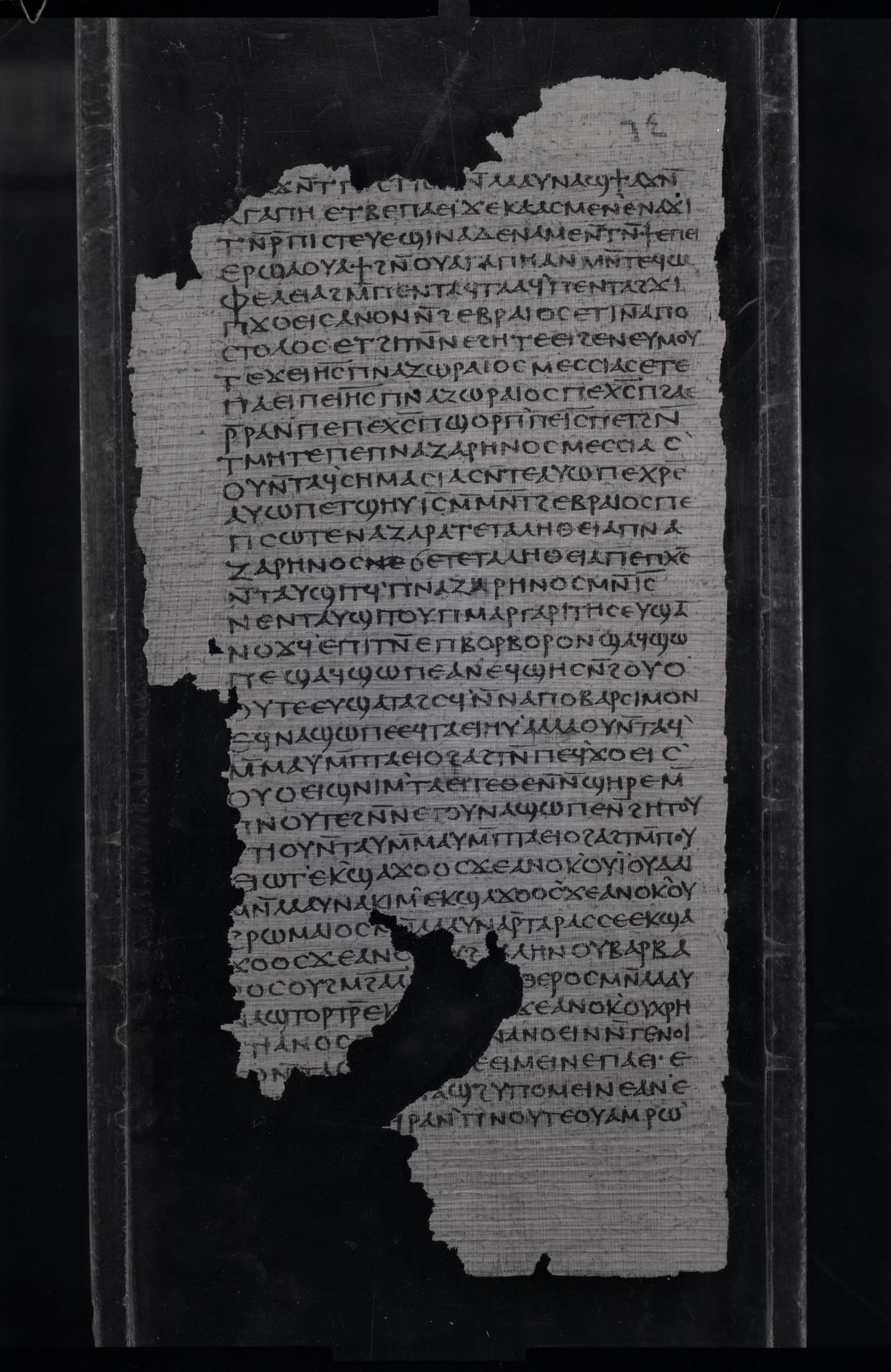
Page 62, lines 1-35 (Codex II page 62, A-Series negative, Facsimile Edition (Codex II, 1974) p. 74, CCDL nha 2846). Checked on the photograph: line 1 begins '...ⲁϫⲛ̄ ⲧⲡⲓⲥⲧⲓⲥ ... ⲗⲁⲁⲩ ⲛⲁϣϯ ⲁϫⲛ̄'; line 35 reads '...ⲣⲁⲛ⳿ ⲡⲛⲟⲩⲧⲉ ⲟⲩⲁⲙⲣⲱ⳿'; at line 15 ⲛⲉ after ⲍⲁⲣⲏⲛⲟⲥ is struck through by the scribe. Page and line numbers from the Marcion transcription; English from Mattison's text between his page marks 62 and 63.
62.1[ϫⲓ] ⲁ̣ϫⲛ̄ ⲧⲡⲓ̣ⲥⲧⲓⲥ [ⲙ]ⲛ̄ ⲗⲁⲁⲩ ⲛⲁϣϯ ⲁϫⲛ̄
62.2ⲁⲅⲁⲡⲏ ⲉⲧⲃⲉ ⲡⲁⲉⲓ⳿ ϫⲉⲕⲁⲁⲥ ⲙⲉⲛ⳿ ⲉⲛⲁϫⲓ
62.3ⲧⲛ̄ⲣ̄ⲡⲓⲥⲧⲉⲩⲉ ϣⲓⲛⲁ ⲇ⟨ⲉ⟩ ⲉⲛⲁⲙⲉ ⲛ̄ⲧⲛ̄ϯ ⲉⲡⲉⲓ
62.4ⲉⲣϣⲁ ⲟⲩⲁ ϯ ϩⲛ̄ ⲟⲩⲁⲅⲁⲡⲏ ⲁⲛ ⲙⲛ̄ⲧⲉϥ ⲱ-
62.5ⲫⲉⲗⲉⲓⲁ ϩⲙ̄ ⲡⲉⲛⲧⲁϥⲧⲁⲁϥ⳿ ⲡⲉⲛⲧⲁϩϫⲓ
62.6ⲡϫⲟⲉⲓⲥ ⲁⲛ ⲟ ⲛⲛ̄ϩⲉⲃⲣⲁⲓⲟⲥ ⲉⲧⲓ ⲛ̄ⲁⲡⲟ-
62.7ⲥⲧⲟⲗⲟⲥ ⲉⲧϩⲓ ⲧⲛ̄ⲛⲉϩⲏ ⲧⲉⲉⲓϩⲉ ⲛⲉⲩⲙⲟⲩⲧ-
62.8ⲧⲉ ϫⲉ ⲓⲏ︤ⲥ︥ ⲡⲛⲁⲍⲱⲣⲁⲓⲟⲥ ⲙⲉⲥⲥⲓⲁⲥ ⲉⲧⲉ
62.9ⲡⲁⲉⲓ ⲡⲉ ⲓ︤ⲏ︦ⲥ︥ ⲡⲛⲁⲍⲱⲣⲁⲓⲟⲥ ⲡⲉⲭ︤ⲥ︥⳿ ⲡϩⲁⲉ
62.10ⲣ̄ⲣⲁⲛ⳿ ⲡⲉ ⲡⲉⲭⲥ̄ ⲡϣⲟⲣⲡ⳿ ⲡⲉ ⲓ︤ⲥ︥ ⲡⲉⲧϩⲛ̄
62.11ⲧⲙⲏⲧⲉ ⲡⲉ ⲡⲛⲁⲍⲁⲣⲏⲛⲟⲥ ⲙⲉⲥⲥⲓⲁⲥ⳿
62.12ⲟⲩⲛ̄ⲧⲁϥ⳿ ⲥⲏⲙⲁⲥⲓⲁ ⲥⲛ̄ⲧⲉ ⲁⲩⲱ ⲡⲉⲭⲣ︤ⲥ︥
62.13ⲁⲩⲱ ⲡⲉⲧϣⲏⲩ ⲓ︤ⲥ︥ ⲙ̄ⲙ︤ⲛ︦ⲧ︥ϩⲉⲃⲣⲁⲓⲟⲥ ⲡⲉ
62.14ⲡⲥⲱⲧⲉ ⲛⲁⲍⲁⲣⲁ ⲧⲉ ⲧⲁⲗⲏⲑⲉⲓⲁ ⲡⲛⲁ-
62.15ⲍⲁⲣⲏⲛⲟⲥ ⟦ⲛⲉ⟧ ϭⲉ ⲧⲉ ⲧⲁⲗⲏⲑⲉⲓⲁ ⲡⲉ ⲡⲭ︤ⲥ︥
62.16ⲛ̄ⲧⲁⲩϣⲓⲧϥ⳿ ⲡⲛⲁⲍⲁⲣⲏⲛⲟⲥ ⲙⲛ̄ ⲓ︤ⲥ︥
62.17ⲛⲉⲛⲧⲁⲩϣⲓⲧⲟⲩ ⲡⲙⲁⲣⲅⲁⲣⲓⲧⲏⲥ ⲉⲩϣⲁⲛ-
62.18ⲛⲟϫϥ⳿ ⲉⲡⲓⲧⲛ̄ ⲉⲡⲃⲟⲣⲃⲟⲣⲟⲛ ϣⲁϥϣⲱ-
62.19ⲡⲉ {ϣⲁϥϣⲱⲡⲉ ⲁⲛ⳿} ⲉϥϣⲏⲥ ⲛ̄ϩⲟⲩⲟ
62.20ⲟⲩⲧⲉ ⲉⲩϣⲁⲧⲁϩⲥϥ⳿ ⲛ̄ⲛⲁⲡⲟⲃⲁⲣⲥⲓⲙⲟⲛ
62.21ⲉϥⲛⲁϣⲱⲡⲉ ⟨ⲁⲛ⟩ ⲉϥⲧⲁⲉⲓⲏⲩ⳿ ⲁⲗⲗⲁ ⲟⲩⲛ̄ⲧⲁϥ⳿
62.22ⲙ̄ⲙⲁⲩ ⲙ̄ⲡⲧⲁⲉⲓⲟ ϩⲁϩⲧⲛ̄ ⲡⲉϥ⳿ϫⲟⲉⲓⲥ⳿
62.23ⲟⲩⲟⲉⲓϣ ⲛⲓⲙ⳿ ⲧⲁⲉⲓ ⲧⲉ ⲑⲉ ⲛ̄ⲛ̄ϣⲏⲣⲉ ⲙ̄-
62.24ⲡⲛⲟⲩⲧⲉ ϩⲛ̄ ⲛⲉⲧⲟⲩⲛⲁϣⲱⲡⲉ ⲛ̄ϩⲏⲧⲟⲩ
62.25ⲉⲧⲓ ⲟⲩⲛ̄ⲧⲁⲩ ⲙ̄ⲙⲁⲩ ⲙ̄ⲡⲧⲁⲉⲓⲟ ϩⲁϩⲧⲙ̄ ⲡⲟⲩ-
62.26ⲉⲓⲱⲧ⳿ ⲉⲕ⳿ϣⲁϫⲟⲟⲥ ϫⲉ ⲁⲛⲟⲕ⳿ ⲟⲩⲓ̈ⲟⲩⲇⲁⲓ̈
62.27ⲙⲛ̄ ⲗⲁⲁⲩ ⲛⲁⲕⲓⲙ⳿ ⲉⲕϣⲁϫⲟⲟⲥ⳿ ϫⲉ ⲁⲛⲟⲕ⳿ ⲟⲩ-
62.28ϩⲣⲱⲙⲁⲓⲟⲥ ⲙⲛ̄ ⲗⲁⲁⲩ ⲛⲁⲣ̄ⲧⲁⲣⲁⲥⲥⲉ ⲉⲕϣⲁ-
62.29ϫⲟⲟⲥ ϫⲉ ⲁⲛⲟ[ⲕ ⲟ]ⲩϩⲉ̣ⲗ̣ⲗⲏⲛ ⲟⲩⲃⲁⲣⲃⲁ-
62.30ⲣ̣ⲟⲥ ⲟⲩϩⲙϩ︤ⲁ︦ⲗ︥ [ⲟⲩⲉⲗⲉⲩ]ⲑⲉⲣⲟⲥ ⲙⲛ̄ ⲗⲁⲁⲩ
62.31ⲛⲁϣⲧⲟⲣⲧⲣ̄ ⲉⲕ[ϣⲁϫⲟⲟⲥ] ϫⲉ ⲁⲛⲟⲕ⳿ ⲟⲩⲭⲣⲏ-
62.32ⲥ̣ⲧⲓⲁⲛⲟⲥ ⲡ[.....] ⲛⲁⲛⲟⲉⲓⲛ ⲛ̄ⲅⲉⲛⲟⲓ-
62.33ⲧⲟ̣ ⲛ̄ⲧⲁϣ̣[... ⲛ̄ⲧ]ⲉⲉⲓⲙⲉⲓⲛⲉ ⲡⲁⲉⲓ⳿ ⲉ-
62.34[ⲧ]ⲉ̣ .[.....] ⲛⲁϣϩⲩⲡⲟⲙⲉⲓⲛⲉ ⲁⲛ⳿ ⲉ-
62.35[ⲥⲱⲧⲙ̄ ⲉⲡ]ⲉ̣ϥⲣⲁⲛ⳿ ⲡⲛⲟⲩⲧⲉ ⲟⲩⲁⲙⲣⲱ⳿
[receive] without faith, and no one will be able to give without love. So we believe in order that we may receive, but we give in order that we may love, since anyone who doesn't give with love doesn't get anything out of it. Whoever hasn't received the Lord is still a Hebrew.
The apostles before us called (him) "Jesus the Nazarene Messiah," that is, "Jesus the Nazarene Christ." The last name is "Christ," the first is "Jesus," the middle one is "the Nazarene." "Messiah" has two meanings: both "Christ" and "the measured." "Jesus" in Hebrew is "the redemption." "Nazara" is "the truth." So "the Nazarene" is "the truth." "Christ" is the one who was measured. "The Nazarene" and "Jesus" are the ones who were measured.
A pearl doesn't become less valuable if it's cast down into the mud, nor will it become more valuable if it's anointed with balsam; but it's valuable to its owner all the time. That's what it's like with God's children: no matter where they are, they're still valuable to their Father.
If you say, "I'm a Jew," no one will be moved. If you say, "I'm a Roman," no one will be disturbed. If you say, "I'm a Greek," "a Barbarian," "a slave," ["a free person,"] no one will be troubled. [If] you [say,] "I'm a Christian," the […] will tremble. If only [… of] this kind, this one [who …] won't be able to endure [hearing] his name.
God is a human-eater.
Notes
- Coptic: Marcion 1.8 (Milan Konvicka), Nag Hammadi text package, converted here from its ASCII font coding to Unicode Coptic letter for letter. Marcion does not name the printed edition behind its text. The small numbers are codex page and line (for example 61.30) as given in the source.
- Signs in the Coptic: a stroke over a letter is the scribe's supralinear stroke; a line over a group of letters marks an abbreviated holy name (for example ⲭ︤ⲥ︥, Christ); ⳿ marks the small stroke or point the scribe writes after some letters (the source does not distinguish the two); a dot under a letter marks an uncertain reading; square brackets mark letters lost in a gap (restored by the editor, or dots for the number of lost letters); round brackets write out an abbreviation; angle brackets mark letters added by the editor; curly brackets letters the editor removes; double square brackets letters cancelled by the scribe; a circumflex (as in ⲱ̂) is the scribe's. A hyphen at the end of a line marks a word that runs on to the next line (the transcription's convention, not a sign in the manuscript).
- Marcion's text also carries a paragraph code, and two further codes whose meaning it does not state (one at 21 places, one at 58.14 and 83.4). They are not reproduced: no mark stands at the paragraph or the first kind of place on the photographs, and at 58.14 and 83.4 the photograph shows only a small mark after the word.
- English: Mark M. Mattison, The Gospel of Philip (public domain), split at Mattison's own page numbers. Mattison's symbols: [ ] gap in the text, ( ) editorial insertion, / \ editorial correction of a scribal error. The headings in italics are his.
- Mattison's note, Page 57: saying. Literally, logos or "word." Lundhaug translates this phrase, "It is a Logos, 'this other' that is 'in the flesh.'"
- Mattison's note, Page 60: humans. Literally, "the human."
- Mattison's note, Page 61: person. Literally, "the human."
Cite
Sources
- Source: Nag Hammadi Codex II page photographs (Claremont Colleges Digital Library, Nag Hammadi Archive) + Coptic transcription from Marcion (Milan Konvicka) + English by Mark M. Mattison (public domain) (holding institution)
- Critical edition: Coptic transcription from Marcion (Milan Konvicka; printed edition not named)
← previous · → next · v cycle view · l back to library