Gospel of Philip, pages 81-86 (Nag Hammadi Codex II)
Introduction
The Gospel of Philip is a Christian anthology of short teachings, sayings and reflections on baptism, anointing, the bridal chamber and becoming what one perceives. It was composed in Greek, probably in the 2nd or 3rd century, and survives only in a Coptic translation: the third tractate of Nag Hammadi Codex II, a papyrus book copied in the 4th century, found near Nag Hammadi in Upper Egypt in 1945 and now in the Coptic Museum, Cairo (inv. 10544). The text runs from page 51 line 29, directly after the Gospel of Thomas, to page 86 line 19, where the title 'The Gospel according to Philip' stands at the end.
This entry covers codex pages 81-86, one section per page. The Coptic is given line by line with codex page and line numbers, so each line can be found on the photograph. The English is Mark M. Mattison's public domain translation, divided at the page numbers Mattison prints in it; because English word order differs from Coptic, a sentence divided between two pages is divided where the translator put the page mark.
Photographs: A-Series negatives of the Facsimile Edition of the Nag Hammadi Codices, Nag Hammadi Archive of the Institute for Antiquity and Christianity, Claremont Colleges Digital Library. Coptic: Marcion (Milan Konvicka), which does not name the printed edition behind its transcription. First and last line read on each photograph: 81: 'ϩⲓ̈ ⲙⲁⲙⲟⲩ ⲛ̄ⲟⲉⲓⲕ⳿ ⲧⲁⲉⲓ ⲧⲉ ⲑⲉ ⲙ̄ⲡⲙⲁⲑⲏ' ... 'ⲥⲟⲟⲩⲛ ϫⲉ ⲁϣ ⲡⲉ ⲫⲟ...'; 82: 'ⲙⲛ̄ ⲧⲥϩⲓⲙⲉ ⲣ̄ⲕⲟⲓⲛⲱⲛⲉⲓ ⲙⲛ̄ ⲛⲟⲩⲉⲣⲏⲩ' ... '...ⲙ̄ⲙⲁϩⲧ⳿ ⲙ̄ⲡⲣⲱⲙⲉ ϩⲏⲡ⳿ ϥⲟⲛϩ'; 83: 'ⲛ̄ϭⲓ ⲡⲣⲱⲙⲉ ⲉⲩϣⲁϭⲱⲗⲡ⳿ ⲛ̄ϭⲓ ⲛⲉϥⲙⲁϩⲧ' ... 'ⲟⲩⲧⲉ ⲥⲉⲛⲁϣⲱⲡⲉ ⲁⲛ...'; 84: 'ⲥⲉⲛⲁϫⲱⲕ⳿ ⲉⲃⲟⲗ ϩⲟⲧⲁⲛ ⲉⲣϣⲁ ⲧⲁⲗⲏⲑⲉⲓⲁ' ... '...ⲟⲩϫⲁⲉⲓ ⲛ̄ⲧⲁⲣⲉ ⲡⲕⲁⲧⲁⲕⲗⲩⲥ⳿'; 85: 'ⲙⲟⲥ ⲙ̄ⲙⲟⲟⲩ ⲉⲙⲁϩⲧⲉ ⲉϩⲣⲁⲓ̈ ⲉϫⲱⲟⲩ ⲉⲣϣⲁ' ... 'ϣⲱⲡⲉ ⲛ̄ⲧⲟⲩϣⲏ ⲡⲕⲱϩⲧ⳿ ϣ...'; 86: 'ⲛ̄ⲧⲟⲩϣⲏ ϣⲁϥϫⲉⲛⲉ ⲙ̄ⲙⲩⲥⲧⲏⲣⲓⲟⲛ ⲇⲉ' ... 'ⲡⲕⲁⲧⲁ ⲫⲓⲗⲓⲡⲡⲟⲥ' (the second line of the title).
How was this verified? (Provenance)
Where on the image
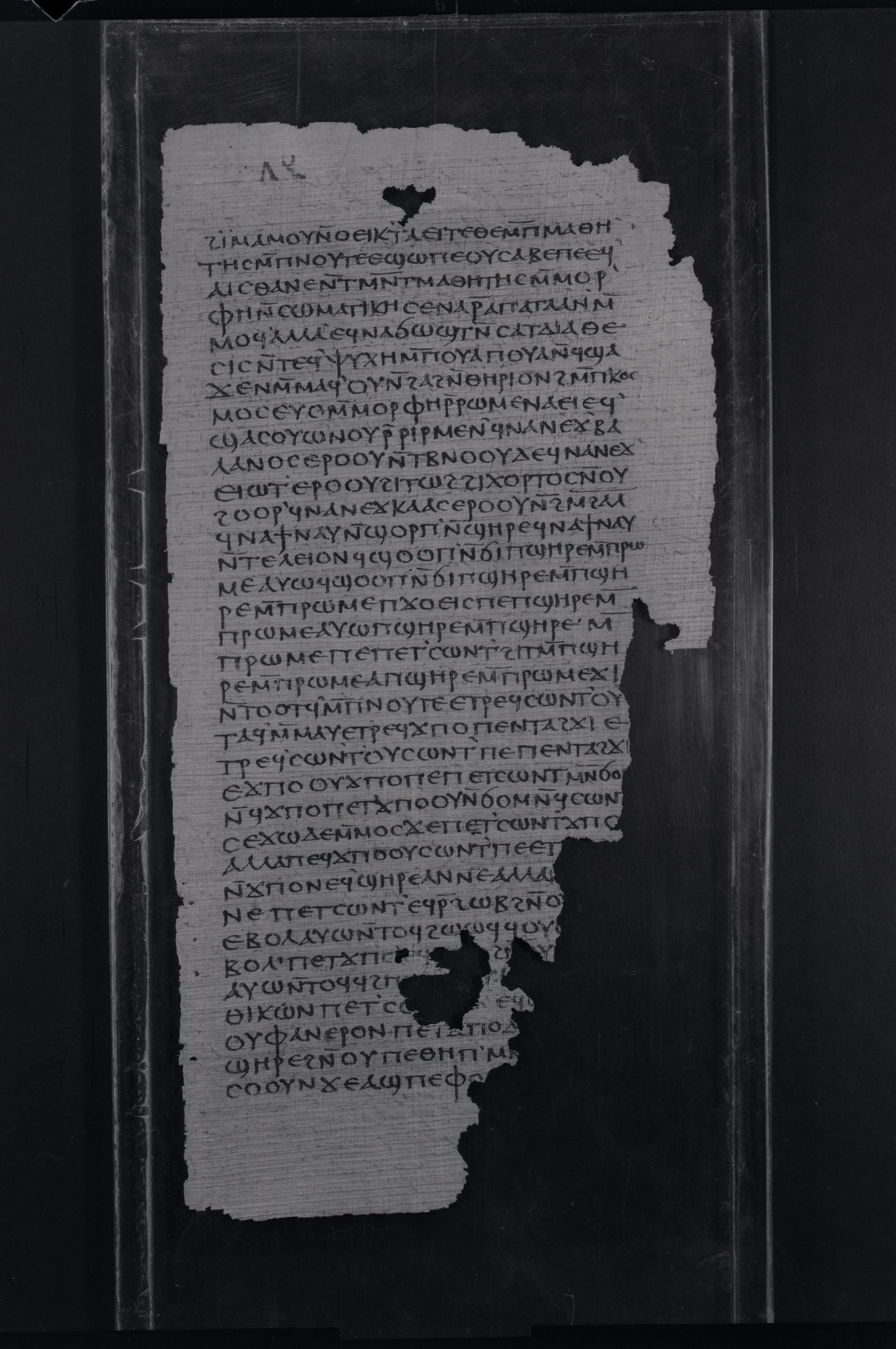
Page 81, lines 1-35 (Codex II page 81, A-Series negative, Facsimile Edition (Codex II, 1974) p. 93, CCDL nha 2843). Checked on the photograph: line 1 begins 'ϩⲓ̈ ⲙⲁⲙⲟⲩ ⲛ̄ⲟⲉⲓⲕ⳿ ⲧⲁⲉⲓ ⲧⲉ ⲑⲉ ⲙ̄ⲡⲙⲁⲑⲏ'; line 35 reads 'ⲥⲟⲟⲩⲛ ϫⲉ ⲁϣ ⲡⲉ ⲫⲟ...'. Page and line numbers from the Marcion transcription; English from Mattison's text between his page marks 81 and 82.
81.1ϩⲓ̈ ⲙⲁⲙⲟⲩ ⲛ̄ⲟⲉⲓⲕ⳿ ⲧⲁⲉⲓ ⲧⲉ ⲑⲉ ⲙ̄ⲡⲙⲁⲑⲏ⳿-
81.2ⲧⲏⲥ ⲙ̄ⲡⲛⲟⲩⲧⲉ ⲉϣⲱⲡⲉ ⲟⲩⲥⲁⲃⲉ ⲡⲉ ⲉϥ⳿-
81.3ⲁⲓⲥⲑⲁⲛⲉ ⲛ̄ⲧⲙ︤ⲛ︦ⲧ︥ⲙⲁⲑⲏⲧⲏⲥ ⲙ̄ⲙⲟⲣ⳿-
81.4ⲫⲏ ⲛ̄ⲥⲱⲙⲁⲧⲓⲕⲏ ⲥⲉⲛⲁⲣ̄ⲁⲡⲁⲧⲁ ⲁⲛ⳿ ⲙ̄-
81.5ⲙⲟϥ⳿ ⲁⲗⲗⲁ⳿ ⲉϥⲛⲁϭⲱϣⲧ⳿ ⲛ̄ⲥⲁ ⲧⲇⲓⲁⲑⲉ-
81.6ⲥⲓⲥ ⲛ̄ⲧⲉϥ⳿ⲯⲩⲭⲏ ⲙ̄ⲡⲟⲩⲁ ⲡⲟⲩⲁ ⲛ̄ϥϣⲁ-
81.7ϫⲉ ⲛⲙ̄ⲙⲁϥ⳿ ⲟⲩⲛ̄ ϩⲁϩ ⲛ̄ⲑⲏⲣⲓⲟⲛ ϩⲙ̄ ⲡⲕⲟⲥ-
81.8ⲙⲟⲥ ⲉⲩⲟ ⲙ̄ⲙⲟⲣⲫⲏ ⲣ̄ⲣⲱⲙⲉ ⲛⲁⲉⲓ ⲉϥ⳿-
81.9ϣⲁⲥⲟⲩⲱⲛⲟⲩ ⲣ̄ⲣⲓⲣ ⲙⲉⲛ⳿ ϥⲛⲁⲛⲉϫ⳿ ⲃⲁ-
81.10ⲗⲁⲛⲟⲥ ⲉⲣⲟⲟⲩ ⲛ̄ⲧⲃⲛⲟⲟⲩ ⲇⲉ ϥⲛⲁⲛⲉϫ⳿
81.11ⲉⲓⲱⲧ⳿ ⲉⲣⲟⲟⲩ ϩⲓ ⲧⲱϩ ϩⲓ ⲭⲟⲣⲧⲟⲥ ⲛ̄ⲟⲩ-
81.12ϩⲟⲟⲣ⳿ ϥⲛⲁⲛⲉϫ ⲕⲁⲁⲥ ⲉⲣⲟⲟⲩ ⲛ̄ϩⲙ︤ϩ︦ⲁ︦ⲗ︥
81.13ϥⲛⲁϯ ⲛⲁⲩ ⲛ̄ϣⲟⲣⲡ⳿ ⲛ̄ϣⲏⲣⲉ ϥⲛⲁϯ ⲛⲁⲩ
81.14ⲛ̄ⲧⲉⲗⲉⲓⲟⲛ ϥϣⲟⲟⲡ⳿ ⲛ̄ϭⲓ ⲡϣⲏⲣⲉ ⲙ̄ⲡⲣⲱ-
81.15ⲙⲉ ⲁⲩⲱ ϥϣⲟⲟⲡ⳿ ⲛ̄ϭⲓ ⲡϣⲏⲣⲉ ⲙ̄ⲡϣⲏ-
81.16ⲣⲉ ⲙ̄ⲡⲣⲱⲙⲉ ⲡϫⲟⲉⲓⲥ ⲡⲉ ⲡϣⲏⲣⲉ ⲙ̄-
81.17ⲡⲣⲱⲙⲉ ⲁⲩⲱ ⲡϣⲏⲣⲉ ⲙ̄ⲡϣⲏⲣⲉ⳿ ⲙ̄-
81.18ⲡⲣⲱⲙⲉ ⲡⲉ ⲡⲉⲧ⳿ⲥⲱⲛⲧ⳿ ϩⲓⲧⲙ̄ ⲡϣⲏ-
81.19ⲣⲉ ⲙ̄ⲡⲣⲱⲙⲉ ⲁⲡϣⲏⲣⲉ ⲙ̄ⲡⲣⲱⲙⲉ ϫⲓ
81.20ⲛ̄ⲧⲟⲟⲧϥ⳿ ⲙ̄ⲡⲛⲟⲩⲧⲉ ⲉⲧⲣⲉϥⲥⲱⲛⲧ⳿ ⲟⲩⲛ-
81.21ⲧⲁϥ⳿ ⲙ̄ⲙⲁⲩ ⲉⲧⲣⲉϥϫⲡⲟ ⲡⲉⲛⲧⲁϩϫⲓ ⲉ-
81.22ⲧⲣⲉϥ⳿ⲥⲱⲛ⳿ⲧ⳿ ⲟⲩⲥⲱⲛⲧ⳿ ⲡⲉ ⲡⲉⲛⲧⲁϩϫⲓ̣
81.23ⲉϫⲡⲟ ⲟⲩϫⲡⲟ ⲡⲉ ⲡⲉⲧⲥⲱⲛⲧ ⲙⲛ̄ ϭⲟⲙ̣
81.24ⲛ̄ϥϫⲡⲟ ⲡⲉⲧ⳿ϫⲡⲟ ⲟⲩⲛ̄ ϭⲟⲙ ⲛ̄ϥⲥⲱⲛⲧ̣
81.25ⲥⲉϫⲱ ⲇⲉ ⲙ̄ⲙⲟⲥ ϫⲉ ⲡⲉⲧ⳿ⲥⲱⲛⲧ⳿ ϫⲡⲟ
81.26ⲁⲗⲗⲁ ⲡⲉϥϫⲡⲟ ⲟⲩⲥⲱⲛⲧ⳿ ⲡⲉ ⲉⲧ[ⲃⲉ ...]
81.27ⲛ̄ϫⲡⲟ ⲛⲉϥ⳿ϣⲏⲣⲉ ⲁⲛ ⲛⲉ ⲁⲗⲗⲁ ⲛ̣[.....]
81.28ⲛⲉ ⲡⲉⲧⲥⲱⲛⲧ⳿ ⲉϥⲣ̄ ϩⲱⲃ ϩⲛ̄ ⲟⲩ̣[ⲱⲛϩ]
81.29ⲉⲃⲟⲗ ⲁⲩⲱ ⲛ̄ⲧⲟϥ ϩⲱⲱϥ ϥⲟⲩⲟ̣[ⲛϩ ⲉ]-
81.30ⲃⲟⲗ⳿ ⲡⲉⲧϫⲡⲟ⳿ ⲉϥϫ̣ⲡ̣ⲟ̣ ϩⲛ̄ ⲟ̣ⲩ[ⲡⲉⲑⲏⲡ]
81.31ⲁⲩⲱ ⲛ̄ⲧⲟϥ ϥϩⲏⲡ⳿̣ [ⲉ]ϥ̣[ⲟ]ⲩⲁ[......]
81.32ⲑⲓⲕⲱⲛ ⲡⲉⲧ⳿ⲥⲱ̣[ⲛⲧ ⲟ]ⲛ ⲉϥⲥ̣[ⲱⲛⲧ ϩⲛ̄]
81.33ⲟⲩⲫⲁⲛⲉⲣⲟⲛ ⲡⲉⲧϫⲡⲟ ⲇ[ⲉ ⲉϥϫⲡⲉ]
81.34ϣⲏⲣⲉ ϩⲛ̄ ⲟⲩⲡⲉⲑⲏⲡ⳿ ⲙⲛ̣̄ [ⲗⲁⲁⲩ ⲛⲁϣ]-
81.35ⲥⲟⲟⲩⲛ ϫⲉ ⲁϣ ⲡⲉ ⲫⲟ[ⲟⲩ ⲉⲧⲉ ⲫⲟⲟⲩⲧ]
and slops. That's what it's like with the disciple of God. If they're wise, they understand what it means to be a disciple. The bodily forms won't deceive them, but they'll look at the condition of the soul of each one and speak with them. There are many animals in the world that are made in human form. They (the disciple) recognizes them. To the pigs they'll throw acorns, but to the cattle they'll throw barley with straw and hay. To the dogs they'll throw bones, to the slaves they'll give the appetizer, and to the children they'll give the perfect (food).
There's the Son of Humanity, and there's the son of the Son of Humanity. The Lord is the Son of Humanity, and the son of the Son of Humanity is the one who creates through the Son of Humanity. The Son of Humanity received from God the ability to create. He (also) has the ability to beget. The one who received the ability to create is a creature; the one who received the ability to beget is begotten. The one who creates can't beget; the one who begets can create. They say, "The one who creates, begets." But what they beget is a creature. [So] their begotten aren't their children, but they're […]. The one who creates works [publicly], and are themselves [revealed]. The one who begets, begets [secretly], and they're hidden […] the image. [Again], the one who [creates, creates] publicly, but the one who begets, [begets] children secretly.
No [one will be able to] know [when the husband]
Where on the image
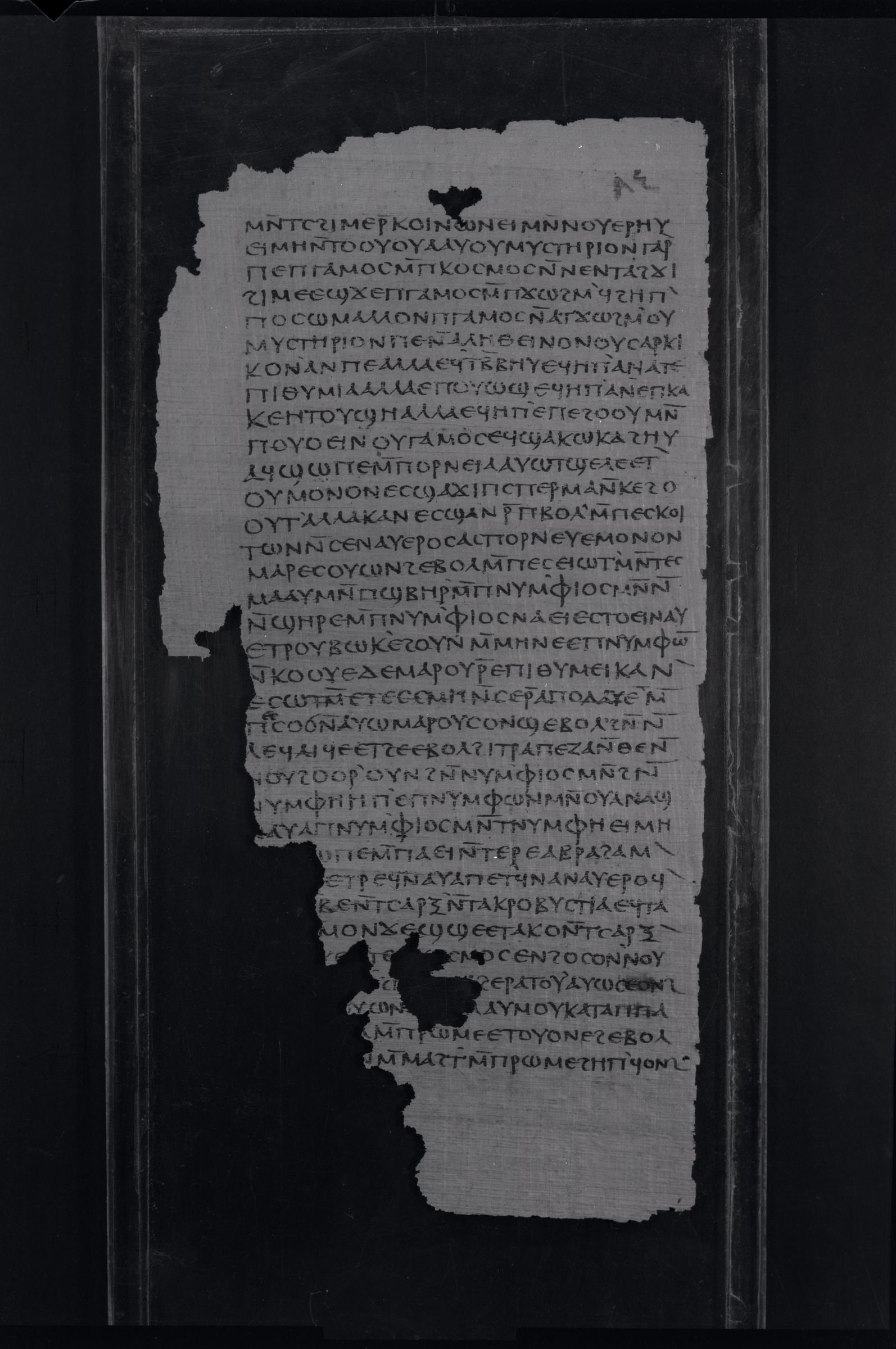
Page 82, lines 1-34 (Codex II page 82, A-Series negative, Facsimile Edition (Codex II, 1974) p. 94, CCDL nha 2850). Checked on the photograph: line 1 begins 'ⲙⲛ̄ ⲧⲥϩⲓⲙⲉ ⲣ̄ⲕⲟⲓⲛⲱⲛⲉⲓ ⲙⲛ̄ ⲛⲟⲩⲉⲣⲏⲩ'; line 34 reads '...ⲙ̄ⲙⲁϩⲧ⳿ ⲙ̄ⲡⲣⲱⲙⲉ ϩⲏⲡ⳿ ϥⲟⲛϩ'. Page and line numbers from the Marcion transcription; English from Mattison's text between his page marks 82 and 83.
82.1ⲙⲛ̄ ⲧⲥϩⲓⲙⲉ ⲣ̄ⲕⲟⲓⲛⲱⲛⲉⲓ ⲙⲛ̄ ⲛⲟⲩⲉⲣⲏⲩ
82.2ⲉⲓ ⲙⲏ ⲛ̄ⲧⲟⲟⲩ ⲟⲩⲁⲁⲩ ⲟⲩⲙⲩⲥⲧⲏⲣⲓⲟⲛ ⲅⲁⲣ⳿
82.3ⲡⲉ ⲡⲅⲁⲙⲟⲥ ⲙ̄ⲡⲕⲟⲥⲙⲟⲥ ⲛ̄ⲛⲉⲛⲧⲁϩϫⲓ
82.4ϩⲓⲙⲉ ⲉϣϫⲉ ⲡⲅⲁⲙⲟⲥ ⲙ̄ⲡϫⲱϩⲙ⳿ ϥϩⲏⲡ⳿
82.5ⲡⲟⲥⲱ ⲙⲁⲗⲗⲟⲛ ⲡⲅⲁⲙⲟⲥ ⲛ̄ⲁⲧϫⲱϩⲙ⳿ ⲟⲩ-
82.6ⲙⲩⲥⲧⲏⲣⲓⲟⲛ ⲡⲉ ⲛ̄ⲁⲗⲏⲑⲉⲓⲛⲟⲛ ⲟⲩⲥⲁⲣⲕⲓ-
82.7ⲕⲟⲛ⳿ ⲁⲛ ⲡⲉ ⲁⲗⲗⲁ ⲉϥ⳿ⲧⲃ̄ⲃⲏⲩ ⲉϥⲏⲡ⳿ ⲁⲛ ⲁⲧⲉ-
82.8ⲡⲓⲑⲩⲙⲓⲁ ⲁⲗⲗⲁ ⲉⲡⲟⲩⲱϣ ⲉϥⲏⲡ⳿ ⲁⲛ⳿ ⲉⲡⲕⲁ-
82.9ⲕⲉ ⲏ ⲧⲟⲩϣⲏ ⲁⲗⲗⲁ ⲉϥⲏⲡ⳿ ⲉⲡⲉϩⲟⲟⲩ ⲙⲛ̄
82.10ⲡⲟⲩⲟⲉⲓⲛ ⲟⲩⲅⲁⲙⲟⲥ ⲉϥϣⲁⲕⲱⲕⲁϩⲏⲩ
82.11ⲁϥϣⲱⲡⲉ ⲙ̄ⲡⲟⲣⲛⲉⲓⲁ ⲁⲩⲱ ⲧϣⲉⲗⲉⲉⲧ⳿
82.12ⲟⲩ ⲙⲟⲛⲟⲛ ⲉⲥϣⲁϫⲓ ⲡⲥⲡⲉⲣⲙⲁ ⲛ̄ⲕⲉϩⲟ-
82.13ⲟⲩⲧ⳿ ⲁⲗⲗⲁ ⲕⲁⲛ ⲉⲥϣⲁⲛⲣ̄ ⲡⲃⲟⲗ⳿ ⲙ̄ⲡⲉⲥⲕⲟⲓ-
82.14ⲧⲱⲛ ⲛ̄ⲥⲉⲛⲁⲩ ⲉⲣⲟⲥ ⲁⲥⲡⲟⲣⲛⲉⲩⲉ ⲙⲟⲛⲟⲛ
82.15ⲙⲁⲣⲉⲥⲟⲩⲱⲛϩ ⲉⲃⲟⲗ ⲙ̄ⲡⲉⲥⲉⲓⲱⲧ⳿ ⲙⲛ̄ ⲧⲉⲥ-
82.16ⲙⲁⲁⲩ ⲙⲛ̄ ⲡϣⲃⲏⲣ⳿ ⲙ̄ⲡⲛⲩⲙ̄ⲫⲓⲟⲥ ⲙⲛ̄ ⲛ̄-
82.17ⲛ̄ϣⲏⲣⲉ ⲙ̄ⲡⲛⲩⲙ⳿ⲫⲓⲟⲥ ⲛⲁⲉⲓ ⲉⲥⲧⲟⲉⲓ ⲛⲁⲩ
82.18ⲉⲧⲣⲟⲩⲃⲱⲕ⳿ ⲉϩⲟⲩⲛ ⲙ̄ⲙⲏⲛⲉ ⲉⲡⲛⲩⲙⲫⲱⲛ
82.19ⲛ̄ⲕⲟⲟⲩⲉ ⲇⲉ ⲙⲁⲣⲟⲩⲣ̄ⲉⲡⲓⲑⲩⲙⲉⲓ ⲕⲁⲛ⳿
82.20ⲉⲥⲱⲧⲙ̄ ⲉⲧⲉⲥⲥⲙⲏ ⲛ̄ⲥⲉⲣ̄ⲁⲡⲟⲗⲁⲩⲉ⳿ ⲙ̄-
82.21ⲡⲉⲥⲥⲟϭⲛ̄ ⲁⲩⲱ ⲙⲁⲣⲟⲩⲥⲟⲛϣ ⲉⲃⲟⲗ⳿ ϩⲛ̄ ⲛ̄-
82.22ⲗⲉϥⲗⲓϥⲉ ⲉⲧϩⲉ ⲉⲃⲟⲗ ϩⲓ ⲧⲣⲁⲡⲉⲍⲁ ⲛ̄ⲑⲉ ⲛ̄-
82.23ⲛⲟⲩϩⲟⲟⲣ⳿ ⲟⲩⲛ ϩⲛ̄ⲛⲩⲙ⳿ⲫⲓⲟⲥ ⲙⲛ̄ ϩⲛ̄-
82.24ⲛⲩⲙⲫⲏ ⲏⲡ⳿ ⲉⲡⲛⲩⲙⲫⲱⲛ ⲙⲛ̄ ⲟⲩⲁ ⲛⲁϣ-
82.25ⲛ̣ⲁⲩ ⲁⲡⲛⲩⲙ⳿ⲫⲓⲟⲥ ⲙⲛ̄ ⲧⲛⲩⲙⲫⲏ ⲉⲓ ⲙⲏ
82.26[ⲛ̄ϥϣ]ⲱⲡⲉ ⲙ̄ⲡⲁⲉⲓ ⲛ̄ⲧⲉⲣⲉ ⲁⲃⲣⲁϩⲁⲙ⳿
82.27[....] ⲉⲧⲣⲉϥⲛⲁⲩ ⲁⲡⲉⲧ⳿ϥⲛⲁⲛⲁⲩ ⲉⲣⲟϥ⳿
82.28[ⲁϥⲥ]ⲃ̣̄ⲃⲉ ⲛ̄ⲧⲥⲁⲣⲝ⳿ ⲛ̄ⲧⲁⲕⲣⲟⲃⲩⲥⲧⲓⲁ ⲉϥⲧⲁ-
82.29[ⲙⲟ] ⲙ̣̄ⲙⲟⲛ ϫⲉ ϣϣⲉ ⲉⲧⲁⲕⲟ ⲛ̄ⲧⲥⲁⲣⲝ⳿
82.30[ⲡⲉϩⲟ]ⲩⲟ̣ ⲛ̣̄ⲧⲉ̣ [ⲡ̣]ⲕⲟ̣ⲥⲙⲟⲥ ⲉⲛ ϩⲟⲥⲟⲛ⳿ ⲛⲟⲩ-
82.31[ⲥⲁ ⲛϩⲟⲩ]ⲛ̣⳿ ϩⲏ[ⲡ]⳿ [ⲥⲉ]ⲁ̣ϩⲉⲣⲁⲧⲟⲩ⳿ ⲁⲩⲱ ⲥⲉⲟⲛϩ
82.32[ⲉⲩϣⲁⲛ]ⲟ̣ⲩⲱⲛ[ϩ ⲉⲃ]ⲟ̣ⲗ ⲁⲩⲙⲟⲩ ⲕⲁⲧⲁ ⲡⲡⲁ-
82.33[ⲣⲁⲇⲓⲅⲙ]ⲁ ⲙ̄ⲡⲣⲱⲙⲉ ⲉⲧⲟⲩⲟⲛⲉϩ ⲉⲃⲟⲗ
82.34[ⲉⲛ ϩⲟⲥⲟ]ⲛ ⲙ̄ⲙⲁϩⲧ⳿ ⲙ̄ⲡⲣⲱⲙⲉ ϩⲏⲡ⳿ ϥⲟⲛϩ
and the wife are intimate with each other, except they themselves, because the marriage of the world is a mystery for those who have married. If the defiled marriage is hidden, how much more is the undefiled marriage a true mystery! It's not fleshly, but pure. It isn't of desire, but of the will. It isn't of the darkness or the night, but it's of the day and the light. If a marriage is stripped naked, it becomes pornography – not only if the bride receives the seed of another man, but even if she leaves the chamber and is seen, she commits adultery. Let her reveal herself to her father, her mother, the best man, and the groom's children. They're allowed to enter the bridal chamber every day. But let the others yearn just to hear her voice and enjoy her perfume, and, like dogs, let them eat the crumbs that fall from the table. Grooms and brides belong to the bridal chamber. No one will be able to see the groom and the bride unless [they become] such.
Uprooting Evil
When Abraham […] to see what he was going to see, [he] circumcised the flesh of the foreskin, [telling] us that it's necessary to destroy the flesh.
[Most (things)] of [the] world can stand up and live as long as their [insides are hidden. If they're revealed], they die, as [illustrated] by the visible human. [As long as] the human's guts are hidden,
Where on the image
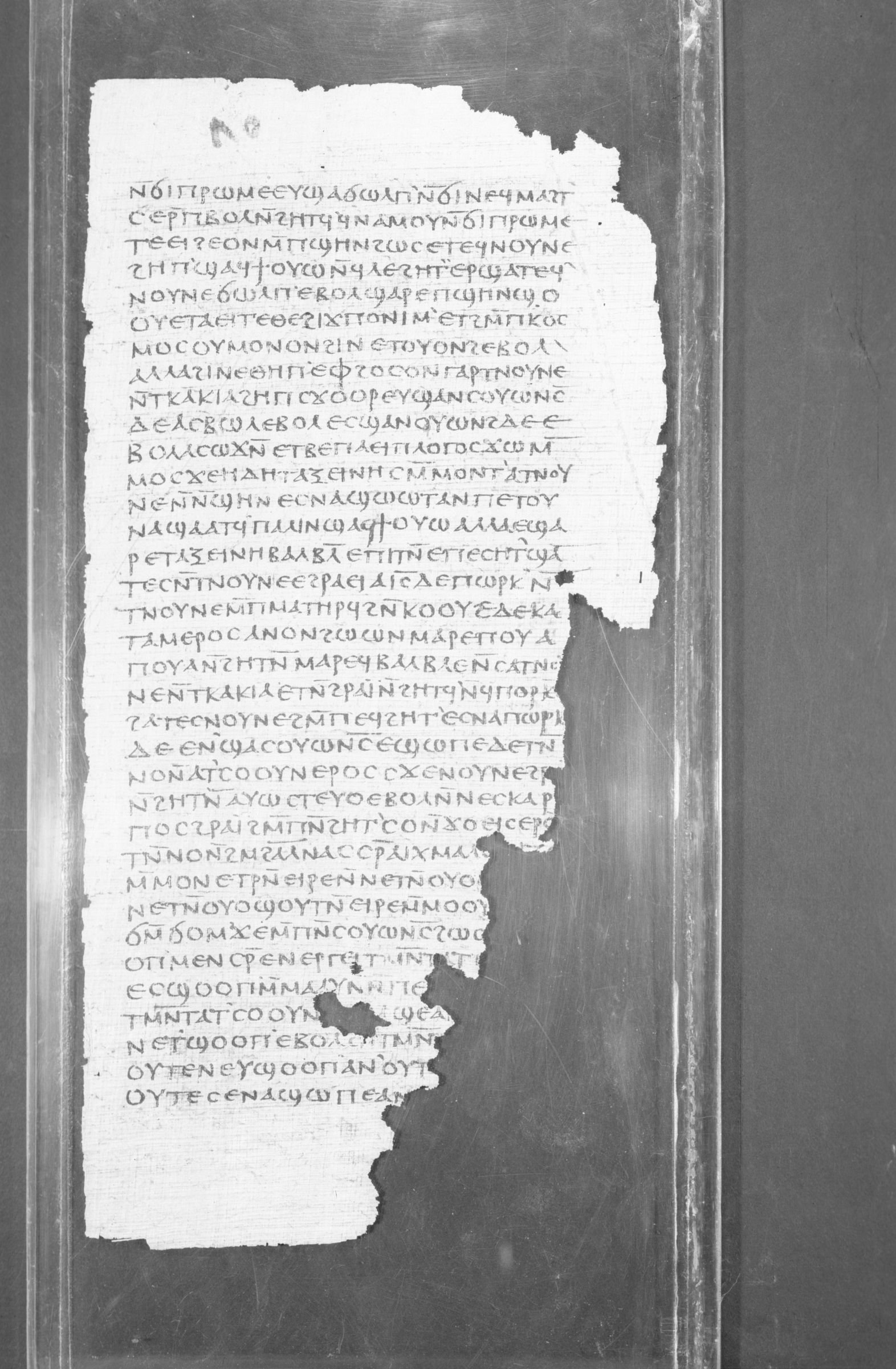
Page 83, lines 1-35 (Codex II page 83, A-Series negative, Facsimile Edition (Codex II, 1974) p. 95, CCDL nha 2876). Checked on the photograph: line 1 begins 'ⲛ̄ϭⲓ ⲡⲣⲱⲙⲉ ⲉⲩϣⲁϭⲱⲗⲡ⳿ ⲛ̄ϭⲓ ⲛⲉϥⲙⲁϩⲧ'; line 35 reads 'ⲟⲩⲧⲉ ⲥⲉⲛⲁϣⲱⲡⲉ ⲁⲛ...'. Page and line numbers from the Marcion transcription; English from Mattison's text between his page marks 83 and 84.
83.1ⲛ̄ϭⲓ ⲡⲣⲱⲙⲉ ⲉⲩϣⲁϭⲱⲗⲡ⳿ ⲛ̄ϭⲓ ⲛⲉϥⲙⲁϩⲧ⳿
83.2ⲥⲉⲣ̄ ⲡⲃⲟⲗ ⲛ̄ϩⲏⲧϥ⳿ ϥⲛⲁⲙⲟⲩ ⲛ̄ϭⲓ ⲡⲣⲱⲙⲉ
83.3ⲧⲉⲉⲓϩⲉ ⲟⲛ ⲙ̄ⲡϣⲏⲛ ϩⲱⲥ ⲉⲧⲉϥⲛⲟⲩⲛⲉ
83.4ϩⲏⲡ⳿ ϣⲁϥϯ ⲟⲩⲱ ⲛ̄ϥⲗⲉϩⲏⲧ ⲉⲣϣⲁ ⲧⲉϥ⳿-
83.5ⲛⲟⲩⲛⲉ ϭⲱⲗⲡ⳿ ⲉⲃⲟⲗ ϣⲁⲣⲉ ⲡϣⲏⲛ ϣⲟ-
83.6ⲟⲩⲉ ⲧⲁⲉⲓ ⲧⲉ ⲑⲉ ϩⲓ ϫⲡⲟ ⲛⲓⲙ⳿ ⲉⲧϩⲙ̄ ⲡⲕⲟⲥ-
83.7ⲙⲟⲥ ⲟⲩ ⲙⲟⲛⲟⲛ ϩⲓ ⲛⲉⲧⲟⲩⲟⲛϩ ⲉⲃⲟⲗ⳿
83.8ⲁⲗⲗⲁ ϩⲓ ⲛⲉⲑⲏⲡ⳿ ⲉⲫ ϩⲟⲥⲟⲛ ⲅⲁⲣ ⲧⲛⲟⲩⲛⲉ
83.9ⲛ̄ⲧⲕⲁⲕⲓⲁ ϩⲏⲡ ⲥϫⲟⲟⲣ ⲉⲩϣⲁⲛⲥⲟⲩⲱⲛⲥ̄
83.10ⲇⲉ ⲁⲥⲃⲱⲗ ⲉⲃⲟⲗ ⲉⲥϣⲁⲛⲟⲩⲱⲛϩ ⲇⲉ ⲉ-
83.11ⲃⲟⲗ ⲁⲥⲱϫⲛ̄ ⲉⲧⲃⲉ ⲡⲁⲉⲓ ⲡⲗⲟⲅⲟⲥ ϫⲱ ⲙ̄-
83.12ⲙⲟⲥ ϫⲉ ⲏⲇⲏ ⲧⲁⲝⲉⲓⲛⲏ ⲥⲙ̄ⲙⲟⲛⲧ⳿ ⲁⲧⲛⲟⲩ-
83.13ⲛⲉ ⲛ̄ⲛ̄ϣⲏⲛ ⲉⲥⲛⲁϣⲱⲱⲧ⳿ ⲁⲛ ⲡⲉⲧⲟⲩ-
83.14ⲛⲁϣⲁⲁⲧϥ⳿ ⲡⲁⲗⲓⲛ ϣⲁϥϯ ⲟⲩⲱ ⲁⲗⲗⲁ ⲉϣⲁ-
83.15ⲣⲉ ⲧⲁⲝⲉⲓⲛⲏ ⲃⲁⲗⲃⲗ̄ ⲉⲡⲓⲧⲛ̄ ⲉⲡⲉⲥⲏⲧ⳿ ϣⲁⲛ-
83.16ⲧⲉⲥⲛ̄ ⲧⲛⲟⲩⲛⲉ ⲉϩⲣⲁⲉⲓ ⲁⲓ︤ⲥ︥ ⲇⲉ ⲡⲱⲣⲕ⳿ ⲛ̄-
83.17ⲧⲛⲟⲩⲛⲉ ⲙ̄ⲡⲙⲁ ⲧⲏⲣϥ ϩⲛ̄ⲕⲟⲟⲩⲉ ⲇⲉ ⲕⲁ-
83.18ⲧⲁ ⲙⲉⲣⲟⲥ ⲁⲛⲟⲛ ϩⲱⲱⲛ ⲙⲁⲣⲉ ⲡⲟⲩⲁ
83.19ⲡⲟⲩⲁ ⲛ̄ϩⲏⲧⲛ̄ ⲙⲁⲣⲉϥⲃⲁⲗⲃⲗⲉ ⲛ̄ⲥⲁ ⲧⲛⲟⲩ̣-
83.20ⲛⲉ ⲛ̄ⲧⲕⲁⲕⲓⲁ⳿ ⲉⲧⲛ̄ϩⲣⲁⲓ̈ ⲛ̄ϩⲏⲧϥ̄ ⲛ̄ϥⲡⲟⲣⲕ︤ⲥ̣︥
83.21ϩⲁ ⲧⲉⲥⲛⲟⲩⲛⲉ ϩⲙ̄ ⲡⲉϥϩⲏⲧ⳿ ⲉⲥⲛⲁⲡⲱⲣⲕ
83.22ⲇⲉ ⲉⲛ⳿ϣⲁⲥⲟⲩⲱⲛ︤ⲥ︥ ⲉϣⲱⲡⲉ ⲇⲉ ⲧⲛ̄-
83.23ⲛⲟ ⲛ̄ⲁⲧ⳿ⲥⲟⲟⲩⲛ ⲉⲣⲟⲥ ⲥϫⲉ ⲛⲟⲩⲛⲉ ϩⲣ[ⲁ]ⲓ̣̈
83.24ⲛ̄ϩⲏⲧⲛ̄ ⲁⲩⲱ ⲥⲧⲉⲩⲟ ⲉⲃⲟⲗ ⲛ̄ⲛⲉⲥⲕⲁⲣ-
83.25ⲡⲟⲥ ϩⲣⲁⲓ̈ ϩⲙ̄ ⲡⲛ̄ϩⲏⲧ⳿ ⲥⲟ ⲛ̄ϫⲟⲉⲓⲥ ⲉⲣⲟⲛ
83.26ⲧⲛ̄ⲛⲟ ⲛ̄ϩⲙϩ︤ⲁ︦ⲗ︥ ⲛⲁⲥ ⲥⲣ̄ⲁⲓⲭⲙⲁⲗⲱ̣[ⲧ]ⲓ̣ⲍⲉ̣
83.27ⲙ̄ⲙⲟⲛ ⲉⲧⲣⲛ̄ⲉⲓⲣⲉ ⲛ̄ⲛⲉⲧⲛ̄ⲟⲩⲟϣ̣[ⲟⲩ ⲁⲛ]
83.28ⲛⲉⲧⲛ̄ⲟⲩⲟϣⲟⲩ ⲧⲛ̄ⲉⲓⲣⲉ ⲙ̄ⲙⲟⲟⲩ [ⲁⲛ ⲥ]-
83.29ϭⲙ̄ ϭⲟⲙ⳿ ϫⲉ ⲙ̄ⲡⲛ̄ⲥⲟⲩⲱⲛ︤ⲥ︥ ϩⲱⲥ̣ [ⲉⲥϣⲟ]-
83.30ⲟⲡ⳿ ⲙⲉⲛ ⲥⲣ̄ⲉⲛⲉⲣⲅⲉⲓ ⲧⲙ︤ⲛ︥ⲧⲁ̣ⲧⲥ̣[ⲟⲟⲩⲛ]
83.31ⲉⲥϣⲟⲟⲡ⳿ ⲙ̄ⲙⲁⲁⲩ ⲛ̄ⲛ̄ⲡⲉ[ⲑⲟⲟⲩ ⲧⲏⲣⲟⲩ]
83.32ⲧⲙ︤ⲛ︦ⲧ︥ⲁⲧ⳿ⲥⲟⲟⲩⲛ [ⲉⲥ]ⲛ̣ⲁ̣ϣⲉ ⲁⲡ̣[ⲙⲟⲩ ϫⲉ]
83.33ⲛⲉⲧ⳿ϣⲟⲟⲡ⳿ ⲉⲃⲟⲗ ϩⲛ̣̄ ⲧⲙ︤ⲛ︦ⲧ̣︥[ⲁⲧⲥⲟⲟⲩⲛ]
83.34ⲟⲩⲧⲉ ⲛⲉⲩϣⲟⲟⲡ⳿ ⲁⲛ⳿ ⲟⲩⲧⲉ̣ [ⲥⲉϣⲟⲟⲡ ⲁⲛ]
83.35ⲟⲩⲧⲉ ⲥⲉⲛⲁϣⲱⲡⲉ ⲁⲛ [......]
the human is alive. If their guts are exposed and come out of them, the human will die. It's the same way with the tree. While its root is hidden, it blossoms and grows. If its root is exposed, the tree dries up. That's what it's like with everything that's born in the world, not only the revealed, but also the hidden; because as long as the root of evil is hidden, it's strong. But if it's recognized, it dissolves, and if it's revealed, it dies. So the Word says, "Already the axe is laid at the root of the trees." It won't (just) cut, (because) that which will be cut blossoms again. Rather, the axe digs down into the ground until it brings up the root. Jesus plucked out the root completely, but others did so partially. As for us, let every one of us dig down to the root of the evil within and pluck it out from its root in us. It'll be uprooted if we recognize it. But if we don't recognize it, it takes root within us and bears its fruit in us. It masters us, and we're forced to serve it. It captures us so that we do what we do [not] want to; and we do [not] do what we want to. [It's] powerful because we haven't recognized it. It's active as long as [it exists]. [Ignorance] is the mother of [all evil]. Ignorance will cause [death, because] what exists from [ignorance] neither did exist nor [does exist], nor will they come into being […]
Where on the image
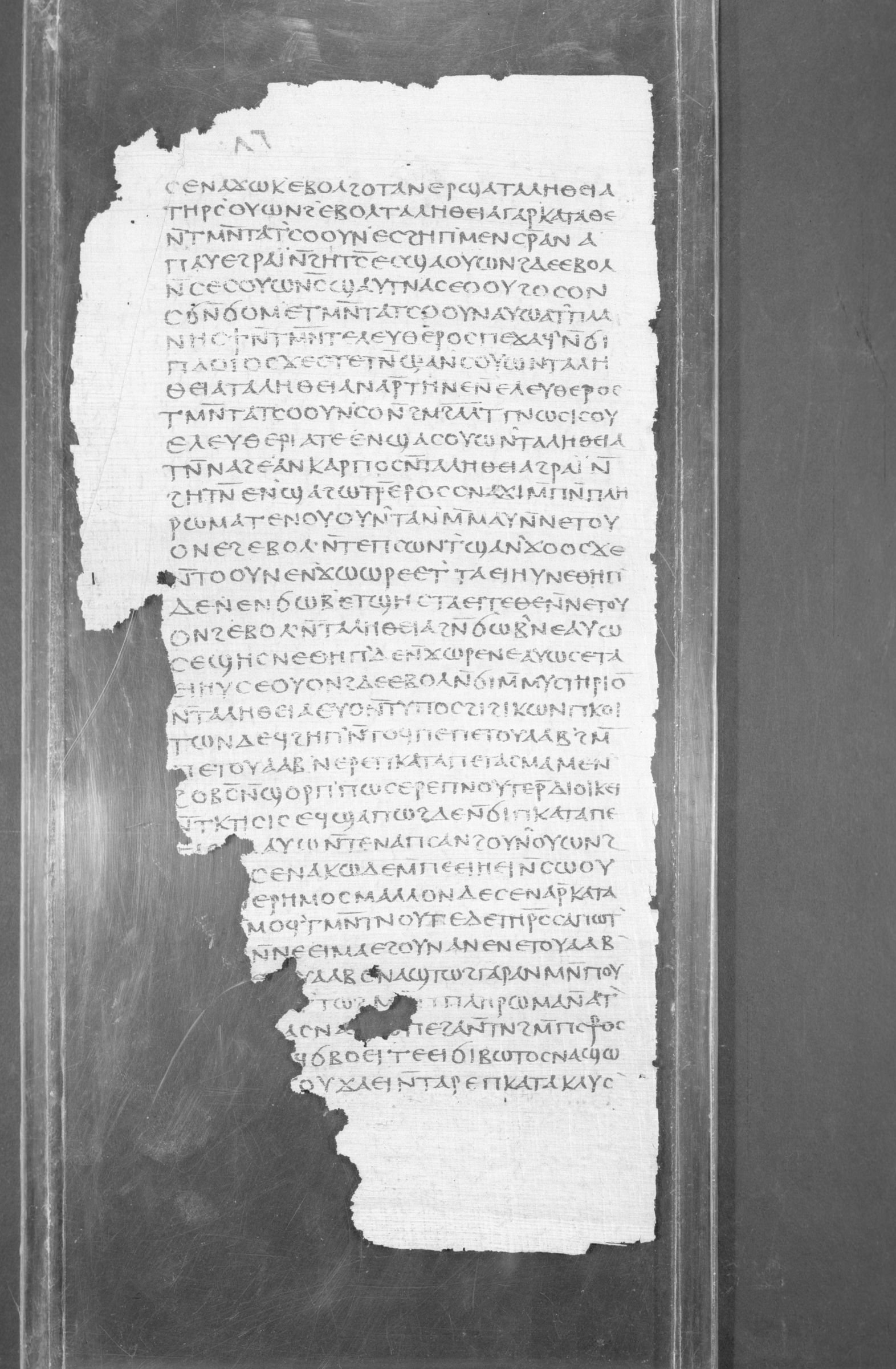
Page 84, lines 1-35 (Codex II page 84, A-Series negative, Facsimile Edition (Codex II, 1974) p. 96, CCDL nha 2896). Checked on the photograph: line 1 begins 'ⲥⲉⲛⲁϫⲱⲕ⳿ ⲉⲃⲟⲗ ϩⲟⲧⲁⲛ ⲉⲣϣⲁ ⲧⲁⲗⲏⲑⲉⲓⲁ'; line 35 reads '...ⲟⲩϫⲁⲉⲓ ⲛ̄ⲧⲁⲣⲉ ⲡⲕⲁⲧⲁⲕⲗⲩⲥ⳿'. Page and line numbers from the Marcion transcription; English from Mattison's text between his page marks 84 and 85.
84.1ⲥⲉⲛⲁϫⲱⲕ⳿ ⲉⲃⲟⲗ⳿ ϩⲟⲧⲁⲛ ⲉⲣϣⲁ ⲧⲁⲗⲏⲑⲉⲓⲁ
84.2ⲧⲏⲣⲥ⳿ ⲟⲩⲱⲛϩ⳿ ⲉⲃⲟⲗ ⲧⲁⲗⲏⲑⲉⲓⲁ ⲅⲁⲣ⳿ ⲕⲁⲧⲁ ⲑⲉ
84.3ⲛ̄ⲧⲙ︤ⲛ︥ⲧⲁⲧ⳿ⲥⲟⲟⲩⲛ⳿ ⲉⲥϩⲏⲡ⳿ ⲙⲉⲛ ⲥⲣ̄ⲁⲛⲁ-
84.4ⲡⲁⲩⲉ ϩⲣⲁⲓ̈ ⲛ̄ϩⲏⲧⲥ̄ ⲉⲥϣⲁⲟⲩⲱⲛϩ ⲇⲉ ⲉⲃⲟⲗ
84.5ⲛ̄ⲥⲉⲥⲟⲩⲱⲛⲥ̄ ϣⲁⲩⲧⲛⲁⲥ ⲉⲟⲟⲩ ϩⲟⲥⲟⲛ
84.6ⲥϭⲛ̄ ϭⲟⲙ⳿ ⲉⲧⲙ︤ⲛ︥ⲧⲁⲧⲥⲟⲟⲩⲛ ⲁⲩⲱ ⲁⲧ⳿ⲡⲗⲁ-
84.7ⲛⲏ ⲥϯ ⲛ̄ⲧⲙ︤ⲛ︥ⲧⲉⲗⲉⲩⲑⲉⲣⲟⲥ ⲡⲉϫⲁϥ⳿ ⲛ̄ϭⲓ
84.8ⲡⲗⲟⲅⲟⲥ ϫⲉ ⲉⲧⲉⲧⲛ̄ϣⲁⲛ⳿ⲥⲟⲩⲱⲛ ⲧⲁⲗⲏ-
84.9ⲑⲉⲓⲁ ⲧⲁⲗⲏⲑⲉⲓⲁ ⲛⲁⲣ̄ ⲧⲏⲛⲉ ⲛ̄ⲉⲗⲉⲩⲑⲉⲣⲟⲥ
84.10ⲧⲙ︤ⲛ︥ⲧⲁⲧⲥⲟⲟⲩⲛ⳿ ⲥⲟ ⲛ̄ϩⲙϩ︤ⲁ︦ⲗ︥ ⲧⲅⲛⲱⲥⲓⲥ ⲟⲩ-
84.11ⲉⲗⲉⲩⲑⲉⲣⲓⲁ ⲧⲉ⳿ ⲉⲛϣⲁⲥⲟⲩⲱⲛ⳿ ⲧⲁⲗⲏⲑⲉⲓⲁ
84.12ⲧⲛ̄ⲛⲁϩⲉ⳿ ⲁⲛⲕⲁⲣⲡⲟⲥ ⲛ̄ⲧⲁⲗⲏⲑⲉⲓⲁ ϩⲣⲁⲓ̈ ⲛ̄-
84.13ϩⲏⲧⲛ̄ ⲉⲛ⳿ϣⲁϩⲱⲧⲣ̄ ⲉⲣⲟⲥ ⲥⲛⲁϫⲓ ⲙ̄ⲡⲛ̄ⲡⲗⲏ-
84.14ⲣⲱⲙⲁ ⲧⲉⲛⲟⲩ ⲟⲩⲛ⳿ⲧⲁⲛ⳿ ⲙ̄ⲙⲁⲩ ⲛ̄ⲛⲉⲧⲟⲩ-
84.15ⲟⲛⲉϩ ⲉⲃⲟⲗ⳿ ⲛ̄ⲧⲉ ⲡⲥⲱⲛⲧ⳿ ϣⲁⲛ⳿ϫⲟⲟⲥ ϫⲉ
84.16ⲛ̄ⲧⲟⲟⲩ ⲛⲉ ⲛ⳿ϫⲱⲱⲣⲉ ⲉⲧ⳿ⲧⲁⲉⲓⲏⲩ ⲛⲉⲑⲏⲡ⳿
84.17ⲇⲉ ⲛⲉ ⲛϭⲱⲃ⳿ ⲉⲧϣⲏⲥ ⲧⲁⲉⲓ ⲧⲉ ⲑⲉ ⲛ̄ⲛⲉⲧⲟⲩ-
84.18ⲟⲛϩ ⲉⲃⲟⲗ⳿ ⲛ̄ⲧⲁⲗⲏⲑⲉⲓⲁ ϩⲛ̄ϭⲱⲃ⳿ ⲛⲉ ⲁⲩⲱ
84.19ⲥⲉϣⲏⲥ ⲛⲉⲑⲏⲡ⳿ ⲇⲉ ⲛ̄ϫⲱⲣⲉ ⲛⲉ ⲁⲩⲱ ⲥⲉⲧⲁ-
84.20ⲉⲓⲏⲩ ⲥⲉⲟⲩⲟⲛϩ ⲇⲉ ⲉⲃⲟⲗ ⲛ̄ϭⲓ ⲙ̄ⲙⲩⲥⲧⲏⲣⲓⲟⲛ
84.21ⲛ̄ⲧⲁⲗⲏⲑⲉⲓⲁ ⲉⲩⲟ ⲛ̄ⲧⲩⲡⲟⲥ ϩⲓ ϩⲓⲕⲱⲛ ⲡⲕⲟⲓ-
84.22ⲧⲱⲛ ⲇⲉ ϥϩⲏⲡ⳿ ⲛ̄ⲧⲟϥ ⲡⲉ ⲡⲉⲧⲟⲩⲁⲁⲃ⳿ ϩⲙ̄
84.23ⲡⲉⲧⲟⲩⲁⲁⲃ⳿ ⲛⲉⲣⲉ ⲡⲕⲁⲧⲁⲡⲉⲧⲁⲥⲙⲁ ⲙⲉⲛ⳿
84.24ϩⲟⲃⲥ̄ ⲛ̄ϣⲟⲣⲡ⳿ ⲡⲱⲥ ⲉⲣⲉ ⲡⲛⲟⲩⲧⲉ ⲣ̄ⲇⲓⲟⲓⲕⲉⲓ
84.25ⲛ̄ⲧⲕⲧⲓⲥⲓⲥ ⲉϥϣⲁⲡⲱϩ ⲇⲉ ⲛ̄ϭⲓ ⲡⲕⲁⲧⲁⲡⲉ-
84.26ⲧ̣ⲁ̣ⲥ̣[ⲙ]ⲁ̣ ⲁⲩⲱ ⲛ̄ⲧⲉ ⲛⲁ ⲡⲥⲁ ⲛϩⲟⲩⲛ⳿ ⲟⲩⲱⲛϩ
84.27[ⲉⲃⲟⲗ] ⲥⲉⲛⲁⲕⲱ ⲇⲉ ⲙ̄ⲡⲉⲉⲓⲏⲉⲓ ⲛ̄ⲥⲱⲟⲩ
84.28[ⲉϥⲟ] ⲛ̄ⲉⲣⲏⲙⲟⲥ ⲙⲁⲗⲗⲟⲛ ⲇⲉ ⲥⲉⲛⲁⲣ̄ⲕⲁⲧⲁ-
84.29[ⲗⲩⲉ] ⲙ̣̄ⲙⲟϥ⳿ ⲧⲙ︤ⲛ︦ⲧ︥ⲛⲟⲩⲧⲉ ⲇⲉ ⲧⲏⲣ︤ⲥ︥ ⲥⲁⲡⲱⲧ⳿
84.30[ⲉⲃⲟⲗ]⳿ ⲛ̄ⲛⲉⲉⲓⲙⲁ ⲉϩⲟⲩⲛ ⲁⲛ ⲉⲛⲉⲧⲟⲩⲁⲁⲃ⳿
84.31[ⲛ̄ⲧⲉ ⲛ]ⲉ̣ⲧ̣[ⲟ]ⲩⲁⲁⲃ ⲥⲛⲁϣⲧⲱϩ ⲅⲁⲣ ⲁⲛ ⲙⲛ̄ ⲡⲟⲩ-
84.32[ⲟⲉⲓⲛ ⲛ̄]ⲁ̣ⲧ⳿̣ⲧⲱϩ ⲙⲛ̣̄ ⲡⲡⲗⲏⲣⲱⲙⲁ ⲛ̄ⲁⲧ⳿-
84.33[ϣⲧⲁ ⲁⲗ]ⲗ̣ⲁ ⲥⲛⲁϣ̣ⲱ̣ⲡⲉ ϩⲁ ⲛ̄ⲧⲛϩ ⲙ̄ⲡⲥ⳨ⲟⲥ
84.34[ⲁⲩⲱ ϩⲁ ⲛ]ⲉ̣ϥϭⲃⲟⲉⲓ ⲧⲉⲉⲓϭⲓⲃⲱⲧⲟⲥ ⲛⲁϣⲱ-
84.35[ⲡⲉ ⲙ̄ⲡⲟ]ⲩ̣ⲟⲩϫⲁⲉⲓ ⲛ̄ⲧⲁⲣⲉ ⲡⲕⲁⲧⲁⲕⲗⲩⲥ⳿-
they'll be perfected when the whole truth is revealed, because the truth is like ignorance. When it's hidden, it rests within itself, but if it's revealed and recognized, it's glorified inasmuch as it's stronger than ignorance and error. It gives freedom. The Word says, "If you'll know the truth, the truth will make you free." Ignorance is slavery; knowledge is freedom. If we know the truth, we'll find the fruits of truth within us. If we unite with it, it'll receive our fullness.
Now we have what's revealed of creation. We say, "Those who are strong are honorable, but those who are hidden are weak and scorned." That's what it's like with those who are revealed of the truth; they're weak and scorned, but the hidden are strong and honorable. But the mysteries of the truth are revealed in types and images.
The chamber is hidden, however; it's the Holy in the Holy. At first, the veil concealed how God managed the creation, but when the veil is torn and what's inside is revealed, then this house will be left behind [like] a desert, or rather, will be [destroyed]. And all divinity will flee [from] these places, not into the Holies [of the] Holies, because it won't be able to unite with the pure [light] and the [flawless] fullness, [but] it'll come to be under the wings of the cross [and under] its arms. This ark will [become their] salvation when the flood
Where on the image
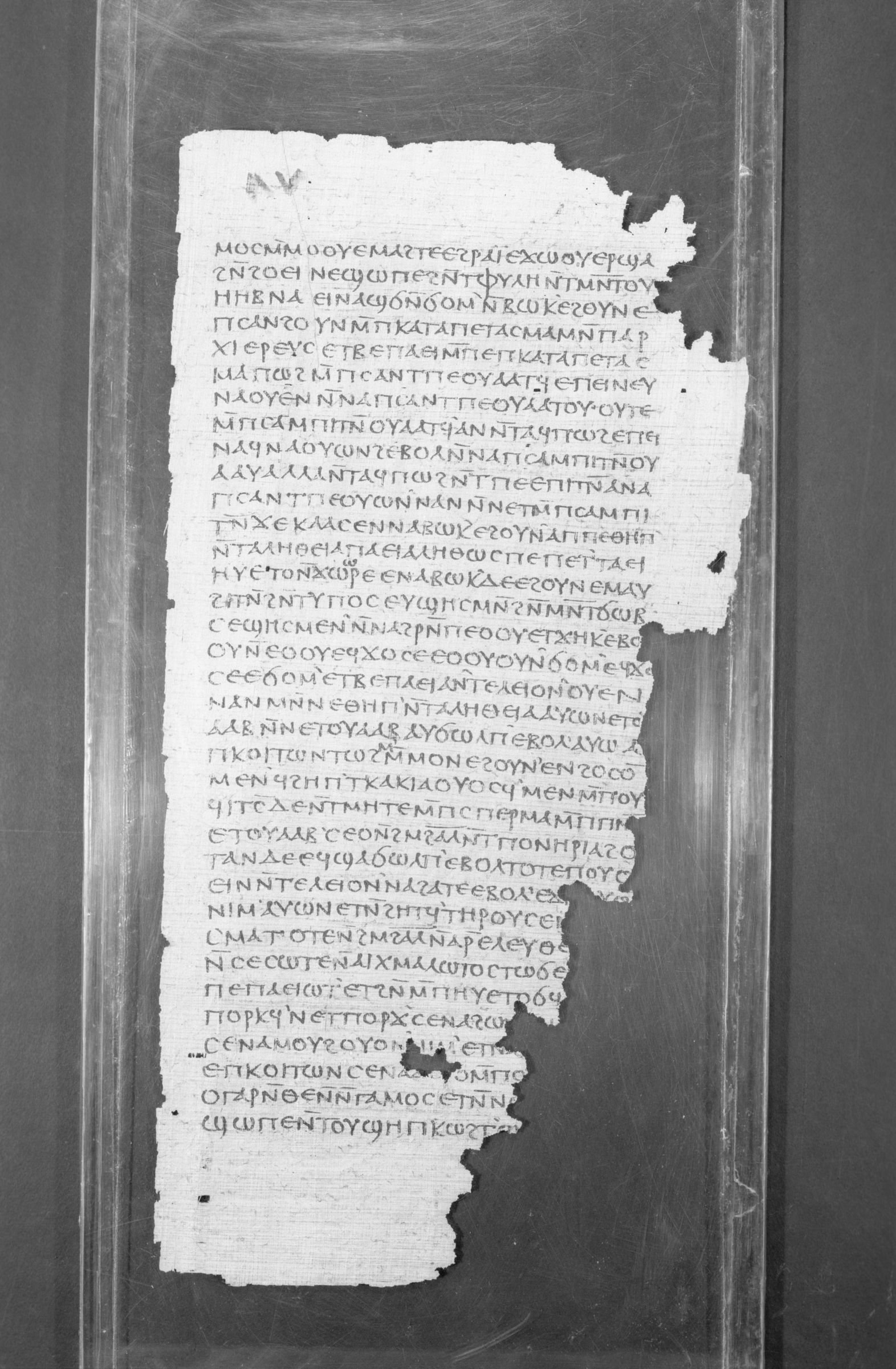
Page 85, lines 1-35 (Codex II page 85, A-Series negative, Facsimile Edition (Codex II, 1974) p. 97, CCDL nha 2840). Checked on the photograph: line 1 begins 'ⲙⲟⲥ ⲙ̄ⲙⲟⲟⲩ ⲉⲙⲁϩⲧⲉ ⲉϩⲣⲁⲓ̈ ⲉϫⲱⲟⲩ ⲉⲣϣⲁ'; line 35 reads 'ϣⲱⲡⲉ ⲛ̄ⲧⲟⲩϣⲏ ⲡⲕⲱϩⲧ⳿ ϣ...'. Page and line numbers from the Marcion transcription; English from Mattison's text between his page marks 85 and 86.
85.1ⲙⲟⲥ ⲙ̄ⲙⲟⲟⲩ ⲉⲙⲁϩⲧⲉ ⲉϩⲣⲁⲓ̈ ⲉϫⲱⲟⲩ ⲉⲣϣⲁ
85.2ϩⲛ̄ϩⲟⲉⲓⲛⲉ ϣⲱⲡⲉ ϩⲛ̄ ⲧⲫⲩⲗⲏ ⲛ̄ⲧⲙ︤ⲛ︦ⲧ︥ⲟⲩ-
85.3ⲏⲏⲃ ⲛⲁⲉⲓ ⲛⲁϣϭⲛ̄ ϭⲟⲙ⳿ ⲛ̄ⲃⲱⲕ⳿ ⲉϩⲟⲩⲛ ⲉ-
85.4ⲡⲥⲁ ⲛϩⲟⲩⲛ ⲙ̄ⲡⲕⲁⲧⲁⲡⲉⲧⲁⲥⲙⲁ ⲙⲛ̄ ⲡⲁⲣ-
85.5ⲭⲓⲉⲣⲉⲩⲥ ⲉⲧⲃⲉ ⲡⲁⲉⲓ ⲙ̄ⲡⲉ ⲡⲕⲁⲧⲁⲡⲉⲧⲁⲥ-
85.6ⲙⲁ ⲡⲱϩ ⲙ̄ⲡⲥⲁ ⲛⲧⲡⲉ ⲟⲩⲁⲁⲧϥ ⲉⲡⲉⲓ ⲛⲉⲩ-
85.7ⲛⲁⲟⲩⲉⲛ ⲛ̄ⲛⲁ ⲡⲥⲁ ⲛⲧⲡⲉ ⲟⲩⲁⲁⲧⲟⲩ⳿ ⲟⲩⲧⲉ
85.8ⲙ̄ⲡⲥⲁ ⲙⲡⲓⲧⲛ̄ ⲟⲩⲁⲁⲧϥ⳿ ⲁⲛ ⲛ̄ⲧⲁϥⲡⲱϩ ⲉⲡⲉⲓ
85.9ⲛⲁϥⲛⲁⲟⲩⲱⲛϩ ⲉⲃⲟⲗ ⲛ̄ⲛⲁ ⲡⲥⲁ ⲙⲡⲓⲧⲛ ⲟⲩ-
85.10ⲁⲁⲩ ⲁⲗⲗⲁ ⲛ̄ⲧⲁϥⲡⲱϩ ⲛ̄ⲧⲡⲉ ⲉⲡⲓⲧⲛ̄ ⲁⲛⲁ
85.11ⲡⲥⲁ ⲛⲧⲡⲉ ⲟⲩⲱⲛ⳿ ⲛⲁⲛ ⲛ̄ⲛⲉⲧⲙ̄ⲡⲥⲁ ⲙⲡⲓ-
85.12ⲧⲛ̄ ϫⲉⲕⲁⲁⲥ ⲉⲛⲛⲁⲃⲱⲕ⳿ ⲉϩⲟⲩⲛ⳿ ⲁⲡⲡⲉⲑⲏⲡ⳿
85.13ⲛ̄ⲧⲁⲗⲏⲑⲉⲓⲁ ⲡⲁⲉⲓ ⲁⲗⲏⲑⲱⲥ ⲡⲉ ⲡⲉⲧ⳿ⲧⲁⲉⲓ-
85.14ⲏⲩ ⲉⲧⲟ ⲛ̄ϫⲱⲱⲣⲉ ⲉⲛⲁⲃⲱⲕ⳿ ⲇⲉ ⲉϩⲟⲩⲛ ⲉⲙⲁⲩ
85.15ϩⲓⲧⲛ̄ ϩⲛ̄ⲧⲩⲡⲟⲥ ⲉⲩϣⲏⲥ ⲙⲛ̄ ϩⲛ̄ⲙ︤ⲛ︦ⲧ︥ϭⲱⲃ⳿
85.16ⲥⲉϣⲏⲥ ⲙⲉⲛ⳿ ⲛ̄ⲛⲁϩⲣⲛ̄ ⲡⲉⲟⲟⲩ ⲉⲧϫⲏⲕ⳿ ⲉⲃⲟ[ⲗ]
85.17ⲟⲩⲛ̄ ⲉⲟⲟⲩ ⲉϥϫⲟⲥⲉⲉⲟⲟⲩ ⲟⲩⲛ⳿ ϭⲟⲙ⳿ ⲉϥϫⲟ-
85.18ⲥⲉ ⲉϭⲟⲙ⳿ ⲉⲧⲃⲉ ⲡⲁⲉⲓ ⲁⲛ⳿ⲧⲉⲗⲉⲓⲟⲛ⳿ ⲟⲩⲉⲛ
85.19ⲛⲁⲛ ⲙⲛ̄ ⲛⲉⲑⲏⲡ⳿ ⲛ̄ⲧⲁⲗⲏⲑⲉⲓⲁ ⲁⲩⲱ ⲛⲉⲧⲟⲩ̣-
85.20ⲁⲁⲃ ⲛ̄ⲛⲉⲧⲟⲩⲁⲁⲃ ⲁⲩϭⲱⲗⲡ⳿ ⲉⲃⲟⲗ⳿ ⲁⲩⲱ ⲁ-
85.21ⲡⲕⲟⲓⲧⲱⲛ ⲧⲱϩⲙ⳿ ⲙ̄ⲙⲟⲛ ⲉϩⲟⲩⲛ⳿ ⲉⲛ ϩⲟⲥⲟⲛ
85.22ⲙⲉⲛ⳿ ϥϩⲏⲡ⳿ ⲧⲕⲁⲕⲓⲁ ⲟⲩⲟⲥϥ⳿ ⲙⲉⲛ ⲙ̄ⲡⲟⲩ-
85.23ϥⲓⲧⲥ̄ ⲇⲉ ⲛ̄ⲧⲙⲏⲧⲉ ⲙ̄ⲡⲥⲡⲉⲣⲙⲁ ⲙ̄ⲡⲡⲛ︤ⲁ̣︥
85.24ⲉⲧⲟⲩⲁⲁⲃ⳿ ⲥⲉⲟ ⲛ̄ϩⲙϩ︤ⲁ︦ⲗ︥ ⲛ̄ⲧⲡⲟⲛⲏⲣⲓⲁ ϩⲟ-
85.25ⲧⲁⲛ ⲇⲉ ⲉϥϣⲁϭⲱⲗⲡ⳿ ⲉⲃⲟⲗ ⲧⲟⲧⲉ ⲡⲟⲩⲟ-
85.26ⲉⲓⲛ ⲛ̄ⲧⲉⲗⲉⲓⲟⲛ⳿ ⲛⲁϩⲁⲧⲉ ⲉⲃⲟⲗ⳿ ⲉϫⲛ̣̄ [ⲟ]ⲩⲟⲛ
85.27ⲛⲓⲙ⳿ ⲁⲩⲱ ⲛⲉⲧⲛ̄ϩⲏⲧϥ⳿ ⲧⲏⲣⲟⲩ ⲥⲉⲛ̣[ⲁϫⲓ ⲭⲣⲓ]-
85.28ⲥⲙⲁ ⲧⲟⲧⲉ ⲛ̄ϩⲙϩ︤ⲁ︦ⲗ︥ ⲛ̄ⲁⲣ̄ⲉⲗⲉⲩⲑⲉ̣[ⲣⲟⲥ ⲁⲩⲱ]
85.29ⲛ̄ⲥⲉⲥⲱⲧⲉ ⲛ̄ⲁⲓⲭⲙⲁⲗⲱⲧⲟⲥ ⲧⲱϭⲉ ⲛ̣[ⲓⲙ ⲉⲙ]-
85.30ⲡⲉ ⲡⲁⲉⲓⲱⲧ⳿ ⲉⲧϩⲛ̄ ⲙ̄ⲡⲏⲩⲉ ⲧⲟϭϥ[⳿ ⲥⲉⲛⲁ]-
85.31ⲡⲟⲣⲕϥ⳿ ⲛⲉⲧⲡⲟⲣϫ⳿ ⲥⲉⲛⲁϩⲱⲧ̣ⲣ̣̄ ⲛ̣[......]
85.32ⲥⲉⲛⲁⲙⲟⲩϩ ⲟⲩⲟⲛ⳿ ⲛ̣ⲓⲙ⳿ ⲉⲧⲛⲁ̣ⲃ̣[ⲱⲕ ⲉϩⲟⲩⲛ]
85.33ⲉⲡⲕⲟⲓⲧⲱⲛ ⲥⲉⲛⲁϫ̣ⲉⲣⲟ ⲙ̄ⲡⲟⲩ̣[ⲟⲉⲓⲛ ...]
85.34ⲟ ⲅⲁⲣ ⲛ̄ⲑⲉ ⲛ̄ⲛ̄ⲅⲁⲙⲟⲥ ⲉⲧⲛ̄ⲛⲉ̣[......]
85.35ϣⲱⲡⲉ ⲛ̄ⲧⲟⲩϣⲏ ⲡⲕⲱϩⲧ⳿ ϣ̣[ⲁϥ......]
of water surges over them. If some belong to the priesthood, they'll be able to enter inside the veil with the high priest. So the veil wasn't torn only at the top, since it would've been open only to those at the top; nor was it torn only at the bottom, since it would've been revealed only to those at the bottom; but it was torn from the top to the bottom. Those at the top opened to us the bottom, so that we'll enter the secret of the truth. This truly is what's honorable, what's strong, but we'll enter there through scorned types and weaknesses. They're humbled in the presence of the perfect glory. There's glory that's better than glory; there's power that's better than power. So the perfect was opened to us with the secrets of the truth, and the Holies of the Holies were revealed, and the chamber invited us in.
As long as it's hidden, evil is inactive, but it hasn't been removed from among the Holy Spirit's seed. They're slaves of evil. But whenever it's revealed, then the perfect light will flow out upon everyone, and all of them who are in it will [receive the chrism]. Then the slaves will be made free and the captives will be redeemed. "[Every] plant [which] my Father who's in heaven [hasn't] planted [will be] uprooted." Those who are separated will unite […] will be filled.
Conclusion
Everyone who will [enter] the chamber will kindle their [lamp], because [it's] like the marriages which are […] happen at night, the fire […]
Where on the image
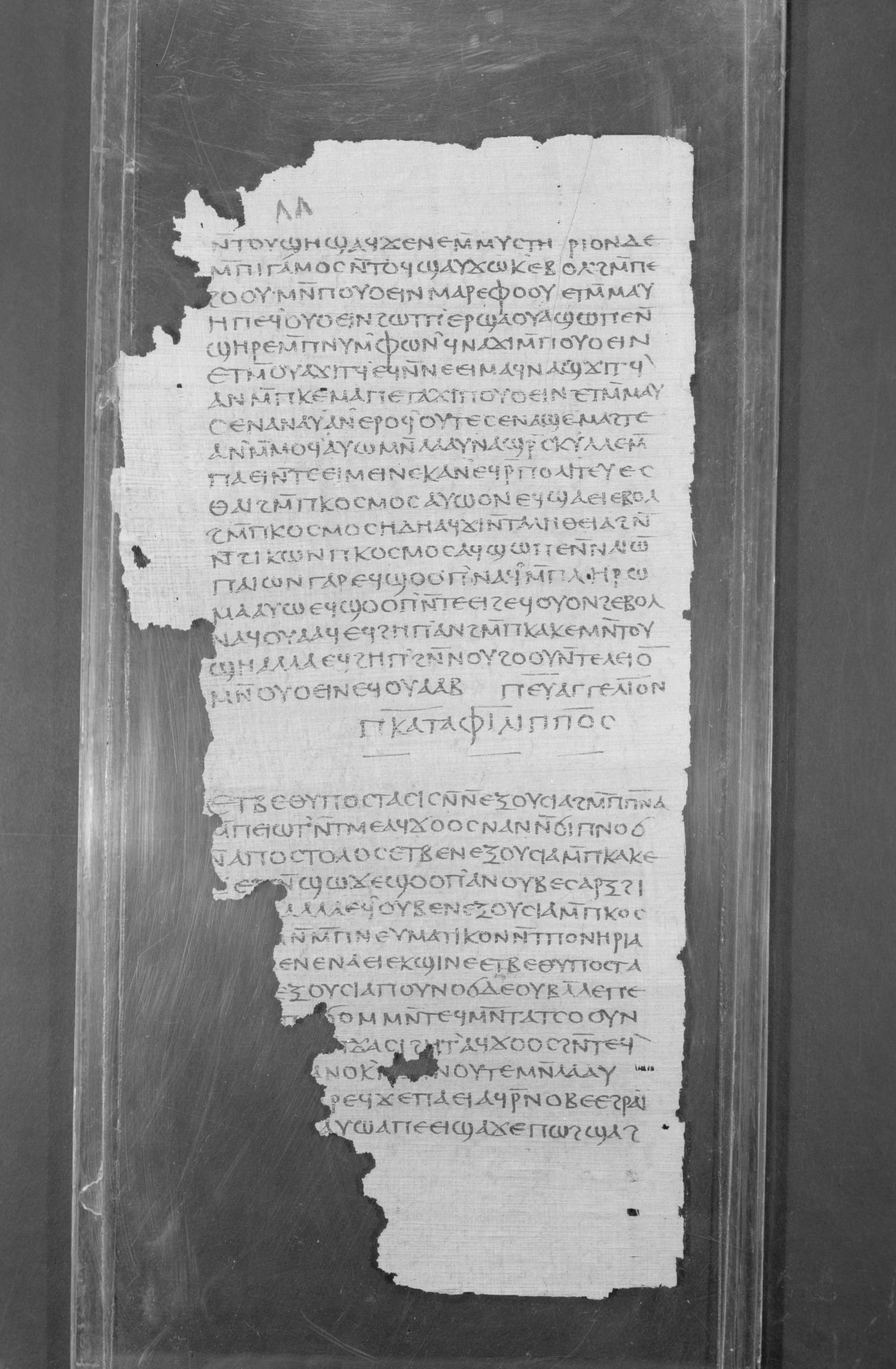
Page 86, lines 1-19 (Codex II page 86, A-Series negative, Facsimile Edition (Codex II, 1974) p. 98, CCDL nha 2856). Checked on the photograph: line 1 begins 'ⲛ̄ⲧⲟⲩϣⲏ ϣⲁϥϫⲉⲛⲉ ⲙ̄ⲙⲩⲥⲧⲏⲣⲓⲟⲛ ⲇⲉ'; line 19 reads 'ⲡⲕⲁⲧⲁ ⲫⲓⲗⲓⲡⲡⲟⲥ' (the second line of the title); line 18 ends the text with 'ⲙⲛ̄ ⲟⲩⲟⲉⲓⲛ ⲉϥⲟⲩⲁⲁⲃ' and, after a space, the first word of the title 'ⲡⲉⲩⲁⲅⲅⲉⲗⲓⲟⲛ'; Marcion gives the two title words as lines 19 and 20, renumbered here from the photograph as 18 (end) and 19; the Hypostasis of the Archons begins below. Page and line numbers from the Marcion transcription; English from Mattison's text between his page marks 86 and the end.
86.1ⲛ̄ⲧⲟⲩϣⲏ ϣⲁϥϫⲉⲛⲉ ⲙ̄ⲙⲩⲥⲧⲏⲣⲓⲟⲛ ⲇⲉ
86.2ⲙ̄ⲡⲓⲅⲁⲙⲟⲥ ⲛ̄ⲧⲟϥ ϣⲁⲩϫⲱⲕ⳿ ⲉⲃⲟⲗ⳿ ϩⲙ̄ ⲡⲉ-
86.3ϩⲟⲟⲩ⳿ ⲙⲛ̄ ⲡⲟⲩⲟⲉⲓⲛ ⲙⲁⲣⲉ ⲫⲟⲟⲩ ⲉⲧⲙ̄ⲙⲁⲩ
86.4ⲏ ⲡⲉϥ⳿ⲟⲩⲟⲉⲓⲛ ϩⲱⲧⲡ⳿ ⲉⲣϣⲁ ⲟⲩⲁ ϣⲱⲡⲉ ⲛ̄-
86.5ϣⲏⲣⲉ ⲙ̄ⲡⲛⲩⲙ⳿ⲫⲱⲛ⳿ ϥⲛⲁϫⲓ ⲙ̄ⲡⲟⲩⲟⲉⲓⲛ
86.6ⲉⲧⲙ̄ ⲟⲩⲁ ϫⲓⲧϥ⳿ ⲉϥⲛ̄ⲛⲉⲉⲓⲙⲁ ϥⲛⲁϣϫⲓⲧϥ⳿
86.7ⲁⲛ ⲙ̄ⲡⲕⲉⲙⲁ ⲡⲉⲧⲁϫⲓ ⲡⲟⲩⲟⲉⲓⲛ ⲉⲧⲙ̄ⲙⲁⲩ
86.8ⲥⲉⲛⲁⲛⲁⲩ ⲁⲛ⳿ ⲉⲣⲟϥ⳿ ⲟⲩⲧⲉ ⲥⲉⲛⲁϣⲉⲙⲁϩⲧⲉ
86.9ⲁⲛ⳿ ⲙ̄ⲙⲟϥ⳿ ⲁⲩⲱ ⲙⲛ̄ ⲗⲁⲁⲩ ⲛⲁϣⲣ̄ⲥⲕⲩⲗⲗⲉ ⲙ̄-
86.10ⲡⲁⲉⲓ ⲛ̄ⲧⲉⲉⲓⲙⲉⲓⲛⲉ ⲕⲁⲛ⳿ ⲉϥⲣ̄ⲡⲟⲗⲓⲧⲉⲩⲉⲥ-
86.11ⲑⲁⲓ ϩⲙ̄ ⲡⲕⲟⲥⲙⲟⲥ ⲁⲩⲱ ⲟⲛ ⲉϥϣⲁⲉⲓ ⲉⲃⲟⲗ
86.12ϩⲙ̄ ⲡⲕⲟⲥⲙⲟⲥ ⲏⲇⲏ ⲁϥϫⲓ ⲛ̄ⲧⲁⲗⲏⲑⲉⲓⲁ ϩⲛ̄
86.13ⲛ̄ϩⲓⲕⲱⲛ ⲡⲕⲟⲥⲙⲟⲥ ⲁϥϣⲱⲡⲉ ⲛ̄ⲛⲁⲓⲱⲛ
86.14ⲡⲁⲓⲱⲛ ⲅⲁⲣ ⲉϥϣⲟⲟⲡ⳿ ⲛⲁϥ⳿ ⲙ̄ⲡⲗⲏⲣⲱ-
86.15ⲙⲁ ⲁⲩⲱ ⲉϥϣⲟⲟⲡ⳿ ⲛ̄ⲧⲉⲉⲓϩⲉ ϥⲟⲩⲟⲛϩ ⲉⲃⲟⲗ
86.16ⲛⲁϥ ⲟⲩⲁⲁϥ ⲉϥϩⲏⲡ⳿ ⲁⲛ ϩⲙ̄ ⲡⲕⲁⲕⲉ ⲙⲛ̄ ⲧⲟⲩ-
86.17ϣⲏ ⲁⲗⲗⲁ ⲉϥϩⲏⲡ⳿ ϩⲛ̄ⲛⲟⲩϩⲟⲟⲩ ⲛ̄ⲧⲉⲗⲉⲓⲟⲛ
86.18ⲙⲛ̄ ⲟⲩⲟⲉⲓⲛ ⲉϥⲟⲩⲁⲁⲃ ⲡⲉⲩⲁⲅⲅⲉⲗⲓⲟⲛ
86.19ⲡⲕⲁⲧⲁ ⲫⲓⲗⲓⲡⲡⲟⲥ
at night and is put out. But the mysteries of this marriage are fulfilled in the day and the light. Neither that day nor its light ever sets.
If anyone becomes a child of the bridal chamber, they'll receive the light. If anyone doesn't receive it while they're here, they won't be able to receive it in the other place. Whoever will receive that light won't be seen or bound, and no one will be able to trouble someone like this even while they dwell in the world. Moreover, when they leave the world, they've already received the Truth in the images. The world has become the (eternal) ages, because the (eternal) age is the fullness for them, and it's like this: it's revealed to them alone. It's not hidden in the darkness and the night, but it's hidden in a perfect day and a holy light.
The Gospel According to Philip
Notes
- Coptic: Marcion 1.8 (Milan Konvicka), Nag Hammadi text package, converted here from its ASCII font coding to Unicode Coptic letter for letter. Marcion does not name the printed edition behind its text. The small numbers are codex page and line (for example 61.30) as given in the source.
- Signs in the Coptic: a stroke over a letter is the scribe's supralinear stroke; a line over a group of letters marks an abbreviated holy name (for example ⲭ︤ⲥ︥, Christ); ⳿ marks the small stroke or point the scribe writes after some letters (the source does not distinguish the two); a dot under a letter marks an uncertain reading; square brackets mark letters lost in a gap (restored by the editor, or dots for the number of lost letters); round brackets write out an abbreviation; angle brackets mark letters added by the editor; curly brackets letters the editor removes; double square brackets letters cancelled by the scribe; a circumflex (as in ⲱ̂) is the scribe's. A hyphen at the end of a line marks a word that runs on to the next line (the transcription's convention, not a sign in the manuscript).
- Marcion's text also carries a paragraph code, and two further codes whose meaning it does not state (one at 21 places, one at 58.14 and 83.4). They are not reproduced: no mark stands at the paragraph or the first kind of place on the photographs, and at 58.14 and 83.4 the photograph shows only a small mark after the word.
- English: Mark M. Mattison, The Gospel of Philip (public domain), split at Mattison's own page numbers. Mattison's symbols: [ ] gap in the text, ( ) editorial insertion, / \ editorial correction of a scribal error. The headings in italics are his.
- Mattison's note, Page 81: The Son of Humanity. The Lord, or Jesus. The son of the Son of Humanity. The priest.
Cite
Sources
- Source: Nag Hammadi Codex II page photographs (Claremont Colleges Digital Library, Nag Hammadi Archive) + Coptic transcription from Marcion (Milan Konvicka) + English by Mark M. Mattison (public domain) (holding institution)
- Critical edition: Coptic transcription from Marcion (Milan Konvicka; printed edition not named)
← previous · → next · v cycle view · l back to library