Gospel of Philip, pages 75-80 (Nag Hammadi Codex II)
Introduction
The Gospel of Philip is a Christian anthology of short teachings, sayings and reflections on baptism, anointing, the bridal chamber and becoming what one perceives. It was composed in Greek, probably in the 2nd or 3rd century, and survives only in a Coptic translation: the third tractate of Nag Hammadi Codex II, a papyrus book copied in the 4th century, found near Nag Hammadi in Upper Egypt in 1945 and now in the Coptic Museum, Cairo (inv. 10544). The text runs from page 51 line 29, directly after the Gospel of Thomas, to page 86 line 19, where the title 'The Gospel according to Philip' stands at the end.
This entry covers codex pages 75-80, one section per page. The Coptic is given line by line with codex page and line numbers, so each line can be found on the photograph. The English is Mark M. Mattison's public domain translation, divided at the page numbers Mattison prints in it; because English word order differs from Coptic, a sentence divided between two pages is divided where the translator put the page mark.
Photographs: A-Series negatives of the Facsimile Edition of the Nag Hammadi Codices, Nag Hammadi Archive of the Institute for Antiquity and Christianity, Claremont Colleges Digital Library. Coptic: Marcion (Milan Konvicka), which does not name the printed edition behind its transcription. First and last line read on each photograph: 75: 'ϩⲓ ⲡⲟⲉⲓⲕ⳿ ⲙⲛ̄ ⲡⲡⲟ...ⲟⲛ ⲙⲛ̄ ⲡⲛⲏϩ' ... 'ⲡⲅⲉⲛⲟⲥ ⲉⲧⲥⲟⲧⲡ⳿ ⲙ̄ⲡ...'; 76: 'ⲁⲩⲱ ⲡⲁⲗⲏⲑⲉⲓⲛⲟⲥ ⲣ̄ⲣⲱⲙⲉ ⲁⲩⲱ ⲡϣⲏⲣⲉ' ... '...ⲥⲟⲧⲏⲥ ϩⲱⲥ ⲁⲧϫⲱⲕ⳿ ⲉⲃⲟⲗ'; 77: 'ⲙⲟⲛⲟⲛ ⲓ︤ⲥ︥ ⲥⲟⲟⲩⲛ ⲙ̄ⲡⲧⲉⲗⲟⲥ ⲙ̄ⲡⲁⲉⲓ' ... 'ⲟⲩⲏⲣⲡ⳿ ⲧⲉ ϩⲓ ⲥⲧⲟⲉⲓ ⲥⲉⲣ̄ⲁⲡ...'; 78: 'ⲙⲟⲥ ⲧⲏⲣⲟⲩ ⲛ̄ϭ... ⲉⲧⲛⲁⲧⲟϩⲥⲟⲩ ⲙ̄ⲙⲟⲥ' ... '...ⲱⲡⲉ ⲛ̄ⲗⲟ... ⲗⲟⲅⲟⲥ ⲡⲉⲧ⳿'; 79: 'ⲛⲁⲧⲱϩ ⲛⲙ̄ⲙⲁⲕ⳿ ⲉ...ϣⲁⲛϣⲱⲡⲉ ⲛ̄ⲟⲩ' ... 'ⲣⲓⲟⲥ ⲡⲉ ⲡⲁⲉⲓ ⲉⲙ⳿ⲡⲉϥⲗ...'; 80: 'ⲛⲟⲩⲯⲩⲭⲏ ⲡⲁⲉⲓ ⲡⲉ ⲓⲥ̄ ⲡⲭ︤ⲥ︥ ⲁϥⲣ̄ⲁⲡⲁ...' ... '...ⲛⲉϫ⳿ ⲃⲁⲗⲁⲛⲟⲥ ϩⲁⲣⲱⲟⲩ⳿'.
How was this verified? (Provenance)
Where on the image
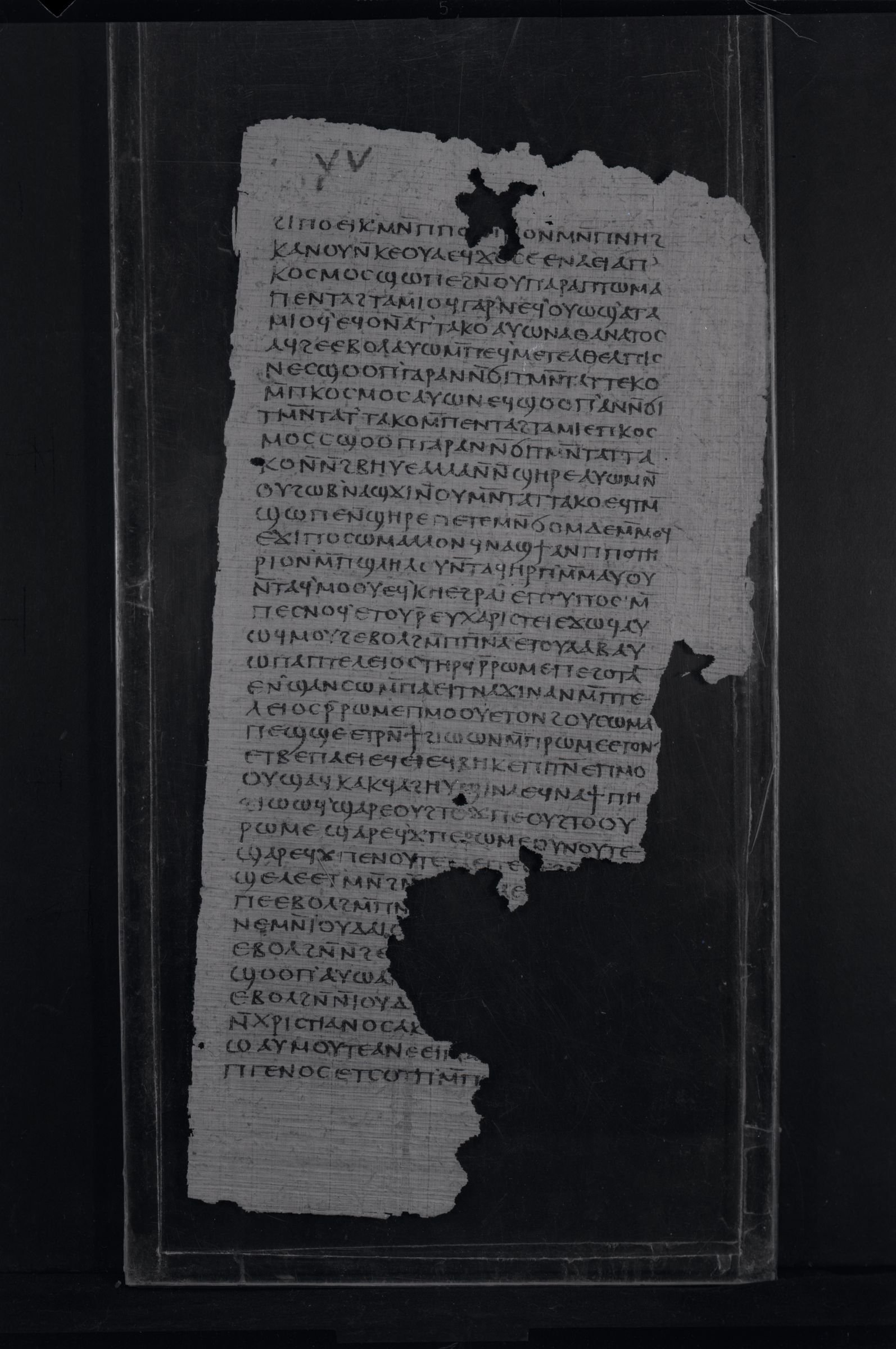
Page 75, lines 1-36 (Codex II page 75, A-Series negative, Facsimile Edition (Codex II, 1974) p. 87, CCDL nha 2958). Checked on the photograph: line 1 begins 'ϩⲓ ⲡⲟⲉⲓⲕ⳿ ⲙⲛ̄ ⲡⲡⲟ...ⲟⲛ ⲙⲛ̄ ⲡⲛⲏϩ'; line 36 reads 'ⲡⲅⲉⲛⲟⲥ ⲉⲧⲥⲟⲧⲡ⳿ ⲙ̄ⲡ...'. Page and line numbers from the Marcion transcription; English from Mattison's text between his page marks 75 and 76.
75.1ϩⲓ ⲡⲟⲉⲓⲕ⳿ ⲙⲛ̄ ⲡⲡⲟ[ⲧ]ⲏⲣⲓⲟⲛ ⲙⲛ̄ ⲡⲛⲏϩ
75.2ⲕⲁⲛ ⲟⲩⲛ̄ ⲕⲉⲟⲩⲁ ⲉϥϫⲟⲥⲉ ⲉⲛⲁⲉⲓ ⲁⲡ⳿-
75.3ⲕⲟⲥⲙⲟⲥ ϣⲱⲡⲉ ϩⲛ̄ ⲟⲩⲡⲁⲣⲁⲡⲧⲱⲙⲁ
75.4ⲡⲉⲛⲧⲁϩⲧⲁⲙⲓⲟϥ ⲅⲁⲣ⳿ ⲛⲉϥ⳿ⲟⲩⲱϣ⳿ ⲁⲧⲁ-
75.5ⲙⲓⲟϥ⳿ ⲉϥⲟ ⲛ̄ⲁⲧ⳿ⲧⲁⲕⲟ ⲁⲩⲱ ⲛⲁⲑⲁⲛⲁⲧⲟⲥ
75.6ⲁϥϩⲉ ⲉⲃⲟⲗ ⲁⲩⲱ ⲙ̄ⲡⲉϥ⳿ⲙⲉⲧⲉ ⲁⲑⲉⲗⲡⲓⲥ
75.7ⲛⲉⲥϣⲟⲟⲡ⳿ ⲅⲁⲣ ⲁⲛ ⲛ̄ϭⲓ ⲧⲙⲛ̄ⲧⲁⲧⲧⲉⲕⲟ
75.8ⲙ̄ⲡⲕⲟⲥⲙⲟⲥ ⲁⲩⲱ ⲛⲉϥϣⲟⲟⲡ⳿ ⲁⲛ ⲛ̄ϭⲓ
75.9ⲧⲙ︤ⲛ︥ⲧⲁⲧ⳿ⲧⲁⲕⲟ ⲙ̄ⲡⲉⲛⲧⲁϩⲧⲁⲙⲓⲉ ⲡⲕⲟⲥ-
75.10ⲙⲟⲥ ⲥϣⲟⲟⲡ ⲅⲁⲣ ⲁⲛ ⲛ̄ϭⲓ ⲧⲙ︤ⲛ︥ⲧⲁⲧ⳿ⲧⲁ-
75.11ⲕⲟ ⲛ̄ⲛ̄ϩⲃⲏⲩⲉ ⲁⲗⲗⲁ ⲛ̄ⲛ̄ϣⲏⲣⲉ ⲁⲩⲱ ⲙⲛ̄
75.12ⲟⲩϩⲱⲃ⳿ ⲛⲁϣϫⲓ ⲛ̄ⲟⲩⲙ︤ⲛ︥ⲧⲁⲧⲧⲁⲕⲟ ⲉϥⲧⲙ̄-
75.13ϣⲱⲡⲉ ⲛ̄ϣⲏⲣⲉ ⲡⲉⲧⲉ ⲙⲛ̄ ϭⲟⲙ ⲇⲉ ⲙ̄ⲙⲟϥ⳿
75.14ⲉϫⲓ ⲡⲟⲥⲱ ⲙⲁⲗⲗⲟⲛ ϥⲛⲁϣϯ ⲁⲛ ⲡⲡⲟⲧⲏ-
75.15ⲣⲓⲟⲛ⳿ ⲙ̄ⲡϣⲗⲏⲗ ⲟⲩⲛ̄ⲧⲁϥ ⲏⲣⲡ⳿ ⲙ̄ⲙⲁⲩ ⲟⲩ-
75.16ⲛ̄ⲧⲁϥ⳿ ⲙⲟⲟⲩ ⲉϥ⳿ⲕⲏ ⲉϩⲣⲁⲓ̈ ⲉⲡⲧⲩⲡⲟⲥ⳿ ⲙ̄-
75.17ⲡⲉⲥⲛⲟϥ⳿ ⲉⲧⲟⲩⲣ̄ⲉⲩⲭⲁⲣⲓⲥⲧⲉⲓ ⲉϫⲱϥ ⲁⲩ-
75.18ⲱ ϥⲙⲟⲩϩ ⲉⲃⲟⲗ ϩⲙ̄ ⲡⲡ︤ⲛ︦ⲁ︥ ⲉⲧⲟⲩⲁⲁⲃ ⲁⲩ-
75.19ⲱ ⲡⲁ ⲡⲧⲉⲗⲉⲓⲟⲥ ⲧⲏⲣϥ ⲣ̄ⲣⲱⲙⲉ ⲡⲉ ϩⲟⲧⲁⲛ
75.20ⲉⲛ⳿ϣⲁⲛⲥⲱ ⲙ̄ⲡⲁⲉⲓ ⲧⲛⲁϫⲓ ⲛⲁⲛ ⲙ̄ⲡⲧⲉ-
75.21ⲗⲉⲓⲟⲥ ⲣ̄ⲣⲱⲙⲉ ⲡⲙⲟⲟⲩ ⲉⲧⲟⲛϩ ⲟⲩⲥⲱⲙⲁ
75.22ⲡⲉ ϣϣⲉ ⲉⲧⲣⲛ̄ϯ ϩⲓⲱⲱⲛ ⲙ̄ⲡⲣⲱⲙⲉ ⲉⲧⲟⲛϩ
75.23ⲉⲧⲃⲉ ⲡⲁⲉⲓ ⲉϥⲉⲓ ⲉϥⲃⲏⲕ⳿ ⲉⲡⲓⲧⲛ̄ ⲉⲡⲙⲟ-
75.24ⲟⲩ ϣⲁϥⲕⲁⲕϥ ⲁϩⲏⲩ ϣⲓⲛⲁ ⲉϥⲛⲁϯ ⲡⲏ
75.25ϩⲓⲱⲱϥ⳿ ϣⲁⲣⲉ ⲟⲩϩⲧⲟ ϫⲡⲉ ⲟⲩϩⲧⲟ ⲟⲩ-
75.26ⲣⲱⲙⲉ ϣⲁⲣⲉϥ⳿ϫⲡⲉ ⲣⲱⲙⲉ ⲟⲩⲛⲟⲩⲧⲉ
75.27ϣⲁⲣⲉϥϫⲡⲉ ⲛⲟⲩⲧⲉ ⲧⲁⲉⲓ ⲧⲉ ⲑ̣ⲉ ϩⲙ̣̄[ⲡⲁ ⲧ]-
75.28ϣⲉⲗⲉⲉⲧ⳿ ⲙⲛ̄ ϩⲛ̣̄[ⲕⲉϣⲉ]ⲗⲉⲉ̣ⲧ⳿ ⲁⲩ[ϣⲱ]-
75.29ⲡⲉ ⲉⲃⲟⲗ ϩⲙ̄ ⲡⲛ[......] ⲛ̣̄[....]
75.30ⲛⲉ ⲙⲛ̄ ⲓⲟⲩⲇⲁⲓ ⲟ̣[............]
75.31ⲉⲃⲟⲗ ϩⲛ̄ ⲛ̄ϩⲉ[............]
75.32ϣⲟⲟⲡ⳿ ⲁⲩⲱ ⲁⲛ̣[............]
75.33ⲉⲃⲟⲗ ϩⲛ̄ ⲛ̄ ⲓⲟⲩⲇ[ⲁⲓ ........]
75.34ⲛ̄ⲭⲣⲓⲥⲧⲓⲁⲛⲟⲥ ⲁⲕ[...........]
75.35ⲱ ⲁⲩⲙⲟⲩⲧⲉ ⲁⲛⲉⲉⲓⲙⲁ[.....]
75.36ⲡⲅⲉⲛⲟⲥ ⲉⲧⲥⲟⲧⲡ⳿ ⲙ̄ⲡⲛ̣[.....]
with the bread and the cup and the oil, though there's one better than these.
The world came into being through a transgression, because the one who created it wanted to create it imperishable and immortal. He fell away and didn't get what he wanted, because the world wasn't imperishable, and the one who created it wasn't imperishable; because things aren't imperishable, but rather children. Nothing will be able to receive imperishability without becoming a child. But whoever can't receive, how much more will they be unable to give?
The cup of prayer has wine and water, since it's laid down as the type of the blood over which they give thanks. It fills with the Holy Spirit, and it belongs to the completely perfect human. Whenever we drink this, we'll receive the perfect human. The living water is a body. It's necessary for us to put on the living human. So coming down to the water, they strip themselves so that they'll put on that one.
A horse begets a horse, a human begets a human, and a god begets god. It's the same way with [the groom] and [brides too]. They [come into being] from the […] No Jew […] from […] exists and […] from the Jews […] the Christians […] called these […] "the chosen race of […]"
Where on the image
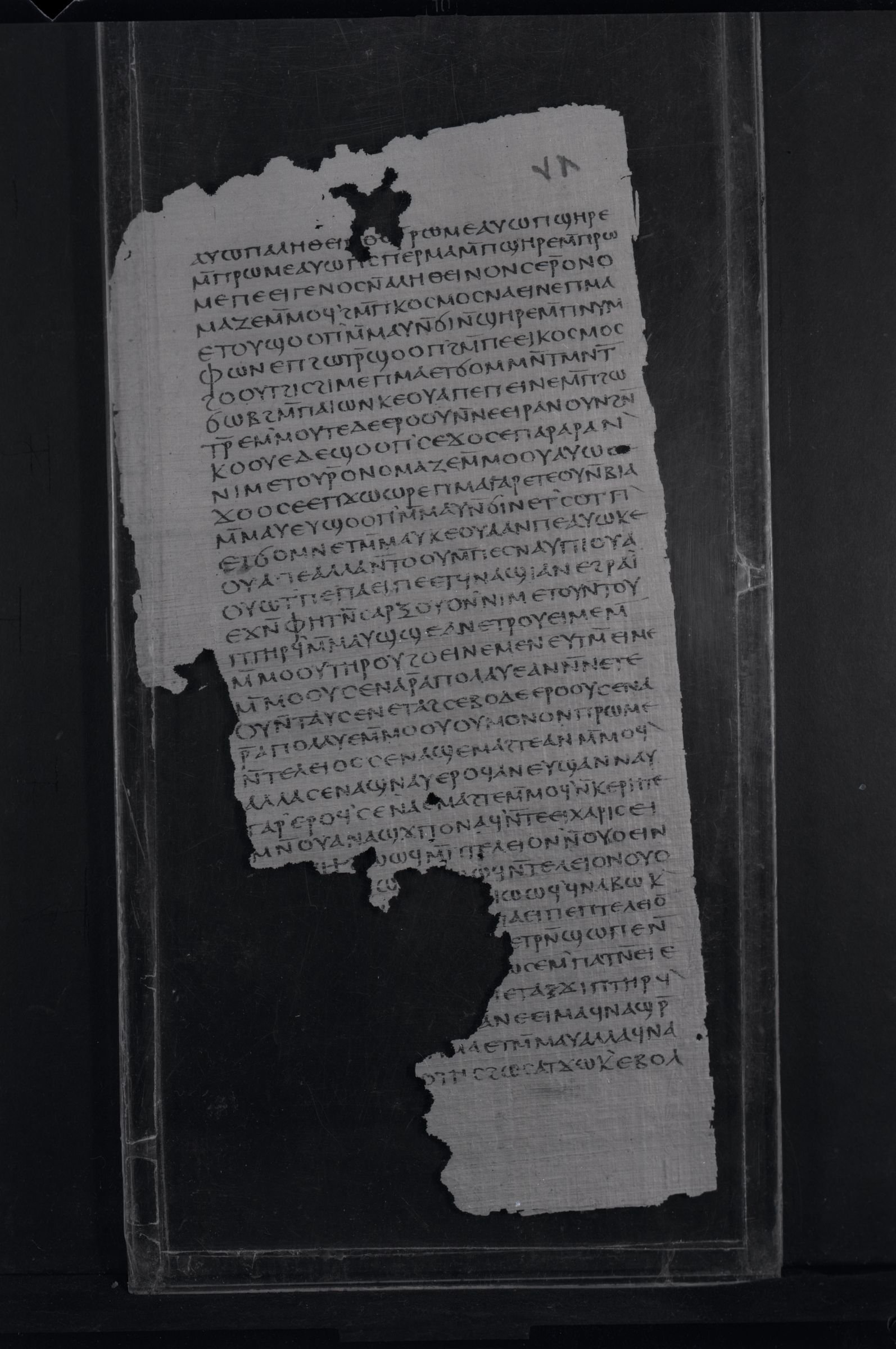
Page 76, lines 1-36 (Codex II page 76, A-Series negative, Facsimile Edition (Codex II, 1974) p. 88, CCDL nha 2890). Checked on the photograph: line 1 begins 'ⲁⲩⲱ ⲡⲁⲗⲏⲑⲉⲓⲛⲟⲥ ⲣ̄ⲣⲱⲙⲉ ⲁⲩⲱ ⲡϣⲏⲣⲉ'; line 36 reads '...ⲥⲟⲧⲏⲥ ϩⲱⲥ ⲁⲧϫⲱⲕ⳿ ⲉⲃⲟⲗ'. Page and line numbers from the Marcion transcription; English from Mattison's text between his page marks 76 and 77.
76.1ⲁⲩⲱ ⲡⲁⲗⲏⲑⲉⲓⲛ̣ⲟⲥ̣ ⲣ̣̄ⲣⲱⲙⲉ ⲁⲩⲱ ⲡϣⲏⲣⲉ
76.2ⲙ̄ⲡⲣⲱⲙⲉ ⲁⲩⲱ ⲡⲥⲡⲉⲣⲙⲁ ⲙ̄ⲡϣⲏⲣⲉ ⲙ̄ⲡⲣⲱ-
76.3ⲙⲉ ⲡⲉⲉⲓⲅⲉⲛⲟⲥ ⲛ̄ⲁⲗⲏⲑⲉⲓⲛⲟⲛ ⲥⲉⲣ̄ⲟⲛⲟ-
76.4ⲙⲁⲍⲉ ⲙ̄ⲙⲟϥ⳿ ϩⲙ̄ ⲡⲕⲟⲥⲙⲟⲥ ⲛⲁⲉⲓ ⲛⲉ ⲡⲙⲁ
76.5ⲉⲧⲟⲩϣⲟⲟⲡ⳿ ⲙ̄ⲙⲁⲩ ⲛ̄ϭⲓ ⲛ̄ϣⲏⲣⲉ ⲙ̄ⲡⲛⲩⲙ-
76.6ⲫⲱⲛ ⲉⲡϩⲱⲧⲣ̄ ϣⲟⲟⲡ⳿ ϩⲙ̄ ⲡⲉⲉⲓⲕⲟⲥⲙⲟⲥ
76.7ϩⲟⲟⲩⲧ ϩⲓ ⲥϩⲓⲙⲉ ⲡⲙⲁ ⲉⲧϭⲟⲙ ⲙⲛ̄ ⲧⲙⲛⲧ⳿-
76.8ϭⲱⲃ ϩⲙ̄ ⲡⲁⲓⲱⲛ ⲕⲉⲟⲩⲁ ⲡⲉ ⲡⲉⲓⲛⲉ ⲙ̄ⲡϩⲱ-
76.9ⲧⲣ̄ ⲉⲙ⳿ⲙⲟⲩⲧⲉ ⲇⲉ ⲉⲣⲟⲟⲩ ⲛ̄ⲛⲉⲉⲓⲣⲁⲛ ⲟⲩⲛ ϩⲛ̄-
76.10ⲕⲟⲟⲩⲉ ⲇⲉ ϣⲟⲟⲡ⳿ ⲥⲉϫⲟⲥⲉ ⲡⲁⲣⲁ ⲣⲁⲛ⳿
76.11ⲛⲓⲙ ⲉⲧⲟⲩⲣ̄ⲟⲛⲟⲙⲁⲍⲉ ⲙ̄ⲙⲟⲟⲩ ⲁⲩⲱ ⲥⲉ-
76.12ϫⲟⲟⲥⲉ ⲉⲡϫⲱⲱⲣⲉ ⲡⲙⲁ ⲅⲁⲣ ⲉⲧⲉ ⲟⲩⲛ̄ ⲃⲓⲁ
76.13ⲙ̄ⲙⲁⲩ ⲉⲩϣⲟⲟⲡ⳿ ⲙ̄ⲙⲁⲩ ⲛ̄ϭⲓ ⲛⲉⲧ⳿ⲥⲟⲧⲡ⳿
76.14ⲉⲧϭⲟⲙ ⲛⲉⲧⲙ̄ⲙⲁⲩ ⲕⲉⲟⲩⲁ ⲁⲛ ⲡⲉ ⲁⲩⲱ ⲕⲉ-
76.15ⲟⲩⲁ ⲡⲉ ⲁⲗⲗⲁ ⲛ̄ⲧⲟⲟⲩ ⲙ̄ⲡⲉⲥⲛⲁⲩ ⲡⲓⲟⲩⲁ
76.16ⲟⲩⲱⲧ⳿ ⲡⲉ ⲡⲁⲉⲓ ⲡⲉ ⲉⲧϥⲛⲁϣⲓ ⲁⲛ ⲉϩⲣⲁⲓ̈
76.17ⲉϫⲛ̄ ⲫⲏⲧ⳿ ⲛ̄ⲥⲁⲣⲝ ⲟⲩⲟⲛ⳿ ⲛⲓⲙ ⲉⲧⲟⲩⲛ̄ⲧⲟⲩ
76.18ⲡⲧⲏⲣϥ⳿ ⲙ̄ⲙⲁⲩ ϣϣⲉ ⲁⲛ ⲉⲧⲣⲟⲩⲉⲓⲙⲉ ⲙ̄-
76.19ⲙ̄ⲙⲟⲟⲩ ⲧⲏⲣⲟⲩ ϩⲟⲉⲓⲛⲉ ⲙⲉⲛ ⲉⲩⲧⲙ̄ⲉⲓⲙⲉ
76.20ⲙ̄ⲙⲟⲟⲩ ⲥⲉⲛⲁⲣ̄ⲁⲡⲟⲗⲁⲩⲉ ⲁⲛ ⲛ̄ⲛⲉⲧⲉ
76.21ⲟⲩⲛ̄ⲧⲁⲩⲥⲉ ⲛⲉⲧⲁϩⲥⲉⲃⲟ ⲇⲉ ⲉⲣⲟⲟⲩ ⲥⲉⲛⲁ-
76.22ⲣ̄ⲁⲡⲟⲗⲁⲩⲉ ⲙ̄ⲙⲟⲟⲩ ⲟⲩ ⲙⲟⲛⲟⲛ ⲡⲣⲱⲙⲉ
76.23ⲛ̄ⲧⲉⲗⲉⲓⲟⲥ ⲥⲉⲛⲁϣⲉⲙⲁϩⲧⲉ ⲁⲛ ⲙ̄ⲙⲟϥ⳿
76.24ⲁⲗⲗⲁ ⲥⲉⲛⲁϣⲛⲁⲩ ⲉⲣⲟϥ ⲁⲛ ⲉⲩϣⲁⲛⲛⲁⲩ
76.25ⲅⲁⲣ⳿ ⲉⲣⲟϥ⳿ ⲥⲉⲛⲁⲉⲙⲁϩⲧⲉ ⲙ̄ⲙⲟϥ⳿ ⲛ̄ⲕⲉⲣⲏⲧⲉ
76.26ⲙⲛ̄ ⲟⲩⲁ ⲛⲁϣϫⲡⲟ ⲛⲁϥ⳿ ⲛ̄ⲧⲉⲉⲓⲭⲁⲣⲓⲥ ⲉⲓ
76.27[ⲙⲏ ⲛ̄]ϥϯ ϩ[ⲓ]ⲱⲱϥ ⲙ̄ⲡⲧⲉⲗⲉⲓⲟⲛ⳿ ⲛ̄ⲟⲩⲟⲉⲓⲛ
76.28[ⲁⲩⲱ] ⲛ̄ϥϣⲱ[ⲡⲉ ϩ]ⲱ̣ⲱϥ ⲛ̄ⲧⲉⲗⲉⲓⲟⲛ ⲟⲩⲟ-
76.29[ⲉⲓⲛ ⲡⲉ]ⲛ̣ⲧ̣ⲁ̣[ϩ⳿ⲧⲁⲁϥ⳿] ϩ̣ⲓⲱⲱϥ⳿ ϥⲛⲁⲃⲱⲕ⳿
76.30[...........] ⲡⲁⲉⲓ ⲡⲉ ⲡⲧⲉⲗⲉⲓⲟⲛ
76.31[............] ⲉⲧⲣⲛ̄ϣⲱⲡⲉ ⲛ̄-
76.32[............]ⲱⲥ ⲉⲙ⳿ⲡⲁⲧⲛ̄ⲉⲓ ⲉ-
76.33[...........] ⲡⲉⲧⲁ⟦ϩ⟧ϫⲓ ⲡⲧⲏⲣϥ⳿
76.34[..........] ⲁⲛⲉⲉⲓⲙⲁ ϥⲛⲁϣ ⲣ̄-
76.35[........]ⲡ̣ⲙⲁ ⲉⲧⲙ̄ⲙⲁⲩ ⲁⲗⲗⲁ ϥⲛⲁ-
76.36[....ⲧⲙⲉ]ⲥ̣ⲟⲧⲏⲥ ϩⲱⲥ ⲁⲧϫⲱⲕ⳿ ⲉⲃⲟⲗ
and "the true human" and "the Son of the Human" and "the seed of the Son of the Human." This true race is known in the world. These are the places where the children of the bridal chamber exist.
In this world, union is between male and female, the place of power and weakness; in the (eternal) age, the union is like something else, but we refer to them by the same names. There are other names, however, that are above every name that's named, and they're better than the strong, because where there's force, there are those who are even more powerful. They're not (two) different things, but they're both the same thing. This is what won't be able to come down upon the fleshly heart.
Isn't it necessary for everyone who has everything to know themselves completely? Some who don't know themselves won't be able to enjoy what they have, but those who've come to understand themselves will enjoy them.
Not only won't they be able to bind the perfect human, they won't be able to see them (the perfect human), because if they see them they'll bind them. There's no other way for someone to acquire this grace for themselves [except by] putting on the perfect light [and] becoming the perfect [light. Whoever has put it on] themselves will go […] this is the perfect […] for us to become […] before we came to […] whoever receives everything […] these places, they'll be able to […] that place, but they'll [… the middle] as incomplete.
Where on the image
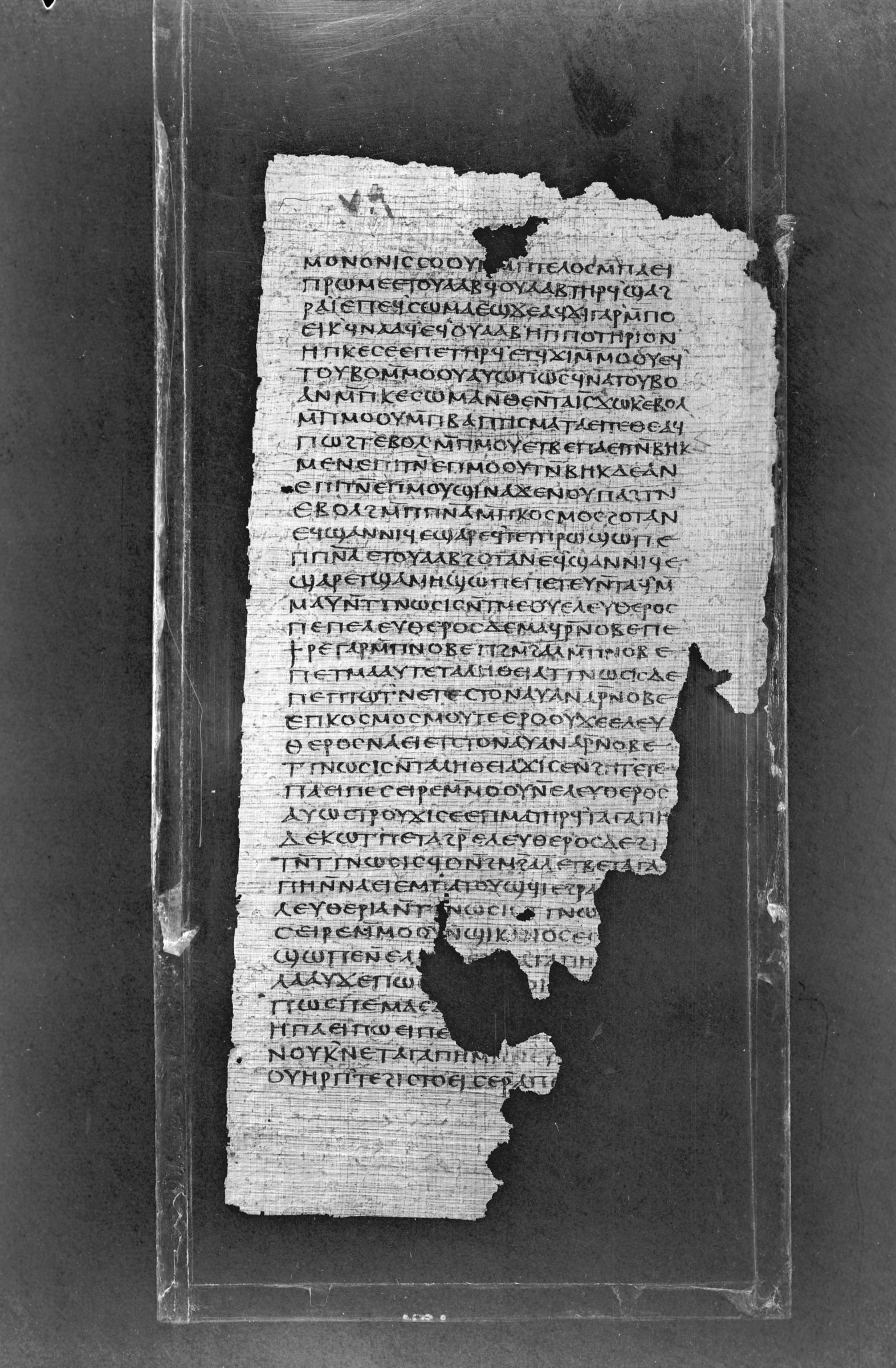
Page 77, lines 1-36 (Codex II page 77, A-Series negative, Facsimile Edition (Codex II, 1974) p. 89, CCDL nha 2961). Checked on the photograph: line 1 begins 'ⲙⲟⲛⲟⲛ ⲓ︤ⲥ︥ ⲥⲟⲟⲩⲛ ⲙ̄ⲡⲧⲉⲗⲟⲥ ⲙ̄ⲡⲁⲉⲓ'; line 36 reads 'ⲟⲩⲏⲣⲡ⳿ ⲧⲉ ϩⲓ ⲥⲧⲟⲉⲓ ⲥⲉⲣ̄ⲁⲡ...'. Page and line numbers from the Marcion transcription; English from Mattison's text between his page marks 77 and 78.
77.1ⲙⲟⲛⲟⲛ ⲓ︤ⲥ︥ ⲥⲟⲟⲩⲛ ⲙ̣̄ⲡⲧⲉⲗⲟⲥ ⲙ̄ⲡⲁⲉⲓ
77.2ⲡⲣⲱⲙⲉ ⲉⲧⲟⲩⲁⲁⲃ ϥⲟⲩⲁⲁⲃ ⲧⲏⲣϥ⳿ ϣⲁϩ-
77.3ⲣⲁⲓ̈ ⲉⲡⲉϥ⳿ⲥⲱⲙⲁ ⲉϣϫⲉ ⲁϥϫⲓ ⲅⲁⲣ⳿ ⲙ̄ⲡⲟ-
77.4ⲉⲓⲕ⳿ ϥⲛⲁⲁϥ⳿ ⲉϥ⳿ⲟⲩⲁⲁⲃ⳿ ⲏ ⲡⲡⲟⲧⲏⲣⲓⲟⲛ
77.5ⲏ ⲡⲕⲉⲥⲉⲉⲡⲉ ⲧⲏⲣϥ⳿ ⲉⲧϥϫⲓ ⲙ̄ⲙⲟⲟⲩ ⲉϥ⳿-
77.6ⲧⲟⲩⲃⲟ ⲙ̄ⲙⲟⲟⲩ ⲁⲩⲱ ⲡⲱⲥ ϥⲛⲁⲧⲟⲩⲃⲟ
77.7ⲁⲛ ⲙ̄ⲡⲕⲉⲥⲱⲙⲁ ⲛ̄ⲑⲉ ⲛ̄ⲧⲁ ⲓ︤ⲥ︥ ϫⲱⲕ⳿ ⲉⲃⲟⲗ
77.8ⲙ̄ⲡⲙⲟⲟⲩ ⲙ̄ⲡⲃⲁⲡⲧⲓⲥⲙⲁ ⲧⲁⲉⲓ ⲧⲉ ⲑⲉ ⲁϥ⳿-
77.9ⲡⲱϩⲧ⳿ ⲉⲃⲟⲗ⳿ ⲙ̄ⲡⲙⲟⲩ ⲉⲧⲃⲉ ⲡⲁⲉⲓ ⲧⲛ̄ⲃⲏⲕ⳿
77.10ⲙⲉⲛ ⲉⲡⲓⲧⲛ̄ ⲉⲡⲙⲟⲟⲩ ⲧⲛ̄ⲃⲏⲕ ⲇⲉ ⲁⲛ
77.11ⲉⲡⲓⲧⲛ̄ ⲉⲡⲙⲟⲩ ϣⲓⲛⲁ ϫⲉ ⲛⲟⲩⲡⲁϩⲧⲛ̄
77.12ⲉⲃⲟⲗ ϩⲙ̄ ⲡⲡⲛ︤ⲁ︥ ⲙ̄ⲡⲕⲟⲥⲙⲟⲥ ϩⲟⲧⲁⲛ
77.13ⲉϥϣⲁⲛⲛⲓϥⲉ ϣⲁⲣⲉϥ⳿ⲧⲉ ⲧⲡⲣⲱ ϣⲱⲡⲉ
77.14ⲡⲡⲛ︤ⲁ︥ ⲉⲧⲟⲩⲁⲁⲃ ϩⲟⲧⲁⲛ⳿ ⲉϥ⳿ϣⲁⲛⲛⲓϥⲉ
77.15ϣⲁⲣⲉ ⲧϣⲁⲙⲏ ϣⲱⲡⲉ⳿ ⲡⲉⲧⲉⲩⲛ̄ⲧⲁϥ⳿ ⲙ̄-
77.16ⲙⲁⲩ ⲛ̄ⲧⲅⲛⲱⲥⲓⲥ ⲛ̄ⲧⲙⲉ ⲟⲩⲉⲗⲉⲩⲑⲉⲣⲟⲥ
77.17ⲡⲉ ⲡⲉⲗⲉⲩⲑⲉⲣⲟⲥ ⲇⲉ ⲙⲁϥⲣ̄ ⲛⲟⲃⲉ ⲡⲉ-
77.18ϯⲣⲉ ⲅⲁⲣ ⲙ̄ⲡⲛⲟⲃⲉ ⲡϩⲙ︤ϩ︦ⲁ︦ⲗ︥ ⲙ̄ⲡⲛⲟⲃⲉ
77.19ⲡⲉ ⲧⲙⲁⲁⲩ ⲧⲉ ⲧⲁⲗⲏⲑⲉⲓⲁ ⲧⲅⲛⲱⲥⲓⲥ ⲇⲉ
77.20ⲡⲉ ⲡⲧⲱⲧ⳿ ⲛⲉⲧⲉⲥⲧⲟ ⲛⲁⲩ ⲁⲛ ⲁⲣ̄ ⲛⲟⲃⲉ
77.21ⲉⲡⲕⲟⲥⲙⲟⲥ ⲙⲟⲩⲧⲉ ⲉⲣⲟⲟⲩ ϫⲉ ⲉⲗⲉⲩ-
77.22ⲑⲉⲣⲟⲥ ⲛⲁⲉⲓ ⲉⲧⲥⲧⲟ ⲛⲁⲩ ⲁⲛ ⲁⲣ̄ ⲛⲟⲃⲉ
77.23ⲧⲅⲛⲱⲥⲓⲥ ⲛ̄ⲧⲁⲗⲏⲑⲉⲓⲁ ϫⲓⲥⲉ ⲛ̄ϩⲏⲧ⳿ ⲉⲧⲉ
77.24ⲡⲁⲉⲓ ⲡⲉ ⲥⲉⲓⲣⲉ ⲙ̄ⲙⲟⲟⲩ ⲛ̄ⲉⲗⲉⲩⲑⲉⲣⲟⲥ
77.25ⲁⲩⲱ ⲥⲧⲣⲟⲩϫⲓⲥⲉ ⲉⲡⲙⲁ ⲧⲏⲣϥ⳿ ⲧⲁⲅⲁⲡⲏ
77.26ⲇⲉ ⲕⲱⲧ⳿ ⲡⲉⲧⲁϩⲣ̄ ⲉⲗⲉⲩⲑⲉⲣⲟⲥ ⲇⲉ ϩⲓ-
77.27ⲧⲛ̄ ⲧⲅⲛⲱⲥⲓⲥ ϥⲟ ⲛ̄ϩⲙϩ︤ⲁ︦ⲗ︥ ⲉⲧⲃⲉ ⲧⲁⲅⲁ-
77.28ⲡⲏ ⲛ̄ⲛⲁⲉⲓ ⲉⲙ⳿ⲡⲁⲧⲟⲩϣϥⲓ ⲉϩⲣⲁⲓ̣̈ [ⲛ̄ⲧⲉ]-
77.29ⲗⲉⲩⲑⲉⲣⲓⲁ ⲛ̄ⲧⲅⲛⲱⲥⲓⲥ ⲧⲅⲛⲱ[ⲥⲓⲥ ⲇⲉ]
77.30ⲥⲉⲓⲣⲉ ⲙ̄ⲙⲟⲟⲩ ⲛ̄ϣⲓⲕⲁⲛⲟⲥ ⲉⲥ̣[ⲧⲣⲟⲩ]-
77.31ϣⲱⲡⲉ ⲛ̄ⲉⲗⲉ̣ⲩ̣[ⲑ]ⲉⲣ̣[ⲟⲥ] ⲧ̣ⲁⲅⲁⲡⲏ [ⲙⲁⲥϫⲉ]
77.32ⲗⲁⲁⲩ ϫⲉ ⲡⲱⲥ̣ [ⲡⲉ ...]ⲟⲓ[......]
77.33ⲡⲱⲥ ⲡⲉ ⲙⲁⲥϫ̣[ⲟⲟⲥ ϫⲉ ⲡⲁⲉⲓ ⲡⲱⲉⲓ ⲡⲉ]
77.34ⲏ ⲡⲁⲉⲓ ⲡⲱⲉⲓ ⲡⲉ ⲁ̣[ⲗⲗⲁ ⲛ]ⲟ̣ⲩ̣[ⲉⲓ ⲧⲏⲣⲟⲩ]
77.35ⲛⲟⲩⲕ⳿ ⲛⲉ ⲧⲁⲅⲁⲡⲏ ⲙ̣̄ⲡⲛⲉⲩⲙ̣[ⲁⲧⲓⲕⲏ]
77.36ⲟⲩⲏⲣⲡ⳿ ⲧⲉ ϩⲓ ⲥⲧⲟⲉⲓ ⲥⲉⲣ̄ⲁⲡⲟ̣[ⲗⲁⲩⲉ ⲙ̄]-
Only Jesus knows the end of this one.
The holy man (priest) is completely holy, down to his (very) body, because if he receives the bread he'll make it holy, or the cup, or anything else that he takes and purifies. Why won't he purify the body too?
As Jesus perfected the water of baptism, that's the way he poured out death. So we go down into the water, but we don't go down into death, so that we won't be poured out into the spirit of the world. When it blows, the winter comes. When the Holy Spirit breathes, the summer comes.
Whoever knows the truth is a free person, and the free person doesn't sin, because "whoever sins is the slave of sin." Truth is the Mother, but knowledge is the joining. Those who aren't given to sin are called "free" by the world. These who aren't given to sin are made proud by the knowledge of the truth. That's what makes them free and exalts them over everything. But "love builds up," and whoever has been made free through knowledge is a slave because of love for those who aren't yet able to attain [the] freedom of knowledge, [but] knowledge makes them able [to] become free. Love […] anything its own […] it […] its own. It never [says "…"] or "this is mine," [but "…] are yours." Spiritual love is wine with fragrance.
Where on the image
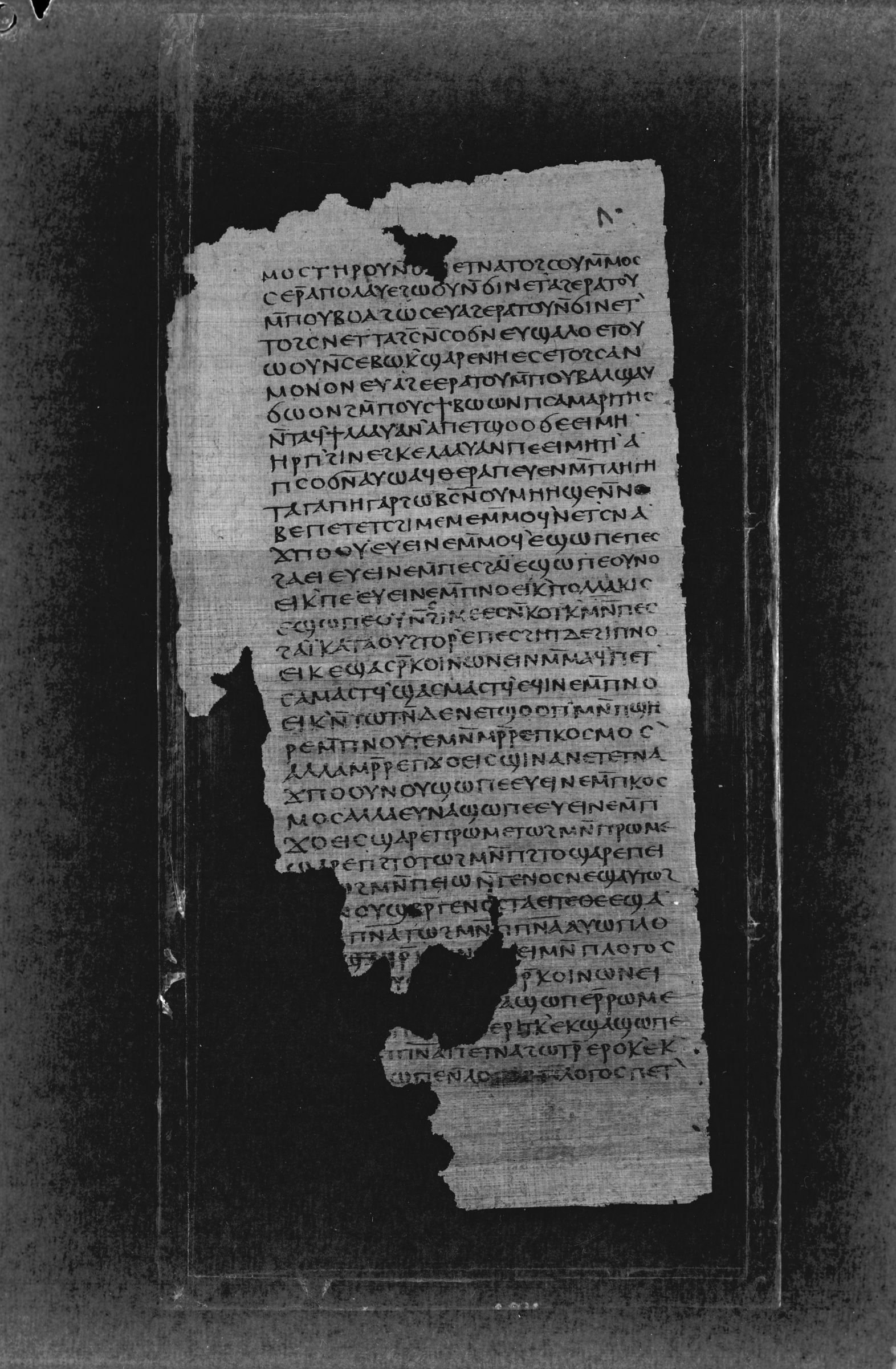
Page 78, lines 1-35 (Codex II page 78, A-Series negative, Facsimile Edition (Codex II, 1974) p. 90, CCDL nha 2861). Checked on the photograph: line 1 begins 'ⲙⲟⲥ ⲧⲏⲣⲟⲩ ⲛ̄ϭ... ⲉⲧⲛⲁⲧⲟϩⲥⲟⲩ ⲙ̄ⲙⲟⲥ'; line 35 reads '...ⲱⲡⲉ ⲛ̄ⲗⲟ... ⲗⲟⲅⲟⲥ ⲡⲉⲧ⳿'; a dark smudge covers the middle of the last line. Page and line numbers from the Marcion transcription; English from Mattison's text between his page marks 78 and 79.
78.1ⲙⲟⲥ ⲧⲏⲣⲟⲩ ⲛ̄ϭ̣ⲓ̣ ⲛ̣ⲉⲧⲛⲁⲧⲟϩⲥⲟⲩ ⲙ̄ⲙⲟⲥ
78.2ⲥⲉⲣ̄ⲁⲡⲟⲗⲁⲩⲉ ϩⲱⲟⲩ ⲛ̄ϭⲓ ⲛⲉⲧ⳿ⲁϩⲉⲣⲁⲧⲟⲩ
78.3ⲙ̄ⲡⲟⲩⲃⲟⲗ ϩⲱⲥ ⲉⲩⲁϩⲉⲣⲁⲧⲟⲩ ⲛ̄ϭⲓ ⲛⲉⲧ⳿-
78.4ⲧⲟϩⲥ ⲛⲉⲧ⳿ⲧⲁϩⲥ̄ ⲛ̄ⲥⲟϭⲛ ⲉⲩϣⲁⲗⲟ ⲉⲧⲟⲩ-
78.5ⲱⲟⲩ ⲛ̄ⲥⲉⲃⲱⲕ⳿ ϣⲁⲣⲉ ⲛⲏ ⲉⲥⲉⲧⲟϩⲥ ⲁⲛ
78.6ⲙⲟⲛⲟⲛ ⲉⲩⲁϩⲉ ⲉⲣⲁⲧⲟⲩ ⲙ̄ⲡⲟⲩⲃⲁⲗ ϣⲁⲩ-
78.7ϭⲱ ⲟⲛ ϩⲙ̄ ⲡⲟⲩⲥϯⲃⲱⲱⲛ ⲡⲥⲁⲙⲁⲣⲓⲧⲏⲥ
78.8ⲛ̄ⲧⲁϥ⳿ϯ ⲗⲁⲁⲩ ⲁⲛ⳿ ⲁⲡⲉⲧϣⲟⲟϭⲉ ⲉⲓ ⲙⲏ⳿
78.9ⲏⲣⲡ⳿ ϩⲓ ⲛⲉϩ ⲕⲉⲗⲁⲁⲩ ⲁⲛ ⲡⲉ ⲉⲓ ⲙⲏⲧⲓ⳿ ⲁ⳿
78.10ⲡⲥⲟϭⲛ̄ ⲁⲩⲱ ⲁϥⲑⲉⲣⲁⲡⲉⲩⲉ ⲛⲙ̄ⲡⲗⲏⲅⲏ
78.11ⲧⲁⲅⲁⲡⲏ ⲅⲁⲣ ϩⲱⲃⲥ̄ ⲛ̄ⲟⲩⲙⲏⲏϣⲉ ⲛ̄ⲛⲟ-
78.12ⲃⲉ ⲡⲉⲧⲉ ⲧⲥϩⲓⲙⲉ ⲙⲉ ⲙ̄ⲙⲟϥ⳿ ⲛⲉⲧ⳿ⲥⲛⲁ⳿-
78.13ϫⲡⲟⲟⲩ⳿ ⲉⲩⲉⲓⲛⲉ ⲙ̄ⲙⲟϥ⳿ ⲉϣⲱⲡⲉ ⲡⲉⲥ-
78.14ϩⲁⲉⲓ ⲉⲩⲉⲓⲛⲉ ⲙ̄ⲡⲉⲥϩⲁⲓ̈ ⲉϣⲱⲡⲉ ⲟⲩⲛⲟ-
78.15ⲉⲓⲕ⳿ ⲡⲉ⳿ ⲉⲩⲉⲓⲛⲉ ⲙ̄ⲡⲛⲟⲉⲓⲕ⳿ ⲡⲟⲗⲗⲁⲕⲓⲥ
78.16ⲉϣⲱⲡⲉ ⲟⲩⲛ̄ ⲥϩⲓⲙⲉ ⲉⲥⲛ̄ⲕⲟⲧⲕ⳿ ⲙⲛ̄ ⲡⲉⲥ-
78.17ϩⲁⲓ̈ ⲕⲁⲧⲁ ⲟⲩϩⲧⲟⲣ⳿ ⲉⲡⲉⲥϩⲏⲧ ⲇⲉ ϩⲓ ⲡⲛⲟ-
78.18ⲉⲓⲕ ⲉϣⲁⲥⲣ̄ⲕⲟⲓⲛⲱⲛⲉⲓ ⲛⲙ̄ⲙⲁϥ⳿ ⲡⲉⲧ⳿-
78.19ⲥⲁⲙⲁⲥⲧϥ⳿ ϣⲁⲥⲙⲁⲥⲧϥ⳿ ⲉϥⲓⲛⲉ ⲙ̄ⲡⲛⲟ-
78.20ⲉⲓⲕ⳿ ⲛ̄ⲧⲱⲧⲛ̄ ⲇⲉ ⲛⲉⲧϣⲟⲟⲡ⳿ ⲙⲛ̄ ⲡϣⲏ-
78.21ⲣⲉ ⲙ̄ⲡⲛⲟⲩⲧⲉ ⲙⲛ̄ⲙⲣ̄ⲣⲉ ⲡⲕⲟⲥⲙⲟⲥ⳿
78.22ⲁⲗⲗⲁ ⲙⲣ̄ⲣⲉ ⲡϫⲟⲉⲓⲥ ϣⲓⲛⲁ ⲛⲉⲧⲉⲧⲛⲁ-
78.23ϫⲡⲟⲟⲩ ⲛⲟⲩϣⲱⲡⲉ ⲉⲩⲉⲓⲛⲉ ⲙ̄ⲡⲕⲟⲥ-
78.24ⲙⲟⲥ ⲁⲗⲗⲁ ⲉⲩⲛⲁϣⲱⲡⲉ ⲉⲩⲉⲓⲛⲉ ⲙ̄ⲡ-
78.25ϫⲟⲉⲓⲥ ϣⲁⲣⲉ ⲡⲣⲱⲙⲉ ⲧⲱϩ ⲙⲛ̄ ⲡⲣⲱⲙⲉ
78.26ϣ̣ⲁⲣⲉ ⲡϩⲧⲟ ⲧⲱϩ ⲙⲛ̄ ⲡϩⲧⲟ ϣⲁⲣⲉ ⲡⲉⲓ-
78.27[ⲱ ⲧ]ⲱϩ ⲙⲛ̄ ⲡⲉⲓⲱ ⲛ̄ⲅⲉⲛⲟⲥ ⲛⲉϣⲁⲩⲧⲱϩ
78.28[ⲙⲛ̄] ⲛⲟⲩϣⲃⲣ̄ⲅⲉⲛⲟⲥ ⲧⲁⲉⲓ ⲧⲉ ⲑⲉ ⲉϣⲁ⳿-
78.29[ⲣⲉ] ⲡ̣ⲡⲛ︤ⲁ︥ ⲧⲱϩ ⲙⲛ̄ ⲡⲡ︤ⲛ︦ⲁ︥ ⲁⲩⲱ ⲡⲗⲟ-
78.30[ⲅⲟⲥ] ϣⲁϥⲣ̄ⲕ̣[ⲟ]ⲓ̣ⲛⲱ̣[ⲛ]ⲉⲓ ⲙⲛ̄ ⲡⲗⲟⲅⲟⲥ
78.31[ⲁⲩⲱ ⲡⲟ]ⲩⲟ̣[ⲉⲓⲛ ϣⲁ]ϥ̣ⲣ̄ⲕⲟⲓⲛⲱⲛⲉⲓ
78.32[ⲙⲛ̄ ⲡⲟⲩⲟⲉⲓⲛ⳿ ⲉⲕ]ϣ̣ⲁϣⲱⲡⲉ ⲣ̄ⲣⲱⲙⲉ
78.33[ⲡⲣⲱⲙ]ⲉ̣ ⲡ̣ⲉ̣[ⲧⲛⲁ]ⲙ̣ⲉⲣⲓⲧⲕ⳿ ⲉⲕϣⲁϣⲱⲡⲉ
78.34[ⲙ̄ⲡ︤ⲛ︦ⲁ︥] ⲡⲡ︤ⲛ︦ⲁ︥ ⲡⲉⲧⲛⲁϩⲱⲧⲣ̄ ⲉⲣⲟⲕ⳿ ⲉⲕ⳿-
78.35[ϣⲁⲛϣ]ⲱⲡⲉ ⲛ̄ⲗⲟⲅⲟⲥ ⲡⲗⲟⲅⲟⲥ ⲡⲉⲧ⳿-
All those who will anoint themselves with it enjoy it. While those who are anointed stay around, those who are nearby also enjoy it. If those who are anointed with ointment leave them and go, those who aren't anointed but are only nearby remain in their stench. The Samaritan didn't give anything to the wounded man except wine with oil. It wasn't anything but the ointment, and it healed the wounds, because "love covers a multitude of sins."
The children to whom a woman gives birth will look like the man she loves. If it's her husband, they look like her husband; if it's an adulterer, they look like the adulterer. Often, if a woman sleeps with her husband because she has to, but her heart is with the adulterer with whom she is intimate and she bears a child, the child she bears looks like the adulterer. But you who exist with the Son of God, don't love the world; rather, love the Lord, so that those you'll beget may not come to look like the world, but will come to look like the Lord.
The human unites with the human, the horse unites with the horse, the donkey unites with the donkey. Species unite [with] similar species. That's what it's like when spirit unites with spirit, the [Word] is intimate with the Word, [and light is] intimate [with light. If you] become human, [it's the human who will] love you. If you become [spirit], it's the Spirit who will unite with you. [If] you become Word, it's the Word that
Where on the image
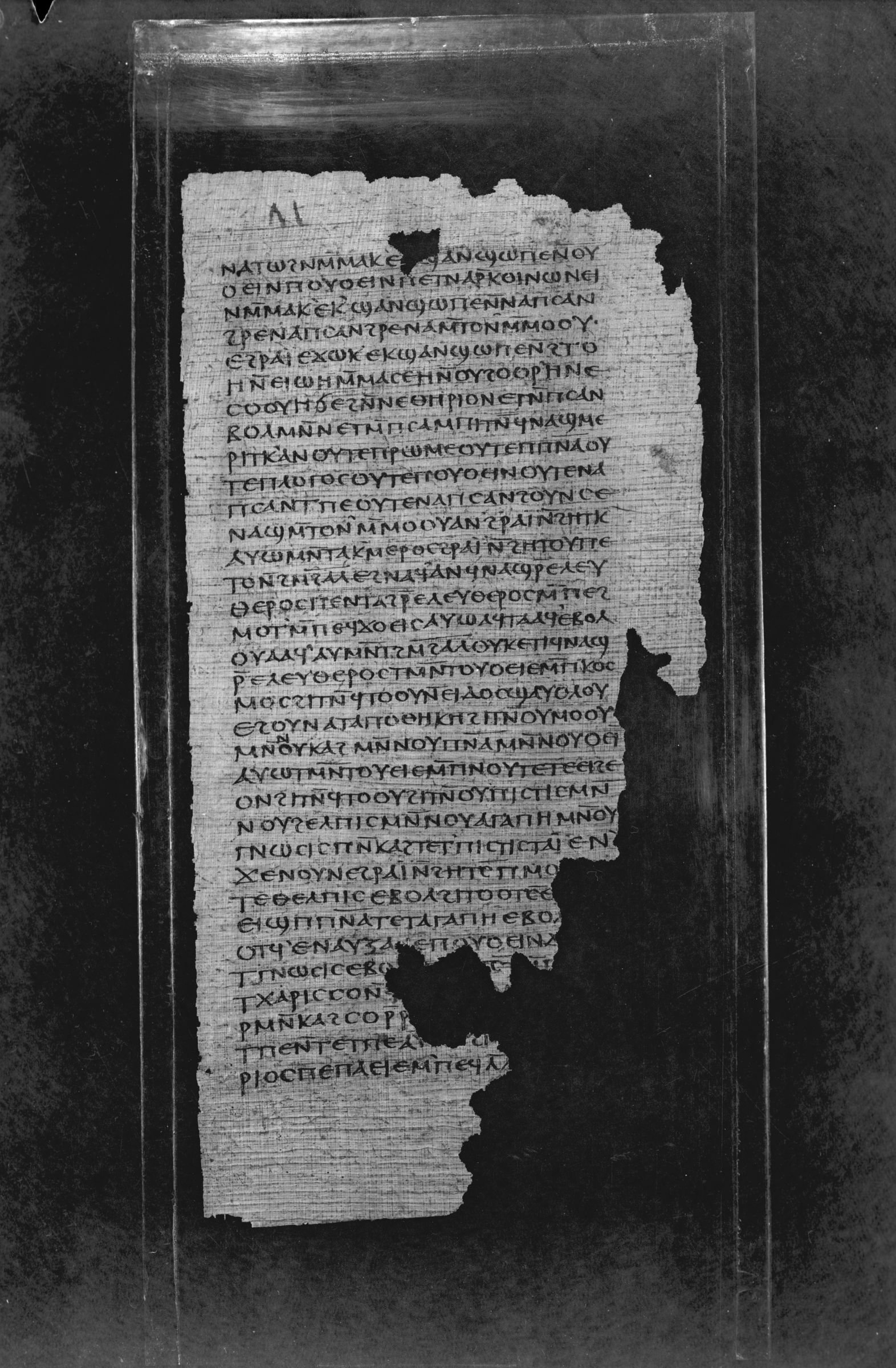
Page 79, lines 1-34 (Codex II page 79, A-Series negative, Facsimile Edition (Codex II, 1974) p. 91, CCDL nha 2960). Checked on the photograph: line 1 begins 'ⲛⲁⲧⲱϩ ⲛⲙ̄ⲙⲁⲕ⳿ ⲉ...ϣⲁⲛϣⲱⲡⲉ ⲛ̄ⲟⲩ'; line 34 reads 'ⲣⲓⲟⲥ ⲡⲉ ⲡⲁⲉⲓ ⲉⲙ⳿ⲡⲉϥⲗ...'. Page and line numbers from the Marcion transcription; English from Mattison's text between his page marks 79 and 80.
79.1ⲛⲁⲧⲱϩ ⲛⲙ̄ⲙⲁⲕ⳿ ⲉ[ⲕ]ϣⲁⲛϣⲱⲡⲉ ⲛ̄ⲟⲩ-
79.2ⲟⲉⲓⲛ ⲡⲟⲩⲟⲉⲓⲛ ⲡⲉⲧⲛⲁⲣ̄ⲕⲟⲓⲛⲱⲛⲉⲓ
79.3ⲛⲙ̄ⲙⲁⲕ⳿ ⲉⲕ⳿ϣⲁⲛϣⲱⲡⲉ ⲛ̄ⲛⲁ ⲡⲥⲁ ⲛ-
79.4ϩⲣⲉ ⲛⲁ ⲡⲥⲁ ⲛϩⲣⲉ ⲛⲁⲙ̄ⲧⲟⲛ⳿ ⲙ̄ⲙⲟⲟⲩ⳿
79.5ⲉϩⲣⲁⲓ̈ ⲉϫⲱⲕ⳿ ⲉⲕϣⲁⲛϣⲱⲡⲉ ⲛ̄ϩⲧⲟ
79.6ⲏ ⲛ̄ⲉⲓⲱ ⲏ ⲙ̄ⲙⲁⲥⲉ ⲏ ⲛ̄ⲟⲩϩⲟⲟⲣ⳿ ⲏ ⲛⲉ-
79.7ⲥⲟⲟⲩ ⲏ ϭⲉ ϩⲛ̄ ⲛⲉⲑⲏⲣⲓⲟⲛ ⲉⲧⲛ̄ⲡⲥⲁ ⲛ-
79.8ⲃⲟⲗ ⲙⲛ̄ ⲛⲉⲧⲙ̄ⲡⲥⲁ ⲙⲡⲓⲧⲛ̄ ϥⲛⲁϣⲙⲉ-
79.9ⲣⲓⲧⲕ⳿ ⲁⲛ ⲟⲩⲧⲉ ⲡⲣⲱⲙⲉ ⲟⲩⲧⲉ ⲡⲡⲛ︤ⲁ︥ ⲟⲩ-
79.10ⲧⲉ ⲡⲗⲟⲅⲟⲥ ⲟⲩⲧⲉ ⲡⲟⲩⲟⲉⲓⲛ ⲟⲩⲧⲉ ⲛⲁ-
79.11ⲡⲥⲁ ⲛⲧⲡⲉ ⲟⲩⲧⲉ ⲛⲁ ⲡⲥⲁ ⲛϩⲟⲩⲛ ⲥⲉ-
79.12ⲛⲁϣⲙ̄ⲧⲟⲛ⳿ ⲙ̄ⲙⲟⲟⲩ ⲁⲛ⳿ ϩⲣⲁⲓ̈ ⲛ̄ϩⲏⲧⲕ⳿
79.13ⲁⲩⲱ ⲙⲛ̄ⲧⲁⲕ⳿ ⲙⲉⲣⲟⲥ ϩⲣⲁⲓ̈ ⲛ̄ϩⲏⲧⲟⲩ ⲡⲉ-
79.14ⲧⲟ ⲛ̄ϩⲙϩ︤ⲁ︦ⲗ︥ ⲉϩⲛⲁϥ⳿ ⲁⲛ ϥⲛⲁϣⲣ̄ⲉⲗⲉⲩ-
79.15ⲑⲉⲣⲟⲥ ⲡⲉⲛⲧⲁϩⲣ̄ⲉⲗⲉⲩⲑⲉⲣⲟⲥ ⲙ̄ⲡⲉϩ-
79.16ⲙⲟⲧ⳿ ⲙ̄ⲡⲉϥϫⲟⲉⲓⲥ ⲁⲩⲱ ⲁϥⲧⲁϥϥ⳿ ⲉⲃⲟⲗ
79.17ⲟⲩⲁⲁϥ⳿ ⲁⲩⲙⲛ̄ⲧϩⲙ︤ϩ︦ⲁ︦ⲗ︥ ⲟⲩⲕⲉⲧⲓ ϥⲛⲁϣ-
79.18ⲣ̄ⲉⲗⲉⲩⲑⲉⲣⲟⲥ ⲧⲙ︤ⲛ︥ⲧⲟⲩⲟⲉⲓⲉ ⲙ̄ⲡⲕⲟⲥ-
79.19ⲙⲟⲥ ϩⲓⲧⲛ̄ ϥⲧⲟⲟⲩ ⲛ̄ⲉⲓⲇⲟⲥ ϣⲁⲩⲟⲗⲟⲩ
79.20ⲉϩⲟⲩⲛ ⲁⲧⲁⲡⲟⲑⲏⲕⲏ ϩⲓⲧⲛ̄ ⲟⲩⲙⲟⲟⲩ
79.21ⲙⲛ̄ⲛⲟⲩⲕⲁϩ ⲙⲛ̄ⲛⲟⲩⲡⲛ︤ⲁ︥ ⲙⲛ̄ⲛⲟⲩⲟⲉⲓⲛ
79.22ⲁⲩⲱ ⲧⲙ︤ⲛ︦ⲧ︥ⲟⲩⲉⲓⲉ ⲙ̄ⲡⲛⲟⲩⲧⲉ ⲧⲉⲉⲓϩⲉ
79.23ⲟⲛ ϩⲓⲧⲛ̄ ϥⲧⲟⲟⲩ ϩⲓⲧⲛ̄ ⲟⲩⲡⲓⲥⲧⲓⲥ ⲙⲛ̄-
79.24ⲛⲟⲩϩⲉⲗⲡⲓⲥ ⲙⲛ̄ⲛⲟⲩⲁⲅⲁⲡⲏ ⲙⲛ̄ ⲟⲩ-
79.25ⲅⲛⲱⲥⲓⲥ ⲡⲛ̄ⲕⲁϩ ⲧⲉ ⲧ⳿ⲡⲓⲥⲧⲓⲥ ⲧⲁⲓ̈ ⲉⲛ⳿-
79.26ϫⲉ ⲛⲟⲩⲛⲉ ϩⲣⲁⲓ̈ ⲛ̄ϩⲏⲧⲥ̄ ⲡⲙⲟ[ⲟ]ⲩ̣ [ⲇⲉ]
79.27ⲧⲉ ⲑⲉⲗⲡⲓⲥ ⲉⲃⲟⲗ ϩⲓⲧⲟⲟⲧⲥ̄ ⲉ[ⲛⲥⲟ]-
79.28ⲉⲓϣ ⲡⲡⲛ︤ⲁ︥ ⲧⲉ ⲧⲁⲅⲁⲡⲏ ⲉⲃⲟⲗ [ϩⲓⲧⲟ]-
79.29ⲧⲟϥ⳿ ⲉⲛⲁⲩⲝⲁⲛⲉ ⲡⲟⲩⲟⲉⲓⲛ ⲇ[ⲉ ⲧⲉ]
79.30ⲧⲅⲛⲱⲥⲓⲥ ⲉⲃⲟ[ⲗ ϩ]ⲓ̣ⲧ̣[ⲟⲟ]ⲧⲥ̄ ⲧⲛ̣̄ⲡ[ⲱϩ⳿]
79.31ⲧⲭⲁⲣⲓⲥ ⲥⲟ ⲛ̄ϥ[ⲧⲟⲟⲩ ⲙ̄]ⲙ[ⲉⲓⲛⲉ ⲥⲟ ⲣ̄]-
79.32ⲣⲙⲛ̄ⲕⲁϩ ⲥⲟ ⲣ̄ⲣ[ⲙ̄ⲙ̄ⲡⲉ ......]
79.33ⲧⲡⲉ ⲛ̄ⲧⲉ ⲧⲡⲉ ⲁⲩ[..]ϩⲛ̣̄ [..] [ⲟⲩⲙⲁⲕⲁ]-
79.34ⲣⲓⲟⲥ ⲡⲉ ⲡⲁⲉⲓ ⲉⲙ⳿ⲡⲉϥⲗ̄ⲗ[.... ⲛ̄]
will unite with you. If [you] become light, it's the light which will be intimate with you. If you become one of those from above, those from above will rest upon you. If you become horse or donkey or calf or dog or sheep or any other of the animals which are outside or below, neither human nor spirit nor Word nor light nor those from above nor those inside will be able to love you. They won't be able to rest within you, and you'll have no part in them.
Whoever is an unwilling slave will be able to be made free. Whoever has become free by the grace of their master and has sold themselves (back) into slavery won't be able to be made free any longer.
Spiritual Growth
The world is farmed through four things. They gather into barns through water, earth, wind, and light. And in the same way, God farms through four things too: through faith, hope, love, and knowledge. Our earth is the faith in which we're rooted. [And] the [water] is the hope through which [we're] nourished. The wind is the love through which we grow. And the light [is] the knowledge through which we [ripen]. Grace exists in [four kinds. It's] earthly, it's [heavenly, …] the heaven of the heaven […] through [….] Blessed is the one who hasn't […]
Where on the image
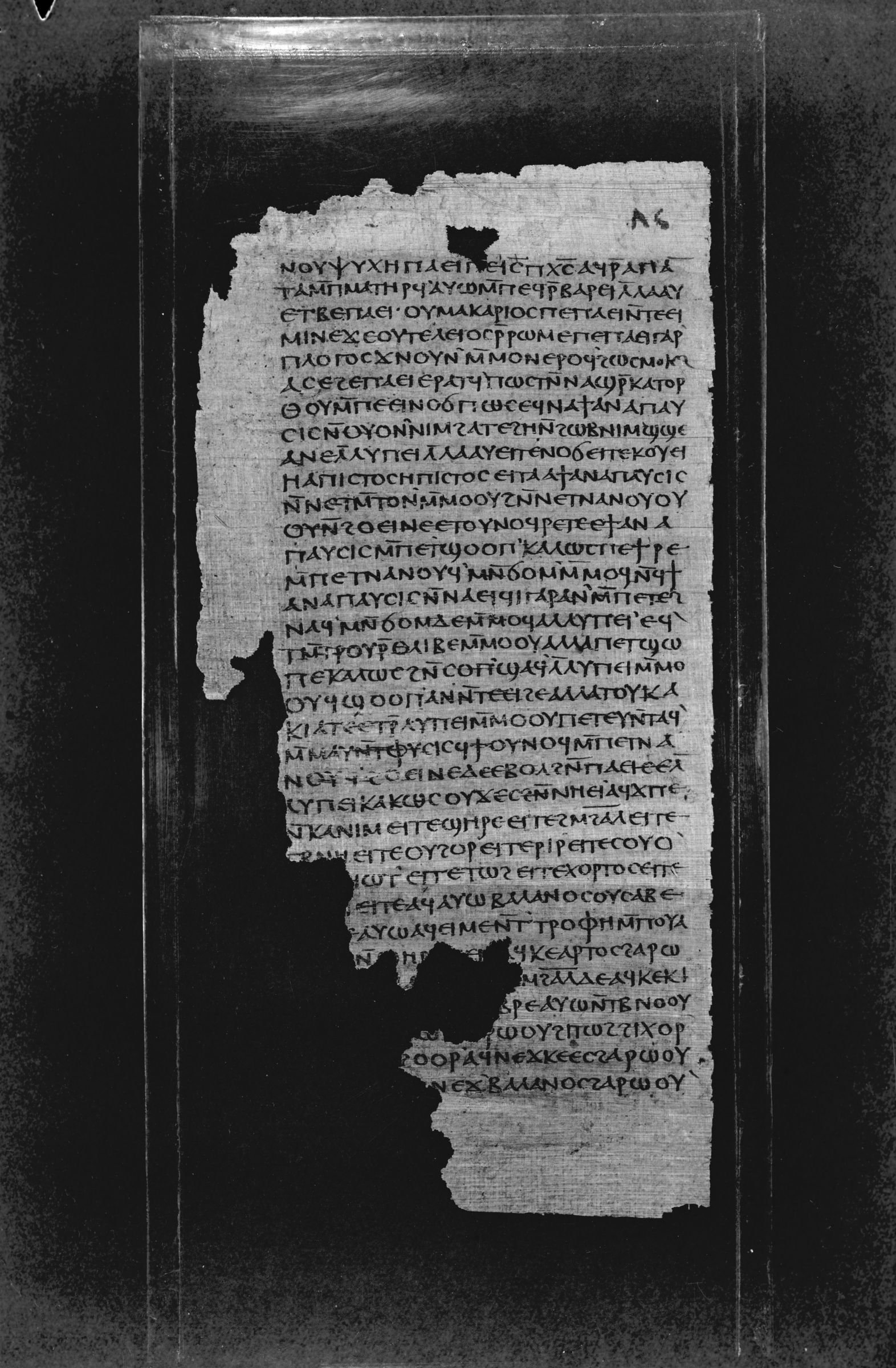
Page 80, lines 1-34 (Codex II page 80, A-Series negative, Facsimile Edition (Codex II, 1974) p. 92, CCDL nha 2957). Checked on the photograph: line 1 begins 'ⲛⲟⲩⲯⲩⲭⲏ ⲡⲁⲉⲓ ⲡⲉ ⲓⲥ̄ ⲡⲭ︤ⲥ︥ ⲁϥⲣ̄ⲁⲡⲁ...'; line 34 reads '...ⲛⲉϫ⳿ ⲃⲁⲗⲁⲛⲟⲥ ϩⲁⲣⲱⲟⲩ⳿'. Page and line numbers from the Marcion transcription; English from Mattison's text between his page marks 80 and 81.
80.1ⲛⲟⲩⲯⲩⲭⲏ ⲡⲁⲉⲓ ⲡⲉ ⲓⲥ̄ ⲡⲭ︤ⲥ︥ ⲁϥⲣ̄ⲁⲡⲁⲛ-
80.2ⲧⲁ ⲙ̄ⲡⲙⲁ ⲧⲏⲣϥ⳿ ⲁⲩⲱ ⲙ̄ⲡⲉϥⲣ̄ⲃⲁⲣⲉⲓ ⲗ̄ⲗⲁⲁⲩ
80.3ⲉⲧⲃⲉ ⲡⲁⲉⲓ⳿ ⲟⲩⲙⲁⲕⲁⲣⲓⲟⲥ ⲡⲉ ⲡⲁⲉⲓ ⲛ̄ⲧⲉⲉⲓ-
80.4ⲙⲓⲛⲉ ϫⲉ ⲟⲩⲧⲉⲗⲉⲓⲟⲥ ⲣ̄ⲣⲱⲙⲉ ⲡⲉ ⲡⲁⲉⲓ ⲅⲁⲣ⳿
80.5ⲡⲗⲟⲅⲟⲥ ϫⲛⲟⲩⲛ⳿ ⲙ̄ⲙⲟⲛ ⲉⲣⲟϥ⳿ ϩⲱⲥ ⟨ⲥ⟩ⲙⲟⲕϩ
80.6ⲁⲥⲉϩⲉ ⲡⲁⲉⲓ ⲉⲣⲁⲧϥ⳿ ⲡⲱⲥ ⲧⲛ̄ⲛⲁϣⲣ̄ⲕⲁⲧⲟⲣ-
80.7ⲑⲟⲩ ⲙ̄ⲡⲉⲉⲓⲛⲟϭ ⲡⲱⲥ ⲉϥⲛⲁϯ ⲁⲛⲁⲡⲁⲩ-
80.8ⲥⲓⲥ ⲛ̄ⲟⲩⲟⲛ⳿ ⲛⲓⲙ ϩⲁ ⲧⲉϩⲏ ⲛ̄ϩⲱⲃ ⲛⲓⲙ⳿ ϣϣⲉ
80.9ⲁⲛ ⲉⲗ̄ⲗⲩⲡⲉⲓ ⲗ̄ⲗⲁⲁⲩ ⲉⲓⲧⲉ ⲛⲟϭ ⲉⲓⲧⲉ ⲕⲟⲩⲉⲓ
80.10ⲏ ⲁⲡⲓⲥⲧⲟⲥ ⲏ ⲡⲓⲥⲧⲟⲥ ⲉⲓⲧⲁ ⲁϯ ⲁⲛⲁⲡⲁⲩⲥⲓⲥ
80.11ⲛ̄ⲛⲉⲧⲙ̄ⲧⲟⲛ⳿ ⲙ̄ⲙⲟⲟⲩ ϩⲛ̄ ⲛⲉⲧⲛⲁⲛⲟⲩⲟⲩ
80.12ⲟⲩⲛ̄ ϩⲟⲉⲓⲛⲉ ⲉⲧⲟⲩⲛⲟϥⲣⲉ ⲧⲉ ⲉϯ ⲁⲛⲁ-
80.13ⲡⲁⲩⲥⲓⲥ ⲙ̄ⲡⲉⲧ⳿ϣⲟⲟⲡ⳿ ⲕⲁⲗⲱⲥ ⲡⲉϯⲣⲉ
80.14ⲙ̄ⲡⲉⲧⲛⲁⲛⲟⲩϥ⳿ ⲙⲛ̄ ϭⲟⲙ⳿ ⲙ̄ⲙⲟϥ ⲛ̄ϥϯ
80.15ⲁⲛⲁⲡⲁⲩⲥⲓⲥ ⲛ̄ⲛⲁⲉⲓ ⟨ϥ⟩ϥⲓ ⲅⲁⲣ ⲁⲛ⳿ ⲙ̄ⲡⲉⲧⲉϩ-
80.16ⲛⲁϥ⳿ ⲙⲛ̄ ϭⲟⲙ ⲇⲉ ⲙ̄ⲙⲟϥ ⲁⲗⲗⲩⲡⲉⲓ⳿ ⲉϥ⳿-
80.17ⲧⲙ̄ⲧⲣⲟⲩⲣ̄ⲑⲗⲓⲃⲉ ⲙ̄ⲙⲟⲟⲩ ⲁⲗⲗⲁ ⲡⲉⲧϣⲱ-
80.18ⲡⲉ ⲕⲁⲗⲱⲥ ϩⲛ̄ⲥⲟⲡ⳿ ϣⲁϥ⳿ⲗ̄ⲗⲩⲡⲉⲓ ⲙ̄ⲙⲟ-
80.19ⲟⲩ ϥϣⲟⲟⲡ⳿ ⲁⲛ⳿ ⲛ̄ⲧⲉⲉⲓϩⲉ ⲁⲗⲗⲁ ⲧⲟⲩⲕⲁ-
80.20ⲕⲓⲁ ⲧⲉ ⲉⲧⲣ̄ⲗⲩⲡⲉⲓ ⲙ̄ⲙⲟⲟⲩ ⲡⲉⲧⲉⲩⲛ̄ⲧⲁϥ⳿
80.21ⲙ̄ⲙⲁⲩ ⲛ̄ⲧⲫⲩⲥⲓⲥ ϥϯ ⲟⲩⲛⲟϥ ⲙ̄ⲡⲉⲧⲛⲁ-
80.22ⲛⲟⲩϥ⳿ ϩⲟⲉⲓⲛⲉ ⲇⲉ ⲉⲃⲟⲗ ϩⲛ̄ ⲡⲁⲉⲓ ⲥⲉⲗ̄-
80.23ⲗⲩⲡⲉⲓ ⲕⲁⲕⲱⲥ ⲟⲩϫⲉⲥϩⲛ̄ⲛⲏⲉⲓ⳿ ⲁϥϫⲡⲉ
80.24ⲛ̄ⲕⲁ ⲛⲓⲙ ⲉⲓⲧⲉ ϣⲏⲣⲉ ⲉⲓⲧⲉ ϩⲙϩ︤ⲁ︦ⲗ︥ ⲉⲓⲧⲉ
80.25ⲧⲃⲛⲏ ⲉⲓⲧⲉ ⲟⲩϩⲟⲣ⳿ ⲉⲓⲧⲉ ⲣⲓⲣ⳿ ⲉⲓⲧⲉ ⲥⲟⲩⲟ⳿
80.26[ⲉⲓⲧⲉ] ⲉ̣ⲓⲱⲧ⳿ ⲉⲓⲧⲉ ⲧⲱϩ ⲉⲓⲧⲉ ⲭⲟⲣⲧⲟⲥ ⲉⲓⲧⲉ
80.27[...]. ⲉⲓⲧⲉ ⲁϥ ⲁⲩⲱ ⲃⲁⲗⲁⲛⲟⲥ ⲟⲩⲥⲁⲃⲉ
80.28[ⲇⲉ ⲡ]ⲉ ⲁⲩⲱ ⲁϥⲉⲓⲙⲉ ⲛ̄ⲧ⳿ⲧⲣⲟⲫⲏ ⲙ̄ⲡⲟⲩⲁ
80.29[ⲡⲟⲩⲁ] ⲛ̄ϣⲏⲣ̣[ⲉ] ⲙ̣ⲉⲛ̣⳿ ⲁ̣ϥⲕⲉ ⲁⲣⲧⲟⲥ ϩⲁⲣⲱ-
80.30[ⲟⲩ ....]ⲁ̣ⲁ[.... ⲛ̄]ϩ̣ⲙϩ︤ⲁ︦ⲗ︥ ⲇⲉ ⲁϥⲕⲉ ⲕⲓ-
80.31[.....ϩⲁⲣⲱⲟⲩ ϩⲓ ⲉ]ⲃⲣⲉ ⲁⲩⲱ ⲛ̄ⲧⲃⲛⲟⲟⲩ
80.32[ⲁϥ⳿ⲛⲉϫ⳿ ⲉⲓ]ⲱ̣[ⲧ ϩ]ⲁ̣ⲣⲱⲟⲩ ϩⲓ ⲧⲱϩ ϩⲓ ⲭⲟⲣ⳿-
80.33[ⲧⲟⲥ⳿ ⲛ̄ⲟⲩ]ϩⲟⲟⲣ̄ ⲁϥⲛⲉϫ ⲕⲉⲉⲥ ϩⲁⲣⲱⲟⲩ
80.34[ⲁⲩⲱ ⲣ̄ⲣⲓⲣ ⲁ]ϥ̣ⲛⲉϫ⳿ ⲃⲁⲗⲁⲛⲟⲥ ϩⲁⲣⲱⲟⲩ⳿
a soul. This one is Jesus Christ. He went all over the place and didn't burden anyone. So, blessed is someone like this; they're a perfect person, because the Word tells us about how hard it is to keep up. How will we be able to achieve such a great thing? How will he give rest to everyone? First and foremost, it's not right to cause anyone grief – whether great or small, or faithless or faithful – and then give rest to those who are (already) at rest among those who are well off. There are some who benefit from giving rest to the one who's well off. Whoever does good can't give rest to them because they can't just do whatever they want; they can't cause grief because they can't cause distress, but sometimes the one who's well off causes them grief. They're not like that, but it's their (own) evil that causes them grief. Whoever has the nature (of the perfect person) gives joy to the one who's good, but some grieve terribly at this.
A householder acquired everything, whether child or slave or cattle or dog or pig or wheat [or] barley or straw or hay or […] or meat and acorn. [But they're] wise and understand what to feed each [one]. To the children they served bread […] but [… the] slaves they served […], and to the cattle [they threw barley] and straw and hay. To [the] dogs they threw bones [and] to [the pigs] they threw acorns
Notes
- Coptic: Marcion 1.8 (Milan Konvicka), Nag Hammadi text package, converted here from its ASCII font coding to Unicode Coptic letter for letter. Marcion does not name the printed edition behind its text. The small numbers are codex page and line (for example 61.30) as given in the source.
- Signs in the Coptic: a stroke over a letter is the scribe's supralinear stroke; a line over a group of letters marks an abbreviated holy name (for example ⲭ︤ⲥ︥, Christ); ⳿ marks the small stroke or point the scribe writes after some letters (the source does not distinguish the two); a dot under a letter marks an uncertain reading; square brackets mark letters lost in a gap (restored by the editor, or dots for the number of lost letters); round brackets write out an abbreviation; angle brackets mark letters added by the editor; curly brackets letters the editor removes; double square brackets letters cancelled by the scribe; a circumflex (as in ⲱ̂) is the scribe's. A hyphen at the end of a line marks a word that runs on to the next line (the transcription's convention, not a sign in the manuscript).
- Marcion's text also carries a paragraph code, and two further codes whose meaning it does not state (one at 21 places, one at 58.14 and 83.4). They are not reproduced: no mark stands at the paragraph or the first kind of place on the photographs, and at 58.14 and 83.4 the photograph shows only a small mark after the word.
- English: Mark M. Mattison, The Gospel of Philip (public domain), split at Mattison's own page numbers. Mattison's symbols: [ ] gap in the text, ( ) editorial insertion, / \ editorial correction of a scribal error. The headings in italics are his.
- Mattison's note, Pages 72, 77 and 80: person. Literally, "human."
Cite
Sources
- Source: Nag Hammadi Codex II page photographs (Claremont Colleges Digital Library, Nag Hammadi Archive) + Coptic transcription from Marcion (Milan Konvicka) + English by Mark M. Mattison (public domain) (holding institution)
- Critical edition: Coptic transcription from Marcion (Milan Konvicka; printed edition not named)
← previous · → next · v cycle view · l back to library