Gospel of Thomas, prologue and sayings 1-3 (Nag Hammadi Codex II, pages 32-33)
Introduction
The Gospel of Thomas is a collection of 114 sayings attributed to Jesus, introduced as the hidden sayings written down by Didymos Judas Thomas. The only complete copy is the second tractate of Nag Hammadi Codex II, a papyrus book in Coptic copied in the 4th century and found near Nag Hammadi in Upper Egypt in 1945; it is now in the Coptic Museum, Cairo (inv. 10544). Greek fragments of the work survive in three Oxyrhynchus papyri (P. Oxy. 1, 654 and 655), which are not shown here.
This entry covers the prologue and sayings 1-3, which begin on codex page 32; the end of saying 3 is on page 33. The Coptic is given line by line; the small numbers are codex page and line (for example 33.5), so each line can be found on the photograph. Page and line breaks follow the Coptic SCRIPTORIUM edition by Paul Dilley, which he made from the photographs of The Facsimile Edition of the Nag Hammadi Codices, the negatives shown here.
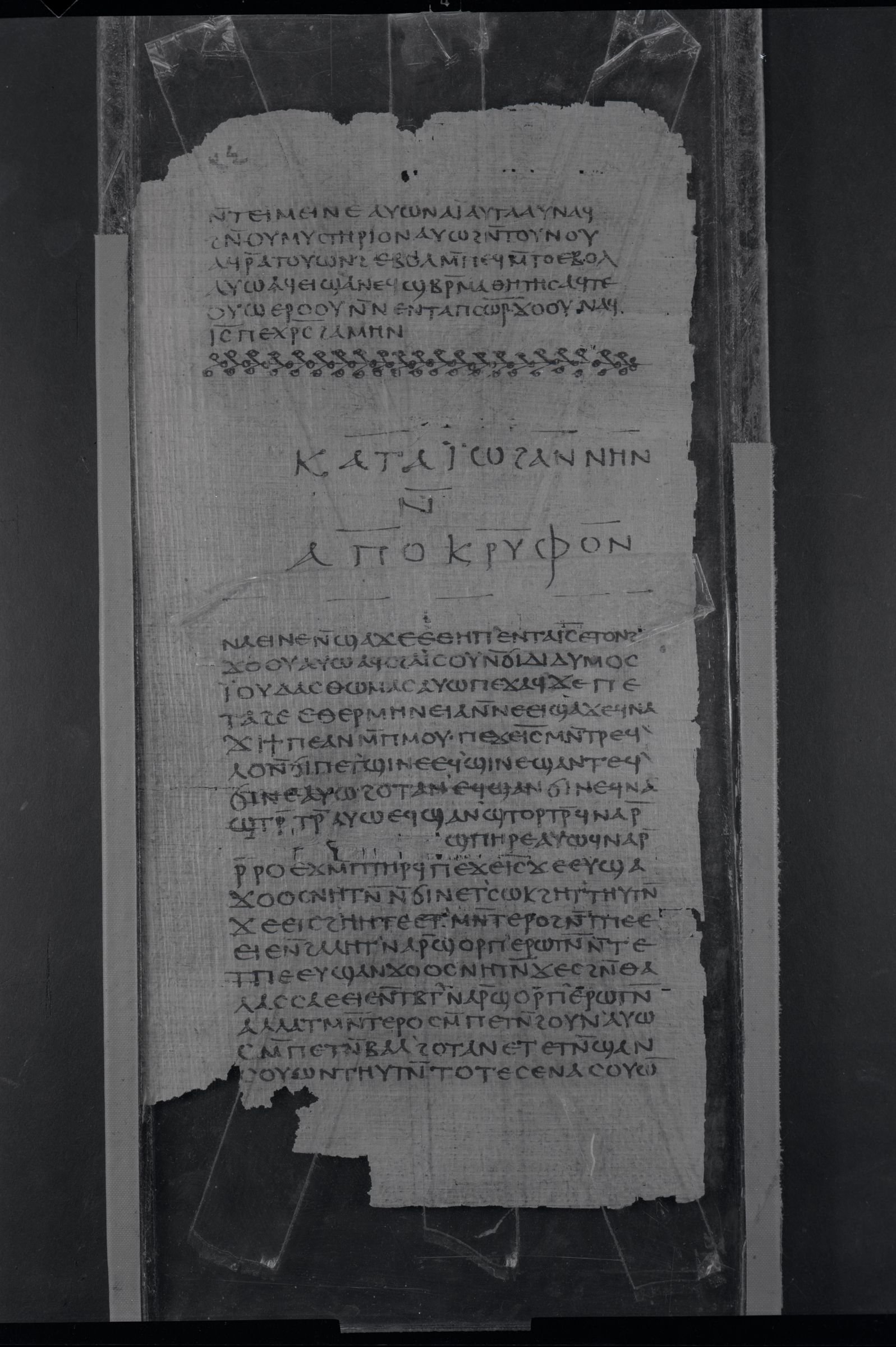
Photograph: Codex II page 32, A-Series negative by Basile Psiroukis, Facsimile Edition p. 42, CCDL nha 2859; Nag Hammadi Archive of the Institute for Antiquity and Christianity, Claremont Colleges Digital Library. Checked on the photograph: page 32 line 10 begins 'ⲛⲁⲉⲓ ⲛⲉ ⲛ̄ϣⲁϫⲉ ⲉⲑⲏⲡ⳿ ⲉⲛⲧⲁⲓ︤ⲥ︥ ⲉⲧⲟⲛϩ' and line 27 reads 'ⲥⲟⲩⲱⲛⲧⲏⲩⲧⲛ̄ ⲧⲟⲧⲉ ⲥⲉⲛⲁⲥⲟⲩⲱ⳯' (the end of the Apocryphon of John (lines 1-6) and its title (lines 7-9) stand above; Thomas begins on the line below the title and runs 18 lines to the foot of the text).
How was this verified? (Provenance)
Where on the image
On page 32 lines 10-12 (Codex II page 32, A-Series negative by Basile Psiroukis, Facsimile Edition p. 42, CCDL nha 2859). Opens 'ⲛⲁⲉⲓ ⲛⲉ ⲛ̄ϣⲁϫⲉ ⲉⲑⲏⲡ⳿ ⲉⲛⲧⲁⲓ︤ⲥ︥ ⲉⲧⲟⲛϩ' at 32.10; ends 'ⲓ̈ⲟⲩⲇⲁⲥ ⲑⲱⲙⲁⲥ' at 32.12. Page and line breaks from the Coptic SCRIPTORIUM edition (pb/lb markup); the first and last line of each page were checked on the photograph.
32.10ⲛⲁⲉⲓ ⲛⲉ ⲛ̄ϣⲁϫⲉ ⲉⲑⲏⲡ⳿ ⲉⲛⲧⲁⲓ︤ⲥ︥ ⲉⲧⲟⲛϩ
32.11ϫⲟⲟⲩ ⲁⲩⲱ ⲁϥⲥϩⲁⲓ̈ⲥⲟⲩ ⲛ̄ϭⲓⲇⲓⲇⲩⲙⲟⲥ
32.12ⲓ̈ⲟⲩⲇⲁⲥ ⲑⲱⲙⲁⲥ
These are the hidden sayings that the living Jesus spoke and Didymos Judas Thomas wrote down.
Where on the image
On page 32 lines 12-14 (Codex II page 32, A-Series negative by Basile Psiroukis, Facsimile Edition p. 42, CCDL nha 2859). Opens 'ⲁⲩⲱ ⲡⲉϫⲁϥ ϫⲉⲡⲉ' at 32.12; ends 'ϫⲓϯⲡⲉ ⲁⲛ ⲙ̄ⲡⲙⲟⲩ ·' at 32.14. Page and line breaks from the Coptic SCRIPTORIUM edition (pb/lb markup); the first and last line of each page were checked on the photograph.
32.12ⲁⲩⲱ ⲡⲉϫⲁϥ ϫⲉⲡⲉ
32.13ⲧⲁϩⲉ ⲉⲑⲉⲣⲙⲏⲛⲉⲓⲁ ⲛ̄ⲛⲉⲉⲓϣⲁϫⲉ ϥⲛⲁ
32.14ϫⲓϯⲡⲉ ⲁⲛ ⲙ̄ⲡⲙⲟⲩ ·
And he said, "Whoever discovers the meaning of these sayings won't taste death."
Where on the image
On page 32 lines 14-19 (Codex II page 32, A-Series negative by Basile Psiroukis, Facsimile Edition p. 42, CCDL nha 2859). Opens 'ⲡⲉϫⲉⲓ︤ⲥ︥ ⲙⲛ̄ⲧⲣⲉϥ⳿' at 32.14; ends 'ⲣ̄ⲣ̄ⲟ ⲉϫⲙ̄ⲡⲧⲏⲣϥ' at 32.19. Page and line breaks from the Coptic SCRIPTORIUM edition (pb/lb markup); the first and last line of each page were checked on the photograph.
32.14ⲡⲉϫⲉⲓ︤ⲥ︥ ⲙⲛ̄ⲧⲣⲉϥ⳿
32.15ⲗⲟ ⲛ̄ϭⲓⲡⲉⲧ⳿ϣⲓⲛⲉ ⲉϥ⳿ϣⲓⲛⲉ ϣⲁⲛⲧⲉϥ⳿
32.16ϭⲓⲛⲉ ⲁⲩⲱ ϩⲟⲧⲁⲛ⳿ ⲉϥϣⲁⲛϭⲓⲛⲉ ϥⲛⲁ
32.17ϣⲧⲣ̄ⲧⲣ̄ ⲁⲩⲱ ⲉϥϣⲁⲛϣⲧⲟⲣⲧⲣ̄ ϥⲛⲁⲣ̄
32.18ϣⲡⲏⲣⲉ ⲁⲩⲱ ϥⲛⲁⲣ̄
32.19ⲣ̄ⲣ̄ⲟ ⲉϫⲙ̄ⲡⲧⲏⲣϥ
Jesus said, "Whoever seeks shouldn't stop until they find. When they find, they'll be disturbed. When they're disturbed, they'll be […] amazed, and reign over the All."
Where on the image
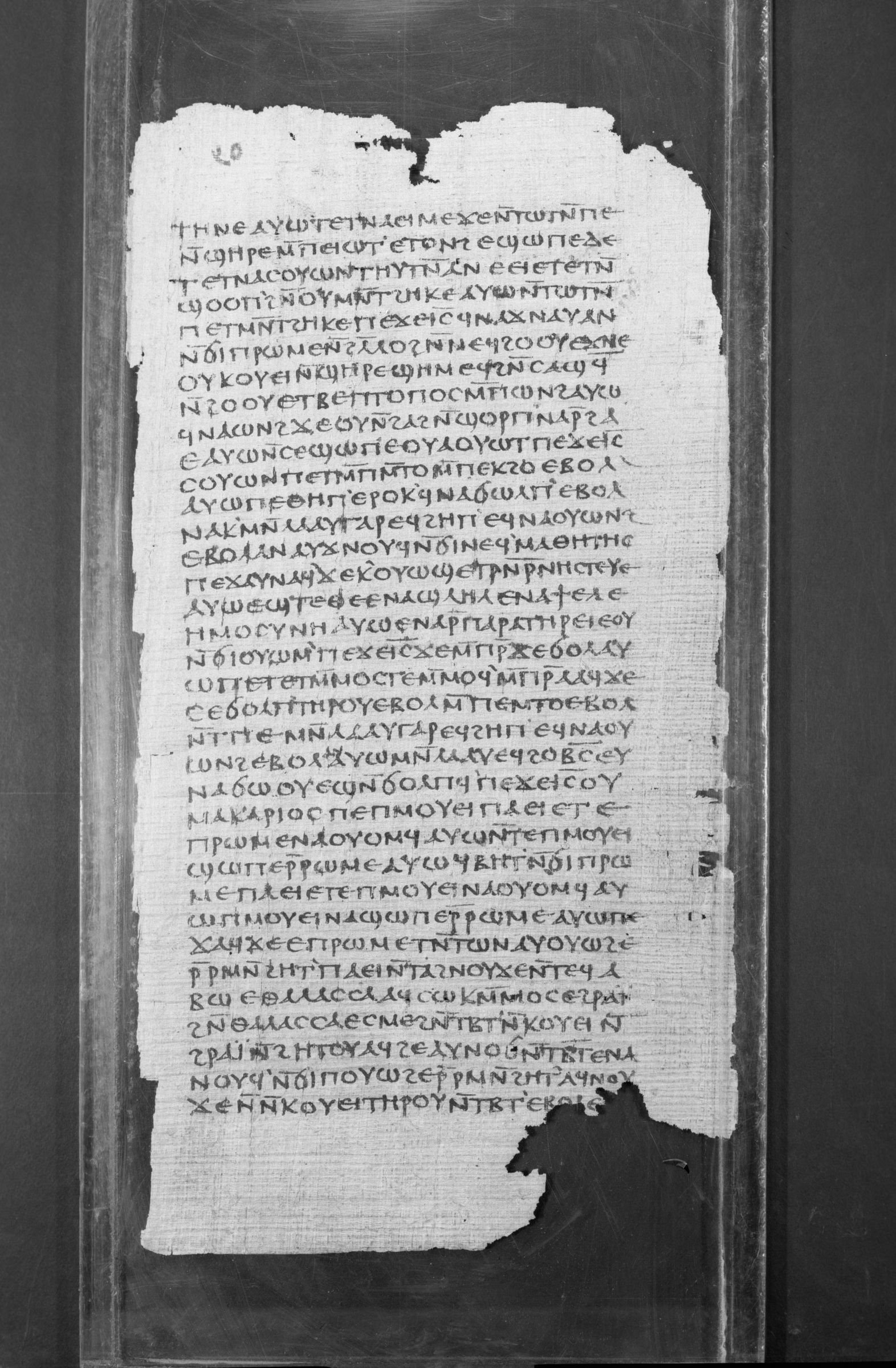
On page 32 lines 19-27; page 33 lines 1-5 (Codex II page 32, A-Series negative by Basile Psiroukis, Facsimile Edition p. 42, CCDL nha 2859; Codex II page 33, A-Series negative by Basile Psiroukis, Facsimile Edition p. 43, CCDL nha 2943). Opens 'ⲡⲉϫⲉⲓ︤ⲥ︥ ϫⲉⲉⲩϣⲁ' at 32.19; ends 'ⲡⲉ ⲧⲙⲛ̄ⲧϩⲏⲕⲉ' at 33.5. Page and line breaks from the Coptic SCRIPTORIUM edition (pb/lb markup); the first and last line of each page were checked on the photograph.
32.19ⲡⲉϫⲉⲓ︤ⲥ︥ ϫⲉⲉⲩϣⲁ
32.20ϫⲟⲟⲥ ⲛⲏⲧⲛ̄ ⲛ̄ϭⲓⲛⲉⲧ⳿ⲥⲱⲕ ϩⲏⲧ⳿ⲧⲏⲩⲧⲛ̄
32.21ϫⲉⲉⲓⲥϩⲏⲏⲧⲉ ⲉⲧ⳿ⲙⲛⲧⲉⲣⲟ ϩⲛ̄ⲧⲡⲉ ⲉⲉⲓⲉ
32.22ⲛ̄ϩⲁⲗⲏⲧ⳿ ⲛⲁ ⲣϣⲟⲣⲡ⳿ ⲉⲣⲱⲧⲛ̄ ⲛ̄ⲧⲉ
32.23ⲧⲡⲉ ⲉⲩϣⲁⲛϫⲟⲟⲥ ⲛⲏⲧⲛ ϫⲉⲥϩⲛ̄ⲑ
32.24ⲁⲗⲁⲥⲥⲁ ⲉⲉⲓⲉ ⲛ̄ⲧⲃⲧ⳿ ⲛⲁ ⲣ̄ϣⲟⲣⲡ⳿ ⲉⲣⲱⲧⲛ̄
32.25ⲁⲗⲗⲁ ⲧⲙⲛ̄ⲧⲉⲣⲟ ⲥⲙ̄ⲡⲉⲧⲛ̄ϩⲟⲩⲛ⳿ ⲁⲩⲱ
32.26ⲥⲙ̄ⲡⲉⲧⲛ̄ⲃⲁⲗ ϩⲟⲧⲁⲛ ⲉⲧⲉⲧⲛ̄ϣⲁⲛ
32.27ⲥⲟⲩⲱⲛⲧⲏⲩⲧⲛ̄ ⲧⲟⲧⲉ ⲥⲉⲛⲁⲥⲟⲩⲱ⳯
33.1ⲧⲏⲛⲉ ⲁⲩⲱ ⲧⲉⲧⲛⲁⲉⲓⲙⲉ ϫⲉⲛ̄ⲧⲱⲧⲛ̄ ⲡⲉ
33.2ⲛ̄ϣⲏⲣⲉ ⲙ̄ⲡⲉⲓⲱⲧ ⲉⲧⲟⲛϩ ⲉϣⲱⲡⲉ ⲇⲉ
33.3ⲧⲉⲧⲛⲁⲥⲟⲩⲱⲛⲧⲏⲩⲧⲛ̄ ⲁⲛ ⲉⲉⲓⲉ ⲧⲉⲧⲛ̄
33.4ϣⲟⲟⲡ⳿ ϩⲛ̄ⲟⲩⲙⲛ̄ⲧϩⲏⲕⲉ ⲁⲩⲱ ⲛ̄ⲧⲱⲧⲛ̄
33.5ⲡⲉ ⲧⲙⲛ̄ⲧϩⲏⲕⲉ
Jesus said, "If your leaders tell you, 'Look, the kingdom is in heaven,' then the birds of heaven will precede you. If they tell you, 'It's in the sea,' then the fish will precede you. Rather, the kingdom is within you and outside of you.
"When you know yourselves, then you'll be known, and you'll realize that you're the children of the living Father. But if you don't know yourselves, then you live in poverty, and you are the poverty."
Notes
- Coptic: Coptic SCRIPTORIUM edition (Paul C. Dilley), version 6.2.0, CC BY 4.0, shown in the manuscript's own spelling with words grouped as bound groups. Editorial signs are the edition's: square brackets mark letters lost in a gap (restored by the editor, or dots for the number of lost letters), a dot under a letter marks an uncertain reading, round brackets write out a letter abbreviated by a stroke at a line end, angle brackets mark letters added by the editor, curly brackets letters the editor removes, double square brackets letters erased by the scribe.
- The small numbers in the Coptic are codex page and line (page.line) as marked in the edition. Where a word is divided between two lines on the papyrus, the edition sometimes keeps the word whole on one line, so a line can begin a few letters earlier or later on the photograph (for example 39.33-34, and the page change inside saying 13).
- English: Mark M. Mattison, The Gospel of Thomas (public domain). Mattison's symbols: [ ] gap in the text, ( ) editorial insertion, / \ editorial correction of a scribal error. The saying headings are his.
Cite
Sources
- Source: Nag Hammadi Codex II page photographs (Claremont Colleges Digital Library, Nag Hammadi Archive) + Coptic SCRIPTORIUM edition by Paul Dilley (CC BY 4.0) + English by Mark M. Mattison (public domain) (holding institution)
- Critical edition: Coptic SCRIPTORIUM edition by Paul Dilley (v6.2.0, CC BY 4.0)
← previous · → next · v cycle view · l back to library