2 Kingdoms (2 Samuel), Chapter 12 (Codex Alexandrinus)
Introduction
2 Kingdoms (2 Samuel) 12 in the Greek Old Testament (the Septuagint) as written in Codex Alexandrinus, a Greek Bible copied in the fifth century, probably in Egypt, and now in the British Library (Royal MS 1 D. V, the first of its four volumes). It is one of the three great early codices of the whole Greek Bible, with Codex Vaticanus and Codex Sinaiticus.
This entry meets the strict three-criteria standard of the Theosis Library:
- Manuscript scan: the pages of Codex Alexandrinus carrying this chapter (fol. 188r, fol. 188v, fol. 189r), from the full-size photographic (autotype) facsimile published by the British Museum in 1879-1883, as digitised on the Internet Archive. The verse range of every page comes from the reduced photographic facsimile of 1930, which prints it beneath each plate, and the opening words of every page were read on the plate to confirm the page and the verse it begins with. Each section links to the page or pages that hold its verses. Folio numbers are those written at the head of each leaf and visible on the plates.
- Original text: Swete's edition, which here prints the text of Codex Vaticanus (Vat. gr. 1209), the base of his edition, and gives the readings of Alexandrinus only in his apparatus. The Greek column is therefore Vaticanus' text; where Alexandrinus differs, the plate shows what Alexandrinus reads.
- English translation: Sir Lancelot C. L. Brenton, The Septuagint Version of the Old Testament (1844; 1851 edition), a translation of the Greek, public domain, from the eBible.org text.
How was this verified? (Provenance)
Where on the image
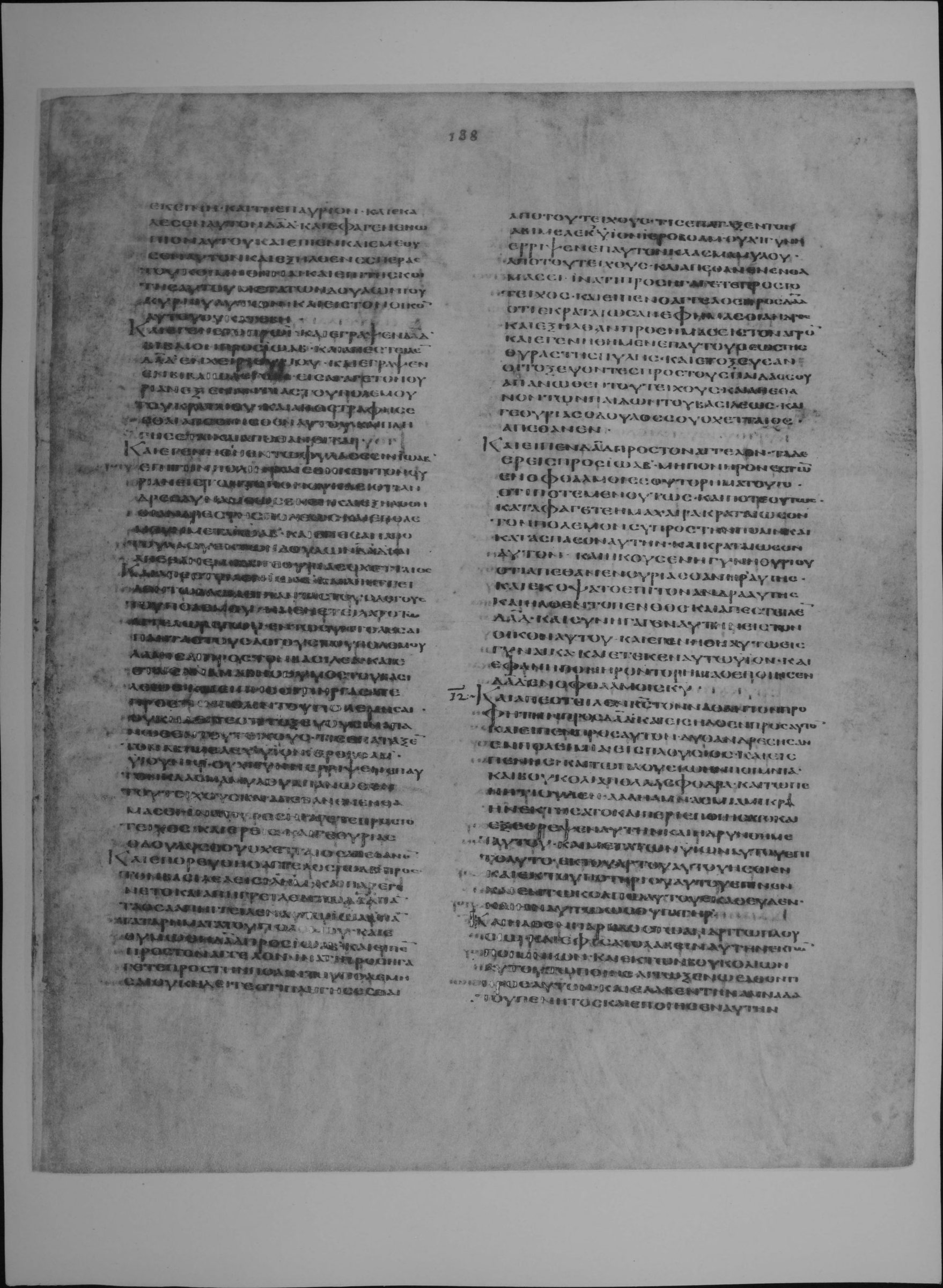
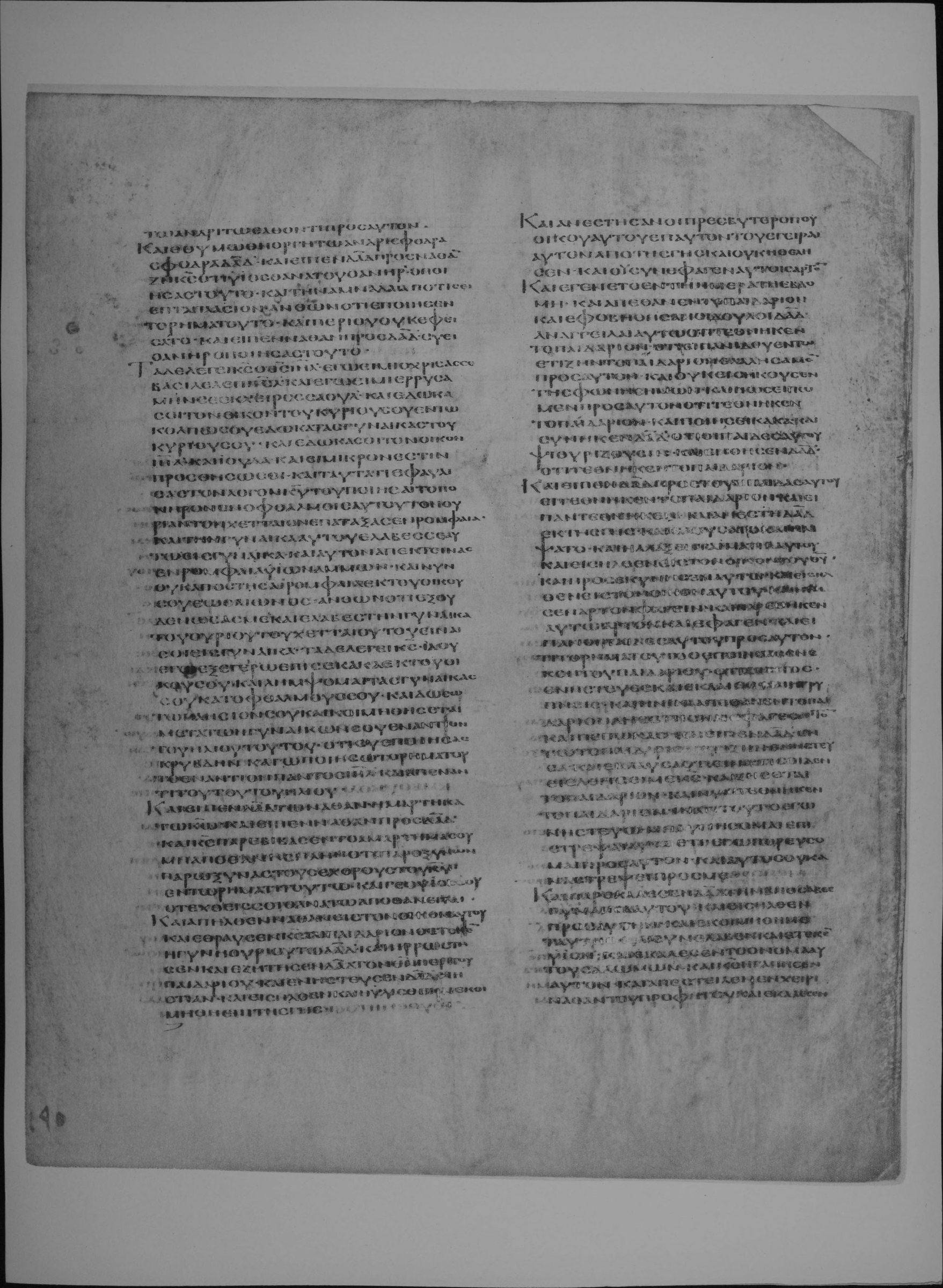
2 Kingdoms (2 Samuel) 12:1-4 is on fol. 188r (full-size facsimile of 1879-83, Internet Archive codex-alexandrinus leaf 394). The 1930 reduced facsimile prints beneath this page: 2 Sam. xi. 12-xii. 4. Checked on the plate: the page begins inside 2 Kingdoms (2 Samuel) 11:12 (first words read: ΚΑΙ ΤΗ ΕΠΑΥΡΙΟΝ ΚΑΙ ΕΚΑΛΕΣΕΝ ΑΥΤΟΝ ΔΑΥΕΙΔ ΚΑΙ ΕΦΑΓΕΝ ΕΝΩΠΙΟΝ ΑΥΤΟΥ). 2 Kingdoms (2 Samuel) 12:4-8 is on fol. 188v (full-size facsimile of 1879-83, Internet Archive codex-alexandrinus leaf 395). The 1930 reduced facsimile prints beneath this page: 2 Sam. xii. 4-25. Checked on the plate: the page begins inside 2 Kingdoms (2 Samuel) 12:4 (first words read: ΤΩ ΑΝΔΡΙ ΤΩ ΕΛΘΟΝΤΙ ΠΡΟΣ ΑΥΤΟΝ ΚΑΙ ΕΘΥΜΩΘΗ ΟΡΓΗ ΔΑΥΕΙΔ ΣΦΟΔΡΑ).
1Καὶ ἀπέστειλεν Κύριος τὸν Ναθὰν τὸν προφήτην πρὸς Δαυείδ, καὶ εἰσῆλθεν πρὸς αὐτὸν καὶ εἶπεν αὐτῷ Δύο ἦσαν ἄνδρες ἐν πόλει μιᾷ, εἷς πλούσιος καὶ εἷς πένης. 2καὶ τῷ πλουσίῳ ἦν ποίμνια καὶ βουκόλια πολλὰ σφόδρα· 3καὶ τῷ πένητι οὐδὲν ἀλλ᾽ ἢ ἀμνὰς μία μικρά, ἣν ἐκτήσατο καὶ περιεποιήσατο καὶ ἐξέθρεψεν αὐτήν, καὶ ἡδρύνθη μετ᾽ αὐτοῦ καὶ μετὰ τῶν υἱῶν αὐτοῦ ἐπὶ τὸ αὐτό· ἐκ τοῦ ἄρτου αὐτοῦ ἤσθιεν καὶ ἐκ τοῦ ποτηρίου αὐτοῦ ἔπινεν καὶ ἐν τῷ κόλπῳ αὐτοῦ ἐκάθευδεν καὶ ἦν αὐτῷ ὡς θυγάτηρ. 4καὶ ἦλθεν πάροδος τῷ ἀνδρὶ τῷ πλουσίῳ, καὶ ἐφείσατο λαβεῖν ἐκ τῶν ποιμνίων αὐτοῦ καὶ ἐκ τῶν βουκολίων αὐτοῦ τοῦ ποιῆσαι τῷ ξένῳ ὁδοιπόρῳ ἐλθόντι πρὸς αὐτόν, καὶ ἔλαβεν τὴν ἀμνάδα τοῦ πένητος καὶ ἐποίησεν αὐτὴν τῷ ἀνδρὶ τῷ ἐλθόντι πρὸς αὐτόν. 5καὶ ἐθυμώθη ὀργῇ Δαυεὶδ σφόδρα τῷ ἀνδρί, καὶ εἶπεν Δαυεὶδ πρὸς Ναθάν Ζῇ Κύριος, ὅτι υἱὸς θανάτου ὁ ἀνὴρ ὁ ποιήσας τοῦτο, 6καὶ τὴν ἀμνάδα ἀποτίσει ἑπταπλασίονα ἀνθ᾽ ὧν ὅτι ἐποίησεν τὸ ῥῆμα τοῦτο καὶ περὶ οὗ οὐκ ἐφείσατο. 7Καὶ εἶπεν Ναθὰν πρὸς Δαυείδ Σὺ εἶ ὁ ἀνὴρ ὁ ποιήσας τοῦτο· ὅτι τάδε λέγει Κύριος ὁ θεὸς Ἰσραήλ Ἐγώ εἰμι ὁ χρίσας σε εἰς βασιλέα ἐπὶ Ἰσραήλ, καὶ ἐγώ εἰμι ἐρυσάμην σε ἐκ χειρὸς Σαούλ· 8καὶ ἔδωκά σοι τὸν οἶκον τοῦ κυρίου σου καὶ τὰς γυναῖκας τοῦ κυρίου σου ἐν τῷ κόλπῳ σου, καὶ ἔδωκά σοι τὸν οἶκον Ἰσραὴλ καὶ Ἰούδα· καὶ εἰ μικρόν ἐστιν, προσθήσω σοι κατὰ ταῦτα.
1And the Lord sent Nathan the prophet to David; and he went in to him, and said to him, There were two men in one city, one rich and the other poor. 2And the rich man had very many flocks and herds. 3But the poor man had only one little ewe lamb, which he had purchased, and preserved, and reared; and it grew up with himself and his children in common; it ate of his bread and drank of his cup, and slept in his bosom, and was to him as a daughter. 4And a traveller came to the rich man, and he spared to take of his flocks and of his herds, to dress for the traveller that came to him; and he took the poor man's lamb, and dressed it for the man that came to him. 5And David was greatly moved with anger against the man; and David said to Nathan, As the Lord lives, the man that did this thing shall surely die. 6And he shall restore the lamb seven-fold, because he has not spared. 7And Nathan said to David, Thou art the man that has done this. Thus says the Lord God of Israel, I anointed thee to be king over Israel, and I rescued thee out of the hand of Saul; 8and I gave thee the house of thy lord, and the wives of thy lord into thy bosom, and I gave to thee the house of Israel and Juda; and if that had been little, I would have given thee yet more.
Where on the image
2 Kingdoms (2 Samuel) 12:9-16 is on fol. 188v (full-size facsimile of 1879-83, Internet Archive codex-alexandrinus leaf 395). The 1930 reduced facsimile prints beneath this page: 2 Sam. xii. 4-25. Checked on the plate: the page begins inside 2 Kingdoms (2 Samuel) 12:4 (first words read: ΤΩ ΑΝΔΡΙ ΤΩ ΕΛΘΟΝΤΙ ΠΡΟΣ ΑΥΤΟΝ ΚΑΙ ΕΘΥΜΩΘΗ ΟΡΓΗ ΔΑΥΕΙΔ ΣΦΟΔΡΑ).
9ὅτι ἐφαύλισας τὸν λόγον Κυρίου τοῦ ποιῆσαι τὸ πονηρὸν ἐν ὀφθαλμοῖς αὐτοῦ· τὸν Οὐρείαν τὸν Χετταῖον ἐπάταξας ἐν ῥομφαίᾳ, καὶ τὴν γυναῖκα αὐτοῦ ἔλαβες σεαυτῷ εἰς γυναῖκα, καὶ αὐτὸν ἀπέκτεινας ἐν ῥομφαίᾳ υἱῶν Ἀμμών· 10καὶ νῦν οὐκ ἀποστήσεται ῥομφαία ἐκ τοῦ οἴκου σου ἕως αἰῶνος, ἀνθ᾽ ὧν ὅτι ἐξουδένωσας, καὶ ἔλαβες τὴν γυναῖκα τοῦ Οὐρείου τοῦ Χετταίου τοῦ εἶναί σοι εἰς γυναῖκα. 11τάδε λέγει Κύριος Ἰδοὺ ἐγὼ ἐξεγείρω ἐπὶ σὲ κακὰ ἐκ τοῦ οἴκου σου, καὶ λήμψομαι τὰς γυναῖκάς σου κατ᾽ ὀφθαλμούς σου καὶ δώσω τῷ πλησίον σου, καὶ κοιμηθήσεται μετὰ τῶν γυναικῶν σου ἐναντίον τοῦ ἡλίου τούτου· 12ὅτι σὺ ἐποίησας κρυβῇ, κἀγὼ ποιήσω τὸ ῥῆμα τοῦτο ἐναντίον παντὸς Ἰσραὴλ καὶ ἀπέναντι τούτου τοῦ ἡλίου. 13Καὶ εἶπεν Δαυεὶδ τῷ Ναθάν Ἡμάρτηκα τῷ κυρίῳ. καὶ εἶπεν Ναθὰν πρὸς Δαυείδ Καὶ Κύριος παρεβίβασεν τὸ ἁμάρτημά σου· οὐ μὴ ἀποθάνῃς. 14πλὴν ὅτι παροξύνων παρώξυνας τοὺς ἐχθροὺς Κυρίου ἐν τῷ ῥήματι τούτῳ, καί γε ὁ υἱός σου ὁ τεχθείς σοι θανάτῳ ἀποθανεῖται. 15Καὶ ἀπῆλθεν Ναθὰν εἰς τὸν οἶκον αὐτοῦ· καὶ ἔθραυσεν Κύριος τὸ παιδίον ὃ ἔτεκεν ἡ γυνὴ Οὐρείου τῷ Δαυείδ, καὶ ἠρρώστησεν. 16καὶ ἐζήτησεν Δαυεὶδ τὸν θεὸν περὶ τοῦ παιδαρίου, καὶ ἐνήστευσεν Δαυεὶδ νηστείαν καὶ εἰσῆλθεν καὶ ηὐλίσθη ἐπὶ τῆς γῆς.
9Why hast thou set at nought the word of the Lord, to do that which is evil in his eyes? thou hast slain Urias the Chettite with the sword, and thou hast taken his wife to be thy wife, and thou hast slain him with the sword of the children of Ammon. 10Now therefore the sword shall not depart from thy house for ever, because thou hast set me at nought, and thou hast taken the wife of Urias the Chettite, to be thy wife. 11Thus says the Lord, Behold, I will raise up against thee evil out of thy house, and I will take thy wives before thine eyes, and will give them to thy neighbour, and he shall lie with thy wives in the sight of this sun. 12For thou didst it secretly, but I will do this thing in the sight of all Israel, and before this sun. 13And David said to Nathan, I have sinned against the Lord. And Nathan said to David, And the Lord has put away thy sin; thou shalt not die. 14Only because thou hast given great occasion of provocation to the enemies of the Lord by this thing, thy son also that is born to thee shall surely die. 15And Nathan departed to his house. And the Lord smote the child, which the wife of Urias the Chettite bore to David, and it was ill. 16And David enquired of God concerning the child, and David fasted, and went in and lay all night upon the ground.
Where on the image
2 Kingdoms (2 Samuel) 12:17-24 is on fol. 188v (full-size facsimile of 1879-83, Internet Archive codex-alexandrinus leaf 395). The 1930 reduced facsimile prints beneath this page: 2 Sam. xii. 4-25. Checked on the plate: the page begins inside 2 Kingdoms (2 Samuel) 12:4 (first words read: ΤΩ ΑΝΔΡΙ ΤΩ ΕΛΘΟΝΤΙ ΠΡΟΣ ΑΥΤΟΝ ΚΑΙ ΕΘΥΜΩΘΗ ΟΡΓΗ ΔΑΥΕΙΔ ΣΦΟΔΡΑ).
17καὶ ἀνέστησαν ἐπ᾽ αὐτὸν οἱ πρεσβύτεροι τοῦ οἴκου ἐγεῖραι αὐτὸν ἀπὸ τῆς γῆς, καὶ οὐκ ἠθέλησεν· καὶ οὐ συνέφαγεν αὐτοῖς ἄρτον. 18καὶ ἐγένετο ἐν τῇ ἡμέρᾳ τῇ ἑβδόμῃ καὶ ἀπέθανε τὸ παιδάριον· καὶ ἐφοβήθησαν οἱ δοῦλοι Δαυεὶδ ἀναγγεῖλαι αὐτῷ ὅτι τέθνηκεν τὸ παιδάριον, ὅτι εἶπαν Ἰδοὺ ἐν τῷ ἔτι τὸ παιδάριον ζῇν ἐλαλήσαμεν πρὸς αὐτόν, καὶ οὐκ εἰσήκουσεν τῆς φωνῆς ἡμῶν· καὶ πῶς εἴπωμεν πρὸς αὐτὸν ὅτι τέθνηκεν τὸ παιδάριον; καὶ ποιήσει κακά. 19καὶ συνῆκεν Δαυεὶδ ὅτι οἱ παῖδες αὐτοῦ ψιθυρίζουσιν, καὶ ἐνόησεν Δαυεὶδ ὅτι τέθνηκεν τὸ παιδάριον· καὶ εἶπεν Δαυεὶδ πρὸς τοὺς παῖδας αὐτοῦ Εἰ τέθνηκεν τὸ παιδάριον; καὶ εἶπαν Τέθνηκεν. 20καὶ ἀνέστη Δαυεὶδ ἐκ τῆς γῆς, καὶ ἐλούσατο καὶ ἠλείψατο καὶ ἤλλαξεν τὰ ἱμάτια αὐτοῦ, καὶ εἰσῆλθεν εἰς τὸν οἶκον τοῦ θεοῦ καὶ προσεκύνησεν αὐτῷ· καὶ εἰσῆλθεν εἰς τὸν οἶκον αὐτοῦ, καὶ ᾔτησεν ἄρτον φαγεῖν, καὶ παρέθηκαν αὐτῷ ἄρτον καὶ ἔφαγεν. 21καὶ εἶπαν οἱ παῖδες αὐτοῦ πρὸς αὐτόν Τί τὸ ῥῆμα τοῦτο ὃ ἐποίησας; ἕνεκα τοῦ παιδαρίου ἔτι ζῶντος ἐνήστευες καὶ ἔκλαιες καὶ ἠγρύπνεις· καὶ ἡνίκα ἀπέθανεν τὸ παιδάριον, ἀνέστης καὶ ἔφαγες ἄρτον καὶ πέπωκας. 22καὶ εἶπεν Δαυείδ Ἐν τῷ τὸ παιδάριον ἔτι ζῇν ἐνήστευσα καὶ ἔκλαυσα, ὅτι εἶπα Τίς οἶδεν εἰ ἐλεήσει με Κύριος, καὶ ζήσεται τὸ παιδάριον; 23καὶ νῦν τέθνηκεν, ἵνα τί τοῦτο ἐγὼ νηστεύω; μὴ δυνήσομαι αὐτὸ ἐπιστρέψαι ἔτι; ἐγὼ πορεύσομαι πρὸς αὐτόν, καὶ αὐτὸς οὐκ ἀναστρέψει πρὸς μέ. 24καὶ παρεκάλεσεν Δαυεὶδ Βηρσάβεε τὴν γυναῖκα αὐτοῦ, καὶ εἰσῆλθεν πρὸς αὐτὴν καὶ ἐκοιμήθη μετ᾽ αὐτῆς· καὶ συνέλαβεν καὶ ἔτεκεν υἱόν, καὶ ἐκάλεσεν τὸ ὄνομα αὐτοῦ Σαλωμών, καὶ Κύριος ἠγάπησεν αὐτόν.
17And the elders of his house arose and went to him to raise him up from the ground, but he would not rise, nor did he eat bread with them. 18And it came to pass on the seventh day that the child died: and the servants of David were afraid to tell him that the child was dead; for they said, Behold, while the child was yet alive we spoke to him, and he hearkened not to our voice; and how should we tell him that the child is dead?—so would he do himself harm. 19And David understood that his servants were whispering, and David perceived that the child was dead: and David said to his servants, Is the child dead? and they said, He is dead. 20Then David rose up from the earth, and washed, and anointed himself, and changed his raiment, and went into the house of God, and worshipped him; and went into his own house, and called for bread to eat, and they set bread before him and he ate. 21And his servants said to him, What is this thing that thou hast done concerning the child? while it was yet living thou didst fast, and weep, and watch: and when the child was dead thou didst rise up, and didst eat bread, and drink. 22And David said, While the child yet lived, I fasted and wept; for I said, Who knows if the Lord will pity me, and the child live? 23But now it is dead, why should I fast thus? shall I be able to bring him back again? I shall go to him, but he shall not return to me. 24And David comforted Bersabee his wife, and he went in to her, and lay with her; and she conceived and bore a son, and he called his name Solomon, and the Lord loved him.
Where on the image
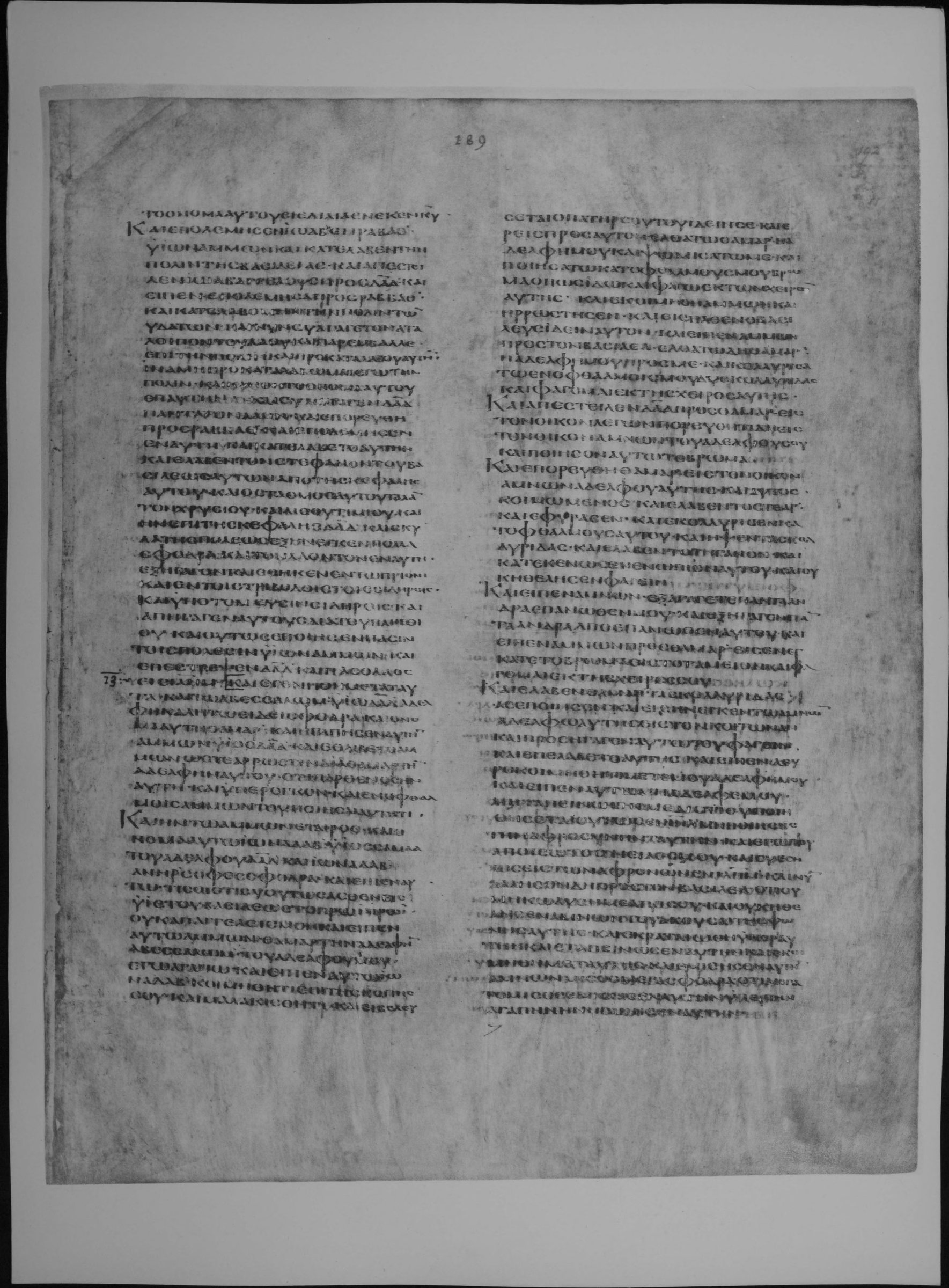
2 Kingdoms (2 Samuel) 12:25 is on fol. 188v (full-size facsimile of 1879-83, Internet Archive codex-alexandrinus leaf 395). The 1930 reduced facsimile prints beneath this page: 2 Sam. xii. 4-25. Checked on the plate: the page begins inside 2 Kingdoms (2 Samuel) 12:4 (first words read: ΤΩ ΑΝΔΡΙ ΤΩ ΕΛΘΟΝΤΙ ΠΡΟΣ ΑΥΤΟΝ ΚΑΙ ΕΘΥΜΩΘΗ ΟΡΓΗ ΔΑΥΕΙΔ ΣΦΟΔΡΑ). 2 Kingdoms (2 Samuel) 12:25-31 is on fol. 189r (full-size facsimile of 1879-83, Internet Archive codex-alexandrinus leaf 396). The 1930 reduced facsimile prints beneath this page: 2 Sam. xii. 25-xiii. 15. Checked on the plate: the page begins inside 2 Kingdoms (2 Samuel) 12:25 (first words read: ΤΟ ΟΝΟΜΑ ΑΥΤΟΥ ΙΔΕΔΙΑ ΕΝΕΚΕΝ ΚΥ ΚΑΙ ΕΠΟΛΕΜΗΣΕΝ ΙΩΑΒ ΕΝ ΡΑΒΒΑΘ).
25καὶ ἀπέστειλεν ἐν χειρὶ Ναθὰν τοῦ προφήτου, καὶ ἐκάλεσεν τὸ ὄνομα αὐτοῦ Ἰδεδεί, ἕνεκεν Κυρίου. 26Καὶ ἐπολέμησεν Ἰωὰβ ἐν Ῥαββὰθ υἱῶν Ἀμμών, καὶ κατέλαβεν τὴν πόλιν τῆς βασιλείας. 27καὶ ἀπέστειλεν Ἰωὰβ ἀγγέλους πρὸς Δαυεὶδ καὶ εἶπεν Ἐπολέμησα ἐν Ῥαββὰθ καὶ κατελαβόμην τὴν πόλιν τῶν ὑδάτων· 28καὶ νῦν συνάγαγε τὸ κατάλοιπον τοῦ λαοῦ, καὶ παρέμβαλε ἐπὶ τὴν πόλιν καὶ προκαταλαβοῦ αὐτήν· ἵνα μὴ προκαταλάβωμαι ἐγὼ τὴν πόλιν καὶ κληθῇ τὸ ὄνομά μου ἐπ᾽ αὐτήν. 29καὶ συνήγαγεν Δαυεὶδ πάντα τὸν λαὸν καὶ ἐπορεύθη εἰς Ῥαββάθ, καὶ ἐπολέμησεν ἐν αὐτῇ καὶ κατελάβετο αὐτήν. 30καὶ ἔλαβεν τὸν στέφανον Μελχὸλ τοῦ βασιλέως αὐτῶν ἀπὸ τῆς κεφαλῆς αὐτοῦ, καὶ ὁ σταθμὸς αὐτοῦ τάλαντον χρυσίου καὶ λίθου τιμίου, καὶ ἦν ἐπὶ τῆς κεφαλῆς Δαυείδ· καὶ σκῦλα τῆς πόλεως ἐξήνεγκεν πολλὰ σφόδρα. 31καὶ τὸν λαὸν τὸν ὄντα ἐν αὐτῇ ἐξήγαγεν καὶ ἔθηκεν ἐν τῷ πρίονι καὶ ἐν τριβόλοις τοῖς σιδηροῖς καὶ διήγαγεν αὐτοὺς διὰ τοῦ πλινθείου· καὶ οὕτως ἐποίησεν πάσαις ταῖς πόλεσιν υἱῶν Ἀμμών. καὶ ἐπέστρεψεν Δαυεὶδ καὶ πᾶς ὁ λαὸς εἰς Ἰερουσαλήμ.
25And he sent by the hand of Nathan the prophet, and called his name Jeddedi, for the Lord's sake. 26And Joab fought against Rabbath of the children of Ammon, and took the royal city. 27And Joab sent messengers to David, and said, I have fought against Rabbath, and taken the city of waters. 28And now gather the rest of the people, and encamp against the city, and take it beforehand; lest I take the city first, and my name be called upon it. 29And David gathered all the people, and went to Rabbath, and fought against it, and took it. 30And he took the crown of Molchom their king from off his head, and the weight of it was a talent of gold, with precious stones, and it was upon the head of David; and he carried forth very much spoil of the city. 31And he brought forth the people that were in it, and put them under the saw, and under iron harrows, and axes of iron, and made them pass through the brick-kiln: and thus he did to all the cities of the children of Ammon. And David and all the people returned to Jerusalem.
Cite
Sources
- Source: Codex Alexandrinus (British Library Royal MS 1 D. V) via the British Museum photographic facsimiles of 1879-83 and 1930 (Internet Archive) + Swete's Septuagint + Brenton's English (holding institution)
- Critical edition: H. B. Swete, The Old Testament in Greek according to the Septuagint (1909)
← previous · → next · v cycle view · l back to library