2 Kingdoms (2 Samuel), Chapter 3 (Codex Alexandrinus)
Introduction
2 Kingdoms (2 Samuel) 3 in the Greek Old Testament (the Septuagint) as written in Codex Alexandrinus, a Greek Bible copied in the fifth century, probably in Egypt, and now in the British Library (Royal MS 1 D. V, the first of its four volumes). It is one of the three great early codices of the whole Greek Bible, with Codex Vaticanus and Codex Sinaiticus.
This entry meets the strict three-criteria standard of the Theosis Library:
- Manuscript scan: the pages of Codex Alexandrinus carrying this chapter (fol. 183v, fol. 184r, fol. 184v), from the full-size photographic (autotype) facsimile published by the British Museum in 1879-1883, as digitised on the Internet Archive. The verse range of every page comes from the reduced photographic facsimile of 1930, which prints it beneath each plate, and the opening words of every page were read on the plate to confirm the page and the verse it begins with. Each section links to the page or pages that hold its verses. Folio numbers are those written at the head of each leaf and visible on the plates.
- Original text: Swete's edition, which here prints the text of Codex Vaticanus (Vat. gr. 1209), the base of his edition, and gives the readings of Alexandrinus only in his apparatus. The Greek column is therefore Vaticanus' text; where Alexandrinus differs, the plate shows what Alexandrinus reads.
- English translation: Sir Lancelot C. L. Brenton, The Septuagint Version of the Old Testament (1844; 1851 edition), a translation of the Greek, public domain, from the eBible.org text.
How was this verified? (Provenance)
Where on the image
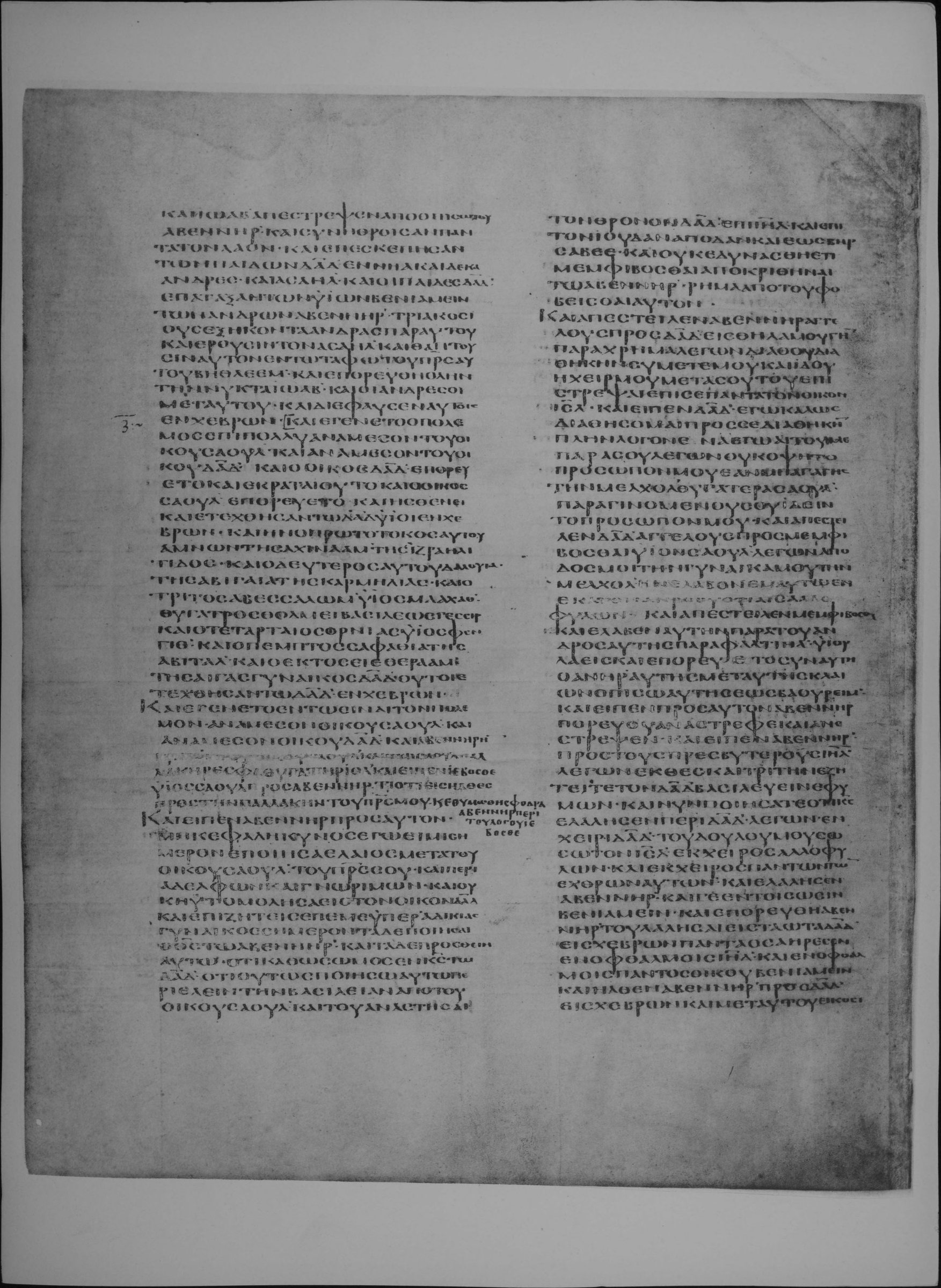
2 Kingdoms (2 Samuel) 3:1-8 is on fol. 183v (full-size facsimile of 1879-83, Internet Archive codex-alexandrinus leaf 385). The 1930 reduced facsimile prints beneath this page: 2 Sam. ii. 30-iii. 20. Checked on the plate: the page begins at the start of 2 Kingdoms (2 Samuel) 2:30 (first words read: ΚΑΙ ΙΩΑΒ ΑΝΕΣΤΡΕΨΕΝ ΑΠΟ ΟΠΙΣΘΕΝ ΑΒΕΝΝΗΡ ΚΑΙ ΣΥΝΗΘΡΟΙΣΕΝ ΠΑΝΤΑ ΤΟΝ ΛΑΟΝ).
1Καὶ ἐγένετο ὁ πόλεμος ἐπὶ πολὺ ἀνὰ μέσον τοῦ οἴκου Σαοὺλ καὶ ἀνὰ μέσον τοῦ οἴκου Δαυείδ· καὶ ὁ οἶκος Δαυεὶδ ἐπορεύετο καὶ ἐκραταιοῦτο, καὶ ὁ οἶκος Σαοὺλ ἐπορεύετο καὶ ἠσθένει. 2Καὶ ἐτέχθησαν τῷ Δαυεὶδ υἱοὶ ἐν Χεβρών, καὶ ἦν ὁ πρωτότοκος αὐτοῦ Ἀμνὼν τῆς Ἀχεινόομ τῆς Ἰσραηλίτιδος, 3καὶ ὁ δεύτερος αὐτοῦ Δαλουιὰ τῆς Ἀβειγαίας τῆς Καρμηλίας, καὶ ὁ τρίτος Ἀβεσσαλὼμ υἱὸς Μααχὰ θυγατρὸς Θομμεὶ βασιλέως Γεσείρ, 4καὶ ὁ τέταρτος Ὀρνεὶλ υἱὸς Φεγγείθ, καὶ ὁ πέμπτος Σαβατειὰ τῆς Ἀβειτάλ, 5καὶ ὁ ἕκτος Ἰεθεραὰμ τῆς Αἰγὰλ γυναικὸς Δαυείδ· οὗτοι ἐτέχθησαν τῷ Δαυεὶδ ἐν Χεβρών. 6Καὶ ἐγένετο ἐν τῷ εἶναι τὸν πόλεμον ἀνὰ μέσον τοῦ οἴκου Σαοὺλ καὶ ἀνὰ μέσον τοῦ οἴκου Δαυείδ, καὶ Ἀβεννὴρ ἦν κρατῶν τοῦ οἴκου Σαούλ. 7καὶ τῷ Σαοὺλ παλλακὴ Ῥεσφὰ θυγάτηρ Ἰάλ· καὶ εἶπεν Μεμφιβόσθε υἱὸς Σαοὺλ πρὸς Ἀβεννήρ Τί ὅτι εἰσῆλθες πρὸς τὴν παλλακὴν τοῦ πατρός μου; 8καὶ ἐθυμώθη σφόδρα Ἀβεννὴρ περὶ τοῦ λόγου Μεμφιβόσθε καὶ εἶπεν Ἀβεννὴρ πρὸς αὐτόν Μὴ κεφαλὴ κυνὸς ἐγώ εἰμι; ἐποίησα ἔλεος σήμερον μετὰ τοῦ οἴκου Σαοὺλ τοῦ πατρός σου καὶ περὶ ἀδελφῶν καὶ γνωρίμων, καὶ οὐκ ηὐτομόλησα εἰς τὸν οἶκον Δαυείδ· καὶ ἐπιζητεῖς ἐπ᾽ ἐμὲ ὑπὲρ ἀδικίας γυναικὸς σήμερον;
1And there was war for a long time between the house of Saul and the house of David; and the house of David grew continually stronger; but the house of Saul grew continually weaker. 2And sons were born to David in Chebron: and his first-born was Amnon the son of Achinoom the Jezraelitess. 3And his second son was Daluia, the son of Abigaia the Carmelitess; and the third, Abessalom the son of Maacha the daughter of Tholmi the king of Gessir. 4And the fourth was Ornia, the son of Aggith, and the fifth was Saphatia, the son of Abital. 5And the sixth was Jetheraam, the son of Ægal the wife of David. These were born to David in Chebron. 6And it came to pass while there was war between the house of Saul and the house of David, that Abenner was governing the house of Saul. 7And Saul had a concubine, Respha, the daughter of Jol; and Jebosthe the son of Saul said to Abenner, Why hast thou gone in to my father's concubine? 8And Abenner was very angry with Jebosthe for this saying; and Abenner said to him, Am I a dog's head? I have this day wrought kindness with the house of Saul thy father, and with his brethren and friends, and have not gone over to the house of David, and dost thou this day seek a charge against me concerning injury to a woman?
Where on the image
2 Kingdoms (2 Samuel) 3:9-16 is on fol. 183v (full-size facsimile of 1879-83, Internet Archive codex-alexandrinus leaf 385). The 1930 reduced facsimile prints beneath this page: 2 Sam. ii. 30-iii. 20. Checked on the plate: the page begins at the start of 2 Kingdoms (2 Samuel) 2:30 (first words read: ΚΑΙ ΙΩΑΒ ΑΝΕΣΤΡΕΨΕΝ ΑΠΟ ΟΠΙΣΘΕΝ ΑΒΕΝΝΗΡ ΚΑΙ ΣΥΝΗΘΡΟΙΣΕΝ ΠΑΝΤΑ ΤΟΝ ΛΑΟΝ).
9τάδε ποιήσαι ὁ θεὸς τῷ Ἀβεννὴρ καὶ τάδε προσθείη αὐτῷ, ὅτι καθὼς ὤμοσεν Κύριος τῷ Δαυείδ, ὅτι οὕτως ποιήσω αὐτῷ ἐν τῇ ἡμέρᾳ ταύτῃ· 10περιελεῖν τὴν βασιλείαν ἀπὸ τοῦ οἴκου Σαούλ, καὶ τοῦ ἀναστῆσαι τὸν θρόνον Δαυεὶδ ἐπὶ Ἰσραὴλ καὶ ἐπὶ τὸν Ἰούδαν ἀπὸ Δὰν ἕως Βηρσάβεε. 11καὶ οὐκ ἠδυνάσθη ἔτι Μεμφιβόσθε ἀποκριθῆναι τῷ Ἀβεννὴρ ῥῆμα ἀπὸ τοῦ φοβεῖσθαι αὐτόν. 12Καὶ ἀπέστειλεν Ἀβεννὴρ ἀγγέλους πρὸς Δαυεὶδ εἰς Θαιλὰμ οὗ ἦν παραχρῆμα λέγων Διάθου διαθήκην σου μετ᾽ ἐμοῦ, καὶ ἰδοὺ ἡ χείρ μου μετὰ σοῦ ἐπιστρέψαι πρὸς σὲ πάντα τὸν οἶκον Ἰσραήλ. 13καὶ εἶπεν Δαυείδ Ἐγὼ καλῶς διαθήσομαι πρὸς σὲ διαθήκην, πλὴν λόγον ἕνα ἐγὼ αἰτοῦμαι παρὰ σοῦ λέγων Οὐκ ὄψει τὸ πρόσωπόν μου ἐὰν μὴ ἀγάγῃς τὴν Μελχὸλ θυγατέρα Σαούλ, παραγινομένου ἰδεῖν τὸ πρόσωπόν μου. 14καὶ ἐξαπέστειλεν Δαυεὶδ πρὸς Μεμφιβόσθε υἱὸν Σαοὺλ ἀγγέλους λέγων Ἀπόδος μοι τὴν γυναῖκά μου τὴν Μελχόλ, ἣν ἔλαβον ἐν ἑκατὸν ἀκροβυστίαις ἀλλοφύλων. 15καὶ ἀπέστειλεν Μεμφιβόσθε καὶ ἔλαβεν αὐτὴν παρὰ τοῦ ἀνδρὸς αὐτῆς, παρὰ Φαλτιὴλ υἱοῦ Σελλής. 16καὶ ἐπορεύετο ὁ ἀνὴρ αὐτῆς μετ᾽ αὐτῆς κλαίων ὀπίσω αὐτῆς ἕως Βαρακεί· καὶ εἶπεν πρὸς αὐτὸν Ἀβεννήρ Πορεύου, ἀνάστρεφε· καὶ ἀνέστρεψεν.
9God do thus and more also to Abenner, if as the Lord swore to David, so do I not to him this day; 10to take away the kingdom from the house of Saul, and to raise up the throne of David over Israel and over Juda from Dan to Bersabee. 11And Jebosthe could not any longer answer Abenner a word, because he feared him. 12And Abenner sent messengers to David to Thælam where he was, immediately, saying, Make thy covenant with me, and, behold, my hand is with thee to bring back to thee all the house of Israel. 13And David said, With a good will I will make with thee a covenant: only I demand one condition of thee, saying, Thou shalt not see my face, unless thou bring Melchol the daughter of Saul, when thou comest to see my face. 14And David sent messengers to Jebosthe the son of Saul, saying, Restore me my wife Melchol, whom I took for a hundred foreskins of the Philistines. 15And Jebosthe sent, and took her from her husband, even from Phaltiel the son of Selle. 16And her husband went with her weeping behind her as far as Barakim. And Abenner said to him, Go, return; and he returned.
Where on the image
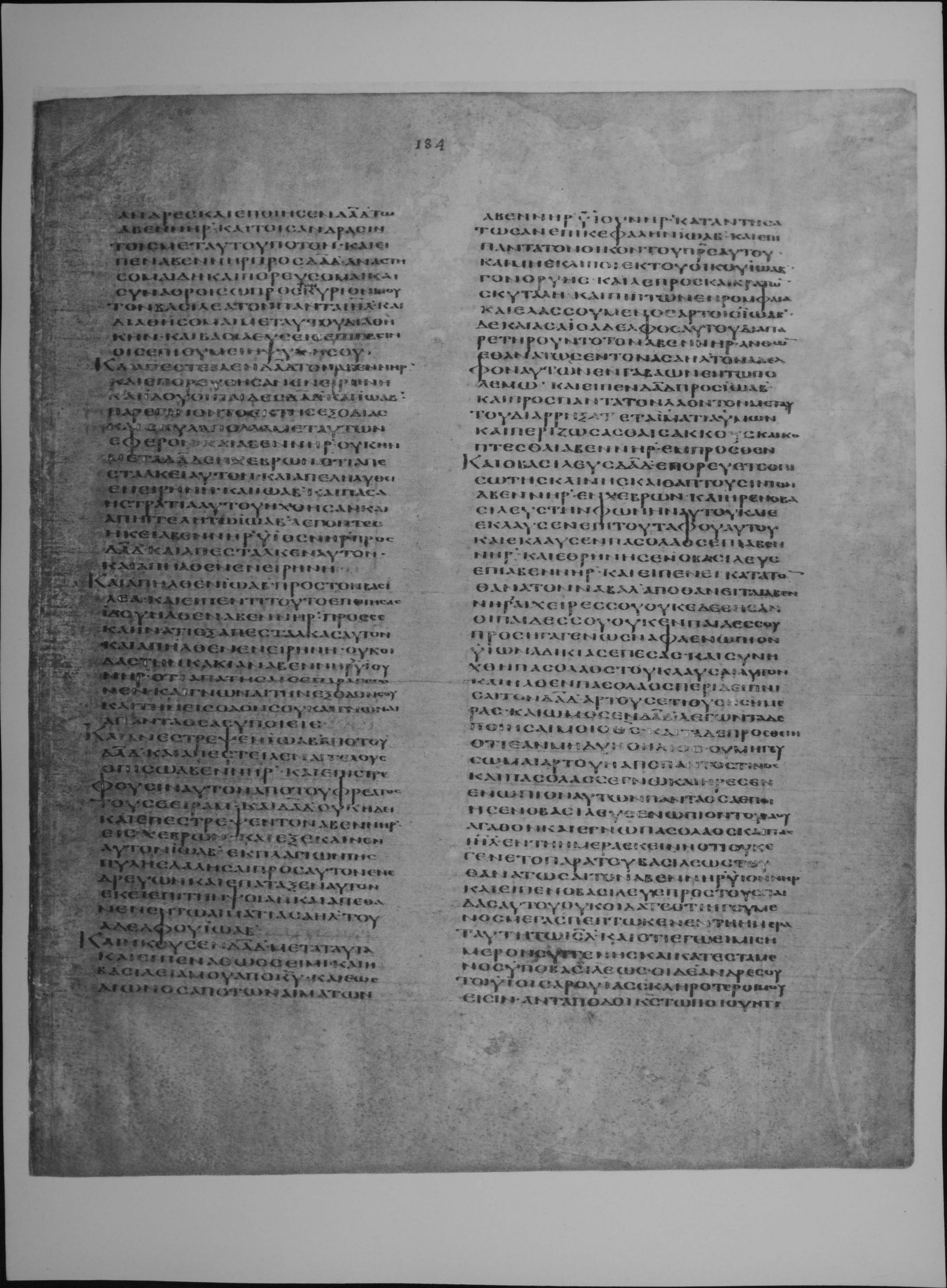
2 Kingdoms (2 Samuel) 3:17-20 is on fol. 183v (full-size facsimile of 1879-83, Internet Archive codex-alexandrinus leaf 385). The 1930 reduced facsimile prints beneath this page: 2 Sam. ii. 30-iii. 20. Checked on the plate: the page begins at the start of 2 Kingdoms (2 Samuel) 2:30 (first words read: ΚΑΙ ΙΩΑΒ ΑΝΕΣΤΡΕΨΕΝ ΑΠΟ ΟΠΙΣΘΕΝ ΑΒΕΝΝΗΡ ΚΑΙ ΣΥΝΗΘΡΟΙΣΕΝ ΠΑΝΤΑ ΤΟΝ ΛΑΟΝ). 2 Kingdoms (2 Samuel) 3:20-24 is on fol. 184r (full-size facsimile of 1879-83, Internet Archive codex-alexandrinus leaf 386). The 1930 reduced facsimile prints beneath this page: 2 Sam. iii. 20-39. Checked on the plate: the page begins inside 2 Kingdoms (2 Samuel) 3:20 (first words read: ΑΝΔΡΕΣ ΚΑΙ ΕΠΟΙΗΣΕΝ ΔΑΥΕΙΔ ΤΩ ΑΒΕΝΝΗΡ ΚΑΙ ΤΟΙΣ ΑΝΔΡΑΣΙΝ ΤΟΙΣ ΜΕΤ ΑΥΤΟΥ ΠΟΤΟΝ).
17Καὶ εἶπεν Ἀβεννὴρ πρὸς τοὺς πρεσβυτέρους Ἰσραὴλ λέγων Ἐχθὲς καὶ τρίτην ἐζητεῖτε τὸν Δαυεὶδ βασιλεύειν ἐφ᾽ ὑμῶν. 18καὶ νῦν ποιήσατε, ὅτι Κύριος ἐλάλησεν περὶ Δαυεὶδ λέγων Ἐν χειρὶ τοῦ δούλου μου Δαυεὶδ σώσω τὸν Ἰσραὴλ ἐκ χειρὸς ἀλλοφύλων καὶ ἐκ χειρὸς πάντων τῶν ἐχθρῶν αὐτῶν. 19καὶ ἐλάλησεν Ἀβεννὴρ ἐν τοῖς ὠσὶν Βενιαμείν, καὶ ἐπορεύθη Ἀβεννὴρ τοῦ λαλῆσαι εἰς τὰ ὦτα τοῦ Δαυεὶδ εἰς Χεβρὼν πάντα ὅσα ἤρεσεν ἐν ὀφθαλμοῖς Ἰσραὴλ καὶ ἐν ὀφθαλμοῖς παντὸς οἴκου Βενιαμείν. 20καὶ ἦλθεν Ἀβεννὴρ πρὸς Δαυεὶδ εἰς Χεβρὼν καὶ μετ᾽ αὐτοῦ εἴκοσι ἄνδρες· καὶ ἐποίησεν Δαυεὶδ τῷ Ἀβεννὴρ καὶ τοῖς ἀνδράσιν τοῖς μετ᾽ αὐτοῦ πότον. 21καὶ εἶπεν Ἀβεννὴρ πρὸς Δαυείδ Ἀναστήσομαι δὴ καὶ πορεύσομαι, καὶ συναθροίσω πρὸς κύριόν μου τὸν βασιλέα πάντα Ἰσραήλ, καὶ διαθήσομαι μετ᾽ αὐτοῦ διαθήκην, καὶ βασιλεύσεις ἐπὶ πᾶσιν οἷς ἐπιθυμεῖ ἡ ψυχή σου. καὶ ἀπέστειλεν Δαυεὶδ τὸν Ἀβεννήρ, καὶ ἐπορεύθησαν ἐν εἰρήνῃ. 22καὶ ἰδοὺ οἱ παῖδες Δαυεὶδ καὶ Ἰωὰβ παρεγίνοντο ἐκ τῆς ἐξοδίας, καὶ σκῦλα πολλὰ ἔφεραν μετ᾽ αὐτῶν· καὶ Ἀβεννὴρ οὐκ ἦν μετὰ Δαυεὶδ εἰς Χεβρών, ὅτι ἀπεστάλκει αὐτὸν καὶ ἀπεληλύθει ἐν εἰρήνῃ. 23καὶ Ἰωὰβ καὶ πᾶσα ἡ στρατεία αὐτοῦ ἤχθησαν, καὶ ἀπηγγέλη τῷ Ἰωὰβ λέγοντες Ἥκει Ἀβεννὴρ υἱὸς Νὴρ πρὸς Δαυείδ, καὶ ἀπέσταλκεν αὐτὸν καὶ ἀπῆλθεν ἐν εἰρήνῃ. 24καὶ εἰσῆλθεν Ἰωὰβ πρὸς τὸν βασιλέα καὶ εἶπεν Τί τοῦτο ἐποίησας; ἰδοὺ ἦλθεν Ἀβεννὴρ πρὸς σέ, καὶ ἵνα τί ἐξαπέσταλκας αὐτὸν καὶ ἀπελήλυθεν ἐν εἰρήνῃ;
17And Abenner spoke to the elders of Israel, saying, In former days ye sought David to reign over you; 18and now perform it: for the Lord has spoken concerning David, saying, By the hand of my servant David I will save Israel out of the hand of all their enemies. 19And Abenner spoke in the ears of Benjamin: and Abenner went to speak in the ears of David at Chebron, all that seemed good in the eyes of Israel and in the eyes of the house of Benjamin. 20And Abenner came to David to Chebron, and with him twenty men: and David made for Abenner and his men with him a banquet of wine. 21And Abenner said to David, I will arise now, and go, and gather to my lord the king all Israel; and I will make with him a covenant, and thou shalt reign over all whom thy soul desires. And David sent away Abenner, and he departed in peace. 22And, behold, the servants of David and Joab arrived from their expedition, and they brought much spoil with them: and Abenner was not with David in Chebron, because he had sent him away, and he had departed in peace. 23And Joab and all his army came, and it was reported to Joab, saying, Abenner the son of Ner is come to David, and David has let him go, and he has departed in peace. 24And Joab went in to the king, and said, What is this that thou hast done? behold, Abenner came to thee; and why hast thou let him go, and he has departed in peace?
Where on the image
2 Kingdoms (2 Samuel) 3:25-32 is on fol. 184r (full-size facsimile of 1879-83, Internet Archive codex-alexandrinus leaf 386). The 1930 reduced facsimile prints beneath this page: 2 Sam. iii. 20-39. Checked on the plate: the page begins inside 2 Kingdoms (2 Samuel) 3:20 (first words read: ΑΝΔΡΕΣ ΚΑΙ ΕΠΟΙΗΣΕΝ ΔΑΥΕΙΔ ΤΩ ΑΒΕΝΝΗΡ ΚΑΙ ΤΟΙΣ ΑΝΔΡΑΣΙΝ ΤΟΙΣ ΜΕΤ ΑΥΤΟΥ ΠΟΤΟΝ).
25ἢ οὐκ οἶδας τὴν κακίαν Ἀβεννὴρ υἱοῦ Νήρ, ὅτι ἀπατῆσαί σε παρεγένετο καὶ γνῶναι τὴν ἔξοδόν σου καὶ τὴν εἴσοδόν σου καὶ γνῶναι ἅπαντα ὅσα σὺ ποιεῖς; 26καὶ ἀνέστρεψεν Ἰωάβ ἀπὸ τοῦ Δαυεὶδ καὶ ἀπέστειλεν ἀγγέλους ὀπίσω Ἀβεννήρ, καὶ ἐπιστρέφουσιν αὐτὸν ἀπὸ τοῦ φρέατος τοῦ Σεειράμ· καὶ Δαυεὶδ οὐκ ᾔδει. 27καὶ ἐπέστρεψεν τὸν Ἀβεννὴρ εἰς Χεβρών, καὶ ἐξέκλινεν αὐτὸν Ἰωὰβ ἐκ πλαγίων τῆς πύλης λαλῆσαι πρὸς αὐτόν, ἐνεδρεύων· καὶ ἐπάταξεν αὐτὸν ἐκεῖ εἰς τὴν ψόαν, καὶ ἀπέθανεν ἐν τῷ αἵματι Ἀσαὴλ τοῦ ἀδελφοῦ Ἰωάβ. 28καὶ ἤκουσεν Δαυεὶδ μετὰ ταῦτα καὶ εἶπεν Ἀθῷός εἰμι ἐγὼ καὶ ἡ βασιλεία μου ἀπὸ Κυρίου καὶ ἕως αἰῶνος ἀπὸ τῶν αἱμάτων Ἀβεννὴρ υἱοῦ Νήρ. 29καταντησάτωσαν ἐπὶ κεφαλὴν Ἰωὰβ καὶ ἐπὶ πάντα τὸν οἶκον τοῦ πατρὸς αὐτοῦ, καὶ μὴ ἐκλίποι ἐκ τοῦ οἴκου Ἰωὰβ γονορρυὴς καὶ λεπρὸς καὶ κρατῶν σκυτάλης καὶ πίπτων ἐν ῥομφαίᾳ καὶ ἐλασσούμενος ἄρτοις. 30Ἰωὰβ δὲ καὶ Ἀβεσσὰ ὁ ἀδελφὸς αὐτοῦ διεπαρετηροῦντο τὸν Ἀβεννὴρ ἀνθ᾽ ὧν ἐθανάτωσεν τὸν Ἀσαὴλ τὸν ἀδελφὸν αὐτῶν ἐν Γαβαὼν ἐν τῷ πολέμῳ. 31Καὶ εἶπεν Δαυεὶδ πρὸς Ἰωὰβ καὶ πρὸς πάντα τὸν λαὸν τὸν μετ᾽ αὐτοῦ Διαρρήξατε τὰ ἱμάτια ὑμῶν καὶ περιζώσασθε σάκκους καὶ κόπτεσθε ἐνώπιον Ἀβεννήρ· καὶ ὁ βασιλεὺς Δαυεὶδ ἐπορεύετο ὀπίσω τῆς κλίνης. 32καὶ θάπτουσιν τὸν Ἀβεννὴρ εἰς Χεβρών· καὶ ἦρεν ὁ βασιλεὺς τὴν φωνὴν αὐτοῦ καὶ ἔκλαυσεν ἐπὶ τοῦ τάφου αὐτοῦ, καὶ ἔκλαυσεν πᾶς ὁ λαὸς ἐπὶ Ἀβεννήρ.
25Knowest thou not the mischief of Abenner the son of Ner, that he came to deceive thee, and to know thy going out and thy coming in, and to know all things that thou doest? 26And Joab returned from David, and sent messengers to Abenner after him; and they bring him back from the well of Seïram: but David knew it not. 27And he brought back Abenner to Chebron, and Joab caused him to turn aside from the gate to speak to him, laying wait for him: and he smote him there in the loins, and he died for the blood of Asael the brother of Joab. 28And David heard of it afterwards, and said, I and my kingdom are guiltless before the Lord even for ever of the blood of Abenner the son of Ner. 29Let it fall upon the head of Joab, and upon all the house of his father; and let there not be wanting of the house of Joab one that has an issue, or a leper, or that leans on a staff, or that falls by the sword, or that wants bread. 30For Joab and Abessa his brother laid wait continually for Abenner, because he slew Asael their brother at Gabaon in the battle. 31And David said to Joab and to all the people with him, Rend your garments, and gird yourselves with sackcloth, and lament before Abenner. And king David followed the bier. 32And they bury Abenner in Chebron: and the king lifted up his voice, and wept at his tomb, and all the people wept for Abenner.
Where on the image
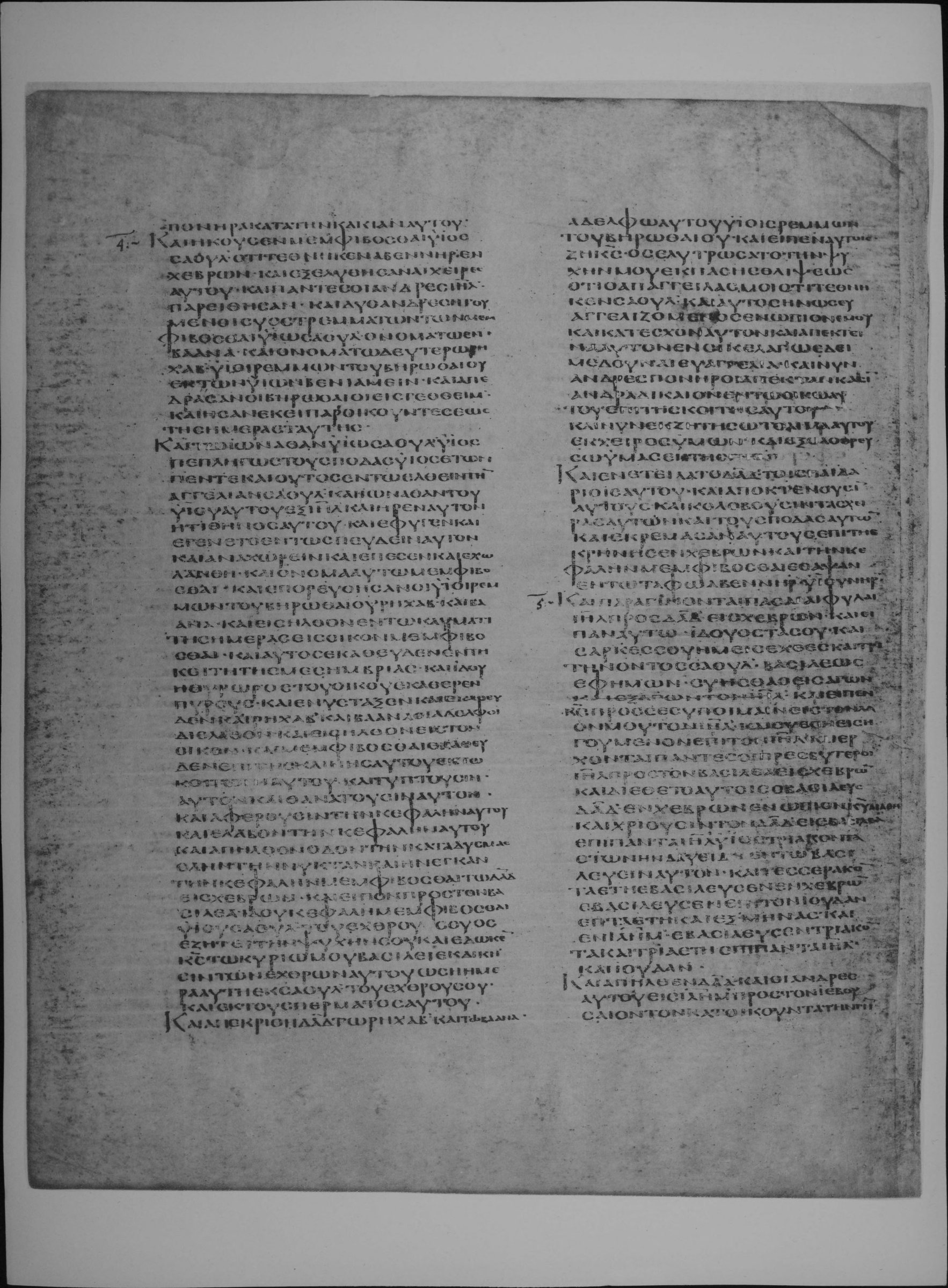
2 Kingdoms (2 Samuel) 3:33-39 is on fol. 184r (full-size facsimile of 1879-83, Internet Archive codex-alexandrinus leaf 386). The 1930 reduced facsimile prints beneath this page: 2 Sam. iii. 20-39. Checked on the plate: the page begins inside 2 Kingdoms (2 Samuel) 3:20 (first words read: ΑΝΔΡΕΣ ΚΑΙ ΕΠΟΙΗΣΕΝ ΔΑΥΕΙΔ ΤΩ ΑΒΕΝΝΗΡ ΚΑΙ ΤΟΙΣ ΑΝΔΡΑΣΙΝ ΤΟΙΣ ΜΕΤ ΑΥΤΟΥ ΠΟΤΟΝ). 2 Kingdoms (2 Samuel) 3:39 is on fol. 184v (full-size facsimile of 1879-83, Internet Archive codex-alexandrinus leaf 387). The 1930 reduced facsimile prints beneath this page: 2 Sam. iii. 39-v. 6. Checked on the plate: the page begins inside 2 Kingdoms (2 Samuel) 3:39 (first words read: ΠΟΝΗΡΑ ΚΑΤΑ ΤΗΝ ΚΑΚΙΑΝ ΑΥΤΟΥ ΚΑΙ ΗΚΟΥΣΕΝ ΜΕΜΦΙΒΟΣΘΕ ΥΙΟΣ ΣΑΟΥΛ).
33καὶ ἐθρήνησεν ὁ βασιλεὺς ἐπὶ Ἀβεννὴρ καὶ εἶπεν Εἰ κατὰ τὸν θάνατον Ναβὰλ ἀποθανεῖται Ἀβεννήρ; 34αἱ χεῖρές σου οὐκ ἐδέθησαν, οἱ πόδες σου οὐκ ἐν πέδαις· οὐ προσήγαγεν ὡς Ναβάλ, ἐνώπιον υἱῶν ἀδικίας ἔπεσας. καὶ συνήχθη πᾶς ὁ λαὸς τοῦ κλαῦσαι αὐτόν. 35καὶ ἦλθεν πᾶς ὁ λαὸς περιδειπνῆσαι τὸν Δαυεὶδ ἄρτοις ἔτι οὔσης ἡμέρας· καὶ ὤμοσεν Δαυεὶδ λέγων Τάδε ποιήσαι μοι ὁ θεὸς καὶ τάδε προσθείη, ὅτι ἐὰν μὴ δύῃ ὁ ἥλιος, οὐ μὴ γεύσωμαι ἄρτου ἢ ἀπὸ παντός τινος. 36καὶ ἔγνω πᾶς ὁ λαός, καὶ ἤρεσεν ἐνώπιον αὐτῶν πάντα ὅσα ἐποίησεν ὁ βασιλεὺς ἐνώπιον τοῦ λαοῦ. 37καὶ ἔγνω πᾶς ὁ λαὸς καὶ πᾶς Ἰσραὴλ ἐν τῇ ἡμέρᾳ ἐκείνῃ ὅτι οὐκ ἐγένετο παρὰ τοῦ βασιλέως θανατῶσαι τὸν Ἀβεννὴρ υἱὸν Νήρ. 38Καὶ εἶπεν ὁ βασιλεὺς πρὸς τοὺς παῖδας αὐτοῦ Οὐκ οἴδατε ὅτι ἡγούμενος μέγας πέπτωκεν ἐν τῇ ἡμέρᾳ ταύτῃ ἐν τῷ Ἰσραήλ; 39καὶ ὅτι ἐγώ εἰμι σήμερον συγγενὴς καὶ καθεσταμένος ὑπὸ βασιλέως; οἱ δὲ ἄνδρες οὗτοι υἱοὶ Σαρουίας σκληρότεροί μού εἰσιν· ἀποδῷ Κύριος τῷ ποιοῦντι πονηρὰ κατὰ τὴν κακίαν αὐτοῦ.
33And the king mourned over Abenner, and said, Shall Abenner die according to the death of Nabal? 34Thy hands were not bound, and thy feet were not put in fetters: one brought thee not near as Nabal; thou didst fall before children of iniquity. 35And all the people assembled to weep for him. And all the people came to cause David to eat bread while it was yet day: and David swore, saying, God do so to me, and more also, if I eat bread or any thing else before the sun goes down. 36And all the people took notice, and all things that the king did before the people were pleasing in their sight. 37So all the people and all Israel perceived in that day, that it was not of the king to slay Abenner the son of Ner. 38And the king said to his servants, Know ye not that a great prince is this day fallen in Israel? 39And that I am this day a mere kinsman of his, and as it were a subject; but these men the sons of Saruia are too hard for me: the Lord reward the evil-doer according to his wickedness.
Cite
Sources
- Source: Codex Alexandrinus (British Library Royal MS 1 D. V) via the British Museum photographic facsimiles of 1879-83 and 1930 (Internet Archive) + Swete's Septuagint + Brenton's English (holding institution)
- Critical edition: H. B. Swete, The Old Testament in Greek according to the Septuagint (1909)
← previous · → next · v cycle view · l back to library