3 Maccabees, Chapter 6 (Codex Alexandrinus)
Introduction
3 Maccabees 6 in the Greek Old Testament (the Septuagint) as written in Codex Alexandrinus, a Greek Bible copied in the fifth century, probably in Egypt, and now in the British Library (Royal MS 1 D. VI, the second of its four volumes). It is one of the three great early codices of the whole Greek Bible, with Codex Vaticanus and Codex Sinaiticus.
This entry meets the strict three-criteria standard of the Theosis Library:
- Manuscript scan: the pages of Codex Alexandrinus carrying this chapter (fol. 511r, fol. 511v, fol. 512r, fol. 512v), from the full-size photographic (autotype) facsimile published by the British Museum in 1879-1883, as digitised on the Internet Archive. The verse range of every page comes from the reduced photographic facsimile of 1957, which prints it beneath each plate, and the opening words of every page were read on the plate to confirm the page and the verse it begins with. Each section links to the page or pages that hold its verses. Folio numbers are those written at the head of each leaf and visible on the plates.
- Original text: Swete's edition, which in the books of Maccabees prints the text of Codex Alexandrinus itself (Codex Vaticanus does not contain these books), with the readings of other manuscripts in his apparatus. Swete adds accents, breathings and punctuation and expands the abbreviated sacred names, so the plate shows the same text in unaccented capitals.
- English translation: Sir Lancelot C. L. Brenton, The Septuagint Version of the Old Testament (1844; 1851 edition), a translation of the Greek, public domain, from the eBible.org text.
How was this verified? (Provenance)
Where on the image
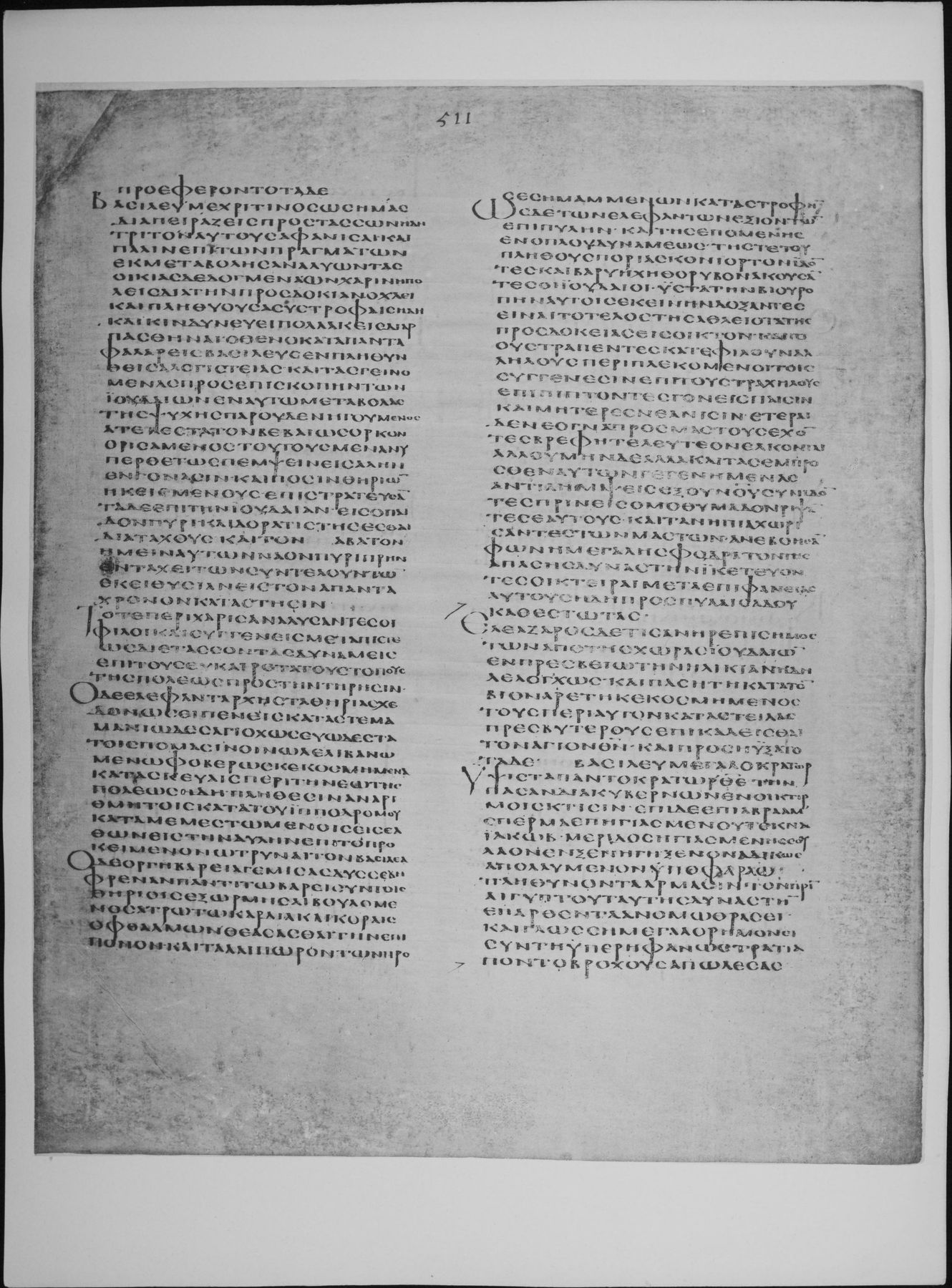
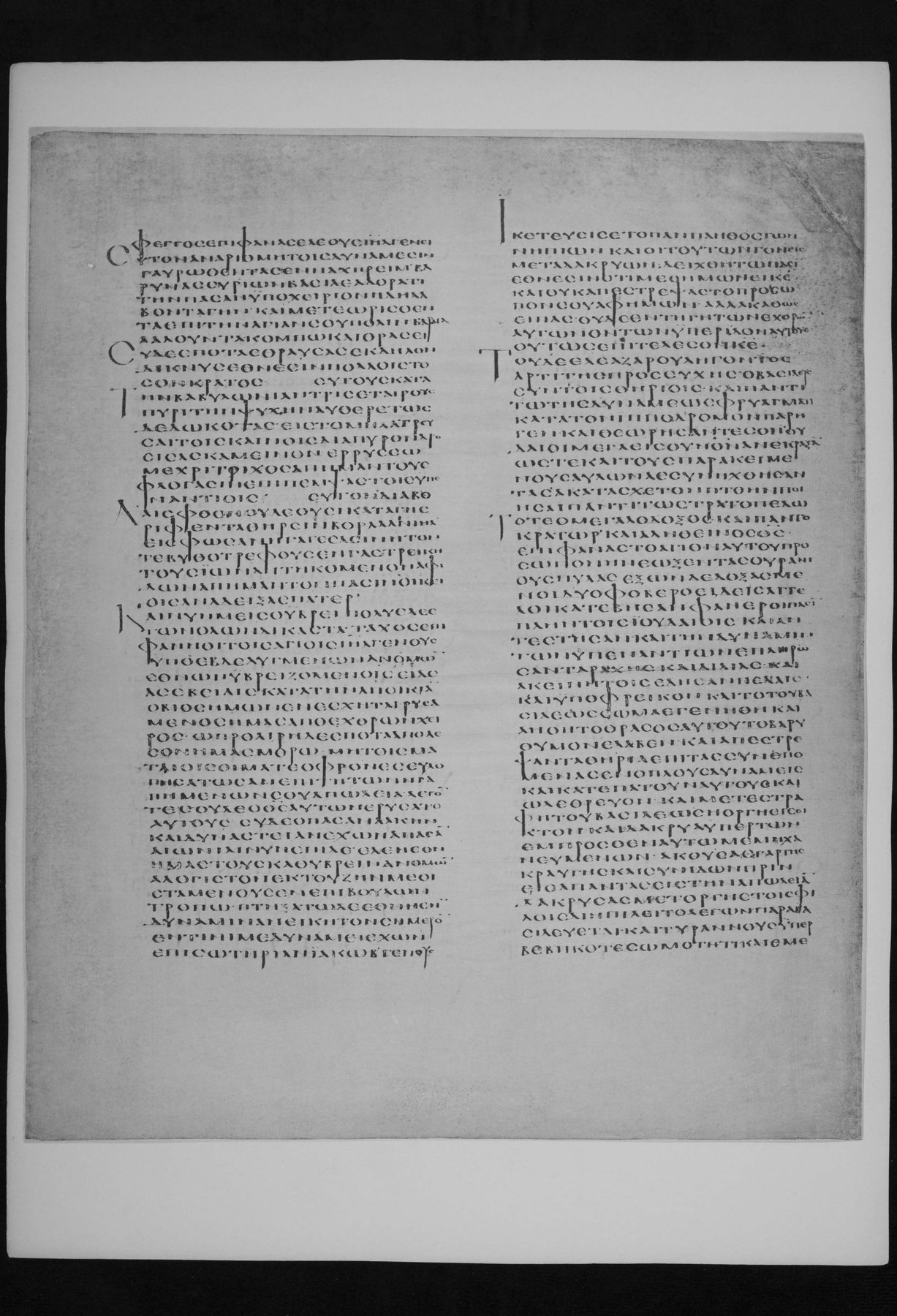
3 Maccabees 6:1-4 is on fol. 511r (full-size facsimile of 1879-83, Internet Archive codex-alexandrinus leaf 1028). The 1957 reduced facsimile prints beneath this page: 3 Maccabees v. 39-vi. 4. Checked on the plate: the page begins inside 3 Maccabees 5:39 (first words read: ΠΡΟΣΕΦΕΡΟΝΤΟ ΤΑΔΕ ΒΑΣΙΛΕΥ ΜΕΧΡΙ ΤΙΝΟΣ ΩΣ ΗΜΑΣ ΔΙΑΠΕΙΡΑΖΕΙΣ). 3 Maccabees 6:4-8 is on fol. 511v (full-size facsimile of 1879-83, Internet Archive codex-alexandrinus leaf 1029). The 1957 reduced facsimile prints beneath this page: 3 Maccabees vi. 4-vi. 24. Checked on the plate: the page begins inside 3 Maccabees 6:4 (first words read: ΦΕΓΓΟΣ ΕΠΙΦΑΝΑΣ ΕΛΕΟΥΣ ΙΣΡΑΗΛ ΓΕΝΕΙ ΣΥ ΤΟΝ ΑΝΑΡΙΘΜΗΤΟΙΣ ΔΥΝΑΜΕΣΙ).
1Ἐλεάζαρος δέ τις ἀνὴρ ἐπίσημος τῶν ἀπὸ τῆς χώρας Ἰουδαίων ἐν πρεσβείῳ τὴν ἡλικίαν ἤδη λελογχὼς καὶ πάσῃ τῇ κατὰ τὸν βίον ἀρετῇ κεκοσμημένος, τοὺς περὶ αὐτὸν καταστείλας πρεσβυτέρους ἐπικαλεῖσθαι τὸν ἅγιον θεόν, καὶ προσηύξατο τάδε 2Βασιλεῦ μεγαλοκράτωρ, ὕψιστε, παντοκράτωρ θεέ, τὴν πᾶσαν διακυβερνῶν ἐν οἰκτιρμοῖς κτίσιν, 3ἔπιδε ἐπὶ Ἀβραὰμ σπέρμα, ἐφ᾽ ἡγιασμένου τέκνα Ἰακώβ, μερίδος ἡγιασμένης σου λαὸν ἐν ξένῃ γῇ ξένον ἀδίκως ἀπολλύμενον. 4πάτερ, σὺ Φαραὼ πληθύνοντα ἅρμασιν τὸν πρὶν Αἰγύπτου ταύτης δυνάστην ἐπαρθέντα ἀνόμῳ θράσει καὶ γλώσσῃ μεγαλορήμονι σὺν τῇ ὑπερηφάνῳ στρατιᾷ ποντοβρόχους ἀπώλεσας, φέγγος ἐπιφάνας ἐλέους Ἰσραὴλ γένει. 5σὺ τὸν ἀναριθμήτοις δυνάμεσιν γαυρωθέντα Σενναχηρεὶμ βαρὺν Ἀσσυρίων βασιλέα, δόρατι τὴν πᾶσαν ὑποχείριον ἤδη λαβόντα γῆν καὶ μετεωρισθέντα ἐπὶ τὴν ἁγίαν σου πόλιν, βαρέα λαλοῦντα κόμπῳ καὶ θράσει, σύ, δέσποτα, ἔθραυσας, ἔκδηλον δεικνὺς ἔθνεσιν πολλοῖς τὸ σὸν κράτος. 6σὺ τοὺς κατὰ τὴν Βαβυλωνίαν τρεῖς ἑταίρους πυρὶ τὴν ψυχὴν αὐθαιρέτως δεδωκότας εἰς τὸ μὴ λατρεῦσαι τοῖς κενοῖς, διάπυρον δροσίσας κάμινον, ἐρρύσω μέχρι τριχὸς ἀπημάντους, φλόγα πᾶσιν ἐπιπέμψας τοῖς ὑπεναντίοις. 7σὺ τὸν διαβολαῖς φθόνου λέουσι κατὰ γῆς ῥιφέντα θηρσὶν βορὰν Δανιὴλ εἰς φῶς ἀνήγαγες ἀσινῆ· 8τόν τε βυθοτρεφοῦς ἐν γαστρὶ κήτους Ἰωνᾶν τηκόμενον ἀφιδὼν ἀπήμαντον πᾶσιν οἰκείοις ἀναδείξας, πάτερ.
1And Eleazar, an illustrious priest of the country, who had attained to length of days, and whose life had been adorned with virtue, caused the presbyters who were about him to cease to cry out to the holy God, and prayed thus: 2O King, mighty in power, most high, Almighty God, who regulatest the whole creation with thy tender mercy, 3look upon the seed of Abraham, upon the children of the sanctified Jacob, thy sanctified inheritance, O Father, now being wrongfully destroyed as strangers in a strange land. 4Thou destroyedst Pharaoh, with his host of chariots, when that lord of this same Egypt was uplifted with lawless hardihood and loud-sounding tongue. Shedding the beams of thy mercy upon the race of Israel, thou didst overwhelm him with his proud army. 5When Sennacherim, the grievous king of the Assyrians, glorying in his countless hosts, had subdued the whole land with his spear, and was lifting himself against thy holy city, with boastings grievous to be endured, thou, O Lord, didst demolish him and didst shew forth thy might to many nations. 6When the three friends in the land of Babylon of their own will exposed their lives to the fire rather than serve vain things, thou didst send a dewy coolness through the fiery furnace, and bring the fire upon all their adversaries. 7It was thou who, when Daniel was hurled, through slander and envy, as a prey to lions down below, didst bring him back again unhurt to light. 8When Jonah was pining away in the belly of the sea-bred monster, thou didst look upon him, O Father, and recover him to the sight of his own.
Where on the image
3 Maccabees 6:9-16 is on fol. 511v (full-size facsimile of 1879-83, Internet Archive codex-alexandrinus leaf 1029). The 1957 reduced facsimile prints beneath this page: 3 Maccabees vi. 4-vi. 24. Checked on the plate: the page begins inside 3 Maccabees 6:4 (first words read: ΦΕΓΓΟΣ ΕΠΙΦΑΝΑΣ ΕΛΕΟΥΣ ΙΣΡΑΗΛ ΓΕΝΕΙ ΣΥ ΤΟΝ ΑΝΑΡΙΘΜΗΤΟΙΣ ΔΥΝΑΜΕΣΙ).
9καὶ νῦν, μισούβρι, πολυέλεε, τῶν ὅλων δικαστά, τάχος ἐπιφάνηθι τοῖς ἁγίοις Ἰσραὴλ γένους, ὑπὸ ἐβδελυγμένων ἀνόμων ἐθνῶν ὑβριζομένοις. 10εἰ δὲ ἀσεβείαις κατὰ τὴν ἀποικίαν ὁ βίος ἡμῶν ἐνέσχηται, ῥυσάμενος ἡμᾶς ἀπὸ ἐχθρῶν χειρός, ᾧ προαιρῇ, δέσποτα, ἀπόλεσον ἡμᾶς μόρῳ. 11μὴ τοῖς ματαίοις οἱ ματαιόφρονες εὐλογησάτωσαν ἐπὶ τῇ τῶν ἠγαπημένων σου ἀπωλείᾳ, λέγοντες Οὐδὲ ὁ θεὸς αὐτῶν ἐρύσατο αὐτούς. 12σὺ δὲ ὁ πᾶσαν ἀλκὴν καὶ δυναστείαν ἔχων ἅπασαν, αἰώνιε, νῦν ἔπιδε· ἐλέησον ἡμᾶς τοὺς καθ᾽ ὕβριν ἀνόμων ἀλόγιστον ἐκ τοῦ ζῇν μεθισταμένους ἐν ἐπιβούλων τρόπῳ. 13πτηξάτω δὲ ἔθνη σὴν δύναμιν ἀνίκητον σήμερον, ἔντιμε, δυνάμεις ἔχων ἐπὶ σωτηρίαν Ἰακὼβ γένους. 14ἱκετεύει σε τὸ πᾶν πλῆθος τῶν νηπίων καὶ οἱ τούτων γονεῖς μετὰ δακρύων. 15δειχθήτω πᾶσιν ἔθνεσιν, ὅτι μεθ᾽ ἡμῶν εἶ, κύριε, καὶ οὐκ ἀπέστρεψας τὸ πρόσωπόν σου ἀφ᾽ ἡμῶν· ἀλλὰ καθὼς εἶπας Οὐδὲ ἐν τῇ γῇ τῶν ἐχθρῶν αὐτῶν ὄντων ὑπέριδον αὐτούς, οὕτως ἐπιτέλεσον, κύριε. 16Τοῦ δὲ Ἐλεαζάρου λήγοντος ἄρτι τῆς προσευχῆς, ὁ βασιλεὺς σὺν τοῖς θηρίοις καὶ παντὶ τῷ τῆς δυνάμεως φρυάγματι κατὰ τὸν ἱππόδρομον παρῆγεν.
9And now, thou who hatest insolence; thou who dost abound in mercy; thou who art the protector of all things; appear quickly to those of the race of Israel, who are insulted by abhorred, lawless Gentiles. 10If our life has during our exile been stained with iniquity, deliver us from the hand of the enemy, and destroy us, O Lord, by the death which thou preferrest. 11Let not the vain-minded congratulate vain idols at the destruction of thy beloved, saying, Neither did their God deliver them. 12Thou who art All-powerful and Almighty, O Eternal One, behold! have mercy upon us who are being withdrawn from life, like traitors, by the unreasoning insolence of lawless men. 13Let the heathen cower before thy invincible might to-day, O glorious One, who hast all power to save the race of Jacob. 14The whole band of infants and their parents with tears beseech thee. 15Let it be shewn to all the nations that thou art with us, O Lord, and hast not turned thy face away from us; but as thou saidst that thou wouldst not forget them even in the land of their enemies, so do thou fulfil this saying, O Lord. 16Now, at the time that Eleazar had ended his prayer, the king came along to the hippodrome, with the wild beasts, and with his tumultuous power.
Where on the image
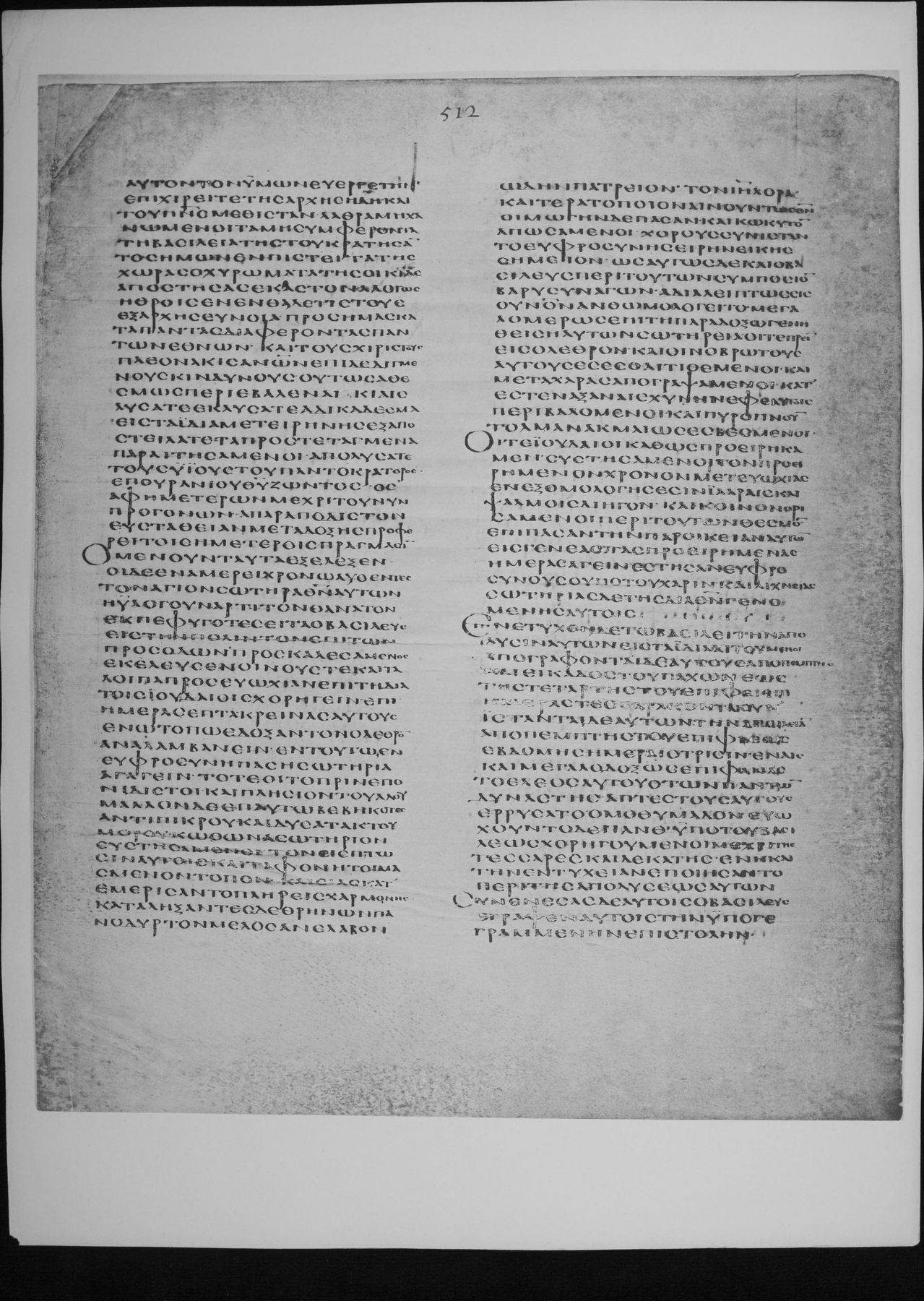
3 Maccabees 6:17-24 is on fol. 511v (full-size facsimile of 1879-83, Internet Archive codex-alexandrinus leaf 1029). The 1957 reduced facsimile prints beneath this page: 3 Maccabees vi. 4-vi. 24. Checked on the plate: the page begins inside 3 Maccabees 6:4 (first words read: ΦΕΓΓΟΣ ΕΠΙΦΑΝΑΣ ΕΛΕΟΥΣ ΙΣΡΑΗΛ ΓΕΝΕΙ ΣΥ ΤΟΝ ΑΝΑΡΙΘΜΗΤΟΙΣ ΔΥΝΑΜΕΣΙ). 3 Maccabees 6:24 is on fol. 512r (full-size facsimile of 1879-83, Internet Archive codex-alexandrinus leaf 1030). The 1957 reduced facsimile prints beneath this page: 3 Maccabees vi. 24-vi. 41. Checked on the plate: the page begins inside 3 Maccabees 6:24 (first words read: ΑΥΤΟΝ ΤΟΝ ΥΜΩΝ ΕΥΕΡΓΕΤΗΝ ΕΠΙΧΕΙΡΕΙΤΕ ΤΗΣ ΑΡΧΗΣ).
17καὶ θεωρήσαντες οἱ Ἰουδαῖοι, μέγα εἰς οὐρανὸν ἀνέκραξαν, ὥστε καὶ τοὺς παρακειμένους αὐλῶνας συνηχήσαντας ἀκατάσχετον πτοὴν ποιῆσαι παντὶ τῷ στρατοπέδῳ. 18τότε ὁ μεγαλόδοξος καὶ παντοκράτωρ καὶ ἀληθινὸς θεός, ἐπιφάνας τὸ ἅγιον αὐτοῦ πρόσωπον, ἠνέῳξεν τὰς οὐρανίους πύλας, ἐξ ὧν δεδοξασμένοι δύο φοβεροειδεῖς ἄγγελοι κατέβησαν φανεροὶ πᾶσιν πλὴν τοῖς Ἰουδαίοις, 19καὶ ἀντέστησαν, καὶ τὴν δύναμιν τῶν ὑπεναντίων ἐπλήρωσαν ταραχῆς καὶ δειλίας καὶ ἀκινήτοις ἔδησαν πέδαις. 20καὶ ὑπόφρικον καὶ τὸ τοῦ βασιλέως σῶμα ἐγενήθη, καὶ λήθη τὸ θράσος αὐτοῦ τὸ βαρύθυμον ἔλαβεν. 21καὶ ἀπέστρεψαν τὰ θηρία ἐπὶ τὰς συνεπομένας ἐνόπλους δυνάμεις, καὶ κατεπάτουν αὐτοὺς καὶ ὠλέθρευον. 22Καὶ μετεστράφη τοῦ βασιλέως ἡ ὀργὴ εἰς οἶκτον καὶ δάκρυα ὑπὲρ τῶν ἔμπροσθεν αὐτῷ μεμηχανευμένων. 23ἀκούσας γὰρ τῆς κραυγῆς, καὶ συνιδὼν πρηνεῖς ἅπαντας εἰς τὴν ἀπώλειαν, δακρύσας μετ᾽ ὀργῆς τοῖς φίλοις διηπειλεῖτο, λέγων 24Παραβασιλεύετε, καὶ τυράννους ὑπερβεβηκότες ὠμότητι· καὶ ἐμὲ αὐτὸν τὸν ὑμῶν εὐεργέτην ἐπιχειρεῖτε τῆς ἀρχῆς ἤδη καὶ τοῦ πνεύματος μεθιστᾷν, λάθρα μηχανώμενοι τὰ μὴ συμφέροντα τῇ βασιλείᾳ.
17When the Jews saw this, they uttered a loud cry to heaven, so that the adjacent valleys resounded, and caused an irrepressible lamentation throughout the army. 18Then the all-glorious, all-powerful, and true God, displayed his holy countenance, and opened the gates of heaven, from which two angels, dreadful of form, came down, and were visible to all but the Jews. 19And they stood opposite, and filled the enemies' host with confusion and cowardice; and bound them with immoveable fetters. 20And a cold shudder came over the person of the king, and oblivion paralysed the vehemence of his spirit. 21They turned back the animals upon the armed forces which followed them; and the animals trod them down, and destroyed them. 22The king's wrath was converted into compassion; and he wept at his own machinations. 23For when he heard the cry, and saw them all on the verge of destruction, with tears he angrily threatened his friends, saying, 24Ye have governed badly; and have exceeded tyrants in cruelty; and me your benefactor ye have laboured to deprive at once of my dominion and my life, by secretly devising measures injurious to the kingdom.
Where on the image
3 Maccabees 6:25-32 is on fol. 512r (full-size facsimile of 1879-83, Internet Archive codex-alexandrinus leaf 1030). The 1957 reduced facsimile prints beneath this page: 3 Maccabees vi. 24-vi. 41. Checked on the plate: the page begins inside 3 Maccabees 6:24 (first words read: ΑΥΤΟΝ ΤΟΝ ΥΜΩΝ ΕΥΕΡΓΕΤΗΝ ΕΠΙΧΕΙΡΕΙΤΕ ΤΗΣ ΑΡΧΗΣ).
25τίς τοὺς κρατήσαντας ἡμῶν ἐν πίστει τὰ τῆς χώρας ὀχυρώματα τῆς οἰκίας ἀποστήσας, ἕκαστον ἀλόγως ἤθροισεν ἐνθάδε; 26τίς τοὺς ἐξ ἀρχῆς εὐνοίᾳ πρὸς ἡμᾶς κατὰ πάντα διαφέροντας πάντων ἐθνῶν, καὶ τοὺς χειρίστους πλεονάκις ἀνθρώπων ἐπιδεδιγμένους κινδύνους, οὕτως ἀθέσμως περιέβαλεν αἰκίαις; 27λύσατε, ἐκλύσατε ἄδικα δεσμά· εἰς τὰ ἴδια μετ᾽ εἰρήνης ἐξαποστείλατε, τὰ προστεταγμένα παραιτησάμενοι. 28ἀπολύσατε τοὺς υἱοὺς τοῦ παντοκράτορος ἐπουρανίου θεοῦ ζῶντος, ὃς ἀφ᾽ ἡμετέρων μέχρι τοῦ νῦν προγόνων ἀπαραπόδιστον εὐστάθειαν μετὰ δόξης προφέρει τοῖς ἡμετέροις πράγμασιν. 29ὁ μὲν οὖν ταῦτα ἐξέλεξεν· οἱ δὲ ἐν ἀμερεῖ χρόνῳ λυθέντες, τὸν ἅγιον σωτῆρα θεὸν αὐτῶν ηὐλόγουν, ἄρτι τὸν θάνατον ἐκπεφυγότες. 30Εἶτα ὁ βασιλεὺς εἰς τὴν πόλιν τὸν ἐπὶ τῶν προσόδων προσκαλεσάμενος, ἐκέλευσεν οἴνους τε καὶ τὰ λοιπὰ πρὸς εὐωχίαν ἐπιτήδεια τοῖς Ἰουδαίοις χορηγεῖν ἐπὶ ἡμέρας ἑπτά, κρίνας αὐτούς, ἐν ᾧ τόπῳ ἔδοξαν τὸν ὄλεθρον ἀναλαμβάνειν, ἐν τούτῳ ἐν εὐφροσύνῃ πάσῃ σωτήρια ἀγαγεῖν. 31τότε οἱ τὸ πρὶν ἐπονείδιστοι καὶ πλησίον τοῦ ᾅδου, μᾶλλον δὲ ἐπ᾽ αὐτῷ βεβηκότες, ἀντὶ πικροῦ καὶ δυσατάκτου μόρου κώθωνα σωτήριον συστησάμενοι, τὸν εἰς πτῶσιν αὐτοῖς καὶ τάφον ἡτοιμασμένον τόπον κλισίας κατεμερίσαντο πλήρεις χαρμονῆς. 32καταλήξαντες δὲ θρήνων πανόδυρτον μέλος, ἀνέλαβον ᾠδὴν πάτριον, τὸν Ἰσραὴλ σωτῆρα καὶ τερατοποιὸν αἰνοῦντες θεόν· οἰμωγὴν δὲ πᾶσαν καὶ κωκυτὸν ἀπωσάμενοι, χοροὺς συνίσταντο εὐφροσύνης εἰρηνικῆς σημεῖον.
25Who has gathered here, unreasonably removing each from his home, those who, in fidelity to us, had held the fortresses of the country? 26Who has thus consigned to unmerited punishments those who in good will towards us from the beginning have in all things surpassed all nations, and who often have engaged in the most dangerous undertakings? 27Loose, loose the unjust bonds; send them to their homes in peace, and deprecate what has been done. 28Release the sons of the almighty living God of heaven, who from our ancestors' times until now has granted a glorious and uninterrupted prosperity to our affairs. 29These things he said: and they, released the same moment, having now escaped death, praised God their holy Saviour. 30The king then departed to the city, and called his financier to him, and bade him provide a seven days' quantity of wine and other materials for feasting for the Jews. He decided that they should keep a gladsome festival of deliverance in the very place in which they expected to meet with their destruction. 31Then they who were before despised and nigh unto Hades, yea, rather advanced into it, partook of the cup of salvation, instead of a grievous and lamentable death. Full of exultation, they parted out the place intended for their fall and burial into banqueting booths. 32Ceasing their miserable strain of woe, they took up the subject of their fatherland, hymning in praise God their wonder-working Saviour. All groans, all wailing, were laid aside: they formed dances in token of serene joy.
Where on the image
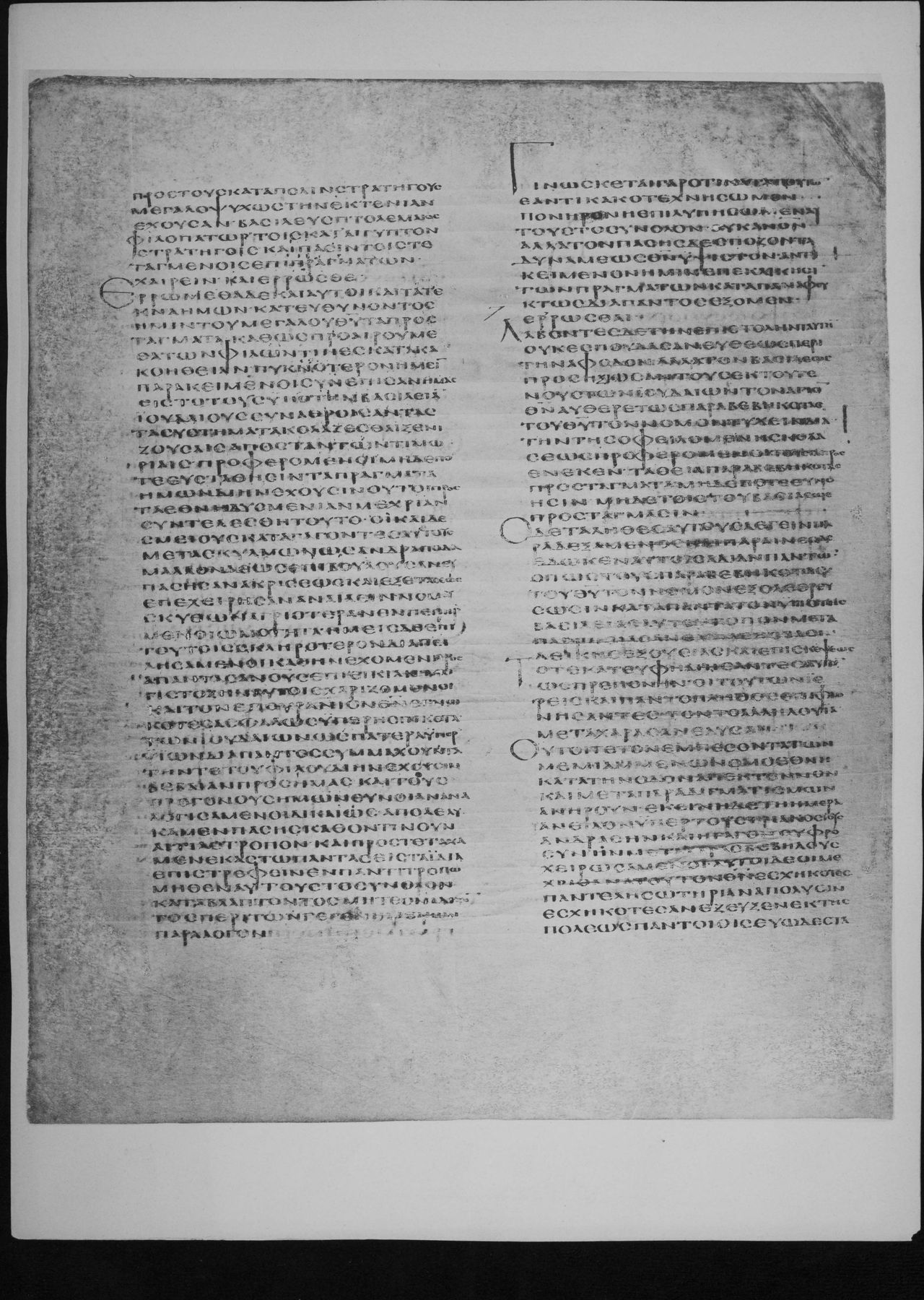
3 Maccabees 6:33-41 is on fol. 512r (full-size facsimile of 1879-83, Internet Archive codex-alexandrinus leaf 1030). The 1957 reduced facsimile prints beneath this page: 3 Maccabees vi. 24-vi. 41. Checked on the plate: the page begins inside 3 Maccabees 6:24 (first words read: ΑΥΤΟΝ ΤΟΝ ΥΜΩΝ ΕΥΕΡΓΕΤΗΝ ΕΠΙΧΕΙΡΕΙΤΕ ΤΗΣ ΑΡΧΗΣ). 3 Maccabees 6:41 is on fol. 512v (full-size facsimile of 1879-83, Internet Archive codex-alexandrinus leaf 1031). The 1957 reduced facsimile prints beneath this page: 3 Maccabees vi. 41-vii. 16. Checked on the plate: the page begins inside 3 Maccabees 6:41 (first words read: ΠΡΟΣ ΤΟΥΣ ΚΑΤΑ ΠΟΛΙΝ ΣΤΡΑΤΗΓΟΥΣ ΜΕΓΑΛΟΨΥΧΩΣ ΤΗΝ ΕΚΤΕΝΙΑΝ ΕΧΟΥΣΑΝ).
33ὡσαύτως δὲ καὶ ὁ βασιλεὺς περὶ τούτων συμπόσιον βαρὺ συνάγων, ἀδιαλείπτως εἰς οὐρανὸν ἀνθωμολογεῖτο μεγαλομερῶς ἐπὶ τῇ παραδόξῳ γενηθείσῃ αὐτῶν σωτηρίᾳ. 34οἵ τε πρὶν εἰς ὄλεθρον καὶ οἰωνοβρώτους αὐτοὺς ἔσεσθαι τιθέμενοι καὶ μετὰ χαρᾶς ἀπογραψάμενοι, κατεστέναξαν αἰσχύνην ἐφ᾽ ἑαυτοῖς περιβαλόμενοι, καὶ πυρόπνουν τόλμαν ἀκμαίως ἐσβεσμένοι. 35οἵ τε Ἰουδαῖοι, καθὼς προειρήκαμεν, συστησάμενοι τὸν προειρημένον χορόν, μετ᾽ εὐωχίας ἐν ἐξομολογήσεσιν ἱλαραῖς καὶ ψαλμοῖς διῆγον. 36καὶ κοινὸν ὁρισάμενοι περὶ τούτων θεσμὸν, ἐπὶ πᾶσαν τὴν παροικίαν αὐτῶν εἰς γενεάς, τὰς προειρημένας ἡμέρας ἄγειν ἔστησαν εὐφροσύνους, οὐ πότου χάριν καὶ λιχνείας, σωτηρίας δὲ τῆς διὰ θεὸν γενομένης αὐτοῖς. 37ἐνέτυχον δὲ τῷ βασιλεῖ, τὴν ἀπόλυσιν αὐτῶν εἰς τὰ ἴδια αἰτούμενοι. 38Ἀπογράφονται δὲ αὐτοὺς ἀπὸ πέμπτης καὶ εἰκάδος τοῦ Παχὼν ἕως τῆς τετάρτης τοῦ Ἐπιφί, ἐπὶ ἡμέρας τεσσαράκοντα· συνίστανται δὲ αὐτῶν τὴν ἀπώλειαν ἀπὸ πέμπτης τοῦ Ἐπιφὶ ἕως ἑβδόμης, ἡμέραις τρισίν. 39ἐν αἷς καὶ μεγαλοδόξως ἐπιφάνας τὸ ἔλεος αὐτοῦ ὁ τῶν πάντων δυνάστης ἀπταίστους αὐτοὺς ἐρρύσατο ὁμοθυμαδόν. 40Εὐωχοῦντο δὲ πάνθ᾽ ὑπὸ τοῦ βασιλέως χορηγούμενοι μέχρι τῆς τεσσαρεσκαιδεκάτης, ἐν ᾗ καὶ τὴν ἐντυχίαν ἐποιήσαντο περὶ τῆς ἀπολύσεως αὐτῶν. 41συναινέσας δὲ αὐτοῖς ὁ βασιλεὺς ἔγραψεν αὐτοῖς τὴν ὑπογεγραμμένην ἐπιστολὴν πρὸς τοὺς κατὰ πόλιν στρατηγοὺς μεγαλοψύχως τὴν ἐκτενίαν ἔχουσαν
33So, also, the king collected a number of guests for the occasion, and returned unceasing thanks with much magnificence for the unexpected deliverance afforded him. 34Those who had marked them out as for death and for carrion, and had registered them with joy, howled aloud, and were clothed with shame, and had the fire of their rage ingloriously put out. 35But the Jews, as we just said, instituted a dance, and then gave themselves up to feasting, glad thanksgivings, and psalms. 36They made a public ordinance to commemorate these things for generations to come, as long as they should be sojourners. They thus established these days as days of mirth, not for the purpose of drinking or luxury, but because God had saved them. 37They requested the king to send them back to their homes. 38They were being enrolled from the twenty-fifth of Pachon to the fourth of Epiphi, a period of forty days: the measures taken for their destruction lasted from the fifth of Epiphi till the seventh, that is, three days. 39The Ruler over all did during this time manifest forth his mercy gloriously, and did deliver them all together unharmed. 40They feasted upon the king's provision up to the fourteenth day, and then asked to be sent away. 41The king commended them, and wrote the subjoined letter, of magnanimous import for them, to the commanders of every city.
Cite
Sources
- Source: Codex Alexandrinus (British Library Royal MS 1 D. VI) via the British Museum photographic facsimiles of 1879-83 and 1957 (Internet Archive) + Swete's Septuagint + Brenton's English (holding institution)
- Critical edition: H. B. Swete, The Old Testament in Greek according to the Septuagint (1909)
← previous · → next · v cycle view · l back to library