Jeremiah, Chapter 11 (Codex Alexandrinus)
Introduction
Jeremiah 11 in the Greek Old Testament (the Septuagint) as written in Codex Alexandrinus, a Greek Bible copied in the fifth century, probably in Egypt, and now in the British Library (Royal MS 1 D. VI, the second of its four volumes). It is one of the three great early codices of the whole Greek Bible, with Codex Vaticanus and Codex Sinaiticus.
This entry meets the strict three-criteria standard of the Theosis Library:
- Manuscript scan: the pages of Codex Alexandrinus carrying this chapter (fol. 336v, fol. 337r), from the full-size photographic (autotype) facsimile published by the British Museum in 1879-1883, as digitised on the Internet Archive. The verse range of every page comes from the reduced photographic facsimile of 1936, which prints it beneath each plate, and the opening words of every page were read on the plate to confirm the page and the verse it begins with. Each section links to the page or pages that hold its verses. Folio numbers are those written at the head of each leaf and visible on the plates.
- Original text: Swete's edition, which here prints the text of Codex Vaticanus (Vat. gr. 1209), the base of his edition, and gives the readings of Alexandrinus only in his apparatus. The Greek column is therefore Vaticanus' text; where Alexandrinus differs, the plate shows what Alexandrinus reads.
- English translation: Sir Lancelot C. L. Brenton, The Septuagint Version of the Old Testament (1844; 1851 edition), a translation of the Greek, public domain, from the eBible.org text.
How was this verified? (Provenance)
Where on the image
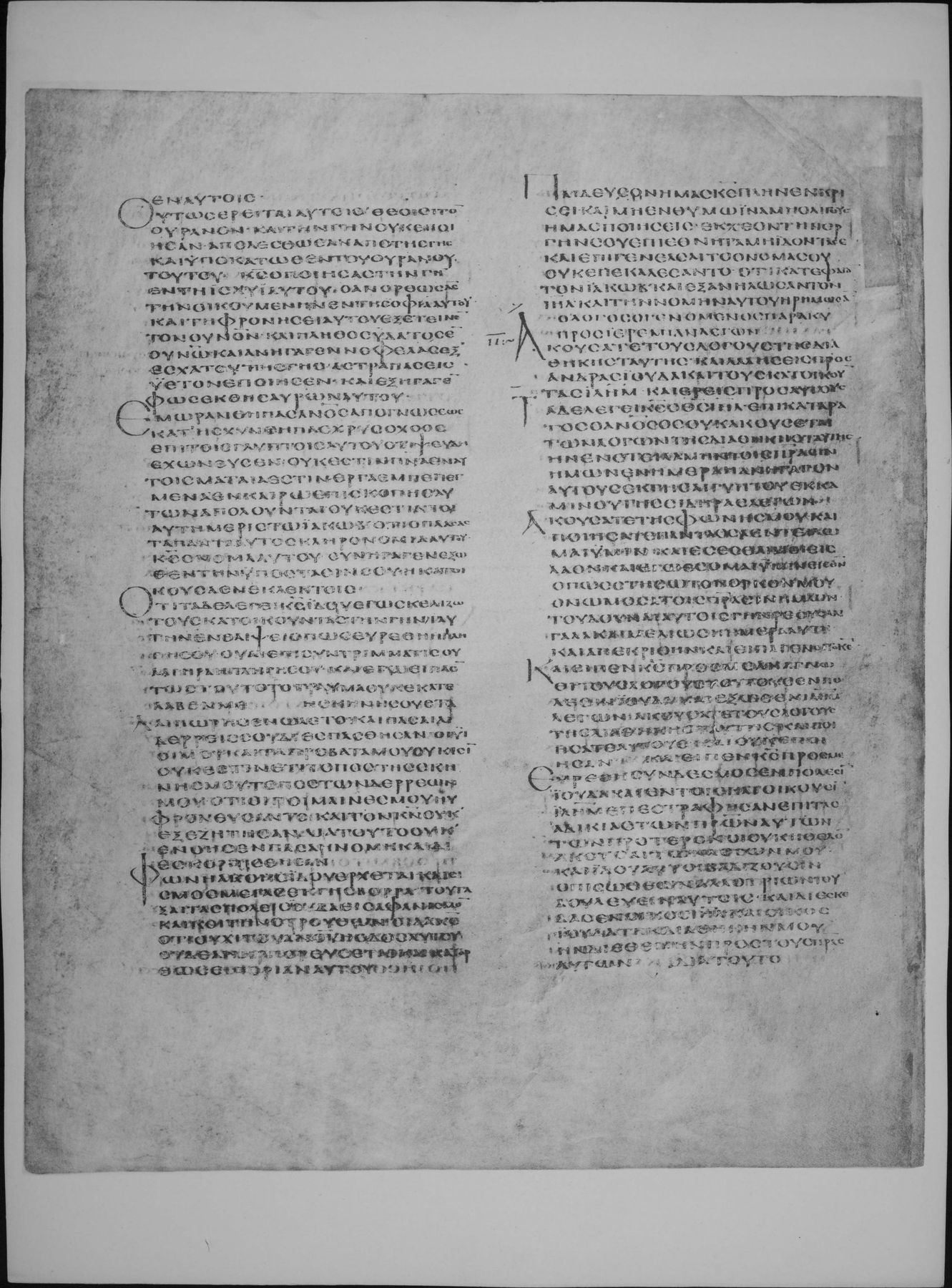
Jeremiah 11:1-9 is on fol. 336v (full-size facsimile of 1879-83, Internet Archive codex-alexandrinus leaf 697). The 1936 reduced facsimile prints beneath this page: Jer. x. 10-xi. 11. Checked on the plate: the page begins at the start of Jeremiah 10:11 (first words read: ΕΝ ΑΥΤΟΙΣ ΟΥΤΩΣ ΕΡΕΙΤΕ ΑΥΤΟΙΣ ΘΕΟΙ ΟΙ ΤΟΝ ΟΥΡΑΝΟΝ ΚΑΙ ΤΗΝ ΓΗΝ ΟΥΚ ΕΠΟΙΗΣΑΝ ΑΠΟΛΕΣΘΩΣΑΝ). Note: the first line (ΕΝ ΑΥΤΟΙΣ) is the end of 10:10, a verse that Codex Alexandrinus has and Swete's text (Codex Vaticanus) lacks, as the caption (x. 10) shows; Swete's text resumes with 10:11 on the second line.
1Ὁ λόγος ὁ γενόμενος παρὰ Κυρίου πρὸς Ἰερεμίαν λέγων 2Ἀκούσατε τοὺς λόγους τῆς διαθήκης ταύτης, καὶ λαλήσεις πρὸς ἄνδρας Ἰούδα καὶ πρὸς τοὺς κατοικοῦντας ἐν Ἰερουσαλήμ· 3καὶ ἐρεῖς πρὸς αὐτούς Τάδε λέγει Κύριος ὁ θεὸς Ἰσραήλ Ἐπικατάρατος ὁ ἄνθρωπος ὃς οὐκ ἀκούσεται τῶν λόγων τῆς διαθήκης ταύτης, 4ἧς ἐνετειλάμην τοῖς πατράσιν ὑμῶν ἐν ἡμέρᾳ ᾗ ἀνήγαγον αὐτοὺς ἐκ γῆς Αἰγύπτου, ἐκ καμίνου τῆς σιδηρᾶς, λέγων Ἀκούσατε τῆς φωνῆς μου καὶ ποιήσατε πάντα ὅσα ἐὰν ἐντείλωμαι ὑμῖν, καὶ ἔσεσθέ μοι εἰς λαὸν καὶ ἐγὼ ἔσομαι ὑμῖν εἰς θεόν, 5ὅπως στήσω τὸν ὅρκον μου ὃν ὤμοσα τοῖς πατράσιν ὑμῶν, τοῦ δοῦναι αὐτοῖς γῆν ῥέουσαν γάλα καὶ μέλι καθὼς ἡ ἡμέρα αὕτη. καὶ ἀπεκρίθην καὶ εἶπα Γένοιτο, Κύριε. 6καὶ εἶπεν Κύριος πρὸς μέ Ἀνάγνωθι τοὺς λόγους τούτους ἐν πόλεσιν Ἰούδα καὶ ἔξωθεν Ἰερουσαλὴμ λέγων Ἀκούσατε τοὺς λόγους τῆς διαθήκης ταύτης καὶ ποιήσατε αὐτούς. 8καὶ οὐκ ἐποίησαν. 9Καὶ εἶπεν Κύριος πρὸς μέ Εὑρέθη σύνδεσμος ἐν ἀνδράσιν Ἰούδα καὶ ἐν τοῖς κατοικοῦσιν ἐν Ἰερουσαλήμ·
1The word that came to Jeremias from the Lord, saying, 2Hear ye the words of this covenant, and thou shalt speak to the men of Juda, and to the dwellers in Jerusalem; 3and thou shalt say to them, Thus saith the Lord God of Israel, Cursed is the man, who shall not hearken to the words of this covenant, 4which I commanded your fathers, in the day wherein I brought them up out of the land of Egypt, out of the iron furnace, saying, Hearken to my voice, and do all things that I shall command you; so shall ye be to me a people, and I will be to you a God; 5that I may confirm mine oath, which I sware to your fathers, to give them a land flowing with milk and honey, as it is this day. Then I answered and said, So be it, O Lord. 6And the Lord said to me, Read these words in the cities of Juda, and in the streets of Jerusalem, saying, Hear ye the words of this covenant, and do them. 8But they did them not. 9And the Lord said to me, A conspiracy is found among the men of Juda, and among the dwellers in Jerusalem.
Where on the image
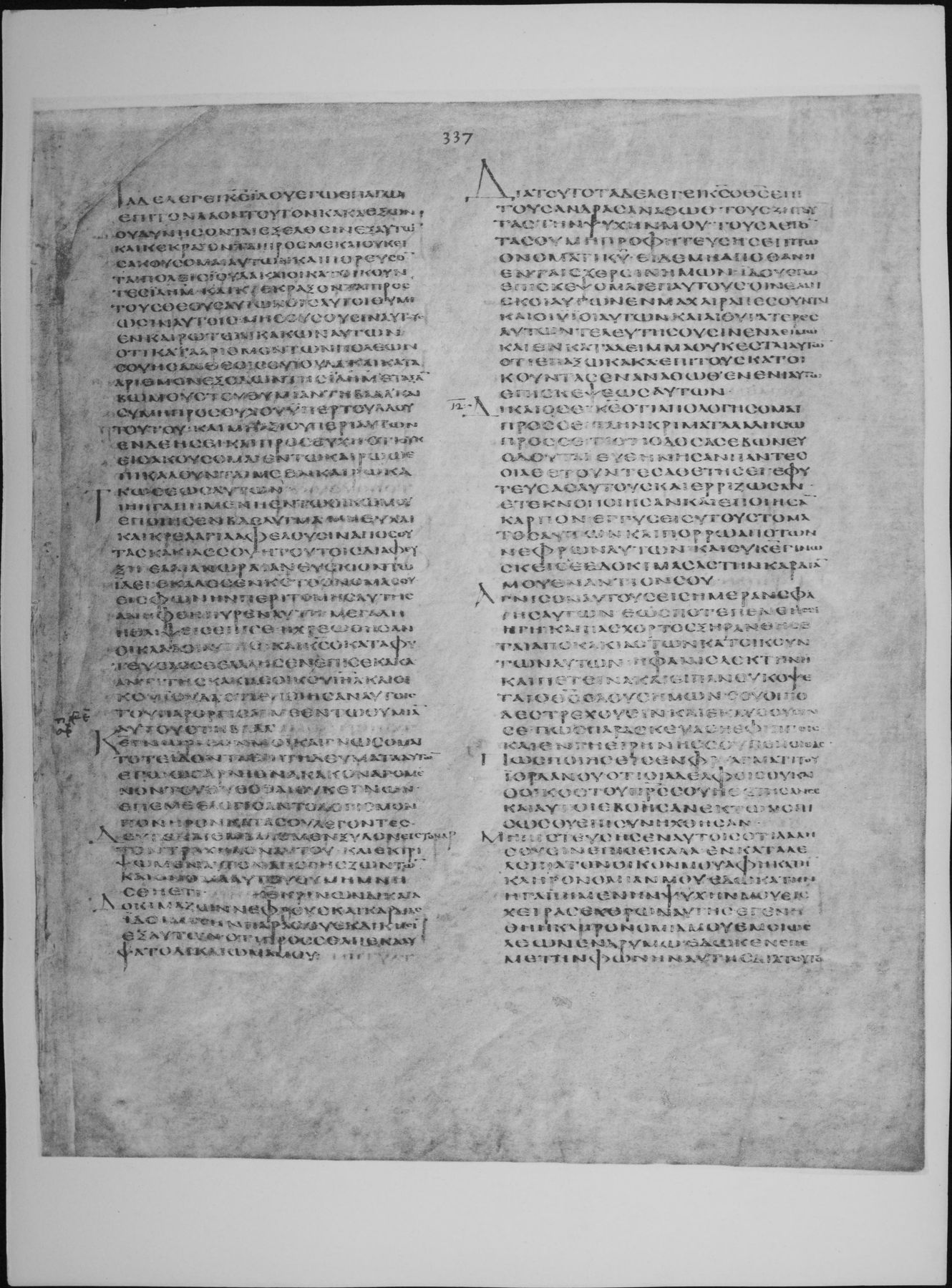
Jeremiah 11:10-11 is on fol. 336v (full-size facsimile of 1879-83, Internet Archive codex-alexandrinus leaf 697). The 1936 reduced facsimile prints beneath this page: Jer. x. 10-xi. 11. Checked on the plate: the page begins at the start of Jeremiah 10:11 (first words read: ΕΝ ΑΥΤΟΙΣ ΟΥΤΩΣ ΕΡΕΙΤΕ ΑΥΤΟΙΣ ΘΕΟΙ ΟΙ ΤΟΝ ΟΥΡΑΝΟΝ ΚΑΙ ΤΗΝ ΓΗΝ ΟΥΚ ΕΠΟΙΗΣΑΝ ΑΠΟΛΕΣΘΩΣΑΝ). Note: the first line (ΕΝ ΑΥΤΟΙΣ) is the end of 10:10, a verse that Codex Alexandrinus has and Swete's text (Codex Vaticanus) lacks, as the caption (x. 10) shows; Swete's text resumes with 10:11 on the second line. Jeremiah 11:11-17 is on fol. 337r (full-size facsimile of 1879-83, Internet Archive codex-alexandrinus leaf 698). The 1936 reduced facsimile prints beneath this page: Jer. xi. 11-xii. 8. Checked on the plate: the page begins inside Jeremiah 11:11 (first words read: ΤΑΔΕ ΛΕΓΕΙ ΚΣ ΙΔΟΥ ΕΓΩ ΕΠΑΓΩ ΕΠΙ ΤΟΝ ΛΑΟΝ ΤΟΥΤΟΝ ΚΑΚΑ ΕΞ ΩΝ ΟΥ ΔΥΝΗΣΟΝΤΑΙ ΕΞΕΛΘΕΙΝ).
10ἐπεστράφησαν ἐπὶ τὰς ἀδικίας τῶν πατέρων αὐτῶν τῶν πρότερον, οἳ οὐκ ἠθέλησαν εἰσακοῦσαι τῶν λόγων μου, καὶ ἰδοὺ αὐτοὶ πορεύονται ὀπίσω θεῶν ἀλλοτρίων τοῦ δουλεύειν αὐτοῖς, καὶ διεσκέδασαν οἶκος Ἰσραὴλ καὶ οἶκος Ἰούδα τὴν διαθήκην μου ἣν διεθέμην πρὸς τοὺς πατέρας αὐτῶν. 11διὰ τοῦτο τάδε λέγει Κύριος Ἰδοὺ ἐγὼ ἐπάγω ἐπὶ τὸν λαὸν τοῦτον κακὰ ἐξ ὧν οὐ δυνήσονται ἐξελθεῖν ἐξ αὐτῶν, καὶ κεκράξονται πρὸς μὲ καὶ οὐκ εἰσακούσομαι αὐτῶν. 12καὶ πορεύσονται πόλεις Ἰούδα καὶ οἱ κατοικοῦντες Ἰερουσαλὴμ καὶ κεκράξονται πρὸς τοὺς θεοὺς οἷς αὐτοὶ θυμιῶσιν αὐτοῖς, μὴ σώσουσιν αὐτοὺς ἐν τῷ καιρῷ τῶν κακῶν αὐτῶν. 13ὅτι κατ᾽ ἀριθμὸν τῶν πόλεών σου ἦσαν θεοί σου, Ἰούδα, καὶ κατ᾽ ἀριθμὸν ἐξόδων τῆς Ἰερουσαλὴμ ἐτάξατε βωμοὺς θυμιᾷν τῇ Βάαλ. 14καὶ σὺ μὴ προσεύχου περὶ τοῦ λαοῦ τούτου, καὶ μὴ ἀξίου περὶ αὐτῶν ἐν δεήσει καὶ προσευχῇ, ὅτι οὐκ εἰσακούσομαι ἐν τῷ καιρῷ ἐν ᾧ ἐπικαλοῦνταί με, ἐν καιρῷ κακώσεως αὐτῶν. 15τί ἡ ἠγαπημένη ἐν τῷ οἴκῳ μου ἐποίησεν βδέλυγμα; μὴ εὐχαὶ καὶ κρέα ἅγια ἀφελοῦσιν ἀπὸ σοῦ τὰς κακίας σου, ἢ τούτοις διαφεύξῃ; 16ἐλαίαν ὡραίαν εὔσκιον τῷ εἴδει ἐκάλεσεν Κύριος τὸ ὄνομά σου· εἰς φωνὴν περιτομῆς αὐτῆς ἀνήφθη πῦρ ἐπ᾽ αὐτήν, μεγάλη ἡ θλίψις ἐπὶ σέ, ἠχρεώθησαν οἱ κλάδοι αὐτῆς, 17καὶ Κύριος ὁ καταφυτεύσας σε ἐλάλησεν ἐπὶ σὲ κακὰ ἀντὶ τῆς κακίας οἴκου Ἰσραὴλ καὶ οἴκου Ἰούδα, ὅτι ἐποίησαν ἑαυτοῖς τοῦ παροργίσαι με ἐν τῷ θυμιᾷν αὐτοὺς τῇ Βάαλ.
10They are turned aside to the iniquities of their fathers that were of old, who would not hearken to my words: and, behold, they go after strange gods, to serve them: and the house of Israel and the house of Juda have broken my covenant, which I made with their fathers. 11Therefore thus saith the Lord, Behold, I bring evils upon this people, out of which they shall not be able to come forth; and they shall presently cry to me, but I will not hearken to them. 12And the cities of Juda and the dwellers in Jerusalem shall go, and cry to the gods to whom they burn incense; which shall not deliver them in the time of their troubles. 13For according to the number of thy cities were thy gods, O Juda; and according to the number of the streets of Jerusalem have ye set up altars to burn incense to Baal. 14And thou, pray not for this people, and intercede not for them in supplication and prayer: for I will not hear in the day in which they call upon me, in the day of their affliction. 15Why has my beloved wrought abomination in my house? will prayers and holy offerings take away thy wickedness from thee, or shalt thou escape by these things? 16The Lord called thy name a fair olive tree, of a goodly shade in appearance, at the noise of its being lopped, fire was kindled against it; great is the affliction coming upon thee: her branches are become good for nothing. 17And the Lord that planted thee has pronounced evils against thee, because of the iniquity of the house of Israel and the house of Juda, whatsoever they have done against themselves to provoke me to anger by burning incense to Baal.
Where on the image
Jeremiah 11:18-23 is on fol. 337r (full-size facsimile of 1879-83, Internet Archive codex-alexandrinus leaf 698). The 1936 reduced facsimile prints beneath this page: Jer. xi. 11-xii. 8. Checked on the plate: the page begins inside Jeremiah 11:11 (first words read: ΤΑΔΕ ΛΕΓΕΙ ΚΣ ΙΔΟΥ ΕΓΩ ΕΠΑΓΩ ΕΠΙ ΤΟΝ ΛΑΟΝ ΤΟΥΤΟΝ ΚΑΚΑ ΕΞ ΩΝ ΟΥ ΔΥΝΗΣΟΝΤΑΙ ΕΞΕΛΘΕΙΝ).
18Κύριε, γνώρισόν μοι, καὶ γνώσομαι· τότε εἶδον τὰ ἐπιτηδεύματα αὐτῶν, 19ἐγὼ δὲ ὡς ἀρνίον ἄκακον ἀγόμενον τοῦ θύεσθαι οὐκ ἔγνων. ἐπ᾽ ἐμὲ ἐλογίσαντο λογισμὸν πονηρόν, λέγοντες Δεῦτε καὶ ἐμβάλωμεν ξύλον εἰς τὸν ἄρτον αὐτοῦ, καὶ ἐκτρίψωμεν αὐτὸν ἀπὸ γῆς ζώντων, καὶ τὸ ὄνομα αὐτοῦ οὐ μὴ μνησθῇ οὐκέτι. 20Κύριε κρίνων δίκαια, δοκιμάζων νεφροὺς καὶ καρδίας, ἴδοιμι τὴν παρὰ σοῦ ἐκδίκησιν ἐξ αὐτῶν, ὅτι πρὸς σὲ ἀπεκάλυψα τὸ δικαίωμά μου. 21διὰ τοῦτο τάδε λέγει Κύριος ἐπὶ τοὺς ἄνδρας Ἀναθὼθ τοὺς ζητοῦντας τὴν ψυχήν μου, τοὺς λέγοντας Οὐ μὴ προφητεύσεις ἐπὶ τῷ ὀνόματι Κυρίου, εἰ δὲ μή, ἀποθανῇ ἐν ταῖς χερσὶν ἡμῶν. 22ἰδοὺ ἐγὼ ἐπισκέψομαι ἐπ᾽ αὐτούς· οἱ νεανίσκοι αὐτῶν ἐν μαχαίρᾳ ἀποθανοῦνται, καὶ οἱ υἱοὶ αὐτῶν καὶ αἱ θυγατέρες αὐτῶν τελευτήσουσιν ἐν λιμῳ, 23καὶ ἐνκατάλιμμα οὐκ ἔσται αὐτῶν, ὅτι ἐπάξω κακὰ ἐπὶ τοὺς κατοικοῦντας ἐν Ἀναθὼθ ἐν ἐνιαυτῷ ἐπισκέψεως αὐτῶν.
18O Lord, teach me, and I shall know: then I saw their practices. 19But I as an innocent lamb led to the slaughter, knew not: against me they devised an evil device, saying, Come and let us put wood into his bread, and let us utterly destroy him from off the land of the living, and let his name not be remembered any more. 20O Lord, that judgest righteously, trying the reins and hearts, let me see thy vengeance taken upon them, for to thee I have declared my cause. 21Therefore thus saith the Lord concerning the men of Anathoth, that seek my life, that say, Thou shalt not prophesy at all in the name of the Lord, but if thou dost, thou shalt die by our hands: 22behold, I will visit them: their young men shall die by the sword; and their sons and their daughters shall die of famine: 23and there shall be no remnant left of them; for I will bring evil upon the dwellers in Anathoth, in the year of their visitation.
Cite
Sources
- Source: Codex Alexandrinus (British Library Royal MS 1 D. VI) via the British Museum photographic facsimiles of 1879-83 and 1936 (Internet Archive) + Swete's Septuagint + Brenton's English (holding institution)
- Critical edition: H. B. Swete, The Old Testament in Greek according to the Septuagint (1909)
← previous · → next · v cycle view · l back to library