Jeremiah, Chapter 2 (Codex Alexandrinus)
Introduction
Jeremiah 2 in the Greek Old Testament (the Septuagint) as written in Codex Alexandrinus, a Greek Bible copied in the fifth century, probably in Egypt, and now in the British Library (Royal MS 1 D. VI, the second of its four volumes). It is one of the three great early codices of the whole Greek Bible, with Codex Vaticanus and Codex Sinaiticus.
Numbering: Swete's Greek and Brenton's English number or divide some verses of this chapter differently (Swete 2:16-17 = Brenton 2:16-17; Swete 2:36 = Brenton 2:36-37). Each column keeps its own verse numbers, and sections are cut only where the two texts agree, so each section holds the same passage in both languages.
This entry meets the strict three-criteria standard of the Theosis Library:
- Manuscript scan: the pages of Codex Alexandrinus carrying this chapter (fol. 331r, fol. 331v, fol. 332r), from the full-size photographic (autotype) facsimile published by the British Museum in 1879-1883, as digitised on the Internet Archive. The verse range of every page comes from the reduced photographic facsimile of 1936, which prints it beneath each plate, and the opening words of every page were read on the plate to confirm the page and the verse it begins with. Each section links to the page or pages that hold its verses. Folio numbers are those written at the head of each leaf and visible on the plates.
- Original text: Swete's edition, which here prints the text of Codex Vaticanus (Vat. gr. 1209), the base of his edition, and gives the readings of Alexandrinus only in his apparatus. The Greek column is therefore Vaticanus' text; where Alexandrinus differs, the plate shows what Alexandrinus reads.
- English translation: Sir Lancelot C. L. Brenton, The Septuagint Version of the Old Testament (1844; 1851 edition), a translation of the Greek, public domain, from the eBible.org text.
How was this verified? (Provenance)
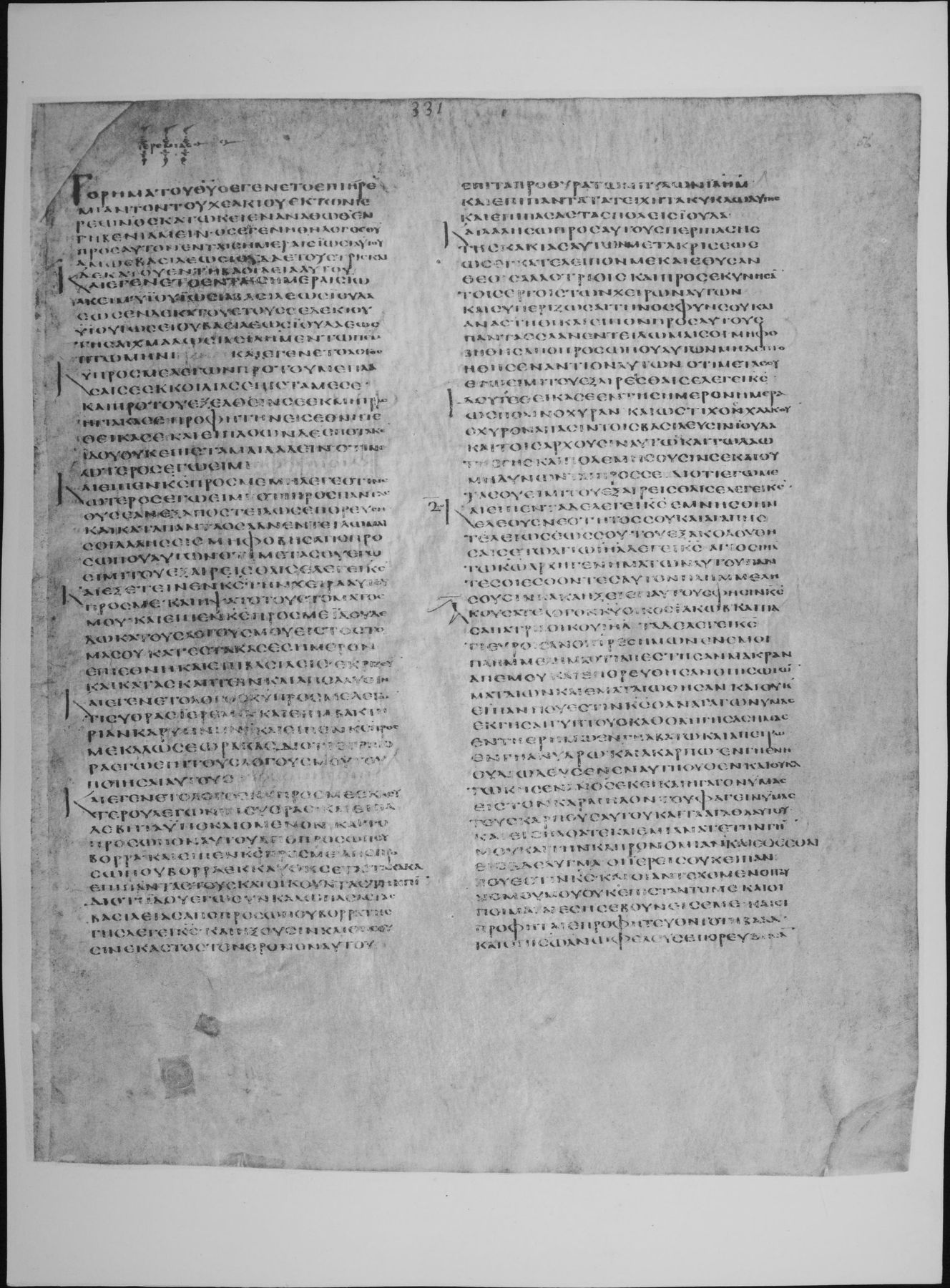
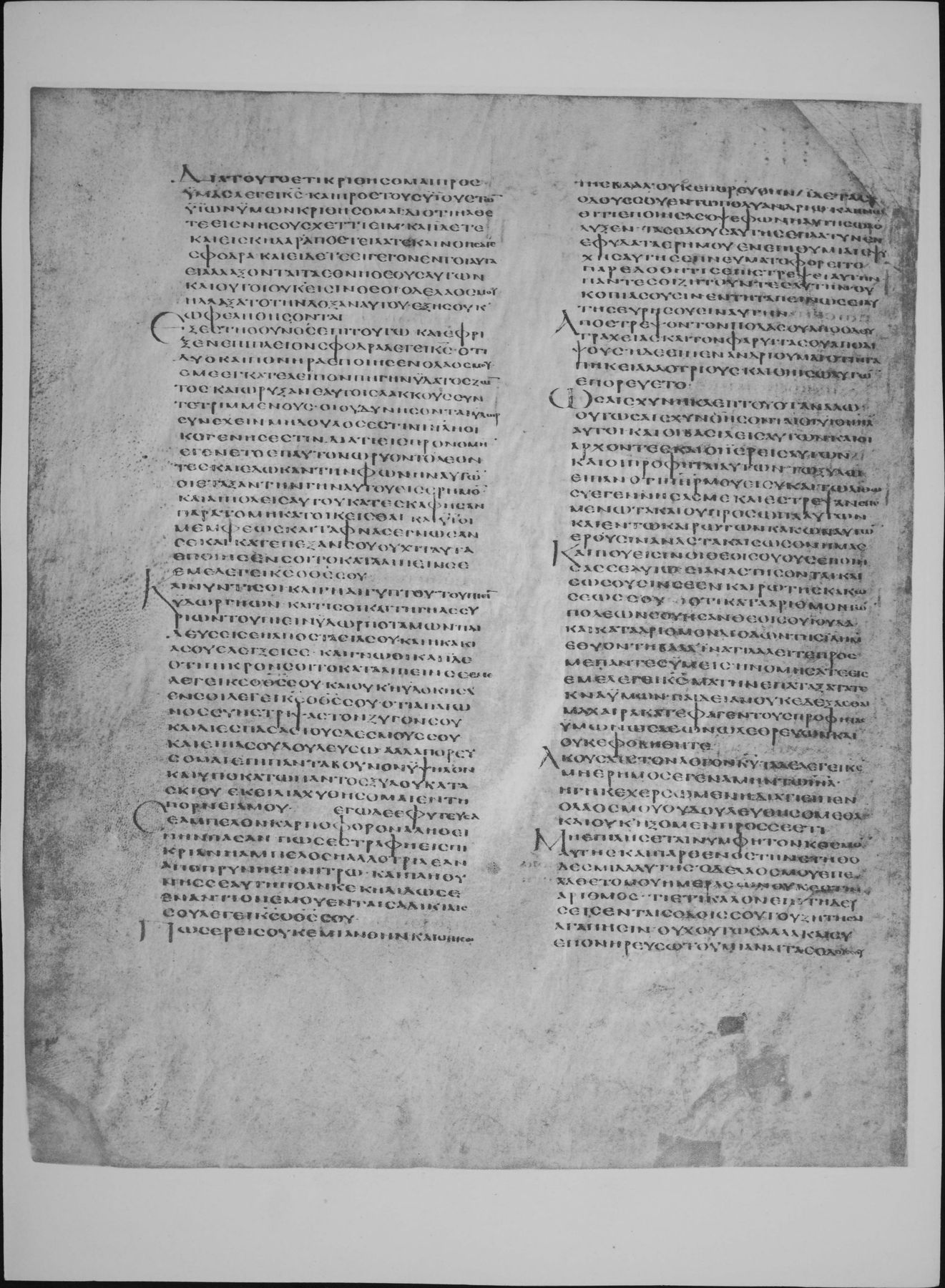
Where on the image
Jeremiah 2:2-8 is on fol. 331r (full-size facsimile of 1879-83, Internet Archive codex-alexandrinus leaf 686). The 1936 reduced facsimile prints beneath this page: Jer. i. 1-ii. 8. Checked on the plate: the page begins at the start of Jeremiah 1:1 (first words read: ΤΟ ΡΗΜΑ ΤΟΥ ΘΥ Ο ΕΓΕΝΕΤΟ ΕΠΙ ΙΕΡΕΜΙΑΝ ΤΟΝ ΤΟΥ ΧΕΛΚΙΟΥ ΕΚ ΤΩΝ ΙΕΡΕΩΝ ΟΣ ΚΑΤΩΚΕΙ ΕΝ ΑΝΑΘΩΘ). Jeremiah 2:9 is on fol. 331v (full-size facsimile of 1879-83, Internet Archive codex-alexandrinus leaf 687). The 1936 reduced facsimile prints beneath this page: Jer. ii. 9-33. Checked on the plate: the page begins at the start of Jeremiah 2:9 (first words read: ΔΙΑ ΤΟΥΤΟ ΕΤΙ ΚΡΙΘΗΣΟΜΑΙ ΠΡΟΣ ΥΜΑΣ ΛΕΓΕΙ ΚΣ ΚΑΙ ΠΡΟΣ ΤΟΥΣ ΥΙΟΥΣ ΤΩΝ ΥΙΩΝ ΥΜΩΝ ΚΡΙΘΗΣΟΜΑΙ).
2Καὶ εἶπεν Τάδε λέγει Κύριος Ἐμνήσθην ἐλέους νεότητός σου καὶ ἀγάπης τελειώσεως αὐτοῦ, ἐξακολουθῆσαί σε τῷ ἁγίῳ Ἰσραήλ, λέγει Κύριος. 3ἅγιος Ἰσραὴλ τῷ κυρίῳ, ἀρχὴ γενημάτων αὐτοῦ· πάντες οἱ ἔσθοντες αὐτὸν πλημμελήσουσιν, κακὰ ἥξει ἐπ᾽ αὐτούς, φησὶν Κύριος. 4Ἀκούσατε λόγον Κυρίου, οἶκος Ἰακὼβ καὶ πᾶσα πατριὰ οἴκου Ἰσραήλ. 5τάδε λέγει Κύριος Τί εὕροσαν οἱ πατέρες ὑμῶν ἐν ἐμοὶ πλημμέλημα, ὅτι ἀπέστησαν μακρὰν ἀπ᾽ ἐμοῦ, καὶ ἐπορεύθησαν ὀπίσω τῶν ματαίων καὶ ἐματαιώθησαν; 6καὶ οὐκ εἶπαν Ποῦ ἐστιν Κύριος ὁ ἀναγαγὼν ἡμᾶς ἐκ γῆς Αἰγύπτου, ὁ καθοδηγήσας ἡμᾶς ἐν τῇ ἐρήμῳ ἐν γῇ ἀπείρῳ καὶ ἀβάτῳ, ἐν γῇ ἀνύδρῳ καὶ ἀκάρπῳ, ἐν γῇ ἐν ᾗ οὐ διώδευσεν ἐν αὐτῇ οὐθὲν καὶ οὐ κατῴκησεν ἄνθρωπος ἐκεῖ; 7καὶ ἤγαγον ὑμᾶς εἰς τὸν Κάρμηλον, τοῦ φαγεῖν ὑμᾶς τοὺς καρποὺς αὐτοῦ καὶ τὰ ἀγαθὰ αὐτοῦ· καὶ εἰσήλθατε καὶ ἐμιάνατε τὴν γῆν μου, καὶ τὴν κληρονομίαν μου ἔθεσθε εἰς βδέλυγμα. 8οἱ ἱερεῖς οὐκ εἶπαν Ποῦ ἐστιν Κύριος; καὶ οἱ ἀντεχόμενοι τοῦ νόμου οὐκ ἠπίσταντό με, καὶ οἱ ποιμένες ἠσέβουν εἰς ἐμέ, καὶ οἱ προφῆται ἐπροφήτευον τῇ Βάαλ καὶ ὀπίσω ἀνωφελοῦς ἐπορεύθησαν. 9διὰ τοῦτο ἔτι κριθήσομαι πρὸς ὑμᾶς, καὶ πρὸς τοὺς υἱοὺς τῶν υἱῶν ὑμῶν κριθήσομαι.
2And he said, Thus saith the Lord, I remember the kindness of thy youth, and the love of thine espousals, in following the Holy One of Israel, saith the Lord. 3Israel was the holy people to the Lord, and the first-fruits of his increase: all that devoured him shall offend; evils shall come upon them, saith the Lord. 4Hear the word of the Lord, O house of Jacob, and every family of the house of Israel. 5Thus saith the Lord, What trespass have your fathers found in me, that they have revolted far from me, and gone after vanities, and become vain? 6And they said not, Where is the Lord, who brought us up out of the land of Egypt, who guided us in the wilderness, in an untried and trackless land, in a land which no man at all went through, and no man dwelt there? 7And I brought you to Carmel, that ye should eat the fruits thereof, and the good thereof; and ye went in, and defiled my land, and made mine heritage an abomination. 8The priests said not, Where is the Lord? and they that held by the law knew me not: the shepherds also sinned against me, and the prophets prophesied by Baal, and went after that which profited not. 9Therefore I will yet plead with you, and will plead with your children's children.
Where on the image
Jeremiah 2:10-17 is on fol. 331v (full-size facsimile of 1879-83, Internet Archive codex-alexandrinus leaf 687). The 1936 reduced facsimile prints beneath this page: Jer. ii. 9-33. Checked on the plate: the page begins at the start of Jeremiah 2:9 (first words read: ΔΙΑ ΤΟΥΤΟ ΕΤΙ ΚΡΙΘΗΣΟΜΑΙ ΠΡΟΣ ΥΜΑΣ ΛΕΓΕΙ ΚΣ ΚΑΙ ΠΡΟΣ ΤΟΥΣ ΥΙΟΥΣ ΤΩΝ ΥΙΩΝ ΥΜΩΝ ΚΡΙΘΗΣΟΜΑΙ).
10διότι ἔλθετε εἰς νήσους Χεττιεὶμ καὶ ἴδετε, καὶ εἰς Κηδὰρ ἀποστείλατε καὶ νοήσατε σφόδρα, καὶ ἴδετε εἰ γέγονεν τοιαῦτα, 11εἰ ἀλλάξονται ἔθνη θεοὺς αὐτῶν, καὶ οὗτοι οὐκ εἰσὶν θεοί· ὁ δὲ λαός μου ἠλλάξατο τὴν δόξαν αὐτοῦ, ἐξ ἧς οὐκ ὠφεληθήσονται. 12ἐξέστη ὁ οὐρανὸς ἐπὶ τούτῳ καὶ ἔφριξεν ἐπὶ πλεῖον σφόδρα, λέγει Κύριος. 13ὅτι δύο καὶ πονηρὰ ἐποίησεν ὁ λαός μου· ἐμὲ ἐνκατέλιπον, πηγὴν ὕδατος ζωῆς, καὶ ὤρυξαν ἑαυτοῖς λάκκους συντετριμμένους οἳ οὐ δυνήσονται ὕδωρ συνέχειν. 14μὴ δοῦλός ἐστιν Ἰσραήλ, ἢ οἰκογενής ἐστιν; διὰ τί εἰς προνομὴν ἐγένετο; 15ἐπ᾽ αὐτὸν ὠρύοντο λέοντες καὶ ἔδωκαν τὴν φωνὴν αὐτῶν, οἳ ἔταξαν τὴν γῆν αὐτοῦ εἰς ἔρημον, καὶ αἱ πόλεις αὐτοῦ κατεσκάφησαν παρὰ τὸ μὴ κατοικεῖσθαι. 16καὶ υἱοὶ Μέμφεως καὶ Ταφνὰς ἔγνωσάν σε καὶ κατέπαιζόν σου· οὐχὶ ταῦτα ἐποίησέν σοι τὸ καταλιπεῖν σε ἐμέ; 17λέγει Κύριος ὁ θεός σου.
10For go to the isles of the Chettians, and see; and send to Kedar, and observe accurately, and see if such things have been done; 11if the nations will change their gods, though they are not gods: but my people have changed their glory, for that from which they shall not be profited. 12The heaven is amazed at this, and is very exceedingly horror-struck, saith the Lord. 13For my people has committed two faults, and evil ones: they have forsaken me, the fountain of water of life, and hewn out for themselves broken cisterns, which will not be able to hold water. 14Is Israel a servant, or a home-born slave? why has he become a spoil? 15The lions roared upon him, and uttered their voice, which have made his land a wilderness: and his cities are broken down, that they should not be inhabited. 16Also the children of Memphis and Taphnas have known thee, and mocked thee. 17Has not thy forsaking me brought these things upon thee? saith the Lord thy God.
Where on the image
Jeremiah 2:18-25 is on fol. 331v (full-size facsimile of 1879-83, Internet Archive codex-alexandrinus leaf 687). The 1936 reduced facsimile prints beneath this page: Jer. ii. 9-33. Checked on the plate: the page begins at the start of Jeremiah 2:9 (first words read: ΔΙΑ ΤΟΥΤΟ ΕΤΙ ΚΡΙΘΗΣΟΜΑΙ ΠΡΟΣ ΥΜΑΣ ΛΕΓΕΙ ΚΣ ΚΑΙ ΠΡΟΣ ΤΟΥΣ ΥΙΟΥΣ ΤΩΝ ΥΙΩΝ ΥΜΩΝ ΚΡΙΘΗΣΟΜΑΙ).
18καὶ νῦν τί σοι καὶ τῇ ὁδῷ Αἰγύπτου τοῦ πιεῖν ὕδωρ Γηών; καὶ τί σοι καὶ τῇ ὁδῷ Ἀσσυρίων τοῦ πιεῖν ὕδωρ ποταμῶν; 19παιδεύσει σε ἡ ἀποστασία σου, καὶ ἡ κακία σου ἐλέγξει σε· καὶ γνῶθι καὶ ἴδε ὅτι πικρόν σοι τὸ καταλιπεῖν σε ἐμέ, λέγει Κύριος ὁ θεός σου· καὶ οὐκ εὐδόκησα ἐπὶ σοί, λέγει Κύριος ὁ θεός σου. 20ὅτι ἀπ᾽ αἰῶνος συνέτριψας τὸν ζυγόν σου· διέσπασας τοὺς δεσμούς σου, καὶ εἶπας Οὐ δουλεύσω σοι, ἀλλὰ πορεύσομαι ἐπὶ πᾶν βουνὸν ὑψηλὸν καὶ ὑποκάτω παντὸς ξύλου κατασκίου, ἐκεῖ διαχυθήσομαι ἐν τῇ πορνείᾳ μου. 21ἐγὼ δὲ ἐφύτευσά σε ἄμπελον καρποφόρον πᾶσαν ἀληθινήν· πῶς ἐστράφης εἰς πικρίαν, ἡ ἄμπελος ἡ ἀλλοτρία; 22ἐὰν ἀποπλύνῃς ἐν νίτρῳ καὶ πληθύνῃς σεαυτῇ ποίαν, κεκηλίδωσαι ἐν ταῖς ἀδικίαις σου ἐναντίον ἐμοῦ, λέγει Κύριος. 23πῶς ἐρεῖς Οὐκ ἐμιάνθην καὶ ὀπίσω τῆς Βάαλ οὐκ ἐπορεύθην; ἴδε τὰς ὁδούς σου ἐν τῷ πολυανδρίῳ, καὶ γνῶθι τί ἐποίησας. ὀψὲ φωνὴ αὐτῆς ὠλόλυξεν, 24τὰς ὁδοὺς αὐτῆς ἐπλάτυνεν ἐφ᾽ ὕδατα ἐρήμου, ἐν ἐπιθυμίαις ψυχῆς αὐτῆς ἐπνευματοφορεῖτο, παρεδόθη. τίς ἐπιστρέψει αὐτήν; πάντες οἱ ζητοῦντες αὐτὴν οὐ κοπιάσουσιν, ἐν τῇ ταπεινώσει αὐτῆς εὑρήσουσιν αὐτήν. 25ἀπόστρεψον τὸν πόδα σου ἀπὸ ὁδοῦ τραχείας, καὶ τὸν φάρυγγά σου ἀπὸ δίψους. ἡ δὲ εἶπεν Ἀνδριοῦμαι· ὅτι ἠγαπήκει ἀλλοτρίους καὶ ὀπίσω αὐτῶν ἐπορεύετο.
18And now what hast thou to do with the way of Egypt, to drink the water of Geon? and what hast thou to do with the way of the Assyrians, to drink the water of rivers? 19Thine apostasy shall correct thee, and thy wickedness shall reprove thee: know then, and see, that thy forsaking me has been bitter to thee, saith the Lord thy God; and I have taken no pleasure in thee, saith the Lord thy God. 20For of old thou hast broken thy yoke, and plucked asunder thy bands; and thou hast said, I will not serve thee, but will go upon every high hill, and under every shady tree, there will I indulge in my fornication. 21Yet I planted thee a fruitful vine, entirely of the right sort: how art thou a strange vine turned to bitterness! 22Though thou shouldest wash thyself with nitre, and multiply to thyself soap, still thou art stained by thine iniquities before me, saith the Lord. 23How wilt thou say, I am not polluted, and have not gone after Baal? behold thy ways in the burial-ground, and know what thou hast done: her voice has howled in the evening: 24she has extended her ways over the waters of the desert; she was hurried along by the lusts of her soul; she is given up to them, who will turn her back? none that seek her shall be weary; at the time of her humiliation they shall find her. 25Withdraw thy foot from a rough way, and thy throat from thirst: but she said, I will strengthen myself: for she loved strangers, and went after them.
Where on the image
Jeremiah 2:26-33 is on fol. 331v (full-size facsimile of 1879-83, Internet Archive codex-alexandrinus leaf 687). The 1936 reduced facsimile prints beneath this page: Jer. ii. 9-33. Checked on the plate: the page begins at the start of Jeremiah 2:9 (first words read: ΔΙΑ ΤΟΥΤΟ ΕΤΙ ΚΡΙΘΗΣΟΜΑΙ ΠΡΟΣ ΥΜΑΣ ΛΕΓΕΙ ΚΣ ΚΑΙ ΠΡΟΣ ΤΟΥΣ ΥΙΟΥΣ ΤΩΝ ΥΙΩΝ ΥΜΩΝ ΚΡΙΘΗΣΟΜΑΙ).
26ὡς αἰσχύνη κλέπτου ὅταν ἁλῷ, οὕτως αἰσχυνθήσονται οἱ υἱοὶ Ἰσραήλ, αὐτοὶ καὶ οἱ βασιλεῖς αὐτῶν καὶ οἱ ἄρχοντες αὐτῶν καὶ οἱ ἱερεῖς αὐτῶν καὶ οἱ προφῆται αὐτῶν. 27τῷ ξύλῳ εἶπαν ὅτι Πατήρ μου εἶ σύ, καὶ τῷ λίθῳ Σὺ ἐγέννησάς με· καὶ ἔστρεψαν ἐπ᾽ ἐμὲ νῶτα καὶ οὐ πρόσωπα αὐτῶν, καὶ ἐν τῷ καιρῷ τῶν κακῶν αὐτῶν ἐροῦσιν Ἀνάστα καὶ σῶσον ἡμᾶς. 28καὶ ποῦ εἰσιν οἱ θεοί σου οὓς ἐποίησας σεαυτῷ; εἰ ἀναστήσονται καὶ σώσουσιν ἐν καιρῷ τῆς κακώσεώς σου; ὅτι κατ᾽ ἀριθμὸν τῶν πόλεών σου ἦσαν θεοί σου, Ἰούδα, καὶ κατ᾽ ἀριθμὸν διόδων τῆς Ἰερουσαλὴμ ἔθυον τῇ Βάαλ. 29Ἵνα τί λαλεῖτε πρὸς μέ; πάντες ὑμεῖς ἠσεβήσατε, καὶ πάντες ὑμεῖς ἠνομήσατε εἰς ἐμέ, λέγει Κύριος. 30μάτην ἐπάταξα τὰ τέκνα ὑμῶν, παιδείαν οὐκ ἐδέξασθε· μάχαιρα κατέφαγεν τοὺς προφήτας ὑμῶν ὡς λέων ὀλεθρεύων, καὶ οὐκ ἐφοβήθητε. 31ἀκούσατε λόγον Κυρίου Τάδε λέγει Κύριος Μὴ ἔρημος ἐγενόμην τῷ Ἰσραὴλ ἢ γῆ κεχερσωμένη; διὰ τί εἶπεν ὁ λαός μου Οὐ κυριευθησόμεθα, καὶ οὐχ ἥξομεν πρὸς σὲ ἔτι; 32μὴ ἐπιλήσεται νύμφη τὸν κόσμον αὐτῆς, καὶ παρθένος τὴν στηθοδεσμίδα αὐτῆς; ὁ δὲ λαός μου ἐπελάθετό μου ἡμέρας ὧν οὐκ ἔστιν ἀριθμός. 33τί ἔτι καλὸν ἐπιτηδεύσεις ἐν ταῖς ὁδοῖς σου τοῦ ζητῆσαι ἀγάπησιν; οὐχ οὕτως· ἀλλὰ καὶ σὺ ἐπονηρεύσω τοῦ μιᾶναι τὰς ὁδούς σου,
26As is the shame of a thief when he is caught, so shall the children of Israel be ashamed; they, and their kings, and their princes, and their priests, and their prophets. 27They said to a stock, Thou art my father; and to a stone, Thou hast begotten me: and they have turned their backs to me, and not their faces: yet in the time of their afflictions they will say, Arise, and save us. 28And where are thy gods, which thou madest for thyself? will they arise and save in the time of thine affliction? for according to the number of thy cities were thy gods, O Juda; and according to the number of the streets of Jerusalem they sacrificed to Baal. 29Wherefore do ye speak unto me? ye all have been ungodly, and ye all have transgressed against me, saith the Lord. 30In vain have I smitten your children; ye have not received correction: a sword has devoured your prophets as a destroying lion; yet ye feared not. 31Hear ye the word of the Lord: thus saith the Lord, Have I been a wilderness or a dry land to Israel? wherefore has my people said, We will not be ruled over, and will not come to thee any more? 32Will a bride forget her ornaments, or a virgin her girdle? but my people has forgotten me days without number. 33What fair device wilt thou yet employ in thy ways, so as to seek love? it shall not be so; moreover thou hast done wickedly in corrupting thy ways;
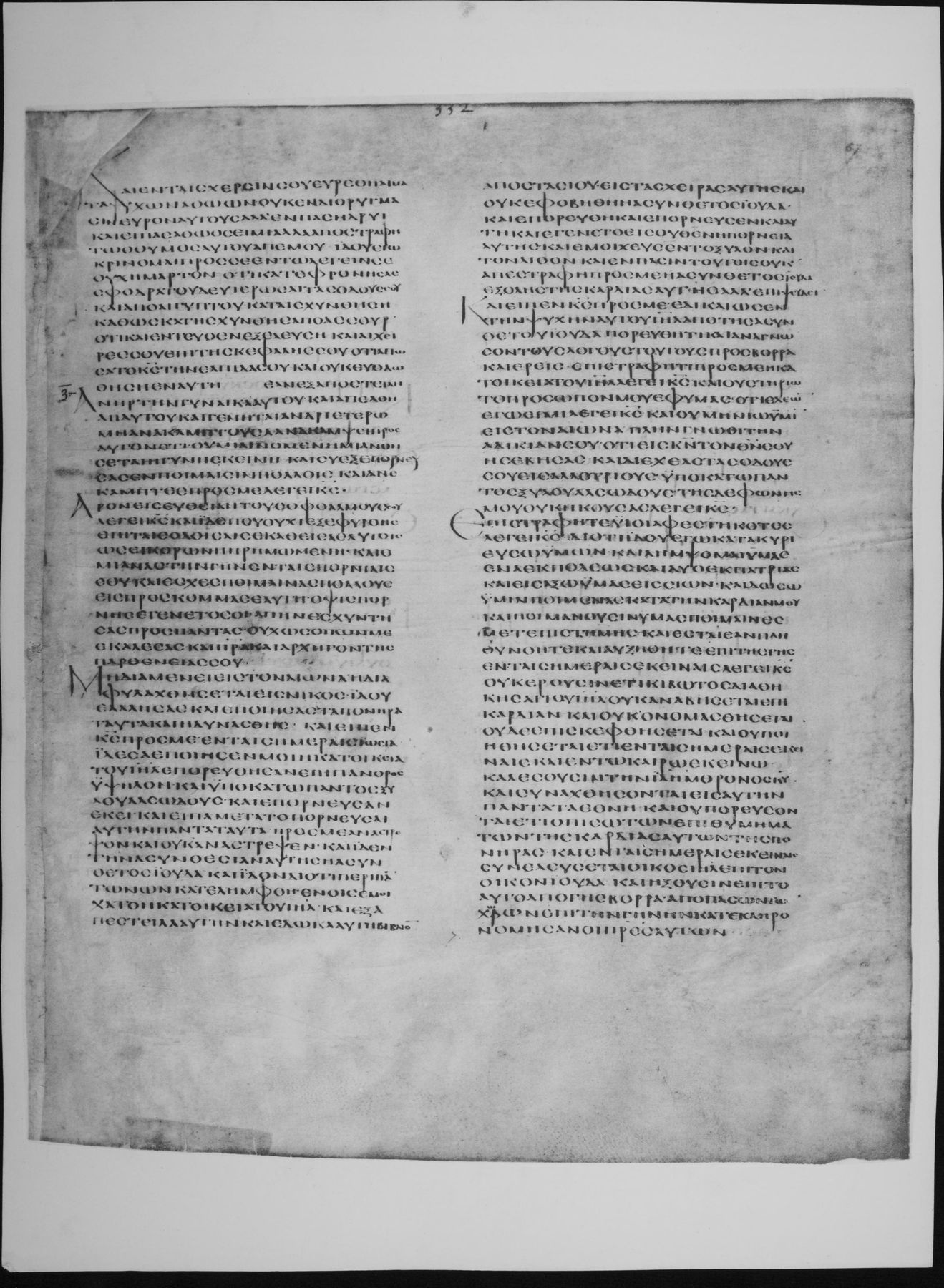
Where on the image
Jeremiah 2:34-36 is on fol. 332r (full-size facsimile of 1879-83, Internet Archive codex-alexandrinus leaf 688). The 1936 reduced facsimile prints beneath this page: Jer. ii. 34-iii. 18. Checked on the plate: the page begins at the start of Jeremiah 2:34 (first words read: ΚΑΙ ΕΝ ΤΑΙΣ ΧΕΡΣΙΝ ΣΟΥ ΕΥΡΕΘΗΣΑΝ ΑΙΜΑΤΑ ΨΥΧΩΝ ΑΘΩΩΝ ΟΥΚ ΕΝ ΔΙΟΡΥΓΜΑΣΙΝ ΕΥΡΟΝ ΑΥΤΟΥΣ).
34καὶ ἐν ταῖς χερσίν σου εὑρέθησαν αἵματα ψυχῶν ἀθῴων· οὐκ ἐν διορύγμασιν εὗρον αὐτοὺς ἀλλ᾽ ἐπὶ πάσῃ δρυί. 35καὶ εἶπας Ἀθῷός εἰμι, ἀλλὰ ἀποστραφήτω ὁ θυμὸς αὐτοῦ ἀπ᾽ ἐμοῦ. ἰδοὺ ἐγὼ κρίνομαι πρὸς σέ, ἐν τῷ λέγειν σε Οὐχ ἥμαρτον· 36ὅτι κατεφρόνησας σφόδρα τοῦ δευτερῶσαι τὰς ὁδούς σου; καὶ ἀπὸ Αἰγύπτου καταισχυνθήσῃ καθὼς καταισχύνθης ἀπὸ Ἀσσούρ, ὅτι καὶ ἐντεῦθεν ἐξελεύσῃ, καὶ αἱ χεῖρές σου ἐπὶ τῆς κεφαλῆς σου· ὅτι ἀπώσατο Κύριος τὴν ἐλπίδα σου, καὶ οὐκ εὐοδωθήσῃ ἐν αὐτῇ.
34and in thine hands has been found the blood of innocent souls; I have not found them in holes, but on every oak. 35Yet thou saidst, I am innocent: only let his wrath be turned away from me. 36For thou hast been so exceedingly contemptuous as to repeat thy ways; but thou shalt be ashamed of Egypt, as thou wast ashamed of Assur. 37For thou shalt go forth thence also with thine hands upon thine head; for the Lord has rejected thine hope, and thou shalt not prosper in it.
Cite
Sources
- Source: Codex Alexandrinus (British Library Royal MS 1 D. VI) via the British Museum photographic facsimiles of 1879-83 and 1936 (Internet Archive) + Swete's Septuagint + Brenton's English (holding institution)
- Critical edition: H. B. Swete, The Old Testament in Greek according to the Septuagint (1909)
← previous · → next · v cycle view · l back to library