Jeremiah, Chapter 52 (Codex Alexandrinus)
Introduction
Jeremiah 52 in the Greek Old Testament (the Septuagint) as written in Codex Alexandrinus, a Greek Bible copied in the fifth century, probably in Egypt, and now in the British Library (Royal MS 1 D. VI, the second of its four volumes). It is one of the three great early codices of the whole Greek Bible, with Codex Vaticanus and Codex Sinaiticus.
This entry meets the strict three-criteria standard of the Theosis Library:
- Manuscript scan: the pages of Codex Alexandrinus carrying this chapter (fol. 360v, fol. 361r, fol. 361v), from the full-size photographic (autotype) facsimile published by the British Museum in 1879-1883, as digitised on the Internet Archive. The verse range of every page comes from the reduced photographic facsimile of 1936, which prints it beneath each plate, and the opening words of every page were read on the plate to confirm the page and the verse it begins with. Each section links to the page or pages that hold its verses. Folio numbers are those written at the head of each leaf and visible on the plates.
- Original text: Swete's edition, which here prints the text of Codex Vaticanus (Vat. gr. 1209), the base of his edition, and gives the readings of Alexandrinus only in his apparatus. The Greek column is therefore Vaticanus' text; where Alexandrinus differs, the plate shows what Alexandrinus reads.
- English translation: Sir Lancelot C. L. Brenton, The Septuagint Version of the Old Testament (1844; 1851 edition), a translation of the Greek, public domain, from the eBible.org text.
How was this verified? (Provenance)
Where on the image
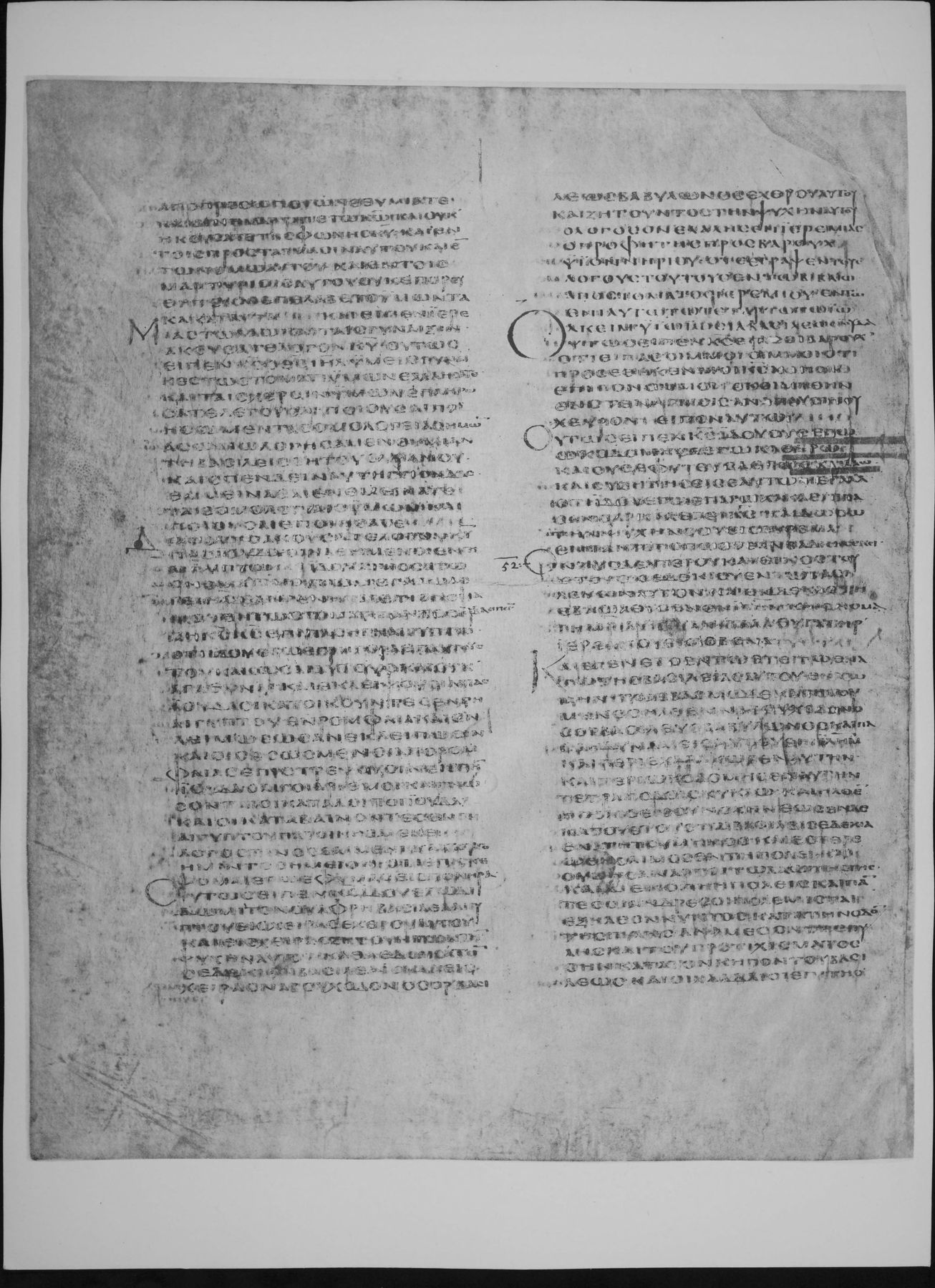
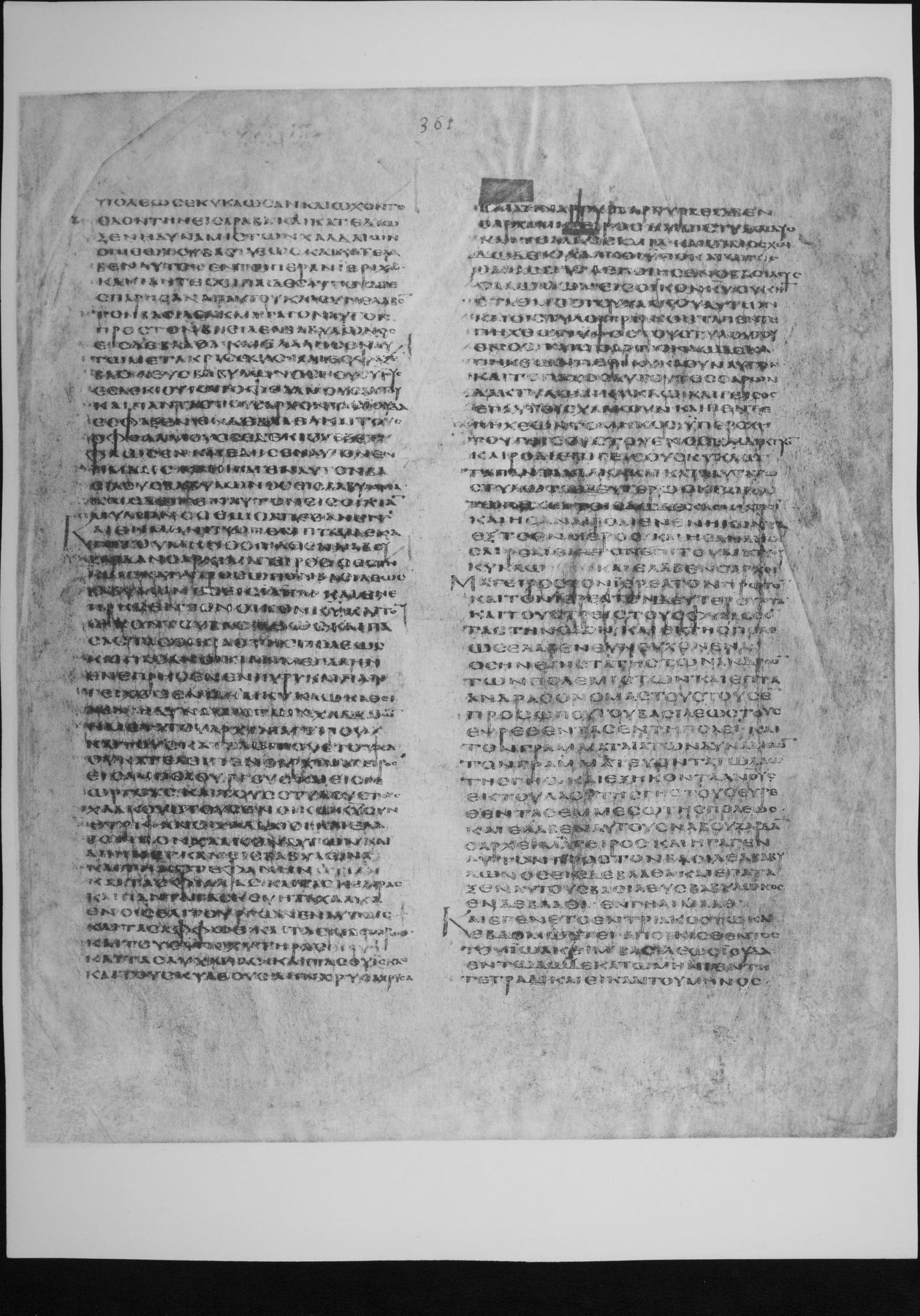
Jeremiah 52:1-7 is on fol. 360v (full-size facsimile of 1879-83, Internet Archive codex-alexandrinus leaf 745). The 1936 reduced facsimile prints beneath this page: Jer. li. 23-lii. 7. Checked on the plate: the page begins at the start of Jeremiah 51:23 (first words read: ΕΘΥΜΙΑΤΕ ΚΑΙ ΩΝ ΗΜΑΡΤΕΤΕ ΤΩ ΚΩ ΚΑΙ ΟΥΚ ΗΚΟΥΣΑΤΕ ΤΗΣ ΦΩΝΗΣ ΚΥ). Note: the page begins at the start of Jer. 51:23 (ΑΠΟ ΠΡΟΣΩΠΟΥ ΩΝ ΕΘΥΜΙΑΤΕ), as the captions show (li. 22 ends the preceding page). Jeremiah 52:7-10 is on fol. 361r (full-size facsimile of 1879-83, Internet Archive codex-alexandrinus leaf 746). The 1936 reduced facsimile prints beneath this page: Jer. lii. 7-31. Checked on the plate: the page begins inside Jeremiah 52:7 (first words read: ΠΟΛΕΩΣ ΚΥΚΛΩ ΚΑΙ ΩΧΟΝΤΟ ΟΔΟΝ ΤΗΝ ΕΙΣ ΑΡΑΒΑ).
1Ὄντος εἰκοστοῦ καὶ ἑνὸς ἔτους Σεδεκίου ἐν τῷ βασιλεύειν αὐτόν, καὶ ἕνδεκα ἔτη ἐβασίλευσεν ἐν Ἰερουσαλήμ· καὶ ὄνομα τῇ μητρὶ αὐτοῦ Ἁμειταὰλ θυγάτηρ Ἰερεμίου ἐκ Λοβενά. 4καὶ ἐγένετο τῷ ἔτει τῷ ἐνάτῳ τῆς βασιλείας αὐτοῦ ἐν μηνὶ τῷ ἐνάτῳ δεκάτῃ τοῦ μηνὸς ἦλθεν Ναβουχοδονοσὸρ βασιλεὺς Βαβυλῶνος καὶ πᾶσα ἡ δύναμις αὐτοῦ ἐπὶ Ἰερουσαλήμ, καὶ περιεχαράκωσαν αὐτὴν καὶ περιῳκοδόμησαν αὐτὴν τετραπόδοις κύκλῳ. 5καὶ ἦλθεν ἡ πόλις εἰς συνοχὴν ἕως ἑνδεκάτου ἔτους τῷ βασιλεῖ Σεδεκίᾳ 6ἐν τῇ ἐνάτῃ τοῦ μηνός, καὶ ἐστερεώθη ὁ λιμὸς ἐν τῇ πόλει, καὶ οὐκ ἦσαν ἄρτοι τῷ λαῷ τῆς γῆς. 7καὶ διεκόπη ἡ πόλις, καὶ πάντες οἱ ἄνδρες οἱ πολεμισταὶ ἐξῆλθον νυκτὸς κατὰ τὴν ὁδὸν τῆς πύλης ἀνὰ μέσον τοῦ τείχους καὶ τοῦ προτειχίσματος, ὃ ἦν κατὰ τὸν κῆπον τοῦ βασιλέως, καὶ οἱ Χαλδαῖοι ἐπὶ τῆς πόλεως κύκλῳ. καὶ ἐπορεύθησαν ὁδὸν τὴν εἰς ἀραβά, 8καὶ κατεδίωξεν ἡ δύναμις τῶν Χαλδαίων ὀπίσω τοῦ βασιλέως, καὶ κατέλαβον αὐτὸν ἐν τῷ πέραν Ἰερειχώ, καὶ πάντες οἱ παῖδες αὐτοῦ διεσπάρησαν ἀπ᾽ αὐτοῦ. 9καὶ συνέλαβον τὸν βασιλέα, καὶ ἤγαγον αὐτὸν πρὸς τὸν βασιλέα Βαβυλῶνος εἰς Δεβλάθα· καὶ ἐλάλησεν αὐτῷ μετὰ κρίσεως. 10καὶ ἔσφαξεν βασιλεὺς Βαβυλῶνος τοὺς υἱοὺς Σεδεκίου κατ᾽ ὀφθαλμοὺς αὐτοῦ, καὶ πάντας τοὺς ἄρχοντας Ἰούδα ἔσφαξεν ἐν Δεβλάθα.
1It was the twenty-first year of Sedekias, when he began to reign, and he reigned eleven years in Jerusalem. And his mother's name was Amitaal, the daughter of Jeremias, of Lobena. 4And it came to pass in the ninth year of his reign, in the ninth month, on the tenth day of the month, that Nabuchodonosor king of Babylon came, and all his host, against Jerusalem, and they made a rampart round it, and built a wall round about it with large stones. 5So the city was besieged, until the eleventh year of king Sedekias, 6on the ninth day of the month, and then the famine was severe in the city, and there was no bread for the people of the land. 7And the city was broken up, and all the men of war went out by night by the way of the gate, between the wall and the outworks, which were by the king's garden; and the Chaldeans were by the city round about; and they went by the way leading to the wilderness. 8But the host of the Chaldeans pursued after the king, and overtook him in the country beyond Jericho; and all his servants were dispersed from about him. 9And they took the king, and brought him to the king of Babylon to Deblatha, and he judged him. 10And the king of Babylon slew the sons of Sedekias before his eyes; and he slew all the princes of Juda in Deblatha.
Where on the image
Jeremiah 52:11-19 is on fol. 361r (full-size facsimile of 1879-83, Internet Archive codex-alexandrinus leaf 746). The 1936 reduced facsimile prints beneath this page: Jer. lii. 7-31. Checked on the plate: the page begins inside Jeremiah 52:7 (first words read: ΠΟΛΕΩΣ ΚΥΚΛΩ ΚΑΙ ΩΧΟΝΤΟ ΟΔΟΝ ΤΗΝ ΕΙΣ ΑΡΑΒΑ).
11καὶ τοὺς ὀφθαλμοὺς Σεδεκίου ἐξετύφλωσεν καὶ ἔδησεν αὐτὸν ἐν πέδαις· καὶ ἤγαγεν αὐτὸν βασιλεὺς Βαβυλῶνος εἰς Βαβυλῶνα, καὶ ἔδωκεν αὐτὸν εἰς οἰκίαν μύλωνος ἕως ἡμέρας ἧς ἀπέθανεν. 12Καὶ ἐν μηνὶ πέμπτῳ δεκάτῃ τοῦ μηνὸς ἦλθεν Ναβουζαρδὰν ὁ ἀρχιμάγειρος ἑστηκὼς κατὰ πρόσωπον τοῦ βασιλέως Βαβυλῶνος εἰς Ἰερουσαλήμ, 13καὶ ἐνέπρησεν τὸν οἶκον Κυρίου καὶ τὸν οἶκον τοῦ βασιλέως, καὶ πάσας τὰς οἰκίας τῆς πόλεως καὶ πᾶσαν οἰκίαν μεγάλην ἐνέπρησεν ἐν πυρί. 14καὶ πᾶν τεῖχος Ἰερουσαλὴμ κύκλῳ καθεῖλεν ἡ δύναμις τῶν Χαλδαίων ἡ μετὰ τοῦ ἀρχιμαγείρου. 16καὶ τοὺς καταλοίπους τοῦ λαοῦ κατέλειπεν ὁ ἀρχιμάγειρος εἰς ἀμπελουργοὺς καὶ εἰς γεωργούς. 17καὶ τοὺς στύλους τοὺς χαλκοῦς τοὺς ἐν οἴκῳ Κυρίου καὶ τὰς βάσεις καὶ τὴν θάλασσαν τὴν χαλκῆν τὴν ἐν οἴκῳ Κυρίου συνέτριψαν οἱ Χαλδαῖοι, καὶ ἔλαβον τὸν χαλκὸν αὐτῶν καὶ ἀπήνεγκαν εἰς Βαβυλῶνα. 18καὶ τὴν στεφάνην καὶ τὰς φιάλας καὶ τὰς κρεάγρας καὶ πάντα τὰ σκεύη τὰ χαλκᾶ ἐν οἷς ἐλειτούργουν ἐν αὐτοῖς, 19καὶ τὰ σαφφὼθ καὶ τὰ μασμαρὼθ καὶ τοὺς ὑποχυτῆρας καὶ τὰς λυχνίας καὶ τὰς θυίσκας καὶ τοὺς κυάθους, ἃ ἦν χρυσᾶ χρυσᾶ καὶ ἃ ἦν ἀργυρᾶ ἀργυρᾶ, ἔλαβεν ὁ ἀρχιμάγειρος.
11And he put out the eyes of Sedekias, and bound him in fetters; and the king of Babylon brought him to Babylon, and put him into the grinding-house, until the day when he died. 12And in the fifth month, on the tenth day of the month, Nabuzardan the captain of the guard, who waited on the king of Babylon, came to Jerusalem; 13and he burnt the house of the Lord, and the king's house; and all the houses of the city, and every great house he burnt with fire. 14And the host of the Chaldeans that was with the captain of the guard pulled down all the wall of Jerusalem round about. 16But the captain of the guard left the remnant of the people to be vinedressers and husbandmen. 17And the Chaldeans broke in pieces the brazen pillars that were in the house of the Lord, and the bases, and the brazen sea that was in the house of the Lord, and they took the brass thereof, and carried it away to Babylon. 18Also the rim, and the bowls, and the flesh-hooks, and all the brazen vessels, wherewith they ministered; 19and the basons, and the snuffers, and the oil-funnels, and the candlesticks, and the censers, and the cups, the golden, of gold, and the silver, of silver, the captain of the guard took away.
Where on the image
Jeremiah 52:20-27 is on fol. 361r (full-size facsimile of 1879-83, Internet Archive codex-alexandrinus leaf 746). The 1936 reduced facsimile prints beneath this page: Jer. lii. 7-31. Checked on the plate: the page begins inside Jeremiah 52:7 (first words read: ΠΟΛΕΩΣ ΚΥΚΛΩ ΚΑΙ ΩΧΟΝΤΟ ΟΔΟΝ ΤΗΝ ΕΙΣ ΑΡΑΒΑ).
20καὶ οἱ στύλοι δύο, καὶ ἡ θάλασσα μία, καὶ οἱ μόσχοι δώδεκα χαλκοῖ ὑποκάτω τῆς θαλάσσης, ἃ ἐποίησεν ὁ βασιλεὺς Σαλωμὼν εἰς οἶκον Κυρίου· οὐκ ἦν σταθμὸς τοῦ χαλκοῦ αὐτῶν. 21καὶ οἱ στύλοι τριάκοντα πέντε πηχῶν ὕψος τοῦ στύλου τοῦ ἑνός, καὶ σπαρτίον δώδεκα πήχεων περιεκύκλου αὐτόν, καὶ τὸ πάχος αὐτοῦ δακτύλων τεσσάρων κύκλῳ, 22καὶ γεῖσος ἐπ᾽ αὐτοῖς χαλκοῦν, καὶ πέντε πήχεων τὸ μῆκος, ὑπεροχὴ τοῦ γείσους τοῦ ἑνός, καὶ δίκτυον καὶ ῥόαι ἐπὶ τοῦ γείσους κύκλῳ, τὰ πάντα χαλκᾶ· καὶ κατὰ ταῦτα τῷ στύλῳ τῷ δευτέρῳ, ὀκτὼ ῥόαι τῷ πήχει τοῖς δώδεκα πήχεσιν. 23καὶ ἦσαν αἱ ῥόαι ἐνενήκοντα ἓξ ἓν μέρος, καὶ ἦσαν αἱ πᾶσαι ῥόαι ἑκατὸν ἐπὶ τοῦ δικτύου κύκλῳ. 24καὶ ἔλαβεν ὁ ἀρχιμάγειρος τὸν ἱερέα τὸν πρῶτον καὶ τὸν ἱερέα τὸν δευτεροῦντα καὶ τοὺς τρεῖς τοὺς φυλάττοντας τὴν ὁδόν, 25καὶ εὐνοῦχον ἕνα ὃς ἦν ἐπιστάτης ἀνδρῶν τῶν πολεμιστῶν, καὶ ἑπτὰ ἄνδρας ὀνομαστοὺς τοὺς ἐν προσώπῳ τοῦ βασιλέως τοὺς εὑρεθέντας ἐν τῇ πόλει, καὶ τὸν γραμματέα τῶν δυνάμεων τὸν γραμματεύοντα τῷ λαῷ τῆς γῆς, καὶ ἑξήκοντα ἀνθρώπους ἐκ τοῦ λαοῦ τῆς γῆς τοὺς εὑρεθέντας ἐν μέσῳ τῆς πόλεως. 26καὶ ἔλαβεν αὐτοὺς Ναβουζαρδὰν ὁ ἀρχιμάγειρος καὶ ἤγαγεν αὐτοὺς πρὸς βασιλέα Βαβυλῶνος εἰς Δεβλάθα· 27καὶ ἐπάταξεν αὐτοὺς βασιλεὺς Βαβυλῶνος ἐν Δεβλάθα ἐν γῇ Αἱμάθ.
20And the two pillars, and the one sea, and the twelve brazen oxen under the sea, which things king Solomon made for the house of the Lord; the brass of which articles was without weight. 21And as for the pillars, the height of one pillar was thirty-five cubits; and a line of twelve cubits compassed it round; and the thickness of it all round was four fingers. 22And there was a brazen chapiter upon them, and the length was five cubits, even the height of one chapiter; and there were on the chapiter round about network and pomegranates, all of brass: and correspondingly the second pillar had eight pomegranates to a cubit for the twelve cubits. 23And the pomegranates were ninety-six on a side; and all the pomegranates on the network round about were a hundred. 24And the captain of the guard took the chief priest, and the second priest, and those that kept the way; 25and one eunuch, who was over the men of war, and seven men of renown, who were in the king's presence, that were found in the city; and the scribe of the forces, who did the part of a scribe to the people of the land; and sixty men of the people of the land, who were found in the midst of the city. 26And Nabuzardan the captain of the king's guard took them, and brought them to the king of Babylon to Deblatha. 27And the king of Babylon smote them in Deblatha, in the land of Æmath.
Where on the image
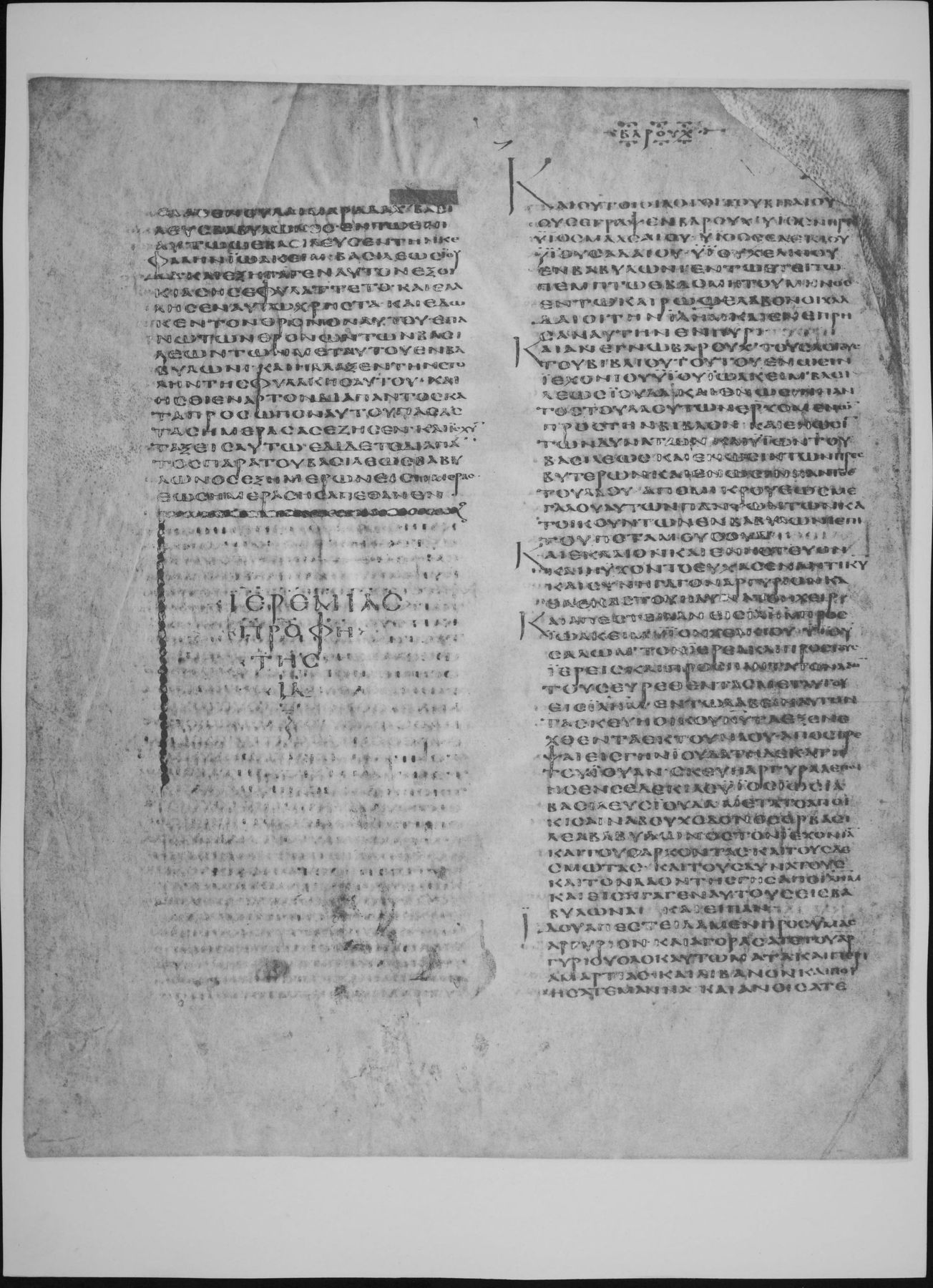
Jeremiah 52:31 is on fol. 361r (full-size facsimile of 1879-83, Internet Archive codex-alexandrinus leaf 746). The 1936 reduced facsimile prints beneath this page: Jer. lii. 7-31. Checked on the plate: the page begins inside Jeremiah 52:7 (first words read: ΠΟΛΕΩΣ ΚΥΚΛΩ ΚΑΙ ΩΧΟΝΤΟ ΟΔΟΝ ΤΗΝ ΕΙΣ ΑΡΑΒΑ). Jeremiah 52:31-34 is on fol. 361v (full-size facsimile of 1879-83, Internet Archive codex-alexandrinus leaf 747). The 1936 reduced facsimile prints beneath this page: Jer. lii. 31-34, Bar. i. 1-10. Checked on the plate: the page begins inside Jeremiah 52:31 (first words read: ΜΑΡΩΔΑΧ ΒΑΣΙΛΕΥΣ ΒΑΒΥΛΩΝΟΣ ΕΝ ΤΩ ΕΝΙΑΥΤΩ).
31Καὶ ἐγένετο ἐν τῷ τριακοστῷ καὶ ἑβδόμῳ ἔτει ἀποικισθέντος τοῦ Ἰωακεὶμ βασιλέως Ἰούδα, ἐν τῷ δωδεκάτῳ μηνὶ ἐν τῇ τετράδι καὶ εἰκάδι τοῦ μηνός, ἔλαβεν Οὐλαιμαδαχὰρ βασιλεὺς Βαβυλῶνος, ἐν τῷ ἐνιαυτῷ ᾧ ἐβασίλευσεν, τὴν κεφαλὴν Ἰωακεὶμ βασιλέως Ἰούδα καὶ ἔκειρεν αὐτόν, καὶ ἐξήγαγεν αὐτὸν ἐξ οἰκίας ἧς ἐφυλάσσετο, 32καὶ ἐλάλησεν αὐτῷ χρηστά, καὶ ἔδωκεν αὐτοῦ τὸν θρόνον ἐπάνω τῶν βασιλέων τῶν μετ᾽ αὐτοῦ ἐν Βαβυλῶνι, 33καὶ ἤλλαξαν τὴν στολὴν τῆς φυλακῆς αὐτοῦ, καὶ ἤσθιεν ἄρτον διὰ παντὸς κατὰ πρόσωπον αὐτοῦ πάσας τὰς ἡμέρας ἃς ἔζησεν. 34καὶ ἡ σύνταξις αὐτῷ ἐδίδετο διὰ παντὸς παρὰ τοῦ βασιλέως Βαβυλῶνος ἐξ ἡμέρας εἰς ἡμέραν ἕως ἡμέρας ἧς ἀπέθανεν.
31And it came to pass in the thirty-seventh year after that Joakim king of Juda had been carried away captive, in the twelfth month, on the four and twentieth day of the month, that Ulæmadachar king of Babylon, in the year in which he began to reign, raised the head of Joakim king of Juda, and shaved him, and brought him out of the house where he was kept, 32and spoke kindly to him, and set his throne above the kings that were with him in Babylon, 33and changed his prison garments: and he ate bread continually before him all the days that he lived. 34And his appointed portion was given him continually by the king of Babylon from day to day, until the day when he died.
Cite
Sources
- Source: Codex Alexandrinus (British Library Royal MS 1 D. VI) via the British Museum photographic facsimiles of 1879-83 and 1936 (Internet Archive) + Swete's Septuagint + Brenton's English (holding institution)
- Critical edition: H. B. Swete, The Old Testament in Greek according to the Septuagint (1909)
← previous · → next · v cycle view · l back to library