Leviticus, Chapter 3 (Codex Alexandrinus)
Introduction
Leviticus 3 in the Greek Old Testament (the Septuagint) as written in Codex Alexandrinus, a Greek Bible copied in the fifth century, probably in Egypt, and now in the British Library (Royal MS 1 D. V, the first of its four volumes). It is one of the three great early codices of the whole Greek Bible, with Codex Vaticanus and Codex Sinaiticus, and for Genesis 1:1-46:28, which Codex Vaticanus has lost, it is the oldest surviving complete Greek text (older papyri such as the Berlin Genesis papyrus and Chester Beatty 961 survive only in part).
This entry meets the strict three-criteria standard of the Theosis Library:
- Manuscript scan: the pages of Codex Alexandrinus carrying this chapter (fol. 60r, fol. 60v), from the full-size photographic (autotype) facsimile published by the British Museum in 1879-1883, as digitised on the Internet Archive. The verse range of every page comes from the reduced photographic facsimile of 1915, which prints it beneath each plate, and the opening words of every page were read on the plate to confirm the page and the verse it begins with. Each section links to the page or pages that hold its verses. Folio numbers are those written at the head of each leaf and visible on the plates.
- Original text: Swete's edition, which here prints the text of Codex Vaticanus (Vat. gr. 1209), the base of his edition, and gives the readings of Alexandrinus only in his apparatus. The Greek column is therefore Vaticanus' text; where Alexandrinus differs, the plate shows what Alexandrinus reads.
- English translation: Sir Lancelot C. L. Brenton, The Septuagint Version of the Old Testament (1844; 1851 edition), a translation of the Greek, public domain, from the eBible.org text.
How was this verified? (Provenance)
Where on the image
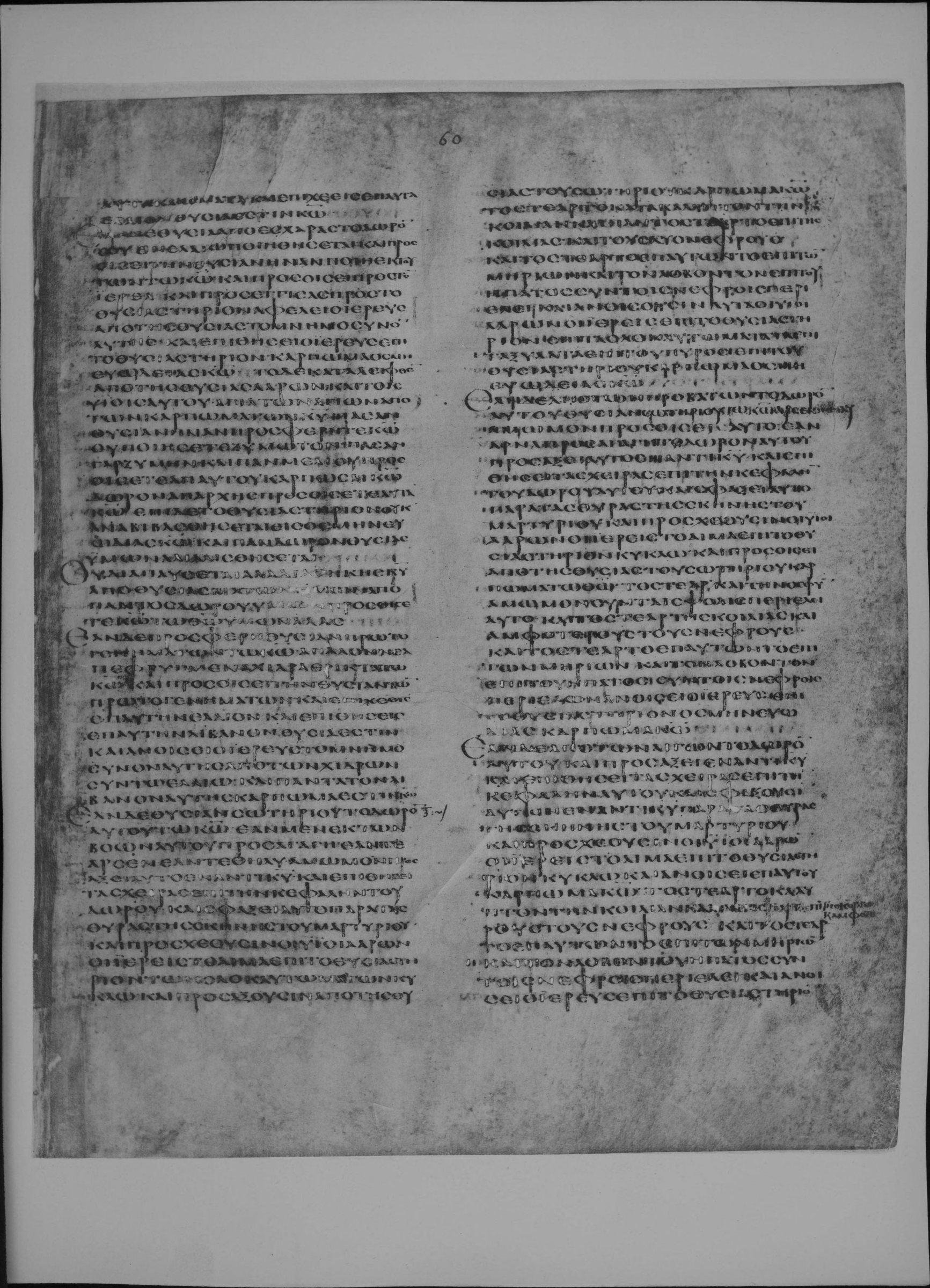
Leviticus 3:1-8 is on fol. 60r (full-size facsimile of 1879-83, Internet Archive codex-alexandrinus leaf 140). The 1915 reduced facsimile prints beneath this page: Levit. ii. 6-iii. 16. Checked on the plate: the page begins inside Leviticus 2:6 (first words read: ΑΥΤΑ ΚΛΑΣΜΑΤΑ ΚΑΙ ΕΠΙΧΕΕΙΣ ΕΠ ΑΥΤΑ ΕΛΑΙΟΝ ΘΥΣΙΑ ΕΣΤΙΝ ΚΩ).
1Ἐὰν δὲ θυσίαν σωτηρίου τὸ δῶρον αὐτοῦ τῷ κυρίῳ, ἐὰν μὲν ἐκ τῶν βοῶν αὐτοῦ προσαγάγῃ, ἐάν τε ἄρσεν ἐάν τε θῆλυ, ἄμωμον προσάξει αὐτὸ ἐναντίον Κυρίου· 2καὶ ἐπιθήσει τὰς χεῖρας ἐπὶ τὴν κεφαλὴν τοῦ δώρου, καὶ σφάξει αὐτὸ ἐναντίον Κυρίου παρὰ τὰς θύρας τῆς σκηνῆς τοῦ μαρτυρίου· καὶ προσχεοῦσιν οἱ υἱοὶ Ἀαρὼν οἱ ἱερεῖς τὸ αἷμα ἐπὶ τὸ θυσιαστήριον τῶν ὁλοκαυτωμάτων κύκλῳ. 3καὶ προσάξουσιν ἀπὸ τῆς θυσίας τοῦ σωτηρίου κάρπωμα Κυρίῳ, τὸ στέαρ τὸ κατακαλύπτον τὴν κοιλίαν καὶ πᾶν τὸ στέαρ τὸ ἐπὶ τῆς κοιλίας, 4καὶ τοὺς δύο νεφρούς καὶ τὸ στέαρ τὸ ἐπ᾽ αὐτῶν, τὸ ἐπὶ τῶν μηρίων, καὶ τὸν λοβὸν τὸν ἐπὶ τοῦ ἥπατος σὺν τοῖς νεφροῖς περιελεῖ. 5καὶ ἀνοίσουσιν αὐτὰ οἱ υἱοὶ Ἀαρὼν οἱ ἱερεῖς ἐπὶ τὸ θυσιαστήριον, ἐπὶ τὰ ὁλοκαυτώματα ἐπὶ τὰ ξύλα τὰ ἐπὶ τοῦ πυρὸς ἐπὶ τοῦ θυσιαστηρίου· κάρπωμα, ὀσμὴ εὐωδίας Κυρίῳ. 6Ἐὰν δὲ ἀπὸ τῶν προβάτων τὸ δῶρον αὐτοῦ, θυσίαν σωτηρίου τῷ κυρίῳ, ἄρσεν ἢ θῆλυ, ἄμωμον προσοίσει αὐτό. 7ἐὰν ἄρνα προσαγάγῃ τὸ δῶρον αὐτοῦ, προσάξει αὐτὸ ἔναντι Κυρίου· 8καὶ ἐπιθήσει τὰς χεῖρας ἐπὶ τὴν κεφαλὴν τοῦ δώρου αὐτοῦ, καὶ σφάξει αὐτὸ παρὰ τὰς θύρας τῆς σκηνῆς τοῦ μαρτυρίου· καὶ προσχεοῦσιν οἱ υἱοὶ Ἀαρὼν οἱ ἱερεῖς τὸ αἷμα ἐπὶ τὸ θυσιαστήριον κύκλῳ·
1And if his gift to the Lord be a peace-offering, if he should bring it of the oxen, whether it be male or whether it be female, he shall bring it unblemished before the Lord. 2And he shall lay his hands on the head of the gift, and shall slay it before the Lord, by the doors of the tabernacle of witness. And the priests the sons of Aaron shall pour the blood on the altar of burnt-offerings round about. 3And they shall bring of the peace-offering a burnt-sacrifice to the Lord, the fat covering the belly, and all the fat on the belly. 4And the two kidneys and the fat that is upon them; he shall take away that which is on the thighs, and the caul above the liver together with the kidneys. 5And the priests the sons of Aaron shall offer them on the altar on the burnt-offering, on the wood which is on the fire upon the altar: it is a burnt-offering, a smell of sweet savour to the Lord. 6And if his gift be of the sheep, a peace-offering to the Lord, male or female, he shall bring it unblemished. 7If he bring a lamb for his gift, he shall bring it before the Lord. 8And he shall lay his hands on the head of his offering, and shall slay it by the doors of the tabernacle of witness; and the priests the sons of Aaron shall pour out the blood on the altar round about.
Where on the image
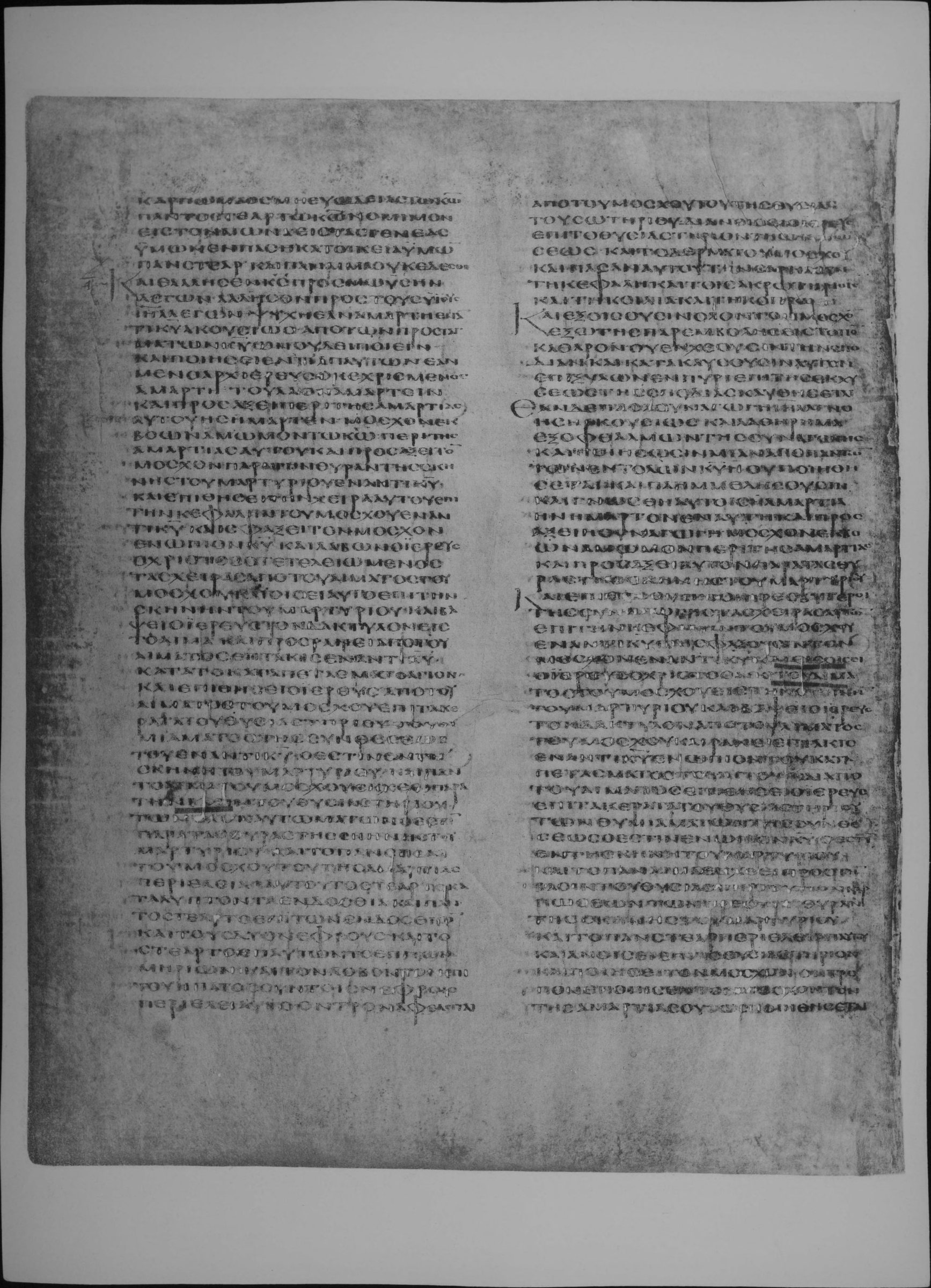
Leviticus 3:9-16 is on fol. 60r (full-size facsimile of 1879-83, Internet Archive codex-alexandrinus leaf 140). The 1915 reduced facsimile prints beneath this page: Levit. ii. 6-iii. 16. Checked on the plate: the page begins inside Leviticus 2:6 (first words read: ΑΥΤΑ ΚΛΑΣΜΑΤΑ ΚΑΙ ΕΠΙΧΕΕΙΣ ΕΠ ΑΥΤΑ ΕΛΑΙΟΝ ΘΥΣΙΑ ΕΣΤΙΝ ΚΩ). Leviticus 3:16-17 is on fol. 60v (full-size facsimile of 1879-83, Internet Archive codex-alexandrinus leaf 141). The 1915 reduced facsimile prints beneath this page: Levit. iii. 16-iv. 20. Checked on the plate: the page begins inside Leviticus 3:16 (first words read: ΚΑΡΠΩΜΑ ΟΣΜΗ ΕΥΩΔΙΑΣ ΤΩ ΚΩ ΠΑΝ ΤΟ ΣΤΕΑΡ ΤΩ ΚΩ ΝΟΜΙΜΟΝ ΕΙΣ ΤΟΝ ΑΙΩΝΑ).
9καὶ προσοίσει ἀπὸ τῆς θυσίας τοῦ σωτηρίου κάρπωμα τῷ θεῷ, τὸ στέαρ καὶ τὴν ὀσφὺν ἄμωμον· σὺν ταῖς ψόαις περιελεῖ αὐτό· καὶ τὸ στέαρ τῆς κοιλίας, 10καὶ ἀμφοτέρους τοὺς νεφροὺς καὶ τὸ στέαρ τὸ ἐπ᾽ αὐτῶν τὸ ἐπὶ τῶν μηρίων, καὶ τὸν λοβὸν τὸν ἐπὶ τοῦ ἥπατος σὺν τοῖς νεφροῖς περιελὼν 11ἀνοίσει ὁ ἱερεὺς ἐπὶ τὸ θυσιαστήριον· ὀσμὴ εὐωδίας, κάρπωμα Κυρίῳ. 12Ἐὰν δὲ ἀπὸ τῶν αἰγῶν τὸ δῶρον αὐτοῦ, καὶ προσάξει ἔναντι Κυρίου· 13καὶ ἐπιθήσει τὰς χεῖρας ἐπὶ τὴν κεφαλὴν αὐτοῦ, καὶ σφάξουσιν αὐτὸ ἔναντι Κυρίου παρὰ τὰς θύρας τῆς σκηνῆς τοῦ μαρτυρίου· καὶ προσχεοῦσιν οἱ υἱοὶ Ἀαρὼν οἱ ἱερεῖς τὸ αἷμα ἐπὶ τὸ θυσιαστήριον κύκλῳ. 14καὶ ἀνοίσει ἐπ᾽ αὐτοῦ κάρπωμα Κυρίῳ τὸ στέαρ τὸ κατακαλύπτον τὴν κοιλίαν καὶ πᾶν τὸ στέαρ τὸ ἐπὶ τῆς κοιλίας, 15καὶ ἀμφοτέρους τοὺς νεφροὺς καὶ πᾶν τὸ στέαρ τὸ ἐπ᾽ αὐτῶν τὸ ἐπὶ τῶν μηρίων, καὶ τὸν λοβὸν τοῦ ἥπατος σὺν τοῖς νεφροῖς περιελεῖ· 16καὶ ἀνοίσει ὁ ἱερεὺς ἐπὶ τὸ θυσιαστήριον· κάρπωμα, ὀσμὴ εὐωδίας τῷ κυρίῳ. πᾶν τὸ στέαρ τῷ κυρίῳ. 17νόμιμον εἰς τὸν αἰῶνα εἰς τὰς γενεὰς ὑμῶν ἐν πάσῃ κατοικίᾳ ὑμῶν· πᾶν στέαρ καὶ πᾶν αἷμα οὐκ ἔδεσθε.
9And he shall bring of the peace-offering a burnt-sacrifice to the Lord: the fat and the hinder part unblemished he shall take away with the loins, and having taken away all the fat that covers the belly, and all the fat that is on the belly, 10and both the kidneys and the fat that is upon them, and that which is on the thighs, and the caul which is on the liver with the kidneys, 11the priest shall offer these on the altar: it is a sacrifice of sweet savour, a burnt-offering to the Lord. 12And if his offering be of the goats, then shall he bring it before the Lord. 13And he shall lay his hands on its head; and they shall slay it before the Lord by the doors of the tabernacle of witness; and the priests the sons of Aaron shall pour out the blood on the altar round about. 14And he shall offer of it a burnt-offering to the Lord, even the fat that covers the belly, and all the fat that is on the belly. 15And both the kidneys, and all the fat that is upon them, that which is upon the thighs, and the caul of the liver with the kidneys, shall he take away. 16And the priest shall offer it upon the altar: it is a burnt-offering, a smell of sweet savour to the Lord. All the fat belongs to the Lord. 17It is a perpetual statute throughout your generations, in all your habitations; ye shall eat no fat and no blood.
Cite
Sources
- Source: Codex Alexandrinus (British Library Royal MS 1 D. V) via the British Museum photographic facsimiles of 1879-83 and 1915 (Internet Archive) + Swete's Septuagint + Brenton's English (holding institution)
- Critical edition: H. B. Swete, The Old Testament in Greek according to the Septuagint (1909)
← previous · → next · v cycle view · l back to library