Leviticus, Chapter 5 (Codex Alexandrinus)
Introduction
Leviticus 5 in the Greek Old Testament (the Septuagint) as written in Codex Alexandrinus, a Greek Bible copied in the fifth century, probably in Egypt, and now in the British Library (Royal MS 1 D. V, the first of its four volumes). It is one of the three great early codices of the whole Greek Bible, with Codex Vaticanus and Codex Sinaiticus, and for Genesis 1:1-46:28, which Codex Vaticanus has lost, it is the oldest surviving complete Greek text (older papyri such as the Berlin Genesis papyrus and Chester Beatty 961 survive only in part).
This entry meets the strict three-criteria standard of the Theosis Library:
- Manuscript scan: the pages of Codex Alexandrinus carrying this chapter (fol. 61r, fol. 61v), from the full-size photographic (autotype) facsimile published by the British Museum in 1879-1883, as digitised on the Internet Archive. The verse range of every page comes from the reduced photographic facsimile of 1915, which prints it beneath each plate, and the opening words of every page were read on the plate to confirm the page and the verse it begins with. Each section links to the page or pages that hold its verses. Folio numbers are those written at the head of each leaf and visible on the plates.
- Original text: Swete's edition, which here prints the text of Codex Vaticanus (Vat. gr. 1209), the base of his edition, and gives the readings of Alexandrinus only in his apparatus. The Greek column is therefore Vaticanus' text; where Alexandrinus differs, the plate shows what Alexandrinus reads.
- English translation: Sir Lancelot C. L. Brenton, The Septuagint Version of the Old Testament (1844; 1851 edition), a translation of the Greek, public domain, from the eBible.org text.
How was this verified? (Provenance)
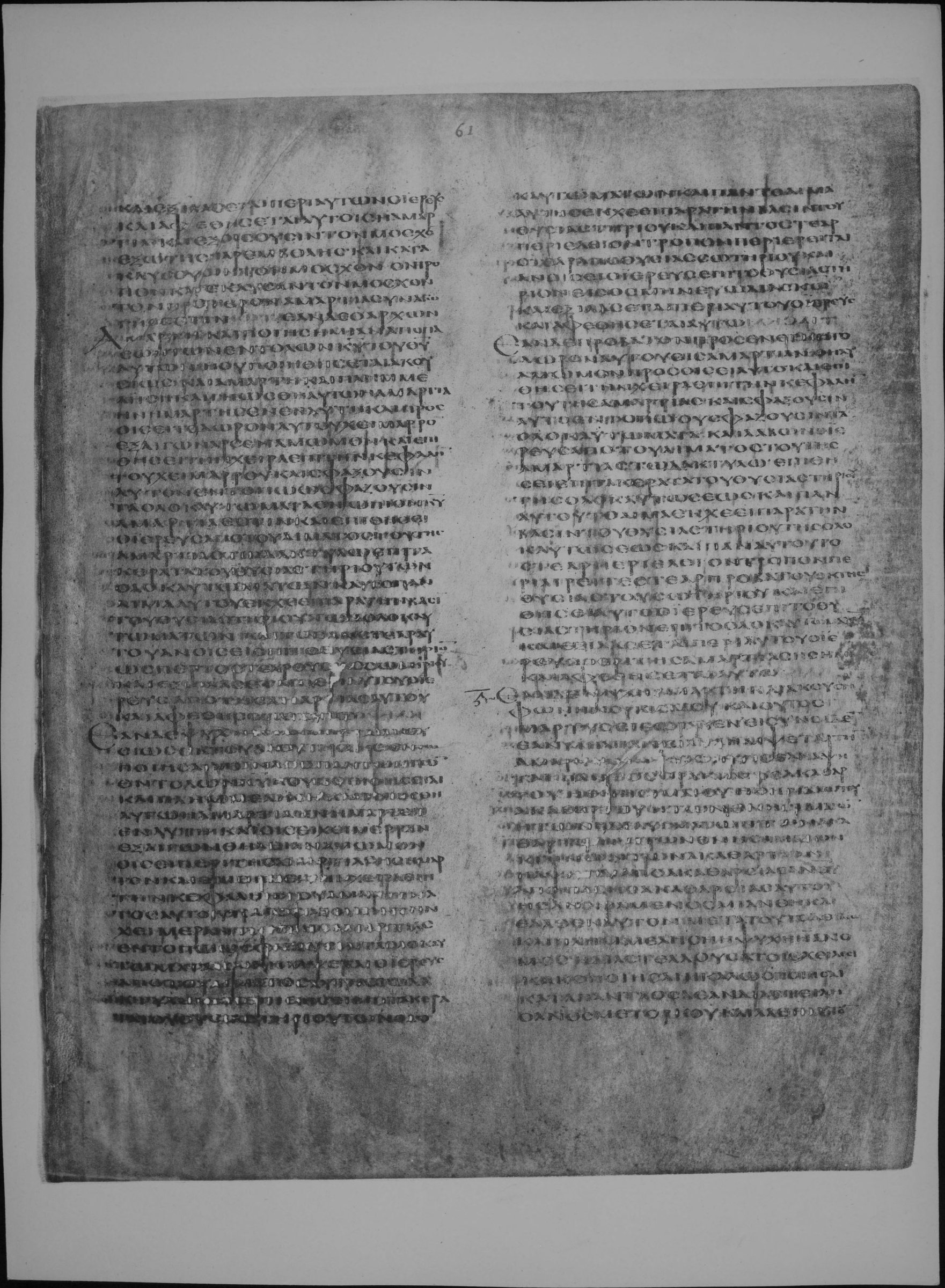
Where on the image
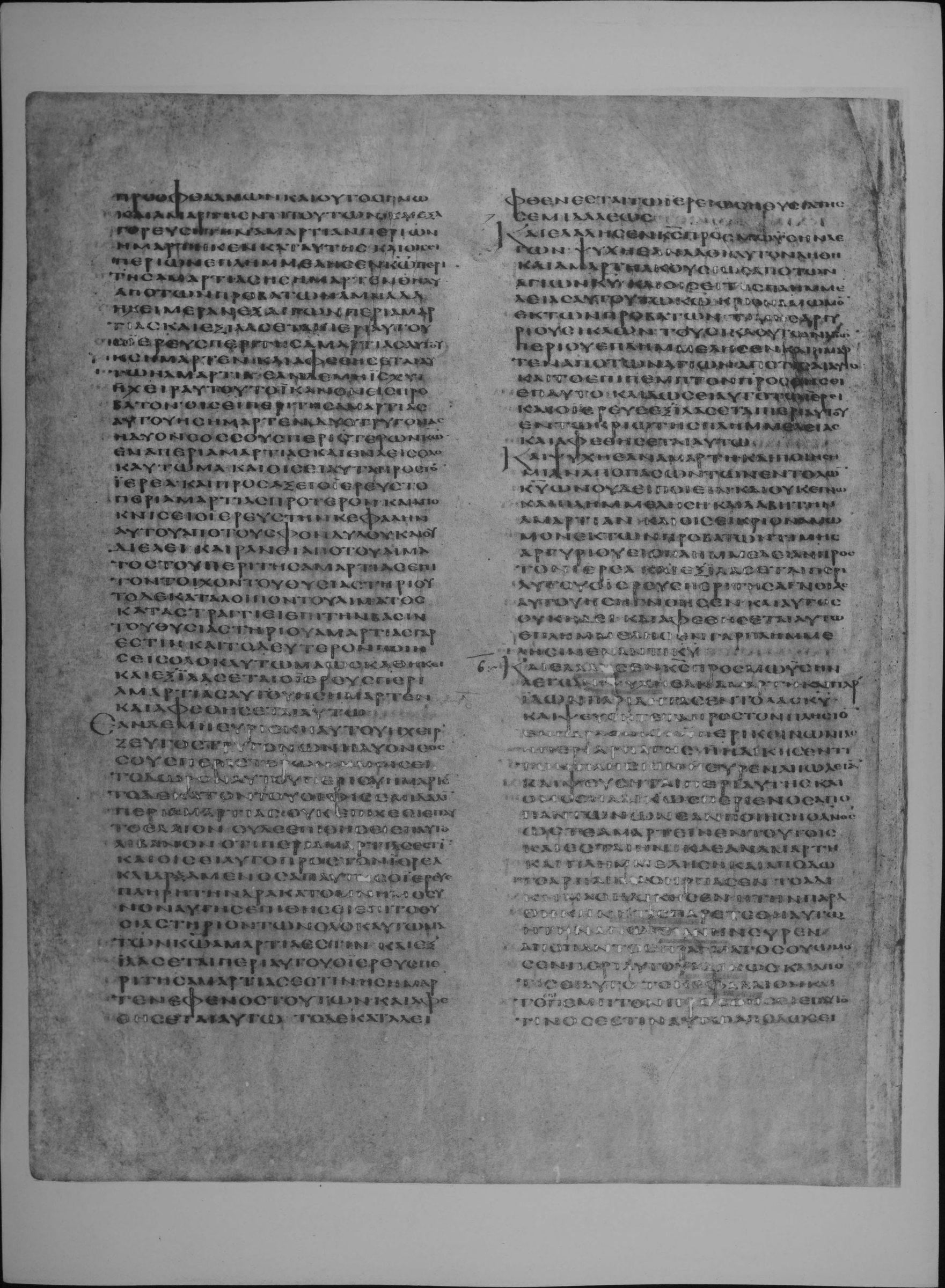
Leviticus 5:1-4 is on fol. 61r (full-size facsimile of 1879-83, Internet Archive codex-alexandrinus leaf 142). The 1915 reduced facsimile prints beneath this page: Levit. iv. 20-v. 4. Checked on the plate: the page begins inside Leviticus 4:20 (first words read: ΚΑΙ ΕΞΙΛΑΣΕΤΑΙ ΠΕΡΙ ΑΥΤΩΝ Ο ΙΕΡΕΥΣ ΚΑΙ ΑΦΕΘΗΣΕΤΑΙ ΑΥΤΟΙΣ). Leviticus 5:4-8 is on fol. 61v (full-size facsimile of 1879-83, Internet Archive codex-alexandrinus leaf 143). The 1915 reduced facsimile prints beneath this page: Levit. v. 4-vi. 5. Checked on the plate: the page begins inside Leviticus 5:4 (first words read: ΠΡΟ ΟΦΘΑΛΜΩΝ ΚΑΙ ΟΥΤΟΣ ΓΝΩ ΚΑΙ ΠΛΗΜΜΕΛΗΣΗ ΕΝ ΤΙ ΤΟΥΤΩΝ ΚΑΙ ΕΞΑΓΟΡΕΥΣΕΙ).
1Ἐὰν δὲ ψυχὴ ἁμάρτῃ καὶ ἀκούσῃ φωνὴν ὁρκισμοῦ, καὶ οὗτος μάρτυς ἢ ἑώρακεν ἢ σύνοιδεν, ἐὰν μὴ ἀπαγγείλῃ, λήμψεται τὴν ἁμαρτίαν. 2ἢ ψυχὴ ἥτις ἐὰν ἅψηται παντὸς πράγματος ἀκαθάρτου, ἢ θνησιμαίου ἢ θηριαλώτου ἀκαθάρτου ἢ τῶν θνησιμαίων ἢ τῶν βδελυγμάτων τῶν ἀκαθάρτων ἢ τῶν θνησιμαίων κτηνῶν τῶν ἀκαθάρτων, 3ἢ ἅψηται ἀπὸ ἀκαθαρσίας ἀνθρώπου, ἀπὸ πάσης ἀκαθαρσίας αὐτοῦ ἧς ἂν ἁψάμενος μιανθῇ, καὶ ἔλαθεν αὐτόν, μετὰ τοῦτο δὲ γνῷ, καὶ πλημμελήσῃ· 4ἢ ψυχὴ ἡ ἄνομος ἡ διαστέλλουσα τοῖς χείλεσιν κακοποιῆσαι ἢ καλῶς ποιῆσαι κατὰ πάντα ὅσα ἐὰν διαστείλῃ ὁ ἄνθρωπος μεθ᾽ ὅρκου, καὶ λάθῃ αὐτὸν πρὸ ὀφθαλμῶν, καὶ οὗτος γνῷ, καὶ ἁμάρτῃ ἕν τι τούτων. 5καὶ ἐξαγορεύσει τὴν ἁμαρτίαν περὶ ὧν ἡμάρτηκεν κατ᾽ αὐτῆς, 6καὶ οἴσει περὶ ὧν ἐπλημμέλησεν Κυρίῳ, περὶ τῆς ἁμαρτίας ἧς ἥμαρτεν, θῆλυ ἀπὸ τῶν προβάτων, ἀμνάδα ἢ χίμαιραν ἐξ αἰγῶν περὶ ἁμαρτίας· καὶ ἐξιλάσεται περὶ αὐτοῦ ὁ ἱερεὺς περὶ τῆς ἁμαρτίας αὐτοῦ ἧς ἥμαρτεν, καὶ ἀφεθήσεται αὐτῷ ἡ ἁμαρτία. 7ἐὰν δὲ μὴ ἰσχύσῃ ἡ χεὶρ αὐτοῦ τὸ ἱκανὸν εἰς τὸ πρόβατον, οἴσει περὶ τῆς ἁμαρτίας αὐτοῦ ἧς ἥμαρτεν, δύο τρυγόνας ἢ δύο νοσσοὺς περιστερῶν Κυρίῳ, ἕνα περὶ ἁμαρτίας καὶ ἕνα εἰς ὁλοκαύτωμα. 8καὶ οἴσει αὐτὰ πρὸς τὸν ἱερέα, καὶ προσάξει ὁ ἱερεὺς τὸ περὶ τῆς ἁμαρτίας πρότερον· καὶ ἀποκνίσει ὁ ἱερεὺς τὴν κεφαλὴν αὐτοῦ ἀπὸ τοῦ σφονδύλου καὶ οὐ διελεῖ,
1And if a soul sin, and hear the voice of swearing, and he is a witness or has seen or been conscious, if he do not report it, he shall bear his iniquity. 2That soul which shall touch any unclean thing, or carcase, or that which is unclean being taken of beasts, or the dead bodies of abominable reptiles which are unclean, or carcases of unclean cattle, 3or should touch the uncleanness of a man, of whatever kind, which he may touch and be defiled by, and it should have escaped him, but afterwards he should know,—then he shall have transgressed. 4That unrighteous soul, which determines with his lips to do evil or to do good according to whatsoever a man may determine with an oath, and it shall have escaped his notice, and he shall afterwards know it, and so he should sin in some one of these things:— 5then shall he declare his sin in the things wherein he has sinned by that sin. 6And he shall bring for his transgressions against the Lord, for his sin which he has sinned, a ewe lamb of the flock, or a kid of the goats, for a sin-offering; and the priest shall make an atonement for him for his sin which he has sinned, and his sin shall be forgiven him. 7And if he cannot afford a sheep, he shall bring for his sin which he has sinned, two turtle-doves or two young pigeons to the Lord; one for a sin-offering, and the other for a burnt-offering. 8And he shall bring them to the priest, and the priest shall bring the sin-offering first; and the priest shall pinch off the head from the neck, and shall not divide the body.
Where on the image
Leviticus 5:9-16 is on fol. 61v (full-size facsimile of 1879-83, Internet Archive codex-alexandrinus leaf 143). The 1915 reduced facsimile prints beneath this page: Levit. v. 4-vi. 5. Checked on the plate: the page begins inside Leviticus 5:4 (first words read: ΠΡΟ ΟΦΘΑΛΜΩΝ ΚΑΙ ΟΥΤΟΣ ΓΝΩ ΚΑΙ ΠΛΗΜΜΕΛΗΣΗ ΕΝ ΤΙ ΤΟΥΤΩΝ ΚΑΙ ΕΞΑΓΟΡΕΥΣΕΙ).
9καὶ ῥανεῖ ἀπὸ τοῦ αἵματος τοῦ περὶ τῆς ἁμαρτίας ἐπὶ τὸν τοῖχον τοῦ θυσιαστηρίου, τὸ δὲ κατάλοιπον τοῦ αἵματος καταστραγγιεῖ ἐπὶ τὴν βάσιν τοῦ θυσιαστηρίου· ἁμαρτίας γάρ ἐστιν· 10καὶ τὸ δεύτερον ποιήσει ὁλοκαύτωμα ὡς καθήκει· καὶ ἐξιλάσεται ὁ ἱερεὺς περὶ τῆς ἁμαρτίας αὐτοῦ ἧς ἥμαρτεν, καὶ ἀφεθήσεται αὐτῷ. 11Ἐὰν δὲ μὴ εὑρίσκῃ αὐτοῦ ἡ χεὶρ ζεῦγος τρυγόνων ἢ δύο νοσσοὺς περιστερῶν, καὶ οἴσει τὸ δῶρον αὐτοῦ περὶ οὗ ἥμαρτεν τὸ δέκατον τοῦ οἰφὶ σεμιδάλεως περὶ ἁμαρτίας· οὐκ ἐπιχεεῖ ἐπ᾽ αὐτὸ ἔλαιον οὐδὲ ἐπιθήσει ἐπ᾽ αὐτὸ λίβανον, ὅτι περὶ ἁμαρτίας ἐστίν. 12καὶ οἴσει αὐτὸ πρὸς τὸν ἱερέα. καὶ δραξάμενος ὁ ἱερεὺς ἀπ᾽ αὐτῆς πλήρη τὴν δράκα, τὸ μνημόσυνον αὐτῆς ἐπιθήσει ἐπὶ τὸ θυσιαστήριον τῶν ὁλοκαυτωμάτων Κυρίῳ· ἁμαρτία ἐστίν. 13καὶ ἐξιλάσεται περὶ αὐτοῦ ὁ ἱερεὺς περὶ τῆς ἁμαρτίας αὐτοῦ ἧς ἥμαρτεν ἐφ᾽ ἑνὸς τούτων, καὶ ἀφεθήσεται αὐτῷ. τὸ δὲ καταλειφθὲν ἔσται τῷ ἱερεῖ, ὡς ἡ θυσία τῆς σεμιδάλεως. 14Καὶ ἐλάλησεν Κύριος πρὸς Μωυσῆν λέγων 15ψυχὴ ἐὰν λάθῃ αὐτὸν λήθῃ καὶ ἁμάρτῃ ἀκουσίως ἀπὸ τῶν ἁγίων Κυρίου, καὶ οἴσει τῆς πλημμελίας αὐτοῦ τῷ κυρίῳ κριὸν ἄμωμον ἐκ τῶν προβάτων τιμῆς ἀργυρίου σίκλων, τῷ σίκλῳ τῶν ἁγίων, περὶ οὗ ἐπλημμέλησεν. 16καὶ ὃ ἥμαρτεν ἀπὸ τῶν ἁγίων ἀποτίσαι αὐτό, καὶ τὸ ἐπίπεμπτον προσθήσει ἐπ᾽ αὐτό, καὶ δώσει αὐτὸ τῷ ἱερεῖ· καὶ ὁ ἱερεὺς ἐξιλάσεται περὶ αὐτοῦ ἐν τῷ κριῷ τῆς πλημμελίας, καὶ ἀφεθήσεται αὐτῷ.
9And he shall sprinkle of the blood of the sin-offering on the side of the altar, but the rest of the blood he shall drop at the foot of the altar, for it is a sin-offering. 10And he shall make the second a whole-burnt-offering, as it is fit; and the priest shall make atonement for his sin which he has sinned, and it shall be forgiven him. 11And if he cannot afford a pair of turtle-doves, or two young pigeons, then shall he bring as his gift for his sin, the tenth part of an ephah of fine flour for a sin-offering; he shall not pour oil upon it, nor shall he put frankincense upon it, because it is a sin-offering. 12And he shall bring it to the priest; and the priest having taken a handful of it, shall lay the memorial of it on the altar of whole-burnt-offerings to the Lord; it is a sin-offering. 13And the priest shall make atonement for him for his sin, which he has sinned in one of these things, and it shall be forgiven him; and that which is left shall be the priest's, as an offering of fine flour. 14And the Lord spoke to Moses, saying, 15The soul which shall be really unconscious, and shall sin unwillingly in any of the holy things of the Lord, shall even bring to the Lord for his transgression, a ram of the flock without blemish, valued according to shekels of silver according to the shekel of the sanctuary, for his transgression wherein he transgressed. 16And he shall make compensation for that wherein he has sinned in the holy things; and he shall add the fifth part to it, and give it to the priest; and the priest shall make atonement for him with the ram of transgression, and his sin shall be forgiven him.
Where on the image
Leviticus 5:17-19 is on fol. 61v (full-size facsimile of 1879-83, Internet Archive codex-alexandrinus leaf 143). The 1915 reduced facsimile prints beneath this page: Levit. v. 4-vi. 5. Checked on the plate: the page begins inside Leviticus 5:4 (first words read: ΠΡΟ ΟΦΘΑΛΜΩΝ ΚΑΙ ΟΥΤΟΣ ΓΝΩ ΚΑΙ ΠΛΗΜΜΕΛΗΣΗ ΕΝ ΤΙ ΤΟΥΤΩΝ ΚΑΙ ΕΞΑΓΟΡΕΥΣΕΙ).
17Καὶ ἡ ψυχὴ ἣ ἂν ἁμάρτῃ καὶ ποιήσῃ μίαν ἀπὸ πασῶν τῶν ἐντολῶν Κυρίου ὧν οὐ δεῖ ποιεῖν, καὶ οὐκ ἔγνω, καὶ πλημμελήσῃ καὶ λάβῃ τὴν ἁμαρτίαν, 18καὶ οἴσει κριὸν ἄμωμον ἐκ τῶν προβάτων τιμῆς ἀργυρίου εἰς πλημμελίαν πρὸς τὸν ἱερέα· καὶ ἐξιλάσεται περὶ αὐτοῦ ὁ ἱερεὺς περὶ τῆς ἀγνοίας αὐτοῦ ἧς ἠγνόησεν καὶ αὐτὸς οὐκ ᾔδει, καὶ ἀφεθήσεται αὐτῷ· 19ἐπλημμέλησεν γὰρ πλημμέλησιν ἔναντι Κυρίου.
17And the soul which shall sin, and do one thing against any of the commandments of the Lord, which it is not right to do, and has not known it, and shall have transgressed, and shall have contracted guilt, 18he shall even bring a ram without blemish from the flock, valued at a price of silver for his transgression to the priest; and the priest shall make atonement for his trespass of ignorance, wherein he ignorantly trespassed, and he knew it not; and it shall be forgiven him. 19For he has surely been guilty of transgression before the Lord.
Cite
Sources
- Source: Codex Alexandrinus (British Library Royal MS 1 D. V) via the British Museum photographic facsimiles of 1879-83 and 1915 (Internet Archive) + Swete's Septuagint + Brenton's English (holding institution)
- Critical edition: H. B. Swete, The Old Testament in Greek according to the Septuagint (1909)
← previous · → next · v cycle view · l back to library