Numbers, Chapter 14 (Codex Alexandrinus)
Introduction
Numbers 14 in the Greek Old Testament (the Septuagint) as written in Codex Alexandrinus, a Greek Bible copied in the fifth century, probably in Egypt, and now in the British Library (Royal MS 1 D. V, the first of its four volumes). It is one of the three great early codices of the whole Greek Bible, with Codex Vaticanus and Codex Sinaiticus, and for Genesis 1:1-46:28, which Codex Vaticanus has lost, it is the oldest surviving complete Greek text (older papyri such as the Berlin Genesis papyrus and Chester Beatty 961 survive only in part).
Numbering: Swete's Greek and Brenton's English number or divide some verses of this chapter differently (Swete 14:2-3 = Brenton 14:2-3). Each column keeps its own verse numbers, and sections are cut only where the two texts agree, so each section holds the same passage in both languages.
This entry meets the strict three-criteria standard of the Theosis Library:
- Manuscript scan: the pages of Codex Alexandrinus carrying this chapter (fol. 87v, fol. 88r, fol. 88v), from the full-size photographic (autotype) facsimile published by the British Museum in 1879-1883, as digitised on the Internet Archive. The verse range of every page comes from the reduced photographic facsimile of 1915, which prints it beneath each plate, and the opening words of every page were read on the plate to confirm the page and the verse it begins with. Each section links to the page or pages that hold its verses. Folio numbers are those written at the head of each leaf and visible on the plates.
- Original text: Swete's edition, which here prints the text of Codex Vaticanus (Vat. gr. 1209), the base of his edition, and gives the readings of Alexandrinus only in his apparatus. The Greek column is therefore Vaticanus' text; where Alexandrinus differs, the plate shows what Alexandrinus reads.
- English translation: Sir Lancelot C. L. Brenton, The Septuagint Version of the Old Testament (1844; 1851 edition), a translation of the Greek, public domain, from the eBible.org text.
How was this verified? (Provenance)
Where on the image
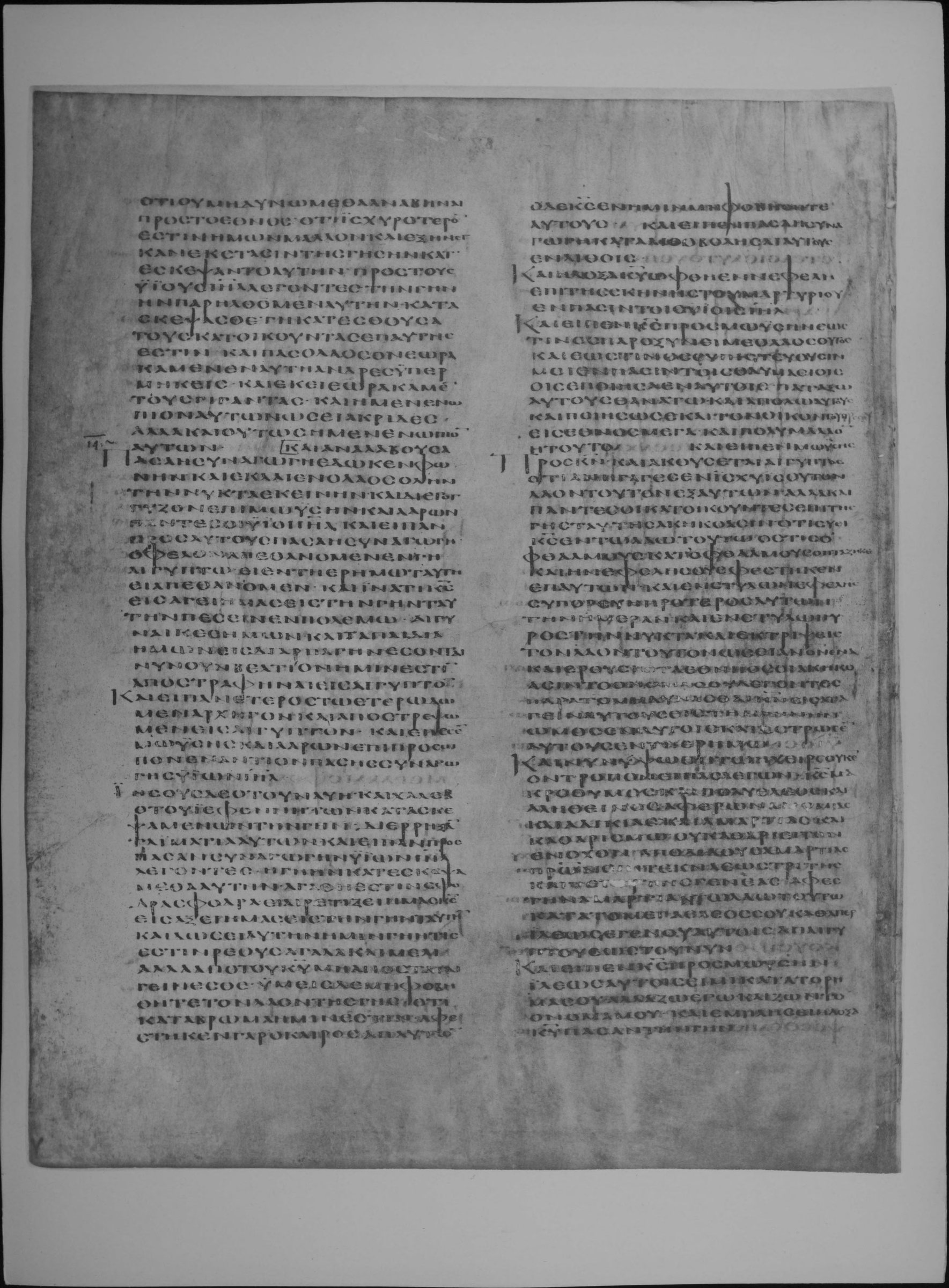
Numbers 14:1-8 is on fol. 87v (full-size facsimile of 1879-83, Internet Archive codex-alexandrinus leaf 195). The 1915 reduced facsimile prints beneath this page: Num. xiii. 32-xiv. 21. Checked on the plate: the page begins inside Numbers 13:32 (first words read: ΟΤΙ ΟΥ ΜΗ ΔΥΝΩΜΕΘΑ ΑΝΑΒΗΝΑΙ ΠΡΟΣ ΤΟ ΕΘΝΟΣ ΟΤΙ ΙΣΧΥΡΟΤΕΡΟΝ ΕΣΤΙΝ ΗΜΩΝ).
1Καὶ ἀναλαβοῦσα πᾶσα ἡ συναγωγὴ ἐνέδωκεν φωνῇ, καὶ ἔκλαιεν ὁ λαὸς ὅλην τὴν νύκτα ἐκείνην. 2καὶ διεγόγγυζον ἐπὶ Μωυσῆν καὶ Ἀαρὼν πάντες οἱ υἱοὶ Ἰσραήλ, καὶ εἶπαν πρὸς αὐτοὺς πᾶσα ἡ συναγωγή Ὄφελον ἀπεθάνομεν ἐν γῇ Αἰγύπτῳ, ἢ ἐν τῇ ἐρήμῳ ταύτῃ εἰ ἀπεθάνομεν· 3καὶ ἵνα τί Κύριος εἰσάγει ἡμᾶς εἰς τὴν γῆν ταύτην πεσεῖν ἐν πολέμῳ; αἱ γυναῖκες ἡμῶν καὶ τὰ παιδία ἔσονται εἰς διαρπαγήν· νῦν οὖν βέλτιον ἡμῖν ἐστιν ἀποστραφῆναι εἰς Αἴγυπτον. 4καὶ εἶπαν ἕτερος τῷ ἑτέρῳ Δῶμεν ἀρχηγὸν καὶ ἀποστρέψωμεν εἰς Αἴγυπτον. 5καὶ ἔπεσεν Μωυσῆς καὶ Ἀαρὼν ἐπὶ πρόσωπον ἐναντίον πάσης συναγωγῆς υἱῶν Ἰσραήλ. 6Ἰησοῦς δὲ ὁ τοῦ Ναυὴ καὶ Χαλὲβ ὁ τοῦ Ἰεφοννὴ τῶν κατασκεψαμένων τὴν γῆν διέρρηξαν τὰ ἱμάτια αὐτῶν, 7καὶ εἶπαν πρὸς πᾶσαν συναγωγὴν υἱῶν Ἰσραὴλ λέγοντες Ἡ γῆ, ἣν κατεσκεψάμεθα αὐτήν, ἀγαθή ἐστιν σφόδρα σφόδρα· 8εἰ αἱρετίζει ἡμᾶς Κύριος, εἰσάξει ἡμᾶς εἰς τὴν γῆν ταύτην καὶ δώσει αὐτὴν ἡμῖν, γῆ ἥτις ἐστὶν ῥέουσα γάλα καὶ μέλι.
1And all the congregation lifted up their voice and cried; and the people wept all that night. 2And all the children of Israel murmured against Moses and Aaron; and all the congregation said to them, 3Would we had died in the land of Egypt! or in this wilderness, would we had died! and why does the Lord bring us into this land to fall in war? our wives and our children shall be for a prey: now then it is better to return into Egypt. 4And they said one to another, Let us make a ruler, and return into Egypt. 5And Moses and Aaron fell upon their face before all the congregation of the children of Israel. 6But Joshua the son of Naue, and Chaleb the son of Jephonne, of the number of them that spied out the land, rent their garments, 7and spoke to all the congregation of the children of Israel, saying, The land which we surveyed is indeed extremely good. 8If the Lord choose us, he will bring us into this land, and give it us; a land which flows with milk and honey.
Where on the image
Numbers 14:9-16 is on fol. 87v (full-size facsimile of 1879-83, Internet Archive codex-alexandrinus leaf 195). The 1915 reduced facsimile prints beneath this page: Num. xiii. 32-xiv. 21. Checked on the plate: the page begins inside Numbers 13:32 (first words read: ΟΤΙ ΟΥ ΜΗ ΔΥΝΩΜΕΘΑ ΑΝΑΒΗΝΑΙ ΠΡΟΣ ΤΟ ΕΘΝΟΣ ΟΤΙ ΙΣΧΥΡΟΤΕΡΟΝ ΕΣΤΙΝ ΗΜΩΝ).
9ἀλλὰ ἀπὸ τοῦ κυρίου μὴ ἀποστάται γίνεσθε· ὑμεῖς δὲ μὴ φοβηθῆτε τὸν λαὸν τῆς γῆς, ὅτι κατάβρωμα ἡμῖν ἐστίν· ἀφέστηκεν γὰρ ὁ καιρὸς ἀπ᾽ αὐτῶν, ὁ δὲ κύριος ἐν ἡμῖν· μὴ φοβηθῆτε αὐτούς. 10καὶ εἶπεν πᾶσα ἡ συναγωγὴ καταλιθοβολῆσαι αὐτούς. καὶ ἡ δόξα Κυρίου ὤφθη ἐν νεφέλῃ ἐπὶ τῆς σκηνῆς τοῦ μαρτυρίου πᾶσι τοῖς υἱοῖς Ἰσραήλ. 11Καὶ εἶπεν Κύριος πρὸς Μωυσῆν Ἕως τίνος παροξύνει με ὁ λαὸς οὗτος; καὶ ἕως τίνος οὐ πιστεύουσίν μοι ἐν πᾶσιν τοῖς σημείοις οἷς ἐποίησα ἐν αὐτοῖς; 12πατάξω αὐτοὺς θανάτῳ καὶ ἀπολῶ αὐτούς, καὶ ποιήσω σὲ καὶ τὸν οἶκον τοῦ πατρός σου εἰς ἔθνος μέγα καὶ πολὺ μᾶλλον ἢ τοῦτο. 13καὶ εἶπεν Μωυσῆς πρὸς Κύριον Καὶ ἀκούσεται Αἴγυπτος, ὅτι ἤγαγες τῇ ἰσχύι σου τὸν λαὸν τοῦτον ἐξ αὐτῶν· 14ἀλλὰ καὶ πάντες οἱ κατοικοῦντες ἐπὶ τῆς γῆς ταύτης ἀκηκόασιν ὅτι σὺ εἶ Κύριος ἐν τῷ λαῷ τούτῳ, ὅστις ὀφθαλμοῖς κατ᾽ ὀφθαλμοὺς ὀπτάζῃ, Κύριε. καὶ ἡ νεφέλη σου ἐφέστηκεν ἐπ᾽ αὐτῶν, καὶ ἐν στύλῳ νεφέλης συνπορεύῃ πρότερος αὐτῶν τὴν ἡμέραν καὶ ἐν στύλῳ πυρὸς τὴν νύκτα. 15καὶ ἐκτρίψεις τὸν λαὸν τοῦτον ὡσεὶ ἄνθρωπον ἕνα, καὶ ἐροῦσιν τὰ ἔθνη ὅσοι ἀκηκόασιν τὸ ὄνομά σου λέγοντες 16Παρὰ τὸ μὴ δύνασθαι Κύριον εἰσαγαγεῖν τὸν λαὸν τοῦτον εἰς τὴν γῆν ἣν ὤμοσεν αὐτοῖς, κατέστρωσεν αὐτοὺς ἐν τῇ ἐρήμῳ.
9Only depart not from the Lord; and fear ye not the people of the land, for they are meat for us; for the season of prosperity is departed from them, but the Lord is among us: fear them not. 10And all the congregation bade stone them with stones; and the glory of the Lord appeared in the cloud on the tabernacle of witness to all the children of Israel. 11And the Lord said to Moses, How long does this people provoke me? and how long do they refuse to believe me for all the signs which I have wrought among them? 12I will smite them with death, and destroy them; and I will make of thee and of thy father's house a great nation, and much greater than this. 13And Moses said to the Lord, So Egypt shall hear, for thou hast brought up this people from them by thy might. 14Moreover all the dwellers upon this land have heard that thou art Lord in the midst of this people, who, O Lord, art seen by them face to face, and thy cloud rests upon them, and thou goest before them by day in a pillar of a cloud, and by night in a pillar of fire. 15And if thou shalt destroy this nation as one man; then all the nations that have heard thy name shall speak, saying, 16Because the Lord could not bring this people into the land which he sware to them, he has overthrown them in the wilderness.
Where on the image
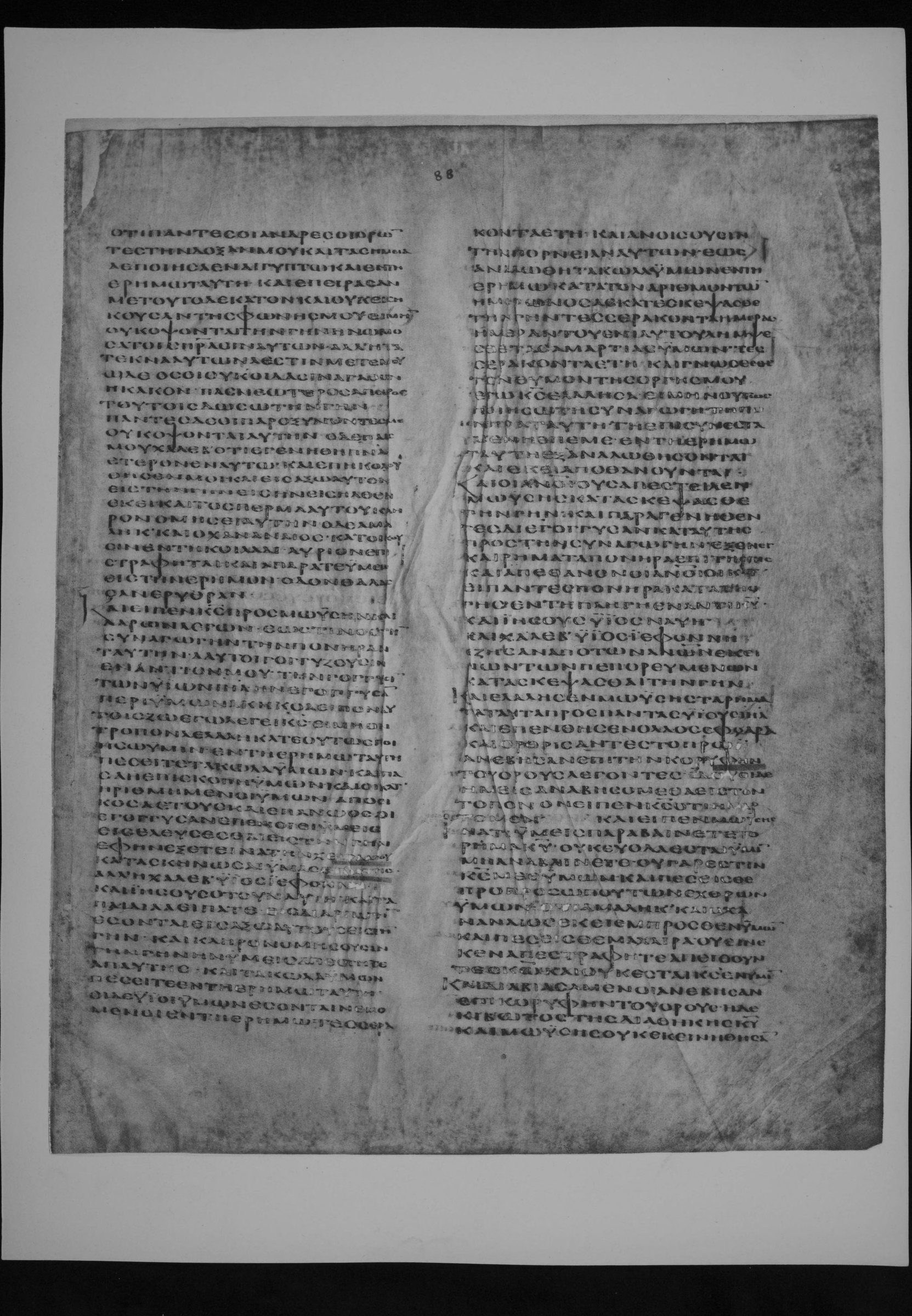
Numbers 14:17-21 is on fol. 87v (full-size facsimile of 1879-83, Internet Archive codex-alexandrinus leaf 195). The 1915 reduced facsimile prints beneath this page: Num. xiii. 32-xiv. 21. Checked on the plate: the page begins inside Numbers 13:32 (first words read: ΟΤΙ ΟΥ ΜΗ ΔΥΝΩΜΕΘΑ ΑΝΑΒΗΝΑΙ ΠΡΟΣ ΤΟ ΕΘΝΟΣ ΟΤΙ ΙΣΧΥΡΟΤΕΡΟΝ ΕΣΤΙΝ ΗΜΩΝ). Numbers 14:22-24 is on fol. 88r (full-size facsimile of 1879-83, Internet Archive codex-alexandrinus leaf 196). The 1915 reduced facsimile prints beneath this page: Num. xiv. 22-44. Checked on the plate: the page begins at the start of Numbers 14:22 (first words read: ΟΤΙ ΠΑΝΤΕΣ ΟΙ ΑΝΔΡΕΣ ΟΙ ΟΡΩΝΤΕΣ ΤΗΝ ΔΟΞΑΝ ΜΟΥ ΚΑΙ ΤΑ ΣΗΜΕΙΑ).
17καὶ νῦν ὑψωθήτω ἡ ἰσχύς σου, Κύριε, ὃν τρόπον εἶπας λέγων 18Κύριος μακρόθυμος καὶ πολυέλεος καὶ ἀληθινός, ἀφαιρῶν ἀνομίας καὶ ἀδικίας καὶ ἁμαρτίας· καὶ καθαρισμῷ οὐ καθαριεῖ τὸν ἔνοχον, ἀποδιδοὺς ἁμαρτίας πατέρων ἐπὶ τέκνα ἕως τρίτης καὶ τετάρτης. 19ἄφες τὴν ἁμαρτίαν τῷ λαῷ τούτῳ κατὰ τὸ μέγα ἔλεός σου, καθάπερ ἵλεως αὐτοῖς ἐγένου ἀπ᾽ Αἰγύπτου ἕως τοῦ νῦν. 20καὶ εἶπεν Κύριος πρὸς Μωυσῆν Ἵλεως αὐτοῖς εἰμὶ κατὰ τὸ ῥῆμά σου· 21ἀλλὰ ζῶ ἐγὼ καὶ ζῶν τὸ ὄνομά μου, καὶ ἐμπλήσει ἡ δόξα Κυρίου πᾶσαν τὴν γῆν. 22ὅτι πάντες οἱ ἄνδρες οἱ ὁρῶντες τὴν δόξαν μου καὶ τὰ σημεῖα ἃ ἐποίησα ἐν Αἰγύπτῳ καὶ ἐν τῇ ἐρήμῳ, καὶ ἐπείρασάν με τοῦτο δέκατον καὶ οὐκ εἰσήκουσάν μου τῆς φωνῆς, 23εἰ μὴν οὐκ ὄψονται τὴν γῆν ἣν ὤμοσα τοῖς πατράσιν αὐτῶν· ἀλλ᾽ ἢ τὰ τέκνα αὐτῶν ἅ ἐστιν μετ᾽ ἐμοῦ ὧδε, ὅσοι οὐκ οἴδασιν ἀγαθὸν οὐδὲ κακόν, πᾶς νεώτερος ἄπειρος, τούτοις δώσω τὴν γῆν· πάντες δὲ οἱ παροξύναντές με οὐκ ὄψονται αὐτήν. 24ὁ δὲ παῖς μου Χαλέβ, ὅτι ἐγενήθη πνεῦμα ἕτερον ἐν αὐτῷ, καὶ ἐπηκολούθησέν μοι, εἰσάξω αὐτὸν εἰς τὴν γῆν εἰς ἣν εἰσῆλθεν ἐκεῖ, καὶ τὸ σπέρμα αὐτοῦ κληρονομήσει αὐτήν.
17And now, O Lord, let thy strength be exalted, as thou spakest, saying, 18The Lord is long-suffering and merciful, and true, removing transgressions and iniquities and sins, and he will by no means clear the guilty, visiting the sins of the fathers upon the children to the third and fourth generation. 19Forgive this people their sin according to thy great mercy, as thou wast favourable to them from Egypt until now. 20And the Lord said to Moses, I am gracious to them according to thy word. 21But as I live and my name is living, so the glory of the Lord shall fill all the earth. 22For all the men who see my glory, and the signs which I wrought in Egypt, and in the wilderness, and have tempted me this tenth time, and have not hearkened to my voice, 23surely they shall not see the land, which I sware to their fathers; but their children which are with me here, as many as know not good or evil, every inexperienced youth, to them will I give the land; but none who have provoked me shall see it. 24But my servant Chaleb, because there was another spirit in him, and he followed me, I will bring him into the land into which he entered, and his seed shall inherit it.
Where on the image
Numbers 14:25-32 is on fol. 88r (full-size facsimile of 1879-83, Internet Archive codex-alexandrinus leaf 196). The 1915 reduced facsimile prints beneath this page: Num. xiv. 22-44. Checked on the plate: the page begins at the start of Numbers 14:22 (first words read: ΟΤΙ ΠΑΝΤΕΣ ΟΙ ΑΝΔΡΕΣ ΟΙ ΟΡΩΝΤΕΣ ΤΗΝ ΔΟΞΑΝ ΜΟΥ ΚΑΙ ΤΑ ΣΗΜΕΙΑ).
25ὁ δὲ Ἀμαλὴκ καὶ ὁ Χαναναῖος κατοικοῦσιν ἐν τῇ κοιλάδι· αὔριον ἐπιστράφητε ὑμεῖς καὶ ἀπάρατε εἰς τὴν ἔρημον, ὁδὸν θάλασσαν ἐρυθράν. 26Καὶ εἶπεν Κύριος πρὸς Μωυσῆν καὶ Ἀαρὼν λέγων 27Ἕως τίνος τὴν συναγωγὴν τὴν πονηρὰν ταύτην; αὐτοὶ γογγύζουσιν ἐναντίον ἐμοῦ· τὴν γόγγυσιν τῶν υἱῶν Ἰσραήλ, ἣν ἐγόγγυσαν περὶ ὑμῶν, ἀκήκοα. 28εἰπὸν αὐτοῖς Ζῶ ἐγώ, λέγει Κύριος, εἰ μὴν ὃν τρόπον λελαλήκατε εἰς τὰ ὦτά μου, οὕτως ποιήσω ὑμῖν· 29ἐν τῇ ἐρήμῳ ταύτῃ πεσεῖται τὰ κῶλα ὑμῶν καὶ πᾶσα ἡ ἐπισκοπὴ ὑμῶν καὶ οἱ κατηριθμημένοι ὑμῶν ἀπὸ εἰκοσαετοῦς καὶ ἐπάνω, ὅσοι ἐγόγγυσαν ἐπ᾽ ἐμοί. 30εἰ ὑμεῖς εἰσελεύσεσθε εἰς τὴν γῆν ἐφ᾽ ἣν ἐξέτεινα τὴν χεῖρά μου κατασκηνῶσαι ὑμᾶς ἐπ᾽ αὐτῆς, ἀλλ᾽ ἢ Χαλὲβ υἱὸς Ἰεφοννὴ καὶ Ἰησοῦς ὁ τοῦ Ναυή. 31καὶ τὰ παιδία ἃ εἴπατε ἐν διαρπαγῇ ἔσεσθαι, εἰσάξω αὐτοὺς εἰς τὴν γῆν, καὶ κληρονομήσουσιν τὴν γῆν ἣν ὑμεῖς ἀπέστητε ἀπ᾽ αὐτῆς. 32καὶ τὰ κῶλα ὑμῶν πεσεῖται ἐν τῇ ἐρήμῳ ταύτῃ·
25But Amalec and the Chananite dwell in the valley: to-morrow turn and depart for the wilderness by the way of the Red Sea. 26And the Lord spoke to Moses and Aaron, saying, 27How long shall I endure this wicked congregation? I have heard their murmurings against me, even the murmuring of the children of Israel, which they have murmured concerning you. 28Say to them, As I live, saith the Lord: surely as ye spoke into my ears, so will I do to you. 29Your carcases shall fall in this wilderness; and all those of you that were reviewed, and those of you that were numbered from twenty years old and upward, all that murmured against me, 30ye shall not enter into the land for which I stretched out my hand to establish you upon it; except only Chaleb the son of Jephonne, and Joshua the son of Naue. 31And your little ones, who ye said should be a prey, them will I bring into the land; and they shall inherit the land, which ye rejected. 32And your carcases shall fall in this wilderness.
Where on the image
Numbers 14:33-40 is on fol. 88r (full-size facsimile of 1879-83, Internet Archive codex-alexandrinus leaf 196). The 1915 reduced facsimile prints beneath this page: Num. xiv. 22-44. Checked on the plate: the page begins at the start of Numbers 14:22 (first words read: ΟΤΙ ΠΑΝΤΕΣ ΟΙ ΑΝΔΡΕΣ ΟΙ ΟΡΩΝΤΕΣ ΤΗΝ ΔΟΞΑΝ ΜΟΥ ΚΑΙ ΤΑ ΣΗΜΕΙΑ).
33οἱ δὲ υἱοὶ ὑμῶν ἔσονται νεμόμενοι ἐν τῇ ἐρήμῳ τεσσεράκοντα ἔτη, καὶ ἀνοίσουσιν τὴν πορνείαν ὑμῶν ἕως ἀναλωθῇ τὰ κῶλα ὑμῶν ἐν τῇ ἐρήμῳ. 34κατὰ τὸν ἀριθμὸν τῶν ἡμερῶν ὅσας κατεσκέψασθε τὴν γῆν, τεσσεράκοντα ἡμέρας, ἡμέραν τοῦ ἐνιαυτοῦ, λήμψεσθε τὰς ἁμαρτίας ὑμῶν τεσσεράκοντα ἔτη, καὶ γνώσεσθε τὸν θυμὸν τῆς ὀργῆς μου. 35ἐγὼ Κύριος ἐλάλησα, εἰ μὴ οὕτως ποιήσω τῇ συναγωγῇ τῇ πονηρᾷ ταύτῃ τῇ ἐπισυνεσταμένῃ ἐπ᾽ ἐμέ· ἐν τῇ ἐρήμῳ ταύτῃ ἐξαναλωθήσονται καὶ ἐκεῖ ἀποθανοῦνται. 36καὶ οἱ ἄνθρωποι οὓς ἀπέστειλεν Μωυσῆς κατασκέψασθαι τὴν γῆν, καὶ παραγενηθέντες διεγόγγυσαν κατ᾽ αὐτῆς πρὸς τὴν συναγωγὴν ἐξενέγκαι ῥήματα πονηρὰ περὶ τῆς γῆς, 37καὶ ἀπέθανον οἱ ἄνθρωποι οἱ κατείπαντες κατὰ τῆς γῆς πονηρὰ ἐν τῇ πληγῇ ἔναντι Κυρίου· 38καὶ Ἰησοῦς υἱὸς Ναυὴ καὶ Χαλὲβ υἱὸς Ἰεφοννὴ ἔζησαν ἀπὸ τῶν ἀνθρώπων ἐκείνων τῶν πεπορευμένων κατασκέψασθαι τὴν γῆν. 39Καὶ ἐλάλησεν Μωυσῆς τὰ ῥήματα ταῦτα πρὸς πάντας υἱοὺς Ἰσραήλ, καὶ ἐπένθησεν ὁ λαὸς σφόδρα. 40καὶ ὀρθρίσαντες τὸ πρωὶ ἀνέβησαν εἰς τὴν κορυφὴν τοῦ ὄρους λέγοντες Ἰδοὺ οἵδε ἡμεῖς ἀναβησόμεθα εἰς τὸν τόπον ὃν εἶπεν Κύριος, ὅτι ἡμάρτομεν.
33And your sons shall be fed in the wilderness forty years, and they shall bear your fornication, until your carcases be consumed in the wilderness. 34According to the number of the days during which ye spied the land, forty days, a day for a year, ye shall bear your sins forty years, and ye shall know my fierce anger. 35I the Lord have spoken, Surely will I do thus to this evil congregation that has risen up together against me: in this wilderness they shall be utterly consumed, and there they shall die. 36And the men whom Moses sent to spy out the land, and who came and murmured against it to the assembly so as to bring out evil words concerning the land,— 37the men that spoke evil reports against the land, even died of the plague before the Lord. 38And Joshua the son of Naue and Chaleb the son of Jephonne still lived of those men that went to spy out the land. 39And Moses spoke these words to all the children of Israel; and the people mourned exceedingly. 40And they rose early in the morning and went up to the top of the mountain, saying, Behold, we that are here will go up to the place of which the Lord has spoken, because we have sinned.
Where on the image
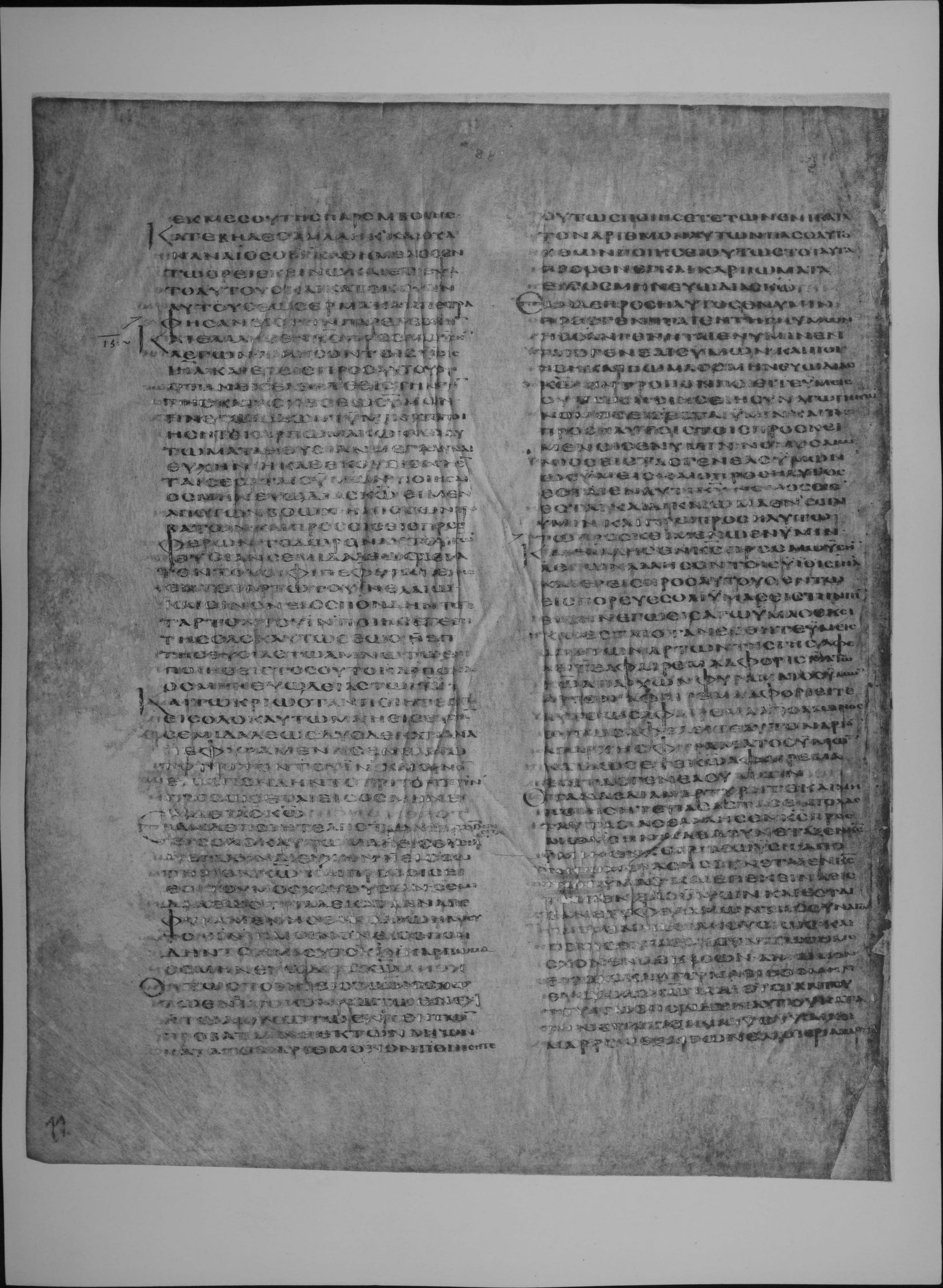
Numbers 14:41-44 is on fol. 88r (full-size facsimile of 1879-83, Internet Archive codex-alexandrinus leaf 196). The 1915 reduced facsimile prints beneath this page: Num. xiv. 22-44. Checked on the plate: the page begins at the start of Numbers 14:22 (first words read: ΟΤΙ ΠΑΝΤΕΣ ΟΙ ΑΝΔΡΕΣ ΟΙ ΟΡΩΝΤΕΣ ΤΗΝ ΔΟΞΑΝ ΜΟΥ ΚΑΙ ΤΑ ΣΗΜΕΙΑ). Numbers 14:44-45 is on fol. 88v (full-size facsimile of 1879-83, Internet Archive codex-alexandrinus leaf 197). The 1915 reduced facsimile prints beneath this page: Num. xiv. 44-xv. 24. Checked on the plate: the page begins inside Numbers 14:44 (first words read: ΕΚ ΜΕΣΟΥ ΤΗΣ ΠΑΡΕΜΒΟΛΗΣ ΚΑΙ ΚΑΤΕΒΗ Ο ΑΜΑΛΗΚ ΚΑΙ Ο ΧΑΝΑΝΑΙΟΣ).
41καὶ εἶπεν Μωυσῆς Ἵνα τί ὑμεῖς παραβαίνετε τὸ ῥῆμα Κυρίου; οὐκ εὔοδα ἔσται ὑμῖν. 42μὴ ἀναβαίνετε, οὐ γάρ ἐστιν Κύριος μεθ᾽ ὑμῶν, καὶ πεσεῖσθε πρὸ προσώπου τῶν ἐχθρῶν ὑμῶν. 43ὅτι ὁ Ἀμαλὴκ καὶ ὁ Χαναναῖος ἐκεῖ ἔμπροσθεν ὑμῶν, καὶ πεσεῖσθε μαχαίρᾳ· οὗ εἵνεκεν ἀπεστράφητε ἀπειθοῦντες Κυρίῳ, καὶ οὐκ ἔσται Κύριος ἐν ὑμῖν. 44καὶ διαβιασάμενοι ἀνέβησαν ἐπὶ τὴν κορυφὴν τοῦ ὄρους· ἡ δὲ κιβωτὸς τῆς διαθήκης Κυρίου καὶ Μωυσῆς οὐκ ἐκινήθησαν ἐκ τῆς παρεμβολῆς. 45καὶ κατέβη ὁ Ἀμαλὴκ καὶ ὁ Χαναναῖος ὁ ἐνκαθήμενος ἐν τῷ ὄρει ἐκείνῳ, καὶ ἐτρέψαντο αὐτοὺς καὶ κατέκοψαν αὐτοὺς ἕως Ἑρμάν· καὶ ἀπεστράφησαν εἰς τὴν παρεμβολήν.
41And Moses said, Why do ye transgress the word of the Lord? ye shall not prosper. 42Go not up, for the Lord is not with you; so shall ye fall before the face of your enemies. 43For Amalec and the Chananite are there before you, and ye shall fall by the sword; because ye have disobeyed the Lord and turned aside, and the Lord will not be among you. 44And having forced their passage, they went up to the top of the mountain; but the ark of the covenant of the Lord and Moses stirred not out of the camp. 45And Amalec and the Chananite that dwelt in that mountain came down, and routed them, and destroyed them unto Herman; and they returned to the camp.
Cite
Sources
- Source: Codex Alexandrinus (British Library Royal MS 1 D. V) via the British Museum photographic facsimiles of 1879-83 and 1915 (Internet Archive) + Swete's Septuagint + Brenton's English (holding institution)
- Critical edition: H. B. Swete, The Old Testament in Greek according to the Septuagint (1909)
← previous · → next · v cycle view · l back to library