The Instruction of Ptahhotep (Papyrus Prisse, complete)
Introduction
The Instruction of Ptahhotep presents itself as the teaching of Ptahhotep, vizier of King Isesi of the 5th Dynasty (24th century BCE), handed on to his son when the vizier asks to retire. It is a series of 37 maxims on conduct (modesty, self-control, justice, speech at the right moment, care of household and dependants), framed by a prologue and a long epilogue on 'hearing', which in Egyptian means both listening and obeying. The oldest complete copy is the Papyrus Prisse, written in the 12th Dynasty around 1850 BCE and now in the Bibliotheque nationale de France (Egyptien 183-194).
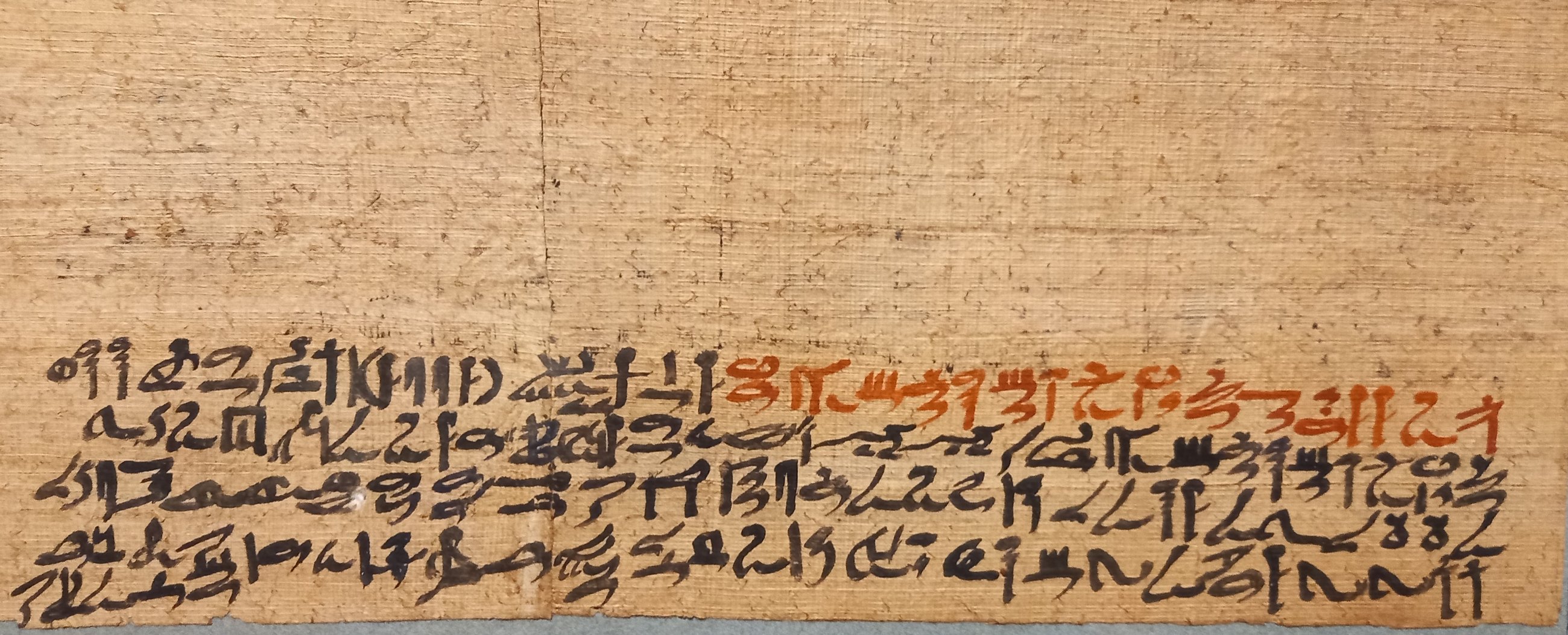
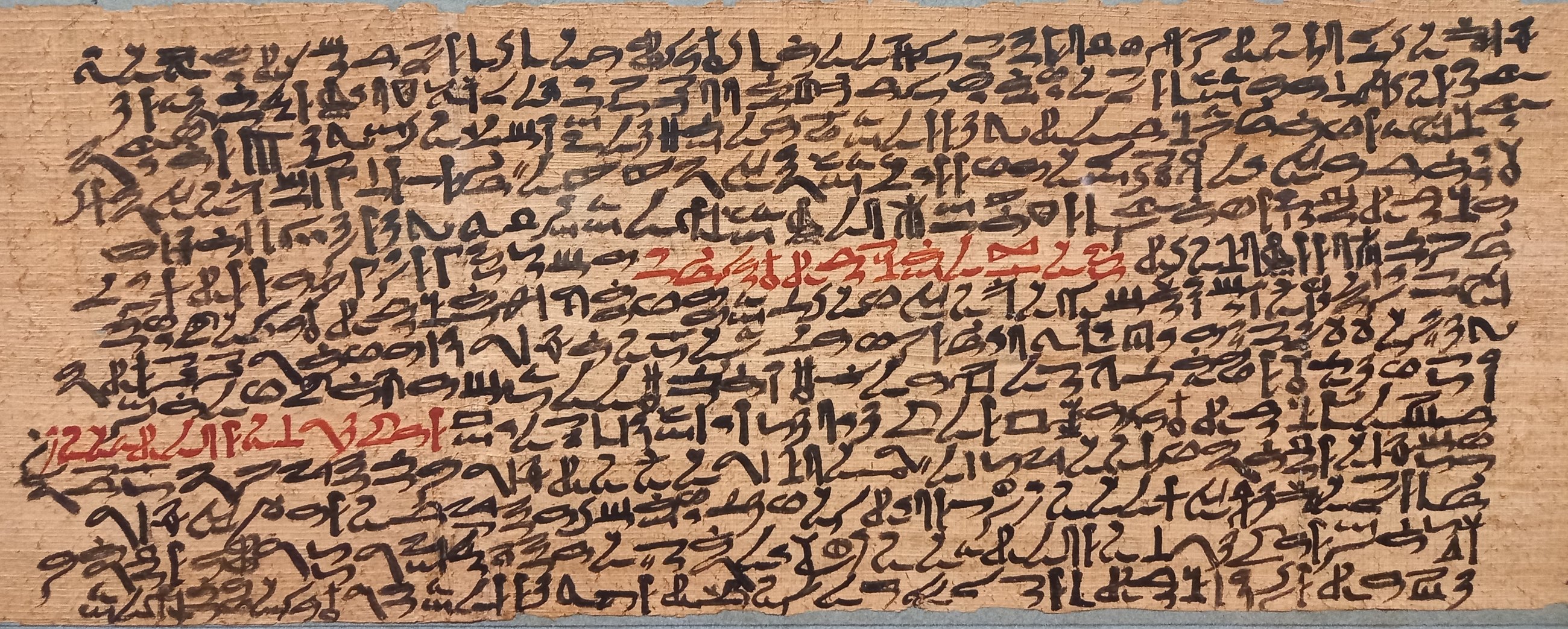
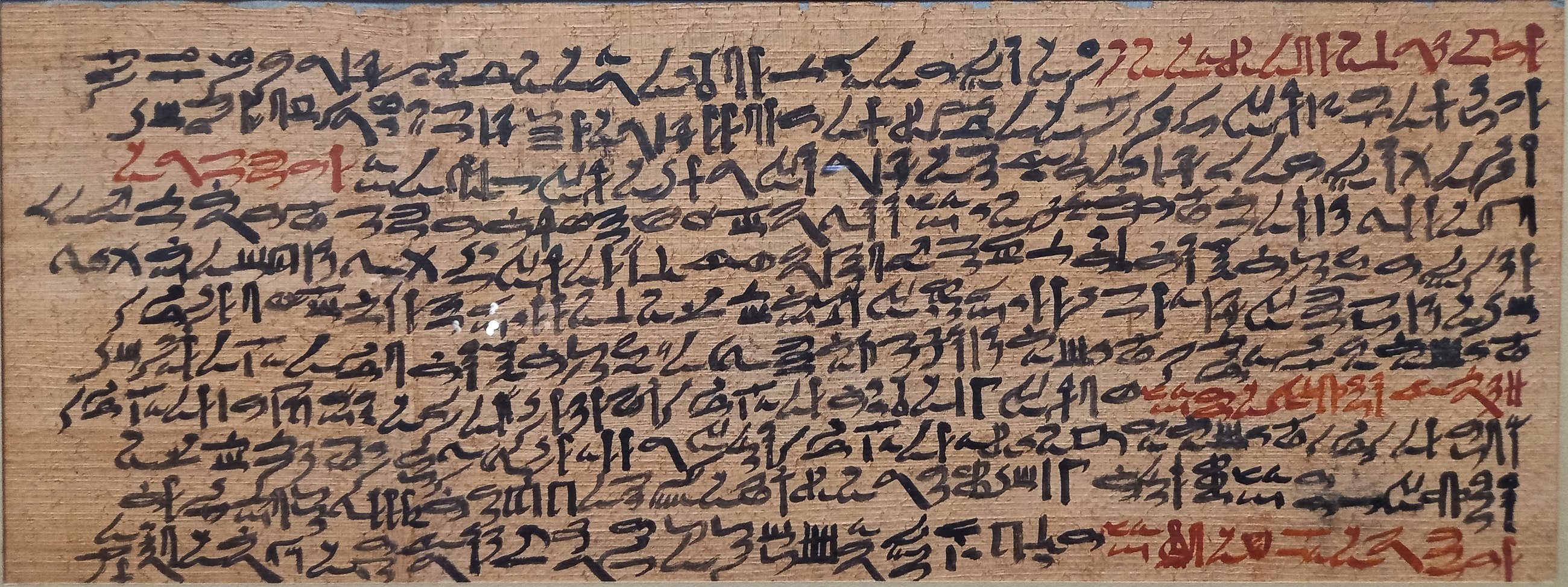
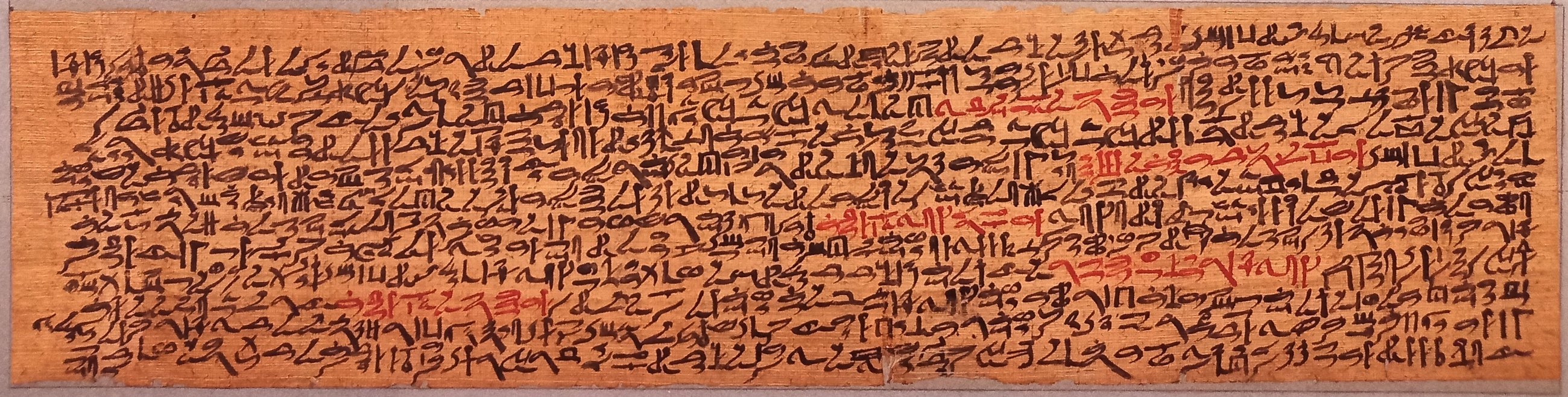
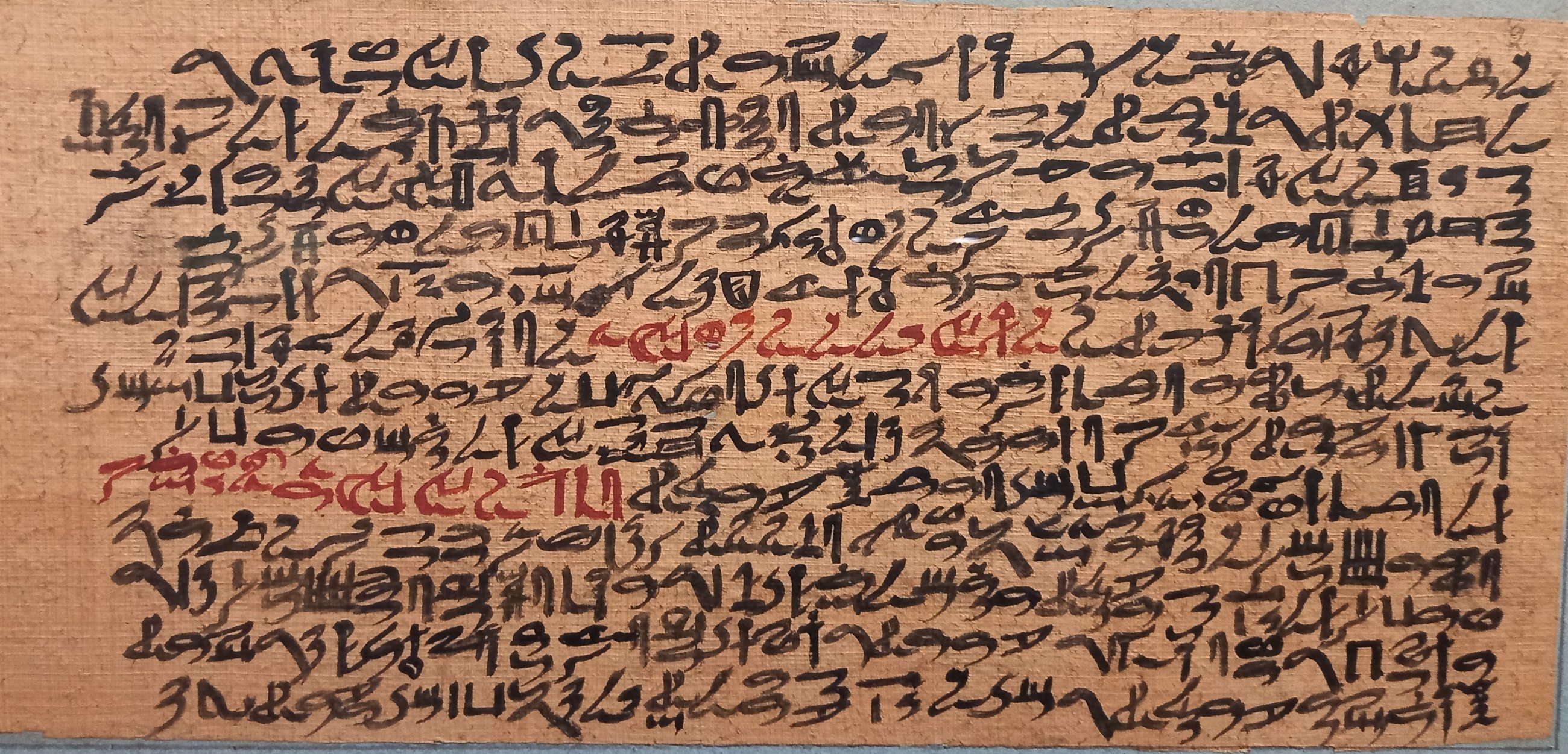
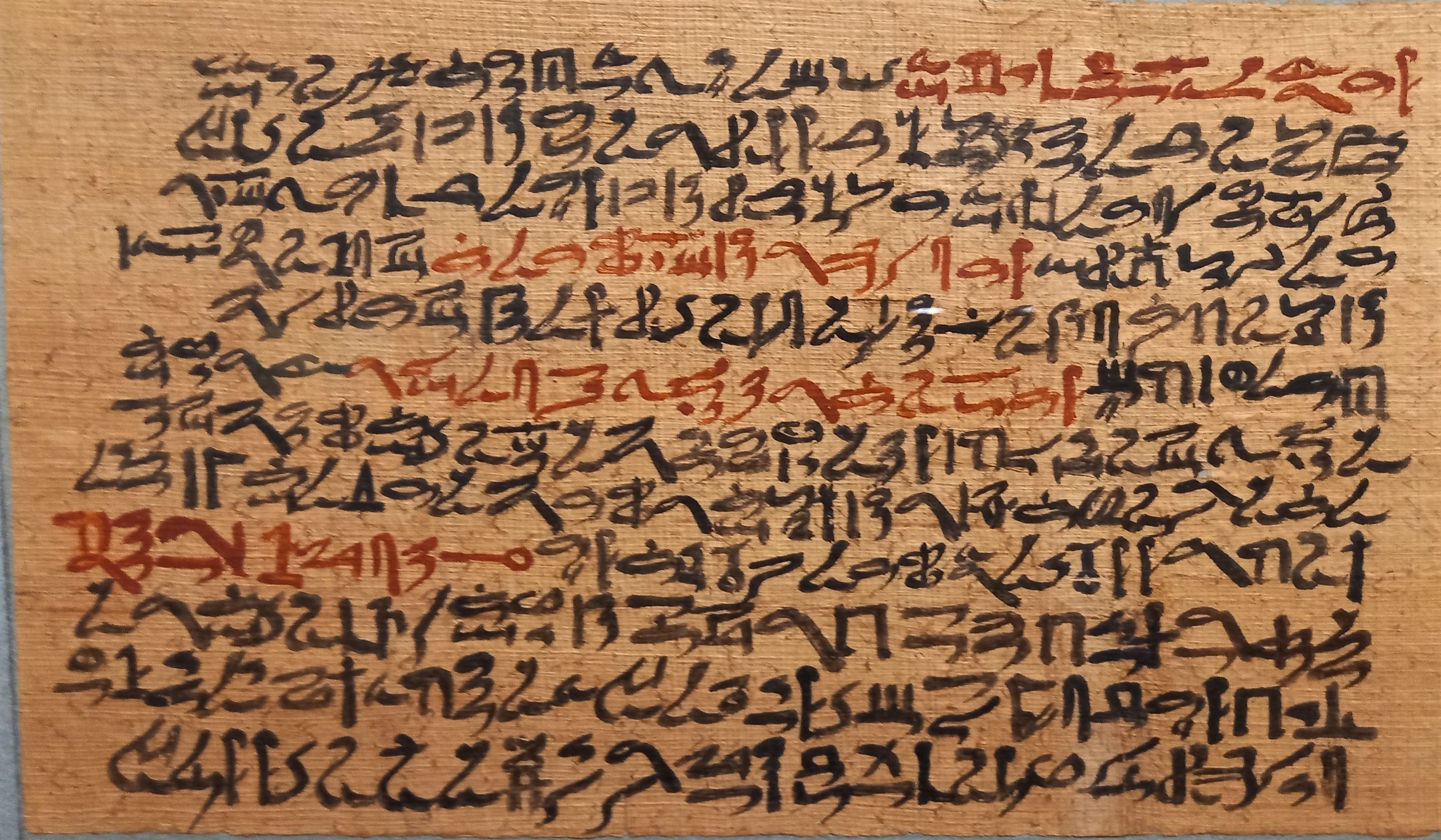
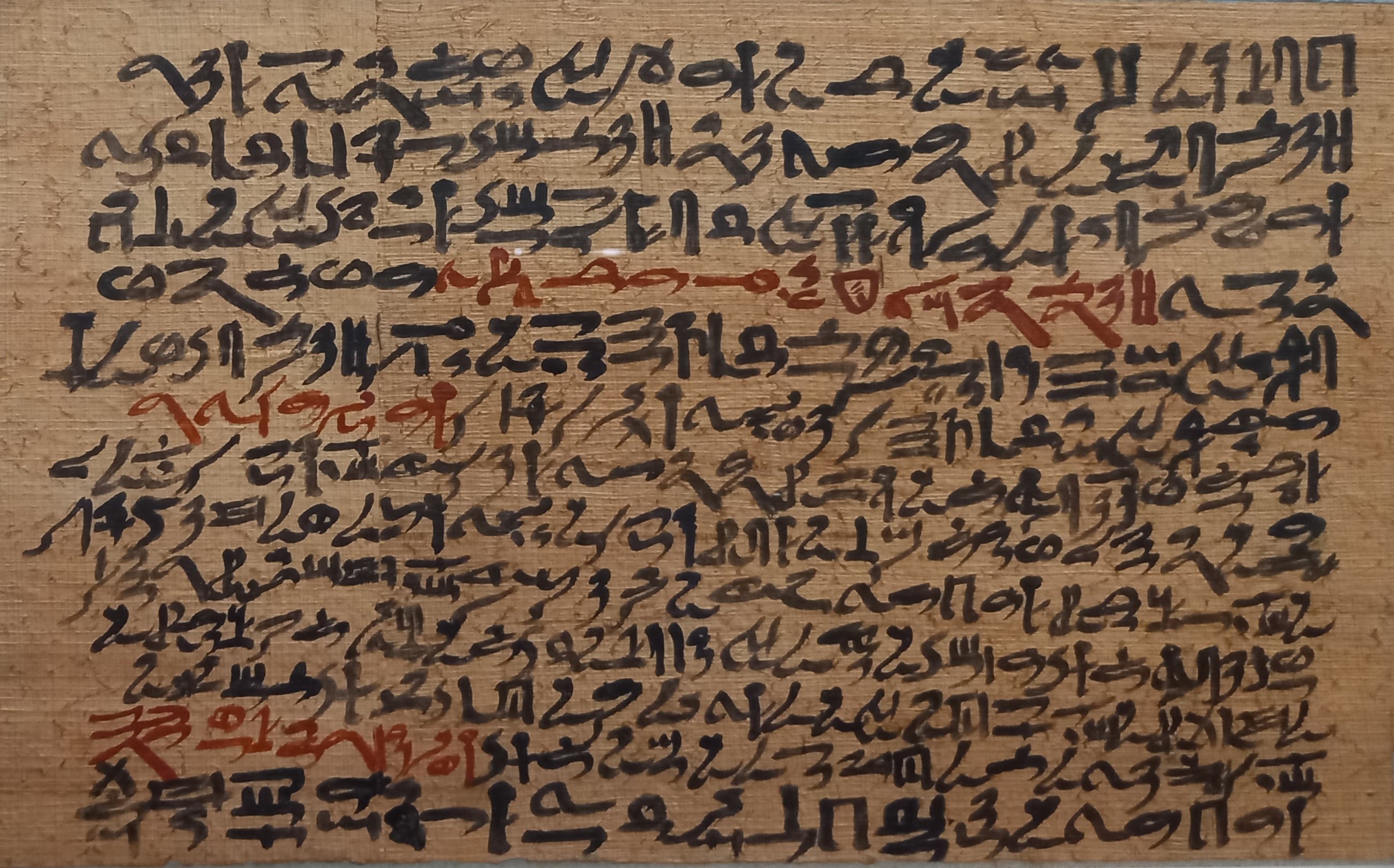
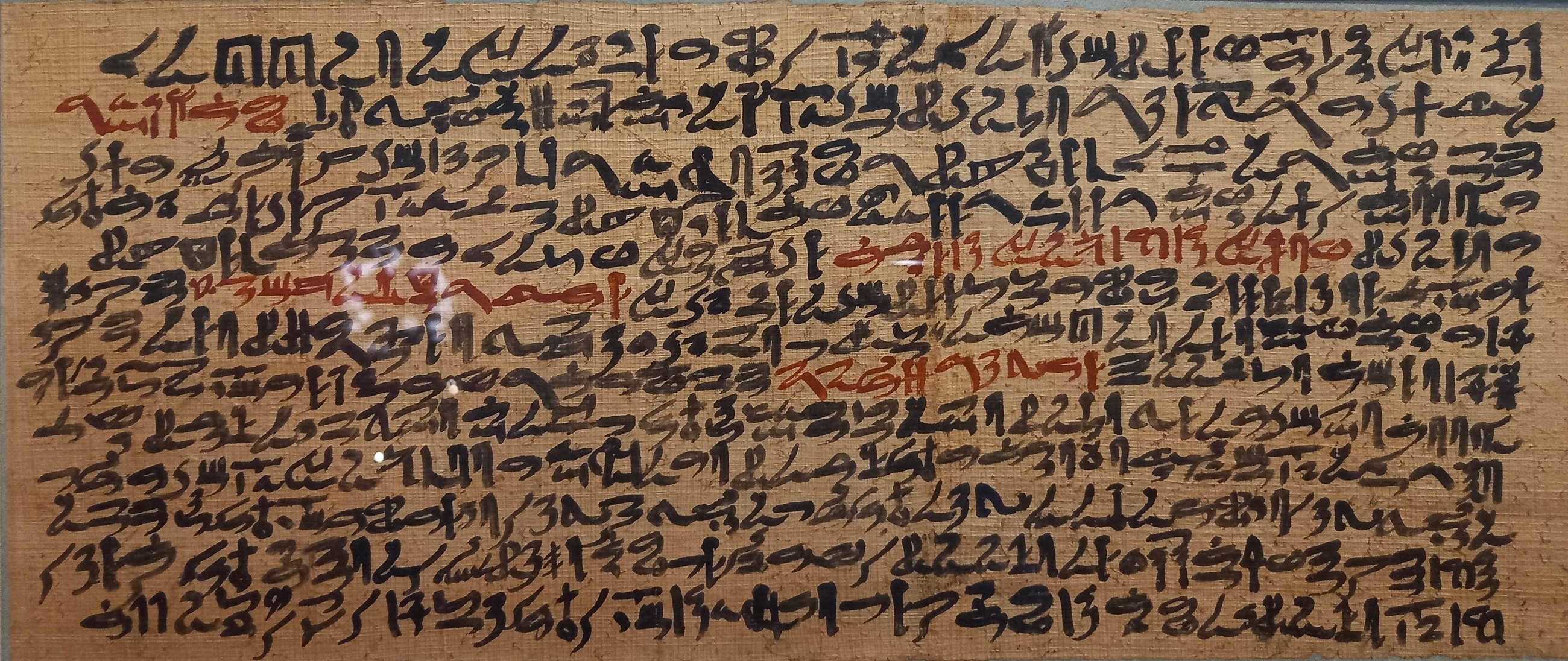
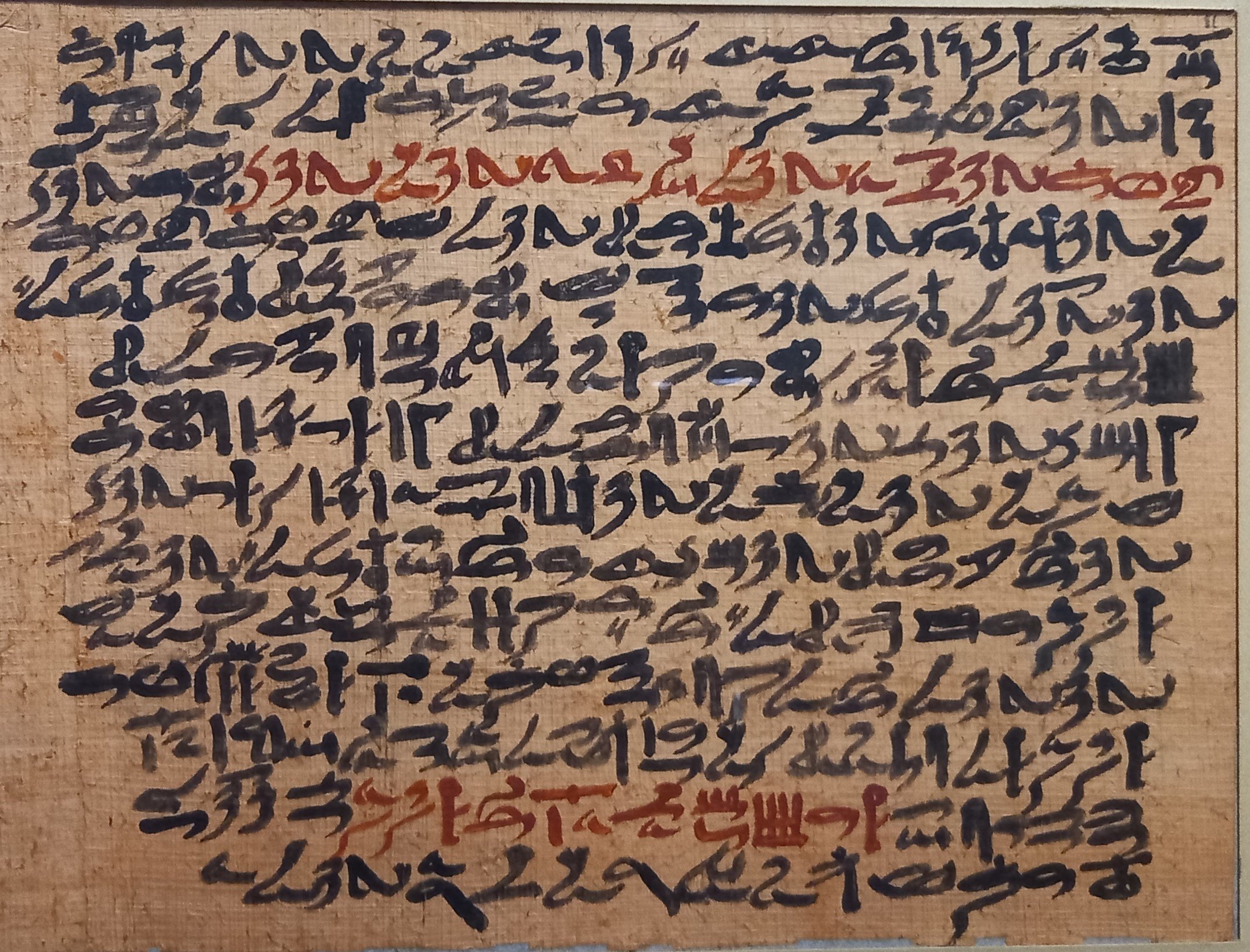
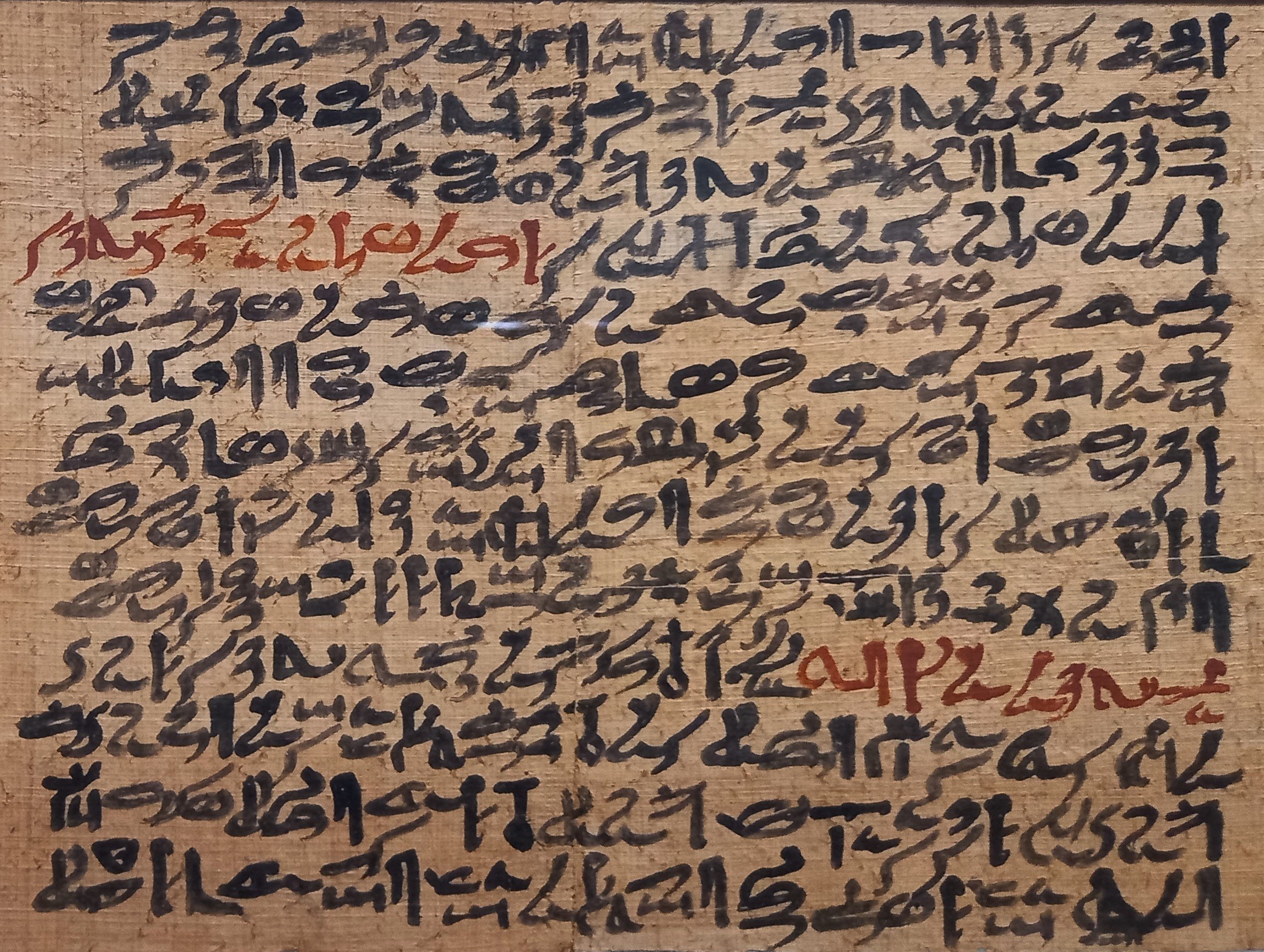
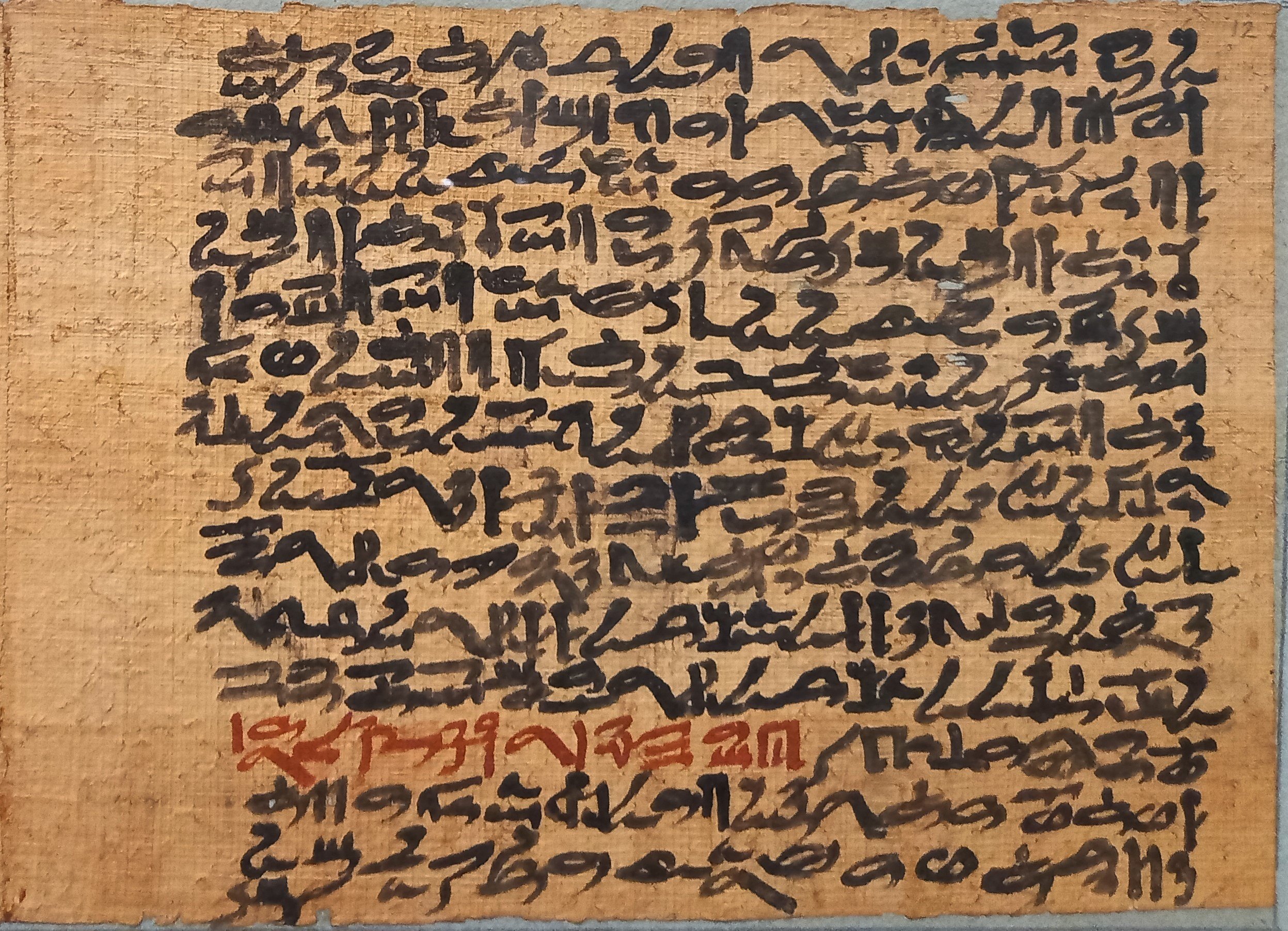
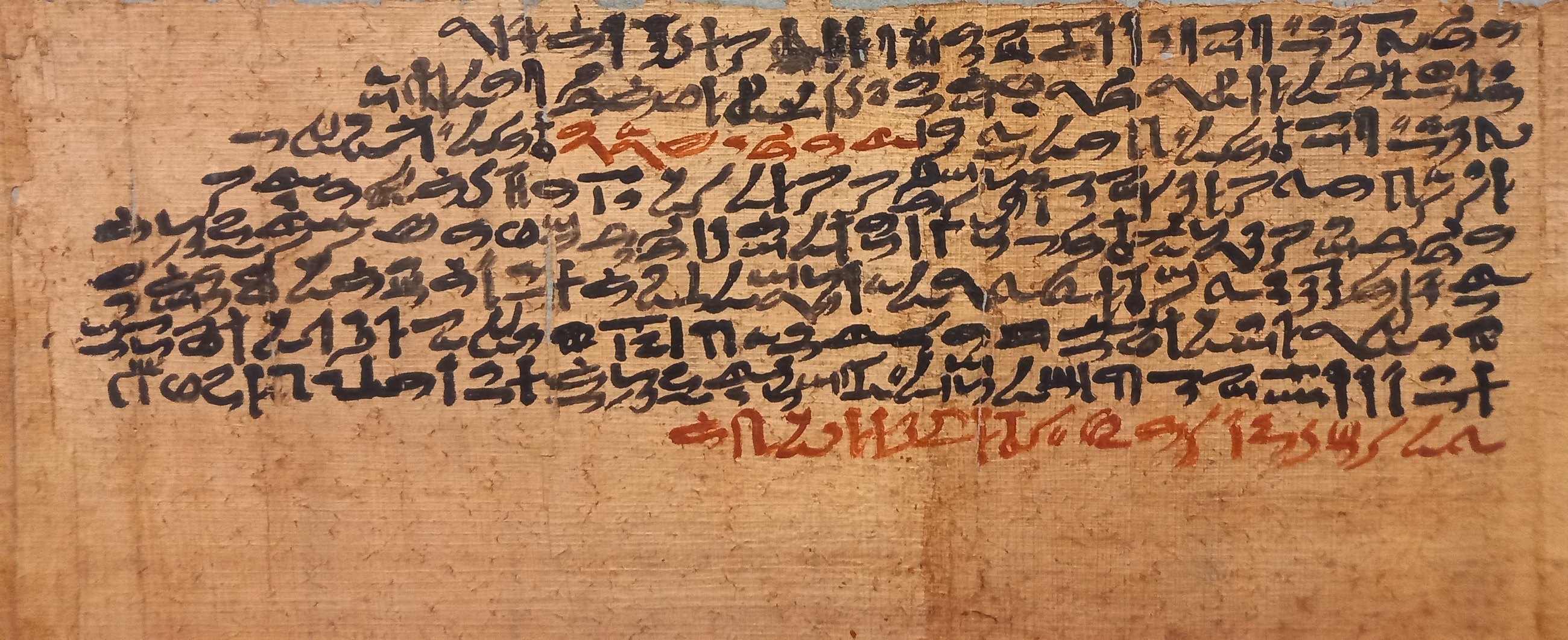
In the papyrus the text runs over 16 columns of horizontal hieratic lines, numbered pages 4 to 19 (pages 1-2 hold the end of the Instruction for Kagemni, page 3 was erased). The opening of most maxims is written in red. The papyrus is mounted in frames: page 4-5 on Egyptien 186, page 6 on 187, page 7 on 188, and two pages on each of 189 to 194. Every section below is linked to the photograph of the column or columns that carry it, and its scan note gives the page and line numbers.
The sections follow Battiscombe Gunn's 1906 translation (A, B, maxims 1-37, C, 38-43, D and the colophon). For each Gunn section the Egyptian is the corresponding run of sentences in the Thesaurus Linguae Aegyptiae edition by Peter Dils, with the papyrus page and line number before each line. A second block gives the TLA hieroglyphic transcription in Unicode (a transcription of the hieratic); the few words for which the TLA has no complete hieroglyphic encoding are shown there in transliteration, in italics. Signs supplied by the editor are in angle brackets, superfluous signs in braces, damaged or unclear signs in half brackets, and lost text as [...].
Gunn translated from the Prisse text but did not translate maxim 32, for which he printed only a heading; that section therefore has the Egyptian but no real English. Gunn's renderings are early and some passages are now understood differently.
How was this verified? (Provenance)
Where on the image
Prisse 4,1-5,6 (TLA page,line numbers): TLA sentences 1-30 of this text, on pages 4 and 5. Page 4 is Egyptien 186 (Commons photograph Papyrus_Prisse_186_1.jpg), checked on the image: four lines at the foot of the column below the erased area, line 1 opening with the red title (TLA 4,1). Page 5 is Egyptien 186 (Commons photograph Papyrus_Prisse_186_2.jpg), checked on the image: 14 lines; red rubric in the middle of line 6 (title, TLA 5,6) and at the end of line 10, where maxim 2 opens (TLA 5,10). The English includes Gunn's rendering of the red title line (4,1) before his paragraph A.
[…] […] 4,1sbꜣy,t n.t 〈j〉m〈,j〉-rʾ-nʾ,t ṯꜣ,tj Ptḥ-ḥtp ḫr ḥm n nsw,t-bj,tj Jssj ꜥnḫ ḏ,t r-nḥḥ 4,2〈j〉m〈,j〉-rʾ-nʾ,t ṯꜣ,tj Ptḥ-ḥtp ḏd =f jty nb =〈j〉 tnj ḫpr jꜣw hꜣi̯.w 4,3wgg jwi̯ jḥw ḥr mꜣwi̯ sḏr n =f ẖdr rꜥ-nb jr,t.du nḏs.w 4,4ꜥnḫ.du jmr.w pḥtj ḥr ꜣq n wrd jb =j rʾ gr n mdwi̯.n =f 5,1jb tm.w n sḫꜣ.n =f sf qs mn{n} =f n ꜣww bw-nfr ḫpr m bw-bjn dp,t nb.t šm.t〈j〉 5,2jrr.t jꜣw n r〈m〉t.pl bjn m ḫ,t-nb.t fnd ḏbꜣ n ssn.n =f ⸢ntnw⸣ ꜥḥꜥ ḥmsi̯.t wḏ =t〈w〉 n bꜣk-jm 5,3jri̯.t mdw-jꜣw jḫ ḏd =j n =f mdw sḏm.yw.pl sḫr.w.pl jm〈,j〉.w.pl-ḥꜣ,t pꜣu̯.w sḏm n nṯr.pl jḫ jri̯ =t〈w〉 n =k 5,4mj,tt dr.tw šnw m rḫy,t bꜣk n =k jdb.wj.du ḏd.jn ḥm n nṯr pn sbꜣ r =k sw 5,5r md,t ẖr-ḥꜣ,t jḫ jri̯ =f bj〈ꜣ〉 n ms.w.pl sr.w.pl ꜥq sḏm jm =f mt〈y〉,t-jb nb 5,6ḏd n =f nn msi̯.y sꜣw
Compare: Hieroglyphic transcription (TLA, Unicode)
[…] […] 4,1𓇼𓄿𓇋𓇋𓏏𓏛 𓈖𓏏 𓅓𓂋𓊖𓏏𓏤 𓅷𓏏𓏤 𓊪𓏏𓎛𓊵𓏏𓊪𓀻 𓐍𓂋 𓍛𓏤 𓈖 𓇓𓆤𓏏𓏏 𓇋𓋴𓋴𓇋 𓋹 𓆓𓏏𓇿 𓂋𓈖𓅘𓎛𓎛𓇳 4,2𓅓𓂋𓊖𓏏𓏤 𓅷𓏏𓏤 𓊪𓏏𓎛𓊵𓏏𓊪𓀻 𓆓𓂧 𓆑 𓆊𓆊𓅆 𓎟𓀀 =〈j〉 𓏏𓈖𓇋𓀗 𓆣𓂋 𓇋𓄿𓅱𓀘 𓉔𓄿𓏲𓂻 4,3𓅱𓎤𓎤𓅪 𓂻𓅱 𓇋𓎛𓅱𓅪 𓁷𓏤 𓌳𓄿𓅱𓏛 𓋴𓇥𓂋𓁀 𓈖 𓆑 𓄡𓂧𓂋𓅪 𓂋𓂝𓇳𓎟 𓁹𓁹 𓈖𓆓𓋴𓏲𓅪 4,4𓋹𓋹𓄔𓄔 𓇋𓌻𓂋𓅱𓄔 𓊪𓎛𓄖𓏏𓏭𓀜 𓁷𓏤 𓄿𓈎𓅪 𓂜 𓅨𓂋𓂧𓀉 𓄣𓏤 𓀀 𓂋𓏤 𓎼𓂋𓀁 𓂜 𓌃𓂧𓅱𓀁𓈖 𓆑 5,1𓄣𓏤 𓍃𓅓𓏲𓅪 𓂜 𓋴𓆼𓄿𓀁𓈖 𓆑 𓋵𓇳 𓈎𓋴𓌟 𓏠𓈖𓈖𓅪 𓆑 𓈖 𓄫𓅱𓅱𓏛 𓃀𓏲𓄤𓆑𓂋 𓆣𓂋 𓅓 𓃀𓏲𓃀𓇋𓈖𓅪 𓂧𓊪𓏏𓄓𓀁 𓎟𓏏 𓈝𓅓𓏏𓂻 5,2𓁹𓂋𓏏 𓇋𓄿𓏲𓀘𓏤 𓈖 𓂋𓍿𓀀𓁐𓏥 𓃀𓇋𓈖𓅪 𓅓 𓐍𓏏𓏛𓏥𓎟𓏏 𓆑𓈖𓂧𓂉 𓌥𓏛 𓂜 𓋴𓋴𓈖𓂉𓈖 𓆑 𓈖𓏏𓈖𓏌𓅱𓅪 𓊢𓂝𓂻 𓈞𓋴𓏏𓀉 𓎗𓅱𓏛 𓏏 𓈖 𓅡𓎢𓀀𓇋𓅓 5,3𓁹𓏏 𓌃𓀗𓀀 𓇋𓐍𓀀 𓆓𓂧 𓀀 𓈖 𓆑 𓌃𓂧𓅱𓀁 𓄔𓅓𓇋𓇋𓅱𓀀𓏥 𓊃𓐍𓂋𓅱𓏛𓏥 𓏶𓅓𓅱𓏥𓄂𓏏𓏤 𓊪𓅯𓄿𓏲𓏥 𓄔𓅓 𓈖 nṯr.pl 𓇋𓐍𓏛 𓁹 𓏏 𓈖 𓎢 5,4𓏇𓏏𓏏𓏛 𓂧𓂋𓀜𓏏𓅱 𓍲𓈖𓏌𓏲𓅪𓏥 𓅓 𓂋𓐍𓇋𓇋𓏏𓅛𓀀𓁐𓏥 𓅡𓎢𓀜 𓈖 𓎢 𓈅𓈅𓅱𓏭 𓆓𓂧𓇋𓈖 𓍛𓏤 𓈖 𓊹𓏤 𓊪𓈖 𓇼𓄿𓀜 𓂋 𓎢 𓇓𓅱 5,5𓂋 𓌃𓂧𓏏𓀁 𓌨𓂋𓄂𓏏𓏤 𓇋𓐍𓏛 𓁹 𓆑 𓃀𓇋𓈞𓄑𓏛𓏥 𓈖 𓄟𓋴𓅱𓁓𓀀𓁐𓏥 𓀙𓅱𓀀𓏥 𓅧𓈎𓂻 𓄔𓅓 𓇋𓅓 𓆑 𓂸𓏏𓏏𓂭𓂭𓀀𓄣𓏤 𓎟 5,6𓆓𓂧 𓈖 𓆑 𓂜𓈖 𓄟𓋴𓇋𓇋𓁓 𓋴𓐟𓄿𓏲𓀁
The Instruction of the Governor of his City, the Vizier, Ptah-hotep, in the Reign of the King of Upper and Lower Egypt, Isôsi, living for ever, to the end of Time.
The Governor of his City, the Vizier, Ptah-hotep, he said: 'O Prince, my Lord, the end of life is at hand; old age descendeth [upon me]; feebleness cometh, and childishness is renewed. He [that is old] lieth down in misery every day. The eyes are small; the ears are deaf. Energy is diminished, the heart hath no rest. The mouth is silent, and he speaketh no word; the heart stoppeth, and he remembereth not yesterday. The bones are painful throughout the body; good turneth unto evil. All taste departeth. These things doeth old age for mankind, being evil in all things. The nose is stopped, and he breatheth not for weakness (?), whether standing or sitting.
'Command me, thy servant, therefore, to make over my princely authority [to my son]. Let me speak unto him the words of them that hearken to the counsel of the men of old time; those that hearkened unto the gods. I pray thee, let this thing be done, that sin may be banished from among persons of understanding, that thou may enlighten the lands.'
Said the Majesty of this God: 'Instruct him, then, in the words of old time; may he be a wonder unto the children of princes, that they may enter and hearken with him. Make straight all their hearts; and discourse with him, without causing weariness.'
Where on the image
Prisse 5,6-5,8 (TLA page,line numbers): TLA sentences 31-32 of this text, on page 5. Page 5 is Egyptien 186 (Commons photograph Papyrus_Prisse_186_2.jpg), checked on the image: 14 lines; red rubric in the middle of line 6 (title, TLA 5,6) and at the end of line 10, where maxim 2 opens (TLA 5,10).
5,6ḥꜣ〈,t〉-ꜥ-m ṯz.w.pl n md,t nfr.t ḏd.t.n 〈j〉r〈,j〉-pꜥ,t ḥꜣ〈,tj〉-ꜥ jt-nṯr mri̯.y-nṯr 5,6-7zꜣ-nsw,t-smsw-n-ẖ,t≡f 5,7〈j〉m〈,j〉-rʾ-nʾ,t ṯꜣ,tj Ptḥ-ḥtp m sbꜣ ḫm.w.pl r rḫ r tp-ḥsb n md,t nfr.t m ꜣḫ,t n 5,8sḏm.tj =f m 〈w〉gg,t n ntj r thi̯.t st ḏd.jn =f ḫr zꜣ =f
Compare: Hieroglyphic transcription (TLA, Unicode)
5,6𓄂𓂝𓅓 𓋭𓊃𓅱𓏛𓏥 𓈖 𓌃𓂧𓏏𓀁 𓄤𓆑𓂋𓏏 𓆓𓂧𓏏𓈖 𓂋𓊪𓂝𓏏 𓄂𓂝 𓊹𓇋𓏏𓆑 𓊹𓌻𓂋𓇋𓇋𓀁 5,6-7𓇓𓏏𓈖𓅭𓀘𓈖𓄡𓏏𓏤𓆑 5,7𓅓𓂋𓊖𓏏𓏤 𓅷𓏏𓏤 𓊪𓏏𓎛𓊵𓏏𓊪𓀼 𓅓 𓇼𓄿𓀜 𓐍𓅓𓏲𓂜𓀀𓏥 𓂋 𓂋𓐍𓏛 𓂋 𓁶𓏤𓐎𓏛 𓈖 𓌃𓂧𓏏𓀁 𓄤𓆑𓂋𓏏 𓅓 𓅜𓐍𓏏𓏛 𓈖 5,8𓄔𓅓𓏏𓏭 𓆑 𓅓 𓎤𓎤𓏏𓅪 𓈖 𓈖𓏏𓏭 𓂋 𓏏𓉔𓏏𓂾𓂻 𓋴𓏏 𓆓𓂧𓇋𓈖 𓆑 𓐍𓂋 𓅭𓀀 𓆑
Here begin the proverbs of fair speech, spoken by the Hereditary Chief, the Holy Father, Beloved of the God, the Eldest Son of the King, of his body, the Governor of his City, the Vezier, Ptah-hotep, when instructing the ignorant in the knowledge of exactness in fair-speaking; the glory of him that obeyeth, the shame of him that transgresseth them.
He said unto his son:
Where on the image
Prisse 5,8-5,10 (TLA page,line numbers): TLA sentences 33-38 of this text, on page 5. Page 5 is Egyptien 186 (Commons photograph Papyrus_Prisse_186_2.jpg), checked on the image: 14 lines; red rubric in the middle of line 6 (title, TLA 5,6) and at the end of line 10, where maxim 2 opens (TLA 5,10).
5,8m ꜥꜣi̯ jb =k ḥr rḫ =k nḏnḏ r =k 5,9ḥnꜥ ḫm mj rḫ n jni̯.tw ḏr,w ḥmw,t nn ḥmw,w ꜥpr ꜣḫ,w =f 5,10dgw md,t nfr.t r wꜣḏ jw gmi̯.t〈w〉 =s m-ꜥ ḥm,t.pl ḥr bnw,t.pl
Compare: Hieroglyphic transcription (TLA, Unicode)
5,8𓅓 𓉻𓂝𓄿𓏛 𓄣𓏤 𓎢 𓁷𓏤 𓂋𓐍𓏛 𓎢 𓈖𓆓𓈖𓆓𓐩𓀁 𓂋 𓎢 5,9𓎛𓈖𓂝 𓐍𓅓𓂜𓀀 𓏇𓇋 𓂋𓐍𓏛𓂻 𓂜 𓏎𓈖𓏏𓅱 𓇥𓂋𓅱𓈐 𓍍𓏏𓏤𓏛 𓂜𓈖 𓍍𓅱𓅱𓀀 𓂝𓊪𓂋𓐢𓏛 𓅜𓐍𓅱𓏛𓏥 𓆑 5,10𓂧𓎼𓄿𓀄 𓌃𓂧𓏏𓀁 𓄤𓆑𓂋𓏏 𓂋 𓇆𓊌 𓇋𓅱 𓅠𓅓𓏏 𓋴 𓅓𓂝 𓍛𓏏𓏤𓁐𓏥 𓁷𓏤 𓃀𓈖𓏌𓅱𓏏𓊌𓏥
Be not proud because thou art learned; but discourse with the ignorant man, as with the sage. For no limit can be set to skill, neither is there any craftsman that possesseth full advantages. Fair speech is more rare than the emerald that is found by slave-maidens on the pebbles.
Where on the image
Prisse 5,10-5,13 (TLA page,line numbers): TLA sentences 39-44 of this text, on page 5. Page 5 is Egyptien 186 (Commons photograph Papyrus_Prisse_186_2.jpg), checked on the image: 14 lines; red rubric in the middle of line 6 (title, TLA 5,6) and at the end of line 10, where maxim 2 opens (TLA 5,10).
5,10jr gmi̯ =k ḏꜣjs,w m ꜣ,t =f 5,11ḫrp jb m jqr r =k ḫꜣm ꜥ.wj =k ẖms sꜣ =k m ṯꜣ jb =k r =f nn 〈r〉mni̯.n =f n =k sꜥnd =k 5,12ḏd bjn m tm ḫsf sw m ꜣ,t =f njs.t〈w〉 =f m ḫm ḫ,t pw rmni̯.n dꜣjr jb =k 5,13ꜥḥꜥ =f
Compare: Hieroglyphic transcription (TLA, Unicode)
5,10𓇋𓂋 𓅠𓅓 𓎢 𓍑𓄿𓇋𓋴𓅱𓀁𓀀 𓅓 𓄿𓏏𓏯𓇳 𓆑 5,11𓐍𓂋𓊪𓂝 𓄣𓏤 𓅓 𓇋𓈎𓂋𓏛 𓂋 𓎢 𓐍𓆼𓄿𓅓𓂢 𓂝𓏤𓅱𓏭 𓎢 𓄡𓅓𓋴 𓐟𓏤 𓎢 𓅓 𓅷𓄿𓀁 𓄣𓏤 𓎢 𓂋 𓆑 𓂜𓈖 𓏠𓈖𓂢𓈖 𓆑 𓈖 𓎢 𓊃𓂝𓈖𓂧𓅪 𓎢 5,12𓆓𓂧 𓃀𓇋𓈖𓅪 𓅓 𓍃𓅓 𓍚𓀜 𓇓𓅱 𓅓 𓄿𓏏𓏯𓇳 𓆑 𓈖𓇋𓋴𓏏𓀁 𓆑 𓅓 𓐍𓅓𓂜 𓐍𓏏𓏛𓏥 𓊪𓏲 𓂋𓏠𓈖𓂢𓈖 𓂧𓄿𓇋𓂋𓌗𓀜 𓄣𓏤 𓎢 5,13𓊢𓂝𓇤𓏛𓏥 𓆑
If thou find an arguer talking, one that is well disposed and wiser than thou, let thine arms fall, bend thy back, be not angry with him if he agree (?) not with thee. Refrain from speaking evilly; oppose him not at any time when he speaketh. If he address thee as one ignorant of the matter, thine humbleness shall bear away his contentions.
Where on the image
Prisse 5,13-5,14 (TLA page,line numbers): TLA sentences 45-47 of this text, on page 5. Page 5 is Egyptien 186 (Commons photograph Papyrus_Prisse_186_2.jpg), checked on the image: 14 lines; red rubric in the middle of line 6 (title, TLA 5,6) and at the end of line 10, where maxim 2 opens (TLA 5,10).
5,13jr gmi̯ =k ḏꜣjs,w m ꜣ,t =f mj,tw =k n,tj m rmnw,t =k ḏḏ =k ḫpr jqr =k r =f 5,14m gr jw =f ḥr md〈w〉i̯.t bjn,t wr wfꜣ jn sḏm,yw.pl rn =k nfr m rḫ n sr.w.pl
Compare: Hieroglyphic transcription (TLA, Unicode)
5,13𓇋𓂋 𓅠𓅓 𓎢 𓍑𓄿𓇋𓋴𓄿𓀁𓀀 𓅓 𓄿𓏏𓏯𓇳 𓆑 𓏇𓏏𓅱𓏛 𓎢 𓈖𓏏𓏭 𓅓 𓂋𓏠𓈖𓏌𓅱𓏏𓂢𓏥 𓎢 𓂝𓂝 𓎢 𓆣𓂋 𓇋𓈎𓂋𓏛 𓎢 𓂋 𓆑 5,14𓅓 𓎼𓂋𓀁 𓇋𓏲 𓆑 𓁷𓏤 𓌃𓂧𓏏𓀁 𓃀𓇋𓈖𓏏𓅪 𓅨𓂋 𓅱𓆑𓄿𓅪𓀁 𓇋𓈖 𓄔𓅓𓇋𓇋𓅱𓀀𓏥 𓂋𓈖 𓎢 𓄤𓆑𓂋 𓅓 𓂋𓐍𓏛 𓈖 𓀙𓅱𓀀𓏥
If thou find an arguer talking, thy fellow, one that is within thy reach, keep not silence when he saith aught that is evil; so shalt thou be wiser than he. Great will be the applause on the part of the listeners, and thy name shall be good in the knowledge of princes.
Where on the image
Prisse 6,1-6,3 (TLA page,line numbers): TLA sentences 48-54 of this text, on page 6. Page 6 is Egyptien 187 (Commons photograph Papyrus_Prisse_187.jpg), checked on the image: one column of 11 lines (BnF: 'une colonne de onze lignes'); rubrics at the start of line 1, the end of line 3, the start of line 8 and line 11 (maxims 4-7, TLA 6,1, 6,3, 6,8, 6,11).
6,1jr gmi̯ =k ḏꜣjs,w m ꜣ,t =f m ḥwr,w n js mj,tw =k m ꜣd jb =k r =f ḫtf ẖss =f 6,2jmi̯ sw r tꜣ ḫsf =f n =f ḏs =f m wšd sw r jsy jb =k m jꜥi̯ jb n n,tj ḫtf =k qsn pw 6,3ḥḏḏ.w ḥwr,w jb tw r jri̯.t n,tt m jb =k ḥ〈w〉i̯ =k sw m ḫsf n sr.w.pl
Compare: Hieroglyphic transcription (TLA, Unicode)
6,1𓇋𓂋 𓅠𓅓 𓎢 𓍑𓄿𓇋𓋴𓅱𓀁𓀀 𓅓 𓄿𓏏𓏯𓇳 𓆑 𓅓 𓎛𓅨𓂋𓅱𓅨𓀀 𓂜 𓇋𓋴 𓏇𓏏𓅱𓀀 𓎢 𓅓 𓄿𓂧𓆊 𓄣𓏤 𓎢 𓂋 𓆑 𓐍𓏏𓆑 𓄡𓊃𓊃𓅪 𓆑 6,2𓇋𓐝𓅓𓂝 𓇓𓅱 𓂋 𓇾𓈇𓏤 𓍚𓀜 𓆑 𓈖 𓆑 𓆓𓊃 𓆑 𓅓 𓅱𓄞𓂧𓀁 𓇓𓅱 𓂋 𓇋𓋴𓇋𓇋 𓄣𓏤 𓎢 𓅓 𓇋𓂝𓈗 𓄣𓏤 𓈖 𓈖𓏏𓏭 𓐍𓏏𓆑 𓎢 𓈎𓋴𓌟𓈖𓅪 𓊪𓏲 6,3𓎛𓆓𓆓𓅱𓏴 𓎛𓅨𓂋𓅱𓅪 𓄣𓏤 𓏏𓅱 𓂋 𓁹𓏏 𓈖𓏏𓏏 𓅓 𓄣𓏤 𓎢 𓎛𓀜 𓎢 𓇓𓏲 𓅓 𓍚𓀜 𓈖 𓀙𓅱𓀀𓏥
If thou find an arguer talking, a poor man, that is to say not thine equal, be not scornful toward him because he is lowly. Let him alone; then shall he confound himself. Question him not to please thine heart, neither pour out thy wrath upon him that is before thee; it is shameful to confuse a mean mind. If thou be about to do that which is in thine heart, overcome it as a thing rejected of princes.
Where on the image
Prisse 6,3-6,7 (TLA page,line numbers): TLA sentences 55-66 of this text, on page 6. Page 6 is Egyptien 187 (Commons photograph Papyrus_Prisse_187.jpg), checked on the image: one column of 11 lines (BnF: 'une colonne de onze lignes'); rubrics at the start of line 1, the end of line 3, the start of line 8 and line 11 (maxims 4-7, TLA 6,1, 6,3, 6,8, 6,11).
6,3jr wnn =k m 6,4sšm,y ḥr wḏ sḫr n ꜥšꜣ,t ḥḥ n =k sp nb mnḫ r wn.t sḫr =k nn jw 6,5jm =f wr mꜣꜥ,t wꜣḥ spd,t n ẖnn.t〈w〉 =s ḏr rk Wsjr jw ḫsf =tw n swꜣ ḥr hp.w.pl swꜣ.t 6,6pw m ḥr n ꜥwn-jb jn nḏy,t jtt ꜥḥꜥ n pꜣu̯ ḏꜣy,t mnj sp =s jw =f ḏd =f 6,7sḫt =j r =j ḏs =j n ḏd.n =f sḫt =j ḥr ḥn,t =j wn pḥwj mꜣꜥ,t wꜣḥ =s ḏd w z w jt =〈j〉 pw
Compare: Hieroglyphic transcription (TLA, Unicode)
6,3𓇋𓂋 𓃹𓈖𓈖 𓎢 𓅓 6,4𓋴𓌮𓅓𓇋𓇋𓂻 𓁷𓏤 𓎗𓅱𓏛 𓊃𓐍𓂋𓏛 𓈖 𓆈𓄿𓏏𓀀𓁐𓏥 𓎛𓎛𓂻 𓈖 𓎢 𓊃𓊪𓊗 𓎟 𓏠𓈖𓐍𓍊𓏛 𓂋 𓃹𓈖𓏏 𓊃𓐍𓂋𓏛 𓎢 𓂜𓈖 𓃛𓅱𓅪 6,5𓇋𓅓 𓆑 𓅨𓂋 𓌳𓐙𓂝𓏏𓏯𓏛 𓎝𓎛𓏛 𓇮𓏏𓏛 𓂜 𓂙𓈖𓈖𓏏𓃫 𓋴 𓇥𓂋 𓂋𓎢 𓇳𓁹𓊨𓅆 𓇋𓅱 𓍚𓀜 𓏏𓏲 𓈖 𓏴𓂻 𓁷𓏤 𓉔𓊪𓅱𓏛𓏥 𓏴𓏏𓂻 6,6𓊪𓏲 𓅓 𓁷𓏤 𓈖 𓂝𓃹𓈖𓀜𓄣𓏤𓀀 𓇋𓈖 𓈖𓆓𓇋𓇋𓏏𓅪𓏥 𓎁𓏏𓏏𓀜 𓊢𓂝𓇤𓏛𓏥 𓂜 𓊪𓅯𓄿 𓍑𓄿𓇋𓇋𓏏𓅪𓏥 𓏠𓈖𓇋𓐪𓊛 𓊃𓊪𓊗 𓋴 𓇋𓏲 𓆑 𓆓𓂧 𓆑 6,7𓊃𓐍𓏏𓌧𓏛 𓀀 𓂋 𓀀 𓆓𓊃 𓀀 𓂜 𓆓𓂧𓈖 𓆑 𓊃𓐍𓏏𓌧𓏛 𓀀 𓁷𓏤 𓎛𓆰𓈖𓏏𓎨𓏛 𓀀 𓃹𓈖 𓄖𓅱𓏭 𓌳𓐙𓂝𓏏𓏯𓏛 𓎝𓎛𓏛 𓋴 𓆓𓂧 𓅱 𓊃𓀀𓏤 𓅱 𓇋𓏏𓆑𓀀 =〈j〉 𓊪𓏲
If thou be a leader, as one directing the conduct of the multitude, endeavour always to be gracious, that thine own conduct be without defect. Great is Truth, appointing a straight path; never hath it been overthrown since the reign of Osiris. One that oversteppeth the laws shall be punished. Overstepping is by the covetous man; but degradations (?) bear off his riches, for the season of his evil-doing ceaseth not. For he saith, 'I will obtain by myself for myself,' and saith not, 'I will obtain because I am allowed.' But the limits of justice are steadfast; it is that which a man repeateth from his father.
Where on the image
Prisse 6,8-6,10 (TLA page,line numbers): TLA sentences 67-77 of this text, on page 6. Page 6 is Egyptien 187 (Commons photograph Papyrus_Prisse_187.jpg), checked on the image: one column of 11 lines (BnF: 'une colonne de onze lignes'); rubrics at the start of line 1, the end of line 3, the start of line 8 and line 11 (maxims 4-7, TLA 6,1, 6,3, 6,8, 6,11).
6,8jmi̯ =k jri̯ ḥr m r〈m〉t.pl ḫsf nṯr m-mj,tt jw z ḏd =f ꜥnḫ =〈j〉 jm jw =f šwi̯ =f m tʾ n tp-rʾ jw z ḏd =f 6,9wsr =〈j〉 jw =f ḏd =f sḫt =j r =j sjꜣ.t =j jw z ḏd =f ḥwt〈f〉 ={f} =〈j〉 ky jw =f pḥ =f rḏi̯.t =f n ḫm.n =f n pꜣu̯ 6,10ḥr n r〈m〉t.pl ḫpr wḏ.t nṯr pw ḫpr.t kꜣi̯ ꜥnḫ m-ẖnw hr,t jyi̯.y ḏḏ.t =sn ḏs j〈r.j〉
Compare: Hieroglyphic transcription (TLA, Unicode)
6,8𓏶𓅓𓂜 𓎢 𓁹 𓎛𓁷𓂋𓐡𓀜 𓅓 𓂋𓍿𓀀𓁐𓏥 𓐍𓋴𓍚𓀜 𓊹𓏤 𓅓𓏇𓏏𓏏𓏛 𓇋𓅱 𓊃𓀀𓏤 𓆓𓂧 𓆑 𓋹𓈖𓐍 =〈j〉 𓇋𓅓 𓇋𓏲 𓆑 𓆄𓏲𓅪 𓆑 𓅓 𓏏𓏐𓏕𓏥 𓈖 𓁶𓏤𓂋𓏤 𓇋𓅱 𓊃𓀀𓏤 𓆓𓂧 𓆑 6,9𓄊𓋴𓂋𓂝 =〈j〉 𓇋𓅱 𓆑 𓆓𓂧 𓆑 𓋴𓐍𓏏𓌧𓏛 𓀀 𓂋 𓀀 𓋷𓄿𓏏𓀁 𓀀 𓇋𓅱 𓊃𓀀𓏤 𓆓𓂧 𓆑 𓎛𓅱𓏏𓀜 𓆑 =〈j〉 𓎢𓇋𓇋𓀀 𓇋𓏲 𓆑 𓄖𓂻 𓆑 𓂋𓂝𓏏 𓆑 𓈖 𓐍𓅓𓂜𓈖 𓆑 𓂜 𓊪𓅯𓄿 6,10𓎛𓁷𓂋𓐡𓀜 𓈖 𓂋𓍿𓀀𓁐𓏥 𓆣 𓎗𓅱𓏏𓏛 𓊹𓏤 𓊪𓏲 𓆣𓂋𓏏 𓎢𓄿𓀁 𓋹𓈖𓐍 𓅓𓄚𓈖𓏌𓅱𓉐 𓉔𓂋𓏏𓏛 𓇍𓇋𓇋𓂻 𓂝𓂝𓏏 𓋴𓈖𓏥 𓆓𓊃 𓇋𓏛
Cause not fear among men; for [this] the God punisheth likewise. For there is a man that saith, 'Therein is life'; and he is bereft of the bread of his mouth. There is a man that saith, 'Power [is therein]'; and he saith, 'I seize for myself that which I perceive.' Thus a man speaketh, and he is smitten down. It is another that attaineth by giving unto him that hath not; not he that causeth men dread. For it happeneth that what the God hath commanded, even that thing cometh to pass. Live, therefore, in the house of kindliness, and men shall come and give gifts of themselves.
Where on the image
Prisse 6,11-7,3 (TLA page,line numbers): TLA sentences 78-92 of this text, on pages 6 and 7. Page 6 is Egyptien 187 (Commons photograph Papyrus_Prisse_187.jpg), checked on the image: one column of 11 lines (BnF: 'une colonne de onze lignes'); rubrics at the start of line 1, the end of line 3, the start of line 8 and line 11 (maxims 4-7, TLA 6,1, 6,3, 6,8, 6,11). Page 7 is Egyptien 188 (Commons photograph Papyrus_Prisse_188.jpg), checked on the image: one wide column of 12 lines (BnF: 'une colonne de 12 lignes'); rubrics on lines 3, 5, 7, 9 and 10 (TLA 7,3, 7,5, 7,7, 7,9, 7,10).
6,11jr wnn =k m z n ḥmsi̯.pl r s,t ṯ,t wr r =k šzp ḏi̯.t =f ḏi̯.w r fn〈ḏ〉 =k gmḥ =k r n,tt m-bꜣḥ =k m sti̯.w sw 7,1m gmḥ ꜥšꜣ bw,t kꜣ pw wdi̯.t jm =f m mdwi̯ n =f r jꜣš.t =f n rḫ.n =tw bjn,t ḥr jb mdwi̯ =k ḫft wšd =f tw jw ḏd.t =k r nfr ḥr jb 7,2jr wr wnn =f ḥꜣ tʾ sḫr =f ḫft wḏ kꜣ =f jw =f r rḏi̯.t n ḥss.y =f sḫr pw n grḥ ḫpr jn kꜣ dwn ꜥ.wj =f wr ḏi̯ =f n pḥ.n z jw wnm tʾ ẖr 7,3sḫr nṯr jn ḫm ꜥnꜥy =f ḥr =s
Compare: Hieroglyphic transcription (TLA, Unicode)
6,11𓇋𓂋 𓃹𓈖𓈖 𓎢 𓅓 𓊃𓀀 𓈖 𓈞𓅓𓋴𓀉𓀀𓁐𓏥 𓂋 𓊨𓏏𓉐 𓊳𓏏𓏤 𓅨𓂋𓀀 𓂋 𓎢 𓊏𓊪𓂝 𓂝𓏏 𓆑 𓂝𓅱 𓂋 𓆑𓈖𓂉 𓎢 𓅠𓅓𓎛𓁹 𓎢 𓂋 𓈖𓏏𓏏 𓅓𓂺𓏛 𓎢 𓅓 𓋴𓏏𓄝𓅱𓌕 𓇓𓅱 7,1𓅓 𓅠𓅓𓎛𓁹 𓆈𓄿𓏥 𓃀𓅱𓏏𓆜𓀁 𓂓𓏤 𓊪𓏲 𓅱𓂧𓏏𓏴𓂝 𓇋𓅓 𓆑 𓅓 𓌃𓂧𓅱𓀁 𓈖 𓆑 𓂋 𓇋𓄿𓈙𓏏𓀁 𓆑 𓂜 𓂋𓐍𓏛𓈖 𓏏𓅱 𓃀𓇋𓈖𓏏𓅪 𓁷𓏤 𓄣𓏤 𓌃𓂧𓅱𓀁 𓎢 𓐍𓏏𓆑 𓅱𓄞𓂧𓀁 𓆑 𓏏𓅱 𓇋𓅱 𓆓𓂧𓏏 𓎢 𓂋 𓄤𓆑𓂋 𓁷𓏤 𓄣𓏤 7,2𓇋𓂋 𓀗𓀀 𓃹𓈖𓈖 𓆑 𓇉𓄿𓁶 𓏏𓏐𓅪𓏥 𓊃𓐍𓂋𓏛 𓆑 𓐍𓏏𓆑 𓎗𓅱𓏛 𓂓𓏤 𓆑 𓇋𓏲 𓆑 𓂋 𓂋𓂝𓏏 𓈖 𓎛𓎿𓊃𓊃𓇋𓇋𓏛 𓆑 𓊃𓐍𓂋𓏛 𓊪𓏲 𓈖 grḥ 𓆣𓂋 𓇋𓈖 𓂓𓏤 𓂧𓃹𓈖𓍢 𓂝𓅱𓏭 𓆑 𓀗𓀀 𓂝 𓆑 𓂜 𓄖𓂻𓈖 𓊃𓀀𓏤 𓇋𓏲 𓏶𓀁 𓏏𓏐𓏕𓏥 𓌨𓂋 7,3𓊃𓐍𓂋𓏛 𓊹𓏤 𓇋𓈖 𓐍𓅓𓂜 𓂝𓈖𓂝𓇋𓇋𓀁 𓆑 𓁷𓂋 𓋴
If thou be among the guests of a man that is greater than thou, accept that which he giveth thee, putting it to thy lips. If thou look at him that is before thee (thine host), pierce him not with many glances. It is abhorred of the soul to stare at him. Speak not till he address thee; one knoweth not what may be evil in his opinion. Speak when he questioneth thee; so shall thy speech be good in his opinion. The noble who sitteth before food divideth it as his soul moveth him; he giveth unto him that he would favour--it is the custom of the evening meal. It is his soul that guideth his hand. It is the noble that bestoweth, not the underling that attaineth. Thus the eating of bread is under the providence of the God; he is an ignorant man that disputeth it.
Where on the image
Prisse 7,3-7,5 (TLA page,line numbers): TLA sentences 93-100 of this text, on page 7. Page 7 is Egyptien 188 (Commons photograph Papyrus_Prisse_188.jpg), checked on the image: one wide column of 12 lines (BnF: 'une colonne de 12 lignes'); rubrics on lines 3, 5, 7, 9 and 10 (TLA 7,3, 7,5, 7,7, 7,9, 7,10).
7,3jr wnn =k m z n ꜥq hꜣb.w wr n wr mt〈j〉 ḥr-qd hꜣb =f tw jri̯ n =f wpw,t mj ḏd =f 7,4ꜥḥꜣ t〈w〉 m sḏw m md,t skn.tj wr n wr ndri̯ mꜣꜥ,t m sn s〈j〉 n wḥm =t〈w〉 js jꜥi̯.n jb m md〈w〉y.w r〈m〉t.pl nb.t wr ktt 7,5bw,t kꜣ pw
Compare: Hieroglyphic transcription (TLA, Unicode)
7,3𓇋𓂋 𓃹𓈖𓈖 𓎢 𓅓 𓊃𓀀 𓈖 𓅧𓈎𓂻 𓉔𓄿𓃀𓅱𓂻 𓀗𓀀 𓈖 𓀗𓀀 𓂸𓏏𓂭𓂭𓏛 𓁷𓏤𓐪𓂧𓏌𓏛 𓉔𓄿𓃀𓂻 𓆑 𓏏𓅱 𓁹 𓈖 𓆑 𓄋𓅱𓏏𓀁 𓏇𓇋 𓆓𓂧 𓆑 7,4𓂚𓄿𓀜 𓏏 𓅓 𓊃𓈋𓅱𓅪 𓅓 𓌃𓂧𓏏𓀁 𓊃𓎢𓈖𓍘𓇋𓀁 𓀗𓀀 𓈖 𓀗𓀀 𓈖𓂧𓂋𓀜 𓌳𓐙𓂝𓏏𓏯𓏛 𓅓 𓊃𓈖𓏕𓏛 𓋴 𓂜 𓂾𓅓𓀁 𓏏 𓇋𓋴 𓇋𓂝𓈗𓈖 𓄣𓏤 𓅓 𓌃𓂧𓇋𓇋𓅱𓀁 𓂋𓍿𓀀𓁐𓏥 𓎟𓏏 𓀗𓀀 𓎢𓏏𓏏𓅪𓀀 7,5𓃀𓅱𓏏𓆜𓀁 𓂓𓏤 𓊪𓏲
If thou be an emissary sent from one noble to another, be exact after the manner of him that sent thee, give his message even as he hath said it. Beware of making enmity by thy words, setting one noble against the other by perverting truth. Overstep it not, neither repeat that which any man, be he prince or peasant, saith in opening the heart; it is abhorrent to the soul.
Where on the image
Prisse 7,5-7,7 (TLA page,line numbers): TLA sentences 101-109 of this text, on page 7. Page 7 is Egyptien 188 (Commons photograph Papyrus_Prisse_188.jpg), checked on the image: one wide column of 12 lines (BnF: 'une colonne de 12 lignes'); rubrics on lines 3, 5, 7, 9 and 10 (TLA 7,3, 7,5, 7,7, 7,9, 7,10).
7,5jr skꜣ =k {d}r〈d〉 m sḫ,t ḏi̯ st nṯr wr m-ꜥ =k m sꜣi̯ rʾ =k r-gs hꜣw =k wr jri̯.t ḥry,t n.t gr jr nb qd m nb ḫ,t 7,6jtt =f mj mzḥ m qnb,t m twꜣ n jw,tw ms.w.pl =f m ḥwrw m ꜥbꜥ jm jw wn wr jt m ꜣhw mw,t msi̯.t ḥtp k.t r =s jn wꜥ 7,7sḫpr.w nṯr jw nb wḥy,t nḥi̯ =s šms =f
Compare: Hieroglyphic transcription (TLA, Unicode)
7,5𓇋𓂋 𓊃𓂓𓍁𓂝 𓎢 𓂧𓂋𓇜𓏛 𓅓 𓇏𓏏𓈇 𓂝 𓋴𓏏 𓊹𓏤 𓅨𓂋 𓅓𓂝 𓎢 𓅓 𓋴𓐟𓄿𓀁 𓂋𓏤 𓎢 𓂋𓐞𓏤 𓉔𓄿𓏲𓏛𓏥 𓎢 𓅨𓂋 𓁹𓏏 𓎛𓁷𓂋𓇋𓇋𓏏𓐡𓅪𓏥 𓈖𓏏 𓎼𓂋𓀁 𓇋𓂋 𓎟 𓐪𓂧𓏌𓏛 𓅓 𓎟 𓐍𓏏𓏛𓏥 7,6𓎁𓏏𓏏𓀜 𓆑 𓏇𓇋 𓆊 𓅓 𓈎𓈖𓃀𓏏𓊋𓀀𓏥 𓅓 𓏏𓍯𓄿𓀁 𓈖 𓂜𓏏𓅱𓅪 𓄟𓋴𓅱𓁓𓀀𓁐𓏥 𓆑 𓅓 𓎛𓅨𓂋𓅱𓀁 𓅓 𓂝𓃀𓂝𓀁 𓇋𓅓 𓇋𓅱 𓃹𓈖 𓅨𓂋 𓇋𓏏𓆑𓀀 𓅓 𓄿𓉔𓅱𓅪𓏥 𓅐𓏏𓁐 msi̯.t 𓊵𓏏𓊪 𓎢𓏏𓁐 𓂋 𓋴 𓇋𓈖 𓌡𓂝𓀀𓏤 7,7𓋴𓆣𓂋𓅱𓏛 𓊹𓏤 𓇋𓅱 𓎟 𓅱𓎛𓇋𓇋𓏏𓀀𓁐𓏥 𓈖𓅘𓎛𓀁 𓋴 𓌞𓋴𓂻 𓆑
If thou have ploughed, gather thine harvest in the field, and the God shall make it great under thine hand. Fill not thy mouth at thy neighbours' table.... If a crafty man be the possessor of wealth, he stealeth like a crocodile from the priests.
Let not a man be envious that hath no children; let him be neither downcast nor quarrelsome on account of it. For a father, though great, may be grieved; as to the mother of children, she hath less peace than another. Verily, each man is created [to his destiny] by the God, Who is the chief of a tribe, trustful in following him.
Where on the image
Prisse 7,7-7,9 (TLA page,line numbers): TLA sentences 110-118 of this text, on page 7. Page 7 is Egyptien 188 (Commons photograph Papyrus_Prisse_188.jpg), checked on the image: one wide column of 12 lines (BnF: 'une colonne de 12 lignes'); rubrics on lines 3, 5, 7, 9 and 10 (TLA 7,3, 7,5, 7,7, 7,9, 7,10).
7,7jr ẖzi̯ =k šms z jqr nfr sšm =k nb ḫr nṯr m rḫ.n =k nḏs.w.pl ḫntw jmi̯ =k ꜥꜣi̯ 7,8jb =k r =f ḥr rḫ.t.n =k jm =f ḫntw snḏ n =f ḫtf ḫpr.t n =f n jyi̯.y js ḫ,t ḏs hp =sn pw n mrr.w =sn jr ṯtf jw sꜣq.n =f ḏs jn nṯr jri̯ jqr =f 7,9ḫsf =f ḥr =f jw =f sḏr
Compare: Hieroglyphic transcription (TLA, Unicode)
7,7𓇋𓂋 𓄡𓊃𓅪 𓎢 𓌞𓋴𓂻 𓊃𓀀𓏤 𓇋𓈎𓂋𓏛 𓄤𓆑𓂋 𓋴𓌮𓅓𓏛𓏥 𓎢 𓎟 𓐍𓂋 𓊹𓏤 𓅓 𓂋𓐍𓏛𓈖 𓎢 𓈖𓆓𓋴𓅱𓅪𓀀𓏥 𓏃𓈖𓏏𓅱𓏛 𓏶𓅓𓂜 𓎢 𓉻𓂝𓄿𓏛 7,8𓄣𓏤 𓎢 𓂋 𓆑 𓁷𓏤 𓂋𓐍𓏏𓏛𓈖 𓎢 𓇋𓅓 𓆑 𓏃𓈖𓏏𓅱𓏛 𓅾𓀁 𓈖 𓆑 𓐍𓏏𓆑 𓆣𓂋𓏏 𓈖 𓆑 𓂜 𓇍𓇋𓇋𓂻 𓇋𓋴 𓐍𓏏𓏛𓏥 𓆓𓊃 𓉔𓊪𓏛 𓋴𓈖𓏥 𓊪𓏲 𓈖 𓌻𓂋𓂋𓅱𓀁 𓋴𓈖𓏥 𓇋𓂋 𓍿𓏏𓆑𓂻 𓇋𓅱 𓆌𓏛𓈖 𓆑 𓆓𓊃 𓇋𓈖 𓊹𓏤 𓁹 𓇋𓈎𓂋𓏛 𓆑 7,9𓍚𓀜 𓆑 𓁷𓂋𓏤 𓆑 𓇋𓏲 𓆑 𓋴𓇥𓂋𓁀
If thou be lowly, serve a wise man, that all thine actions may be good before the God. If thou have known a man of none account that hath been advanced in rank, be not haughty toward him on account of that which thou knowest concerning him; but honour him that hath been advanced, according to that which he hath become.
Behold, riches come not of themselves; it is their rule for him that desireth them. If he bestir him and collect them himself, the God shall make him prosperous; but He shall punish him, if he be slothful.
Where on the image
Prisse 7,9-7,10 (TLA page,line numbers): TLA sentences 119-125 of this text, on page 7. Page 7 is Egyptien 188 (Commons photograph Papyrus_Prisse_188.jpg), checked on the image: one wide column of 12 lines (BnF: 'une colonne de 12 lignes'); rubrics on lines 3, 5, 7, 9 and 10 (TLA 7,3, 7,5, 7,7, 7,9, 7,10).
7,9šms jb =k tr n wnn =k m jri̯ ḥꜣw-ḥr mdd.wt m ḫbi̯ tr n šms jb bw,t kꜣ pw ḥḏi̯.t ꜣ,t =f m ngb sp 7,10ẖr,t-hrw m-ḥꜣw-n grg pr =k ḫpr ḫ,t šms jb nn km.n ḫ,t jw sfꜣ =f
Compare: Hieroglyphic transcription (TLA, Unicode)
7,9𓌞𓋴𓂻 𓄣𓏤 𓎢 𓏏𓂋𓆵𓇳 𓈖 𓃹𓈖𓈖 𓎢 𓅓 𓁹 𓇉𓅱𓏛𓏥𓁷𓏤 𓌃𓂧𓂧𓅱𓏏𓀁𓏥 𓅓 𓐍𓃀𓏴 𓏏𓂋𓆵𓇳 𓈖 𓌞𓋴𓂻 𓄣𓏤 𓃀𓅱𓏏𓆜𓀁 𓂓𓏤 𓊪𓏲 𓌉𓆓𓏏𓏴 𓄿𓏏𓏯𓇳 𓆑 𓅓 𓈖𓎼𓃀𓏴 𓊃𓊪𓊗 7,10𓌨𓂋𓏏𓏛𓏥𓉔𓂋𓅱𓇳𓏤 𓅓𓇉𓅱𓏛𓏥𓈖 𓎼𓂋𓍅𓏛 𓉐𓏤 𓎢 𓆣𓂋 𓐍𓏏𓏛𓏥 𓌞𓋴𓂻 𓄣𓏤 𓂜𓈖 𓆎𓅓𓏛𓈖 𓐍𓏏𓏛𓏥 𓇋𓅱 𓊃𓆑𓄿𓅭𓀁 𓆑
Follow thine heart during thy lifetime; do not more than is commanded thee. Diminish not the time of following the heart; it is abhorred of the soul, that its time [of ease] be taken away. Shorten not the daytime more than is needful to maintain thine house. When riches are gained, follow the heart; for riches are of no avail if one be weary.
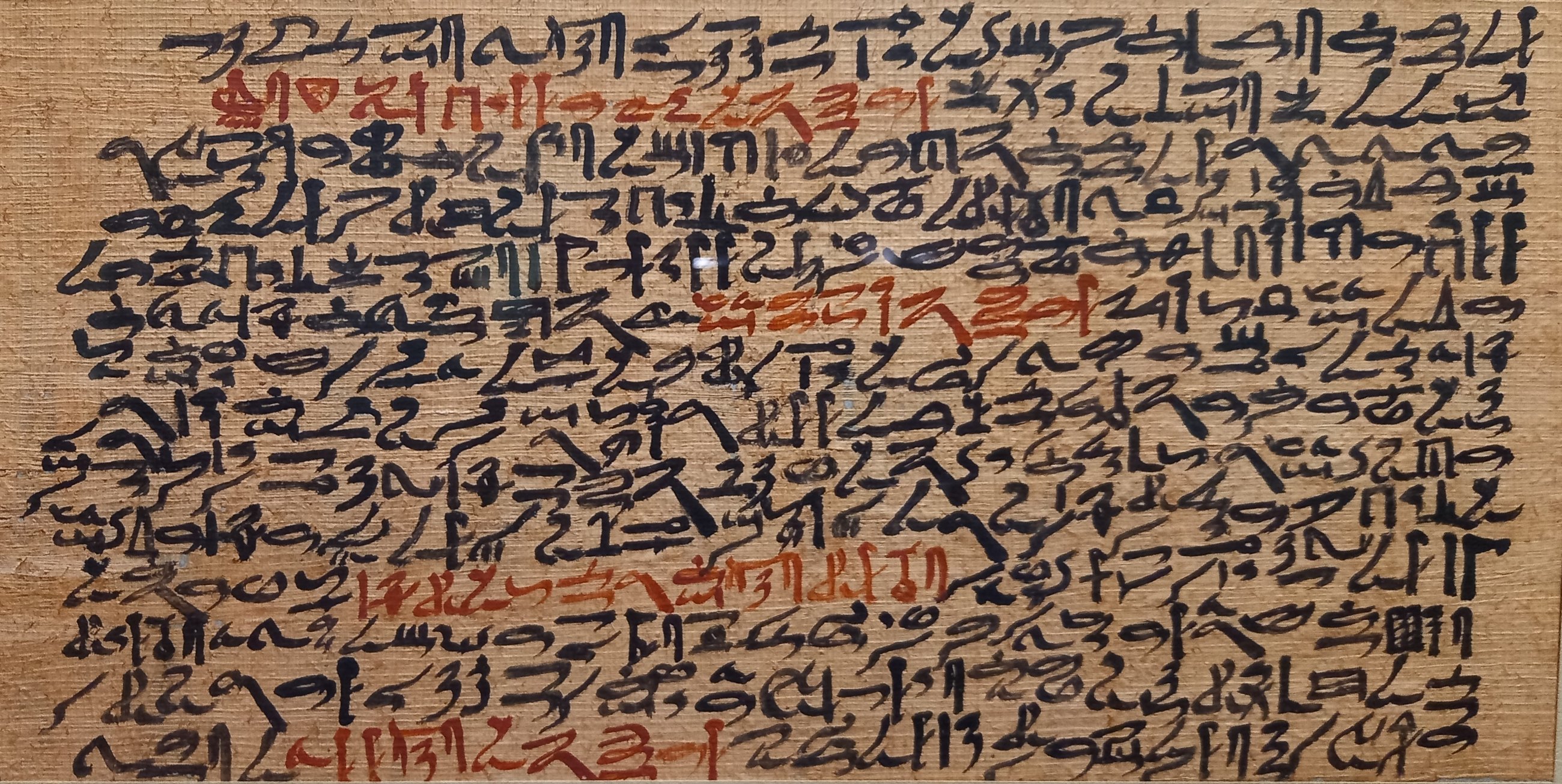
Where on the image
Prisse 7,10-8,2 (TLA page,line numbers): TLA sentences 126-136 of this text, on pages 7 and 8. Page 7 is Egyptien 188 (Commons photograph Papyrus_Prisse_188.jpg), checked on the image: one wide column of 12 lines (BnF: 'une colonne de 12 lignes'); rubrics on lines 3, 5, 7, 9 and 10 (TLA 7,3, 7,5, 7,7, 7,9, 7,10). Page 8 is Egyptien 189 (Commons photograph Papyrus_Prisse_189_1.jpg), right-hand column of frame 189; checked on the image: 14 lines, rubrics on lines 2, 6, 11 and 14 (TLA 8,2, 8,6, 8,11, 8,14).
7,10jr wnn =k m z jqr jri̯ =k zꜣ n s〈j〉mꜣm 7,11nṯr jr mt〈y〉 =f pẖr{f} =〈f〉 n qd =k nwi̯ =f ḫ,t =k r s,t jr,j jri̯ n =f bw nb nfr zꜣ =k pw n〈.j〉 sw sti̯ kꜣ =k jmi̯ =k jwd jb =k r =f jw mtw,t 7,12jri̯ =s šnty jr nnm =f thi̯ =f sḫr =k btn.n =f ḏd.t nb.t šm rʾ =f m md,t ẖs.t 〈bꜣk〉 =k sw r rʾ =f mj-qd =f wdi̯ r =k m ḫbd.n =sn 8,1wdd sdb n =f pw m ẖ,t n nnm.n sšm =sn n gmi̯.n 8,2jww =sn ḏꜣ.t
Compare: Hieroglyphic transcription (TLA, Unicode)
7,10𓇋𓂋 𓃹𓈖𓈖 𓎢 𓅓 𓊃𓀀𓏤 𓇋𓈎𓂋𓏛 𓁹 𓎢 𓅭𓀀 𓈖 𓋴𓌳𓄿𓅓𓆭𓏛 7,11𓊹𓏤 𓇋𓂋 𓂸𓏏𓂭𓂭𓏛 𓆑 𓊪𓄡𓂋𓆑𓄲𓂻 =〈f〉 𓈖 𓐪𓂧𓏌𓏛 𓎢 𓈖𓍇𓏌𓏲𓍢𓂝 𓆑 𓐍𓏏𓏛𓏥 𓎢 𓂋 𓊨𓏏𓉐 𓇋𓂋𓏭 𓁹 𓈖 𓆑 𓃀𓏲 𓎟 𓄤𓆑𓂋 𓅭𓀀 𓎢 𓊪𓏲 𓈖 𓄓𓇓𓏲 𓋴𓏏𓄝𓂺 𓂓𓏤 𓎢 𓏶𓅓𓂜 𓎢 𓃛𓅱𓂧𓂻 𓄣𓏤 𓎢 𓂋 𓆑 𓇋𓅱 𓂸𓏏𓅱𓏏𓂺 7,12𓁹 𓋴 𓍲𓈖𓍘𓇋𓇋𓀁 𓇋𓂋 𓈖𓈖𓌰𓅓𓅪 𓆑 𓏏𓉔𓂾𓂻 𓆑 𓊃𓐍𓂋𓏛 𓎢 𓃀𓏏𓈖𓂉𓀜𓈖 𓆑 𓆓𓂧 𓎟𓏏 𓈝𓅓𓂻 𓂋𓏤 𓆑 𓅓 𓌃𓂧𓏏𓀁 𓄡𓊃𓏏𓅪 〈bꜣk〉 𓎢 𓇓𓅱 𓂋 𓂋𓏤 𓆑 𓏇𓇋𓐪𓂧𓏌𓏛 𓆑 𓅱𓂧𓏴𓂝 𓂋 𓎢 𓅓 𓐍𓃀𓂧𓅪𓈖 𓋴𓈖𓏥 8,1𓎗𓅱𓂧𓂧𓏛 𓋴𓂧𓃀𓏛 𓈖 𓆑 𓊪𓏲 𓅓 𓄡𓏏𓏤 𓂜 𓈖𓈖𓌰𓅓𓅪𓈖 𓋴𓌮𓅓𓂻 𓋴𓈖𓏥 𓂜 𓅠𓅓𓈖 8,2𓃛𓅱𓅱𓊛 𓋴𓈖𓏥 𓍑𓄿𓏏𓏴𓊛
If thou wouldest be a wise man, beget a son for the pleasing of the God. If he make straight his course after thine example, if he arrange thine affairs in due order, do unto him all that is good, for thy son is he, begotten of thine own soul. Sunder not thine heart from him, or thine own begotten shall curse [thee]. If he be heedless and trespass thy rules of conduct, and is violent; if every speech that cometh from his mouth be a vile word; then beat thou him, that his talk may be fitting. Keep him from those that make light of that which is commanded, for it is they that make him rebellious. And they that are guided go not astray, but they that lose their bearings cannot find a straight course.
Where on the image
Prisse 8,2-8,6 (TLA page,line numbers): TLA sentences 137-143 of this text, on page 8. Page 8 is Egyptien 189 (Commons photograph Papyrus_Prisse_189_1.jpg), right-hand column of frame 189; checked on the image: 14 lines, rubrics on lines 2, 6, 11 and 14 (TLA 8,2, 8,6, 8,11, 8,14).
8,2jr wnn =k m rwy,t ꜥḥꜥ ḥmsi̯ 8,3r nmt.pl =k wdd n =k hrw tp〈.j〉 m swꜣ ḫpr šnꜥ.t〈w〉 =k 8,4spd ḥr n ꜥq smj wsḫ s,t n.t jꜣš n =f jw rwy,t 8,5r tp-ḥsb sḫr nb ḫft ḫꜣy jn nṯr sḫnt s,t n 〈jri̯〉 =〈tw〉 8,6rḏi̯.w.pl qꜥḥ
Compare: Hieroglyphic transcription (TLA, Unicode)
8,2𓇋𓂋 𓃹𓈖𓈖 𓎢 𓅓 𓃭𓂋𓇋𓇋𓏏𓉐 𓊢𓂝𓂻 𓈞𓋴𓀉 8,3𓂋 𓂻𓂻𓂻 𓎢 𓎗𓅱𓂧𓂧𓏛 𓈖 𓎢 𓉔𓂋𓅱𓇳𓏤 𓁶𓏤 𓅓 𓋴𓍯𓄿𓈐 𓆣𓂋 𓍲𓈖𓂝𓏏𓀜 𓎢 8,4𓊃𓊪𓂧𓇮𓏛 𓁷𓏤 𓈖 𓅧𓈎𓂻 𓋴𓏇𓇋𓀁 𓅱𓊃𓐍𓎺𓏛 𓊨𓏏𓉐 𓈖𓏏 𓇋𓄿𓈙𓀁 𓈖 𓆑 𓇋𓅱 𓃭𓂋𓇋𓇋𓏏𓉐 8,5𓂋 𓁶𓏤𓎛𓋴𓃀𓐎𓏛 𓊃𓐍𓂋𓏛 𓎟 𓐍𓏏𓆑 𓆼𓄿𓇋𓇋𓍢 𓇋𓈖 𓊹𓏤 𓋴𓏃𓈖𓏏𓊛 𓊨𓏏𓉐 𓂜 〈jri̯〉 =〈tw〉 8,6𓂋𓏙𓅱𓀀𓁐𓏥 𓈎𓂝𓎛𓂢
If thou be in the chamber of council, act always according to the steps enjoined on thee at the beginning of the day. Be not absent, or thou shall be expelled; but be ready in entering and making report. Wide is the seat of one that hath made address. The council-chamber acteth by strict rule; and all its plans are in accordance with method. It is the God that advanceth one to a seat therein; the like is not done for elbowers.
Where on the image
Prisse 8,6-8,11 (TLA page,line numbers): TLA sentences 144-155 of this text, on page 8. Page 8 is Egyptien 189 (Commons photograph Papyrus_Prisse_189_1.jpg), right-hand column of frame 189; checked on the image: 14 lines, rubrics on lines 2, 6, 11 and 14 (TLA 8,2, 8,6, 8,11, 8,14).
8,6jr wnn =k ḥnꜥ r〈m〉ṯ.pl jri̯ n =k mr n kfꜣ-jb kfꜣ-jb 8,7jw,tw pẖr =f ḏd m ẖ,t =f ḫpr =f m ṯsw ḏs =f nb ḫ,t ḏi̯ =j 8,8m m sḫr =f rn =k nfr nn mdwy =k ḥꜥ.pl =k ḏfꜣ ḥr =k 8,9r hꜣw =k 〈ꜥbꜥ〉 =tw n =k m ḫm.t.n =k wnn jb sḏm n ẖ,t =f ḏi̯ =f kn,t =f 8,10m s,t mrw,t =f jb =f ꜣkw ḥꜥ.pl =f ẖsꜣ wr jb rḏi̯.w 8,11nṯr jw sḏm n ẖ,t =f n,〈j〉-sw ḫft,〈j〉
Compare: Hieroglyphic transcription (TLA, Unicode)
8,6𓇋𓂋 𓃹𓈖𓈖 𓎢 𓎛𓈖𓂝 𓂋𓍿𓀀𓁐𓏥 𓁹 𓈖 𓎢 𓈘𓈇𓀀𓁐𓏥 𓈖 𓄖𓏛𓄣𓏤𓀀 𓄖𓏛𓄣𓏤𓀀 8,7𓂜𓏏𓅱𓅪 𓊪𓄡𓂋𓄲𓂻 𓆑 𓆓𓂧 𓅓 𓄡𓏏𓏤 𓆑 𓆣𓂋 𓆑 𓅓 𓋭𓊃𓅱𓀀 𓆓𓊃 𓆑 𓎟 𓐍𓏏𓏛𓏥 𓂝 𓀀 8,8𓅓𓂝 𓅓 𓊃𓐍𓂋𓏛 𓆑 𓂋𓈖 𓎢 𓄤𓆑𓂋 𓂜𓈖 𓌃𓂧𓅱𓇋𓇋𓀁 𓎢 𓎛𓂝𓄹𓏥 𓎢 𓆓𓆑𓄿𓅬𓏛𓏥 𓁷𓏤 𓎢 8,9𓂋 𓉔𓄿𓏲𓀀𓁐𓏥 𓎢 〈ꜥbꜥ〉 𓏏𓏲 𓈖 𓎢 𓅓 𓐍𓅓𓏏𓂜𓈖 𓎢 𓃹𓈖𓈖 jb 𓄔𓅓 𓈖 𓄡𓏏𓏤 𓆑 𓂝 𓆑 𓎢𓈖𓏏𓅪𓏥 𓆑 8,10𓅓 𓊨𓏏𓉐 𓌻𓂋𓅱𓏏𓀁 𓆑 𓄣𓏤 𓆑 𓄿𓎢𓅱𓁸 𓎛𓂝𓄹𓏥 𓆑 𓄡𓊃𓐟𓄿𓁸 𓅨𓂋 𓄣𓏤 𓂋𓏙𓏲𓀀𓁐𓏥 8,11𓊹𓏤 𓇋𓅱 𓄔𓅓 𓈖 𓄡𓏏𓏤 𓆑 𓈖𓍇𓇓𓅱 𓐍𓏏𓆑𓀏
If thou be among people, make for thyself love, the beginning and end of the heart. One that knoweth not his course shall say in himself (seeing thee), 'He that ordereth himself duly becometh the owner of wealth; I shall copy his conduct.' Thy name shall be good, though thou speak not; thy body shall be fed; thy face shall be [seen] among thy neighbours; thou shalt be provided with what thou lackest. As to the man whose heart obeyeth his belly, he causeth disgust in place of love. His heart is wretched (?), his body is gross (?), he is insolent toward those endowed of the God. He that obeyeth his belly hath an enemy.
Where on the image
Prisse 8,11-8,14 (TLA page,line numbers): TLA sentences 156-161 of this text, on page 8. Page 8 is Egyptien 189 (Commons photograph Papyrus_Prisse_189_1.jpg), right-hand column of frame 189; checked on the image: 14 lines, rubrics on lines 2, 6, 11 and 14 (TLA 8,2, 8,6, 8,11, 8,14).
8,11smj sšm =k nn ꜥm-jb ḏi̯ sḫr =k m 8,12sḥ n nb =k jr ṯtf r =f ḫft ḏd =f nn qsn r wpw,tj smj.t 8,13nn wšb.t m ꜣ rḫ =j st jn wr r ḫ,t =f nnm jr kꜣi̯ =f 8,14r ḫsf =f ḥr =s jw =f gr =f ḥr jw ḏd.n =j
Compare: Hieroglyphic transcription (TLA, Unicode)
8,11𓋴𓏇𓇋𓀁 𓋴𓌮𓅓𓏛𓏥 𓎢 𓂜𓈖 𓂝𓅓𓀁𓄣𓏤 𓂝 𓊃𓐍𓂋𓏛 𓎢 𓅓 8,12𓋴𓎛𓉲𓏛 𓈖 𓎟𓀀 𓎢 𓇋𓂋 𓎀𓏏𓆑𓂻 𓂋 𓆑 𓐍𓏏𓆑 𓆓𓂧 𓆑 𓂜𓈖 𓈎𓋴𓌟𓈖𓅪 𓂋 𓄋𓊪𓅱𓏏𓏭𓂻𓀁 𓋴𓏇𓇋𓏏𓀁 8,13𓂜𓈖 𓅱𓈙𓃀𓏏𓏴𓀁 𓅓𓂝 𓄿 𓂋𓐍𓏛 𓀀 𓋴𓏏 𓇋𓈖 𓀗𓀀 𓂋 𓐍𓏏𓏛𓏥 𓆑 𓈖𓈖𓌰𓅓𓅪 𓇋𓂋 𓎢𓄿𓀁 𓆑 8,14𓂋 𓍚𓀜 𓆑 𓁷𓂋 𓋴 𓇋𓅱 𓆑 𓎼𓂋𓀁 𓆑 𓁷𓏤 𓇋𓅱 𓆓𓂧𓈖 =j
Report thine actions without concealment; discover thy conduct when in council with thine overlord. It is not evil for the envoy that his report be not answered, 'Yea, I know it,' by the prince; for that which he knoweth includeth not [this]. If he (the prince) think that he will oppose him on account of it, [he thinketh] 'He will be silent because I have spoken.'
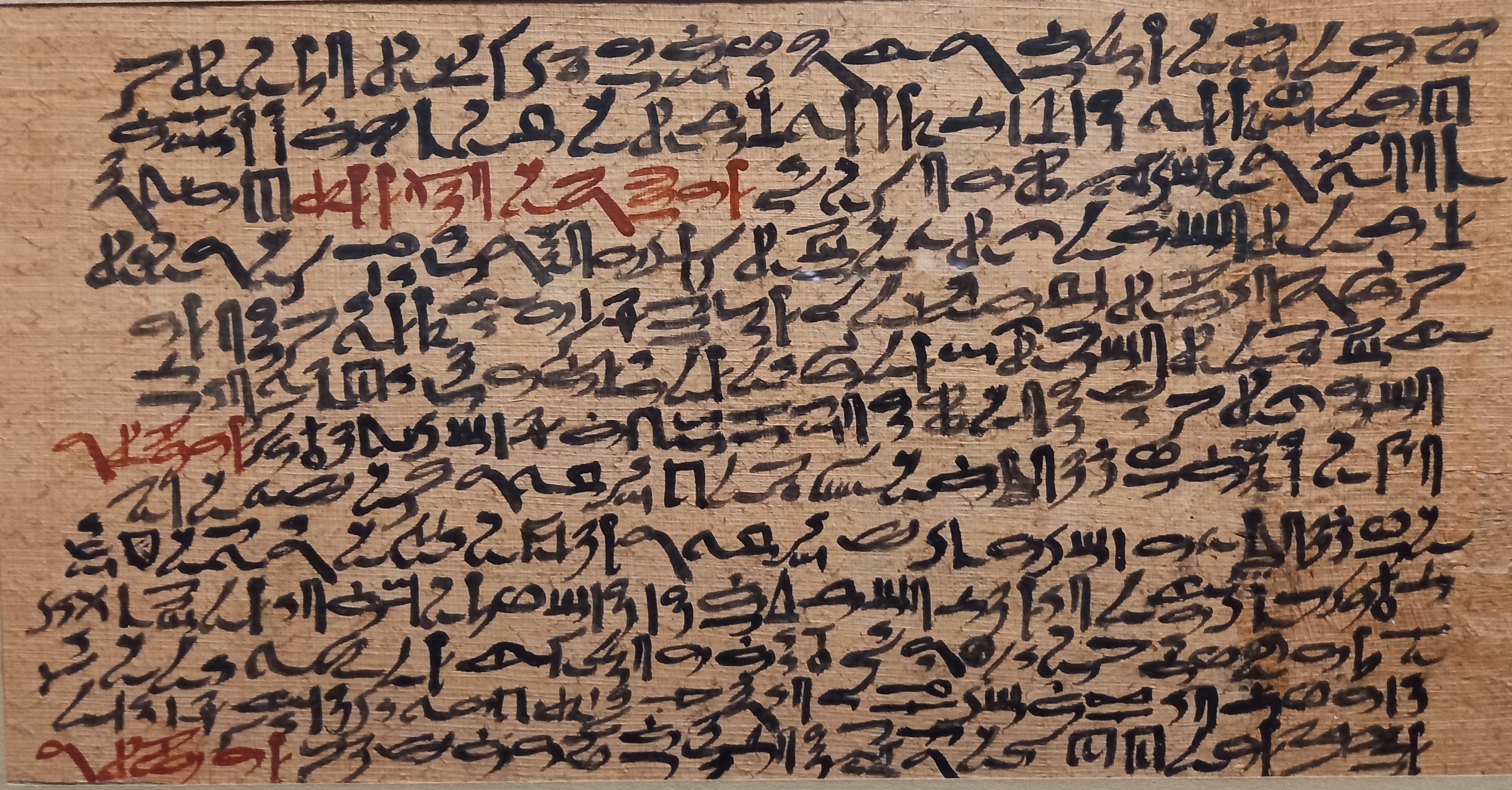
Where on the image
Prisse 8,14-9,3 (TLA page,line numbers): TLA sentences 162-165 of this text, on pages 8 and 9. Page 8 is Egyptien 189 (Commons photograph Papyrus_Prisse_189_1.jpg), right-hand column of frame 189; checked on the image: 14 lines, rubrics on lines 2, 6, 11 and 14 (TLA 8,2, 8,6, 8,11, 8,14). Page 9 is Egyptien 189 (Commons photograph Papyrus_Prisse_189_2.jpg), left-hand column of frame 189; checked on the image: rubrics on lines 3 and 7 and near the foot of the column at line 13 (TLA 9,3, 9,7, 9,13).
8,14jr wnn =k m sšm,y wstn 9,1sḫr.w m wḏ.t.n =k jri̯ r =k ḫ,t tnw sḫꜣ n =f 9,2hrw.pl jyi̯ ḥr-sꜣ n jyi̯.y md,t m-qꜣb ḥs,〈w〉t 9,3bss kꜣp,w ḫpr sfꜣ,t
Compare: Hieroglyphic transcription (TLA, Unicode)
8,14𓇋𓂋 𓃹𓈖𓈖 𓎢 𓅓 𓋴𓌮𓅓𓇋𓇋𓀀 𓅱𓋴𓏏𓈖𓂻 9,1𓊃𓐍𓂋𓅱𓏛𓏥 𓅓 𓎗𓅱𓏏𓏛𓈖 𓎢 𓁹 𓂋 𓎢 𓐍𓏏𓏛𓏥 𓏏𓈖𓏌𓏲𓌙𓅯𓀁 𓋴𓆼𓄿𓀁 𓈖 𓆑 9,2𓉔𓂋𓅱𓇳𓏥 𓇍𓇋𓂻 𓁷𓏤𓐟𓏤 𓂜 𓇍𓇋𓇋𓂻 𓌃𓂧𓏏𓀁 𓅓𓈎𓄿𓃀𓄲𓏛 𓎛𓎿𓊃𓏏𓏥𓏛 9,3𓃀𓋴𓋴𓆜𓂻 𓎢𓄿𓊪𓏲𓆊 𓆣𓂋 𓋴𓆑𓄿𓏏𓅪
If thou be a leader, cause that the rules that thou hast enjoined be carried out; and do all things as one that remembereth the days coming after, when speech availeth not. Be not lavish of favours; it leadeth to servility (?), producing slackness.
Where on the image
Prisse 9,3-9,7 (TLA page,line numbers): TLA sentences 166-170 of this text, on page 9. Page 9 is Egyptien 189 (Commons photograph Papyrus_Prisse_189_2.jpg), left-hand column of frame 189; checked on the image: rubrics on lines 3 and 7 and near the foot of the column at line 13 (TLA 9,3, 9,7, 9,13).
9,3jr wnn =k m sšm,y hru̯ sḏm =k 9,4mdw spr,w m gn〈f〉 ={f} sw r sk.t ẖ,t =f m kꜣi̯.t.n =f 9,5ḏd n =k st mri̯ ẖr〈,j〉-jw jꜥi̯.t jb =f r jri̯.t jy.t.n =f ḥr =s jr 9,6jri̯ gnw〈f〉 spr.t.pl jw ḏd =tw jw tr r-m thi̯ =f st nn 9,7spr.t.n =f nb.t ḥr =s m ḫpr.t〈j〉 =sn snꜥꜥ jb pw sḏm nfr
Compare: Hieroglyphic transcription (TLA, Unicode)
9,3𓇋𓂋 𓃹𓈖𓈖 𓎢 𓅓 𓋴𓌮𓅓𓇋𓇋𓀁 𓉔𓂋 𓄔𓅓 𓎢 9,4𓌃𓂧𓅱𓀁 𓋴𓊪𓂋𓅱𓄭𓀁𓀀 𓅓 𓎼𓈖𓀁 𓆑 𓇓𓏲 𓂋 𓋴𓎝𓎢𓏏𓂝 𓄡𓏏𓏤 𓆑 𓅓 𓎢𓄿𓏏𓀁𓏏 𓆑 9,5𓆓𓂧 𓈖 𓎢 𓋴𓏏 𓌻𓂋𓀁 𓌨𓂋𓃛𓅱𓅪 𓇋𓂝𓏏𓈗 𓄣𓏤 𓆑 𓂋 𓁹𓏏 𓇍𓇋𓏏𓂻𓈖 𓆑 𓁷𓂋 𓋴 𓇋𓂋 9,6𓁹 𓎼𓈖𓏌𓅱𓀁 𓋴𓊪𓂋𓏏𓄭𓀁𓏥 𓇋𓅱 𓆓𓂧 𓏏𓅱 𓇋𓅱 𓏏𓂋𓆵𓏛 𓂋𓅓𓂝 𓏏𓉔𓂾𓂻 𓆑 𓋴𓏏 𓂜𓈖 9,7𓋴𓊪𓂋𓏏𓄭𓀁𓈖 𓆑 𓎟𓏏 𓁷𓂋 𓋴 𓅓 𓆣𓂋𓏏 𓋴𓈖𓏥 𓊃𓈖𓂝𓂝𓉐𓏛 𓄣𓏤 𓊪𓏲 𓄔𓅓 𓄤𓆑𓂋
If thou be a leader, be gracious when thou hearkenest unto the speech of a suppliant. Let him not hesitate to deliver himself of that which he hath thought to tell thee; but be desirous of removing his injury. Let him speak freely, that the thing for which he hath come to thee may be done. If he hesitate to open his heart, it is said, 'Is it because he (the judge) doeth the wrong that no entreaties are made to him concerning it by those to whom it happeneth?' But a well-taught heart hearkeneth readily.
Where on the image
Prisse 9,7-9,13 (TLA page,line numbers): TLA sentences 171-178 of this text, on page 9. Page 9 is Egyptien 189 (Commons photograph Papyrus_Prisse_189_2.jpg), left-hand column of frame 189; checked on the image: rubrics on lines 3 and 7 and near the foot of the column at line 13 (TLA 9,3, 9,7, 9,13).
9,7jr mri̯ =k 9,8swꜣḥ ḫnms m ẖnw ꜥq =k r =f m nb m sn 9,9m ḫnms rʾ-pw r bw nb ꜥq =k jm ꜥḥꜣ.t〈j〉 m tkn m ḥm,t.pl 9,10n nfr.n bw jrr.w st jm n spd.n ḥr ḥr pḫꜣ st jw ngb.tw 9,11z ḫꜣ r ꜣḫ,t n =f ꜣ,t kt.t mj,tt rsw,t jw pḥ.tw mt 9,12ḥr rḫ st ṯs pw ẖs sti̯ ḫft〈,j〉 pri̯ =tw ḥr jri̯.t =f jb ḥr 9,12-13wjn =f 9,13jr whh m skn ḥr =s n mꜥr.n sḫr nb m-ꜥ =f
Compare: Hieroglyphic transcription (TLA, Unicode)
9,7𓇋𓂋 𓌻𓂋𓀁 𓎢 9,8𓋴𓍯𓄿𓎛𓎝𓏛 𓐍𓈖𓌰𓅓𓋴𓀉𓏛 𓅓 𓄚𓈖𓏌𓅱𓉐 𓅧𓈎𓂻 𓎢 𓂋 𓆑 𓅓 𓎟𓀀 𓅓 𓋴𓈖𓏥 9,9𓅓 𓐍𓈖𓌰𓅓𓋴𓀉𓀀 𓂋𓏤𓊪𓏲 𓂋 𓃀𓏲 𓎟 𓅧𓈎𓂻 𓎢 𓇋𓅓 𓂚𓄿𓏏𓀜 𓅓 𓏏𓎢𓈖𓂻 𓅓 𓈞𓏏𓁐𓏥 9,10𓂜 𓄤𓆑𓂋𓈖 𓃀𓏲 𓁹𓂋𓅱 𓋴𓏏 𓇋𓅓 𓂜 𓋴𓊪𓂧𓇮𓏛𓈖 𓁷𓏤 𓁷𓏤 𓊪𓐍𓆼𓄿𓍸𓏛 𓋴𓏏 𓇋𓅱 𓈖𓎼𓃀𓏴𓏏𓏲 9,11𓊃𓀀 𓆼 𓂋 𓅜𓐍𓏏𓏛 𓈖 𓆑 𓄿𓏏𓏯𓇳 𓎢𓏏𓏏𓅪 𓏇𓏏𓏏𓏛 𓂋𓋴𓅱𓏏𓍞𓁹 𓇋𓅱 𓄖𓂻𓏏𓅱 𓅓𓏏𓏱 9,12𓁷𓏤 𓂋𓐍𓏛 𓋴𓏏 𓋭𓊃𓏛 𓊪𓏲 𓄡𓊃𓅪 𓋴𓏏𓄝𓌕 𓐍𓏏𓆑𓀏 𓉐𓂋𓂻 𓏏𓏲 𓁷𓏤 𓁹𓏏 𓆑 𓄣𓏤 𓁷𓏤 9,12-13𓅱𓇋𓆛𓈖𓂢 𓆑 9,13𓇋𓂋 𓅱𓉔𓉔𓅪 𓅓 𓊃𓎢𓈖𓆊 𓁷𓂋 𓋴 𓂜 𓅓𓂝𓂋𓏛𓈖 𓊃𓐍𓂋𓏛 𓎟 𓅓𓂝 𓆑
If thou desire to continue friendship in any abode wherein thou enterest, be it as master, as brother, or as friend; wheresoever thou goest, beware of consorting with women. No place prospereth wherein that is done. Nor is it prudent to take part in it; a thousand men have been ruined for the pleasure of a little time short as a dream. Even death is reached thereby; it is a wretched thing. As for the evil liver, one leaveth him for what he doeth, he is avoided. If his desires be not gratified, he regardeth (?) no laws.
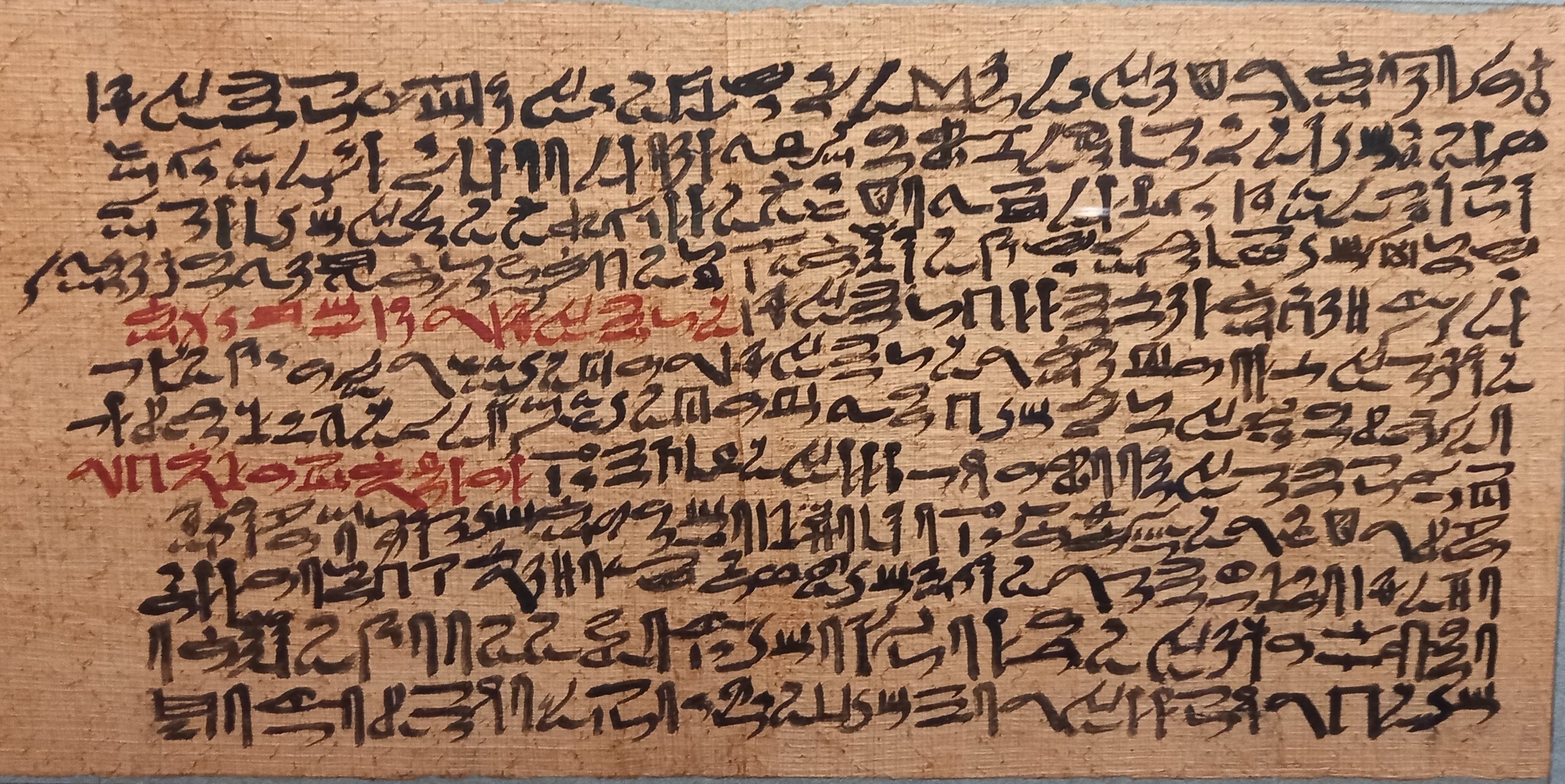
Where on the image
Prisse 9,13-10,5 (TLA page,line numbers): TLA sentences 179-188 of this text, on pages 9 and 10. Page 9 is Egyptien 189 (Commons photograph Papyrus_Prisse_189_2.jpg), left-hand column of frame 189; checked on the image: rubrics on lines 3 and 7 and near the foot of the column at line 13 (TLA 9,3, 9,7, 9,13). Page 10 is Egyptien 190 (Commons photograph Papyrus_Prisse_190_1.jpg), right-hand column of frame 190; checked on the image: rubrics on lines 5 and 8 (TLA 10,5, 10,8).
9,13jr mri̯ =k 10,1nfr sšm =k nḥm tw m-ꜥ ḏw,t nb.t ꜥḥꜣ t〈w〉 ḥr sp n ꜥwn-jb 10,2ḫꜣ,t pw mr.t n.t bjṯw n ḫpr.n ꜥq jm =s jw ssjb.t〈w〉 jt.w.pl mw,t.pl 10,3ḥnꜥ sn.w.pl n.w mw,t jw nš =s ḥm,t ṯꜣy ṯꜣw,t pw 〈n.t〉 bjn,t 10,4nb.t ꜥrf pw n ḫbd,t nb.t wꜣḥ z ꜥqꜣ =f mꜣꜥ,t šmi̯ r nmt,t =f 10,5jw =f jri̯ =f jm〈,j〉t-pr jm nn-wn j{j}〈s〉 ꜥwn-jb
Compare: Hieroglyphic transcription (TLA, Unicode)
9,13𓇋𓂋 𓌻𓂋𓀁 𓎢 10,1𓄤𓆑𓂋 𓋴𓌮𓅓𓏛𓏥 𓎢 𓈖𓈞𓅓𓀜 𓏏𓅱 𓅓𓂝 𓈋𓅱𓏏𓅪 𓎟𓏏 𓂚𓄿𓀜 𓏏 𓁷𓏤 𓊃𓊪𓊗 𓈖 𓂝𓃹𓈖𓀜𓄣𓏤 10,2𓐍𓆼𓄿𓏏𓐎 𓊪𓏲 𓍋𓅓𓏏𓅪 𓈖𓏏 𓃀𓎁𓏏𓅱𓆙 𓂜 𓆣𓂋𓈖 𓅧𓈎𓂻 𓇋𓅓 𓋴 𓇋𓅱 𓋴𓋴𓇋𓃀𓏏𓅪 𓇋𓏏𓆑𓅱𓀀𓏥 𓂸𓏏𓁐𓏥 10,3𓎛𓈖𓂝 𓌢𓈖𓏌𓅱𓀀𓏥 𓏌𓏤 𓂸𓏏𓁐 𓇋𓅱 𓈖𓈙𓂻 𓋴 𓈞𓏏𓁐 𓅷𓄿𓇋𓇋𓂺𓀀 𓅷𓄿𓅱𓏏𓀜 𓊪𓅱 〈n.t〉 𓃀𓇋𓈖𓏏𓅪𓏥 10,4𓎟𓏏 𓂝𓂋𓆑𓎤 𓊪𓏲 𓈖 𓐍𓃀𓂧𓏏𓅪𓏥 𓎟𓏏 𓍯𓄿𓎛𓎝𓏛 𓊃𓀀𓏤 𓂝𓈎𓄿𓂭𓂭𓏛 𓆑 𓌳𓐙𓂝𓏏𓏯𓏛 𓈝𓅓𓂻 𓂋 𓈖𓌰𓅓𓏏𓏏𓂻𓏥 𓆑 10,5𓇋𓅱 𓆑 𓁹 𓆑 𓏶𓅓𓏏𓉐𓏛𓏥 𓇋𓅓 𓂜𓈖𓃹𓈖 𓇋𓇋𓉐 𓂝𓃹𓈖𓀜𓄣𓏤
If thou desire that thine actions may be good, save thyself from all malice, and beware of the quality of covetousness, which is a grievous inner (?) malady. Let it not chance that thou fall thereinto. It setteth at variance fathers-in-law and the kinsmen of the daughter-in-law; it sundereth the wife and the husband. It gathereth unto itself all evils; it is the girdle of all wickedness. But the man that is just flourisheth; truth goeth in his footsteps, and he maketh habitations therein, not in the dwelling of covetousness.
Where on the image
Prisse 10,5-10,8 (TLA page,line numbers): TLA sentences 189-194 of this text, on page 10. Page 10 is Egyptien 190 (Commons photograph Papyrus_Prisse_190_1.jpg), right-hand column of frame 190; checked on the image: rubrics on lines 5 and 8 (TLA 10,5, 10,8).
10,5m ꜥwn jb =k ḥr psš,t 10,6m ḥnt n-js r ẖr,t =k m ꜥwn jb =k r hꜣw =k wr twꜣ n 10,7sf,w r nḫt ꜥnd pw prr ẖr hꜣw =f šwi̯ m jni̯.t.n md,t jn 10,8nh n ꜥwn.t ḥr =s sḫpr šnty m qb ẖ,t
Compare: Hieroglyphic transcription (TLA, Unicode)
10,5𓅓 𓂝𓃹𓈖𓀜 𓄣𓏤 𓎢 𓁷𓏤 𓊪𓊃𓈙𓏏𓏴𓏛𓏥 10,6𓅓 𓎛𓆰𓈖𓏏𓀜 𓂜𓇋𓋴 𓂋 𓌨𓂋𓏏𓏛𓏥 𓎢 𓅓 𓂝𓃹𓈖𓀜 𓄣𓏤 𓎢 𓂋 𓉔𓄿𓏲𓀀𓁐𓏥 𓎢 𓅨𓂋 𓏏𓍯𓄿𓀢 𓈖 10,7𓋴𓆑𓅱𓂉𓀁 𓂋 𓈖𓆱𓐍𓏏𓀜 𓂝𓈖𓂧𓅪 𓊪𓏲 𓉐𓂋𓂋𓂻 𓌨𓂋 𓉔𓄿𓏲𓀀𓁐𓏥 𓆑 𓆄𓅱𓅪 𓅓 𓏎𓏏𓈖 𓌃𓂧𓏏𓀁 𓇋𓈖 10,8𓈖𓉔𓅪𓈒𓏥 𓈖 𓂝𓃹𓈖𓏏𓀜 𓁷𓂋 𓋴 𓋴𓆣𓂋 𓍲𓈖𓍘𓇋𓇋𓀜 𓅓 𓈎𓃀𓏁𓈗 𓄡𓏏𓏤
Be not covetous as touching shares, in seizing that which is not thine own property. Be not covetous toward thy neighbours; for with a gentle man praise availeth more than might. He [that is covetous] cometh empty from among his neighbours, being void of the persuasion of speech. One hath remorse for even a little covetousness when his belly cooleth.
Where on the image
Prisse 10,8-10,12 (TLA page,line numbers): TLA sentences 195-209 of this text, on page 10. Page 10 is Egyptien 190 (Commons photograph Papyrus_Prisse_190_1.jpg), right-hand column of frame 190; checked on the image: rubrics on lines 5 and 8 (TLA 10,5, 10,8).
10,8jr jqr =k grg =k pr =k 10,9mri̯ =k ḥm,t =k m-ẖn〈w〉 ḥsb mḥ ẖ,t =s ḥbs sꜣ =s pẖr,t pw n.t ḥꜥ.pl =s mrḥ,t 10,10sꜣwi̯ jb =s tr n wnn{.t} =k ꜣḥ,t pw ꜣḫ.t n nb =s jmi̯ =k ⸢wḏꜥ⸣ s〈j〉 ry,t 10,11sḥri̯ s〈j〉 r sḫm ꜣr{d}j s〈j〉 ḏꜥ =s pw jr,t =s mꜣꜣ =s swꜣḥ =s 10,12pw m pr =k šnꜥy =k s〈j〉 mw pw kꜣ,t ḏi̯.t〈w〉 =s n ꜥ.wj =s šnn.t〈w〉 =s jri̯.n =s mr
Compare: Hieroglyphic transcription (TLA, Unicode)
10,8𓇋𓂋 𓇋𓈎𓂋𓏛 𓎢 𓎼𓂋𓍅𓏛 𓎢 𓉐𓏤 𓎢 10,9𓌻𓂋𓀁 𓎢 𓈞𓏏𓁐 𓎢 𓅓𓄚𓈖 𓐎𓏛 𓎔𓏛 𓄡𓏏𓏤 𓋴 𓎛𓃀𓋴𓋳 𓐟𓏤 𓋴 𓊪𓄡𓂋𓏏𓄲𓏛𓏥 𓊪𓏲 𓈖𓏏 𓎛𓂝𓄹𓏥 𓋴 𓌻𓂋𓎛𓏏𓏊𓏥 10,10𓋴𓄫𓅱 𓄣𓏤 𓋴 𓏏𓂋𓆵𓆵𓇳 𓈖 𓃹𓈖𓈖𓏏 𓎢 𓄿𓎛𓏏𓈇𓏥 𓊪𓏲 𓅜𓐍𓏏𓏛 𓈖 𓎟𓀀 𓋴 𓏶𓅓𓂜 𓎢 𓐣𓂝𓏛 𓋴 𓂋𓇋𓇋𓏏𓏛 10,11𓋴𓁷𓂋𓐡𓈐 𓊃 𓂋 𓌂𓅓𓀜 𓄿𓂋𓂧𓇋 𓋴 𓆓𓂝𓊡 𓋴 𓊪𓏲 𓁹𓏏𓏤 𓋴 𓌳𓁹𓄿𓄿 𓋴 𓋴𓍯𓄿𓎛𓎝𓏛 𓋴 10,12𓊪𓏲 𓅓 𓉐 𓎢 𓍲𓈖𓂝𓇋𓇋𓀜 𓎢 𓋴 𓈗 𓊪𓏲 𓂓𓄿𓏏𓄹 𓂝𓏏 𓋴 𓈖 𓂝𓏤𓅱𓏭 𓋴 𓍲𓈖𓈖𓏏𓀁 𓋴 𓁹𓈖 𓋴 𓈘𓈇
If thou wouldest be wise, provide for thine house, and love thy wife that is in thine arms. Fill her stomach, clothe her back; oil is the remedy of her limbs. Gladden her heart during thy lifetime, for she is an estate profitable unto its lord. Be not harsh, for gentleness mastereth her more than strength. Give (?) to her that for which she sigheth and that toward which her eye looketh; so shalt thou keep her in thine house....
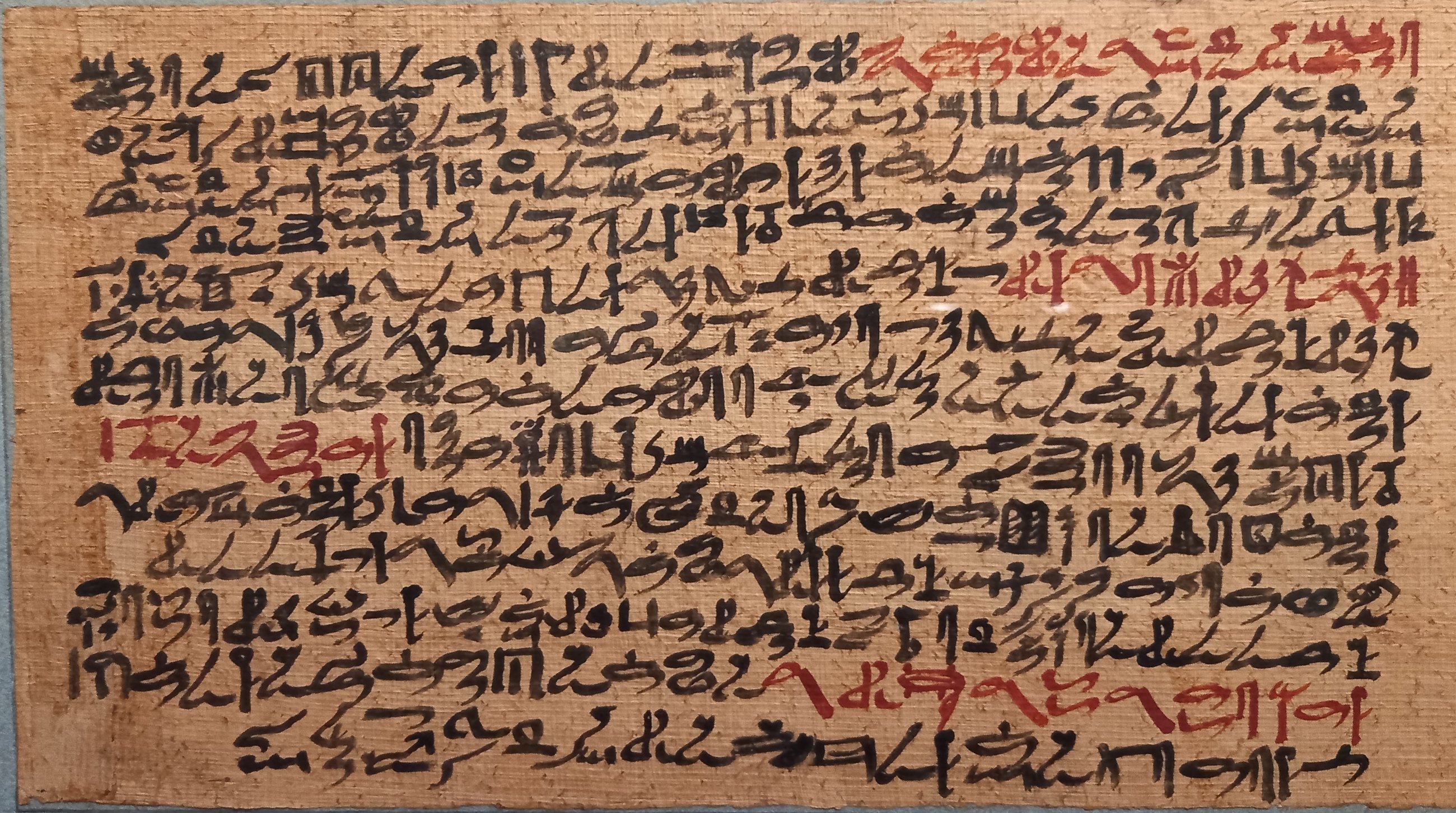
Where on the image
Prisse 11,1-11,4 (TLA page,line numbers): TLA sentences 210-217 of this text, on page 11. Page 11 is Egyptien 190 (Commons photograph Papyrus_Prisse_190_2.jpg), left-hand column of frame 190; checked on the image: 13 lines, rubrics on lines 1 and 5, at the end of line 8 and on line 12 (TLA 11,1, 11,5, 11,8, 11,12).
11,1sḥtp ꜥq =k m ḫpr.t n =k ḫpr n ḥss.w nṯr jr whh m sḥtp 11,2ꜥq =f jw ḏd =tw kꜣ pw ꜥꜣb n rḫ.n =tw ḫpr.t sjꜣ =f dwꜣ 11,3kꜣ pw kꜣ n mt〈j〉 ḥtp.w jm =f jr ḫpr sp.w.pl n.w ḥs.〈w〉t.pl jn ꜥq ḏd 11,4jy.wj n jni̯.tw ḥtp,t r dmj jw jni̯.tw ꜥq wn ꜣq
Compare: Hieroglyphic transcription (TLA, Unicode)
11,1𓋴𓊵𓏏𓊪𓏛 𓅧𓈎𓀀𓁐𓏥 𓎢 𓅓 𓆣𓂋𓏏𓏛𓏥 𓈖 𓎢 𓆣𓂋 𓈖 𓎿𓊃𓊃𓅱𓀁 𓊹𓏤 𓇋𓂋 𓅱𓉔𓉔𓅪 𓅓 𓋴𓊵𓏏𓊪𓏛 11,2𓅧𓈎𓀀𓁐𓏥 𓆑 𓇋𓅱 𓆓𓂧 𓏏𓅱 𓂓𓏤 𓊪𓏲 𓉻𓂝𓄿𓃀𓇎𓏛𓏥 𓂜 𓂋𓐍𓏛𓈖 𓏏𓅱 𓆣𓂋𓏏𓏥 𓋷𓀁 𓆑 𓇼𓄿𓇳 11,3𓂓𓏤 𓊪𓏲 𓂓𓏤 𓈖 𓂸𓏏𓂭𓂭 𓊵𓏏𓊪𓅱𓏛 𓇋𓅓 𓆑 𓇋𓂋 𓆣𓂋 𓊃𓊪𓅱𓊗𓏥 𓏌𓏤 𓎛𓎿𓊃𓏏𓏥 𓇋𓈖 𓅧𓈎𓀀𓁐𓏥 𓆓𓂧 11,4𓇍𓇋𓂻𓅱𓏭 𓂜 𓏎𓈖𓏏𓅱 𓊵𓏏𓊪𓏏𓏛 𓂋 𓂧𓏇𓇋𓈇𓏤 𓇋𓅱 𓏎𓈖𓏏𓅱 𓅧𓈎𓀀𓁐𓏥 𓃹𓈖 𓄿𓈎𓅪
Satisfy thine hired servants out of such things as thou hast; it is the duty of one that hath been favoured of the God. In sooth, it is hard to satisfy hired servants. For one saith, 'He is a lavish person; one knoweth not that which may come [from him].' But on the morrow he thinketh, 'He is a person of exactitude (parsimony), content therein.' And when favours have been shown unto servants, they say, 'We go.' Peace dwelleth not in that town wherein dwell servants that are wretched.
Where on the image
Prisse 11,5-11,8 (TLA page,line numbers): TLA sentences 218-230 of this text, on page 11. Page 11 is Egyptien 190 (Commons photograph Papyrus_Prisse_190_2.jpg), left-hand column of frame 190; checked on the image: 13 lines, rubrics on lines 1 and 5, at the end of line 8 and on line 12 (TLA 11,1, 11,5, 11,8, 11,12).
11,5jmi̯ =k wḥm mskj n md,t n sḏm =k sw pri̯.w pw n tꜣ-ẖ,t 11,6wḥm md,t mꜣ n sḏm.n st r tꜣ m ḏd rsst m =k ḫft-ḥr =k rḫ 11,7jqr jw wḏ.tw ṯꜣw.t jri̯.t =s sḫpr.w r jṯi̯〈.t〉 =s m msd,t 11,8mj hp m =k szwn rs,wt pw ḥbs 〈t〉〈w〉 ḥr =s
Compare: Hieroglyphic transcription (TLA, Unicode)
11,5𓏶𓅓𓂜 𓎢 𓄙𓅓𓀁 𓄟𓋴𓎢𓇋𓀁 𓈖 𓌃𓂧𓏏𓀁 𓂜 𓄔𓅓 𓎢 𓇓𓅱 𓉐𓂋𓅱𓂻 𓊪𓏲 𓈖 𓏏𓍔𓄿𓊮𓄡𓏏𓏤 11,6𓄙𓅓𓀁 𓌃𓂧𓏏𓀁 𓌳𓁹𓄿 𓂜 𓄔𓅓𓈖 𓋴𓏏 𓂋 𓇾𓈇𓏤 𓅓 𓆓𓂧 𓂋𓋴𓋴𓏏𓈐 𓅓𓂝 𓎢 𓐍𓏏𓆑𓁷𓏤 𓎢 𓂋𓐍𓏛 11,7𓇋𓈎𓂋𓏛 𓇋𓅱 𓎗𓅱𓏛𓏏𓅱 𓅷𓄿𓅱𓏏𓀜 𓁹𓏏 𓋴 𓋴𓆣𓂋𓅱𓏛 𓂋 𓎁𓏏𓀜 𓋴 𓅓 𓄟𓋴𓏏𓀁 11,8𓏇𓇋 𓉔𓊪𓏛 𓅓𓂝 𓎢 𓋴𓋴𓃹𓈖𓌕𓅪 𓂋𓋴𓅱𓏏𓍞𓁹 𓊪𓏲 𓎛𓃀𓋴𓋳 〈t〉〈w〉 𓁷𓂋 𓋴
Repeat not extravagant speech, neither listen thereto; for it is the utterance of a body heated by wrath. When such speech is repeated to thee, hearken not thereto, look to the ground. Speak not regarding it, that he that is before thee may know wisdom. If thou be commanded to do a theft, bring it to pass that the command be taken off thee, for it is a thing hateful according to law. That which destroyeth a vision is the veil over it.
Where on the image
Prisse 11,8-11,11 (TLA page,line numbers): TLA sentences 231-236 of this text, on page 11. Page 11 is Egyptien 190 (Commons photograph Papyrus_Prisse_190_2.jpg), left-hand column of frame 190; checked on the image: 13 lines, rubrics on lines 1 and 5, at the end of line 8 and on line 12 (TLA 11,1, 11,5, 11,8, 11,12).
11,8jr wnn =k m z 11,9jqr ḥmsi̯ m sḥ n nb =f sꜣq jb =k r bw-jqr gr =k 11,10ꜣḫ st r tftf md〈w〉y =k rḫ n =k wḥꜥ =k jn ḥmw,w 11,11mdw.w m sḥ qsn md,t r kꜣ,t nb.t jn wḥꜥ s〈j〉 ḏḏ s〈j〉 r-ḫt
Compare: Hieroglyphic transcription (TLA, Unicode)
11,8𓇋𓂋 𓃹𓈖𓈖 𓎢 𓅓 𓊃𓀀𓏤 11,9𓇋𓈎𓂋𓏛 𓈞𓋴𓀉 𓅓 𓋴𓎛𓉲𓏛 𓈖 𓎟𓀀 𓆑 𓋴𓄿𓈎𓆌𓀀 𓄣𓏤 𓎢 𓂋 𓃀𓅱𓇋𓈎𓂋𓏛 𓎼𓂋𓀁 =k 11,10𓅜𓐍𓏛 𓋴𓏏 𓂋 𓏏𓆑𓏏𓆑𓆰𓏥 𓌃𓂧𓇋𓇋𓀁 𓎢 𓂋𓐍𓏛 𓈖 𓎢 𓊠𓂝𓏛 𓎢 𓇋𓈖 𓍍𓅱𓅱𓀁 11,11𓌃𓂧𓅱𓅱𓀁 𓅓 𓋴𓎛𓏯𓏛 𓈎𓋴𓌟𓈖𓅪 𓌃𓂧𓏏𓀁 𓂋 𓂓𓏏𓀋𓏛𓏥 𓎟𓏏 𓇋𓈖 𓊠𓂝𓍢𓀁 𓋴 𓂝𓂝 𓋴 𓂋𓐍𓏏𓏤
If thou wouldest be a wise man, and one sitting in council with his overlord, apply thine heart unto perfection. Silence is more profitable unto thee than abundance of speech. Consider how thou may be opposed by an expert that speaketh in council. It is a foolish thing to speak on every kind of work, for he that disputeth thy words shall put them unto proof.
Where on the image
Prisse 11,12-12,6 (TLA page,line numbers): TLA sentences 237-250 of this text, on pages 11 and 12. Page 11 is Egyptien 190 (Commons photograph Papyrus_Prisse_190_2.jpg), left-hand column of frame 190; checked on the image: 13 lines, rubrics on lines 1 and 5, at the end of line 8 and on line 12 (TLA 11,1, 11,5, 11,8, 11,12). Page 12 is Egyptien 191 (Commons photograph Papyrus_Prisse_191_1.jpg), right-hand column of frame 191; checked on the image: rubrics on lines 6 and 9 (TLA 12,6, 12,9).
11,12jr wsr =k ḏḏ =k snḏ =k m rḫ m hru̯.t ḏd m wḏ tp 11,13n-js r sšm jw štm ꜥq =f n jw,t 12,1m qꜣi̯ jb =k tm =f dḥj m gr zꜣw ḫn〈d〉 =k 12,2wšb =k md,t m {n}nsr sḥri̯ 〈ḥr〉 =k ḥn tw jw nsw,t 12,3n.t tꜣ jb sẖr ={f} =〈s〉 ꜥn ḫnd.w 〈ḥwi̯〉 mtn =f 12,4mnš 〈jb〉 n hrw r-ꜣw =f nn jri̯.n =f ꜣ,t nfr.t wnf jb n hrw r-ꜣw =f nn 12,5grg.n =f pr st.w mḥ mj jri̯ ḥmw zpi̯ r tꜣ ky nḏr.w 12,6jw sḏm n jb =f r ḥn ꜣ
Compare: Hieroglyphic transcription (TLA, Unicode)
11,12𓇋𓂋 𓄊𓋴𓂋𓂝 𓎢 𓂝𓂝 𓎢 𓅾𓀁 𓎢 𓅓 𓂋𓐍𓏛 𓅓 𓉔𓂋𓏏𓏛 𓆓𓂧 𓅓 𓎗𓅱𓏛 𓁶𓏤 11,13𓂜𓇋𓋴 𓂋 𓋴𓌮𓅓𓏛𓏥 𓇋𓅱 𓈙𓍃𓅓𓀁 𓅧𓈎𓂻 𓆑 𓈖 𓃛𓅱𓏏𓅪𓏥 12,1𓅓 𓈎𓄿𓀠 𓄣𓏤 𓎢 𓍃𓅓 𓆑 𓂧𓎛𓇋𓅪 𓅓 𓎼𓂋𓀁 𓊃𓅭𓄿𓏲𓀸𓀜 𓐍𓈖𓂾𓂻 𓎢 12,2𓅱𓈙𓃀𓏴𓀁 𓎢 𓌃𓂧𓏏𓀁 𓅓 𓈖𓈖𓄓𓋴𓂋𓀁 𓋴𓁷𓂋𓐡𓏛 〈ḥr〉 𓎢 𓎛𓆰𓈖𓎨𓏛 𓏏𓅱 𓇋𓅱 𓈖𓄓𓋴𓅱𓏏𓊮𓏥 12,3𓈖𓏏 𓏏𓍔𓄿𓀜 𓄣𓏤 𓊃𓄡𓂋𓌕𓂝 𓆑 =〈s〉 𓂝𓈖𓁺𓏛𓀀 𓐍𓈖𓂧𓅱𓂾𓂻 〈ḥwi̯〉 𓅓𓂝𓏏𓈖𓌙𓅯𓈐 𓆑 12,4𓏠𓈖𓈙𓐎𓏤 〈jb〉 𓈖 𓉔𓂋𓅱𓇳 𓂋𓄫𓏲 𓆑 𓂜𓈖 𓁹𓈖 𓆑 𓄿𓏏𓏯𓇳 𓄤𓆑𓂋𓏏 𓃹𓈖𓆑𓋳 𓄣𓏤 𓈖 𓉔𓂋𓅱𓇳 𓂋𓄫𓏲 𓆑 𓂜𓈖 12,5𓎼𓂋𓍅𓏛𓈖 𓆑 𓉐 𓋴𓏏𓄝𓅱𓌕𓂝 𓎔𓏛 𓏇𓇋 𓁹 𓈞𓅓𓅱𓊦 𓊃𓊪𓊗 𓂋 𓇾𓈇𓏤 𓎢𓇋𓇋 𓈖𓇥𓂋𓅱𓀜 12,6𓇋𓅱 𓄔𓅓 𓈖 𓄣𓏤 𓆑 𓂋 𓎛𓆰𓈖𓀁 𓄿
If thou be powerful, make thyself to be honoured for knowledge and for gentleness. Speak with authority, that is, not as if following injunctions, for he that is humble (when highly placed) falleth into errors. Exalt not thine heart, that it be not brought low. Be not silent, but beware of interruption and of answering words with heat. Put it far from thee; control thyself. The wrathful heart speaketh fiery words; it darteth out at the man of peace that approacheth, stopping his path.
One that reckoneth accounts all the day passeth not an happy moment. One that gladdeneth his heart all the day provideth not for his house. The bowman hitteth the mark, as the steersman reacheth land, by diversity of aim. He that obeyeth his heart shall command.
Where on the image
Prisse 12,6-12,9 (TLA page,line numbers): TLA sentences 251-259 of this text, on page 12. Page 12 is Egyptien 191 (Commons photograph Papyrus_Prisse_191_1.jpg), right-hand column of frame 191; checked on the image: rubrics on lines 6 and 9 (TLA 12,6, 12,9).
12,6m ḫsf tw m ꜣ,t wr m sḥḏn.w jb n n,tj 12,7ꜣtp.w ḫpr sdbj =f r šnt sw sfḫ kꜣ m mrr sw ḏḏ kꜣ.pl pw 12,8ḥnꜥ nṯr mrr.t =f 〈jrr.t〉 n =f sqd{r} r =k ḥr m-ḫt nšn jw ḥtp ḫr kꜣ =f 12,9jw sdbj ḫr ḫft〈,j〉 kꜣ.pl pw srd mrw,t
Compare: Hieroglyphic transcription (TLA, Unicode)
12,6𓅓 𓍚𓀜 𓏏𓅱 𓅓 𓄿𓏏𓏯𓇳 𓀗𓀀 𓅓 𓋴𓎛𓆓𓈖𓏌𓅱𓅪 𓄣𓏤 𓈖 𓈖𓏏𓏭 12,7𓄿𓏏𓊪𓅱𓀋𓂝 𓆣𓂋 𓋴𓂧𓃀𓇋𓏛 𓆑 𓂋 𓍲𓈖𓏏𓀜 𓇓𓏲 𓋴𓆑𓐍𓍼𓂻 𓂓 𓅓 𓌻𓂋𓂋𓀁 𓇓𓏲 𓂝𓂝 𓂓𓏥 𓊪𓏲 12,8𓎛𓈖𓂝 𓊹𓏤 𓌻𓂋𓂋𓏏𓀁 𓆑 〈jrr.t〉 𓈖 𓆑 𓋴𓐪𓂋𓏛 𓂋 𓎢 𓁷𓏤 𓅓𓆱𓐍𓏏𓂻 𓈖𓈙𓈖𓃫𓀜 𓇋𓅱 𓊵𓏏𓊪 𓐍𓂋 𓂓𓏤 𓆑 12,9𓇋𓅱 𓋴𓂧𓃀𓇋𓅪 𓐍𓂋 𓐍𓆑𓏏𓀏 𓂓𓏥 𓊪𓏲 𓋴𓂋𓂧𓇜 𓌻𓂋𓅱𓏏𓀁
Let not a prince be hindered when he is occupied; neither oppress the heart of him that is already laden. For he shall be hostile toward one that delayeth him, but shall bare his soul unto one that loveth him. The disposal of souls is with the God, and that which He loveth is His creation. Set out, therefore, after a violent quarrel; be at peace with him that is hostile unto [thee] his opponent. It is such souls that make love to grow.
Where on the image
Prisse 12,9-12,13 (TLA page,line numbers): TLA sentences 260-269 of this text, on page 12. Page 12 is Egyptien 191 (Commons photograph Papyrus_Prisse_191_1.jpg), right-hand column of frame 191; checked on the image: rubrics on lines 6 and 9 (TLA 12,6, 12,9).
12,9sbꜣ wr r ꜣḫ,t n =f 12,10sḫpr šzp ⸢ꜥ⸣ =f m-ḥr〈,j〉-jb r〈m〉t ḏi̯ =k ḫr sꜣꜣ =f ḥr nb =f wnn ḏfꜣ =k 12,11ḫr kꜣ =f jw ẖ,t n.t 〈mr.y〉 r ḥtp.w jw sꜣ =k r ḥbs ẖr =s wn šzp ⸢ꜥ⸣ =f ḥr =k 12,12r ꜥnḫ n pr =k ḫr sꜥḥ =k mrr =k ꜥnḫ sw ẖr =s jri̯ =f qꜥḥ nfr jm =k gr 12,13wꜣḥ gr.t mrw,t =k pw m ẖ,t n.t mrr.w.pl tw m =k kꜣ pw mrr sḏm
Compare: Hieroglyphic transcription (TLA, Unicode)
12,9𓋴𓃀𓇼𓄿𓀜 𓀗𓀀 𓂋 𓅜𓐍𓏏𓏛𓏥 𓈖 𓆑 12,10𓋴𓆣𓂋 𓊏𓊪 𓂝𓏤 𓆑 𓅓𓁷𓂋𓄣 𓂋𓍿𓀀𓁐𓏥 𓂝 𓎢 𓐍𓂋𓀒 𓋴𓐟𓄿𓄿𓀁 𓆑 𓁷𓏤 𓎟𓀀 𓆑 𓃹𓈖𓈖 𓆓𓆑𓄿𓅬𓏛 𓎢 12,11𓐍𓂋 𓂓𓏤 𓆑 𓇋𓅱 𓄡𓏏𓏤 𓈖𓏏 〈mr.y〉 𓂋 𓊵𓏏𓊪𓅱𓏛𓏥 𓇋𓏲 𓐟𓏤 𓎢 𓂋 𓎛𓃀𓋴𓋳 𓌨𓂋 𓋴 𓃹𓈖 𓊏𓊪 𓂝𓏤 𓆑 𓁷𓏤 𓎢 12,12𓂋 𓋹𓈖𓐍 𓈖 𓉐 𓎢 𓐍𓂋 𓋴𓂝𓎛𓀻 𓎢 𓌻𓂋𓂋𓀁 𓎢 𓋹𓈖𓐍 𓇓𓏲 𓌨𓂋 𓋴 𓁹 𓆑 𓈎𓂝𓎛𓂢 𓄤𓆑𓂋 𓇋𓅓 𓎢 𓎼𓂋𓀁 12,13𓎝𓎛𓏛 𓎼𓂋𓏏 𓌻𓂋𓅱𓏏𓀁 𓎢 𓊪𓏲 𓅓 𓄡𓏏𓏤 𓈖𓏏 𓌻𓂋𓂋𓅱𓀁𓏥 𓏏𓅱 𓅓𓂝 𓎢 𓂓𓏤 𓊪𓏲 𓌻𓂋𓂋𓀁 𓄔𓅓
Instruct a noble in such things as be profitable unto him; cause that he be received among men. Let his satisfaction fall on his master, for thy provision dependeth upon his will. By reason of it thy belly shall be satisfied; thy back will be clothed thereby. Let him receive thine heart, that thine house may flourish and thine honour--if thou wish it to flourish--thereby. He shall extend thee a kindly hand. Further, he shall implant the love of thee in the bodies of thy friends. Forsooth, it is a soul loving to hearken.
Where on the image
Prisse 13,1-13,4 (TLA page,line numbers): TLA sentences 270-274 of this text, on page 13. Page 13 is Egyptien 191 (Commons photograph Papyrus_Prisse_191_2.jpg), left-hand column of frame 191; checked on the image: rubrics at the start of line 1 and on lines 4, 6 and 9 (TLA 13,1, 13,4, 13,6, 13,9).
13,1jr jri̯ =k zꜣ-z n qnb,t wpw,tj n hr.t ꜥšꜣ,t 13,2šd mꜣd.w n.w 〈wḏ〉ꜥ md〈w〉y =k m rḏi̯ ḥr gs zꜣw 13,3ḏd =f sḫr =f sr.w.pl rḏi̯ =f md,t ḥr gs jr.j wdb sp =k 13,4r wḏꜥ.t
Compare: Hieroglyphic transcription (TLA, Unicode)
13,1𓇋𓂋 𓁹 𓎢 𓅭𓊃𓀀 𓈖 𓈎𓈖𓃀𓏏𓊋𓀀𓏥 𓄋𓊪𓅱𓏏𓏭𓂻𓀀 𓈖 𓉔𓂋𓏏𓏛 𓆈𓄿𓏏𓀀𓁐𓏥 13,2𓄞𓂧𓂝 𓌳𓄿𓂧𓅱𓏠𓏥 𓏌𓏲 𓂝𓏛 𓌃𓂧𓇋𓇋𓀁 𓎢 𓅓 𓂋𓂝 𓁷𓏤 𓐞𓏤 𓊃𓅭𓄿𓏲𓀸𓀜 13,3𓆓𓂧 𓆑 𓊃𓐍𓂋𓏛 𓆑 𓋴𓂋𓅱𓀙𓀀𓏥 𓂋𓂝 𓆑 𓌃𓂧𓏏𓀁 𓁷𓏤 𓐞𓏤 𓇋𓂋𓏭 𓅱𓂧𓃀𓄲𓂻 𓊃𓊪𓊗 𓎢 13,4𓂋 𓅱𓆓𓂝𓏏𓐣𓀁𓏥
If thou be the son of a man of the priesthood, and an envoy to conciliate the multitude,.... speak thou without favouring one side. Let it not be said, 'His conduct is that of the nobles, favouring one side in his speech.' Turn thine aim toward exact judgments.
Where on the image
Prisse 13,4-13,6 (TLA page,line numbers): TLA sentences 275-277 of this text, on page 13. Page 13 is Egyptien 191 (Commons photograph Papyrus_Prisse_191_2.jpg), left-hand column of frame 191; checked on the image: rubrics at the start of line 1 and on lines 4, 6 and 9 (TLA 13,1, 13,4, 13,6, 13,9).
13,4jr sf =k ḥr sp ḫpr.w gsꜣ =k n z 13,5ḥr ꜥqꜣ =f swꜣ ḥr =f m sḫꜣ.w sw ḏr gr =f n =k 13,6hrw tp,j
Compare: Hieroglyphic transcription (TLA, Unicode)
13,4𓇋𓂋 𓋴𓆑𓂉 𓎢 𓁷𓏤 𓊃𓊪𓊗 ḫpr.w 𓎼𓋴𓐟𓄿𓄹 𓎢 𓈖 𓊃𓀀𓏤 13,5𓁷𓏤 𓂝𓈎𓄿𓂭𓂭𓏛 𓆑 𓋴𓍯𓄿𓈐 𓁷𓂋𓏤 𓆑 𓅓 𓋴𓆼𓄿𓏲𓀁 𓇓𓅱 𓇥𓂋 𓎼𓂋𓀁 𓆑 𓈖 𓎢 13,6𓉔𓂋𓅱𓇳𓏤 𓁶𓊪𓏭
If thou have been gracious at a former time, having forgiven a man to guide him aright, shun him, remind him not after the first day that he hath been silent to thee [concerning it].
Where on the image
Prisse 13,6-13,9 (TLA page,line numbers): TLA sentences 278-281 of this text, on page 13. Page 13 is Egyptien 191 (Commons photograph Papyrus_Prisse_191_2.jpg), left-hand column of frame 191; checked on the image: rubrics at the start of line 1 and on lines 4, 6 and 9 (TLA 13,1, 13,4, 13,6, 13,9).
13,6jr ꜥꜣi̯ =k m-ḫt nḏs,w =k jri̯ =k ḫ,t m-ḫt gꜣ〈w〉,t tp-jm m nʾ,t rḫ.t.n =k m sšꜣ.w ḫpr.t n =k ḫntw 13,8m kfꜣ jb =k ḥr ꜥḥꜥ =k ḫpr n =k m rḏi̯.w nṯr nn tw 13,9ḥꜣ ky mj,tw =k ḫpr.w n =f mj,tt-jr,j
Compare: Hieroglyphic transcription (TLA, Unicode)
13,6𓇋𓂋 𓉻𓂝𓄿𓏛 𓎢 𓅓𓆱𓐍𓏏𓂻 𓈖𓆓𓋴𓅱𓅪𓏥 𓎢 𓁹 𓎢 𓐍𓏏𓏛𓏥 𓅓𓆱𓐍𓏏𓂻 𓎼𓄿𓏏𓎣𓅪 𓁶𓏤𓇋𓅓 𓅓 𓊖𓏏𓏤 𓂋𓐍𓏏𓏛𓈖 𓎢 𓅓 𓊃𓆷𓄿𓏲𓏛𓏥 𓆣𓂋𓏏 𓈖 𓎢 𓏃𓈖𓏏𓅱𓏛 13,8𓅓 𓎢𓆑𓄿𓄖𓏛 𓄣𓏤 𓎢 𓁷𓏤 𓊢𓂝𓇤𓏛𓏥 𓎢 𓆣𓂋 𓈖 𓎢 𓅓 𓂋𓏙𓅱𓏛𓏥 𓊹𓏤 𓂜𓈖 𓏏𓅱 13,9𓇉𓄿𓁶 𓎢𓇋𓇋 𓏇𓏏𓅱𓀀 𓎢 𓆣𓂋𓅱 𓈖 𓆑 𓏇𓏏𓏏𓏛𓇋𓂋𓏭
If thou be great, after being of none account, and hast gotten riches after squalor, being foremost in these in the city, and hast knowledge concerning useful matters, so that promotion is come unto thee; then swathe not thine heart in thine hoard, for thou art become the steward of the endowments of the God. Thou art not the last; another shall be thine equal, and to him shall come the like [fortune and station].
Where on the image
Prisse 13,9-14,4 (TLA page,line numbers): TLA sentences 282-292 of this text, on pages 13 and 14. Page 13 is Egyptien 191 (Commons photograph Papyrus_Prisse_191_2.jpg), left-hand column of frame 191; checked on the image: rubrics at the start of line 1 and on lines 4, 6 and 9 (TLA 13,1, 13,4, 13,6, 13,9). Page 14 is Egyptien 192 (Commons photograph Papyrus_Prisse_192_1.jpg), right-hand column of frame 192; checked on the image: 13 lines, rubrics in the middle of line 4 and at the end of lines 6 and 12 (TLA 14,4, 14,6, 14,12).
13,9ẖms sꜣ =k n ḥr〈,j〉-tp =k 13,10jm〈,j〉-rʾ =k n pr-nswt wnn pr =k mn ḥr ḫ,t =f ḏbꜣ.w.pl =k m 13,11s,t jr,j qsn pw jtn,w m ḥr〈,j〉-tp ꜥnḫ =tw tr n 13,12sf,t =f n ḫꜣb.n qꜥḥ n kfi̯.t{f} =〈f〉 m ṯꜣwy.w 14,1pr sꜣḥ.w m dꜣjr ḫ,t tkn jm =k 14,2jmi̯ =f sjw r =k r sḏm.t =k jmi̯ pw n jb bqbq.w 14,3jr rḫ =f st jw =f r šny qsn pw n jtn,w m s,t 14,4tkn.t〈j〉
Compare: Hieroglyphic transcription (TLA, Unicode)
13,9𓄡𓅓𓋴𓂢 𓐟𓏤 𓎢 𓈖 𓁷𓂋𓁶 𓎢 13,10𓅓𓂋𓀀 𓎢 𓈖 𓇓𓏏𓈖𓉐 𓃹𓈖𓈖 𓉐 𓎢 𓏠𓈖𓏛 𓁷𓏤 𓐍𓏏𓏛𓏥 𓆑 𓌥𓃀𓄿𓏲𓏛𓏥 𓎢 𓅓 13,11𓊨𓏏𓉐 𓇋𓂋𓏭 𓈎𓋴𓌟𓈖𓅪 𓊪𓏲 𓇋𓏏𓈖𓏌𓅱𓀜𓀀 𓅓 𓁷𓂋𓁶𓀀 𓋹𓈖𓐍 𓏏𓅱 𓏏𓂋𓆵𓇳 𓈖 13,12𓋴𓆑𓏏𓂉𓀁 𓆑 𓂜 𓐍𓆼𓄿𓃀𓏴𓈖 𓈎𓂝𓎛𓂢 𓈖 𓎢𓆑𓏏𓆑𓋳 =〈f〉 𓅓 𓅷𓄿𓏲𓇋𓇋𓅱𓀜 14,1𓉐 𓋴𓐟𓎛𓅱𓃅𓀀𓁐𓏥 𓅓 𓂧𓄿𓇋𓂋𓌗𓀜 𓐍𓏏𓏛𓏥 𓏏𓎢𓈖𓂻 𓇋𓅓 𓎢 14,2𓏶𓅓𓂜 𓆑 𓋴𓃛𓅱𓀁 𓂋 𓎢 𓂋 𓄔𓅓𓏏 𓎢 𓏶𓅓𓂜 𓊪𓏲 𓈖 𓄣𓏤 𓃀𓈎𓃀𓈎𓏲𓂻 14,3𓇋𓂋 𓂋𓐍𓏛 𓆑 𓋴𓏏 𓇋𓅱 𓆑 𓂋 𓍲𓈖𓇋𓇋𓀜 𓈎𓋴𓌟𓈖𓅪 𓊪𓏲 𓈖 𓇋𓏏𓈖𓏌𓏲𓀜 𓅓 𓊨𓏏𓉐 14,4𓏏𓎢𓈖𓏏𓂻
Bend thy back unto thy chief, thine overseer in the King's palace, for thine house dependeth upon his wealth, and thy wages in their season. How foolish is one that quarrelleth with his chief, for one liveth only while he is gracious....
Plunder not the houses of tenants; neither steal the things of a friend, lest he accuse thee in thine hearing, which thrusteth back the heart. If he know of it, he will do thee an injury. Quarrelling in place of friendship is a foolish thing.
Where on the image
Prisse 14,4-14,6 (TLA page,line numbers): TLA sentences 293-296 of this text, on page 14. Page 14 is Egyptien 192 (Commons photograph Papyrus_Prisse_192_1.jpg), right-hand column of frame 192; checked on the image: 13 lines, rubrics in the middle of line 4 and at the end of lines 6 and 12 (TLA 14,4, 14,6, 14,12). Gunn (1906) did not translate this maxim and printed only the heading '[Concerning continence]'; the English below is that heading, not a translation.
14,4jmi̯ =k nk ḥm,t ẖrd rḫ.n =k ḫsf.t 14,5r mw ḥr ḥꜣ,tj =f nn qb n n,tt m ẖ,t =f jmi̯ =f swḫ.w 14,6r jri̯.t ḫsf.t qb =f m-ḫt ḥḏi̯ =f jb =f
Compare: Hieroglyphic transcription (TLA, Unicode)
14,4𓏶𓅓𓂜 𓎢 𓈖𓎢𓂺 𓈞𓏏𓁐 𓄡𓂋𓂧𓀔𓀀 𓂋𓐍𓏛𓈖 𓎢 𓐍𓋴𓍚𓏏𓀜𓏥 14,5𓂋 𓈗 𓁷𓏤 𓄂𓏏𓏭𓄹 𓆑 𓂜𓈖 𓈎𓃀𓏁𓈗 𓈖 𓈖𓏏𓏭 𓅓 𓄡𓏏𓏤 𓆑 𓏶𓅓𓂜 𓆑 swḫ.w 14,6𓂋 𓁹𓏏 𓍚𓀜𓀀𓏥 𓈎𓃀𓏁𓈗 𓆑 𓅓𓆱𓐍𓏏𓂻 𓌉𓆓𓏴 𓆑 𓄣𓏤 𓆑
[Concerning continence].
Where on the image
Prisse 14,6-14,12 (TLA page,line numbers): TLA sentences 297-308 of this text, on page 14. Page 14 is Egyptien 192 (Commons photograph Papyrus_Prisse_192_1.jpg), right-hand column of frame 192; checked on the image: 13 lines, rubrics in the middle of line 4 and at the end of lines 6 and 12 (TLA 14,4, 14,6, 14,12).
14,6jr ḏꜥr =k 14,7qd n ḫnms m šnn r =k tkn jm =f jri̯ sp ḥnꜥ =f wꜥ.w 14,8r tm.t =k mn ḫr,t =f ḏꜣjs ḥnꜥ =f m-ḫt ꜥḥꜥ,w wšm jb =f 14,9m sp n md,t jr pri̯ mꜣ.t.n =f m-ꜥ =f jri̯ =f sp špt =k ḥr =f 14,10ḫnms sw rʾ-pw m jṯi̯.w ḥr sꜣq{.w} 〈tw〉 m wbꜣ n =f md,t m 14,11wšb m sp n shꜣ m wj〈ꜣ〉 tw r =f m hb.w sw n pꜣu̯ 14,12sp =f tm jwi̯ n whi̯.n =tw m šꜣ sw
Compare: Hieroglyphic transcription (TLA, Unicode)
14,6𓇋𓂋 𓆓𓂝𓂋𓌙𓂻 𓎢 14,7𓐪𓂧𓏌𓏛 𓈖 𓐍𓈖𓌰𓅓𓋴𓀉𓏛 𓅓 𓍲𓈖𓈖𓀁 𓂋 𓎢 𓏏𓎢𓈖𓂻 𓇋𓅓 𓆑 𓁹 𓊃𓊪𓊗 𓎛𓈖𓂝 𓆑 𓌡𓂝𓅱𓅪 14,8𓂋 𓍃𓅓𓏏 𓎢 𓏠𓈖𓅪 𓐍𓂋𓏏𓏛𓏥 𓆑 𓍑𓄿𓇋𓋴𓀁 𓎛𓈖𓂝 𓆑 𓅓𓆱𓐍𓏏𓂻 𓊢𓂝𓅱𓇳 𓅱𓈙𓅓𓆀 𓄣𓏤 𓆑 14,9𓅓 𓊃𓊪𓊗 𓈖 𓌃𓂧𓏏𓀁 𓇋𓂋 𓉐𓂋𓂻 𓌳𓁹𓄿𓏏𓈖 𓆑 𓅓𓂝 𓆑 𓁹 𓆑 𓊃𓊪𓊗 𓈙𓊪𓏏𓆜𓀁 𓎢 𓁷𓂋𓏤 𓆑 14,10𓐍𓈖𓌰𓅓𓋴𓀉𓏛 𓇋𓏲 𓂋𓏤𓊪𓏲 𓅓 𓎁𓏏𓅱𓀜 𓁷𓏤 𓋴𓐟𓄿𓈎𓏲𓏛 〈tw〉 𓅓 𓍏𓅡𓏛 𓈖 𓆑 𓌃𓂧𓏏𓀁 𓅓 14,11𓅱𓈙𓃀𓏴𓀁 𓅓 𓊃𓊪𓊗 𓈖 𓊃𓉔𓄿𓀜 𓅓 𓅱𓇋𓂻 𓏏𓅱 𓂋 𓆑 𓅓 𓉔𓃀𓏲𓍁 𓇓𓏲 𓈖 𓊪𓅯𓄿 14,12𓊃𓊪𓊗 𓆑 𓍃𓅓 𓂻𓅱 𓂜 𓅱𓉔𓂢𓈖 𓏏𓅱 𓅓 𓆷𓄿𓏛 𓇓𓏲
If thou wouldest seek out the nature of a friend, ask it not of any companion of his; but pass a time with him alone, that thou injure not his affairs. Debate with him after a season; test his heart in an occasion of speech. When he hath told thee his past life, he hath made an opportunity that thou may either be ashamed for him or be familiar with him. Be not reserved with him when he openeth speech, neither answer him after a scornful manner. Withdraw not thyself from him, neither interrupt (?) him whose matter is not yet ended, whom it is possible to benefit.
Where on the image
Prisse 14,12-15,2 (TLA page,line numbers): TLA sentences 309-315 of this text, on pages 14 and 15. Page 14 is Egyptien 192 (Commons photograph Papyrus_Prisse_192_1.jpg), right-hand column of frame 192; checked on the image: 13 lines, rubrics in the middle of line 4 and at the end of lines 6 and 12 (TLA 14,4, 14,6, 14,12). Page 15 is Egyptien 192 (Commons photograph Papyrus_Prisse_192_2.jpg), left-hand column of frame 192; checked on the image: 13 lines, rubrics at the end of line 2 and on lines 5, 6 and 8 (TLA 15,2, 15,5, 15,6, 15,8).
14,12ḥḏ ḥr =k tr n wnn =k 14,13jr pri̯ m mẖr n ꜥq.n jn tʾ n psš.t 15,1ḥntj ḥr =f srḫ,y pw šwi̯ m ẖ,t =f ḫpr jtn,w m sꜣhh.w 15,2m jri̯ sw r tkn jm =k sḫꜣ,w pw n z jmꜣ,t n rnp,t.pl jm〈,j〉t-ḫt wꜣs
Compare: Hieroglyphic transcription (TLA, Unicode)
14,12𓌉𓆓𓇳 𓁷𓏤 𓎢 𓏏𓂋𓆵𓇳 𓈖 𓃹𓈖𓈖 𓎢 14,13𓇋𓂋 𓉐𓂋𓂻 𓅓 𓅓𓂝𓌨𓂋𓉐𓏤 𓈖 𓅧𓈎𓂻𓈖 𓇋𓈖 𓏏𓏐𓏕𓏥 𓈖 𓊪𓊃𓈙𓏏𓏴𓏛𓏥 15,1𓎛𓆰𓏏𓏭𓎨𓀜 𓁷𓂋𓏤 𓆑 𓊃𓂋𓐍𓇋𓇋𓀁 𓊪𓏲 𓆄𓅱𓅪 𓅓 𓄡𓏏𓏤 𓆑 𓆣𓂋 𓇋𓏏𓈖𓏌𓅱𓀜 𓅓 𓋴𓄿𓉔𓉔𓅱𓅪 15,2𓅓 𓁹 𓇓𓏲 𓂋 𓏏𓎢𓈖𓂻 𓇋𓅓 𓎢 𓋴𓆼𓄿𓏲𓀁 𓊪𓏲 𓈖 𓊃𓀀𓏤 𓆭𓅓𓏏𓏛𓏥 𓈖 𓆳𓏏𓏥 𓏶𓅓𓏏𓆱𓐍𓏏𓂻 𓌀𓏤𓆱
Let thy face be bright what time thou livest. That which goeth into the storehouse must come out therefrom; and bread is to be shared. He that is grasping in entertainment shall himself have an empty belly; he that causeth strife cometh himself to sorrow. Take not such an one for thy companion. It is a man's kindly acts that are remembered of him in the years after his life.
Where on the image
Prisse 15,2-15,5 (TLA page,line numbers): TLA sentences 316-322 of this text, on page 15. Page 15 is Egyptien 192 (Commons photograph Papyrus_Prisse_192_2.jpg), left-hand column of frame 192; checked on the image: 13 lines, rubrics at the end of line 2 and on lines 5, 6 and 8 (TLA 15,2, 15,5, 15,6, 15,8).
15,2rḫ šw,t =k 15,3wnn ḫ,t =k m ẖs bj〈ꜣ〉,t =k r ḫnms.pl =k 〈wḏb〉 =〈f〉 pw mḥ =f wr sw 15,4r špss =f 〈jw〉 ḫ,t ky n ky ꜣḫ bj〈ꜣ〉,t n.t zꜣ-z n =f jw qd nfr 15,5r sḫꜣ,w
Compare: Hieroglyphic transcription (TLA, Unicode)
15,2𓂋𓐍𓏛 𓆄𓏏𓏤𓀀𓏥 𓎢 15,3𓃹𓈖𓈖 𓐍𓏏𓏛𓏥 𓎢 𓅓 𓄡𓊃𓅪 𓃀𓇋𓏏𓈞𓄑𓀁 𓎢 𓂋 𓐍𓈖𓌰𓅓𓋴𓀉𓀀𓏥 𓎢 〈wḏb〉 =〈f〉 𓊪𓏲 𓎔𓎛𓏛 𓆑 𓅨𓂋 𓇓𓏲 15,4𓂋 𓀻𓋴𓋴𓏛𓏥 𓆑 〈jw〉 𓐍𓏏𓏛𓏥 𓎢𓇋𓇋𓀀 𓈖 𓎢𓇋𓇋𓀀 𓅜𓐍𓏛 𓃀𓇋𓏏𓈞𓄑 𓈖𓏏 𓅭𓀀𓊃𓀀𓏤 𓈖 𓆑 𓇋𓏲 𓐪𓂧𓏌𓏛 𓄤𓆑𓂋 15,5𓂋 𓋴𓆼𓄿𓏲𓀁
Know well thy merchants; for when thine affairs are in evil case, thy good repute among thy friends is a channel (?) which is filled. It is more important than the dignities of a man; and the wealth of one passeth to another. The good repute of a man's son is a glory unto him; and a good character is for remembrance.
Where on the image
Prisse 15,5-15,6 (TLA page,line numbers): TLA sentences 323-326 of this text, on page 15. Page 15 is Egyptien 192 (Commons photograph Papyrus_Prisse_192_2.jpg), left-hand column of frame 192; checked on the image: 13 lines, rubrics at the end of line 2 and on lines 5, 6 and 8 (TLA 15,2, 15,5, 15,6, 15,8).
15,5ḫsf ḥr-tp sbꜣ ḥr-qd jw nḏri̯.t ḫw〈w〉 r mn,t bj〈ꜣ〉 15,6jr sp n-js ḥr jy,t rḏi̯.〈t〉 ḫpr ꜥnꜥy pw m jtn,w
Compare: Hieroglyphic transcription (TLA, Unicode)
15,5𓐍𓋴𓍚𓀜 𓁷𓏤𓁶𓏤 𓇼𓄿𓀜 𓁷𓏤𓐪𓂧𓏌𓏛 𓇋𓏲 𓈖𓇥𓂋𓏏𓀜 𓐍𓂝𓅱𓅪 𓂋 𓏠𓈖𓏏𓏛 𓃀𓇋𓈞𓄑𓀁 15,6𓇋𓂋 𓊃𓊪𓊗 𓂜𓇋𓋴 𓁷𓏤 𓇍𓇋𓇋𓏏𓅪 𓂧𓂝 𓆣𓂋 𓂝𓈖𓂝𓇋𓇋𓀁 𓊪𓏲 𓅓 𓇋𓏏𓈖𓏌𓏲𓀜
Correct chiefly; instruct conformably [therewith]. Vice must be drawn out, that virtue may remain. Nor is this a matter of misfortune, for one that is a gainsayer becometh a strife-maker.
Where on the image
Prisse 15,6-15,8 (TLA page,line numbers): TLA sentences 327-330 of this text, on page 15. Page 15 is Egyptien 192 (Commons photograph Papyrus_Prisse_192_2.jpg), left-hand column of frame 192; checked on the image: 13 lines, rubrics at the end of line 2 and on lines 5, 6 and 8 (TLA 15,2, 15,5, 15,6, 15,8).
15,6jr jri̯ =k ḥm,t m špn.t wnf.t 15,7jb rḫ.t.n nʾ,t〈j〉.pl =s jw =s m hp.wj ꜥni̯ n =s nw m nš s〈j〉 jmi̯ r =k wnm =s jw wnf.t 15,8jb sjp =s ꜥqꜣꜣ
Compare: Hieroglyphic transcription (TLA, Unicode)
15,6𓇋𓂋 𓁹 𓎢 𓈞𓏏𓁐 𓅓 𓈙𓊪𓈖𓏏𓐎 𓃹𓈖𓆑𓏏𓋳 15,7𓄣𓏤 𓂋𓐍𓏏𓏛𓈖 𓊖𓀀𓁐𓏥 𓋴 𓇋𓅱 𓋴 𓅓 𓉔𓊪𓏛𓅱𓏭 𓂝𓈖𓁺 𓈖 𓋴 𓈖𓍇𓏌𓏲𓇳 𓅓 𓈖𓈙𓂻 𓋴 𓇋𓐝𓅓𓂝 𓂋 𓎢 𓏶𓀁 𓋴 𓇋𓅱 𓃹𓈖𓆑𓏏𓋳 15,8𓄣𓏤 𓋴𓇋𓊪𓏛 𓋴 𓂝𓈎𓄿𓄿𓈗
If thou make a woman to be ashamed, wanton of heart, one known by her townsfolk to be falsely placed, be kind unto her for a space, send her not away, give her to eat. The wantonness of her heart shall esteem thy guidance.
Where on the image
Prisse 15,8-16,2 (TLA page,line numbers): TLA sentences 331-347 of this text, on pages 15 and 16. Page 15 is Egyptien 192 (Commons photograph Papyrus_Prisse_192_2.jpg), left-hand column of frame 192; checked on the image: 13 lines, rubrics at the end of line 2 and on lines 5, 6 and 8 (TLA 15,2, 15,5, 15,6, 15,8). Page 16 is Egyptien 193 (Commons photograph Papyrus_Prisse_193_1.jpg), right-hand column of frame 193; checked on the image: rubrics on lines 3 and 13 (TLA 16,3, 16,13).
15,8jr sḏm =k nn ḏd.n =j n =k wnn sḫr =k nb r-ḥꜣ,t jr zp n mꜣꜥ,t jr,j 15,9špss =sn pw rwj sḫꜣ =sn m rʾ n r〈m〉t.pl m-ꜥ nfr n ṯs.w.pl =sn jnn.tw md,t nb.t n 15,10ski̯.n m tꜣ pn ḏ,t jri̯.t〈w〉 ⸢sšsr,t⸣ r-nfr mdwi̯ sr.w.pl r =s sbꜣ z pw r ḏd n 15,11m-ḫt sḏm =f st ḫpr m ḥmw,w sḏm.w nfr ḏd n m-ḫt ntf sḏm =f st jr ḫpr zp-nfr m-ꜥ wnn m 15,12ḥr〈,j〉-tp wnn =f mnḫ n nḥḥ jw sꜣꜣ =f nb r ḏ,t jn rḫ sm bꜣ =f m smn.t nfr =f jm =f 15,13tp tꜣ sꜣ.tw rḫ ḥr rḫ.t.n =f jn sr ḥr zp =f nfr ⸢mꜥn⸣ jb =f ns =f ꜥqꜣ 16,1sp,t.du =fj jw =f ḥr ḏd jr,t.du =fj ḥr mꜣꜣ msḏr.du =f t〈w〉t 16,2ḥr sḏm ꜣḫ,t n zꜣ =f jrr mꜣꜥ,t šwi̯ m grg
Compare: Hieroglyphic transcription (TLA, Unicode)
15,8𓇋𓂋 𓄔𓅓 𓎢 𓇑𓇑 𓆓𓂧𓈖 𓀀 𓈖 𓎢 𓃹𓈖𓈖 𓊃𓐍𓂋𓏛 𓎢 𓎟 𓂋𓄂𓏏𓏤 𓇋𓂋 𓊃𓊪𓊗 𓈖 𓌳𓐙𓂝𓏏𓏯𓏛 𓇋𓂋𓏭 15,9𓀻𓋴𓋴𓏛 𓋴𓈖𓏥 𓊪𓏲 𓂋𓅱𓇋𓂻 𓋴𓆼𓄿𓀁 𓋴𓈖𓏥 𓅓 𓂋𓏤 𓈖 𓂋𓍿𓀀𓁐𓏥 𓅓𓂝 𓄤𓆑𓂋 𓈖 𓋭𓊃𓅱𓏛𓏥 𓋴𓈖𓏥 𓏎𓈖𓈖𓏏𓅱 𓌃𓂧𓏏𓀁 𓎟𓏏 𓂜 15,10𓋴𓎝𓎢𓅪𓈖 𓅓 𓇾𓈇𓏤 𓊪𓈖 𓆓𓏏𓇿 𓁹𓏏 𓋴𓍱𓋴𓂋𓏏𓏛 𓂋𓄤𓆑𓂋 𓌃𓂧𓅱𓀁 𓋴𓂋𓅱𓀙𓀀𓏥 𓂋 𓋴 𓋴𓃀𓇼𓂝𓀜 𓊃𓀀𓏤 𓊪𓏲 𓂋 𓆓𓂧 𓈖 15,11𓅓𓆱𓐍𓏏𓂻 𓄔𓅓 𓆑 𓋴𓏏 𓆣𓂋 𓅓 𓍍𓅱𓅱 𓄔𓅓𓅱 𓄤𓆑𓂋 𓆓𓂧 𓈖 𓅓𓆱𓐍𓏏𓂻 𓈖𓏏𓆑 𓄔𓅓 𓆑 𓋴𓏏 𓇋𓂋 𓆣𓂋 𓊃𓊪𓊗𓄤𓆑𓂋 𓅓𓂝 𓃹𓈖𓈖 𓅓 15,12𓁷𓂋𓁶𓏤 𓃹𓈖𓈖 𓆑 𓏠𓈖𓐍𓍊𓏛 𓈖 𓈖𓎛𓎛𓇳 𓇋𓅱 𓋴𓐟𓄿𓄿𓀁 𓆑 𓎟 𓂋 𓆓𓏏𓇿 𓇋𓈖 𓂋𓐍𓏛𓀀 sm 𓐐𓅡 𓆑 𓅓 𓋴𓏠𓈖𓏏𓏛 𓄤𓆑𓂋𓏛 𓆑 𓇋𓅓 𓆑 15,13𓁶𓏤 𓇾𓈇𓏤 𓋴𓐟𓄿𓀁𓏏𓅱 𓂋𓐍𓏛𓀀 𓁷𓏤 𓂋𓐍𓏏𓏛𓈖 𓆑 𓇋𓈖 𓋴𓂋𓀙𓀀 𓁷𓏤 𓊃𓊪𓊗 𓆑 𓄤𓆑𓂋 𓅓𓂝𓈖 𓄣𓏤 𓆑 𓈖𓄓𓄹 𓆑 𓂝𓈎𓄿𓂭𓂭𓏛 16,1𓊃𓊪𓏏𓊗 𓆑𓏭 𓇋𓏲 𓆑 𓁷𓏤 𓆓𓂧 𓁹𓁹 𓆑𓏭 𓁷𓏤 𓌳𓁹𓄿𓄿 𓄔𓄔 𓆑 𓏏𓏏𓀾𓏛 16,2𓁷𓏤 𓄔 𓄿𓅜𓐍𓏏𓏛 𓈖 𓅭𓀀 𓆑 𓁹𓂋 𓌳𓐙𓂝𓏏𓏯𓏛 𓆄𓅱𓅪 𓅓 𓎼𓂋𓍅𓅪
If thou obey these things that I have said unto thee, all thy demeanour shall be of the best; for, verily, the quality of truth is among their excellences. Set the memory of them in the mouths of the people; for their proverbs are good. Nor shall any word that hath here been set down cease out of this land for ever, but shall be made a pattern whereby princes shall speak well. They (my words) shall instruct a man; how he shall speak, after he hath heard them; yea, he shall become as one skilful in obeying, excellent in speaking, after he hath heard them. Good fortune shall befall him, for he shall be of the highest rank. He shall be gracious to the end of his life; he shall be contented always. His knowledge shall be his guide (?) into a place of security, wherein he shall prosper while on earth. The scholar shall be content in his knowledge. As to the prince, in his turn, forsooth, his heart shall be happy, his tongue made straight. And [in these proverbs] his lips shall speak, his eyes shall see, and his ears shall hear, that which is profitable for his son, so that he deal justly, void of deceit.
Where on the image
Prisse 16,3-16,13 (TLA page,line numbers): TLA sentences 348-366 of this text, on page 16. Page 16 is Egyptien 193 (Commons photograph Papyrus_Prisse_193_1.jpg), right-hand column of frame 193; checked on the image: rubrics on lines 3 and 13 (TLA 16,3, 16,13).
16,3ꜣḫ sḏm n zꜣ sḏm.w ꜥq sḏm m sḏm.w ḫpr sḏm.w 16,4m sḏm,j nfr sḏm nfr md,t sḏm.w nb ꜣḫ,t ꜣḫ 16,5sḏm n sḏm.w nfr sḏm r n,tt nb.t ḫpr mrw,t nfr.t〈j〉 nfr.wj 16,6šzp zꜣ ḏd jt =f ḫpr n =f jꜣw,t ẖr =s mrr.w 16,7nṯr pw sḏm n sḏm.n msdd.w nṯr jn jb sḫpr 16,8nb =f m sḏm m tm sḏm ꜥnḫ-〈w〉ḏꜣ-s〈nb〉 n z jb =f jn sḏm.w 16,9sḏm ḏd mrr sḏm pw jrr ḏd.t nfr.wj sḏm zꜣ n 16,10jt =f rš.wj ḏdd.j n =f nn zꜣ ꜥni̯ =f m nb 16,11sḏm sḏm.w ḏd.w n =f st mnḫ =f m ẖ,t jmꜣḫ,y ḫr 16,12jt =f jw sḫꜣ =f m rʾ n ꜥnḫ.w.pl n,tjw tp tꜣ 16,13wnn.t〈j〉 =sn
Compare: Hieroglyphic transcription (TLA, Unicode)
16,3𓅜𓐍𓏛 𓄔𓅓 𓈖 𓅭𓀀 𓄔𓅓𓅱 𓅧𓈎𓂻 𓄔𓅓 𓅓 𓄔𓅓𓏲 𓆣𓂋 𓄔𓅓𓏲 16,4𓅓 𓄔𓅓𓇋𓀀 𓄤𓆑𓂋 𓄔𓅓 𓄤𓆑𓂋 𓌃𓂧𓏏𓀁 𓄔𓅓𓅱 𓎟 𓅜𓐍𓏏𓏛 𓅜𓐍𓏛 16,5𓄔𓅓 𓈖 𓄔𓅓𓅱 𓄤𓆑𓂋 𓄔𓅓 𓂋 𓈖𓏏𓏏 𓎟𓏏 𓆣𓂋 𓌻𓂋𓅱𓏏𓀁 𓄤𓆑𓂋𓏏 𓄤𓆑𓂋𓅱𓏭 16,6𓊏𓊪𓂝 𓅭𓏏 𓆓𓂧 𓇋𓏏𓆑𓀀 𓆑 𓆣𓂋 𓈖 𓆑 𓇋𓄿𓅱𓏏𓀗 𓌨𓂋 𓋴 𓌻𓂋𓂋𓅱𓀁 16,7𓊹𓏤 𓊪𓏲 𓄔𓅓 𓂜 𓄔𓅓𓈖 𓄟𓂧𓂧𓅱𓀁 𓊹𓏤 𓇋𓈖 𓄣𓏤 𓋴𓆣𓂋𓏛 16,8𓎟𓀀 𓆑 𓅓 𓄔𓅓 𓅓 𓍃𓅓 𓄔𓅓 𓋹𓍑𓋴 𓈖 𓊃𓀀𓏤 𓄣𓏤 𓆑 𓇋𓈖 𓄔𓅓𓏲 16,9𓄔𓅓 𓆓𓂧 𓌻𓂋𓂋𓀁 𓄔𓅓 𓊪𓏲 𓁹𓂋 𓆓𓂧𓏏𓏥 𓄤𓆑𓂋𓅱𓏭 𓄔𓅓 𓅭𓀀 𓈖 16,10𓇋𓏏𓆑𓀀 𓆑 𓂋𓈙𓂉𓀁𓅱𓏭 𓆓𓂧𓂧𓏭 𓈖 𓆑 𓇑𓇑 𓅭𓀀 𓂝𓈖𓁺𓏛 𓆑 𓅓 𓎟𓀀 16,11𓄔𓅓 𓄔𓅓𓅱 𓆓𓂧𓅱 𓈖 𓆑 𓋴𓏏 𓏠𓈖𓐍𓏛 𓆑 𓅓 𓄡𓏏𓏤 𓇋𓌳𓐍𓄪𓇋𓇋 𓐍𓂋 16,12𓇋𓏏𓆑𓀀 𓆑 𓇋𓅱 𓋴𓆼𓄿𓀁 𓆑 𓅓 𓂋𓏤 𓈖 𓋹𓈖𓐍𓅱𓀀𓏥 𓈖𓏏𓅂𓏥 𓁶𓏤 𓇾𓈇𓏤 16,13𓃹𓈖𓈖𓏏 𓋴𓈖𓏥
A splendid thing is the obedience of an obedient son; he cometh in and listeneth obediently.
Excellent in hearing, excellent in speaking, is every man that obeyeth what is noble; and the obedience of an obeyer is a noble thing.
Obedience is better than all things that are; it maketh good-will.
How good it is that a son should take that from his father by which he hath reached old age (Obedience).
That which is desired by the God is obedience; disobedience is abhorred of the God.
Verily, it is the heart that maketh its master to obey or to disobey; for the safe and sound life of a man are his heart.
It is the obedient man that obeyeth what is said; he that loveth to obey, the same shall carry out commands.
He that obeyeth becometh one obeyed.
It is good indeed when a son obeyeth his father; and he (his father) that hath spoken hath great joy of it. Such a son shall be mild as a master, and he that heareth him shall obey him that hath spoken. He shall be comely in body and honoured by his father. His memory shall be in the mouths of the living, those upon earth, as long as they exist.
Where on the image
Prisse 16,13-17,4 (TLA page,line numbers): TLA sentences 367-372 of this text, on pages 16 and 17. Page 16 is Egyptien 193 (Commons photograph Papyrus_Prisse_193_1.jpg), right-hand column of frame 193; checked on the image: rubrics on lines 3 and 13 (TLA 16,3, 16,13). Page 17 is Egyptien 193 (Commons photograph Papyrus_Prisse_193_2.jpg), left-hand column of frame 193; checked on the image: rubrics on lines 4 and 10 (TLA 17,4, 17,10).
16,13jr šzp zꜣ-z ḏd jt =f n nnm.n 16,14sḫr =f nb sbꜣ =k m zꜣ =k sḏm.w 17,1jqr.t〈j〉 =fj ḥr jb n sr.w.pl sšm rʾ =f r ḏdd.t n =f 17,2mꜣ.w m sḏm.w zꜣ jqr =f nmt,t.pl =f tni̯.w 17,3nnm bs n tm sḏm dwꜣ rḫ r smn.t =f 17,4jw wḫꜣ mḏd =f
Compare: Hieroglyphic transcription (TLA, Unicode)
16,13𓇋𓂋 𓊏𓊪𓂝 𓅭𓀀𓊃𓀀𓏤 𓆓𓂧 𓇋𓏏𓆑𓀀 𓆑 𓂜 𓈖𓈖𓌰𓅓𓅪𓈖 16,14𓊃𓐍𓂋𓏛 𓆑 𓎟 𓇼𓄿𓀜 𓎢 𓅓 𓅭𓀀 𓎢 𓄔𓅓𓅱𓀀 17,1𓇋𓈎𓂋𓏏𓏛 𓆑𓏭 𓁷𓏤 𓄣𓏤 𓈖 𓋴𓂋𓅱𓀙𓀀𓏥 𓋴𓌮𓅓𓏛 𓂋𓏤 𓆑 𓂋 𓆓𓂧𓂧𓏏 𓈖 𓆑 17,2𓌳𓁹𓄿𓏲 𓅓 𓄔𓅓𓅱 𓅭𓀀 𓇋𓈎𓂋𓏛 𓆑 𓈖𓌰𓅓𓏏𓏏𓂻𓏥 𓆑 𓏏𓈖𓏌𓏲𓌙𓅯𓀁 17,3𓈖𓈖𓌰𓅓𓅪 bs 𓈖 𓍃𓅓 𓄔𓅓 𓇼𓄿𓇳 𓐍𓂋𓏛𓀀 𓂋 𓋴𓏠𓈖𓏏𓏛 𓆑 17,4𓇋𓅱 𓅱𓐍𓆼𓄿𓅪𓀀 𓅓𓆓𓂧𓐥𓀜 𓆑
Let a son receive the word of his father, not being heedless of any rule of his. Instruct thy son [thus]; for the obedient man is one that is perfect in the opinion of princes. If he direct his mouth by what hath been enjoined him, watchful and obedient, thy son shall be wise, and his goings seemly. Heedlessness leadeth unto disobedience on the morrow; but understanding shall stablish him. As for the fool, he shall be crushed.
Where on the image
Prisse 17,4-17,9 (TLA page,line numbers): TLA sentences 373-378 of this text, on page 17. Page 17 is Egyptien 193 (Commons photograph Papyrus_Prisse_193_2.jpg), left-hand column of frame 193; checked on the image: rubrics on lines 4 and 10 (TLA 17,4, 17,10).
17,4jr wḫꜣ jw,tw sḏm =f 17,5nn jri̯.n =f ḫ,t-nb.t mꜣ =f rḫ m ḫm ꜣḫ,t 17,6m mn,t jrr =f ḫbd,t nb.t r ṯss.t 17,7jm =f rꜥ-nb ꜥnḫ =f m mt.t ẖr =s ꜥq,w =f pw ḫbn ḏd 17,8bj〈ꜣ〉,t =f jm m-rḫ n sr.w.pl ḥr mt ꜥnḫ rꜥ-nb 17,9swꜣ =t〈w〉 ḥr sp.pl =f m-ꜥ ꜥšꜣ n jy,t ḥr =f rꜥ-nb
Compare: Hieroglyphic transcription (TLA, Unicode)
17,4𓇋𓂋 𓅱𓐍𓆼𓄿𓅪𓀀 𓂜𓏏𓏲 𓄔𓅓 𓆑 17,5𓂜𓈖 𓁹𓈖 𓆑 𓐍𓏏𓏛𓏥𓎟𓏏 𓌳𓁹𓄿 𓆑 𓂋𓐍𓏛 𓅓 ḫm 𓅜𓐍𓏏𓏛𓏥 17,6𓅓 𓏠𓈖𓏏𓅪𓏥 𓁹𓂋 𓆑 𓐍𓃀𓂧𓏏𓅪𓏥 𓎟𓏏 𓂋 𓍿𓋴𓋴𓏏𓍞𓀁𓏥 17,7𓇋𓅓 𓆑 𓂋𓂝𓇳𓎟 𓋹𓈖𓐍 𓆑 𓅓 𓅓𓏏𓏏𓏱 𓌨𓂋 𓋴 𓅧𓏲𓏕𓏥 𓆑 𓊪𓏲 𓐍𓃀𓈖𓏴 𓆓𓂧 17,8𓃀𓇋𓏏𓈞𓄑𓀁 𓆑 𓇋𓅓 𓅓𓂋𓐍𓏛 𓈖 𓋴𓂋𓅱𓀙𓀀𓏥 𓁷𓏤 𓅓𓏏𓏱 𓋹𓈖𓐍 𓂋𓂝𓇳𓎟 17,9𓋴𓍯𓄿𓏴𓈐 𓏏 𓁷𓏤 𓊃𓊪𓊗𓏥 𓆑 𓅓𓂝 𓆈𓄿𓏥 𓈖 𓇍𓇋𓇋𓏏𓅪𓏥 𓁷𓏤 𓆑 𓂋𓂝𓇳𓎟
As for the fool, devoid of obedience, he doeth nothing. Knowledge he regardeth as ignorance, profitable things as hurtful things. He doeth all kind of errors, so that he is rebuked therefor every day. He liveth in death therewith; it is his food. At chattering speech he marvelleth, as at the wisdom of princes, living in death every day. He is shunned because of his misfortunes, by reason of the multitude of afflictions that cometh upon him every day.
Where on the image
Prisse 17,10-18,12 (TLA page,line numbers): TLA sentences 379-396 of this text, on pages 17 and 18. Page 17 is Egyptien 193 (Commons photograph Papyrus_Prisse_193_2.jpg), left-hand column of frame 193; checked on the image: rubrics on lines 4 and 10 (TLA 17,4, 17,10). Page 18 is Egyptien 194 (Commons photograph Papyrus_Prisse_194_1.jpg), right-hand column of frame 194; checked on the image: 14 lines, rubric at the end of line 12 (TLA 18,12).
17,10zꜣ sḏm.w m šms Ḥr nfr n =f m-ḫt sḏm =f jꜣwi̯ =f 17,11pḥ =f jmꜣḫ sḏd =f m-mj,tt n ẖrd.pl =f m smꜣwi̯ 17,12sbꜣ.w jt =f z nb sbꜣ mj jri̯ =f sḏd =f ḫr ms.w.pl 17,13jḫ ḏd{.n} =sn 〈n〉 ẖrd.w.pl =sn jri̯ bj〈ꜣ〉 18,1m-rḏi̯ ⸢ꜥḏ.t〈w〉⸣ =k srwd mꜣꜥ,t 18,2ꜥnḫ ms.w.pl =k jr ⸢tp,j⸣ jyi̯.y ẖr 18,3jsf,t jḫ ḏd r〈m〉t.pl mꜣꜣ.t〈j〉 =sn 18,4mj,tt js pfꜣ pw ḏd.n sḏm.tj =sn mj,tt js pfꜣ 18,5pw gr mꜣꜣ bw-nb 〈___〉 =sn sgrḥ 18,6ꜥšꜣ,t nn km n špss m-ḫmt =sn 18,7m jṯi̯ md,t m jni̯ s〈j〉 m rḏi̯ k.t m s,t 18,8k.t ꜥḥꜣ tw m wn jn,j jm =k zꜣw 18,9tw r ḏd rḫ-ḫ,t sḏm r =k mri̯ =k smn.t =k 18,10m rʾ n sḏm,y.w.pl mdwy =k ꜥq.n =k 18,11m sp n ḥmw,w mdwi̯ =k r sp n qn wnn 18,12sḫr =k nb r s,t =f
Compare: Hieroglyphic transcription (TLA, Unicode)
17,10𓅭𓀀 𓄔𓅓𓅱 𓅓 𓌞𓋴𓂻 𓅃𓅆 𓄤𓆑𓂋 𓈖 𓆑 𓅓𓆱𓏏𓐍𓂻 𓄔𓅓 𓆑 𓇋𓄿𓏲𓅱𓀗 𓆑 17,11𓄖𓂻 𓆑 𓄪𓏤 𓋴𓆓𓂧𓀁 𓆑 𓅓𓏇𓏏𓏏𓏛 𓈖 𓀔𓀀𓁐𓏥 𓆑 𓅓 𓋴𓌳𓄿𓏲𓏛 17,12𓇼𓄿𓏲𓀜 𓇋𓏏𓆑𓀀 𓆑 𓊃𓀀𓏤 𓎟 𓇼𓄿𓀁 𓏇𓆭 𓁹 𓆑 𓋴𓆓𓂧𓀁 𓆑 𓐍𓂋 𓄟𓋴𓅱𓁓𓀀𓁐𓏥 17,13𓇋𓐍𓏛 𓆓𓂧𓈖 𓋴𓈖𓏥 〈n〉 𓀔𓅱𓀀𓁐𓏥 𓋴𓈖𓏥 𓁹 𓃀𓇋𓈞𓄑𓀁 18,1𓅓𓂋𓂝 𓂝𓏥𓆓𓎙𓏏𓀁 𓎢 𓋴𓂋𓅱𓂧𓌗𓏛 𓌳𓐙𓂝𓏏𓏯𓏛𓏥 18,2𓋹𓈖𓐍 ms.w.pl 𓎢 𓇋𓂋 𓁶𓏤𓊪𓇋𓏛 𓇍𓇋𓇋𓂻 𓌨𓂋 18,3𓇋𓋴𓆑𓏏𓅪𓏥 𓇋𓐍𓏛 𓆓𓂧 𓂋𓍿𓀀𓁐𓏥 𓌳𓁹𓄿𓄿𓏏𓏥 𓋴𓈖𓏥 18,4𓏇𓏏𓏏𓏛 𓇋𓋴 𓊪𓆑𓄿 𓊪𓏲 𓆓𓂧𓈖 𓄔𓅓𓏏𓏭𓏥 𓋴𓈖𓏥 𓏇𓏏𓏏𓏛 𓇋𓋴 𓊪𓆑𓄿 18,5𓊪𓏲 𓎼𓂋 𓌳𓁹𓄿𓄿 𓃀𓏲𓎟𓀀𓁐𓏥 〈___〉 𓋴𓈖𓏥 𓋴𓎼𓂋𓎛𓂢𓀀 18,6𓆈𓄿𓏏𓀀𓁐𓏥 𓂜𓈖 𓆎𓅓𓏛 𓈖 𓀻𓋴𓋴𓏛𓏥 m-ḫmt 𓋴𓈖𓏥 18,7𓅓 𓎁𓏏𓀜 𓌃𓂧𓏏𓀁 𓅓 𓏎𓈖 𓊃 𓅓 𓂋𓂝 𓎢𓏏 𓅓 𓊨𓏏𓉐 18,8𓎢𓏏 𓂚𓄿𓀜 𓏏𓅱 𓅓 𓃹𓈖𓉿𓂝 𓇋𓆛𓈖𓇋𓆰𓏥 𓇋𓅓 𓎢 𓊃𓅭𓄿𓏲𓀸𓀜 18,9𓏏𓅱 𓂋 ḏd 𓂋𓐍𓏛𓐍𓏏𓏛𓏥𓀀 𓄔𓅓 𓂋 𓎢 𓌻𓂋𓀁 𓎢 𓊃𓏠𓈖𓏏𓏛 𓎢 18,10𓅓 𓂋𓏤 𓈖 𓄔𓅓𓇋𓇋𓅱𓀀𓏥 𓌃𓂧𓅱𓇋𓇋𓀁 𓎢 𓅧𓈎𓂻𓈖 𓎢 18,11𓅓 𓊃𓊪𓊗 𓂜 𓍍𓅱𓅱𓀀 𓌃𓂧𓅱𓀁 𓎢 𓂋 𓊃𓊪𓊗 𓈖 𓐖𓈖𓏛 𓃹𓈖𓈖 18,12𓊃𓐍𓂋𓏛 𓎢 𓎟 𓂋 𓊨𓏏𓉐 𓆑
A son that hearkeneth is as a Follower of Horus. He is good after he hearkeneth; he groweth old, he reacheth honour and reverence. He repeateth in like manner to his sons and daughters, so renewing the instruction of his father. Each man instructeth as did his begetter, repeating it unto his children. Let them [in turn] speak with their sons and daughters, that they may be famous in their deeds. Let that which thou speakest implant true things and just in the life of thy children. Then the highest authority shall arrive, and sins depart [from them]. And such men as see these things shall say, 'Surely that man hath spoken to good purpose,' and they shall do likewise; or, 'But surely that man was experienced.' And all people shall declare, 'It is they that shall direct the multitude; dignities are not complete without them.'
Take not any word away, neither add one; set not one in the place of another. Beware of opening... in thyself.
Be wary of speech when a learned man hearkeneth unto thee; desire to be stablished for good in the mouth of those that hear thee speaking. If thou have entered as an expert, speak with exact (?) lips, that thy conduct may be seemly.
Where on the image
Prisse 18,12-19,3 (TLA page,line numbers): TLA sentences 397-404 of this text, on pages 18 and 19. Page 18 is Egyptien 194 (Commons photograph Papyrus_Prisse_194_1.jpg), right-hand column of frame 194; checked on the image: 14 lines, rubric at the end of line 12 (TLA 18,12). Page 19 is Egyptien 194 (Commons photograph Papyrus_Prisse_194_2.jpg), left-hand column of frame 194; checked on the image: 8 black lines and the red colophon as line 9 (TLA 19,1-19,9), rubric on line 3 (TLA 19,3), the rest of the sheet blank.
18,12hrp jb =k ḥn rʾ =k 18,13jḫ sḫr =k m-m sr.w.pl mtr 18,14ḥr-qd ḫr nb =k jri̯ r ḏd.n =f zꜣ pfꜣ pw 19,1r ḏd.n sḏm.tj =sn st ḥsi̯ gr.t msi̯.y n =f sw wꜣḥ jb =k 19,2tr n mdwy =k ḏd =k ḫ,t tni̯.w jḫ ḏd sr.w.pl 19,3sḏm.tj =sn nfr.wj pri̯.w n rʾ =f
Compare: Hieroglyphic transcription (TLA, Unicode)
18,12𓉔𓂋𓊪𓈗 𓄣𓏤 𓎢 𓎛𓆰𓈖𓎨𓅪 𓂋𓏤 𓎢 18,13𓇋𓐍𓏛 𓊃𓐍𓂋𓏛 𓎢 𓅓𓂝𓅓 sr.w.pl 𓂸𓏏𓂋𓂭𓂭𓏛 18,14𓁷𓏤𓐪𓂧𓏌𓏛 𓐍𓂋 𓎟𓀀 𓎢 𓁹 𓂋 𓆓𓂧𓈖 𓆑 𓅭𓀀 𓊪𓆑𓄿 𓊪𓏲 19,1𓂋 𓆓𓂧𓈖 𓄔𓅓𓏏𓏭𓏥 𓋴𓈖𓏥 𓋴𓏏 𓎛𓎿𓊃𓏛 𓎼𓂋𓏏 𓄟𓋴𓇋𓇋𓁓 𓈖 𓆑 𓇓𓏲 𓎝𓎛𓏛 𓄣𓏤 𓎢 19,2𓏏𓂋𓆵𓇳 𓈖 𓌃𓂧𓅱𓇋𓇋𓀁 𓎢 𓆓𓂧 𓎢 𓐍𓏏𓏛𓏥 𓏏𓈖𓏌𓏲𓌙𓅯𓀁 𓇋𓐍𓏛 𓆓𓂧 𓋴𓂋𓅱𓀙𓀀𓏥 19,3𓄔𓅓𓏏𓏭𓏥 𓋴𓈖𓏥 𓄤𓆑𓂋𓅱𓏭 𓉐𓂋𓅱𓂻 𓈖 𓂋𓏤 𓆑
Be thine heart overflowing; but refrain thy mouth. Let thy conduct be exact while amongst nobles, and seemly before thy lord, doing that which he hath commanded. Such a son shall speak unto them that hearken to him; moreover, his begetter shall be favoured. Apply thine heart, what time thou speakest, to saying things such that the nobles who listen declare, 'How excellent is that which cometh out of his mouth!'
Where on the image
Prisse 19,3-19,6 (TLA page,line numbers): TLA sentences 405-409 of this text, on page 19. Page 19 is Egyptien 194 (Commons photograph Papyrus_Prisse_194_2.jpg), left-hand column of frame 194; checked on the image: 8 black lines and the red colophon as line 9 (TLA 19,1-19,9), rubric on line 3 (TLA 19,3), the rest of the sheet blank.
19,3jri̯ r ḏd.t nb =k r =k nfr.wj sbꜣ.n 19,4jt =f pri̯.n =f jm =f ḫnt ḥꜥ.pl =f ḏd.n =f n =f jw =f m ẖ,t r-ꜣw wr jri̯.t.n =f 19,5r ḏdd.t n =f m =k zꜣ nfr n ḏḏ nṯr rḏi̯ ḥꜣw-ḥr ḏdd.t n =f ḫr nb =f jri̯ =f mꜣꜥ,t 19,6jri̯.n jb =f r nmt,t.pl =f
Compare: Hieroglyphic transcription (TLA, Unicode)
19,3𓁹 𓂋 𓆓𓂧𓏏 𓎟𓀀 𓎢 𓂋 𓎢 𓄤𓆑𓂋𓅱𓏭 𓇼𓄿𓀜𓈖 19,4𓇋𓏏𓆑𓀀 𓆑 𓉐𓂋𓂻𓈖 𓆑 𓇋𓅓 𓆑 𓏃𓈖𓏏 𓎛𓂝𓄹𓏥 𓆑 𓆓𓂧𓈖 𓆑 𓈖 𓆑 𓇋𓅱 𓆑 𓅓 𓄡𓏏𓏤 𓂋𓄫𓏛 𓅨𓂋 𓁹𓏏𓈖 𓆑 19,5𓂋 𓆓𓂧𓂧𓏏𓏥 𓈖 𓆑 𓅓𓂝 𓎢 𓅭𓀀 𓄤𓆑𓂋 𓈖 𓂝𓂝 𓊹𓏤 𓂋𓂝 𓇉𓅱𓏛𓏥𓁷𓏤 𓆓𓂧𓂧𓏏𓏥 𓈖 𓆑 𓐍𓂋 𓎟𓀀 𓆑 𓁹 𓆑 𓌳𓐙𓂝𓏏𓏯𓏛 19,6𓁹𓈖 𓄣𓏤 𓆑 𓂋 𓈖𓌰𓅓𓏏𓏏𓂻𓏥 𓆑
Carry out the behest of thy lord to thee. How good is the teaching of a man's father, for he hath come from him, who hath spoken of his son while he was yet unborn; and that which is done for him (the son) is more than that which is commanded him. Forsooth, a good son is of the gift of the God; he doeth more than is enjoined on him, he doeth right, and putteth his heart into all his goings.
Where on the image
Prisse 19,6-19,8 (TLA page,line numbers): TLA sentences 410-412 of this text, on page 19. Page 19 is Egyptien 194 (Commons photograph Papyrus_Prisse_194_2.jpg), left-hand column of frame 194; checked on the image: 8 black lines and the red colophon as line 9 (TLA 19,1-19,9), rubric on line 3 (TLA 19,3), the rest of the sheet blank.
19,6mj pḥ =k wj ḥꜥ.pl =k wḏꜣ nswt ḥtp m ḫpr.t nb.t 19,7jṯi̯ =k rnp,t.pl m ꜥnḫ nn šri̯ jri̯.t.n =j tp tꜣ jṯi̯.n =j rnp,t 110 m ꜥnḫ n ḏḏ n =⸢j⸣ 19,8nswt ḥs,〈w〉t ḫnt tp,〈j〉.w.pl-ꜥ.wj.pl m-ꜥ jri̯.t mꜣꜥ,t n nswt r s,t jmꜣḫ
Compare: Hieroglyphic transcription (TLA, Unicode)
19,6𓏇𓇋 𓄖𓂻 𓎢 𓅱𓀀 𓎛𓂝𓄹𓏥 𓎢 𓅱𓍑𓄿𓏛 𓇓𓏏𓈖𓅆 𓊵𓏏𓊪𓏛 𓅓 𓆣𓂋𓏏𓏛𓏥 𓎟𓏏 19,7𓎁𓏏𓀜 𓎢 𓆳𓏏𓏥 𓅓 𓋹𓈖𓐍 𓂜𓈖 𓈙𓂋𓅪 𓁹𓏏𓈖 𓀀 𓁶𓏤 𓇾𓈇𓏤 𓎁𓏏𓀜𓈖 𓀀 𓆳𓏏 𓍢𓎆 𓅓 𓋹𓈖𓐍 𓈖 𓂝𓂝 𓈖 𓀀 19,8𓇓𓏏𓈖𓅆 𓎛𓎿𓊃𓀀𓏥 𓏃𓈖𓏏 𓁶𓏤𓊪𓅱𓏥𓂝𓏤𓅱𓏭𓀻𓏥 𓅓𓂝 𓁹𓏏 𓌳𓐙𓂝𓏏𓏯𓏛 𓈖 𓇓𓏏𓈖𓅆 𓂋 𓊨𓏏𓉐 𓇋𓌳𓐍𓄪𓏤
If now thou attain my position, thy body shall flourish, the King shall be content in all that thou doest, and thou shalt gather years of life not fewer than I have passed upon earth. I have gathered even fivescore and ten years of life, for the King hath bestowed upon me favours more than upon my forefathers; this because I wrought truth and justice for the King unto mine old age.
Where on the image
Prisse 19,9 (TLA page,line numbers): TLA sentence 413 of this text, on page 19. Page 19 is Egyptien 194 (Commons photograph Papyrus_Prisse_194_2.jpg), left-hand column of frame 194; checked on the image: 8 black lines and the red colophon as line 9 (TLA 19,1-19,9), rubric on line 3 (TLA 19,3), the rest of the sheet blank.
19,9jwi̯ =f pw ḥꜣ,t =f r pḥ〈.wj〉 =f{j} mj gmi̯.yt m zẖꜣ,w […]
Compare: Hieroglyphic transcription (TLA, Unicode)
19,9𓂻𓅱 𓆑 𓊪𓏲 𓄂𓏏𓏤 𓆑 𓂋 𓄖 𓆑𓏭 𓏇𓇋 𓅠𓅓𓇋𓇋𓏏 𓅓 𓏞𓏛 […]
IT IS FINISHED FROM ITS BEGINNING TO ITS END EVEN AS FOUND IN WRITING.
Notes
- Gunn's footnote markers and page numbers have been removed; his own square brackets, question marks and the dots marking passages he left untranslated are kept.
- Maxim 32 (on forbidden sexual intercourse) was not translated by Gunn; the English shown is only his heading '[Concerning continence]'.
- The hieroglyphs are the TLA editor's transcription of the hieratic, not a facsimile of the papyrus.
- Line numbers such as 6,11 are papyrus page and line. A number at the start of a section that does not begin a new line marks the line on which the section starts.
- The TLA edition opens with two lacuna marks before line 4,1; they are kept as given.
Cite
Sources
- Source: Papyrus Prisse, BnF Egyptien 186-194 (photographs by Zunkir, Wikimedia Commons, CC BY-SA 4.0) + TLA transliteration and hieroglyphs (ed. P. Dils, CC BY-SA 4.0) + English of Battiscombe Gunn (1906, public domain) (holding institution)
- Critical edition: Thesaurus Linguae Aegyptiae, ed. Peter Dils (2018 data, AED-TEI)
← previous · → next · v cycle view · l back to library