Quran, Sura 65 (aṭ-ṭalāq) (Codex Parisino-petropolitanus)
Introduction
Sura 65 (aṭ-ṭalāq) as preserved on 2 folio sides of the Codex Parisino-petropolitanus (Paris, BnF Arabe 328 (a) and (b)), one of the oldest surviving Quran manuscripts, written in hijazi script on parchment, c. 650-750 AD. Each section below is one folio side, and the image shown is that exact page.
- Manuscript scan: the specific folio side from Gallica (Bibliotheque nationale de France IIIF). The folio's sura:verse range was taken from the Corpus Coranicum "Manuscripta Coranica" record for that page, which states the first and last word on the page; the folio numbers of both services were cross-checked by comparing the two images pixel by pixel.
- Original text: the Arabic of the Tanzil Project Uthmani text (CC BY 3.0), reproduced unchanged, verse by verse.
- English: Marmaduke Pickthall, The Meaning of the Glorious Koran (1930), public domain, verse by verse.
Orthography: the codex is written in scriptio defectiva: no vowel signs, almost no consonantal dots, long vowels often unwritten, and letter shapes that differ from the printed Uthmani text. The modern text given here therefore differs orthographically from what is on the folio while conveying the same reading; readers should expect, for example, the basmala and words such as qala to be spelled with fewer letters on the page.
Numbering: verse numbers follow the standard Kufan (Cairo 1924) division used by Corpus Coranicum, Tanzil and Pickthall. Early codices mark verse ends with ink dots that in places divide the text differently, so a verse count made on the page may not match these numbers exactly. In Tanzil's text the basmala opening each sura (except sura 9) is printed as part of verse 1. Where a page begins or ends in the middle of a verse the whole verse is given and the word position is stated in the section heading.
Lacunae: the surviving Paris leaves do not carry every verse of this sura. Only the verses listed in the sections below are on the folios shown; the rest of the sura is lost or preserved in other fragments of the same codex (St Petersburg Marcel 18, Vatican Ar. 1605/1, London KFQ 60) that are not included here.
How was this verified? (Provenance)
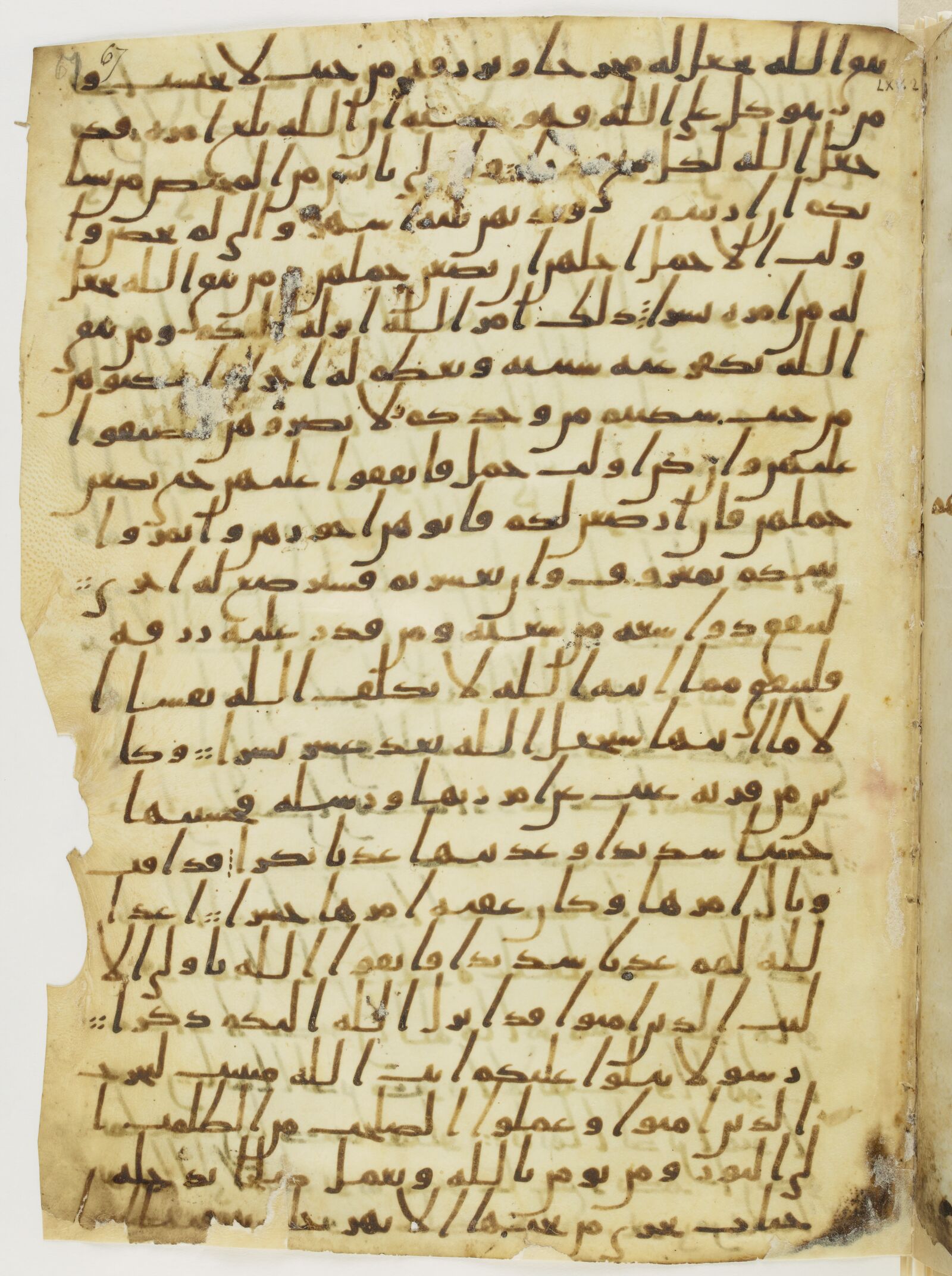
2فَإِذَا بَلَغْنَ أَجَلَهُنَّ فَأَمْسِكُوهُنَّ بِمَعْرُوفٍ أَوْ فَارِقُوهُنَّ بِمَعْرُوفٍ وَأَشْهِدُوا۟ ذَوَىْ عَدْلٍ مِّنكُمْ وَأَقِيمُوا۟ ٱلشَّهَٰدَةَ لِلَّهِ ذَٰلِكُمْ يُوعَظُ بِهِۦ مَن كَانَ يُؤْمِنُ بِٱللَّهِ وَٱلْيَوْمِ ٱلْـَٔاخِرِ وَمَن يَتَّقِ ٱللَّهَ يَجْعَل لَّهُۥ مَخْرَجًا 3وَيَرْزُقْهُ مِنْ حَيْثُ لَا يَحْتَسِبُ وَمَن يَتَوَكَّلْ عَلَى ٱللَّهِ فَهُوَ حَسْبُهُۥٓ إِنَّ ٱللَّهَ بَٰلِغُ أَمْرِهِۦ قَدْ جَعَلَ ٱللَّهُ لِكُلِّ شَىْءٍ قَدْرًا 4وَٱلَّٰٓـِٔى يَئِسْنَ مِنَ ٱلْمَحِيضِ مِن نِّسَآئِكُمْ إِنِ ٱرْتَبْتُمْ فَعِدَّتُهُنَّ ثَلَٰثَةُ أَشْهُرٍ وَٱلَّٰٓـِٔى لَمْ يَحِضْنَ وَأُو۟لَٰتُ ٱلْأَحْمَالِ أَجَلُهُنَّ أَن يَضَعْنَ حَمْلَهُنَّ وَمَن يَتَّقِ ٱللَّهَ يَجْعَل لَّهُۥ مِنْ أَمْرِهِۦ يُسْرًا 5ذَٰلِكَ أَمْرُ ٱللَّهِ أَنزَلَهُۥٓ إِلَيْكُمْ وَمَن يَتَّقِ ٱللَّهَ يُكَفِّرْ عَنْهُ سَيِّـَٔاتِهِۦ وَيُعْظِمْ لَهُۥٓ أَجْرًا 6أَسْكِنُوهُنَّ مِنْ حَيْثُ سَكَنتُم مِّن وُجْدِكُمْ وَلَا تُضَآرُّوهُنَّ لِتُضَيِّقُوا۟ عَلَيْهِنَّ وَإِن كُنَّ أُو۟لَٰتِ حَمْلٍ فَأَنفِقُوا۟ عَلَيْهِنَّ حَتَّىٰ يَضَعْنَ حَمْلَهُنَّ فَإِنْ أَرْضَعْنَ لَكُمْ فَـَٔاتُوهُنَّ أُجُورَهُنَّ وَأْتَمِرُوا۟ بَيْنَكُم بِمَعْرُوفٍ وَإِن تَعَاسَرْتُمْ فَسَتُرْضِعُ لَهُۥٓ أُخْرَىٰ 7لِيُنفِقْ ذُو سَعَةٍ مِّن سَعَتِهِۦ وَمَن قُدِرَ عَلَيْهِ رِزْقُهُۥ فَلْيُنفِقْ مِمَّآ ءَاتَىٰهُ ٱللَّهُ لَا يُكَلِّفُ ٱللَّهُ نَفْسًا إِلَّا مَآ ءَاتَىٰهَا سَيَجْعَلُ ٱللَّهُ بَعْدَ عُسْرٍ يُسْرًا 8وَكَأَيِّن مِّن قَرْيَةٍ عَتَتْ عَنْ أَمْرِ رَبِّهَا وَرُسُلِهِۦ فَحَاسَبْنَٰهَا حِسَابًا شَدِيدًا وَعَذَّبْنَٰهَا عَذَابًا نُّكْرًا 9فَذَاقَتْ وَبَالَ أَمْرِهَا وَكَانَ عَٰقِبَةُ أَمْرِهَا خُسْرًا 10أَعَدَّ ٱللَّهُ لَهُمْ عَذَابًا شَدِيدًا فَٱتَّقُوا۟ ٱللَّهَ يَٰٓأُو۟لِى ٱلْأَلْبَٰبِ ٱلَّذِينَ ءَامَنُوا۟ قَدْ أَنزَلَ ٱللَّهُ إِلَيْكُمْ ذِكْرًا 11رَّسُولًا يَتْلُوا۟ عَلَيْكُمْ ءَايَٰتِ ٱللَّهِ مُبَيِّنَٰتٍ لِّيُخْرِجَ ٱلَّذِينَ ءَامَنُوا۟ وَعَمِلُوا۟ ٱلصَّٰلِحَٰتِ مِنَ ٱلظُّلُمَٰتِ إِلَى ٱلنُّورِ وَمَن يُؤْمِنۢ بِٱللَّهِ وَيَعْمَلْ صَٰلِحًا يُدْخِلْهُ جَنَّٰتٍ تَجْرِى مِن تَحْتِهَا ٱلْأَنْهَٰرُ خَٰلِدِينَ فِيهَآ أَبَدًا قَدْ أَحْسَنَ ٱللَّهُ لَهُۥ رِزْقًا
2Then, when they have reached their term, take them back in kindness or part from them in kindness, and call to witness two just men among you, and keep your testimony upright for Allah. Whoso believeth in Allah and the Last Day is exhorted to act thus. And whosoever keepeth his duty to Allah, Allah will appoint a way out for him, 3And will provide for him from (a quarter) whence he hath no expectation. And whosoever putteth his trust in Allah, He will suffice him. Lo! Allah bringeth His command to pass. Allah hath set a measure for all things. 4And for such of your women as despair of menstruation, if ye doubt, their period (of waiting) shall be three months, along with those who have it not. And for those with child, their period shall be till they bring forth their burden. And whosoever keepeth his duty to Allah, He maketh his course easy for him. 5That is the commandment of Allah which He revealeth unto you. And whoso keepeth his duty to Allah, He will remit from him his evil deeds and magnify reward for him. 6Lodge them where ye dwell, according to your wealth, and harass them not so as to straiten life for them. And if they are with child, then spend for them till they bring forth their burden. Then, if they give suck for you, give them their due payment and consult together in kindness; but if ye make difficulties for one another, then let some other woman give suck for him (the father of the child). 7Let him who hath abundance spend of his abundance, and he whose provision is measured, let him spend of that which Allah hath given him. Allah asketh naught of any soul save that which He hath given it. Allah will vouchsafe, after hardship, ease. 8And how many a community revolted against the ordinance of its Lord and His messengers, and We called it to a stern account and punished it with dire punishment, 9So that it tasted the ill-effects of its conduct, and the consequence of its conduct was loss. 10Allah hath prepared for them stern punishment; so keep your duty to Allah, O men of understanding! O ye who believe! Now Allah hath sent down unto you a reminder, 11A messenger reciting unto you the revelations of Allah made plain, that He may bring forth those who believe and do good works from darkness unto light. And whosoever believeth in Allah and doeth right, He will bring him into Gardens underneath which rivers flow, therein to abide for ever. Allah hath made good provision for him.
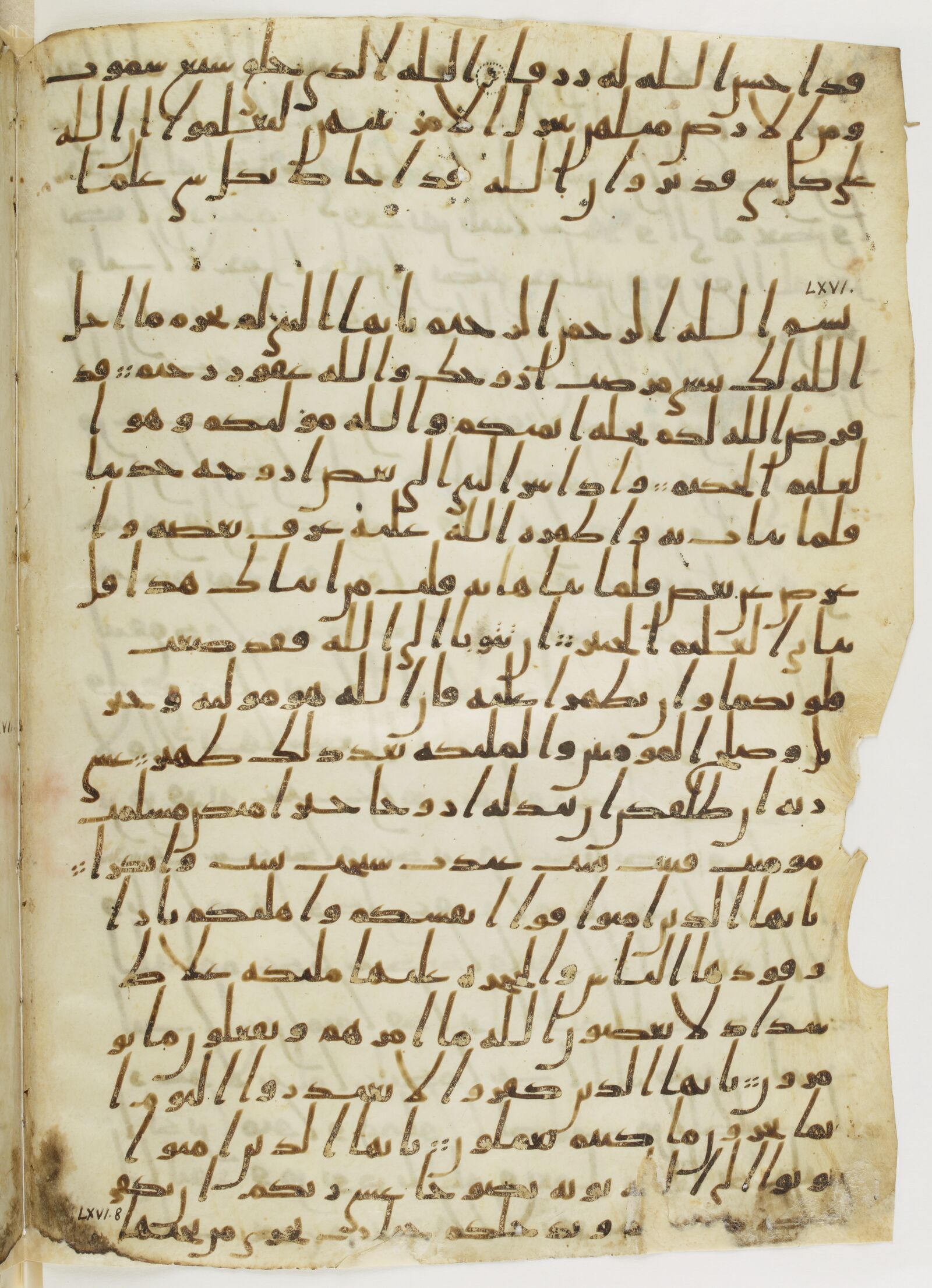
11رَّسُولًا يَتْلُوا۟ عَلَيْكُمْ ءَايَٰتِ ٱللَّهِ مُبَيِّنَٰتٍ لِّيُخْرِجَ ٱلَّذِينَ ءَامَنُوا۟ وَعَمِلُوا۟ ٱلصَّٰلِحَٰتِ مِنَ ٱلظُّلُمَٰتِ إِلَى ٱلنُّورِ وَمَن يُؤْمِنۢ بِٱللَّهِ وَيَعْمَلْ صَٰلِحًا يُدْخِلْهُ جَنَّٰتٍ تَجْرِى مِن تَحْتِهَا ٱلْأَنْهَٰرُ خَٰلِدِينَ فِيهَآ أَبَدًا قَدْ أَحْسَنَ ٱللَّهُ لَهُۥ رِزْقًا 12ٱللَّهُ ٱلَّذِى خَلَقَ سَبْعَ سَمَٰوَٰتٍ وَمِنَ ٱلْأَرْضِ مِثْلَهُنَّ يَتَنَزَّلُ ٱلْأَمْرُ بَيْنَهُنَّ لِتَعْلَمُوٓا۟ أَنَّ ٱللَّهَ عَلَىٰ كُلِّ شَىْءٍ قَدِيرٌ وَأَنَّ ٱللَّهَ قَدْ أَحَاطَ بِكُلِّ شَىْءٍ عِلْمًۢا
11A messenger reciting unto you the revelations of Allah made plain, that He may bring forth those who believe and do good works from darkness unto light. And whosoever believeth in Allah and doeth right, He will bring him into Gardens underneath which rivers flow, therein to abide for ever. Allah hath made good provision for him. 12Allah it is who hath created seven heavens, and of the earth the like thereof. The commandment cometh down among them slowly, that ye may know that Allah is Able to do all things, and that Allah surroundeth all things in knowledge.
Translator's Notes
- §:
- §:
Cite
Source & Cross-References
- Source text: Codex Parisino-petropolitanus (BnF Arabe 328) via Gallica IIIF + Corpus Coranicum folio mapping + Tanzil + Pickthall — view original
- Critical edition: Tanzil Uthmani text (CC BY 3.0); folio mapping Corpus Coranicum
← previous · → next · v cycle view · l back to library