Vendidad, Fargard 1: the sixteen lands, beginning with Airyana Vaejah
Introduction
The Vendidad (Avestan Vīdaēvadāta, 'law against the demons') is the Zoroastrian book of purity law, written in Young Avestan and set as a dialogue between Ahura Mazda and Zarathustra. Its first chapter (fargard) lists sixteen lands that Ahura Mazda created as good places to live. The first of them is Airyana Vaejah (Airyanem Vaējō) by the river Vanguhi Daitya, a land of ten winter months and two summer months. For each land Angra Mainyu creates a counter-plague. Several of the later lands can be identified with regions of eastern Iran and its neighbours, such as Sughdha (Sogdiana), Mouru (Merv), Bakhdhi (Balkh), Haroyu (Herat), Harahvaiti (Arachosia) and Hapta Hindu (the Punjab).
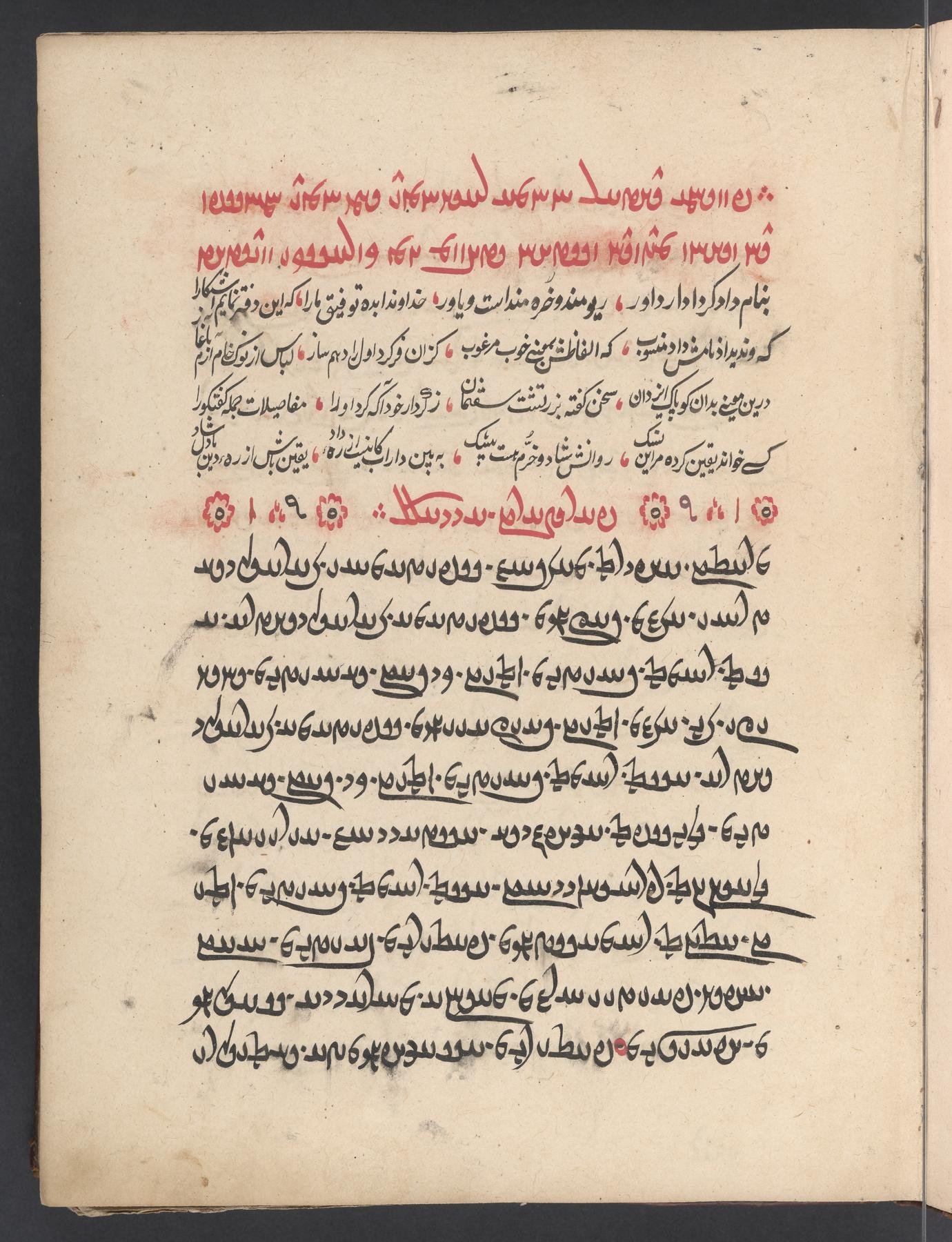
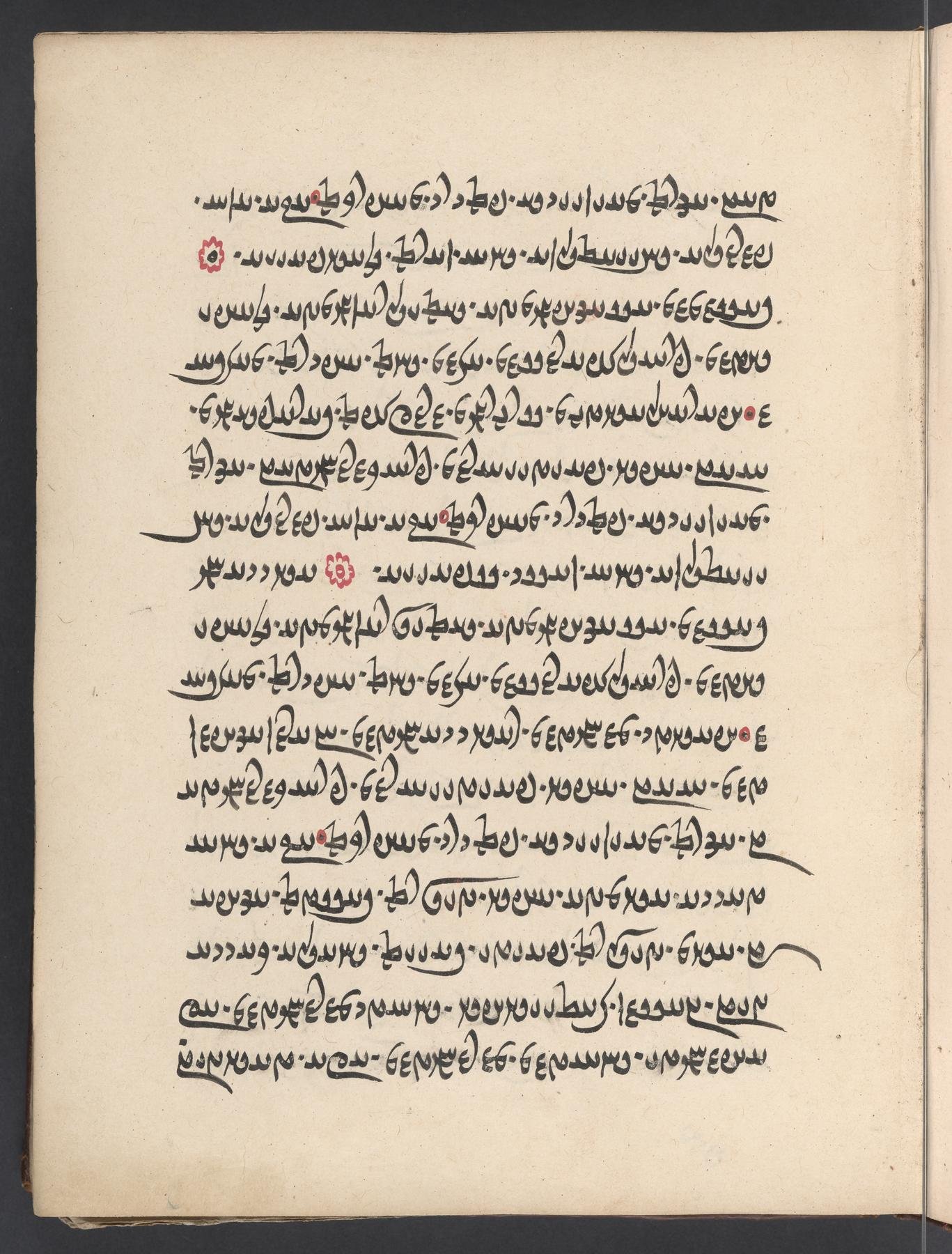
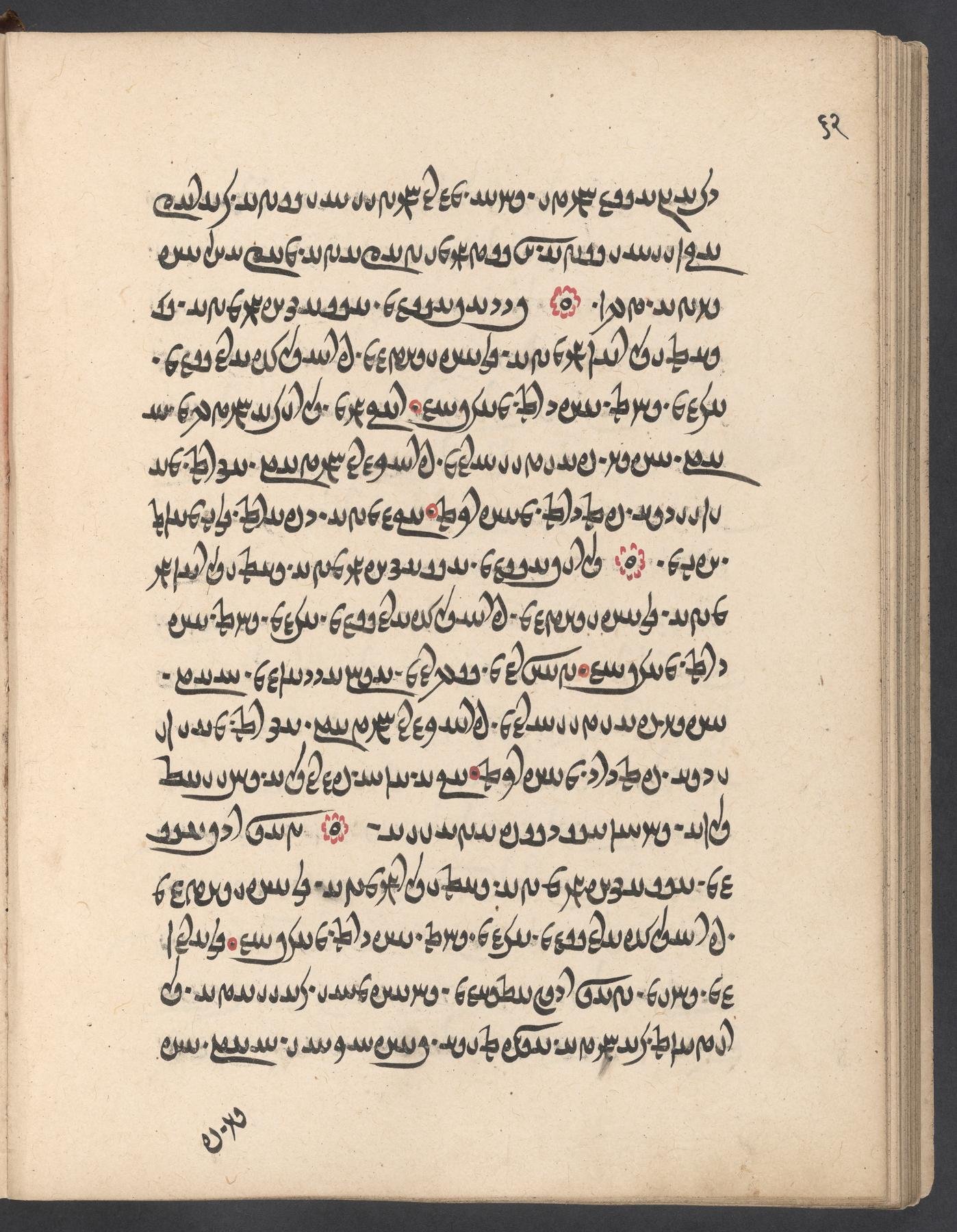
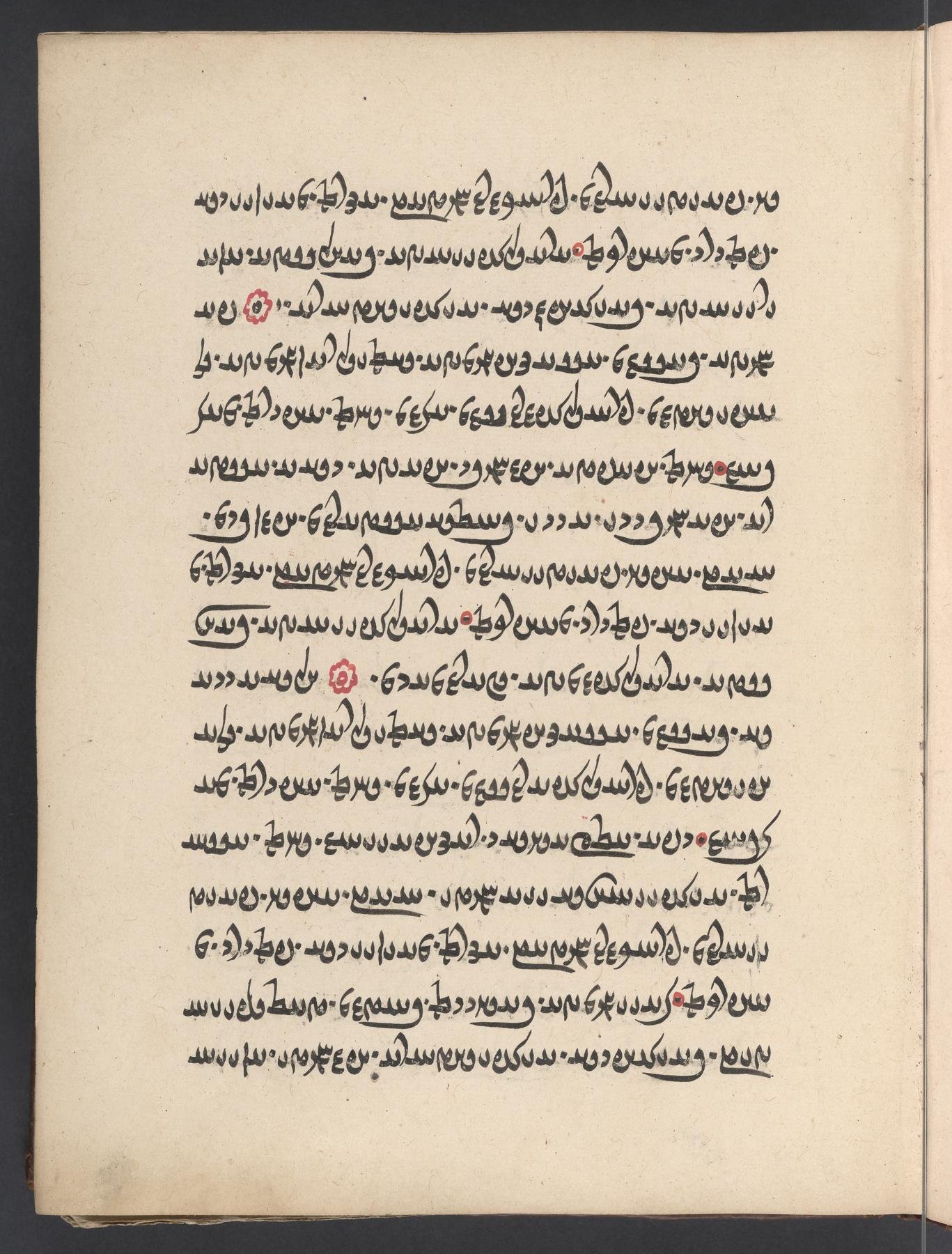
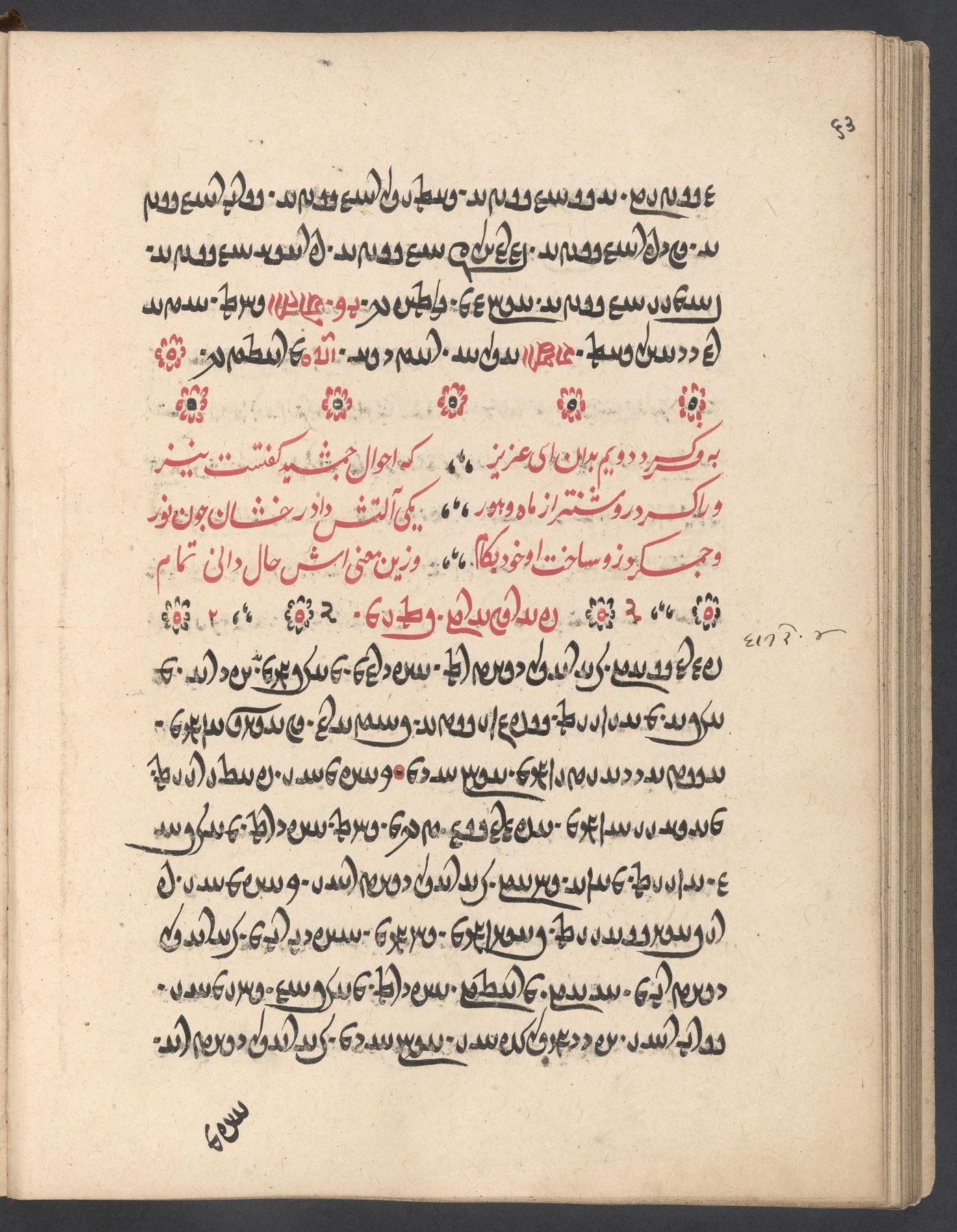
The manuscript shown is Columbia University, Rare Book & Manuscript Library, MS Or 320, a Vendidad Sade (the Vendidad in pure Avestan, arranged for recitation with the Yasna and Visperad), 322 leaves, copied at Surat by Herbed Darab Framroz Minochehr and dated 1131 of the Yazdegird era (1762 CE) in its colophon. Each fargard is preceded by Persian verses that name it; these headings fix the fargard to fol. 60r-63v. The pages between the headings were not divided further, so the whole fargard forms one section that lists all its pages.
The Avestan text is Geldner's edition in the avesta.org transliteration; the English is James Darmesteter's translation (2nd edition, 1895), without his footnotes.
How was this verified? (Provenance)
Where on the image
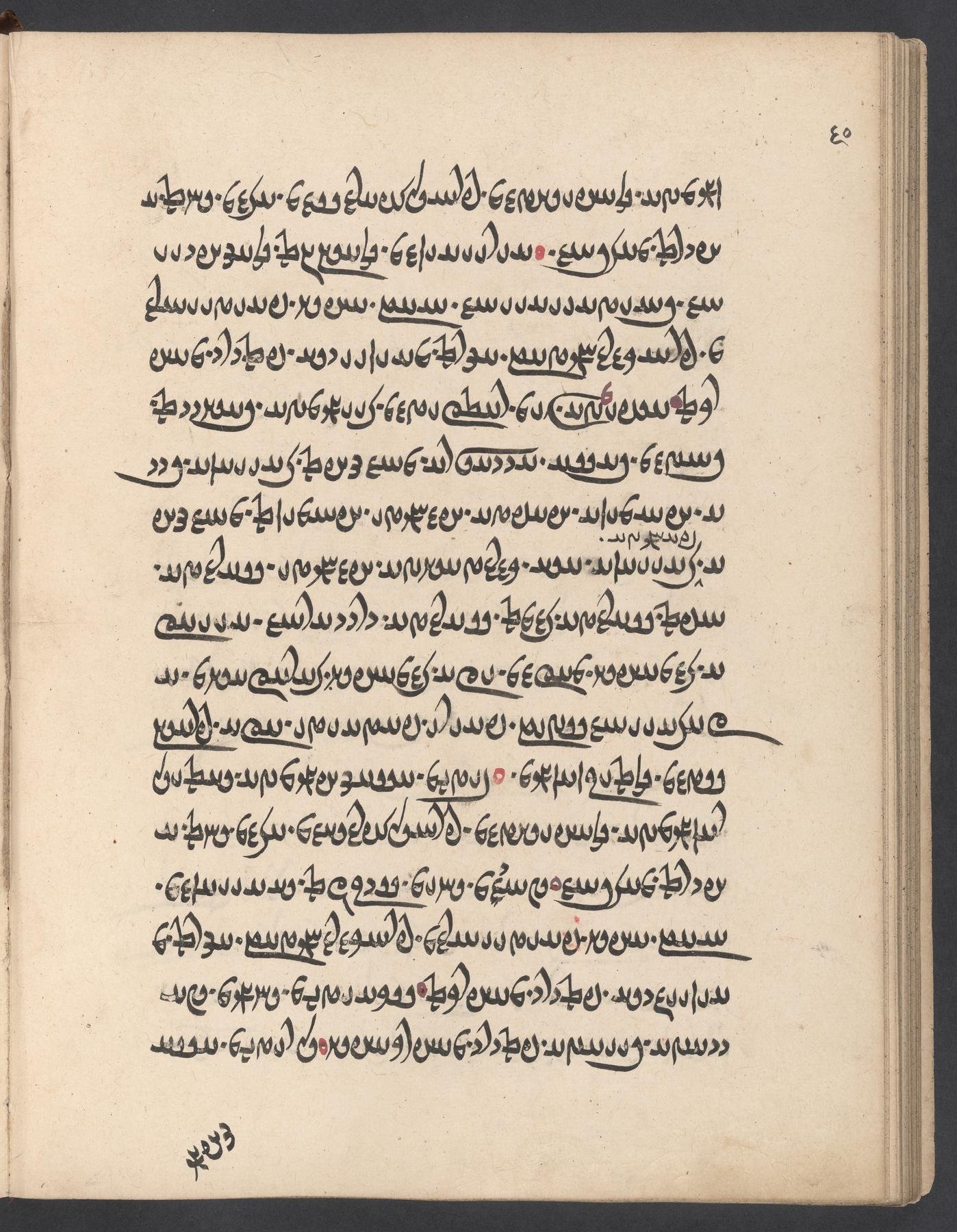
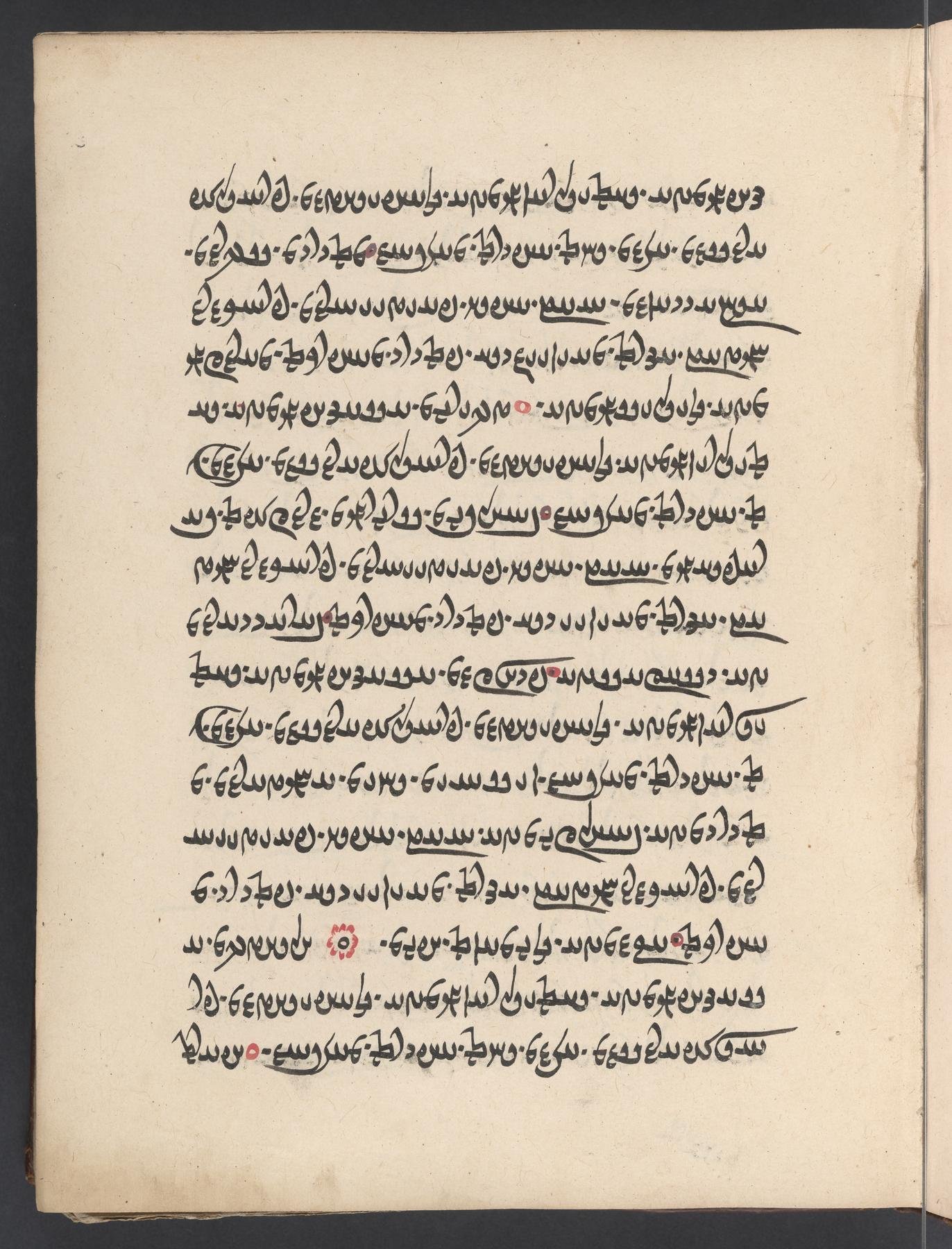
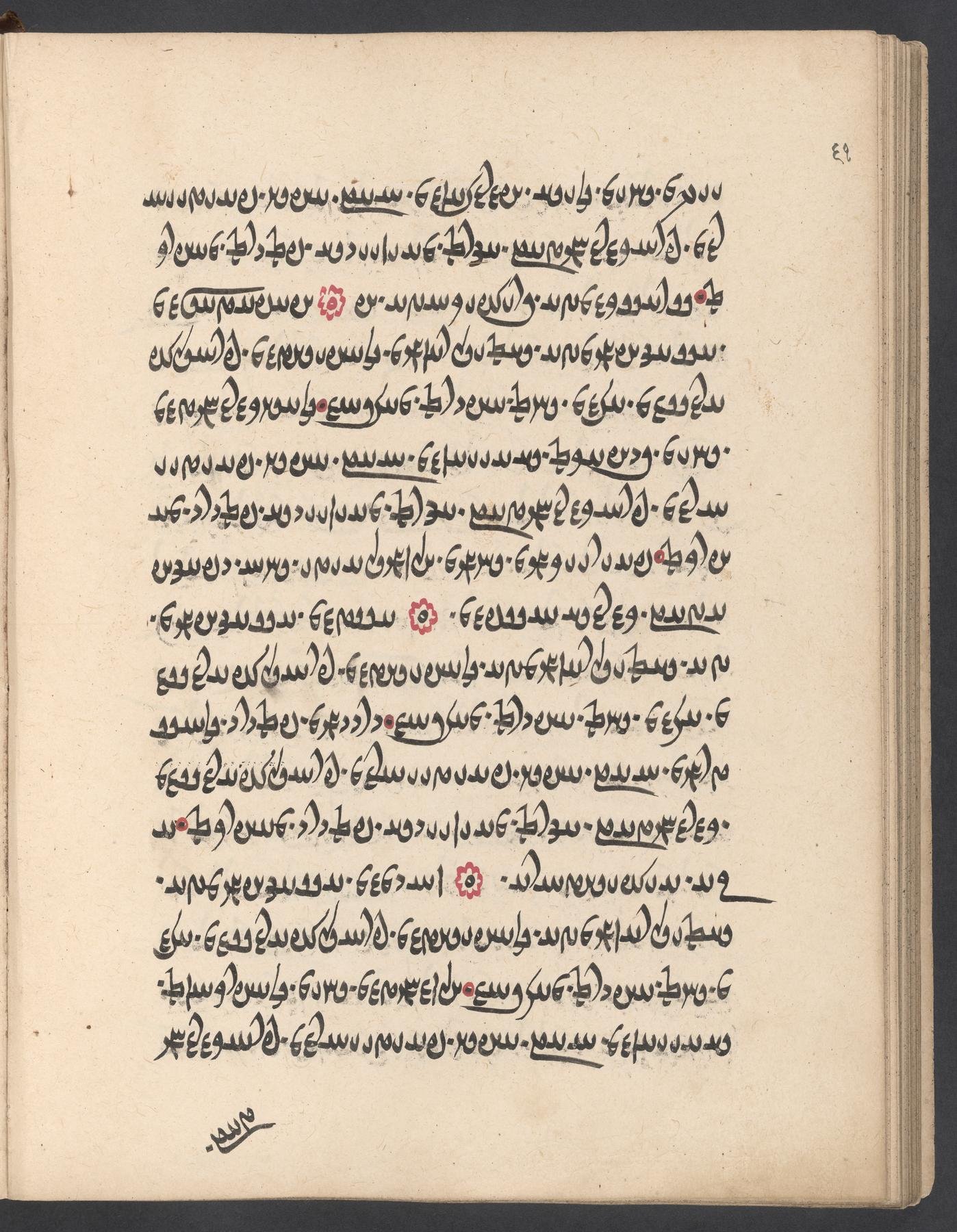
Columbia University, Rare Book & Manuscript Library, MS Or 320, fol. 60r-63v (OPenn images 126-133). Checked on the images: fol. 60r: two red lines in Avestan script, then four lines of Persian verse in nasta'liq which name the book (که وندیداد نامش, 'whose name is Vendidad') and ask to be taught 'the first fargard' (ورگرد اول), then a red line with rosettes; the Avestan text of Fargard 1 begins in the first black line below it; fol. 63v: the Avestan text of Fargard 1 ends in line 4 with a closing formula partly in red and a rosette, followed by a row of red rosettes and three lines of Persian verse in red introducing 'the second fargard' (به ورگرد دویم), 'which tells the story of Jamshid' (احوال جمشید). The fargard therefore occupies exactly these 8 pages, in this order. The opening words of the pages inside the fargard could not be confirmed on the images, so the paragraphs are not assigned to single pages: all of them are on these pages together. As a Vendidad Sade, the manuscript adds liturgical formulas in red at the end of the fargard. Darmesteter notes that clause 2 of this fargard in Vendidad Sade manuscripts consists of Avestan quotations from the Pahlavi commentary; that clause is not in the Avestan text shown and is not translated.
1mraot ahurô mazdå spitamâi zarathushtrâi, azem dadhãm spitama zarathushtra asô râmô- dâitîm nôit kudat shâitîm, ýeidhi-zî azem nôit daidhyãm spitama zarathushtra asô râmô-dâitîm nôit kudat shâitîm vîspô anghush astvå airyanem vaêjô frâshnvât.
3paoirîm asanghãmca shôithranãmca vahishtem frâthweresem azem ýô ahurô mazdå airyanem vaêjô vanghuyå dâityayå. âat ahe paityârem frâkereñtat angrô mainyush pouru-mahrkô azhimca ýim raoidhitem zyãmca daêvô-dâtem,
4dasa avathra månghô zayana dva hãmina taêca heñti sareta âpô sareta zemô sareta urvarayå adha zimahe maidhim adha zimahe zaredhaêm adha zyåscit pairi-pataiti adha fraêshtem vôikhnanãm.
5bitîm asanghãmca shôithranãmca vahishtem frâthweresem azem ýô ahurô mazdå gâum ýim sukhdhô-shayanem, âat ahe paityârem frâkereñtat angrô mainyush pouru-mahrkô skaitîm ýãm gavaca dayaca pouru-mahrkem.
6thritîm asanghãmca shôithranãmca vahishtem frâthweresem azem ýô ahurô mazdå môurum sûrem ashavanem, âat ahe paityârem frâkereñtat angrô mainyush pouru-mahrkô maredhãmca vîthushãmca.
7tûirîm asanghãmca shôithranãmca vahishtem frâthweresem azem ýô ahurô mazdå bâxdhîm srîrãm eredhwô-drafshãm, âat ahe paityârem frâkereñtat angrô mainyush pouru-mahrkô bravaremca usadhasca.
8puxdhem asanghãmca shôithranãmca vahishtem frâthweresem azem ýô ahurô mazdå nisâim ýim añtare môurumca bâxdhîmca, âat ahe paityârem frâkereñtat angrô mainyush pouru-mahrkô akhemca vîmanô-hîm.
9xshtûm asanghãmca shôithranãmca vahishtem frâthweresem azem ýô ahurô mazdå harôyûm ýim vish-harezanem, âat ahe paityârem frâkereñtat angrô mainyush pouru-mahrkô saraskemca driwikâca.
10haptathem asanghãmca shôithranãmca vahishtem frâthweresem azem ýô ahurô mazdå vaêkeretem ýim dûzhakô- sayanem, âat ahe paityârem frâkereñtat angrô mainyush pouru-mahrkô pairikãm ýãm xnãthaite ýâ upanghacat keresâspem.
11ashtemem asanghãmca shôithranãmca vahishtem frâthweresem azem ýô ahurô mazdå urvãm pouru-vâstrãm, âat ahe paityârem frâkereñtat angrô mainyush pouru-mahrkô akha aiwishtâra.
12nâumem asanghãmca shôithranãmca vahishtem frâthweresem azem ýô ahurô mazdå xneñtem ýim vehrkânô- shayanem, âat ahe paityârem frâkereñtat angrô mainyush pouru-mahrkô akha anâperetha shyaothna ýâ narô-vaêpaya.
13dasemem asanghãmca shôithranãmca vahishtem frâthweresem azem ýô ahurô mazdå harahvaitîm srîrãm, âat ahe paityârem frâkereñtat angrô mainyush pouru-mahrkô akha anâperetha shyaothna ýâ nasuspaya.
14aêvañdasem asanghãmca shôithranãmca vahishtem frâthweresem azem ýô ahurô mazdå haêtumañtem raêvañtem hvarenanguhañtem, âat ahe paityârem frâkereñtat angrô mainyush pouru-mahrkô akha ýâtava,
15aêmca ahe cithrô daxshtô anghat aêm cithrô-paiti-dayô ýatha kavacit jasen zaoyehe ýâtumeñtem adha heñti ýâtumastema adha taêcit uzjaseñti ýâ mereñcyâica zaradhakhnyâica xshtãmicatca madhaxaheca.
16dvadasem asanghãmca shôithranãmca vahishtem frâthweresem azem ýô ahurô mazdå rakhãm thrizañtûm, âat ahe paityârem frâkereñtat angrô mainyush pouru-mahrkô akhemca uparô-vîmanô-hîm.
17thridasem asanghãmca shôithranãmca vahishtem frâthweresem azem ýô ahurô mazdå caxrem sûrem ashavanem, âat ahe paityârem frâkereñtat angrô mainyush pouru-mahrkô akha anâperetha shyaothna ýâ nasuspacya.
18cathrudasem asanghãmca shôithranãmca vahishtem frâthweresem azem ýô ahurô mazdå varenem ýim cathru-gaoshem ýahmâi zayata thraêtaonô jañta azhôish dahâkâi, âat ahe paityârem frâkereñtat angrô mainyush pouru-mahrkô arathwyâca daxshta anairyâca dainghush-aiwishtâra.
19pañcadasem asanghãmca shôithranãmca vahishtem frâthweresem azem ýô ahurô mazdå ýô hapta heñdu, âat ahe paityârem frâkereñtat angrô mainyush pouru-mahrkô arathwyâca daxshta arathwîmca garemâum.
20xshvash-dasem asanghãmca shôithranãmca vahishtem frâthweresem azem ýô ahurô mazdå upa aodhaêshu ranghayå ýô asârô aiwyâxshayeiñti, âat ahe paityârem frâkereñtat angrô mainyush pouru-mahrkô zyãmca daêvô-dâtem taozhyâca dainghush-aiwishtâra.
21heñti anyåscit asåsca shôithråsca srîråsca gufråsca berexdhåsca frashåsca bâmyåsca! ashem vohû...!!
1Ahura Mazda spake unto Spitama Zarathustra, saying:
I have made every land dear (to its people), even though it had no charms whatever in it: had I not made every land dear (to its people), even though it had no charms whatever in it, then the whole living world would have invaded the Airyana Vaêgô.
3The first of the good lands and countries which I, Ahura Mazda, created, was the Airyana Vaêgô, by the Vanguhi Dâitya.
Thereupon came Angra Mainyu, who is all death, and he counter-created the serpent in the river and Winter, a work of the Daêvas.
4There are ten winter months there, two summer months; and those are cold for the waters, cold for the earth, cold for the trees. Winter falls there, the worst of all plagues.
5The second of the good lands and countries which I, Ahura Mazda, created, was the plain which the Sughdhas inhabit.
Thereupon came Angra Mainyu, who is all death, and he counter-created the locust, which brings death unto cattle and plants.
6The third of the good lands and countries which I, Ahura Mazda, created; was the strong, holy Môuru.
Thereupon came Angra Mainyu, who is all death, and he counter-created plunder and sin.
7The fourth of the good lands and countries which I, Ahura Mazda, created, was the beautiful Bâkhdhi with high-lifted banners.
Thereupon came Angra Mainyu, who is all death, and he counter-created the ants and the anthills.
8The fifth of the good lands and countries which I, Ahura Mazda, created, was Nisâya, that lies between Môuru and Bâkhdhi.
Thereupon came Angra Mainyu, who is all death, and he counter-created the sin of unbelief.
9The sixth of the good lands and countries which I, Ahura Mazda, created, was the house- deserting Harôyu.
Thereupon came Angra Mainyu, who is all death, and he counter-created tears and wailing.
10The seventh of the good lands and countries which I, Ahura Mazda, created, was Vaêkereta, of the evil shadows.
Thereupon came Angra Mainyu, who is all death, and he counter-created the Pairika Knãthaiti, who clave unto Keresâspa.
11The eighth of the good lands and countries which I, Ahura Mazda, created, was Urva of the rich pastures.
Thereupon came Angra Mainyu, who is all death, and he counter-created the sin of pride.
12The ninth of the good lands and countries which I, Ahura Mazda, created, was Khnenta which the Vehrkânas inhabit.
Thereupon came Angra Mainyu, who is all death, and he counter-created a sin for which there is no atonement, the unnatural sin.
13The tenth of the good lands and countries which I, Ahura Mazda, created, was the beautiful Harahvaiti.
Thereupon came Angra Mainyu, who is all death, and he counter-created a sin for which there is no atonement, the burying of the dead.
14The eleventh of the good lands and countries which I, Ahura Mazda, created, was the bright, glorious Haêtumant.
Thereupon came Angra Mainyu, who is all death, and he counter-created the evil work of witchcraft.
15And this is the sign by which it is known, this is that by which it is seen at once: wheresoever they may go and raise a cry of sorcery, there the worst works of witchcraft go forth. From there they come to kill and strike at heart, and they bring locusts as many as they want.
16The twelfth of the good lands and countries which I, Ahura Mazda, created, was Ragha of the three races.
Thereupon came Angra Mainyu, who is all death, and he counter-created the sin of utter unbelief.
17The thirteenth of the good lands and countries which I, Ahura Mazda, created, was the strong, holy Kakhra.
Thereupon came Angra Mainyu, who is all death, and he counter-created a sin for which there is no atonement, the cooking of corpses.
18The fourteenth of the good lands and countries which I, Ahura Mazda, created, was the four-cornered Varena, for which was born Thraêtaona, who smote Azi Dahâka.
Thereupon came Angra Mainyu, who is all death, and he counter-created abnormal issues in women and barbarian oppression.
19The fifteenth of the good lands and countries which I, Ahura Mazda, created, was the Seven Rivers.
Thereupon came Angra Mainyu, who is all death, and he counter-created abnormal issues in women and excessive heat.
20The sixteenth of the good lands and countries which I, Ahura Mazda, created, was the land by the sources (?) of the Rangha, where people live who have no chiefs.
Thereupon came Angra Mainyu, who is all death, and he counter-created Winter, a work of the Daêvas.
21There are still other lands and countries, beautiful and deep, longing and asking for the good, and bright.
Notes
- Avestan: Geldner's text in the transliteration of avesta.org, which writes some repeated passages in short form with '...'.
- Paragraph numbers follow Geldner, as in Darmesteter's 2nd edition. For Fargard 1 the avesta.org numbers 2-20 have been changed to Geldner's 3-21; Geldner's 1.2 is not in the avesta.org text.
- English: James Darmesteter, The Zend-Avesta, Part I: The Vendidad, Sacred Books of the East 4, 2nd ed. (1895); footnotes omitted.
- Corrected against the printed page (djvu p. 103 = printed p. 5, para. 8): 'Bâkhtri' to 'Bâkhdhi'.
Cite
Sources
- Source: Columbia University, Rare Book & Manuscript Library, MS Or 320 (Surat, 1762; OPenn, Public Domain Mark) + Geldner's Avestan text (avesta.org) + Darmesteter's English (SBE 4, 1895; Wikisource) (holding institution)
- Critical edition: Geldner, Avesta (1886-1896), avesta.org transliteration
← previous · → next · v cycle view · l back to library