Vendidad, Fargard 2: Yima, the spreading of the earth, and the vara
Introduction
The second fargard of the Vendidad tells of Yima (Jamshid in Persian tradition), the first king. Ahura Mazda asks him to receive and carry the religion; Yima declines but agrees to rule, nourish and watch over the world. Three times the world becomes full, and three times Yima enlarges the earth. Ahura Mazda then warns him of a coming winter of deadly frost and snow, and orders him to build a vara, an enclosure 'long as a riding-ground on every side', into which he is to bring the seeds of the best men and women, of animals, plants and fires. The chapter describes the vara and its self-created and created lights.
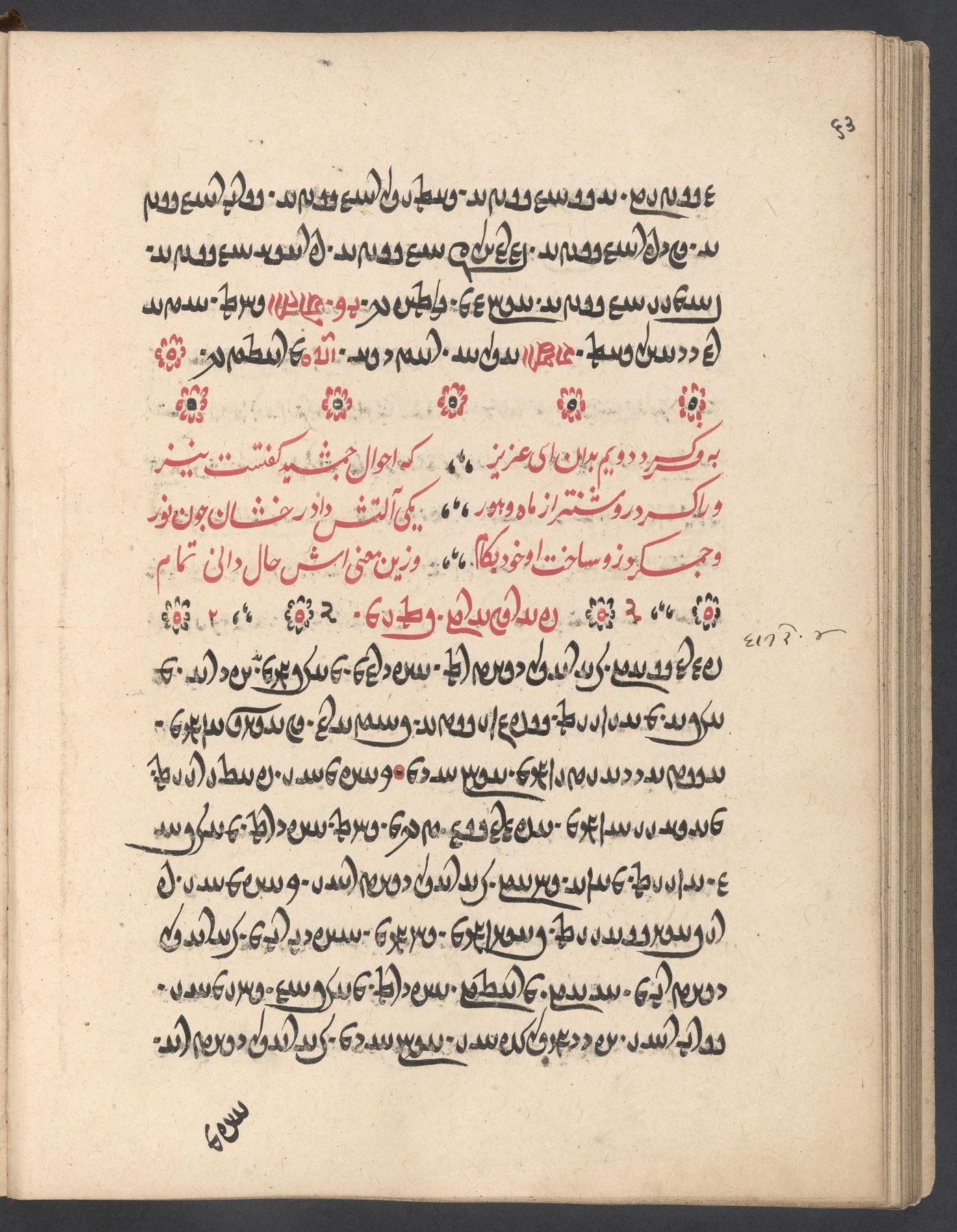
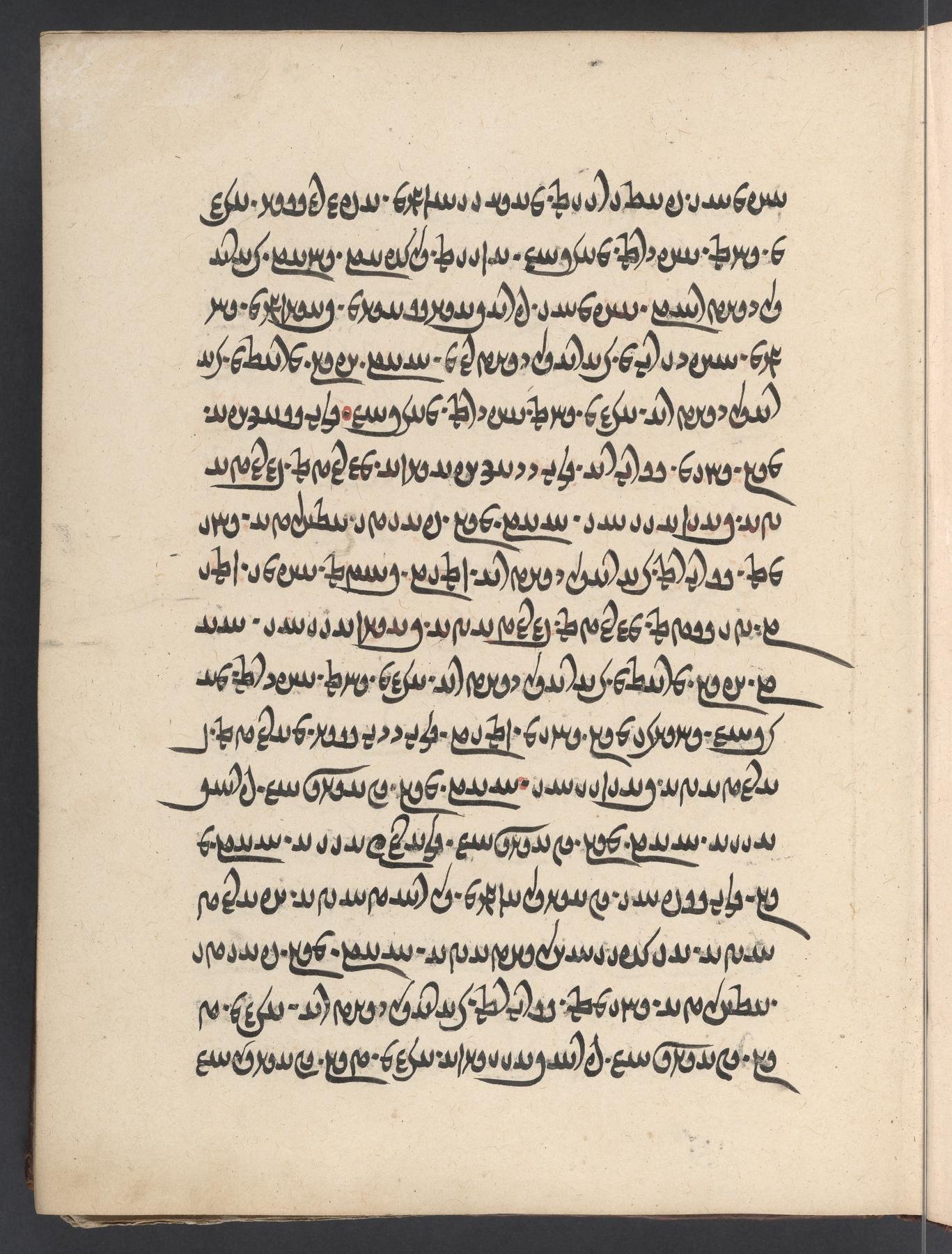
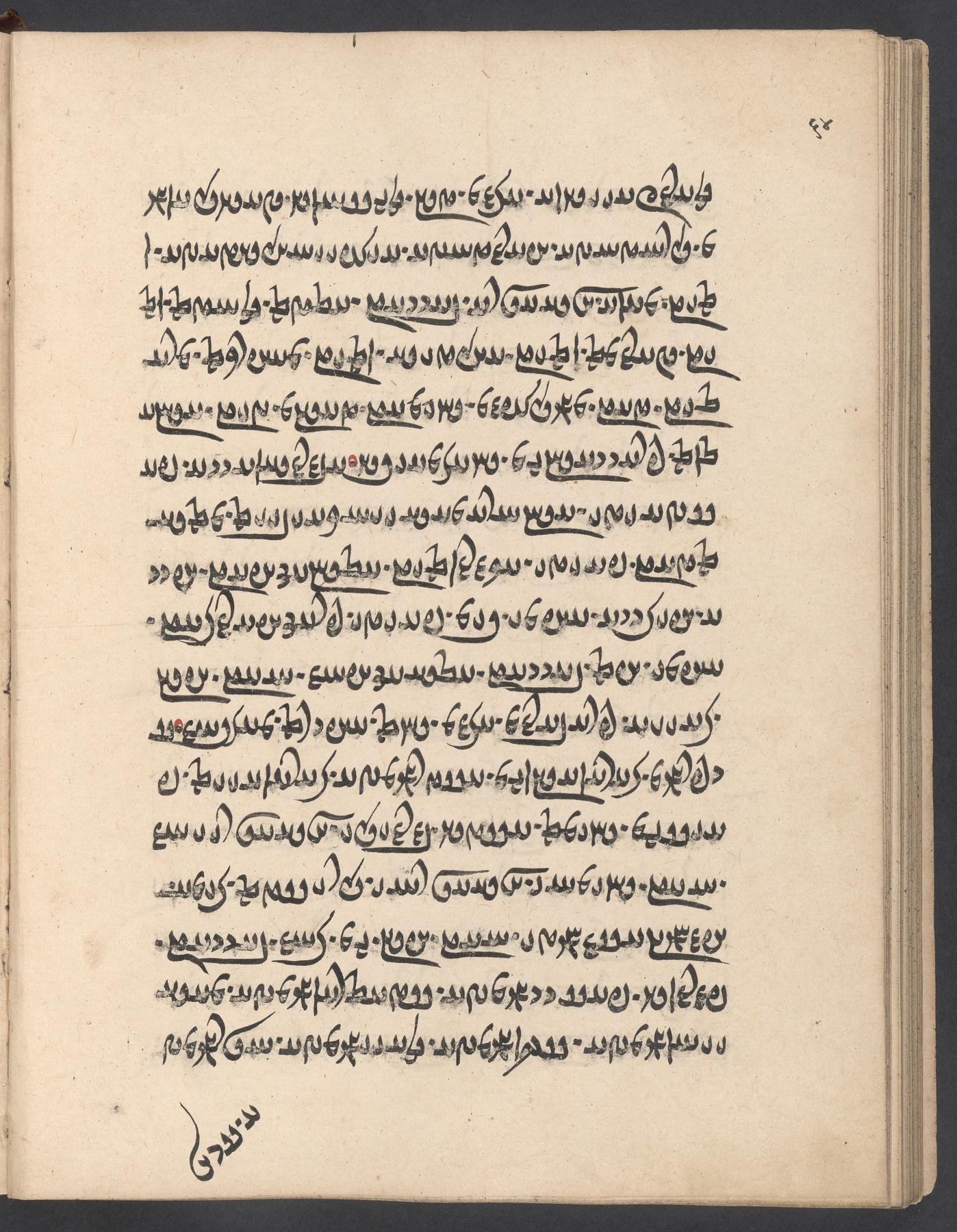
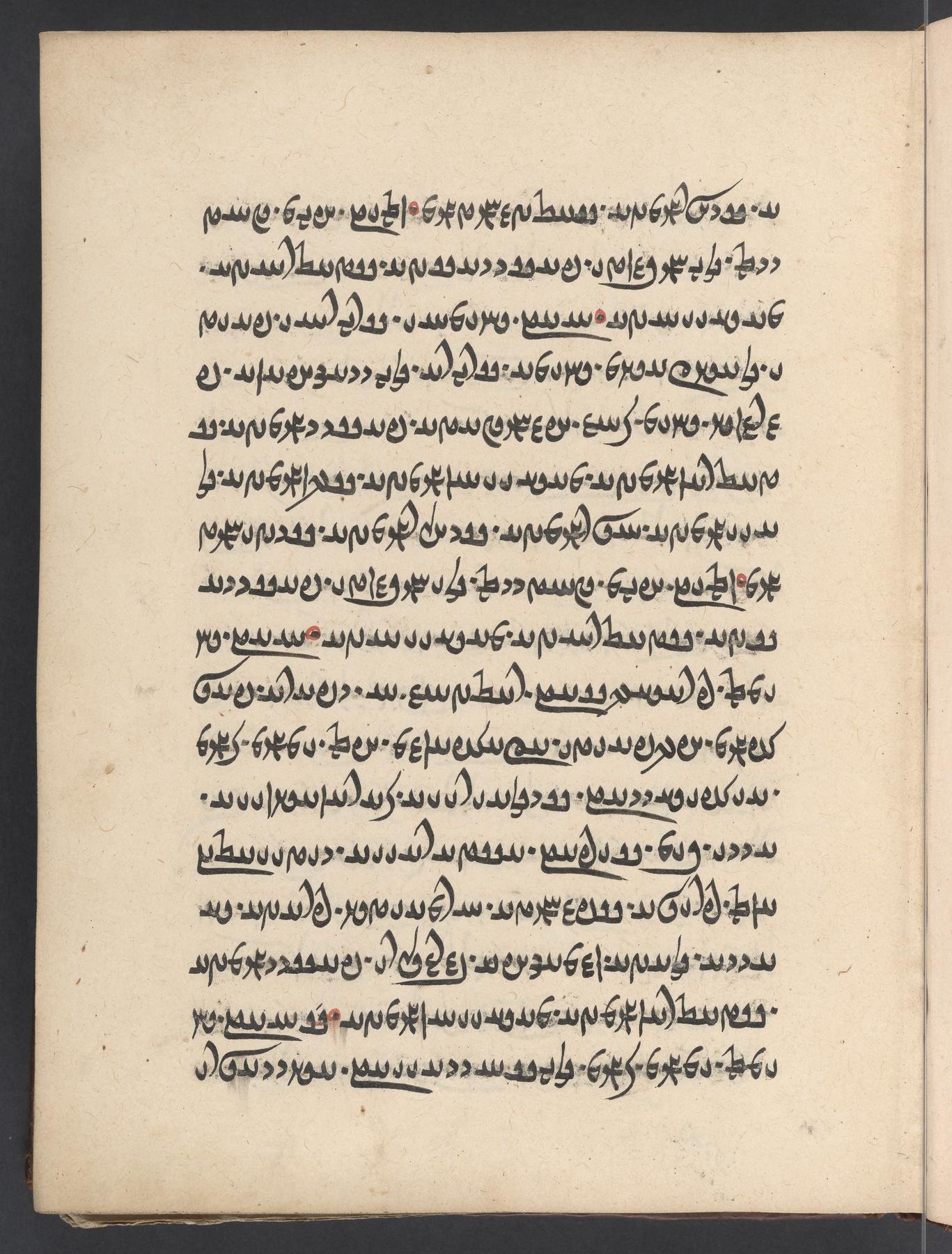
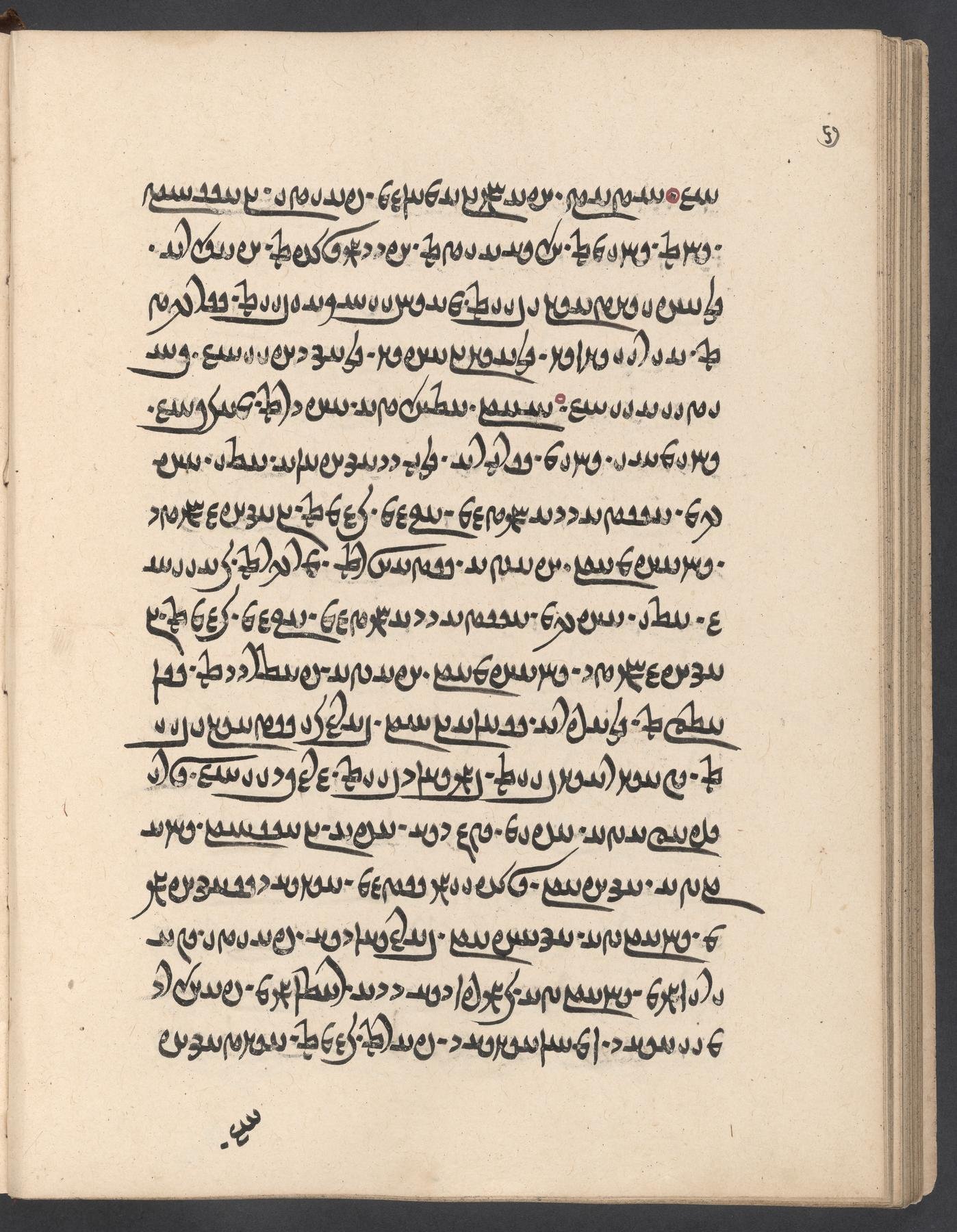
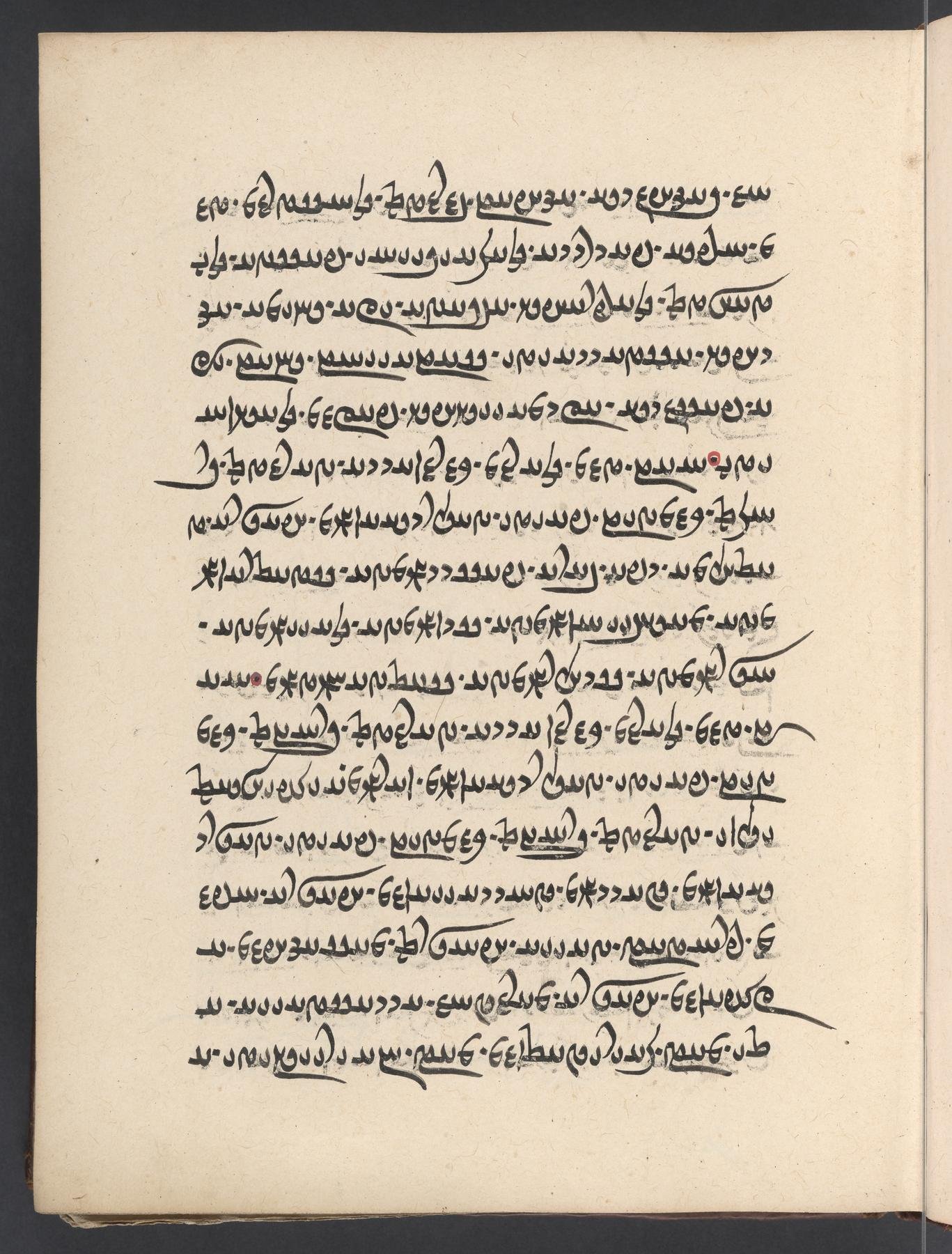
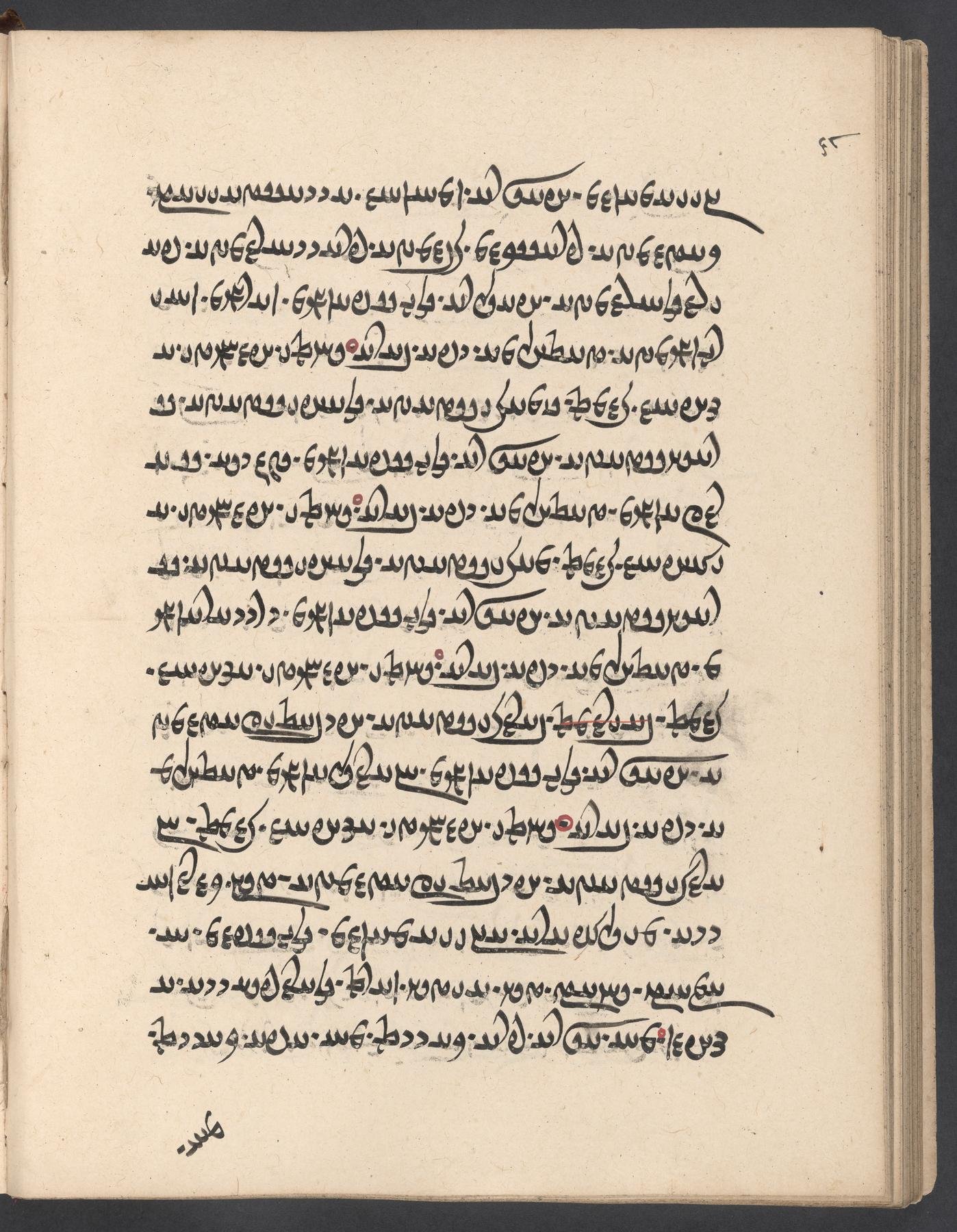
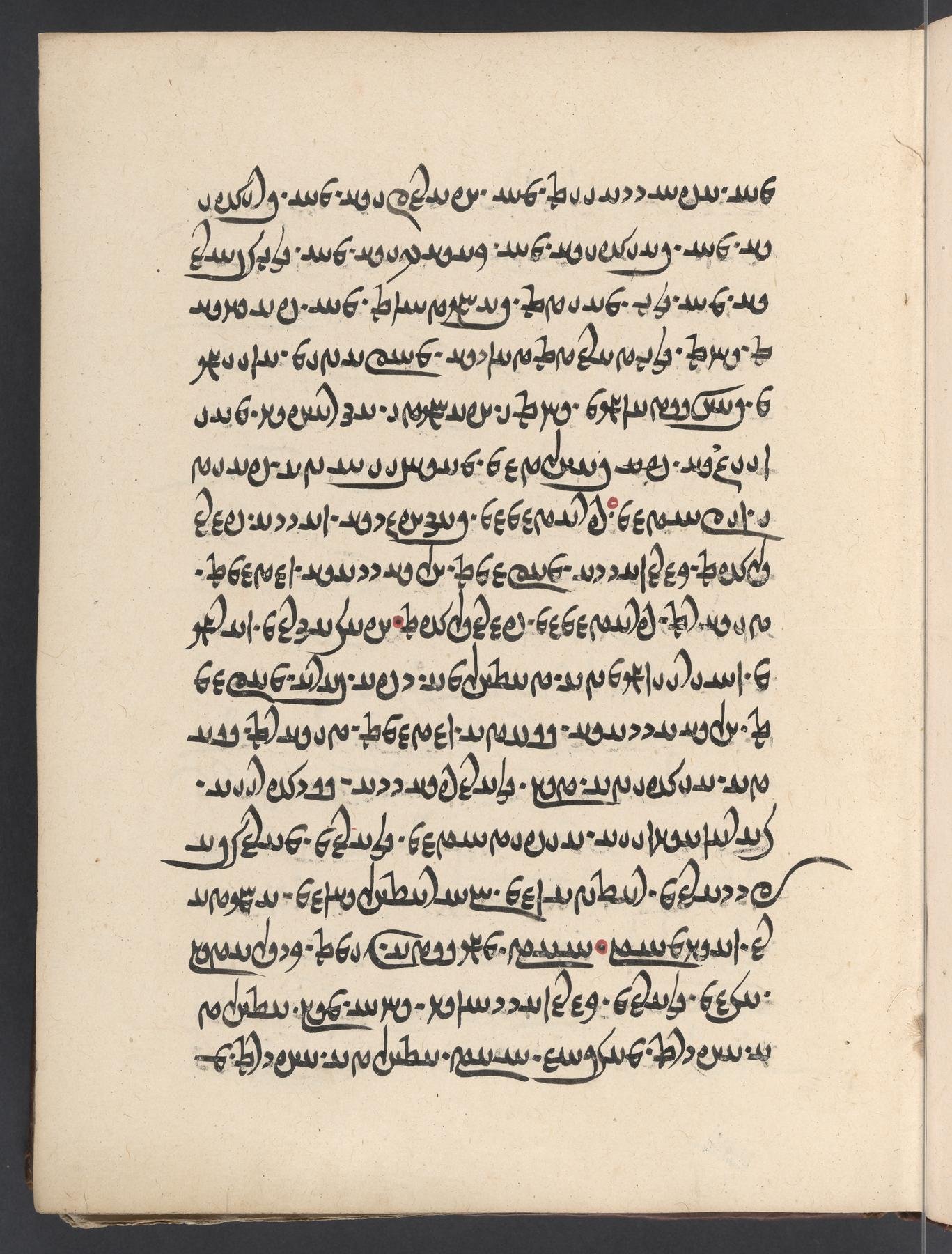
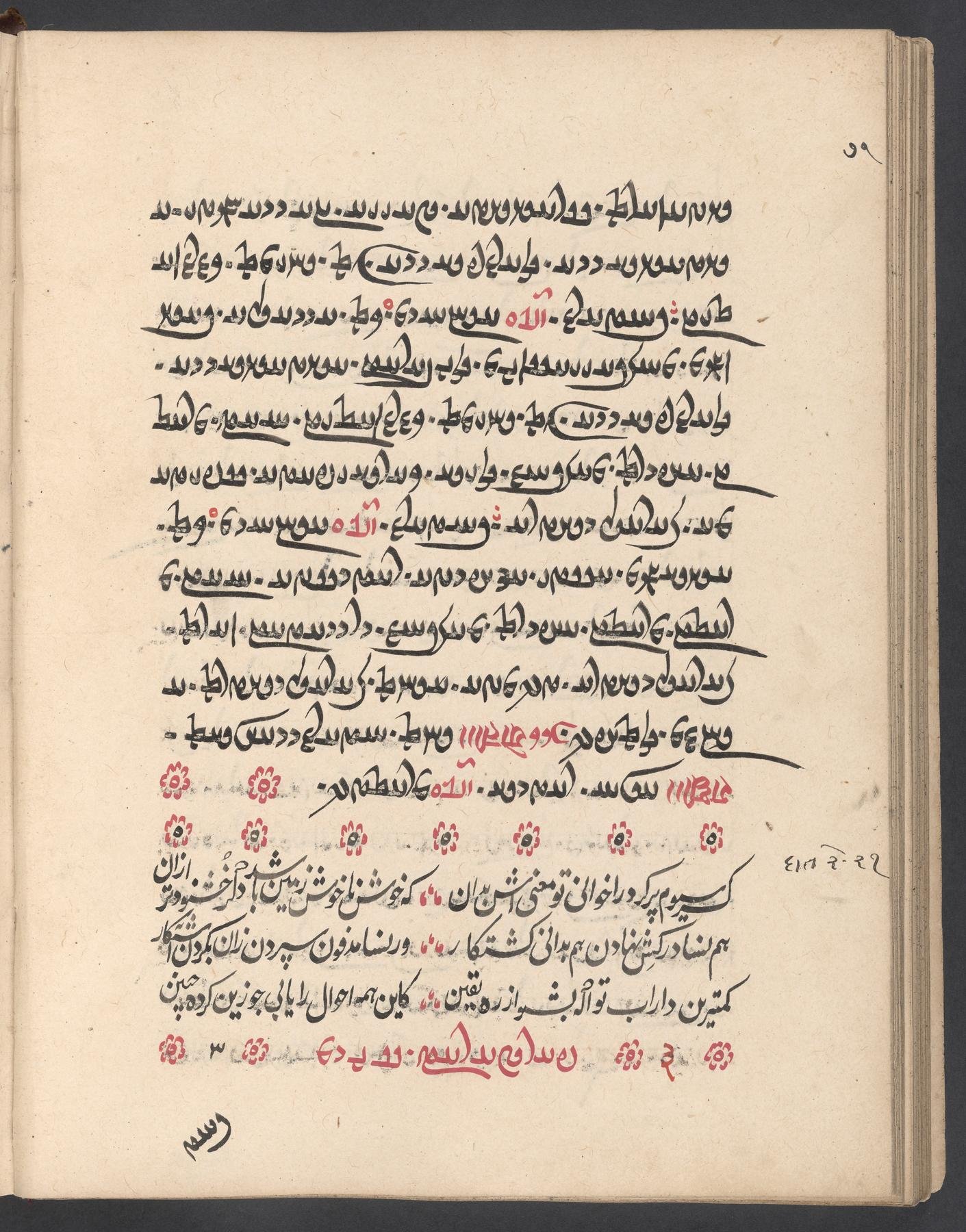
The manuscript shown is Columbia University, Rare Book & Manuscript Library, MS Or 320, a Vendidad Sade (the Vendidad in pure Avestan, arranged for recitation with the Yasna and Visperad), 322 leaves, copied at Surat by Herbed Darab Framroz Minochehr and dated 1131 of the Yazdegird era (1762 CE) in its colophon. Each fargard is preceded by Persian verses that name it; these headings fix the fargard to fol. 63v-71v. The pages between the headings were not divided further, so the whole fargard forms one section that lists all its pages.
The Avestan text is Geldner's edition in the avesta.org transliteration; the English is James Darmesteter's translation (2nd edition, 1895), without his footnotes.
How was this verified? (Provenance)
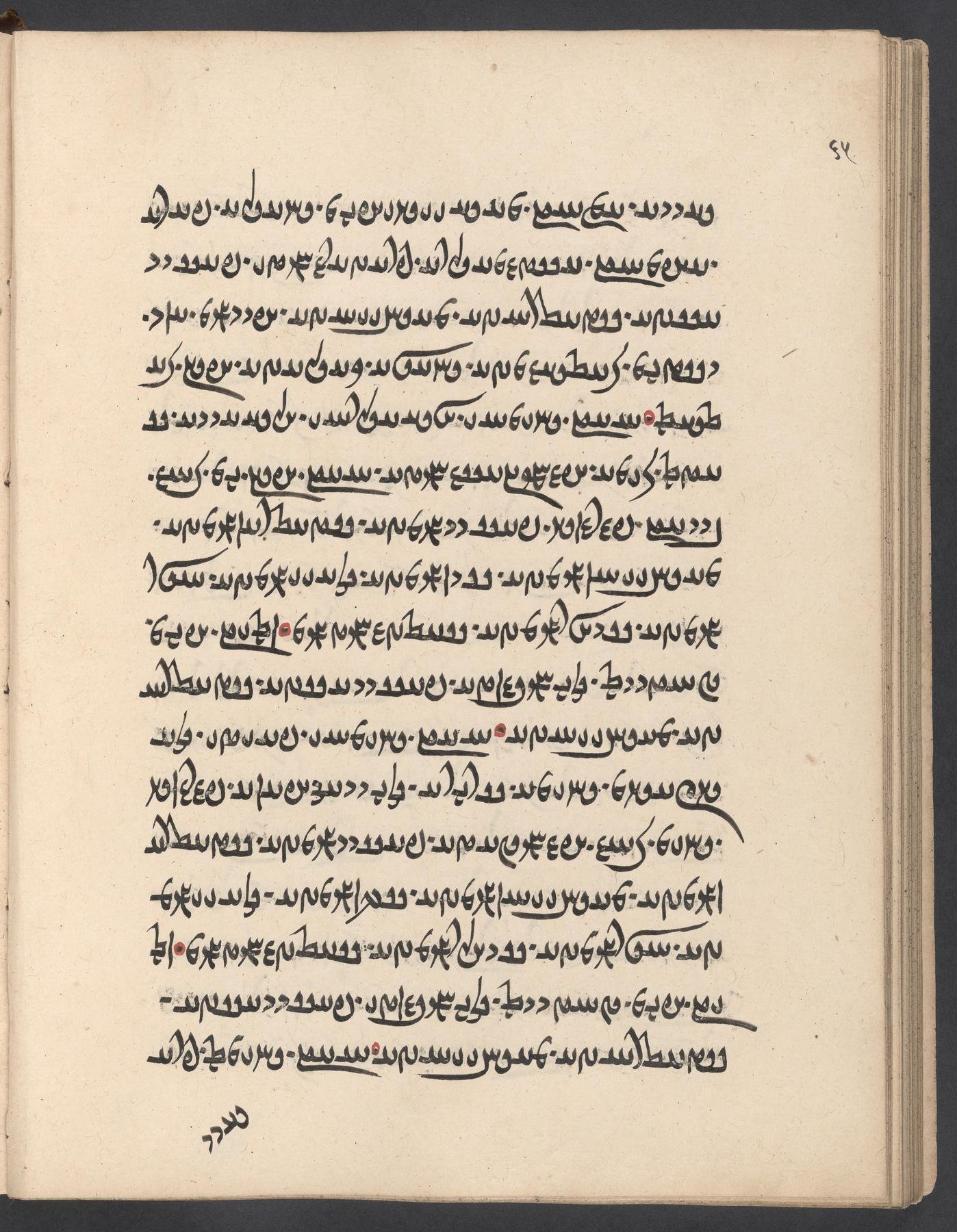
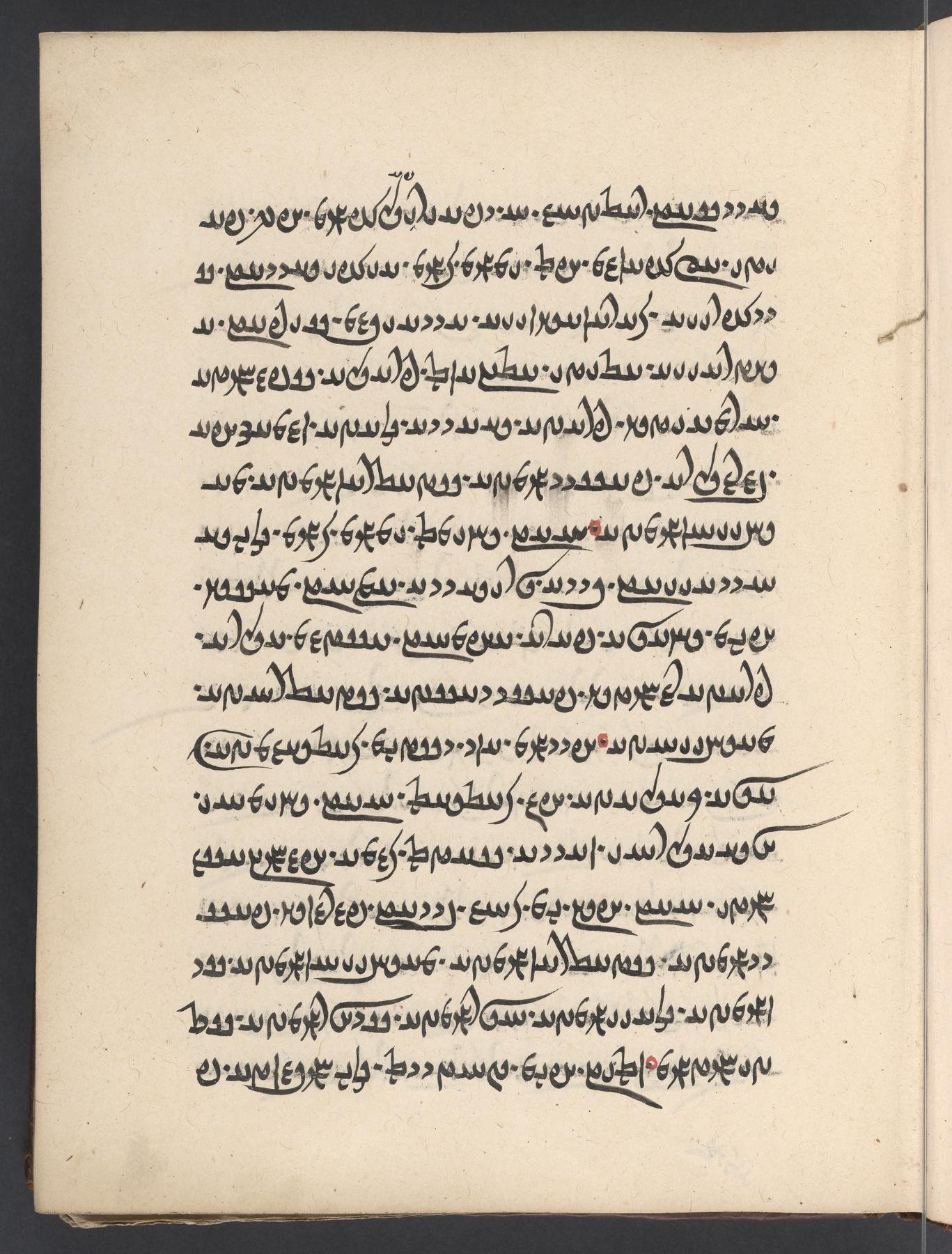
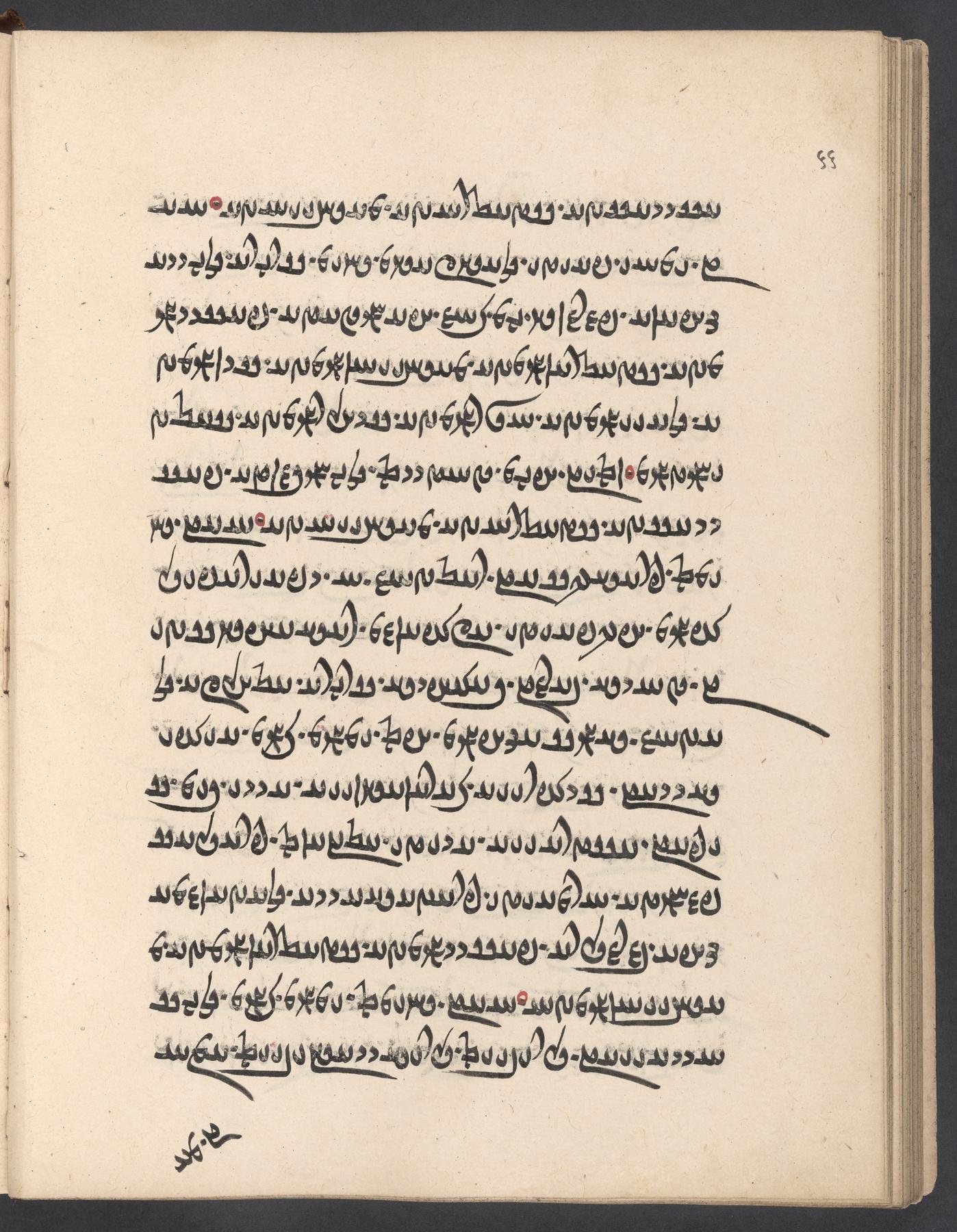
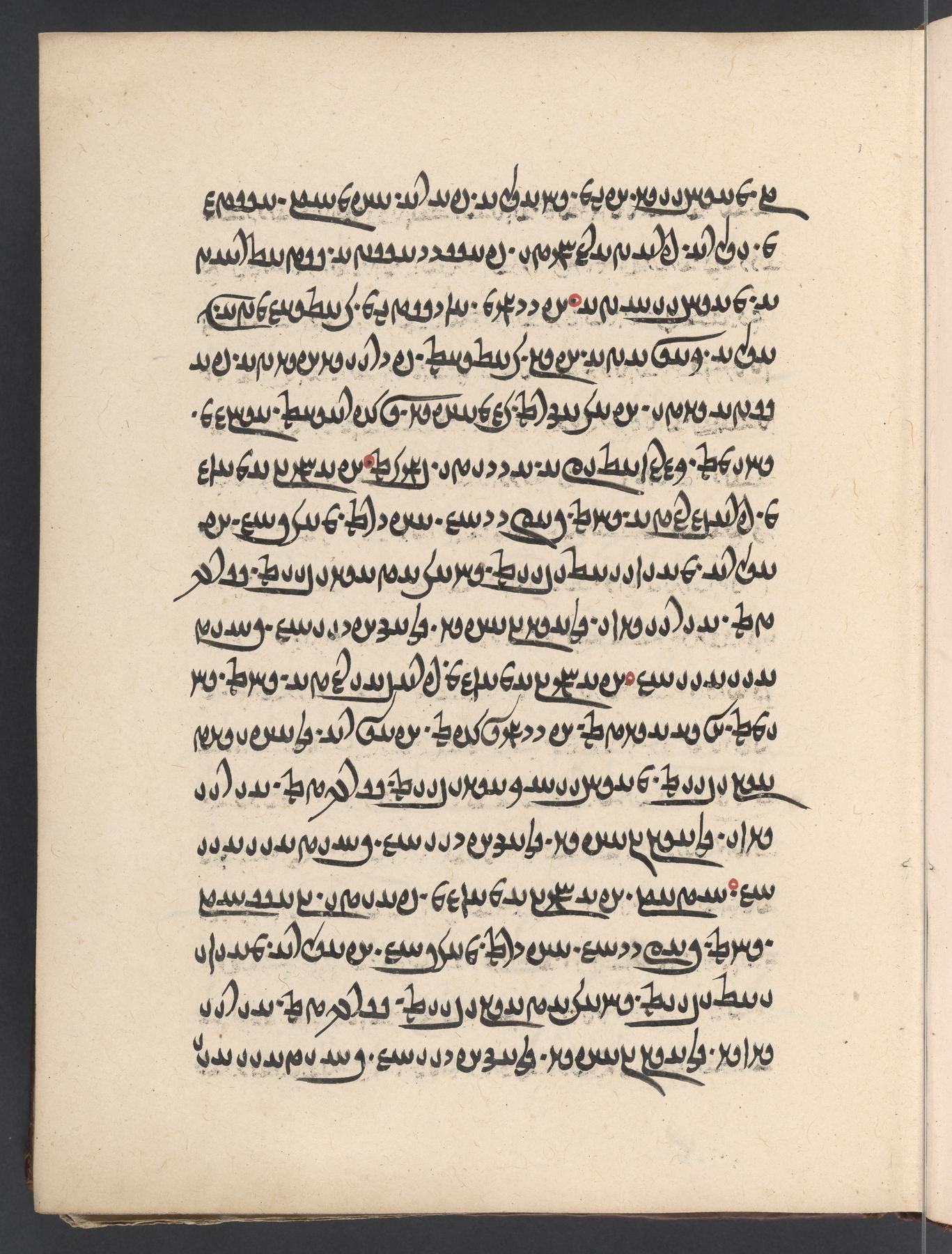
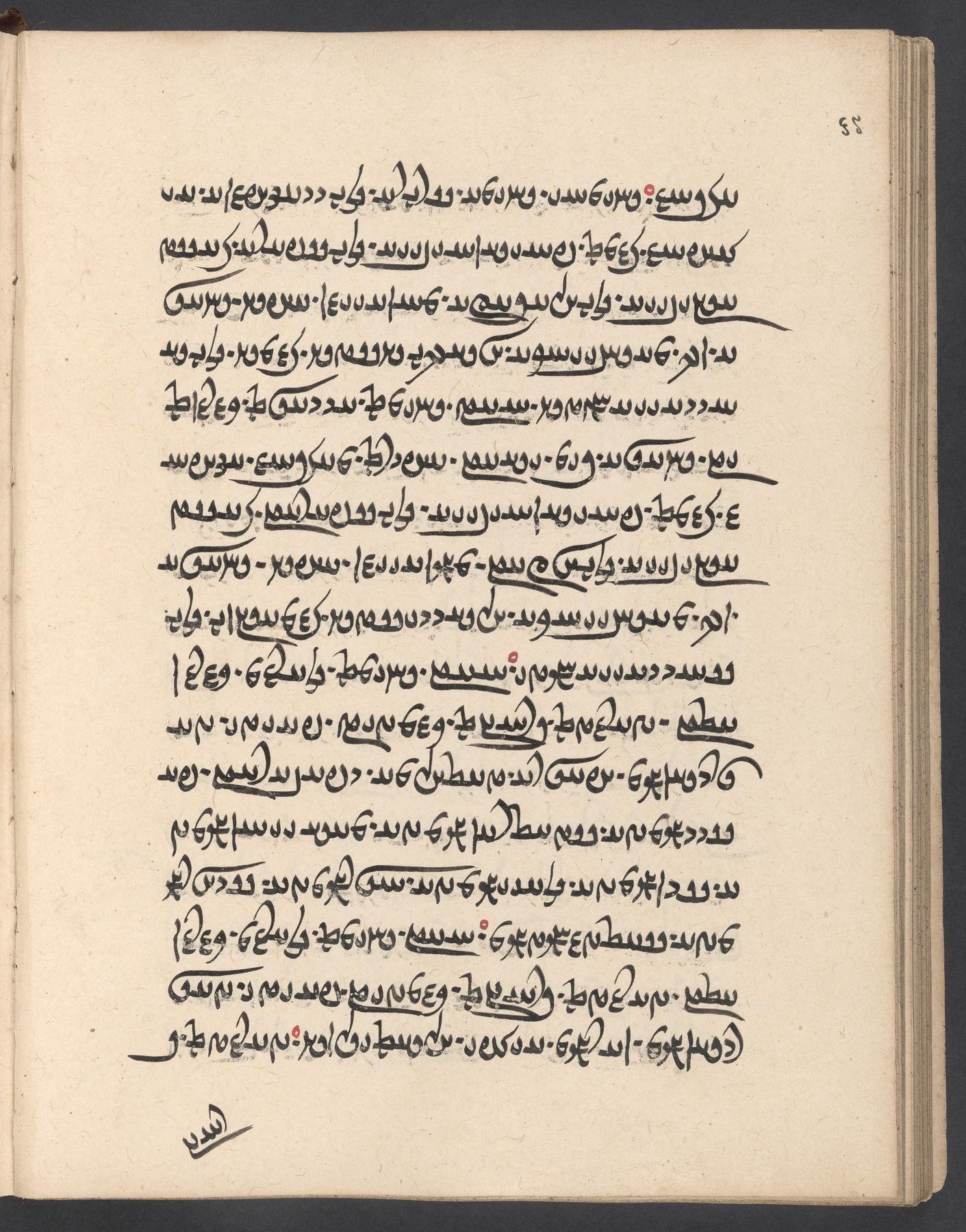
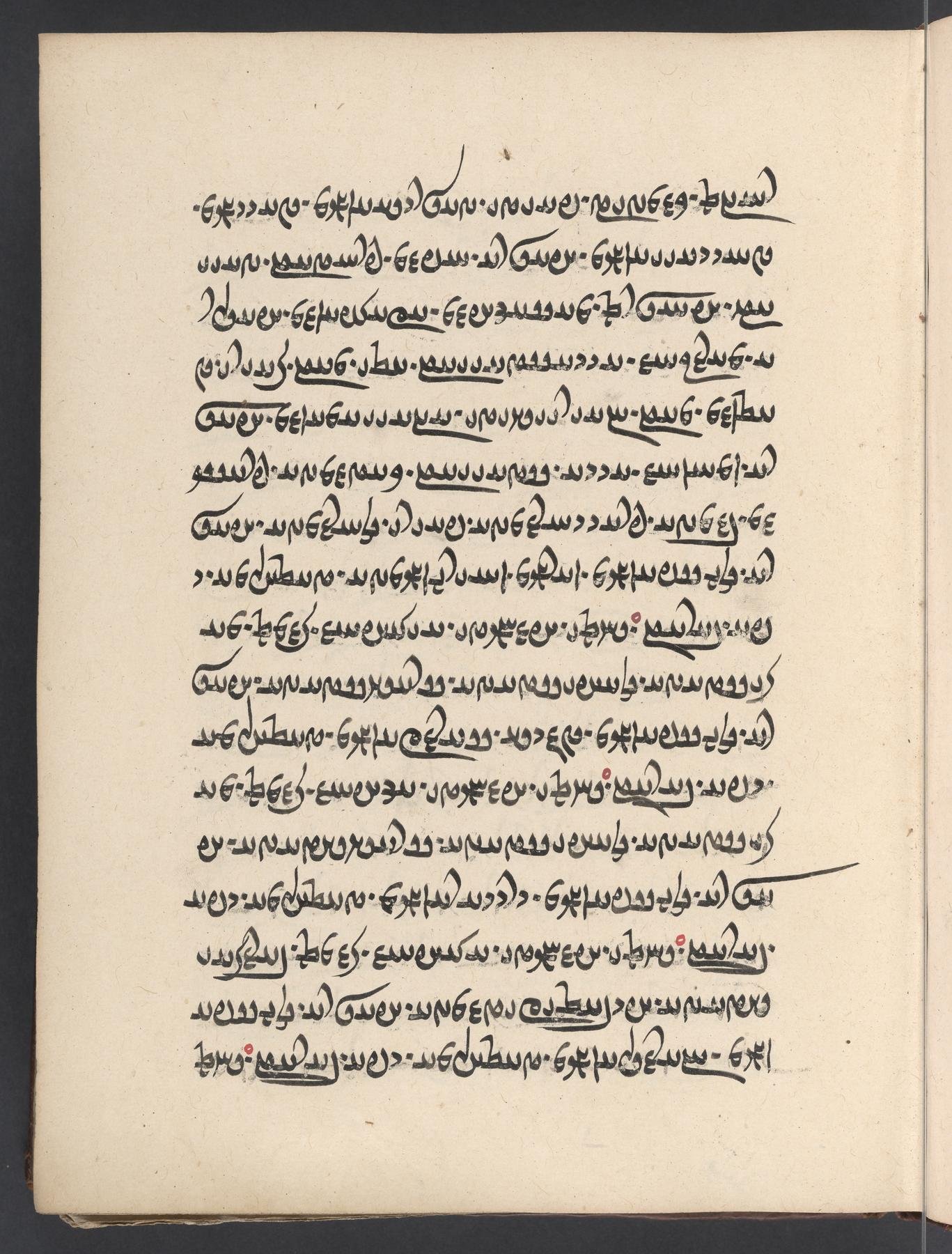
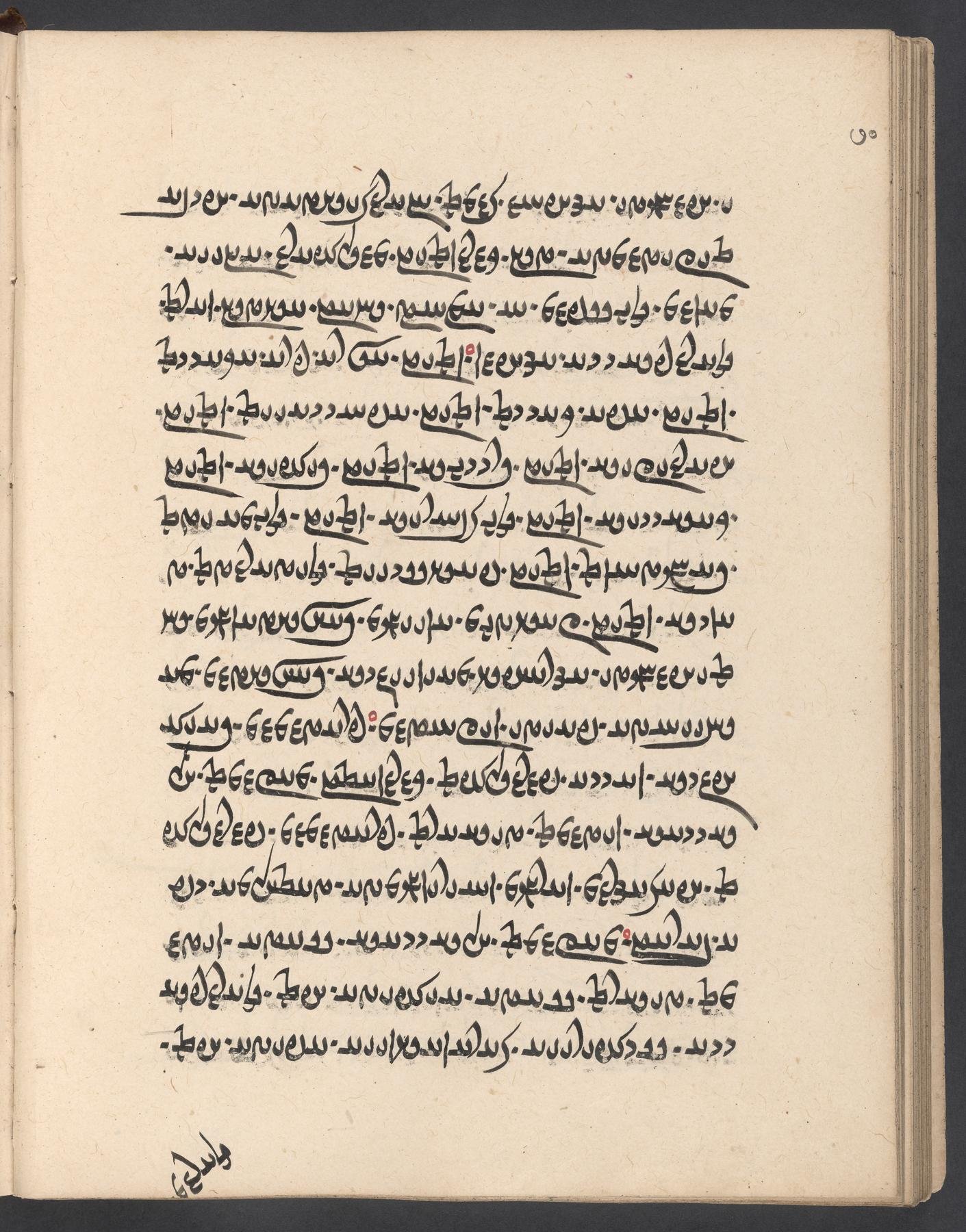
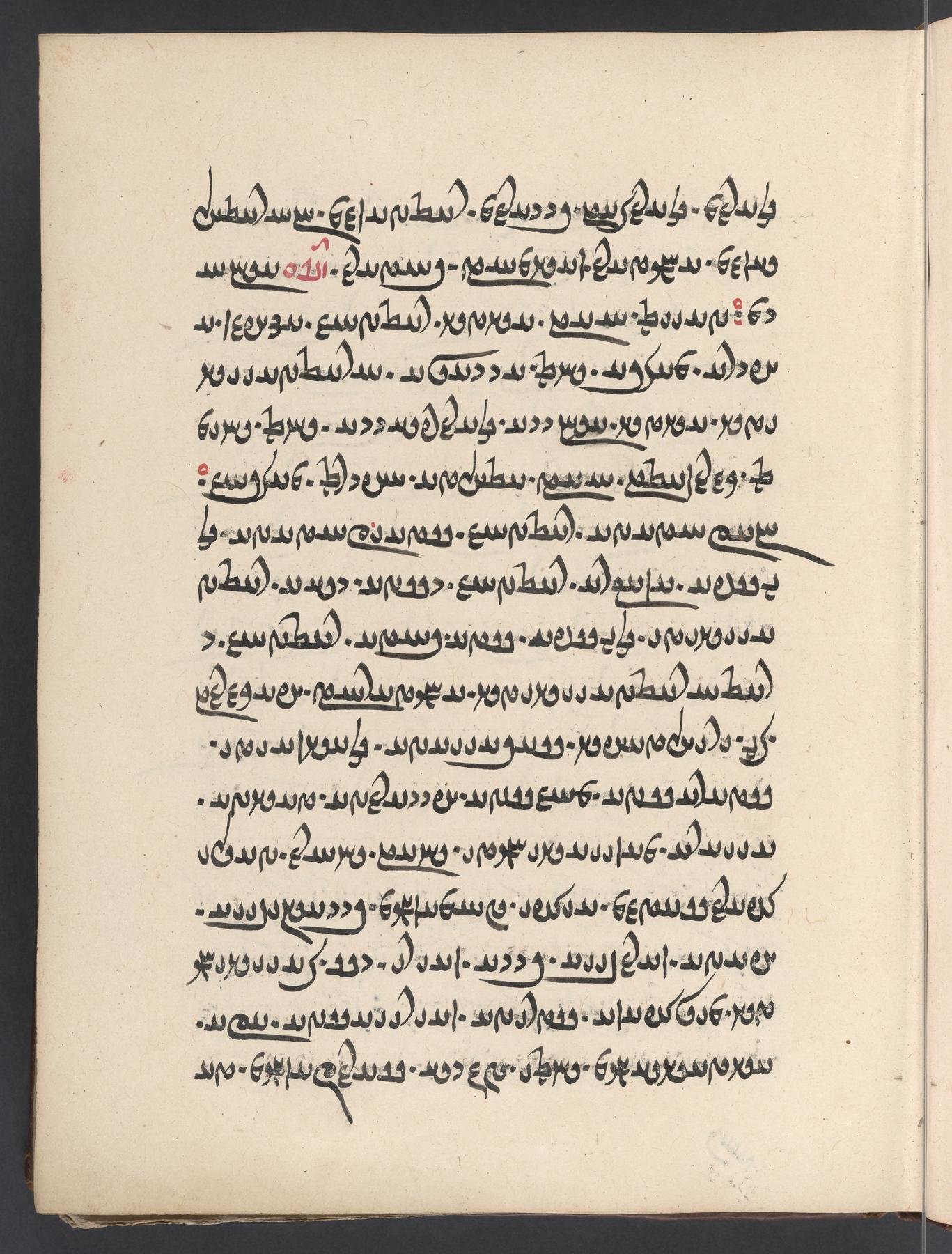
Where on the image
Columbia University, Rare Book & Manuscript Library, MS Or 320, fol. 63v-71v (OPenn images 133-149). Checked on the images: fol. 63v: below the red Persian verses introducing the second fargard (ورگرد دویم ... احوال جمشید) and a red line with rosettes, the Avestan text of Fargard 2 fills the last eight lines of the page; fol. 71v: the Avestan text of Fargard 2 ends above a row of red rosettes, which is followed by three lines of Persian verse whose first line speaks of reading the third fargard (سیوم, 'third'). The fargard therefore occupies exactly these 17 pages, in this order. The opening words of the pages inside the fargard could not be confirmed on the images, so the paragraphs are not assigned to single pages: all of them are on these pages together. As a Vendidad Sade, the manuscript adds liturgical formulas in red at the end of the fargard. Short forms: the Avestan text used (avesta.org's transliteration of Geldner) gives paragraphs 12-14 as one abbreviated line, 'âat ýimâi xshathrâi xshvash-satô-zima hañjaseñti, âat hê îm zå bvat perene ... mashyânãmca', because they repeat the wording of paragraphs 8-10 with 'six hundred winters' in place of 'three hundred'; the English gives paragraphs 12, 13 and 14 in full. Paragraph 43 is likewise abbreviated in the Avestan ('dâtare ... ashâum') and given in full in the English. The Avestan is shown as the source gives it and is not expanded here; the manuscript pages carry the passage, but where it stands on them could not be confirmed (see above).
1peresat zarathushtrô ahurem mazdãm, ahura mazda mainyô spênishta dâtare gaêthanãm astvaitinãm ashâum kahmâi paoiryô mashyânãm aperese-tûm ýô ahurô mazdå anyô mana ýat zarathushtrâi, kahmâi fradaêsayô daênãm ýãm âhûirîm zarathushtrîm.
2âat mraot ahurô mazdå, ýimâi srîrâi hvãthwâi ashâum zarathushtra ahmâi paoiryô mashyânãm aperese azem ýô ahurô mazdå anyô thwat ýat zarathushtrât, ahmâi fradaêsaêm daênãm ýãm âhûirîm zarathushtrîm.
3âat hê mraot zarathushtra azem ýô ahurô mazdå, vîsangha mê ýima srîra vîvanghana meretô beretaca daênayâi, âat mê aêm paityaoxta ýimô srîrô zarathushtra, nôit dâtô ahmi nôit cistô meretô beretaca daênayâi.
4âat hê mraom zarathushtra azem ýô ahurô mazdå, ýezi mê ýima nôit vîvîse meretô beretaca daênayâi âat mê gaêthå frâdhaya âat mê gaêthå varedhaya âat mê vîsâi gaêthanãm thrâtâca haretâca aiwyâxshtaca.
5âat mê aêm paityaoxta ýimô srîrô zarathushtra, azem tê gaêthå frâdhayeni azem tê gaêthå varedhayeni azem tê vîsâne gaêthanãm thrâtâca haretâca aiwyâxshtaca, nôit mana xshathre bvat aotô vâtô nôit garemô nôit axtish nôit mahrkô.
6âat hê zaya frabarem azem ýô ahurô mazdå suwrãm zaranaênîm ashtrãmca zaranyô- paêsîm.
7ýimô asti berethe xshathrayå.
8âat ýimâi xshathrâi thrisatô-zima hañjaseñti, âat hê îm zå bvat perene pasvãmca staoranãmca mashyânãmca sûnãmca vayãmca âthrãmca suxrãm saociñtãm nôit hîm gâtvô viñden pasvasca staorâca mashyâca.
9âat ýimâi paiti-vaêdhaêm, ýima srîra vîvanghana perene îm zå hañgata pasvãmca staoranãmca mashyânãmca sûnãmca vayãmca âthrãmca suxrãm saociñtãm nôit hîm gâtvô viñdeñti pasvasca staorâca mashyâca.
10âat ýimô frashûsat raocå â upa rapithwãm hû paiti adhwanem, hô imãm zãm aiwishvat suwrya zaranaênya avi dim sifat ashtraya uityaojanô, fritha speñta ârmaite fraca shva vîca nemangha barethre pasvãmca staoranãmca mashyânãmca.
11âat ýimô imãm zãm vîshâvayat aêva thrishva ahmât masyehîm ýatha para ahmât as, tem ithra fracareñta pasvasca staorâca mashyâca hvãm anu ushtîm zaoshemca ýatha kathaca hê zaoshô.
12-14âat ýimâi xshathrâi xshvash-satô-zima hañjaseñti, âat hê îm zå bvat perene ... mashyânãmca.
15âat ýimô imãm zãm vîshâvayat dva thrishva ahmât masyehîm ýatha para ahmât as, tem ithra fracareñta pasvasca staorâca mashyâca hvãm anu ushtîm zaoshemca ýatha kathaca hê zaoshô.
16âat ýimâi xshathrâi nava-satô-zima hañjaseñti, âat hê îm zå bvat perene pasvãmca staoranãmca mashyânãmca sûnãmca vayãmca âthrãmca suxrãm saociñtãm, nôit hîm gâtvô viñden pasvasca staorâca mashyâca.
17âat ýimâi paiti-vaêdhaêm, ýima srîra vîvanghana perene îm zå hañgata pasvãmca staoranãmca mashyânãmca sûnãmca vayãmca âthrãmca suxrãm saociñtãm, nôit hîm gâtvô viñdeñti pasvasca staorâca mashyâca.
18âat ýimô frashûsat raocå â upa rapithwãm hû paiti adhwanem, hô imãm zãm aiwishvat suwrya zaranaênya avi dim sifat ashtraya uityaojanô, fritha speñta ârmaite fraca shva vîca nemangha barethre pasvãmca staoranãmca mashyânãmca.
19âat ýimô imãm zãm vîshâvayat thribyô thrishvaêibyô ahmât masyehîm ýatha para ahmât as, tem ithra fracareñta pasvasca staorâca mashyâca hvãm anu ushtîm zaoshemca ýatha kathaca hê zaoshô!
20hañjamanem frabarata ýô dadhvå ahurô mazdå hathra mainyaoibyô ýazataêibyô srûtô airyene vaêjahi vanghuyå dâityayå, hañjamanem frabarata ýô ýimô xshaêtô hvãthwô hathra vahishtaêibyô mashyâkaêibyô srûtô airyene vaêjahi vanghuyå dâityayå.
21â-tat hañjamanem paiti-jasat ýô dadhvå ahurô mazdå hathra mainyaoibyô ýazataêibyô srûtô airyene vaêjahi vanghuyå dâityayå, â-tat hañjamanem paiti-jasât ýô ýimô xshaêtô hvãthwô hathra vahishtaêibyô mashyâkaêibyô srûtô airyene vaêjahi vanghuyå dâityayå.
22âat aoxta ahurô mazdå ýimâi, ýima srîra vîvanghana avi ahûm astvañtem akhem zimô jangheñtu ýahmat haca staxrô mrûrô zyå, avi ahûm astvañtem akhem zimô jangheñtu ýahmat haca paurvô snaodhô vafra snaêzhât barezishtaêibyô gairibyô bãshnubyô areduyå.
23thrizhatca idha ýima gêush apa-jasat ýatca anghat thwyãstemaêshu asanghãm ýatca anghat bareshnush paiti gairinãm ýatca jãfnushva raonãm paxrumaêshu nmânaêshu.
24parô zimô aêtanghå danghush anghat beretô vâstrem tem âfsh paurva vazaidhyâi pasca vîtaxti vafrahe abdaca idha ýima anguhe astvaite sadayât ýat idha pasêush anumayehe padhem vaênâite.
25âat tem varem kerenava caretu-drâjô kemcit paiti cathrushanãm hathra taoxma upa-bara pasvãmca staoranãmca mashyânãmca sûnãmca vayãmca âthrãmca suxrãm saociñtãm, âat tem varem kerenava caretu-drâjô kemcit paiti cathrushanãm narãm aiwi-xshôithne caretu-drâjô kemcit paiti cathrushanãm gavãm gâvayanem.
26hathra âpem frâtat-caya hâthrô-masanghem adhwanem hathra marekhå avastaya, avi mat zairi-gaonem mat hvairyeite ajyamnem, hathra nmânå avastaya katemca fraskembemca fravâremca pairi-vâremca.
27hathra vîspanãm narãm nâirinãmca taoxma upa-bara ýôi heñti ainghå zemô mazishtaca vahishtaca sraêshtaca, hathra vîspanãm gêush saredhanãm taoxma upa-bara ýôi heñti ainghå zemô mazishtaca vahishtaca sraêshtaca.
28hathra vîspanãm urvaranãm taoxma upa-bara ýôi heñti ainghå zemô barezishtaca hubaoidhitemaca, hathra vîspanãm hvarethanãm taoxma upa-bara ýôi heñti ainghå zemô hvarezishtaca hubaoidhitemaca, tê kerenava mithwaire ajyamnem vîspem â ahmât ýat aête narô varefshva anghen.
29mâ athra frakavô mâ apakavô mâ apâvayô mâ haredhish mâ driwish mâ daiwish mâ kasvîsh mâ vîzbârish mâ vîmîtô-dañtânô mâ paêsô ýô vîteretô-tanush mâdha-cim anyãm daxshtanãm ýôi heñti angrahe mainyêush daxshtem mashyâishca paiti nidhâtem.
30fratemem dainghêush nava perethwô kerenava madhemô xshvash nitemô tishrô, fratemem perethwô hazangrem narãm nâirinãmca taoxma upa-bara madhemô xshvash sata nitemô tishrô sata, aiwica tê varefshva suwrya zaranaênya apica tem varem mareza dvarem raocanem hvâraoxshnem añtare-naêmât.
31âat mãsta ýimô, kutha tê azem varem kerenavâne ýâ mê aoxta ahurô mazdå, âat aoxta ahurô mazdå ýimâi, ýima srîra vîvanghana ainghå zemô pâshnâbya vîspara zastaêibya vîxadha mãnayen ahe ýatha nû mashyâka xshivisti zemê vîshâvayeiñte.
32âat ýimô avatha kerenaot ýatha dim ishat ahurô mazdå ainghå zemô pâshnâbya vîsparat zastaêibya vîxadhat mãnayen ahe ýatha nû mashyâka xshivisti zemê vîshâvayeiñte.
33âat ýimô varem kerenaot caretu-drâjô kemcit paiti cathrushanãm, hathra taoxma upa-barat pasvãmca staoranãmca mashyânãmca sûnãmca vayãmca âthrãmca suxrãm saociñtãm, âat ýimô varem kerenaot caretu-drâjô kemcit paiti cathrushanãm narãm aiwi-xshôithne caretu-drâjô kemcit paiti cathrushanãm gavãm gâvayanem.
34hathra âpem frâtat-cayat hâthrô-masanghem adhwanem hathra marekhå avastayat avi mat zairi-gaonem mat hvairyeite ajyamnem, hathra nmânå avastayat katemca fraskembemca fravâremca pairi-vâremca.
35hathra vîspanãm narãm nâirinãmca taoxma upa-barat ýôi heñti ainghå zemô mazishtaca vahishtaca sraêshtaca, hathra vîspanãm gêush saredhanãm taoxma upa-barat ýôi heñti ainghå zemô mazishtaca vahishtaca sraêshtaca.
36hathra vîspanãm urvaranãm taoxma upa-barat ýôi heñti ainghå zemô barezishtaca hubaoidhitemaca, hathra vîspanãm hvarethanãm taoxma upa-barat ýôi heñti ainghå zemô hvarezishtaca hubaoidhitemaca, tê kerenaot mithwaire ajyamnem vîspem â ahmât ýat aête narô varefshva anghen.
37nôit athra frakavô nôit apakavô nôit apâvayô nôit haredhish nôit driwish nôit daiwish nôit kasvîsh nôit vîzbârish nôit vîmîtô-dañtânô nôit paêsô ýô vîteretô-tanush naêdha-cim anyãm daxshtanãm ýôi heñti angrahe mainyêush daxshtem mashyâishca paiti nidhâtem.
38fratemem dainghêush nava perethwô kerenaot madhemô xshvash nitemô tishrô fratemem perethwô hazangrem narãm nâirinãmca taoxma upa-barat madhemô xshvash sata nitemô tishrô sata, aiwica hô varefshva suwrya zaranaênya apica hô varem marezat dvarem raocanem hvâraoxshnem añtare-naêmât.
39dâtare gaêthanãm astvaitinãm ashâum cayô âat aête raocå anghen ashâum ahura mazda ýô avatha â-raocayeite aêtaêshva varefshva ýô ýimô kerenaot.
40âat aoxta ahurô mazdå, hvadhâtaca raocå stidhâtaca, hakeret zî irixtahe sadhayaca vaênaite starasca måsca hvareca.
41taêca ayare mainyeñte ýat ýâre, cathwaresatem aiwi-gâmanãm dvaêibya haca nerebya dva nara us-zayeiñte mithwana strica nairyasca atha aêtaêshãm ýôi gêush saredhanãm, taêca narô sraêshta gaya jvaiñti aêtaêshva varefshva ýô ýimô kerenaot.
42dâtare gaêthanãm astvaitinãm ashâum, kô avatha daênãm mâzdayasnîm vî-barat aêtaêshva varefshva ýô ýimô kerenaot, âat aoxta ahurô mazdå, vîsh karshipta spitama zarathushtra.
43dâtare ... ashâum, kô aêshãm asti anghuca ratushca, âat mraot ahurô mazdå, urvatat-narô zarathushtra tûmca ýô zarathushtrô! ashem vohû...!!
1Zarathustra asked Ahura Mazda:
O Ahura Mazda, most beneficent Spirit, Maker of the material world, thou Holy One!
Who was the first mortal, before myself, Zarathustra, with whom thou, Ahura Mazda, didst converse, whom thou didst teach the Religion of Ahura, the Religion of Zarathustra?
2Ahura Mazda answered: The fair Yima, the good shepherd, O holy Zarathustra! he was the first mortal, before thee, Zarathustra, with whom I, Ahura Mazda, did converse, whom I taught the Religion of Ahura, the Religion of Zarathustra.
3Unto him, O Zarathustra, I, Ahura Mazda, spake, saying: 'Well, fair Yima, son of Vîvanghat, be thou the preacher and the bearer of my Religion!'
And the fair Yima, O Zarathustra, replied unto me, saying:
'I was not born, I was not taught to be the preacher and the bearer of thy Religion.'
4Then I, Ahura Mazda, said thus unto him, O Zarathustra:
'Since thou dost not consent to be the preacher and the bearer of my Religion, then make thou my world increase, make my world grow: consent thou to nourish, to rule, and to watch over my world.'
5And the fair Yima replied unto me, O Zarathustra, saying:
'Yes! I will make thy world increase, I will make thy world grow. Yes! I will nourish, and rule, and watch over thy world. There shall be, while I am king, neither cold wind nor hot wind, neither disease nor death.'
7Then I, Ahura Mazda, brought two implements unto him: a golden seal and a poniard inlaid with gold. Behold, here Yima bears the royal sway!
8Thus, under the sway of Yima, three hundred winters passed away, and the earth was replenished with flocks and herds, with men and dogs and birds and with red blazing fires, and there was room no more for flocks, herds, and men.
9Then I warned the fair Yima, saying: 'O fair Yima, son of Vîvanghat, the earth has become full of flocks and herds, of men and dogs and birds and of red blazing fires, and there is room no more for flocks, herds, and men.'
10Then Yima stepped forward, in-light, southwards, on the way of the sun, and (afterwards) he pressed the earth with the golden seal, and bored it with the poniard, speaking thus:
'O Spenta Ârmaiti, kindly open asunder and stretch thyself afar, to bear flocks and herds and men.'
11And Yima made the earth grow larger by one-third than it was before, and there came flocks and herds and men, at their will and wish, as many as he wished.
12Thus, under the sway of Yima, six hundred winters passed away, and the earth was replenished with flocks and herds, with men and dogs and birds and with red blazing fires, and there was room no more for flocks, herds, and men.
13And I warned the fair Yima, saying: 'O fair Yima, son of Vîvanghat, the earth has become full of flocks and herds, of men and dogs and birds and of red blazing fires, and there is room no more for flocks, herds, and men.'
14Then Yima stepped forward, in light, southwards, on the way of the sun, and (afterwards) he pressed the earth with the golden seal, and bored it with the poniard, speaking thus:
"O Spenta Armaiti, kindly open asunder and stretch thyself afar, to bear flocks and herds and men.'
15And Yima made the earth grow larger by two-thirds than it was before, and there came flocks and herds and men, at their will and wish, as many as he wished.
16Thus, under the sway of Yima, nine hundred winters passed away, and the earth was replenished with flocks and herds, with men and dogs and birds and with red blazing fires, and there was room no more for flocks, herds, and men.
17And I warned the fair Yima, saying: 'O fair Yima, son of Vîvanghat, the earth has become full of flocks and herds, of men and dogs and birds and of red blazing fires, and there is room no more for flocks, herds, and men.'
18Then Yima stepped forward, in light, southwards, on the way of the sun, and (afterwards) he pressed the earth with the golden seal, and bored it with the poniard, speaking thus:
'O Spenta Armaiti, kindly open asunder and stretch thyself afar, to bear flocks and herds and men.'
19And Yima made the earth grow larger by three-thirds than it was before, and there came flocks and herds and men, at their will and wish, as many as he wished.
21The Maker, Ahura Mazda, called together a meeting of the celestial Yazatas in the Airyana Vaêgô of high renown, by the Vanguhi Dâitya.
The fair Yima, the good shepherd, called together a meeting of the best of the mortals, in the Airyana Vaêgô of high renown, by the Vanguhi Dâitya.
To that meeting came Ahura Mazda, in the Airyana Vaêgô of high renown, by the Vanguhi Dâitya; he came together with the celestial Yazatas.
To that meeting came the fair Yima, the good shepherd, in the Airyana Vaêgô of high renown, by the Vanguhi Dâitya; he came together with the best of the mortals.
22And Ahura Mazda spake unto Yima, saying:
'O fair Yima, son of Vîvanghat! Upon the material world the evil winters are about to fall, that shall bring the fierce, deadly frost ; upon the material world the evil winters are about to fall, that shall make snow-flakes fall thick, even an aredvî deep on the highest tops of mountains.
23'And the beasts that live in the wilderness, and those that live on the tops of the mountains, and those that live in the bosom of the dale shall take shelter in underground abodes.
24'Before that winter, the country would bear plenty of grass for cattle, before the waters had flooded it. Now after the melting of the snow, O Yima, a place wherein the footprint of a sheep may be seen will be a wonder in the world.
25'Therefore make thee a Vara, long as a riding-ground on every side of the square, and thither bring the seeds of sheep and oxen, of men, of dogs, of birds, and of red blazing fires.
'Therefore make thee a Vara, long as a riding-ground on every side of the square, to be an abode for men; a Vara, long as a riding-ground on every side of the square, for oxen and sheep.
26'There thou shalt make waters flow in a bed a hâthra long; there thou shalt settle birds, on the green that never fades, with food that never fails. There thou shalt establish dwelling-places, consisting of a house with a balcony, a courtyard, and a gallery.
27'Thither thou shalt bring the seeds of men and women, of the greatest, best, and finest on this earth; thither thou shalt bring the seeds of every kind of cattle, of the greatest, best, and finest on this earth.
28'Thither thou shalt bring the seeds of every kind of tree, of the highest of size and sweetest of odour on this earth; thither thou shalt bring the seeds of every kind of fruit, the best of savour and sweetest of odour. All those seeds shalt thou bring, two of every kind, to be kept inexhaustible there, so long as those men shall stay in the Vara.
29'There shall be no humpbacked, none bulged forward there; no impotent, no lunatic; no one malicious, no liar; no one spiteful, none jealous; no one with decayed tooth, no leprous to be pent up, nor any of the brands wherewith Angra Mainyu stamps the bodies of mortals.
30'In the largest part of the place thou shalt make nine streets, six in the middle part, three in the smallest. To the streets of the largest part thou shalt bring a thousand seeds of men and women; to the streets of the middle part, six hundred; to the streets of the smallest part, three hundred. That Vara thou shalt seal up with thy golden seal, and thou shalt make a door, and a window self-shining within.'
31Then Yima said within himself: 'How shall I manage to make that Vara which Ahura Mazda has commanded me to make?'
And Ahura Mazda said unto Yima: 'O fair Yima, son of Vîvanghat! Crush the earth with a stamp of thy heel, and then knead it with thy hands, as the potter does when kneading the potter's clay.'
32[And Yima did as Ahura Mazda wished; he crushed the earth with a stamp of his heel, he kneaded it with his hands, as the potter does when kneading the potter's clay.]
33And Yima made a Vara, long as a riding-ground on every side of the square. There he brought the seeds of sheep and oxen, of men, of dogs, of birds, and of red blazing fires. He made a Vara, long as a riding-ground on every side of the square, to be an abode for men; a Vara, long as a riding-ground on every side of the square, for oxen and sheep.
34There he made waters flow in a bed a hâthra long; there he settled birds, on the green that never fades, with food that never fails. There he established dwelling-places, consisting of a house with a balcony, a courtyard, and a gallery.
35There he brought the seeds of men and women, of the greatest, best, and finest on this earth; there he brought the seeds of every kind of cattle, of the greatest, best, and finest on this earth.
36There he brought the seeds of every kind of tree, of the highest of size and sweetest of odour on this earth; there he brought the seeds of every kind of fruit, the best of savour and sweetest of odour. All those seeds he brought, two of every kind, to be kept inexhaustible there, so long as those men shall stay in the Vara.
37And there were no humpbacked, none bulged forward there; no impotent, no lunatic; no one malicious, no liar; no one spiteful, none jealous; no one with decayed tooth, no leprous to be pent up, nor any of the brands wherewith Angra Mainyu stamps the bodies of mortals.
38In the largest part of the place he made nine streets, six in the middle part, three in the smallest. To the streets of the largest part he brought a thousand seeds of men and women; to the streets of the middle part, six hundred; to the streets of the smallest part, three hundred. That Vara he sealed up with the golden ring, and he made a door, and a window self-shining within.
39O Maker of the material world, thou Holy One! What are the lights that give light in the Vara which Yima made?
40Ahura Mazda answered: 'There are uncreated lights and created lights. The one thing missed there is the sight of the stars, the moon, and the sun, and a year seems only as a day.
41'Every fortieth year, to every couple two are born, a male and a female. And thus it is for every sort of cattle. And the men in the Vara which Yima made live the happiest life.'
42O Maker of the material world, thou Holy One! Who is he who brought the Religion of Mazda into the Vara which Yima made?
Ahura Mazda answered: 'It was the bird Karshipta, O holy Zarathustra!'
43O Maker of the material world, thou
Holy One! Who are the Lord and the Master there?
Ahura Mazda answered: 'Urvatad-nara, O Zarathustra! and thyself, Zarathustra.'
Notes
- Avestan: Geldner's text in the transliteration of avesta.org, which writes some repeated passages in short form with '...'.
- Darmesteter numbers paragraphs 6-7 together as 7 and 20-21 together as 21, and gives 32 in brackets; the Avestan keeps Geldner's separate numbers.
- English: James Darmesteter, The Zend-Avesta, Part I: The Vendidad, Sacred Books of the East 4, 2nd ed. (1895); footnotes omitted.
- Corrected against the printed page (djvu p. 109 = printed p. 11, para. 3): 'O Zarathusra, replied' to 'O Zarathustra, replied'.
- Corrected against the printed page (djvu pp. 110-111 = printed pp. 12-13, paras. 9 and 13): 'son of Vivanghat' to 'son of Vîvanghat'.
- Corrected against the printed page (djvu p. 113 = printed p. 15, para. 21): 'Airyrana' to 'Airyana'.
- Corrected against the printed page (djvu p. 116 = printed p. 18, para. 33): 'the seals of sheep' to 'the seeds of sheep'.
Cite
Sources
- Source: Columbia University, Rare Book & Manuscript Library, MS Or 320 (Surat, 1762; OPenn, Public Domain Mark) + Geldner's Avestan text (avesta.org) + Darmesteter's English (SBE 4, 1895; Wikisource) (holding institution)
- Critical edition: Geldner, Avesta (1886-1896), avesta.org transliteration
← previous · → next · v cycle view · l back to library