Gathas, Yasna 28: prayer for the blessings of the Good Mind and of Righteousness
Introduction
The Gathas are the five groups of hymns in Old Avestan that Zoroastrian tradition ascribes to Zarathustra himself. They stand in the middle of the Yasna, the liturgy of the Zoroastrian sacrifice, and are named after the opening words or metre of their first chapter: the Ahunavaiti Gatha (Yasna 28-34), the Ushtavaiti (43-46), the Spenta Mainyu (47-50), the Vohu Khshathra (51) and the Vahishta Ishti (53). Their date is disputed; most scholars place them between about 1500 and 1000 BCE.
Yasna 28 belongs to the Ahunavaiti Gatha. It opens the Gathas with a heading in praise of the thought, word and deed of Zarathustra, and the prayer of the worshipper who stretches out his hands to Mazda for the gifts of Righteousness and the Good Mind.
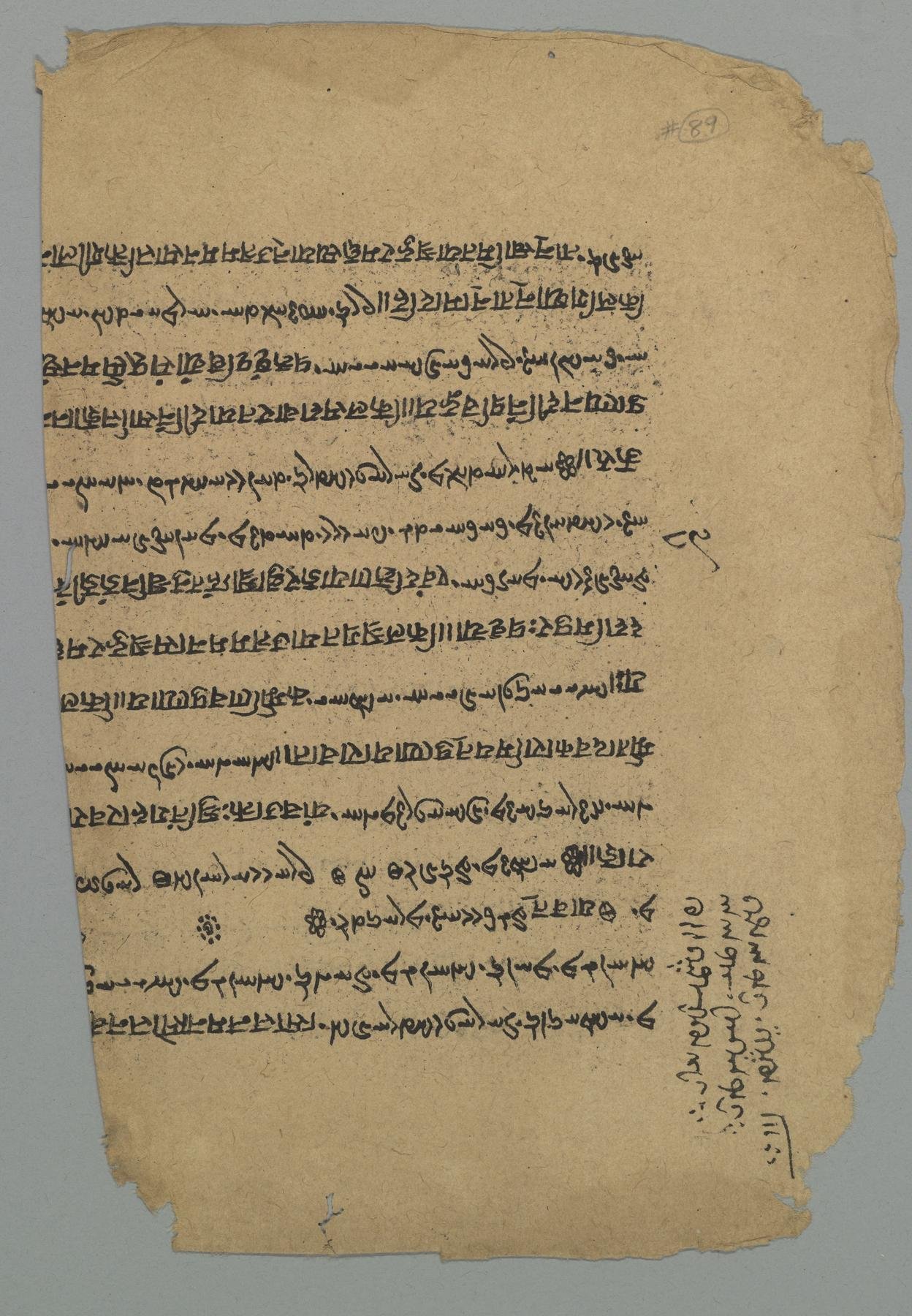
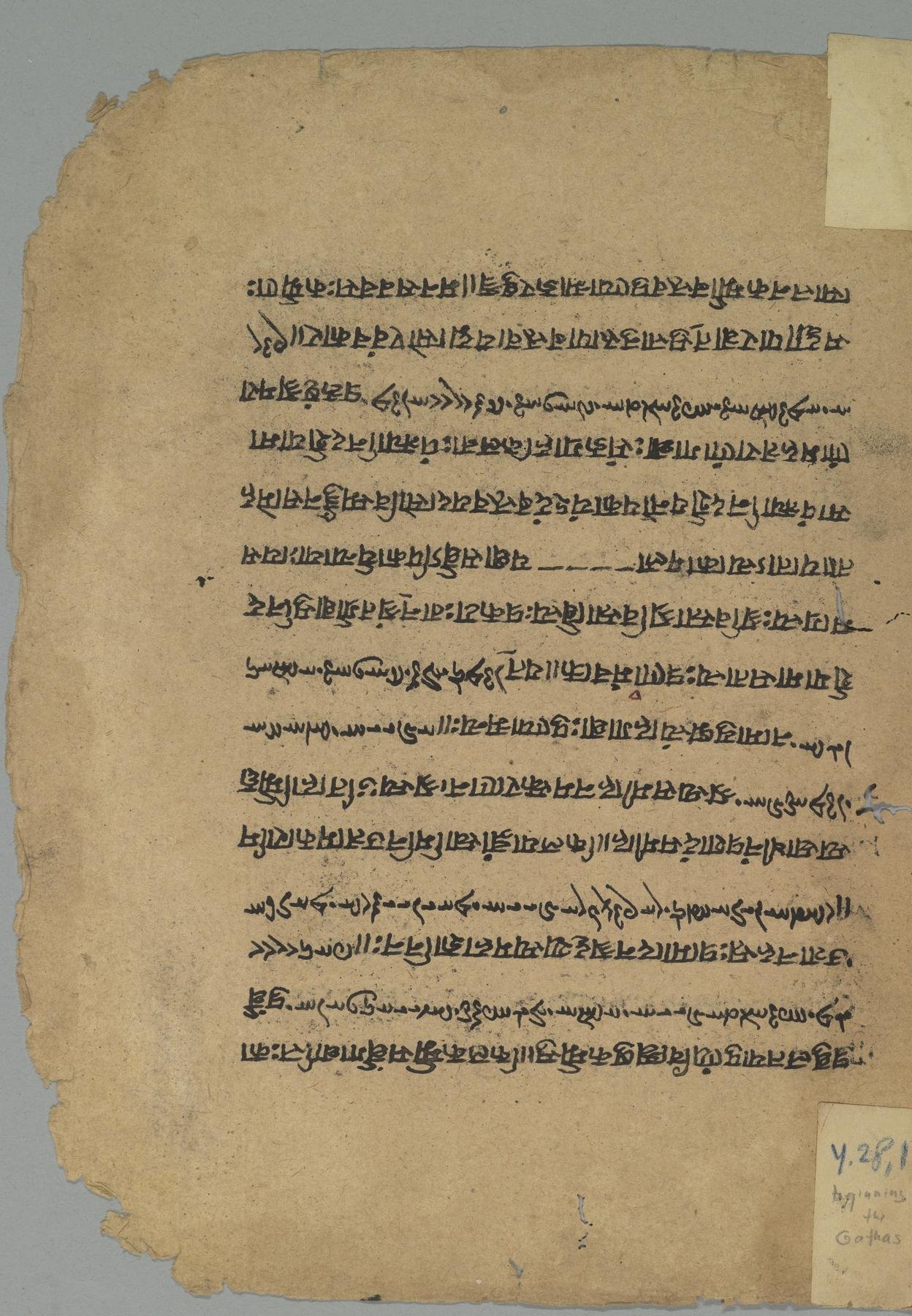
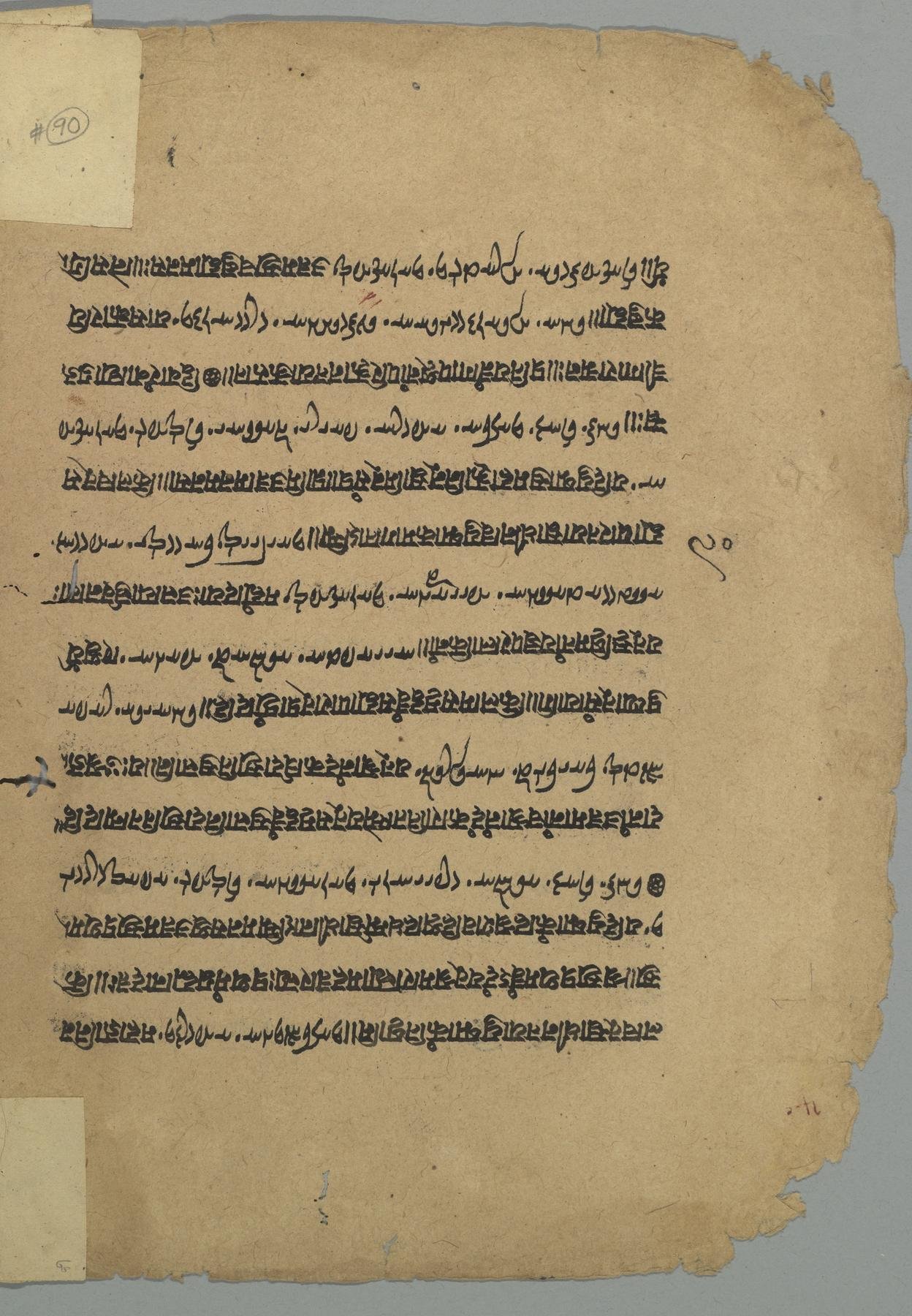
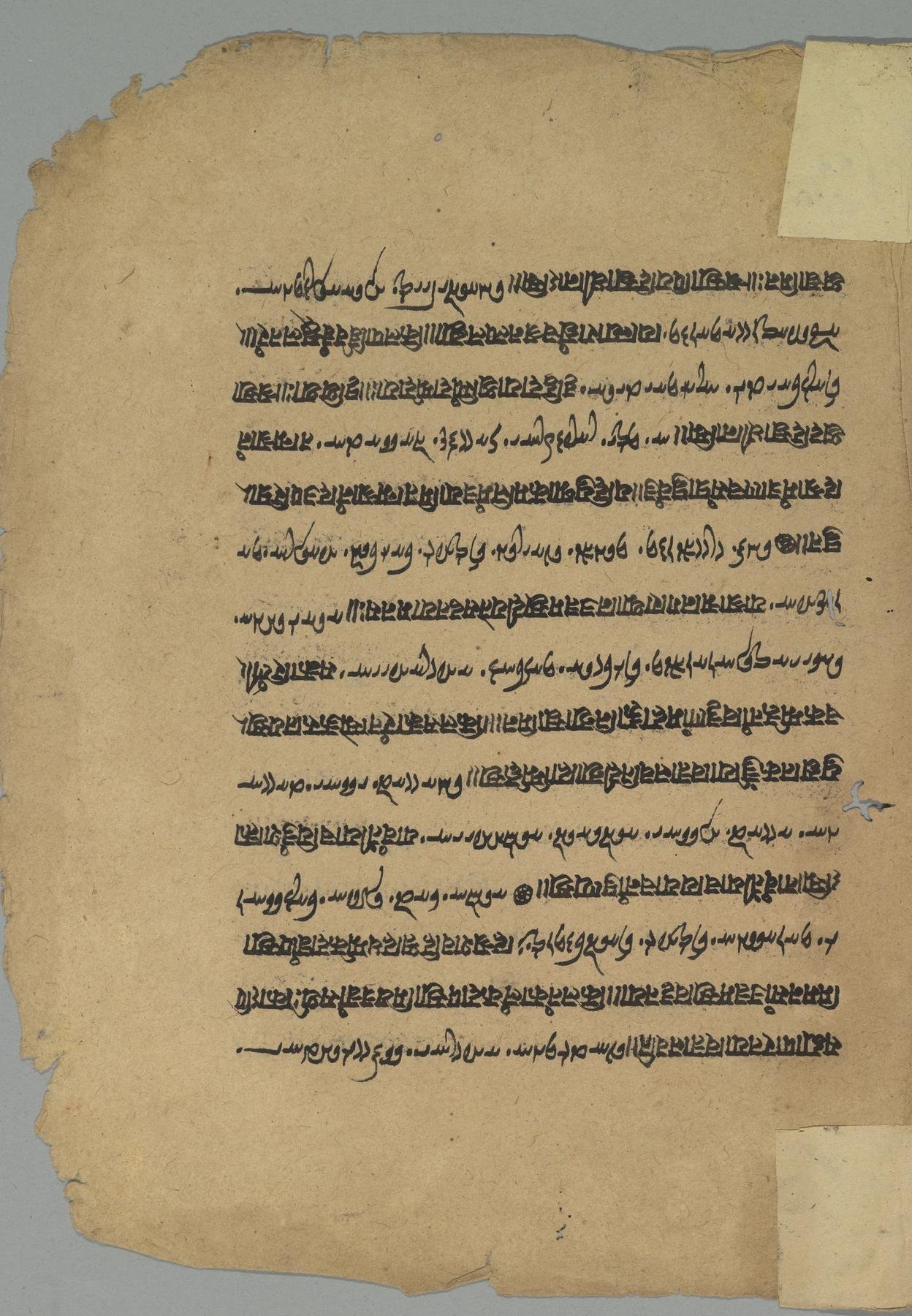
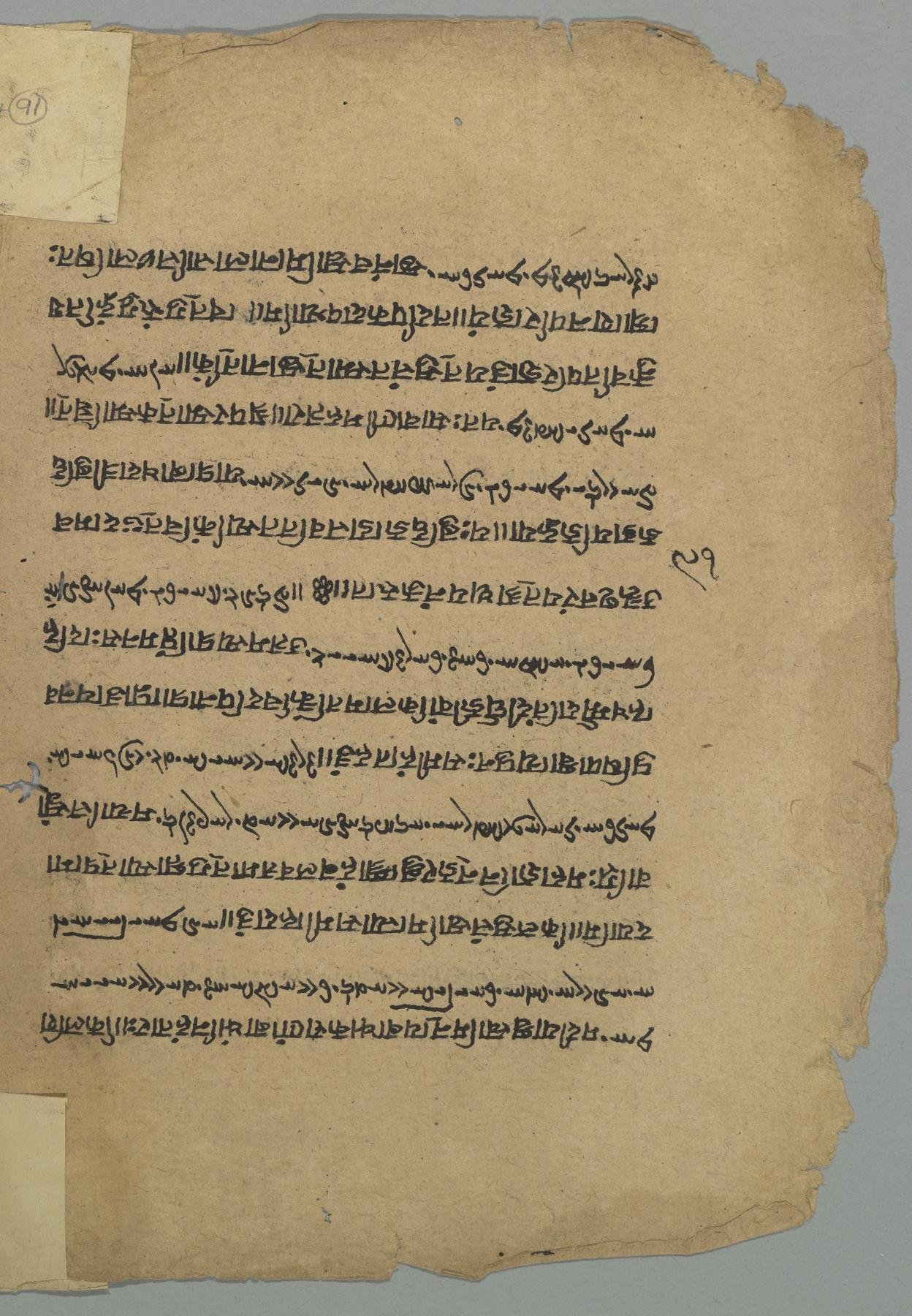
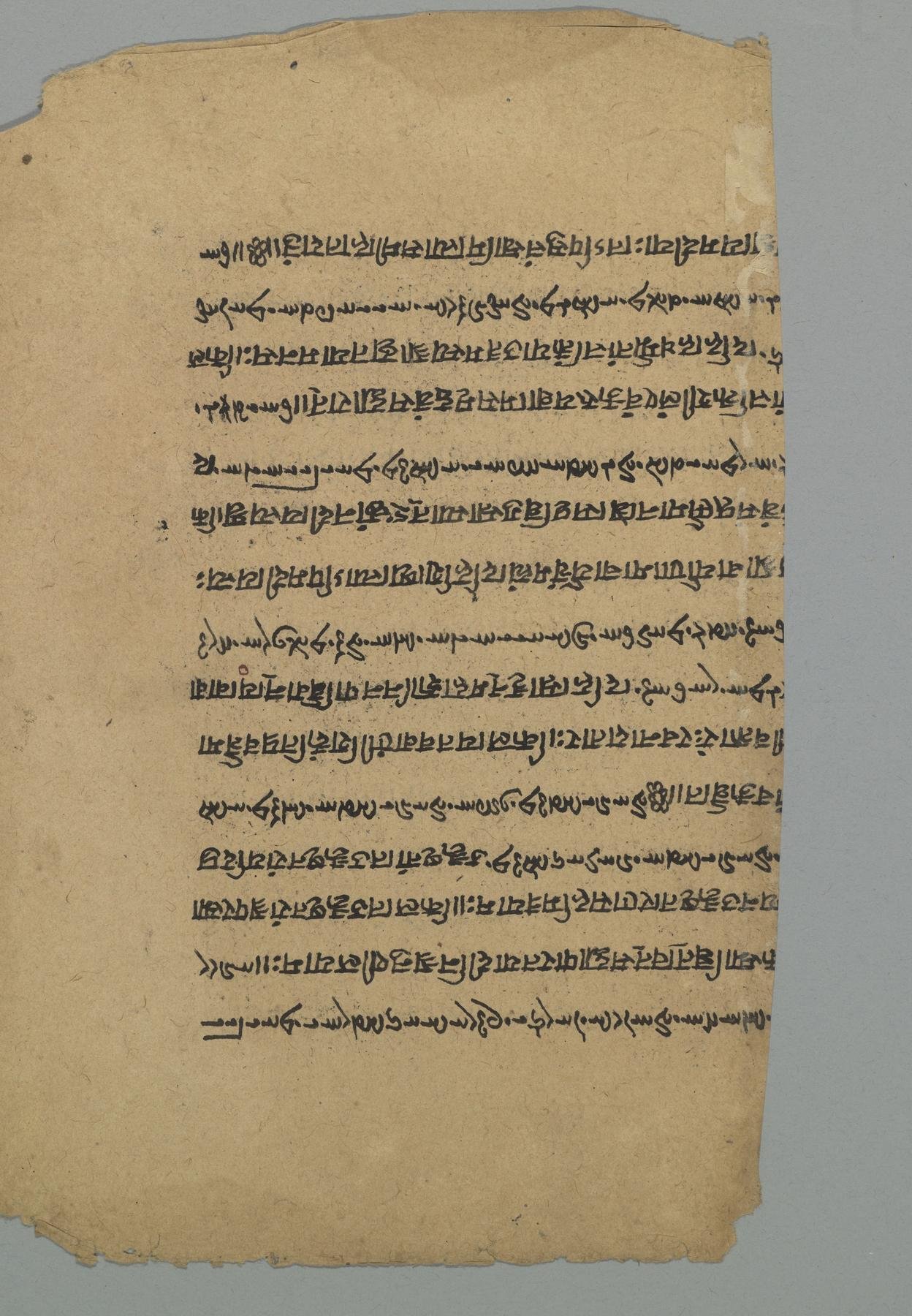
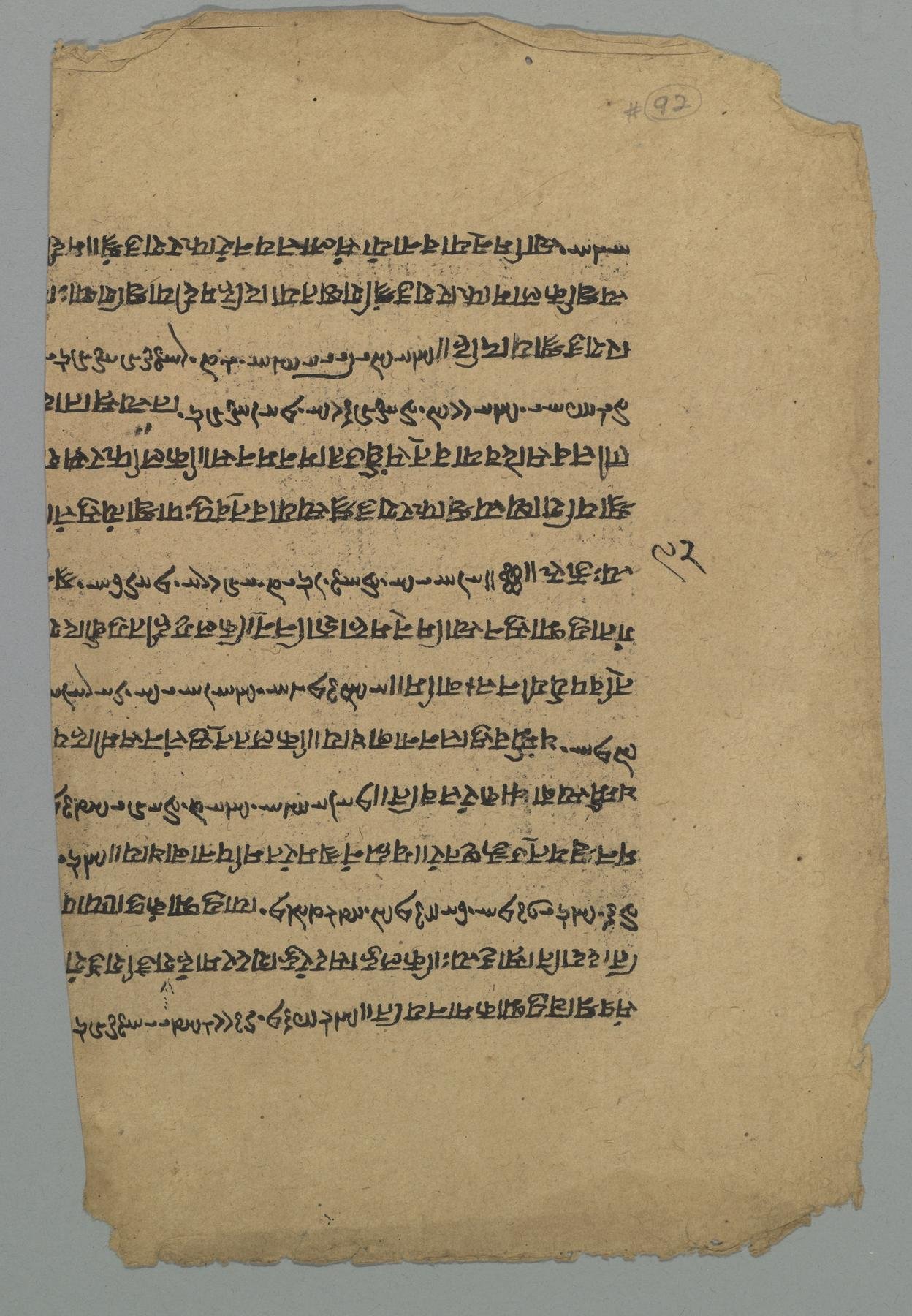
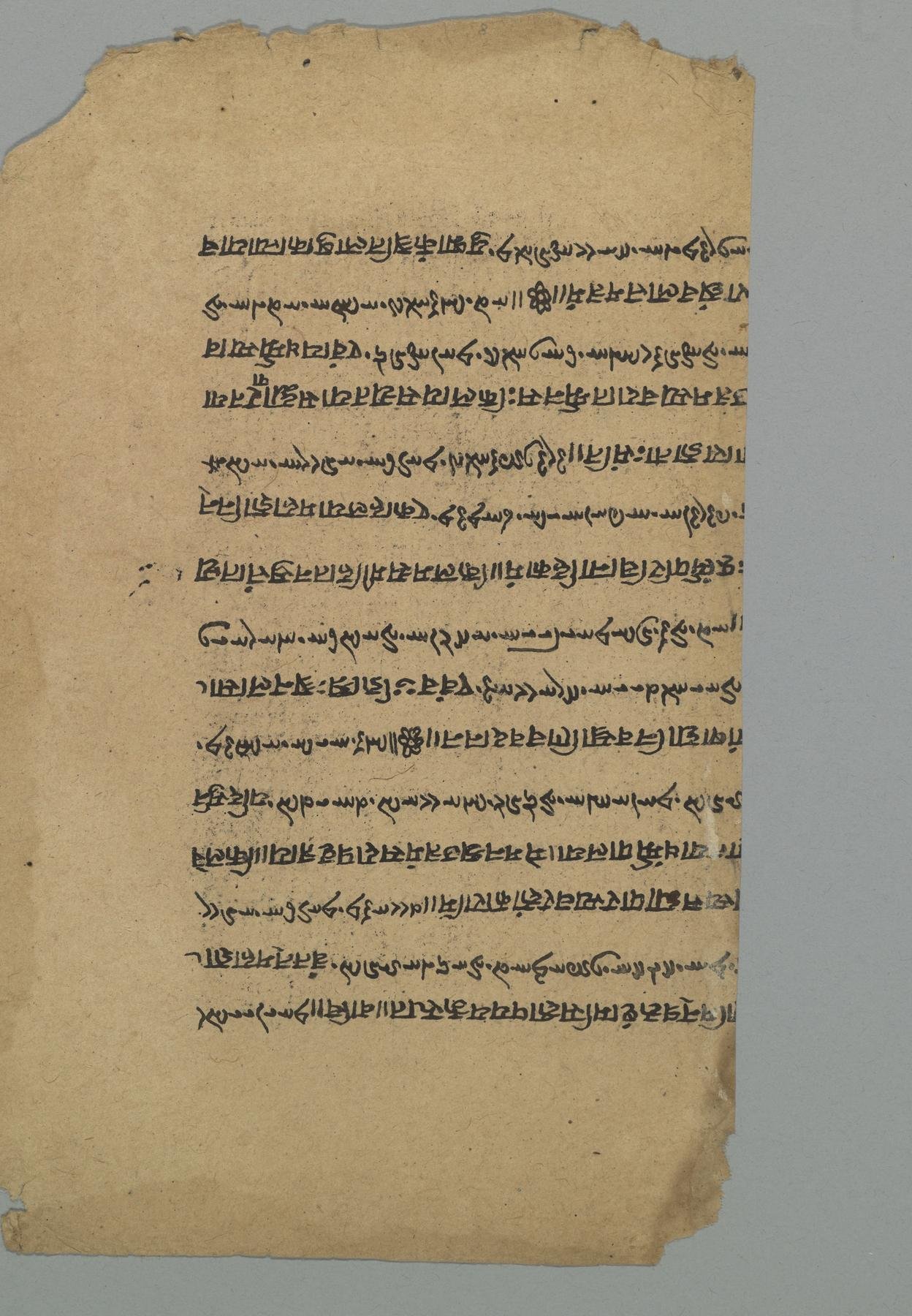
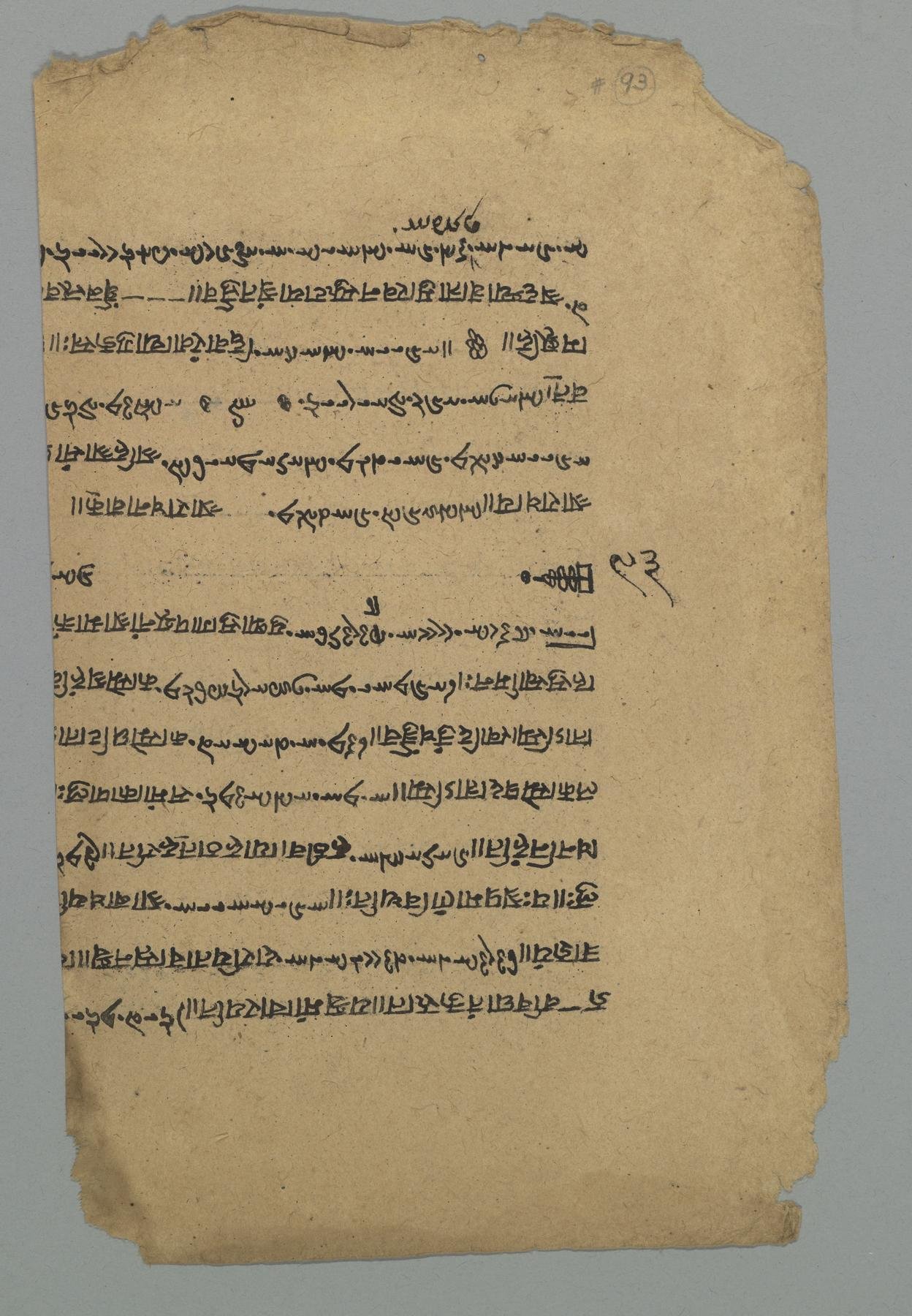
The manuscript shown is Columbia University, Rare Book & Manuscript Library, X892.5 Av3 N22, a Yasna in which every Avestan phrase is followed by the Sanskrit translation of Neryosangh (Nairyosangha, about the 12th century), written in Devanagari. Geldner, who used it for his edition as S1, called it an excellent old manuscript; Columbia dates it between 1700 and 1896. It came to Columbia in 1902 as a gift of Mobed Mancherji Barzoji Pavri to A. V. Williams Jackson. Its scribe wrote the Sanskrit upside down relative to the Avestan, so that both run from right to left along the line. This chapter fills fol. 89v-93v; its opening and close were read on the photographs, and the whole chapter forms one section listing all its pages.
The Avestan is Geldner's edition in the avesta.org transliteration; the English is L. H. Mills's translation in the Sacred Books of the East (1887), without his footnotes.
How was this verified? (Provenance)
Where on the image
Columbia University, Rare Book & Manuscript Library, X892.5 Av3 N22, fol. 89v-93v (9 pages, in order; OPenn images 10938_0171_web.jpg to 10938_0179_web.jpg). In these photographs the Avestan stands upright and the Sanskrit translation is written upside down; turn the image through 180 degrees to read the Sanskrit. Positions below (above, below, top, foot) refer to the photograph as shown, with the Avestan upright. Checked on the images: opening, fol. 89v, last two lines of the page: the Avestan of the opening formula (yanim mano ...) and Neryosangh's Sanskrit 'sobhanamanah sobhanava-' (written 'sobhana' with s), continued at the head of fol. 90r '...karma babhuva punyatma jarathustrah || manasah vacasah karmanah'; on fol. 90r follow 'namo yusmabhyam he gathah punyatmanyah' and, for 28.1, 'asya samihe namaskaranena || asya iti hormijdasya svadhinam prasadam samihe || kila yacnam svamini uttame karomi' and 'uttanahastah pramodena adrsyasya mahajnaninah'. Neryosangh's text as edited by Mills (1894) reads here: 'Sobhanamanah sobhanavacah sobhanakarma babhuva punyatma Jarathustrah ... Asya samihe namaskaranena [asya, iti, Hormijdasya svaminah prasadam samihe ...] uttanahastah pramodena adrsyasya Mahajnaninah'. Close: fol. 93v, a little above the middle of the page: the end of 28.11 '... me bruhi ||', the rubric 'dvivaram vacya' (to be recited twice) and 'aradhanavak', followed by Yasna 29. The verses of the chapter run in order across these pages; they were not placed on single pages. Besides the Avestan, the pages carry Neryosangh's Sanskrit after every phrase, the rubrics of the recitation and the closing formula of the chapter, none of which is shown in the text columns. Verse 0 is the heading formula (yanim mano ...) that Mills prints as his verse 1; the manuscript has it, with its Sanskrit, at the foot of fol. 89v and the head of fol. 90r.
0ýânîm manô ýânîm vacô ýânîm shyaothnem ashaonô zarathushtrahe, ferâ ameshâ speñtâ gâthå gêurvâin! nemô vê gâthå ashaonîsh,
1ahyâ ýâsâ nemanghâ ustânazastô rafedhrahyâ manyêush mazdâ pourvîm speñtahyâ ashâ vîspêñg shyaothanâ vanghêush xratûm mananghô ýâ xshnevîshâ gêushcâ urvânem (2).
2ýê vå mazdâ ahurâ pairî-jasâi vohû mananghâ maibyô dâvôi ahvå astvatascâ hyatcâ mananghô âyaptâ ashât hacâ ýâish rapañtô daidît hvâthrê.
3ýê vå ashâ ufyânî manascâ vohû apaourvîm mazdãmcâ ahurem ýaêibyô xshathremcâ akhzhaonvamnem varedaitî ârmaitish â-môi rafedhrâi zavêñg jasatâ.
4ýê urvânem mêñ gairê vohû dadê hathrâ mananghâ ashîshcâ shyaothananãm vîdush mazdå ahurahyâ ýavat isâi tavâcâ avat xsâi aêshê ashahyâ.
5ashâ kat thwâ daresânî manascâ vohû vaêdemnô gâtûmcâ ahurâi sevîshtâi seraoshem mazdâi anâ mãthrâ mazishtem vâurôimaidî xrafstrâ hizvâ.
6vohû gaidî mananghâ dâidî ashâ- då daregâyû ereshvâish tû uxdhâish mazdâ zarathushtrâi aojôñghvat rafenô ahmaibyâcâ ahurâ ýâ daibishvatô dvaêshå taurvayâmâ.
7dâidî ashâ tãm ashîm vanghêush âyaptâ mananghô dâidî tû ârmaitê vîshtâspâi îshem maibyâcâ dåstû mazdâ xshayâcâ ýâ vê mãthrâ srevîm ârâdå.
8vahishtem thwâ vahishtâ ýêm ashâ vahishtâ hazaoshem ahurem ýâsâ vâunush narôi ferashaoshtrâi maibyâcâ ýaêibyascâ ît rånghanghôi vîspâi ýavê vanghêush mananghô.
9anâish vå nôit ahurâ mazdâ ashemcâ ýânâish zaranaêmâ manascâ hyat vahishtem ýôi vê ýôithemâ dasemê stûtãm, ýûzhêm zevîshtyånghô îshô xshathremcâ savanghãm.
10at ýêñg ashâatcâ vôistâ vanghêushcâ dâthêñg mananghô erethwêñg mazdâ ahurâ aêibyô perenâ âpanâish kâmem, at vê xshmaibyâ asûnâ vaêdâ hvaraithyâ vaiñtyâ sravå.
11ýê âish ashem nipånghê manascâ vohû ýavaêtâitê tvêm mazdâ ahurâ frô-mâ sîshâ thwahmât vaocanghê manyêush hacâ thwâ êeånghâ ýâish â anghush pouruyô bavat!
0(A strengthening blessing is the thought, a blessing is the word, a blessing is the deed of the righteous Zarathustra. May the Bountiful Immortals accept and help on the chants. Homage to you, O sacred Gâthas!)
1With venerating (desire) for this (gift) of gracious help, O Mazda, and stretching forth my hands (to Thee) I pray for the first (blessing) of (Thy) bountiful Spirit; (that is, I beseech of Thee that my) actions (toward) all (may be performed) in (the Divine) Righteousness; and with this I implore from Thee the understanding of Thy Benevolent Mind, in order that I may propitiate the Soul of the Kine (our herds and folk, which cries so bitterly to Thee).
2And therefore, O Great Creator, the Living Lord! (inspired) by Thy Benevolent Mind, I approach You, (and beseech of Thee) to grant me (as a bountiful gift) for both the worlds, the corporeal and (for that) of mind, those attainments which are to be derived from the (Divine) Righteousness, and by means of which (that personified Righteousness within us) may introduce those who are its recipients into beatitude and glory!
3O (thou Divine) Righteousness, and thou Benevolent Mind (of Deity)! I will worship you, and Ahura Mazda the first, for all of whom the Pious ready mind (within us) is causing the imperishable Kingdom to advance. (And while I thus utter my supplications to You), come Ye to my calls to help!
4(Yea, I will approach You with my supplications, I) who am delivering up (my) mind and soul to that (heavenly) Mount (whither all the redeemed at last must pass), knowing (full well) the holy characteristics and rewards of the (ceremonial and moral) actions (prescribed) by Ahura Mazda. (And) so long as I am able and may have the power, so long will I teach (Your people concerning these holy deeds to be done by them with faith toward God, and) in the desire (for the coming) of the (Divine) Righteousness (within their souls).
5And, thou Righteousness! when shall I see (thee, knowing the Good Mind (of God), and above all the personified) Obedience (of our lives which constitutes) the way to the most beneficent Ahura Mazda. (Asking this, I thus beseech thee, for) with this holy word of supplication we most hold off with tongue the flesh-devouring fiends, (the very sign and power of all spiritual foulness)!
6And do Thou, O Lord, the Great Creator! come to me with Thy Good Mind; and do Thou, who bestowest gifts through Thy Righteousness, bestow alike long-lasting life on us. And (that this life may be spent aright, do) Thou by means of Thy lofty words (bestow) the (needed) powerful spiritual help upon Zarathustra and upon us, whereby we may overcome the torments of the tormentor.
7(And) do thou, O (Divine) Righteousness, bestow (upon me) that sacred blessing which is constituted by the attainments of the Good Mind (within my soul); and do thou also, O Piety! grant unto Vîstâspa and to me our wish; (yea) may’st Thou grant (us), O Mazda, ruler (as Thou art! that grace) whereby we may hear (with understanding) Thy benignant words.
8That best (of gifts therefore) do I beseech (of Thee), O Thou best (of beings) Ahura! who art one in will with (Thy Divine) Righteousness (within us, likewise), the best (of spirits), desiring it (as I now do) for the (heroic) man Frashaostra, and for me, upon whom also may’st Thou bestow it (not for time alone), but for all the ages of Thy Good Mind (that reign of Thy Benevolence which shall be to us as Heaven)!
9And (impressed and moved) by these gifts of strengthening grace (which Thou may’st give in answer to these prayers) may we never anger You, O Ahura Mazda! (nor Thy) Righteousness (within us), nor yet Thy Kindly Mind (toward us), since we have most earnestly made effort (helping to advance Your cause) in the (chanted) offering of Your praisers, for most easy to be invoked (are Ye). (Yours are verily both) the desire for (spiritual) blessings (for us), and the (Divine) Possession (of their power).
10And therefore do Thou, O Lord, the Great Creator! fill up and satisfy (my) desire with these attainments (of the grace) of Thy Good Mind, which Thou dost know to be derived from Righteousness, (and) which (are verily) sublime, for I have known Thine instructions to be never void of their effect (in the struggles) for our (daily) food, and therefore worthy objects of desire.
11(Yea, I approach Thee with my prayers, I) who by these (great gifts of grace) will protect ((Thy) Divine Righteousness, and (Thy) Good Mind within us) for ever. And do Thou therefore, O Ahura Mazda! teach me from Thyself, yea, from Thine own mouth of spirit, that I may declare it forth to (these Thy waiting people) by what (powers and according to what laws) the primeval world arose!
Notes
- Avestan: Geldner's text in the avesta.org transliteration; the recitation rubrics '(zot,)' and '(zot u raspi,)' and the closing formula printed after the chapter are left out. '(2)' after a verse marks that it is recited twice.
- English: L. H. Mills, Sacred Books of the East 31 (1887), without his footnotes and chapter summaries; his headings naming the speakers are printed in italics. Mills prints some letters of Avestan names in italic type (as in Zarathustra); they are given here in roman type.
- Mills numbers the verses of Yasna 28 from 1 to 12; here they carry Geldner's numbers 0 to 11, so Mills's verse 1 is verse 0.
Cite
Sources
- Source: Columbia University, Rare Book & Manuscript Library, X892.5 Av3 N22 (Yasna with Neryosangh's Sanskrit; OPenn, Public Domain Mark) + Geldner's Avestan text (avesta.org) + L. H. Mills's English (SBE 31, 1887) (holding institution)
- Critical edition: Geldner, Avesta (1886-1896), avesta.org transliteration
← previous · → next · v cycle view · l back to library