Gathas, Yasna 29: the lament of the Soul of the Kine and the call of Zarathustra
Introduction
Yasna 29 belongs to the Ahunavaiti Gatha. The Soul of the Kine complains to the divine beings of the violence done to her and asks for a protector; Ahura Mazda names Zarathustra, whom she at first finds too weak.
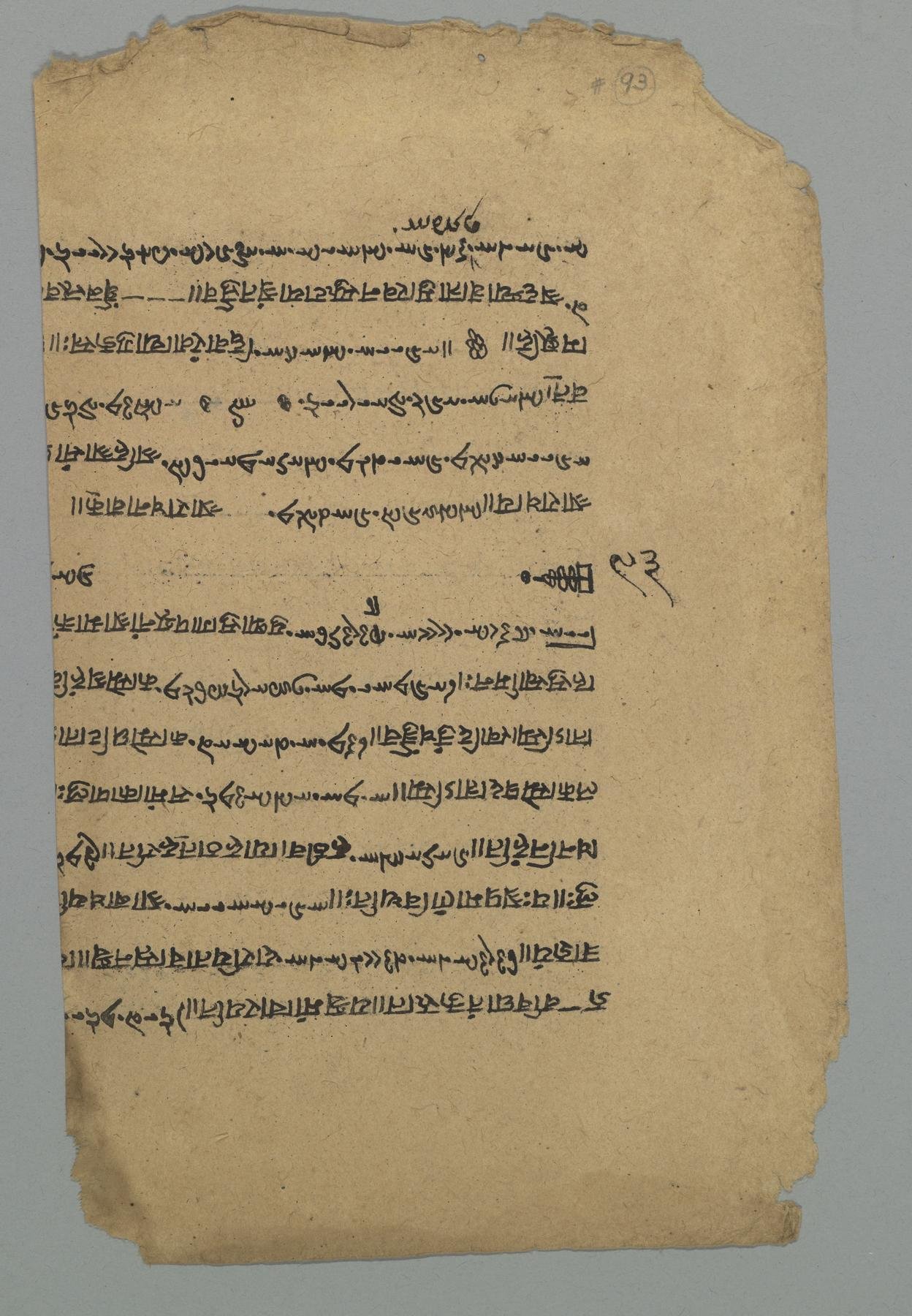
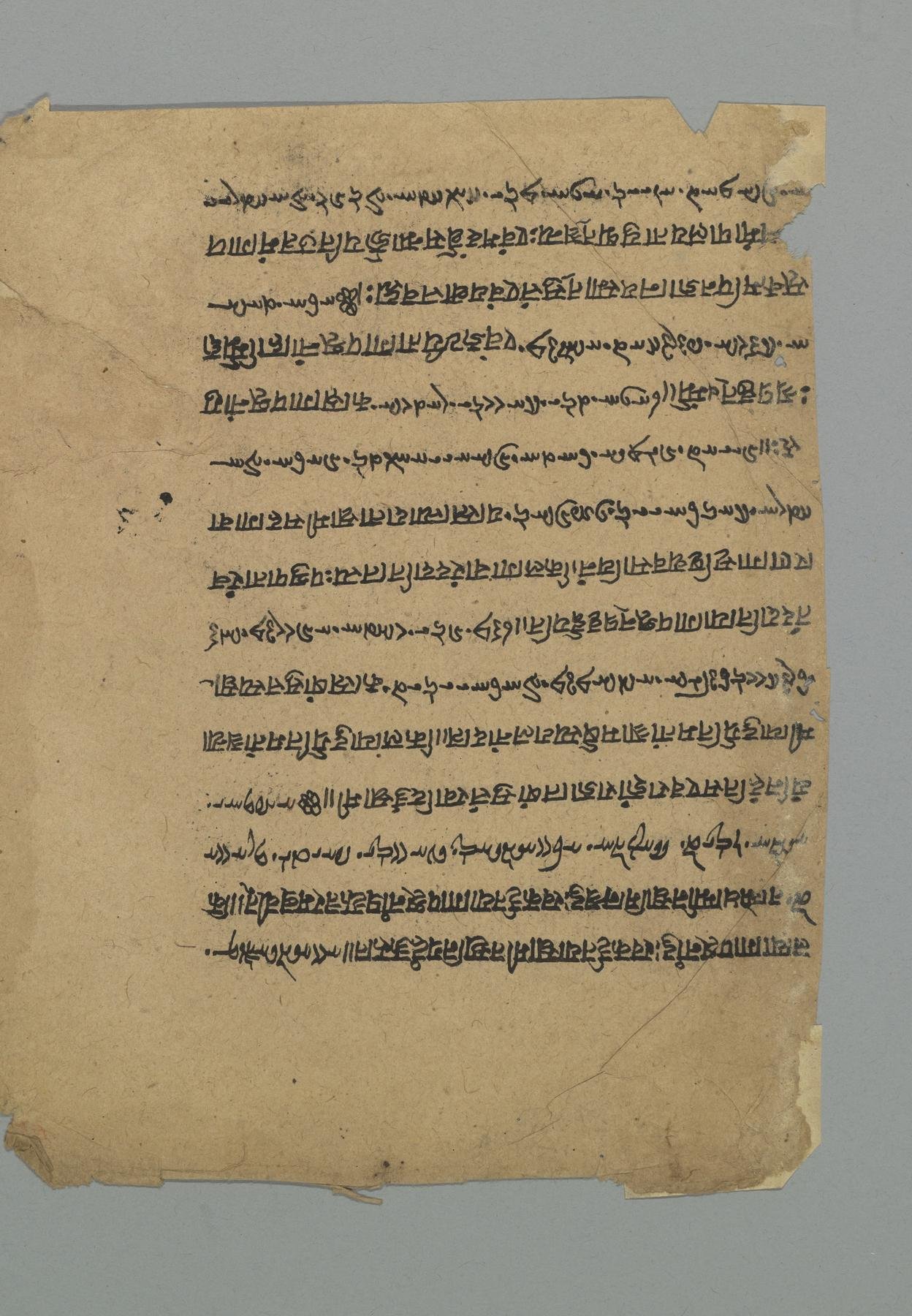
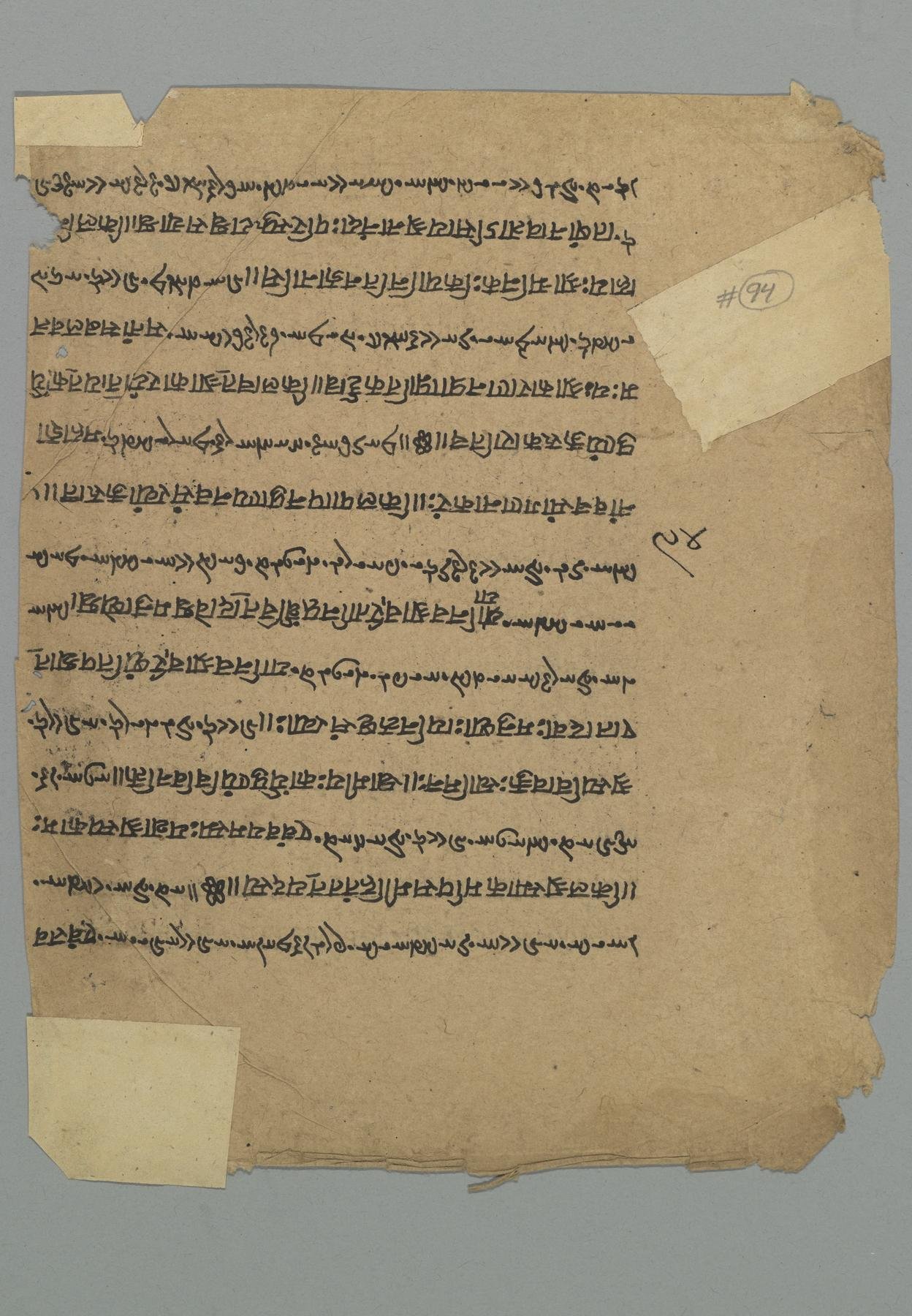
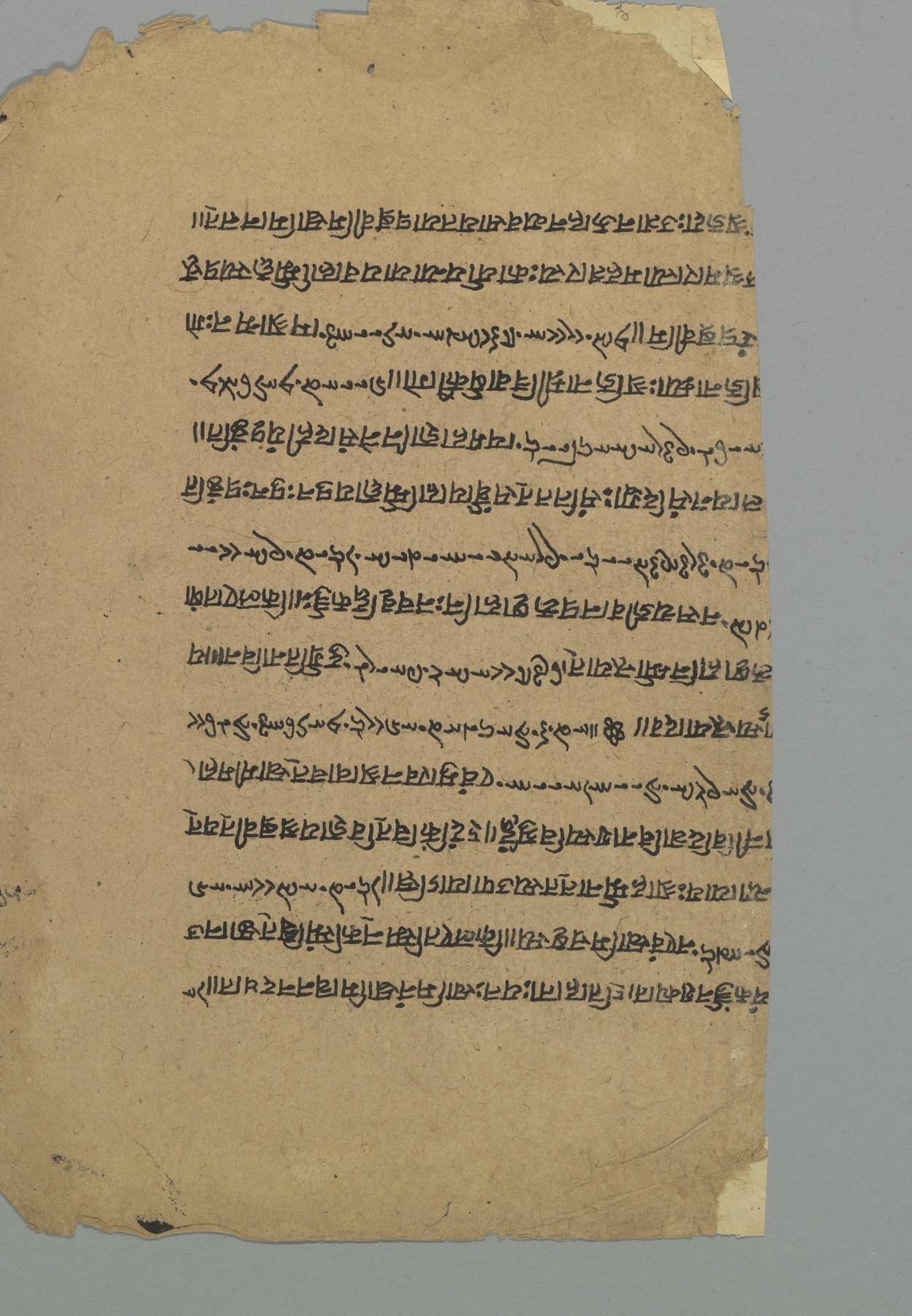
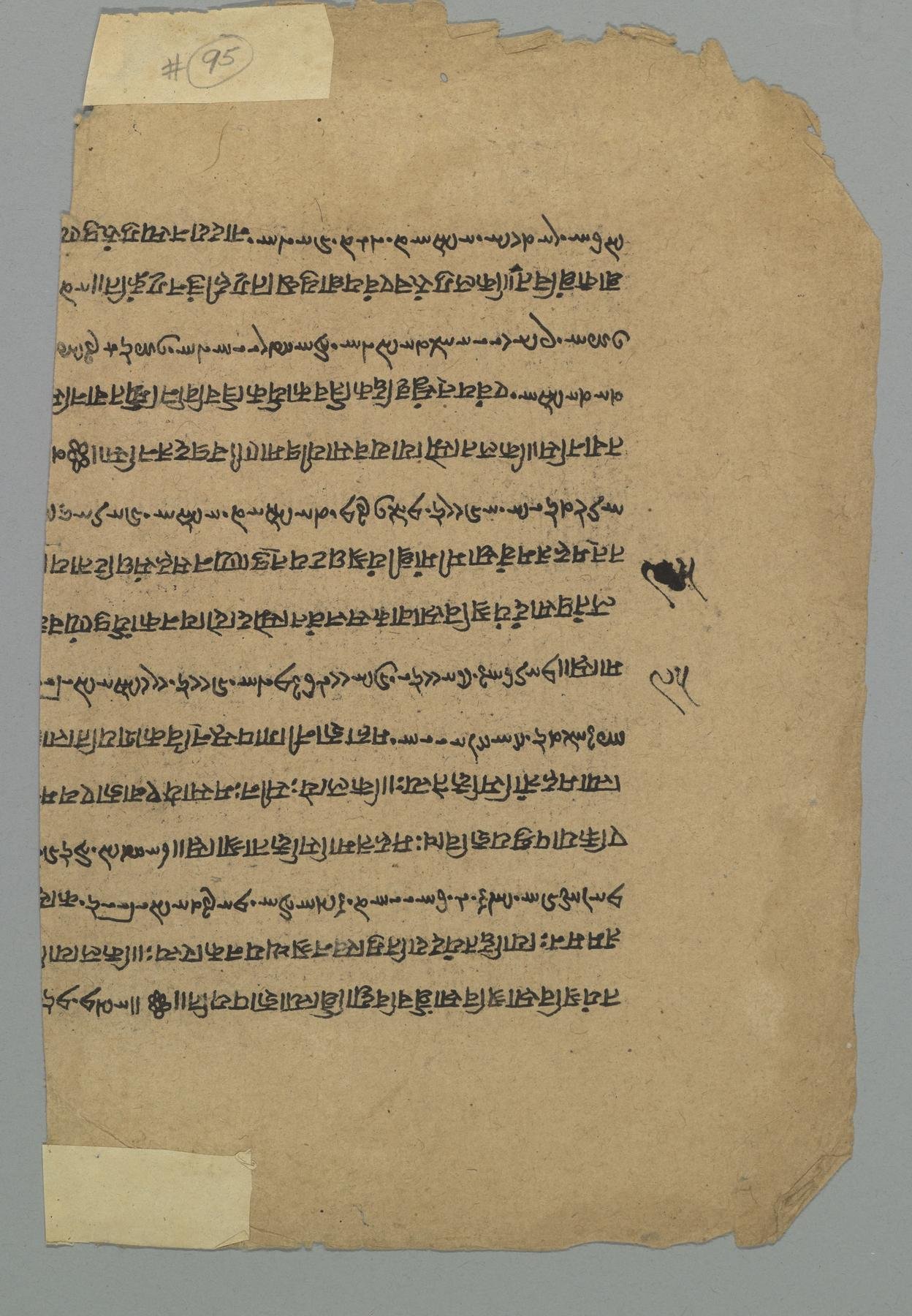
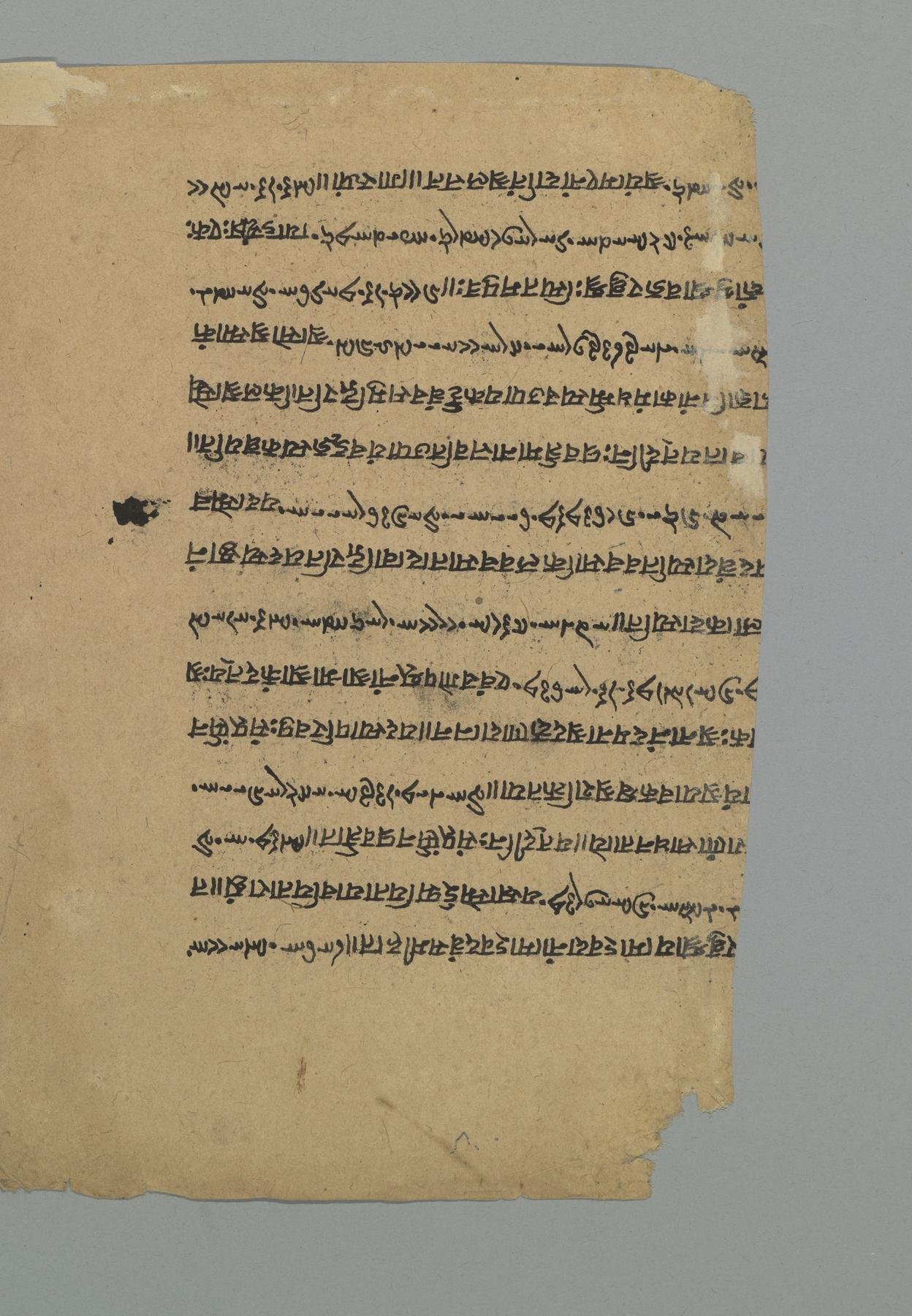
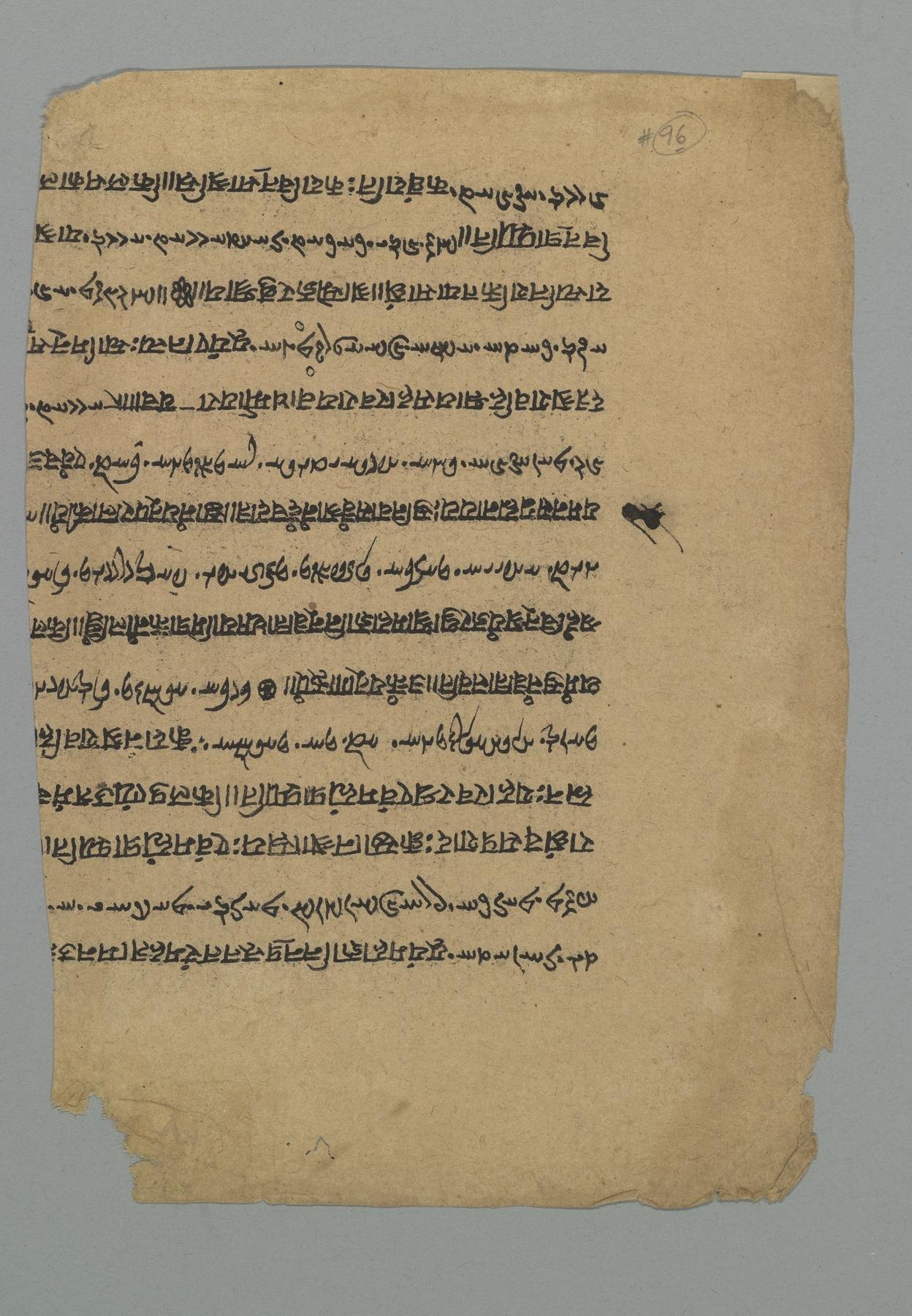
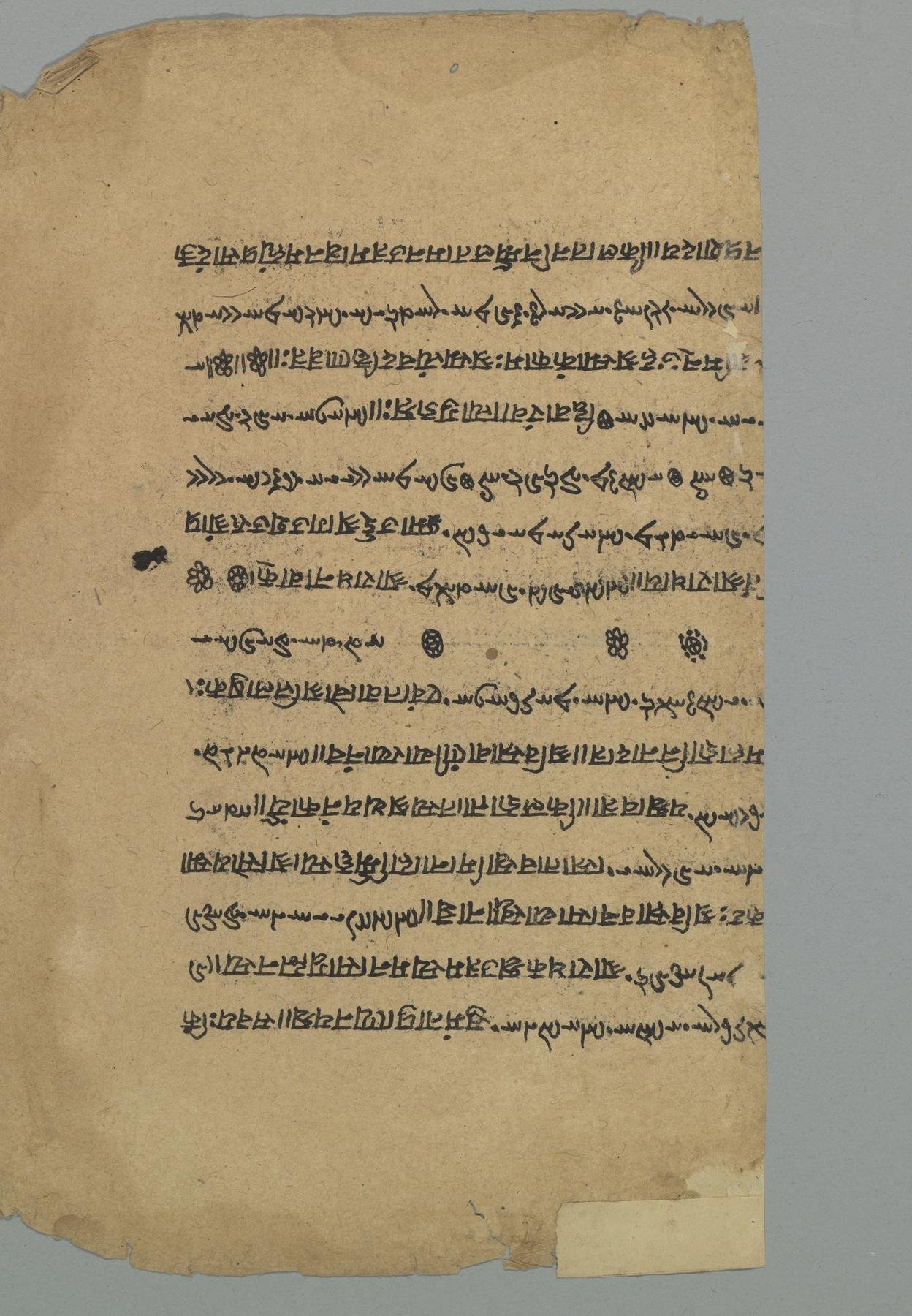
The manuscript shown is Columbia University, Rare Book & Manuscript Library, X892.5 Av3 N22, a Yasna in which every Avestan phrase is followed by the Sanskrit translation of Neryosangh (Nairyosangha, about the 12th century), written in Devanagari. Geldner, who used it for his edition as S1, called it an excellent old manuscript; Columbia dates it between 1700 and 1896. It came to Columbia in 1902 as a gift of Mobed Mancherji Barzoji Pavri to A. V. Williams Jackson. Its scribe wrote the Sanskrit upside down relative to the Avestan, so that both run from right to left along the line. This chapter fills fol. 93v-97r; its opening and close were read on the photographs, and the whole chapter forms one section listing all its pages.
The Avestan is Geldner's edition in the avesta.org transliteration; the English is L. H. Mills's translation in the Sacred Books of the East (1887), without his footnotes.
How was this verified? (Provenance)
Where on the image
Columbia University, Rare Book & Manuscript Library, X892.5 Av3 N22, fol. 93v-97r (8 pages, in order; OPenn images 10938_0179_web.jpg to 10938_0186_web.jpg). In these photographs the Avestan stands upright and the Sanskrit translation is written upside down; turn the image through 180 degrees to read the Sanskrit. Positions below (above, below, top, foot) refer to the photograph as shown, with the Avestan upright. Checked on the images: opening, fol. 93v, a little above the middle of the page, after the close of Yasna 28: 'yusmasu gopasunam atma akra[ndati]' (29.1), then 'kasmai ghatitah'. Neryosangh's text as edited by Mills (1894) reads here: 'Yusmasu gopasunam atma krandati'. Close: fol. 97r, the middle of the page: the rubrics 'dvivaram vacya' and 'aradhanavak', then a row of ornaments. The verses of the chapter run in order across these pages; they were not placed on single pages. Besides the Avestan, the pages carry Neryosangh's Sanskrit after every phrase, the rubrics of the recitation and the closing formula of the chapter, none of which is shown in the text columns.
1xshmaibyâ gêush urvâ gerezhdâ, kahmâi mâ thwarôzhdûm kê-mâ tashat, â-mâ aêshemô hazascâ remô âhishâyâ dereshcâ tevishcâ, nôit môi vâstâ xshmat anyô athâ môi sãstâ vohû vâstryâ.
2adâ tashâ gêush peresat ashem kathâ tôi gavôi ratush hyat hîm dâtâ xshayañtô hadâ vâstrâ gaodâyô thwaxshô, kêm hôi ushtâ ahurem ýê dregvôdebîsh aêshemem vâdâyôit.
3ahmâi ashâ nôit sarejâ advaêshô gavôi paitî-mravat avaêshãm nôit vîduyê ýâ shavaitê âdrêñg ereshvånghô, hâtãm hvô aojishtô ýahmâi zavêñg jimâ keredushâ.
4mazdå sahvârê mairishtô ýâ-zî vâverezôi pairî-cithît daêvâishcâ mashyâishcâ ýâcâ vareshaitê aipî-cithît, hvô vîcirô ahurô athâ-nê anghat ýathâ hvô vasat.
5at vâ ustânâish ahvâ zastâish frînemnâ ahurâi â mê urvâ gêushcâ azyå hyat mazdãm dvaidî ferasâbyô nôit erezhejyôi frajyâitish nôit fshuyeñtê dregvasû pairî.
6at ê vaocat ahurô mazdå vîdvå vafûsh vyânayâ, nôit aêvâ ahû vistô naêdâ ratush ashâtcît hacâ, at zî thwâ fshuyañtaêcâ vâstryâicâ thwôreshtâ tatashâ.
7têm âzûtôish ahurô mãthrem tashat ashâ hazaoshô mazdå gavôi xshvîdemcâ hvô urushaêibyô speñtô sâsnayâ, kastê vohû mananghâ ýê-î dâyât êeâvâ maretaêibyô.
8aêm môi idâ vistô ýê-nê aêvô sâsnå gûshatâ zarathushtrô spitâmô, hvô nê mazdâ vashtî ashâicâ carekerethrâ srâvayenghê hyat hôi hudemêm dyâi vaxedhrahyâ.
9atcâ gêush urvâ raostâ ýê anaêshem xshãnmênê râdem vâcem neresh asûrahyâ ýêm â vasemî îshâ xshathrîm, kadâ ýavâ hvô anghat ýê hôi dadat zastavat avô.
10ýûzhêm aêibyô ahurâ aogô dâtâ ashâ xshathremcâ avat vohû mananghâ ýâ husheitîsh râmãmcâ dât, azêmcît ahyâ mazdâ thwãm mênghî paourvîm vaêdem. dà
11kudâ ashem vohucâ manô xshathremcâ,at mâ mashâ ýûzhêm mazdâ frâxshnenê mazôi magâi â paitî-zânatâ ahurâ nû-nå avarê êhmâ râtôish ýûshmâvatãm!
1(Homage to you, O Sacred Gâthas!) Unto you (O Ahura and Asha!) the Soul of the Kine (our sacred herds and folk) cried aloud: For whom did ye create me, and by whom did ye fashion me? On me comes the assault of wrath, and of violent power, the blow of desolation, audacious insolence, and (thievish) might. None other pasture-giver have I than you, therefore do ye teach me good (tillage) for the fields (my only hope of welfare)!
2Ahura speaks. Upon this the Creator of the Kine (the holy herds) asked of Righteousness: How (was) thy guardian for the Kine (appointed) by thee when, as having power (over all her fate), ye made her? (In what manner did ye secure) for her, together with pasture, a cattle-chief who was both skilled and likewise energetic? Whom did ye select as her (life's) master who might hurl back the fury of the wicked?
3Asha answers. To Him the (Divine Righteousness) answered with his sanctity. (Great was our perplexity); a chieftain who was capable of smiting back (their fury), and who was himself without hate (was not to be obtained by us); among such things as these, those things are not to be known (by beings such as we) which are the influences which approach (and move) the lofty fires (revealing the favour and the will of God). Of beings He is the mightiest to whom those who have performed their actions approach with invocations. (He has no need to ask!)
4Zarathustra intervenes. The Great Creator (is himself) most mindful of the uttered indications which have been fulfilled beforehand hitherto in the deeds of demon-gods and (good or evil) men, and of those which shall be fulfilled by them hereafter. He Ahura is the discerning arbiter; so shall it be to us as He shall will!
5Therefore it is that we both, my soul and (the soul) of the mother Kine, (are) making our supplications for the two worlds to Ahura, and with hands stretched out in entreaty, when (we pray to the Great Creator with questions in our doubt; (and He will answer). Not for the righteous liver, not for the thrifty (tiller of the earth), shall there be destruction together with the wicked!
6Ahura. Upon this the Lord, the Great Creator, He who understands the mysterious grace by His insight, spake thus. Not in this manner is a spiritual master found for us, nor a chieftain moved by Righteousness and appointed (in its spirit); therefore Thee have I named (as such a head) to the diligent tiller of the ground!
7The Ameshôspends. Mazda has created the inspired Word-of-reason which is a Mãthra of fatness (for the offering), the (Divine) Righteousness consenting with Him in his deed. Food he has prepared for the Kine and for the eaters, He the one bountiful with his (saving) doctrine; but whom hast Thou, endowed with the Good Mind, who may give forth those (doctrines) by word of mouth to mortals?
8Ahura. This man is found for me here who alone has hearkened to our enunciations, Zarathustra Spitama! Our mighty and completed acts of grace he desires to enounce for us, for (Me), the Great Creator and for Righteousness; wherefore I will give him the good abode (and authoritative place) of such an one as speaks!
9The Geus Urvan. Upon this the Soul of the Kine lamented (: Woe is unto me) since (I have obtained for myself) in my wounding a lord who is powerless to effect (his) wish, the (mere) voice of a feeble and pusillanimous man, whereas I desire one who is lord over his will (and able as one of royal state to bring what he desires to effect). The Ameshôspends. ((Aye,) when shall he ever appear who may bring to her help strong-handed?)
10Zarathustra. Do ye, O Ahura and thou, O Righteousness! grant gladness unto these (our disciples), and the sovereign Kingdom (of the Deity) such as (is established) in (His) Good Mind by which one bestows upon them the peaceful amenities of home and quiet happiness (as against the fearful ravages which they suffer), for of these, O Great Creator! I ever thought Thee first possessor!
11And when shall the (Divine) Righteousness, the Good Mind (of the Lord, and His) Sovereign Power (come) hastening to me (to give me strength for my task and mission), O Great Creator, the Living Lord! (For without his I cannot advance or undertake my toil.) Do ye now therefore assign unto us your aid and in abundance for our great cause. May we be (partakers) of the bountiful grace of these your equals (your counsellors and servants)!
Notes
- Avestan: Geldner's text in the avesta.org transliteration; the recitation rubrics '(zot,)' and '(zot u raspi,)' and the closing formula printed after the chapter are left out. '(2)' after a verse marks that it is recited twice.
- English: L. H. Mills, Sacred Books of the East 31 (1887), without his footnotes and chapter summaries; his headings naming the speakers are printed in italics. Mills prints some letters of Avestan names in italic type (as in Zarathustra); they are given here in roman type.
- Mills places Yasna 29 before Yasna 28 and begins it with the heading '(Homage to you, O Sacred Gathas!)', which is kept at verse 1.
- Corrected against the printed page (p. 7): 'a chieftain who war capable' to 'a chieftain who was capable'.
Cite
Sources
- Source: Columbia University, Rare Book & Manuscript Library, X892.5 Av3 N22 (Yasna with Neryosangh's Sanskrit; OPenn, Public Domain Mark) + Geldner's Avestan text (avesta.org) + L. H. Mills's English (SBE 31, 1887) (holding institution)
- Critical edition: Geldner, Avesta (1886-1896), avesta.org transliteration
← previous · → next · v cycle view · l back to library