Gathas, Yasna 46: 'To what land shall I go?'
Introduction
Yasna 46 belongs to the Ushtavaiti Gatha. Zarathustra asks to what land he shall flee, since he is driven out by kin and rulers, and names the patrons who stand by him.
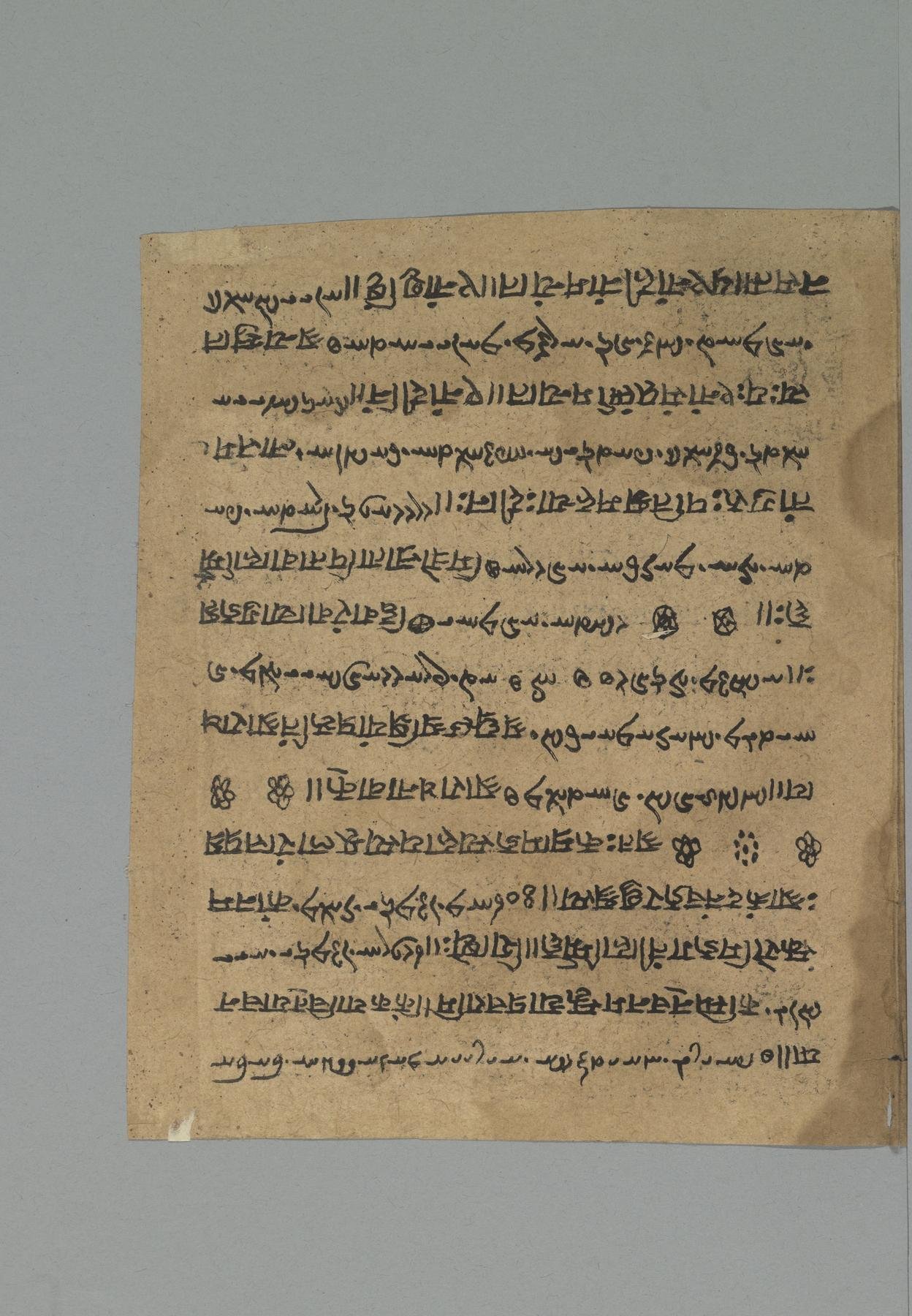
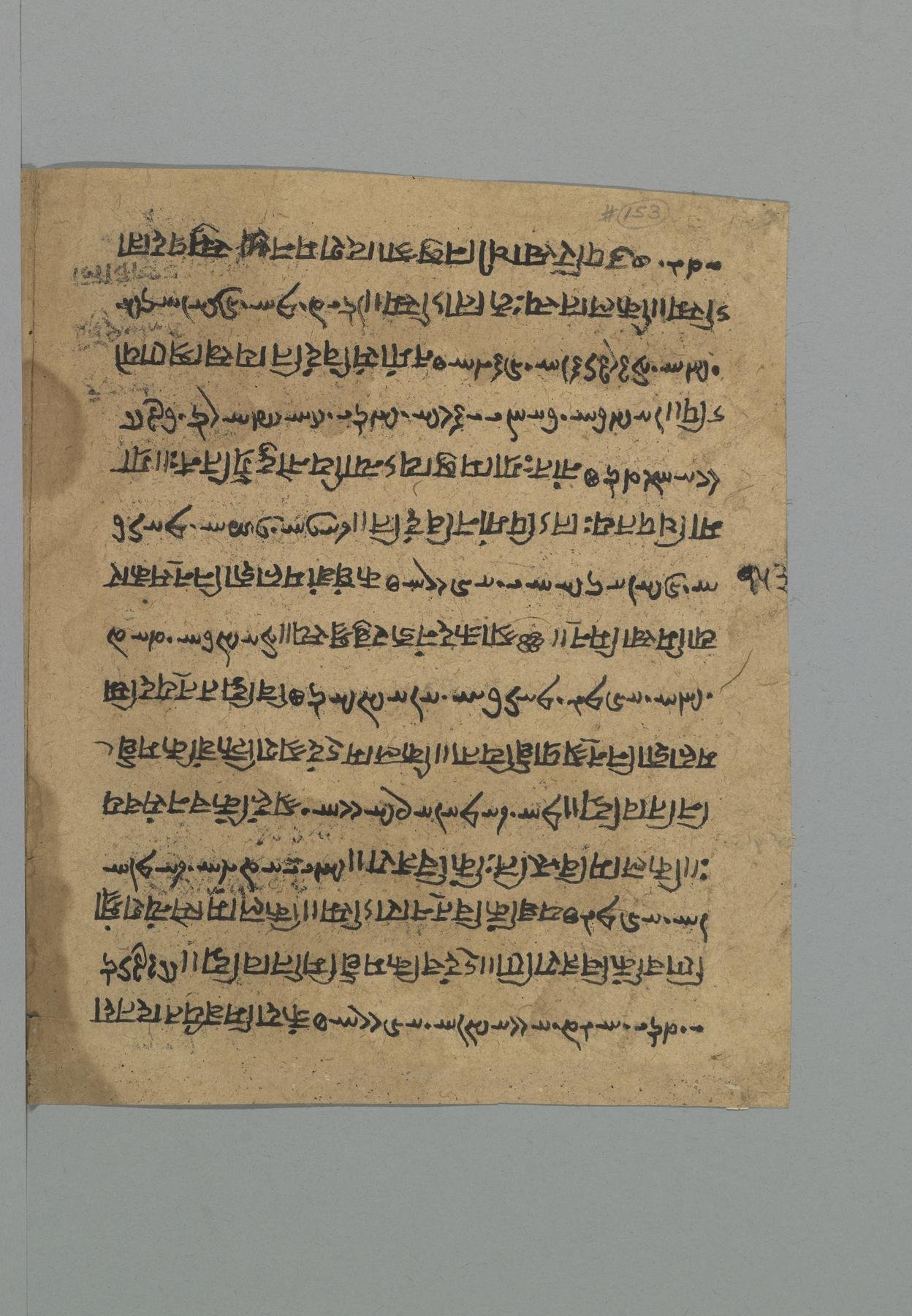
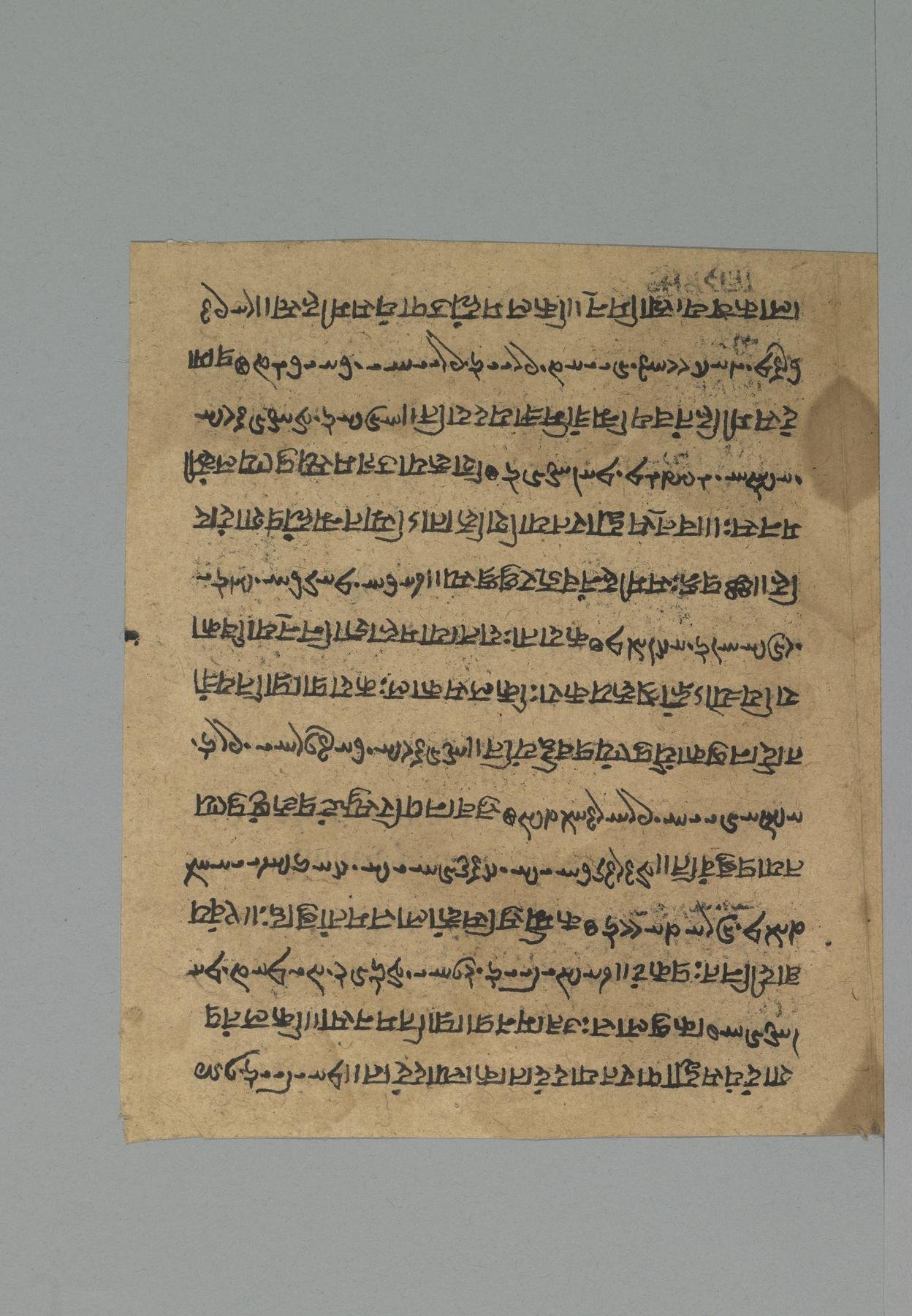
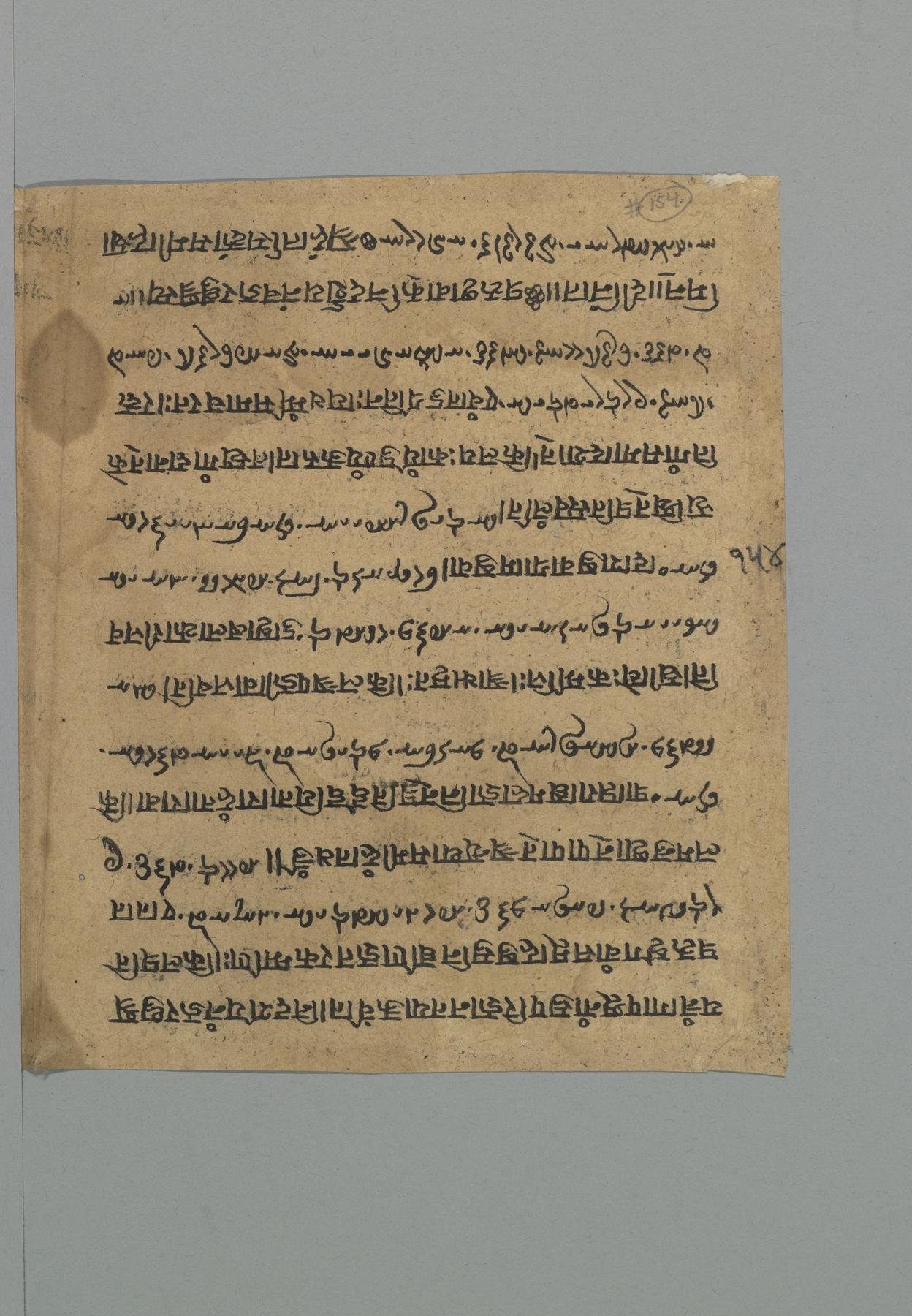
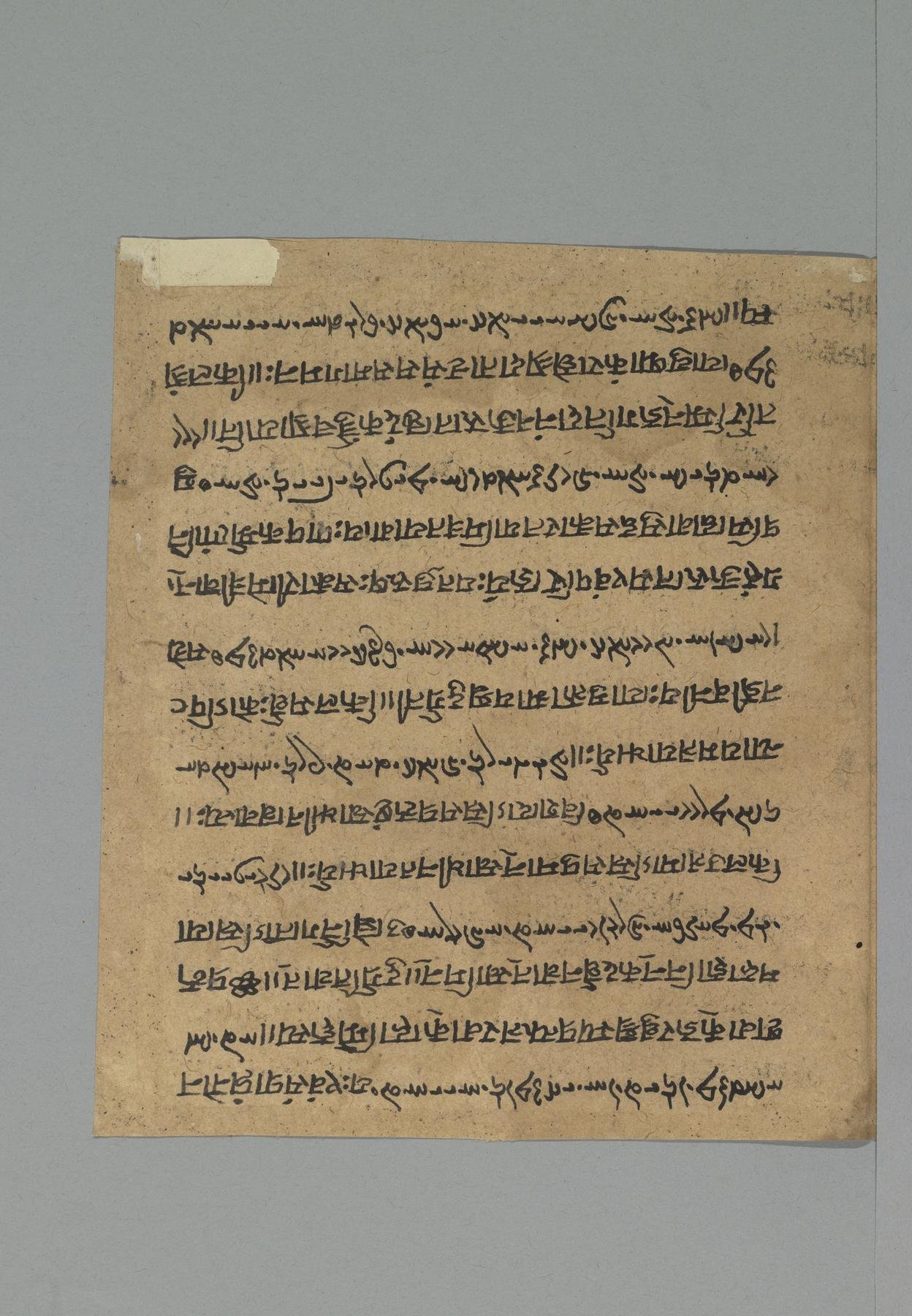
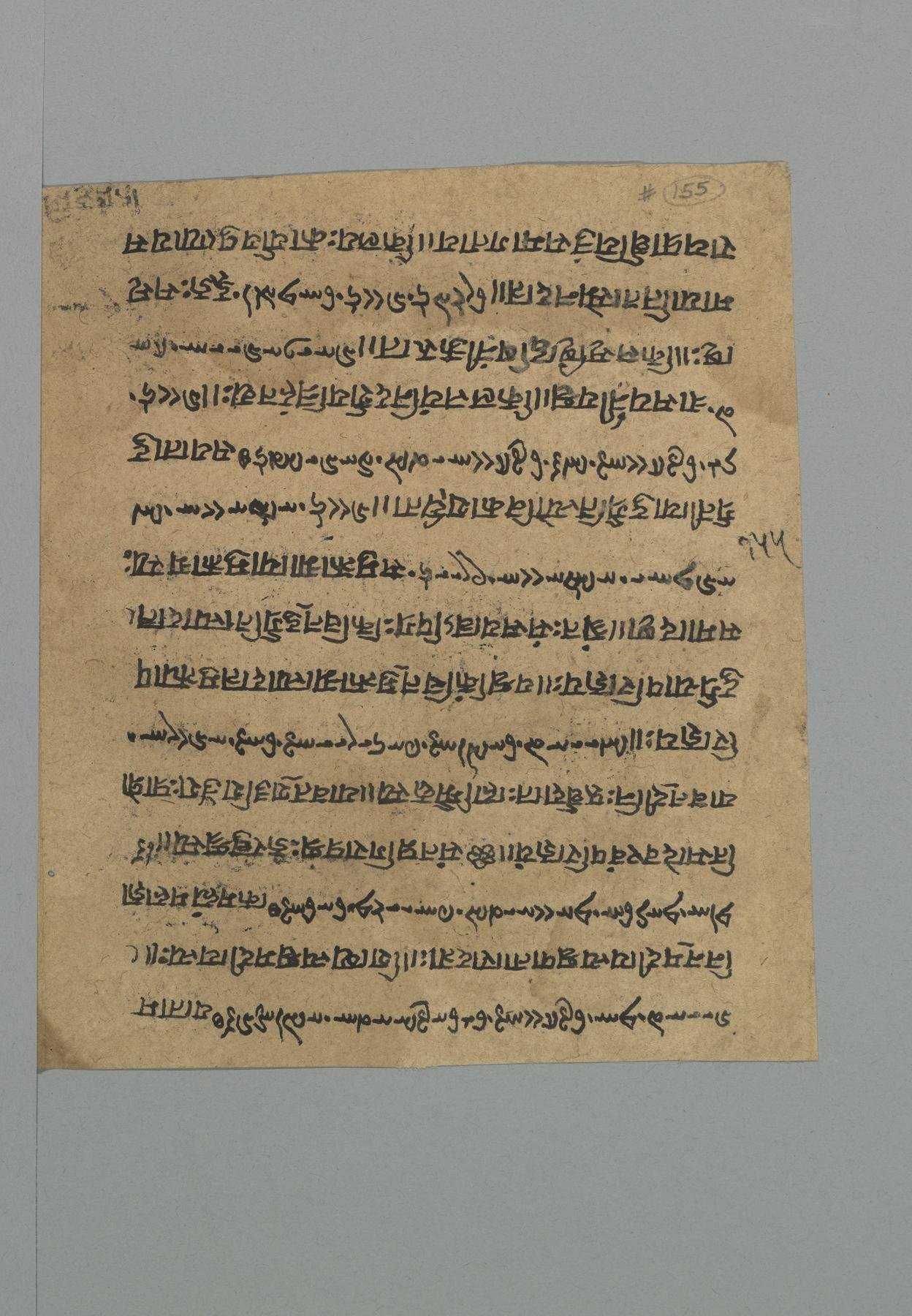
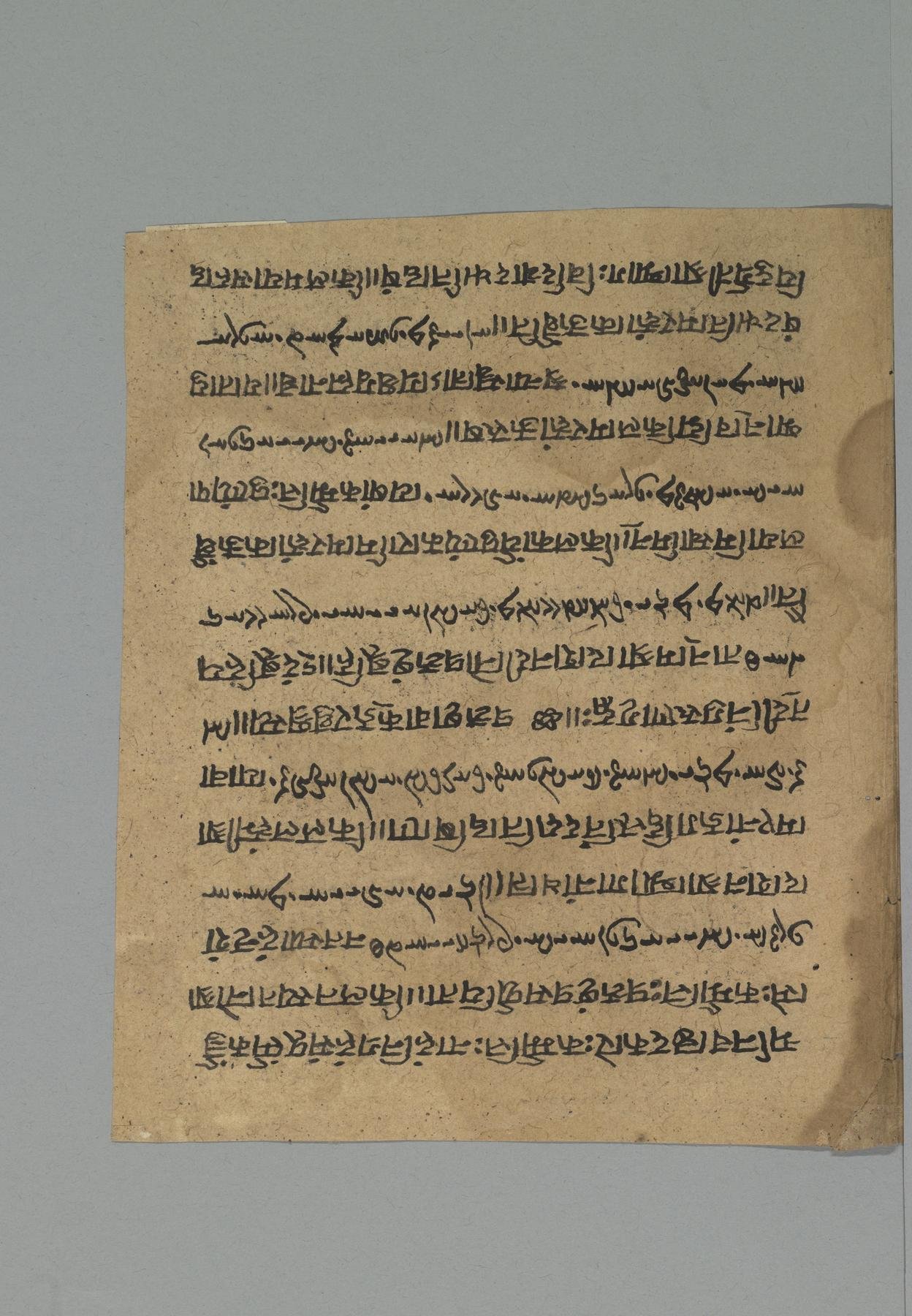
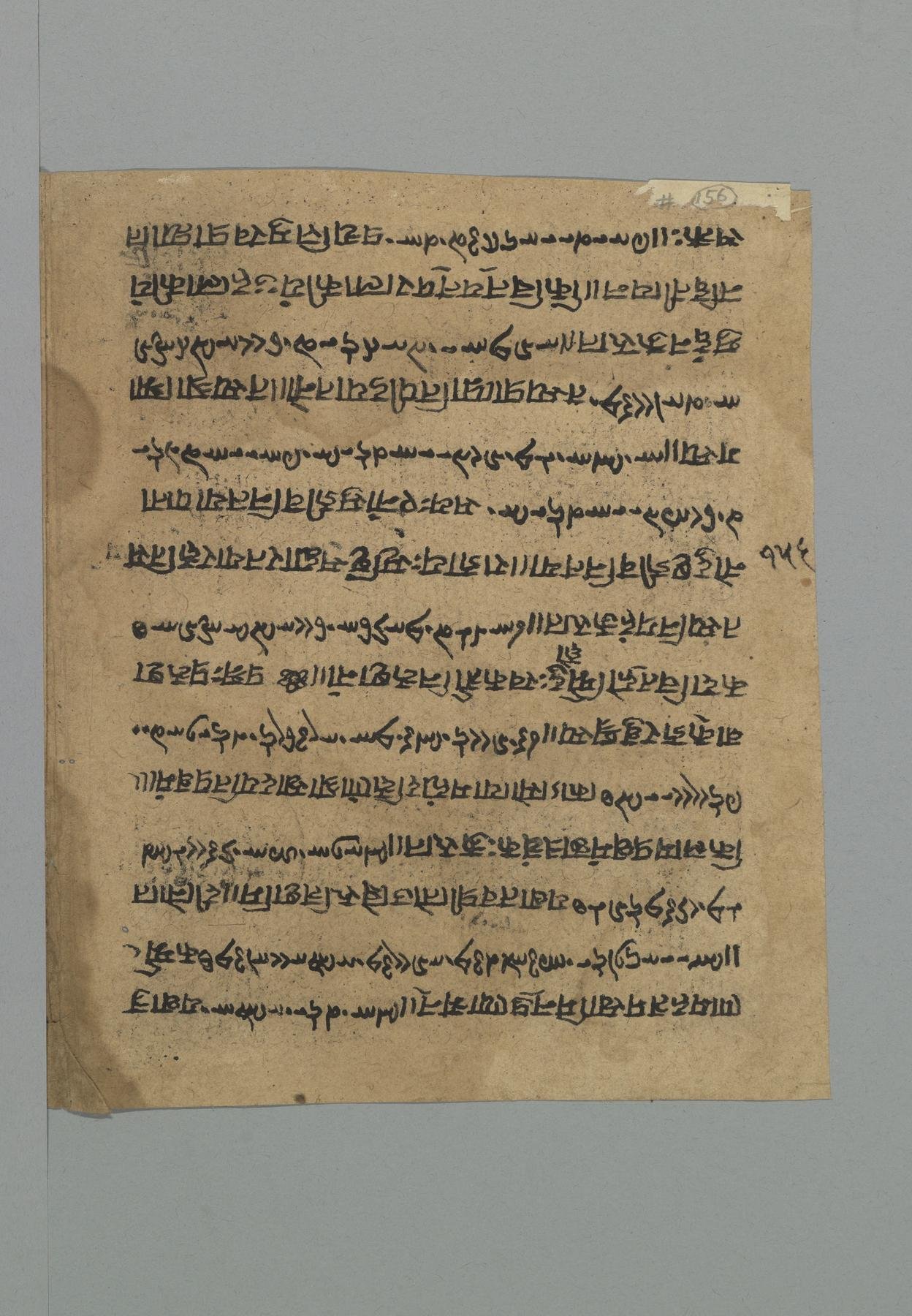
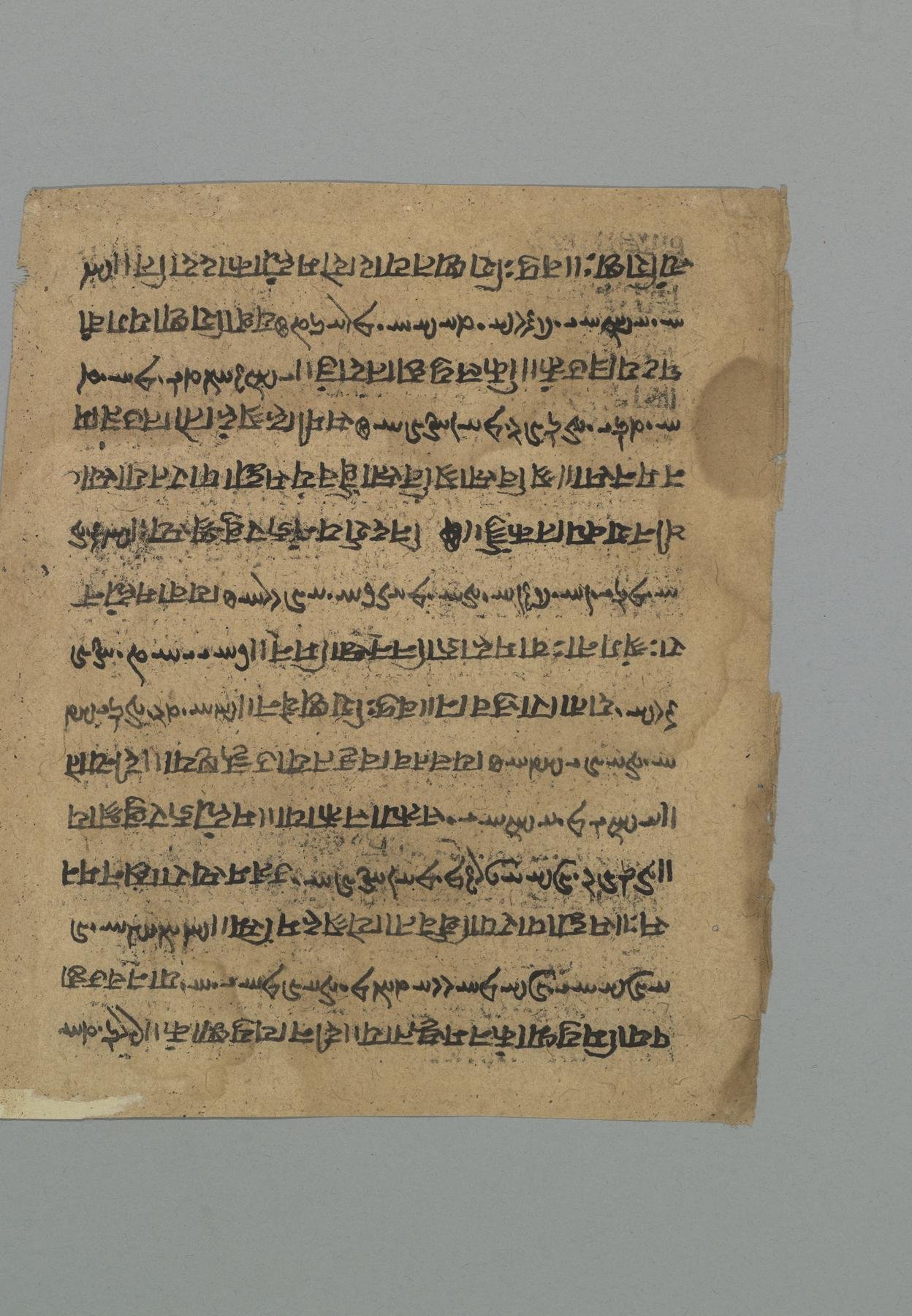
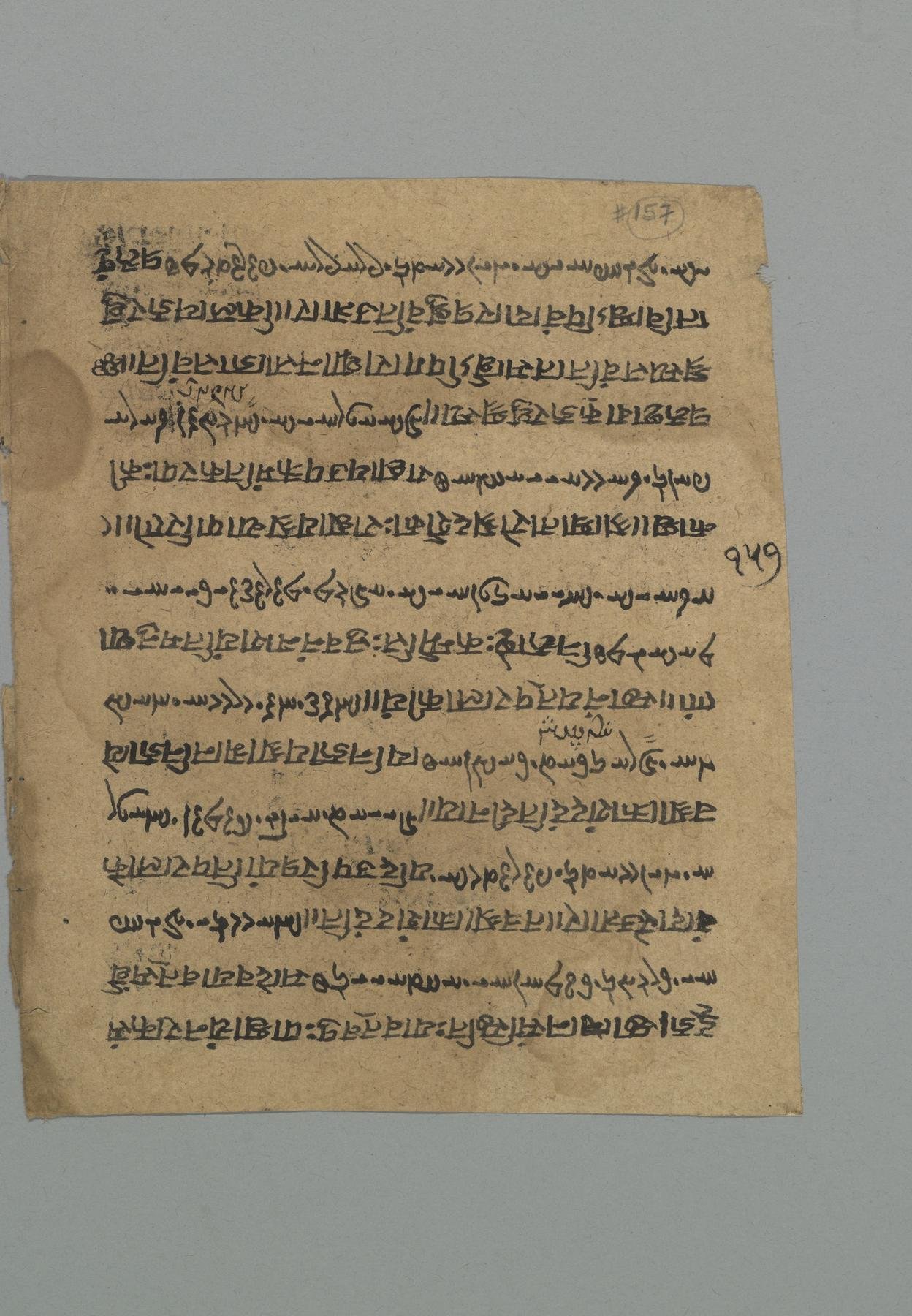
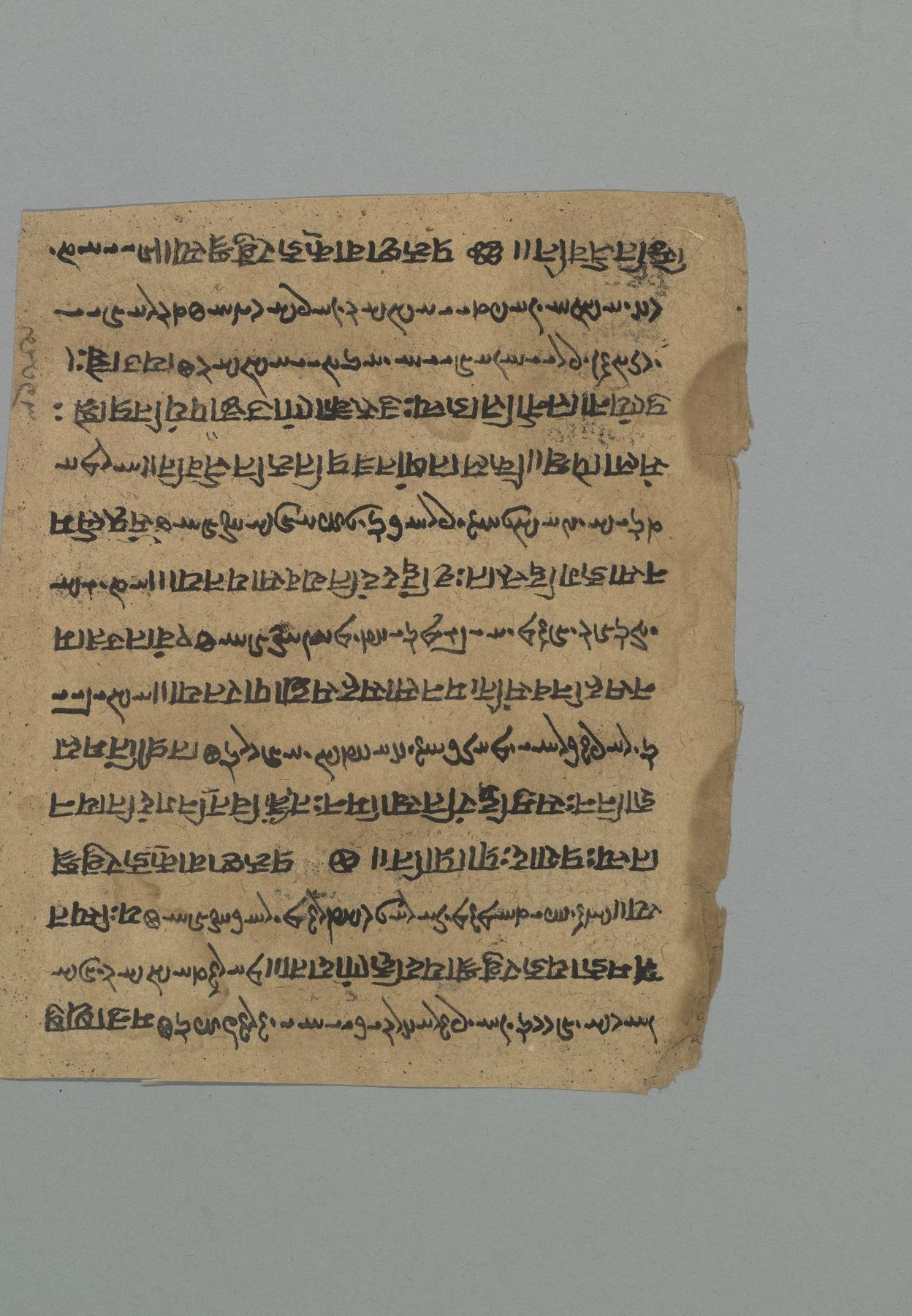
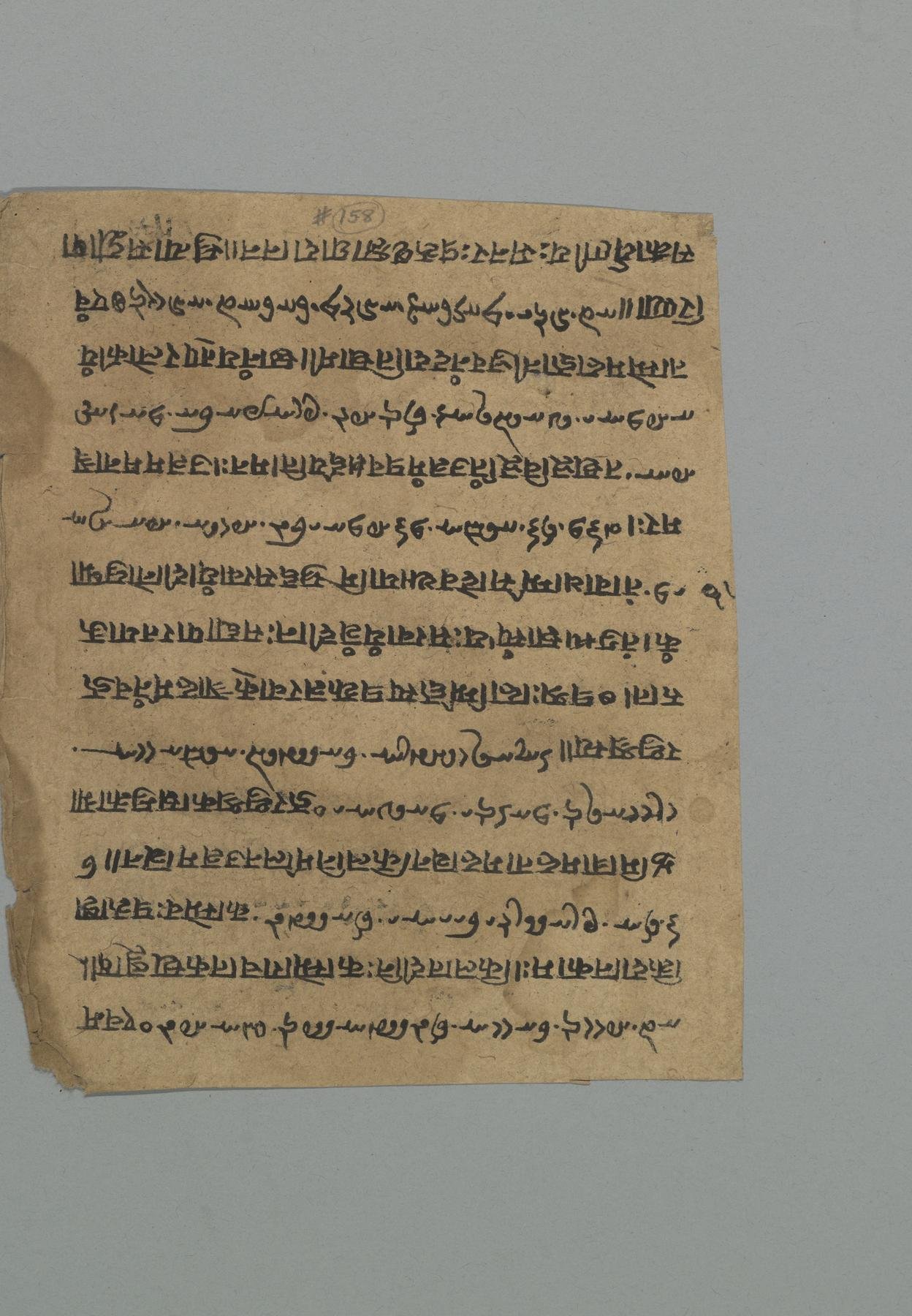
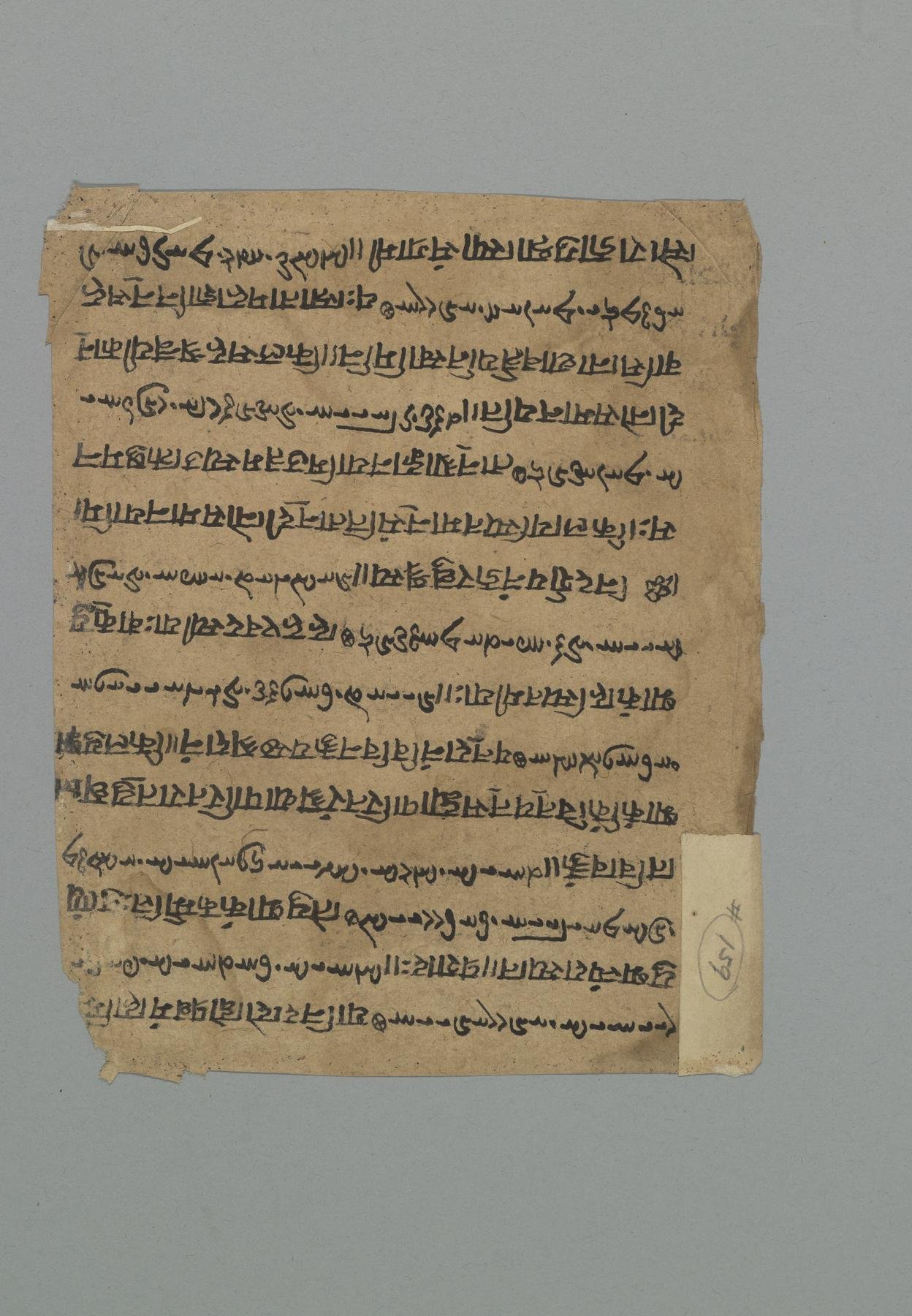
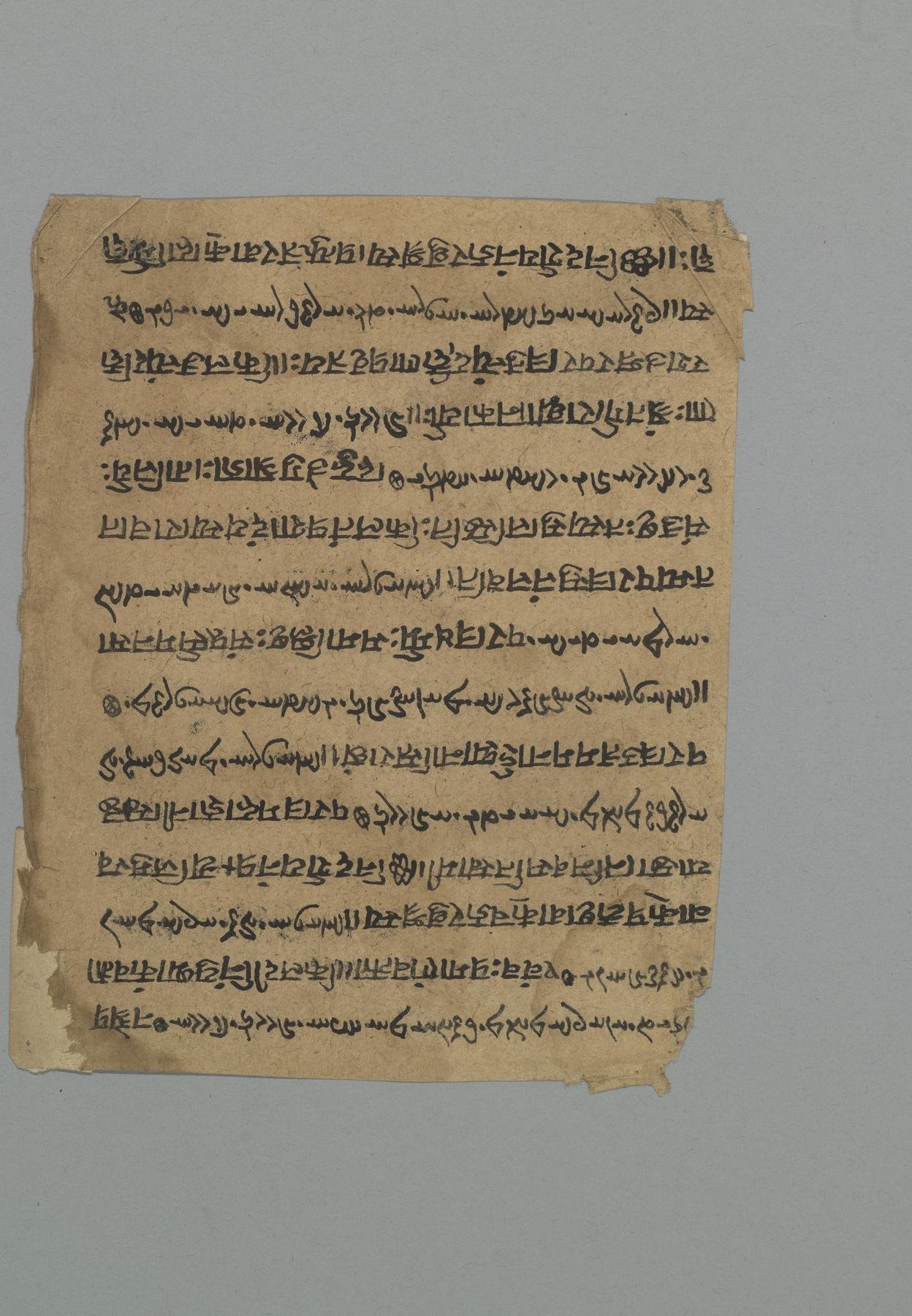
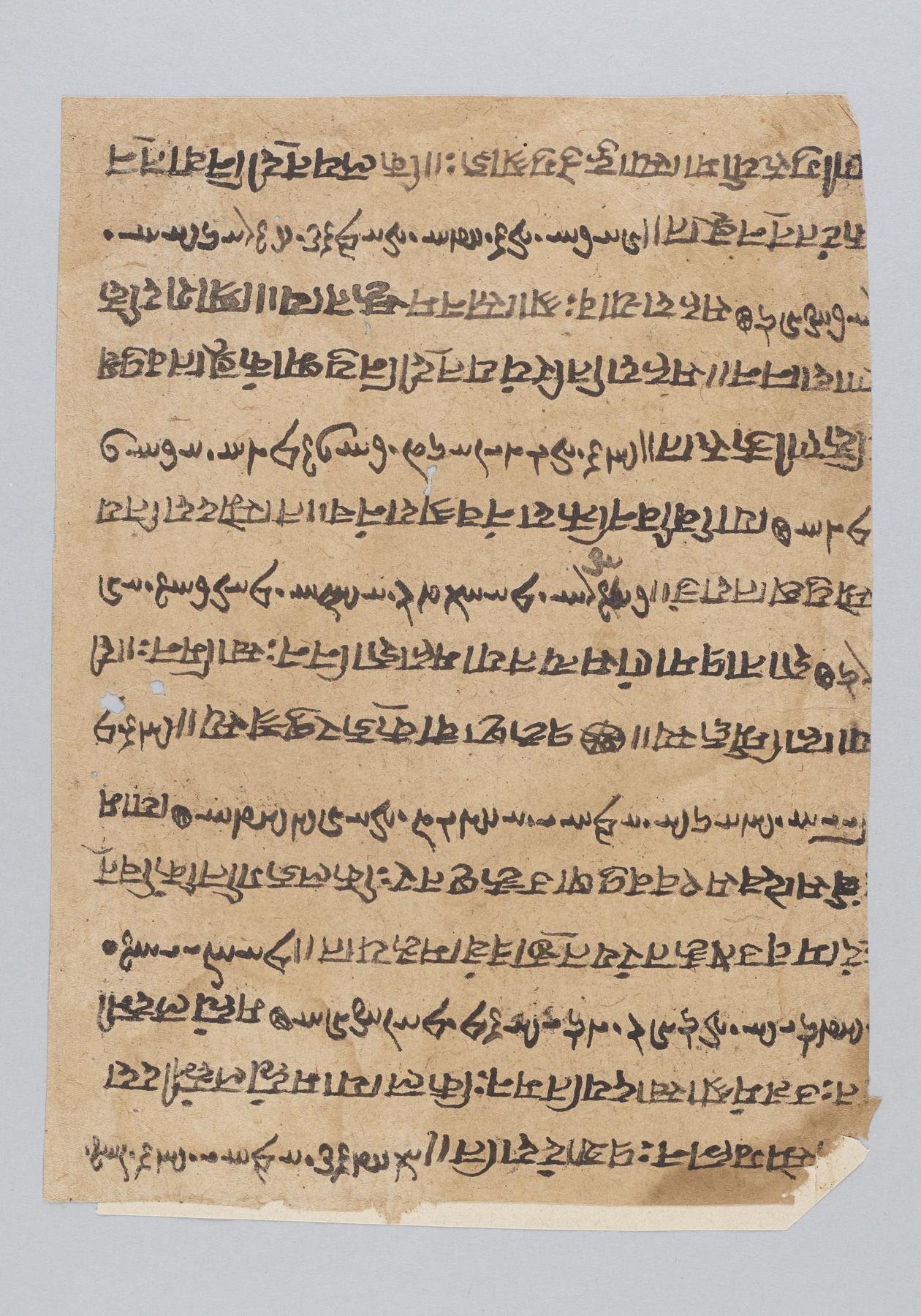
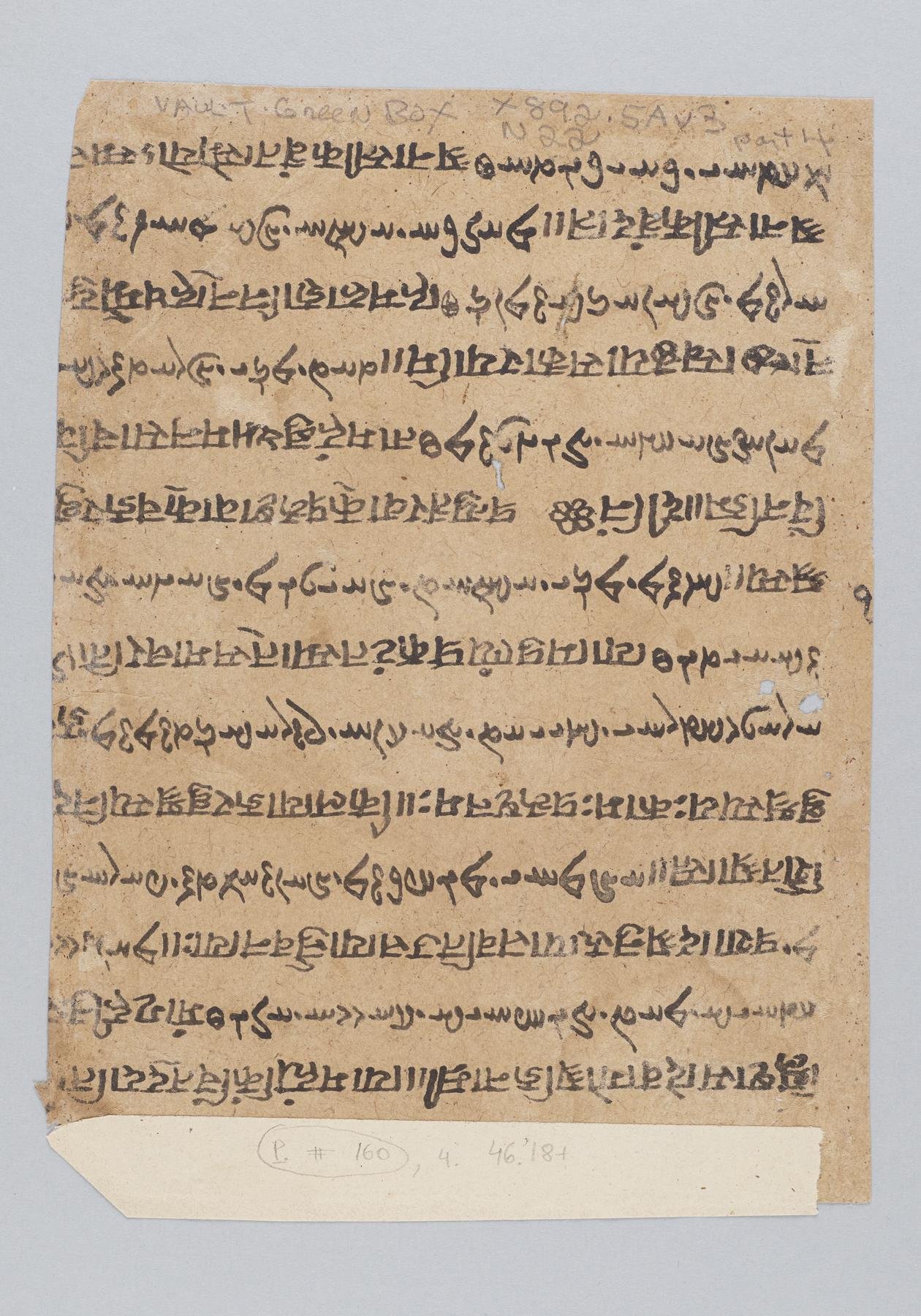
The manuscript shown is Columbia University, Rare Book & Manuscript Library, X892.5 Av3 N22, a Yasna in which every Avestan phrase is followed by the Sanskrit translation of Neryosangh (Nairyosangha, about the 12th century), written in Devanagari. Geldner, who used it for his edition as S1, called it an excellent old manuscript; Columbia dates it between 1700 and 1896. It came to Columbia in 1902 as a gift of Mobed Mancherji Barzoji Pavri to A. V. Williams Jackson. Its scribe wrote the Sanskrit upside down relative to the Avestan, so that both run from right to left along the line. This chapter fills fol. 153r-160v; its opening and close were read on the photographs, and the whole chapter forms one section listing all its pages.
The Avestan is Geldner's edition in the avesta.org transliteration; the English is L. H. Mills's translation in the Sacred Books of the East (1887), without his footnotes.
How was this verified? (Provenance)
Where on the image
Columbia University, Rare Book & Manuscript Library, X892.5 Av3 N22, fol. 153r-160v (16 pages, in order; OPenn images 10938_0298_web.jpg to 10938_0313_web.jpg). In these photographs the Avestan stands upright and the Sanskrit translation is written upside down; turn the image through 180 degrees to read the Sanskrit. Positions below (above, below, top, foot) refer to the photograph as shown, with the Avestan upright. Checked on the images: opening, fol. 153r, lower third of the page, after the ornaments: 'kam namaskaromi jagatim hormijda || sisyaih ||', 'kasmin ca namaskrtya pracarami || kila kayacit yacanaya' (46.1). Neryosangh's text as edited by Mills (1894) reads here: 'Kam namaskaromi jagatim, Hormijda, sisyaih kasmimsca [-yam ca] namaskrtya pracarami? [kila, kayacit yacanaya]?'. Close: fol. 160v, the last page of the manuscript: 46.18 and 46.19 'yo me punyam prakatam tasmat samacarati' (Mills: 'Yo me punyam prakatam tasmat samacarati'); the last line ends '... prasade va go aji namni || ya mahyam kimcit dadati', that is, the Sanskrit of 'gavo azi'. The rest of 46.19 is not on the page (a modern pencil note at the head of fol. 160v reads 'Y. 46,18+'). The verses of the chapter run in order across these pages; they were not placed on single pages. Besides the Avestan, the pages carry Neryosangh's Sanskrit after every phrase, the rubrics of the recitation and the closing formula of the chapter, none of which is shown in the text columns. The manuscript breaks off in 46.19 after 'azi' (gavo azi); the remainder of 46.19 in the Avestan and English columns is not on any page of this manuscript.
1kâm nemôi zãm kuthrâ nemôi ayenî pairî hvaêtêush airyamanascâ dadaitî nôit mâ xshnâush ýâ verezênâ hêcâ naêdâ dah'yêush ýôi sâstârô dregvañtô kathâ thwâ mazdâ xshnaoshâi ahurâ.
2vaêdâ tat ýâ ahmî mazdâ anaêshô mâ kamnafshvâ hyatcâ kamnânâ ahmî gerezôi tôi â-ît avaênâ ahurâ rafedhrêm cagvå hyat fryô fryâi daidît dà âxsô vanghêush ashâ îshtîm mananghô.
3kadâ mazdâ ýôi uxshânô asnãm anghêush darethrâi frô ashahyâ frâreñtê verezdâish sêñghâish saoshyañtãm xratavô kaêibyô ûthâi vohû jimat mananghâ maibyô thwâ sãstrâi verenê ahurâ.
4at têñg dregvå ýêñg ashahyâ vazhdrêñg pât gå frôretôish shôithrahyâ vâ dah'yêush vâ duzhazôbå hãs hvâish shyaothanâish ahêmustô ýastêm xshathrât mazdâ môithat jyâtêush vâ hvô têñg frô-gå pathmêñg hucistôish carât.
5ýê vâ xshayãs adãs drîtâ ayañtem urvâtôish vâ huzêñtush mithrôibyô vâ rashnâ jvãs ýê ashavâ dregvañtem vîcirô hãs tat frô hvaêtavê mruyât uzûithyôi îm mazdâ xrûnyât ahurâ.
6at ýastêm nôit nâ isemnô âyât drûjô hvô dâmãn haêthahyâ gât hvô zî dregvå ýê dregvâitê vahishtô hvô ashavâ ýahmâi ashavâ fryô hyat daênå paouruyå då ahurâ.
7kêm-nâ mazdâ mavaitê pâyûm dadât hyat mâ dregvå dîdareshatâ aênanghê anyêm thwahmât âthrascâ mananghascâ ýayå shyaothanâish ashem thraoshtâ ahurâ tãm môi dãstvãm daênayâi frâvaocâ.
8ýê vâ môi ýå gaêthå dazdê aênanghê nôit ahyâ-mâ âthrish shyaothanâish frôsyât paityaoget tâ ahmâi jasôit dvaêshanghâ tanvêm â ýâ îm hujyâtôish pâyât nôit duzhjyâtôish kâcît mazdâ dvaêshanghâ.
9kê hvô ýê-mâ aredrô côithat pouruyô ýathâ thwâ zevîshtîm uzemôhî dà shyaothanôi speñtem ahurem ashavanem ýâ-tôi ashâ ýâ ashâi gêush tashâ mraot isheñtî mâ tâ tôi vohû mananghâ.
10ýê vâ môi nâ genâ vâ mazdâ ahurâ dâyât anghêush ýâ-tû vôistâ vahishtâ ashîm ashâi vohû xshathrem mananghâ ýãscâ haxshâi xshmâvatãm vahmâi â frô-tâish vîspâish cinvatô frafrâ peretûm.
11xshathrâish ýûjên karapanô kâvayascâ akâish shyaothanâish ahûm mereñgeidyâi mashîm ýêñg hvê urvâ hvaêcâ xraodat daênâ hyat aibî-gemen ýathrâ cinvatô peretush ýavôi vîspâi drûjô demânâi astayô.
12hyat us ashâ naptyaêshû nafshucâ tûrahyâ uzjên fryânahyâ aojyaêshû ârmatôish gaêthå frâdô thwaxshanghâ at îsh vohû hêm aibî-môist mananghâ aêibyô rafedhrâi mazdå sastê ahurô.
13ýê spitâmem zarathushtrem râdanghâ maretaêshû xshnâush hvô-nâ ferasrûidyâi eredhwô at hôi mazdå ahûm dadât ahurô ahmâi gaêthå vohû frâdat mananghâ têm vê ashâ mêhmaidî hushhaxâim.
14zarathushtrâ kastê ashavâ urvathô mazôi magâi kê vâ ferasrûidyâi vashtî at hvô kavâ vîshtâspô ýâhî ýêñgstû mazdâ hademôi minash ahurâ têñg zbayâ vanghêush uxdhâish mananghô.
15haêcat-aspâ vaxshyâ vê spitamånghô hyat dâthêñg vîcayathâ adâthãscâ tâish ýûsh shyaothanâish ashem xshmaibyâ daduyê ýâish dâtâish paouruyâish ahurahyâ.
16ferashaoshtrâ athrâ-tû aredrâish idî dà hvô-gvâ tâish ýêñg usvahî ushtâ-stôi ýathrâ ashâ hacaitê ârmaitish ýathrâ vanghêush mananghô îshtâ xshathrem ýathrâ mazdå varedemãm shaêitî ahurô.
17ýathrâ vê afshmânî sêñghânî nôit anafshmãm dêjâmâspâ hvô-gvâ hadâ vêstâ vahmêñg seraoshâ râdanghô ýê vîcinaot dâthemcâ adâthemcâ dañgrâ mañtû ashâ mazdå ahurô.
18ýê maibyâ ýaosh ahmâi ascît vahishtâ mah'yå ishtôish vohû côishem mananghâ ãstêñg ahmâi ýê nå ãstâi daidîtâ mazdâ ashâ xshmâkem vârem xshnaoshemnô tat môi xratêush mananghascâ vîcithem.
19ýê-môi ashât haithîm hacâ vareshaitî zarathushtrâi hyat vasnâ ferashôtemem ahmâi mîzhdem haneñtê parâhûm manê-vistâish mat vîspâish gâvâ azî tâcît môi sãs tvêm mazdâ vaêdishtô!
1To what land to turn; aye, whither turning shall I go? On the part of a kinsman (prince), or allied peer, none, to conciliate, give (offerings) to me (to help my cause), nor yet the throngs of labour, (not) even such as these, nor yet (still less) the evil tyrants of the province. How then shall I (establish well the Faith, and thus) conciliate Thy (grace), O Lord?
2This know I, Mazda! wherefore I am thus unable to attain my wish, and why my flocks are so reduced in number, and why my following is likewise scant. Therefore I cry to Thee; behold it, Lord! desiring helpful grace for me, as friend bestows on friend. (Therefore to meet my spirit's need, and this as well) declare and teach to me the Good Mind's wealth.
3When come, Great Giver! they who are the day's enlighteners, to hold the Righteous Order of the world upright, and forward pressing? When are the schemes of the saviour Saoshyants with (their) lofty revelations (to appear)? To whom for help does he (their chief) approach, who has Thy Good Mind (as his fellow-worker)? Thee, for mine exhorter and commander, Living Lord! I choose.
4(But e’er these helpers come to me, all rests as yet in gloom.) The evil man is holding back those who are the bearers of the Righteous Order from progress with the Kine, (from progress with the sacred cause) within the region, or the province, he, the evil governor, endowed with evil might, consuming life with evil deeds. Wherefore, whoever hurls him from his power, O Mazda! or from life, stores for the Kine in sacred wisdom shall he make.
5(Yea), he who, as ruler, treats no coming applicant with injury, as a good citizen (or nobly wise) in sacred vow and duty, and living righteously in every covenant, who, as an uncorrupted judge, discerns the wicked (that leader who, rejecting me, would keep back those who propagate the Faith), let him, (this righteous judge,) declare (the vengeance) to that (hostile) lord, (my) kinsman. Yea, let him crush him when he sallies forth (to approach us for our harm)!
6(And he who leaves him in his guilty error has my curse.) Yea, he who has the power, and will not thus (with stern reproof) approach him, shall go to the abode of the Lie, (and) the enchainer. For he is evil who is the best one to the evil, and he is holy who is friendly to the righteous, as Thou didst fix the moral laws, O Lord!
7Whom, then, as guard, O Mazda! hast Thou set me then when that wicked one still held me for his hate? Whom (had I) then but Thee, Thy Fire and Mind, Ahura! by deeds performed in which Thy Righteous rule is saved and nurtured? Therefore that spiritual power (vouchsafing me) for the (holy) Faith (its truths) declare.
8And as to him who (now by evil power) delivers up my settlements to harm, let not his burning (wrath) in deeds attain me. But bearing back the (evil will and evil influence of such), let these things come (back) to him in anger. Let that to his body come which holds from welfare; but let no (help) at all (approach him, which may) keep him back from misery. (And let this happen as I speak) from (vengeful) hate, O Lord!
9But who is the freely helping one who will teach me foremost how we may adore Thee, Thou the well to be invoked as in Thy deeds, the holy, bountiful Ahura? What (words) the Kine's creator spake for Thee by aid of, and to aid, the Righteous ritual Order, these words of Thine, (Thy people coming) with Thy Good Mind, are seeking now (to gain and learn from) me, O Mazda Lord!
10Whoever, man or woman, shall give to me those (gifts) of life which Thou hast known as best, O Mazda! and as a holy blessing through (Thy) Righteous Order, a throne (established) with (Thy) Good Mind, (with these I shall go forth; yea, those) whom I shall (accompany and so) incite, to the homage of such as You (on earth), forth to the Judge's Bridge (itself) with all of them shall I lead on (at last).
11(And they and I have every need for help, for now) the Karpan and the Kavi will join in governments to slay the life of man with evil deeds, they whom their own souls and their own conscience will becry. And when they approach there where the Judge's Bridge (extends, unlike the believing ones of God, who go so firmly forth with me as guide and helper, these shall miss their path and fall), and in the Lie's abode for ever shall their habitation be.
12(But for the penitent there is yet hope; for all our former foes shall not thus fall, as from the Kinvat Bridge to woe, for) when from among the tribes and kith of the Turanian, even among the more powerful ones of the Fryâna, those shall arise who further on the settlements of Piety with energy and zeal, with these shall Ahura dwell together through His Good Mind (in them), and to them for joyful grace deliver His commands.
13Yea, he who will propitiate Zarathustra Spitâma with gifts midst men, this man is fitted for the proclamation, and to him Ahura Mazda will give the (prospered) life. And he will likewise cause the settlements to thrive in mental goodness. We think him, therefore, Your good companion to (further and maintain) Your Righteousness (and meet for Your approach).
14(A voice from among the Chiefs.) (But where is such an one?) Whom hast thou Zarathustra! thus a holy friend for the great (effort of the) cause? Who is it who thus desires to speak it forth? (Zarathustra answers. Aye, such an one have.) It is our Kavi Vîstâspa, the heroic; (and not he alone, but all) whom thou shalt (as in Thy prophet) meet in the assembly, O Ahura Mazda! these likewise will I call (to my attempt), and with Thy Good Mind's words.
15O ye Haêkat-aspas, Spitâmas! to you will I now address my words, since ye discern the things unlawful, and the lawful, for these your actions to establish (firmly on its base) for you the Righteous Order through those which are the Lord's primeval laws.
16(And to the Hvôgvas would I likewise speak.) Thou Frashaostra Hvôgva (whom I see); go thou (forth) with the generous helpers, with those whom we are praying for as for salvation to the land. Go thou where Piety joins hand in hand with the Righteous Order, where are the wished-for Realms of Good Mind, where Mazda in His most honoured home abides,
17Where in your measured verse I will declare aloud (the praises), not in unmeasured lines, Gâmâspa Hvôgva! but songs of homage (will I weave) with ever gained Obedience in offering. (And unto Mazda) will I chant them, yea, to Him who will discern aright what things are lawful (or) unlawful (which I thus do, or utter), and with His wonder-working thoughts of Righteousness (attend).
18(For) whosoever (offers) sanctity to me, to him shall be the best gifts whatsoever. Yea, of my (spirit's) wealth will I bestow on him through Thy Good Mind (which I give), but oppressions will I send on him who as oppressor will deliver us to anguish, O Mazda! desiring, as I do, to satisfy Your choice by righteous (vengeance). This is the decision of mine understanding and my will.
19(Yea, this I earnestly announce.) He who from Righteousness (in mind and life) shall verily perform for me, for Zarathustra, that which is thus most helpful (for my cause) according to my earnest wish (and through my words of urgent zeal) on him shall they bestow reward(s) beyond this earth, with all the mental blessings gained through the sacred mother-kine. And these things (all) did’st Thou (Thyself) command to me, O Mazda, Thou most wise!
Notes
- Avestan: Geldner's text in the avesta.org transliteration; the recitation rubrics '(zot,)' and '(zot u raspi,)' and the closing formula printed after the chapter are left out. '(2)' after a verse marks that it is recited twice.
- English: L. H. Mills, Sacred Books of the East 31 (1887), without his footnotes and chapter summaries; his headings naming the speakers are printed in italics. Mills prints some letters of Avestan names in italic type (as in Zarathustra); they are given here in roman type.
Cite
Sources
- Source: Columbia University, Rare Book & Manuscript Library, X892.5 Av3 N22 (Yasna with Neryosangh's Sanskrit; OPenn, Public Domain Mark) + Geldner's Avestan text (avesta.org) + L. H. Mills's English (SBE 31, 1887) (holding institution)
- Critical edition: Geldner, Avesta (1886-1896), avesta.org transliteration
← previous · → next · v cycle view · l back to library