Gathas, Yasna 45: 'Now I will proclaim'
Introduction
Yasna 45 belongs to the Ushtavaiti Gatha. Each verse opens with 'Now I will proclaim', addressing those who have come from near and far.
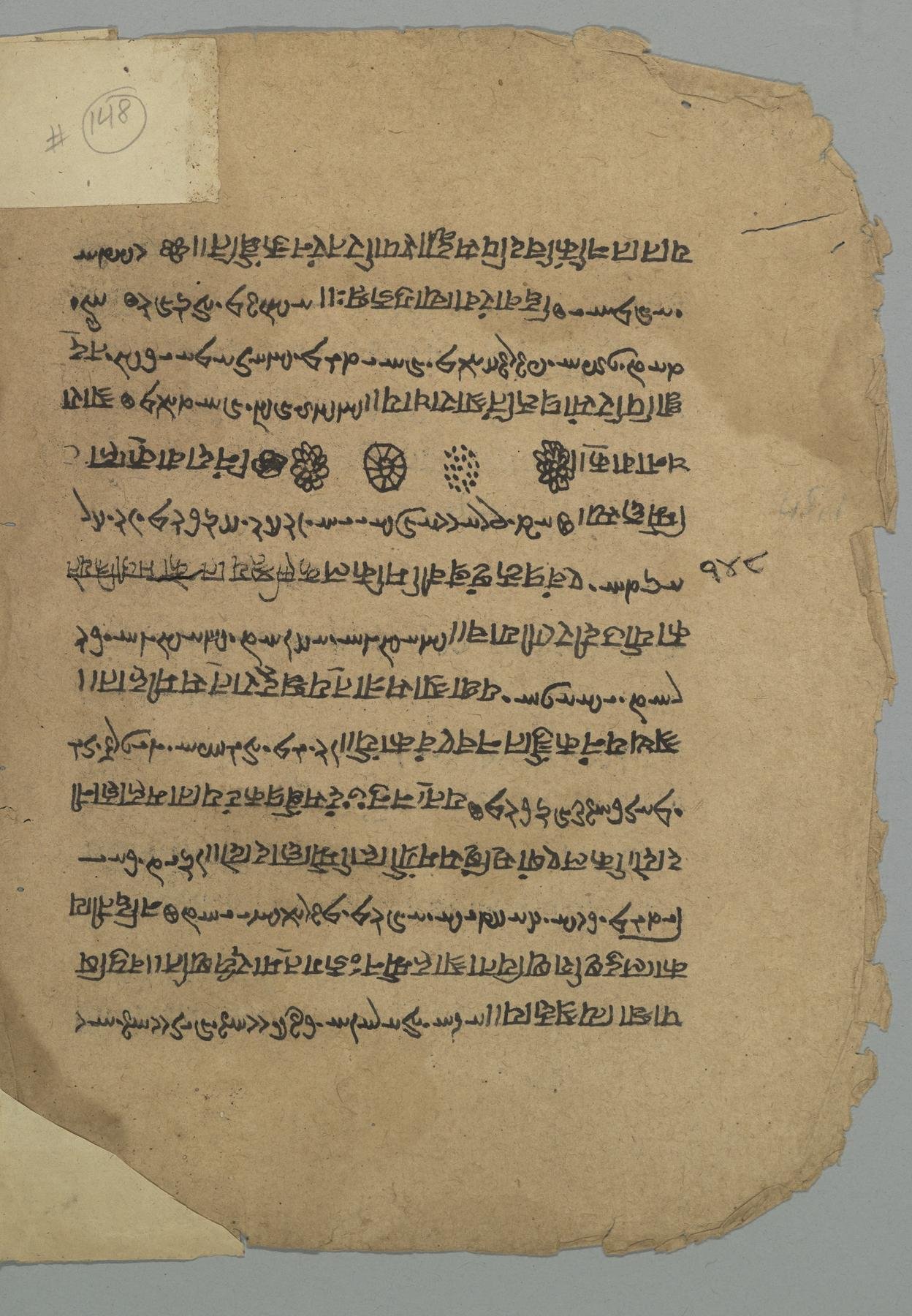
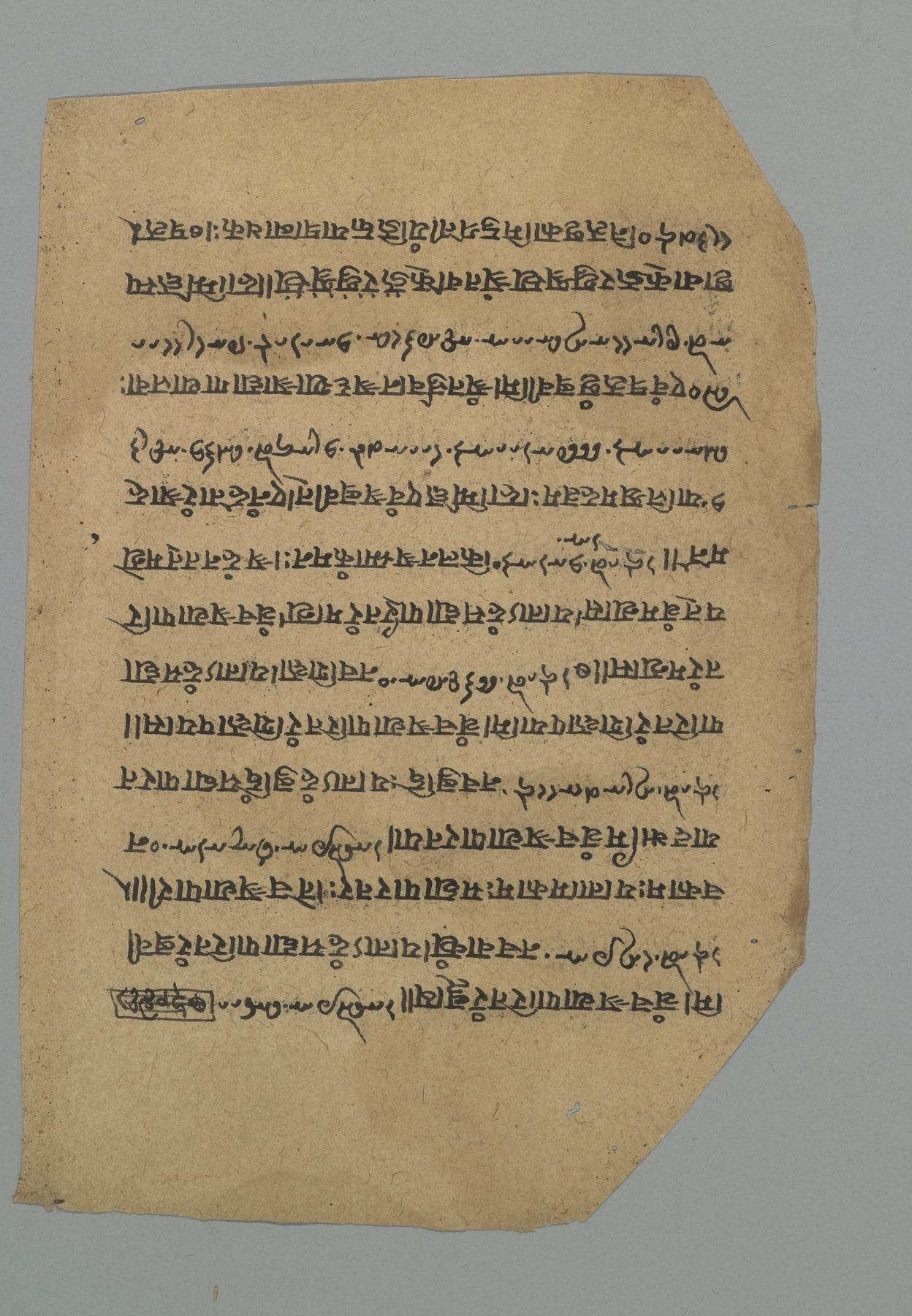
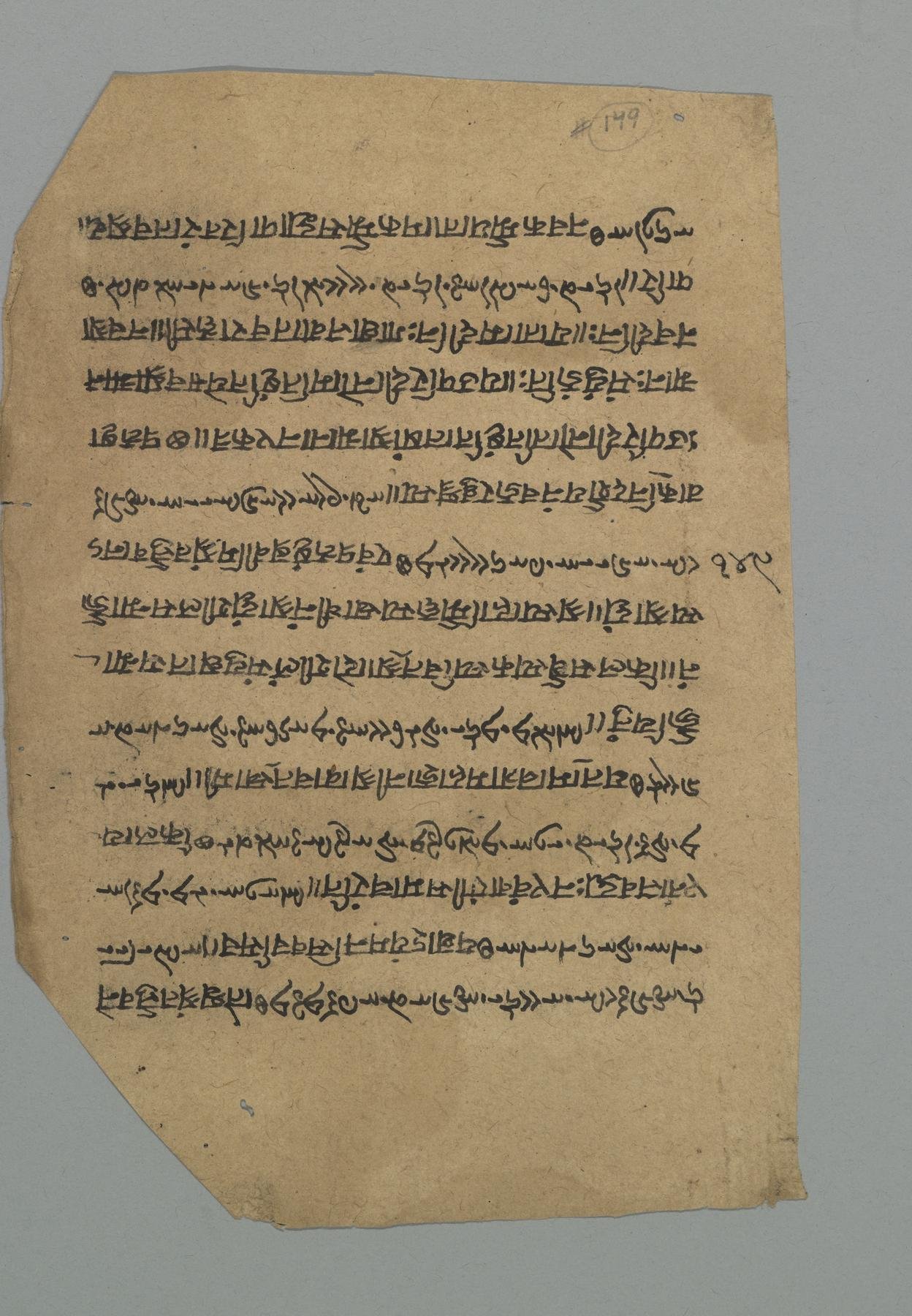
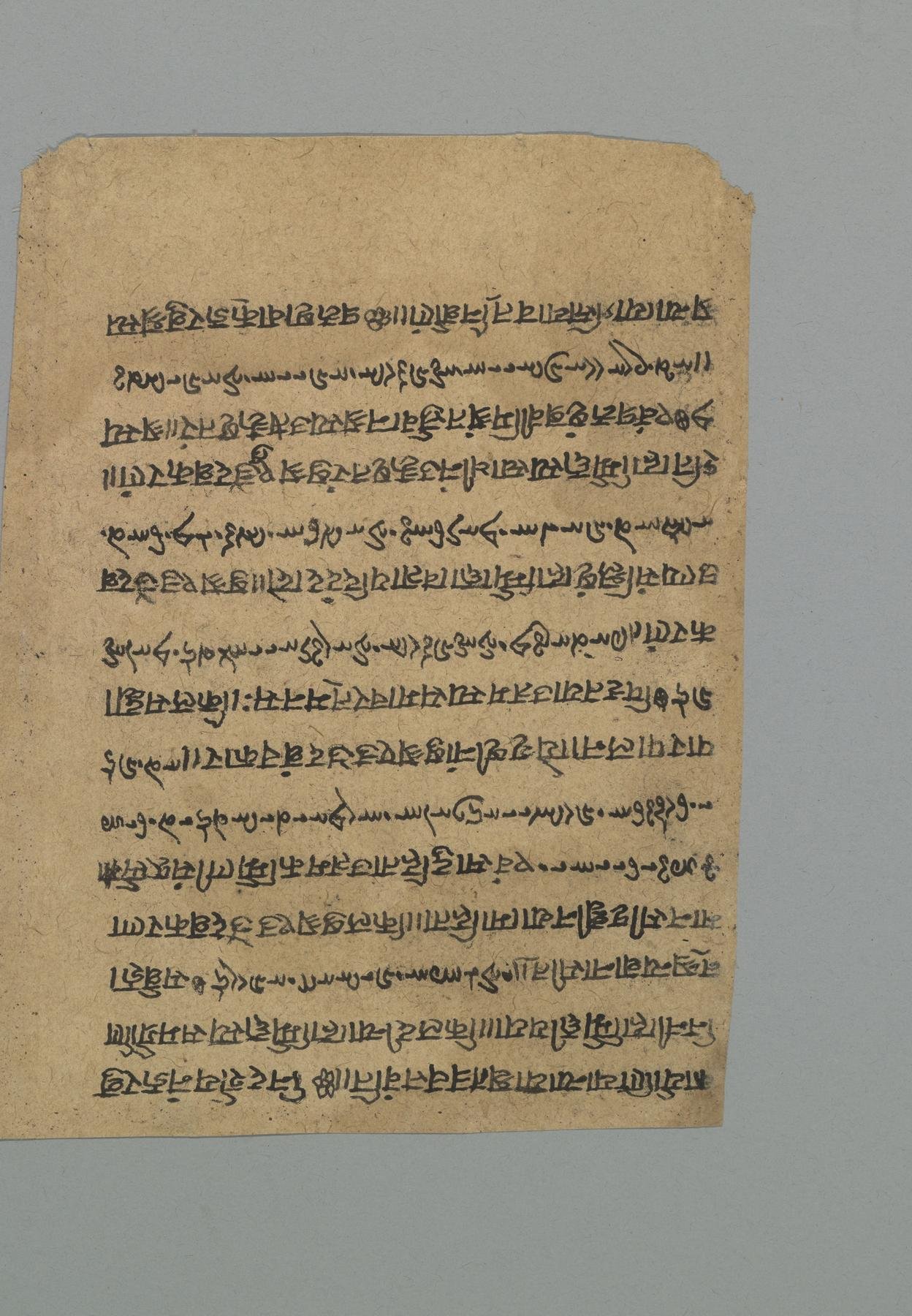
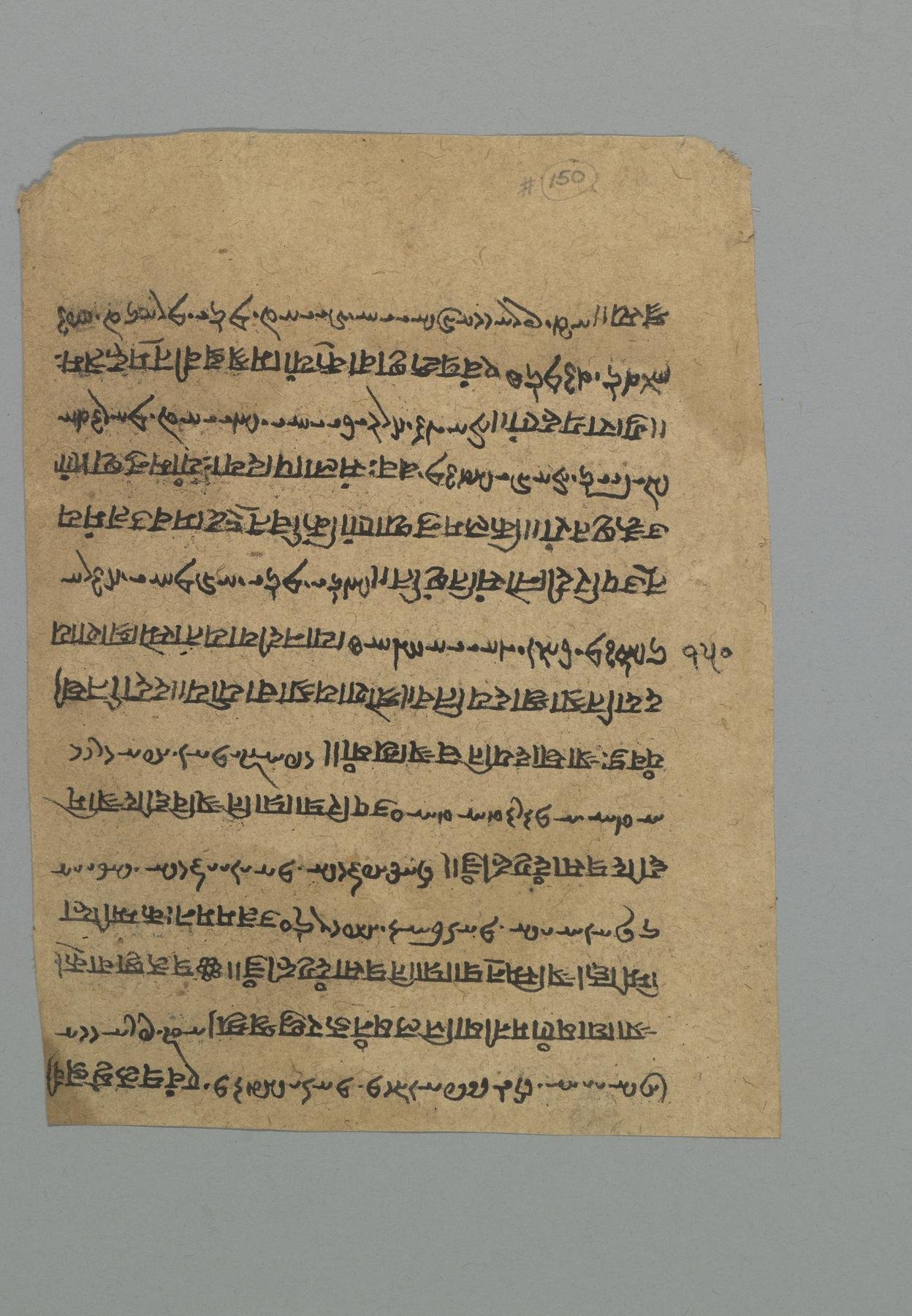
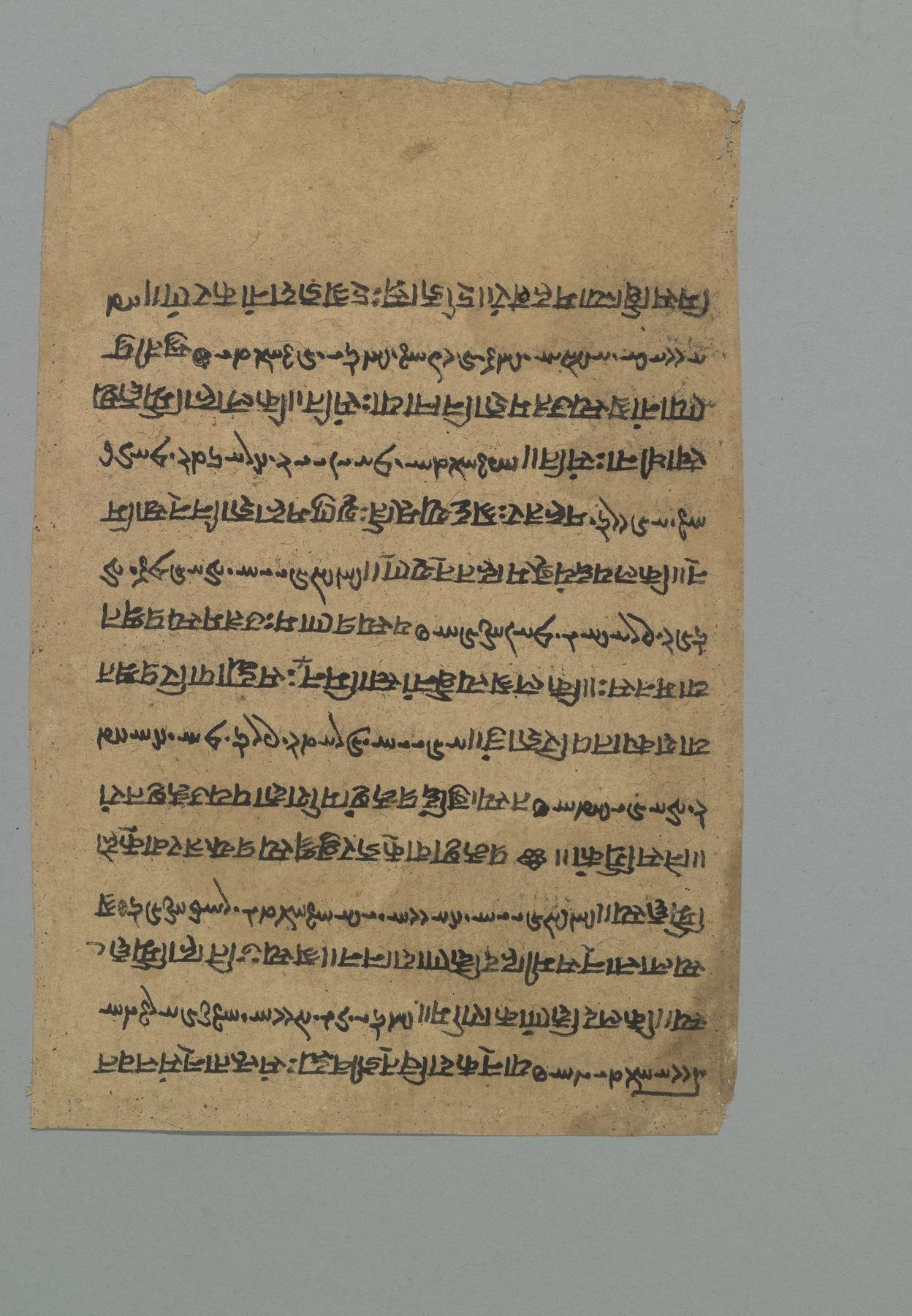
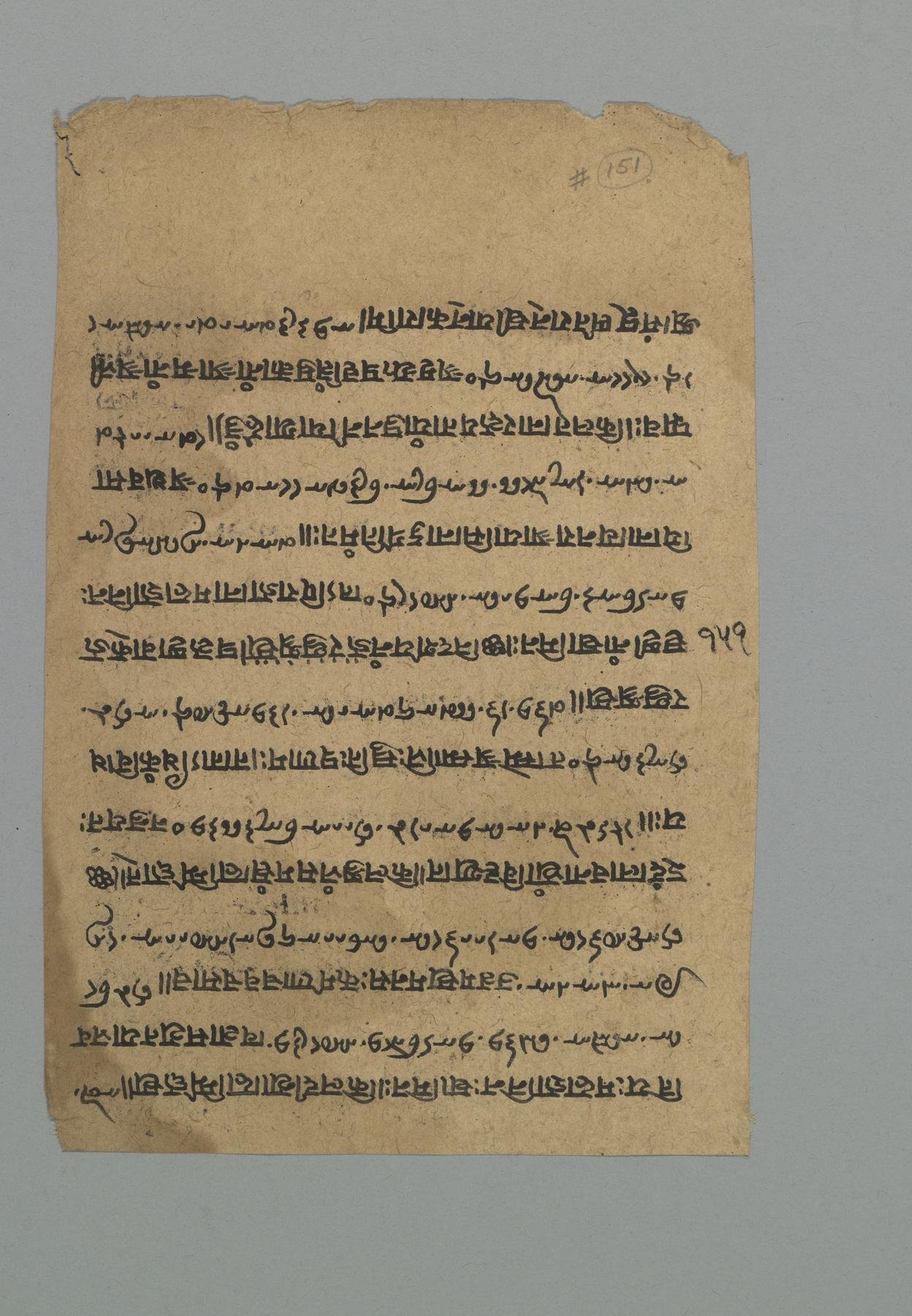
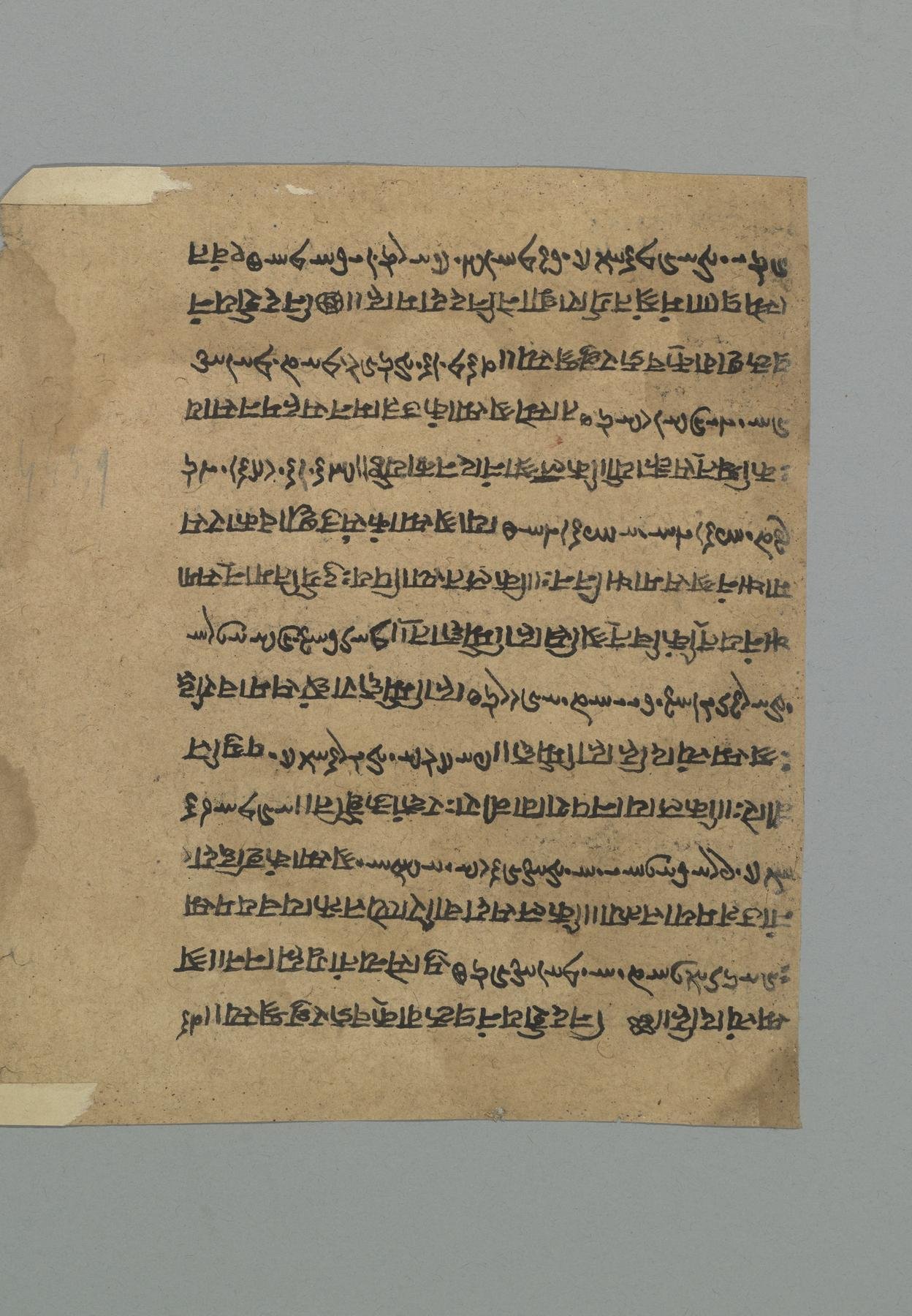
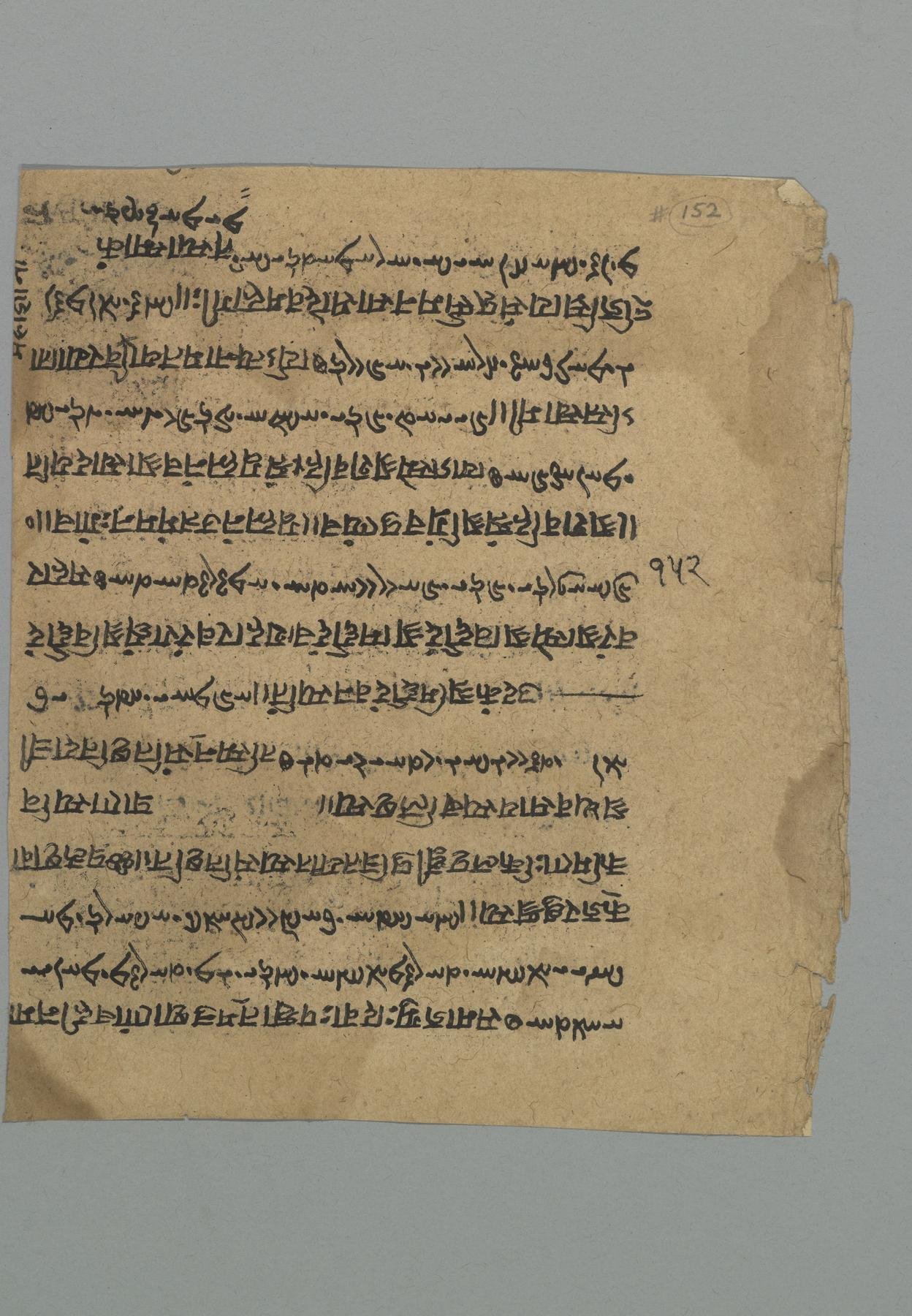
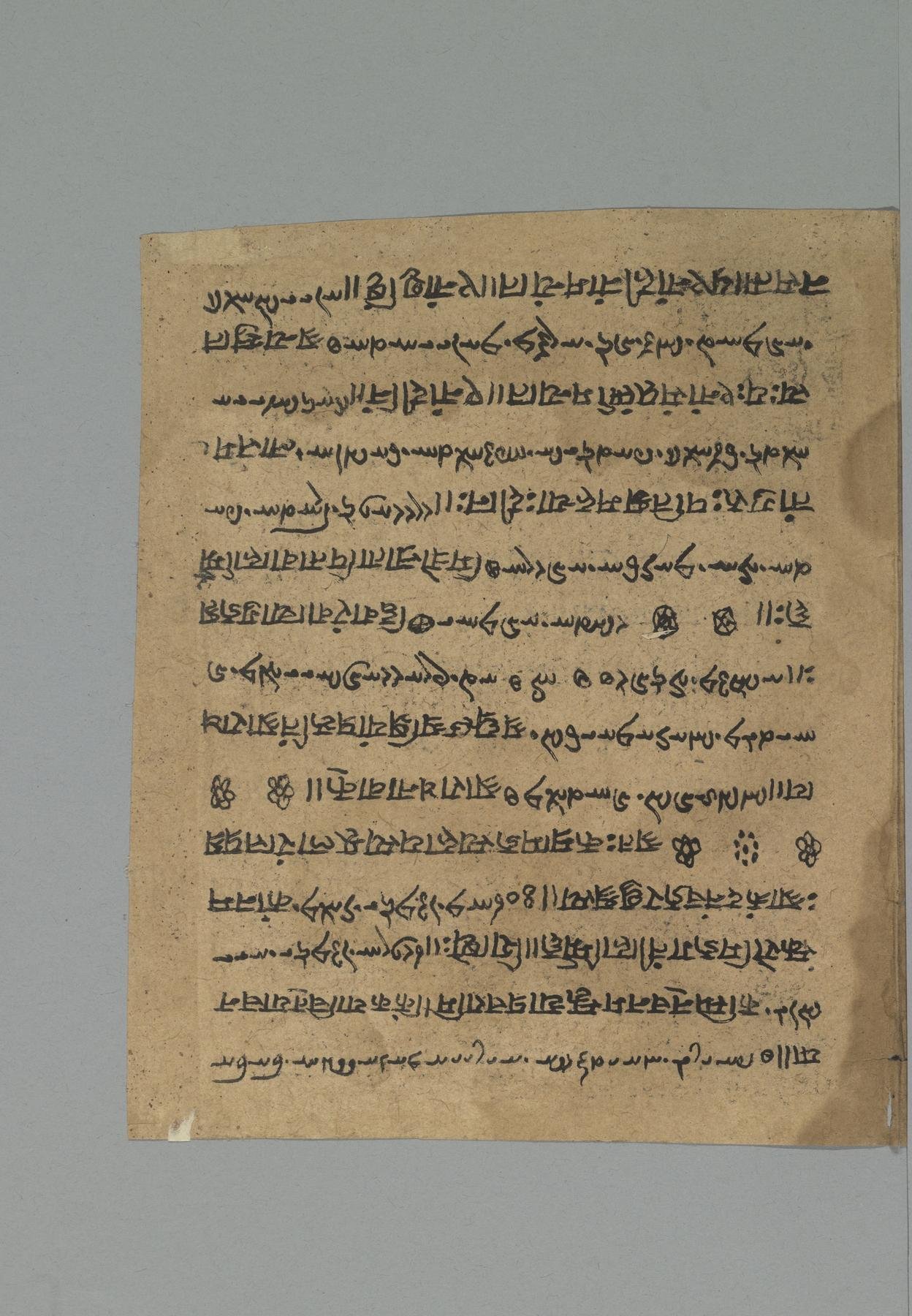
The manuscript shown is Columbia University, Rare Book & Manuscript Library, X892.5 Av3 N22, a Yasna in which every Avestan phrase is followed by the Sanskrit translation of Neryosangh (Nairyosangha, about the 12th century), written in Devanagari. Geldner, who used it for his edition as S1, called it an excellent old manuscript; Columbia dates it between 1700 and 1896. It came to Columbia in 1902 as a gift of Mobed Mancherji Barzoji Pavri to A. V. Williams Jackson. Its scribe wrote the Sanskrit upside down relative to the Avestan, so that both run from right to left along the line. This chapter fills fol. 148v-153r; its opening and close were read on the photographs, and the whole chapter forms one section listing all its pages.
The Avestan is Geldner's edition in the avesta.org transliteration; the English is L. H. Mills's translation in the Sacred Books of the East (1887), without his footnotes.
How was this verified? (Provenance)
Where on the image
Columbia University, Rare Book & Manuscript Library, X892.5 Av3 N22, fol. 148v-153r (10 pages, in order; OPenn images 10938_0289_web.jpg to 10938_0298_web.jpg). In these photographs the Avestan stands upright and the Sanskrit translation is written upside down; turn the image through 180 degrees to read the Sanskrit. Positions below (above, below, top, foot) refer to the photograph as shown, with the Avestan upright. Checked on the images: opening, fol. 148v, below the ornaments, a little above the middle of the page: 'evam prakrstam bravimi kila karnabhyam sruyate komalikriyate || karya udiraniya ca', 'yatha asannat yasca durat samihate' (45.1). Neryosangh's text as edited by Mills (1894) reads here: 'Evam prakrstam bravimi: nanu karnabhyam sruyate [komalikriyate udiraniya ca], (b) yatha asannat, yasca durat samihate'. Close: fol. 153r: the end of 45.11 '... mitro bhrata pita va hormijdasya', 'dvivaram vacya', 'aradhanavak' and a row of ornaments. The verses of the chapter run in order across these pages; they were not placed on single pages. Besides the Avestan, the pages carry Neryosangh's Sanskrit after every phrase, the rubrics of the recitation and the closing formula of the chapter, none of which is shown in the text columns.
1at fravaxshyâ nû gûshôdûm nû sraotâ ýaêcâ asnât ýaêcâ dûrât ishathâ nû îm vîspâ cithrê zî mazdånghô-dûm nôit daibitîm dush-sastish ahûm merãshyât akâ varanâ dregvå hizvå âveretô.
2at fravaxshyâ anghêush mainyû pouruyê ýayå spanyå ûitî mravat ýêm añgrem, nôit nâ manå nôit sêñghâ nôit xratavô naêdâ varanâ nôit uxdhâ naêdâ shyaothanâ nôit daênå nôit urvãnô hacaiñtê.
3at fravaxshyâ anghêush ahyâ pourvîm ýãm môi vîdvå mazdå vaocat ahurô ýôi îm vê nôit ithâ mãthrem varesheñtî ýathâ îm mênâicâ vaocacâ aêibyô anghêush avôi anghat apêmem.
4at fravaxshyâ anghêush ahyâ vahishtem ashât hacâ mazdâ vaêdâ ýê îm dât patarêm vanghêush varezayañtô mananghô at hôi dugedâ hushyaothanâ ârmaitish nôit diwzhaidyâi vîspâ-hishas ahurô.
5at fravaxshyâ hyat môi mraot speñtôtemô vacê srûidyâi hyat maretaêibyô vahishtem ýôi môi ahmâi seraoshem dãn cayascâ upâ-jimen haurvâtâ ameretâtâ vanghêush manyêush shyaothanâish mazdå ahurô.
6at fravaxshyâ vîspanãm mazishtem stavas ashâ ýê hudå ýôi heñtî speñtâ mainyû sraotû mazdå ahurô ýehyâ vahmê vohû frashî mananghâ ahyâ xratû frô-mâ sâstû vahishtâ.
7ýehyâ savâ ishåñtî râdanghô ýôi-zî jvâ ångharecâ bvañticâ ameretâitî ashâunô urvâ aêshô utayûtâ ýâ nerãsh sâdrâ dregvatô tâcâ xshathrâ mazdå dãmish ahurô. dà
8têm nê staotâish nemanghô â vîvareshô nû-zît cashmainî vyâdaresem vanghêush manyêush shyaothanahyâ uxdhah'yâcâ vîdush ashâ ýêm mazdãm ahurem at hôi vahmêñg demânê garô nidâmâ.
9têm nê vohû mat mananghâ cixshnushô ýê-nê usên côret spêncâ aspêncâ mazdå xshathrâ verezênyå dyât ahurô pasûsh vîrêñg ahmâkêñg fradathâi â vanghêush ashâ haozãthwât â mananghô.
10têm nê ýasnâish ârmatôish mimakhzhô ýê ãnmênî mazdå srâvî ahurô hyat hôi ashâ vohucâ côisht mananghâ xshathrôi hôi haurvâtâ ameretâtâ ahmâi stôi dãn tevîshî utayûitî.
11ýastâ daêvêñg aparô mashyãscâ tarê-mãstâ ýôi îm tarê-manyañtâ anyêñg ahmât ýê hôi arêm manyâtâ saoshyañtô dêñg patôish speñtâ daênâ urvathô barâtâ patâ vâ mazdâ ahurâ!
1Yea, I will speak forth; hear ye; now listen, ye who from near, and ye who from afar have come seeking (the knowledge). Now ponder ye clearly all (that concerns) him. Not for a second time shall the false teacher slay our life (of the mind, or the body). The wicked is hemmed in with his faith and his tongue!
2Yea, I will declare the world's two first spirits, of whom the more bountiful thus spake to the harmful: Neither our thoughts, nor commands, nor our understandings, nor our beliefs, nor our deeds, nor our consciences, nor our souls, are at one.
3Thus I will declare this world's first (teaching), that which the all-wise Mazda Ahura hath told me. And they among you who will not so fulfil and obey this Mãthra, as I now shall conceive and declare it, to these shall the end of life (issue) in woe.
4Thus I will declare forth this world's best (being). From (the insight of His) Righteousness Mazda, who hath appointed these (things), hath known (what He utters to be true; yea, I will declare) Him the father of the toiling Good Mind (within us). So is His daughter through good deeds (our) Piety. Not to be deceived is the all-viewing Lord.
5Yea, thus I will declare that which the most bountiful One told me, that word which is the best to be heeded by mortals. They who therein grant me obedient attention, upon them cometh Weal to bless, and the Immortal being, and in the deeds of His Good Mind cometh the Lord.
6Aye, thus I will declare forth Him who is of all the greatest, praising through my Righteousness, I who do aright, those who (dispose of all as well aright). Let Ahura Mazda hear with His bounteous spirit, in whose homage (what I asked) was asked with the Good Mind. Aye, let Him exhort me through His wisdom (which is ever) the best.
7(Yea, I will declare Him) whose blessings the offerers will seek for, those who are living now, as well as those who have lived (aforetime), as will they also who are coming (hereafter. Yea, even) the soul(s) of the righteous (will desire) them in the eternal Immortality. (Those things they will desire which are blessings to the righteous) but woes to the wicked. And these hath Ahura Mazda (established) through His kingdom, He, the creator (of all).
8Him in our hymns of homage and of praise would I faithfully serve, for now with (mine) eye, I see Him clearly, Lord of the good spirit, of word, and action, I knowing through my Righteousness Him who is Ahura Mazda. And to Him (not here alone, but) in His home of song, His praise we shall bear.
9Yea, Him with our better Mind we seek to honour, who desiring (good), shall come to us (to bless) in weal and sorrow. May He, Ahura Mazda, make us vigorous through Khshathra's royal power, our flocks and men in thrift to further, from the good support and bearing of His Good Mind, (itself born in us) by His Righteousness.
10Him in the Yasnas of our Piety we seek to praise with homage, who in His persistent energy was famed to be (in truth) the Lord Ahura Mazda, for He hath appointed in His kingdom, through His holy Order and His Good Mind, both Weal and Immortality, to grant the eternal mighty pair to this our land (and the creation).
11(Him would we magnify and praise) who hath despised the Daêva-gods and alien men, them who before held Him in their derision. Far different are (these) from him who gave Him honour. This latter one is through the Saoshyant's bounteous Faith, who likewise is the Lord of saving power, a friend, brother, or a father to us, Mazda Lord!
Notes
- Avestan: Geldner's text in the avesta.org transliteration; the recitation rubrics '(zot,)' and '(zot u raspi,)' and the closing formula printed after the chapter are left out. '(2)' after a verse marks that it is recited twice.
- English: L. H. Mills, Sacred Books of the East 31 (1887), without his footnotes and chapter summaries; his headings naming the speakers are printed in italics. Mills prints some letters of Avestan names in italic type (as in Zarathustra); they are given here in roman type.
Cite
Sources
- Source: Columbia University, Rare Book & Manuscript Library, X892.5 Av3 N22 (Yasna with Neryosangh's Sanskrit; OPenn, Public Domain Mark) + Geldner's Avestan text (avesta.org) + L. H. Mills's English (SBE 31, 1887) (holding institution)
- Critical edition: Geldner, Avesta (1886-1896), avesta.org transliteration
← previous · → next · v cycle view · l back to library