Diodorus Siculus 1.21-22: the death of Osiris, the vengeance of Isis and the tombs of the gods
Introduction
Diodorus of Sicily wrote his Library of History, a history of the world in forty books, between about 60 and 30 BCE; he visited Egypt in the 180th Olympiad (60-56 BCE). Book 1 is devoted to Egypt, and its first part gives what the Egyptian priests and the Greek writers who used them (chiefly Hecataeus of Abdera) told of the beginning of the world and of the gods who ruled Egypt as kings before the first mortal king, Menas. Diodorus reports these accounts without vouching for them.
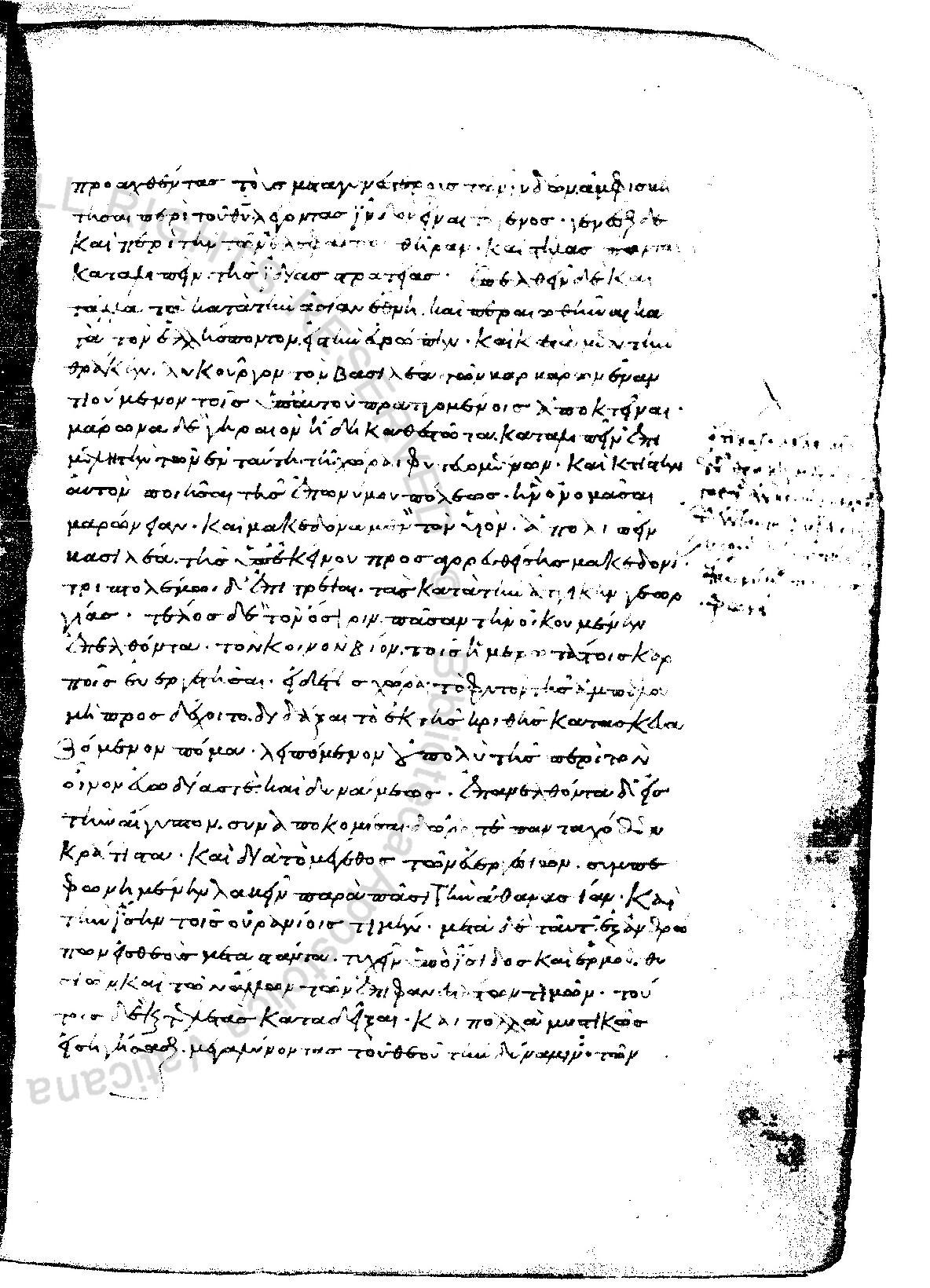
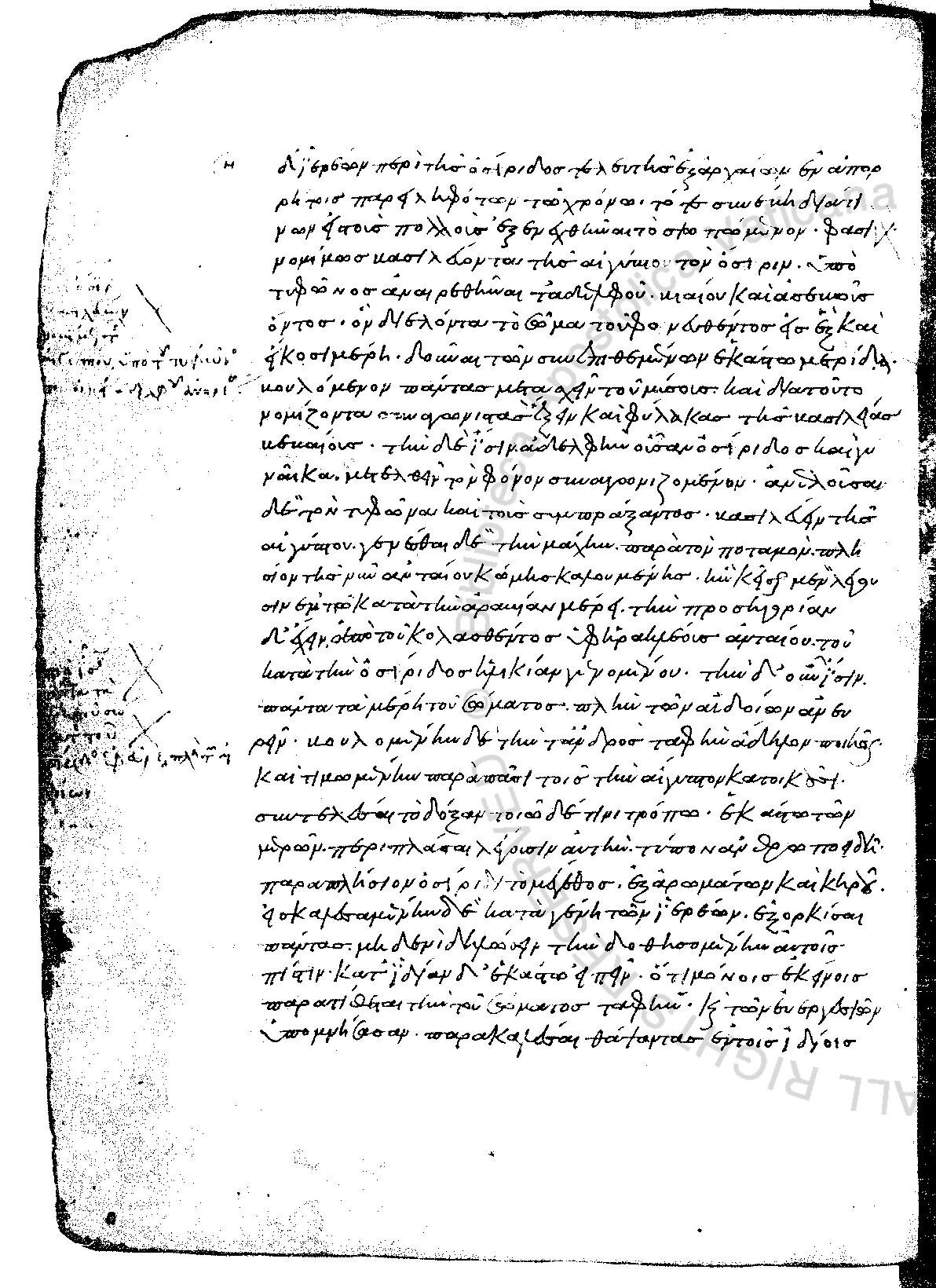
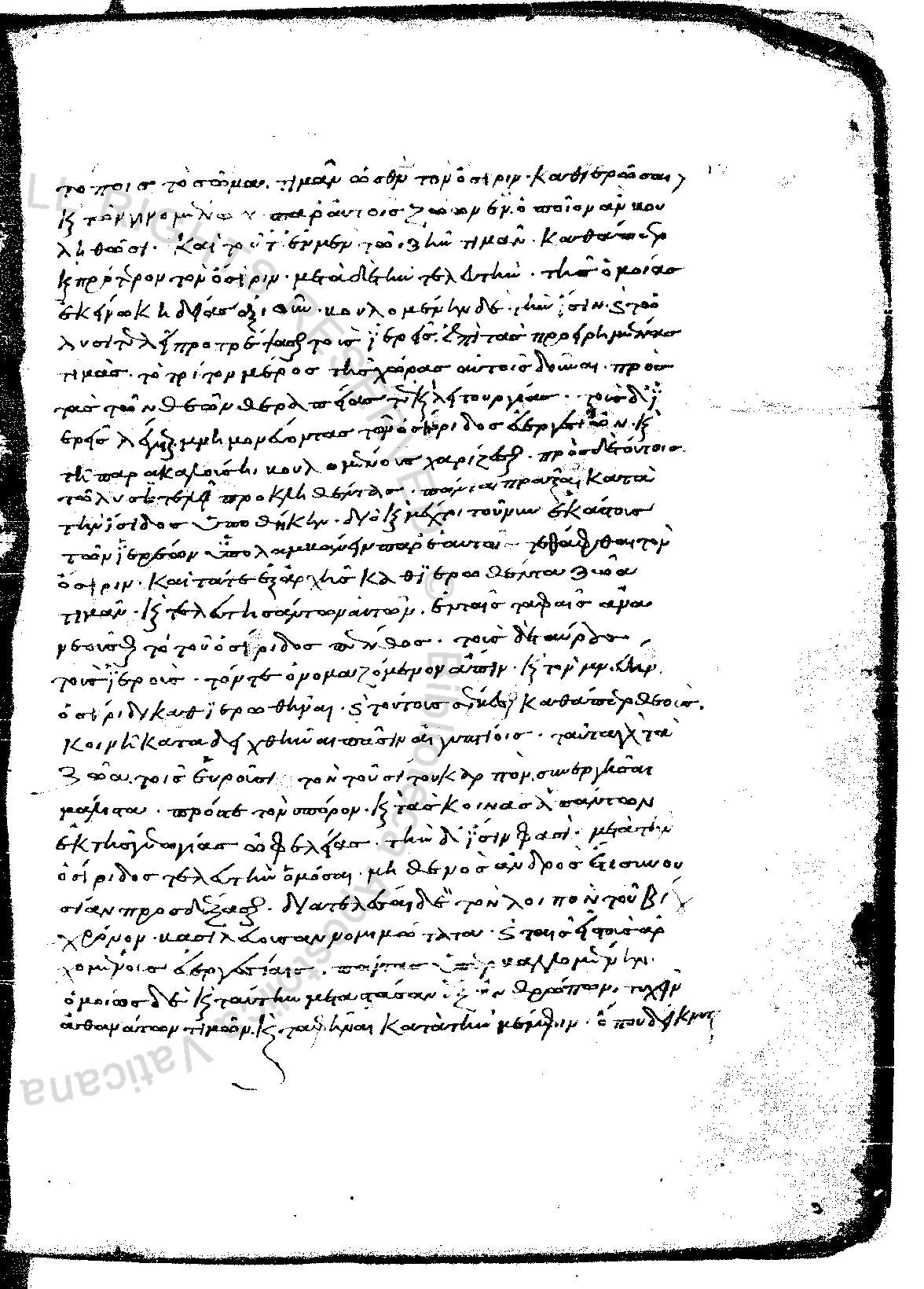
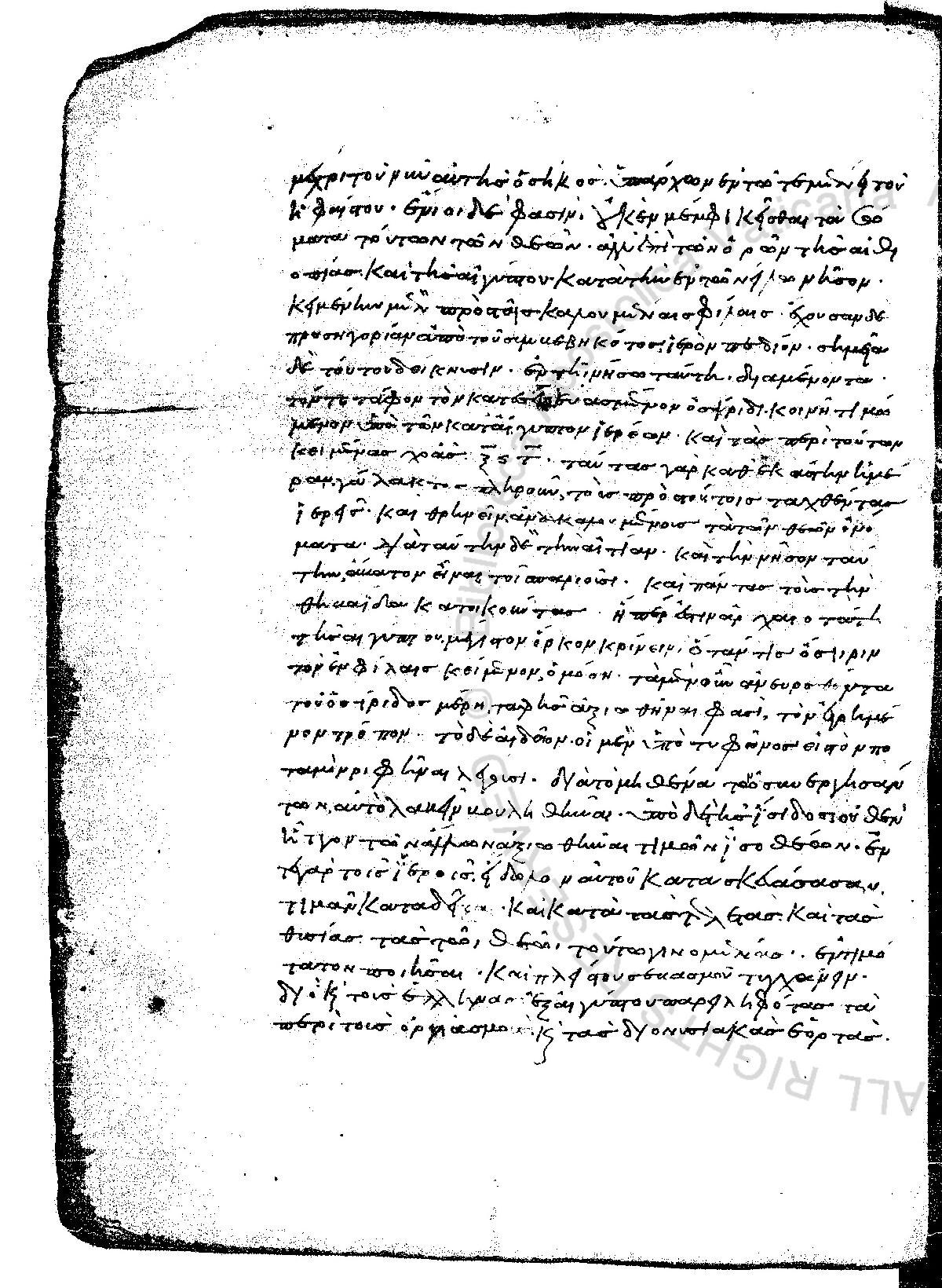
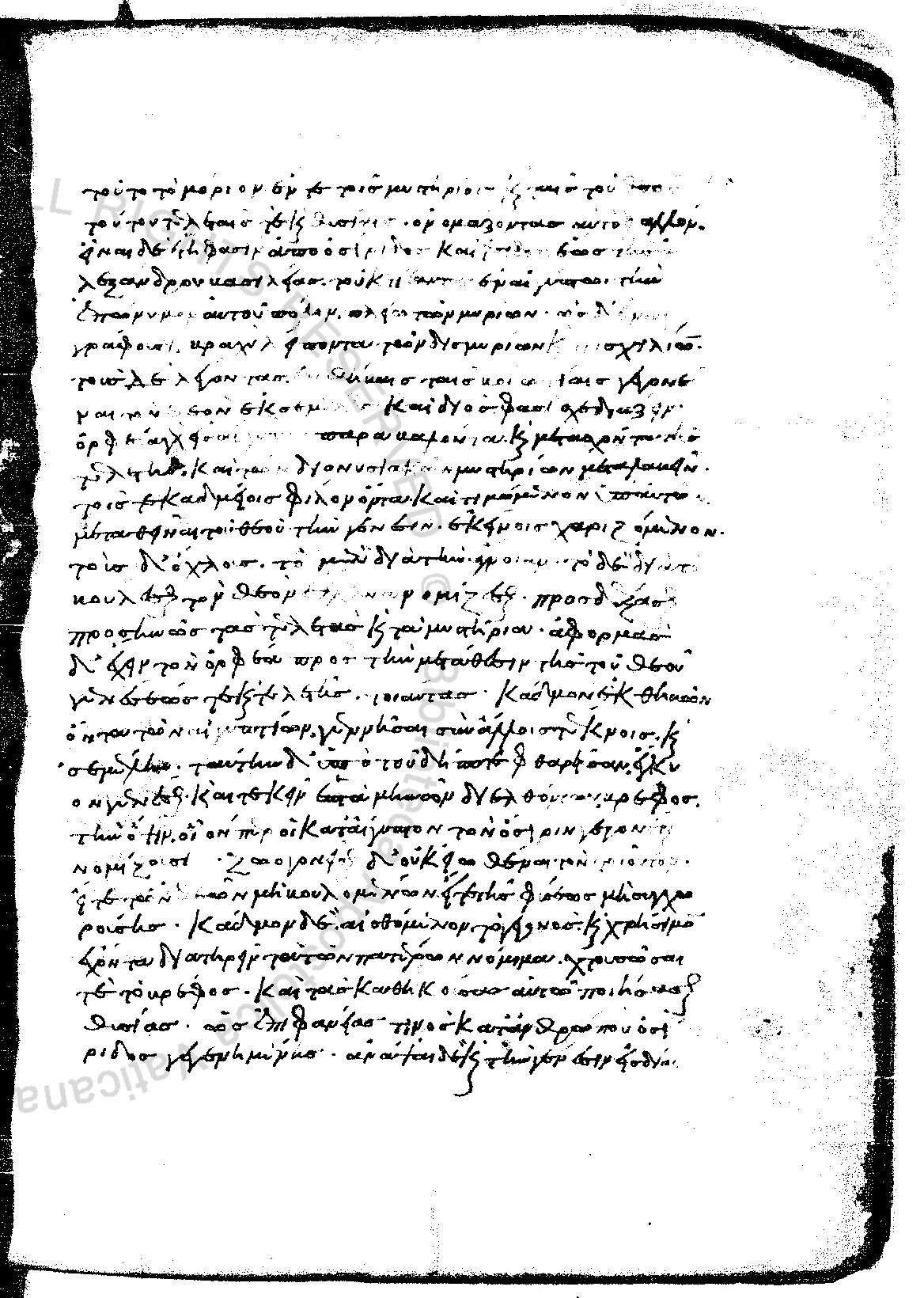
The manuscript shown is Vat. gr. 130 in the Vatican Library, a parchment copy of books 1-5 made in the middle of the 10th century, the oldest manuscript of this part of the work. The images are the library's black-and-white microfilm; each opening has been split into its two pages. No folio numbers are legible on the images, so pages are cited by DigiVatLib image number and side. Each section is one chapter and lists the page or pages that carry it; the page breaks were read on the images and are recorded in each note.
This entry covers chapters 1.21-22.
How was this verified? (Provenance)
Where on the image
1.21 runs over 3 pages: DigiVatLib image 0019, right page; DigiVatLib image 0020, left page; DigiVatLib image 0020, right page. DigiVatLib image 0019, right page: begins 'προαχθέντας τοὺς μεταγενεστέρους τῶν Ἰνδῶν ἀμφισβητῆσαι' (1.19.8); 1.20 begins at the end of the second line 'γενέσθαι δὲ'; ends 'μεγαλύνοντας τοῦ θεοῦ τὴν δύναμιν. τῶν' (1.20.6, with the first word of 1.21). DigiVatLib image 0020, left page: begins 'δ’ ἱερέων περὶ τῆς Ὀσίριδος τελευτῆς ἐξ ἀρχαίων ἐν ἀπορρήτοις' (1.21.1); ends 'καὶ τῶν εὐεργεσιῶν ὑπομνήσασαν παρακαλέσαι θάψαντας ἐν τοῖς ἰδίοις' (1.21.6). DigiVatLib image 0020, right page: begins 'τόποις τὸ σῶμα τιμᾶν ὡς θεὸν τὸν Ὄσιριν' (1.21.6); ends 'τυχεῖν ἀθανάτων τιμῶν καὶ ταφῆναι κατὰ τὴν Μέμφιν, ὅπου δείκνυται' (1.22.2). Checked on the images. Viewer: https://digi.vatlib.it/view/MSS_Vat.gr.130/0019
1τῶν δʼ ἱερέων περὶ τῆς Ὀσίριδος τελευτῆς ἐξ ἀρχαίων ἐν ἀπορρήτοις παρειληφότων, τῷ χρόνῳ ποτὲ συνέβη διά τινων εἰς τοὺς πολλοὺς ἐξενεχθῆναι τὸ σιωπώμενον. 2φασὶ γὰρ νομίμως βασιλεύοντα τῆς Αἰγύπτου τὸν Ὄσιριν ὑπὸ Τυφῶνος ἀναιρεθῆναι τἀδελφοῦ, βιαίου καὶ ἀσεβοῦς ὄντος· ὃν διελόντα τὸ σῶμα τοῦ φονευθέντος εἰς ἓξ καὶ εἴκοσι μέρη δοῦναι τῶν συνεπιθεμένων ἑκάστῳ μερίδα, βουλόμενον πάντας μετασχεῖν τοῦ μύσους, καὶ διὰ τούτου νομίζοντα συναγωνιστὰς ἕξειν καὶ φύλακας τῆς βασιλείας βεβαίους. 3τὴν δὲ Ἶσιν ἀδελφὴν οὖσαν Ὀσίριδος καὶ γυναῖκα μετελθεῖν τὸν φόνον, συναγωνιζομένου τοῦ παιδὸς αὐτῆς Ὥρου· ἀνελοῦσαν δὲ τὸν τυφῶνα καὶ τοὺς συμπράξαντας βασιλεῦσαι τῆς Αἰγύπτου. 4γενέσθαι δὲ τὴν μάχην παρὰ τὸν ποταμὸν πλησίον τῆς νῦν Ἀνταίου κώμης καλουμένης, ἣν κεῖσθαι μὲν λέγουσιν ἐν τῷ κατὰ τὴν Ἀραβίαν μέρει, τὴν προσηγορίαν δʼ ἔχειν ἀπὸ τοῦ κολασθέντος ὑφʼ Ἡρακλέους Ἀνταίου, τοῦ κατὰ τὴν Ὀσίριδος ἡλικίαν γενομένου. 5τὴν δʼ οὖν Ἶσιν πάντα τὰ μέρη τοῦ σώματος πλὴν τῶν αἰδοίων ἀνευρεῖν· βουλομένην δὲ τὴν τἀνδρὸς ταφὴν ἄδηλον ποιῆσαι καὶ τιμωμένην παρὰ πᾶσι τοῖς τὴν Αἴγυπτον κατοικοῦσι, συντελέσαι τὸ δόξαν τοιῷδέ τινι τρόπῳ. ἑκάστῳ τῶν μερῶν περιπλάσαι λέγουσιν αὐτὴν τύπον ἀνθρωποειδῆ, παραπλήσιον Ὀσίριδι τὸ μέγεθος, ἐξ ἀρωμάτων καὶ κηροῦ· 6εἰσκαλεσαμένην δὲ κατὰ γένη τῶν ἱερέων ἐξορκίσαι πάντας μηδενὶ δηλώσειν τὴν δοθησομένην αὐτοῖς πίστιν, κατʼ ἰδίαν δʼ ἑκάστοις εἰπεῖν ὅτι μόνοις ἐκείνοις παρατίθεται τὴν τοῦ σώματος ταφήν, καὶ τῶν εὐεργεσιῶν ὑπομνήσασαν παρακαλέσαι θάψαντας ἐν τοῖς ἰδίοις τόποις τὸ σῶμα τιμᾶν ὡς θεὸν τὸν Ὄσιριν, καθιερῶσαι δὲ καὶ τῶν γινομένων παρʼ αὐτοῖς ζῴων ἓν ὁποῖον ἂν βουληθῶσι, καὶ τοῦτʼ ἐν μὲν τῷ ζῆν τιμᾶν, καθάπερ καὶ πρότερον τὸν Ὄσιριν, μετὰ δὲ τὴν τελευτὴν τῆς ὁμοίας ἐκείνῳ κηδείας ἀξιοῦν. 7βουλομένην δὲ τὴν Ἶσιν καὶ τῷ λυσιτελεῖ προτρέψασθαι τοὺς ἱερεῖς ἐπὶ τὰς προειρημένας τιμάς, τὸ τρίτον μέρος τῆς χώρας αὐτοῖς δοῦναι πρὸς τὰς τῶν θεῶν θεραπείας τε καὶ λειτουργίας. 8τοὺς δʼ ἱερεῖς λέγεται, μνημονεύοντας τῶν Ὀσίριδος εὐεργεσιῶν καὶ τῇ παρακαλούσῃ βουλομένους χαρίζεσθαι, πρὸς δὲ τούτοις τῷ λυσιτελεῖ προκληθέντας, 9πάντα πρᾶξαι κατὰ τὴν Ἴσιδος ὑποθήκην. διὸ καὶ μέχρι τοῦ νῦν ἑκάστους τῶν ἱερέων ὑπολαμβάνειν παρʼ ἑαυτοῖς τεθάφθαι τὸν Ὄσιριν, καὶ τά τε ἐξ ἀρχῆς καθιερωθέντα ζῷα τιμᾶν, καὶ τελευτησάντων αὐτῶν ἐν ταῖς ταφαῖς ἀνανεοῦσθαι τὸ τοῦ Ὀσίριδος πένθος. 10τοὺς δὲ ταύρους τοὺς ἱερούς, τόν τε ὀνομαζόμενον Ἆπιν καὶ τὸν Μνεῦιν, Ὀσίριδι καθιερωθῆναι, καὶ τούτους σέβεσθαι καθάπερ θεοὺς κοινῇ καταδειχθῆναι πᾶσιν Αἰγυπτίοις· 11ταῦτα γὰρ τὰ ζῷα τοῖς εὑροῦσι τὸν τοῦ σίτου καρπὸν συνεργῆσαι μάλιστα πρός τε τὸν σπόρον καὶ τὰς κοινὰς ἁπάντων ἐκ τῆς γεωργίας ὠφελείας.
1Although the priests of Osiris had from the earliest times received the account of his death as a matter not to be divulged, in the course of years it came about that through some of their number this hidden knowledge was published to the many. 2This is the story as they give it: When Osiris was ruling over Egypt as its lawful king, he was murdered by his brother Typhon, a violent and impious man; Typhon then divided the body of the slain man into twenty-six pieces and gave one portion to each of the band of murderers, since he wanted all of them to share in the pollution and felt that in this way he would have in them steadfast supporters and defenders of his rule. 3But Isis, the sister and wife of Osiris, avenged his murder with the aid of her son Horus, and after slaying Typhon and his accomplices became queen over Egypt. 4The struggle between them took place on the banks of the Nile near the village now known as Antaeus, which, they say, lies on the Arabian side of the river and derives its name from that Antaeus, a contemporary of Osiris, who was punished by Heracles. 5Now Isis recovered all the pieces of the body except the privates, and wishing that the burial-place of her husband should remain secret and yet be honoured by all the inhabitants of Egypt, she fulfilled her purpose in somewhat the following manner. Over each piece of the body, as the account goes, she fashioned out of spices and wax a human figure about the size of Osiris; 6then summoning the priests group by group, she required all of them an oath that they would reveal to no one the trust which she was going to confide to them, and taking each group of them apart privately she said that she was consigning to them alone the burial of the body, and after reminding them of the benefactions of Osiris she exhorted them to bury his body in their own district and pay honours to him as to a god, and to consecrate to him also some one that they might choose of the animals native to their district, pay it while living the honours which they had formerly rendered to Osiris, and upon its death accord it the same kind of funeral as they had given to him. 7And since Isis wished to induce the priests to render these honours by the incentive of their own profit also, she gave them the third part of the country to defray the cost of the worship and service of the gods. 8And the priests, it is said, being mindful of the benefactions of Osiris and eager to please the queen who was petitioning them, and incited as well by their own profit, did everything just as Isis had suggested. 9It is for this reason that even to this day each group of priests supposes that Osiris lies buried in their district, pays honours to the animals which were originally consecrated to him, and, when these die, renews in the funeral rites for them the mourning for Osiris. 10The consecration to Osiris, however, of the sacred bulls, which are given the names Apis and Mnevis, and worship of them as gods were introduced generally among all the Egyptians, 11since these animals had, more than any others, rendered aid to those who discovered the fruit of the grain, in connection with both the sowing of the seed and with every agricultural labour from which mankind profits.
Where on the image
1.22 runs over 3 pages: DigiVatLib image 0020, right page; DigiVatLib image 0021, left page; DigiVatLib image 0021, right page. DigiVatLib image 0020, right page: begins 'τόποις τὸ σῶμα τιμᾶν ὡς θεὸν τὸν Ὄσιριν' (1.21.6); ends 'τυχεῖν ἀθανάτων τιμῶν καὶ ταφῆναι κατὰ τὴν Μέμφιν, ὅπου δείκνυται' (1.22.2). DigiVatLib image 0021, left page: begins 'μέχρι τοῦ νῦν ὁ σηκός, ὑπάρχων ἐν τῷ τεμένει τοῦ Ἡφαίστου' (1.22.2); ends 'παρειληφότας τὰ περὶ τοὺς ὀργιασμοὺς καὶ τὰς Διονυσιακὰς ἑορτάς' (1.22.7). DigiVatLib image 0021, right page: begins 'τοῦτο τὸ μόριον ἔν τε τοῖς μυστηρίοις' (1.22.7; the edition's 'τιμᾶν' before these words is not on the page, nor at the end of the previous page); 1.23 begins on line 3 'εἶναι δὲ ἔτη φασὶν'; ends 'Ὀσίριδος γεγενημένης. ἀνάψαι δὲ καὶ τὴν γένεσιν εἰς Δία' (1.23.5-6). Checked on the images. Viewer: https://digi.vatlib.it/view/MSS_Vat.gr.130/0020
1τὴν δὲ Ἶσίν φασι μετὰ τὴν Ὀσίριδος τελευτὴν ὀμόσαι μηδενὸς ἀνδρὸς ἔτι συνουσίαν προσδέξεσθαι, διατελέσαι δὲ τὸν λοιπὸν τοῦ βίου χρόνον βασιλεύουσαν νομιμώτατα καὶ ταῖς εἰς τοὺς ἀρχομένους εὐεργεσίαις ἅπαντας ὑπερβαλλομένην. 2ὁμοίως δὲ καὶ ταύτην μεταστᾶσαν ἐξ ἀνθρώπων τυχεῖν ἀθανάτων τιμῶν καὶ ταφῆναι κατὰ τὴν Μέμφιν, ὅπου δείκνυται μέχρι τοῦ νῦν ὁ σηκός, ὑπάρχων ἐν τῷ τεμένει τοῦ Ἡφαίστου. 3ἔνιοι δέ φασιν οὐκ ἐν Μέμφει κεῖσθαι τὰ σώματα τούτων τῶν θεῶν, ἀλλʼ ἐπὶ τῶν ὅρων τῆς Αἰθιοπίας καὶ τῆς Αἰγύπτου κατὰ τὴν ἐν τῷ Νείλῳ νῆσον, κειμένην μὲν πρὸς ταῖς καλουμέναις Φίλαις, ἔχουσαν δὲ προσηγορίαν ἀπὸ τοῦ συμβεβηκότος ἱεροῦ πεδίου. 4σημεῖα δὲ τούτου δεικνύουσιν ἐν τῇ νήσῳ ταύτῃ διαμένοντα τόν τε τάφον τὸν κατεσκευασμένον Ὀσίριδι, κοινῇ τιμώμενον ὑπὸ τῶν κατʼ Αἴγυπτον ἱερέων, καὶ τὰς περὶ τοῦτον κειμένας ἑξήκοντα καὶ τριακοσίας χοάς· 5ταύτας γὰρ καθʼ ἑκάστην ἡμέραν γάλακτος πληροῦν τοὺς πρὸς τούτοις ταχθέντας ἱερεῖς, καὶ θρηνεῖν ἀνακαλουμένους τὰ τῶν θεῶν ὀνόματα. 6διὰ ταύτην δὲ τὴν αἰτίαν καὶ τὴν νῆσον ταύτην ἄβατον εἶναι τοῖς παριοῦσι. καὶ πάντας τοὺς τὴν Θηβαΐδα κατοικοῦντας, ἥπερ ἐστὶν ἀρχαιοτάτη τῆς Αἰγύπτου, μέγιστον ὅρκον κρίνειν, ὅταν τις τὸν Ὄσιριν τὸν ἐν Φίλαις κείμενον ὀμόσῃ. τὰ μὲν οὖν ἀνευρεθέντα τοῦ Ὀσίριδος μέρη ταφῆς ἀξιωθῆναί φασι τὸν εἰρημένον τρόπον, τὸ δὲ αἰδοῖον ὑπὸ μὲν Τυφῶνος εἰς τὸν ποταμὸν ῥιφῆναι λέγουσι διὰ τὸ μηδένα τῶν συνεργησάντων αὐτὸ λαβεῖν βουληθῆναι, ὑπὸ δὲ τῆς Ἴσιδος οὐδὲν ἧττον τῶν ἄλλων ἀξιωθῆναι τιμῶν ἰσοθέων· ἔν τε γὰρ τοῖς ἱεροῖς εἴδωλον αὐτοῦ κατασκευάσασαν τιμᾶν καταδεῖξαι καὶ κατὰ τὰς τελετὰς καὶ τὰς θυσίας τὰς τῷ θεῷ τούτῳ γινομένας ἐντιμότατον ποιῆσαι καὶ πλείστου σεβασμοῦ τυγχάνειν. 7διὸ καὶ τοὺς Ἕλληνας, ἐξ Αἰγύπτου παρειληφότας τὰ περὶ τοὺς ὀργιασμοὺς καὶ τὰς Διονυσιακὰς ἑορτάς, τιμᾶν τοῦτο τὸ μόριον ἔν τε τοῖς μυστηρίοις καὶ ταῖς τοῦ θεοῦ τούτου τελεταῖς τε καὶ θυσίαις, ὀνομάζοντας αὐτὸ φαλλόν.
1Isis, they say, after the death of Osiris took a vow never to marry another man, and passed the remainder of her life reigning over the land with complete respect for the law and surpassing all sovereigns in benefactions to her subjects. 2And like her husband she also, when she passed from among men, received immortal honours and was buried near Memphis, where her shrine is pointed out to this day in the temple-area of Hephaestus. 3According to some writers, however, the bodies of these two gods rest, not in Memphis, but on the border between Egypt and Ethiopia, on the island in the Nile which lies near the city which is called Philae, but is referred to because of this burial as the Holy Field. 4In proof of this they point to remains which still survive on this island, both to the tomb constructed for Osiris, which is honoured in common by all the priests of Egypt, and to the three hundred and sixty libation bowls which are placed around it; 5for the priests appointed over these bowls fill them each day with milk, singing all the while a dirge in which they call upon the names of these gods. 6It is for this reason that travellers are not allowed to set foot on this island. And all the inhabitants of the Thebaid, which is the oldest portion of Egypt, hold it to be the strongest oath when a man swears "by Osiris who lieth in Philae." Now the parts of the body of Osiris which were found were honoured with burial, they say, in the manner described above, but the privates, according to them, were thrown by Typhon into the Nile because no one of his accomplices was willing to take them. Yet Isis thought them as worthy of divine honours as the other parts, for, fashioning a likeness of them, she set it up in the temples, commanded that it be honoured, and made it the object of the highest regard and reverence in the rites and sacrifices accorded to the god. 7Consequently the Greeks too, inasmuch as they received from Egypt the celebrations of the orgies and the festivals connected with Dionysus, honour this member in both the mysteries and the initiatory rites and sacrifices of this god, giving it the name "phallus."
Notes
- Greek: F. Vogel's Teubner edition (1888), from the Perseus Digital Library, checked against the printed volume. Square brackets are Vogel's marks for words he took to be later additions. The manuscript's wording differs from the edition in places; the Greek shown is the edition, not a transcription of the page.
- English: C. H. Oldfather's Loeb translation (1933), as printed in that year; his footnotes are omitted. Oldfather's section numbers follow Vogel's, with occasional small differences in where a section begins.
Cite
Sources
- Source: Vat. gr. 130 (10th c.) via DigiVatLib IIIF + Vogel Greek (Perseus, checked against the 1888 printing) + Oldfather English (Loeb 1933, public domain) (holding institution)
- Critical edition: F. Vogel, Teubner 1888 (Perseus, checked against the printing)
← previous · → next · v cycle view · l back to library