Gospel of Philip, pages 63-68 (Nag Hammadi Codex II)
Introduction
The Gospel of Philip is a Christian anthology of short teachings, sayings and reflections on baptism, anointing, the bridal chamber and becoming what one perceives. It was composed in Greek, probably in the 2nd or 3rd century, and survives only in a Coptic translation: the third tractate of Nag Hammadi Codex II, a papyrus book copied in the 4th century, found near Nag Hammadi in Upper Egypt in 1945 and now in the Coptic Museum, Cairo (inv. 10544). The text runs from page 51 line 29, directly after the Gospel of Thomas, to page 86 line 19, where the title 'The Gospel according to Philip' stands at the end.
This entry covers codex pages 63-68, one section per page. The Coptic is given line by line with codex page and line numbers, so each line can be found on the photograph. The English is Mark M. Mattison's public domain translation, divided at the page numbers Mattison prints in it; because English word order differs from Coptic, a sentence divided between two pages is divided where the translator put the page mark.
Photographs: A-Series negatives of the Facsimile Edition of the Nag Hammadi Codices, Nag Hammadi Archive of the Institute for Antiquity and Christianity, Claremont Colleges Digital Library. Coptic: Marcion (Milan Konvicka), which does not name the printed edition behind its transcription. First and last line read on each photograph: 63: 'ⲙⲉ ⲡⲉ ⲇⲓⲁ ⲧⲟⲩⲧⲟ ⲥⲉ...' ... 'ⲛ̄ⲥⲟⲡ⳿ ⲁⲡⲕⲉⲥⲉⲉⲡⲉ...'; 64: '...ⲉⲣⲟ... ⲡⲉϫⲁⲩ ⲛⲁϥ ϫⲉ' ... '...ⲇⲩⲛⲁⲙⲓⲥ ⲧⲉⲥϩⲓⲕⲱⲛ'; 65: 'ⲉⲥϣⲟⲟⲡ ϩⲛ̄ ⲟⲩϫⲱ...' ... 'ⲁⲛⲟⲛ ϩⲙ̄ⲡⲓⲥⲧⲟⲥ ϩⲟⲡ...'; 66: '...ϩⲓ ⲇⲁⲓⲙⲟⲛⲓⲟⲛ' ... '...ⲕⲟⲗⲁⲥⲓⲥ ⲡⲁⲉⲓ ⲉⲧⲟⲩⲙⲟⲩⲧⲉ'; 67: 'ⲉⲣⲟϥ ϫⲉ ⲡⲕⲁⲕⲉ ⲉⲧ...' ... 'ⲛⲁⲥⲑⲉ ⲡⲉⲧⲟⲩⲟⲛⲉϩ...'; 68: '...ⲉⲧⲙ̄ⲙⲁⲩ ... ⲙⲟⲩⲧⲉ ⲉⲣⲟϥ ϫⲉ' ... '...ⲛ̄ϩⲓⲕⲱⲛ ⲛ̄ⲧⲁⲗⲏⲑⲉⲓⲛⲏ'.
How was this verified? (Provenance)
Where on the image
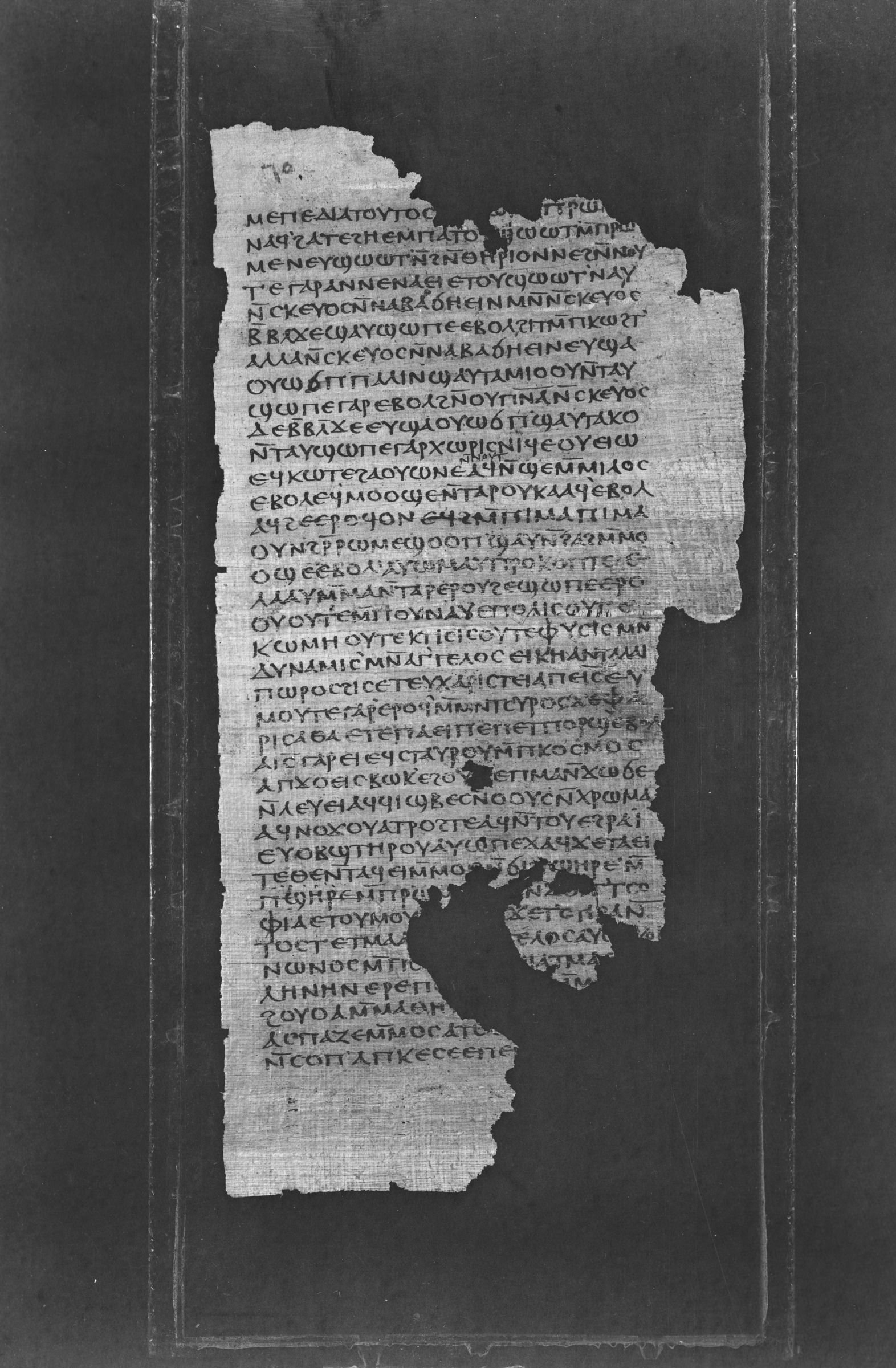
Page 63, lines 1-37 (Codex II page 63, A-Series negative, Facsimile Edition (Codex II, 1974) p. 75, CCDL nha 2962). Checked on the photograph: line 1 begins 'ⲙⲉ ⲡⲉ ⲇⲓⲁ ⲧⲟⲩⲧⲟ ⲥⲉ...'; line 37 reads 'ⲛ̄ⲥⲟⲡ⳿ ⲁⲡⲕⲉⲥⲉⲉⲡⲉ...'. Page and line numbers from the Marcion transcription; English from Mattison's text between his page marks 63 and 64.
63.1ⲙⲉ ⲡⲉ ⲇⲓⲁ ⲧⲟⲩⲧⲟ ⲥⲉ̣[ϣⲱ]ⲱⲧ̣ ⲙ̣̄ⲡⲣⲱⲙ̣[ⲉ]
63.2ⲛⲁϥ ϩⲁ ⲧⲉϩⲏ ⲉⲙⲡⲁⲧⲟⲩϣⲱⲱⲧ⳿ ⲙ̄ⲡⲣⲱ-
63.3ⲙⲉ ⲛⲉⲩϣⲱⲱⲧ⳿ ⲛ̄ϩⲛ̄ⲑⲏⲣⲓⲟⲛ ⲛⲉ ϩⲛ̄ⲛⲟⲩ-
63.4ⲧⲉ ⲅⲁⲣ ⲁⲛ ⲛⲉ ⲛⲁⲉⲓ ⲉⲧⲟⲩϣⲱⲱⲧ⳿ ⲛⲁⲩ
63.5ⲛ̄ⲥⲕⲉⲩⲟⲥ ⲛ̄ⲛⲁⲃⲁϭⲏⲉⲓⲛ ⲙⲛ̄ ⲛ̄ⲥⲕⲉⲩⲟⲥ
63.6ⲃ̄ⲃⲗϫⲉ ϣⲁⲩϣⲱⲡⲉ ⲉⲃⲟⲗ ϩⲓⲧⲙ̄ ⲡⲕⲱϩⲧ
63.7ⲁⲗⲗⲁ ⲛ̄ⲥⲕⲉⲩⲟⲥ ⲛ̄ⲛⲁⲃⲁϭⲏⲉⲓⲛ ⲉⲩϣⲁ-
63.8ⲟⲩⲱϭⲡ⳿ ⲡⲁⲗⲓⲛ⳿ ϣⲁⲩⲧⲁⲙⲓⲟⲟⲩ ⲛ̄ⲧⲁⲩ-
63.9ϣⲱⲡⲉ ⲅⲁⲣ ⲉⲃⲟⲗ ϩⲛ̄ ⲟⲩⲡ︤ⲛ︦ⲁ︥ ⲛ̄ⲥⲕⲉⲩⲟⲥ
63.10ⲇⲉ ⲃ̄ⲃⲗ̄ϫⲉ ⲉⲩϣⲁⲟⲩⲱϭⲡ⳿ ϣⲁⲩⲧⲁⲕⲟ
63.11ⲛ̄ⲧⲁⲩϣⲱⲡⲉ ⲅⲁⲣ ⲭⲱⲣⲓⲥ ⲛⲓϥⲉ ⲟⲩⲉⲓⲱ
63.12ⲉϥⲕⲱⲧⲉ ϩⲁ ⲟⲩⲱⲛⲉ ⲛ̄ⲛⲟⲩⲧ ⲁϥⲛ̄ ϣⲉ ⲙ̄ⲙⲓⲗⲟⲥ
63.13ⲉⲃⲟⲗ ⲉϥ⳿ⲙⲟⲟϣⲉ ⲛ̄ⲧⲁⲣⲟⲩⲕⲁⲁϥ⳿ ⲉⲃⲟⲗ
63.14ⲁϥϩⲉ ⲉⲣⲟϥ ⲟⲛ ⲉϥϩⲙ̄ ⲡⲓⲙⲁ ⲡⲓⲙⲁ
63.15ⲟⲩⲛ ϩⲣ̄ⲣⲱⲙⲉ ϣⲟⲟⲡ⳿ ϣⲁⲩⲛ̄ ϩⲁϩ ⲙ̄ⲙⲟ-
63.16ⲟϣⲉ⳿ ⲉⲃⲟⲗ⳿ ⲁⲩⲱ ⲙⲁⲩⲡⲣⲟⲕⲟⲡⲧⲉ ⲉ-
63.17ⲗⲁⲁⲩ ⲙ̄ⲙⲁ ⲛ̄ⲧⲁⲣⲉ ⲣⲟⲩϩⲉ ϣⲱⲡⲉ ⲉⲣⲟ-
63.18ⲟⲩ ⲟⲩⲧⲉ ⲙ̄ⲡⲟⲩⲛⲁⲩ ⲉⲡⲟⲗⲓⲥ ⲟⲩⲧⲉ
63.19ⲕⲱⲙⲏ ⲟⲩⲧⲉ ⲕⲧⲓⲥⲓⲥ ⲟⲩⲧⲉ ⲫⲩⲥⲓⲥ ⲙⲛ̄
63.20ⲇⲩⲛⲁⲙⲓⲥ⳿ ⲙⲛ̄ ⲁⲅ⳿ⲅⲉⲗⲟⲥ ⲉⲓⲕⲏ ⲁⲛⲧⲁⲗⲁⲓ-
63.21ⲡⲱⲣⲟⲥ ϩⲓⲥⲉ ⲧⲉⲩⲭⲁⲣⲓⲥⲧⲉⲓⲁ ⲡⲉ ⲓ︤ⲥ︥ ⲉⲩ-
63.22ⲙⲟⲩⲧⲉ ⲅⲁⲣ⳿ ⲉⲣⲟϥ⳿ ⲙ̄ⲙⲛⲧⲥⲩⲣⲟⲥ ϫⲉ ⲫⲁ-
63.23ⲣⲓⲥⲁⲑⲁ ⲉⲧⲉ ⲡⲁⲉⲓ ⲡⲉ ⲡⲉⲧⲡⲟⲣϣ⳿ ⲉⲃⲟⲗ
63.24ⲁⲓⲥ̄ ⲅⲁⲣ ⲉⲓ ⲉϥ⳿ⲥⲧⲁⲩⲣⲟⲩ ⲙ̄ⲡⲕⲟⲥⲙⲟⲥ
63.25ⲁⲡϫⲟⲉⲓⲥ ⲃⲱⲕ⳿ ⲉϩⲟⲩ[ⲛ] ⲉⲡⲙⲁ ⲛ̄ϫⲱϭⲉ
63.26ⲛ̄ⲗⲉⲩⲉⲓ ⲁϥϥⲓ ϣⲃⲉⲥⲛⲟⲟⲩⲥ ⲛ̄ⲭⲣⲱⲙⲁ
63.27ⲁϥⲛⲟϫⲟⲩ ⲁⲧⲣⲟϩⲧⲉ ⲁϥⲛ̄ⲧⲟⲩ ⲉϩⲣⲁⲓ̈
63.28ⲉⲩⲟⲃϣ ⲧⲏⲣⲟⲩ ⲁⲩⲱ ⲡⲉϫⲁϥ ϫⲉ ⲧⲁⲉⲓ
63.29ⲧⲉ ⲑⲉ ⲛ̄ⲧⲁϥⲉⲓ ⲙ̄ⲙⲟⲥ̣ ⲛ̄ϭⲓ ⲡϣⲏⲣ⟦ⲉ ⲙ̄-
63.30ⲡϣⲏⲣ⟧ⲉ ⲙ̄ⲡⲣⲱ̣ⲙ[ⲉ ⲉ]ϥ̣[ⲟ] ⲛ̄ϫϭ̣ⲓⲧ⳿ ⲧⲥⲟ-
63.31ⲫⲓⲁ ⲉⲧⲟⲩⲙⲟⲩⲧ̣[ⲉ ⲉⲣⲟ]ⲥ̣ ϫⲉ ⲧⲥⲧⲓⲣⲁ ⲛ̄-
63.32ⲧⲟⲥ ⲧⲉ ⲧⲙⲁⲁ[ⲩ ⲛ̄ⲛ̄ⲁⲅ]ⲅ̣ⲉⲗⲟⲥ ⲁⲩⲱ̣ [ⲧ]ⲕⲟⲓ̣-
63.33ⲛⲱⲛⲟⲥ ⲙ̄ⲡⲥ[... ⲙⲁ]ⲣ̣ⲓⲁ ⲧⲙⲁⲅ̣[ⲇⲁ]-
63.34ⲗⲏⲛⲏ ⲛⲉⲣⲉ ⲡ.[..... ⲙⲉ] ⲙ̣̄ⲙⲟ̣[ⲥ ⲛ̄]-
63.35ϩⲟⲩⲟ ⲁⲙ̄ⲙⲁⲑⲏⲧ[ⲏⲥ ⲧⲏⲣⲟⲩ ⲁⲩⲱ ⲛⲉϥ]-
63.36ⲁⲥⲡⲁⲍⲉ ⲙ̄ⲙⲟⲥ ⲁⲧⲉⲥ̣[...... ⲛ̄ϩⲁϩ]
63.37ⲛ̄ⲥⲟⲡ⳿ ⲁⲡⲕⲉⲥⲉⲉⲡⲉ ⲙ̣̄[ⲙⲁⲑⲏⲧⲏⲥ
Because of this, the human is [sacrificed] to him. Before the human was sacrificed, animals were sacrificed, because those to whom they were sacrificed weren't gods.
Vessels of glass and pottery come into being by means of fire. But if glass vessels break they're remade, because they came into being by means of a breath, but if pottery vessels break they're destroyed, because they came into being without breath.
A donkey turning a millstone traveled a hundred miles. When it was released, it still found itself in the same place. Many people travel, but don't get anywhere. When evening came, they saw neither city nor village, nor anything created or natural, nor power nor angel. The wretches worked in vain.
The Eucharist is Jesus, because in Syriac he's called "Pharisatha," that is, "the one who's spread out," because Jesus came to crucify the world.
The Lord went into Levi's place of dyeing. He took seventy-two colors and threw them into the vat. He brought all of them out white and said, "That's the way the Son of Humanity has come [as] a dyer."
The Wisdom who is called "the barren" is the Mother [of the angels] and [the] companion of the [… Mary] Magdalene [… loved her] more than the disciples [… he] kissed her on her [… many] times. The rest of […]
Where on the image
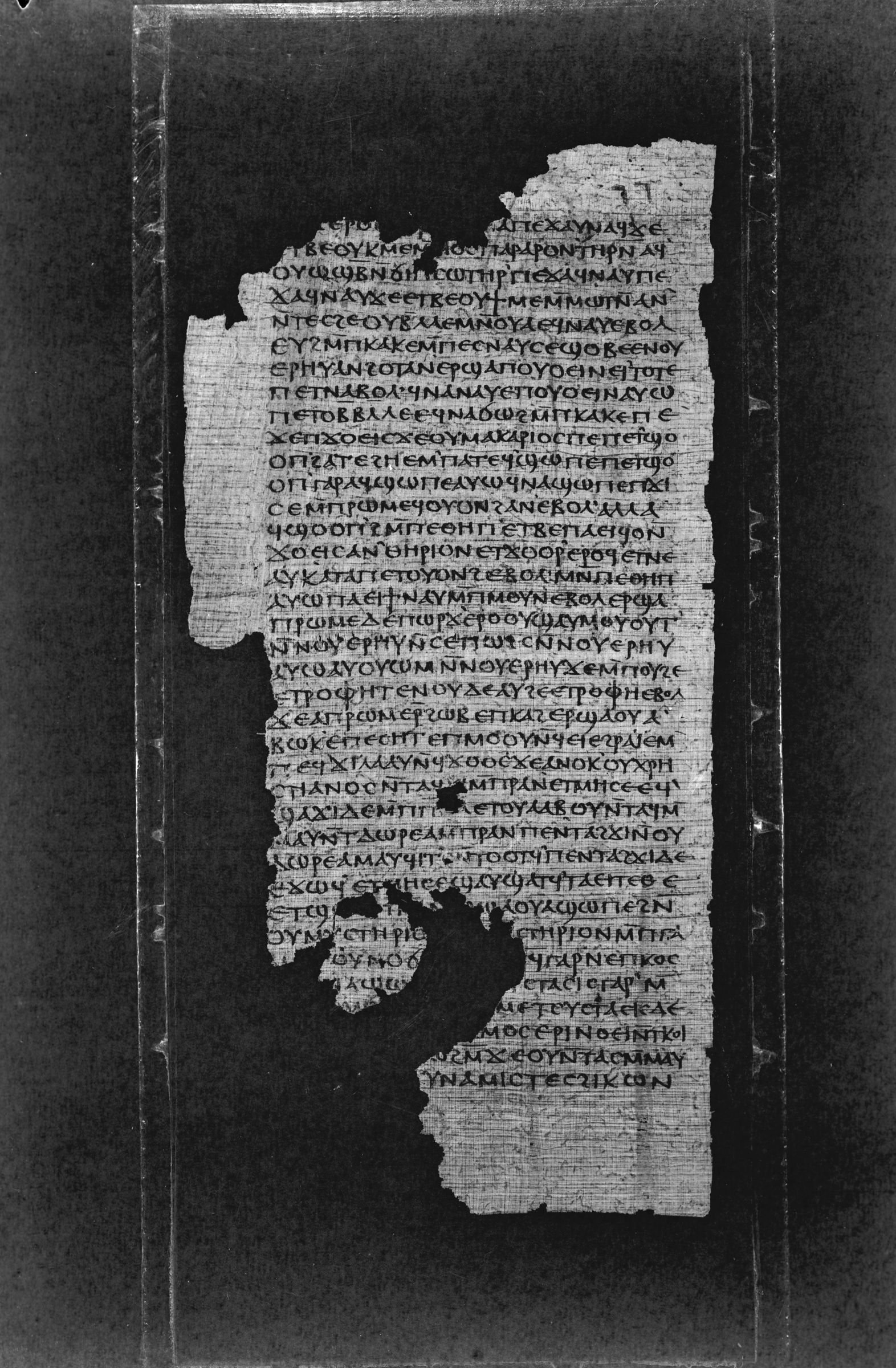
Page 64, lines 1-37 (Codex II page 64, A-Series negative, Facsimile Edition (Codex II, 1974) p. 76, CCDL nha 2829). Checked on the photograph: line 1 begins '...ⲉⲣⲟ... ⲡⲉϫⲁⲩ ⲛⲁϥ ϫⲉ'; line 37 reads '...ⲇⲩⲛⲁⲙⲓⲥ ⲧⲉⲥϩⲓⲕⲱⲛ'. Page and line numbers from the Marcion transcription; English from Mattison's text between his page marks 64 and 65.
64.1..].ⲉⲣⲟ.[.].[..]ⲙⲁ ⲡⲉϫⲁⲩ ⲛⲁϥ⳿ ϫⲉ
64.2ⲉⲧⲃⲉ ⲟⲩ ⲕⲙⲉ ⲙ̄ⲙⲟⲥ ⲡⲁⲣⲁⲣⲟⲛ⳿ ⲧⲏⲣⲛ̄ ⲁϥ⳿-
64.3ⲟⲩⲱϣⲃ̄ ⲛ̄ϭⲓ ⲡⲥⲱⲧⲏⲣ⳿ ⲡⲉϫⲁϥ ⲛⲁⲩ {ⲡⲉ-
64.4ϫⲁϥ ⲛⲁⲩ} ϫⲉ ⲉⲧⲃⲉ ⲟⲩ ϯⲙⲉ ⲙ̄ⲙⲱⲧⲛ̄ ⲁⲛ⳿
64.5ⲛ̄ⲧⲉⲥϩⲉ ⲟⲩⲃ̄ⲗⲗⲉ ⲙⲛ̄ ⲟⲩⲁ ⲉϥⲛⲁⲩ ⲉⲃⲟⲗ
64.6ⲉⲩϩⲙ̄ ⲡⲕⲁⲕⲉ ⲙ̄ⲡⲉⲥⲛⲁⲩ ⲥⲉϣⲟⲃⲉ ⲉⲛⲟⲩ-
64.7ⲉⲣⲏⲩ ⲁⲛ ϩⲟⲧⲁⲛ⳿ ⲉⲣϣⲁ ⲡⲟⲩⲟⲉⲓⲛ ⲉⲓ⳿ ⲧⲟⲧⲉ
64.8ⲡⲉⲧⲛⲁⲃⲟⲗ⳿ ϥⲛⲁⲛⲁⲩ ⲉⲡⲟⲩⲟⲉⲓⲛ ⲁⲩⲱ
64.9ⲡⲉⲧⲟ ⲃ̄ⲃⲗ̄ⲗⲉ ⲉϥⲛⲁϭⲱ ϩⲙ̄ ⲡⲕⲁⲕⲉ ⲡⲉ⳿-
64.10ϫⲉ ⲡϫⲟⲉⲓⲥ ϫⲉ ⲟⲩⲙⲁⲕⲁⲣⲓⲟⲥ ⲡⲉ ⲡⲉⲧ⳿ϣⲟ-
64.11ⲟⲡ⳿ ϩⲁ ⲧⲉϩⲏ ⲉⲙ⳿ⲡⲁⲧⲉϥ⳿ϣⲱⲡⲉ⳿ ⲡⲉⲧϣⲟ-
64.12ⲟⲡ⳿ ⲅⲁⲣ ⲁϥϣⲱⲡⲉ ⲁⲩⲱ ϥⲛⲁϣⲱⲡⲉ ⲡϫⲓ-
64.13ⲥⲉ ⲙ̄ⲡⲣⲱⲙⲉ ϥⲟⲩⲟⲛϩ ⲁⲛ⳿ ⲉⲃⲟⲗ⳿ ⲁⲗⲗⲁ
64.14ϥϣⲟⲟⲡ⳿ ϩⲙ̄ ⲡⲉⲑⲏⲡ⳿ ⲉⲧⲃⲉ ⲡⲁⲉⲓ ϥⲟ ⲛ̄-
64.15ϫⲟⲉⲓⲥ ⲁⲛ⳿ⲑⲏⲣⲓⲟⲛ ⲉⲧϫⲟⲟⲡ⳿ ⲉⲣⲟϥ⳿ ⲉⲧⲛⲉ-
64.16ⲁⲩ ⲕ⳿ⲁⲧⲁ ⲡⲉⲧⲟⲩⲟⲛϩ ⲉⲃⲟⲗ⳿ ⲙⲛ̄ ⲡⲉⲑⲏⲡ⳿
64.17ⲁⲩⲱ ⲡⲁⲉⲓ ϯ ⲛⲁⲩ ⲙ̄ⲡⲙⲟⲩⲛ⳿ ⲉⲃⲟⲗ ⲉⲣϣⲁ⳿
64.18ⲡⲣⲱⲙⲉ ⲇⲉ ⲡⲱⲣϫ⳿ ⲉⲣⲟⲟⲩ ϣⲁⲩⲙⲟⲩⲟⲩⲧ⳿
64.19ⲛ̄ⲛⲟⲩⲉⲣⲏⲩ ⲛ̄ⲥⲉⲡⲱϩⲥ ⲛ̄ⲛⲟⲩⲉⲣⲏⲩ
64.20ⲁⲩⲱ ⲁⲩⲟⲩⲱⲙ ⲛ̄ⲛⲟⲩⲉⲣⲏⲩ ϫⲉ ⲙ̄ⲡⲟⲩϩⲉ
64.21ⲉⲧⲣⲟⲫⲏ ⲧⲉⲛⲟⲩ ⲇⲉ ⲁⲩϩⲉ ⲉⲧⲣⲟⲫⲏ ⲉⲃⲟⲗ
64.22ϫⲉ ⲁⲡⲣⲱⲙⲉ ⲣ̄ ϩⲱⲃ ⲉⲡⲕⲁϩ ⲉⲣϣⲁ ⲟⲩⲁ⳿
64.23ⲃⲱⲕ⳿ ⲉⲡⲉⲥⲏⲧ⳿ ⲉⲡⲙⲟⲟⲩ ⲛ̄ϥⲉⲓ ⲉϩⲣⲁⲓ̈ ⲉⲙ⳿-
64.24ⲡⲉϥϫⲓ ⲗⲁⲁⲩ ⲛ̄ϥϫⲟⲟⲥ ϫⲉ ⲁⲛⲟⲕ⳿ ⲟⲩⲭⲣⲏ-
64.25ⲥⲧⲓⲁⲛⲟⲥ ⲛ̄ⲧⲁϥϫⲓ ⲙ̄ⲡⲣⲁⲛ⳿ ⲉⲧⲙⲏⲥⲉ ⲉϥ⳿-
64.26ϣⲁϫⲓ ⲇⲉ ⲙ̄ⲡⲡ︤ⲛ̣︦ⲁ︥ ⲉⲧⲟⲩⲁⲁⲃ ⲟⲩⲛ̄ⲧⲁϥ ⲙ̄-
64.27ⲙⲁⲩ ⲛ̄ⲧⲇⲱⲣⲉⲁ ⲙ̄ⲡⲣⲁⲛ ⲡⲉⲛ̄ⲧⲁϩϫⲓ ⲛ̄ⲟⲩ-
64.28ⲇⲱⲣⲉⲁ ⲙⲁⲩϥⲓⲧⲥ̄ ⲛ̄ⲧⲟⲟⲧϥ⳿ ⲡⲉⲛⲧⲁϩϫⲓ ⲇⲉ
64.29ⲉϫⲱϥ⳿ ⲉⲧⲙ̣ⲏⲥⲉ ϣⲁⲩϣⲁⲧϥ⳿ ⲧⲁⲉⲓ ⲧⲉ ⲑⲉ
64.30ⲉⲧϣⲟ̣[ⲟ]ⲡ ⲛⲁ̣ⲛ ⲉⲣϣⲁ ⲟⲩⲁ ϣⲱⲡⲉ ϩⲛ̄
64.31ⲟⲩⲙⲩⲥⲧⲏⲣⲓⲟ[ⲛ⳿] [ⲡⲙ]ⲩ̣ⲥⲧⲏⲣⲓⲟⲛ ⲙⲡⲅⲁ-
64.32ⲙ[ⲟⲥ]⳿ ⲟⲩⲛⲟϭ [ⲡⲉ ⲁϫⲛ̄]ⲧ̣ϥ̄ ⲅⲁⲣ ⲛⲉ ⲡⲕⲟⲥ-
64.33[ⲙⲟ]ⲥ̣ ⲛⲁϣⲱ[ⲡⲉ ⲁⲛ ⲧⲥ]ⲩ̣ⲥⲧⲁⲥⲓⲥ ⲅⲁⲣ⳿ ⲙ̄-
64.34[ⲡⲕⲟ]ⲥ̣ⲙⲟ[ⲥ.....]ⲙⲉ ⲧⲥⲩⲥⲧⲁⲥⲓⲥ ⲇⲉ
64.35[........ ⲡⲅ]ⲁ̣ⲙⲟⲥ ⲉⲣⲓⲛⲟⲉⲓ ⲛ̄ⲧⲕⲟⲓ-
64.36[ⲛⲱⲛⲓⲁ .. ϫ]ⲱϩⲙ̄ ϫⲉ ⲟⲩⲛ︤ⲧ︥ⲁⲥ ⲙ̄ⲙⲁⲩ
64.37[.......]ⲇ̣ⲩⲛⲁⲙⲓⲥ ⲧⲉⲥϩⲓⲕⲱⲛ
[…] they said to him, "Why do you love her more than all of us?" The Savior said to them in reply, "Why don't I love you like her? When a person who's blind and one who sees are both in the dark, they're no different from one another. When the light comes, the one who sees will see the light, and the one who's blind will remain in the dark."
The Lord said, "Blessed is the one who exists before existing, because they who exist did exist, and will exist."
The superiority of humanity isn't revealed, but exists in what's hidden. So it (humanity) masters animals that are stronger, that are greater in terms of that which is revealed and that which is hidden. This allows them to survive; but if humanity separates from them (the animals), they kill, bite, and eat each other, because they didn't find food. But now they've found food because humanity has worked the earth.
If someone goes down into the water and comes up without having received anything, and says, "I'm a Christian," they've borrowed the name at interest. But if they receive the Holy Spirit, they have the gift of the name. Whoever has received a gift doesn't have it taken away, but whoever has borrowed it at interest has to give it back. That's what it's like when someone comes into being in a mystery.
The Mystery of Marriage
[The] mystery of marriage [is] great, because [without] it the world would [not exist]; because [the] structure of [the world …], but the structure [… the marriage]. Think about the [intimate …] defiled, because it has […] power. Its image
Where on the image
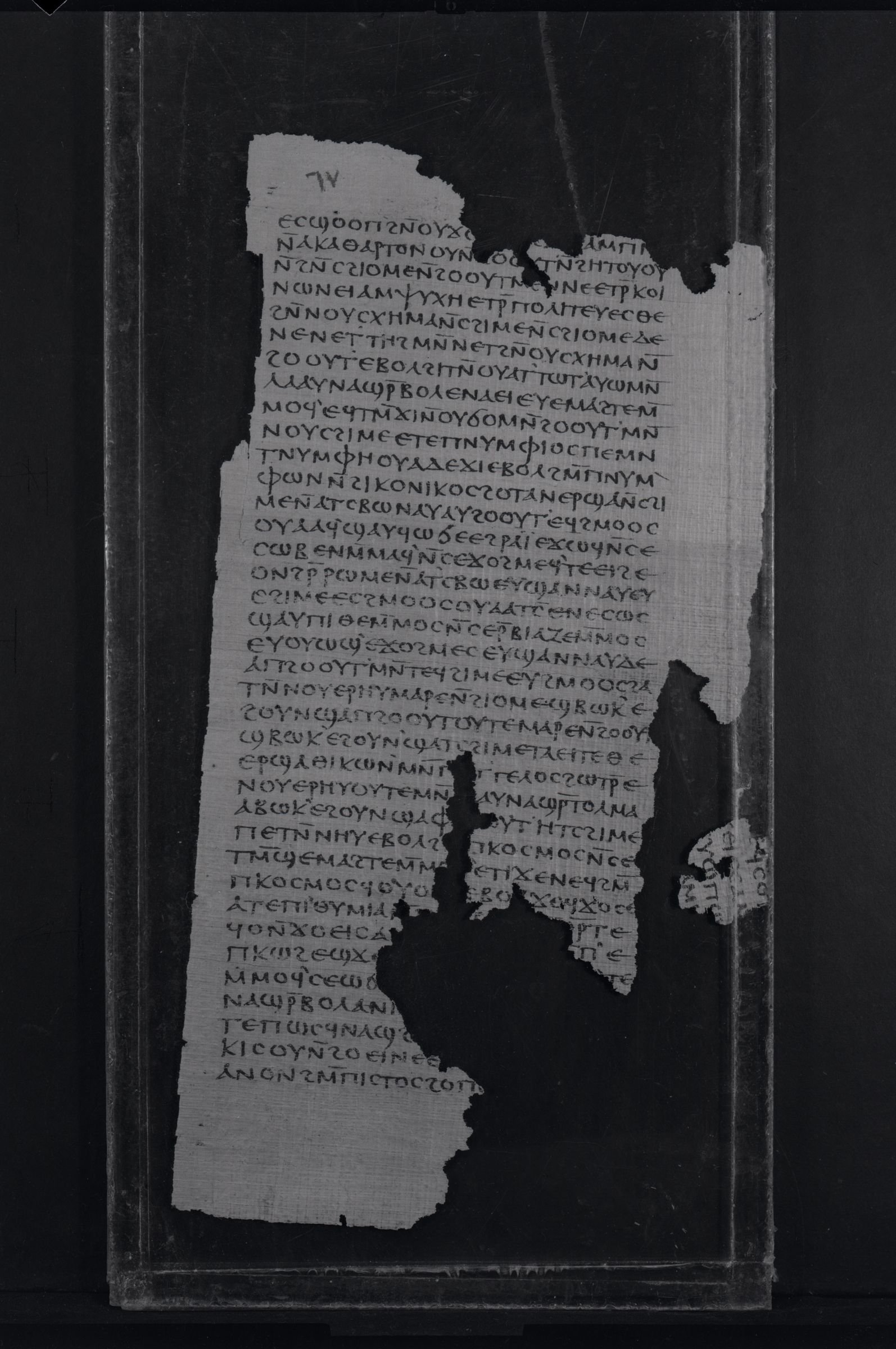
Page 65, lines 1-37 (Codex II page 65, A-Series negative, Facsimile Edition (Codex II, 1974) p. 77, CCDL nha 2951). Checked on the photograph: line 1 begins 'ⲉⲥϣⲟⲟⲡ ϩⲛ̄ ⲟⲩϫⲱ...'; line 37 reads 'ⲁⲛⲟⲛ ϩⲙ̄ⲡⲓⲥⲧⲟⲥ ϩⲟⲡ...'. Page and line numbers from the Marcion transcription; English from Mattison's text between his page marks 65 and 66.
65.1ⲉⲥϣⲟⲟⲡ ϩⲛ̄ ⲟⲩϫⲱ̣[ϩⲙ̄] [ⲛ̄]ⲥ̣ⲭ̣[ⲏⲙ]ⲁ ⲙⲡⲛ̣̄[ⲁ̄]
65.2ⲛ̄ⲁⲕⲁⲑⲁⲣⲧⲟⲛ ⲟⲩⲛ̄ ϩ̣ⲟⲟ̣ⲩⲧ ⲛ̄ϩⲏⲧⲟⲩ ⲟⲩ-
65.3ⲛ̄ ϩⲛ̄ⲥϩⲓⲟⲙⲉ ⲛ̄ϩⲟⲟⲩⲧ ⲙⲉⲛ ⲛⲉ ⲉⲧⲣ̄ⲕⲟⲓ-
65.4ⲛⲱⲛⲉⲓ ⲁⲙⲯⲩⲭⲏ ⲉⲧⲣ̄ⲡⲟⲗⲓⲧⲉⲩⲉⲥⲑⲉ
65.5ϩⲛ̄ⲛⲟⲩⲥⲭⲏⲙⲁ ⲛ̄ⲥϩⲓⲙⲉ ⲛ̄ⲥϩⲓⲟⲙⲉ ⲇⲉ
65.6ⲛⲉ ⲛⲉⲧ̄ⲧⲏϩ ⲙⲛ̄ ⲛⲉⲧϩⲛ̄ ⲟⲩⲥⲭⲏⲙⲁ ⲛ̄-
65.7ϩⲟⲟⲩⲧ⳿ ⲉⲃⲟⲗ ϩⲓⲧⲛ̄ ⲟⲩⲁⲧ⳿ⲧⲱⲧ⳿ ⲁⲩⲱ ⲙⲛ̄
65.8ⲗⲁⲁⲩ ⲛⲁϣⲣ̄ ⲃⲟⲗ ⲉⲛⲁⲉⲓ ⲉⲩⲉⲙⲁϩⲧⲉ ⲙ̄-
65.9ⲙⲟϥ⳿ ⲉϥⲧⲙ̄ϫⲓ ⲛ̄ⲟⲩϭⲟⲙ ⲛ̄ϩⲟⲟⲩⲧ⳿ ⲙⲛ̄-
65.10ⲛⲟⲩⲥϩⲓⲙⲉ ⲉⲧⲉ ⲡⲛⲩⲙⲫⲓⲟⲥ ⲡⲉ ⲙⲛ
65.11ⲧⲛⲩⲙⲫⲏ ⲟⲩⲁ ⲇⲉ ϫⲓ ⲉⲃⲟⲗ ϩⲙ̄ ⲡⲛⲩⲙ⳿-
65.12ⲫⲱⲛ ⲛ̄ϩⲓⲕⲟⲛⲓⲕⲟⲥ ⲗ ϩⲟⲧⲁⲛ ⲉⲣϣⲁ ⲛ̄ⲥϩⲓ-
65.13ⲙⲉ ⲛ̄ⲁⲧⲥⲃⲱ ⲛⲁⲩ ⲁⲩϩⲟⲟⲩⲧ⳿ ⲉϥϩⲙⲟⲟⲥ
65.14ⲟⲩⲁⲁϥ⳿ ϣⲁⲩϥⲱϭⲉ ⲉϩⲣⲁⲓ̈ ⲉϫⲱϥ ⲛ̄ⲥⲉ-
65.15ⲥⲱⲃⲉ ⲛⲙ̄ⲙⲁϥ⳿ ⲛ̄ⲥⲉϫⲟϩⲙⲉϥ⳿ ⲧⲉⲉⲓϩⲉ
65.16ⲟⲛ ϩⲣ̄ⲣⲱⲙⲉ ⲛ̄ⲁⲧ⳿ⲥⲃⲱ ⲉⲩϣⲁⲛⲛⲁⲩ ⲉⲩ-
65.17ⲥϩⲓⲙⲉ ⲉⲥϩⲙⲟⲟⲥ ⲟⲩⲁⲁⲧⲥ̄ ⲉⲛⲉⲥⲱⲥ
65.18ϣⲁⲩⲡⲓⲑⲉ ⲙ̄ⲙⲟⲥ ⲛ̄ⲥⲉⲣ̄ⲃⲓⲁⲍⲉ ⲙ̄ⲙⲟⲥ
65.19ⲉⲩⲟⲩⲱϣ ⲉϫⲟϩⲙⲉⲥ ⲉⲩϣⲁⲛⲛⲁⲩ ⲇⲉ
65.20ⲁⲡϩⲟⲟⲩⲧ⳿ ⲙⲛ̄ ⲧⲉϥϩⲓⲙⲉ ⲉⲩϩⲙⲟⲟⲥ ϩⲁ-
65.21ⲧⲛ̄ ⲛⲟⲩⲉⲣⲏⲩ ⲙⲁⲣⲉ ⲛ̄ϩⲓⲟⲙⲉ ϣⲃⲱⲕ⳿ ⲉ-
65.22ϩⲟⲩⲛ ϣⲁ ⲡϩⲟⲟⲩⲧ ⲟⲩⲧⲉ ⲙⲁⲣⲉ ⲛ̄ϩⲟⲟⲩⲧ
65.23ϣⲃⲱⲕ⳿ ⲉϩⲟⲩⲛ̄ ϣⲁ ⲧⲥϩⲓⲙⲉ ⲧⲁⲉⲓ ⲧⲉ ⲑⲉ
65.24ⲉⲣϣⲁ ⲑⲓⲕⲱⲛ⳿ ⲙⲛ̄ ⲡ[ⲁ]ⲅ⳿ⲅⲉⲗⲟⲥ ϩⲱⲧⲣ̄ ⲉ-
65.25ⲛⲟⲩⲉⲣⲏⲩ ⲟⲩⲧⲉ ⲙⲛ̄ [ⲗⲁ]ⲁⲩ ⲛⲁϣⲣ̄ⲧⲟⲗⲙⲁ
65.26ⲁⲃⲱⲕ⳿ ⲉϩⲟⲩⲛ ϣⲁ ⲫ[ϩⲟ]ⲟ̣ⲩⲧ⳿ ⲏ ⲧⲥϩⲓⲙⲉ
65.27ⲡⲉⲧⲛ̄ⲛⲏⲩ ⲉⲃⲟⲗ ϩⲙ̣̄ ⲡⲕⲟⲥⲙⲟⲥ ⲛ̄ⲥⲉ-
65.28ⲧⲙ̄ϣⲉⲙⲁϩⲧⲉ ⲙ̄ⲙⲟ̣ϥ̣⳿ ⲉⲧⲓ ϫⲉ ⲛⲉϥϩⲙ̄
65.29ⲡⲕⲟⲥⲙⲟⲥ ϥⲟⲩⲟⲛ̣[ϩ] ⲉⲃⲟⲗ̣ ϫⲉ ϥϫⲟⲥⲉ
65.30ⲁⲧⲉⲡⲓⲑⲩⲙⲓⲁ ⲙ̣̄ⲡ[..]ϥ̣⳿[..]ⲉ̣ [ⲙ]ⲛ̣̄ ⲑ̣ⲣ̄ⲧⲉ
65.31ϥⲟ ⲛ̄ϫⲟⲉⲓⲥ ⲁ..[..]ⲥ̣[.]ⲥ ϥⲥⲟⲧⲡ⳿ ⲉ-
65.32ⲡⲕⲱϩ ⲉϣϫⲉ̣ [....]ⲩ̣ ⲉⲓ ⲥⲉⲁⲙ[ⲁ]ϩ̣ⲧⲉ
65.33ⲙ̄ⲙⲟϥ⳿ ⲥⲉⲱϭ[ⲧ ⲙ̄ⲙⲟϥ] ⲁ̣ⲩⲱ ⲡⲱ̣[ⲥ ⲉϥ⳿]-
65.34ⲛⲁϣⲣ̄ ⲃⲟⲗ ⲁⲛⲛ̣[ⲟϭ ⲛ̄ⲇⲩⲛ]ⲁⲙⲓ̣[ⲥ ....]
65.35ⲧⲉ ⲡⲱⲥ ϥⲛⲁϣϩ[..........]
65.36ⲕⲓⲥ ⲟⲩⲛ̄ ϩⲟⲉⲓⲛⲉ ⲉⲩ̣[ϫⲱ ⲙ̄ⲙⲟⲥ⳿ ϫⲉ]
65.37ⲁⲛⲟⲛ ϩⲙ̄ⲡⲓⲥⲧⲟⲥ ϩⲟⲡⲱ̣[ⲥ......]
exists in a [defilement].
The impure spirits take male and female [forms]. The males are those that are intimate with the souls which dwell in a female form, and the females are those that mingle with those in a male form through disobedience. No one will be able to escape being bound by them without receiving a male power and a female one – the groom and the bride – in the image of the bridal chamber. When the foolish females see a male sitting alone, they jump on him, play with him, and defile him. In the same way, when the foolish males see a beautiful female sitting alone, they seduce and coerce her, wanting to defile her. But if they see the husband and his wife sitting together, the females can't go inside the husband, nor the males inside the wife. That's what it's like when the image unites with the angel; no one will be able to dare to go inside the [male] or the female.
Overcoming the World
Whoever comes out of the world can no longer be bound because they were in the world. They're revealed to be above the desire of the [… and] fear. They're master over […] they're better than envy. If […] come, they (the powers) bind and choke [them]. How will [they] be able to escape the [great powers …]? How will they be able to […]? There are some who [say], "We're faithful," in order that […]
Where on the image
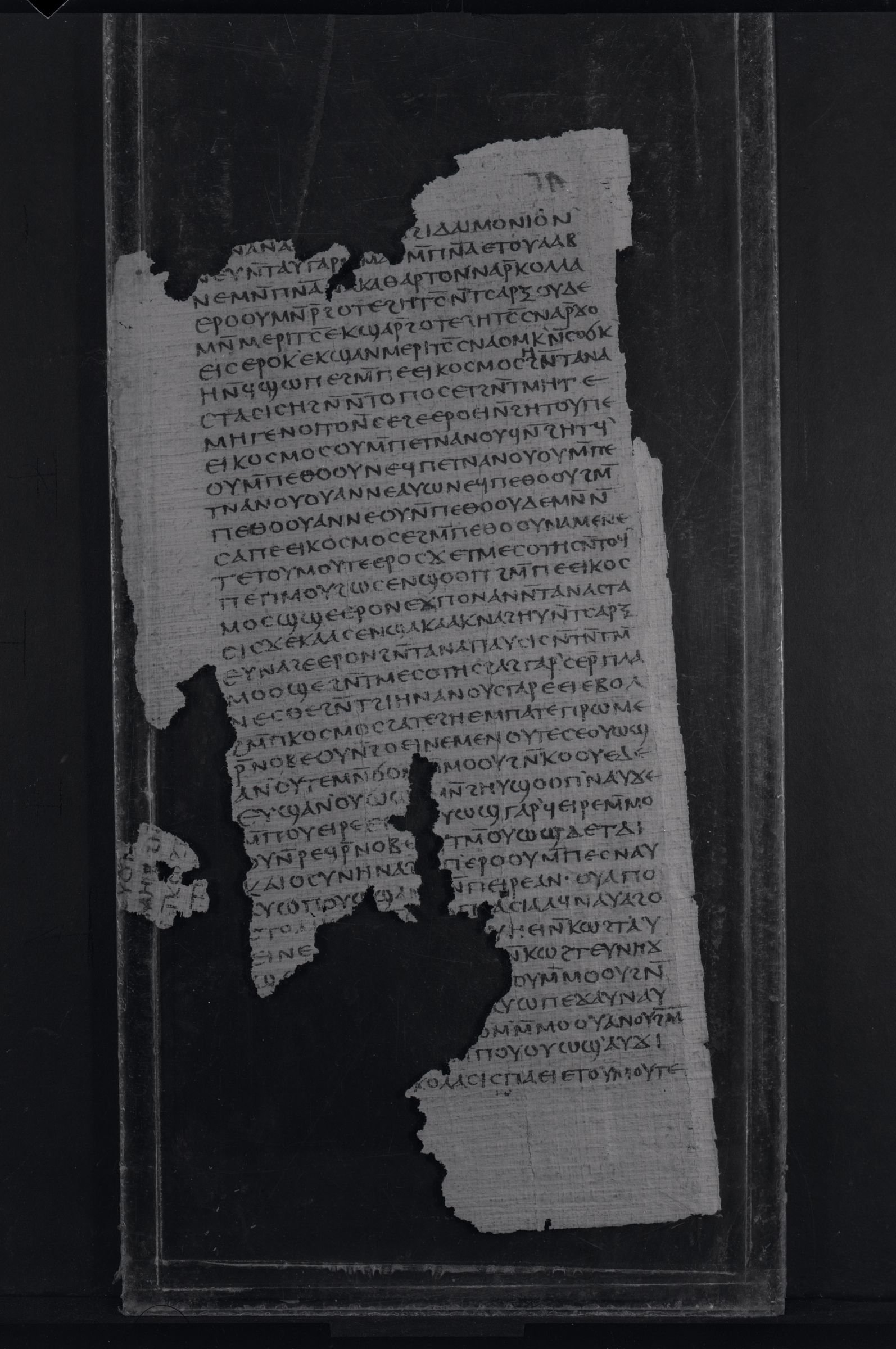
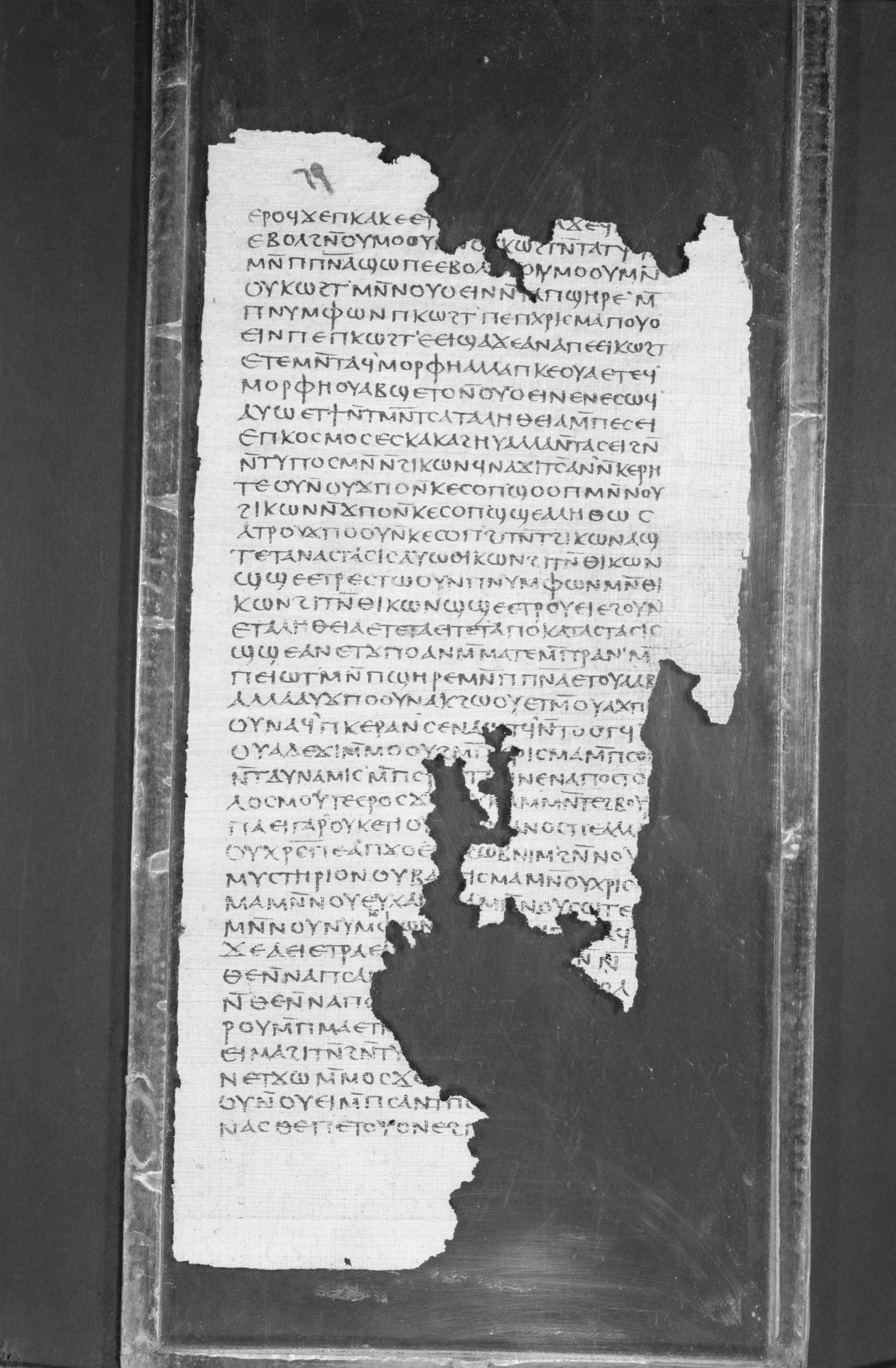
Page 66, lines 1-37 (Codex II page 66, A-Series negative, Facsimile Edition (Codex II, 1974) p. 78, CCDL nha 2845). Checked on the photograph: line 1 begins '...ϩⲓ ⲇⲁⲓⲙⲟⲛⲓⲟⲛ'; line 37 reads '...ⲕⲟⲗⲁⲥⲓⲥ ⲡⲁⲉⲓ ⲉⲧⲟⲩⲙⲟⲩⲧⲉ'. Page and line numbers from the Marcion transcription; English from Mattison's text between his page marks 66 and 67.
66.1[.ⲡ]ⲛ̣︤ⲁ̣︥ ⲛ̄ⲁ[ⲕⲁⲑⲁⲣⲧⲟ]ⲛ̣ ϩⲓ ⲇⲁⲓⲙⲟⲛⲓⲟⲛ
66.2ⲛⲉⲩⲛ̄ⲧⲁⲩ ⲅⲁⲣ ⲙ̣̄ⲙⲁ[ⲩ] ⲙ̄ⲡⲛ︤ⲁ︥ ⲉⲧⲟⲩⲁⲁⲃ
66.3ⲛⲉ ⲙⲛ̄ ⲡⲛ︤ⲁ︥ ⲛ̣̄ⲁⲕⲁⲑⲁⲣⲧⲟⲛ ⲛⲁⲣ̄ⲕⲟⲗⲗⲁ
66.4ⲉⲣⲟⲟⲩ ⲙⲛ̄ⲣ̄ ϩⲟⲧⲉ ϩⲏⲧⲥ̄ ⲛ̄ⲧⲥⲁⲣⲝ ⲟⲩⲇⲉ
66.5ⲙⲛ̄ⲙⲉⲣⲓⲧⲥ̄ ⲉⲕϣⲁⲣ̄ ϩⲟⲧⲉ ϩⲏⲧⲥ̄ ⲥⲛⲁⲣ̄ ϫⲟ-
66.6ⲉⲓⲥ ⲉⲣⲟⲕ⳿ ⲉⲕϣⲁⲛⲙⲉⲣⲓⲧⲥ̄ ⲥⲛⲁⲟⲙ⟨ⲕ⟩ⲕ⳿ ⲛ̄ⲥⲟϭ⟨ⲧ⟩ⲕ⳿
66.7ⲏ ⲛ̄ϥϣⲱⲡⲉ ϩⲙ̄ ⲡⲉⲉⲓⲕⲟⲥⲙⲟⲥ ⲏ ϩⲛ̄ ⲧⲁⲛⲁ-
66.8ⲥⲧⲁⲥⲓⲥ ⲏ ϩⲛ̄ ⲛ̄ⲧⲟⲡⲟⲥ ⲉⲧϩⲛ̄ ⲧⲙⲏⲧⲉ
66.9ⲙⲏ ⲅⲉⲛⲟⲓⲧⲟ ⲛ̄ⲥⲉϩⲉ ⲉⲣⲟⲉⲓ ⲛ̄ϩⲏⲧⲟⲩ ⲡⲉ-
66.10ⲉⲓⲕⲟⲥⲙⲟⲥ ⲟⲩⲙ̄ ⲡⲉⲧⲛⲁⲛⲟⲩϥ ⲛ̄ϩⲏⲧϥ⳿
66.11ⲟⲩⲙ̄ ⲡⲉⲑⲟⲟⲩ ⲛⲉϥⲡⲉⲧⲛⲁⲛⲟⲩⲟⲩ ⲙ̄ⲡⲉ-
66.12ⲧⲛⲁⲛⲟⲩⲟⲩ ⲁⲛ ⲛⲉ ⲁⲩⲱ ⲛⲉϥⲡⲉⲑⲟⲟⲩ ϩⲙ̄-
66.13ⲡⲉⲑⲟⲟⲩ ⲁⲛ ⲛⲉ ⲟⲩⲛ̄ ⲡⲉⲑⲟⲟⲩ ⲇⲉ ⲙⲛ̄ⲛ̄-
66.14ⲥⲁ ⲡⲉⲉⲓⲕⲟⲥⲙⲟⲥ ⲉϩⲙ̄ⲡⲉⲑⲟⲟⲩ ⲛⲁⲙⲉ ⲛⲉ
66.15ⲧⲉⲧⲟⲩⲙⲟⲩⲧⲉ ⲉⲣⲟⲥ ϫⲉ ⲧⲙⲉⲥⲟⲧⲏⲥ ⲛ̄ⲧⲟϥ⳿
66.16ⲡⲉ ⲡⲙⲟⲩ ϩⲱⲥ ⲉⲛϣⲟⲟⲡ ϩⲙ̄ ⲡⲉⲉⲓⲕⲟⲥ-
66.17ⲙⲟⲥ ϣϣⲉ ⲉⲣⲟⲛ ⲉϫⲡⲟ ⲛⲁⲛ ⲛ̄ⲧⲁⲛⲁⲥⲧⲁ-
66.18ⲥⲓⲥ ϫⲉⲕⲁⲁⲥ ⲉⲛϣⲁⲕⲁⲁⲕⲛ ⲁϩⲏⲩ ⲛ̄ⲧⲥⲁⲣⲝ
66.19ⲉⲩⲛⲁϩⲉ ⲉⲣⲟⲛ ϩⲛ̄ ⲧⲁⲛⲁⲡⲁⲩⲥⲓⲥ ⲛ̄ⲧⲛ̄ⲧⲙ̄-
66.20ⲙⲟⲟϣⲉ ϩⲛ̄ ⲧⲙⲉⲥⲟⲧⲏⲥ ϩⲁϩ ⲅⲁⲣ⳿ ⲥⲉⲣ̄ⲡⲗⲁ-
66.21ⲛⲉⲥⲑⲉ ϩⲛ̄ ⲧϩⲓⲏ ⲛⲁⲛⲟⲩⲥ ⲅⲁⲣ ⲉⲉⲓ ⲉⲃⲟⲗ
66.22ϩⲙ̄ ⲡⲕⲟⲥⲙⲟⲥ ϩⲁ ⲧⲉϩⲏ ⲉⲙⲡⲁⲧⲉ ⲡⲣⲱⲙⲉ
66.23ⲣ̄ ⲛⲟⲃⲉ ⲟⲩⲛ̄ ϩⲟⲉⲓⲛⲉ ⲙⲉⲛ ⲟⲩⲧⲉ ⲥⲉⲟⲩⲱϣ
66.24ⲁⲛ⳿ ⲟⲩⲧⲉ ⲙⲛ̄ ϭⲟⲙ̣ ⲙ̣̄ⲙⲟⲟⲩ ϩⲛ̄ⲕⲟⲟⲩⲉ ⲇⲉ
66.25ⲉⲩϣⲁⲛ⳿ⲟⲩⲱϣ⳿̣ ⲙⲛ̄ ϩⲏⲩ ϣⲟⲟⲡ⳿ ⲛⲁⲩ ϫⲉ
66.26ⲙ̄ⲡⲟⲩⲉⲓⲣⲉ ⲉⲡ[...]ⲩⲱϣ ⲅⲁⲣ⳿ ϥⲉⲓⲣⲉ ⲙ̄ⲙⲟ-
66.27ⲟⲩ ⲛ̄ⲣⲉϥⲣ̄ ⲛⲟⲃⲉ̣ [ⲉ]ⲩⲧⲙ̄ⲟⲩⲱϣ ⲇⲉ ⲧⲇⲓ-
66.28ⲕⲁⲓⲟⲥⲩⲛⲏ ⲛⲁϩⲱ̣ⲡ⳿ ⲉⲣⲟⲟⲩ ⲙ̄ⲡⲉⲥⲛⲁⲩ
66.29ⲁ̣ⲩⲱ ⲡⲟⲩⲱϣ ⲁⲛ̣ [ⲡⲉ] ⲛ̄ⲡⲉⲓⲣⲉ ⲁⲛ⳿ ⲟⲩⲁⲡⲟ-
66.30ⲥⲧⲟⲗⲓⲕⲟ̣ⲥ [ϩ]ⲛ̣̄ ⲟ̣[ⲩ]ⲟ̣ⲡⲧ̣ⲁⲥⲓⲁ ⲁϥⲛⲁⲩ ⲁϩⲟ-
66.31ⲉⲓⲛⲉ ⲉⲩⲟⲧⲡ̣ [ⲉϩⲟⲩ]ⲛ ⲉ̣ⲩⲏⲉⲓ ⲛ̄ⲕⲱϩⲧ⳿ ⲁⲩ-
66.32ⲱ ⲉ̣[ⲩ]ⲙⲏⲣ ϩⲛ̄ [.....] ⲛ̄ⲕⲱϩⲧ ⲉⲩⲛⲏϫ
66.33[...]ⲛ̣̄ⲛ̄ⲕⲱϩⲧ [.....]ⲧ̣ⲟⲩ ⲙ̄ⲙⲟⲟⲩ ϩⲛ̄
66.34[...ⲡⲓ]ⲥⲧⲓ[ⲥ]⳿ ⲛ̣̄[....] ⲁⲩⲱ ⲡⲉϫⲁⲩ ⲛⲁⲩ
66.35[ϫⲉ......... ϭ]ⲟⲙ⳿ ⲙ̄ⲙⲟⲟⲩ ⲁⲛⲟⲩϩ︤ⲙ︥
66.36[...........] ⲙ̣̄ⲡⲟⲩⲟⲩⲱϣ⳿ ⲁⲩϫⲓ
66.37[........]ⲕⲟⲗⲁⲥⲓⲥ ⲡⲁⲉⲓ ⲉⲧⲟⲩⲙⲟⲩⲧⲉ
[impure spirit] and demon, because if they had the Holy Spirit, no impure spirit would cling to them. Don't fear the flesh, nor love it. If you fear it, it'll master you; if you love it, it'll swallow and choke you.
Someone exists either in this world, or in the resurrection, or in the middle places. May I never be found there! There's both good and evil in this world. Its good things aren't good, and its evil things aren't evil. But there's an evil after this world which is truly evil: that which is called "the middle." It's death. While we're in this world, it's right for us to acquire the resurrection for ourselves, so that when we're stripped of the flesh we'll be found in the rest and not travel in the middle, because many stray on the way.
It's good to come out of the world before one sins. There are some who neither want to nor can, but others who, if they wanted to, (still) wouldn't benefit, because they didn't act. The wanting makes them sinners. But (even) if they don't want, justice will (still) be hidden from them. It's not the will, and it's not the act.
An apostle saw [in a] vision some people confined in a burning house, and bound with burning […], thrown […] of the burning […] them in […] and they said to them [… able] to be saved […] they didn't want to, and they received […] punishment, which is called
Where on the image
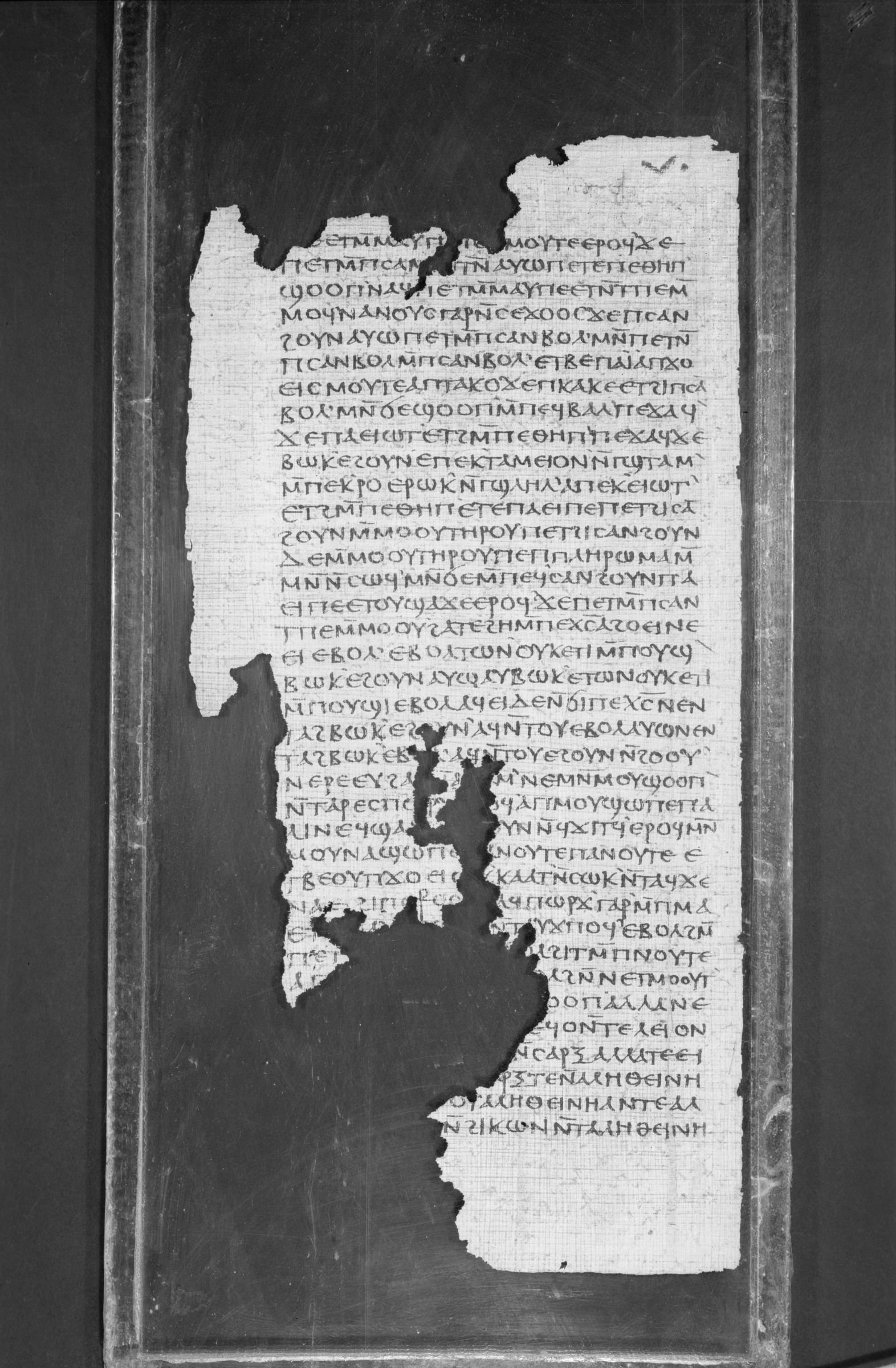
Page 67, lines 1-38 (Codex II page 67, A-Series negative, Facsimile Edition (Codex II, 1974) p. 79, CCDL nha 2954). Checked on the photograph: line 1 begins 'ⲉⲣⲟϥ ϫⲉ ⲡⲕⲁⲕⲉ ⲉⲧ...'; line 38 reads 'ⲛⲁⲥⲑⲉ ⲡⲉⲧⲟⲩⲟⲛⲉϩ...'. Page and line numbers from the Marcion transcription; English from Mattison's text between his page marks 67 and 68.
67.1ⲉⲣⲟϥ ϫⲉ ⲡⲕⲁⲕⲉ ⲉⲧ[......]ⲗ ϫⲉ ϥ.[....]
67.2ⲉⲃⲟⲗ ϩⲛ̄ ⲟⲩⲙⲟⲟⲩ ⲙⲛ̣̄ ⲟⲩ̣ⲕⲱϩⲧ ⲛ̄ⲧⲁ ⲧⲯⲩⲭ̣[ⲏ]
67.3ⲙⲛ̄ ⲡⲡ︤ⲛ︦ⲁ︥ ϣⲱⲡⲉ ⲉⲃⲟⲗ ϩ̣ⲛ̣̄ ⲟⲩⲙⲟⲟⲩ ⲙⲛ̄
67.4ⲟⲩⲕⲱϩⲧ⳿ ⲙⲛ̄ⲛⲟⲩⲟⲉⲓⲛ ⲛ̄ⲧⲁ ⲡϣⲏⲣⲉ⳿ ⲙ̄-
67.5ⲡⲛⲩⲙⲫⲱⲛ ⲡⲕⲱϩⲧ⳿ ⲡⲉ ⲡⲭⲣⲓⲥⲙⲁ ⲡⲟⲩⲟ-
67.6ⲉⲓⲛ ⲡⲉ ⲡⲕⲱϩⲧ⳿ ⲉⲉⲓϣⲁϫⲉ ⲁⲛ ⲁⲡⲉⲉⲓⲕⲱϩⲧ
67.7ⲉⲧⲉ ⲙⲛ̄ⲧⲁϥ⳿ ⲙⲟⲣⲫⲏ ⲁⲗⲗⲁ ⲡⲕⲉⲟⲩⲁ ⲉⲧⲉ ⟨ⲧⲉ⟩ϥ⳿-
67.8ⲙⲟⲣϥⲏ ⲟⲩⲁⲃϣ ⲉⲧⲟ ⲛ̄ⲟⲩⲟⲉⲓⲛ ⲉⲛⲉⲥⲱϥ⳿
67.9ⲁⲩⲱ ⲉⲧϯ ⲛ̄ⲧⲙ︤ⲛ︥ⲧⲥⲁ ⲧⲁⲗⲏⲑⲉⲓⲁ ⲙ̄ⲡⲉⲥⲉⲓ
67.10ⲉⲡⲕⲟⲥⲙⲟⲥ ⲉⲥⲕⲁⲕⲁϩⲏⲩ ⲁⲗⲗⲁ ⲛ̄ⲧⲁⲥⲉⲓ ϩⲛ̄
67.11ⲛ̄ⲧⲩⲡⲟⲥ ⲙⲛ̄ ⲛ̄ϩⲓⲕⲱⲛ ϥⲛⲁϫⲓⲧⲥ̄ ⲁⲛ⳿ ⲛ̄ⲕⲉⲣⲏ-
67.12ⲧⲉ ⲟⲩⲛ̄ ⲟⲩϫⲡⲟ ⲛ̄ⲕⲉⲥⲟⲡ⳿ ϣⲟⲟⲡ ⲙⲛ̄ⲛⲟⲩ-
67.13ϩⲓⲕⲱⲛ ⲛ̄ϫⲡⲟ ⲛ̄ⲕⲉⲥⲟⲡ⳿ ϣϣⲉ ⲁⲗⲏⲑⲱⲥ
67.14ⲁⲧⲣⲟⲩϫⲡⲟⲟⲩ ⲛ̄ⲕⲉⲥⲟⲡ⳿ ϩⲓⲧⲛ̄ ⲧϩⲓⲕⲱⲛ ⲁϣ
67.15ⲧⲉ ⲧⲁⲛⲁⲥⲧⲁⲥⲓⲥ ⲁⲩⲱ ⲑⲓⲕⲱⲛ ϩⲓⲧⲛ̄ ⲑⲓⲕⲱⲛ
67.16ϣϣⲉ ⲉⲧⲣⲉⲥⲧⲱⲟⲩⲛ ⲡⲛⲩⲙⲫⲱⲛ ⲙⲛ̄ ⲑⲓ-
67.17ⲕⲱⲛ ϩⲓⲧⲛ̄ ⲑⲓⲕⲱⲛ ϣϣⲉ ⲉⲧⲣⲟⲩⲉⲓ ⲉϩⲟⲩⲛ
67.18ⲉⲧⲁⲗⲏⲑⲉⲓⲁ ⲉⲧⲉ ⲧⲁⲉⲓ ⲧⲉ ⲧ⳿ⲁⲡⲟⲕⲁⲧⲁⲥⲧⲁⲥⲓⲥ
67.19ϣϣⲉ ⲁⲛⲉⲧϫⲡⲟ ⲁⲛ ⲙ̄ⲙⲁⲧⲉ ⲙ̄ⲡⲣⲁⲛ⳿ ⲙ̄-
67.20ⲡⲉⲓⲱⲧ⳿ ⲙⲛ̄ ⲡϣⲏⲣⲉ ⲙⲛ̄ ⲡⲡⲛ︤ⲁ︥ ⲉⲧⲟⲩⲁⲁⲃ
67.21ⲁⲗⲗⲁ ⲁ⟨ⲛⲉⲛⲧⲁ⟩ⲩϫⲡⲟⲟⲩ ⲛⲁⲕ ϩⲱⲟⲩ ⲉⲧⲙ̄ ⲟⲩⲁ ϫⲡⲟ̣-
67.22ⲟⲩ ⲛⲁϥ⳿ ⲡⲕⲉⲣⲁⲛ⳿ ⲥⲉⲛⲁϥⲓⲧϥ⳿ ⲛ̄ⲧⲟⲟⲧϥ⳿
67.23ⲟⲩⲁ ⲇⲉ ϫⲓ ⲙ̄ⲙⲟⲟⲩ ϩⲙ̄ ⲡⲭ̣ⲣⲓⲥⲙⲁ ⲙ̄ⲡⲥⲟ.[.]
67.24ⲛ̄ⲧⲇⲩⲛⲁⲙⲓⲥ⳿ ⲙ̄ⲡⲥ⳨̣[ⲟ]ⲥ̣ ⲧⲁ̣[ⲉ]ⲓ̣ ⲛⲉ ⲛⲁⲡⲟⲥⲧⲟ-
67.25ⲗⲟⲥ ⲙⲟⲩⲧⲉ ⲉⲣⲟⲥ ϫⲉ̣ [ⲧⲟ]ⲩⲛ̣ⲁ̣ⲙ ⲙⲛ̄ ⲧⲉϩⲃⲟⲩⲣ
67.26ⲡⲁⲉⲓ ⲅⲁⲣ⳿ ⲟⲩⲕⲉⲧⲓ ⲟⲩ[ⲭⲣⲏ]ⲥ̣ⲧ̣[ⲓ]ⲁⲛⲟⲥ ⲡⲉ ⲁⲗⲗⲁ
67.27ⲟⲩⲭⲣ︤ⲥ︥ ⲡⲉ ⲁⲡϫⲟⲉⲓ̣[ⲥ ⲣ̄] ϩⲱⲃ̣⳿ ⲛⲓⲙ⳿ ϩⲛ̄ⲛⲟⲩ-
67.28ⲙⲩⲥⲧⲏⲣⲓⲟⲛ ⲟⲩⲃⲁ[ⲡ]ⲧⲓⲥⲙⲁ ⲙⲛ̄ ⲟⲩⲭⲣⲓⲥ-
67.29ⲙⲁ ⲙⲛ̄ⲛⲟⲩⲉⲩⲭⲁⲣ[ⲓⲥⲧ]ⲓ̣ⲁ̣ ⲙⲛ̣̄ⲛⲟⲩⲥⲱⲧⲉ
67.30ⲙⲛ̄ⲛⲟⲩⲛⲩⲙ⳿ⲫⲱⲛ [.....]ⲉ̣ⲓ̣ ⲡ̣[ⲉϫ]ⲁ̣ϥ⳿
67.31ϫⲉ ⲁⲉⲓ ⲉⲧⲣⲁⲉⲓⲣ̣ⲉ̣ [ⲛ̄ⲛⲁ ⲡⲥⲁ ⲙⲡⲓ]ⲧ̣ⲛ̄ ⲛ̄-
67.32ⲑⲉ ⲛ̄ⲛⲁ ⲡⲥⲁ ⲛ̣[ⲧⲡⲉ ⲁⲩⲱ ⲛⲁ ⲡⲥⲁ ⲛ]ⲃ̣ⲟⲗ
67.33ⲛ̄ⲑⲉ ⲛ̄ⲛⲁ ⲡⲥ̣[ⲁ ⲛϩⲟⲩⲛ ⲁⲩⲱ ⲉⲧⲣⲁϩⲟⲧ]-
67.34ⲣⲟⲩ ⲙ̄ⲡⲙⲁ ⲉⲧⲙ̣̄[............ ⲛⲉ]-
67.35ⲉⲓⲙⲁ ϩⲓⲧⲛ̄ ϩⲛ̄ⲧⲩ[ⲡⲟⲥ ..........]
67.36ⲛⲉⲧϫⲱ ⲙ̄ⲙⲟⲥ ϫⲉ̣ [ⲟⲩⲛ̄ ⲟⲩⲣⲙ̄ⲙ̄ⲡⲉ ⲁⲩⲱ]
67.37ⲟⲩⲛ̄ ⲟⲩⲉⲓ ⲙ̄ⲡⲥⲁ ⲛⲧⲡⲉ̣ [ⲙ̄ⲙⲟϥ ⲥⲉⲣ̄ⲡⲗⲁ]-
67.38ⲛⲁⲥⲑⲉ ⲡⲉⲧⲟⲩⲟⲛⲉϩ ⲅ̣[ⲁⲣ ⲉⲃⲟⲗ ⲡⲣⲙ̄ⲙ̄]-
"the [outer] darkness," because it […].
The soul and the spirit came into being from water and fire. The offspring of the bridal chamber was from water and fire and light. The fire is the chrism, the light is the fire. I'm not talking about that formless fire, but of the other one whose form is white, which is bright and beautiful, and which gives beauty.
Truth didn't come into the world naked, but it came in types and images. It (the world) won't receive it in any other way. There's a rebirth, and an image of rebirth. It's truly necessary to be begotten again through the image. What's the resurrection and the image? Through the image it's necessary for it to arise. The bridal chamber and the image? Through the image it's necessary for them to enter the truth, which is the restoration. It's not only necessary for those who acquire the name of the Father and the Son and the Holy Spirit, but they too have been acquired for you. If someone doesn't acquire them, the name will also be taken from them. But they're received in the chrism of the […] of the power of the cross. The apostles called this "[the] right and the left," because this person is no longer a [Christian], but a Christ.
The Lord [did] everything in a mystery: a baptism, a chrism, a Eucharist, a redemption, a bridal chamber […] he [said], "I came to make [the below] like the [above and the outside] like the [inside, and to unite] them in the place." […] here through [types …] Those who say, "[…] there's one above […," they're wrong, because] what's revealed
Where on the image
Page 68, lines 1-37 (Codex II page 68, A-Series negative, Facsimile Edition (Codex II, 1974) p. 80, CCDL nha 2820). Checked on the photograph: line 1 begins '...ⲉⲧⲙ̄ⲙⲁⲩ ... ⲙⲟⲩⲧⲉ ⲉⲣⲟϥ ϫⲉ'; line 37 reads '...ⲛ̄ϩⲓⲕⲱⲛ ⲛ̄ⲧⲁⲗⲏⲑⲉⲓⲛⲏ'. Page and line numbers from the Marcion transcription; English from Mattison's text between his page marks 68 and 69.
68.1ⲡ̣ⲉ ⲉⲧⲙ̄ⲙⲁⲩ ⲡ[ⲉ]ⲧ̣ⲟ̣[ⲩ]ⲙⲟⲩⲧⲉ ⲉⲣⲟϥ⳿ ϫⲉ
68.2ⲡⲉⲧⲙ̄ⲡⲥⲁ ⲛⲡ̣ⲓ̣ⲧⲛ̄ ⲁⲩⲱ ⲡⲉⲧⲉ ⲡⲉⲑⲏⲡ⳿
68.3ϣⲟⲟⲡ⳿ ⲛⲁϥ ⲡⲉⲧⲙ̄ⲙⲁⲩ ⲡⲉ ⲉⲧⲛ̄ⲧⲡⲉ ⲙ̄-
68.4ⲙⲟϥ⳿ ⲛⲁⲛⲟⲩⲥ ⲅⲁⲣ ⲛ̄ⲥⲉϫⲟⲟⲥ ϫⲉ ⲡⲥⲁ ⲛ-
68.5ϩⲟⲩⲛ ⲁⲩⲱ ⲡⲉⲧⲙ̄ⲡⲥⲁ ⲛⲃⲟⲗ⳿ ⲙⲛ̄ ⲡⲉⲧⲛ̄-
68.6ⲡⲥⲁ ⲛⲃⲟⲗ ⲙ̄ⲡⲥⲁ ⲛⲃⲟⲗ⳿ ⲉⲧⲃⲉ ⲡⲁⲓ̈ ⲁⲡϫⲟ-
68.7ⲉⲓⲥ ⲙⲟⲩⲧⲉ ⲁⲡⲧⲁⲕⲟ ϫⲉ ⲡⲕⲁⲕⲉ ⲉⲧϩⲓ ⲡⲥⲁ ⲛ-
68.8ⲃⲟⲗ⳿ ⲙⲛ̄ ϭⲉ ϣⲟⲟⲡ⳿ ⲙ̄ⲡⲉϥⲃⲁⲗ⳿ ⲡⲉϫⲁϥ⳿
68.9ϫⲉ ⲡⲁⲉⲓⲱⲧ⳿ ⲉⲧϩⲙ̄ ⲡⲉⲑⲏⲡ⳿ ⲡⲉϫⲁϥ ϫⲉ
68.10ⲃⲱⲕ⳿ ⲉϩⲟⲩⲛ⳿ ⲉⲡⲉⲕ⳿ⲧⲁⲙⲉⲓⲟⲛ ⲛ̄ⲅϣⲧⲁⲙ⳿
68.11ⲙ̄ⲡⲉⲕ⳿ⲣⲟ ⲉⲣⲱⲕ⳿ ⲛ̄ⲅϣⲗⲏⲗ⳿ ⲁⲡⲉⲕ⳿ⲉⲓⲱⲧ⳿
68.12ⲉⲧϩⲙ̄ ⲡⲉⲑⲏⲡ⳿ ⲉⲧⲉ ⲡⲁⲉⲓ ⲡⲉ ⲡⲉⲧϩⲓ ⲥⲁ ⲛ-
68.13ϩⲟⲩⲛ⳿ ⲙ̄ⲙⲟⲟⲩ ⲧⲏⲣⲟⲩ ⲡⲉⲧϩⲓ ⲥⲁ ⲛϩⲟⲩⲛ⳿
68.14ⲇⲉ ⲙ̄ⲙⲟⲟⲩ ⲧⲏⲣⲟⲩ ⲡⲉ ⲡⲡⲗⲏⲣⲱⲙⲁ ⲙ̄-
68.15ⲙⲛ̄ⲛ̄ⲥⲱϥ⳿ ⲙⲛ̄ ϭⲉ ⲙ̄ⲡⲉϥ⳿ⲥⲁ ⲛϩⲟⲩⲛ ⲡⲁ-
68.16ⲉⲓ ⲡⲉ ⲉⲧⲟⲩϣⲁϫⲉ ⲉⲣⲟϥ⳿ ϫⲉ ⲡⲉⲧⲙ̄ⲡⲥⲁ ⲛ-
68.17ⲧⲡⲉ ⲙ̄ⲙⲟⲟⲩ ϩⲁ ⲧⲉϩⲏ ⲙ̄ⲡⲉⲭ︤ⲥ︥ ⲁϩⲟⲉⲓⲛⲉ
68.18ⲉⲓ ⲉⲃⲟⲗ⳿ ⲉⲃⲟⲗ ⲧⲱⲛ⳿ ⲟⲩⲕⲉⲧⲓ ⲙ̄ⲡⲟⲩϣ⳿-
68.19ⲃⲱⲕ⳿ ⲉϩⲟⲩⲛ ⲁⲩⲱ ⲁⲩⲃⲱⲕ⳿ ⲉⲧⲱⲛ ⲟⲩⲕⲉⲧⲓ
68.20ⲙ̄ⲡⲟⲩϣⲓ ⲉⲃⲟⲗ ⲁϥⲉⲓ ⲇⲉ ⲛ̄ϭⲓ ⲡⲉⲭⲥ̄ ⲛⲉⲛ-
68.21ⲧⲁϩⲃⲱⲕ⳿ ⲉϩⲟ̣ⲩⲛ⳿ ⲁϥⲛ̄ⲧⲟⲩ ⲉⲃⲟⲗ ⲁⲩⲱ ⲛⲉⲛ-
68.22ⲧⲁϩⲃⲱⲕ⳿ ⲉⲃⲟ̣ⲗ̣⳿ ⲁϥⲛ̄ⲧⲟⲩ ⲉϩⲟⲩⲛ ⲛ̄ϩⲟⲟⲩ⳿
68.23ⲛⲉⲣⲉ ⲉⲩϩⲁ [ϩ]ⲛ̣̄ ⲁ[ⲇ]ⲁ̣ⲙ⳿ ⲛⲉ ⲙⲛ̄ ⲙⲟⲩ ϣⲟⲟⲡ⳿
68.24ⲛ̄ⲧⲁⲣⲉⲥⲡⲱ̣ⲣϫ [ⲉⲣ]ⲟϥ⳿ ⲁⲡⲙⲟⲩ ϣⲱⲡⲉ ⲡⲁ-
68.25ⲗⲓⲛ ⲉϥϣⲁⲃ̣ⲱ̣[ⲕ ⲉϩ]ⲟ̣ⲩⲛ ⲛ̄ϥϫⲓⲧϥ⳿ ⲉⲣⲟϥ ⲙⲛ̄
68.26ⲙⲟⲩ ⲛⲁϣⲱⲡⲉ̣ [ⲡ]ⲁ̣ⲛⲟⲩ̣ⲧⲉ ⲡⲁⲛⲟⲩⲧⲉ ⲉ-
68.27ⲧⲃ̣ⲉ ⲟⲩ ⲡϫⲟⲉⲓⲥ [ⲁ]ⲕ⳿ⲕⲁⲁⲧ⳿ ⲛ̄ⲥⲱⲕ⳿ ⲛ̄ⲧⲁϥϫⲉ
68.28ⲛⲁⲉⲓ ϩⲓ ⲡⲥ⳨ⲟⲥ [ⲛⲉ] ⲁϥⲡⲱⲣϫ⳿ ⲅⲁⲣ⳿ ⲙ̄ⲡⲙⲁ
68.29ⲉⲧ[ⲙ-]ⲙ̣ⲁ̣ⲩ̣ [.]..[..] ⲛ̄ⲧⲁ̣ⲩϫⲡⲟϥ⳿ ⲉⲃⲟⲗ ϩⲙ̄
68.30ⲡⲉⲧⲧ̣[.......ⲉ]ⲃ̣ⲟ̣ⲗ ϩⲓⲧⲙ̄ ⲡⲛⲟⲩⲧⲉ
68.31ⲁⲡ[..........ⲉⲃ]ⲟ̣ⲗ ϩⲛ̄ ⲛⲉⲧⲙⲟⲟⲩⲧ⳿
68.32[..............ϣ]ⲟⲟⲡ⳿ ⲁⲗⲗⲁ ⲛⲉ-
68.33[..............] ⲉϥⲟ ⲛ̄ⲧⲉⲗⲉⲓⲟⲛ
68.34[.............] ⲛ̄ⲥⲁⲣⲝ ⲁⲗⲗⲁ ⲧⲉⲉⲓ
68.35[.........ⲟⲩⲥ]ⲁ̣ⲣⲝ ⲧⲉ ⲛ̄ⲁⲗⲏⲑⲉⲓⲛⲏ
68.36[........]ⲉ̣ ⲟⲩⲁⲗⲏⲑⲉⲓⲛⲏ ⲁⲛ ⲧⲉ ⲁⲗ-
68.37[ⲗⲁ.......] ⲛ̄ϩⲓⲕⲱⲛ ⲛ̄ⲧⲁⲗⲏⲑⲉⲓⲛⲏ
is that […], that [which] is called "what's below," and what's hidden is to it what's above it, because it's good, and they say "inside and what's outside and what's outside the outside." So the Lord called destruction "the outer darkness." There's nothing outside it.
He said, "My Father who's hidden." He said, "Enter your closet, shut the door behind you, and pray to your Father who's hidden," that is, the one who's within all of them. But the one who's within all of them is the fullness. Beyond that, there's nothing else within. This is what's called "that which is above them."
Before Christ, some came from where they were no longer able to enter, and they went where they were no longer able to come out. Then Christ came. He brought out those who entered, and brought in those who went out.
Adam, Eve, and the Bridal Chamber
When Eve was [in] Adam, death didn't exist. When she separated from him, death came into being. If he [enters] again and receives it for himself, there will be no death.
"[My] God, my God, why, Lord, [have] you forsaken me?" He said this on the cross, because he was divided in that place. […] that he was begotten through that which […] from God. The […] from the dead […] exists, but […] he's perfect […] of flesh, but this […] is true flesh […] isn't true, [but …] image of the true.
Notes
- Coptic: Marcion 1.8 (Milan Konvicka), Nag Hammadi text package, converted here from its ASCII font coding to Unicode Coptic letter for letter. Marcion does not name the printed edition behind its text. The small numbers are codex page and line (for example 61.30) as given in the source.
- Signs in the Coptic: a stroke over a letter is the scribe's supralinear stroke; a line over a group of letters marks an abbreviated holy name (for example ⲭ︤ⲥ︥, Christ); ⳿ marks the small stroke or point the scribe writes after some letters (the source does not distinguish the two); a dot under a letter marks an uncertain reading; square brackets mark letters lost in a gap (restored by the editor, or dots for the number of lost letters); round brackets write out an abbreviation; angle brackets mark letters added by the editor; curly brackets letters the editor removes; double square brackets letters cancelled by the scribe; a circumflex (as in ⲱ̂) is the scribe's. A hyphen at the end of a line marks a word that runs on to the next line (the transcription's convention, not a sign in the manuscript).
- Marcion's text also carries a paragraph code, and two further codes whose meaning it does not state (one at 21 places, one at 58.14 and 83.4). They are not reproduced: no mark stands at the paragraph or the first kind of place on the photographs, and at 58.14 and 83.4 the photograph shows only a small mark after the word.
- English: Mark M. Mattison, The Gospel of Philip (public domain), split at Mattison's own page numbers. Mattison's symbols: [ ] gap in the text, ( ) editorial insertion, / \ editorial correction of a scribal error. The headings in italics are his.
- Mattison's note, Pages 64 and 65: intimate. Literally, koinōnia, also translated as "communion" or "fellowship." However, the word is also "a favorite expr[ession] for the marital relationship as the most intimate betw[een] human beings." William F. Arndt and F. Wilbur Gingrich, A Greek-English Lexicon of the New Testament and Other Early Christian Literature, Fourth Revised and Augmented Edition (The University of Chicago Press), 1952, p. 439.
- Mattison's note, Page 65: male … female … husband … wife. In the Coptic, the word for "male" and "husband" is the same, as is the word for "female" and "wife." The same words could also be translated as "man" and "woman."
- Mattison's note, Page 67: but they too have been acquired for you. This phrase seems garbled in the Coptic.
Cite
Sources
- Source: Nag Hammadi Codex II page photographs (Claremont Colleges Digital Library, Nag Hammadi Archive) + Coptic transcription from Marcion (Milan Konvicka) + English by Mark M. Mattison (public domain) (holding institution)
- Critical edition: Coptic transcription from Marcion (Milan Konvicka; printed edition not named)
← previous · → next · v cycle view · l back to library