Gospel of Philip, pages 69-74 (Nag Hammadi Codex II)
Introduction
The Gospel of Philip is a Christian anthology of short teachings, sayings and reflections on baptism, anointing, the bridal chamber and becoming what one perceives. It was composed in Greek, probably in the 2nd or 3rd century, and survives only in a Coptic translation: the third tractate of Nag Hammadi Codex II, a papyrus book copied in the 4th century, found near Nag Hammadi in Upper Egypt in 1945 and now in the Coptic Museum, Cairo (inv. 10544). The text runs from page 51 line 29, directly after the Gospel of Thomas, to page 86 line 19, where the title 'The Gospel according to Philip' stands at the end.
This entry covers codex pages 69-74, one section per page. The Coptic is given line by line with codex page and line numbers, so each line can be found on the photograph. The English is Mark M. Mattison's public domain translation, divided at the page numbers Mattison prints in it; because English word order differs from Coptic, a sentence divided between two pages is divided where the translator put the page mark.
Photographs: A-Series negatives of the Facsimile Edition of the Nag Hammadi Codices, Nag Hammadi Archive of the Institute for Antiquity and Christianity, Claremont Colleges Digital Library. Coptic: Marcion (Milan Konvicka), which does not name the printed edition behind its transcription. First and last line read on each photograph: 69: 'ⲙⲁⲣⲉ ⲡⲁⲥⲧⲟⲥ ϣⲱⲡⲉ ⲛ̄ⲛ̄ⲑⲏⲣⲓⲟⲛ ⲟⲩ' ... 'ⲡⲁⲥⲧⲟⲥ ⲉⲓ ⲙⲏ ⲑⲓⲕⲱⲛ...'; 70: '...ⲥⲁ ⲛⲧⲡ... ⲁⲡⲉϥⲕⲁⲧⲁ' ... '...ⲁ ⲧⲉϩⲏ ⲙ̄ⲡⲧⲏⲣϥ ⲡⲁ⳿'; 71: 'ⲗⲓⲛ ⲁⲩϫⲡⲟϥ ⲡ...' ... 'ⲡⲛⲟⲩⲧⲉ ⲧⲁⲙⲉⲓⲉ ⲡⲣ...'; 72: 'ⲙⲉ ⲧⲁⲙⲉⲓⲉ ... ⲧⲁⲉⲓ ⲧⲉ ⲑⲉ ϩⲙ̄ ⲡⲕⲟⲥ' ... '...ⲉ ⲉⲛⲁϫⲱⲕ⳿ ⲉⲃⲟⲗ ⲛ̄ⲇⲓⲕ'; 73: 'ⲟⲥⲩⲛⲏ ⲛⲓⲙ⳿ ⲛⲉⲧϫⲱ ⲙ̄ⲙⲟⲥ ϫⲉ ⲥⲉⲛⲁ' ... 'ⲙ̄ⲡⲁⲉⲓ ⲏ ⲙⲛ̄ⲟⲩⲱⲙ⳿...'; 74: 'ⲟⲩⲱϣ ⲡⲁⲉⲓ ⲡⲙⲁ ... ⲛ̄ⲕⲉ ⲛⲓⲙ⳿' ... '...ⲟⲗ ⲉϥⲥⲱⲃⲉ ⲧⲉⲉⲓϩⲉ ⲟⲛ ⲧⲉ'.
How was this verified? (Provenance)
Where on the image
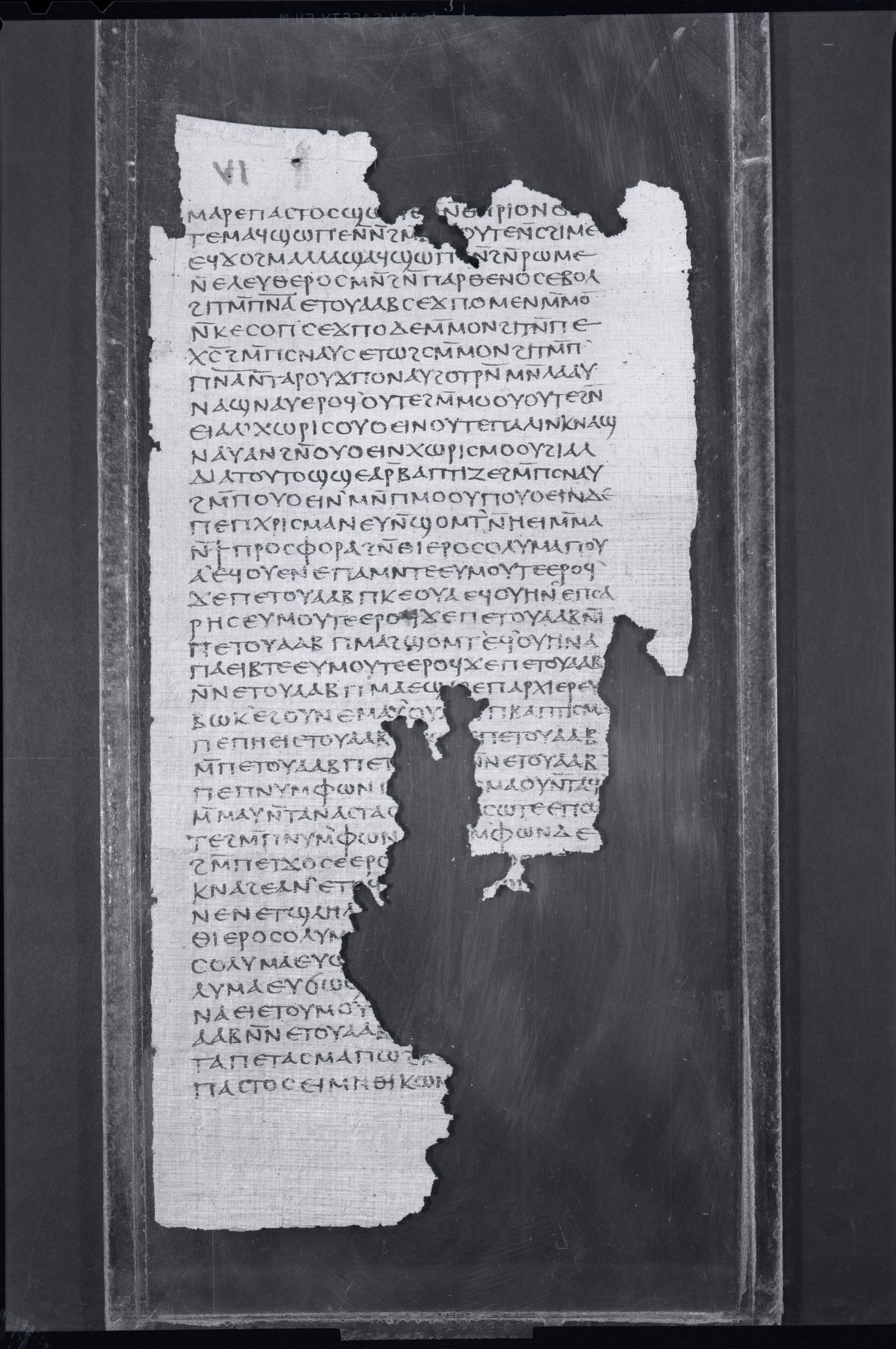
Page 69, lines 1-37 (Codex II page 69, A-Series negative, Facsimile Edition (Codex II, 1974) p. 81, CCDL nha 2872). Checked on the photograph: line 1 begins 'ⲙⲁⲣⲉ ⲡⲁⲥⲧⲟⲥ ϣⲱⲡⲉ ⲛ̄ⲛ̄ⲑⲏⲣⲓⲟⲛ ⲟⲩ'; line 37 reads 'ⲡⲁⲥⲧⲟⲥ ⲉⲓ ⲙⲏ ⲑⲓⲕⲱⲛ...'. Page and line numbers from the Marcion transcription; English from Mattison's text between his page marks 69 and 70.
69.1ⲙⲁⲣⲉ ⲡⲁⲥⲧⲟⲥ ϣⲱ̣ⲡ̣ⲉ ⲛ̣̄ⲛ̄ⲑⲏ̣ⲣⲓⲟⲛ ⲟⲩ̣-
69.2ⲧⲉ ⲙⲁϥϣⲱⲡⲉ ⲛ̄ⲛ̄ϩⲙ̄ϩ̣︤ⲁ̣︦ⲗ̣︥ ⲟⲩⲧⲉ ⲛ̄ⲥϩⲓⲙⲉ
69.3ⲉϥϫⲟϩⲙ ⲁⲗⲗⲁ ϣⲁϥϣⲱⲡⲉ̣ ⲛ̄ϩⲛ̄ⲣⲱⲙⲉ
69.4ⲛ̄ⲉⲗⲉⲩⲑⲉⲣⲟⲥ ⲙⲛ̄ ϩⲛ̄ⲡⲁⲣⲑⲉⲛⲟⲥ ⲉⲃⲟⲗ
69.5ϩⲓⲧⲙ̄ ⲡ︤ⲛ︦ⲁ︥ ⲉⲧⲟⲩⲁⲁⲃ ⲥⲉϫⲡⲟ ⲙⲉⲛ ⲙ̄ⲙⲟⲛ
69.6ⲛ̄ⲕⲉⲥⲟⲡ⳿ ⲥⲉϫⲡⲟ ⲇⲉ ⲙ̄ⲙⲟⲛ ϩⲓⲧⲛ̄ ⲡⲉ-
69.7ⲭⲥ̄ ϩⲙ̄ ⲡⲥⲛⲁⲩ ⲥⲉⲧⲱϩⲥ ⲙ̄ⲙⲟⲛ ϩⲓⲧⲙ̄ ⲡ⳿-
69.8ⲡⲛ︤ⲁ︥ ⲛ̄ⲧⲁⲣⲟⲩϫⲡⲟⲛ ⲁⲩϩⲟⲧⲣⲛ̄ ⲙⲛ̄ ⲗⲁⲁⲩ
69.9ⲛⲁϣⲛⲁⲩ ⲉⲣⲟϥ⳿ ⲟⲩⲧⲉ ϩⲙ̄ ⲙⲟⲟⲩ ⲟⲩⲧⲉ ϩⲛ̄
69.10ⲉⲓⲁⲗ⳿ ⲭⲱⲣⲓⲥ ⲟⲩⲟⲉⲓⲛ ⲟⲩⲧⲉ ⲡⲁⲗⲓⲛ ⲕⲛⲁϣ-
69.11ⲛⲁⲩ ⲁⲛ ϩⲛ̄ ⲟⲩⲟⲉⲓⲛ ⲭⲱⲣⲓⲥ ⲙⲟⲟⲩ ϩⲓⲁⲗ
69.12ⲇⲓⲁ ⲧⲟⲩⲧⲟ ϣϣⲉ ⲁⲣ̄ⲃⲁⲡⲧⲓⲍⲉ ϩⲙ̄ ⲡⲥⲛⲁⲩ
69.13ϩⲙ̄ ⲡⲟⲩⲟⲉⲓⲛ⳿ ⲙⲛ̄ ⲡⲙⲟⲟⲩ ⲡⲟⲩⲟⲉⲓⲛ ⲇⲉ
69.14ⲡⲉ ⲡⲭⲣⲓⲥⲙⲁ ⲛⲉⲩⲛ̄ ϣⲟⲙⲧ⳿ ⲛ̄ⲏⲉⲓ ⲙ̄ⲙⲁ
69.15ⲛ̄ϯⲡⲣⲟⲥⲫⲟⲣⲁ ϩⲛ̄ ⲑⲓⲉⲣⲟⲥⲟⲗⲩⲙⲁ ⲡⲟⲩ-
69.16ⲁ⳿ ⲉϥⲟⲩⲉⲛ ⲉⲡⲁⲙⲛⲧⲉ ⲉⲩⲙⲟⲩⲧⲉ ⲉⲣⲟϥ⳿
69.17ϫⲉ ⲡⲉⲧⲟⲩⲁⲁⲃ ⲡⲕⲉⲟⲩⲁ ⲉϥⲟⲩⲏⲛ⳿ ⲉⲡⲥⲁ-
69.18ⲣⲏⲥ ⲉⲩⲙⲟⲩⲧⲉ ⲉⲣⲟϥ ϫⲉ ⲡⲉⲧⲟⲩⲁⲁⲃ ⲙ̄-
69.19ⲡⲉⲧⲟⲩⲁⲁⲃ ⲡⲙⲁϩϣⲟⲙⲧ⳿ ⲉϥ⳿ⲟⲩⲏⲛ ⲁ-
69.20ⲡⲁⲉⲓⲃⲧⲉ ⲉⲩⲙⲟⲩⲧⲉ ⲉⲣⲟϥ ϫⲉ ⲡⲉⲧⲟⲩⲁⲁⲃ
69.21ⲛ̄ⲛⲉⲧⲟⲩⲁⲁⲃ ⲡⲙⲁ ⲉϣⲁ̣ⲣ̣ⲉ ⲡⲁⲣⲭⲓⲉⲣⲉⲩ[ⲥ]
69.22ⲃⲱⲕ⳿ ⲉϩⲟⲩⲛ ⲉⲙⲁⲩ⳿ ⲟⲩⲁ[ⲁ]ϥ̣ ⲡⲃⲁⲡⲧⲓⲥⲙⲁ
69.23ⲡⲉ ⲡⲏⲉⲓ ⲉⲧⲟⲩⲁⲁⲃ [ⲡ]ⲥ̣ⲱ̣[ⲧ]ⲉ ⲡⲉⲧⲟⲩⲁⲁⲃ
69.24ⲙ̄ⲡⲉⲧⲟⲩⲁⲁⲃ ⲡⲉⲧ[ⲟⲩⲁ]ⲁⲃ̣ ⲛ̄ⲛⲉⲧⲟⲩⲁⲁⲃ⳿
69.25ⲡⲉ ⲡⲛⲩⲙⲫⲱⲛ ⲡ[ⲃⲁⲡⲧⲓ]ⲥ̣ⲙⲁ ⲟⲩⲛ̄ⲧⲁϥ⳿
69.26ⲙ̄ⲙⲁⲩ ⲛ̄ⲧⲁⲛⲁⲥⲧⲁⲥ̣[ⲓⲥ ⲙⲛ̄ ⲡ]ⲥⲱⲧⲉ ⲉⲡⲥⲱ̣-
69.27ⲧⲉ ϩⲙ̄ ⲡⲛⲩⲙ⳿ⲫⲱⲛ [ⲉⲡⲛ]ⲩ̣ⲙ⳿ⲫⲱⲛ ⲇⲉ
69.28ϩⲙ̄ ⲡⲉⲧϫⲟⲥⲉ ⲉⲣⲟ[....]ⲛ̣̄[..]ⲟⲟ..
69.29ⲕⲛⲁϩⲉ ⲁⲛ⳿ ⲉⲧⲉ̣ϥ[.....]ⲧ̣ⲱ̣ⲡ̣ [....]
69.30ⲛⲉ ⲛⲉⲧϣⲗⲏⲗ [..............]
69.31ⲑⲓⲉⲣⲟⲥⲟⲗⲩⲙⲁ̣ [..........ⲑⲓⲉⲣⲟ]-
69.32ⲥⲟⲗⲩⲙⲁ ⲉⲩϣ[........ⲑⲓⲉⲣⲟⲥⲟ]-
69.33ⲗⲩⲙⲁ ⲉⲩϭⲱϣ[ⲧ .............]
69.34ⲛⲁⲉⲓ ⲉⲧⲟⲩⲙⲟⲩ[ⲧⲉ ⲉⲣⲟⲟⲩ ϫⲉ ⲡⲉⲧⲟⲩ]-
69.35ⲁⲁⲃ ⲛ̄ⲛⲉⲧⲟⲩⲁⲁⲃ [..........ⲡⲕⲁ]-
69.36ⲧⲁⲡⲉⲧⲁⲥⲙⲁ ⲡⲱϩ ⲕⲉ̣[.........]
69.37ⲡⲁⲥⲧⲟⲥ ⲉⲓ ⲙⲏ ⲑⲓⲕⲱⲛ̣ [........ ⲉⲧ]-
A bridal chamber isn't for the animals, nor for the slaves, nor for the impure, but it's for free people and virgins.
We're begotten again through the Holy Spirit, but we're begotten through Christ by two things. We're anointed through the Spirit. When we were begotten, we were united.
Without light, no one can see themselves in water or in a mirror; nor again will you be able to see in light without water or mirror. Because of this, it's necessary to baptize in both: in the light and in the water, but the light is the chrism.
There were three houses of offering in Jerusalem. The one which opens to the west is called "the Holy." The other one, which opens to the south, is called "the Holy of the Holy." The third, which opens to the east, is called "the Holy of the Holies," the place where the high priest enters alone. Baptism is "the Holy" house. [Redemption] is "the Holy of the Holy." "The [Holy] of the Holies" is the bridal chamber. The [baptism] includes the resurrection [with] the redemption. The redemption is in the bridal chamber. But [the] bridal chamber is better than […] You won't find its […] those who pray […] Jerusalem. […] Jerusalem who [… Jerusalem], being seen […] these that are called "[the Holies] of the Holies" [… the] veil torn […] bridal chamber except the image [… which]
Where on the image
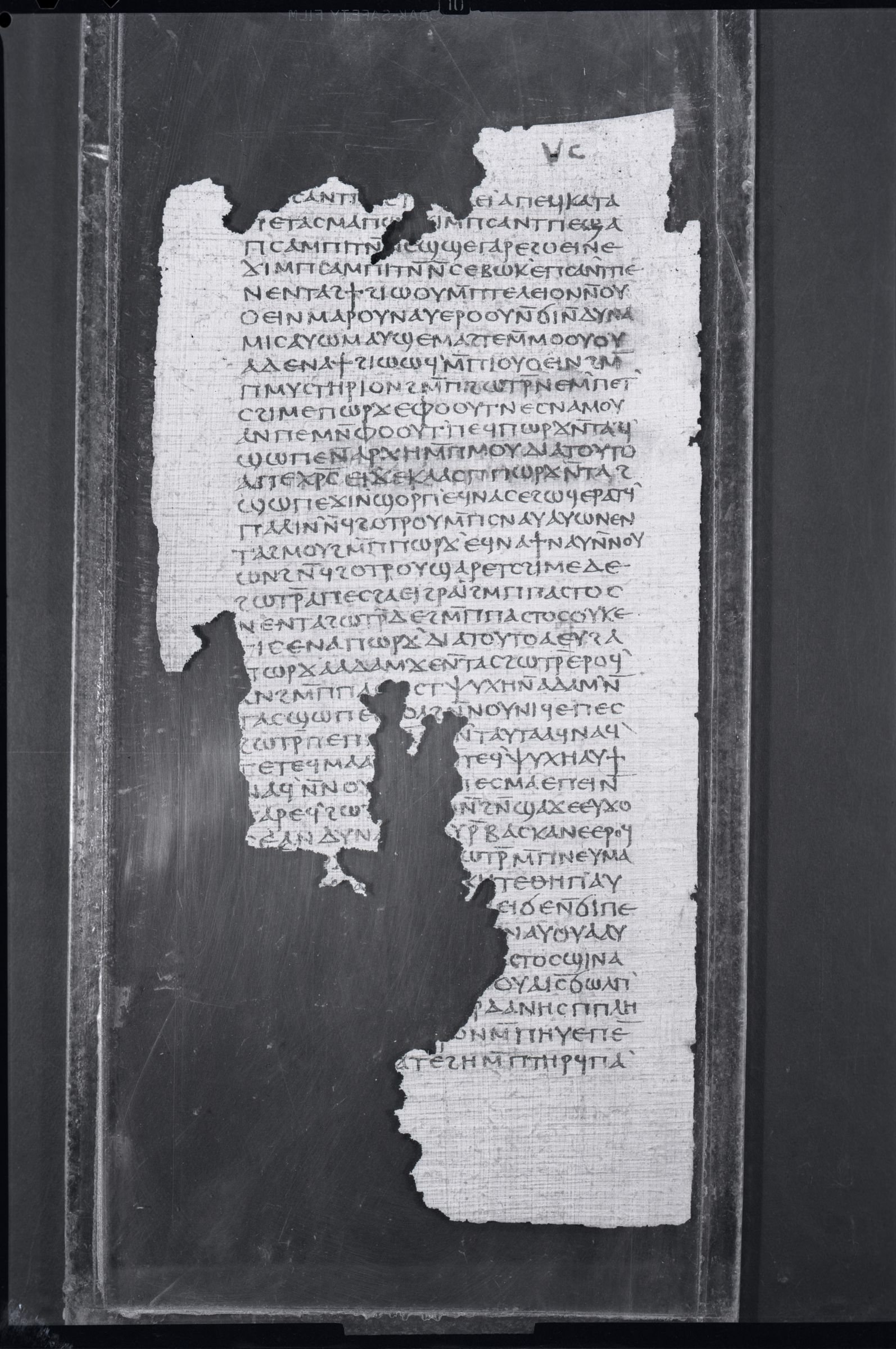
Page 70, lines 1-37 (Codex II page 70, A-Series negative, Facsimile Edition (Codex II, 1974) p. 82, CCDL nha 2894). Checked on the photograph: line 1 begins '...ⲥⲁ ⲛⲧⲡ... ⲁⲡⲉϥⲕⲁⲧⲁ'; line 37 reads '...ⲁ ⲧⲉϩⲏ ⲙ̄ⲡⲧⲏⲣϥ ⲡⲁ⳿'. Page and line numbers from the Marcion transcription; English from Mattison's text between his page marks 70 and 71.
70.1[ⲙ̄ⲡ]ⲥⲁ ⲛⲧⲡ⳿ⲉ] ⲉⲧ[ⲃ]ⲉ̣ [ⲡ]ⲁ̣ⲉⲓ⳿ ⲁⲡⲉϥⲕⲁⲧⲁ-
70.2ⲡⲉⲧⲁⲥⲙⲁ ⲡⲱ̣[ϩ] ϫ̣ⲓⲙ ⲡⲥⲁ ⲛⲧⲡⲉ ϣⲁ
70.3ⲡⲥⲁ ⲙⲡⲓⲧⲛ̄ ⲛⲉ ϣϣⲉ ⲅⲁⲣ ⲉϩⲟⲉⲓⲛⲉ
70.4ϫⲓⲙ ⲡⲥⲁ ⲙⲡⲓⲧⲛ̄ ⲛ̄ⲥⲉⲃⲱⲕ⳿ ⲉⲡⲥⲁ ⲛ⳿ⲧⲡⲉ
70.5ⲛⲉⲛⲧⲁϩϯ ϩⲓⲱⲟⲩ ⲙ̄ⲡⲧⲉⲗⲉⲓⲟⲛ ⲛ̄ⲟⲩ-
70.6ⲟⲉⲓⲛ ⲙⲁⲣⲟⲩⲛⲁⲩ ⲉⲣⲟⲟⲩ ⲛ̄ϭⲓ ⲛ̄ⲇⲩⲛⲁ-
70.7ⲙⲓⲥ ⲁⲩⲱ ⲙⲁⲩϣⲉⲙⲁϩⲧⲉ ⲙ̄ⲙⲟⲟⲩ ⲟⲩ-
70.8ⲁ ⲇⲉ ⲛⲁϯ ϩⲓⲱⲱϥ⳿ ⲙ̄ⲡⲓⲟⲩⲟⲉⲓⲛ ϩⲙ̄
70.9ⲡⲙⲩⲥⲧⲏⲣⲓⲟⲛ ϩⲙ̄ ⲡϩⲱⲧⲣ̄ ⲛⲉ ⲙ⳿ⲡⲉⲧ⳿-
70.10ⲥϩⲓⲙⲉ ⲡⲱⲣϫ ⲉⲫⲟⲟⲩⲧ ⲛⲉⲥⲛⲁⲙⲟⲩ
70.11ⲁⲛ ⲡⲉ ⲙⲛ̄ ⲫⲟⲟⲩⲧ⳿ ⲡⲉϥⲡⲱⲣϫ ⲛ̄ⲧⲁϥ⳿-
70.12ϣⲱⲡⲉ ⲛ̄ⲁⲣⲭⲏ ⲙ̄ⲡⲙⲟⲩ ⲇⲓⲁ ⲧⲟⲩⲧⲟ
70.13ⲁⲡⲉⲭⲣ︤ⲥ︥ ⲉⲓ ϫⲉⲕⲁⲁⲥ ⲡⲡⲱⲣϫ ⲛ̄ⲧⲁϩ-
70.14ϣⲱⲡⲉ ϫⲓⲛ⳿ ϣⲟⲣⲡ⳿ ⲉϥⲛⲁⲥⲉϩⲱϥ ⲉⲣⲁⲧϥ⳿
70.15ⲡⲁⲗⲓⲛ⳿ ⲛ̄ϥϩⲟⲧⲣⲟⲩ ⲙ̄ⲡⲥⲛⲁⲩ ⲁⲩⲱ ⲛⲉⲛ-
70.16ⲧⲁϩⲙⲟⲩ ϩⲙ̄ ⲡⲡⲱⲣϫ⳿ ⲉϥⲛⲁϯ ⲛⲁⲩ ⲛ̄ⲛⲟⲩ-
70.17ⲱⲛϩ ⲛ̄ϥϩⲟⲧⲣⲟⲩ ϣⲁⲣⲉ ⲧⲥϩⲓⲙⲉ ⲇⲉ
70.18ϩⲱⲧⲣ̄ ⲁⲡⲉⲥϩⲁⲉⲓ ϩⲣⲁⲓ̈ ϩⲙ ⲡⲡⲁⲥⲧⲟⲥ
70.19ⲛⲉⲛⲧⲁϩⲱⲧⲣ̄ ⲇⲉ ϩⲙ̄ ⲡⲡⲁⲥⲧⲟⲥ ⲟⲩⲕⲉ-
70.20ⲧⲓ ⲥⲉⲛⲁⲡⲱⲣϫ⳿ ⲇⲓⲁ ⲧⲟⲩⲧⲟ ⲁⲉⲩϩⲁ
70.21ⲡⲱⲣϫ⳿ ⲁⲁⲇⲁⲙ ϫⲉ ⲛ̄ⲧⲁⲥϩⲱⲧⲣ̄ ⲉⲣⲟϥ⳿
70.22ⲁⲛ ϩⲙ̄ ⲡⲡⲁⲥ̣[ⲧⲟ]ⲥ ⲧⲯⲩⲭⲏ ⲛ̄ⲁⲇⲁⲙ⳿ ⲛ̄-
70.23ⲧⲁⲥϣⲱⲡⲉ ⲉ̣[ⲃ]ⲟⲗ ϩⲛ̄ⲛⲟⲩⲛⲓϥⲉ ⲡⲉⲥ-
70.24ϩⲱⲧⲣ̄ ⲡⲉ ⲡⲡ̣[ⲛ̄]ⲁ̣̄ ⲡ̣[ⲉ]ⲛ⳿ⲧⲁⲩⲧⲁⲁϥ ⲛⲁϥ⳿
70.25ⲧⲉ ⲧⲉϥⲙⲁⲁⲩ̣ ⲁⲩ[ϥⲓ] ⲛ̣̄ⲧⲉϥⲯⲩⲭⲏ ⲁⲩϯ
70.26ⲛⲁϥ⳿ ⲛ̄ⲛⲟⲩ[ⲡⲛ︤ⲁ︥ ⲉ]ⲡⲉⲥⲙⲁ ⲉⲡⲉⲓ ⲛ̄-
70.27ⲧ̣ⲁⲣⲉϥ⳿ⲡϩⲱⲧⲣ̣̄ [ⲁϥϫ]ⲱ̣ ⲛ̄ϩⲛ̄ϣⲁϫⲉ ⲉⲩϫⲟ-
70.28ⲥⲉ⳿ ⲁⲛⲇⲩⲛⲁ[ⲙⲓⲥ] ⲁ̣ⲩⲣ̄ⲃⲁⲥⲕⲁⲛⲉ ⲉⲣⲟϥ
70.29[....]ⲣϫ [....ϩ]ⲱⲧⲣ̄ ⲙ̄ⲡⲛⲉⲩⲙⲁ-
70.30[ⲧⲓⲕ..]ⲩ̣[.]ⲁ[.....]ⲕⲏ ⲧⲉⲑⲏⲡ⳿ ⲁⲩ-
70.31[...........]ⲁ̣ⲉⲓϭⲉ ⲛ̄ϭⲓ ⲡⲉ-
70.32[............]ⲟ̣ ⲛⲁⲩ ⲟⲩⲁⲁⲩ
70.33[........... ⲡ]ⲁ̣ⲥⲧⲟⲥ ϣⲓⲛⲁ
70.34[...........].ⲟⲩ ⲁⲓⲥ̄ ϭⲱⲗⲡ⳿
70.35[ⲉⲃⲟⲗ.....ⲡⲉⲓⲟ]ⲣⲇⲁⲛⲏⲥ ⲡⲡⲗⲏ-
70.36[ⲣⲱⲙⲁ ⲛ̄ⲧⲙ︤ⲛ︦ⲧ︥ⲉ]ⲣ̣ⲟ ⲛⲙ̄ⲡⲏⲩⲉ ⲡⲉⲛ-
70.37[ⲧⲁⲩϫⲡⲟϥ ϩ]ⲁ ⲧⲉϩⲏ ⲙ̄ⲡⲧⲏⲣϥ ⲡⲁ⳿-
[is above. So] its veil was torn from top to bottom, because it was necessary for some from below to go up above.
The powers can't see those who have put on the perfect light, and they can't bind them. But one will put on that light in the mystery of the union.
If the female wouldn't have been separated from the male, she wouldn't have died with the male. His separation was the beginning of death. Because of this, Christ came to repair the separation that existed since the beginning by uniting the two again. He'll give life to those who died as a result of the separation by uniting them. Now, the wife unites with her husband in the bridal chamber, and those who have united in the bridal chamber won't be separated any longer. Because of this, Eve separated from Adam, because she didn't unite with him in the bridal chamber.
It was through a breath that Adam's soul came into being. Its partner was the spirit. That which was given to him was his mother. His soul was [taken] and he was given [life] (Eve) in its place. When he was united […] words that were better than the powers, and they envied him […] spiritual partner […] hidden […] that is, the […] themselves […] bridal chamber so that […] Jesus appeared [… the] Jordan, the [fullness of the kingdom] of heaven. He who [was begotten] before everything
Where on the image
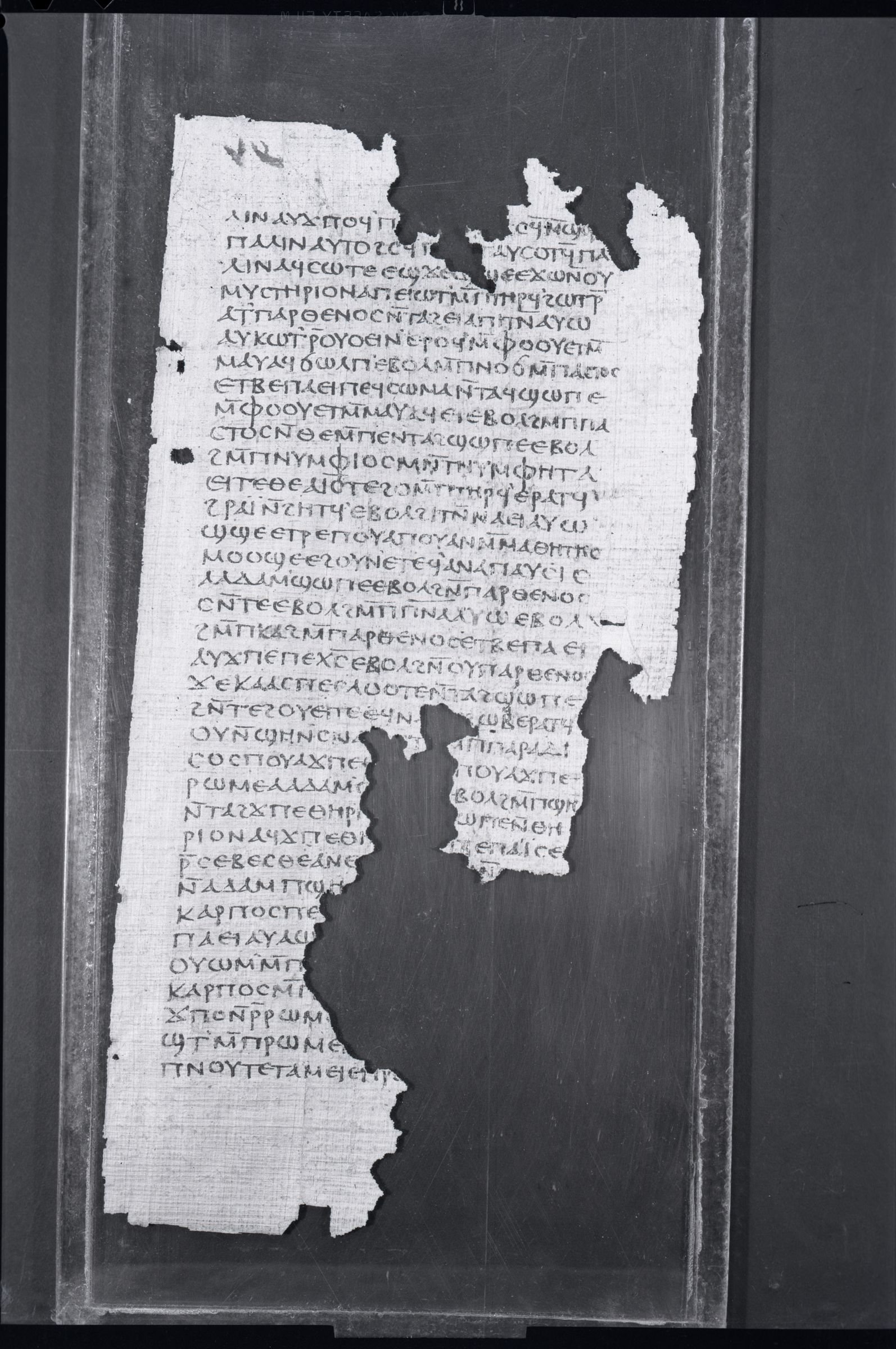
Page 71, lines 1-35 (Codex II page 71, A-Series negative, Facsimile Edition (Codex II, 1974) p. 83, CCDL nha 2915). Checked on the photograph: line 1 begins 'ⲗⲓⲛ ⲁⲩϫⲡⲟϥ ⲡ...'; line 35 reads 'ⲡⲛⲟⲩⲧⲉ ⲧⲁⲙⲉⲓⲉ ⲡⲣ...'. Page and line numbers from the Marcion transcription; English from Mattison's text between his page marks 71 and 72.
71.1ⲗⲓⲛ ⲁⲩϫⲡⲟϥ⳿ ⲡ[ⲉⲛⲧⲁ]ⲩ̣ⲧ̣[ⲟ]ϩ̣ⲥϥ̄ ⲛ̄ϣⲟⲣ̣[ⲡ]
71.2ⲡⲁⲗⲓⲛ ⲁⲩⲧⲟϩⲥϥ̄ ⲡ[ⲉⲛ]⳿ⲧⲁⲩⲥⲟⲧϥ̄ ⲡⲁ-
71.3ⲗⲓⲛ ⲁϥⲥⲱⲧⲉ ⲉϣϫⲉ ϣϣⲉ ⲉϫⲱ ⲛ̄ⲟⲩ-
71.4ⲙⲩⲥⲧⲏⲣⲓⲟⲛ ⲁⲡⲉⲓⲱⲧ⳿ ⲙ̄ⲡⲧⲏⲣϥ⳿ ϩⲱⲧⲣ̄
71.5ⲁⲧ⳿ⲡⲁⲣⲑⲉⲛⲟⲥ ⲛ̄ⲧⲁϩⲉⲓ ⲁⲡⲓⲧⲛ̄ ⲁⲩⲱ
71.6ⲁⲩⲕⲱⲧ⳿ ⲣ̄ ⲟⲩⲟⲉⲓⲛ⳿ ⲉⲣⲟϥ⳿ ⲙ̄ⲫⲟⲟⲩ ⲉⲧⲙ̄-
71.7ⲙⲁⲩ ⲁϥϭⲱⲗⲡ⳿ ⲉⲃⲟⲗ ⲙ̄ⲡⲛⲟϭ ⲙ̄ⲡⲁⲥⲧⲟⲥ
71.8ⲉⲧⲃⲉ ⲡⲁⲉⲓ ⲡⲉϥⲥⲱⲙⲁ ⲛ̄ⲧⲁϥϣⲱⲡⲉ
71.9ⲙ̄ⲫⲟⲟⲩ ⲉⲧⲙ̄ⲙⲁⲩ ⲁϥⲉⲓ ⲉⲃⲟⲗ ϩⲙ ⲡⲡⲁ-
71.10ⲥⲧⲟⲥ ⲛ̄ⲑⲉ ⲙ̄ⲡⲉⲛ⳿ⲧⲁϩϣⲱⲡⲉ ⲉⲃⲟⲗ
71.11ϩⲙ̄ ⲡⲛⲩⲙⲫⲓⲟⲥ ⲙⲛ̄ ⲧⲛⲩⲙⲫⲏ ⲧⲁ⳿-
71.12ⲉⲓ ⲧⲉ ⲑⲉ ⲁⲓ︤ⲥ︥ ⲧⲉϩⲟ ⲙ̄ⲡⲧⲏⲣϥ⳿ ⲉⲣⲁⲧϥ⳿
71.13ϩⲣⲁⲓ̈ ⲛ̄ϩⲏⲧϥ⳿ ⲉⲃⲟⲗ ϩⲓⲧⲛ̄ ⲛⲁⲉⲓ ⲁⲩⲱ⳿
71.14ϣϣⲉ ⲉⲧⲣⲉ ⲡⲟⲩⲁ ⲡⲟⲩⲁ ⲛⲙ̄ⲙⲁⲑⲏⲧⲏⲥ
71.15ⲙⲟⲟϣⲉ ⲉϩⲟⲩⲛ⳿ ⲉⲧⲉϥ⳿ⲁⲛⲁⲡⲁⲩⲥⲓⲥ
71.16ⲁⲁⲇⲁⲙ⳿ ϣⲱⲡⲉ ⲉⲃⲟⲗ ϩⲛ̄ ⲡⲁⲣⲑⲉⲛⲟⲥ
71.17ⲥⲛ̄ⲧⲉ ⲉⲃⲟⲗ ϩⲙ̄ ⲡⲡ︤ⲛ︦ⲁ︥ ⲁⲩⲱ ⲉⲃⲟⲗ⳿
71.18ϩⲙ̄ ⲡⲕⲁϩ ⲙ̄ⲡⲁⲣⲑⲉⲛⲟⲥ ⲉⲧⲃⲉ ⲡⲁⲉⲓ
71.19ⲁⲩϫⲡⲉ ⲡⲉⲭ︤ⲥ︥ ⲉⲃⲟⲗ ϩⲛ̄ ⲟⲩⲡⲁⲣⲑⲉⲛⲟⲥ
71.20ϫⲉⲕⲁⲁⲥ ⲡⲉⲥⲗⲟⲟⲧⲉ ⲛ̄ⲧⲁϩϣⲱⲡⲉ
71.21ϩⲛ̄ ⲧⲉϩⲟⲩⲉⲓⲧⲉ ⲉϥⲛⲁ̣[ⲥ]ⲉ̣ϩⲱϥ ⲉⲣⲁⲧϥ⳿
71.22ⲟⲩⲛ̄ ϣⲏⲛ⳿ ⲥⲛⲁⲩ̣ ⲣ̣ⲏ̣ⲧ [ϩ]ⲙ̣̄ ⲡⲡⲁⲣⲁⲇⲓ-
71.23ⲥⲟⲥ ⲡⲟⲩⲁ ϫⲡⲉ ⲑ̣[ⲏⲣⲓⲟⲛ] ⲡⲟⲩⲁ ϫⲡⲉ
71.24ⲣⲱⲙⲉ ⲁⲁⲇⲁⲙ⳿ ⲟ[ⲩⲱⲙ] ⲉ̣ⲃⲟⲗ ϩⲙ̄ ⲡϣⲏⲛ
71.25ⲛ̄ⲧⲁϩϫⲡⲉ ⲑⲏⲣ⳿ⲓ[ⲟⲛ ⲁϥϣ]ⲱⲡⲉ ⲛ̄ⲑⲏ-
71.26ⲣⲓⲟⲛ ⲁϥϫⲡⲉ ⲑⲏ[ⲣⲓⲟⲛ ⲉ]ⲧⲃⲉ ⲡⲁⲓ̈ ⲥⲉ-
71.27ⲣ̄ⲥⲉⲃⲉⲥⲑⲉ ⲁⲛⲑ̣[ⲏⲣⲓⲟⲛ ⲛ̄ϭ]ⲓ̣ ⲛ̄ϣ̣ⲏ̣ⲣ̣ⲉ̣
71.28ⲛ̄ⲁⲇⲁⲙ ⲡϣⲏ[ⲛ ...........]
71.29ⲕⲁⲣⲡⲟⲥ ⲡⲉ ⲡ̣[............]
71.30ⲡⲁⲉⲓ ⲁⲩⲁϣ̣[ⲁⲉⲓ............]
71.31ⲟⲩⲱⲙ⳿ ⲙ̄ⲡ[..............]
71.32ⲕⲁⲣⲡⲟⲥ ⲙ̄ⲡ̣[..............]
71.33ϫⲡⲟ ⲛ̄ⲣ̄ⲣⲱⲙⲉ̣ [............]
71.34ⲱⲧ⳿ ⲙ̄ⲡⲣⲱⲙⲉ ⲛ̣̄[...........]
71.35ⲡⲛⲟⲩⲧⲉ ⲧⲁⲙⲉⲓⲉ ⲡⲣⲱ̣[ⲙⲉ...ⲣ̄ⲣⲱ]
was begotten again. He [who was anointed] first was anointed again. He who was redeemed, redeemed again.
If it's necessary to speak of a mystery: the Father of everything united with the virgin who came down, and a fire enlightened him on that day. He revealed the great bridal chamber, so his body came into being on that day. He came out of the bridal chamber like the one who came into being from the groom and the bride. That's the way Jesus established everything within himself. It's also necessary for each of the disciples to enter into his rest through these things.
Adam came into being from two virgins: from the Spirit and from the virgin earth. So Christ was begotten from a virgin, to rectify the fall that occurred in the beginning.
There are two trees growing in Paradise. One begets [animals], the other begets humans. Adam [ate] from the tree that begot animals, [and he] became an animal, and he begot [animals]. So Adam's children worship the [animals]. The tree […] is fruit […] this they […] ate the […] fruit of the […] beget humans […] of the human of […] God makes the human, [… humans] make [God].
Where on the image
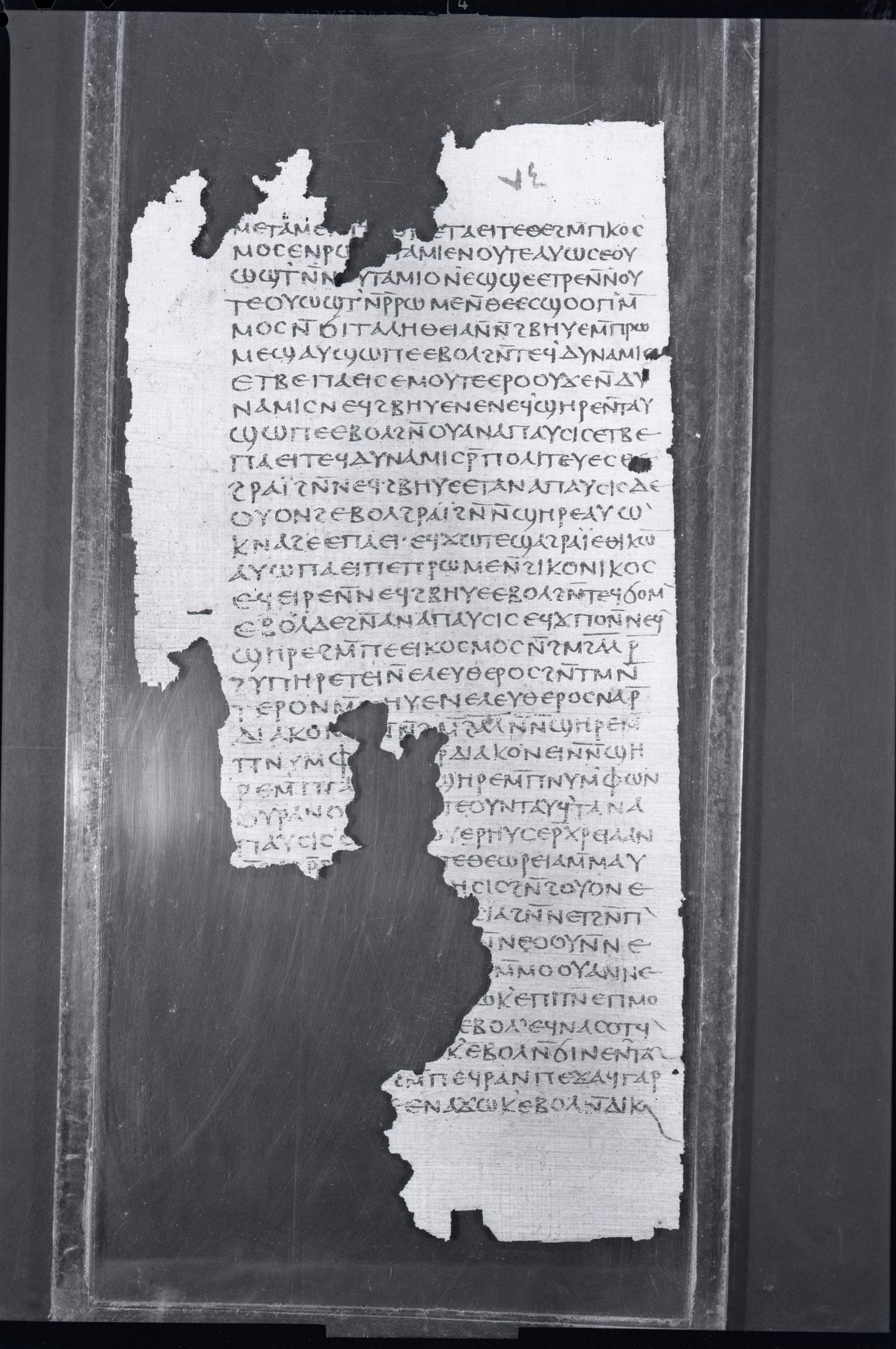
Page 72, lines 1-34 (Codex II page 72, A-Series negative, Facsimile Edition (Codex II, 1974) p. 84, CCDL nha 2867). Checked on the photograph: line 1 begins 'ⲙⲉ ⲧⲁⲙⲉⲓⲉ ... ⲧⲁⲉⲓ ⲧⲉ ⲑⲉ ϩⲙ̄ ⲡⲕⲟⲥ'; line 34 reads '...ⲉ ⲉⲛⲁϫⲱⲕ⳿ ⲉⲃⲟⲗ ⲛ̄ⲇⲓⲕ'; the last word ends in a long abbreviation stroke, which the editor writes out as (ⲁⲓ). Page and line numbers from the Marcion transcription; English from Mattison's text between his page marks 72 and 73.
72.1ⲙⲉ ⲧⲁⲙⲉⲓ̣ⲉ̣ ⲡ[ⲛ]ⲟⲩ[ⲧ]ⲉ ⲧⲁⲉⲓ ⲧⲉ ⲑⲉ ϩⲙ̄ ⲡⲕⲟⲥ-
72.2ⲙⲟⲥ ⲉⲛⲣⲱ̣[ⲙ]ⲉ̣ ⲧⲁⲙⲓⲉ ⲛⲟⲩⲧⲉ ⲁⲩⲱ ⲥⲉⲟⲩ-
72.3ⲱϣⲧ⳿ ⲛ̄ⲛⲟ̣ⲩⲧⲁⲙⲓⲟ ⲛⲉ ϣϣⲉ ⲉⲧⲣⲉ ⲛ̄ⲛⲟⲩ-
72.4ⲧⲉ ⲟⲩⲱϣⲧ⳿ ⲛ̄ⲣ̄ⲣⲱⲙⲉ ⲛ̄ⲑⲉ ⲉⲥϣⲟⲟⲡ⳿ ⲙ̄-
72.5ⲙⲟⲥ ⲛ̄ϭⲓ ⲧⲁⲗⲏⲑⲉⲓⲁ ⲛ̄ⲛ̄ϩⲃⲏⲩⲉ ⲙ̄ⲡⲣⲱ-
72.6ⲙⲉ ϣⲁⲩϣⲱⲡⲉ ⲉⲃⲟⲗ ϩⲛ̄ ⲧⲉϥ⳿ⲇⲩⲛⲁⲙⲓⲥ
72.7ⲉⲧⲃⲉ ⲡⲁⲉⲓ ⲥⲉⲙⲟⲩⲧⲉ ⲉⲣⲟⲟⲩ ϫⲉ ⲛ̄ⲇⲩ-
72.8ⲛⲁⲙⲓⲥ ⲛⲉϥϩⲃⲏⲩⲉ ⲛⲉ ⲛⲉϥ⳿ϣⲏⲣⲉ ⲛ̄ⲧⲁⲩ-
72.9ϣⲱⲡⲉ ⲉⲃⲟⲗ ϩⲛ̄ ⲟⲩⲁⲛⲁⲡⲁⲩⲥⲓⲥ ⲉⲧⲃⲉ
72.10ⲡⲁⲉⲓ ⲧⲉϥⲇⲩⲛⲁⲙⲓⲥ ⲣ̄ⲡⲟⲗⲓⲧⲉⲩⲉⲥⲑⲉ
72.11ϩⲣⲁⲓ̈ ϩⲛ̄ ⲛⲉϥϩⲃⲏⲩⲉ ⲉⲧⲁⲛⲁⲡⲁⲩⲥⲓⲥ ⲇⲉ
72.12ⲟⲩⲟⲛϩ ⲉⲃⲟⲗ ϩⲣⲁⲓ̈ ϩⲛ̄ ⲛ̄ϣⲏⲣⲉ ⲁⲩⲱ⳿
72.13ⲕⲛⲁϩⲉ ⲉⲡⲁⲉⲓ⳿ ⲉϥϫⲱⲧⲉ ϣⲁ ϩⲁⲓ̈ ⲉⲑⲓⲕⲱⲛ
72.14ⲁⲩⲱ ⲡⲁⲉⲓ ⲡⲉ ⲡⲣⲱⲙⲉ ⲛ̄ϩⲓⲕⲟⲛⲓⲕⲟⲥ
72.15ⲉϥⲉⲓⲣⲉ ⲛ̄ⲛⲉϥϩⲃⲏⲩⲉ ⲉⲃⲟⲗ ϩⲛ̄ ⲧⲉϥϭⲟⲙ⳿
72.16ⲉⲃⲟⲗ ⲇⲉ ϩⲛ̄ ⲁⲛⲁⲡⲁⲩⲥⲓⲥ ⲉϥϫⲡⲟ ⲛ̄ⲛⲉϥ⳿-
72.17ϣⲏⲣⲉ ϩⲙ̄ ⲡⲉⲉⲓⲕⲟⲥⲙⲟⲥ ⲛ̄ϩⲙϩ︤ⲁ︦ⲗ︥ ⲣ̄-
72.18ϩⲩⲡⲏⲣⲉⲧⲉⲓ ⲛ̄ⲉⲗⲉⲩⲑⲉⲣⲟⲥ ϩⲛ̄ ⲧⲙⲛ̄-
72.19ⲧⲉⲣⲟ ⲛⲙ̄ⲡ̣ⲏⲩⲉ ⲛⲉⲗⲉⲩⲑⲉⲣⲟⲥ ⲛⲁⲣ̄-
72.20ⲇⲓⲁⲕⲟⲛ[ⲉⲓ] ⲛ̄ⲛ̄ϩⲙ̄ϩ︤ⲁ︦ⲗ︥ ⲛ̄ⲛ̄ϣⲏⲣⲉ ⲙ̄-
72.21ⲡⲛⲩⲙⲫ[ⲱ]ⲛ̣ ⲛ̣[ⲁ]ⲣ̄ⲇⲓⲁⲕⲟⲛⲉⲓ ⲛ̄ⲛ̄ϣⲏ-
72.22ⲣⲉ ⲙ̄ⲡⲅⲁ[ⲙⲟⲥ ⲛ̄]ϣⲏⲣⲉ ⲙ̄ⲡⲛⲩⲙ⳿ⲫⲱⲛ
72.23ⲟⲩⲣⲁⲛ ⲟⲩ̣[ⲱⲧ ⲡⲉ]ⲧⲉ ⲟⲩⲛⲧⲁⲩϥ⳿ ⲧⲁⲛⲁ-
72.24ⲡⲁⲩⲥⲓⲥ⳿ ⲉ[ⲩϩⲓ ⲛ]ⲟⲩⲉⲣⲏⲩ ⲥⲉⲣ̄ⲭⲣⲉⲓⲁ ⲁⲛ
72.25ⲛ̣̄ϫ̣ⲓ̣ ϩ̣ⲣ̄ⲃ̣[⳿ ⲉⲩⲛ̄ⲧⲁⲩ] ⲧⲉⲑⲉⲱⲣⲉⲓⲁ ⲙ̄ⲙⲁⲩ
72.26[....]ⲫ̣[.....]ⲑ̣ⲏⲥⲓⲥ ϩⲛ̄ϩⲟⲩⲟ ⲛⲉ
72.27[............]ⲥⲓⲁ ϩⲛ̄ ⲛⲉⲧϩⲛ̄ ⲡ⳿-
72.28[...........]ⲛ̄ ⲛⲉⲟⲟⲩ ⲛ̄ⲛⲉ-
72.29[...........]ⲉ̣ ⲙ̄ⲙⲟⲟⲩ ⲁⲛ ⲛⲉ-
72.30[..........ⲃ]ⲱⲕ⳿ ⲉⲡⲓⲧⲛ̄ ⲉⲡⲙⲟ-
72.31[ⲟⲩ ........] ⲉⲃⲟⲗ⳿ ⲉϥⲛⲁⲥⲟⲧϥ⳿
72.32[.........]ⲕ⳿ ⲉⲃⲟⲗ ⲛ̄ϭⲓ ⲛⲉⲛ⳿ⲧⲁϩ-
72.33[......] ϩⲙ̄ ⲡⲉϥⲣⲁⲛ ⲡⲉϫⲁϥ ⲅⲁⲣ
72.34[ϫⲉ ⲧⲁⲉⲓ ⲧⲉ ⲑ]ⲉ ⲉⲛⲁϫⲱⲕ⳿ ⲉⲃⲟⲗ ⲛ̄ⲇⲓⲕ(ⲁⲓ)-
That's what it's like in the world: humans make gods and worship their creation. It would be better for the gods to worship humans!
The truth is that the work of humankind comes from their power, so they're called "the powers." Their works are their children, who come into being through rest; so their power exists in their works, but the rest is revealed in their children. And you'll find that this extends to the image. And this is the person in the image: they do their works through their power, but they beget their children through rest.
In this world, the slaves work for the free. In the kingdom of heaven, the free will serve the slaves. The children of the bridal chamber will serve the children of the [marriage. The] children of the bridal chamber have a [single] name: "Rest." [Being] together they don't need to take form, [because they have] contemplation […] they're many […] with those who are in the […] the glories of the […] not […] them […] go down to the [water …] they'll redeem themselves […] that is, those who have […] in his name, because he said: "[That's the way] we'll fulfill
Where on the image
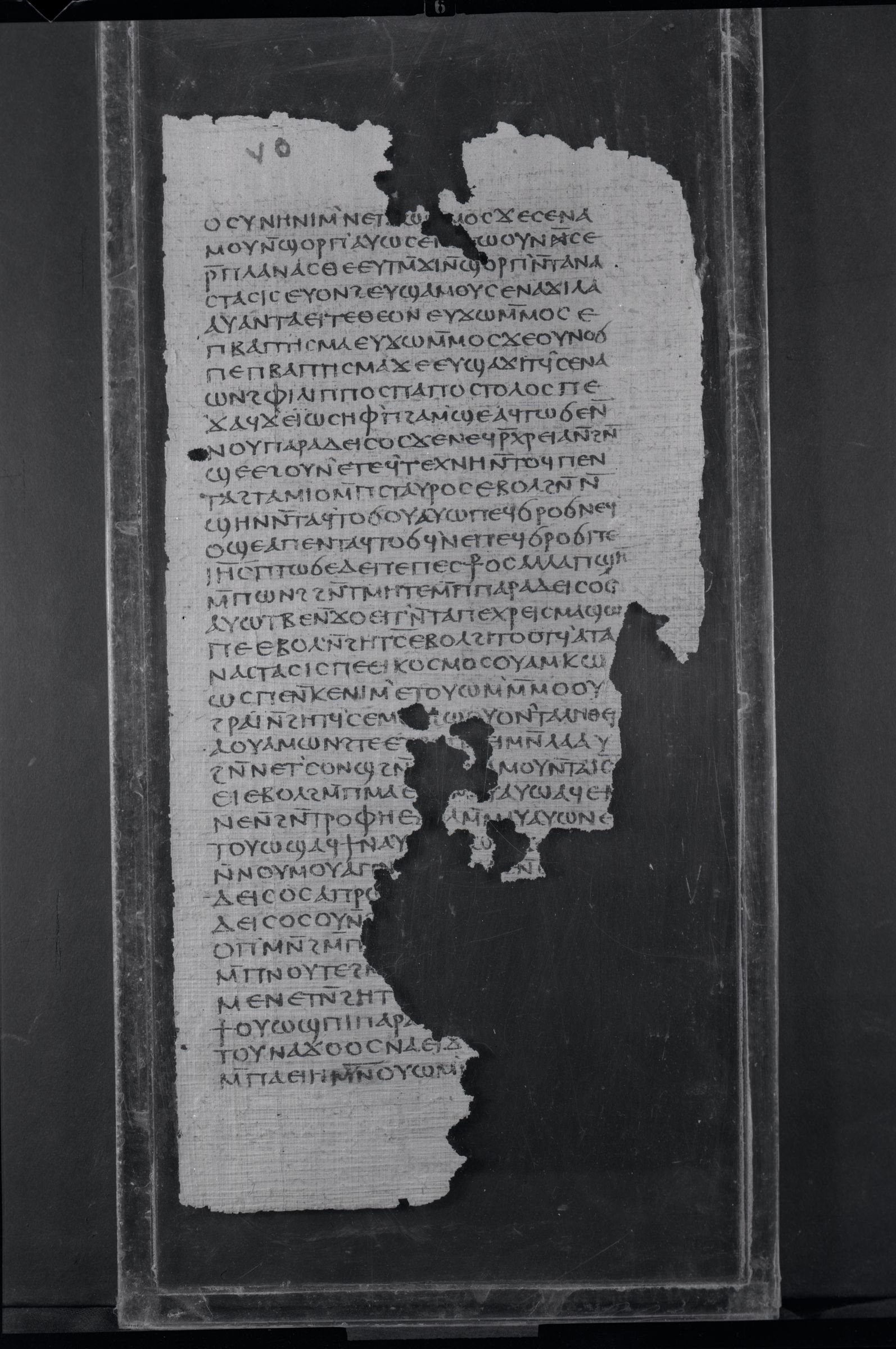
Page 73, lines 1-35 (Codex II page 73, A-Series negative, Facsimile Edition (Codex II, 1974) p. 85, CCDL nha 2907). Checked on the photograph: line 1 begins 'ⲟⲥⲩⲛⲏ ⲛⲓⲙ⳿ ⲛⲉⲧϫⲱ ⲙ̄ⲙⲟⲥ ϫⲉ ⲥⲉⲛⲁ'; line 35 reads 'ⲙ̄ⲡⲁⲉⲓ ⲏ ⲙⲛ̄ⲟⲩⲱⲙ⳿...'. Page and line numbers from the Marcion transcription; English from Mattison's text between his page marks 73 and 74.
73.1ⲟⲥⲩⲛⲏ ⲛⲓⲙ⳿ ⲛⲉⲧϫ̣ⲱ ⲙ̣̄ⲙⲟⲥ ϫⲉ ⲥⲉⲛⲁ-
73.2ⲙⲟⲩ ⲛ̄ϣⲟⲣⲡ⳿ ⲁⲩⲱ ⲥⲉⲛ̣ⲁ̣ⲧ̣ⲱⲟⲩⲛ ⟦ⲛ̄⟧ ⲥⲉ-
73.3ⲣ̄ⲡⲗⲁⲛⲁⲥⲑⲉ ⲉⲩⲧⲙ̄ϫⲓ ⲛ̄ϣⲟⲣⲡ⳿ ⲛ̄ⲧⲁⲛⲁ-
73.4ⲥⲧⲁⲥⲓⲥ ⲉⲩⲟⲛϩ ⲉⲩϣⲁⲙⲟⲩ ⲥⲉⲛⲁϫⲓ ⲗⲁ-
73.5ⲁⲩ ⲁⲛ ⲧⲁⲉⲓ ⲧⲉ ⲑⲉ ⲟⲛ ⲉⲩϫⲱ ⲙ̄ⲙⲟⲥ ⲉ-
73.6ⲡⲃⲁⲡⲧⲓⲥⲙⲁ ⲉⲩϫⲱ ⲙ̄ⲙⲟⲥ ϫⲉ ⲟⲩⲛⲟϭ
73.7ⲡⲉ ⲡⲃⲁⲡⲧⲓⲥⲙⲁ ϫⲉ ⲉⲩϣⲁϫⲓⲧϥ⳿ ⲥⲉⲛⲁ-
73.8ⲱⲛϩ ⲫⲓⲗⲓⲡⲡⲟⲥ ⲡⲁⲡⲟⲥⲧⲟⲗⲟⲥ ⲡⲉ-
73.9ϫⲁϥ ϫⲉ ⲓ̈ⲱⲥⲏⲫ⳿ ⲡϩⲁⲙ⳿ϣⲉ⳿ ⲁϥⲧⲱϭⲉ ⲛ̄-
73.10ⲛⲟⲩⲡⲁⲣⲁⲇⲉⲓⲥⲟⲥ ϫⲉ ⲛⲉϥⲣ̄ⲭⲣⲉⲓⲁ ⲛ̄ϩⲛ̄-
73.11ϣⲉ ⲉϩⲟⲩⲛ⳿ ⲉⲧⲉϥ⳿ⲧⲉⲭⲛⲏ ⲛ̄ⲧⲟϥ ⲡⲉⲛ-
73.12ⲧⲁϩⲧⲁⲙⲓⲟ ⲙ̄ⲡⲥⲧⲁⲩⲣⲟⲥ ⲉⲃⲟⲗ ϩⲛ̄ ⲛ̄-
73.13ϣⲏⲛ ⲛ̄ⲧⲁϥ⳿ⲧⲟϭⲟⲩ ⲁⲩⲱ ⲡⲉϥϭⲣⲟϭ ⲛⲉϥ⳿-
73.14ⲟϣⲉ ⲁⲡⲉⲛⲧⲁϥⲧⲟϭϥ⳿ ⲛⲉ ⲡⲉϥϭⲣⲟϭ ⲡⲉ
73.15ⲓⲏ︤ⲥ︥ ⲡⲧⲱϭⲉ ⲇⲉ ⲡⲉ ⲡⲉⲥ⳨ⲟⲥ ⲁⲗⲗⲁ ⲡϣⲏⲛ
73.16ⲙ̄ⲡⲱⲛϩ ϩⲛ̄ ⲧⲙⲏⲧⲉ ⲙ̄ⲡⲡⲁⲣⲁⲇⲉⲓⲥⲟⲥ
73.17ⲁⲩⲱ ⲧⲃⲉⲛ̄ϫⲟⲉⲓⲧ⳿ ⲛ̄ⲧⲁ ⲡⲉⲭⲣⲉⲓⲥⲙⲁ ϣⲱ-
73.18ⲡⲉ ⲉⲃⲟⲗ⳿ ⲛ̄ϩⲏⲧⲥ̄ ⲉⲃⲟⲗ ϩⲓⲧⲟⲟⲧϥ⳿ ⲁⲧⲁ-
73.19ⲛⲁⲥⲧⲁⲥⲓⲥ ⲡⲉⲉⲓⲕⲟⲥⲙⲟⲥ ⲟⲩⲁⲙⲕⲱ-
73.20ⲱⲥ ⲡⲉ ⲛ̄ⲕⲉ ⲛⲓⲙ⳿ ⲉⲧⲟⲩⲱⲙ⳿ ⲙ̄ⲙⲟⲟⲩ
73.21ϩⲣⲁⲓ̈ ⲛ̄ϩⲏⲧϥ⳿ ⲥⲉⲙⲟ̣[ⲩ] ϩⲱⲟⲩ ⲟⲛ⳿ ⲧⲁⲗⲏⲑⲉⲓ-
73.22ⲁ ⲟⲩⲁⲙⲱⲛϩ ⲧⲉ ⲉⲧⲃ̣ⲉ̣ ⲡⲁ̣ⲉⲓ ⲙⲛ̄ ⲗⲁⲁⲩ
73.23ϩⲛ̄ ⲛⲉⲧ⳿ⲥⲟⲛϣ ϩⲛ̄ ⲧ̣[ⲙⲉ] ⲛ̣ⲁ̣ⲙⲟⲩ ⲛ̄ⲧⲁ ⲓ︤ⲥ︥
73.24ⲉⲓ ⲉⲃⲟⲗ ϩⲙ̄ ⲡⲙⲁ ⲉ[ⲧⲙ̄]ⲙⲁ̣ⲩ ⲁⲩⲱ ⲁϥⲉⲓ-
73.25ⲛⲉ ⲛ̄ϩⲛ̄ⲧⲣⲟⲫⲏ ⲉⲃⲟ̣ⲗ ⲙ̄ⲙⲁⲩ ⲁⲩⲱ ⲛⲉ-
73.26ⲧⲟⲩⲱϣ ⲁϥϯ ⲛⲁⲩ [ⲛ̄ⲟⲩ]ⲱ[ⲛϩ] ϫⲉ̣[ⲕⲁⲁⲥ]
73.27ⲛ̄ⲛⲟⲩⲙⲟⲩ ⲁⲡⲛ[ⲟⲩⲧⲉ .]..ⲉ ⲛ̄ⲟ̣[ⲩⲡⲁⲣⲁ]-
73.28ⲇⲉⲓⲥⲟⲥ ⲁⲡⲣⲱ̣[ⲙⲉ........ⲡⲁⲣⲁ]-
73.29ⲇⲉⲓⲥⲟⲥ ⲟⲩⲛ̄ ϩ[.......... ϣⲟ]-
73.30ⲟⲡ⳿ ⲙⲛ̄ ϩⲙ̄ⲡ[............]
73.31ⲙ̄ⲡⲛⲟⲩⲧⲉ ϩⲙ̣̄ [............]
73.32ⲙⲉ ⲛⲉⲧⲛ̄ϩⲏⲧ[ϥ...........ⲉ]-
73.33ϯ ⲟⲩⲱϣ ⲡⲓⲡⲁⲣⲁⲇ̣[ⲉⲓⲥⲟⲥ ⲡⲉ ⲡⲙⲁ ⲉ]-
73.34ⲧⲟⲩⲛⲁϫⲟⲟⲥ ⲛⲁⲉⲓ ϫⲉ̣ [....ⲟⲩⲱⲙ]
73.35ⲙ̄ⲡⲁⲉⲓ ⲏ ⲙⲛ̄ⲟⲩⲱⲙ⳿ ⲙ̣̄[ⲡⲁⲉⲓ ⲛ̄ⲑⲉ ⲉⲧⲕ]-
all righteousness."
Baptism, Chrism, Eucharist, Bridal Chamber
Those who say that they'll die first and (then) they'll rise are wrong. If they don't first receive the resurrection while they're living, they won't receive anything when they die. It's the same when they talk about baptism and they say "Baptism is a great thing," because those who receive it will live.
Philip the apostle said, "Joseph the carpenter planted a garden because he needed wood for his trade. It was he who made the cross from the trees he planted, and his offspring hung from what he planted. His offspring was Jesus, and the plant was the cross." But the Tree of Life is in the middle of Paradise, and from the olive tree came the chrism, and from that the resurrection.
This world eats corpses. All that are eaten in it die also. Truth eats life, so no one nourished by [Truth] will die. Jesus came from that place, he brought food from there, and to those who wanted, he gave them [to eat, so that] they won't die.
[God …] a Paradise, [human …] Paradise, there are […] and […] of God […] those in [it …] I wish that [Paradise …] they'll say to me, "[… eat] this," or "don't eat [that …]
Where on the image
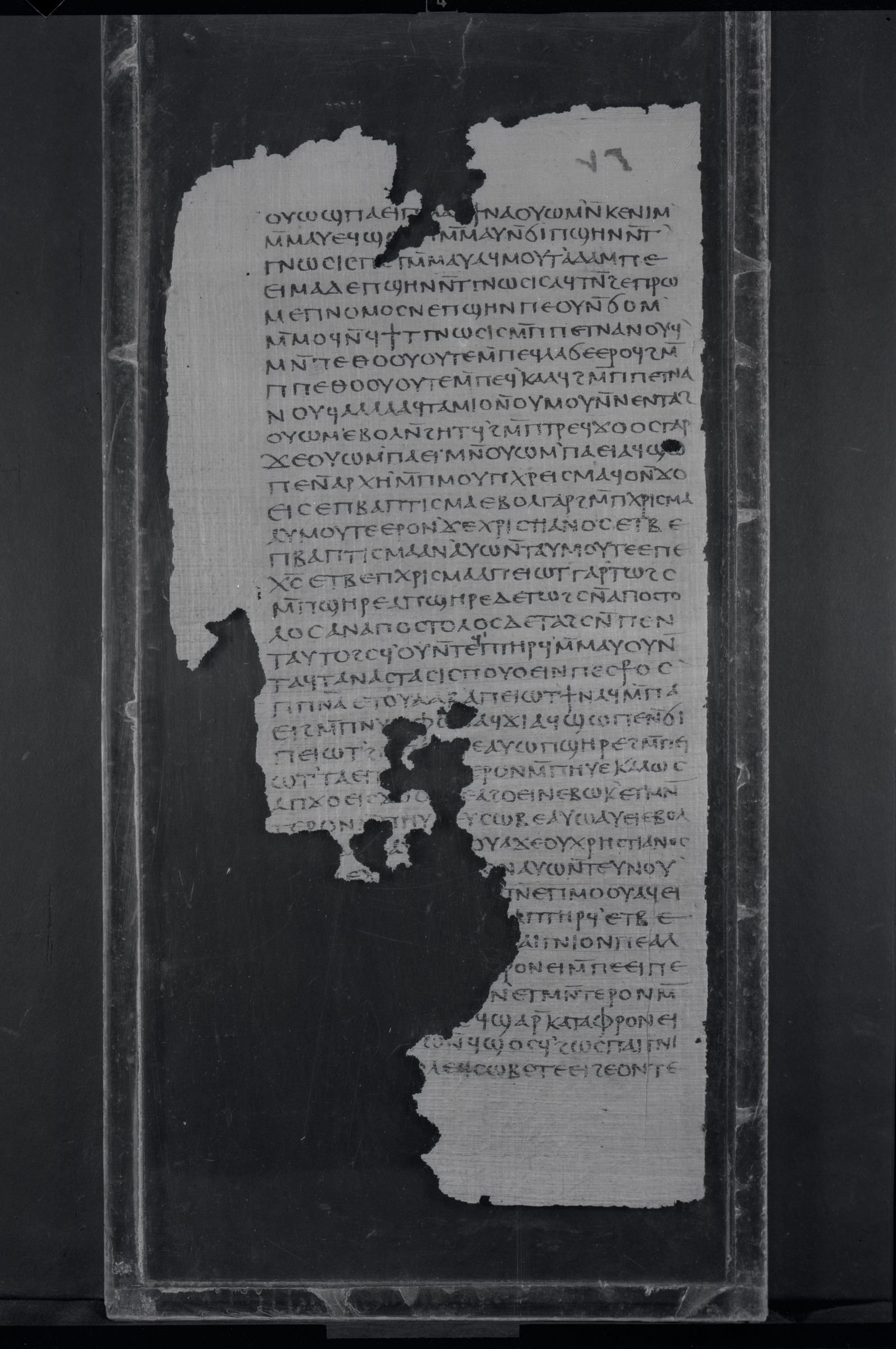
Page 74, lines 1-36 (Codex II page 74, A-Series negative, Facsimile Edition (Codex II, 1974) p. 86, CCDL nha 2967). Checked on the photograph: line 1 begins 'ⲟⲩⲱϣ ⲡⲁⲉⲓ ⲡⲙⲁ ... ⲛ̄ⲕⲉ ⲛⲓⲙ⳿'; line 36 reads '...ⲟⲗ ⲉϥⲥⲱⲃⲉ ⲧⲉⲉⲓϩⲉ ⲟⲛ ⲧⲉ'. Page and line numbers from the Marcion transcription; English from Mattison's text between his page marks 74 and 75.
74.1ⲟⲩⲱϣ ⲡⲁⲉⲓ ⲡⲙ̣ⲁ [ⲉ]ϯⲛⲁⲟⲩⲱⲙ⳿ ⲛ̄ⲕⲉ ⲛⲓⲙ⳿
74.2ⲙ̄ⲙⲁⲩ ⲉϥϣⲟ̣[ⲟ]ⲡ⳿̣ ⲙ̄ⲙⲁⲩ ⲛ̄ϭⲓ ⲡϣⲏⲛ ⲛ̄ⲧ⳿-
74.3ⲅⲛⲱⲥⲓⲥ ⲡⲉⲧⲙ̄ⲙⲁⲩ ⲁϥⲙⲟⲩⲧ⳿ ⲁⲇⲁⲙ ⲡⲉ-
74.4ⲉⲓⲙⲁ ⲇⲉ ⲡϣⲏⲛ⳿ ⲛ̄ⲧⲅⲛⲱⲥⲓⲥ ⲁϥⲧⲛ̄ϩⲉ ⲡⲣⲱ-
74.5ⲙⲉ ⲡⲛⲟⲙⲟⲥ ⲛⲉ ⲡϣⲏⲛ ⲡⲉ ⲟⲩⲛ̄ ϭⲟⲙ⳿
74.6ⲙ̄ⲙⲟϥ ⲛ̄ϥϯ ⲧⲅⲛⲱⲥⲓⲥ ⲙ̄ⲡⲡⲉⲧⲛⲁⲛⲟⲩϥ⳿
74.7ⲙⲛ̄ ⲡⲉⲑⲟⲟⲩ ⲟⲩⲧⲉ ⲙ̄ⲡⲉϥⲗⲁϭⲉ ⲉⲣⲟϥ ϩⲙ̄
74.8ⲡⲡⲉⲑⲟⲟⲩ ⲟⲩⲧⲉ ⲙ̄ⲡⲉϥ⳿ⲕⲁⲁϥ ϩⲙ̄ ⲡⲡⲉⲧⲛⲁ-
74.9ⲛⲟⲩϥ ⲁⲗⲗⲁ ⲁϥⲧⲁⲙⲓⲟ ⲛ̄ⲟⲩⲙⲟⲩ ⲛ̄ⲛⲉⲛⲧⲁϩ-
74.10ⲟⲩⲱⲙ⳿ ⲉⲃⲟⲗ ⲛ̄ϩⲏⲧϥ⳿ ϩⲙ̄ ⲡⲧⲣⲉϥϫⲟⲟⲥ ⲅⲁⲣ
74.11ϫⲉ ⲟⲩⲱⲙ⳿ ⲡⲁⲉⲓ⳿ ⲙⲛ̄ⲟⲩⲱⲙ⳿ ⲡⲁⲉⲓ ⲁϥϣⲱ-
74.12ⲡⲉ ⲛ̄ⲁⲣⲭⲏ⳿ ⲙ̄ⲡⲙⲟⲩ ⲡⲭⲣⲉⲓⲥⲙⲁ ϥⲟ ⲛ̄ϫⲟ-
74.13ⲉⲓⲥ ⲉⲡⲃⲁⲡⲧⲓⲥⲙⲁ ⲉⲃⲟⲗ ⲅⲁⲣ ϩⲙ̄ ⲡⲭⲣⲓⲥⲙⲁ
74.14ⲁⲩⲙⲟⲩⲧⲉ ⲉⲣⲟⲛ⳿ ϫⲉ ⲭⲣⲓⲥⲧⲓⲁⲛⲟⲥ ⲉⲧⲃⲉ
74.15ⲡⲃⲁⲡⲧⲓⲥⲙⲁ ⲁⲛ⳿ ⲁⲩⲱ ⲛ̄ⲧⲁⲩⲙⲟⲩⲧⲉ ⲉⲡⲉ-
74.16ⲭ︤ⲥ︥ ⲉⲧⲃⲉ ⲡⲭⲣⲓⲥⲙⲁ ⲁⲡⲉⲓⲱⲧ⳿ ⲅⲁⲣ⳿ ⲧⲱϩⲥ
74.17ⲙ̄ⲡϣⲏⲣⲉ ⲁⲡϣⲏⲣⲉ ⲇⲉ ⲧⲱϩⲥ ⲛ̄ⲁⲡⲟⲥⲧⲟ-
74.18ⲗⲟⲥ ⲁⲛⲁⲡⲟⲥⲧⲟⲗⲟⲥ ⲇⲉ ⲧⲁϩⲥⲛ̄ ⲡⲉⲛ-
74.19ⲧⲁⲩⲧⲟϩⲥϥ⳿ ⲟⲩⲛ̄ⲧⲉϥ⳿ ⲡⲧⲏⲣϥ⳿ ⲙ̄ⲙⲁⲩ ⲟⲩⲛ̄-
74.20ⲧⲁϥ ⲧⲁⲛⲁⲥⲧⲁⲥⲓⲥ ⲡⲟⲩⲟⲉⲓⲛ ⲡⲉⲥ⳨ⲟⲥ⳿
74.21ⲡⲡⲛ︤ⲁ︥ ⲉⲧⲟⲩⲁⲁⲃ⳿ ⲁⲡⲉⲓⲱⲧ⳿ ϯ ⲛⲁϥ ⲙ̄ⲡⲁ-
74.22ⲉⲓ ϩⲙ̄ ⲡⲛⲩ[ⲙ]ⲫⲱⲛ̣ ⲁϥϫⲓ ⲁϥϣⲱⲡⲉ ⲛ̄ϭⲓ
74.23ⲡⲉⲓⲱⲧ⳿ ϩⲙ̣̄ ⲡϣ̣[ⲏ]ⲣ̣ⲉ ⲁⲩⲱ ⲡϣⲏⲣⲉ ϩⲙ̄ ⲡⲉⲓ-
74.24ⲱⲧ⳿ ⲧⲁⲉⲓ ⲧ[ⲉ ⲧⲙⲛ̄ⲧ]ⲉⲣⲟ ⲛⲙ̄ⲡⲏⲩⲉ ⲕⲁⲗⲱⲥ
74.25ⲁⲡϫⲟⲉⲓⲥ ϫⲟⲟ[ⲥ ϫ]ⲉ ⲁϩⲟⲉⲓⲛⲉ ⲃⲱⲕ⳿ ⲉⲧⲙⲛ̄-
74.26ⲧⲉⲣⲟ ⲛⲙ̄ⲡⲏⲩ[ⲉ] ⲉⲩⲥⲱⲃⲉ ⲁⲩⲱ ⲁⲩⲉⲓ ⲉⲃⲟⲗ
74.27[...]ⲱ̣[.]ⲉ̣ⲁⲩ[...]ⲟⲩⲁ ϫⲉ ⲟⲩⲭⲣⲏⲥⲧⲓⲁⲛⲟⲥ
74.28[...]ⲡⲉⲭ̣[..]⳿ [....] ⲟⲛ ⲁⲩⲱ ⲛ̄ⲧⲉⲩⲛⲟⲩ⳿
74.29[........ⲃⲱⲕ ⲉⲡ]ⲓ̣ⲧⲛ̄ ⲉⲡⲙⲟⲟⲩ ⲁϥⲉⲓ
74.30[............]ⲥ̣ ⲁ̣ⲡⲧⲙⲣϥ⳿ ⲉⲧⲃⲉ
74.31[..........ⲟⲩⲡ]ⲁⲓⲅⲛⲓⲟⲛ ⲡⲉ ⲁⲗ-
74.32[ⲗⲁ ........ⲣ̄ⲕⲁⲧⲁⲫ]ⲣⲟⲛⲉⲓ ⲙ̄ⲡⲉⲉⲓⲡⲉ-
74.33[..........]ⲛ⳿ ⲉⲧⲙⲛ̄ⲧⲉⲣⲟ ⲛⲙ̄-
74.34[ⲡⲏⲩⲉ ......] ⲉ̣ϥϣⲁⲣ̄ⲕⲁⲧⲁⲫⲣⲟⲛⲉ
74.35[......ⲁ]ⲩ̣ⲱ ⲛ̄ϥϣⲟⲥϥ⳿ ϩⲱⲥ ⲡⲁⲓⲅⲛⲓ-
74.36[ⲟⲛ....ⲉⲃ]ⲟ̣ⲗ ⲉϥⲥⲱⲃⲉ ⲧⲉⲉⲓϩⲉ ⲟⲛ ⲧⲉ
wish." The tree of knowledge is the place where I'll eat everything. It killed Adam, but here it makes humanity live. The Law was the tree. It has the power to give the knowledge of good and evil. It neither kept them from evil nor placed them in the good, but it created death for those who ate from it; because when it said, "Eat this, don't eat that," it became the beginning of death.
The chrism is better than baptism, since we're called "Christians" because of the chrism, not because of baptism. And it was because of the chrism that Christ was named, because the Father anointed the Son, and the Son anointed the apostles, and the apostles anointed us. Whoever is anointed has everything: the resurrection, the light, the cross, the Holy Spirit. The Father gave this to him in the bridal chamber, and he received it. The Father was in the Son and the Son in the Father. This is [the kingdom] of heaven.
The Lord said [it] well: "Some went to the kingdom of heaven laughing and they came out […] a Christian […] and as soon as [… went down] into the water and he […] everything about […] it's [a] game, [but … disregard] this […] to the kingdom of [heaven …] if they disregard […] and if they scorn it as a game, [… out] laughing. It's the same way
Notes
- Coptic: Marcion 1.8 (Milan Konvicka), Nag Hammadi text package, converted here from its ASCII font coding to Unicode Coptic letter for letter. Marcion does not name the printed edition behind its text. The small numbers are codex page and line (for example 61.30) as given in the source.
- Signs in the Coptic: a stroke over a letter is the scribe's supralinear stroke; a line over a group of letters marks an abbreviated holy name (for example ⲭ︤ⲥ︥, Christ); ⳿ marks the small stroke or point the scribe writes after some letters (the source does not distinguish the two); a dot under a letter marks an uncertain reading; square brackets mark letters lost in a gap (restored by the editor, or dots for the number of lost letters); round brackets write out an abbreviation; angle brackets mark letters added by the editor; curly brackets letters the editor removes; double square brackets letters cancelled by the scribe; a circumflex (as in ⲱ̂) is the scribe's. A hyphen at the end of a line marks a word that runs on to the next line (the transcription's convention, not a sign in the manuscript).
- Marcion's text also carries a paragraph code, and two further codes whose meaning it does not state (one at 21 places, one at 58.14 and 83.4). They are not reproduced: no mark stands at the paragraph or the first kind of place on the photographs, and at 58.14 and 83.4 the photograph shows only a small mark after the word.
- English: Mark M. Mattison, The Gospel of Philip (public domain), split at Mattison's own page numbers. Mattison's symbols: [ ] gap in the text, ( ) editorial insertion, / \ editorial correction of a scribal error. The headings in italics are his.
- Mattison's note, Page 71: the Father of everything. The Word. the virgin. The Spirit. him. Jesus. on that day. When he was baptized. his body came into being. The Word becomes Jesus' flesh and the Spirit Jesus' blood, received in the Eucharist which unites the Christian with the body of Christ. the groom and the bride. The Word and the Spirit.
- Mattison's note, Pages 72, 77 and 80: person. Literally, "human."
Cite
Sources
- Source: Nag Hammadi Codex II page photographs (Claremont Colleges Digital Library, Nag Hammadi Archive) + Coptic transcription from Marcion (Milan Konvicka) + English by Mark M. Mattison (public domain) (holding institution)
- Critical edition: Coptic transcription from Marcion (Milan Konvicka; printed edition not named)
← previous · → next · v cycle view · l back to library