Gospel of Truth, pages 28-33 (Nag Hammadi Codex I)
Introduction
The Gospel of Truth is a Christian meditation on the Father, the Word and the return of all things to the one from whom they came, through knowledge that ends forgetfulness and error. Many scholars connect it with the teacher Valentinus or his circle (mid 2nd century). It was written in Greek and survives in Coptic: complete as the third tractate of Nag Hammadi Codex I (the Jung Codex), a papyrus book copied in the 4th century and found near Nag Hammadi in 1945, now in the Coptic Museum, Cairo; small fragments of another copy are in Codex XII and are not shown here. The text runs from page 16 line 31 to page 43 line 24. Its title is taken from its opening words.
This entry covers codex pages 28-33, one section per page. The Coptic is given line by line with codex page and line numbers, so each line can be found on the photograph. The English is Mark M. Mattison's public domain translation, divided at the page numbers Mattison prints in it; because English word order differs from Coptic, a sentence divided between two pages is divided where the translator put the page mark.
Photographs: negatives of the Facsimile Edition of the Nag Hammadi Codices, Nag Hammadi Archive of the Institute for Antiquity and Christianity, Claremont Colleges Digital Library. Coptic: Marcion (Milan Konvicka), which does not name the printed edition behind its transcription. First and last line read on each photograph: 28: 'ϩⲙ̄ ⲡⲉⲧⲛⲁⲟⲩⲱϣⲉ' ... 'ⲥⲁⲩⲛⲉ ⲁⲡⲓⲱⲧ ⲉⲛⲧⲁϥ ⲡⲉ'; 29: 'ⲉⲛⲉⲩⲛⲉⲩ ⲁⲣⲁϥ ⲉⲛ ⲉⲡⲓⲇⲏ ⲛⲉ' ... 'ⲡⲉ ⲟⲩⲇⲉ ⲙⲁⲩⲱⲡ ⲛ̄ⲛⲉϥ'; 30: 'ⲕⲉϩⲃⲏⲩⲉ· ϫⲉ ϩⲛ̄ϩⲃⲏⲩⲉ ⲉ...' ... 'ⲡⲟⲩⲁⲉⲓⲛ ⲛ̄ϭⲓ ϩⲁϩ· ⲁⲩⲕⲁⲧⲟⲩ'; 31: 'ⲁⲣⲁϥ ϫⲉ ⲛⲉⲩⲟⲉⲓ ⲛ̄ϣⲙ̄ⲙⲟ ⲡⲉ', below the page number ⲗⲁ ... 'ⲉⲛⲧⲁϩⲕⲱⲉ ⲛ̄ⲥⲱϥ· ⲙ̄ⲡⲓⲡⲥⲧⲉ'; 32: 'ⲯⲓⲥ ⲛ̄ⲉⲥⲁⲩ ⲉⲧⲉⲙ̄ⲡⲟⲩⲥⲱⲣⲙ̄' ... 'ⲛ̄ϩⲏⲧ', a short last line; 33: 'ⲧⲁϫⲣⲟ ⲛ̄ⲧⲟⲩⲣⲓⲧⲉ ⲛ̄ⲛⲉⲉⲓ ⲛ̄' ... 'ⲧⲉ ⲛⲟⲩⲧⲛ̄ ⲛⲉ ϫⲉ ⲛ̄ϣⲏⲣⲉ ⲙ̄ⲡⲓⲱ\ⲧ/', the ⲧ written above the line.
How was this verified? (Provenance)
Where on the image
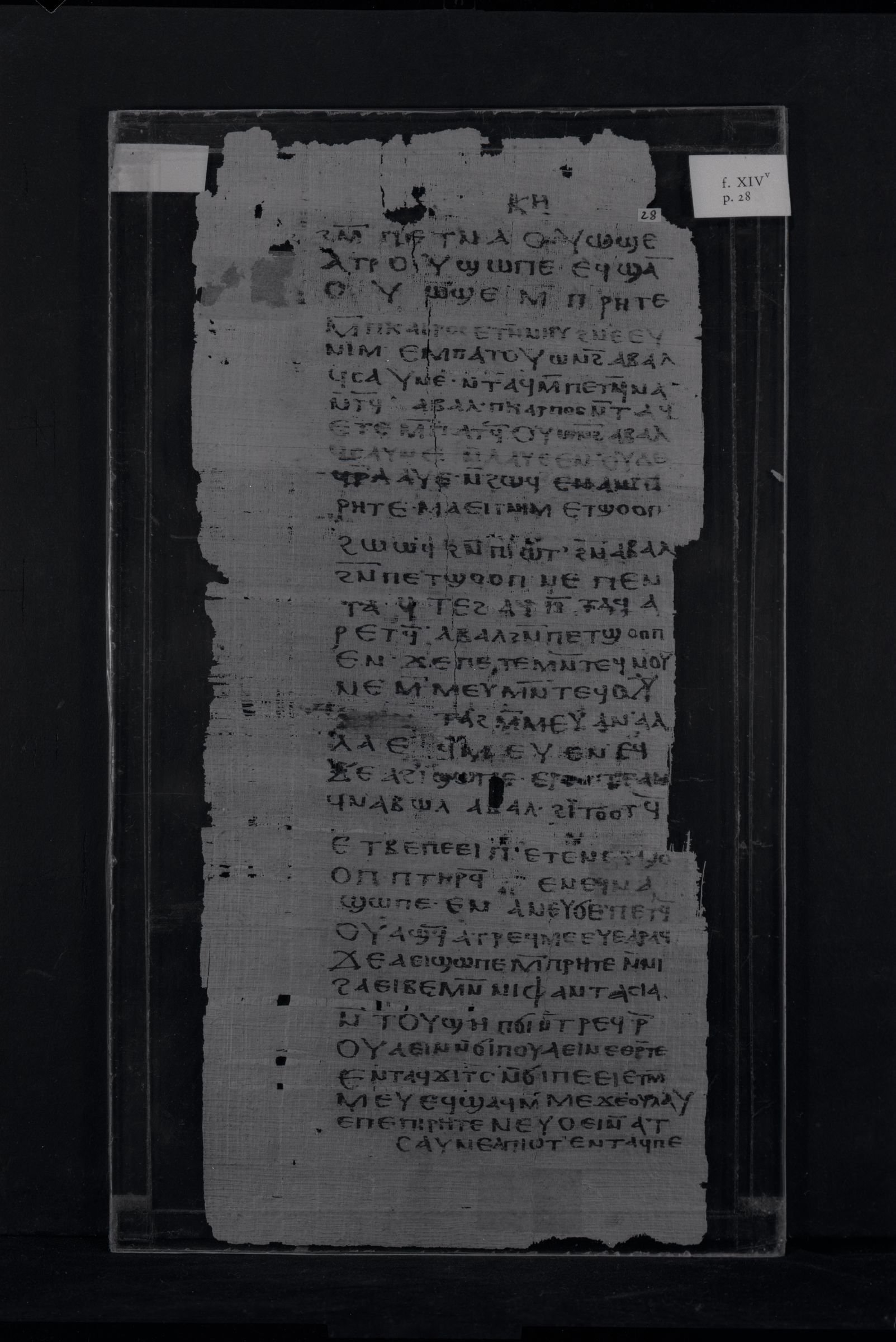
Page 28, lines 1-33 (Codex I page 28, A-Series negative, Facsimile Edition (Codex I, 1977) p. 32, CCDL nha 2811). Checked on the photograph: line 1 begins 'ϩⲙ̄ ⲡⲉⲧⲛⲁⲟⲩⲱϣⲉ'; line 33 reads 'ⲥⲁⲩⲛⲉ ⲁⲡⲓⲱⲧ ⲉⲛⲧⲁϥ ⲡⲉ'. Page and line numbers from the Marcion transcription; English from Mattison's text between his page marks 28 and 29.
28.1ϩⲙ̄ ⲡⲉⲧⲛⲁⲟⲩⲱϣⲉ
28.2ⲁⲧⲣⲟⲩϣⲱⲡⲉ ⲉϥϣⲁⲛ-
28.3ⲟⲩⲱϣⲉ ⲙ̄ⲡⲣⲏⲧⲉ
28.4ⲙ̄ⲡⲕⲁⲓⲣⲟⲥ ⲉⲧⲛ̄ⲛⲏⲩ ϩⲛⲉⲉⲩ
28.5ⲛⲓⲙ: ⲉⲙⲡⲁⲧⲟⲩⲱⲛϩ̄ ⲁⲃⲁⲗ
28.6ϥⲥⲁⲩⲛⲉ: ⲛ̄ⲧⲁϥ ⲙ̄ⲡⲉⲧϥ̄ⲛⲁ-
28.7ⲛ̄ⲧϥ̄: ⲁⲃⲁⲗ: ⲡⲕⲁⲣⲡⲟⲥ ⲛ̄ⲧⲁϥ
28.8ⲉⲧⲉⲙ̄ⲡⲁⲧϥ̄ⲟⲩⲱⲛϩ̄ ⲁⲃⲁⲗ
28.9ϥⲥⲁⲩⲛⲉ ⲛ̄ⲗⲁⲩⲉ ⲉⲛ: ⲟⲩⲇⲉ
28.10ϥⲣ̄ ⲗⲁⲩⲉ: ⲛ̄ϩⲱϥ ⲉⲛ ⲁⲛ ⲡⲓ-
28.11ⲣⲏⲧⲉ: ⲙⲁⲉⲓⲧ ⲛⲓⲙ ⲉⲧϣⲟⲟⲡ:
28.12ϩⲱⲱϥ ϩⲛ̄ ⲡⲓⲱⲧ: ϩⲛ̄ⲁⲃⲁⲗ
28.13ϩⲛ̄ ⲡⲉⲧϣⲟⲟⲡ: ⲛⲉ ⲡⲉⲛ-
28.14ⲧⲁϥⲧⲉϩⲁϥ ⲛ̄ⲧⲁϥ ⲁ-
28.15ⲣⲉⲧϥ̄: ⲁⲃⲁⲗ ϩⲛ̄ ⲡⲉⲧϣⲟⲟⲡ
28.16ⲉⲛ: ϫⲉ ⲡⲉⲧⲉⲙⲛ̄ⲧⲉϥ ⲛⲟⲩ-
28.17ⲛⲉ ⲙ̄ⲙⲉⲩ ⲙⲛ̄ⲧⲉϥ: ⲟⲩ-
28.18⟦ⲁ̣..:⟧ⲧⲁϩ ⲙ̄ⲙⲉⲩ ⲁⲛ: ⲁⲗ-
28.19ⲗⲁ ⲉϥⲙⲉⲩⲉ ⲛ:ⲉϥ
28.20ϫⲉ ⲁϩⲓ̈ϣⲱⲡⲉ: ⲉⲓ̣ⲧⲉ ⲁⲛ̣
28.21ϥⲛⲁⲃⲱⲗ ⲁⲃⲁⲗ: ϩⲓ̈ⲧⲟⲟⲧϥ̄
28.22ⲉⲧⲃⲉ ⲡⲉⲉⲓ ⲡⲉⲧⲉⲛⲉϥϣⲟ-
28.23ⲟⲡ ⲡⲧⲏⲣϥ̄ ⲉⲛ ⲉϥⲛⲁ-
28.24ϣⲱⲡⲉ: ⲉⲛ ⲁⲛ ⲉⲩ ϭⲉ ⲡⲉⲧ\ⲁ/ϥ̄-
28.25ⲟⲩⲁϣϥ̄ ⲁⲧⲣⲉϥⲙⲉⲉⲩⲉ ⲁⲣⲁϥ
28.26ϫⲉ ⲁⲉⲓϣⲱⲡⲉ ⲙ̄ⲡⲣⲏⲧⲉ ⲛ̄ⲛⲓ-
28.27ϩⲁⲉⲓⲃⲉ ⲙⲛ̄ ⲛⲓⲫⲁⲛⲧⲁⲥⲓⲁ:
28.28ⲛ̄ⲧⲟⲩϣⲏ ⲡϭⲓⲛ̄ⲧⲣⲉϥⲣ̄
28.29ⲟⲩⲁⲉⲓⲛ ⲛ̄ϭⲓ ⲡⲟⲩⲁⲉⲓⲛ ⲉⲑⲣ̄ⲧⲉ
28.30ⲉⲛⲧⲁϥϫⲓⲧⲥ: ⲛ̄ϭⲓ ⲡⲉⲉⲓ ⲉⲧⲙ̄-
28.31ⲙⲉⲩ ⲉϥϣⲁϥⲙ̄ⲙⲉ ϫⲉ ⲟⲩⲗⲁⲩ-
28.32ⲉ ⲡⲉ ⲡⲓⲣⲏⲧⲉ ⲛⲉⲩⲟⲉⲓ ⲛ̄ⲁⲧ-
28.33ⲥⲁⲩⲛⲉ ⲁⲡⲓⲱⲧ: ⲉⲛⲧⲁϥ ⲡⲉ
in the one who will want them to come into being when he wants, like a later time. Before everything is revealed, he knows what he’ll produce. But the fruit which he hasn’t yet revealed doesn’t yet know anything, nor does it do anything. In addition, every realm which is itself in the Father is from the one who exists, who establishes them from what doesn’t exist. For those who have no root have no fruit either. They think to themselves, “I’ve come into being,” but they’ll dissolve by themselves. Because of this, those who didn’t exist at all won’t exist.
The Parable of the Nightmares
What, then, did he want them to think of themselves? He wanted to them to think, “I’ve come into being like the shadows and phantoms of the night.” When the light shines on the terror which they received, they know that it’s nothing. In this way, they were ignorant of the Father, whom
Where on the image
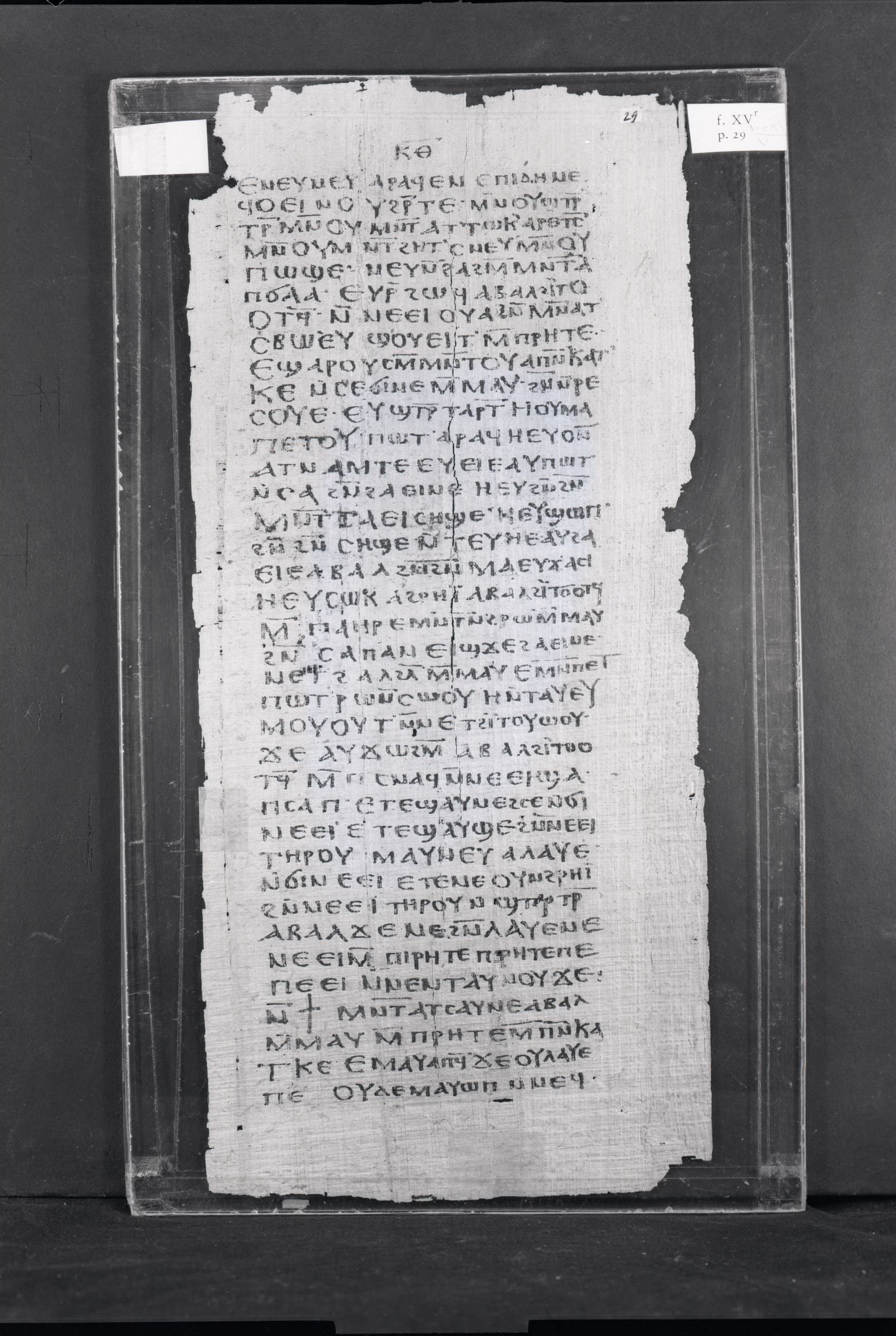
Page 29, lines 1-37 (Codex I page 29, A-Series negative, Facsimile Edition (Codex I, 1977) p. 33, CCDL nha 2763). Checked on the photograph: line 1 begins 'ⲉⲛⲉⲩⲛⲉⲩ ⲁⲣⲁϥ ⲉⲛ ⲉⲡⲓⲇⲏ ⲛⲉ'; line 37 reads 'ⲡⲉ ⲟⲩⲇⲉ ⲙⲁⲩⲱⲡ ⲛ̄ⲛⲉϥ'. Page and line numbers from the Marcion transcription; English from Mattison's text between his page marks 29 and 30.
29.1ⲉⲛⲉⲩⲛⲉⲩ ⲁⲣⲁϥ ⲉⲛ ⲉⲡⲓⲇⲏ ⲛⲉ-
29.2ϥⲟⲉⲓ ⲛ̄ⲟⲩϩⲣ̄ⲧⲉ: ⲙⲛ̄ ⲟⲩϣⲧⲣ̄-
29.3ⲧⲣ̄ ⲙⲛ̄ ⲟⲩⲙⲛ̄ⲧⲁⲧ:ⲧⲱⲕ: ⲁⲣⲉⲧⲥ̄:
29.4ⲙⲛ̄ ⲟⲩⲙⲛ̄ⲧϩⲏⲧ: ⲥⲛⲉⲩ: ⲙⲛ̄ ⲟⲩ-
29.5ⲡⲱϣⲉ: ⲛⲉⲩⲛ̄ ϩⲁϩ ⲙ̄ⲙⲛ̄ⲧⲁ-
29.6ⲡϭⲗⲁ: ⲉⲩⲣ̄ ϩⲱϥ ⲁⲃⲁⲗ ϩⲓ̈ⲧⲟ-
29.7ⲟⲧϥ̄: ⲛ̄ⲛⲉⲉⲓ ⲟⲩⲁϩⲛ̄ ⟨ϩⲛ̄⟩ⲙⲛ̄⟨ⲧ⟩ⲁⲧ:-
29.8ⲥⲃⲱ ⲉⲩϣⲟⲩⲉⲓⲧ: ⲙ̄ⲡⲣⲏⲧⲉ:
29.9ⲉϣⲁⲣⲟⲩⲥⲙ̄ⲙⲛ̄ⲧⲟⲩ ⲁⲡⲛ̄ⲕⲁⲧ:-
29.10ⲕⲉ ⲛ̄ⲥⲉϭⲓⲛⲉ ⲙ̄ⲙⲁⲩ: ϩⲛ̄ ⲛ̄ⲣⲉ-
29.11ⲥⲟⲩⲉ: ⲉⲩϣⲧⲣ̄ⲧⲁⲣⲧ̄ ⲏ ⲟⲩⲙⲁ
29.12ⲡⲉⲧⲟⲩⲡⲱⲧ: ⲁⲣⲁϥ ⲏ ⲉⲩⲟ ⲛ̄-
29.13ⲁⲧⲛⲁⲙⲧⲉ ⲉⲩⲉⲓ ⲉⲁⲩⲡⲱⲧ
29.14ⲛ̄ⲥⲁ ϩⲛ̄ϩⲁⲉⲓⲛⲉ ⲏ ⲉⲩϩⲛ̄ ϩⲛ̄-
29.15ⲙⲛ̄ⲧⲧⲁⲉⲓⲥⲏϣⲉ: ⲏ ⲉⲩϣⲱⲡ:
29.16{ϩ}ⲛ̄ϩⲛ̄ⲥⲏϣⲉ: ⲛ̄ⲧⲉⲩ ⲏ ⲉⲁⲩϩⲁ-
29.17ⲉⲓⲉ ⲁⲃⲁⲗ ϩⲛ̄ ϩⲛ̄ⲙⲁ ⲉⲩϫⲁⲥⲓ
29.18ⲏ ⲉⲩⲥⲱⲕ ⲁϩⲣⲏⲓ̈ ⲁⲃⲁⲗ ϩⲓ̈ⲧⲟⲟⲧϥ
29.19ⲙ̄ⲡⲁⲏⲣ ⲉⲙⲛ̄ ⲧⲛ̄ϩ ⲣⲱ ⲙ̄ⲙⲁⲩ
29.20ϩⲛ̄ⲥⲁⲡ ⲁⲛ ⲉⲓϣϫⲉ ϩⲁⲉⲓⲛⲉ:
29.21ⲛⲉⲧ:ϩⲁⲗϩⲗ̄ ⲙ̄ⲙⲁⲩ ⲉⲙⲛ̄ ⲡⲉⲧ-
29.22ⲡⲱⲧ: ⲣⲱ ⲛ̄ⲥⲱⲟⲩ ⲏ ⲛ̄ⲧⲁⲩ ⲉⲩ-
29.23ⲙⲟⲩⲟⲩⲧ: ⲛ̄ⲛⲉⲧϩⲓ̈ⲧⲟⲩⲱⲟⲩ:
29.24ϫⲉ ⲁⲩϫⲱϩⲙ̄ ⲁⲃⲁⲗ ϩⲓ̈ⲧⲟⲟ-
29.25ⲧϥ̄ ⲙ̄ⲡⲥⲛⲁϥ ⲛ̄ⲛⲉⲉⲓ ϣⲁ:
29.26ⲡⲥⲁⲡ: ⲉⲧⲉϣⲁⲩⲛⲉϩⲥⲉ ⲛ̄ϭⲓ
29.27ⲛⲉⲉⲓ: ⲉⲧⲉϣⲁⲩϣⲉ ϩⲛ̄ ⲛⲉⲉⲓ
29.28ⲧⲏⲣⲟⲩ: ⲙⲁⲩⲛⲉⲩ ⲁⲗⲁⲩⲉ:
29.29ⲛ̄ϭⲓ ⲛⲉⲉⲓ ⲉⲧⲉ ⲛⲉⲟⲩⲛ ϩⲣⲏⲓ̈
29.30ϩⲛ̄ ⲛⲉⲉⲓ ⲧⲏⲣⲟⲩ ⲛ̄ϣⲧⲁⲣⲧⲣ̄
29.31ⲁⲃⲁⲗ ϫⲉ ⲛⲉϩⲛ̄ⲗⲁⲩⲉ ⲛⲉ
29.32ⲛⲉⲉⲓ ⲙ̄ⲡⲓⲣⲏⲧⲉ ⲡⲣⲏⲧⲉ ⲡⲉ
29.33ⲡⲉⲉⲓ ⲛ̄ⲛⲉⲛⲧⲁⲩⲛⲟⲩϫⲉ:
29.34ⲛ̄ϯⲙⲛ̄ⲧⲁⲧⲥⲁⲩⲛⲉ ⲁⲃⲁⲗ
29.35ⲙ̄ⲙⲁⲩ ⲙ̄ⲡⲣⲏⲧⲉ ⲙ̄ⲡⲛ̄ⲕⲁ-
29.36ⲧⲕⲉ: ⲉⲙⲁⲩⲁⲡϥ̄ ϫⲉ ⲟⲩⲗⲁⲩⲉ
29.37ⲡⲉ ⲟⲩⲇⲉ ⲙⲁⲩⲱⲡ ⲛ̄ⲛⲉϥ-
they didn’t see. Since it was terror and disturbance and instability and doubt and division, many illusions were at work among them, and vain ignorance, like they were deep in sleep and found themselves in nightmares. Either they’re running somewhere, or unable to run away from someone; or they’re fighting, or being beaten; or they’ve fallen from heights, or fly through the air without wings. Sometimes, too, it’s like someone is killing them, even though no one’s chasing them; or they themselves are killing those around them, covered in their blood. Until those who are going through all these nightmares can wake up, they see nothing, because these things are nothing.
That’s the way it is with those who’ve cast off ignorance like sleep. They don’t regard it as anything, nor do they regard its
Where on the image
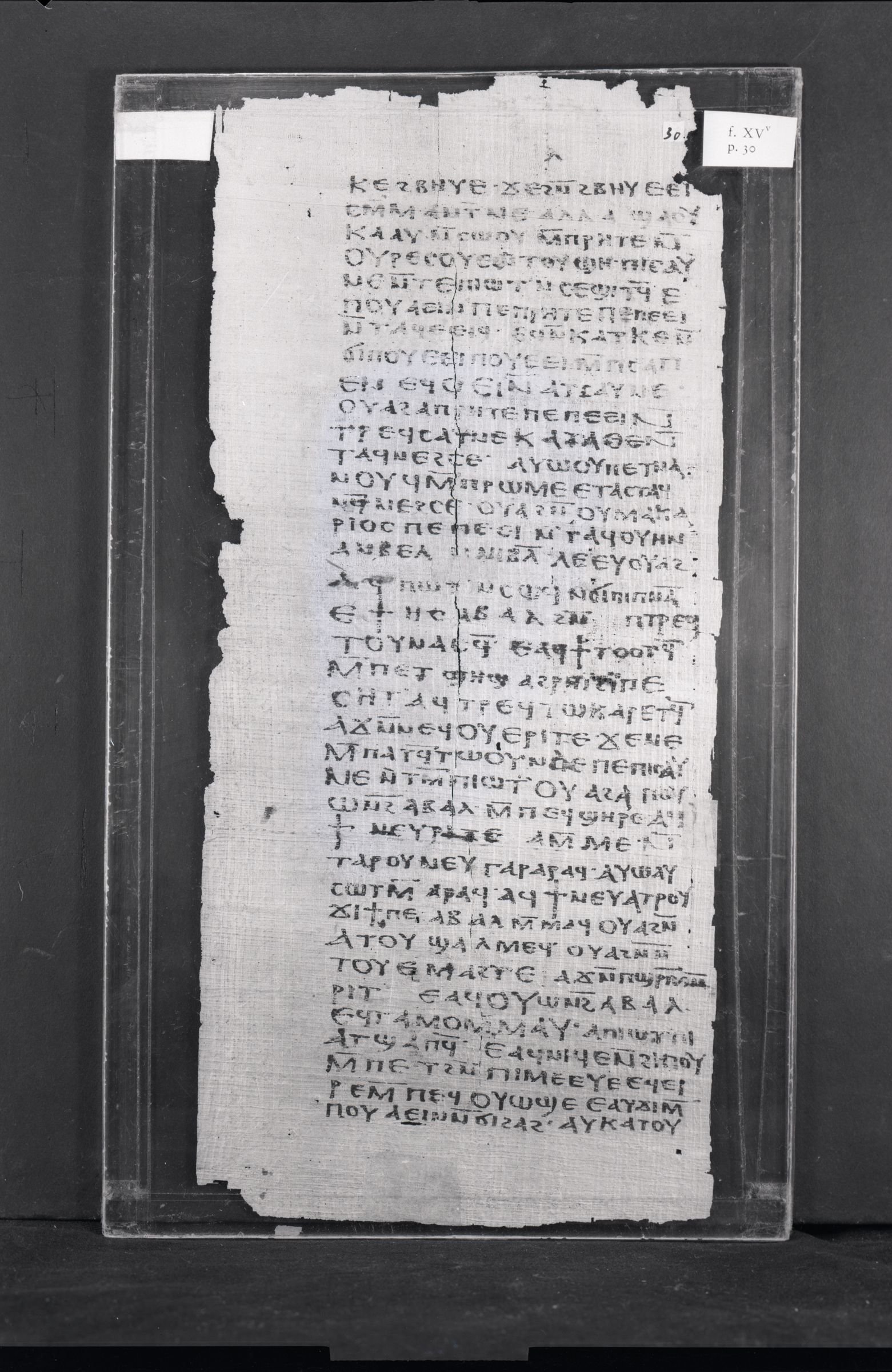
Page 30, lines 1-36 (Codex I page 30, A-Series negative, Facsimile Edition (Codex I, 1977) p. 34, CCDL nha 2793). Checked on the photograph: line 1 begins 'ⲕⲉϩⲃⲏⲩⲉ· ϫⲉ ϩⲛ̄ϩⲃⲏⲩⲉ ⲉ...'; line 36 reads 'ⲡⲟⲩⲁⲉⲓⲛ ⲛ̄ϭⲓ ϩⲁϩ· ⲁⲩⲕⲁⲧⲟⲩ'. Page and line numbers from the Marcion transcription; English from Mattison's text between his page marks 30 and 31.
30.1ⲕⲉϩⲃⲏⲩⲉ: ϫⲉ ϩⲛ̄ϩⲃⲏⲩⲉ ⲉⲩ̣-
30.2ⲥⲙ̄ⲙⲁⲛⲧ̄ ⲛⲉ: ⲁⲗⲗⲁ ϣⲁⲟⲩ-
30.3ⲕⲁⲁⲩ ⲛ̄ⲥⲱⲟⲩ ⲙ̄ⲡⲣⲏⲧⲉ ⲛ̄-
30.4ⲟⲩⲣⲉⲥⲟⲩⲉ ϩⲛ̄ ⲧⲟⲩϣⲏ: ⲡⲓⲥⲁⲩ-
30.5ⲛⲉ ⲛ̄ⲧⲉ ⲡⲓⲱⲧ: ⲛ̄ⲥⲉϣⲓⲧϥ̄: ⲉ-
30.6ⲡⲟⲩⲁⲉⲓⲛ: ⲡⲉ ⲡⲣⲏⲧⲉ ⲡⲉ ⲡⲉⲉⲓ
30.7ⲛ̄ⲧⲁϥⲉⲉⲓϥ: ⲉϥⲛ̄ⲕⲁⲧⲕⲉ ⲛ̄-
30.8ϭⲓ ⲡⲟⲩⲉⲉⲓ ⲡⲟⲩⲉⲉⲓ ⲙ̄ⲡⲥⲁⲡ
30.9ⲉⲛⲉϥⲟⲉⲓ ⲛ̄ⲁⲧⲥⲁⲩⲛⲉ:
30.10ⲟⲩⲁϩⲁ ⲡⲣⲏⲧⲉ ⲡⲉ ⲡⲉⲉⲓ ⲛ̄-
30.11ⲧⲣⲉϥⲥⲁⲧⲛⲉ ⲕⲁⲧⲁ ⲑⲉ ⲛ̄-
30.12ⲧⲁϥⲛⲉϩⲥⲉ: {ⲁⲩⲱ} ⲟⲩⲡⲉⲧⲛⲁ-
30.13ⲛⲟⲩϥ ⲙ̄ⲡⲣⲱⲙⲉ ⲉⲧⲁⲥⲧⲁϥ
30.14ⲛϥ̄ⲛⲉϩⲥⲉ: ⲟⲩⲁϩⲛ̄ ⲟⲩⲙⲁⲕⲁ-
30.15ⲣⲓⲟⲥ ⲡⲉ ⲡⲉⲉⲓ ⲛ̄ⲧⲁϥⲟⲩⲏⲛ
30.16ⲁⲛⲃⲉⲗ ⲛⲛⲓⲃⲗ̄ⲗⲉⲉⲩ ⲟⲩⲁϩ
30.17ⲁϥⲡⲱⲧ: ⲛⲥⲱϥ ⲛ̄ϭⲓ ⲡⲓⲡⲛ(ⲉⲩⲙ)ⲁ
30.18ⲉϯⲏⲥ ⲁⲃⲁⲗ ϩⲛ̄ ⲡⲧⲣⲉϥ-
30.19ⲧⲟⲩⲛⲁⲥϥ̄: ⲉⲁϥϯ ⲧⲟⲟⲧϥ̄
30.20ⲙ̄ⲡⲉⲧϣⲏϣ ⲁϩⲣⲏⲓ̈ ϩⲓ̈ ⲡⲉ-
30.21ⲥⲏⲧ: ⲁϥⲧⲣⲉϥⲧⲱⲕ ⲁⲣⲉⲧϥ̄
30.22ⲁϫⲛ̄ ⲛⲉϥⲟⲩⲉⲣⲓⲧⲉ: ϫⲉ ⲛⲉ-
30.23ⲙ̄ⲡⲁⲧϥ̄ⲧⲱⲟⲩⲛ ⲇⲉ ⲡⲉ ⲡⲓⲥⲁⲩ-
30.24ⲛⲉ ⲛ̄ⲧⲙ̄ ⲡⲓⲱⲧ: ⲟⲩⲁϩⲁ ⲡⲟⲩ-
30.25ⲱⲛϩ̄ ⲁⲃⲁⲗ: ⲙ̄ⲡⲉϥϣⲏⲣⲉ ⲁϥ-
30.26ϯ ⲛⲉⲩ ⲣⲓⲧⲉ ⲁⲙ̄ⲙⲉ: ⲛ̄-
30.27ⲧⲁⲣⲟⲩⲛⲉⲩ ⲅⲁⲣ ⲁⲣⲁϥ: ⲁⲩⲱ ⲁⲩ-
30.28ⲥⲱⲧⲙ̄ ⲁⲣⲁϥ: ⲁϥϯ ⲛⲉⲩ ⲁⲧⲣⲟⲩ-
30.29ϫⲓ ϯⲡⲉ: ⲁⲃⲁⲗ ⲙ̄ⲙⲁϥ ⲟⲩⲁϩⲛ̄
30.30ⲁⲧⲟⲩϣⲁⲗⲙⲉϥ: ⲟⲩⲁϩⲛ̄ⲛ ⲧⲟⲩⲉⲙⲁϩⲧⲉ ⲁϫⲛ̄ ⲡϣⲣ̄ⲙⲛ̄-
30.31ⲣⲓⲧ: ⲉⲁϥⲟⲩⲱⲛϩ̄ ⲁⲃⲁⲗ:
30.32ⲉϥⲧⲁⲙⲟ ⲙ̄ⲙⲁⲩ: ⲁⲡⲓⲱⲧ ⲡⲓ-
30.33ⲁⲧϣⲁⲡϥ̄: ⲉⲁϥⲛⲓϥⲉ ⲛ̄ϩⲏⲧⲟⲩ
30.34ⲙ̄ⲡⲉⲧϩⲛ̄ ⲡⲓⲙⲉⲉⲩⲉ ⲉϥⲉⲓ-
30.35ⲣⲉ ⲙ̄ⲡⲉϥⲟⲩⲱϣⲉ ⲉⲁⲩϫⲓ ⲙ̄-
30.36ⲡⲟⲩⲁⲉⲓⲛ ⲛ̄ϭⲓ ϩⲁϩ: ⲁⲩⲕⲁⲧⲟⲩ
other works as real, but they abandon them like a dream in the night. They value the knowledge of the Father like they value the light. The ignorant have acted like they’re asleep; those who’ve come to knowledge have acted like they’ve awakened. Good for the one who returns and awakens! Blessed is the one who’s opened the eyes of those who can’t see! The Holy Spirit hurried after them to revive them. Having given a hand to the one who lay on the ground, it set them up on their feet, because they hadn’t yet arisen. It gave them the knowledge of the Father and the revelation of the Son, because when they saw him and heard him, he granted them to taste him and to grasp the beloved Son.
The Revelation of the Son
When he was revealed, he taught them about the Father, the uncontainable one, and breathed into them what’s in the thought, doing his will. When many had received the light, they turned
Where on the image
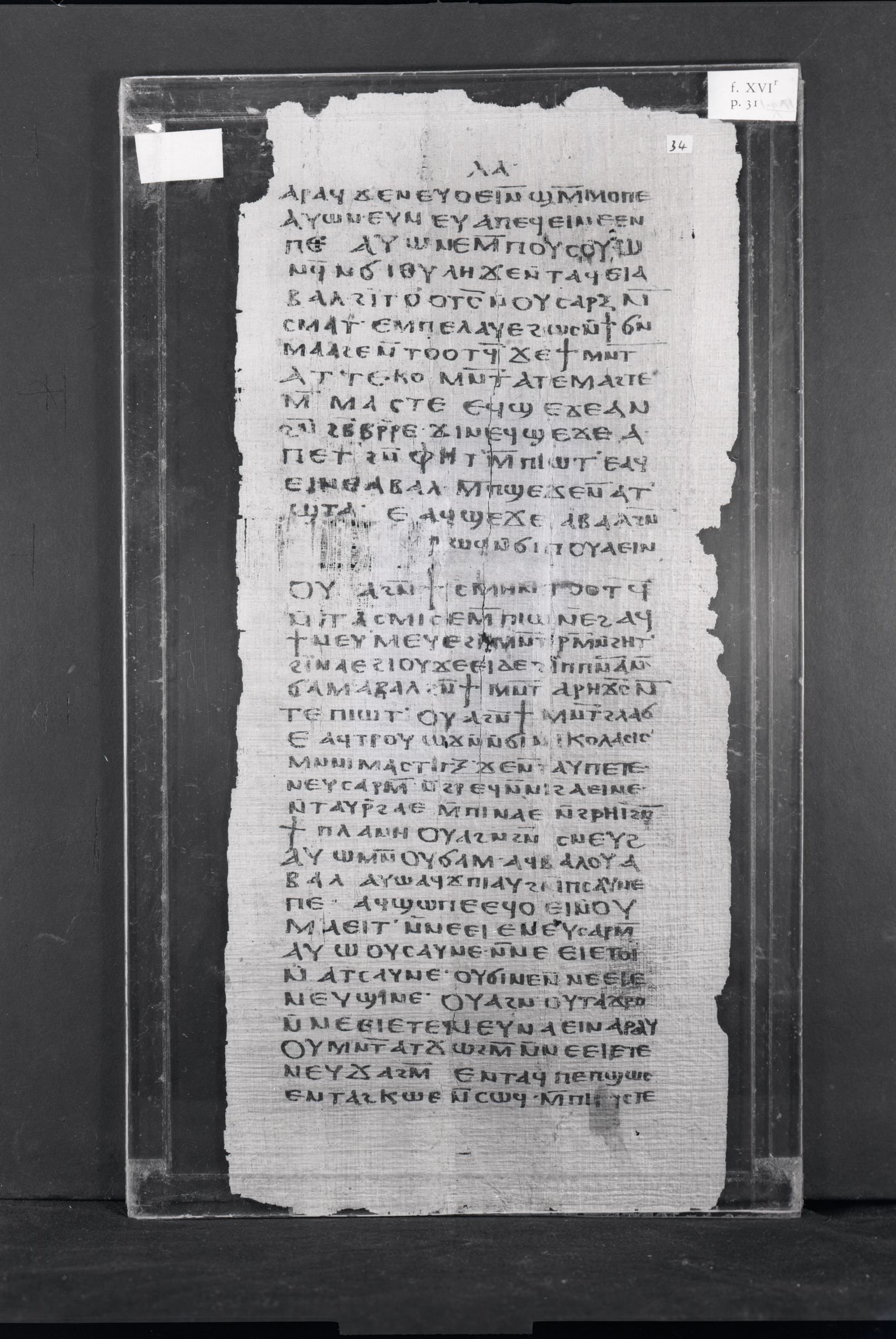
Page 31, lines 1-36 (Codex I page 31, A-Series negative, Facsimile Edition (Codex I, 1977) p. 35, CCDL nha 2739). Checked on the photograph: line 1 begins 'ⲁⲣⲁϥ ϫⲉ ⲛⲉⲩⲟⲉⲓ ⲛ̄ϣⲙ̄ⲙⲟ ⲡⲉ', below the page number ⲗⲁ; line 36 reads 'ⲉⲛⲧⲁϩⲕⲱⲉ ⲛ̄ⲥⲱϥ· ⲙ̄ⲡⲓⲡⲥⲧⲉ'; a modern sticker on the glass reads 34; the label and the Coptic page number give 31. Page and line numbers from the Marcion transcription; English from Mattison's text between his page marks 31 and 32.
31.1ⲁⲣⲁϥ ϫⲉ ⲛⲉⲩⲟⲉⲓ ⲛ̄ϣⲙ̄ⲙⲟ ⲡⲉ
31.2ⲁⲩⲱ ⲛⲉⲩⲛⲉⲩ ⲁⲡⲉϥⲉⲓⲛⲉ ⲉⲛ
31.3ⲡⲉ ⲁⲩⲱ ⲛⲉⲙ̄ⲡⲟⲩⲥⲟⲩⲱ-
31.4ⲛϥ̄ ⲛϭⲓ ⲑⲩⲗⲏ ϫⲉ ⲛ̄ⲧⲁϥⲉⲓ ⲁ-
31.5ⲃⲁⲗ ϩⲓ̈ⲧⲟⲟⲧⲥ̄ ⲛ̄ⲟⲩⲥⲁⲣⲝ ⲛ̄-
31.6ⲥⲙⲁⲧ: ⲉⲙⲡⲉⲗⲁⲩⲉ ϩⲱⲥ ⲛ̄ϯϭⲛ-
31.7ⲙⲁⲁϩⲉ ⲛ̄ⲧⲟⲟⲧϥ̄ ϫⲉ ϯⲙⲛ̄ⲧ-
31.8ⲁⲧ:ⲧⲉⲕⲟ ⟨ⲟⲩ⟩ⲙⲛ̄ⲧⲁⲧⲉⲙⲁϩⲧⲉ
31.9ⲙ̄ⲙⲁⲥ ⲧⲉ ⲉϥϣⲉϫⲉ ⲁⲛ
31.10ϩⲛ̄ ϩⲃ̄ⲃⲣ̄ⲣⲉ: ϫⲓⲛ ⲉϥϣⲉϫⲉ ⲁ:-
31.11ⲡⲉⲧϩⲛ̄ ⲫⲏⲧ: ⲙ̄ⲡⲓⲱⲧ: ⲉⲁϥ-
31.12ⲉⲓⲛⲉ ⲁⲃⲁⲗ: ⲙ̄ⲡϣⲉϫⲉ ⲛⲁⲧ:-
31.13ϣⲧⲁ: ⲉⲁϥϣⲉϫⲉ ⲁⲃⲁⲗ ϩⲛ̄
31.14ⲣⲱϥ ⲛ̄ϭⲓ ⲡⲟⲩⲁⲉⲓⲛ
31.15ⲟⲩⲁϩⲛ̄ ϯⲥⲙⲏ ⲛ̄ⲧⲟⲟⲧϥ̄
31.16ⲛ̄ⲧⲁⲥⲙⲓⲥⲉ ⲙ̄ⲡⲓⲱⲛ̄ⲉϩ ⲁϥ-
31.17ϯ ⲛⲉⲩ: ⲙⲉⲩⲉ ϩⲓ̣̈ ⲙⲛ̄ⲧⲣⲙ︤ⲛ︥ϩⲏⲧ:
31.18ϩⲓ̈ ⲛⲁⲉⲓ ϩⲓ ⲟⲩϫⲉⲉⲓⲇⲉ ϩⲓ̈ ⲡⲡⲛ(ⲉⲩⲙ)ⲁ ⲛ̄-
31.19ϭⲁⲙ: ⲁⲃⲁⲗ ϩⲛ̄ ϯⲙⲛ̄ⲧ⟨ⲁⲧ⟩ⲁⲣⲏϫⲥ̄ ⲛ̄-
31.20ⲧⲉ ⲡⲓⲱⲧ: ⲟⲩⲁϩⲛ̄ ϯⲙⲛ̄ⲧϩⲗⲁϭ
31.21ⲉⲁϥⲧⲣⲟⲩⲱϫⲛ̄ ⲛ̄ϭⲓ ⲛⲓⲕⲟⲗⲁⲥⲓⲥ:
31.22ⲙⲛ ⲛⲓⲙⲁⲥⲧⲓⲅⲝ: ϫⲉ ⲛ̄ⲧⲁⲩ ⲡⲉⲧⲉ:-
31.23ⲛⲉⲩⲥⲁⲣⲙ̄: ⲛ̄ϩⲣⲉϥ ⲛ̄ⲛⲓϩⲁⲉⲓⲛⲉ:
31.24ⲛ̄ⲧⲁⲩⲣ̄ ϩⲁⲉ ⲙ̄ⲡⲓⲛⲁⲉ ⲛ̄ϩⲣⲏⲓ̈ ϩⲛ̄
31.25ϯⲡⲗⲁⲛⲏ ⲟⲩⲁϩⲛ ϩⲛ̄ⲥⲛⲉⲩϩ
31.26ⲁⲩⲱ ⲙⲛ̄ ⲟⲩϭⲁⲙ: ⲁϥⲃⲁⲗⲟⲩ ⲁ-
31.27ⲃⲁⲗ ⲁⲩⲱ ⲁϥϫⲡⲓⲁⲩ ϩⲛ̄ ⲡⲥⲁⲩⲛⲉ
31.28ⲡⲉ: ⲁϥϣⲱⲡⲉ ⲉϥⲟⲉⲓ ⲛ̄ⲟⲩ-
31.29ⲙⲁⲉⲓⲧ: ⲛ̄ⲛⲉⲉⲓ ⲉⲛⲉⲩⲥⲁⲣⲙ̄
31.30ⲁⲩⲱ ⲟⲩⲥⲁⲩⲛⲉ: ⲛ̄ⲛⲉⲉⲓ ⲉⲧⲟⲓ̈
31.31ⲛ̄ⲁⲧⲥⲁⲩⲛⲉ: ⲟⲩϭⲓⲛⲉ ⲛ̄ⲛⲉⲉⲓ ⲉ-
31.32ⲛⲉⲩϣⲓⲛⲉ: ⲟⲩⲁϩⲛ: ⲟⲩⲧⲁϫⲣⲟ
31.33ⲛ̄ⲛⲉⲉⲓ ⲉⲧⲉⲛⲉⲩⲛⲁⲉⲓⲛ ⲁⲣⲁⲩ
31.34ⲟⲩⲙⲛ̄ⲧⲁⲧϫⲱϩⲙ̄ ⲛ̄ⲛⲉⲉⲓ ⲉⲧⲉ-
31.35ⲛⲉⲩϫⲁϩⲙ̄ ⲉⲛⲧⲁϥ ⲡⲉ ⲡϣⲱⲥ
31.36ⲉⲛⲧⲁϩⲕⲱⲉ ⲛ̄ⲥⲱϥ: ⲙ̄ⲡⲓⲡⲥⲧⲉ-
to him. For the material ones were strangers, who didn’t see his form or know him. For he came by means of fleshly form, and nothing could block his path, because incorruptibility can’t be grasped. Moreover, he said new things while he spoke about what’s in the Father’s heart and brought out the complete Word. When the light spoke through his mouth, and by his voice gave birth to life, he gave them thought, wisdom, mercy, salvation, and the Spirit of power from the infinity and sweetness of the Father. He caused punishments and torments to cease, because they led astray into Error and bondage those who needed mercy. He dissolved and confounded them with knowledge. He became:
a Way for those who were led astray, knowledge for those who were ignorant, a discovery for those who were searching, strength for those who were wavering, and purity for those who were impure.
The Parable of the Sheep
He’s the shepherd who left behind the ninety-
Where on the image
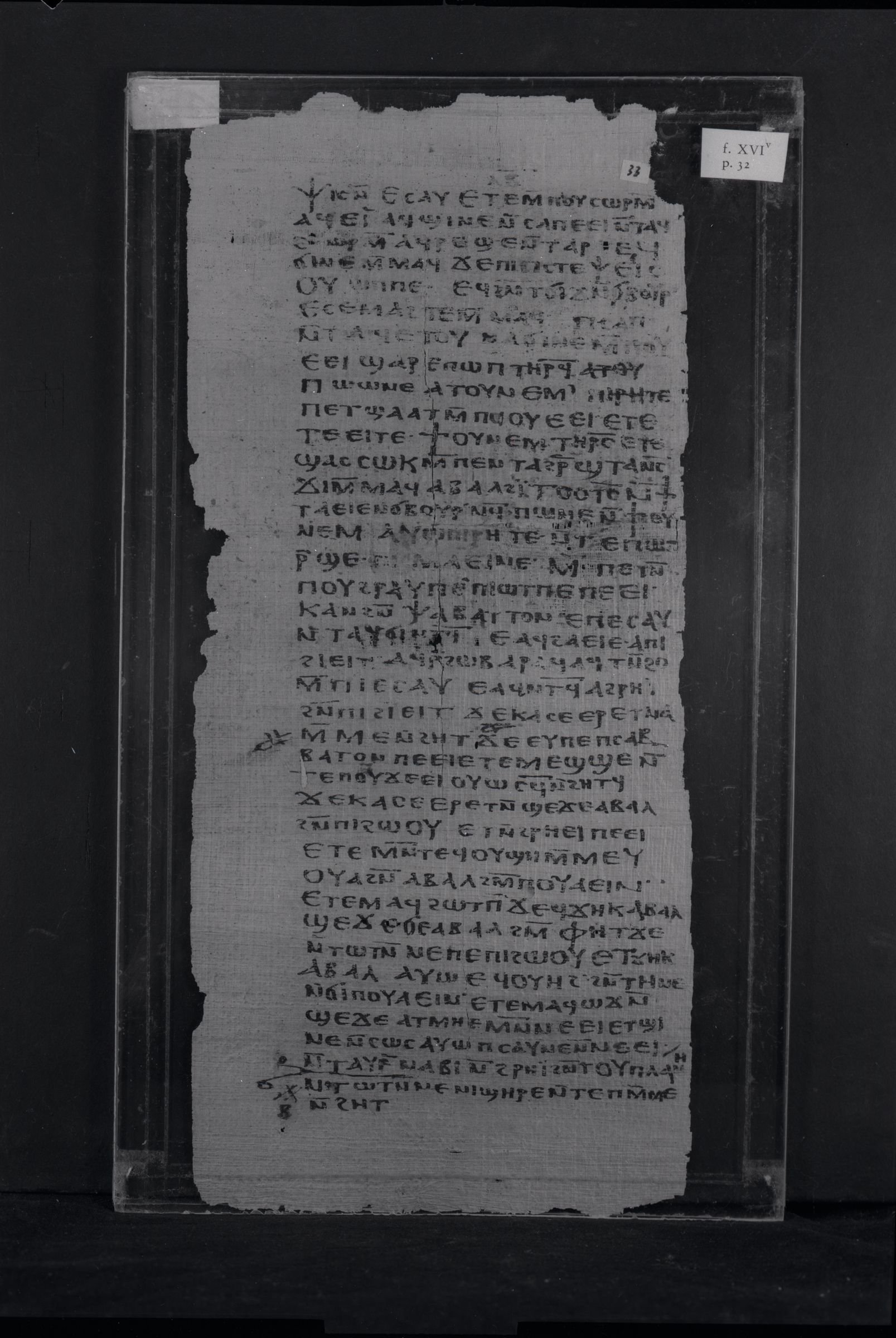
Page 32, lines 1-39 (Codex I page 32, A-Series negative, Facsimile Edition (Codex I, 1977) p. 36, CCDL nha 2733). Checked on the photograph: line 1 begins 'ⲯⲓⲥ ⲛ̄ⲉⲥⲁⲩ ⲉⲧⲉⲙ̄ⲡⲟⲩⲥⲱⲣⲙ̄'; line 39 reads 'ⲛ̄ϩⲏⲧ', a short last line. Page and line numbers from the Marcion transcription; English from Mattison's text between his page marks 32 and 33.
32.1ⲯⲓⲥ ⲛ̄ⲉⲥⲁⲩ ⲉⲧⲉⲙ̄ⲡⲟⲩⲥⲱⲣⲙ̄
32.2ⲁϥⲉⲓ̄ ⲁϥϣⲓⲛⲉ ⲛ̄ⲥⲁ ⲡⲉⲉⲓ ⲛ̄ⲧⲁϥ-
32.3ⲥⲱⲣⲙ̄ ⲁϥⲣⲉϣⲉ ⲛ̄ⲧⲁⲣⲉϥ-
32.4ϭⲓⲛⲉ ⲙ̄ⲙⲁϥ ϫⲉ ⲡⲓⲡⲥⲧⲉⲯⲉⲓⲥ
32.5ⲟⲩⲱⲡ ⲡⲉ: ⲉϥϩⲛ̄ ⲧϭⲓϫ ⲛ̄ϭⲃⲟⲩⲣ:
32.6ⲉⲥⲉⲙⲁϩⲧⲉ ⲙ̄ⲙⲁϥ: ⲡⲥⲁⲡ:
32.7ⲛ̄ⲧⲁϥ ⲉⲧⲟⲩⲛⲁϭⲓⲛⲉ ⲙ̄ⲡⲟⲩ-
32.8ⲉⲉⲓ ϣⲁⲣⲉⲡⲱⲡ ⲧⲏⲣϥ̄ ⟦ⲁⲧⲟⲩ⟧
32.9ⲡⲱⲱⲛⲉ ⲁⲧⲟⲩⲛⲉⲙ: ⲡⲓⲣⲏⲧⲉ
32.10ⲡⲉⲧϣⲁⲁⲧ ⲙ̄ⲡⲓⲟⲩⲉⲉⲓ: ⲉⲧⲉ
32.11ⲧⲉⲉⲓ ⲧⲉ: ϯⲟⲩⲛⲉⲙ ⲧⲏⲣⲥ̄ ⲉⲧⲉ-
32.12ϣⲁⲥⲥⲱⲕ ⲙ̄ⲡⲉⲛⲧⲁϩⲣ̄ ϣⲧⲁ ⲛ̄ⲥ:-
32.13ϫⲓ ⲙ̄ⲙⲁϥ ⲁⲃⲁⲗ ϩⲓ̈ⲧⲟⲟⲧⲥ̄ ⲛ̄ϯ-
32.14ⲧⲁⲉⲓⲉ ⲛ̄ϭⲃⲟⲩⲣ: ⲛ̄ϥⲡⲱⲛⲉ ⲛ̄ϯⲟⲩ-
32.15ⲛⲉⲙ ⲁⲩⲱ ⲡⲓⲣⲏⲧⲉ: ⲛ̄ⲧⲉⲡⲱⲡ
32.16ⲣ̄ ϣⲉ: ⲡⲓⲙⲁⲉⲓⲛⲉ: ⲙ̄ⲡⲉⲧⲛ̄
32.17ⲡⲟⲩϩⲣⲁⲩ ⲡⲉ: ⲡⲓⲱⲧ ⲡⲉ ⲡⲉⲉⲓ:
32.18ⲕⲁⲛ ϩⲛ̄ ⲯⲁⲃⲁⲧⲧⲟⲛ ⲉⲡⲉⲥⲁⲩ
32.19ⲛⲧⲁϥϭⲓⲛⲧϥ̄ ⲉⲁϥϩⲁⲉⲓⲉ: ⲁⲡⲓ-
32.20ϩⲓⲉⲓⲧ: ⲁϥⲣ̄ ϩⲱⲃ ⲁⲣⲁϥ ⲁϥⲧⲛ̄ϩⲟ
32.21ⲙ̄ⲡⲓⲉⲥⲁⲩ ⲉⲁϥⲛⲧϥ̄ ⲁϩⲣⲏⲓ̈
32.22ϩⲛ̄ ⲡⲓϩⲓ̈ⲉⲓⲧ ϫⲉⲕⲁⲥⲉ ⲉⲣⲉⲧⲛⲁ-
32.23ⲙ̄ⲙⲉ ⲛ̄ϩⲏⲧ ϫⲉ ⲉⲩ ⲡⲉ ⲡⲥⲁⲃ-
32.24ⲃⲁⲧⲟⲛ ⲡⲉⲉⲓ ⲉⲧⲉⲙⲉϣϣⲉ ⲛ̄-
32.25ⲧⲉⲡⲟⲩϫⲉⲉⲓ ⲟⲩⲱⲥϥ̄ ⲛ̄ϩⲏⲧϥ
32.26ϫⲉⲕⲁⲥⲉ ⲉⲣⲉⲧⲛ̄ϣⲉϫⲉ ⲁⲃⲁⲗ
32.27ϩⲛ̄ ⲡⲓϩⲱⲟⲩ ⲉⲧⲛ̄ϩⲣⲏⲉⲓ ⲡⲉⲉⲓ
32.28ⲉⲧⲉ ⲙⲛ̄ⲧⲉϥ ⲟⲩϣⲏ ⲙ̄ⲙⲉⲩ
32.29ⲟⲩⲁϩⲛ̄ ⲁⲃⲁⲗ ϩⲙ̄ ⲡⲟⲩⲁⲉⲓⲛ::
32.30ⲉⲧⲉⲙⲁϥϩⲱⲧⲡ̄: ϫⲉ ϥϫⲏⲕ ⲁⲃⲁⲗ
32.31ϣⲉϫⲉ ϭⲉ ⲁⲃⲁⲗ ϩⲙ̄ ⲫⲏⲧ ϫⲉ
32.32ⲛ̄ⲧⲱⲧⲛ̄ⲛⲉ ⲡⲉ ⲡⲓϩⲱⲟⲩ ⲉⲧϫⲏⲕ
32.33ⲁⲃⲁⲗ ⲁⲩⲱ ⲉϥⲟⲩⲏϩ: ϩⲛ̄ ⲧⲏⲛⲉ
32.34ⲛ̄ϭⲓ ⲡⲟⲩⲁⲉⲓⲛ: ⲉⲧⲉⲙⲁϥⲱϫⲛ̄
32.35ϣⲉϫⲉ ⲁⲧⲙⲏⲉ ⲙⲛ̄ ⲛⲉⲉⲓ ⲉⲧϣⲓ-
32.36ⲛⲉ ⲛ̄ⲥⲱⲥ ⲁⲩⲱ ⲡⲥⲁⲩⲛⲉ ⲛ̄ⲛⲉⲉⲓ:
32.37ⲛ̄ⲧⲁⲩⲣ̄ ⲛⲁⲃⲓ ⲛ̄ϩⲣⲏⲓ̈ ϩⲛ̄ ⲧⲟⲩⲡⲗⲁⲛ\ⲏ/
32.38ⲛ̄ⲧⲱⲧⲛ̄ ⲛⲉ ⲛⲓϣⲏⲣⲉ ⲛ̄ⲧⲉ ⲡⲙ̄ⲙⲉ
32.39ⲛ̄ϩⲏⲧ
nine sheep which weren’t lost. He went and searched for the one which was lost. He rejoiced when he found it, because ninety-nine is a number expressed with the left hand. However, when the one is found, the numerical sum moves to the right hand. In this way, what needs the one – that is, the whole right hand – draws what it needs, takes it from the left hand, and moves it to the right, so the number becomes one hundred. This is a symbol of the sound of these numbers; this is the Father.
Even on the Sabbath, he worked for the sheep which he found fallen in the pit. He saved the life of the sheep, having brought it up from the pit, so that you may know in your hearts – you’re children of the knowledge of the heart – what is the Sabbath, on which it isn’t right for salvation to be idle, so that you may speak of the day which is above, which has no night, and of the light that doesn’t set, because it’s complete. Speak then from the heart, because you’re the completed day, and the light that doesn’t cease dwells within you. Speak of the Truth with those who search for it, and of knowledge with those who’ve sinned in their Error.
Doing the Father’s Will
Where on the image
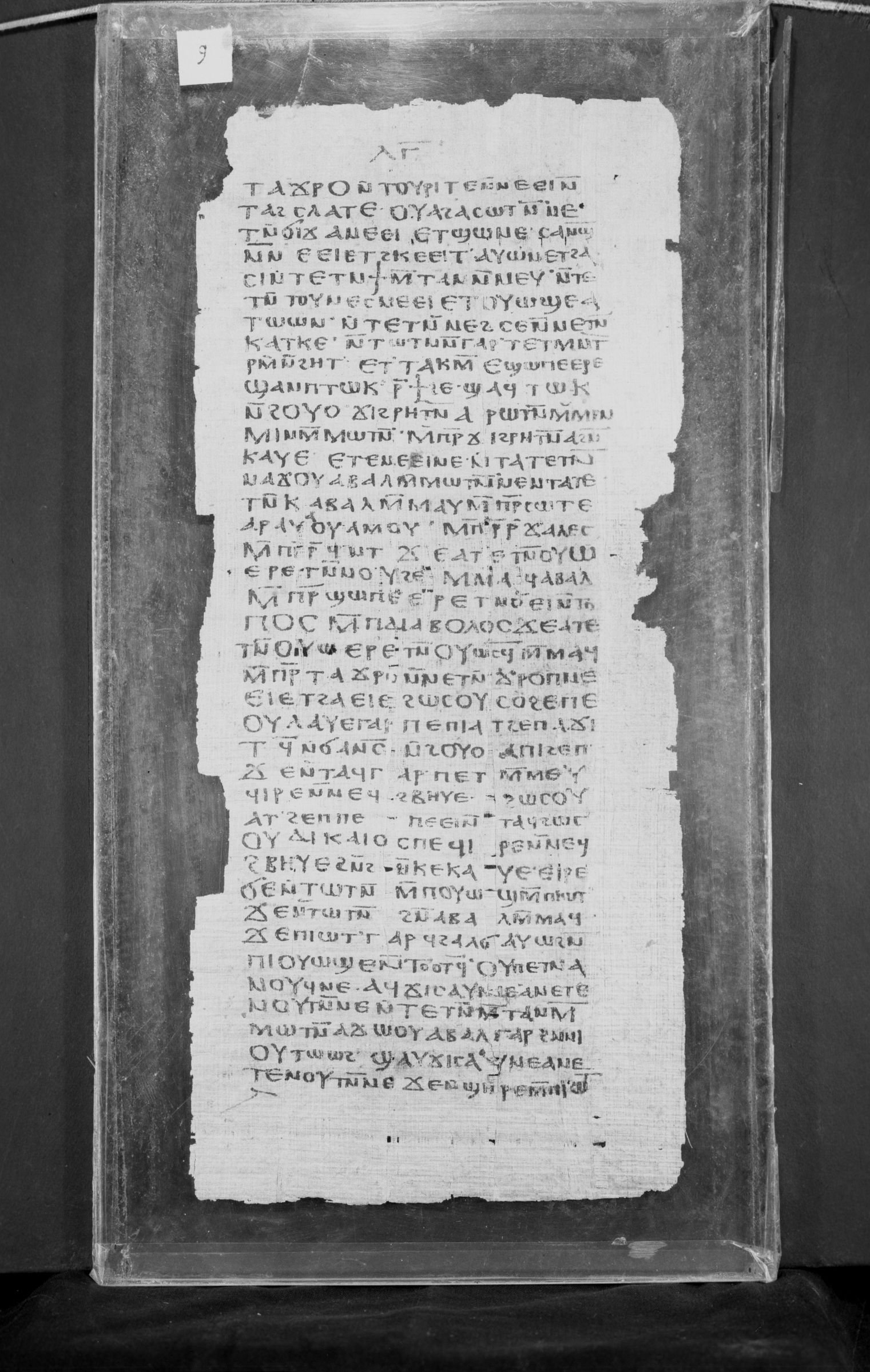
Page 33, lines 1-39 (Codex I page 33, A-Series negative, Facsimile Edition (Codex I, 1977) p. 37, CCDL nha 2723). Checked on the photograph: line 1 begins 'ⲧⲁϫⲣⲟ ⲛ̄ⲧⲟⲩⲣⲓⲧⲉ ⲛ̄ⲛⲉⲉⲓ ⲛ̄'; line 39 reads 'ⲧⲉ ⲛⲟⲩⲧⲛ̄ ⲛⲉ ϫⲉ ⲛ̄ϣⲏⲣⲉ ⲙ̄ⲡⲓⲱ\ⲧ/', the ⲧ written above the line. Page and line numbers from the Marcion transcription; English from Mattison's text between his page marks 33 and 34.
33.1ⲧⲁϫⲣⲟ ⲛ̄ⲧⲟⲩⲣⲓⲧⲉ ⲛ̄ⲛⲉⲉⲓ ⲛ̄-
33.2ⲧⲁϩⲥⲗⲁⲧⲉ: ⲟⲩⲁϩⲁ ⲥⲱⲧ ⲛ̄:ⲛⲉ
33.3ⲧⲛ̄ϭⲓϫ ⲁⲛⲉⲉⲓ ⲉⲧϣⲱⲛⲉ: ⲥⲁⲛϣ̄
33.4ⲛ̄ⲛⲉⲉⲓ ⲉⲧϩⲕⲉⲉⲓⲧ: ⲁⲩⲱ ⲛⲉⲧϩⲁ:-
33.5ⲥⲓ ⲛ̄ⲧⲉⲧⲛϯ ⲙ̄ⲧⲁⲛ ⲛ̄ⲛⲉⲩ: ⲛ̄ⲧⲉ-
33.6ⲧⲛ̄ⲧⲟⲩⲛⲉⲥ ⲛⲉⲉⲓ ⲉⲧⲟⲩⲱϣⲉ ⲁ-
33.7ⲧⲱⲱⲛ: ⲛ̄ⲧⲉⲧⲛ̄ⲛⲉϩⲥⲉ ⲛ̄ⲛⲉⲧⲛ̄-
33.8ⲕⲁⲧⲕⲉ: ⲛ̄ⲧⲱⲧⲛ ⲛ̄ⲅⲁⲣ: ⲧⲉ: ⲧⲙⲛ̄ⲧ-
33.9ⲣⲙ︤ⲛ︥ϩⲏⲧ: ⲉⲧ:ⲧⲁⲕⲙ̄ ⲉϣⲱⲡⲉ ⲉⲣⲉ-
33.10ϣⲁⲛⲡⲧⲱⲕ: ⲣ̄ ϯϩⲉ: ϣⲁϥⲧⲱⲕ
33.11ⲛ̄ϩⲟⲩⲟ ϫⲓ ϩⲣⲏⲧⲛ̄ ⲁⲣⲱⲧⲛ̄ ⲙ̄ⲙⲓ̣ⲛ
33.12{ⲙⲓⲛ} ⲙ̄ⲙⲱⲧⲛ̄: ⲙ̄ⲡⲣ̄ϫⲓ ϩⲣⲏⲧⲛ̄ ⲁϩⲛ̄-
33.13ⲕⲁⲩⲉ: ⲉⲧⲉ ⲛⲉⲉⲓ ⲛⲉ: ⲛ̄ⲧⲁⲧⲉⲧⲛ̄-
33.14ⲛⲁϫⲟⲩ ⲁⲃⲁⲗ ⲙ̄ⲙⲱⲧⲛ̄: ⲛⲉⲛⲧⲁⲧⲉ:-
33.15ⲧⲛ̄ⲕⲁⲃⲁⲗ ⲙ̄ⲙⲁⲩ ⲙ̄ⲡⲣ̄ⲥⲱⲧⲉ
33.16ⲁⲣⲁⲩ \ⲁ/ⲟⲩⲁⲙⲟⲩ: ⲙ̄ⲡⲣ︤ⲣ︥ ϫⲁⲗⲉⲥ
33.17ⲙ̄ⲡⲣ︤ⲣ︥ ϥⲛⲧ ϫⲉ ⲁⲧⲉⲧⲛ̄ⲟⲩⲱ
33.18ⲉⲣⲉⲧⲛ̄ⲛⲟⲩϩⲉ: ⲙⲙⲁϥ ⲁⲃⲁⲗ
33.19ⲙ̄ⲡⲣ̄ϣⲱⲡⲉ ⲉⲣⲉⲧⲛⲟ̄ⲉⲓ ⲛ̄ⲧⲟ-
33.20ⲡⲟⲥ ⲙ̄ⲡⲇⲓⲁⲃⲟⲗⲟⲥ ϫⲉ ⲁⲧⲉ-
33.21ⲧⲛ̄ⲟⲩⲱ ⲉⲣⲉⲧⲛ̄ⲟⲩⲱⲥϥ̄ ⲙ̄ⲙⲁϥ
33.22ⲙ̄ⲡⲣ̄ⲧⲁϫⲣⲟ ⲛ̄ⲛⲉⲧⲛ̄ϫⲣⲟⲡ ⲛⲉ-
33.23ⲉⲓ ⲉⲧϩⲁⲉⲓⲉ̣ ϩⲱⲥ ⲟⲩⲥⲟϩⲉ ⲡⲉ
33.24ⲟⲩⲗⲁⲩⲉ ⲅⲁⲣ ⲡⲉ ⲡⲓⲁⲧϩⲉⲡ ⲁϫⲓ-
33.25ⲧϥ̄ ⲛ̄ϭⲁⲛⲥ̄ ⲛ̄ϩⲟⲩⲟ ⲁⲡⲓϩⲉⲡ:
33.26ϫⲉ ⲛ̄ⲧⲁϥ ⲅⲁⲣ: ⲡⲉⲧⲙ̄ⲙⲉⲩ
33.27ϥⲓⲣⲉ ⲛ̄ⲛⲉϥϩⲃⲏⲩⲉ: ϩⲱⲥ ⲟⲩ-
33.28ⲁⲧ:ϩⲉⲡ ⲡⲉ ⲡⲉⲉⲓ ⲛ̄ⲧⲁϥ ϩⲱⲥ
33.29ⲟⲩⲇⲓⲕⲁⲓⲟⲥ ⲡⲉ ϥⲓⲣⲉ ⲛ̄ⲛⲉϥ-
33.30ϩⲃⲏⲩⲉ ϩⲛ̄ ϩⲛ̄ⲕⲉⲕⲁⲩⲉ: ⲉⲓⲣⲉ
33.31ϭⲉ ⲛ̄ⲧⲱⲧⲛ̄ ⲙ̄ⲡⲟⲩⲱϣ ⲙ̄ⲡⲓⲱⲧ:
33.32ϫⲉ ⲛ̄ⲧⲱⲧⲛ̄ ϩⲛ̄ⲁⲃⲁⲗ ⲙ̄ⲙⲁϥ
33.33ϫⲉ ⲡⲓⲱⲧ: ⲅⲁⲣ ϥϩⲁⲗϭ ⲁⲩⲱ ϩⲛ̄
33.34ⲡⲓⲟⲩⲱϣⲉ ⲛ̄ⲧⲟⲟⲧϥ̄: ⲟⲩⲡⲉⲧⲛⲁ-
33.35ⲛⲟⲩϥ ⲛⲉ:ⲁϥϫⲓ ⲥⲁⲩⲛⲉ: ⲁⲛⲉⲧⲉ
33.36ⲛⲟⲩⲧⲛ̄ ⲛⲉ ⲛ̄ⲧⲉⲧⲛ︤ⲙ︥ⲧⲁⲛ ⲙ̄-
33.37ⲙⲱⲧⲛ̄ ⲁϫⲱⲟⲩ ⲁⲃⲁⲗ ⲅⲁⲣ ϩⲛ ⲛⲓ-
33.38ⲟⲩⲧⲱⲱϩ: ϣⲁⲩϫⲓ ⲥⲁⲩⲛⲉ ⲁⲛⲉ-
33.39ⲧⲉ ⲛⲟⲩⲧⲛ̄ ⲛⲉ ϫⲉ ⲛ̄ϣⲏⲣⲉ ⲙ̄ⲡⲓⲱ\ⲧ/
Strengthen the feet of those who stumble, and reach out to those who are sick. Feed those who are hungry, and give rest to those who are weary. Raise up those who want to arise, and awaken those who sleep, because you’re the understanding that’s unsheathed. If strength is like this, it becomes stronger.
Be concerned about yourselves. Don’t be concerned about other things which you’ve rejected from yourselves. Don’t return to eat your vomit. Don’t be eaten by worms, because you’ve already shaken it off. Don’t become a dwelling-place for the devil, because you’ve already brought him to naught. Don’t strengthen your obstacles which are collapsing, as though you’re a support. For the lawless one is nothing, to be treated more harshly than the just, doing his works among others.
Do then the Father’s will, because you’re from him. For the Father is sweet, and goodness is in his will. He knows what’s yours, that you may find rest in them. For by the fruits they know what’s yours, because the children of the Father
Notes
- Coptic: Marcion 1.8 (Milan Konvicka), Nag Hammadi text package, converted here from its ASCII font coding to Unicode Coptic letter for letter. Marcion does not name the printed edition behind its text. The small numbers are codex page and line (for example 18.11) as given in the source.
- Signs in the Coptic: a stroke over a letter, or a line over two letters, is the scribe's supralinear stroke; a dot under a letter marks an uncertain reading; square brackets mark letters lost in a gap (restored by the editor, or dots for the number of lost letters); round brackets write out an abbreviation (as in ⲓⲏ(ⲥⲟⲩ)ⲥ); angle brackets mark letters added by the editor; curly brackets letters the editor removes; double square brackets letters cancelled by the scribe; \ / letters written above the line. The colon (:) is kept as the source gives it; the source does not say what it marks, and on the photographs it does not always match a visible point (the scribe's raised points are small, and some have no colon in the source). A hyphen at the end of a line marks a word that runs on to the next line (the transcription's convention).
- Marcion's text also carries a paragraph code and, at the end of 20.19, one further code whose meaning it does not state; neither is reproduced. A circumflex (as in the interjection ⲱ̂ at 20.27) is the scribe's. The diple (>) the scribe writes before some paragraph openings (for example 17.1) is not in the source text and is not shown.
- English: Mark M. Mattison, The Gospel of Truth (public domain), split at Mattison's own page numbers. Mattison's symbols: [ ] gap in the text, ( ) editorial insertion. The headings in italics are his.
Cite
Sources
- Source: Nag Hammadi Codex I page photographs (Claremont Colleges Digital Library, Nag Hammadi Archive) + Coptic transcription from Marcion (Milan Konvicka) + English by Mark M. Mattison (public domain) (holding institution)
- Critical edition: Coptic transcription from Marcion (Milan Konvicka; printed edition not named)
← previous · → next · v cycle view · l back to library