Gospel of Truth, pages 34-39 (Nag Hammadi Codex I)
Introduction
The Gospel of Truth is a Christian meditation on the Father, the Word and the return of all things to the one from whom they came, through knowledge that ends forgetfulness and error. Many scholars connect it with the teacher Valentinus or his circle (mid 2nd century). It was written in Greek and survives in Coptic: complete as the third tractate of Nag Hammadi Codex I (the Jung Codex), a papyrus book copied in the 4th century and found near Nag Hammadi in 1945, now in the Coptic Museum, Cairo; small fragments of another copy are in Codex XII and are not shown here. The text runs from page 16 line 31 to page 43 line 24. Its title is taken from its opening words.
This entry covers codex pages 34-39, one section per page. The Coptic is given line by line with codex page and line numbers, so each line can be found on the photograph. The English is Mark M. Mattison's public domain translation, divided at the page numbers Mattison prints in it; because English word order differs from Coptic, a sentence divided between two pages is divided where the translator put the page mark.
Photographs: negatives of the Facsimile Edition of the Nag Hammadi Codices, Nag Hammadi Archive of the Institute for Antiquity and Christianity, Claremont Colleges Digital Library. Coptic: Marcion (Milan Konvicka), which does not name the printed edition behind its transcription. First and last line read on each photograph: 34: 'ⲛ̄ⲧⲁⲩ ⲛⲉ ⲡⲉϥⲥⲧⲁⲉⲓ ϫⲉ ϩⲛ̄ⲁ' ... 'ⲉⲓ ⲉⲧⲥⲁⲙⲧ· ⲁⲃⲁⲗ ϩⲁϫⲱϥ'; 35: 'ⲙ̄ⲡⲓⲟⲩϫⲉⲉⲓ ⲧⲉⲉⲓ ⲉⲧⲛⲛⲏⲩ·' ... 'ⲛ̄ⲧⲁϥ ϥⲙⲟⲩϩ ⲙ̄ⲙⲁϥ ⲡⲉⲛⲧⲁϥ'; 36: 'ⲧⲉⲉⲓϥ ⲁⲃ·ⲁⲗ ϩⲓ̈ⲧⲟⲟⲧϥ̄ ⲁⲙⲁϩ' ... 'ⲡⲉ ⲡⲉϥⲙⲁ ⲛⲙ̄ⲧⲁⲛ ⲡⲉⲉⲓ'; 37: 'ⲡⲉ ⲡⲓϫⲱⲕ ⲁⲃⲁⲗ· ϩⲛ̄ ⲡⲓⲙⲉⲩⲉ' ... 'ⲁⲡⲉⲉⲓ ⲉⲑⲏⲡ· ⲡⲉⲉⲓ ⲇⲉ ⲡⲉ ⲡⲓⲱⲧ'; 38: 'ⲡⲉⲉⲓ ⲛ̄ⲧⲁⲧⲉϩⲟⲩⲉⲓⲧⲉ ⲉⲓ̄ ⲁ' ... 'ⲛ̄ϫⲁⲉⲓⲥ ⲉⲧⲉ ⲡⲉⲉⲓ ⲡⲉ ⲡⲣⲉⲛ'; 39: 'ⲙⲁⲙⲏⲉ ⲉⲧⲁⲣϫ̄ ϩⲙ̄ ⲡⲉϥ' ... 'ϩⲱⲥ ϭⲉ ⲡⲣⲉⲛ ⲉϣⲁⲣⲟⲩϫⲓⲧϥ̄'.
How was this verified? (Provenance)
Where on the image
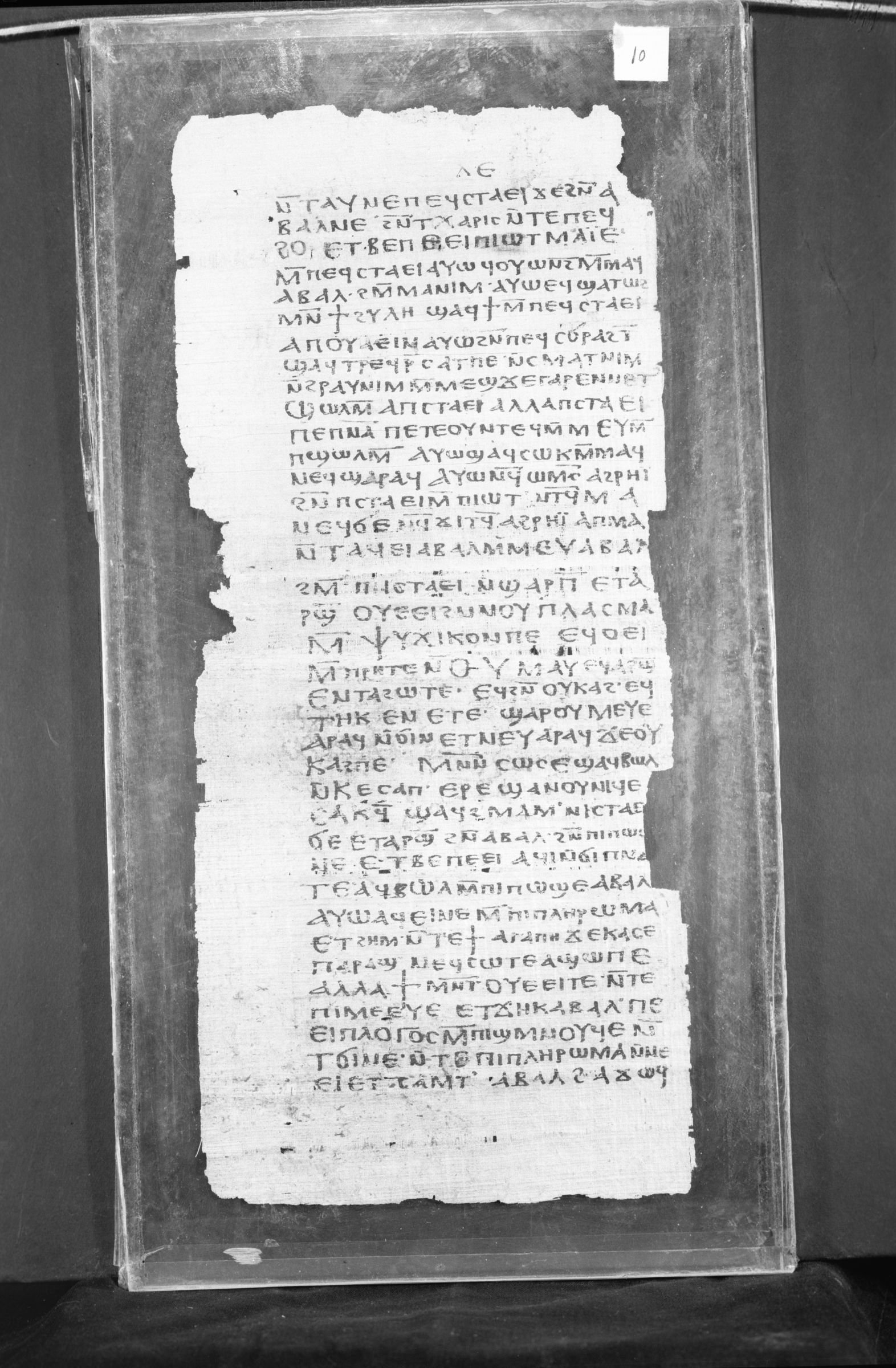
Page 34, lines 1-37 (Codex I page 34, A-Series negative, Facsimile Edition (Codex I, 1977) p. 38, CCDL nha 2760). Checked on the photograph: line 1 begins 'ⲛ̄ⲧⲁⲩ ⲛⲉ ⲡⲉϥⲥⲧⲁⲉⲓ ϫⲉ ϩⲛ̄ⲁ'; line 37 reads 'ⲉⲓ ⲉⲧⲥⲁⲙⲧ· ⲁⲃⲁⲗ ϩⲁϫⲱϥ'. Page and line numbers from the Marcion transcription; English from Mattison's text between his page marks 34 and 35.
34.1ⲛ̄ⲧⲁⲩ ⲛⲉ ⲡⲉϥⲥⲧⲁⲉⲓ ϫⲉ ϩⲛ̄ⲁ-
34.2ⲃⲁⲗ ⲛⲉ: ϩⲛ̄ ⲧⲭⲁⲣⲓⲥ ⲛ̄ⲧⲉ ⲡⲉϥ-
34.3ϩⲟ ⲉⲧⲃⲉ ⲡⲉⲉⲓ ⲡⲓⲱⲧ ⲙⲁⲓ̈ⲉ:
34.4ⲙ̄ⲡⲉϥⲥⲧⲁⲉⲓ ⲁⲩⲱ ϥⲟⲩⲱⲛϩ̄ ⲙ̄ⲙⲁϥ
34.5ⲁⲃⲁⲗ: ϩⲙ̄ ⲙⲁ ⲛⲓⲙ: ⲁⲩⲱ ⲉϥϣⲁⲧⲱϩ
34.6ⲙⲛ̄ ϯϩⲩⲗⲏ ϣⲁϥϯ ⲙ̄ⲡⲉϥⲥⲧⲁⲉⲓ
34.7ⲁⲡⲟⲩⲁⲉⲓⲛ ⲁⲩⲱ ϩⲛ̄ ⲡⲉϥⲥϭⲣⲁϩⲧ̄
34.8ϣⲁϥⲧⲣⲉϥⲣ̄ ⲥⲁ ⲧⲡⲉ: ⲛ̄ⲥⲙⲁⲧ ⲛⲓⲙ
34.9ⲛ̄ϩⲣⲁⲩ ⲛⲓⲙ ⲙ̄ⲙⲉϣϫⲉ ⲅⲁⲣ ⲉⲛ ⲛⲉⲧ:-
34.10ϣⲱⲗⲙ̄ ⲁⲡⲥⲧⲁⲉⲓ: ⲁⲗⲗⲁ ⲡⲥⲧⲁⲉⲓ:
34.11ⲡⲉⲡⲛ(ⲉⲩⲙ)ⲁ ⲡⲉⲧⲉ ⲟⲩⲛⲧⲉϥ ⲙ̄ⲙⲉⲩ ⲙ̄-
34.12ⲡϣⲱⲗⲙ̄ ⲁⲩⲱ ϣⲁϥⲥⲱⲕ ⲙ̄ⲙⲁϥ
34.13ⲛⲉϥ ϣⲁⲣⲁϥ ⲁⲩⲱ ⲛϥ̄ⲱⲙⲥ̄ ⲁϩⲣⲏⲓ̈
34.14ϩⲛ̄ ⲡⲥⲧⲁⲉⲓ ⲙ̄ⲡⲓⲱⲧ: ⲛ̄ⲧϥ̄ⲙⲁ-
34.15ⲛⲉϥ ϭⲉ ⲛϥ̄ϫⲓⲧϥ̄ ⲁϩⲣⲏⲓ̈ ⲁⲡⲙⲁ
34.16ⲛ̄ⲧⲁϥⲉⲓ ⲁⲃⲁⲗ ⲙ̄ⲙⲉⲩ ⲁⲃⲁⲗ
34.17ϩⲙ̄ ⲡⲓⲥⲧⲁⲉⲓ ⲛ̄ϣⲁⲣⲡ̄ ⲉⲧⲁ-
34.18ⲣϣ̄ ⲟⲩⲉⲉⲓ ϩⲛⲛ ⲟⲩⲡⲗⲁⲥⲙⲁ
34.19ⲙ̄ⲯⲩⲭⲓⲕⲟⲛ ⲡⲉ ⲉϥⲟⲉⲓ
34.20ⲙ̄ⲡⲣⲏⲧⲉ ⲛ̄ⲟⲩⲙⲁⲩ ⲉϥⲁⲣϣ̄
34.21ⲉⲛⲧⲁϩⲱⲧⲉ: ⲉϥϩⲛ̄ ⲟⲩⲕⲁϩ: ⲉϥ-
34.22ⲧⲏⲕ ⲉⲛ ⲉⲧⲉ:ϣⲁⲣⲟⲩⲙⲉⲩⲉ
34.23ⲁⲣⲁϥ ⲛ̄ϭⲓ ⲛⲉⲧⲛⲉⲩ ⲁⲣⲁϥ ϫⲉ ⲟⲩ-
34.24ⲕⲁϩ ⲡⲉ: ⲙⲛ︤ⲛ︥ⲥⲱⲥ ⲉϣⲁϥⲃⲱⲗ
34.25ⲛ̄ⲕⲉⲥⲁⲡ: ⲉⲣⲉϣⲁⲛⲟⲩⲛⲓϥⲉ
34.26ⲥⲁⲕϥ̄ ϣⲁϥϩⲙⲁⲙ: ⲛⲓⲥⲧⲁⲉⲓ
34.27ϭⲉ ⲉⲧⲁⲣϣ̄ ϩⲛ̄ⲁⲃⲁⲗ: ϩⲛ̄ ⲡⲓⲡⲱϣ̣ⲉ
34.28ⲛⲉ ⲉⲧⲃⲉ ⲡⲉⲉⲓ ⲁϥⲓ ⲛ̄ϭⲓ ⲡⲛⲁϩ̣-
34.29ⲧⲉ: ⲁϥⲃⲱⲗ ⲙ̄ⲡⲓⲡⲱϣⲉ ⲁⲃⲁⲗ
34.30ⲁⲩⲱ ⲁϥⲉⲓⲛⲉ ⲙ̄ⲡⲓⲡⲗⲏⲣⲱⲙⲁ
34.31ⲉⲧϩⲏⲙ: ⲛ̄ⲧⲉ ϯⲁⲅⲁⲡⲏ ϫⲉⲕⲁⲥⲉ
34.32ⲡⲁⲣⲁϣ: ⲛⲉϥⲥⲱⲧⲉ ⲁϣⲱⲡⲉ
34.33ⲁⲗⲗⲁ ϯⲙⲛ̄ⲧⲟⲩⲉⲉⲓ ⲧⲉ: ⲛ̄ⲧⲉ
34.34ⲡⲓⲙⲉⲉⲩⲉ ⲉⲧϫⲏⲕ ⲁⲃⲁⲗ: ⲡⲉ-
34.35ⲉⲓ ⟨ⲡⲉ⟩ ⲡⲗⲟⲅⲟⲥ ⲙ̄ⲡⲓϣⲙⲛⲟⲩϥⲉ ⲛ̄-
34.36ⲧϭⲓⲛⲉ: ⲛ̄ⲧⲉ ⲡⲓⲡⲗⲏⲣⲱⲙⲁ ⲛ̄ⲛⲉ-
34.37ⲉⲓ ⲉⲧⲥⲁⲙⲧ: ⲁⲃⲁⲗ ϩⲁϫⲱϥ:
are his fragrance, since they’re from the grace of his expression. Because of this, the Father loves his fragrance, and reveals it in every place. And when it mixes with matter, it gives his fragrance to the light, and in tranquility he causes it to rise above every form and every sound. For it’s not the ears that smell the fragrance, but it’s the Spirit that smells, and draws the fragrance to itself, and sinks down into the Father’s fragrance. He shelters it, then, and takes it to the place from which it came, from the first fragrance which has grown cold. It’s something in a soul-endowed delusion, like cold water sunk into loose earth. Those who see it think that it’s just earth. Afterwards, it dissolves again. If a breath draws it, it becomes warm. So the fragrances which are cold are from the division. Because of this, faith came. It dissolved the division, and it brought the fullness that’s warm with love, so that the cold may not return, but rather the unitary thought of completion.
Restoring what was Needed
This is the Word of the Gospel of the discovery of the fullness, which comes for those who are awaiting
Where on the image
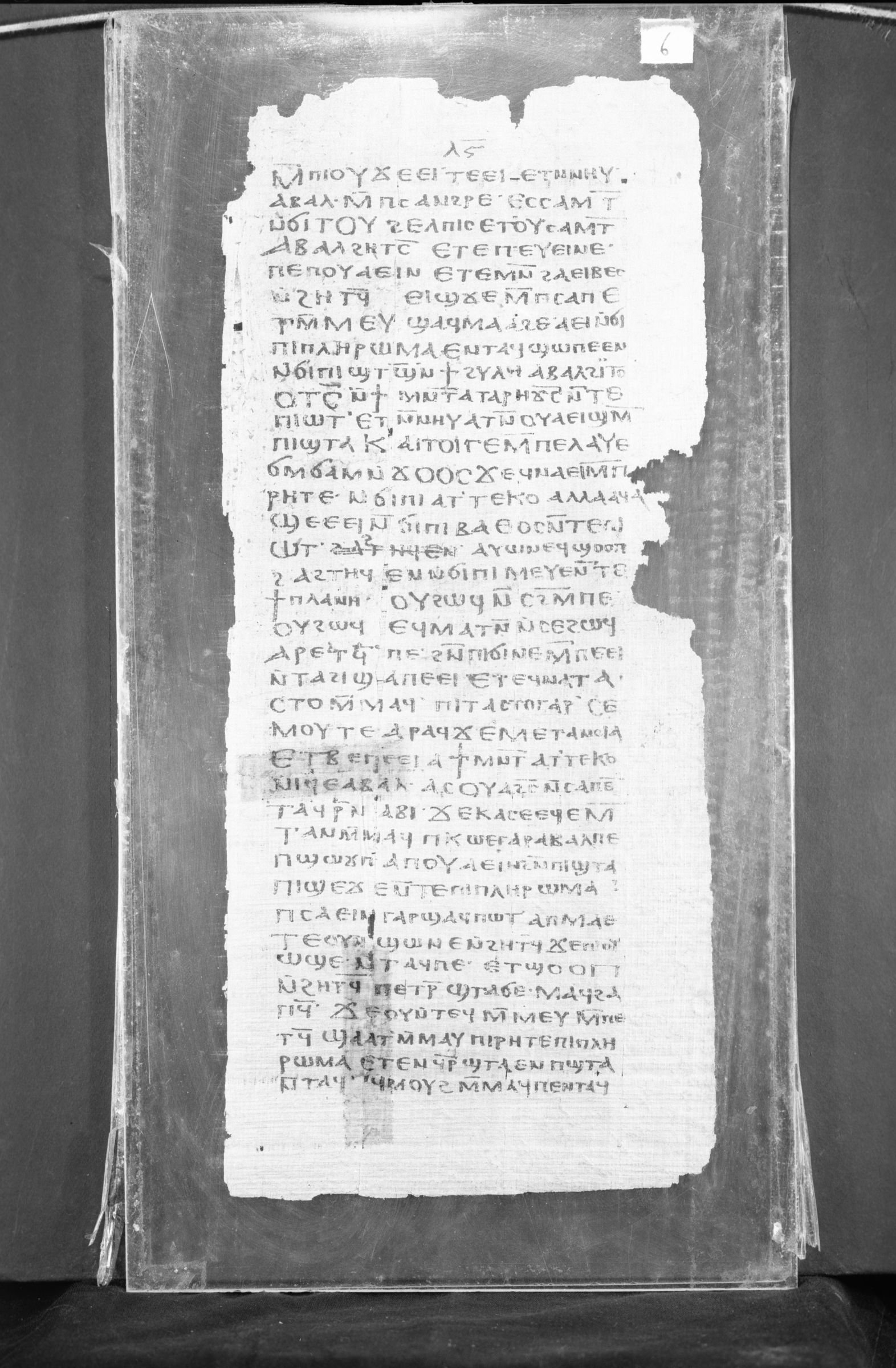
Page 35, lines 1-37 (Codex I page 35, A-Series negative, Facsimile Edition (Codex I, 1977) p. 39, CCDL nha 2805). Checked on the photograph: line 1 begins 'ⲙ̄ⲡⲓⲟⲩϫⲉⲉⲓ ⲧⲉⲉⲓ ⲉⲧⲛⲛⲏⲩ·'; line 37 reads 'ⲛ̄ⲧⲁϥ ϥⲙⲟⲩϩ ⲙ̄ⲙⲁϥ ⲡⲉⲛⲧⲁϥ'; the letters ⲉⲓ that the editor removes in line 1 are written on the papyrus. Page and line numbers from the Marcion transcription; English from Mattison's text between his page marks 35 and 36.
35.1ⲙ̄ⲡⲓⲟⲩϫⲉⲉⲓ:ⲧⲉ{ⲉⲓ} ⲉⲧⲛⲛⲏⲩ:
35.2ⲁⲃⲁⲗ: ⲙ̄ⲡⲥⲁ ⲛϩⲣⲉ: ⲉⲥⲥⲁⲙⲧ̄
35.3ⲛ̄ϭⲓ ⲧⲟⲩϩⲉⲗⲡⲓⲥ ⲉⲧⲟⲩⲥⲁⲙⲧ̄
35.4ⲁⲃⲁⲗ ϩⲏⲧⲥ̄ ⲉⲧⲉ ⲡⲉⲩⲉⲓⲛⲉ:
35.5ⲡⲉ ⲡⲟⲩⲁⲉⲓⲛ ⲉⲧⲉ ⲙⲛ̄ ϩⲁⲉⲓⲃⲉⲥ
35.6ⲛ̄ϩⲏⲧϥ̄ ⲉⲓϣϫⲉ ⲙ̄ⲡⲥⲁⲡ: ⲉ-
35.7ⲧⲙ̄ⲙⲉⲩ ϣⲁϥⲙⲁⲁϩⲉ: ⲁⲉⲓ ⲛ̄ϭⲓ
35.8ⲡⲓⲡⲗⲏⲣⲱⲙⲁ ⲉⲛⲧⲁϥϣⲱⲡⲉ ⲉⲛ
35.9ⲛ̄ϭⲓ ⲡⲓϣⲧϣ̄ ⲛ̄ϯϩⲩⲗⲏ ⲁⲃⲁⲗ ϩⲓ̈ⲧⲟ-
35.10ⲟⲧⲥ̄ ⲛ̄ϯⲙⲛ̄ⲧⲁⲧⲁⲣⲏϫⲥ̄ ⲛ̄ⲧⲉ
35.11ⲡⲓⲱⲧ: ⲉⲧⲛ̄ⲛⲏⲩ ⲁⲧⲛ̄ ⲟⲩⲁⲉⲓϣ ⲙ̄-
35.12ⲡⲓϣⲧⲁ ⲕⲁⲓⲧⲟⲓⲅⲉ ⲙ̄ⲡⲉⲗⲁⲩⲉ
35.13ϭⲙϭⲁⲙ ⲛ̄ϫⲟⲟⲥ ϫⲉ ϥⲛⲁⲉⲓ ⲙ̄ⲡ-
35.14ⲣⲏⲧⲉ: ⲛϭⲓ ⲡⲓⲁⲧ:ⲧⲉⲕⲟ ⲁⲗⲗⲁ ⲁϥⲁ-
35.15ϣⲉ{ⲉ}ⲉⲓ ⲛ̄ϭⲓ ⲡⲓⲃⲁⲑⲟⲥ ⲛ̄ⲧⲉ ⲡⲓ-
35.16ⲱⲧ: ⟦ϩⲁ\ϩ/ⲧⲏϥ ⲉⲛ:⟧ ⲁⲩⲱ ⲛⲉϥϣⲟⲟⲡ
35.17ϩⲁϩⲧⲏϥ ⲉⲛ ⲛ̄ϭⲓ ⲡⲓⲙⲉⲩⲉ ⲛ̄ⲧⲉ
35.18ϯⲡⲗⲁⲛⲏ: ⲟⲩϩⲱϥ ⲛ̄ⲥϩⲙ̄ ⲡⲉ:
35.19ⲟⲩϩⲱϥ ⲉϥⲙⲁⲧⲛ̄ ⲛ̄ⲥⲉϩⲱϥ
35.20ⲁⲣⲉⲧϥ̄: ⲡⲉ: ϩⲛ̄ ⲡⲓϭⲓⲛⲉ ⲙ̄ⲡⲉⲉⲓ
35.21ⲛ̄ⲧⲁϩⲓ ϣⲁ ⲡⲉⲉⲓ ⲉⲧⲉϥⲛⲁⲧⲁ:-
35.22ⲥⲧⲟ ⲙ̄ⲙⲁϥ: ⲡⲓⲧⲁⲥⲧⲟ ⲅⲁⲣ: ⲥⲉ-
35.23ⲙⲟⲩⲧⲉ ⲁⲣⲁϥ ϫⲉ ⲙⲉⲧⲁⲛⲟⲓⲁ
35.24ⲉⲧⲃⲉ ⲡⲉⲉⲓ ⲁϯⲙⲛ̄ⲧⲁⲧ:ⲧⲉⲕⲟ
35.25ⲛⲓϥⲉ ⲁⲃⲁⲗ: ⲁⲥⲟⲩⲁϩⲥ̄ ⲛ̄ⲥⲁ ⲡⲉⲛ-
35.26ⲧⲁϥⲣ̄ ⲛⲁⲃⲓ: ϫⲉⲕⲁⲥⲉ ⲉϥⲉⲙ̄-
35.27ⲧⲁⲛ ⲙ̄ⲙⲁϥ ⲡⲕⲱⲉ ⲅⲁⲣ ⲁⲃⲁⲗ ⲡⲉ
35.28ⲡϣⲱϫⲡ: ⲁⲡⲟⲩⲁⲉⲓⲛ ϩⲛ̄ ⲡⲓϣⲧⲁ
35.29ⲡⲓϣⲉϫⲉ ⲛ̄ⲧⲉ ⲡⲓⲡⲗⲏⲣⲱⲙⲁ:
35.30ⲡⲥⲁⲉⲓⲛ ⲅⲁⲣ ϣⲁϥⲡⲱⲧ: ⲁⲡⲙⲁ ⲉ-
35.31ⲧⲉ ⲟⲩⲛ̄ ϣⲱⲛⲉ ⲛ̄ϩⲏⲧϥ̄ ϫⲉ ⲡⲓⲟⲩ-
35.32ⲱϣⲉ: ⲛ̄ⲧⲁϥ ⲡⲉ: ⲉⲧϣⲟⲟⲡ
35.33ⲛ̄ϩⲏⲧϥ̄ ⲡⲉⲧⲣ̄ ϣⲧⲁ ϭⲉ: ⲙⲁϥϩⲁ-
35.34ⲡϥ̄: ϫⲉ ⲟⲩⲛ̄ⲧⲉϥ ⲙ̄ⲙⲉⲩ ⲙ̄ⲡⲉ-
35.35ⲧϥ̄ϣⲁⲁⲧ: ⲙ̄ⲙⲁⲩ ⲡⲓⲣⲏⲧⲉ ⲡⲓⲡⲗⲏ-
35.36ⲣⲱⲙⲁ ⲉⲧⲉ ⲛϥ︤ⲣ︥ ϣⲧⲁ ⲉⲛ ⲡϣⲧⲁ
35.37ⲛ̄ⲧⲁϥ: ϥⲙⲟⲩϩ ⲙ̄ⲙⲁϥ ⲡⲉⲛⲧⲁϥ-
the salvation which is coming from above. The hope for which they’re waiting is waiting for those whose image is light with no shadow in it. If at that time the fullness comes, the need of matter doesn’t come through the infinity of the Father, who comes to give time to the need – although no one can say that the incorruptible one will come like this. But the depth of the Father multiplied, and the thought of Error didn’t exist with him. It’s something that’s fallen, which is easily set upright in the discovery of the one who’s to come to what he’ll return, because the return is called “repentance.”
Because of this, incorruptibility breathed out. It followed after the one who sinned, so that they might rest, because forgiveness is what remains for the light in need, the Word of fullness. For the doctor hurries to the place where there’s sickness, because that’s what he (or she) wants to do. The one in need, then, doesn’t hide it, because one (the doctor) has what they need. In this way the fullness, which has no need but fills the need, is what he
Where on the image
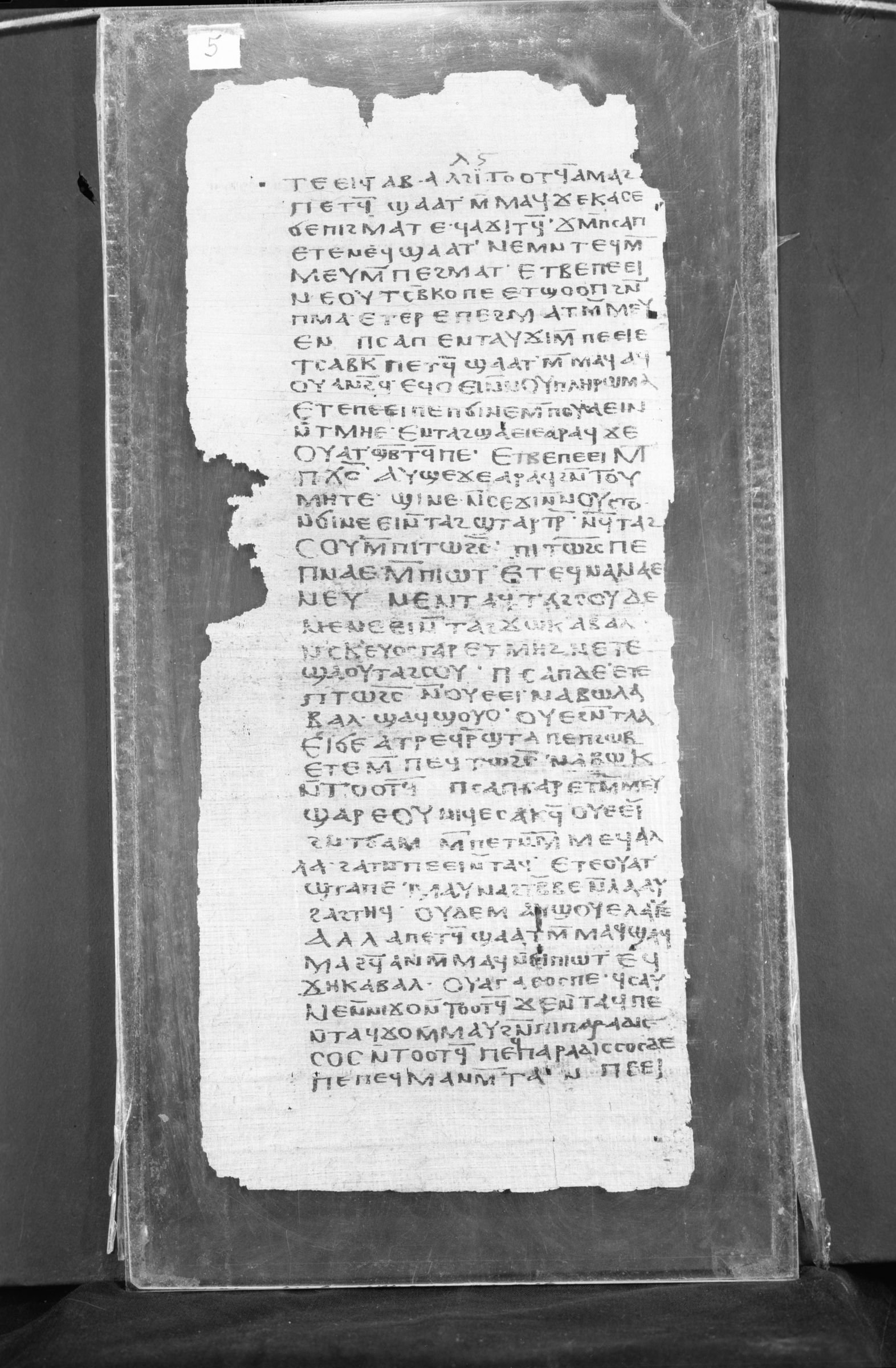
Page 36, lines 1-39 (Codex I page 36, A-Series negative, Facsimile Edition (Codex I, 1977) p. 40, CCDL nha 2771). Checked on the photograph: line 1 begins 'ⲧⲉⲉⲓϥ ⲁⲃ·ⲁⲗ ϩⲓ̈ⲧⲟⲟⲧϥ̄ ⲁⲙⲁϩ'; line 39 reads 'ⲡⲉ ⲡⲉϥⲙⲁ ⲛⲙ̄ⲧⲁⲛ ⲡⲉⲉⲓ'. Page and line numbers from the Marcion transcription; English from Mattison's text between his page marks 36 and 37.
36.1ⲧⲉⲉⲓϥ ⲁⲃ:ⲁⲗ ϩⲓ̈ⲧⲟⲟⲧϥ̄ ⲁⲙⲁϩ
36.2ⲡⲉⲧϥ̄ϣⲁⲁⲧ: ⲙ̄ⲙⲁϥ ϫⲉⲕⲁⲥⲉ
36.3ϭⲉ ⲡⲓϩⲙⲁⲧ ⲉ:ϥⲁϫⲓⲧϥ̄: ϫ⟨ⲉ⟩ ⲙ̄ⲡⲥⲁⲡ
36.4ⲉⲧⲉⲛⲉϥϣⲁⲁⲧ: ⲛⲉⲙⲛⲧⲉϥ ⲙ̄-
36.5ⲙⲉⲩ ⲙ̄ⲡⲉϩⲙⲁⲧ: ⲉⲧⲃⲉ ⲡⲉⲉⲓ
36.6ⲛⲉⲟⲩⲧⲥⲃ̄ⲕⲟ ⲡⲉ ⲉⲧϣⲟⲟⲡ ϩⲛ̄
36.7ⲡⲙⲁ: ⲉⲧⲉⲣⲉⲡⲉϩⲙⲁⲧ ⲙ̄ⲙⲉⲩ
36.8ⲉⲛ ⲡⲥⲁⲡ ⲉⲛⲧⲁⲩϫⲓ ⲙ̄ⲡⲉⲉⲓ ⲉ-
36.9ⲧⲥⲁⲃⲕ̄ ⲡⲉⲧϥ̄ϣⲁⲁⲧ: ⲙ̄ⲙⲁϥ ⲁϥ-
36.10ⲟⲩⲁⲛϩ̄ϥ: ⲉϥⲟⲉⲓ ⲛ̄ⲛⲟⲩⲡⲗⲏⲣⲱⲙⲁ
36.11ⲉⲧⲉ ⲡⲉⲉⲓ ⲡⲉ ⲡϭⲓⲛⲉ ⲙ̄ⲡⲟⲩⲁⲉⲓⲛ
36.12ⲛ̄ⲧⲙⲏⲉ: ⲉⲛⲧⲁϩϣⲁⲉⲓⲉ ⲁⲣⲁϥ ϫⲉ
36.13ⲟⲩⲁⲧ:ϣⲃ̄ⲧϥ̄ ⲡⲉ: ⲉⲧⲃⲉ ⲡⲉⲉⲓ {ⲙ̄}-
36.14ⲡⲭ(ⲣⲓⲥⲧⲟ)ⲥ: ⲁⲩϣⲉϫⲉ ⲁⲣⲁϥ ϩⲛ̄ ⲧⲟⲩ-
36.15ⲙⲏⲧⲉ: ϣⲓⲛⲉ: ⲛ̄ⲥⲉϫⲓ ⲛ̄ⲛⲟⲩⲥⲧⲟ:
36.16ⲛ̄ϭⲓ ⲛⲉⲉⲓ ⲛ̄ⲧⲁϩϣⲧⲁⲣⲧⲣ̄: ⲛ̄ϥⲧⲁϩ-
36.17ⲥⲟⲩ ⲙ̄ⲡⲓⲧⲱϩⲥ̄: ⲡⲓⲧⲱϩⲥ̄ ⲡⲉ
36.18ⲡⲛⲁⲉ: ⲙ̄ⲡⲓⲱⲧ: ⲉⲧⲉϥⲛⲁⲛⲁⲉ
36.19ⲛⲉⲩ: ⲛⲉⲛⲧⲁϥⲧⲁϩⲥⲟⲩ ⲇⲉ
36.20ⲛⲉ ⲛⲉⲉⲓ ⲛ̄ⲧⲁϩϫⲱⲕ ⲁⲃⲁⲗ:
36.21ⲛ̄ⲥⲕⲉⲩⲟⲥ ⲅⲁⲣ ⲉⲧⲙⲏϩ ⲛⲉⲧⲉ-
36.22ϣⲁⲟⲩⲧⲁϩⲥⲟⲩ: ⲡⲥⲁⲡ ⲇⲉ: ⲉⲧⲉ
36.23ⲡⲧⲱϩⲥ̄ ⲛⲟⲩⲉⲉⲓ: ⲛⲁⲃⲱⲗ ⲁ-
36.24ⲃⲁⲗ: ϣⲁϥϣⲟⲩⲟ: ⲟⲩⲉϩⲛ̄ ⲧⲗⲁ-
36.25ⲉⲓϭⲉ ⲁⲧⲣⲉϥⲣ̄ ϣⲧⲁ ⲡⲉ ⲡϩⲱⲃ
36.26ⲉⲧⲉ {ⲙ̄}ⲡⲉϥⲧⲱϩⲥ̄: ⲛⲁⲃⲱⲕ
36.27ⲛ̄ⲧⲟⲟⲧϥ̄ ⲡⲥⲁⲡ ⲅⲁⲣ ⲉⲧⲙ̄ⲙⲉⲩ
36.28ϣⲁⲣⲉⲟⲩⲛⲓϥⲉ ⲥⲁⲕϥ̄ ⲟⲩⲉⲉⲓ̄
36.29ϩⲛ̄ ⲧϭⲁⲙ ⲙ̄ⲡⲉⲧⲛⲙ̄ⲙⲉϥ ⲁⲗ-
36.30ⲗⲁ: ϩⲁⲧⲛ̄ ⲡⲉⲉⲓ ⲛ̄ⲧⲁϥ ⲉⲧⲉ ⲟⲩⲁⲧ:-
36.31ϣⲧⲁ ⲡⲉ: ⲙⲁⲩⲛⲁϩ ⲧⲃ̄ⲃⲉ ⲛ̄ⲗⲁⲁⲩ
36.32ϩⲁϩⲧⲏϥ: ⲟⲩⲇⲉ ⲙⲁⲩϣⲟⲩⲉ ⲗⲁⲩⲉ
36.33ⲁⲗⲗⲁ ⲡⲉⲧϥ̄ϣⲁⲁⲧ ⲙ̄ⲙⲁϥ ϣⲁϥ-
36.34ⲙⲁϩϥ̄ ⲁⲛ ⲙ̄ⲙⲁϥ ⲛ̄ϭⲓ ⲡⲓⲱⲧ: ⲉϥ-
36.35ϫⲏⲕ ⲁⲃⲁⲗ: ⲟⲩⲁⲅⲁⲑⲟⲥ ⲡⲉ: ϥⲥⲁⲩ-
36.36ⲛⲉ ⲛ̄ⲛⲓϫⲟ ⲛ̄ⲧⲟⲟⲧϥ̄ ϫⲉ ⲛ̄ⲧⲁϥ ⲡⲉ
36.37ⲛ̄ⲧⲁϥϫⲟ ⲙ̄ⲙⲁⲩ ϩⲛ̄ ⲡⲓⲡⲁⲣⲁⲇⲓⲥ-
36.38ⲥⲟⲥ ⲛ̄ⲧⲟⲟⲧϥ̄ ⲡⲉ\ϥ/ⲡⲁⲣⲁⲇⲓⲥⲥⲟⲥ ⲇⲉ
36.39ⲡⲉ ⲡⲉϥⲙⲁ ⲛⲙ̄ⲧⲁⲛ ⲡⲉⲉⲓ
provided from himself to fill up what’s needed, so that they might receive grace; because when they were in need, they didn’t have grace. Because of this, a diminishing took place where there is no grace. When what was diminished was restored, what they needed was revealed as fullness. This is the discovery of the light of Truth which enlightened them, because it doesn’t change.
Because of this, they spoke of Christ in their midst: “Seek, and those who were disturbed will receive a return – and he’ll anoint them with ointment.” The ointment is the mercy of the Father, who will have mercy on them. But those whom he anointed are those who have been completed, because full jars are the ones that are anointed. But when the anointing of one dissolves, it empties, and the cause of the need is the place where the ointment leaks, because a breath and its power draws it. But from the one who has no need, no seal is removed, nor is anything emptied, but what it needs is filled again by the Father, who’s complete.
The Father’s Paradise
He’s good. He knows his plants, because he planted them in his paradise. Now his paradise is a place of rest. This
Where on the image
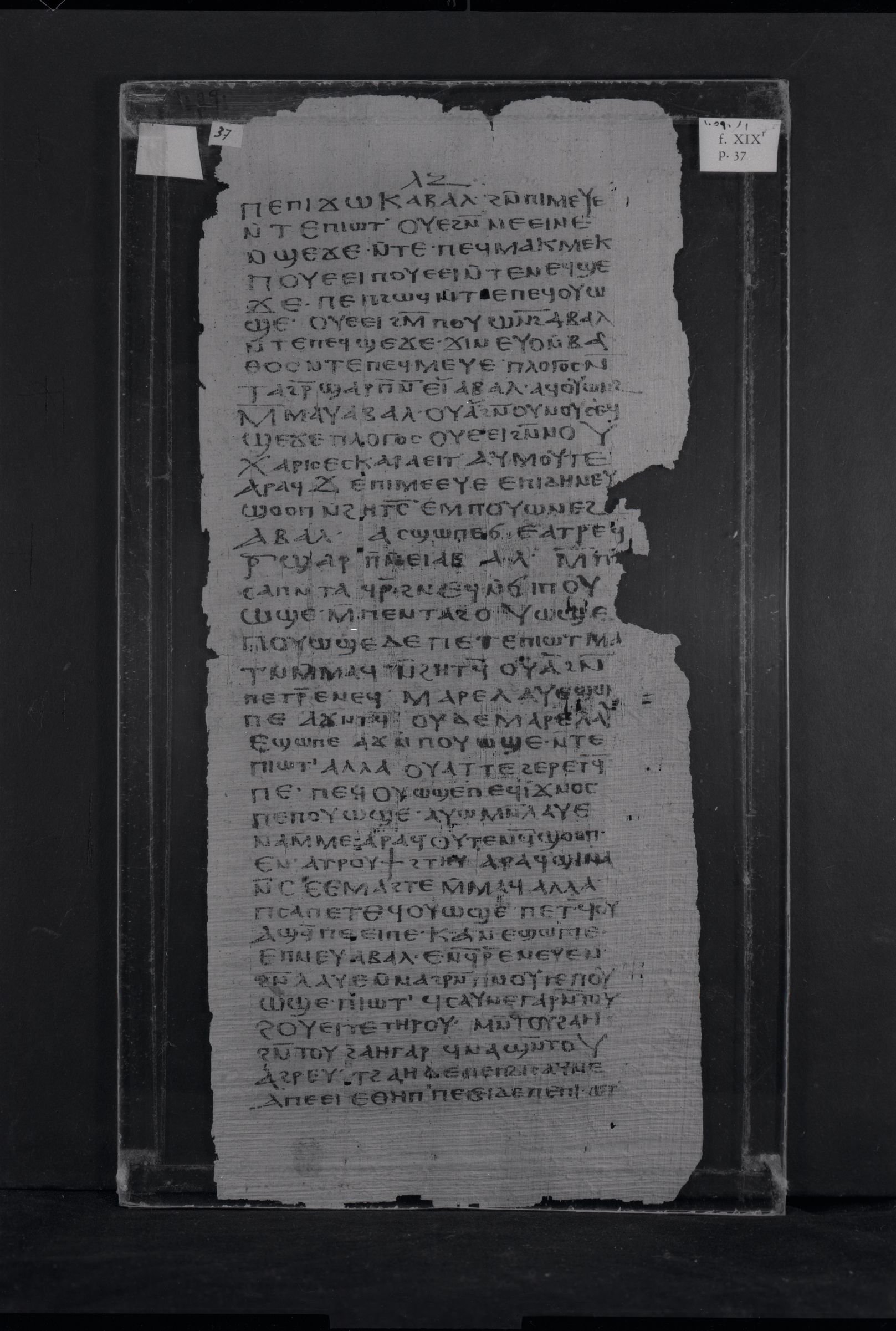
Page 37, lines 1-38 (Codex I page 37, A-Series negative, Facsimile Edition (Codex I, 1977) p. 41, CCDL nha 2789). Checked on the photograph: line 1 begins 'ⲡⲉ ⲡⲓϫⲱⲕ ⲁⲃⲁⲗ· ϩⲛ̄ ⲡⲓⲙⲉⲩⲉ'; line 38 reads 'ⲁⲡⲉⲉⲓ ⲉⲑⲏⲡ· ⲡⲉⲉⲓ ⲇⲉ ⲡⲉ ⲡⲓⲱⲧ'. Page and line numbers from the Marcion transcription; English from Mattison's text between his page marks 37 and 38.
37.1ⲡⲉ ⲡⲓϫⲱⲕ ⲁⲃⲁⲗ: ϩⲛ̄ ⲡⲓⲙⲉⲩⲉ
37.2ⲛ̄ⲧⲉ ⲡⲓⲱⲧ: ⲟⲩⲉϩⲛ̄ ⲛⲉⲉⲓ ⲛⲉ
37.3ⲛ̄ϣⲉϫⲉ: ⲛ̄ⲧⲉ: ⲡⲉϥⲙⲁⲕⲙⲉⲕ
37.4ⲡⲟⲩⲉⲉⲓ ⲡⲟⲩⲉⲉⲓ ⲛ̄ⲧⲉ ⲛⲉϥϣⲉ-
37.5ϫⲉ: ⲡⲉ ⲡϩⲱϥ ⲛ̄ⲧⲉ ⲡⲉϥⲟⲩⲱ-
37.6ϣⲉ: ⲟⲩⲉⲉⲓ ϩⲙ̄ ⲡⲟⲩⲱⲛϩ̄ ⲁⲃⲁⲗ
37.7ⲛ̄ⲧⲉ ⲡⲉϥϣⲉϫⲉ: ϫⲓⲛ ⲉⲩⲟ ⲛ̄ⲃⲁ:-
37.8ⲑⲟⲥ ⲛⲧⲉ ⲡⲉϥⲙⲉⲩⲉ: ⲡⲗⲟⲅⲟⲥ ⲛ̄-
37.9ⲧⲁϩⲣ̄ ϣⲁⲣⲡ̄ ⲛ̄ⲉⲓ̄ ⲁⲃⲁⲗ: ⲁϥⲟⲩⲱⲛϩ
37.10ⲙ̄ⲙⲁⲩ ⲁⲃⲁⲗ: ⲟⲩⲁ̄:ϩⲛ̄ ⲟⲩⲛⲟⲩⲥ: ⲉϥ-
37.11ϣⲉϫⲉ ⲡⲗⲟⲅⲟⲥ ⲟⲩⲉⲉⲓ ϩⲛ̄ⲛ ⲟⲩ-
37.12ⲭⲁⲣⲓⲥ ⲉⲥⲕⲁⲣⲁⲉⲓⲧ: ⲁⲩⲙⲟⲩⲧⲉ
37.13ⲁⲣⲁϥ ϫⲉ ⲡⲓⲙⲉⲉⲩⲉ ⲉⲡⲓⲇⲏ ⲛⲉⲩ-
37.14ϣⲟⲟⲡ ⲛ̄ϩⲏⲧⲥ̄ ⲉⲙⲡⲟⲩⲱⲛⲉϩ
37.15ⲁⲃⲁⲗ: ⲁⲥϣⲱⲡⲉ ϭⲉ ⲁⲧⲣⲉϥ-
37.16ⲣ̄ ϣⲁⲣⲡ̄ ⲛ̄ⲉⲓ ⲁⲃⲁⲗ: ⲙ̄ⲡ-
37.17ⲥⲁⲡ ⲛ̄ⲧⲁϥⲣ̄: ϩⲛⲉϥ ⲛ̄ϭⲓ ⲡⲟⲩ-
37.18ⲱϣⲉ: ⲙ̄ⲡⲉⲛⲧⲁϩⲟⲩⲱϣⲉ
37.19ⲡⲟⲩⲱϣⲉ ⲇⲉ ⲡⲉⲧⲉ ⲡⲓⲱⲧ ⲙⲁ-
37.20ⲧⲛ̄ ⲙ̄ⲙⲁϥ: ⲛ̄ϩⲏⲧϥ̄ ⲟⲩⲁ̄ϩⲛ̄
37.21ⲡⲉⲧⲣ̄ ⲉⲛⲉϥ: ⲙⲁⲣⲉⲗⲁⲩⲉ ϣⲱ-
37.22ⲡⲉ ⲁϫⲛⲧϥ̄ ⲟⲩⲇⲉ ⲙⲁⲣⲉⲗⲁⲩ-
37.23ⲉ ϣⲱⲡⲉ ⲁϫⲛ̄ ⲡⲟⲩⲱϣⲉ: ⲛ̄ⲧⲉ
37.24ⲡⲓⲱⲧ: ⲁⲗⲗⲁ ⲟⲩⲁⲧⲧⲉϩⲉⲣⲉⲧϥ̄:
37.25ⲡⲉ: ⲡⲉϥⲟⲩⲱϣⲉ: ⲡⲉϥⲓ̈ϫⲛⲟⲥ
37.26ⲡⲉ ⲡⲟⲩⲱϣⲉ: ⲁⲩⲱ ⲙⲛ̄ ⲗⲁⲩⲉ
37.27ⲛⲁⲙ̄ⲙⲉ ⲁⲣⲁϥ: ⲟⲩⲧⲉ ⲛϥ̄ϣⲟⲟⲡ:
37.28ⲉⲛ: ⲁⲧⲣⲟⲩϯ ϩⲧⲏⲩ ⲁⲣⲁϥ ϣⲓⲛⲁ
37.29ⲛ̄ⲥⲉⲉⲙⲁϩⲧⲉ ⲙ̄ⲙⲁϥ ⲁⲗⲗⲁ:
37.30ⲡⲥⲁⲡ ⲉⲧⲉϥⲟⲩⲱϣⲉ: ⲡⲉⲧϥ̄ⲟⲩ-
37.31ⲁϣϥ̄ ⲡⲉⲉⲓ ⲡⲉ: ⲕⲁⲛ ⲉϣⲱⲡⲉ:
37.32ⲉⲡⲛⲉⲩ ⲁⲃⲁⲗ: ⲉⲛϥ︤ⲣ︥ ⲉⲛⲉⲩ ⲉⲛ:
37.33ϩⲛ̄ ⲗⲁⲩⲉ ⲛ̄ⲛⲁϩⲣⲛ̄ ⲡⲛⲟⲩⲧⲉ ⲡⲟⲩ-
37.34ⲱϣⲉ: ⲡⲓⲱⲧ: ϥⲥⲁⲩⲛⲉ ⲅⲁⲣ ⲛ̄ⲧⲟⲩ-
37.35ϩⲟⲩⲉⲓⲧⲉ ⲧⲏⲣⲟⲩ: ⲙⲛ̄ ⲧⲟⲩϩⲁⲏ:
37.36ϩⲛ̄ ⲧⲟⲩϩⲁⲏ ⲅⲁⲣ ϥⲛⲁϣⲛ̄ⲧⲟⲩ
37.37ⲁϩⲣⲉⲩ: ⲧϩⲁⲏ ⲇⲉ ⲡⲉ ⲡϫⲓ ⲥⲁⲩⲛⲉ:
37.38ⲁⲡⲉⲉⲓ ⲉⲑⲏⲡ: ⲡⲉⲉⲓ ⲇⲉ ⲡⲉ ⲡⲓⲱⲧ:
is the completion in the Father’s thought, and these are the words of his meditation. Each of his words is the work of his one will in the revelation of his Word. When they were still in the depths of his thought, the Word – which was the first to come out – revealed them along with a mind that speaks the one Word in a silent grace. He was called “the Thought,” since they were in it before being revealed. It happened, then, that he was the first to come out at the time when it pleased the one who wanted it. Now the Father rests in his will, and is pleased with it.
Nothing happens without him, nor does anything happen without the will of the Father, but his will is incomprehensible. His trace is the will, and no one can know him, nor does he exist for people to scrutinize so that they might grasp him, but when he wills, what he wills is this – even if the sight doesn’t please them in any way before God – the will of the Father, because he knows the beginning of all of them, and their end, for in the end he’ll greet them directly. Now the end is receiving knowledge of the one who’s hidden; this is the Father,
Where on the image
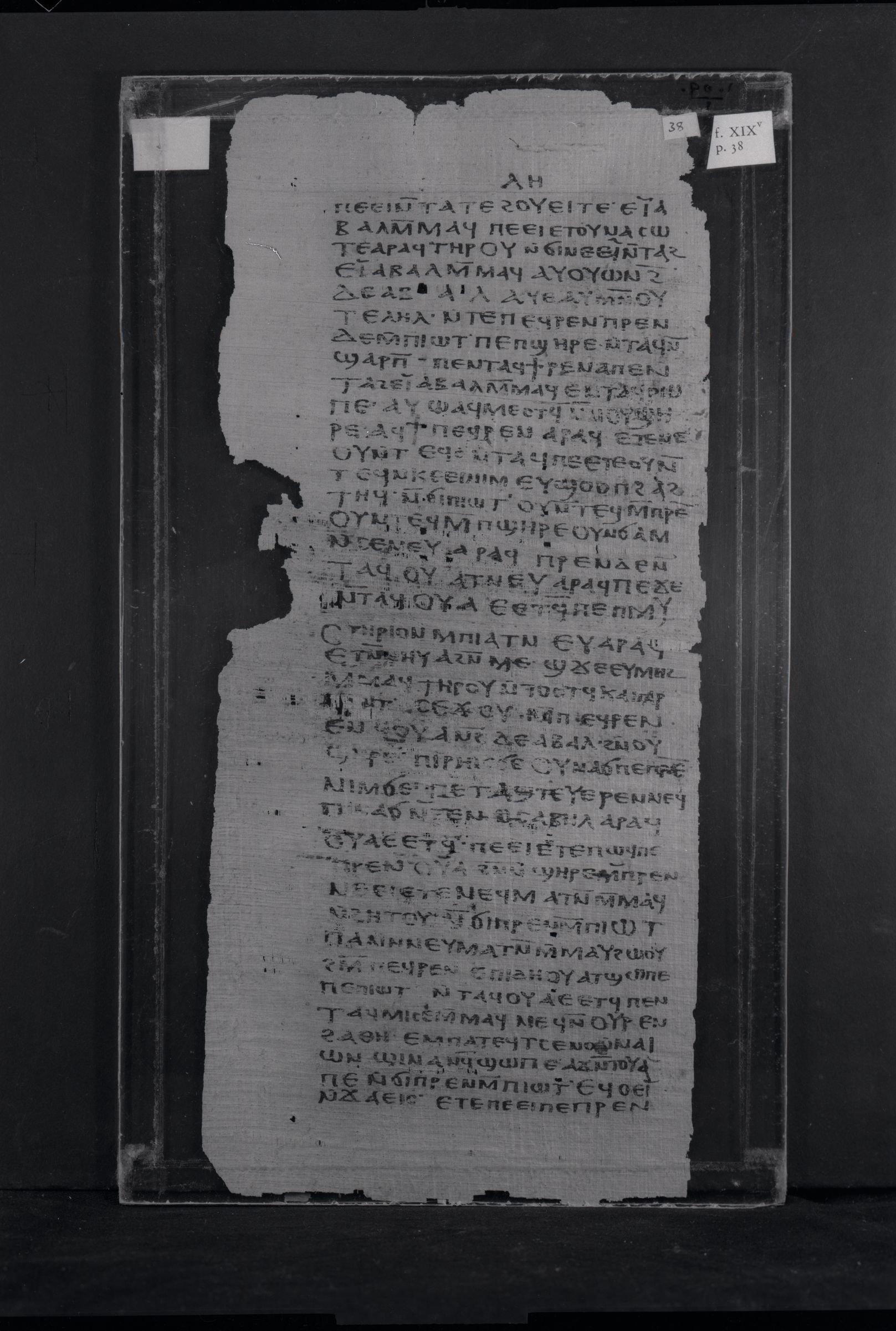
Page 38, lines 1-38 (Codex I page 38, A-Series negative, Facsimile Edition (Codex I, 1977) p. 42, CCDL nha 2787). Checked on the photograph: line 1 begins 'ⲡⲉⲉⲓ ⲛ̄ⲧⲁⲧⲉϩⲟⲩⲉⲓⲧⲉ ⲉⲓ̄ ⲁ'; line 38 reads 'ⲛ̄ϫⲁⲉⲓⲥ ⲉⲧⲉ ⲡⲉⲉⲓ ⲡⲉ ⲡⲣⲉⲛ'; line 3 has ⲛⲉⲉⲓ on the papyrus, the ⲉⲓ that the editor removes. Page and line numbers from the Marcion transcription; English from Mattison's text between his page marks 38 and 39.
38.1ⲡⲉⲉⲓ ⲛ̄ⲧⲁⲧⲉϩⲟⲩⲉⲓⲧⲉ: ⲉⲓ̄ ⲁ-
38.2ⲃⲁⲗ ⲙ̄ⲙⲁϥ ⲡⲉⲉⲓ ⲉⲧⲟⲩⲛⲁⲥⲱ-
38.3ⲧⲉ ⲁⲣⲁϥ ⲧⲏⲣⲟⲩ ⲛ̄ϭⲓ ⲛⲉ{ⲉⲓ} ⲛ̄ⲧⲁϩ-
38.4ⲉⲓ̄ ⲁⲃⲁⲗ ⲙ̄ⲙⲁϥ ⲁⲩⲟⲩⲱⲛϩ̄:
38.5ⲇⲉ ⲁⲃⲁⲗ ⲁⲩⲉⲁⲩ ⲙⲛ̄ ⲟⲩ-
38.6ⲧⲉⲗⲏⲗ: ⲛ̄ⲧⲉ ⲡⲉϥⲣⲉⲛ: ⲡⲣⲉⲛ
38.7ⲇⲉ ⲙ̄ⲡⲓⲱⲧ: ⲡⲉ ⲡϣⲏⲣⲉ: ⲛ̄ⲧⲁϥ: ⲛ̄-
38.8ϣⲁⲣⲡ̄ ⲡⲉⲛⲧⲁϥϯ ⲣⲉⲛ ⲁⲡⲉⲛ-
38.9ⲧⲁϩⲉⲓ̄ ⲁⲃⲁⲗ ⲙ̄ⲙⲁϥ ⲉⲛⲧⲁϥ ⲣⲱ
38.10ⲡⲉ: ⲁⲩⲱ ⲁϥⲙⲉⲥⲧϥ̄ ⲛ̄ⲛⲟⲩϣⲏ-
38.11ⲣⲉ: ⲁϥϯ ⲡⲉϥⲣⲉⲛ ⲁⲣⲁϥ ⲉⲧⲉ ⲛⲉ-
38.12ⲟⲩⲛ̄ⲧⲉϥⲥ̄ ⲛ̄ⲧⲁϥ ⲡⲉ ⲉⲧⲉ ⲟⲩⲛ̄-
38.13ⲧⲉϥ ⲛ̄ⲕⲉⲉⲓ ⲛⲓⲙ ⲉⲩϣⲟⲟⲡ ϩⲁϩ-
38.14ⲧⲏϥ: ⲛ̄ϭⲓ ⲡⲓⲱⲧ: ⲟⲩⲛ̄ⲧⲉϥ ⲙ̄ⲡⲣⲉⲛ
38.15ⲟⲩⲛⲧⲉϥ ⲙ̄ⲡϣⲏⲣⲉ ⲟⲩⲛ̄ ϭⲁⲙ
38.16ⲛ̄ⲥⲉⲛⲉⲩ ⲁⲣⲁϥ ⲡⲣⲉⲛ ⲇⲉ ⲛ̄-
38.17ⲧⲁϥ ⲟⲩⲁⲧⲛⲉⲩ ⲁⲣⲁϥ ⲡⲉ ϫⲉ
38.18ⲛ̄ⲧⲁϥ ⲟⲩⲁⲉⲉⲧϥ̄ ⲡⲉ ⲡⲙⲩ-
38.19ⲥⲧⲏⲣⲓⲟⲛ ⲙⲡⲓⲁⲧⲛⲉⲩ ⲁⲣⲁϥ
38.20ⲉⲧⲛ̄ⲛⲏⲩ ⲁϩⲛ̄ⲙⲉϣϫⲉ ⲉⲩⲙⲏϩ
38.21ⲙ̄ⲙⲁϥ ⲧⲏⲣⲟⲩ ⲛ̄ⲧⲟⲟⲧϥ ⲕⲁⲓ ⲅⲁⲣ:
38.22ⲡ̣ⲓ̣ⲱ̣ⲧ: ⲥⲉϫⲟⲩ ⲙ̄ⲡⲉϥⲣⲉⲛ:
38.23ⲉⲛ ϥⲟⲩⲁⲛϩ̄ ⲇⲉ ⲁⲃⲁⲗ: ϩⲛ̄ ⲟⲩ-
38.24ϣⲏ̣ⲣⲉ: ⲡⲓⲣⲏⲧⲉ ϭⲉ ⲟⲩⲛⲁϭ ⲡⲉ ⲡⲣⲉⲛ
38.25ⲛⲓⲙ ϭⲉ: ⲡⲉⲧⲁϣ ⲧⲉⲩⲉ ⲣⲉⲛ ⲛⲉϥ
38.26ⲡⲓⲛⲁϭ ⲛ̄ⲣⲉⲛ ⲛ̄ⲥⲁⲃⲏⲗ ⲁⲣⲁϥ
38.27ⲟⲩⲁⲉⲉⲧϥ̄: ⲡⲉⲉⲓ ⲉⲧⲉ ⲡⲱϥ ⲡⲉ
38.28ⲡⲣⲉⲛ ⲟⲩⲁϩⲛ̄ ⲛ̄ϣⲏⲣⲉ ⲙ̄ⲡⲣⲉⲛ
38.29ⲛⲉⲉⲓ ⲉⲧⲉⲛⲉϥⲙⲁⲧⲛ̄ ⲙ̄ⲙⲁϥ
38.30ⲛ̄ϩⲏⲧⲟⲩ: ⲛ̄ϭⲓ ⲡⲣⲉⲛ ⲙ̄ⲡⲓⲱⲧ
38.31ⲡⲁⲗⲓⲛ ⲛⲉⲩⲙⲁⲧⲛ̄ ⲙ̄ⲙⲁⲩ ϩⲱⲟⲩ
38.32ϩⲙ̄ ⲡⲉϥⲣⲉⲛ ⲉⲡⲓⲇⲏ ⲟⲩⲁⲧϣⲱⲡⲉ
38.33ⲡⲉ ⲡⲓⲱⲧ: ⲛ̄ⲧⲁϥ ⲟⲩⲁⲉⲉⲧϥ ⲡⲉⲛ-
38.34ⲧⲁϥⲙⲓⲥⲉ ⲙ̄ⲙⲁϥ ⲛⲉϥ ⲛ̄ⲟⲩⲣⲉⲛ
38.35ϩⲁⲑⲏ: ⲉⲙⲡⲁⲧⲉϥⲧⲥⲉⲛⲟ ⲛ̄ⲛⲁⲓ-
38.36ⲱⲛ ϣⲓⲛⲁ ⲛ̄ϥϣⲱⲡⲉ ⲁϫⲛ̄ ⲧⲟⲩⲁ̄-
38.37ⲡⲉ ⲛ̄ϭⲓ ⲡⲣⲉⲛ ⲙ̄ⲡⲓⲱⲧ: ⲉϥⲟⲉⲓ̄
38.38ⲛ̄ϫⲁⲉⲓⲥ: ⲉⲧⲉ ⲡⲉⲉⲓ ⲡⲉ ⲡⲣⲉⲛ
from whom the beginning has come, and to whom all who’ve come out from him will return. They were revealed for the glory and the joy of his name.
The Father’s Name
Now the name of the Father is the Son. He’s the one who first gave a name to the one who comes out from him, who was himself, and he gave birth to him as a Son. He gave him his name which belonged to him. He’s the one to whom everything around the Father belongs. The name and the Son are his. It’s possible for him to be seen; the name, however, is invisible, because it alone is the mystery of the invisible which comes to ears that are filled completely with it by him. For indeed, the Father’s name isn’t spoken, but it’s revealed through a Son.
In this way, then, the name is great. Who, then, will be able to utter a name for him, the great name, except him alone to whom the name belongs, and the children of the name, those in whom the Father’s name rests, and who themselves, in turn, rest in his name? Since the Father is unbegotten, it’s he alone who gave birth to him for himself as a name, before he had made the generations, so that the Father’s name might be over their head as Lord, which is the
Where on the image
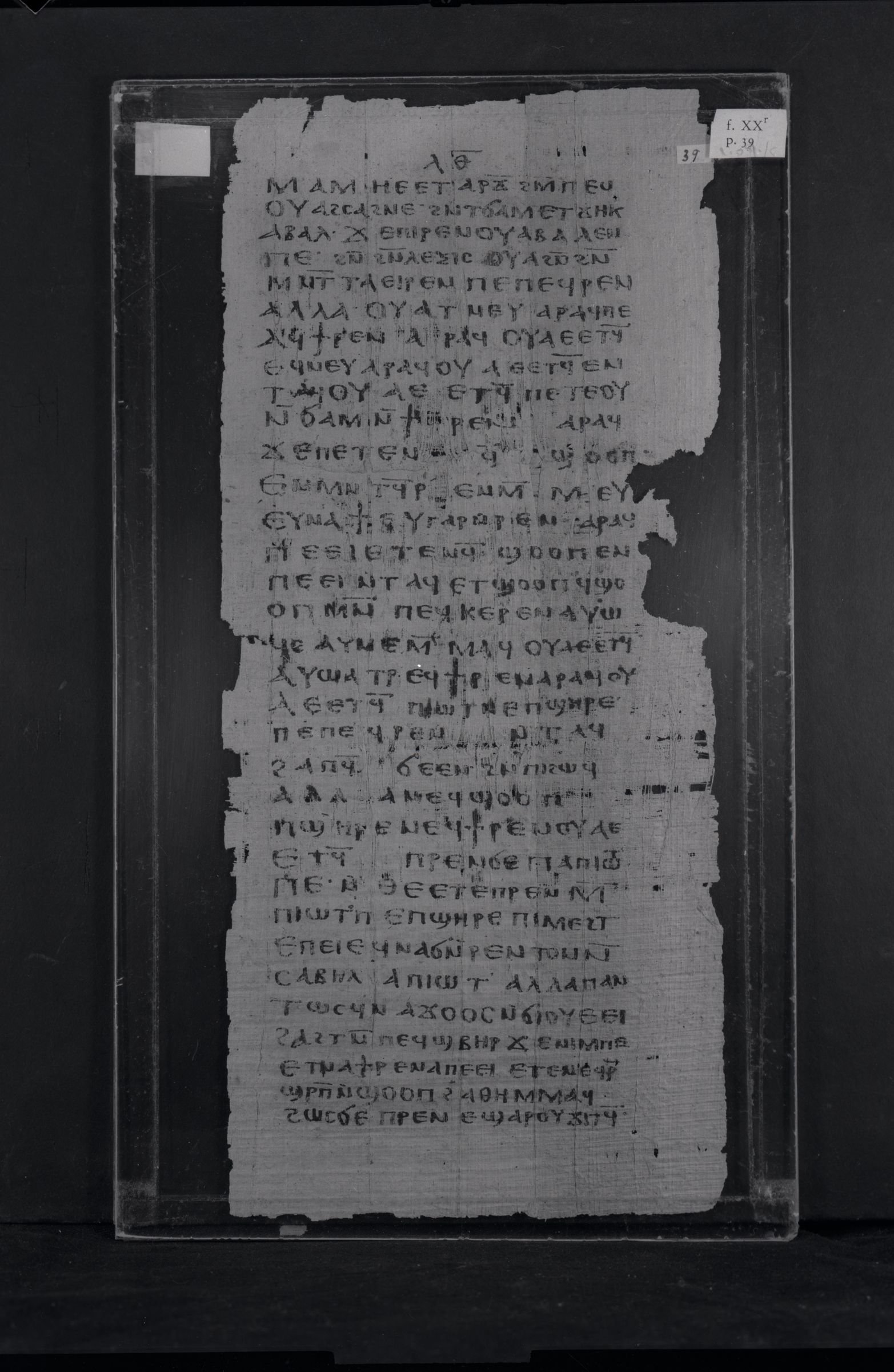
Page 39, lines 1-33 (Codex I page 39, A-Series negative, Facsimile Edition (Codex I, 1977) p. 43, CCDL nha 2734). Checked on the photograph: line 1 begins 'ⲙⲁⲙⲏⲉ ⲉⲧⲁⲣϫ̄ ϩⲙ̄ ⲡⲉϥ'; line 33 reads 'ϩⲱⲥ ϭⲉ ⲡⲣⲉⲛ ⲉϣⲁⲣⲟⲩϫⲓⲧϥ̄'. Page and line numbers from the Marcion transcription; English from Mattison's text between his page marks 39 and 40.
39.1ⲙⲁⲙⲏⲉ ⲉⲧⲁⲣϫ̄ ϩⲙ̄ ⲡⲉϥ-
39.2ⲟⲩⲁϩ ⲥⲁϩⲛⲉ: ϩⲛ̄ ⲧϭⲁⲙ: ⲉⲧϫⲏⲕ
39.3ⲁⲃⲁⲗ: ϫⲉ ⲡⲓⲣⲉⲛ ⲟⲩⲁⲃⲁⲗ ⲉⲛ
39.4ⲡⲉ: ϩⲛ̄ ϩⲛ̄ⲗⲉⲝⲓⲥ ⲟⲩⲁϩⲛ̄ ϩⲛ̄-
39.5ⲙⲛ̄ⲧⲧⲁⲉⲓⲣⲉⲛ ⲡⲉ ⲡⲉϥⲣⲉⲛ
39.6ⲁⲗⲗⲁ: ⲟⲩⲁⲧⲛⲉⲩ ⲁⲣⲁϥ ⲡⲉ
39.7ⲁϥϯ ⲣⲉⲛ ⲁⲣⲁϥ ⲟⲩⲁⲉⲉⲧϥ̄:
39.8ⲉϥⲛⲉⲩ ⲁⲣⲁϥ ⲟⲩⲁⲉⲉⲧϥ̄ ⲉⲛ-
39.9ⲧⲁϥ ⲟⲩⲁⲉⲉⲧϥ̄ ⲡⲉⲧⲉ ⲟⲩ-
39.10ⲛ̄ ϭⲁⲙ ⲛ̄ϯ ⲣⲉⲛ ⲁⲣⲁϥ
39.11ϫⲉ ⲡⲉⲧⲉⲛϥ̄ϣⲟⲟⲡ:
39.12ⲉⲛ ⲙⲛⲧϥ̄ ⲣⲉⲛ ⲙ̄ⲙⲉⲩ
39.13ⲉⲩⲛⲁϯ ⲉⲩ ⲅⲁⲣ ⲛ̄ⲣⲉⲛ: ⲁⲣⲁϥ
39.14ⲡⲉⲉⲓ ⲉⲧⲉ ⲛϥ̄ϣⲟⲟⲡ ⲉⲛ
39.15ⲡⲉⲉⲓ ⲛ̄ⲧⲁϥ ⲉⲧϣⲟⲟⲡ: ϥϣⲟ-
39.16ⲟⲡ ⲙⲛ̄ ⲡⲉϥⲕⲉⲣⲉⲛ ⲁⲩⲱ
39.17ϥⲥⲁⲩⲛⲉ ⲙ̄ⲙⲁϥ ⲟⲩⲁⲉⲉⲧϥ̄
39.18ⲁⲩⲱ ⲁⲧⲣⲉϥϯ ⲣⲉⲛ ⲁⲣⲁϥ ⲟⲩ-
39.19ⲁⲉⲉⲧϥ̄ ⲡⲓⲱⲧ ⲡ̣ⲉ ⲡϣⲏⲣⲉ:
39.20ⲡⲉ ⲡⲉϥⲣⲉⲛ ⲛ̄ⲧⲁϥ-
39.21ϩⲁⲡϥ̄: ϭⲉ ⲉⲛ: ϩⲛ̄ ⲡⲓϩⲱϥ
39.22ⲁⲗⲗⲁ ⲛⲉϥϣⲟⲟⲡ
39.23ⲡϣⲏⲣⲉ ⲛⲉϥϯ ⲣⲉⲛ ⲟⲩⲁⲉ-
39.24ⲉⲧϥ̄ ⲡⲣⲉⲛ ϭⲉ ⲡⲁ ⲡⲓⲱ\ⲧ/
39.25ⲡⲉ: ⲛ̄ⲑⲉ ⲉⲧⲉ ⲡⲣⲉⲛ ⲙ̄-
39.26ⲡⲓⲱⲧ: ⲡⲉ ⲡϣⲏⲣⲉ ⲡⲓⲙⲉϩⲧ
39.27ⲉⲡⲉⲓ ⲉϥⲛⲁϭⲛ̄ ⲣⲉⲛ ⲧⲟⲛ ⲛ̄-
39.28ⲥⲁⲃⲏⲗ ⲁⲡⲓⲱⲧ: ⲁⲗⲗⲁ ⲡⲁⲛ-
39.29ⲧⲱⲥ ϥⲛⲁϫⲟⲟⲥ ⲛ̄ϭⲓ ⲟⲩⲉⲉⲓ
39.30ϩⲁϩⲧⲛ̄ ⲡⲉϥϣⲃⲏⲣ ϫⲉ ⲛⲓⲙ ⲡⲉ
39.31ⲉⲧⲛⲁϯ ⲣⲉⲛ ⲁⲡⲉⲉⲓ ⲉⲧⲉⲛⲉϥⲣ̄
39.32ϣⲣⲡ̄ ⲛ̄ϣⲟⲟⲡ ϩⲁⲑⲏ ⲙⲙⲁϥ
39.33ϩⲱⲥ ϭⲉ ⲡⲣⲉⲛ ⲉϣⲁⲣⲟⲩϫⲓⲧϥ̄:
true name, confirmed in his command in complete power. For the name isn’t from words and naming; the name, rather, is invisible.
He gave a name to him alone. He alone sees him, he alone having the power to give him a name, because whoever doesn’t exist has no name. For what name will they give one who doesn’t exist? But the one who exists, exists also with his name, and he alone knows it, and he’s given a name to him alone. This is the Father; his name is the Son. He didn’t hide it within, then, but it existed. The Son alone gave a name. The name, then, belongs to the Father, as the name of the Father is the beloved Son. Where, indeed, would he find a name, except from the Father?
But doubtless one will ask their neighbor, “Who is it who’ll give a name to the one who existed before them, as if
Notes
- Coptic: Marcion 1.8 (Milan Konvicka), Nag Hammadi text package, converted here from its ASCII font coding to Unicode Coptic letter for letter. Marcion does not name the printed edition behind its text. The small numbers are codex page and line (for example 18.11) as given in the source.
- Signs in the Coptic: a stroke over a letter, or a line over two letters, is the scribe's supralinear stroke; a dot under a letter marks an uncertain reading; square brackets mark letters lost in a gap (restored by the editor, or dots for the number of lost letters); round brackets write out an abbreviation (as in ⲓⲏ(ⲥⲟⲩ)ⲥ); angle brackets mark letters added by the editor; curly brackets letters the editor removes; double square brackets letters cancelled by the scribe; \ / letters written above the line. The colon (:) is kept as the source gives it; the source does not say what it marks, and on the photographs it does not always match a visible point (the scribe's raised points are small, and some have no colon in the source). A hyphen at the end of a line marks a word that runs on to the next line (the transcription's convention).
- Marcion's text also carries a paragraph code and, at the end of 20.19, one further code whose meaning it does not state; neither is reproduced. A circumflex (as in the interjection ⲱ̂ at 20.27) is the scribe's. The diple (>) the scribe writes before some paragraph openings (for example 17.1) is not in the source text and is not shown.
- English: Mark M. Mattison, The Gospel of Truth (public domain), split at Mattison's own page numbers. Mattison's symbols: [ ] gap in the text, ( ) editorial insertion. The headings in italics are his.
- Mattison's note, Pages 23, 34, and 41: “expression.” Literally, “form of face.”
- Mattison's note, Page 34: “delusion.” Grobel translates “animate mold” (op. cit., p. 152); Attridge and MacRae (op. cit., p. 105), Meyer (op. cit., p. 44), and Lillie (op. cit., p. 235) translate “form”; Layton translates “modeled form” (op. cit., p. 261); but cf. Magnusson, op. cit., p. 116.
Cite
Sources
- Source: Nag Hammadi Codex I page photographs (Claremont Colleges Digital Library, Nag Hammadi Archive) + Coptic transcription from Marcion (Milan Konvicka) + English by Mark M. Mattison (public domain) (holding institution)
- Critical edition: Coptic transcription from Marcion (Milan Konvicka; printed edition not named)
← previous · → next · v cycle view · l back to library