Esther, Chapter 9 (Codex Alexandrinus)
Introduction
Esther 9 in the Greek Old Testament (the Septuagint) as written in Codex Alexandrinus, a Greek Bible copied in the fifth century, probably in Egypt, and now in the British Library (Royal MS 1 D. VI, the second of its four volumes). It is one of the three great early codices of the whole Greek Bible, with Codex Vaticanus and Codex Sinaiticus.
The Greek additions: the Greek book of Esther has six passages that the Hebrew book lacks (often lettered A to F; in the Latin Bible they are gathered as 10:4-16:24). Swete prints them in their places in the story, inside the verses they follow (1:1, 3:13, 4:17, 5:1-2, 8:12 and 10:3), marking their own verses with numbers in square brackets, and Brenton's English does the same. The captions of the 1936 facsimile name them by letter and by their Latin chapter and verse.
Numbering: Swete's Greek and Brenton's English number or divide some verses of this chapter differently (Swete 9:30-31 = Brenton 9:31-32). Each column keeps its own verse numbers, and sections are cut only where the two texts agree, so each section holds the same passage in both languages.
This entry meets the strict three-criteria standard of the Theosis Library:
- Manuscript scan: the pages of Codex Alexandrinus carrying this chapter (fol. 423r, fol. 423v), from the full-size photographic (autotype) facsimile published by the British Museum in 1879-1883, as digitised on the Internet Archive. The verse range of every page comes from the reduced photographic facsimile of 1936, which prints it beneath each plate, and the opening words of every page were read on the plate to confirm the page and the verse it begins with. Each section links to the page or pages that hold its verses. Folio numbers are those written at the head of each leaf and visible on the plates.
- Original text: Swete's edition, which here prints the text of Codex Vaticanus (Vat. gr. 1209), the base of his edition, and gives the readings of Alexandrinus only in his apparatus. The Greek column is therefore Vaticanus' text; where Alexandrinus differs, the plate shows what Alexandrinus reads.
- English translation: Sir Lancelot C. L. Brenton, The Septuagint Version of the Old Testament (1844; 1851 edition), a translation of the Greek, public domain, from the eBible.org text.
How was this verified? (Provenance)
Where on the image
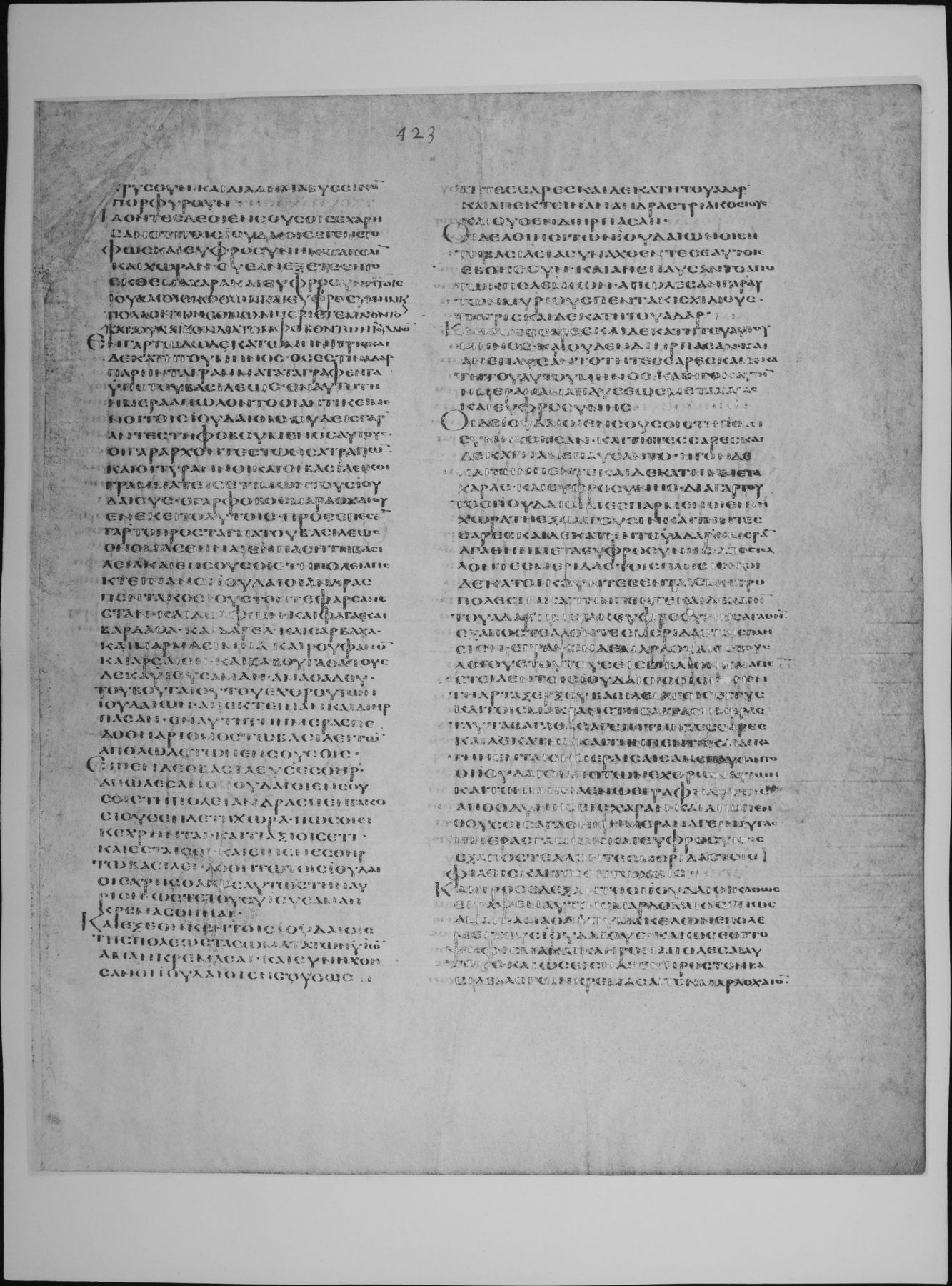
Esther 9:1-9 is on fol. 423r (full-size facsimile of 1879-83, Internet Archive codex-alexandrinus leaf 870). The 1936 reduced facsimile prints beneath this page: Esther viii. 15-ix. 25. Checked on the plate: the page begins inside Esther 8:15 (first words read: ΧΡΥΣΟΥΝ ΚΑΙ ΔΙΑΔΗΜΑ ΒΥΣΣΙΝΟΝ ΠΟΡΦΥΡΟΥΝ ΙΔΟΝΤΕΣ ΔΕ ΟΙ ΕΝ ΣΟΥΣΟΙΣ ΕΧΑΡΗΣΑΝ).
1Ἐν γὰρ τῷ δωδεκάτῳ μηνὶ τρισκαιδεκάτῃ τοῦ μηνός, ὅς ἐστιν Ἀδάρ, παρῆν τὰ γράμματα τὰ γραφέντα ὑπὸ τοῦ βασιλέως. 2ἐν αὐτῇ τῇ ἡμέρᾳ ἀπώλοντο οἱ ἀντικείμενοι τοῖς Ἰουδαίοις· οὐδεὶς γὰρ ἀντέστη, φοβούμενος αὐτούς. 3οἱ γὰρ ἄρχοντες τῶν σατραπῶν καὶ οἱ τύραννοι καὶ οἱ βασιλικοὶ γραμματεῖς ἐτίμων τοὺς Ἰουδαίους· ὁ γὰρ φόβος Μαρδοχαίου ἐνέκειτο αὐτοῖς. 4προσέπεσεν γὰρ τὸ πρόσταγμα τοῦ βασιλέως ὀνομασθῆναι ἐν πάσῃ τῇ βασιλείᾳ. 6καὶ ἐν αὐτῇ τῇ πόλει ἀπέκτειναν οἱ Ἰουδαῖοι ἄνδρας πεντακοσίους, 7τόν τε Φαρσὰν καὶ Νεσταὶν καὶ Δελφὼν καὶ Φασγὰ 8καὶ Φαραδάθα καὶ Βαρσὰ καὶ Σαρβαχὰ 9καὶ Μαρμασιμὰ καὶ Ῥουφαῖον καὶ Ἀρσαῖον καὶ Ζαβουθαῖον,
1For in the twelfth month, on the thirteenth day of the month which is Adar, the letters written by the king arrived. 2In that day the adversaries of the Jews perished: for no one resisted, through fear of them. 3For the chiefs of the satraps, and the princes and the royal scribes, honoured the Jews; for the fear of Mardochæus lay upon them. 4For the order of the king was in force, that he should be celebrated in all the kingdom. 6And in the city Susa the Jews slew five hundred men: 7both Pharsannes, and Delphon and Phasga, 8and Pharadatha, and Barea, and Sarbaca, 9and Marmasima, and Ruphæus, and Arsæus, and Zabuthæus,
Where on the image
Esther 9:10-17 is on fol. 423r (full-size facsimile of 1879-83, Internet Archive codex-alexandrinus leaf 870). The 1936 reduced facsimile prints beneath this page: Esther viii. 15-ix. 25. Checked on the plate: the page begins inside Esther 8:15 (first words read: ΧΡΥΣΟΥΝ ΚΑΙ ΔΙΑΔΗΜΑ ΒΥΣΣΙΝΟΝ ΠΟΡΦΥΡΟΥΝ ΙΔΟΝΤΕΣ ΔΕ ΟΙ ΕΝ ΣΟΥΣΟΙΣ ΕΧΑΡΗΣΑΝ).
10τοὺς δέκα υἱοὺς Ἁμὰν Ἁμαδάθου Βουγαίου τοῦ ἐχθροῦ τῶν Ἰουδαίων, καὶ διήρπασαν 11ἐν αὐτῇ τῇ ἡμέρᾳ· ἐπεδόθη τε ὁ ἀριθμὸς τῷ βασιλεῖ τῶν ἀπολωλότων ἐν Σούσοις. 12εἶπεν δὲ ὁ βασιλεὺς πρὸς Ἐσθήρ Ἀπώλεσαν οἱ Ἰουδαῖοι ἐν Σούσοις τῇ πόλει ἄνδρας πεντακοσίους· ἐν δὲ τῇ περιχώρῳ πῶς οἴει ἐχρήσαντο; τί οὖν ἀξιοῖς ἔτι καὶ ἔσται σοι; 13καὶ εἶπεν Ἐσθὴρ τῷ βασιλεῖ Δοθήτω τοῖς Ἰουδαίοις χρῆσθαι ὡσαύτως τὴν αὔριον, ὥστε τοὺς δέκα υἱοὺς κρεμάσαι Ἁμάν. 14καὶ ἐπέτρεψεν οὕτως γενέσθαι, καὶ ἐξέθηκε τοῖς Ἰουδαίοις τῆς πόλεως τὰ σώματα τῶν υἱῶν Ἁμὰν κρεμάσαι. 15καὶ συνήχθησαν οἱ Ἰουδαῖοι ἐν Σούσοις τῇ τεσσαρεσκαιδεκάτῃ τοῦ Ἀδὰρ καὶ ἀπέκτειναν ἄνδρας τριακοσίους, καὶ οὐδὲν διήρπασαν. 16οἱ δὲ λοιποὶ τῶν Ἰουδαίων οἱ ἐν τῇ βασιλείᾳ συνήχθησαν καὶ ἑαυτοῖς ἐβοήθουν, καὶ ἀνεπαύσαντο ἀπὸ τῶν πολεμίων· ἀπώλεσαν γὰρ αὐτῶν μυρίους πεντακισχιλίους τῇ τρισκαιδεκάτῃ τοῦ Ἀδάρ, καὶ οὐδὲν διήρπασαν. 17καὶ ἀνεπαύσαντο τῇ τεσσαρεσκαιδεκάτῃ τοῦ αὐτοῦ μηνός, καὶ ἦγον αὐτὴν ἡμέραν ἀναπαύσεως μετὰ χαρᾶς καὶ εὐφροσύνης.
10the ten sons of Aman the son of Amadathes the Bugæan, the enemy of the Jews, and they plundered their property on the same day: 11and the number of them that perished in Susa was rendered to the king. 12And the king said to Esther, The Jews have slain five hundred men in the city Susa; and how, thinkest thou, have they used them in the rest of the country? What then dost thou yet ask, that it may be done for thee? 13And Esther said to the king, Let it be granted to the Jews so to treat them to-morrow as to hang the ten sons of Aman. 14And he permitted it to be so done; and he gave up to the Jews of the city the bodies of the sons of Aman to hang. 15And the Jews assembled in Susa on the fourteenth day of Adar, and slew three hundred men, but plundered no property. 16And the rest of the Jews who were in the kingdom assembled, and helped one another, and obtained rest from their enemies: for they destroyed fifteen thousand of them on the thirteenth day of Adar, but took no spoil. 17And they rested on the fourteenth of the same month, and kept it as a day of rest with joy and gladness.
Where on the image
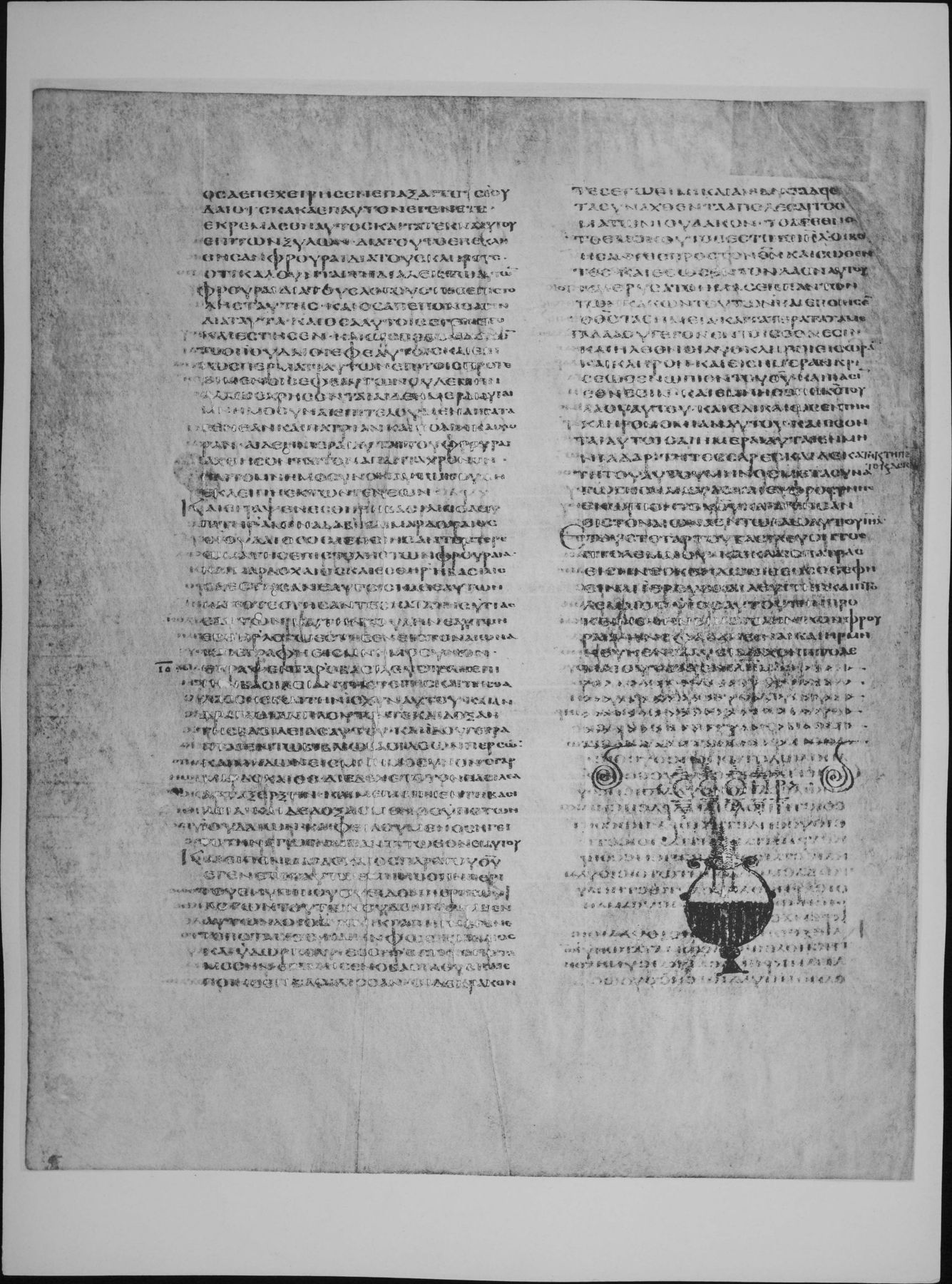
Esther 9:18-25 is on fol. 423r (full-size facsimile of 1879-83, Internet Archive codex-alexandrinus leaf 870). The 1936 reduced facsimile prints beneath this page: Esther viii. 15-ix. 25. Checked on the plate: the page begins inside Esther 8:15 (first words read: ΧΡΥΣΟΥΝ ΚΑΙ ΔΙΑΔΗΜΑ ΒΥΣΣΙΝΟΝ ΠΟΡΦΥΡΟΥΝ ΙΔΟΝΤΕΣ ΔΕ ΟΙ ΕΝ ΣΟΥΣΟΙΣ ΕΧΑΡΗΣΑΝ). Esther 9:25 is on fol. 423v (full-size facsimile of 1879-83, Internet Archive codex-alexandrinus leaf 871). The 1936 reduced facsimile prints beneath this page: Esther ix. 25-[xi. 1]. Checked on the plate: the page begins inside Esther 9:25 (first words read: ΟΣΑ ΕΠΕΧΕΙΡΗΣΕΝ ΕΠΑΞΑΙ ΤΟΥΣ ΙΟΥΔΑΙΟΥΣ ΚΑΚΑ ΕΠ ΑΥΤΟΝ ΕΓΕΝΕΤΟ ΕΚΡΕΜΑΣΘΗ ΑΥΤΟΣ ΚΑΙ ΤΑ ΤΕΚΝΑ ΑΥΤΟΥ).
18οἱ δὲ Ἰουδαῖοι οἱ ἐν Σούσοις τῇ πόλει συνήχθησαν καὶ τῇ τεσσαρεσκαιδεκάτῃ καὶ οὐκ ἀνεπαύσαντο· ἦγον δὲ καὶ τὴν πεντεκαιδεκάτην μετὰ χαρᾶς καὶ εὐφροσύνης. 19διὰ τοῦτο οὖν οἱ Ἰουδαῖοι οἱ διεσπαρμένοι ἐν πάσῃ χώρᾳ τῇ ἔξω ἄγουσιν τὴν τεσσαρεσκαιδεκάτην τοῦ Ἀδὰρ ἡμέραν ἀγαθὴν μετ᾽ εὐφροσύνης, ἀποστέλλοντες μερίδας ἕκαστος τῷ πλησίον. οἱ δὲ κατοικοῦντες ἐν ταῖς μητροπόλεσιν καὶ τὴν ε᾽ καὶ ι᾽ τοῦ Ἀδὰρ εὐφροσύνην ἀγαθὴν ἄγουσιν ἐξαποστέλλοντες μερίδας καὶ τοῖς πλησίον. 20Ἔγραψεν δὲ Μαρδοχαῖος τοὺς λόγους τούτους εἰς βιβλίον, καὶ ἐξαπέστειλεν τοῖς Ἰουδαίοις ὅσοι ἦσαν ἐν τῇ Ἀρταξέρξου βασιλείᾳ, τοῖς ἐγγὺς καὶ τοῖς μακράν, 21στῆσαι τὰς ἡμέρας ταύτας ἀγαθάς, ἄγειν τε τὴν τεσσαρεσκαιδεκάτην καὶ τὴν πεντεκαιδεκάτην τοῦ Ἀδάρ· 22ἐν γὰρ ταύταις ταῖς ἡμέραις ἀνεπαύσαντο οἱ Ἰουδαῖοι ἀπὸ τῶν ἐχθρῶν αὐτῶν· καὶ τὸν μῆνα ἐν ᾧ ἐστράφη αὐτοῖς, ὃς ἦν Ἀδάρ, ἀπὸ πένθους εἰς χαρὰν καὶ ἀπὸ ὀδύνης εἰς ἀγαθὴν ἡμέραν, ἄγειν ὅλον ἀγαθὰς ἡμέρας γάμων καὶ εὐφροσύνης, ἐξαποστέλλοντας μερίδας τοῖς φίλοις καὶ τοῖς πτωχοῖς. 23καὶ προσεδέξαντο οἱ Ἰουδαῖοι καθὼς ἔγραψεν αὐτοῖς ὁ Μαρδοχαῖος, 24πῶς Ἁμὰν Ἁμαδάθου ὁ Μακεδὼν ἐπολέμει αὐτούς, καθὼς ἔθετο ψήφισμα καὶ κλῆρον ἀφανίσαι αὐτούς, 25καὶ ὡς εἰσῆλθεν πρὸς τὸν βασιλέα λέγων κρεμάσαι τὸν Μαρδοχαῖον· ὅσα δὲ ἐπεχείρησεν ἐπάξαι ἐπὶ τοὺς Ἰουδαίους κακὰ ἐπ᾽ αὐτὸν ἐγένοντο, καὶ ἐκρεμάσθη αὐτὸς καὶ τὰ τέκνα αὐτοῦ.
18And the Jews in the city Susa assembled also on the fourteenth day and rested; and they kept also the fifteenth with joy and gladness. 19On this account then it is that the Jews dispersed in every foreign land keep the fourteenth of Adar as a holy day with joy, sending portions each to his neighbour. 20And Mardochæus wrote these things in a book, and sent them to the Jews, as many as were in the kingdom of Artaxerxes, both them that were near and them that were afar off, 21to establish these as joyful days, and to keep the fourteenth and fifteenth of Adar; 22for on these days the Jews obtained rest from their enemies: and as to the month, which was Adar, in which a change was made for them, from mourning to joy, and from sorrow to a good day, to spend the whole of it in good days of feasting and gladness, sending portions to their friends, and to the poor. 23And the Jews consented to this accordingly as Mardochæus wrote to them, 24shewing how Aman the son of Amadathes the Macedonian fought against them, how he made a decree and cast lots to destroy them utterly; 25also how he went in to the king, telling him to hang Mardochæus: but all the calamities he tried to bring upon the Jews came upon himself, and he was hanged, and his children.
Where on the image
Esther 9:26-31 is on fol. 423v (full-size facsimile of 1879-83, Internet Archive codex-alexandrinus leaf 871). The 1936 reduced facsimile prints beneath this page: Esther ix. 25-[xi. 1]. Checked on the plate: the page begins inside Esther 9:25 (first words read: ΟΣΑ ΕΠΕΧΕΙΡΗΣΕΝ ΕΠΑΞΑΙ ΤΟΥΣ ΙΟΥΔΑΙΟΥΣ ΚΑΚΑ ΕΠ ΑΥΤΟΝ ΕΓΕΝΕΤΟ ΕΚΡΕΜΑΣΘΗ ΑΥΤΟΣ ΚΑΙ ΤΑ ΤΕΚΝΑ ΑΥΤΟΥ).
26διὰ τοῦτο ἐπεκλήθησαν αἱ ἡμέραι αὗται Φρουραὶ διὰ τοὺς κλήρους, ὅτι τῇ διαλέκτῳ αὐτῶν καλοῦνται Φρουραί, διὰ τοὺς λόγους τῆς ἐπιστολῆς ταύτης, καὶ ὅσα πεπόνθασιν διὰ ταῦτα καὶ ὅσα αὐτοῖς ἐγένετο 27καὶ ἔστησεν· καὶ προσεδέχοντο οἱ Ἰουδαῖοι ἐφ᾽ ἑαυτοῖς καὶ ἐπὶ τῷ σπέρματι αὐτῶν καὶ ἐπὶ τοῖς προστεθειμένοις ἐπ᾽ αὐτῶν, οὐδὲ μὴν ἄλλως χρήσονται. αἱ δὲ ἡμέραι αὗται μνημόσυνον ἐπιτελούμενον κατὰ γενεὰν καὶ γενεὰν καὶ πόλιν καὶ πατριὰν καὶ χώραν. 28αἱ δὲ ἡμέραι αὗται τῶν Φρουραὶ ἀχθήσονται εἰς τὸν ἅπαντα χρόνον, καὶ τὸ μνημόσυνον αὐτῶν οὐ μὴ ἐκλίπῃ ἐκ τῶν γενεῶν. 29καὶ ἔγραψεν Ἐσθὴρ ἡ βασίλισσα θυγάτηρ Ἀμιναδὰβ καὶ Μαρδοχαῖος ὁ Ἰουδαῖος ὅσα ἐποίησαν τό τε στερέωμα τῆς ἐπιστολῆς τῶν Φρουραί. 30καὶ Μαρδοχαῖος καὶ Ἐσθὴρ ἡ βασίλισσα ἔστησαν ἑαυτοῖς καθ᾽ ἑαυτῶν, καὶ τότε στήσαντες κατὰ τῆς ὑγιείας ἑαυτῶν καὶ τὴν βουλὴν αὐτῶν. 31καὶ Ἐσθὴρ λόγῳ ἔστησεν εἰς τὸν αἰῶνα, καὶ ἐγράφη εἰς μνημόσυνον.
26Therefore these days were called Phruræ, because of the lots; (for in their language they are called Phruræ;) because of the words of this letter, and because of all they suffered on this account, and all that happened to them. 27And Mardochæus established it, and the Jews took upon themselves, and upon their seed, and upon those that were joined to them to observe it, neither would they on any account behave differently: but these days were to be a memorial kept in every generation, and city, and family, and province. 28And these days of the Phruræ, said they, shall be kept for ever, and their memorial shall not fail in any generation. 29And queen Esther, the daughter of Aminadab, and Mardochæus the Jew, wrote all that they had done, and the confirmation of the letter of Phruræ. 31And Mardochæus and Esther the queen appointed a fast for themselves privately, even at that time also having formed their plan against their own health. 32And Esther established it by a command for ever, and it was written for a memorial.
Cite
Sources
- Source: Codex Alexandrinus (British Library Royal MS 1 D. VI) via the British Museum photographic facsimiles of 1879-83 and 1936 (Internet Archive) + Swete's Septuagint + Brenton's English (holding institution)
- Critical edition: H. B. Swete, The Old Testament in Greek according to the Septuagint (1909)
← previous · → next · v cycle view · l back to library