Jeremiah, Chapter 4 (Codex Alexandrinus)
Introduction
Jeremiah 4 in the Greek Old Testament (the Septuagint) as written in Codex Alexandrinus, a Greek Bible copied in the fifth century, probably in Egypt, and now in the British Library (Royal MS 1 D. VI, the second of its four volumes). It is one of the three great early codices of the whole Greek Bible, with Codex Vaticanus and Codex Sinaiticus.
This entry meets the strict three-criteria standard of the Theosis Library:
- Manuscript scan: the pages of Codex Alexandrinus carrying this chapter (fol. 332v, fol. 333r), from the full-size photographic (autotype) facsimile published by the British Museum in 1879-1883, as digitised on the Internet Archive. The verse range of every page comes from the reduced photographic facsimile of 1936, which prints it beneath each plate, and the opening words of every page were read on the plate to confirm the page and the verse it begins with. Each section links to the page or pages that hold its verses. Folio numbers are those written at the head of each leaf and visible on the plates.
- Original text: Swete's edition, which here prints the text of Codex Vaticanus (Vat. gr. 1209), the base of his edition, and gives the readings of Alexandrinus only in his apparatus. The Greek column is therefore Vaticanus' text; where Alexandrinus differs, the plate shows what Alexandrinus reads.
- English translation: Sir Lancelot C. L. Brenton, The Septuagint Version of the Old Testament (1844; 1851 edition), a translation of the Greek, public domain, from the eBible.org text.
How was this verified? (Provenance)
Where on the image
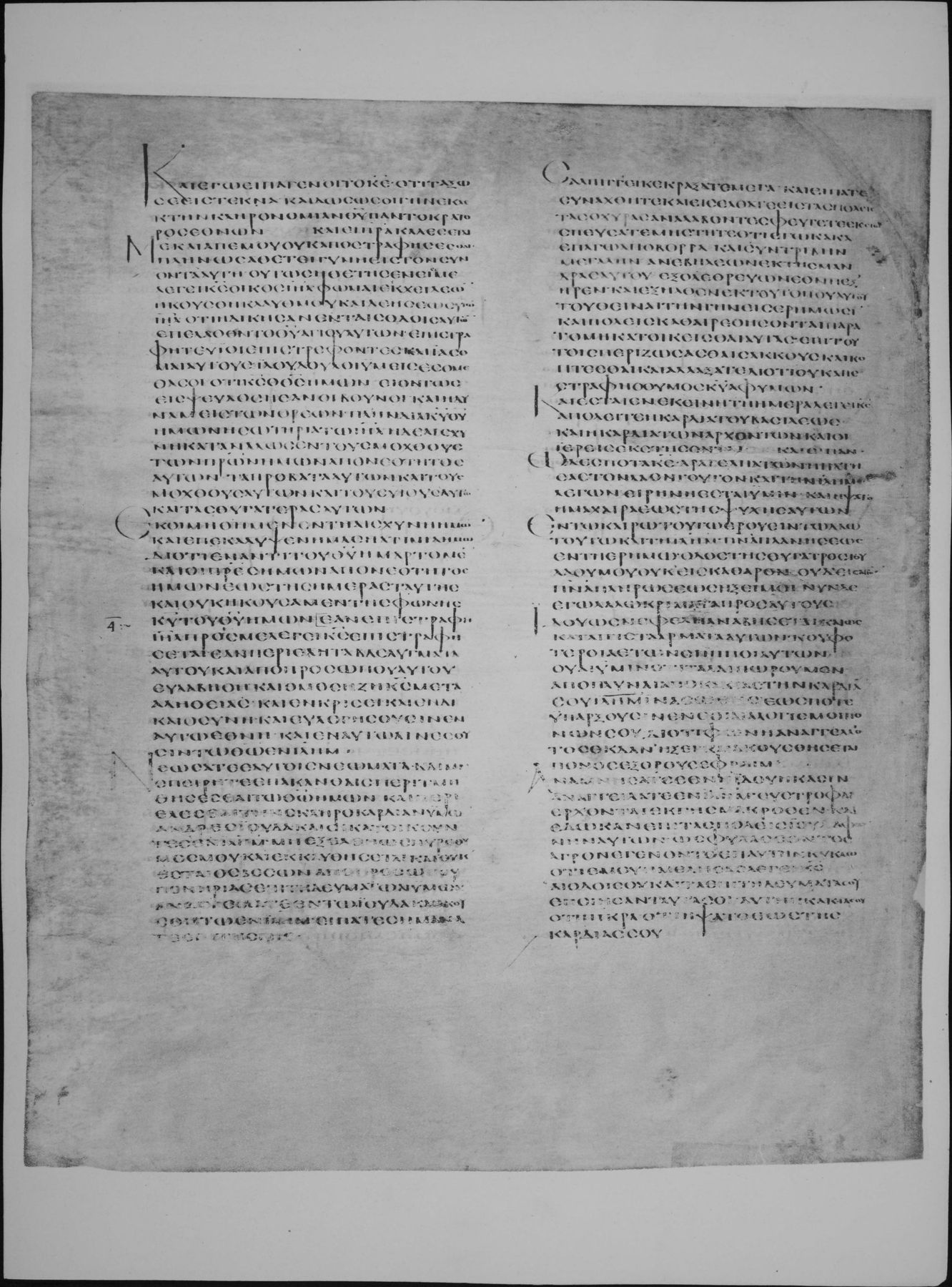
Jeremiah 4:1-8 is on fol. 332v (full-size facsimile of 1879-83, Internet Archive codex-alexandrinus leaf 689). The 1936 reduced facsimile prints beneath this page: Jer. iii. 19-iv. 18. Checked on the plate: the page begins at the start of Jeremiah 3:19 (first words read: ΚΑΙ ΕΓΩ ΕΙΠΑ ΓΕΝΟΙΤΟ ΚΕ ΟΤΙ ΤΑΞΩ ΣΕ ΕΙΣ ΤΕΚΝΑ ΚΑΙ ΔΩΣΩ ΣΟΙ ΓΗΝ ΕΚΛΕΚΤΗΝ ΚΛΗΡΟΝΟΜΙΑΝ ΠΑΝΤΟΚΡΑΤΟΡΟΣ).
1Ἐὰν ἐπιστραφῇ Ἰσραήλ, λέγει Κύριος, πρὸς μέ, ἐπιστραφήσεται· ἐὰν περιέλῃ τὰ βδελύγματα αὐτοῦ ἐκ στόματος αὐτοῦ, καὶ ἀπὸ τοῦ προσώπου εὐλαβηθῇ, 2καὶ ὀμόσῃ Ζῇ Κύριος μετὰ ἀληθείας ἐν κρίσει καὶ ἐν δικαιοσύνῃ, καὶ εὐλογήσουσιν ἐν αὐτῷ ἔθνη, καὶ ἐν αὐτῷ αἰνέσουσιν τῷ θεῷ ἐν Ἰερουσαλήμ. 3ὅτι τάδε λέγει Κύριος τοῖς ἀνδράσιν Ἰούδα καὶ τοῖς κατοικοῦσιν Ἰερουσαλήμ Νεώσατε ἑαυτοῖς νεώματα, καὶ μὴ σπείρητε ἐπ᾽ ἀκάνθαις. 4περιτμήθητε τῷ θεῷ ὑμῶν, καὶ περιτέμεσθε τὴν σκληροκαρδίαν ὑμῶν, ἄνδρες Ἰούδα καὶ οἱ κατοικοῦντες Ἰερουσαλήμ, μὴ ἐξέλθῃ ὡς πῦρ ὁ θυμὸς αὐτοῦ καὶ ἐκκαυθήσεται, καὶ οὐκ ἔσται ὁ σβέσων ἀπὸ προσώπου πονηρίας ἐπιτηδευμάτων ὑμῶν. 5ἀναγγείλατε ἐν τῷ Ἰούδᾳ, καὶ ἀκουσθήτω ἐν Ἰερουσαλήμ· εἴπατε, σημάνατε ἐπὶ τῆς γῆς σάλπιγγι, κεκράξετε μέγα· εἴπατε Συνάχθητε καὶ εἰσέλθωμεν εἰς τὰς πόλεις τὰς τειχήρεις, 6ἀναλαβόντες φεύγετε εἰς Σειών· σπεύσατε, μή στῆτε, ὅτι κακὰ ἐγὼ ἐπάγω ἀπὸ βορρᾶ καὶ συντριβὴν μεγάλην. 7ἀνέβη λέων ἐκ μάνδρας αὐτοῦ, ἐξολεθρεύων ἔθνη ἐξῆρεν καὶ ἐξῆλθεν ἐκ τοῦ τόπου αὐτοῦ τοῦ θεῖναι τὴν γῆν εἰς ἐρήμωσιν, καὶ πόλεις καθαιρεθήσονται παρὰ τὸ μὴ κατοικεῖσθαι αὐτάς. 8ἐπὶ τούτοις περιζώσασθε σάκκους καὶ κόπτεσθε καὶ ἀλαλάξατε, διότι οὐκ ἀπεστράφη ὁ θυμὸς Κυρίου ἀφ᾽ ὑμῶν.
1If Israel will return to me, saith the Lord, he shall return: and if he will remove his abominations out of his mouth, and fear before me, and swear, 2The Lord lives, with truth, in judgment and righteousness, then shall nations bless by him, and by him they shall praise God in Jerusalem. 3For thus saith the Lord to the men of Juda, and to the inhabitants of Jerusalem, Break up fresh ground for yourselves, and sow not among thorns. 4Circumcise yourselves to your God, and circumcise your hardness of heart, ye men of Juda, and inhabitants of Jerusalem: lest my wrath go forth as fire, and burn, and there be none to quench it, because of the evil of your devices. 5Declare ye in Juda, and let it be heard in Jerusalem: say ye, Sound the trumpet in the land; cry ye aloud: say ye, Gather yourselves together, and let us enter into the fortified cities. 6Gather up your wares and flee to Sion: hasten, stay not: for I will bring evils from the north, and great destruction. 7The lion is gone up from his lair, he has roused himself to the destruction of the nations, and has gone forth out of his place, to make the land desolate; and the cities shall be destroyed, so as to be without inhabitant. 8For these things gird yourselves with sackclothes, and lament, and howl: for the anger of the Lord is not turned away from you.
Where on the image
Jeremiah 4:9-16 is on fol. 332v (full-size facsimile of 1879-83, Internet Archive codex-alexandrinus leaf 689). The 1936 reduced facsimile prints beneath this page: Jer. iii. 19-iv. 18. Checked on the plate: the page begins at the start of Jeremiah 3:19 (first words read: ΚΑΙ ΕΓΩ ΕΙΠΑ ΓΕΝΟΙΤΟ ΚΕ ΟΤΙ ΤΑΞΩ ΣΕ ΕΙΣ ΤΕΚΝΑ ΚΑΙ ΔΩΣΩ ΣΟΙ ΓΗΝ ΕΚΛΕΚΤΗΝ ΚΛΗΡΟΝΟΜΙΑΝ ΠΑΝΤΟΚΡΑΤΟΡΟΣ).
9καὶ ἔσται ἐν ἐκείνῃ τῇ ἡμέρᾳ, λέγει Κύριος, ἀπολεῖται ἡ καρδία τοῦ βασιλέως καὶ ἡ καρδία τῶν ἀρχόντων, καὶ οἱ ἱερεῖς ἐκστήσονται καὶ οἱ προφῆται θαυμάσονται. 10καὶ εἶπα Ὦ δέσποτα Κύριε, ἆρά γε ἀπατῶν ἠπάτησας τὸν λαὸν τοῦτον καὶ τὴν Ἰερουσαλήμ, λέγων Εἰρήνη ἔσται, καὶ ἰδοὺ ἥψατο ἡ μάχαιρα ἕως τῆς ψυχῆς αὐτῶν; 11ἐν τῷ καιρῷ ἐκείνῳ ἐροῦσιν τῷ λαῷ τούτῳ καὶ τῇ Ἰερουσαλήμ Πνεῦμα πλανήσεως ἐν τῇ ἐρήμῳ, ὁδὸς τῆς θυγατρὸς τοῦ λαοῦ μου οὐκ εἰς καθαρὸν οὐδ᾽ εἰς ἅγιον. 12πνεῦμα πληρώσεως ἥξει μοι· νῦν δὲ ἐγὼ λαλῶ κρίματα πρὸς αὐτούς. 13ἰδοὺ ὡς νεφέλη ἀναβήσεται, καὶ ὡς καταιγὶς τὰ ἅρματα αὐτοῦ, κουφότεροι ἀετῶν οἱ ἵπποι αὐτοῦ· οὐαὶ ἡμῖν, ὅτι ταλαιπωροῦμεν. 14ἀπόπλυνε ἀπὸ κακίας τὴν καρδίαν σου, Ἰερουσαλήμ, ἵνα σωθῇς· ἕως πότε ὑπάρχουσιν ἐν σοὶ διαλογισμοὶ πόνων σου; 15διότι φωνὴ ἀγγέλλοντος ἐκ Δὰν ἥξει, καὶ ἀκουσθήσεται πόνος ἐξ ὄρους Ἐφράιμ. 16ἀναμνήσατε ἔθνη, ἰδοὺ ἥκασιν· ἀναγγείλατε ἐν Ἰερουσαλήμ Συστροφαὶ ἔρχονται ἐκ γῆς μακρόθεν καὶ ἔδωκαν ἐπὶ τὰς πόλεις Ἰούδα φωνὴν αὐτῶν.
9And it shall come to pass in that day, saith the Lord, that the heart of the king shall perish, and the heart of the princes; and the priests shall be amazed, and the prophets shall wonder. 10And I said, O sovereign Lord, verily thou hast greatly deceived this people and Jerusalem, saying, There shall be peace; whereas behold, the sword has reached even to their soul. 11At that time they shall say to this people and to Jerusalem, There is a spirit of error in the wilderness: the way of the daughter of my people is not to purity, nor to holiness. 12But a spirit of full vengeance shall come upon me; and now I declare my judgments against them. 13Behold, he shall come up as a cloud, and his chariots as a tempest: his horses are swifter than eagles. Woe unto us! for we are in misery. 14Cleanse thine heart from wickedness, O Jerusalem, that thou mayest be saved: how long will thy grievous thoughts be within thee? 15For a voice of one publishing from Dan shall come, and trouble out of mount Ephraim shall be heard of. 16Remind ye the nations; behold, they are come: proclaim it in Jerusalem, that bands are approaching from a land afar off, and have uttered their voice against the cities of Juda.
Where on the image
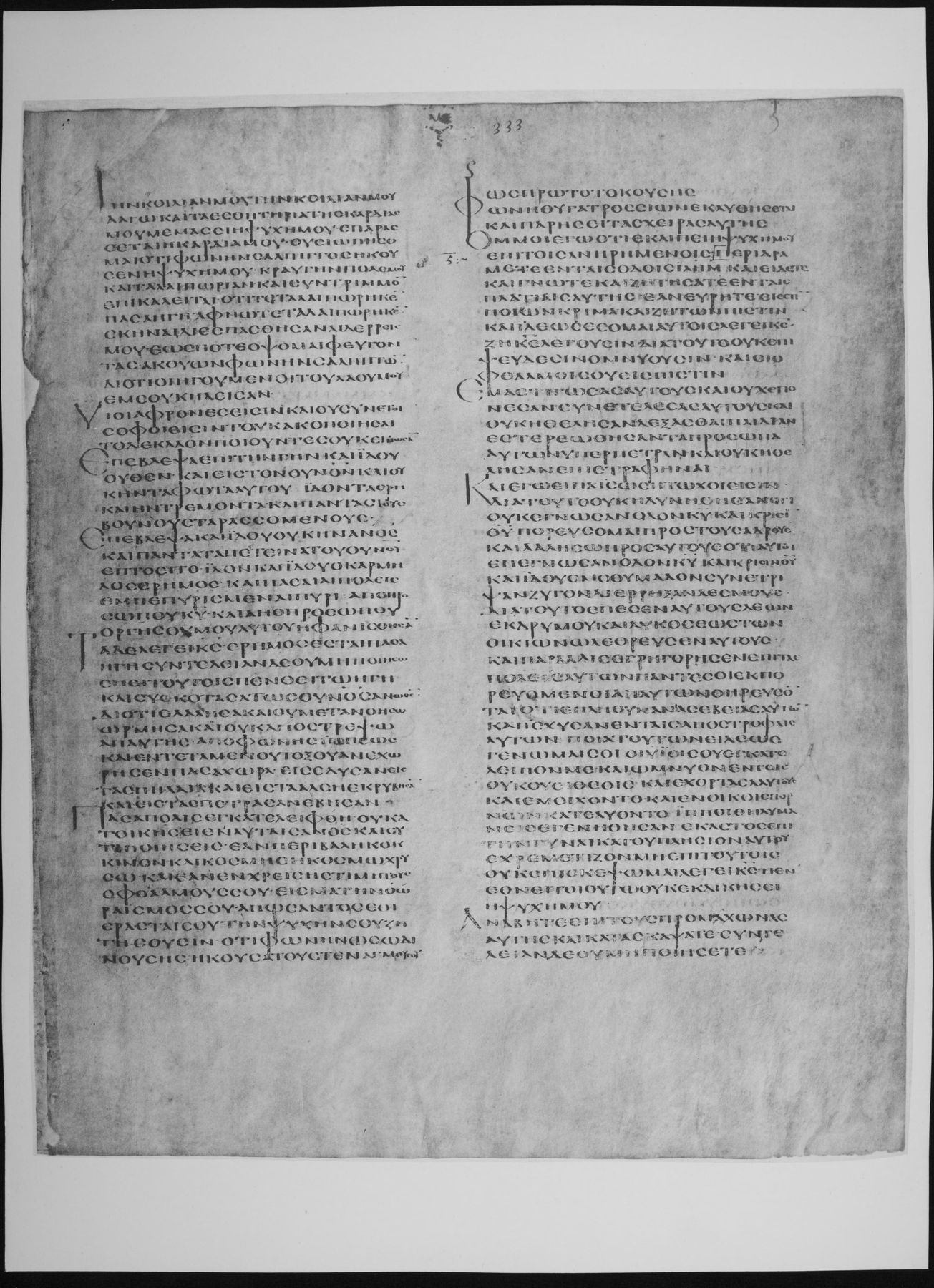
Jeremiah 4:17-18 is on fol. 332v (full-size facsimile of 1879-83, Internet Archive codex-alexandrinus leaf 689). The 1936 reduced facsimile prints beneath this page: Jer. iii. 19-iv. 18. Checked on the plate: the page begins at the start of Jeremiah 3:19 (first words read: ΚΑΙ ΕΓΩ ΕΙΠΑ ΓΕΝΟΙΤΟ ΚΕ ΟΤΙ ΤΑΞΩ ΣΕ ΕΙΣ ΤΕΚΝΑ ΚΑΙ ΔΩΣΩ ΣΟΙ ΓΗΝ ΕΚΛΕΚΤΗΝ ΚΛΗΡΟΝΟΜΙΑΝ ΠΑΝΤΟΚΡΑΤΟΡΟΣ). Jeremiah 4:19-24 is on fol. 333r (full-size facsimile of 1879-83, Internet Archive codex-alexandrinus leaf 690). The 1936 reduced facsimile prints beneath this page: Jer. iv. 19-v. 10. Checked on the plate: the page begins at the start of Jeremiah 4:19 (first words read: ΤΗΝ ΚΟΙΛΙΑΝ ΜΟΥ ΤΗΝ ΚΟΙΛΙΑΝ ΜΟΥ ΑΛΓΩ ΚΑΙ ΤΑ ΑΙΣΘΗΤΗΡΙΑ ΤΗΣ ΚΑΡΔΙΑΣ ΜΟΥ). Note: the page begins at the start of Jer. 4:19 (ΤΗΝ ΚΟΙΛΙΑΝ ΜΟΥ), as the captions show (iv. 18 ends the preceding page).
17ὡς φυλάσσοντες ἀγρὸν ἐγένοντο ἐπ᾽ αὐτὴν κύκλῳ, ὅτι ἐμοῦ ἠμέλησας, λέγει Κύριος. 18αἱ ὁδοί σου καὶ τὰ ἐπιτηδεύματά σου ἐποίησαν ταῦτά σοι· αὕτη ἡ κακία σου, ὅτι πικρά, ὅτι ἥψατο ἕως τῆς καρδίας σου. 19Τὴν κοιλίαν μου ἀλγῶ, καὶ τὰ αἰσθητήρια τῆς καρδίας μου· μαιμάσσει ἡ ψυχή μου, σπαράσσεται ἡ καρδία μου· οὐ σιωπήσομαι, ὅτι φωνὴν σάλπιγγος ἤκουσεν ἡ ψυχή μου, κραυγὴν πολέμου. 20καὶ ταλαιπωρίαν συντριμμὸν ἐπικαλεῖται, ὅτι τεταλαιπώρηκεν πᾶσα ἡ γῆ, ἄφνω τεταλαιπώρηκεν ἡ σκηνή, διεσπάσθησαν αἱ δέρρεις μου. 21ἕως πότε ὄψομαι φεύγοντας, ἀκούων φωνὴν σαλπίγγων; 22διότι οἱ ἡγούμενοι τοῦ λαοῦ μου ἐμὲ οὐκ ᾔδεισαν· υἱοὶ ἄφρονές εἰσιν καὶ οὐ συνετοί, σοφοί εἰσιν τοῦ κακοποιῆσαι, τὸ δὲ καλῶς ποιῆσαι οὐκ ἐπέγνωσαν. 23Ἐπέβλεψα ἐπὶ τὴν γῆν, καὶ ἰδοὺ οὐθέν, καὶ εἰς τὸν οὐρανόν, καὶ οὐκ ἦν τὰ φῶτα αὐτοῦ. 24εἶδον τὰ ὄρη καὶ ἦν τρέμοντα, καὶ πάντας τοὺς βουνοὺς ταρασσομένους.
17As keepers of a field, they have surrounded her; because thou, saith the Lord, hast neglected me. 18Thy ways and thy devices have brought these things upon thee; this is thy wickedness, for it is bitter, for it has reached to thy heart. 19I am pained in my bowels, my bowels, and the sensitive powers of my heart; my soul is in great commotion, my heart is torn: I will not be silent, for my soul has heard the sound of a trumpet, the cry of war, and of distress: it calls on destruction; 20for all the land is distressed: suddenly my tabernacle is distressed, my curtains have been rent asunder. 21How long shall I see fugitives, and hear the sound of the trumpet? 22For the princes of my people have not known me, they are foolish and unwise children: they are wise to do evil, but how to do good they have not known. 23I looked upon the earth, and, behold, it was not; and to the sky, and there was no light in it. 24I beheld the mountains, and they trembled, and I saw all the hills in commotion.
Where on the image
Jeremiah 4:25-31 is on fol. 333r (full-size facsimile of 1879-83, Internet Archive codex-alexandrinus leaf 690). The 1936 reduced facsimile prints beneath this page: Jer. iv. 19-v. 10. Checked on the plate: the page begins at the start of Jeremiah 4:19 (first words read: ΤΗΝ ΚΟΙΛΙΑΝ ΜΟΥ ΤΗΝ ΚΟΙΛΙΑΝ ΜΟΥ ΑΛΓΩ ΚΑΙ ΤΑ ΑΙΣΘΗΤΗΡΙΑ ΤΗΣ ΚΑΡΔΙΑΣ ΜΟΥ). Note: the page begins at the start of Jer. 4:19 (ΤΗΝ ΚΟΙΛΙΑΝ ΜΟΥ), as the captions show (iv. 18 ends the preceding page).
25ἐπέβλεψα, καὶ ἰδοὺ οὐκ ἦν ἄνθρωπος, καὶ πάντα τὰ πετεινὰ τοῦ οὐρανοῦ ἐπτοεῖτο. 26εἶδον, καὶ ἰδοὺ ὁ Κάρμηλος ἔρημος, καὶ πᾶσαι αἱ πόλεις ἐμπεπυρισμέναι ἀπὸ προσώπου Κυρίου, καὶ ἀπὸ προσώπου ὀργῆς θυμοῦ αὐτοῦ ἠφανίσθησαν. 27τάδε λέγει Κύριος Ἔρημος ἔσται πᾶσα ἡ γῆ, συντέλειαν δὲ οὐ μὴ ποιήσω. 28ἐπὶ τούτοις πενθείτω ἡ γῆ, καὶ συνσκοτασάτω ὁ οὐρανὸς ἄνωθεν· διότι ἐλάλησα καὶ οὐ μετανοήσω, ὥρμησα καὶ οὐκ ἀποστρέψω ἀπ᾽ αὐτῆς. 29ἀπὸ φωνῆς ἱππέως καὶ ἐντεταμένου τόξου ἀνεχώρησεν πᾶσα χώρα· εἰσέδυσαν εἰς τὰ σπήλαια, καὶ εἰς τὰ ἄλση ἐκρύβησαν, καὶ ἐπὶ τὰς πέτρας ἀνέβησαν· πᾶσα πόλις ἐνκατελείφθη, οὐ κατῴκει ἐν αὐταῖς ἄνθρωπος. 30καὶ σὺ τί ποιήσεις ἐὰν περιβάλῃ κόκκινον καὶ κοσμήσῃ κόσμῳ χρυσῷ, ἐὰν ἐνχρίσῃ στίβι τοὺς ὀφθαλμούς σου; εἰς μάταιον ὁ ὡραισμός σου· ἀπώσαντό σε οἱ ἐρασταί σου, τὴν ψυχήν σου ζητοῦσιν. 31ὅτι φωνὴν ὡς ὠδινούσης ἤκουσα τοῦ στεναγμοῦ σου, ὡς πρωτοτοκούσης· φωνὴ θυγατρὸς Σειών· ἐκλυθήσεται, καὶ παρήσει τὰς χεῖρας αὐτῆς Οἴμοι ἐγώ, ὅτι ἐκλείπει ἡ ψυχή μου ἐπὶ τοῖς ἀνῃρημένοις.
25I looked, and, behold, there was no man, and all the birds of the sky were scared. 26I saw, and, behold, Carmel was desert, and all the cities were burnt with fire at the presence of the Lord, and at the presence of his fierce anger they were utterly destroyed. 27Thus saith the Lord, The whole land shall be desolate; but I will not make a full end. 28For these things let the earth mourn, and let the sky be dark above: for I have spoken, and I will not repent; I have purposed, and I will not turn back from it. 29The whole land has recoiled from the noise of the horseman and the bent bow; they have gone into the caves, and have hidden themselves in the groves, and have gone up upon the rocks: every city was abandoned, no man dwelt in them. 30And what wilt thou do? Though thou clothe thyself with scarlet, and adorn thyself with golden ornaments; though thou adorn thine eyes with stibium, thy beauty will be in vain: thy lovers have rejected thee, they seek thy life. 31For I have heard thy groaning as the voice of a woman in travail, as of her that brings forth her first child; the voice of the daughter of Zion shall fail through weakness, and she shall lose the strength of her hands, saying, Woe is me! for my soul faints because of the slain.
Cite
Sources
- Source: Codex Alexandrinus (British Library Royal MS 1 D. VI) via the British Museum photographic facsimiles of 1879-83 and 1936 (Internet Archive) + Swete's Septuagint + Brenton's English (holding institution)
- Critical edition: H. B. Swete, The Old Testament in Greek according to the Septuagint (1909)
← previous · → next · v cycle view · l back to library