4 Maccabees, Chapter 1
Introduction
This entry meets the strict three-criteria standard of the Theosis Library:
- Manuscript scan: The actual folio(s) of Codex Sinaiticus containing this chapter, from the Codex Sinaiticus Project (codexsinaiticus.org). Each section links to the specific folio holding its verses.
- Original text: The Codex Sinaiticus Project's verbatim transcription of the folio shown (uncial letters, lunate sigma, nomina sacra preserved).
- English translation: Brenton's Septuagint (1851), public domain, retrieved verbatim from ebible.org eng-Brenton USFM.
How was this verified? (Provenance)
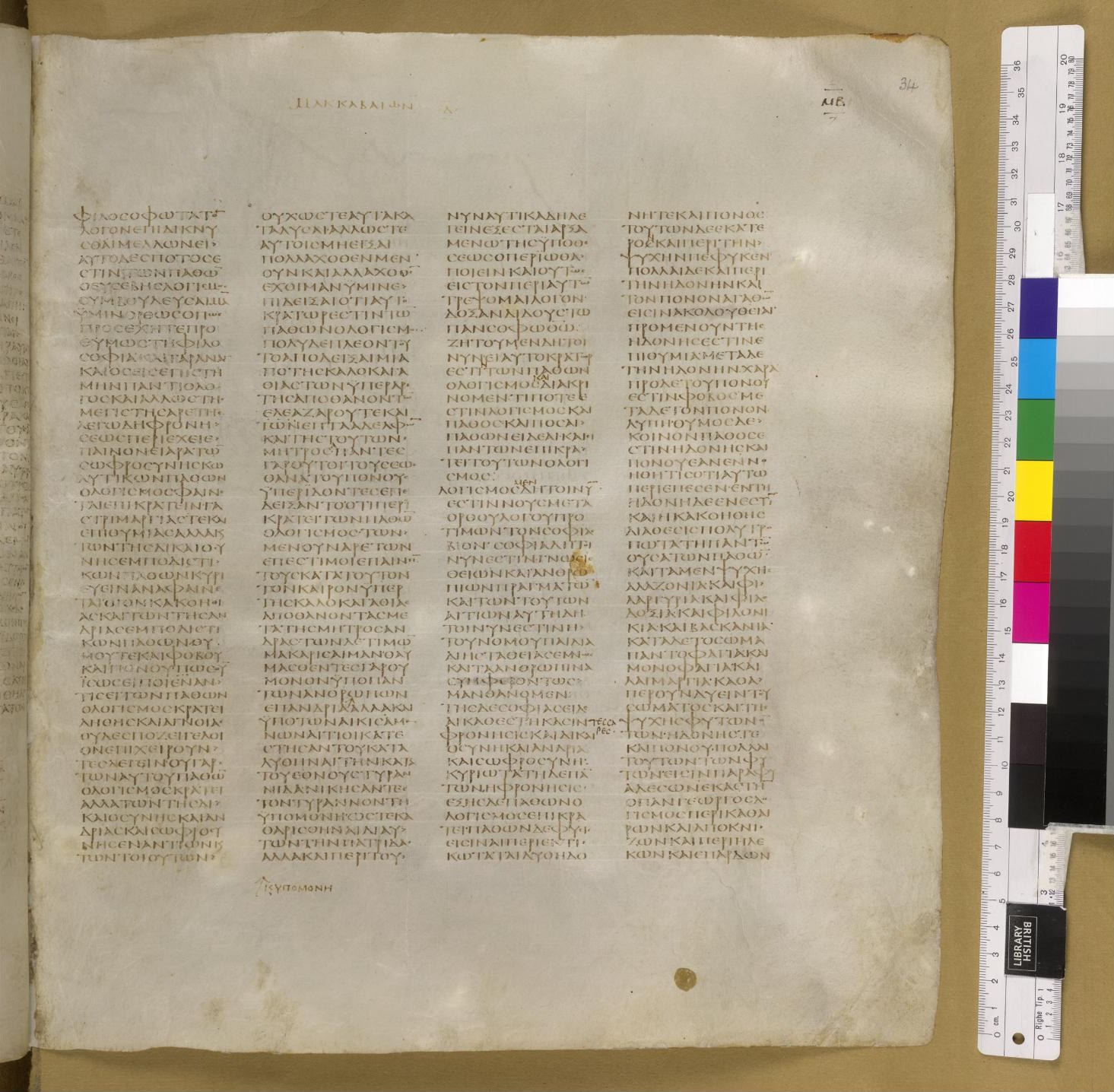
1φιλοϲοφωτατο λογον επιδικνυϲθαι μελλων ει > αυτοδεϲποτοϲ εϲτιν των παθω ο ευϲεβηϲ λογιϲμοϲ ϲυμβουλευϲαιμ α ϋμιν ορθωϲ οπωϲ προϲεχητε προθυμωϲ τη φιλοϲοφια ˙ 2και γαρ αναγκαιοϲ ειϲ επιϲτημην παντι ο λο>γοϲ και αλλωϲ τηϲ μεγιϲτηϲ αρετηϲ λεγω δη φρονη>ϲεωϲ περιεχει ε>παινον · 3ει αρα τω ϲωφροϲυνηϲ κωλυτικων παθων ο λογιϲμοϲ φαινεται επικρατειν · γαϲτριμαργιαϲ τε και επιθυμιαϲ · 4αλλα κ(αι) των τηϲ δικαιοϲυνηϲ εμποδιϲτι>κων παθων κυριευειν αναφαινεται ˙ οιον κακοηθιαϲ και των τηϲ ανδριαϲ εμποδιϲτικων παθων . θυμου τε και φοβου και πονου · 5πωϲ ου ιϲωϲ ειποιεν αν > τιϲ ει των παθων ο λογιϲμοϲ κρατει ληθηϲ και αγνοιαϲ ου δεϲποζει γελοιον επιχειρουν>τεϲ λεγειν · 6ου γαρ > των αυτου παθω ο λογιϲμοϲ κρατει αλλα των τηϲ δι>καιοϲυνηϲ και ανδριαϲ και ϲωφροϲυνηϲ εναντιων κ(αι) των τοιουτων > ουχ ωϲτε αυτα καταλυϲαι · αλλ ωϲτε αυτοιϲ μη ειξαι 7πολλαχοθεν μεν ουν και αλλαχοθε εχοιμ αν ϋμιν ε>πιδειξαι οτι αυτοκρατωρ εϲτιν τω παθων ο λογιϲμοϲ · 8πολυ δε πλεον τουτο αποδειξαιμι απο τηϲ καλοκαγαθιαϲ των υπερ αρετηϲ αποθανοντω · ελεαζαρου τε και των επτα αδελφω και τηϲ τουτων > μητροϲ ·
1As I am going to demonstrate a most philosophical proposition, namely, that religious reasoning is absolute master of the passions, I would willingly advise you to give the utmost heed to philosophy. 2For reason is necessary to every one as a step to science: and more especially does it embrace the praise of prudence, the highest virtue. 3If, then, reasoning appears to hold the mastery over the passions which stand in the way of temperance, such as gluttony and lust, 4it surely also and manifestly has the rule over the affections which are contrary to justice, such as malice; and of those which are hindrances to manliness, as wrath, and pain, and fear. 5How, then, is it, perhaps some may say, that reasoning, if it rule the affections, is not also master of forgetfulness and ignorance? They attempt a ridiculous argument. 6For reasoning does not rule over its own affections, but over such as are contrary to justice, and manliness, and temperance, and prudence; and yet over these, so as to withstand, without destroying them. 7I might prove to you, from many other considerations, that religious reasoning is sole master of the passions; 8but I shall prove it with the greatest force from the fortitude of Eleazar, and seven brethren, and their mother, who suffered death in defence of virtue.
9παντεϲ γαρ ουτοι τουϲ εωϲ θανατου πονουϲ ϋπερϊδοντεϲ επεδειξαντο ˙ οτι περικρατει των παθω ο λογιϲμοϲ · 10των > μεν ουν αρετων επεϲτι μοι επαινει τουϲ κατα τουτον τον καιρον ϋπερ τηϲ καλοκαγαθιαϲ αποθανονταϲ μετα τηϲ μητροϲ ανδραϲ · των δε τιμω μακαριϲαιμ αν ˙ 11θαυμαϲθεντεϲ γαρ ου μονον ϋπο παντων ανθρωπων επ ανδρια αλλα και ϋπο των αικιϲαμενων αιτιοι κατεϲτηϲαν του καταλυθηναι την κατα του εθνουϲ τυραννιδα · νικηϲαντεϲ τον τυραννον τη ϋπομονη ˙ ωϲτε καθαριϲθηναι δι αυ>των την πατριδα · 12αλλα και περι του > νυν αυτικα δη λεγειν εξεϲται αρξαμενω τηϲ ϋποθεϲεωϲ οπερ ϊωθα > ποιειν και ουτωϲ ειϲ τον περι αυτω τρεψομαι λογον · δοξαν διδουϲ · τω πανϲοφω θω : 13ζητουμεν δη τοινυν ˙ ει αυτοκρατωρ εϲτι των παθων ο λογιϲμοϲ 14διακρινομεν · τι ποτε εϲτιν λογιϲμοϲ και παθοϲ · και ποϲαι > παθων ειδεαι · και ει παντων επικρα>τει τουτων ο λογιϲμοϲ : 15λογιϲμοϲ δη τοινυ εϲτιν νουϲ μετα ορθου λογου προτιμων τον ϲοφιαϲ βιον ˙ 16ϲοφια δη τοινυν εϲτιν · γνωϲιϲ θειων και ανθρωπιων πραγματω και των τουτων αιτιων
9For all these, contemning pains even unto death, by this contempt, demonstrated that reasoning has command over the passions. 10For their virtues, then, it is right that I should commend those men who died with their mother at this time in behalf of rectitude; and for their honours, I may count them happy. 11For they, winning admiration not only from men in general, but even from their persecutors, for their manliness and endurance, became the means of the destruction of the tyranny against their nation, having conquered the tyrant by their endurance, so that by them their country was purified. 12But we may now at once enter upon the question, having commenced, as is our wont, with laying down the doctrine, and so proceed to the account of these persons, giving glory to the all wise God. 13The question, therefore, is, whether reasoning be absolute master of the passions. 14Let us determine, then, What is reasoning? and what passion? and how many forms of the passions? and whether reasoning bears sway over all of these? 15Reasoning is, then, intellect accompanied by a life of rectitude, putting foremost the consideration of wisdom. 16And wisdom is a knowledge of divine and human things, and of their causes.
17αυτη δη τοινυν εϲτιν η > του νομου παιδια δι ηϲ τα θεια ϲεμνωϲ και τα ανθρωπινα ϲυμφεροντωϲ > μανθανομεν : 18τηϲ δε ϲοφιαϲ ειδεαι καθεϲτηκαϲιν φρονηϲιϲ και δικαιοϲυνη και ανδρια και ϲωφροϲυνη : 19κυριωτατη δε πατων . η φρονηϲιϲ · εξ ηϲ δε παθων ο λογιϲμοϲ επικρατει ˙ 20παθων δε φυϲιϲ ειϲιν αι περιεκτι>κωταται δυο ηδονη τε και πονοϲ τουτων δε εκατεροϲ και περι την > ψυχην πεφυκεν ˙ 21πολλαι δε και περι την ηδονην και τον πονον αγαθω ειϲιν ακολουθειαι ˙ 22προ μεν ουν τηϲ ηδονηϲ εϲτιν . επιθυμια ˙ μετα δε την ηδονην . χαρα ˙ 23προ δε του πονου εϲτιν . φοβοϲ ˙ μετα δε τον πονον . λυπη ˙ 24θυμοϲ δε > κοινον παθοϲ εϲτιν · ηδονηϲ και πονου ˙ εαν εννοηθη τιϲ οτι αυτω περιεπεϲεν ·
17And this is contained in the education of the law; by means of which we learn divine things reverently, and human things profitably. 18And the forms of wisdom are prudence, and justice, and manliness, and temperance. 19The leading one of these is prudence; by whose means, indeed, it is that reasoning bears rule over the passions. 20Of the passions, pleasure and pain are the two most comprehensive; and they also by nature refer to the soul. 21And there are many attendant affections surrounding pleasure and pain. 22Before pleasure is lust; and after pleasure, joy. 23And before pain is fear; and after pain, sorrow. 24Wrath is an affection, common to pleasure and to pain, if any one will pay attention when it comes upon him.
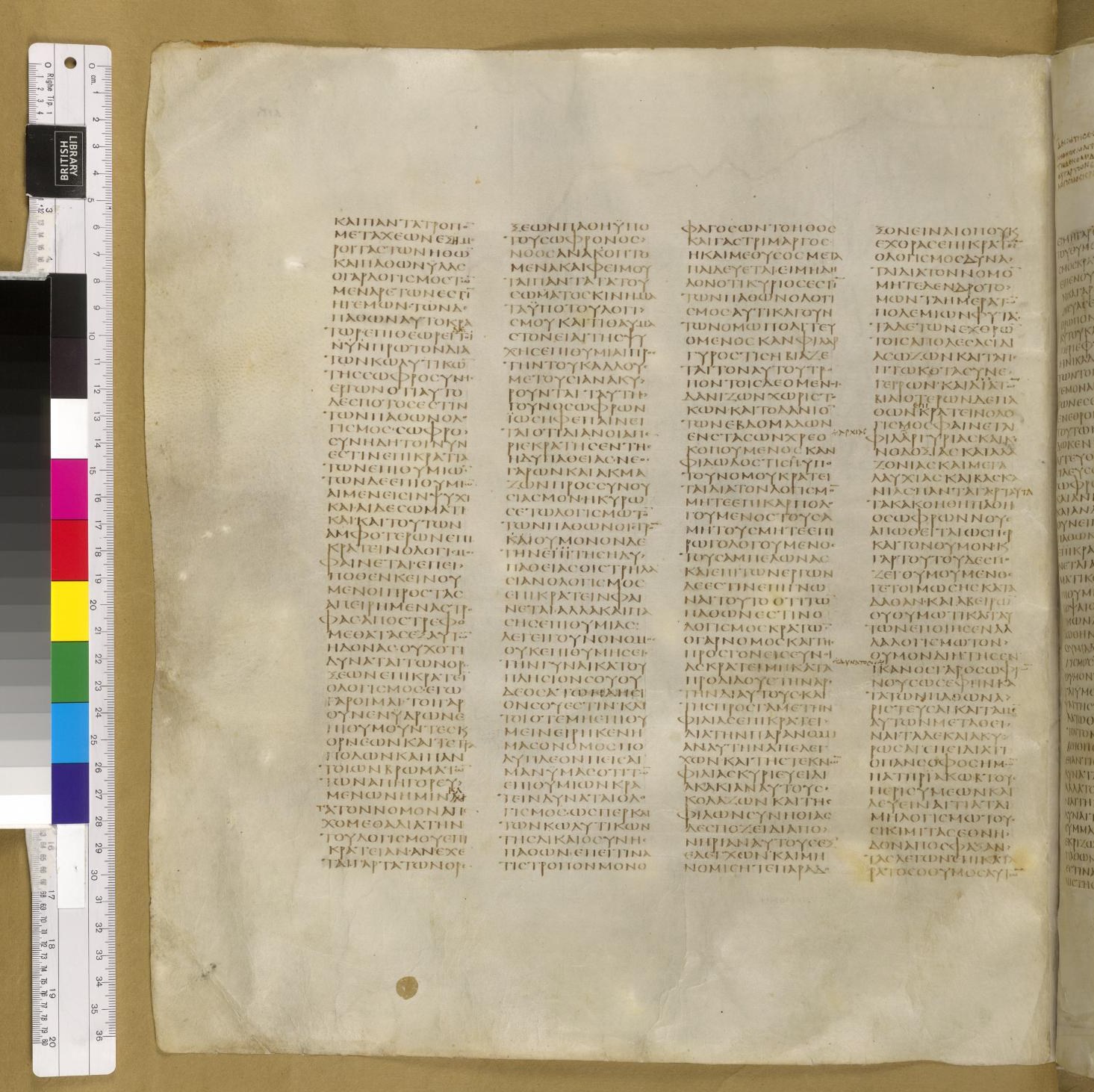
25εν τη ηδονη δε ενεϲτι και η κακοηθηϲ διαθεϲιϲ πολυτροπωτατη παντω ουϲα των παθω · 26και τα μεν ψυχηϲ αλαζονια · και φι>λαργυρια · και φιλοδοξια · και φιλονικια · και βαϲκανια ˙ 27κατα δε το ϲωμα παντοφαγια ˙ και μονοφαγια ˙ και λαιμαργια ˙ 28καθα>περ ουν δυειν του ϲωματοϲ και τηϲ ψυχηϲ φυτων οτων · ηδονηϲ τε και πονου . πολλαι τουτων των φυτων ˙ ειϲιν παραφυαδεϲ 29ων εκαϲτη ο πανγεωργοϲ λογιϲμοϲ περικαθαιρων και αποκνι>ζων και περιπλεκων και επαρδων και παντα τροπο μεταχεων εξϊμεροι ταϲ των ηθω και παθων ϋλαϲ 30ο γαρ λογιϲμοϲ τω μεν αρετων εϲτι ηγεμων · των δε παθων αυτοκρατωρ · επιθεωρει τοινυν πρωτον δια των κωλυτικω τηϲ ϲωφροϲυνηϲ εργων οτι αυτοδεϲποτοϲ εϲτιν των παθων ο λογιϲμοϲ · 31ϲωφρο>ϲυνη δη τοινυν εϲτιν επικρατια των επιθυμιω · 32των δε επιθυμιω αι μεν ειϲιν ψυχικαι · αι δε ϲωματικαι · και τουτων αμφοτερων επικρατειν ο λογιϲμοϲ φαινεται ˙
25And there exists in pleasure a malicious disposition, which is the most multiform of all the affections. 26In the soul it is arrogance, and love of money, and vaingloriousness, and contention, and faithlessness, and the evil eye. 27In the body it is greediness and gormandizing, and solitary gluttony. 28As pleasure and pain are, therefore, two growths of the body and the soul, so there are many offshoots of these passions. 29And reasoning, the universal husbandman, purging, and pruning these severally, and binding round, and watering, and transplanting, in every way improves the materials of the morals and affections. 30For reasoning is the leader of the virtues, but it is the sole ruler of the passions. Observe then first, through the very things which stand in the way of temperance, that reasoning is absolute ruler of the passions. 31Now temperance consists of a command over the lusts. 32But of the lusts, some belong to the soul, others to the body: and over each of these classes the reasoning appears to bear sway.
33επει > ποθεν κεινουμενοι προϲ ταϲ απειρημεναϲ τροφαϲ · αποϲτρεφομεθα ταϲ εξ αυτω ηδοναϲ . ουχ οτι δυναται των ορεξεων επικρατει ο λογιϲμοϲ · εγω γαρ οιμαι · 34τοιγαρουν ενϋδρων επιθυμουντεϲ κ(αι) ορνεων και τετραποδων και παντοιων βρωματω των απηγορευ>μενων ημιν δια τον νομον απεχομεθα δια την του λογιϲμου επικρατειαν · 35ανεχεται γαρ τα των ορεξεων παθη ϋπο του ϲωφρονοϲ > νοοϲ ανακοπτομενα και φειμουται παντα τα του ϲωματοϲ κινηματα ϋπο του λογι>ϲμου
33For whence is it, otherwise, that when urged on to forbidden meats, we reject the gratification which would ensue from them? Is it not because reasoning is able to command the appetites? I believe so. 34Hence it is, then, that when lusting after water-animals and birds, and fourfooted beasts, and all kinds of food which are forbidden us by the law, we withhold ourselves through the mastery of reasoning. 35For the affections of our appetites are resisted by the temperate understanding, and bent back again, and all the impulses of the body are reined in by reasoning.
Cite
Source & Cross-References
- Source text: Codex Sinaiticus folio + transcription (codexsinaiticus.org) + Brenton's Septuagint (1851) — view original
- Critical edition: Tischendorf 8th edition (1869) / Codex Sinaiticus transcription
← previous · → next · v cycle view · l back to library