The Iliad, Book 10
Introduction
Book 10 of the Iliad with 24 sections, each linked to its specific folio in Venetus A (Marcianus Graecus 454, 10th c.). The Homer Multitext Project provides line-level folio mappings, ensuring every section of text corresponds to the exact manuscript page where it appears.
How was this verified? (Provenance)
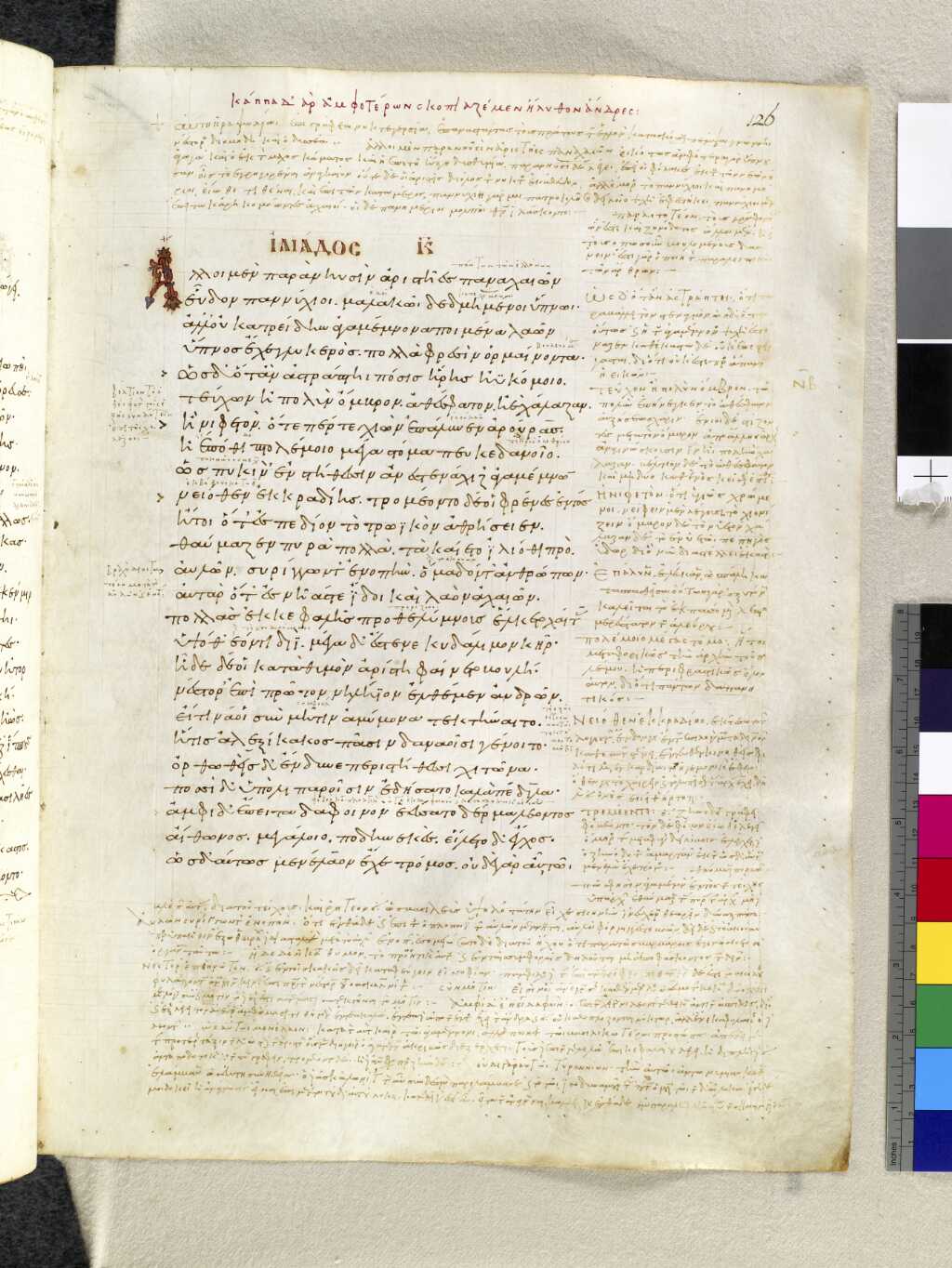
1ἄλλοι μὲν παρὰ νηυσὶν ἀριστῆες Παναχαιῶν 2εὗδον παννύχιοι μαλακῷ δεδμημένοι ὕπνῳ· 3ἀλλʼ οὐκ Ἀτρεΐδην Ἀγαμέμνονα ποιμένα λαῶν 4ὕπνος ἔχε γλυκερὸς πολλὰ φρεσὶν ὁρμαίνοντα. 5ὡς δʼ ὅτʼ ἂν ἀστράπτῃ πόσις Ἥρης ἠϋκόμοιο 6τεύχων ἢ πολὺν ὄμβρον ἀθέσφατον ἠὲ χάλαζαν 7ἢ νιφετόν, ὅτε πέρ τε χιὼν ἐπάλυνεν ἀρούρας, 8ἠέ ποθι πτολέμοιο μέγα στόμα πευκεδανοῖο, 9ὣς πυκίνʼ ἐν στήθεσσιν ἀνεστενάχιζʼ Ἀγαμέμνων 10νειόθεν ἐκ κραδίης, τρομέοντο δέ οἱ φρένες ἐντός. 11ἤτοι ὅτʼ ἐς πεδίον τὸ Τρωϊκὸν ἀθρήσειε, 12θαύμαζεν πυρὰ πολλὰ τὰ καίετο Ἰλιόθι πρὸ 13αὐλῶν συρίγγων τʼ ἐνοπὴν ὅμαδόν τʼ ἀνθρώπων. 14αὐτὰρ ὅτʼ ἐς νῆάς τε ἴδοι καὶ λαὸν Ἀχαιῶν, 15πολλὰς ἐκ κεφαλῆς προθελύμνους ἕλκετο χαίτας 16ὑψόθʼ ἐόντι Διί, μέγα δʼ ἔστενε κυδάλιμον κῆρ. 17ἥδε δέ οἱ κατὰ θυμὸν ἀρίστη φαίνετο βουλὴ 18Νέστορʼ ἔπι πρῶτον Νηλήϊον ἐλθέμεν ἀνδρῶν, 19εἴ τινά οἱ σὺν μῆτιν ἀμύμονα τεκτήναιτο, 20ἥ τις ἀλεξίκακος πᾶσιν Δαναοῖσι γένοιτο. 21ὀρθωθεὶς δʼ ἔνδυνε περὶ στήθεσσι χιτῶνα, 22ποσσὶ δʼ ὑπὸ λιπαροῖσιν ἐδήσατο καλὰ πέδιλα, 23ἀμφὶ δʼ ἔπειτα δαφοινὸν ἑέσσατο δέρμα λέοντος 24αἴθωνος μεγάλοιο ποδηνεκές, εἵλετο δʼ ἔγχος. 25ὣς δʼ αὔτως Μενέλαον ἔχε τρόμος· οὐδὲ γὰρ αὐτῷ
Ulysses and Diomed go out as spies, and meet Dolon, who gives them information: they then kill him, and profiting by what he had told them, kill Rhesus king of the Thracians and take his horses.
Now the other princes of the Achaeans slept soundly the whole night through, but Agamemnon son of Atreus was troubled, so that he could get no rest. As when fair Juno’s lord flashes his lightning in token of great rain or hail or snow when the snow-flakes whiten the ground, or again as a sign that he will open the wide jaws of hungry war, even so did Agamemnon heave many a heavy sigh, for his soul trembled within him. When he looked upon the plain of Troy he marvelled at the many watchfires burning in front of Ilius, and at the sound of pipes and flutes and of the hum of men, but when presently he turned towards the ships and hosts of the Achaeans, he tore his hair by handfuls before Jove on high, and groaned aloud for the very disquietness of his soul. In the end he deemed it best to go at once to Nestor son of Neleus, and see if between them they could find any way of the Achaeans from destruction. He therefore rose, put on his shirt, bound his sandals about his comely feet, flung the skin of a huge tawny lion over his shoulders—a skin that reached his feet—and took his spear in his hand.
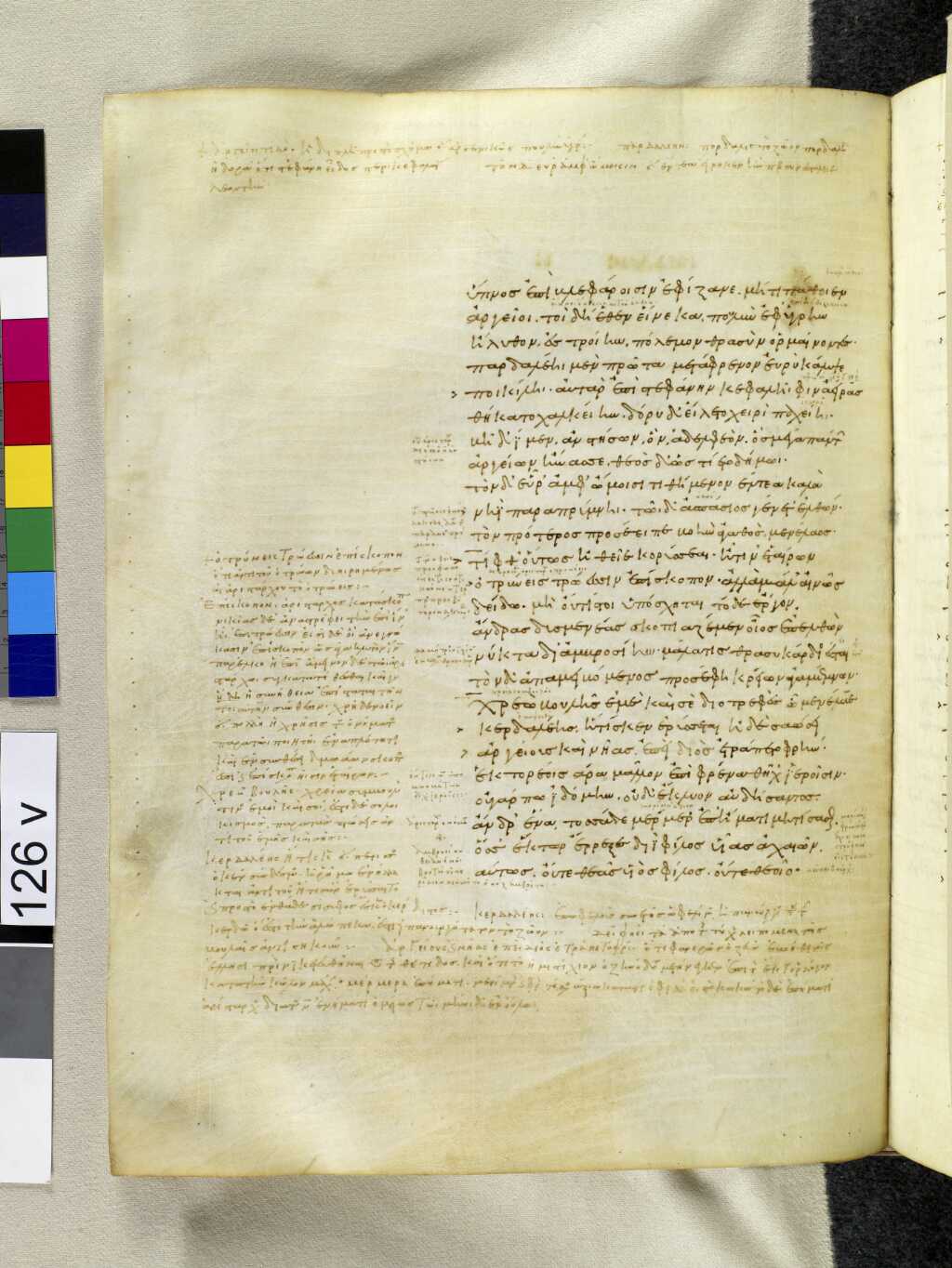
26ὕπνος ἐπὶ βλεφάροισιν ἐφίζανε· μή τι πάθοιεν 27Ἀργεῖοι, τοὶ δὴ ἕθεν εἵνεκα πουλὺν ἐφʼ ὑγρὴν 28ἤλυθον ἐς Τροίην πόλεμον θρασὺν ὁρμαίνοντες. 29παρδαλέῃ μὲν πρῶτα μετάφρενον εὐρὺ κάλυψε 30ποικίλῃ, αὐτὰρ ἐπὶ στεφάνην κεφαλῆφιν ἀείρας 31θήκατο χαλκείην, δόρυ δʼ εἵλετο χειρὶ παχείῃ. 32βῆ δʼ ἴμεν ἀνστήσων ὃν ἀδελφεόν, ὃς μέγα πάντων 33Ἀργείων ἤνασσε, θεὸς δʼ ὣς τίετο δήμῳ. 34τὸν δʼ εὗρʼ ἀμφʼ ὤμοισι τιθήμενον ἔντεα καλὰ 35νηῒ πάρα πρύμνῃ· τῷ δʼ ἀσπάσιος γένετʼ ἐλθών. 36τὸν πρότερος προσέειπε βοὴν ἀγαθὸς Μενέλαος· 37τίφθʼ οὕτως ἠθεῖε κορύσσεαι; ἦ τινʼ ἑταίρων 38ὀτρυνέεις Τρώεσσιν ἐπίσκοπον; ἀλλὰ μάλʼ αἰνῶς 39δείδω μὴ οὔ τίς τοι ὑπόσχηται τόδε ἔργον 40ἄνδρας δυσμενέας σκοπιαζέμεν οἶος ἐπελθὼν 41νύκτα διʼ ἀμβροσίην· μάλα τις θρασυκάρδιος ἔσται. 42τὸν δʼ ἀπαμειβόμενος προσέφη κρείων Ἀγαμέμνων· 43χρεὼ βουλῆς ἐμὲ καὶ σὲ διοτρεφὲς ὦ Μενέλαε 44κερδαλέης, ἥ τίς κεν ἐρύσσεται ἠδὲ σαώσει 45Ἀργείους καὶ νῆας, ἐπεὶ Διὸς ἐτράπετο φρήν. 46Ἑκτορέοις ἄρα μᾶλλον ἐπὶ φρένα θῆχʼ ἱεροῖσιν· 47οὐ γάρ πω ἰδόμην, οὐδʼ ἔκλυον αὐδήσαντος 48ἄνδρʼ ἕνα τοσσάδε μέρμερʼ ἐπʼ ἤματι μητίσασθαι, 49ὅσσʼ Ἕκτωρ ἔρρεξε Διῒ φίλος υἷας Ἀχαιῶν 50αὔτως, οὔτε θεᾶς υἱὸς φίλος οὔτε θεοῖο.
Neither could Menelaus sleep, for he, too, boded ill for the Argives who for his sake had sailed from far over the seas to fight the Trojans. He covered his broad back with the skin of a spotted panther, put a casque of bronze upon his head, and took his spear in his brawny hand. Then he went to rouse his brother, who was by far the most powerful of the Achaeans, and was honoured by the people as though he were a god. He found him by the stern of his ship already putting his goodly array about his shoulders, and right glad was he that his brother had come.
Menelaus spoke first. “Why,” said he, “my dear brother, are you thus arming? Are you going to send any of our comrades to exploit the Trojans? I greatly fear that no one will do you this service, and spy upon the enemy alone in the dead of night. It will be a deed of great daring.”
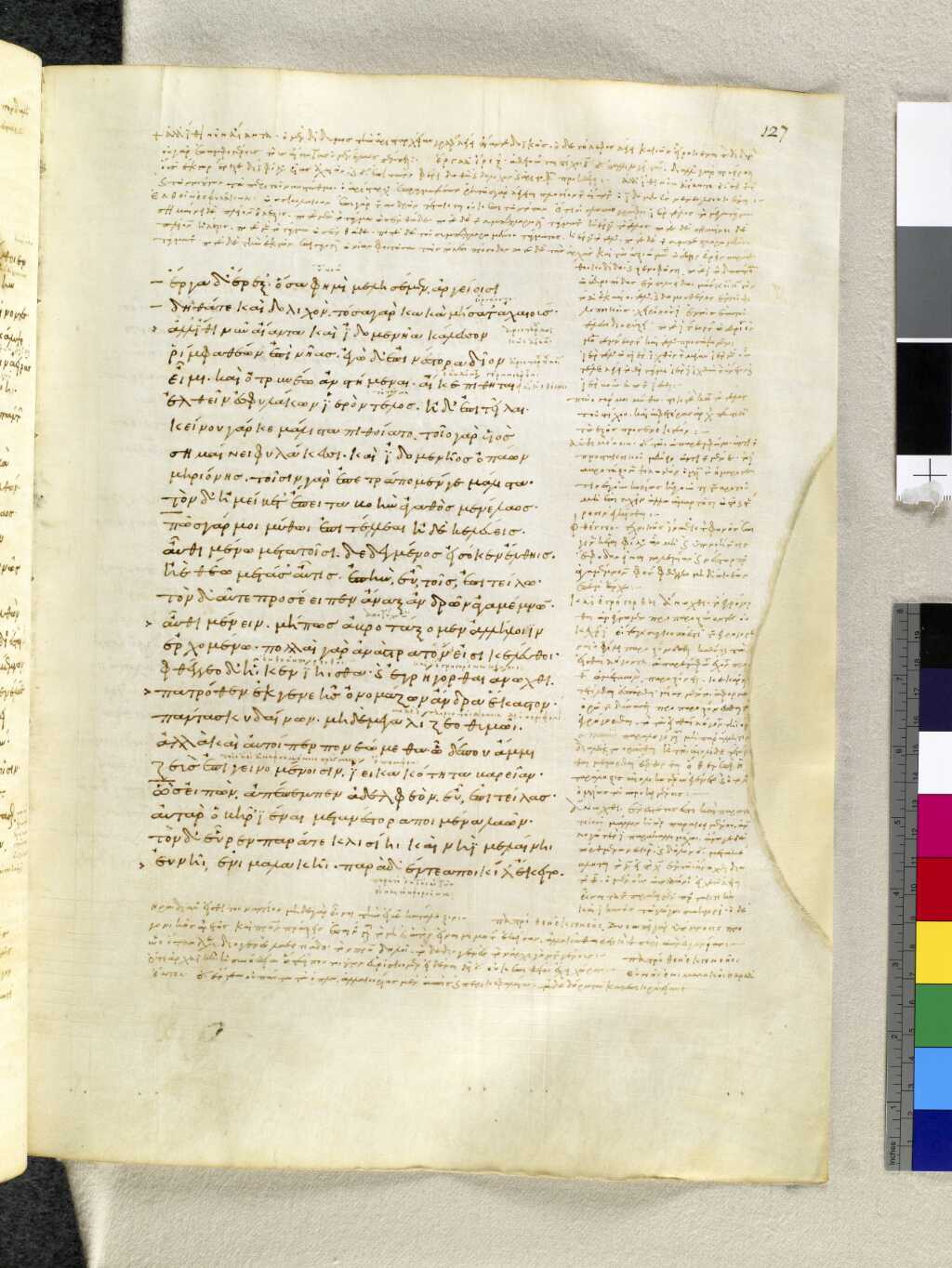
51ἔργα δʼ ἔρεξʼ ὅσα φημὶ μελησέμεν Ἀργείοισι 52δηθά τε καὶ δολιχόν· τόσα γὰρ κακὰ μήσατʼ Ἀχαιούς. 53ἀλλʼ ἴθι νῦν Αἴαντα καὶ Ἰδομενῆα κάλεσσον 54ῥίμφα θέων παρὰ νῆας· ἐγὼ δʼ ἐπὶ Νέστορα δῖον 55εἶμι, καὶ ὀτρυνέω ἀνστήμεναι, αἴ κʼ ἐθέλῃσιν 56ἐλθεῖν ἐς φυλάκων ἱερὸν τέλος ἠδʼ ἐπιτεῖλαι. 57κείνῳ γάρ κε μάλιστα πιθοίατο· τοῖο γὰρ υἱὸς 58σημαίνει φυλάκεσσι καὶ Ἰδομενῆος ὀπάων 59Μηριόνης· τοῖσιν γὰρ ἐπετράπομέν γε μάλιστα. 60τὸν δʼ ἠμείβετʼ ἔπειτα βοὴν ἀγαθὸς Μενέλαος· 61πῶς γάρ μοι μύθῳ ἐπιτέλλεαι ἠδὲ κελεύεις; 62αὖθι μένω μετὰ τοῖσι δεδεγμένος εἰς ὅ κεν ἔλθῃς, 63ἦε θέω μετὰ σʼ αὖτις, ἐπὴν εὖ τοῖς ἐπιτείλω; 64τὸν δʼ αὖτε προσέειπεν ἄναξ ἀνδρῶν Ἀγαμέμνων, 65αὖθι μένειν, μή πως ἀβροτάξομεν ἀλλήλοιιν 66ἐρχομένω· πολλαὶ γὰρ ἀνὰ στρατόν εἰσι κέλευθοι. 67φθέγγεο δʼ ᾗ κεν ἴῃσθα καὶ ἐγρήγορθαι ἄνωχθι 68πατρόθεν ἐκ γενεῆς ὀνομάζων ἄνδρα ἕκαστον 69πάντας κυδαίνων· μηδὲ μεγαλίζεο θυμῷ, 70ἀλλὰ καὶ αὐτοί περ πονεώμεθα· ὧδέ που ἄμμι 71Ζεὺς ἐπὶ γιγνομένοισιν ἵει κακότητα βαρεῖαν. 72ὣς εἰπὼν ἀπέπεμπεν ἀδελφεὸν εὖ ἐπιτείλας· 73αὐτὰρ ὃ βῆ ῥʼ ἰέναι μετὰ Νέστορα ποιμένα λαῶν· 74τὸν δʼ εὗρεν παρά τε κλισίῃ καὶ νηῒ μελαίνῃ 75εὐνῇ ἔνι μαλακῇ· παρὰ δʼ ἔντεα ποικίλʼ ἔκειτο
And King Agamemnon answered, “Menelaus, we both of us need shrewd counsel to save the Argives and our ships, for Jove has changed his mind, and inclines towards Hector’s sacrifices rather than ours. I never saw nor heard tell of any man as having wrought such ruin in one day as Hector has now wrought against the sons of the Achaeans—and that too of his own unaided self, for he is son neither to god nor goddess. The Argives will rue it long and deeply. Run, therefore, with all speed by the line of the ships, and call Ajax and Idomeneus. Meanwhile I will go to Nestor, and bid him rise and go about among the companies of our sentinels to give them their instructions; they will listen to him sooner than to any man, for his own son, and Meriones brother in arms to Idomeneus, are captains over them. It was to them more particularly that we gave this charge.”
Menelaus replied, “How do I take your meaning? Am I to stay with them and wait your coming, or shall I return here as soon as I have given your orders?” “Wait,” answered King Agamemnon, “for there are so many paths about the camp that we might miss one another. Call every man on your way, and bid him be stirring; name him by his lineage and by his father’s name, give each all titular observance, and stand not too much upon your own dignity; we must take our full share of toil, for at our birth Jove laid this heavy burden upon us.”
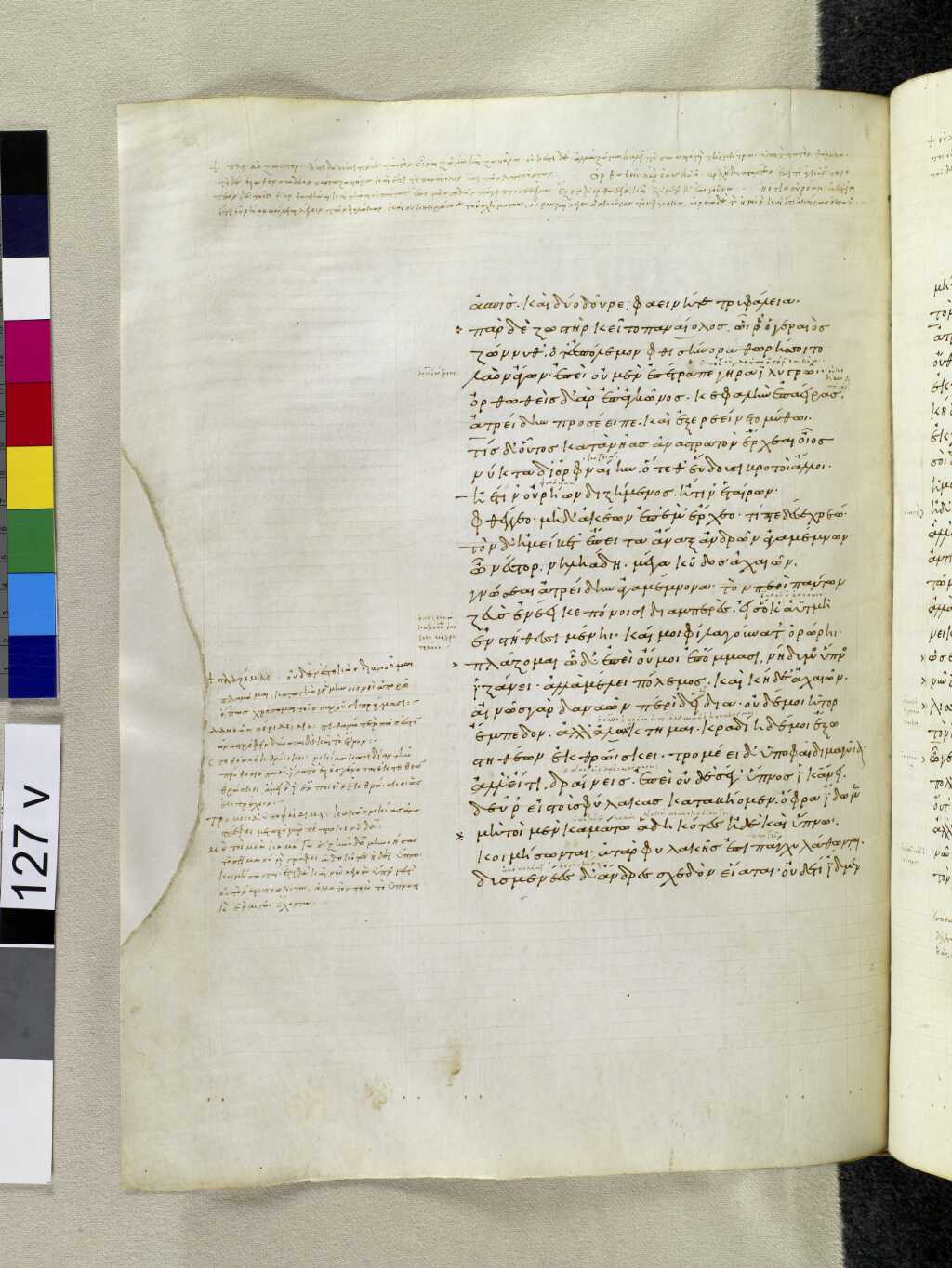
76ἀσπὶς καὶ δύο δοῦρε φαεινή τε τρυφάλεια. 77πὰρ δὲ ζωστὴρ κεῖτο παναίολος, ᾧ ῥʼ ὁ γεραιὸς 78ζώννυθʼ ὅτʼ ἐς πόλεμον φθισήνορα θωρήσσοιτο 79λαὸν ἄγων, ἐπεὶ οὐ μὲν ἐπέτρεπε γήραϊ λυγρῷ. 80ὀρθωθεὶς δʼ ἄρʼ ἐπʼ ἀγκῶνος κεφαλὴν ἐπαείρας 81Ἀτρεΐδην προσέειπε καὶ ἐξερεείνετο μύθῳ· 82τίς δʼ οὗτος κατὰ νῆας ἀνὰ στρατὸν ἔρχεαι οἶος 83νύκτα διʼ ὀρφναίην, ὅτε θʼ εὕδουσι βροτοὶ ἄλλοι, 84ἠέ τινʼ οὐρήων διζήμενος, ἤ τινʼ ἑταίρων; 85φθέγγεο, μηδʼ ἀκέων ἐπʼ ἔμʼ ἔρχεο· τίπτε δέ σε χρεώ; 86τὸν δʼ ἠμείβετʼ ἔπειτα ἄναξ ἀνδρῶν Ἀγαμέμνων· 87ὦ Νέστορ Νηληϊάδη μέγα κῦδος Ἀχαιῶν 88γνώσεαι Ἀτρεΐδην Ἀγαμέμνονα, τὸν περὶ πάντων 89Ζεὺς ἐνέηκε πόνοισι διαμπερὲς εἰς ὅ κʼ ἀϋτμὴ 90ἐν στήθεσσι μένῃ καί μοι φίλα γούνατʼ ὀρώρῃ. 91πλάζομαι ὧδʼ ἐπεὶ οὔ μοι ἐπʼ ὄμμασι νήδυμος ὕπνος 92ἱζάνει, ἀλλὰ μέλει πόλεμος καὶ κήδεʼ Ἀχαιῶν. 93αἰνῶς γὰρ Δαναῶν περιδείδια, οὐδέ μοι ἦτορ 94ἔμπεδον, ἀλλʼ ἀλαλύκτημαι, κραδίη δέ μοι ἔξω 95στηθέων ἐκθρῴσκει, τρομέει δʼ ὑπὸ φαίδιμα γυῖα. 96ἀλλʼ εἴ τι δραίνεις, ἐπεὶ οὐδὲ σέ γʼ ὕπνος ἱκάνει, 97δεῦρʼ ἐς τοὺς φύλακας καταβήομεν, ὄφρα ἴδωμεν 98μὴ τοὶ μὲν καμάτῳ ἀδηκότες ἠδὲ καὶ ὕπνῳ 99κοιμήσωνται, ἀτὰρ φυλακῆς ἐπὶ πάγχυ λάθωνται. 100δυσμενέες δʼ ἄνδρες σχεδὸν εἵαται· οὐδέ τι ἴδμεν
With these instructions he sent his brother on his way, and went on to Nestor shepherd of his people. He found him sleeping in his tent hard by his own ship; his goodly armour lay beside him—his shield, his two spears and his helmet; beside him also lay the gleaming girdle with which the old man girded himself when he armed to lead his people into battle—for his age stayed him not. He raised himself on his elbow and looked up at Agamemnon. “Who is it,” said he, “that goes thus about the host and the ships alone and in the dead of night, when men are sleeping? Are you looking for one of your mules or for some comrade? Do not stand there and say nothing, but speak. What is your business?”
And Agamemnon answered, “Nestor, son of Neleus, honour to the Achaean name, it is I, Agamemnon son of Atreus, on whom Jove has laid labour and sorrow so long as there is breath in my body and my limbs carry me. I am thus abroad because sleep sits not upon my eyelids, but my heart is big with war and with the jeopardy of the Achaeans. I am in great fear for the Danaans. I am at sea, and without sure counsel; my heart beats as though it would leap out of my body, and my limbs fail me. If then you can do anything—for you too cannot sleep—let us go the round of the watch, and see whether they are drowsy with toil and sleeping to the neglect of their duty. The enemy is encamped hard and we know not but he may attack us by night.”
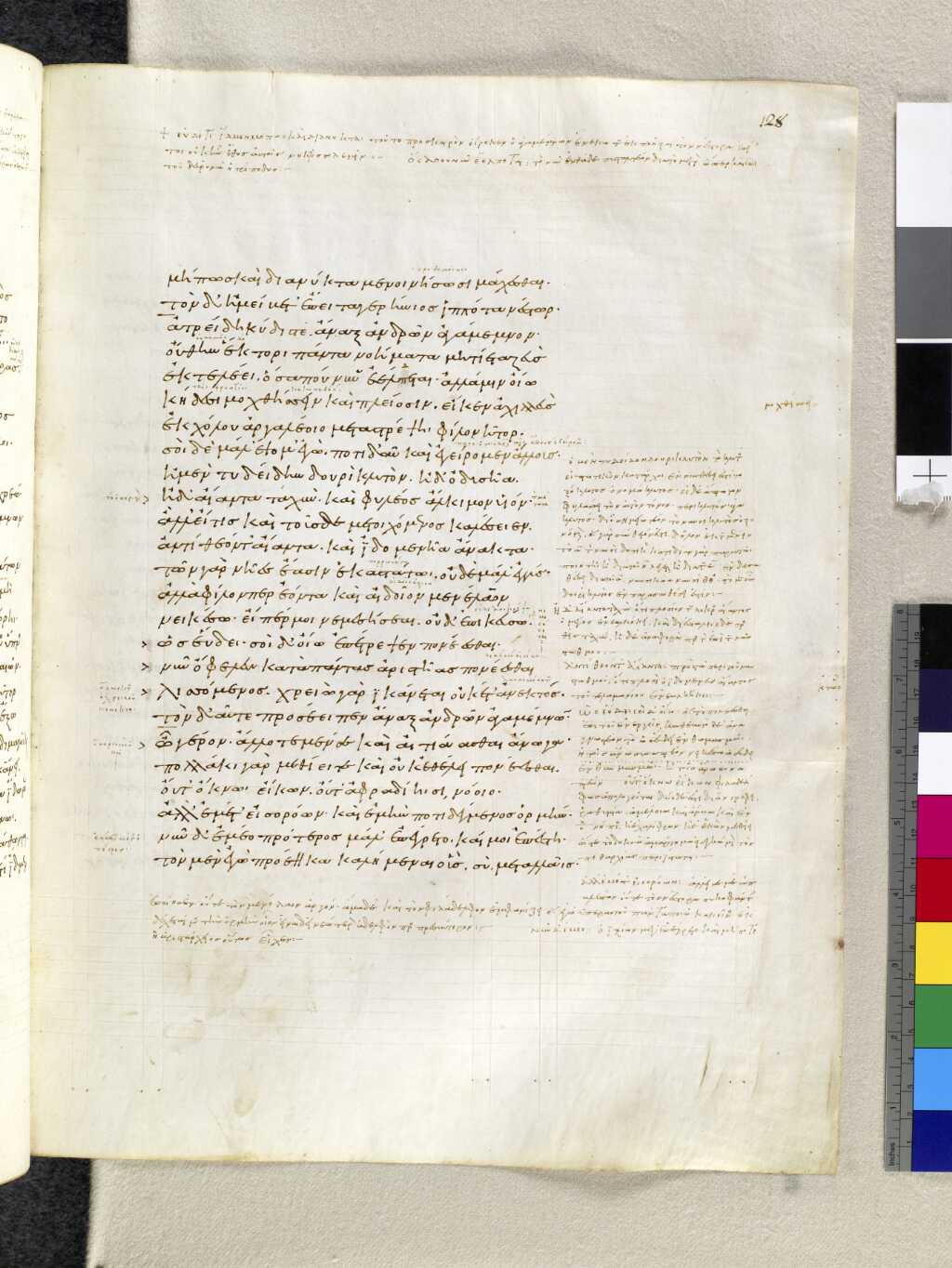
101μή πως καὶ διὰ νύκτα μενοινήσωσι μάχεσθαι. 102τὸν δʼ ἠμείβετʼ ἔπειτα Γερήνιος ἱππότα Νέστωρ· 103Ἀτρεΐδη κύδιστε ἄναξ ἀνδρῶν Ἀγάμεμνον 104οὔ θην Ἕκτορι πάντα νοήματα μητίετα Ζεὺς 105ἐκτελέει, ὅσα πού νυν ἐέλπεται· ἀλλά μιν οἴω 106κήδεσι μοχθήσειν καὶ πλείοσιν, εἴ κεν Ἀχιλλεὺς 107ἐκ χόλου ἀργαλέοιο μεταστρέψῃ φίλον ἦτορ. 108σοὶ δὲ μάλʼ ἕψομʼ ἐγώ· ποτὶ δʼ αὖ καὶ ἐγείρομεν ἄλλους 109ἠμὲν Τυδεΐδην δουρὶ κλυτὸν ἠδʼ Ὀδυσῆα 110ἠδʼ Αἴαντα ταχὺν καὶ Φυλέος ἄλκιμον υἱόν. 111ἀλλʼ εἴ τις καὶ τούσδε μετοιχόμενος καλέσειεν 112ἀντίθεόν τʼ Αἴαντα καὶ Ἰδομενῆα ἄνακτα· 113τῶν γὰρ νῆες ἔασιν ἑκαστάτω, οὐδὲ μάλʼ ἐγγύς. 114ἀλλὰ φίλον περ ἐόντα καὶ αἰδοῖον Μενέλαον 115νεικέσω, εἴ πέρ μοι νεμεσήσεαι, οὐδʼ ἐπικεύσω 116ὡς εὕδει, σοὶ δʼ οἴῳ ἐπέτρεψεν πονέεσθαι. 117νῦν ὄφελεν κατὰ πάντας ἀριστῆας πονέεσθαι 118λισσόμενος· χρειὼ γὰρ ἱκάνεται οὐκέτʼ ἀνεκτός. 119τὸν δʼ αὖτε προσέειπεν ἄναξ ἀνδρῶν Ἀγαμέμνων· 120ὦ γέρον ἄλλοτε μέν σε καὶ αἰτιάασθαι ἄνωγα· 121πολλάκι γὰρ μεθιεῖ τε καὶ οὐκ ἐθέλει πονέεσθαι 122οὔτʼ ὄκνῳ εἴκων οὔτʼ ἀφραδίῃσι νόοιο, 123ἀλλʼ ἐμέ τʼ εἰσορόων καὶ ἐμὴν ποτιδέγμενος ὁρμήν. 124νῦν δʼ ἐμέο πρότερος μάλʼ ἐπέγρετο καί μοι ἐπέστη· 125τὸν μὲν ἐγὼ προέηκα καλήμεναι οὓς σὺ μεταλλᾷς.
Nestor replied, “Most noble son of Atreus, king of men, Agamemnon, Jove will not do all for Hector that Hector thinks he will; he will have troubles yet in plenty if Achilles will lay aside his anger. I will go with you, and we will rouse others, either the son of Tydeus, or Ulysses, or fleet Ajax and the valiant son of Phyleus. Some one had also better go and call Ajax and King Idomeneus, for their ships are not near at hand but the farthest of all. I cannot however refrain from blaming Menelaus, much as I love him and respect him—and I will say so plainly, even at the risk of offending you—for sleeping and leaving all this trouble to yourself. He ought to be going about imploring aid from all the princes of the Achaeans, for we are in extreme danger.”
And Agamemnon answered, “Sir, you may sometimes blame him justly, for he is often remiss and unwilling to exert himself—not indeed from sloth, nor yet heedlessness, but because he looks to me and expects me to take the lead. On this occasion, however, he was awake before I was, and came to me of his own accord. I have already sent him to call the very men whom you have named. And now let us be going. We shall find them with the watch outside the gates, for it was there I said that we would meet them.”
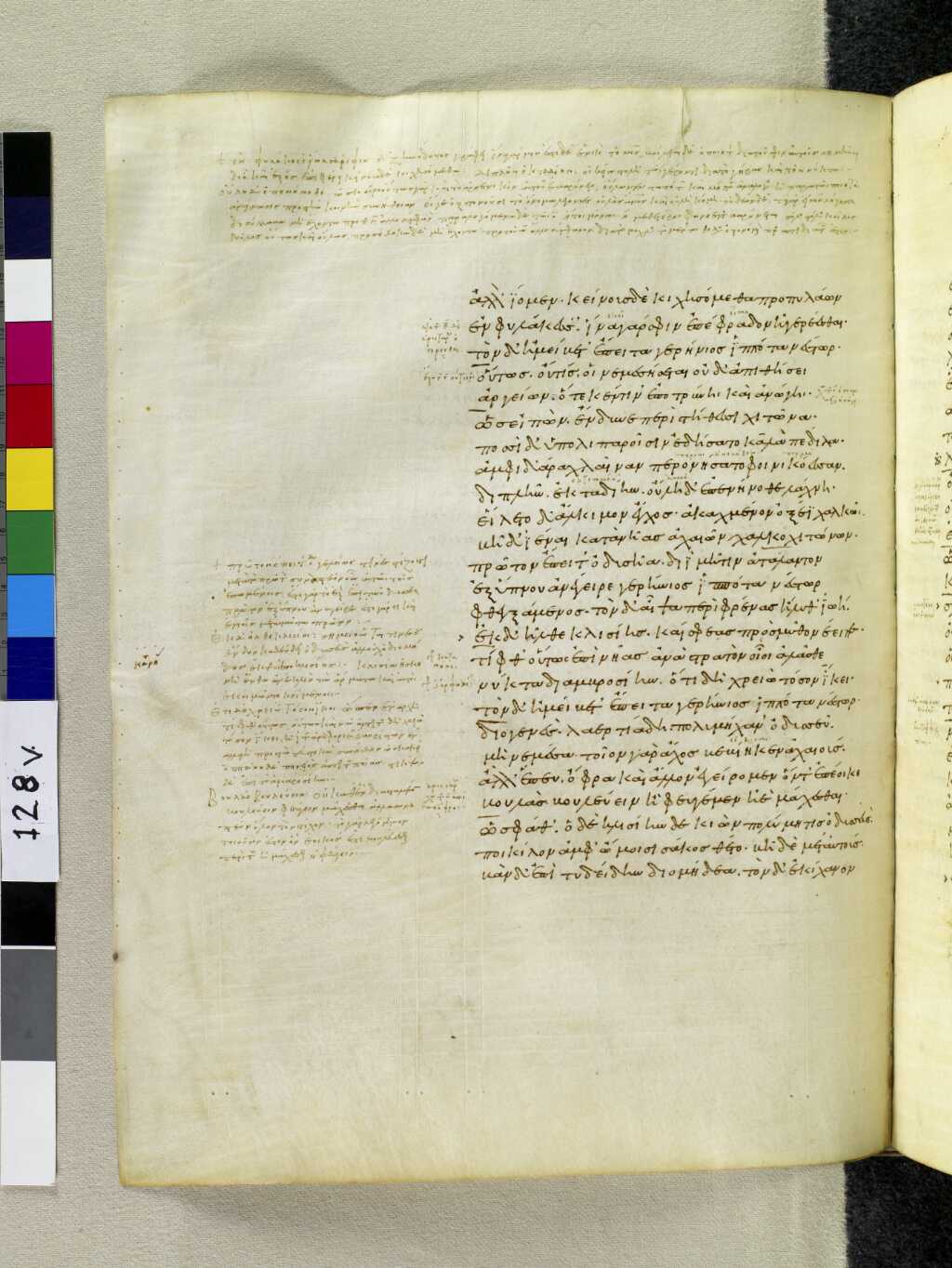
126ἀλλʼ ἴομεν· κείνους δὲ κιχησόμεθα πρὸ πυλάων 127ἐν φυλάκεσσʼ, ἵνα γάρ σφιν ἐπέφραδον ἠγερέθεσθαι. 128τὸν δʼ ἠμείβετʼ ἔπειτα Γερήνιος ἱππότα Νέστωρ· 129οὕτως οὔ τίς οἱ νεμεσήσεται οὐδʼ ἀπιθήσει 130Ἀργείων, ὅτε κέν τινʼ ἐποτρύνῃ καὶ ἀνώγῃ. 131ὣς εἰπὼν ἔνδυνε περὶ στήθεσσι χιτῶνα, 132ποσσὶ δʼ ὑπὸ λιπαροῖσιν ἐδήσατο καλὰ πέδιλα, 133ἀμφὶ δʼ ἄρα χλαῖναν περονήσατο φοινικόεσσαν 134διπλῆν ἐκταδίην, οὔλη δʼ ἐπενήνοθε λάχνη. 135εἵλετο δʼ ἄλκιμον ἔγχος ἀκαχμένον ὀξέϊ χαλκῷ, 136βῆ δʼ ἰέναι κατὰ νῆας Ἀχαιῶν χαλκοχιτώνων. 137πρῶτον ἔπειτʼ Ὀδυσῆα Διὶ μῆτιν ἀτάλαντον 138ἐξ ὕπνου ἀνέγειρε Γερήνιος ἱππότα Νέστωρ 139φθεγξάμενος· τὸν δʼ αἶψα περὶ φρένας ἤλυθʼ ἰωή, 140ἐκ δʼ ἦλθε κλισίης καί σφεας πρὸς μῦθον ἔειπε· 141τίφθʼ οὕτω κατὰ νῆας ἀνὰ στρατὸν οἶοι ἀλᾶσθε 142νύκτα διʼ ἀμβροσίην, ὅ τι δὴ χρειὼ τόσον ἵκει; 143τὸν δʼ ἠμείβετʼ ἔπειτα Γερήνιος ἱππότα Νέστωρ· 144διογενὲς Λαερτιάδη πολυμήχανʼ Ὀδυσσεῦ 145μὴ νεμέσα· τοῖον γὰρ ἄχος βεβίηκεν Ἀχαιούς. 146ἀλλʼ ἕπεʼ, ὄφρα καὶ ἄλλον ἐγείρομεν ὅν τʼ ἐπέοικε 147βουλὰς βουλεύειν, ἢ φευγέμεν ἠὲ μάχεσθαι. 148ὣς φάθʼ, ὃ δὲ κλισίην δὲ κιὼν πολύμητις Ὀδυσσεὺς 149ποικίλον ἀμφʼ ὤμοισι σάκος θέτο, βῆ δὲ μετʼ αὐτούς. 150βὰν δʼ ἐπὶ Τυδεΐδην Διομήδεα· τὸν δὲ κίχανον
“In that case,” answered Nestor, “the Argives will not blame him nor disobey his orders when he urges them to fight or gives them instructions.”
With this he put on his shirt, and bound his sandals about his comely feet. He buckled on his purple coat, of two thicknesses, large, and of a rough shaggy texture, grasped his redoubtable bronze-shod spear, and wended his way along the line of the Achaean ships. First he called loudly to Ulysses peer of gods in counsel and woke him, for he was soon roused by the sound of the battle-cry. He came outside his tent and said, “Why do you go thus alone about the host, and along the line of the ships in the stillness of the night? What is it that you find so urgent?” And Nestor knight of Gerene answered, “Ulysses, noble son of Laertes, take it not amiss, for the Achaeans are in great straits. Come with me and let us wake some other, who may advise well with us whether we shall fight or fly.”
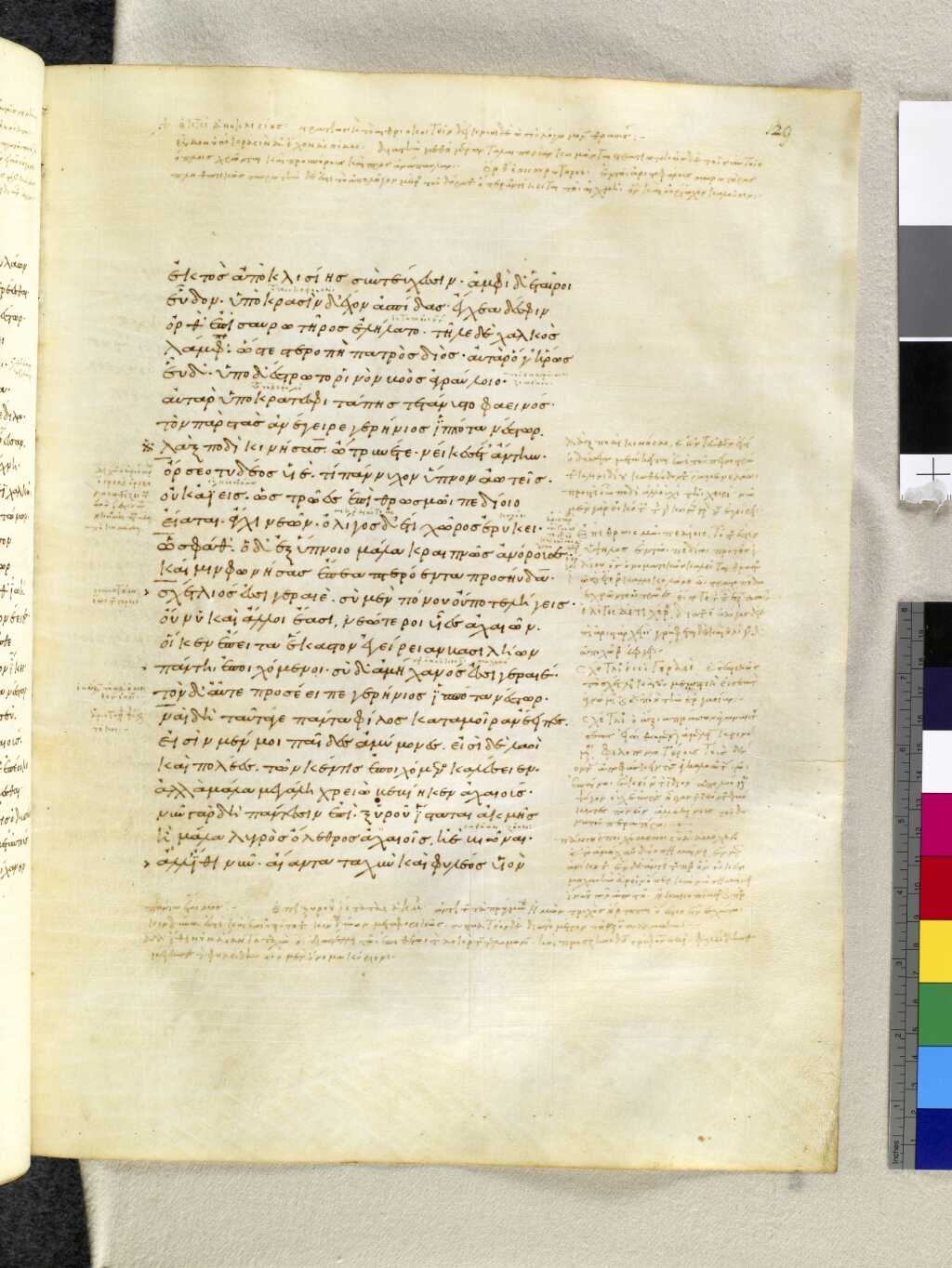
151ἐκτὸς ἀπὸ κλισίης σὺν τεύχεσιν· ἀμφὶ δʼ ἑταῖροι 152εὗδον, ὑπὸ κρασὶν δʼ ἔχον ἀσπίδας· ἔγχεα δέ σφιν 153ὄρθʼ ἐπὶ σαυρωτῆρος ἐλήλατο, τῆλε δὲ χαλκὸς 154λάμφʼ ὥς τε στεροπὴ πατρὸς Διός· αὐτὰρ ὅ γʼ ἥρως 155εὗδʼ, ὑπὸ δʼ ἔστρωτο ῥινὸν βοὸς ἀγραύλοιο, 156αὐτὰρ ὑπὸ κράτεσφι τάπης τετάνυστο φαεινός. 157τὸν παρστὰς ἀνέγειρε Γερήνιος ἱππότα Νέστωρ, 158λὰξ ποδὶ κινήσας, ὄτρυνέ τε νείκεσέ τʼ ἄντην· 159ἔγρεο Τυδέος υἱέ· τί πάννυχον ὕπνον ἀωτεῖς; 160οὐκ ἀΐεις ὡς Τρῶες ἐπὶ θρωσμῷ πεδίοιο 161εἵαται ἄγχι νεῶν, ὀλίγος δʼ ἔτι χῶρος ἐρύκει; 162ὣς φάθʼ, ὃ δʼ ἐξ ὕπνοιο μάλα κραιπνῶς ἀνόρουσε, 163καί μιν φωνήσας ἔπεα πτερόεντα προσηύδα· 164σχέτλιός ἐσσι γεραιέ· σὺ μὲν πόνου οὔ ποτε λήγεις. 165οὔ νυ καὶ ἄλλοι ἔασι νεώτεροι υἷες Ἀχαιῶν 166οἵ κεν ἔπειτα ἕκαστον ἐγείρειαν βασιλήων 167πάντῃ ἐποιχόμενοι; σὺ δʼ ἀμήχανός ἐσσι γεραιέ. 168τὸν δʼ αὖτε προσέειπε Γερήνιος ἱππότα Νέστωρ· 169ναὶ δὴ ταῦτά γε πάντα φίλος κατὰ μοῖραν ἔειπες. 170εἰσὶν μέν μοι παῖδες ἀμύμονες, εἰσὶ δὲ λαοὶ 171καὶ πολέες, τῶν κέν τις ἐποιχόμενος καλέσειεν· 172ἀλλὰ μάλα μεγάλη χρειὼ βεβίηκεν Ἀχαιούς. 173νῦν γὰρ δὴ πάντεσσιν ἐπὶ ξυροῦ ἵσταται ἀκμῆς 174ἢ μάλα λυγρὸς ὄλεθρος Ἀχαιοῖς ἠὲ βιῶναι. 175ἀλλʼ ἴθι νῦν Αἴαντα ταχὺν καὶ Φυλέος υἱὸν
On this Ulysses went at once into his tent, put his shield about his shoulders and came out with them. First they went to Diomed son of Tydeus, and found him outside his tent clad in his armour with his comrades sleeping round him and using their shields as pillows; as for their spears, they stood upright on the spikes of their butts that were driven into the ground, and the burnished bronze flashed afar like the lightning of father Jove. The hero was sleeping upon the skin of an ox, with a piece of fine carpet under his head; Nestor went up to him and stirred him with his heel to rouse him, upbraiding him and urging him to bestir himself. “Wake up,” he exclaimed, “son of Tydeus. How can you sleep on in this way? Can you not see that the Trojans are encamped on the brow of the plain hard by our ships, with but a little space between us and them?”
On these words Diomed leaped up instantly and said, “Old man, your heart is of iron; you rest not one moment from your labours. Are there no younger men among the Achaeans who could go about to rouse the princes? There is no tiring you.”
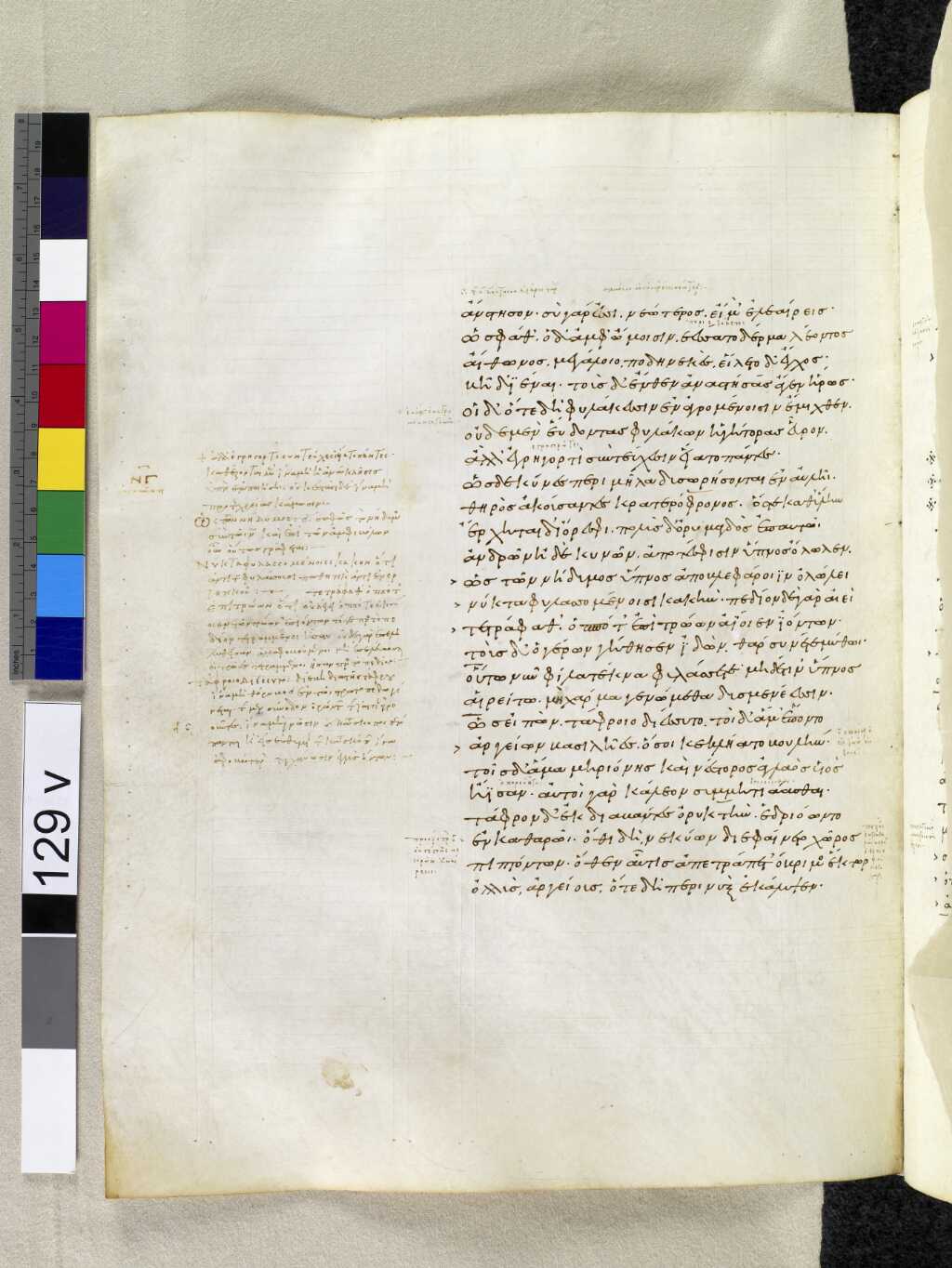
176ἄνστησον· σὺ γάρ ἐσσι νεώτερος· εἴ μʼ ἐλεαίρεις. 177ὣς φάθʼ, ὃ δʼ ἀμφʼ ὤμοισιν ἑέσσατο δέρμα λέοντος 178αἴθωνος μεγάλοιο ποδηνεκές, εἵλετο δʼ ἔγχος. 179βῆ δʼ ἰέναι, τοὺς δʼ ἔνθεν ἀναστήσας ἄγεν ἥρως. 180οἳ δʼ ὅτε δὴ φυλάκεσσιν ἐν ἀγρομένοισιν ἔμιχθεν, 181οὐδὲ μὲν εὕδοντας φυλάκων ἡγήτορας εὗρον, 182ἀλλʼ ἐγρηγορτὶ σὺν τεύχεσιν εἵατο πάντες. 183ὡς δὲ κύνες περὶ μῆλα δυσωρήσωνται ἐν αὐλῇ 184θηρὸς ἀκούσαντες κρατερόφρονος, ὅς τε καθʼ ὕλην 185ἔρχηται διʼ ὄρεσφι· πολὺς δʼ ὀρυμαγδὸς ἐπʼ αὐτῷ 186ἀνδρῶν ἠδὲ κυνῶν, ἀπό τέ σφισιν ὕπνος ὄλωλεν· 187ὣς τῶν νήδυμος ὕπνος ἀπὸ βλεφάροιιν ὀλώλει 188νύκτα φυλασσομένοισι κακήν· πεδίον δὲ γὰρ αἰεὶ 189τετράφαθʼ, ὁππότʼ ἐπὶ Τρώων ἀΐοιεν ἰόντων. 190τοὺς δʼ ὃ γέρων γήθησεν ἰδὼν θάρσυνέ τε μύθῳ 191καί σφεας φωνήσας ἔπεα πτερόεντα προσηύδα· 192οὕτω νῦν φίλα τέκνα φυλάσσετε· μηδέ τινʼ ὕπνος 193αἱρείτω, μὴ χάρμα γενώμεθα δυσμενέεσσιν. 194ὣς εἰπὼν τάφροιο διέσσυτο· τοὶ δʼ ἅμʼ ἕποντο 195Ἀργείων βασιλῆες ὅσοι κεκλήατο βουλήν. 196τοῖς δʼ ἅμα Μηριόνης καὶ Νέστορος ἀγλαὸς υἱὸς 197ἤϊσαν· αὐτοὶ γὰρ κάλεον συμμητιάασθαι. 198τάφρον δʼ ἐκδιαβάντες ὀρυκτὴν ἑδριόωντο 199ἐν καθαρῷ, ὅθι δὴ νεκύων διεφαίνετο χῶρος 200πιπτόντων· ὅθεν αὖτις ἀπετράπετʼ ὄβριμος Ἕκτωρ
And Nestor knight of Gerene made answer, “My son, all that you have said is true. I have good sons, and also much people who might call the chieftains, but the Achaeans are in the gravest danger; life and death are balanced as it were on the edge of a razor. Go then, for you are younger than I, and of your courtesy rouse Ajax and the fleet son of Phyleus.”
Diomed threw the skin of a great tawny lion about his shoulders—a skin that reached his feet—and grasped his spear. When he had roused the heroes, he brought them back with him; they then went the round of those who were on guard, and found the captains not sleeping at their posts but wakeful and sitting with their arms about them. As sheep dogs that watch their flocks when they are yarded, and hear a wild beast coming through the mountain forest towards them—forthwith there is a hue and cry of dogs and men, and slumber is broken—even so was sleep chased from the eyes of the Achaeans as they kept the watches of the wicked night, for they turned constantly towards the plain whenever they heard any stir among the Trojans. The old man was glad and bade them be of good cheer. “Watch on, my children,” said he, “and let not sleep get hold upon you, lest our enemies triumph over us.”
201ὀλλὺς Ἀργείους, ὅτε δὴ περὶ νὺξ ἐκάλυψεν. 202ἔνθα καθεζόμενοι ἔπεʼ ἀλλήλοισι πίφαυσκον· 203τοῖσι δὲ μύθων ἦρχε Γερήνιος ἱππότα Νέστωρ· 204ὦ φίλοι οὐκ ἂν δή τις ἀνὴρ πεπίθοιθʼ ἑῷ αὐτοῦ 205θυμῷ τολμήεντι μετὰ Τρῶας μεγαθύμους 206ἐλθεῖν, εἴ τινά που δηΐων ἕλοι ἐσχατόωντα, 207ἤ τινά που καὶ φῆμιν ἐνὶ Τρώεσσι πύθοιτο, 208ἅσσά τε μητιόωσι μετὰ σφίσιν, ἢ μεμάασιν 209αὖθι μένειν παρὰ νηυσὶν ἀπόπροθεν, ἦε πόλιν δὲ 210ἂψ ἀναχωρήσουσιν, ἐπεὶ δαμάσαντό γʼ Ἀχαιούς. 211ταῦτά κε πάντα πύθοιτο, καὶ ἂψ εἰς ἡμέας ἔλθοι 212ἀσκηθής· μέγα κέν οἱ ὑπουράνιον κλέος εἴη 213πάντας ἐπʼ ἀνθρώπους, καί οἱ δόσις ἔσσεται ἐσθλή· 214ὅσσοι γὰρ νήεσσιν ἐπικρατέουσιν ἄριστοι 215τῶν πάντων οἱ ἕκαστος ὄϊν δώσουσι μέλαιναν 216θῆλυν ὑπόρρηνον· τῇ μὲν κτέρας οὐδὲν ὁμοῖον, 217αἰεὶ δʼ ἐν δαίτῃσι καὶ εἰλαπίνῃσι παρέσται. 218ὣς ἔφαθʼ, οἳ δʼ ἄρα πάντες ἀκὴν ἐγένοντο σιωπῇ. 219τοῖσι δὲ καὶ μετέειπε βοὴν ἀγαθὸς Διομήδης· 220Νέστορ ἔμʼ ὀτρύνει κραδίη καὶ θυμὸς ἀγήνωρ 221ἀνδρῶν δυσμενέων δῦναι στρατὸν ἐγγὺς ἐόντων 222Τρώων· ἀλλʼ εἴ τίς μοι ἀνὴρ ἅμʼ ἕποιτο καὶ ἄλλος 223μᾶλλον θαλπωρὴ καὶ θαρσαλεώτερον ἔσται. 224σύν τε δύʼ ἐρχομένω καί τε πρὸ ὃ τοῦ ἐνόησεν 225ὅππως κέρδος ἔῃ· μοῦνος δʼ εἴ πέρ τε νοήσῃ
With this he passed the trench, and with him the other chiefs of the Achaeans who had been called to the council. Meriones and the brave son of Nestor went also, for the princes bade them. When they were beyond the trench that was dug round the wall they held their meeting on the open ground where there was a space clear of corpses, for it was here that when night fell Hector had turned back from his onslaught on the Argives. They sat down, therefore, and held debate with one another.
Nestor spoke first. “My friends,” said he, “is there any man bold enough to venture among the Trojans, and cut off some straggler, or bring us news of what the enemy mean to do whether they will stay here by the ships away from the city, or whether, now that they have worsted the Achaeans, they will retire within their walls. If he could learn all this and come back safely here, his fame would be high as heaven in the mouths of all men, and he would be rewarded richly; for the chiefs from all our ships would each of them give him a black ewe with her lamb—which is a present of surpassing value—and he would be asked as a guest to all feasts and clan-gatherings.”
They all held their peace, but Diomed of the loud war-cry spoke saying, “Nestor, gladly will I visit the host of the Trojans over against us, but if another will go with me I shall do so in greater confidence and comfort. When two men are together, one of them may see some opportunity which the other has not caught sight of; if a man is alone he is less full of resource, and his wit is weaker.”
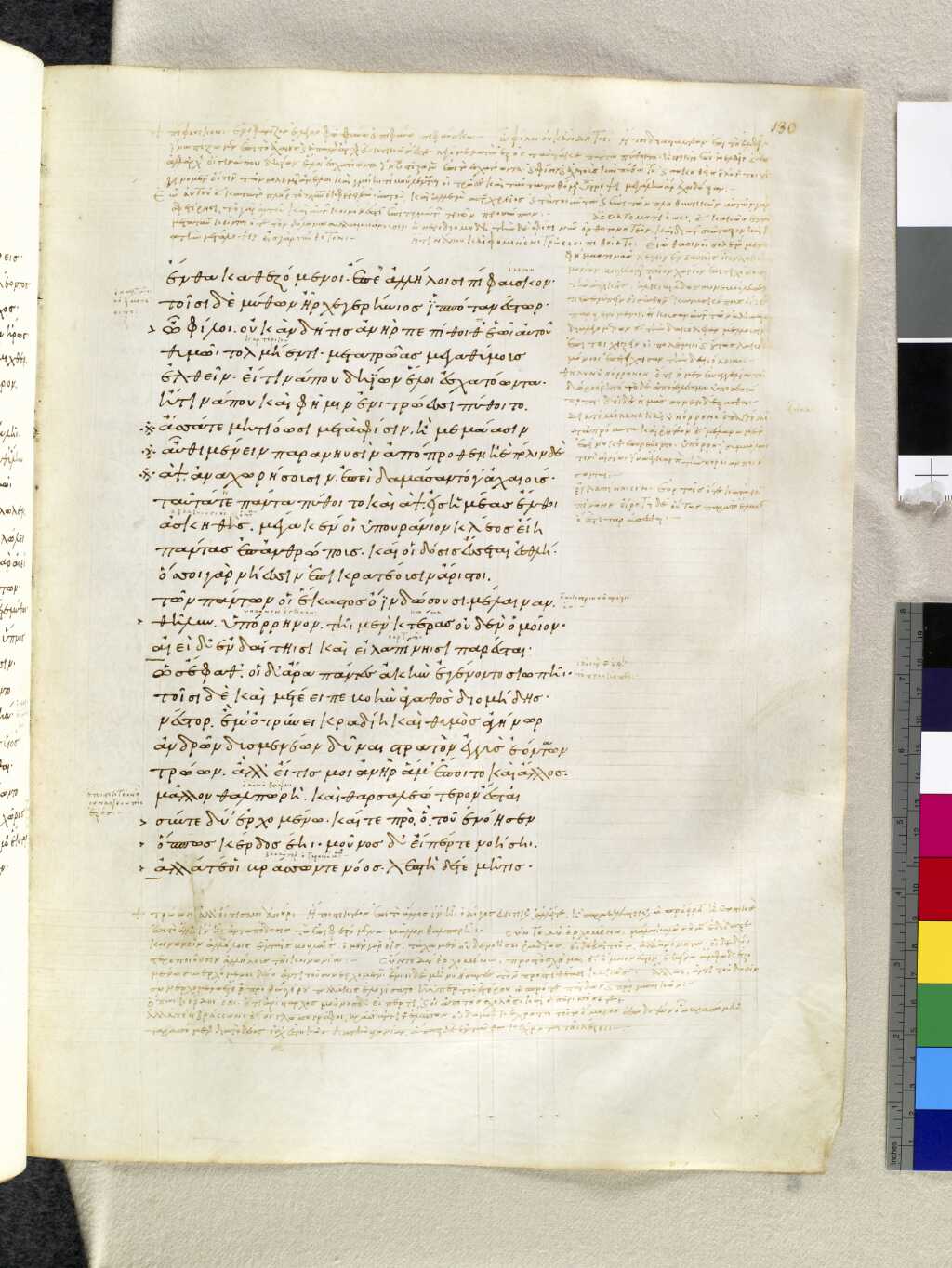
226ἀλλά τέ οἱ βράσσων τε νόος, λεπτὴ δέ τε μῆτις. 227ὣς ἔφαθʼ, οἳ δʼ ἔθελον Διομήδεϊ πολλοὶ ἕπεσθαι. 228ἠθελέτην Αἴαντε δύω θεράποντες Ἄρηος, 229ἤθελε Μηριόνης, μάλα δʼ ἤθελε Νέστορος υἱός, 230ἤθελε δʼ Ἀτρεΐδης δουρικλειτὸς Μενέλαος, 231ἤθελε δʼ ὁ τλήμων Ὀδυσεὺς καταδῦναι ὅμιλον 232Τρώων· αἰεὶ γάρ οἱ ἐνὶ φρεσὶ θυμὸς ἐτόλμα. 233τοῖσι δὲ καὶ μετέειπεν ἄναξ ἀνδρῶν Ἀγαμέμνων· 234Τυδεΐδη Διόμηδες ἐμῷ κεχαρισμένε θυμῷ 235τὸν μὲν δὴ ἕταρόν γʼ αἱρήσεαι ὅν κʼ ἐθέλῃσθα, 236φαινομένων τὸν ἄριστον, ἐπεὶ μεμάασί γε πολλοί. 237μηδὲ σύ γʼ αἰδόμενος σῇσι φρεσὶ τὸν μὲν ἀρείω 238καλλείπειν, σὺ δὲ χείρονʼ ὀπάσσεαι αἰδοῖ εἴκων 239ἐς γενεὴν ὁρόων, μηδʼ εἰ βασιλεύτερός ἐστιν. 240ὣς ἔφατʼ, ἔδεισεν δὲ περὶ ξανθῷ Μενελάῳ. 241τοῖς δʼ αὖτις μετέειπε βοὴν ἀγαθὸς Διομήδης· 242εἰ μὲν δὴ ἕταρόν γε κελεύετέ μʼ αὐτὸν ἑλέσθαι, 243πῶς ἂν ἔπειτʼ Ὀδυσῆος ἐγὼ θείοιο λαθοίμην, 244οὗ πέρι μὲν πρόφρων κραδίη καὶ θυμὸς ἀγήνωρ 245ἐν πάντεσσι πόνοισι, φιλεῖ δέ ἑ Παλλὰς Ἀθήνη. 246τούτου γʼ ἑσπομένοιο καὶ ἐκ πυρὸς αἰθομένοιο 247ἄμφω νοστήσαιμεν, ἐπεὶ περίοιδε νοῆσαι. 248τὸν δʼ αὖτε προσέειπε πολύτλας δῖος Ὀδυσσεύς· 249Τυδεΐδη μήτʼ ἄρ με μάλʼ αἴνεε μήτέ τι νείκει· 250εἰδόσι γάρ τοι ταῦτα μετʼ Ἀργείοις ἀγορεύεις.
On this several offered to go with Diomed. The two Ajaxes, servants of Mars, Meriones, and the son of Nestor all wanted to go, so did Menelaus son of Atreus; Ulysses also wished to go among the host of the Trojans, for he was ever full of daring, and thereon Agamemnon king of men spoke thus: “Diomed,” said he, “son of Tydeus, man after my own heart, choose your comrade for yourself—take the best man of those that have offered, for many would now go with you. Do not through delicacy reject the better man, and take the worst out of respect for his lineage, because he is of more royal blood.”
He said this because he feared for Menelaus. Diomed answered, “If you bid me take the man of my own choice, how in that case can I fail to think of Ulysses, than whom there is no man more eager to face all kinds of danger—and Pallas Minerva loves him well? If he were to go with me we should pass safely through fire itself, for he is quick to see and understand.”
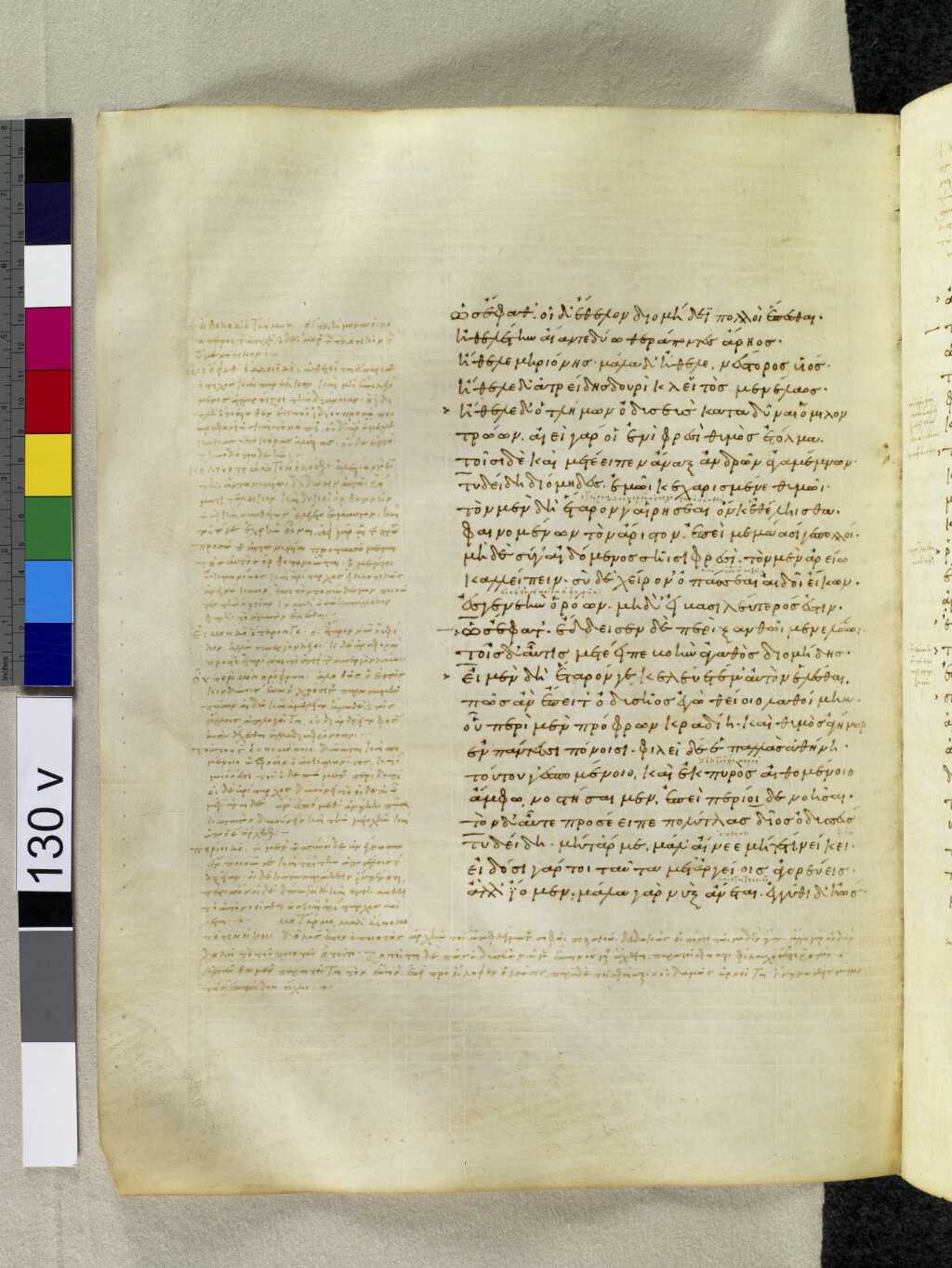
251ἀλλʼ ἴομεν· μάλα γὰρ νὺξ ἄνεται, ἐγγύθι δʼ ἠώς, 252ἄστρα δὲ δὴ προβέβηκε, παροίχωκεν δὲ πλέων νὺξ 253τῶν δύο μοιράων, τριτάτη δʼ ἔτι μοῖρα λέλειπται. 254ὣς εἰπόνθʼ ὅπλοισιν ἔνι δεινοῖσιν ἐδύτην. 255Τυδεΐδῃ μὲν δῶκε μενεπτόλεμος Θρασυμήδης 256φάσγανον ἄμφηκες· τὸ δʼ ἑὸν παρὰ νηῒ λέλειπτο· 257καὶ σάκος· ἀμφὶ δέ οἱ κυνέην κεφαλῆφιν ἔθηκε 258ταυρείην, ἄφαλόν τε καὶ ἄλλοφον, ἥ τε καταῖτυξ 259κέκληται, ῥύεται δὲ κάρη θαλερῶν αἰζηῶν. 260Μηριόνης δʼ Ὀδυσῆϊ δίδου βιὸν ἠδὲ φαρέτρην 261καὶ ξίφος, ἀμφὶ δέ οἱ κυνέην κεφαλῆφιν ἔθηκε 262ῥινοῦ ποιητήν· πολέσιν δʼ ἔντοσθεν ἱμᾶσιν 263ἐντέτατο στερεῶς· ἔκτοσθε δὲ λευκοὶ ὀδόντες 264ἀργιόδοντος ὑὸς θαμέες ἔχον ἔνθα καὶ ἔνθα 265εὖ καὶ ἐπισταμένως· μέσσῃ δʼ ἐνὶ πῖλος ἀρήρει. 266τήν ῥά ποτʼ ἐξ Ἐλεῶνος Ἀμύντορος Ὀρμενίδαο 267ἐξέλετʼ Αὐτόλυκος πυκινὸν δόμον ἀντιτορήσας, 268Σκάνδειαν δʼ ἄρα δῶκε Κυθηρίῳ Ἀμφιδάμαντι· 269Ἀμφιδάμας δὲ Μόλῳ δῶκε ξεινήϊον εἶναι, 270αὐτὰρ ὃ Μηριόνῃ δῶκεν ᾧ παιδὶ φορῆναι· 271δὴ τότʼ Ὀδυσσῆος πύκασεν κάρη ἀμφιτεθεῖσα. 272τὼ δʼ ἐπεὶ οὖν ὅπλοισιν ἔνι δεινοῖσιν ἐδύτην, 273βάν ῥʼ ἰέναι, λιπέτην δὲ κατʼ αὐτόθι πάντας ἀρίστους. 274τοῖσι δὲ δεξιὸν ἧκεν ἐρῳδιὸν ἐγγὺς ὁδοῖο 275Παλλὰς Ἀθηναίη· τοὶ δʼ οὐκ ἴδον ὀφθαλμοῖσι
“Son of Tydeus,” replied Ulysses, “say neither good nor ill about me, for you are among Argives who know me well. Let us be going, for the night wanes and dawn is at hand. The stars have gone forward, two-thirds of the night are already spent, and the third is alone left us.”
They then put on their armour. Brave Thrasymedes provided the son of Tydeus with a sword and a shield (for he had left his own at his ship) and on his head he set a helmet of bull’s hide without either peak or crest; it is called a skull-cap and is a common headgear. Meriones found a bow and quiver for Ulysses, and on his head he set a leathern helmet that was lined with a strong plaiting of leathern thongs, while on the outside it was thickly studded with boar’s teeth, well and skilfully set into it; next the head there was an inner lining of felt. This helmet had been stolen by Autolycus out of Eleon when he broke into the house of Amyntor son of Ormenus. He gave it to Amphidamas of Cythera to take to Scandea, and Amphidamas gave it as a guest-gift to Molus, who gave it to his son Meriones; and now it was set upon the head of Ulysses.
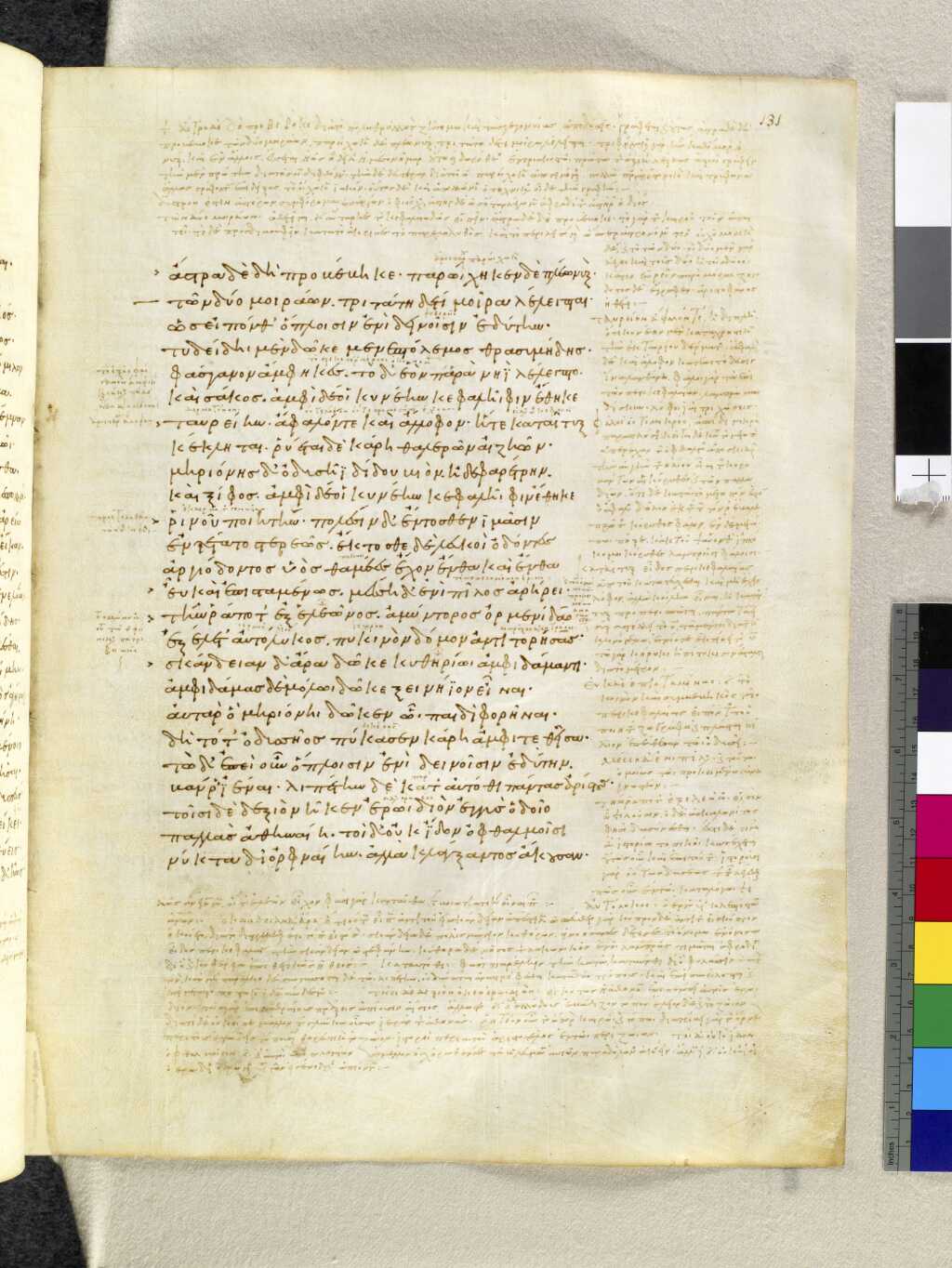
276νύκτα διʼ ὀρφναίην, ἀλλὰ κλάγξαντος ἄκουσαν. 277χαῖρε δὲ τῷ ὄρνιθʼ Ὀδυσεύς, ἠρᾶτο δʼ Ἀθήνῃ· 278κλῦθί μευ αἰγιόχοιο Διὸς τέκος, ἥ τέ μοι αἰεὶ 279ἐν πάντεσσι πόνοισι παρίστασαι, οὐδέ σε λήθω 280κινύμενος· νῦν αὖτε μάλιστά με φῖλαι Ἀθήνη, 281δὸς δὲ πάλιν ἐπὶ νῆας ἐϋκλεῖας ἀφικέσθαι 282ῥέξαντας μέγα ἔργον, ὅ κε Τρώεσσι μελήσῃ. 283δεύτερος αὖτʼ ἠρᾶτο βοὴν ἀγαθὸς Διομήδης· 284κέκλυθι νῦν καὶ ἐμεῖο Διὸς τέκος Ἀτρυτώνη· 285σπεῖό μοι ὡς ὅτε πατρὶ ἅμʼ ἕσπεο Τυδέϊ δίῳ 286ἐς Θήβας, ὅτε τε πρὸ Ἀχαιῶν ἄγγελος ᾔει. 287τοὺς δʼ ἄρʼ ἐπʼ Ἀσωπῷ λίπε χαλκοχίτωνας Ἀχαιούς, 288αὐτὰρ ὃ μειλίχιον μῦθον φέρε Καδμείοισι 289κεῖσʼ· ἀτὰρ ἂψ ἀπιὼν μάλα μέρμερα μήσατο ἔργα 290σὺν σοὶ δῖα θεά, ὅτε οἱ πρόφρασσα παρέστης. 291ὣς νῦν μοι ἐθέλουσα παρίσταο καί με φύλασσε. 292σοὶ δʼ αὖ ἐγὼ ῥέξω βοῦν ἦνιν εὐρυμέτωπον 293ἀδμήτην, ἣν οὔ πω ὑπὸ ζυγὸν ἤγαγεν ἀνήρ· 294τήν τοι ἐγὼ ῥέξω χρυσὸν κέρασιν περιχεύας. 295ὣς ἔφαν εὐχόμενοι, τῶν δʼ ἔκλυε Παλλὰς Ἀθήνη. 296οἳ δʼ ἐπεὶ ἠρήσαντο Διὸς κούρῃ μεγάλοιο, 297βάν ῥʼ ἴμεν ὥς τε λέοντε δύω διὰ νύκτα μέλαιναν 298ἂμ φόνον, ἂν νέκυας, διά τʼ ἔντεα καὶ μέλαν αἷμα. 299οὐδὲ μὲν οὐδὲ Τρῶας ἀγήνορας εἴασεν Ἕκτωρ 300εὕδειν, ἀλλʼ ἄμυδις κικλήσκετο πάντας ἀρίστους,
When the pair had armed, they set out, and left the other chieftains behind them. Pallas Minerva sent them a heron by the wayside upon their right hands; they could not see it for the darkness, but they heard its cry. Ulysses was glad when he heard it and prayed to Minerva: “Hear me,” he cried, “daughter of aegis-bearing Jove, you who spy out all my ways and who are with me in all my hardships; befriend me in this mine hour, and grant that we may return to the ships covered with glory after having achieved some mighty exploit that shall bring sorrow to the Trojans.”
Then Diomed of the loud war-cry also prayed: “Hear me too,” said he, “daughter of Jove, unweariable; be with me even as you were with my noble father Tydeus when he went to Thebes as envoy sent by the Achaeans. He left the Achaeans by the banks of the river Aesopus, and went to the city bearing a message of peace to the Cadmeians; on his return thence, with your help, goddess, he did great deeds of daring, for you were his ready helper. Even so guide me and guard me now, and in return I will offer you in sacrifice a broad-browed heifer of a year old, unbroken, and never yet brought by man under the yoke. I will gild her horns and will offer her up to you in sacrifice.”
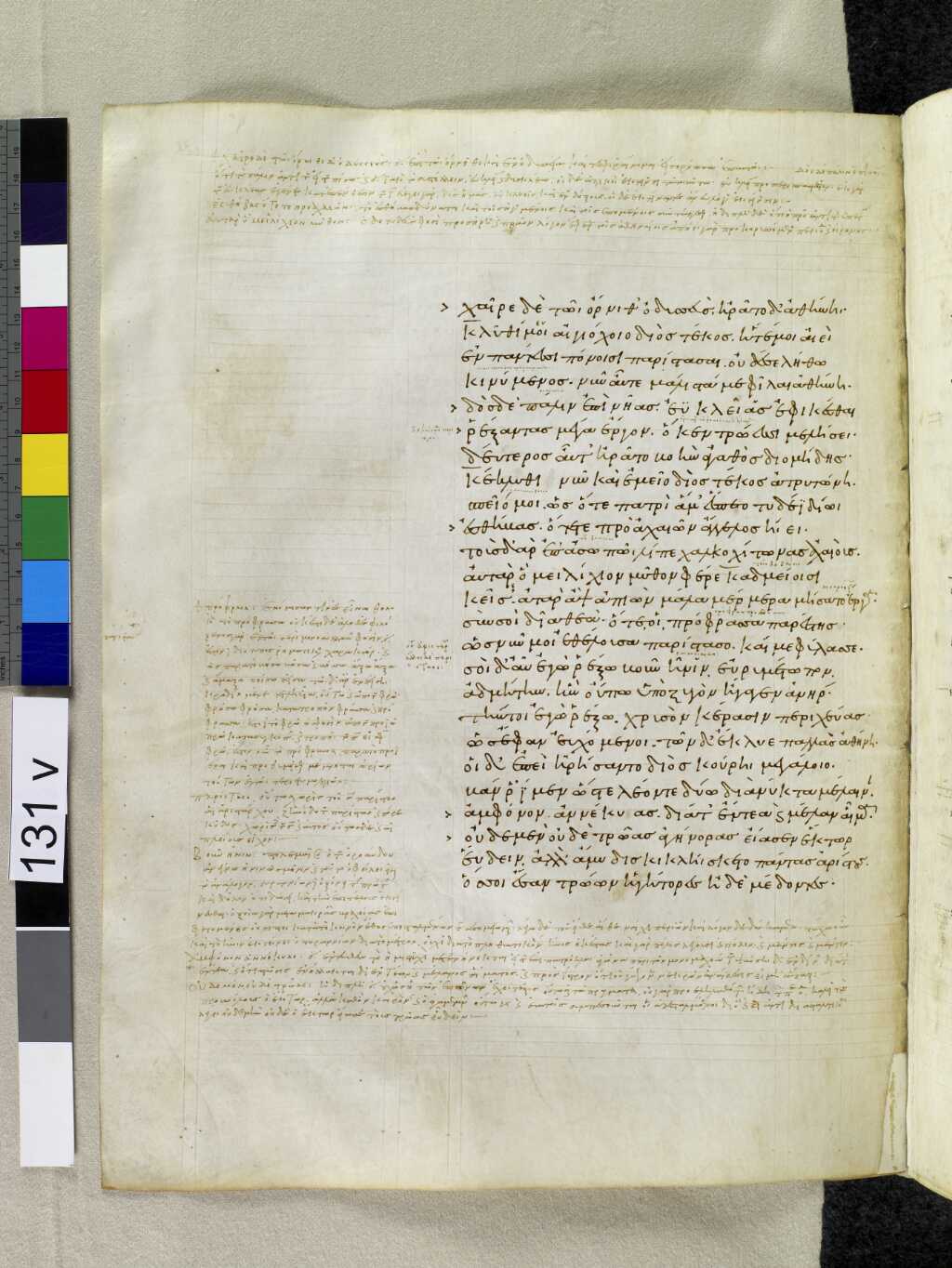
301ὅσσοι ἔσαν Τρώων ἡγήτορες ἠδὲ μέδοντες· 302τοὺς ὅ γε συγκαλέσας πυκινὴν ἀρτύνετο βουλήν· 303τίς κέν μοι τόδε ἔργον ὑποσχόμενος τελέσειε 304δώρῳ ἔπι μεγάλῳ; μισθὸς δέ οἱ ἄρκιος ἔσται. 305δώσω γὰρ δίφρόν τε δύω τʼ ἐριαύχενας ἵππους 306οἵ κεν ἄριστοι ἔωσι θοῇς ἐπὶ νηυσὶν Ἀχαιῶν 307ὅς τίς κε τλαίη, οἷ τʼ αὐτῷ κῦδος ἄροιτο, 308νηῶν ὠκυπόρων σχεδὸν ἐλθέμεν, ἔκ τε πυθέσθαι 309ἠέ φυλάσσονται νῆες θοαὶ ὡς τὸ πάρος περ, 310ἦ ἤδη χείρεσσιν ὑφʼ ἡμετέρῃσι δαμέντες 311φύξιν βουλεύουσι μετὰ σφίσιν, οὐδʼ ἐθέλουσι 312νύκτα φυλασσέμεναι, καμάτῳ ἀδηκότες αἰνῷ. 313ὣς ἔφαθʼ, οἳ δʼ ἄρα πάντες ἀκὴν ἐγένοντο σιωπῇ. 314ἦν δέ τις ἐν Τρώεσσι Δόλων Εὐμήδεος υἱὸς 315κήρυκος θείοιο πολύχρυσος πολύχαλκος, 316ὃς δή τοι εἶδος μὲν ἔην κακός, ἀλλὰ ποδώκης· 317αὐτὰρ ὃ μοῦνος ἔην μετὰ πέντε κασιγνήτῃσιν. 318ὅς ῥα τότε Τρωσίν τε καὶ Ἕκτορι μῦθον ἔειπεν· 319Ἕκτορ ἔμʼ ὀτρύνει κραδίη καὶ θυμὸς ἀγήνωρ 320νηῶν ὠκυπόρων σχεδὸν ἐλθέμεν ἔκ τε πυθέσθαι. 321ἀλλʼ ἄγε μοι τὸ σκῆπτρον ἀνάσχεο, καί μοι ὄμοσσον 322ἦ μὲν τοὺς ἵππους τε καὶ ἅρματα ποικίλα χαλκῷ 323δωσέμεν, οἳ φορέουσιν ἀμύμονα Πηλεΐωνα, 324σοὶ δʼ ἐγὼ οὐχ ἅλιος σκοπὸς ἔσσομαι οὐδʼ ἀπὸ δόξης· 325τόφρα γὰρ ἐς στρατὸν εἶμι διαμπερὲς ὄφρʼ ἂν ἵκωμαι
Thus they prayed, and Pallas Minerva heard their prayer. When they had done praying to the daughter of great Jove, they went their way like two lions prowling by night amid the armour and blood-stained bodies of them that had fallen.
Neither again did Hector let the Trojans sleep; for he too called the princes and councillors of the Trojans that he might set his counsel before them. “Is there one,” said he, “who for a great reward will do me the service of which I will tell you? He shall be well paid if he will. I will give him a chariot and a couple of horses, the fleetest that can be found at the ships of the Achaeans, if he will dare this thing; and he will win infinite honour to boot; he must go to the ships and find out whether they are still guarded as heretofore, or whether now that we have beaten them the Achaeans design to fly, and through sheer exhaustion are neglecting to keep their watches.”
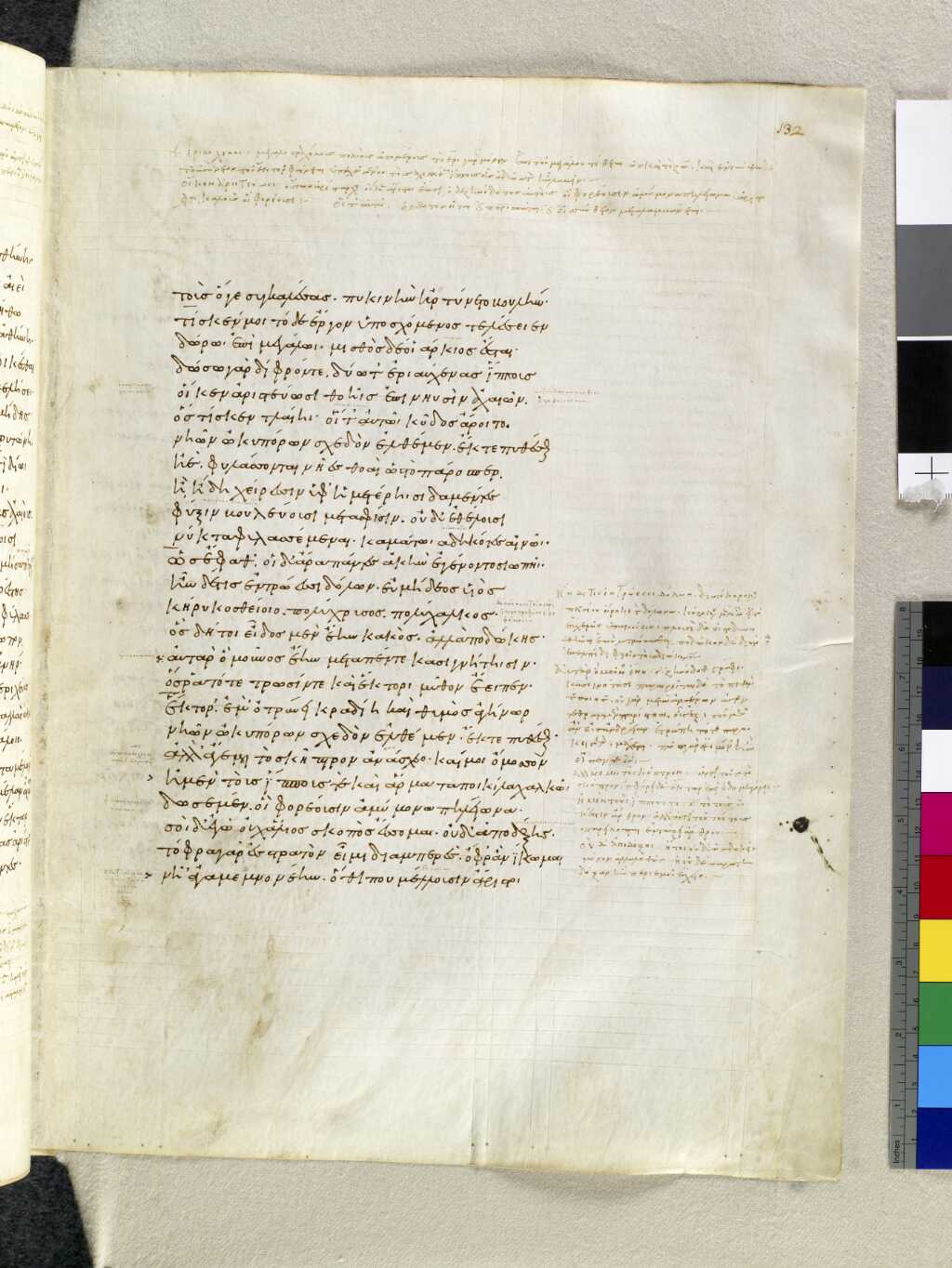
326νῆʼ Ἀγαμεμνονέην, ὅθι που μέλλουσιν ἄριστοι 327βουλὰς βουλεύειν ἢ φευγέμεν ἠὲ μάχεσθαι. 328ὣς φάθʼ, ὃ δʼ ἐν χερσὶ σκῆπτρον λάβε καί οἱ ὄμοσσεν· 329ἴστω νῦν Ζεὺς αὐτὸς ἐρίγδουπος πόσις Ἥρης 330μὴ μὲν τοῖς ἵπποισιν ἀνὴρ ἐποχήσεται ἄλλος 331Τρώων, ἀλλά σέ φημι διαμπερὲς ἀγλαϊεῖσθαι. 332ὣς φάτο καί ῥʼ ἐπίορκον ἐπώμοσε, τὸν δʼ ὀρόθυνεν· 333αὐτίκα δʼ ἀμφʼ ὤμοισιν ἐβάλλετο καμπύλα τόξα, 334ἕσσατο δʼ ἔκτοσθεν ῥινὸν πολιοῖο λύκοιο, 335κρατὶ δʼ ἐπὶ κτιδέην κυνέην, ἕλε δʼ ὀξὺν ἄκοντα, 336βῆ δʼ ἰέναι προτὶ νῆας ἀπὸ στρατοῦ· οὐδʼ ἄρʼ ἔμελλεν 337ἐλθὼν ἐκ νηῶν ἂψ Ἕκτορι μῦθον ἀποίσειν. 338ἀλλʼ ὅτε δή ῥʼ ἵππων τε καὶ ἀνδρῶν κάλλιφʼ ὅμιλον, 339βῆ ῥʼ ἀνʼ ὁδὸν μεμαώς· τὸν δὲ φράσατο προσιόντα 340διογενὴς Ὀδυσεύς, Διομήδεα δὲ προσέειπεν· 341οὗτός τις Διόμηδες ἀπὸ στρατοῦ ἔρχεται ἀνήρ, 342οὐκ οἶδʼ ἢ νήεσσιν ἐπίσκοπος ἡμετέρῃσιν, 343ἦ τινα συλήσων νεκύων κατατεθνηώτων. 344ἀλλʼ ἐῶμέν μιν πρῶτα παρεξελθεῖν πεδίοιο 345τυτθόν· ἔπειτα δέ κʼ αὐτὸν ἐπαΐξαντες ἕλοιμεν 346καρπαλίμως· εἰ δʼ ἄμμε παραφθαίησι πόδεσσιν, 347αἰεί μιν ἐπὶ νῆας ἀπὸ στρατόφι προτιειλεῖν 348ἔγχει ἐπαΐσσων, μή πως προτὶ ἄστυ ἀλύξῃ. 349ὣς ἄρα φωνήσαντε παρὲξ ὁδοῦ ἐν νεκύεσσι 350κλινθήτην· ὃ δʼ ἄρʼ ὦκα παρέδραμεν ἀφραδίῃσιν.
They all held their peace; but there was among the Trojans a certain man named Dolon, son of Eumedes, the famous herald—a man rich in gold and bronze. He was ill-favoured, but a good runner, and was an only son among five sisters. He it was that now addressed the Trojans. “I, Hector,” said he, “Will to the ships and will exploit them. But first hold up your sceptre and swear that you will give me the chariot, bedight with bronze, and the horses that now carry the noble son of Peleus. I will make you a good scout, and will not fail you. I will go through the host from one end to the other till I come to the ship of Agamemnon, where I take it the princes of the Achaeans are now consulting whether they shall fight or fly.”
When he had done speaking Hector held up his sceptre, and swore him his oath saying, “May Jove the thundering husband of Juno bear witness that no other Trojan but yourself shall mount those steeds, and that you shall have your will with them for ever.”
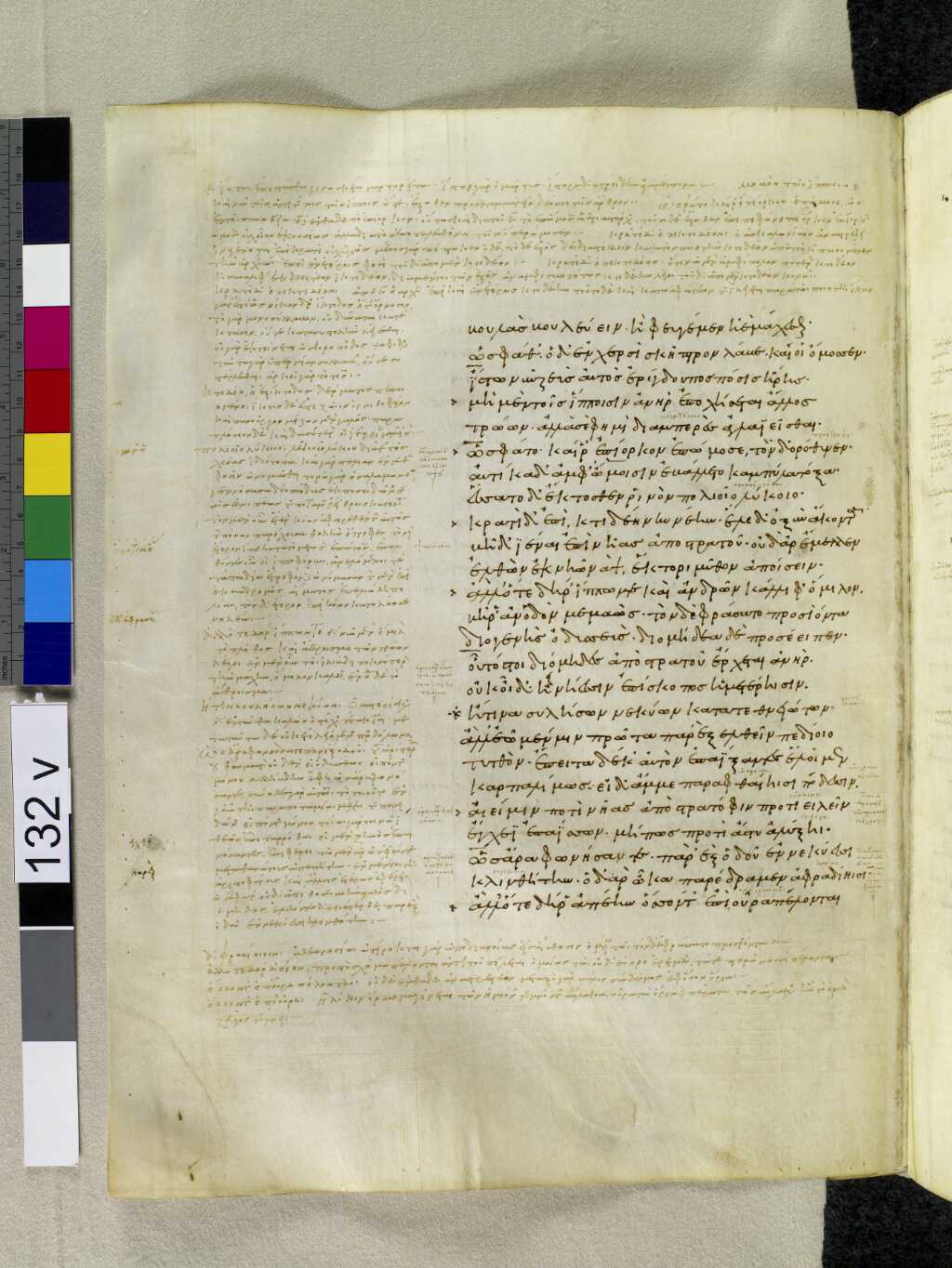
351ἀλλʼ ὅτε δή ῥʼ ἀπέην ὅσσόν τʼ ἐπὶ οὖρα πέλονται 352ἡμιόνων· αἱ γάρ τε βοῶν προφερέστεραί εἰσιν 353ἑλκέμεναι νειοῖο βαθείης πηκτὸν ἄροτρον· 354τὼ μὲν ἐπεδραμέτην, ὃ δʼ ἄρʼ ἔστη δοῦπον ἀκούσας. 355ἔλπετο γὰρ κατὰ θυμὸν ἀποστρέψοντας ἑταίρους 356ἐκ Τρώων ἰέναι πάλιν Ἕκτορος ὀτρύναντος. 357ἀλλʼ ὅτε δή ῥʼ ἄπεσαν δουρηνεκὲς ἢ καὶ ἔλασσον, 358γνῶ ῥʼ ἄνδρας δηΐους, λαιψηρὰ δὲ γούνατʼ ἐνώμα 359φευγέμεναι· τοὶ δʼ αἶψα διώκειν ὁρμήθησαν. 360ὡς δʼ ὅτε καρχαρόδοντε δύω κύνε εἰδότε θήρης 361ἢ κεμάδʼ ἠὲ λαγωὸν ἐπείγετον ἐμμενὲς αἰεὶ 362χῶρον ἀνʼ ὑλήενθʼ, ὃ δέ τε προθέῃσι μεμηκώς, 363ὣς τὸν Τυδεΐδης ἠδʼ ὃ πτολίπορθος Ὀδυσσεὺς 364λαοῦ ἀποτμήξαντε διώκετον ἐμμενὲς αἰεί. 365ἀλλʼ ὅτε δὴ τάχʼ ἔμελλε μιγήσεσθαι φυλάκεσσι 366φεύγων ἐς νῆας, τότε δὴ μένος ἔμβαλʼ Ἀθήνη 367Τυδεΐδῃ, ἵνα μή τις Ἀχαιῶν χαλκοχιτώνων 368φθαίη ἐπευξάμενος βαλέειν, ὃ δὲ δεύτερος ἔλθοι. 369δουρὶ δʼ ἐπαΐσσων προσέφη κρατερὸς Διομήδης· 370ἠὲ μένʼ ἠέ σε δουρὶ κιχήσομαι, οὐδέ σέ φημι 371δηρὸν ἐμῆς ἀπὸ χειρὸς ἀλύξειν αἰπὺν ὄλεθρον. 372ἦ ῥα καὶ ἔγχος ἀφῆκεν, ἑκὼν δʼ ἡμάρτανε φωτός· 373δεξιτερὸν δʼ ὑπὲρ ὦμον ἐΰξου δουρὸς ἀκωκὴ 374ἐν γαίῃ ἐπάγη· ὃ δʼ ἄρʼ ἔστη τάρβησέν τε 375βαμβαίνων· ἄραβος δὲ διὰ στόμα γίγνετʼ ὀδόντων·
The oath he swore was bootless, but it made Dolon more keen on going. He hung his bow over his shoulder, and as an overall he wore the skin of a grey wolf, while on his head he set a cap of ferret skin. Then he took a pointed javelin, and left the camp for the ships, but he was not to return with any news for Hector. When he had left the horses and the troops behind him, he made all speed on his way, but Ulysses perceived his coming and said to Diomed, “Diomed, here is some one from the camp; I am not sure whether he is a spy, or whether it is some thief who would plunder the bodies of the dead; let him get a little past us, we can then spring upon him and take him. If, however, he is too quick for us, go after him with your spear and hem him in towards the ships away from the Trojan camp, to prevent his getting back to the town.”
With this they turned out of their way and lay down among the corpses. Dolon suspected nothing and soon passed them, but when he had got about as far as the distance by which a mule-plowed furrow exceeds one that has been ploughed by oxen (for mules can plow fallow land quicker than oxen) they ran after him, and when he heard their footsteps he stood still, for he made sure they were friends from the Trojan camp come by Hector’s orders to bid him return; when, however, they were only a spear’s cast, or less, away from him, he saw that they were enemies and ran as fast as his legs could take him. The others gave chase at once, and as a couple of well-trained hounds press forward after a doe or hare that runs screaming in front of them, even so did the son of Tydeus and Ulysses pursue Dolon and cut him off from his own people. But when he had fled so far towards the ships that he would soon have fallen in with the outposts, Minerva infused fresh strength into the son of Tydeus for fear some other of the Achaeans might have the glory of being first to hit him, and he might himself be only second; he therefore sprang forward with his spear and said, “Stand, or I shall throw my spear, and in that case I shall soon make an end of you.”
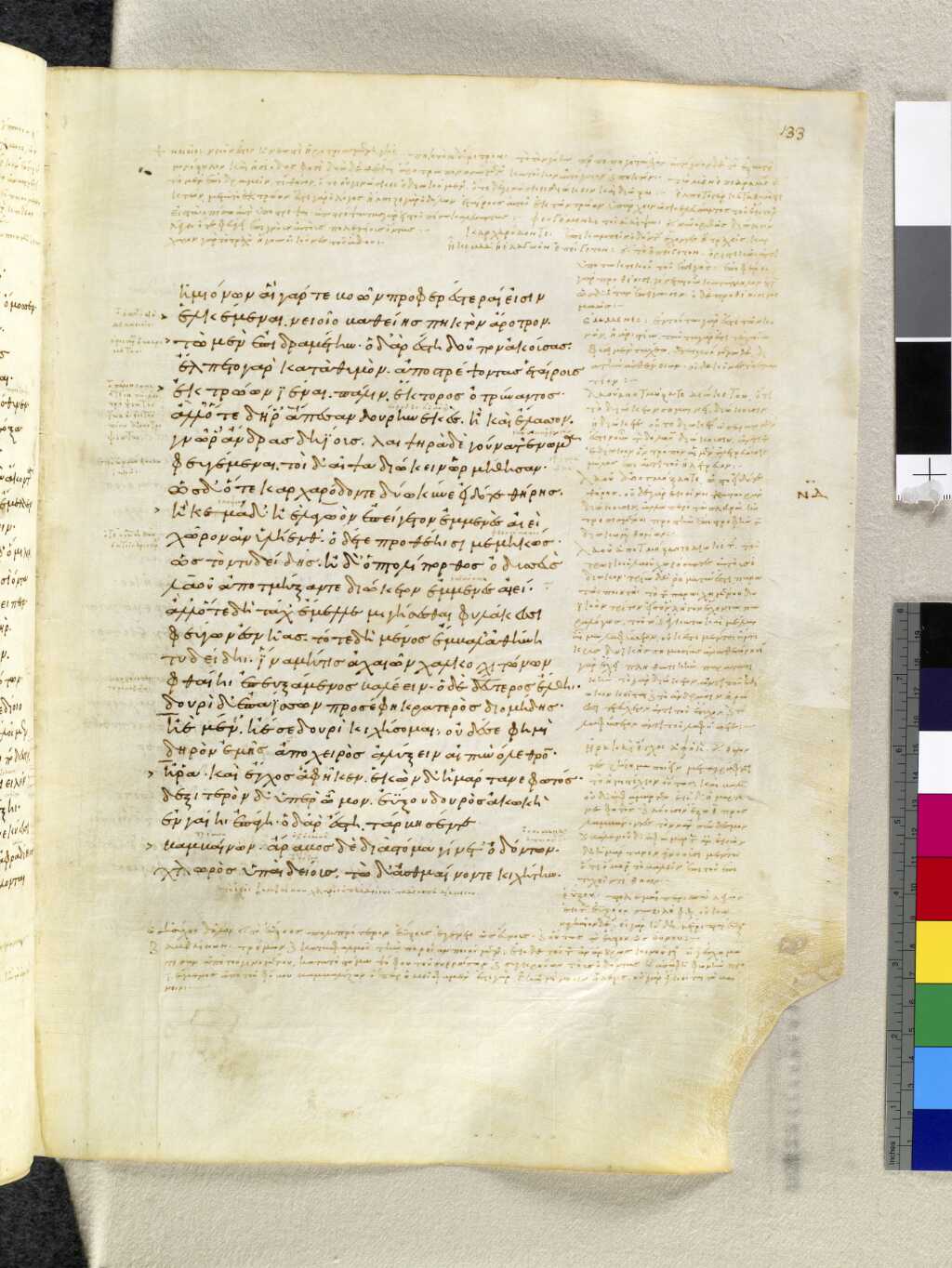
376χλωρὸς ὑπαὶ δείους· τὼ δʼ ἀσθμαίνοντε κιχήτην, 377χειρῶν δʼ ἁψάσθην· ὃ δὲ δακρύσας ἔπος ηὔδα· 378ζωγρεῖτʼ, αὐτὰρ ἐγὼν ἐμὲ λύσομαι· ἔστι γὰρ ἔνδον 379χαλκός τε χρυσός τε πολύκμητός τε σίδηρος, 380τῶν κʼ ὔμμιν χαρίσαιτο πατὴρ ἀπερείσιʼ ἄποινα 381εἴ κεν ἐμὲ ζωὸν πεπύθοιτʼ ἐπὶ νηυσὶν Ἀχαιῶν. 382τὸν δʼ ἀπαμειβόμενος προσέφη πολύμητις Ὀδυσσεύς· 383θάρσει, μηδέ τί τοι θάνατος καταθύμιος ἔστω. 384ἀλλʼ ἄγε μοι τόδε εἰπὲ καὶ ἀτρεκέως κατάλεξον· 385πῇ δὴ οὕτως ἐπὶ νῆας ἀπὸ στρατοῦ ἔρχεαι οἶος 386νύκτα διʼ ὀρφναίην, ὅτε θʼ εὕδουσι βροτοὶ ἄλλοι; 387ἤ τινα συλήσων νεκύων κατατεθνηώτων; 388ἦ σʼ Ἕκτωρ προέηκε διασκοπιᾶσθαι ἕκαστα 389νῆας ἔπι γλαφυράς; ἦ σʼ αὐτὸν θυμὸς ἀνῆκε; 390τὸν δʼ ἠμείβετʼ ἔπειτα Δόλων, ὑπὸ δʼ ἔτρεμε γυῖα· 391πολλῇσίν μʼ ἄτῃσι παρὲκ νόον ἤγαγεν Ἕκτωρ, 392ὅς μοι Πηλεΐωνος ἀγαυοῦ μώνυχας ἵππους 393δωσέμεναι κατένευσε καὶ ἅρματα ποικίλα χαλκῷ, 394ἠνώγει δέ μʼ ἰόντα θοὴν διὰ νύκτα μέλαιναν 395ἀνδρῶν δυσμενέων σχεδὸν ἐλθέμεν, ἔκ τε πυθέσθαι 396ἠὲ φυλάσσονται νῆες θοαὶ ὡς τὸ πάρος περ, 397ἦ ἤδη χείρεσσιν ὑφʼ ἡμετέρῃσι δαμέντες 398φύξιν βουλεύουσι μετὰ σφίσιν, οὐδʼ ἐθέλουσι 399νύκτα φυλασσέμεναι, καμάτῳ ἀδηκότες αἰνῷ. 400τὸν δʼ ἐπιμειδήσας προσέφη πολύμητις Ὀδυσσεύς·
He threw as he spoke, but missed his aim on purpose. The dart flew over the man’s right shoulder, and then stuck in the ground. He stood stock still, trembling and in great fear; his teeth chattered, and he turned pale with fear. The two came breathless up to him and seized his hands, whereon he began to weep and said, “Take me alive; I will ransom myself; we have great store of gold, bronze, and wrought iron, and from this my father will satisfy you with a very large ransom, should he hear of my being alive at the ships of the Achaeans.”
“Fear not,” replied Ulysses, “let no thought of death be in your mind; but tell me, and tell me true, why are you thus going about alone in the dead of night away from your camp and towards the ships, while other men are sleeping? Is it to plunder the bodies of the slain, or did Hector send you to spy out what was going on at the ships? Or did you come here of your own mere notion?”
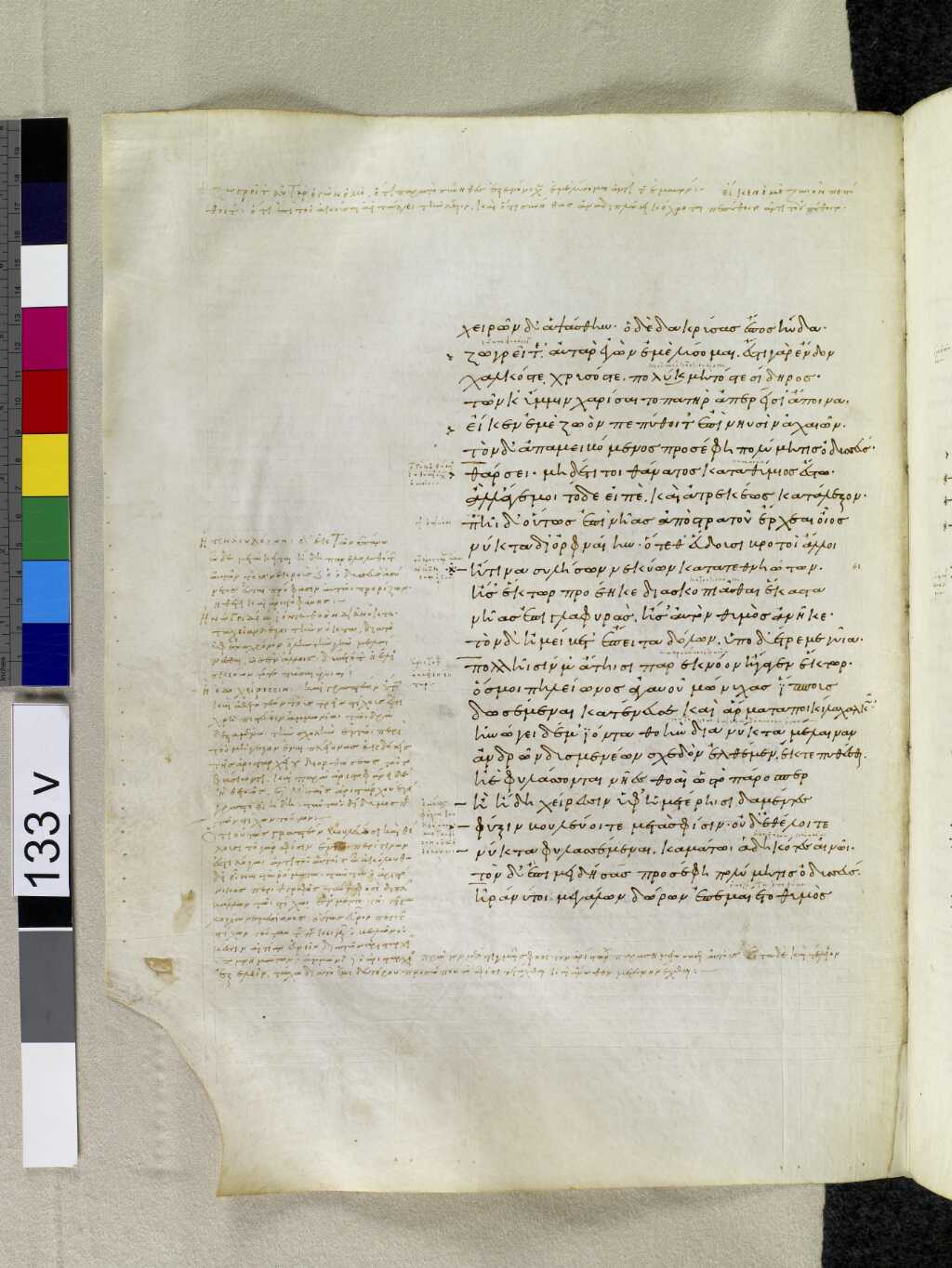
401ἦ ῥά νύ τοι μεγάλων δώρων ἐπεμαίετο θυμὸς 402ἵππων Αἰακίδαο δαΐφρονος· οἳ δʼ ἀλεγεινοὶ 403ἀνδράσι γε θνητοῖσι δαμήμεναι ἠδʼ ὀχέεσθαι 404ἄλλῳ γʼ ἢ Ἀχιλῆϊ, τὸν ἀθανάτη τέκε μήτηρ. 405ἀλλʼ ἄγε μοι τόδε εἰπὲ καὶ ἀτρεκέως κατάλεξον· 406ποῦ νῦν δεῦρο κιὼν λίπες Ἕκτορα ποιμένα λαῶν; 407ποῦ δέ οἱ ἔντεα κεῖται ἀρήϊα, ποῦ δέ οἱ ἵπποι; 408πῶς δαὶ τῶν ἄλλων Τρώων φυλακαί τε καὶ εὐναί; 409ἅσσά τε μητιόωσι μετὰ σφίσιν, ἢ μεμάασιν 410αὖθι μένειν παρὰ νηυσὶν ἀπόπροθεν, ἦε πόλιν δὲ 411ἂψ ἀναχωρήσουσιν, ἐπεὶ δαμάσαντό γʼ Ἀχαιούς. 412τὸν δʼ αὖτε προσέειπε Δόλων Εὐμήδεος υἱός· 413τοὶ γὰρ ἐγώ τοι ταῦτα μάλʼ ἀτρεκέως καταλέξω. 414Ἕκτωρ μὲν μετὰ τοῖσιν, ὅσοι βουληφόροι εἰσί, 415βουλὰς βουλεύει θείου παρὰ σήματι Ἴλου 416νόσφιν ἀπὸ φλοίσβου· φυλακὰς δʼ ἃς εἴρεαι ἥρως 417οὔ τις κεκριμένη ῥύεται στρατὸν οὐδὲ φυλάσσει. 418ὅσσαι μὲν Τρώων πυρὸς ἐσχάραι, οἷσιν ἀνάγκη 419οἷ δʼ ἐγρηγόρθασι φυλασσέμεναί τε κέλονται 420ἀλλήλοις· ἀτὰρ αὖτε πολύκλητοι ἐπίκουροι 421εὕδουσι· Τρωσὶν γὰρ ἐπιτραπέουσι φυλάσσειν· 422οὐ γάρ σφιν παῖδες σχεδὸν εἵαται οὐδὲ γυναῖκες. 423τὸν δʼ ἀπαμειβόμενος προσέφη πολύμητις Ὀδυσσεύς· 424πῶς γὰρ νῦν Τρώεσσι μεμιγμένοι ἱπποδάμοισιν 425εὕδουσʼ ἦ ἀπάνευθε; δίειπέ μοι ὄφρα δαείω.
Dolon answered, his limbs trembling beneath him: “Hector, with his vain flattering promises, lured me from my better judgement. He said he would give me the horses of the noble son of Peleus and his bronze-bedizened chariot; he bade me go through the darkness of the flying night, get close to the enemy, and find out whether the ships are still guarded as heretofore, or whether, now that we have beaten them, the Achaeans design to fly, and through sheer exhaustion are neglecting to keep their watches.”
Ulysses smiled at him and answered, “You had indeed set your heart upon a great reward, but the horses of the descendant of Aeacus are hardly to be kept in hand or driven by any other mortal man than Achilles himself, whose mother was an immortal. But tell me, and tell me true, where did you leave Hector when you started? Where lies his armour and his horses? How, too, are the watches and sleeping-ground of the Trojans ordered? What are their plans? Will they stay here by the ships and away from the city, or now that they have worsted the Achaeans, will they retire within their walls?”
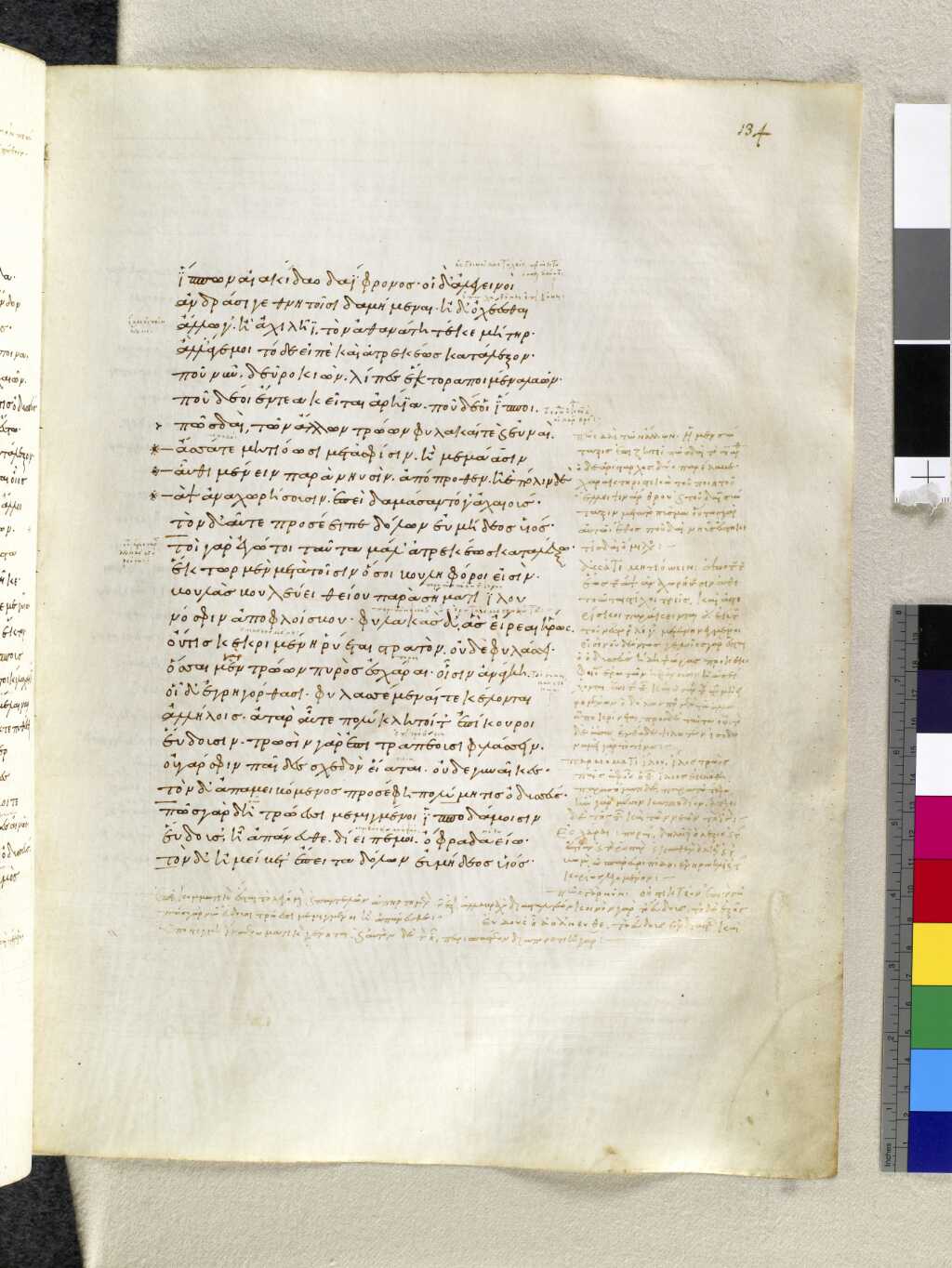
426τὸν δʼ ἠμείβετʼ ἔπειτα Δόλων Εὐμήδεος υἱός· 427τοὶ γὰρ ἐγὼ καὶ ταῦτα μάλʼ ἀτρεκέως καταλέξω. 428πρὸς μὲν ἁλὸς Κᾶρες καὶ Παίονες ἀγκυλότοξοι 429καὶ Λέλεγες καὶ Καύκωνες δῖοί τε Πελασγοί, 430πρὸς Θύμβρης δʼ ἔλαχον Λύκιοι Μυσοί τʼ ἀγέρωχοι 431καὶ Φρύγες ἱππόμαχοι καὶ Μῄονες ἱπποκορυσταί. 432ἀλλὰ τί ἢ ἐμὲ ταῦτα διεξερέεσθε ἕκαστα; 433εἰ γὰρ δὴ μέματον Τρώων καταδῦναι ὅμιλον 434Θρήϊκες οἷδʼ ἀπάνευθε νεήλυδες ἔσχατοι ἄλλων· 435ἐν δέ σφιν Ῥῆσος βασιλεὺς πάϊς Ἠϊονῆος. 436τοῦ δὴ καλλίστους ἵππους ἴδον ἠδὲ μεγίστους· 437λευκότεροι χιόνος, θείειν δʼ ἀνέμοισιν ὁμοῖοι· 438ἅρμα δέ οἱ χρυσῷ τε καὶ ἀργύρῳ εὖ ἤσκηται· 439τεύχεα δὲ χρύσεια πελώρια θαῦμα ἰδέσθαι 440ἤλυθʼ ἔχων· τὰ μὲν οὔ τι καταθνητοῖσιν ἔοικεν 441ἄνδρεσσιν φορέειν, ἀλλʼ ἀθανάτοισι θεοῖσιν. 442ἀλλʼ ἐμὲ μὲν νῦν νηυσὶ πελάσσετον ὠκυπόροισιν, 443ἠέ με δήσαντες λίπετʼ αὐτόθι νηλέϊ δεσμῷ, 444ὄφρά κεν ἔλθητον καὶ πειρηθῆτον ἐμεῖο 445ἠὲ κατʼ αἶσαν ἔειπον ἐν ὑμῖν, ἦε καὶ οὐκί. 446τὸν δʼ ἄρʼ ὑπόδρα ἰδὼν προσέφη κρατερὸς Διομήδης· 447μὴ δή μοι φύξίν γε Δόλων ἐμβάλλεο θυμῷ· 448ἐσθλά περ ἀγγείλας, ἐπεὶ ἵκεο χεῖρας ἐς ἁμάς. 449εἰ μὲν γάρ κέ σε νῦν ἀπολύσομεν ἠὲ μεθῶμεν, 450ἦ τε καὶ ὕστερον εἶσθα θοὰς ἐπὶ νῆας Ἀχαιῶν
And Dolon answered, “I will tell you truly all. Hector and the other councillors are now holding conference by the monument of great Ilus, away from the general tumult; as for the guards about which you ask me, there is no chosen watch to keep guard over the host. The Trojans have their watchfires, for they are bound to have them; they, therefore, are awake and keep each other to their duty as sentinels; but the allies who have come from other places are asleep and leave it to the Trojans to keep guard, for their wives and children are not here.”
Ulysses then said, “Now tell me; are they sleeping among the Trojan troops, or do they lie apart? Explain this that I may understand it.”
“I will tell you truly all,” replied Dolon. “To the seaward lie the Carians, the Paeonian bowmen, the Leleges, the Cauconians, and the noble Pelasgi. The Lycians and proud Mysians, with the Phrygians and Meonians, have their place on the side towards Thymbra; but why ask about all this? If you want to find your way into the host of the Trojans, there are the Thracians, who have lately come here and lie apart from the others at the far end of the camp; and they have Rhesus son of Eioneus for their king. His horses are the finest and strongest that I have ever seen, they are whiter than snow and fleeter than any wind that blows. His chariot is bedight with silver and gold, and he has brought his marvellous golden armour, of the rarest workmanship—too splendid for any mortal man to carry, and meet only for the gods. Now, therefore, take me to the ships or bind me securely here, until you come back and have proved my words whether they be false or true.”
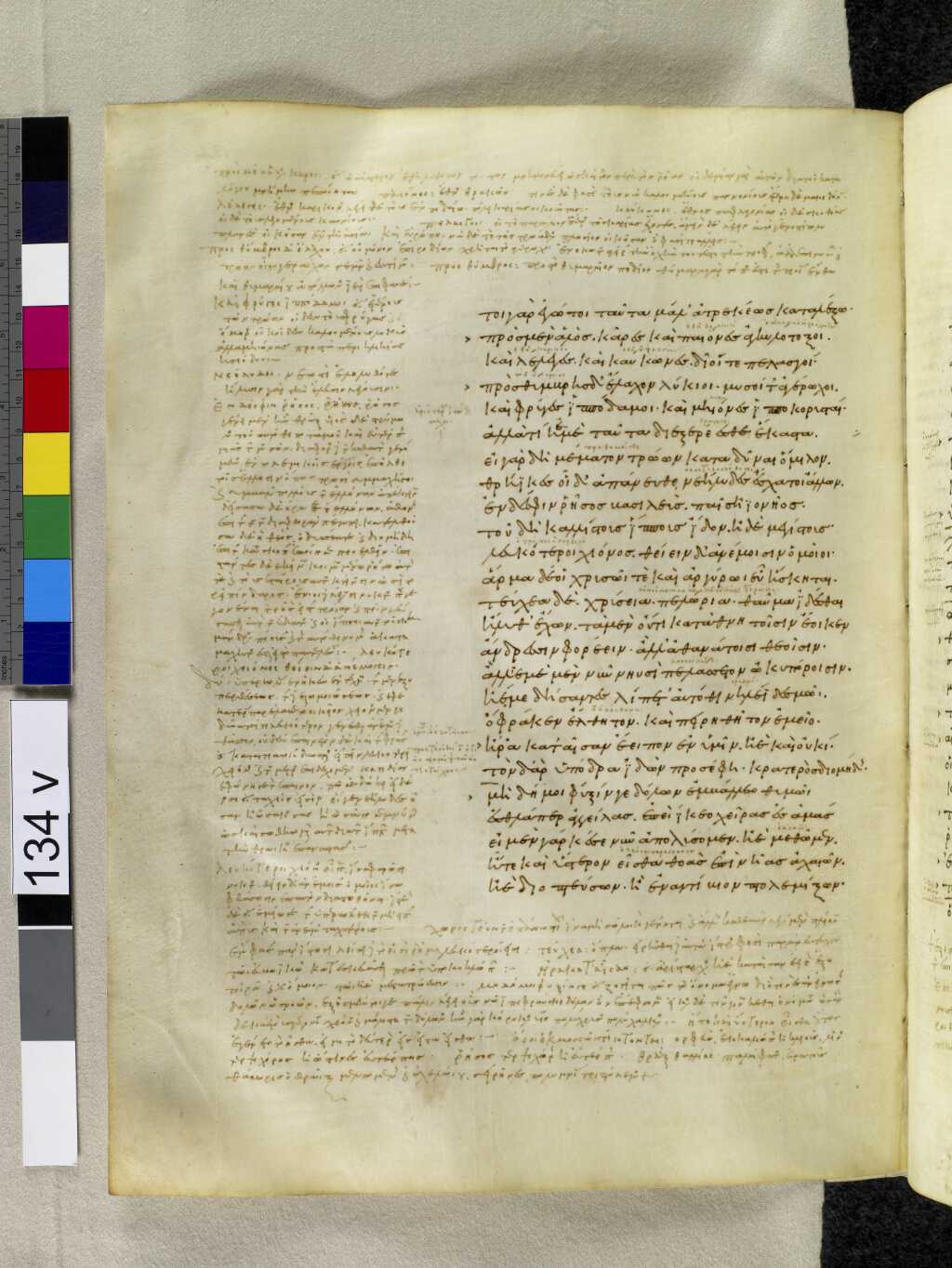
451ἠὲ διοπτεύσων ἢ ἐναντίβιον πολεμίξων· 452εἰ δέ κʼ ἐμῇς ὑπὸ χερσὶ δαμεὶς ἀπὸ θυμὸν ὀλέσσῃς, 453οὐκέτʼ ἔπειτα σὺ πῆμά ποτʼ ἔσσεαι Ἀργείοισιν. 454ἦ, καὶ ὃ μέν μιν ἔμελλε γενείου χειρὶ παχείῃ 455ἁψάμενος λίσσεσθαι, ὃ δʼ αὐχένα μέσσον ἔλασσε 456φασγάνῳ ἀΐξας, ἀπὸ δʼ ἄμφω κέρσε τένοντε· 457φθεγγομένου δʼ ἄρα τοῦ γε κάρη κονίῃσιν ἐμίχθη. 458τοῦ δʼ ἀπὸ μὲν κτιδέην κυνέην κεφαλῆφιν ἕλοντο 459καὶ λυκέην καὶ τόξα παλίντονα καὶ δόρυ μακρόν· 460καὶ τά γʼ Ἀθηναίῃ ληΐτιδι δῖος Ὀδυσσεὺς 461ὑψόσʼ ἀνέσχεθε χειρὶ καὶ εὐχόμενος ἔπος ηὔδα· 462χαῖρε θεὰ τοῖσδεσσι· σὲ γὰρ πρώτην ἐν Ὀλύμπῳ 463πάντων ἀθανάτων ἐπιδωσόμεθʼ· ἀλλὰ καὶ αὖτις 464πέμψον ἐπὶ Θρῃκῶν ἀνδρῶν ἵππους τε καὶ εὐνάς. 465ὣς ἄρʼ ἐφώνησεν, καὶ ἀπὸ ἕθεν ὑψόσʼ ἀείρας 466θῆκεν ἀνὰ μυρίκην· δέελον δʼ ἐπὶ σῆμά τʼ ἔθηκε 467συμμάρψας δόνακας μυρίκης τʼ ἐριθηλέας ὄζους, 468μὴ λάθοι αὖτις ἰόντε θοὴν διὰ νύκτα μέλαιναν. 469τὼ δὲ βάτην προτέρω διά τʼ ἔντεα καὶ μέλαν αἷμα, 470αἶψα δʼ ἐπὶ Θρῃκῶν ἀνδρῶν τέλος ἷξον ἰόντες. 471οἳ δʼ εὗδον καμάτῳ ἀδηκότες, ἔντεα δέ σφιν 472καλὰ παρʼ αὐτοῖσι χθονὶ κέκλιτο εὖ κατὰ κόσμον 473τριστοιχί· παρὰ δέ σφιν ἑκάστῳ δίζυγες ἵπποι. 474Ῥῆσος δʼ ἐν μέσῳ εὗδε, παρʼ αὐτῷ δʼ ὠκέες ἵπποι 475ἐξ ἐπιδιφριάδος πυμάτης ἱμᾶσι δέδεντο.
Diomed looked sternly at him and answered, “Think not, Dolon, for all the good information you have given us, that you shall escape now you are in our hands, for if we ransom you or let you go, you will come some second time to the ships of the Achaeans either as a spy or as an open enemy, but if I kill you and an end of you, you will give no more trouble.”
On this Dolon would have caught him by the beard to beseech him further, but Diomed struck him in the middle of his neck with his sword and cut through both sinews so that his head fell rolling in the dust while he was yet speaking. They took the ferret skin cap from his head, and also the wolf-skin, the bow, and his long spear. Ulysses hung them up aloft in honour of Minerva the goddess of plunder, and prayed saying, “Accept these, goddess, for we give them to you in preference to all the gods in Olympus: therefore speed us still further towards the horses and sleeping-ground of the Thracians.”
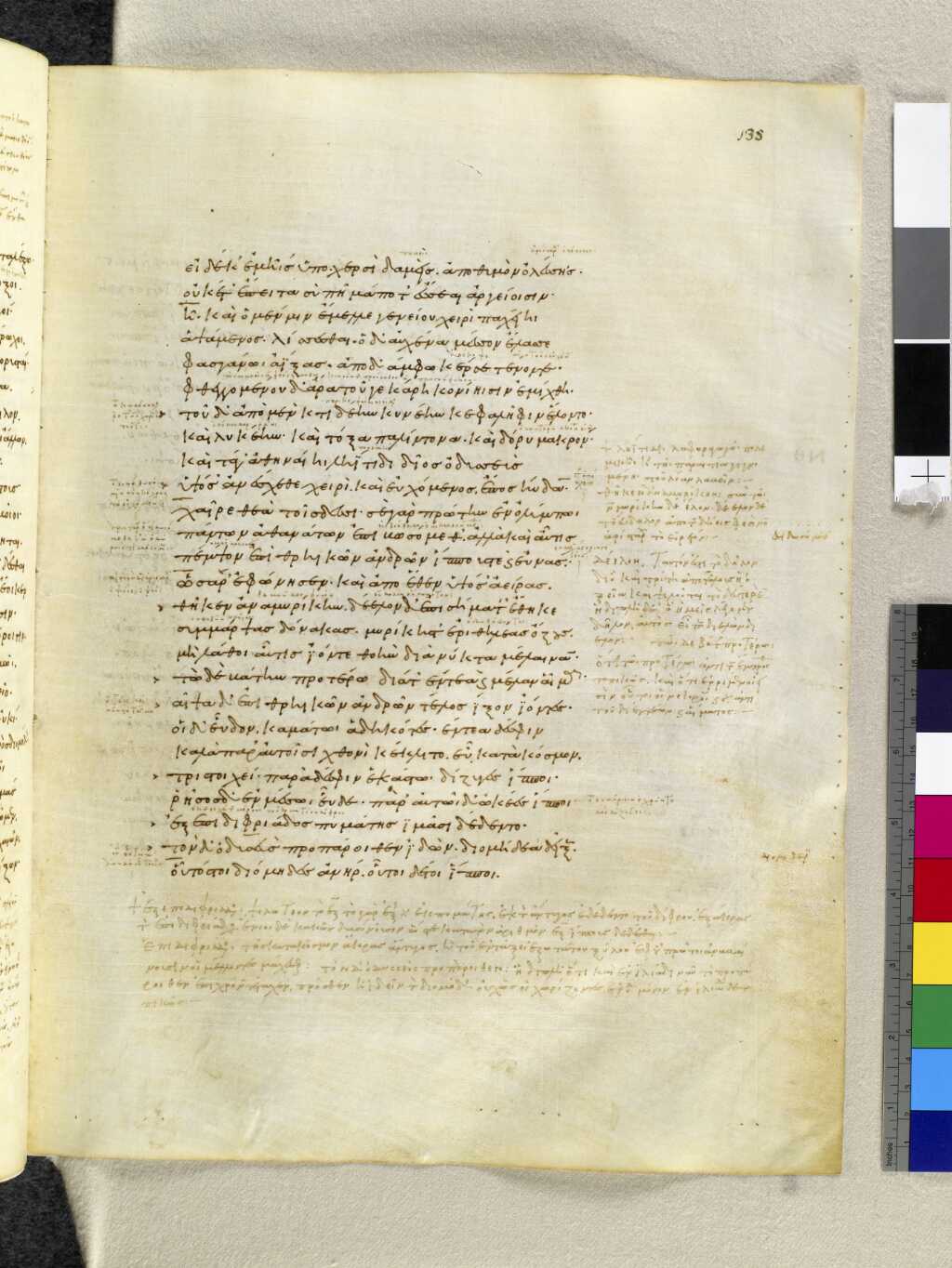
476τὸν δʼ Ὀδυσεὺς προπάροιθεν ἰδὼν Διομήδεϊ δεῖξεν· 477οὗτός τοι Διόμηδες ἀνήρ, οὗτοι δέ τοι ἵπποι, 478οὓς νῶϊν πίφαυσκε Δόλων ὃν ἐπέφνομεν ἡμεῖς. 479ἀλλʼ ἄγε δὴ πρόφερε κρατερὸν μένος· οὐδέ τί σε χρὴ 480ἑστάμεναι μέλεον σὺν τεύχεσιν, ἀλλὰ λύʼ ἵππους· 481ἠὲ σύ γʼ ἄνδρας ἔναιρε, μελήσουσιν δʼ ἐμοὶ ἵπποι. 482ὣς φάτο, τῷ δʼ ἔμπνευσε μένος γλαυκῶπις Ἀθήνη, 483κτεῖνε δʼ ἐπιστροφάδην· τῶν δὲ στόνος ὄρνυτʼ ἀεικὴς 484ἄορι θεινομένων, ἐρυθαίνετο δʼ αἵματι γαῖα. 485ὡς δὲ λέων μήλοισιν ἀσημάντοισιν ἐπελθὼν 486αἴγεσιν ἢ ὀΐεσσι κακὰ φρονέων ἐνορούσῃ, 487ὣς μὲν Θρήϊκας ἄνδρας ἐπῴχετο Τυδέος υἱὸς 488ὄφρα δυώδεκʼ ἔπεφνεν· ἀτὰρ πολύμητις Ὀδυσσεὺς 489ὅν τινα Τυδεΐδης ἄορι πλήξειε παραστὰς 490τὸν δʼ Ὀδυσεὺς μετόπισθε λαβὼν ποδὸς ἐξερύσασκε, 491τὰ φρονέων κατὰ θυμὸν ὅπως καλλίτριχες ἵπποι 492ῥεῖα διέλθοιεν μηδὲ τρομεοίατο θυμῷ 493νεκροῖς ἀμβαίνοντες· ἀήθεσσον γὰρ ἔτʼ αὐτῶν. 494ἀλλʼ ὅτε δὴ βασιλῆα κιχήσατο Τυδέος υἱός, 495τὸν τρισκαιδέκατον μελιηδέα θυμὸν ἀπηύρα 496ἀσθμαίνοντα· κακὸν γὰρ ὄναρ κεφαλῆφιν ἐπέστη 497τὴν νύκτʼ Οἰνεΐδαο πάϊς διὰ μῆτιν Ἀθήνης. 498τόφρα δʼ ἄρʼ ὃ τλήμων Ὀδυσεὺς λύε μώνυχας ἵππους, 499σὺν δʼ ἤειρεν ἱμᾶσι καὶ ἐξήλαυνεν ὁμίλου 500τόξῳ ἐπιπλήσσων, ἐπεὶ οὐ μάστιγα φαεινὴν
With these words he took the spoils and set them upon a tamarisk tree, and they marked the place by pulling up reeds and gathering boughs of tamarisk that they might not miss it as they came back through the flying hours of darkness. The two then went onwards amid the fallen armour and the blood, and came presently to the company of Thracian soldiers, who were sleeping, tired out with their day’s toil; their goodly armour was lying on the ground beside them all orderly in three rows, and each man had his yoke of horses beside him. Rhesus was sleeping in the middle, and hard by him his horses were made fast to the topmost rim of his chariot. Ulysses from some way off saw him and said, “This, Diomed, is the man, and these are the horses about which Dolon whom we killed told us. Do your very utmost; dally not about your armour, but loose the horses at once—or else kill the men yourself, while I see to the horses.”
Thereon Minerva put courage into the heart of Diomed, and he smote them right and left. They made a hideous groaning as they were being hacked about, and the earth was red with their blood. As a lion springs furiously upon a flock of sheep or goats when he finds them without their shepherd, so did the son of Tydeus set upon the Thracian soldiers till he had killed twelve. As he killed them Ulysses came and drew them aside by their feet one by one, that the horses might go forward freely without being frightened as they passed over the dead bodies, for they were not yet used to them. When the son of Tydeus came to the king, he killed him too (which made thirteen), as he was breathing hard, for by the counsel of Minerva an evil dream, the seed of Oeneus, hovered that night over his head. Meanwhile Ulysses untied the horses, made them fast one to another and drove them off, striking them with his bow, for he had forgotten to take the whip from the chariot. Then he whistled as a sign to Diomed.
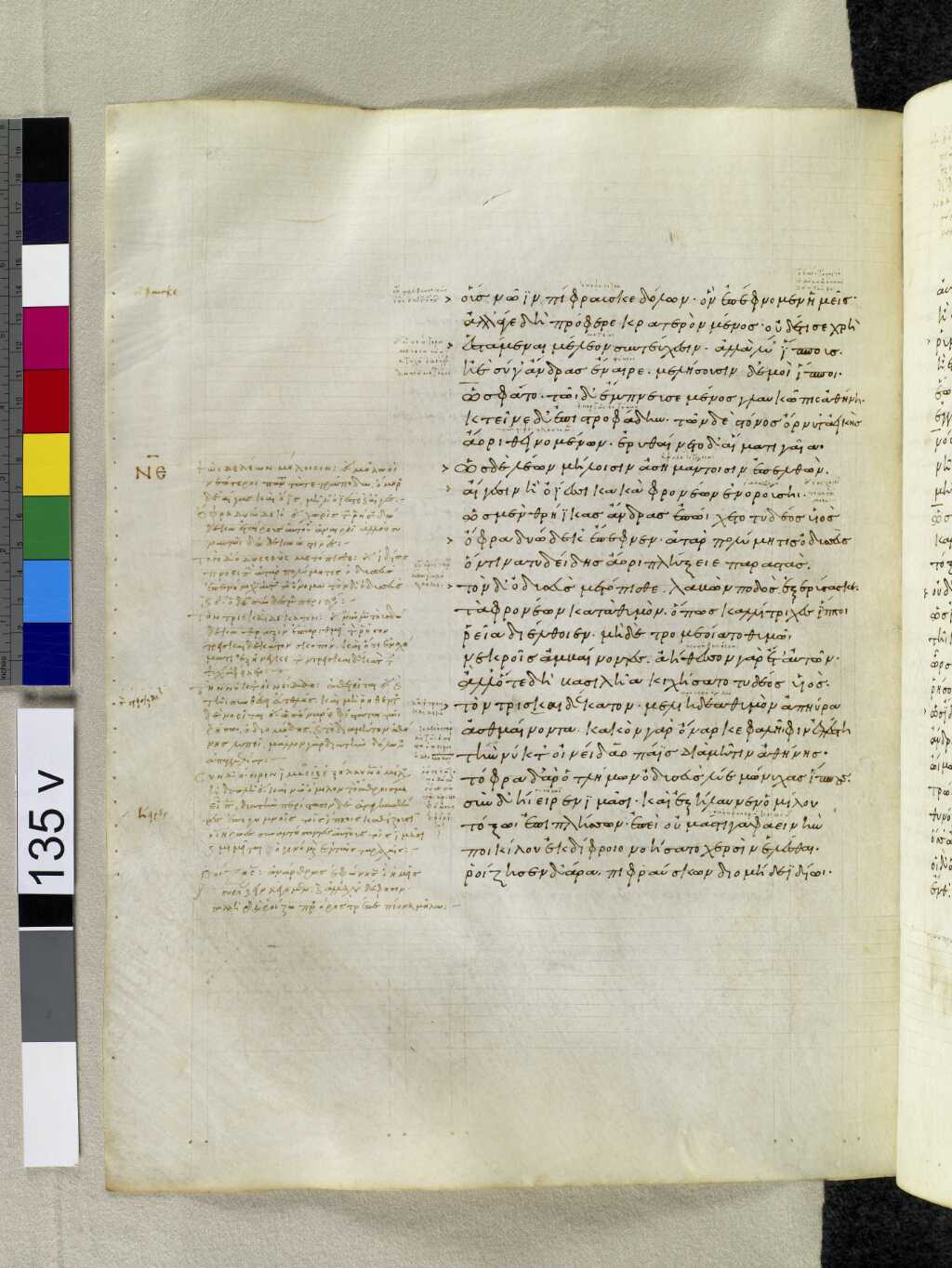
501ποικίλου ἐκ δίφροιο νοήσατο χερσὶν ἑλέσθαι· 502ῥοίζησεν δʼ ἄρα πιφαύσκων Διομήδεϊ δίῳ. 503αὐτὰρ ὃ μερμήριζε μένων ὅ τι κύντατον ἕρδοι, 504ἢ ὅ γε δίφρον ἑλών, ὅθι ποικίλα τεύχεʼ ἔκειτο, 505ῥυμοῦ ἐξερύοι ἢ ἐκφέροι ὑψόσʼ ἀείρας, 506ἦ ἔτι τῶν πλεόνων Θρῃκῶν ἀπὸ θυμὸν ἕλοιτο. 507εἷος ὃ ταῦθʼ ὥρμαινε κατὰ φρένα, τόφρα δʼ Ἀθήνη 508ἐγγύθεν ἱσταμένη προσέφη Διομήδεα δῖον· 509νόστου δὴ μνῆσαι μεγαθύμου Τυδέος υἱὲ 510νῆας ἔπι γλαφυράς, μὴ καὶ πεφοβημένος ἔλθῃς, 511μή πού τις καὶ Τρῶας ἐγείρῃσιν θεὸς ἄλλος. 512ὣς φάθʼ, ὃ δὲ ξυνέηκε θεᾶς ὄπα φωνησάσης, 513καρπαλίμως δʼ ἵππων ἐπεβήσετο· κόψε δʼ Ὀδυσσεὺς 514τόξῳ· τοὶ δʼ ἐπέτοντο θοὰς ἐπὶ νῆας Ἀχαιῶν. 515οὐδʼ ἀλαοσκοπιὴν εἶχʼ ἀργυρότοξος Ἀπόλλων 516ὡς ἴδʼ Ἀθηναίην μετὰ Τυδέος υἱὸν ἕπουσαν· 517τῇ κοτέων Τρώων κατεδύσετο πουλὺν ὅμιλον, 518ὦρσεν δὲ Θρῃκῶν βουληφόρον Ἱπποκόωντα 519Ῥήσου ἀνεψιὸν ἐσθλόν· ὃ δʼ ἐξ ὕπνου ἀνορούσας 520ὡς ἴδε χῶρον ἐρῆμον, ὅθʼ ἕστασαν ὠκέες ἵπποι, 521ἄνδράς τʼ ἀσπαίροντας ἐν ἀργαλέῃσι φονῇσιν, 522ᾤμωξέν τʼ ἄρʼ ἔπειτα φίλον τʼ ὀνόμηνεν ἑταῖρον. 523Τρώων δὲ κλαγγή τε καὶ ἄσπετος ὦρτο κυδοιμὸς 524θυνόντων ἄμυδις· θηεῦντο δὲ μέρμερα ἔργα 525ὅσσʼ ἄνδρες ῥέξαντες ἔβαν κοίλας ἐπὶ νῆας.
But Diomed stayed where he was, thinking what other daring deed he might accomplish. He was doubting whether to take the chariot in which the king’s armour was lying, and draw it out by the pole, or to lift the armour out and carry it off; or whether again, he should not kill some more Thracians. While he was thus hesitating Minerva came up to him and said, “Get back, Diomed, to the ships or you may be driven thither, should some other god rouse the Trojans.”
Diomed knew that it was the goddess, and at once sprang upon the horses. Ulysses beat them with his bow and they flew onward to the ships of the Achaeans.
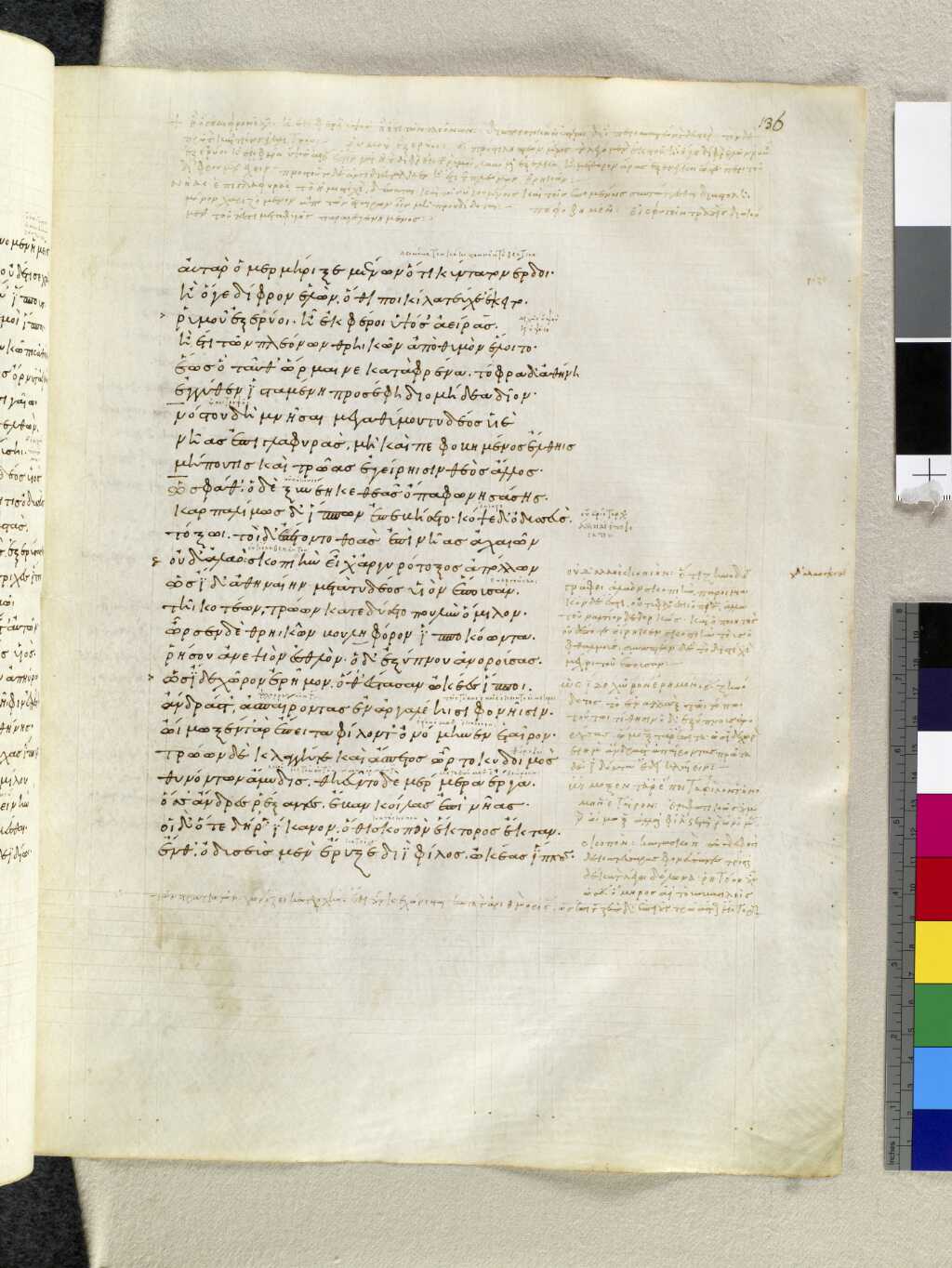
526οἳ δʼ ὅτε δή ῥʼ ἵκανον ὅθι σκοπὸν Ἕκτορος ἔκταν, 527ἔνθʼ Ὀδυσεὺς μὲν ἔρυξε Διῒ φίλος ὠκέας ἵππους, 528Τυδεΐδης δὲ χαμᾶζε θορὼν ἔναρα βροτόεντα 529ἐν χείρεσσʼ Ὀδυσῆϊ τίθει, ἐπεβήσετο δʼ ἵππων· 530μάστιξεν δʼ ἵππους, τὼ δʼ οὐκ ἀέκοντε πετέσθην 531νῆας ἔπι γλαφυράς· τῇ γὰρ φίλον ἔπλετο θυμῷ. 532Νέστωρ δὲ πρῶτος κτύπον ἄϊε φώνησέν τε· 533ὦ φίλοι Ἀργείων ἡγήτορες ἠδὲ μέδοντες 534ψεύσομαι, ἦ ἔτυμον ἐρέω; κέλεται δέ με θυμός. 535ἵππων μʼ ὠκυπόδων ἀμφὶ κτύπος οὔατα βάλλει. 536αἲ γὰρ δὴ Ὀδυσεύς τε καὶ ὃ κρατερὸς Διομήδης 537ὧδʼ ἄφαρ ἐκ Τρώων ἐλασαίατο μώνυχας ἵππους· 538ἀλλʼ αἰνῶς δείδοικα κατὰ φρένα μή τι πάθωσιν 539Ἀργείων οἳ ἄριστοι ὑπὸ Τρώων ὀρυμαγδοῦ. 540οὔ πω πᾶν εἴρητο ἔπος ὅτʼ ἄρʼ ἤλυθον αὐτοί. 541καί ῥʼ οἳ μὲν κατέβησαν ἐπὶ χθόνα, τοὶ δὲ χαρέντες 542δεξιῇ ἠσπάζοντο ἔπεσσί τε μειλιχίοισι· 543πρῶτος δʼ ἐξερέεινε Γερήνιος ἱππότα Νέστωρ· 544εἴπʼ ἄγε μʼ ὦ πολύαινʼ Ὀδυσεῦ μέγα κῦδος Ἀχαιῶν 545ὅππως τοῦσδʼ ἵππους λάβετον καταδύντες ὅμιλον 546Τρώων, ἦ τίς σφωε πόρεν θεὸς ἀντιβολήσας. 547αἰνῶς ἀκτίνεσσιν ἐοικότες ἠελίοιο. 548αἰεὶ μὲν Τρώεσσʼ ἐπιμίσγομαι, οὐδέ τί φημι 549μιμνάζειν παρὰ νηυσὶ γέρων περ ἐὼν πολεμιστής· 550ἀλλʼ οὔ πω τοίους ἵππους ἴδον οὐδὲ νόησα.
But Apollo kept no blind look-out when he saw Minerva with the son of Tydeus. He was angry with her, and coming to the host of the Trojans he roused Hippocoon, a counsellor of the Thracians and a noble kinsman of Rhesus. He started up out of his sleep and saw that the horses were no longer in their place, and that the men were gasping in their death-agony; on this he groaned aloud, and called upon his friend by name. Then the whole Trojan camp was in an uproar as the people kept hurrying together, and they marvelled at the deeds of the heroes who had now got away towards the ships.
When they reached the place where they had killed Hector’s scout, Ulysses stayed his horses, and the son of Tydeus, leaping to the ground, placed the blood-stained spoils in the hands of Ulysses and remounted: then he lashed the horses onwards, and they flew forward nothing loth towards the ships as though of their own free will. Nestor was first to hear the tramp of their feet. “My friends,” said he, “princes and counsellors of the Argives, shall I guess right or wrong?—but I must say what I think: there is a sound in my ears as of the tramp of horses. I hope it may be Diomed and Ulysses driving in horses from the Trojans, but I much fear that the bravest of the Argives may have come to some harm at their hands.”
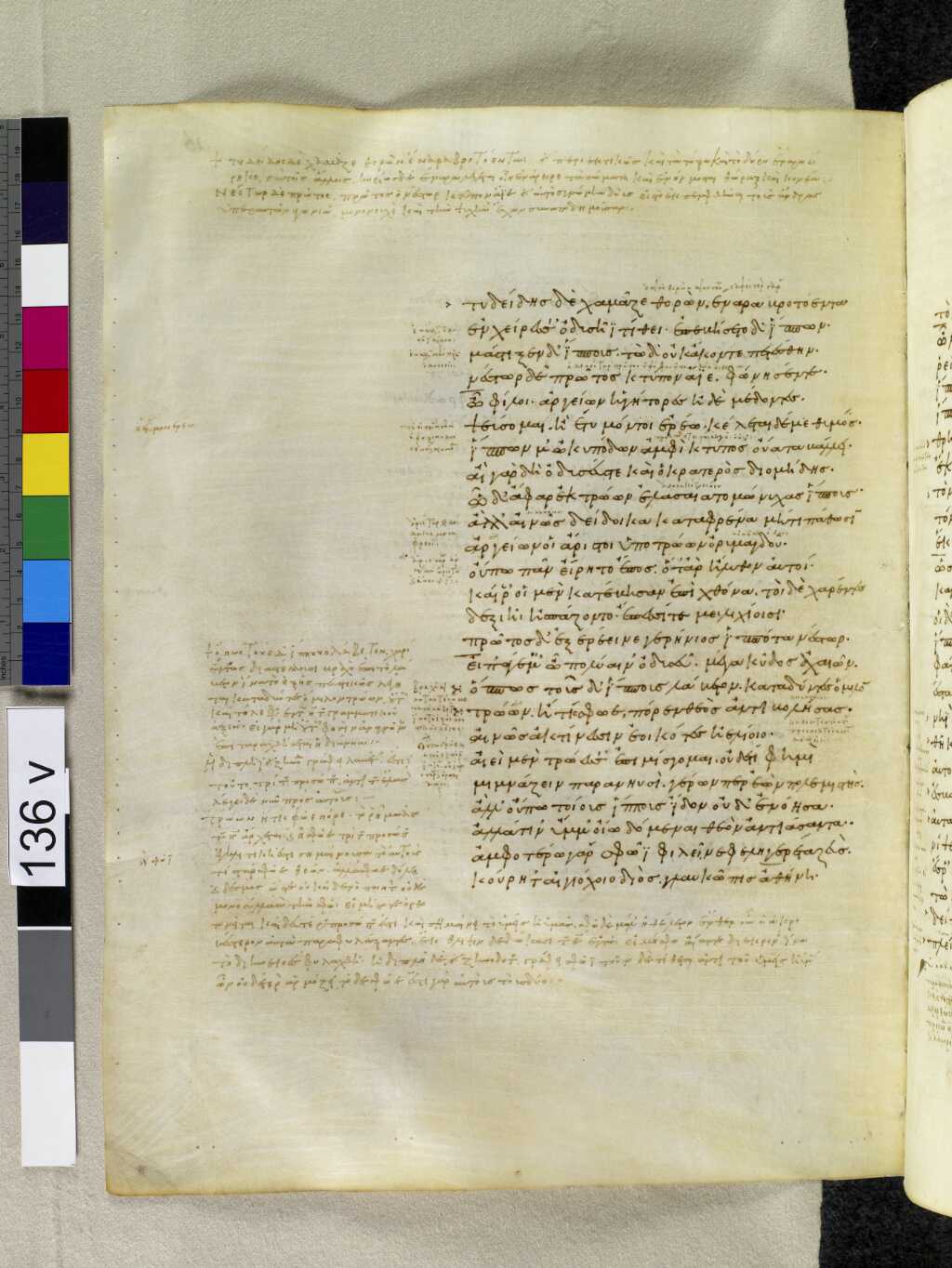
551ἀλλά τινʼ ὔμμʼ ὀΐω δόμεναι θεὸν ἀντιάσαντα· 552ἀμφοτέρω γὰρ σφῶϊ φιλεῖ νεφεληγερέτα Ζεὺς 553κούρη τʼ αἰγιόχοιο Διὸς γλαυκῶπις Ἀθήνη. 554τὸν δʼ ἀπαμειβόμενος προσέφη πολύμητις Ὀδυσσεύς· 555ὦ Νέστορ Νηληϊάδη μέγα κῦδος Ἀχαιῶν 556ῥεῖα θεός γʼ ἐθέλων καὶ ἀμείνονας ἠέ περ οἵδε 557ἵππους δωρήσαιτʼ, ἐπεὶ ἢ πολὺ φέρτεροί εἰσιν. 558ἵπποι δʼ οἵδε γεραιὲ νεήλυδες οὓς ἐρεείνεις 559Θρηΐκιοι· τὸν δέ σφιν ἄνακτʼ ἀγαθὸς Διομήδης 560ἔκτανε, πὰρ δʼ ἑτάρους δυοκαίδεκα πάντας ἀρίστους. 561τὸν τρισκαιδέκατον σκοπὸν εἵλομεν ἐγγύθι νηῶν, 562τόν ῥα διοπτῆρα στρατοῦ ἔμμεναι ἡμετέροιο 563Ἕκτωρ τε προέηκε καὶ ἄλλοι Τρῶες ἀγαυοί. 564ὣς εἰπὼν τάφροιο διήλασε μώνυχας ἵππους 565καγχαλόων· ἅμα δʼ ἄλλοι ἴσαν χαίροντες Ἀχαιοί. 566οἳ δʼ ὅτε Τυδεΐδεω κλισίην εὔτυκτον ἵκοντο, 567ἵππους μὲν κατέδησαν ἐϋτμήτοισιν ἱμᾶσι 568φάτνῃ ἐφʼ ἱππείῃ, ὅθι περ Διομήδεος ἵπποι 569ἕστασαν ὠκύποδες μελιηδέα πυρὸν ἔδοντες· 570νηῒ δʼ ἐνὶ πρυμνῇ ἔναρα βροτόεντα Δόλωνος 571θῆκʼ Ὀδυσεύς, ὄφρʼ ἱρὸν ἑτοιμασσαίατʼ Ἀθήνῃ. 572αὐτοὶ δʼ ἱδρῶ πολλὸν ἀπενίζοντο θαλάσσῃ 573ἐσβάντες κνήμας τε ἰδὲ λόφον ἀμφί τε μηρούς. 574αὐτὰρ ἐπεί σφιν κῦμα θαλάσσης ἱδρῶ πολλὸν 575νίψεν ἀπὸ χρωτὸς καὶ ἀνέψυχθεν φίλον ἦτορ,
He had hardly done speaking when the two men came in and dismounted, whereon the others shook hands right gladly with them and congratulated them. Nestor knight of Gerene was first to question them. “Tell me,” said he, “renowned Ulysses, how did you two come by these horses? Did you steal in among the Trojan forces, or did some god meet you and give them to you? They are like sunbeams. I am well conversant with the Trojans, for old warrior though I am I never hold back by the ships, but I never yet saw or heard of such horses as these are. Surely some god must have met you and given them to you, for you are both of you dear to Jove, and to Jove’s daughter Minerva.”
And Ulysses answered, “Nestor son of Neleus, honour to the Achaean name, heaven, if it so will, can give us even better horses than these, for the gods are far mightier than we are. These horses, however, about which you ask me, are freshly come from Thrace. Diomed killed their king with the twelve bravest of his companions. Hard by the ships we took a thirteenth man—a scout whom Hector and the other Trojans had sent as a spy upon our ships.”
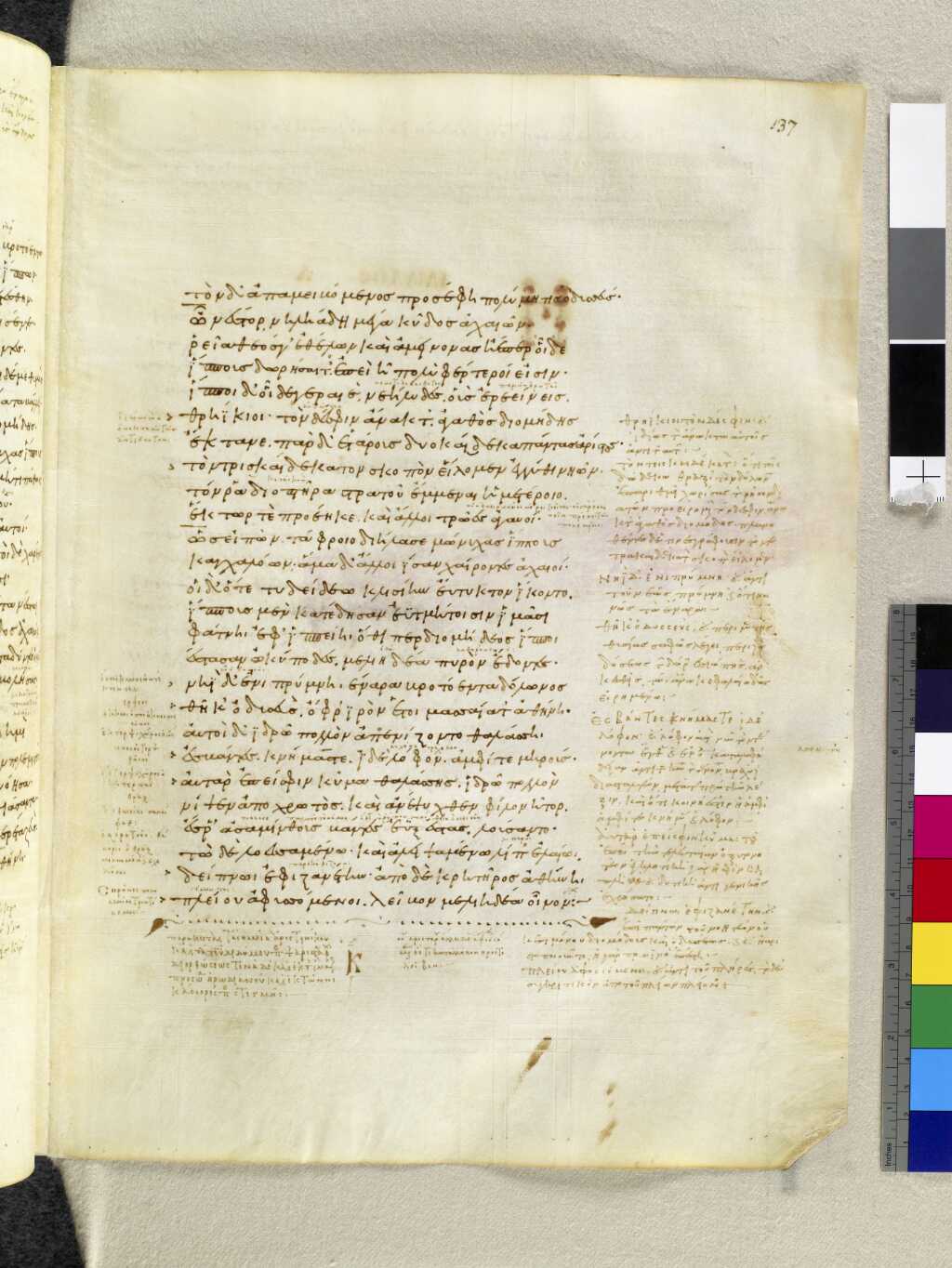
576ἔς ῥʼ ἀσαμίνθους βάντες ἐϋξέστας λούσαντο. 577τὼ δὲ λοεσσαμένω καὶ ἀλειψαμένω λίπʼ ἐλαίῳ 578δείπνῳ ἐφιζανέτην, ἀπὸ δὲ κρητῆρος Ἀθήνῃ 579πλείου ἀφυσσόμενοι λεῖβον μελιηδέα οἶνον.
He laughed as he spoke and drove the horses over the ditch, while the other Achaeans followed him gladly. When they reached the strongly built quarters of the son of Tydeus, they tied the horses with thongs of leather to the manger, where the steeds of Diomed stood eating their sweet corn, but Ulysses hung the blood-stained spoils of Dolon at the stern of his ship, that they might prepare a sacred offering to Minerva. As for themselves, they went into the sea and washed the sweat from their bodies, and from their necks and thighs. When the sea-water had taken all the sweat from off them, and had refreshed them, they went into the baths and washed themselves. After they had so done and had anointed themselves with oil, they sat down to table, and drawing from a full mixing-bowl, made a drink-offering of wine to Minerva.
Cite
Source & Cross-References
- Source text: Venetus A (10th c.) via Homer Multitext IIIF + Perseus Greek + Butler English (PG #2199) — view original
- Critical edition: Munro & Allen (Perseus Digital Library)
← previous · → next · v cycle view · l back to library