The Iliad, Book 4
Introduction
Book 4 of the Iliad with 22 sections, each linked to its specific folio in Venetus A (Marcianus Graecus 454, 10th c.). The Homer Multitext Project provides line-level folio mappings, ensuring every section of text corresponds to the exact manuscript page where it appears.
How was this verified? (Provenance)
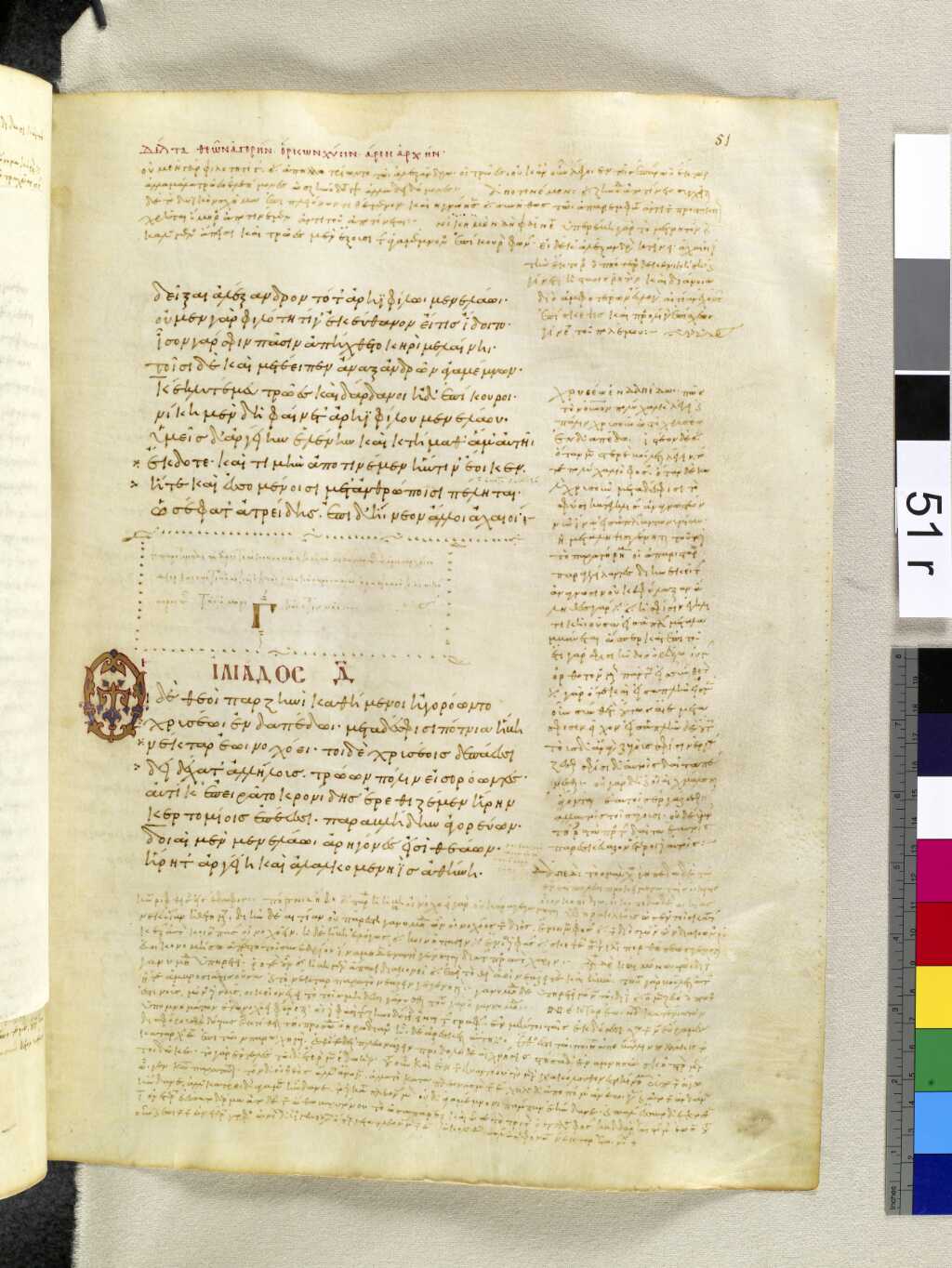
1οἳ δὲ θεοὶ πὰρ Ζηνὶ καθήμενοι ἠγορόωντο 2χρυσέῳ ἐν δαπέδῳ, μετὰ δέ σφισι πότνια Ἥβη 3νέκταρ ἐοινοχόει· τοὶ δὲ χρυσέοις δεπάεσσι 4δειδέχατʼ ἀλλήλους, Τρώων πόλιν εἰσορόωντες· 5αὐτίκʼ ἐπειρᾶτο Κρονίδης ἐρεθιζέμεν Ἥρην 6κερτομίοις ἐπέεσσι παραβλήδην ἀγορεύων· 7δοιαὶ μὲν Μενελάῳ ἀρηγόνες εἰσὶ θεάων 8Ἥρη τʼ Ἀργείη καὶ Ἀλαλκομενηῒς Ἀθήνη. 9ἀλλʼ ἤτοι ταὶ νόσφι καθήμεναι εἰσορόωσαι 10τέρπεσθον· τῷ δʼ αὖτε φιλομειδὴς Ἀφροδίτη 11αἰεὶ παρμέμβλωκε καὶ αὐτοῦ κῆρας ἀμύνει· 12καὶ νῦν ἐξεσάωσεν ὀϊόμενον θανέεσθαι. 13ἀλλʼ ἤτοι νίκη μὲν ἀρηϊφίλου Μενελάου· 14ἡμεῖς δὲ φραζώμεθʼ ὅπως ἔσται τάδε ἔργα, 15ἤ ῥʼ αὖτις πόλεμόν τε κακὸν καὶ φύλοπιν αἰνὴν 16ὄρσομεν, ἦ φιλότητα μετʼ ἀμφοτέροισι βάλωμεν. 17εἰ δʼ αὖ πως τόδε πᾶσι φίλον καὶ ἡδὺ γένοιτο, 18ἤτοι μὲν οἰκέοιτο πόλις Πριάμοιο ἄνακτος, 19αὖτις δʼ Ἀργείην Ἑλένην Μενέλαος ἄγοιτο. 20ὣς ἔφαθʼ, αἳ δʼ ἐπέμυξαν Ἀθηναίη τε καὶ Ἥρη· 21πλησίαι αἵ γʼ ἥσθην, κακὰ δὲ Τρώεσσι μεδέσθην. 22ἤτοι Ἀθηναίη ἀκέων ἦν οὐδέ τι εἶπε 23σκυζομένη Διὶ πατρί, χόλος δέ μιν ἄγριος ᾕρει· 24Ἥρῃ δʼ οὐκ ἔχαδε στῆθος χόλον, ἀλλὰ προσηύδα· 25αἰνότατε Κρονίδη ποῖον τὸν μῦθον ἔειπες·
A quarrel in Olympus—Minerva goes down and persuades Fandarus to violate the oaths by wounding Menelaus with an arrow—Agamemnon makes a speech and sends for Machaon—He then goes about among his captains and upbraids Ulysses and Sthenelus, who each of them retort fiercely—Diomed checks Sthenelus, and the two hosts then engage, with great slaughter on either side.
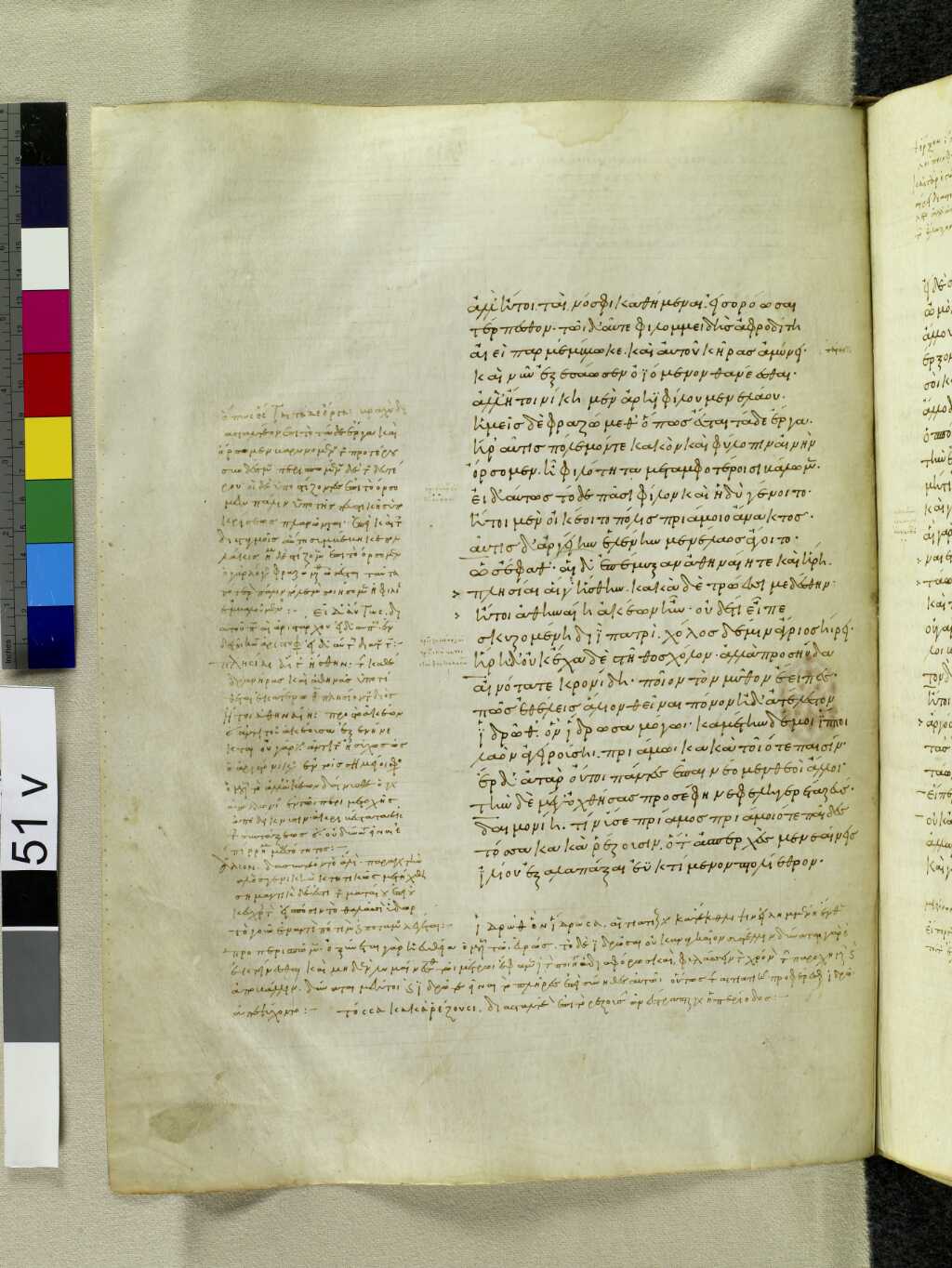
26πῶς ἐθέλεις ἅλιον θεῖναι πόνον ἠδʼ ἀτέλεστον, 27ἱδρῶ θʼ ὃν ἵδρωσα μόγῳ, καμέτην δέ μοι ἵπποι 28λαὸν ἀγειρούσῃ, Πριάμῳ κακὰ τοῖό τε παισίν. 29ἕρδʼ· ἀτὰρ οὔ τοι πάντες ἐπαινέομεν θεοὶ ἄλλοι. 30τὴν δὲ μέγʼ ὀχθήσας προσέφη νεφεληγερέτα Ζεύς· 31δαιμονίη τί νύ σε Πρίαμος Πριάμοιό τε παῖδες 32τόσσα κακὰ ῥέζουσιν, ὅ τʼ ἀσπερχὲς μενεαίνεις 33Ἰλίου ἐξαλαπάξαι ἐϋκτίμενον πτολίεθρον; 34εἰ δὲ σύ γʼ εἰσελθοῦσα πύλας καὶ τείχεα μακρὰ 35ὠμὸν βεβρώθοις Πρίαμον Πριάμοιό τε παῖδας 36ἄλλους τε Τρῶας, τότε κεν χόλον ἐξακέσαιο. 37ἕρξον ὅπως ἐθέλεις· μὴ τοῦτό γε νεῖκος ὀπίσσω 38σοὶ καὶ ἐμοὶ μέγʼ ἔρισμα μετʼ ἀμφοτέροισι γένηται. 39ἄλλο δέ τοι ἐρέω, σὺ δʼ ἐνὶ φρεσὶ βάλλεο σῇσιν· 40ὁππότε κεν καὶ ἐγὼ μεμαὼς πόλιν ἐξαλαπάξαι 41τὴν ἐθέλω ὅθι τοι φίλοι ἀνέρες ἐγγεγάασι, 42μή τι διατρίβειν τὸν ἐμὸν χόλον, ἀλλά μʼ ἐᾶσαι· 43καὶ γὰρ ἐγὼ σοὶ δῶκα ἑκὼν ἀέκοντί γε θυμῷ· 44αἳ γὰρ ὑπʼ ἠελίῳ τε καὶ οὐρανῷ ἀστερόεντι 45ναιετάουσι πόληες ἐπιχθονίων ἀνθρώπων, 46τάων μοι περὶ κῆρι τιέσκετο Ἴλιος ἱρὴ 47καὶ Πρίαμος καὶ λαὸς ἐϋμμελίω Πριάμοιο. 48οὐ γάρ μοί ποτε βωμὸς ἐδεύετο δαιτὸς ἐΐσης 49λοιβῆς τε κνίσης τε· τὸ γὰρ λάχομεν γέρας ἡμεῖς. 50τὸν δʼ ἠμείβετʼ ἔπειτα βοῶπις πότνια Ἥρη·
Now the gods were sitting with Jove in council upon the golden floor while Hebe went round pouring out nectar for them to drink, and as they pledged one another in their cups of gold they looked down upon the town of Troy. The son of Saturn then began to tease Juno, talking at her so as to provoke her. “Menelaus,” said he, “has two good friends among the goddesses, Juno of Argos, and Minerva of Alalcomene, but they only sit still and look on, while Venus keeps ever by Alexandrus’ side to defend him in any danger; indeed she has just rescued him when he made sure that it was all over with him—for the victory really did lie with Menelaus. We must consider what we shall do about all this; shall we set them fighting anew or make peace between them? If you will agree to this last Menelaus can take back Helen and the city of Priam may remain still inhabited.”
Minerva and Juno muttered their discontent as they sat side by side hatching mischief for the Trojans. Minerva scowled at her father, for she was in a furious passion with him, and said nothing, but Juno could not contain herself. “Dread son of Saturn,” said she, “what, pray, is the meaning of all this? Is my trouble, then, to go for nothing, and the sweat that I have sweated, to say nothing of my horses, while getting the people together against Priam and his children? Do as you will, but we other gods shall not all of us approve your counsel.”
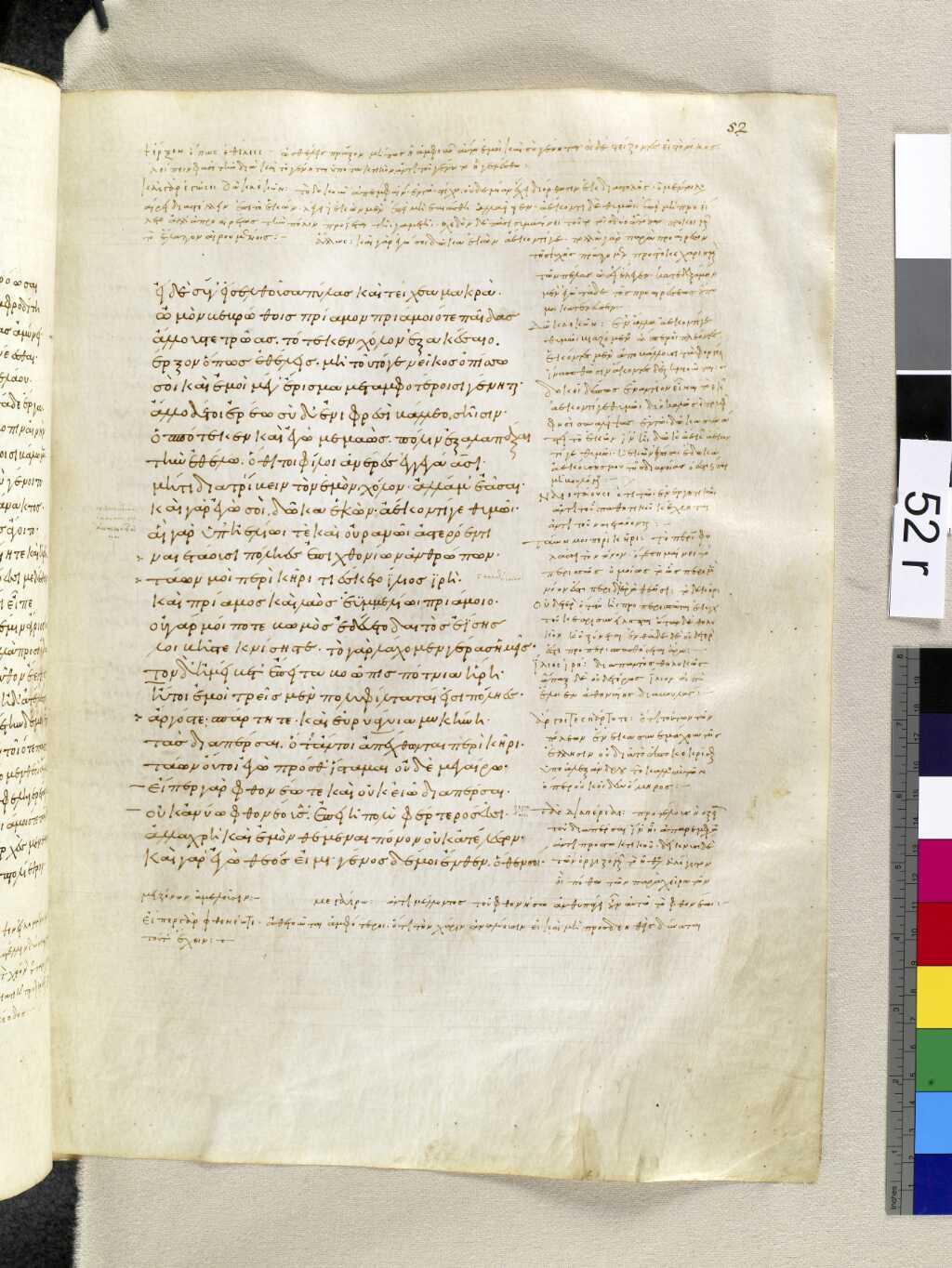
51ἤτοι ἐμοὶ τρεῖς μὲν πολὺ φίλταταί εἰσι πόληες 52Ἄργός τε Σπάρτη τε καὶ εὐρυάγυια Μυκήνη· 53τὰς διαπέρσαι ὅτʼ ἄν τοι ἀπέχθωνται περὶ κῆρι· 54τάων οὔ τοι ἐγὼ πρόσθʼ ἵσταμαι οὐδὲ μεγαίρω. 55εἴ περ γὰρ φθονέω τε καὶ οὐκ εἰῶ διαπέρσαι, 56οὐκ ἀνύω φθονέουσʼ ἐπεὶ ἦ πολὺ φέρτερός ἐσσι. 57ἀλλὰ χρὴ καὶ ἐμὸν θέμεναι πόνον οὐκ ἀτέλεστον· 58καὶ γὰρ ἐγὼ θεός εἰμι, γένος δέ μοι ἔνθεν ὅθεν σοί, 59καί με πρεσβυτάτην τέκετο Κρόνος ἀγκυλομήτης, 60ἀμφότερον γενεῇ τε καὶ οὕνεκα σὴ παράκοιτις 61κέκλημαι, σὺ δὲ πᾶσι μετʼ ἀθανάτοισιν ἀνάσσεις. 62ἀλλʼ ἤτοι μὲν ταῦθʼ ὑποείξομεν ἀλλήλοισι, 63σοὶ μὲν ἐγώ, σὺ δʼ ἐμοί· ἐπὶ δʼ ἕψονται θεοὶ ἄλλοι 64ἀθάνατοι· σὺ δὲ θᾶσσον Ἀθηναίῃ ἐπιτεῖλαι 65ἐλθεῖν ἐς Τρώων καὶ Ἀχαιῶν φύλοπιν αἰνήν, 66πειρᾶν δʼ ὥς κε Τρῶες ὑπερκύδαντας Ἀχαιοὺς 67ἄρξωσι πρότεροι ὑπὲρ ὅρκια δηλήσασθαι. 68ὣς ἔφατʼ, οὐδʼ ἀπίθησε πατὴρ ἀνδρῶν τε θεῶν τε· 69αὐτίκʼ Ἀθηναίην ἔπεα πτερόεντα προσηύδα· 70αἶψα μάλʼ ἐς στρατὸν ἐλθὲ μετὰ Τρῶας καὶ Ἀχαιούς, 71πειρᾶν δʼ ὥς κε Τρῶες ὑπερκύδαντας Ἀχαιοὺς 72ἄρξωσι πρότεροι ὑπὲρ ὅρκια δηλήσασθαι. 73ὣς εἰπὼν ὄτρυνε πάρος μεμαυῖαν Ἀθήνην, 74βῆ δὲ κατʼ Οὐλύμποιο καρήνων ἀΐξασα. 75οἷον δʼ ἀστέρα ἧκε Κρόνου πάϊς ἀγκυλομήτεω
Jove was angry and answered, “My dear, what harm have Priam and his sons done you that you are so hotly bent on sacking the city of Ilius? Will nothing do for you but you must go within their walls and eat Priam raw, with his sons and all the other Trojans to boot? Have it your own way then; for I would not have this matter become a bone of contention between us. I say further, and lay my saying to your heart, if ever I want to sack a city belonging to friends of yours, you must not try to stop me; you will have to let me do it, for I am giving in to you sorely against my will. Of all inhabited cities under the sun and stars of heaven, there was none that I so much respected as Ilius with Priam and his whole people. Equitable feasts were never wanting about my altar, nor the savour of burning fat, which is honour due to ourselves.”
“My own three favourite cities,” answered Juno, “are Argos, Sparta, and Mycenae. Sack them whenever you may be displeased with them. I shall not defend them and I shall not care. Even if I did, and tried to stay you, I should take nothing by it, for you are much stronger than I am, but I will not have my own work wasted. I too am a god and of the same race with yourself. I am Saturn’s eldest daughter, and am honourable not on this ground only, but also because I am your wife, and you are king over the gods. Let it be a case, then, of give-and-take between us, and the rest of the gods will follow our lead. Tell Minerva to go and take part in the fight at once, and let her contrive that the Trojans shall be the first to break their oaths and set upon the Achaeans.”
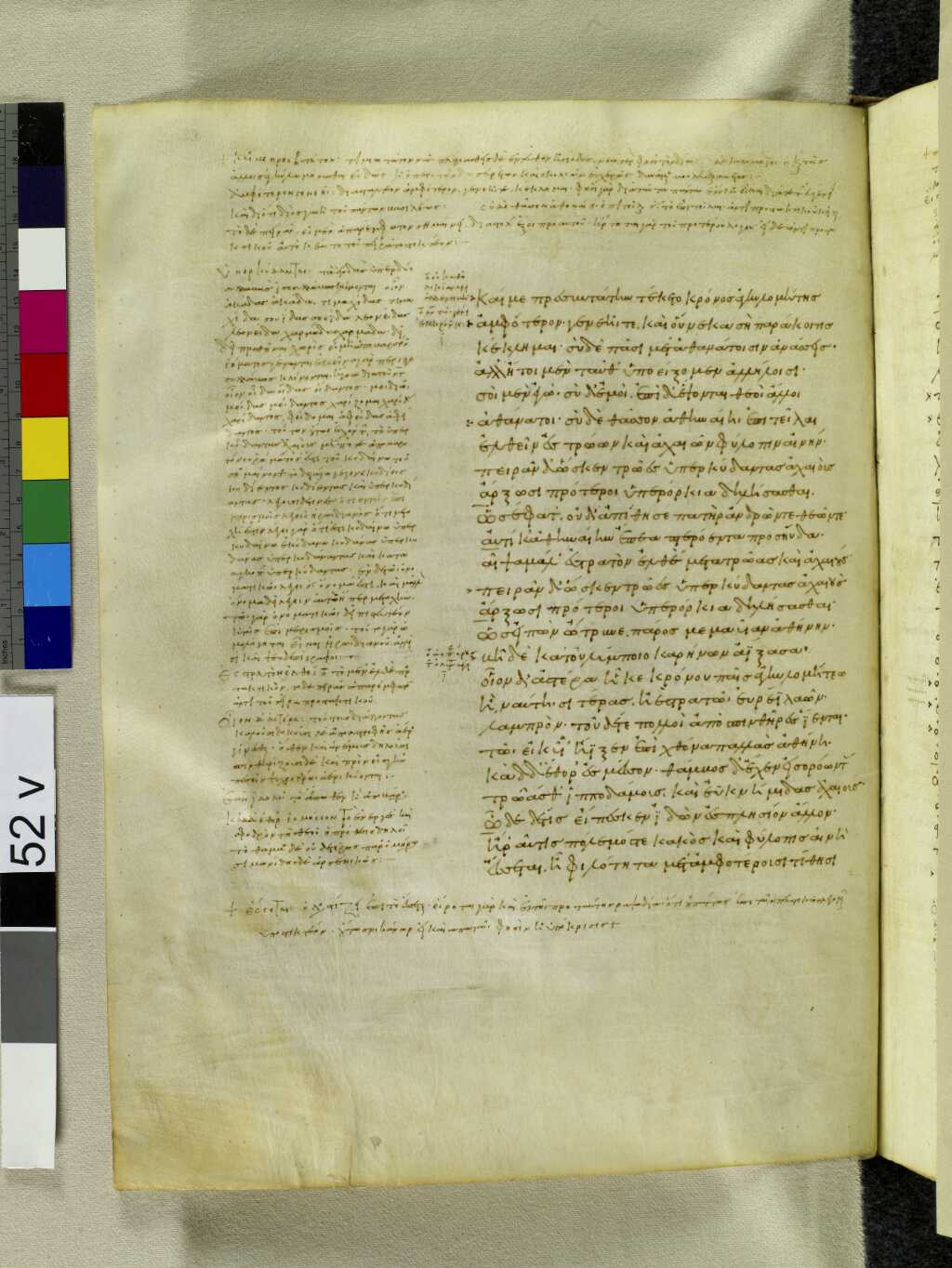
76ἢ ναύτῃσι τέρας ἠὲ στρατῷ εὐρέϊ λαῶν 77λαμπρόν· τοῦ δέ τε πολλοὶ ἀπὸ σπινθῆρες ἵενται· 78τῷ ἐϊκυῖʼ ἤϊξεν ἐπὶ χθόνα Παλλὰς Ἀθήνη, 79κὰδ δʼ ἔθορʼ ἐς μέσσον· θάμβος δʼ ἔχεν εἰσορόωντας 80Τρῶάς θʼ ἱπποδάμους καὶ ἐϋκνήμιδας Ἀχαιούς· 81ὧδε δέ τις εἴπεσκεν ἰδὼν ἐς πλησίον ἄλλον· 82ἦ ῥʼ αὖτις πόλεμός τε κακὸς καὶ φύλοπις αἰνὴ 83ἔσσεται, ἢ φιλότητα μετʼ ἀμφοτέροισι τίθησι 84Ζεύς, ὅς τʼ ἀνθρώπων ταμίης πολέμοιο τέτυκται. 85ὣς ἄρα τις εἴπεσκεν Ἀχαιῶν τε Τρώων τε. 86ἣ δʼ ἀνδρὶ ἰκέλη Τρώων κατεδύσεθʼ ὅμιλον 87Λαοδόκῳ Ἀντηνορίδῃ κρατερῷ αἰχμητῇ, 88Πάνδαρον ἀντίθεον διζημένη εἴ που ἐφεύροι. 89εὗρε Λυκάονος υἱὸν ἀμύμονά τε κρατερόν τε 90ἑσταότʼ· ἀμφὶ δέ μιν κρατεραὶ στίχες ἀσπιστάων 91λαῶν, οἵ οἱ ἕποντο ἀπʼ Αἰσήποιο ῥοάων· 92ἀγχοῦ δʼ ἱσταμένη ἔπεα πτερόεντα προσηύδα· 93ἦ ῥά νύ μοί τι πίθοιο Λυκάονος υἱὲ δαΐφρον. 94τλαίης κεν Μενελάῳ ἐπιπροέμεν ταχὺν ἰόν, 95πᾶσι δέ κε Τρώεσσι χάριν καὶ κῦδος ἄροιο, 96ἐκ πάντων δὲ μάλιστα Ἀλεξάνδρῳ βασιλῆϊ. 97τοῦ κεν δὴ πάμπρωτα παρʼ ἀγλαὰ δῶρα φέροιο, 98αἴ κεν ἴδῃ Μενέλαον ἀρήϊον Ἀτρέος υἱὸν 99σῷ βέλεϊ δμηθέντα πυρῆς ἐπιβάντʼ ἀλεγεινῆς. 100ἀλλʼ ἄγʼ ὀΐστευσον Μενελάου κυδαλίμοιο,
The sire of gods and men heeded her words, and said to Minerva, “Go at once into the Trojan and Achaean hosts, and contrive that the Trojans shall be the first to break their oaths and set upon the Achaeans.”
This was what Minerva was already eager to do, so down she darted from the topmost summits of Olympus. She shot through the sky as some brilliant meteor which the son of scheming Saturn has sent as a sign to mariners or to some great army, and a fiery train of light follows in its wake. The Trojans and Achaeans were struck with awe as they beheld, and one would turn to his neighbour, saying, “Either we shall again have war and din of combat, or Jove the lord of battle will now make peace between us.”
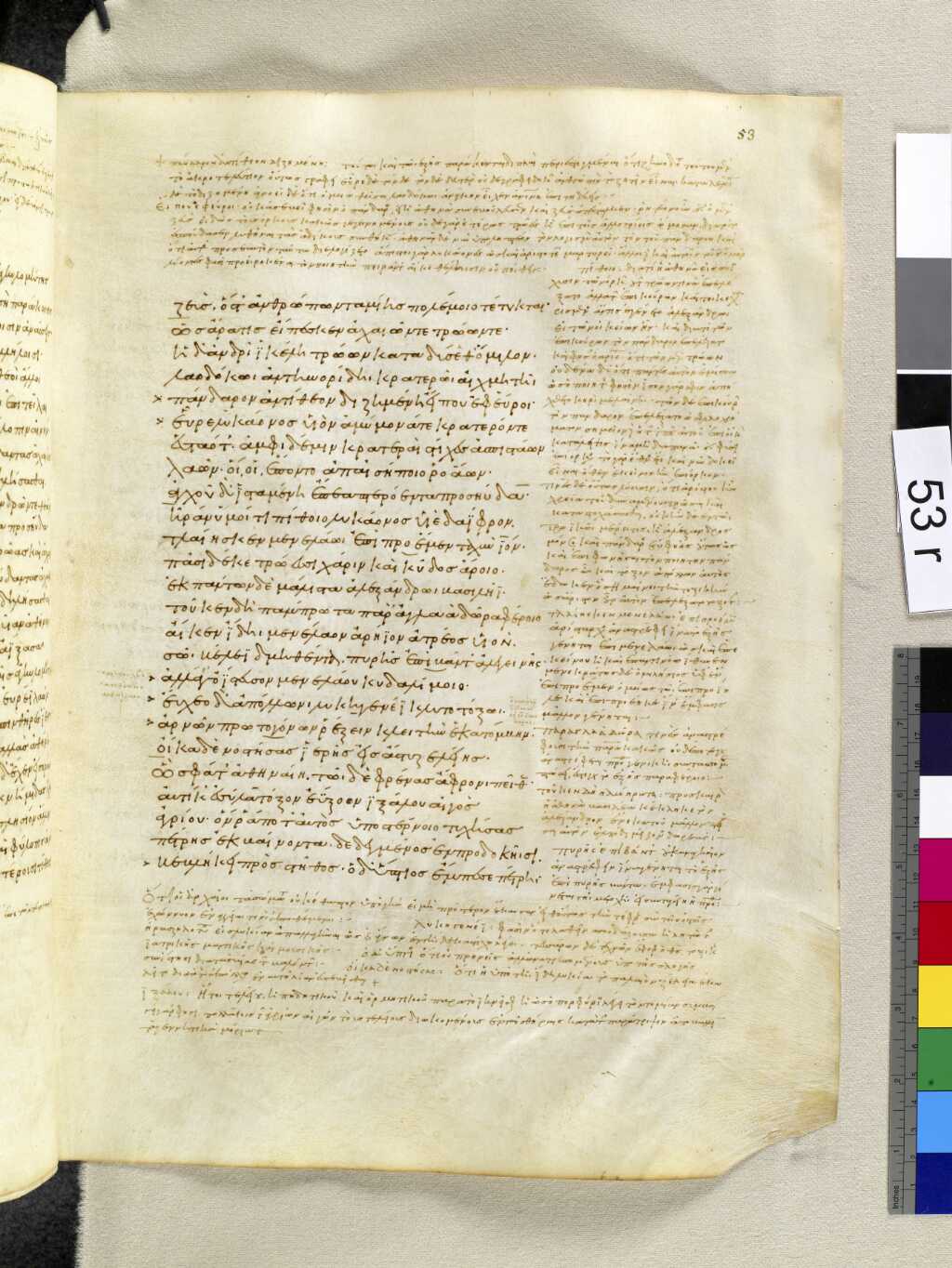
101εὔχεο δʼ Ἀπόλλωνι Λυκηγενέϊ κλυτοτόξῳ 102ἀρνῶν πρωτογόνων ῥέξειν κλειτὴν ἑκατόμβην 103οἴκαδε νοστήσας ἱερῆς εἰς ἄστυ Ζελείης. 104ὣς φάτʼ Ἀθηναίη, τῷ δὲ φρένας ἄφρονι πεῖθεν· 105αὐτίκʼ ἐσύλα τόξον ἐΰξοον ἰξάλου αἰγὸς 106ἀγρίου, ὅν ῥά ποτʼ αὐτὸς ὑπὸ στέρνοιο τυχήσας 107πέτρης ἐκβαίνοντα δεδεγμένος ἐν προδοκῇσι 108βεβλήκει πρὸς στῆθος· ὃ δʼ ὕπτιος ἔμπεσε πέτρῃ. 109τοῦ κέρα ἐκ κεφαλῆς ἑκκαιδεκάδωρα πεφύκει· 110καὶ τὰ μὲν ἀσκήσας κεραοξόος ἤραρε τέκτων, 111πᾶν δʼ εὖ λειήνας χρυσέην ἐπέθηκε κορώνην. 112καὶ τὸ μὲν εὖ κατέθηκε τανυσσάμενος ποτὶ γαίῃ 113ἀγκλίνας· πρόσθεν δὲ σάκεα σχέθον ἐσθλοὶ ἑταῖροι 114μὴ πρὶν ἀναΐξειαν ἀρήϊοι υἷες Ἀχαιῶν 115πρὶν βλῆσθαι Μενέλαον ἀρήϊον Ἀτρέος υἱόν. 116αὐτὰρ ὁ σύλα πῶμα φαρέτρης, ἐκ δʼ ἕλετʼ ἰὸν 117ἀβλῆτα πτερόεντα μελαινέων ἕρμʼ ὀδυνάων· 118αἶψα δʼ ἐπὶ νευρῇ κατεκόσμει πικρὸν ὀϊστόν, 119εὔχετο δʼ Ἀπόλλωνι Λυκηγενέϊ κλυτοτόξῳ 120ἀρνῶν πρωτογόνων ῥέξειν κλειτὴν ἑκατόμβην 121οἴκαδε νοστήσας ἱερῆς εἰς ἄστυ Ζελείης. 122ἕλκε δʼ ὁμοῦ γλυφίδας τε λαβὼν καὶ νεῦρα βόεια· 123νευρὴν μὲν μαζῷ πέλασεν, τόξῳ δὲ σίδηρον. 124αὐτὰρ ἐπεὶ δὴ κυκλοτερὲς μέγα τόξον ἔτεινε, 125λίγξε βιός, νευρὴ δὲ μέγʼ ἴαχεν, ἆλτο δʼ ὀϊστὸς
Thus did they converse. Then Minerva took the form of Laodocus, son of Antenor, and went through the ranks of the Trojans to find Pandarus, the redoubtable son of Lycaon. She found him standing among the stalwart heroes who had followed him from the banks of the Aesopus, so she went close up to him and said, “Brave son of Lycaon, will you do as I tell you? If you dare send an arrow at Menelaus you will win honour and thanks from all the Trojans, and especially from prince Alexandrus—he would be the first to requite you very handsomely if he could see Menelaus mount his funeral pyre, slain by an arrow from your hand. Take your home aim then, and pray to Lycian Apollo, the famous archer; vow that when you get home to your strong city of Zelea you will offer a hecatomb of firstling lambs in his honour.”
His fool’s heart was persuaded, and he took his bow from its case. This bow was made from the horns of a wild ibex which he had killed as it was bounding from a rock; he had stalked it, and it had fallen as the arrow struck it to the heart. Its horns were sixteen palms long, and a worker in horn had made them into a bow, smoothing them well down, and giving them tips of gold. When Pandarus had strung his bow he laid it carefully on the ground, and his brave followers held their shields before him lest the Achaeans should set upon him before he had shot Menelaus. Then he opened the lid of his quiver and took out a winged arrow that had not yet been shot, fraught with the pangs of death. He laid the arrow on the string and prayed to Lycian Apollo, the famous archer, vowing that when he got home to his strong city of Zelea he would offer a hecatomb of firstling lambs in his honour. He laid the notch of the arrow on the ox-hide bowstring, and drew both notch and string to his breast till the arrow-head was near the bow; then when the bow was arched into a half-circle he let fly, and the bow twanged, and the string sang as the arrow flew gladly on over the heads of the throng.
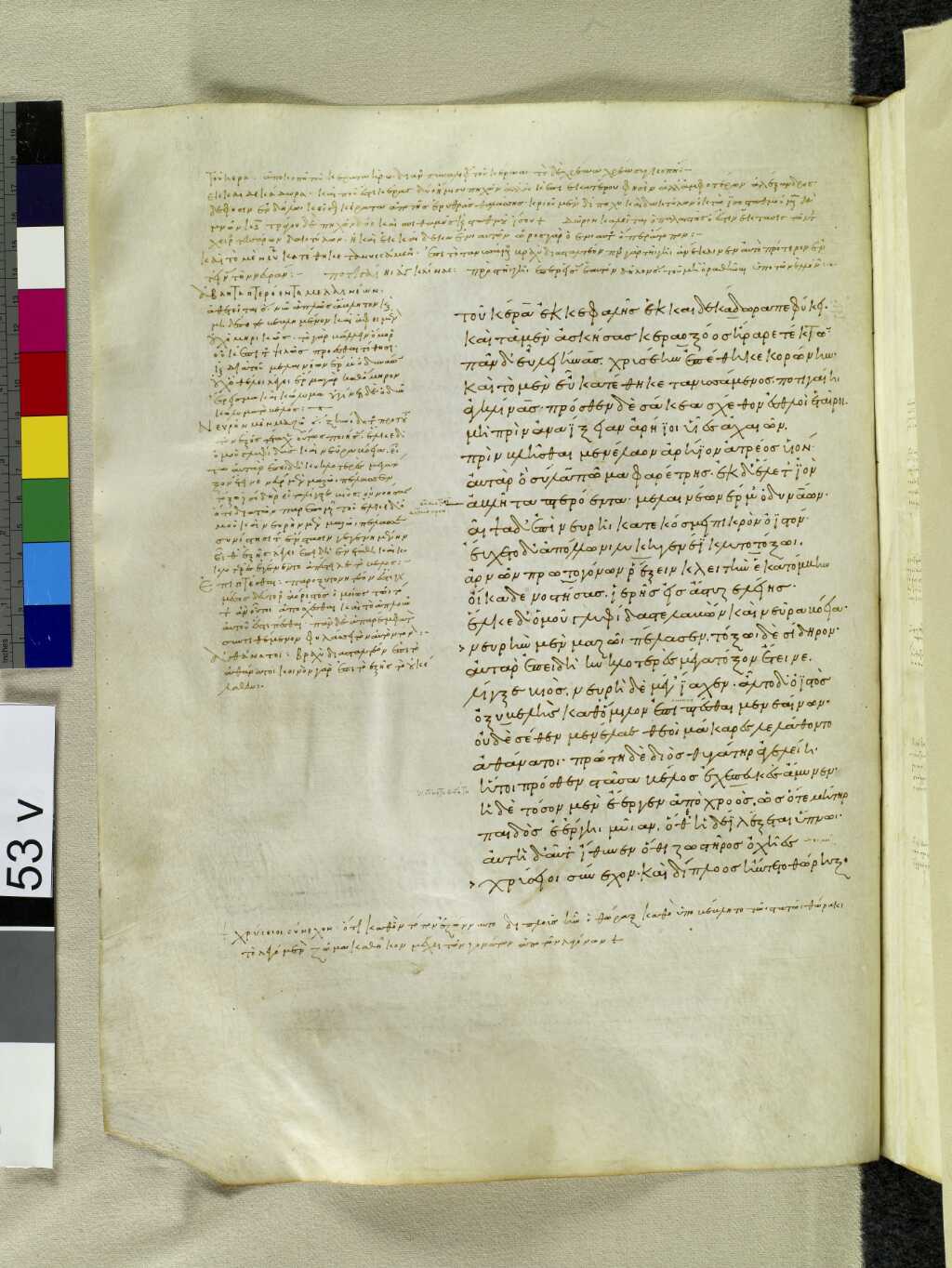
126ὀξυβελὴς καθʼ ὅμιλον ἐπιπτέσθαι μενεαίνων. 127οὐδὲ σέθεν Μενέλαε θεοὶ μάκαρες λελάθοντο 128ἀθάνατοι, πρώτη δὲ Διὸς θυγάτηρ ἀγελείη, 129ἥ τοι πρόσθε στᾶσα βέλος ἐχεπευκὲς ἄμυνεν. 130ἣ δὲ τόσον μὲν ἔεργεν ἀπὸ χροὸς ὡς ὅτε μήτηρ 131παιδὸς ἐέργῃ μυῖαν ὅθʼ ἡδέϊ λέξεται ὕπνῳ, 132αὐτὴ δʼ αὖτʼ ἴθυνεν ὅθι ζωστῆρος ὀχῆες 133χρύσειοι σύνεχον καὶ διπλόος ἤντετο θώρηξ. 134ἐν δʼ ἔπεσε ζωστῆρι ἀρηρότι πικρὸς ὀϊστός· 135διὰ μὲν ἂρ ζωστῆρος ἐλήλατο δαιδαλέοιο, 136καὶ διὰ θώρηκος πολυδαιδάλου ἠρήρειστο 137μίτρης θʼ, ἣν ἐφόρει ἔρυμα χροὸς ἕρκος ἀκόντων, 138ἥ οἱ πλεῖστον ἔρυτο· διὰ πρὸ δὲ εἴσατο καὶ τῆς. 139ἀκρότατον δʼ ἄρʼ ὀϊστὸς ἐπέγραψε χρόα φωτός· 140αὐτίκα δʼ ἔρρεεν αἷμα κελαινεφὲς ἐξ ὠτειλῆς. 141ὡς δʼ ὅτε τίς τʼ ἐλέφαντα γυνὴ φοίνικι μιήνῃ 142Μῃονὶς ἠὲ Κάειρα παρήϊον ἔμμεναι ἵππων· 143κεῖται δʼ ἐν θαλάμῳ, πολέες τέ μιν ἠρήσαντο 144ἱππῆες φορέειν· βασιλῆϊ δὲ κεῖται ἄγαλμα, 145ἀμφότερον κόσμός θʼ ἵππῳ ἐλατῆρί τε κῦδος· 146τοῖοί τοι Μενέλαε μιάνθην αἵματι μηροὶ 147εὐφυέες κνῆμαί τε ἰδὲ σφυρὰ κάλʼ ὑπένερθε. 148ῥίγησεν δʼ ἄρʼ ἔπειτα ἄναξ ἀνδρῶν Ἀγαμέμνων 149ὡς εἶδεν μέλαν αἷμα καταρρέον ἐξ ὠτειλῆς· 150ῥίγησεν δὲ καὶ αὐτὸς ἀρηΐφιλος Μενέλαος.
But the blessed gods did not forget thee, O Menelaus, and Jove’s daughter, driver of the spoil, was the first to stand before thee and ward off the piercing arrow. She turned it from his skin as a mother whisks a fly from off her child when it is sleeping sweetly; she guided it to the part where the golden buckles of the belt that passed over his double cuirass were fastened, so the arrow struck the belt that went tightly round him. It went right through this and through the cuirass of cunning workmanship; it also pierced the belt beneath it, which he wore next his skin to keep out darts or arrows; it was this that served him in the best stead, nevertheless the arrow went through it and grazed the top of the skin, so that blood began flowing from the wound.
As when some woman of Meonia or Caria strains purple dye on to a piece of ivory that is to be the cheek-piece of a horse, and is to be laid up in a treasure house—many a knight is fain to bear it, but the king keeps it as an ornament of which both horse and driver may be proud—even so, O Menelaus, were your shapely thighs and your legs down to your fair ancles stained with blood.
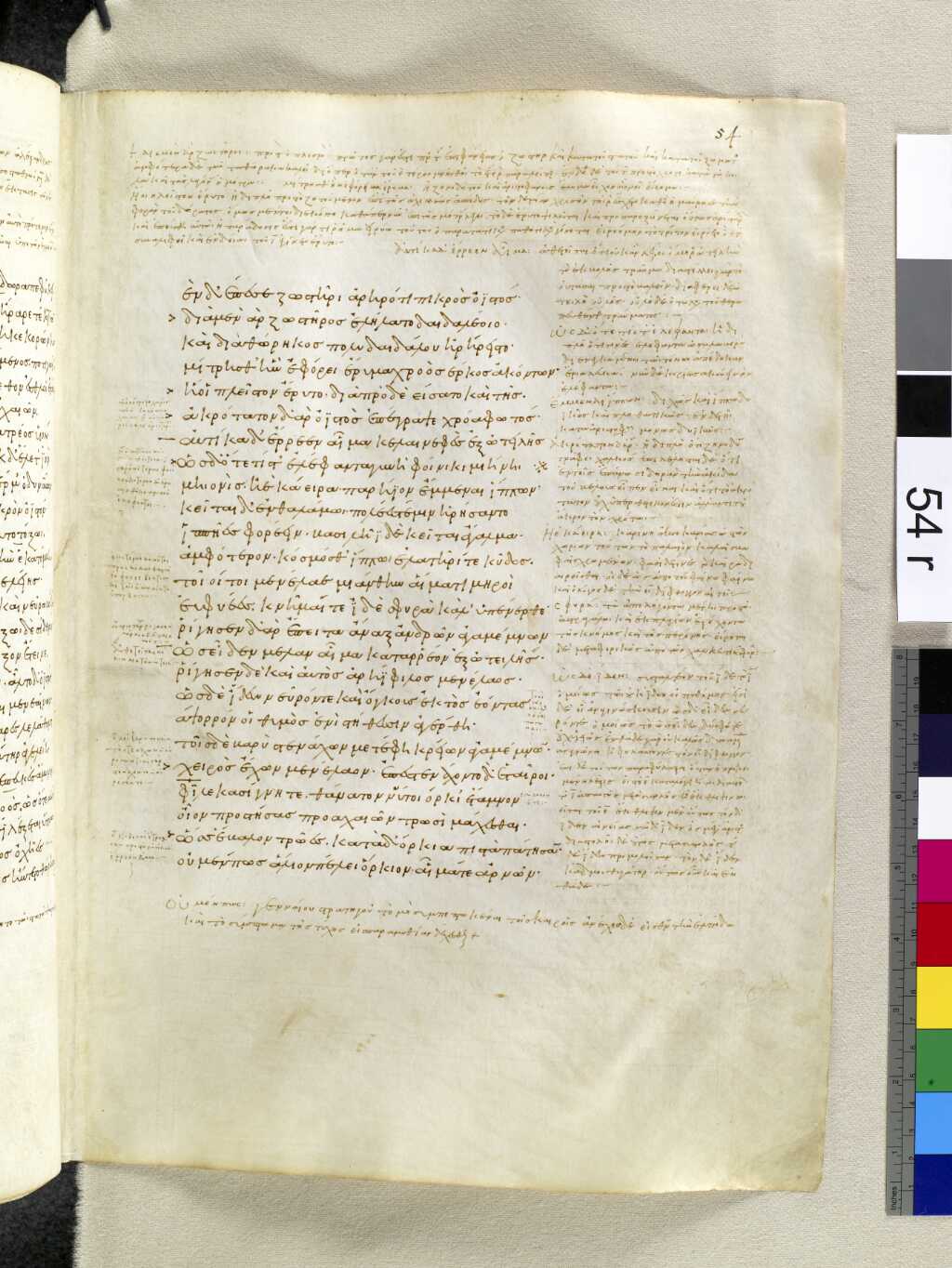
151ὡς δὲ ἴδεν νεῦρόν τε καὶ ὄγκους ἐκτὸς ἐόντας 152ἄψορρόν οἱ θυμὸς ἐνὶ στήθεσσιν ἀγέρθη. 153τοῖς δὲ βαρὺ στενάχων μετέφη κρείων Ἀγαμέμνων 154χειρὸς ἔχων Μενέλαον, ἐπεστενάχοντο δʼ ἑταῖροι· 155φίλε κασίγνητε θάνατόν νύ τοι ὅρκιʼ ἔταμνον 156οἶον προστήσας πρὸ Ἀχαιῶν Τρωσὶ μάχεσθαι, 157ὥς σʼ ἔβαλον Τρῶες, κατὰ δʼ ὅρκια πιστὰ πάτησαν. 158οὐ μέν πως ἅλιον πέλει ὅρκιον αἷμά τε ἀρνῶν 159σπονδαί τʼ ἄκρητοι καὶ δεξιαὶ ᾗς ἐπέπιθμεν. 160εἴ περ γάρ τε καὶ αὐτίκʼ Ὀλύμπιος οὐκ ἐτέλεσσεν, 161ἔκ τε καὶ ὀψὲ τελεῖ, σύν τε μεγάλῳ ἀπέτισαν 162σὺν σφῇσιν κεφαλῇσι γυναιξί τε καὶ τεκέεσσιν. 163εὖ γὰρ ἐγὼ τόδε οἶδα κατὰ φρένα καὶ κατὰ θυμόν· 164ἔσσεται ἦμαρ ὅτʼ ἄν ποτʼ ὀλώλῃ Ἴλιος ἱρὴ 165καὶ Πρίαμος καὶ λαὸς ἐϋμμελίω Πριάμοιο, 166Ζεὺς δέ σφι Κρονίδης ὑψίζυγος αἰθέρι ναίων 167αὐτὸς ἐπισσείῃσιν ἐρεμνὴν αἰγίδα πᾶσι 168τῆσδʼ ἀπάτης κοτέων· τὰ μὲν ἔσσεται οὐκ ἀτέλεστα· 169ἀλλά μοι αἰνὸν ἄχος σέθεν ἔσσεται ὦ Μενέλαε 170αἴ κε θάνῃς καὶ πότμον ἀναπλήσῃς βιότοιο. 171καί κεν ἐλέγχιστος πολυδίψιον Ἄργος ἱκοίμην· 172αὐτίκα γὰρ μνήσονται Ἀχαιοὶ πατρίδος αἴης· 173κὰδ δέ κεν εὐχωλὴν Πριάμῳ καὶ Τρωσὶ λίποιμεν 174Ἀργείην Ἑλένην· σέο δʼ ὀστέα πύσει ἄρουρα 175κειμένου ἐν Τροίῃ ἀτελευτήτῳ ἐπὶ ἔργῳ.
When King Agamemnon saw the blood flowing from the wound he was afraid, and so was brave Menelaus himself till he saw that the barbs of the arrow and the thread that bound the arrow-head to the shaft were still outside the wound. Then he took heart, but Agamemnon heaved a deep sigh as he held Menelaus’s hand in his own, and his comrades made moan in concert. “Dear brother,” he cried, “I have been the death of you in pledging this covenant and letting you come forward as our champion. The Trojans have trampled on their oaths and have wounded you; nevertheless the oath, the blood of lambs, the drink-offerings and the right hands of fellowship in which we have put our trust shall not be vain. If he that rules Olympus fulfil it not here and now, he will yet fulfil it hereafter, and they shall pay dearly with their lives and with their wives and children. The day will surely come when mighty Ilius shall be laid low, with Priam and Priam’s people, when the son of Saturn from his high throne shall overshadow them with his awful aegis in punishment of their present treachery. This shall surely be; but how, Menelaus, shall I mourn you, if it be your lot now to die? I should return to Argos as a by-word, for the Achaeans will at once go home. We shall leave Priam and the Trojans the glory of still keeping Helen, and the earth will rot your bones as you lie here at Troy with your purpose not fulfilled. Then shall some braggart Trojan leap upon your tomb and say, ‘Ever thus may Agamemnon wreak his vengeance; he brought his army in vain; he is gone home to his own land with empty ships, and has left Menelaus behind him.’ Thus will one of them say, and may the earth then swallow me.”
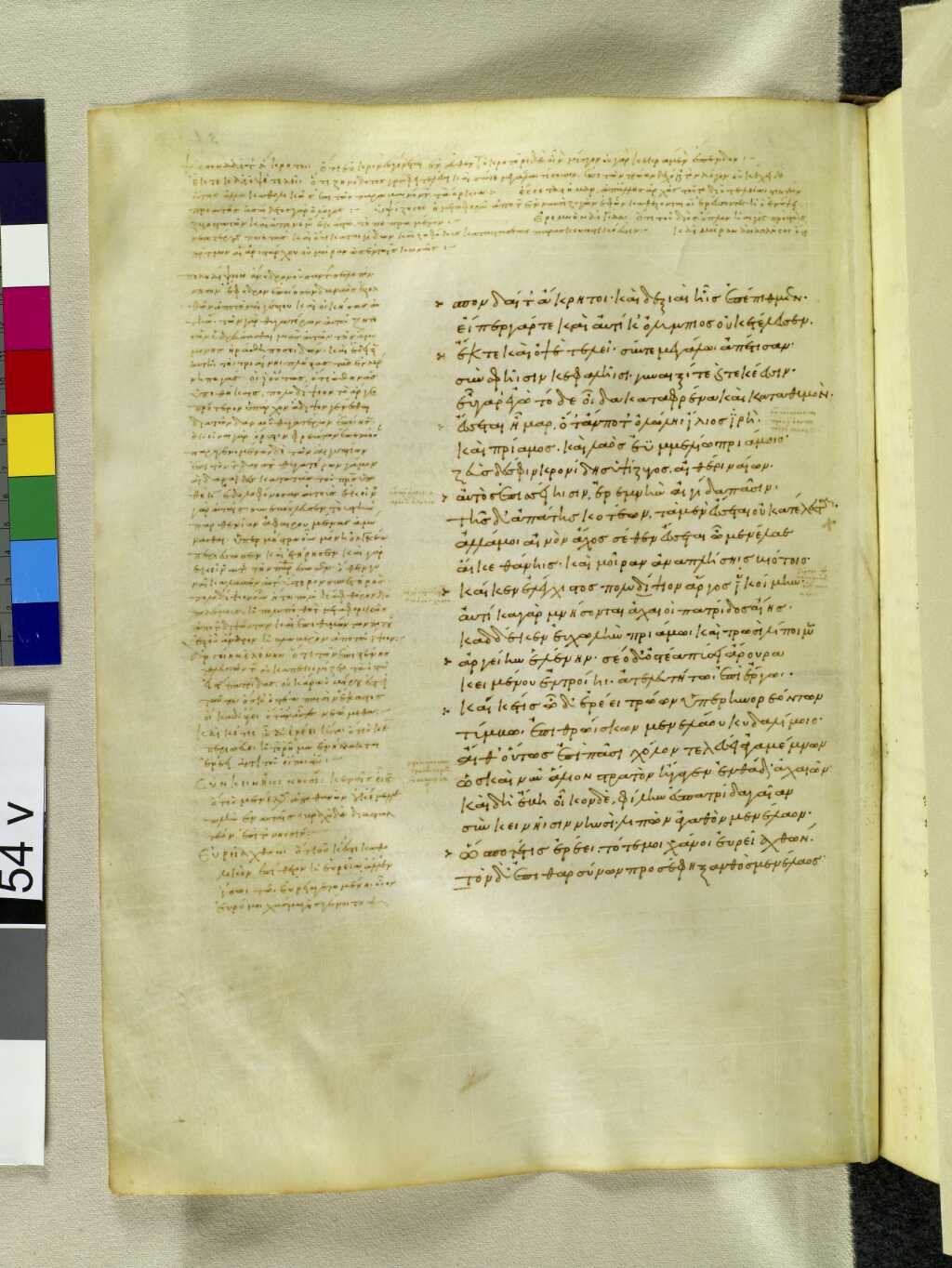
176καί κέ τις ὧδʼ ἐρέει Τρώων ὑπερηνορεόντων 177τύμβῳ ἐπιθρῴσκων Μενελάου κυδαλίμοιο· 178αἴθʼ οὕτως ἐπὶ πᾶσι χόλον τελέσειʼ Ἀγαμέμνων, 179ὡς καὶ νῦν ἅλιον στρατὸν ἤγαγεν ἐνθάδʼ Ἀχαιῶν, 180καὶ δὴ ἔβη οἶκον δὲ φίλην ἐς πατρίδα γαῖαν 181σὺν κεινῇσιν νηυσὶ λιπὼν ἀγαθὸν Μενέλαον. 182ὥς ποτέ τις ἐρέει· τότε μοι χάνοι εὐρεῖα χθών. 183τὸν δʼ ἐπιθαρσύνων προσέφη ξανθὸς Μενέλαος· 184θάρσει, μηδέ τί πω δειδίσσεο λαὸν Ἀχαιῶν· 185οὐκ ἐν καιρίῳ ὀξὺ πάγη βέλος, ἀλλὰ πάροιθεν 186εἰρύσατο ζωστήρ τε παναίολος ἠδʼ ὑπένερθε 187ζῶμά τε καὶ μίτρη, τὴν χαλκῆες κάμον ἄνδρες. 188τὸν δʼ ἀπαμειβόμενος προσέφη κρείων Ἀγαμέμνων· 189αἲ γὰρ δὴ οὕτως εἴη φίλος ὦ Μενέλαε· 190ἕλκος δʼ ἰητὴρ ἐπιμάσσεται ἠδʼ ἐπιθήσει 191φάρμαχʼ ἅ κεν παύσῃσι μελαινάων ὀδυνάων. 192ἦ καὶ Ταλθύβιον θεῖον κήρυκα προσηύδα· 193Ταλθύβιʼ ὅττι τάχιστα Μαχάονα δεῦρο κάλεσσον 194φῶτʼ Ἀσκληπιοῦ υἱὸν ἀμύμονος ἰητῆρος, 195ὄφρα ἴδῃ Μενέλαον ἀρήϊον Ἀτρέος υἱόν, 196ὅν τις ὀϊστεύσας ἔβαλεν τόξων ἐῢ εἰδὼς 197Τρώων ἢ Λυκίων, τῷ μὲν κλέος, ἄμμι δὲ πένθος. 198ὣς ἔφατʼ, οὐδʼ ἄρα οἱ κῆρυξ ἀπίθησεν ἀκούσας, 199βῆ δʼ ἰέναι κατὰ λαὸν Ἀχαιῶν χαλκοχιτώνων 200παπταίνων ἥρωα Μαχάονα· τὸν δὲ νόησεν
But Menelaus reassured him and said, “Take heart, and do not alarm the people; the arrow has not struck me in a mortal part, for my outer belt of burnished metal first stayed it, and under this my cuirass and the belt of mail which the bronze-smiths made me.”
And Agamemnon answered, “I trust, dear Menelaus, that it may be even so, but the surgeon shall examine your wound and lay herbs upon it to relieve your pain.”
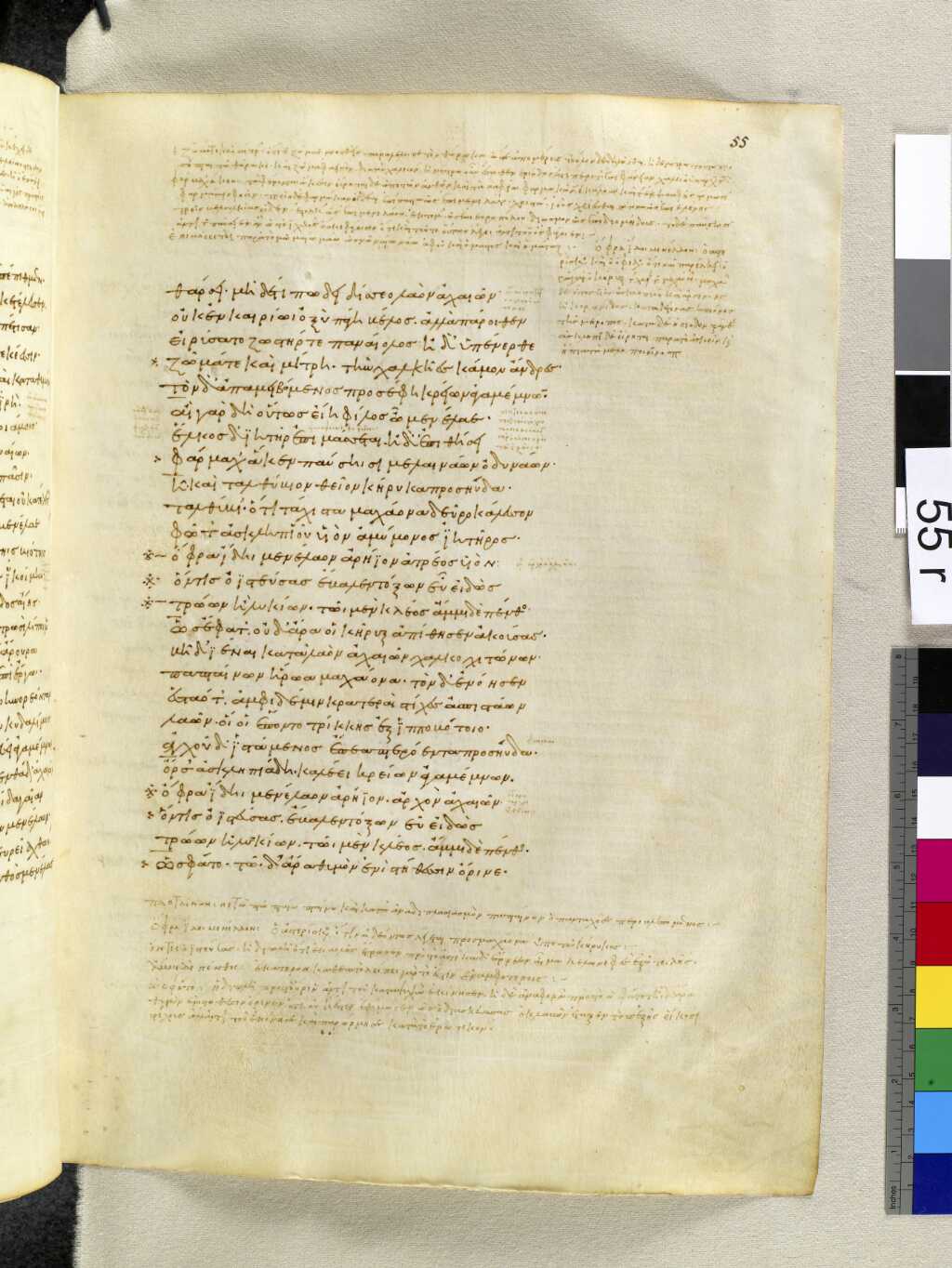
201ἑσταότʼ· ἀμφὶ δέ μιν κρατεραὶ στίχες ἀσπιστάων 202λαῶν, οἵ οἱ ἕποντο Τρίκης ἐξ ἱπποβότοιο. 203ἀγχοῦ δʼ ἱστάμενος ἔπεα πτερόεντα προσηύδα· 204ὄρσʼ Ἀσκληπιάδη, καλέει κρείων Ἀγαμέμνων, 205ὄφρα ἴδῃς Μενέλαον ἀρήϊον ἀρχὸν Ἀχαιῶν, 206ὅν τις ὀϊστεύσας ἔβαλεν τόξων ἐῢ εἰδὼς 207Τρώων ἢ Λυκίων, τῷ μὲν κλέος, ἄμμι δὲ πένθος. 208ὣς φάτο, τῷ δʼ ἄρα θυμὸν ἐνὶ στήθεσσιν ὄρινε· 209βὰν δʼ ἰέναι καθʼ ὅμιλον ἀνὰ στρατὸν εὐρὺν Ἀχαιῶν. 210ἀλλʼ ὅτε δή ῥʼ ἵκανον ὅθι ξανθὸς Μενέλαος 211βλήμενος ἦν, περὶ δʼ αὐτὸν ἀγηγέραθʼ ὅσσοι ἄριστοι 212κυκλόσʼ, ὃ δʼ ἐν μέσσοισι παρίστατο ἰσόθεος φώς, 213αὐτίκα δʼ ἐκ ζωστῆρος ἀρηρότος ἕλκεν ὀϊστόν· 214τοῦ δʼ ἐξελκομένοιο πάλιν ἄγεν ὀξέες ὄγκοι. 215λῦσε δέ οἱ ζωστῆρα παναίολον ἠδʼ ὑπένερθε 216ζῶμά τε καὶ μίτρην, τὴν χαλκῆες κάμον ἄνδρες. 217αὐτὰρ ἐπεὶ ἴδεν ἕλκος ὅθʼ ἔμπεσε πικρὸς ὀϊστός, 218αἷμʼ ἐκμυζήσας ἐπʼ ἄρʼ ἤπια φάρμακα εἰδὼς 219πάσσε, τά οἵ ποτε πατρὶ φίλα φρονέων πόρε Χείρων. 220ὄφρα τοὶ ἀμφεπένοντο βοὴν ἀγαθὸν Μενέλαον, 221τόφρα δʼ ἐπὶ Τρώων στίχες ἤλυθον ἀσπιστάων· 222οἳ δʼ αὖτις κατὰ τεύχεʼ ἔδυν, μνήσαντο δὲ χάρμης. 223ἔνθʼ οὐκ ἂν βρίζοντα ἴδοις Ἀγαμέμνονα δῖον 224οὐδὲ καταπτώσσοντʼ οὐδʼ οὐκ ἐθέλοντα μάχεσθαι, 225ἀλλὰ μάλα σπεύδοντα μάχην ἐς κυδιάνειραν.
He then said to Talthybius, “Talthybius, tell Machaon, son to the great physician, Aesculapius, to come and see Menelaus immediately. Some Trojan or Lycian archer has wounded him with an arrow to our dismay, and to his own great glory.”
Talthybius did as he was told, and went about the host trying to find Machaon. Presently he found standing amid the brave warriors who had followed him from Tricca; thereon he went up to him and said, “Son of Aesculapius, King Agamemnon says you are to come and see Menelaus immediately. Some Trojan or Lycian archer has wounded him with an arrow to our dismay and to his own great glory.”
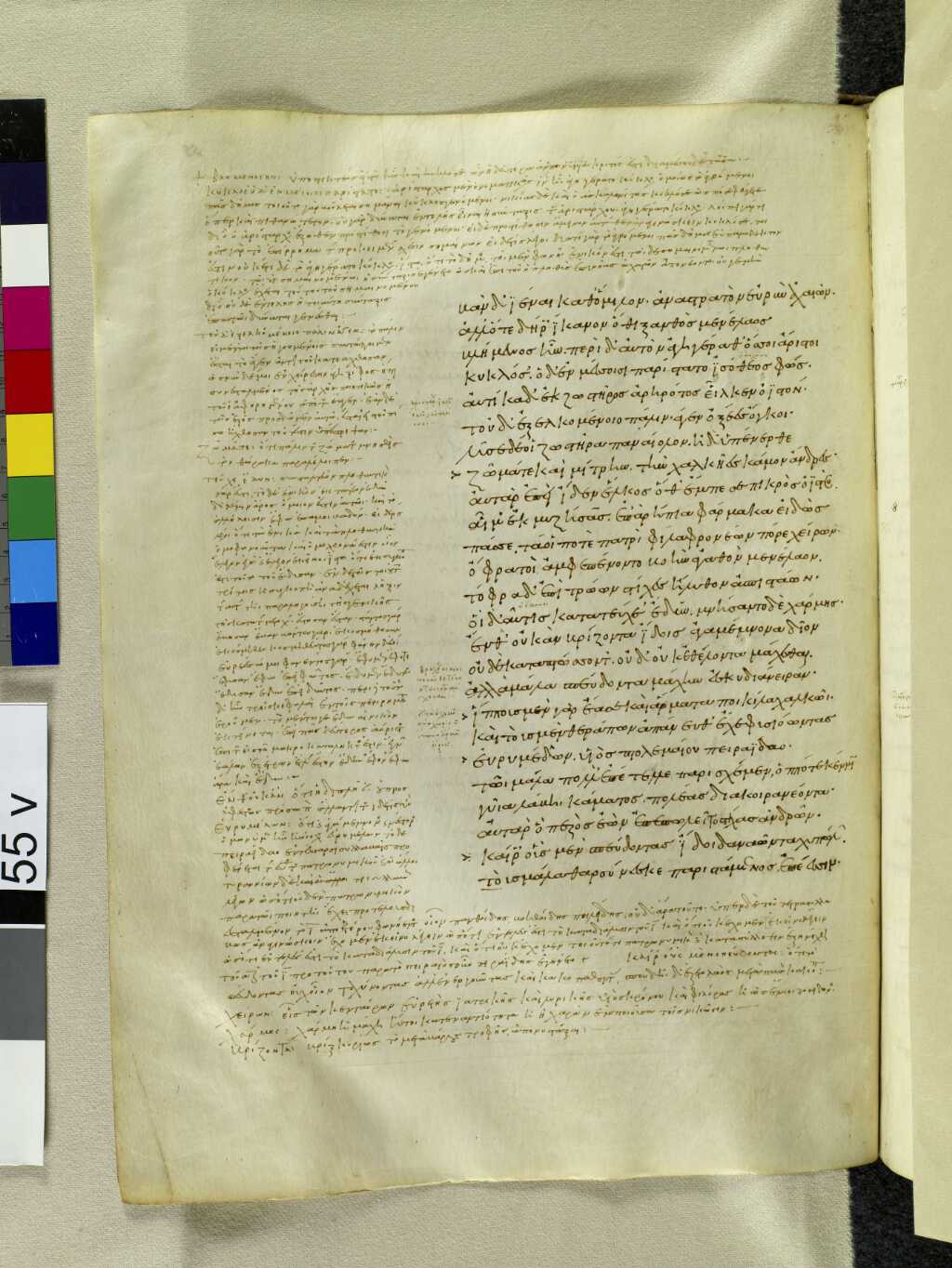
226ἵππους μὲν γὰρ ἔασε καὶ ἅρματα ποικίλα χαλκῷ· 227καὶ τοὺς μὲν θεράπων ἀπάνευθʼ ἔχε φυσιόωντας 228Εὐρυμέδων υἱὸς Πτολεμαίου Πειραΐδαο· 229τῷ μάλα πόλλʼ ἐπέτελλε παρισχέμεν ὁππότε κέν μιν 230γυῖα λάβῃ κάματος πολέας διὰ κοιρανέοντα· 231αὐτὰρ ὃ πεζὸς ἐὼν ἐπεπωλεῖτο στίχας ἀνδρῶν· 232καί ῥʼ οὓς μὲν σπεύδοντας ἴδοι Δαναῶν ταχυπώλων, 233τοὺς μάλα θαρσύνεσκε παριστάμενος ἐπέεσσιν· 234Ἀργεῖοι μή πώ τι μεθίετε θούριδος ἀλκῆς· 235οὐ γὰρ ἐπὶ ψευδέσσι πατὴρ Ζεὺς ἔσσετʼ ἀρωγός, 236ἀλλʼ οἵ περ πρότεροι ὑπὲρ ὅρκια δηλήσαντο 237τῶν ἤτοι αὐτῶν τέρενα χρόα γῦπες ἔδονται, 238ἡμεῖς αὖτʼ ἀλόχους τε φίλας καὶ νήπια τέκνα 239ἄξομεν ἐν νήεσσιν, ἐπὴν πτολίεθρον ἕλωμεν. 240οὕς τινας αὖ μεθιέντας ἴδοι στυγεροῦ πολέμοιο, 241τοὺς μάλα νεικείεσκε χολωτοῖσιν ἐπέεσσιν· 242Ἀργεῖοι ἰόμωροι ἐλεγχέες οὔ νυ σέβεσθε; 243τίφθʼ οὕτως ἔστητε τεθηπότες ἠΰτε νεβροί, 244αἵ τʼ ἐπεὶ οὖν ἔκαμον πολέος πεδίοιο θέουσαι 245ἑστᾶσʼ, οὐδʼ ἄρα τίς σφι μετὰ φρεσὶ γίγνεται ἀλκή· 246ὣς ὑμεῖς ἔστητε τεθηπότες οὐδὲ μάχεσθε. 247ἦ μένετε Τρῶας σχεδὸν ἐλθέμεν ἔνθά τε νῆες 248εἰρύατʼ εὔπρυμνοι πολιῆς ἐπὶ θινὶ θαλάσσης, 249ὄφρα ἴδητʼ αἴ κʼ ὔμμιν ὑπέρσχῃ χεῖρα Κρονίων; 250ὣς ὅ γε κοιρανέων ἐπεπωλεῖτο στίχας ἀνδρῶν·
Thus did he speak, and Machaon was moved to go. They passed through the spreading host of the Achaeans and went on till they came to the place where Menelaus had been wounded and was lying with the chieftains gathered in a circle round him. Machaon passed into the middle of the ring and at once drew the arrow from the belt, bending its barbs back through the force with which he pulled it out. He undid the burnished belt, and beneath this the cuirass and the belt of mail which the bronze-smiths had made; then, when he had seen the wound, he wiped away the blood and applied some soothing drugs which Chiron had given to Aesculapius out of the good will he bore him.
While they were thus busy about Menelaus, the Trojans came forward against them, for they had put on their armour, and now renewed the fight.
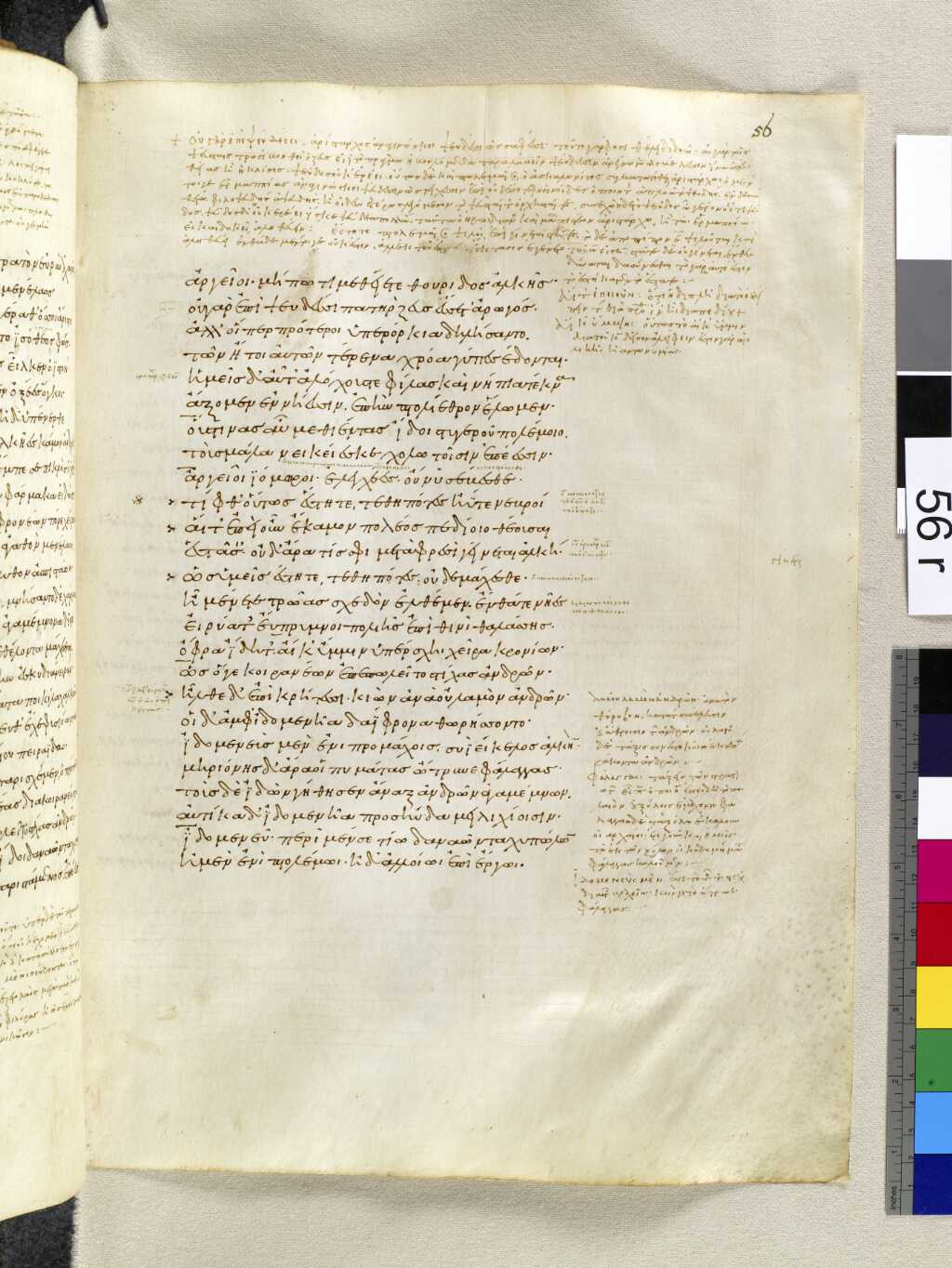
251ἦλθε δʼ ἐπὶ Κρήτεσσι κιὼν ἀνὰ οὐλαμὸν ἀνδρῶν. 252οἳ δʼ ἀμφʼ Ἰδομενῆα δαΐφρονα θωρήσσοντο· 253Ἰδομενεὺς μὲν ἐνὶ προμάχοις συῒ εἴκελος ἀλκήν, 254Μηριόνης δʼ ἄρα οἱ πυμάτας ὄτρυνε φάλαγγας. 255τοὺς δὲ ἰδὼν γήθησεν ἄναξ ἀνδρῶν Ἀγαμέμνων, 256αὐτίκα δʼ Ἰδομενῆα προσηύδα μειλιχίοισιν· 257Ἰδομενεῦ περὶ μέν σε τίω Δαναῶν ταχυπώλων 258ἠμὲν ἐνὶ πτολέμῳ ἠδʼ ἀλλοίῳ ἐπὶ ἔργῳ 259ἠδʼ ἐν δαίθʼ, ὅτε πέρ τε γερούσιον αἴθοπα οἶνον 260Ἀργείων οἳ ἄριστοι ἐνὶ κρητῆρι κέρωνται. 261εἴ περ γάρ τʼ ἄλλοι γε κάρη κομόωντες Ἀχαιοὶ 262δαιτρὸν πίνωσιν, σὸν δὲ πλεῖον δέπας αἰεὶ 263ἕστηχʼ, ὥς περ ἐμοί, πιέειν ὅτε θυμὸς ἀνώγοι. 264ἀλλʼ ὄρσευ πόλεμον δʼ οἷος πάρος εὔχεαι εἶναι. 265τὸν δʼ αὖτʼ Ἰδομενεὺς Κρητῶν ἀγὸς ἀντίον ηὔδα· 266Ἀτρεΐδη μάλα μέν τοι ἐγὼν ἐρίηρος ἑταῖρος 267ἔσσομαι, ὡς τὸ πρῶτον ὑπέστην καὶ κατένευσα· 268ἀλλʼ ἄλλους ὄτρυνε κάρη κομόωντας Ἀχαιοὺς 269ὄφρα τάχιστα μαχώμεθʼ, ἐπεὶ σύν γʼ ὅρκιʼ ἔχευαν 270Τρῶες· τοῖσιν δʼ αὖ θάνατος καὶ κήδεʼ ὀπίσσω 271ἔσσετʼ ἐπεὶ πρότεροι ὑπὲρ ὅρκια δηλήσαντο. 272ὣς ἔφατʼ, Ἀτρεΐδης δὲ παρῴχετο γηθόσυνος κῆρ· 273ἦλθε δʼ ἐπʼ Αἰάντεσσι κιὼν ἀνὰ οὐλαμὸν ἀνδρῶν· 274τὼ δὲ κορυσσέσθην, ἅμα δὲ νέφος εἵπετο πεζῶν. 275ὡς δʼ ὅτʼ ἀπὸ σκοπιῆς εἶδεν νέφος αἰπόλος ἀνὴρ
You would not have then found Agamemnon asleep nor cowardly and unwilling to fight, but eager rather for the fray. He left his chariot rich with bronze and his panting steeds in charge of Eurymedon, son of Ptolemaeus the son of Peiraeus, and bade him hold them in readiness against the time his limbs should weary of going about and giving orders to so many, for he went among the ranks on foot. When he saw men hasting to the front he stood by them and cheered them on. “Argives,” said he, “slacken not one whit in your onset; father Jove will be no helper of liars; the Trojans have been the first to break their oaths and to attack us; therefore they shall be devoured of vultures; we shall take their city and carry off their wives and children in our ships.”
But he angrily rebuked those whom he saw shirking and disinclined to fight. “Argives,” he cried, “cowardly miserable creatures, have you no shame to stand here like frightened fawns who, when they can no longer scud over the plain, huddle together, but show no fight? You are as dazed and spiritless as deer. Would you wait till the Trojans reach the sterns of our ships as they lie on the shore, to see whether the son of Saturn will hold his hand over you to protect you?”
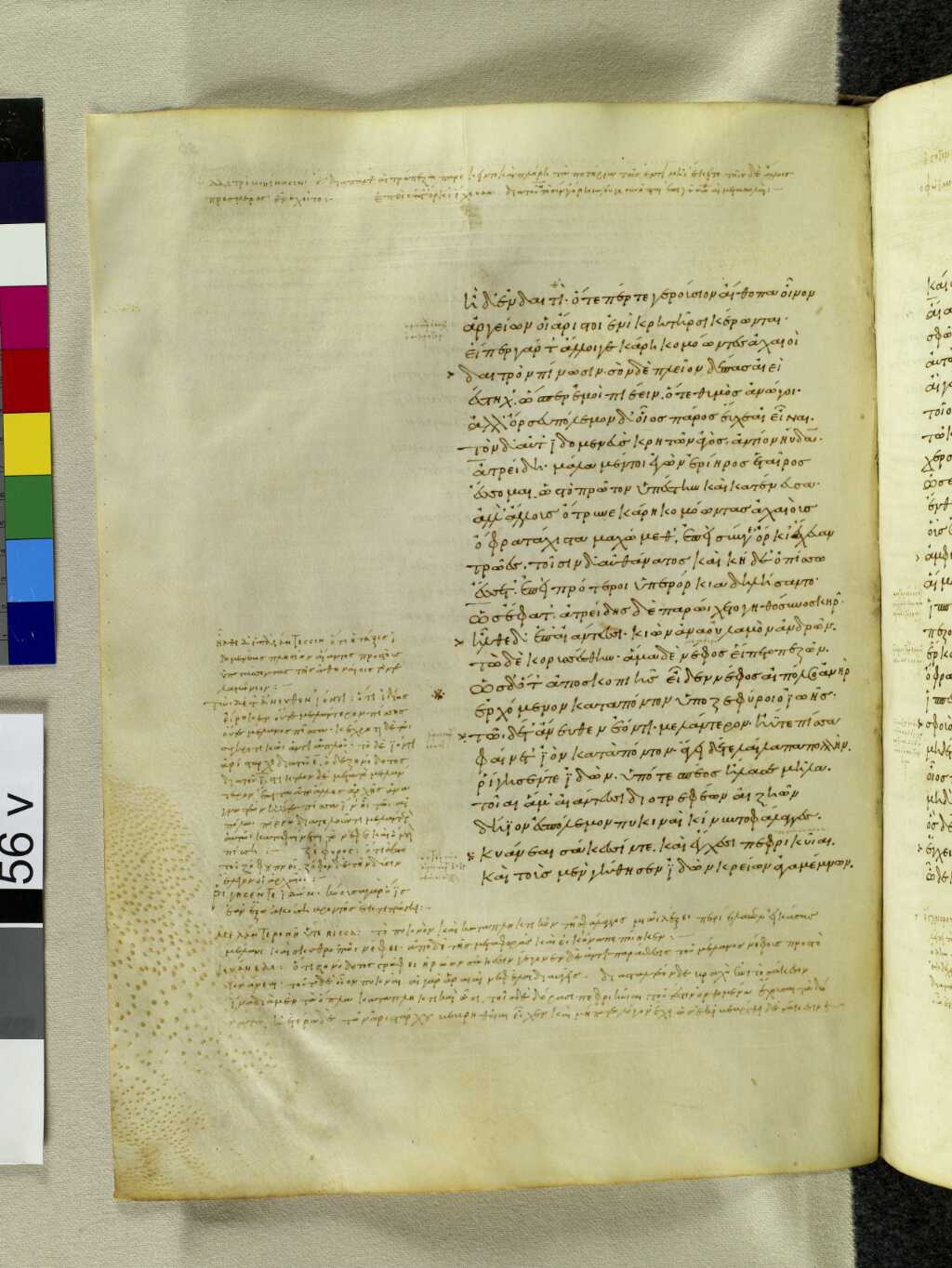
276ἐρχόμενον κατὰ πόντον ὑπὸ Ζεφύροιο ἰωῆς· 277τῷ δέ τʼ ἄνευθεν ἐόντι μελάντερον ἠΰτε πίσσα 278φαίνετʼ ἰὸν κατὰ πόντον, ἄγει δέ τε λαίλαπα πολλήν, 279ῥίγησέν τε ἰδών, ὑπό τε σπέος ἤλασε μῆλα· 280τοῖαι ἅμʼ Αἰάντεσσι διοτρεφέων αἰζηῶν 281δήϊον ἐς πόλεμον πυκιναὶ κίνυντο φάλαγγες 282κυάνεαι, σάκεσίν τε καὶ ἔγχεσι πεφρικυῖαι. 283καὶ τοὺς μὲν γήθησεν ἰδὼν κρείων Ἀγαμέμνων, 284καί σφεας φωνήσας ἔπεα πτερόεντα προσηύδα· 285Αἴαντʼ Ἀργείων ἡγήτορε χαλκοχιτώνων, 286σφῶϊ μέν· οὐ γὰρ ἔοικʼ ὀτρυνέμεν· οὔ τι κελεύω· 287αὐτὼ γὰρ μάλα λαὸν ἀνώγετον ἶφι μάχεσθαι. 288αἲ γὰρ Ζεῦ τε πάτερ καὶ Ἀθηναίη καὶ Ἄπολλον 289τοῖος πᾶσιν θυμὸς ἐνὶ στήθεσσι γένοιτο· 290τώ κε τάχʼ ἠμύσειε πόλις Πριάμοιο ἄνακτος 291χερσὶν ὑφʼ ἡμετέρῃσιν ἁλοῦσά τε περθομένη τε. 292ὣς εἰπὼν τοὺς μὲν λίπεν αὐτοῦ, βῆ δὲ μετʼ ἄλλους· 293ἔνθʼ ὅ γε Νέστορʼ ἔτετμε λιγὺν Πυλίων ἀγορητὴν 294οὓς ἑτάρους στέλλοντα καὶ ὀτρύνοντα μάχεσθαι 295ἀμφὶ μέγαν Πελάγοντα Ἀλάστορά τε Χρομίον τε 296Αἵμονά τε κρείοντα Βίαντά τε ποιμένα λαῶν· 297ἱππῆας μὲν πρῶτα σὺν ἵπποισιν καὶ ὄχεσφι, 298πεζοὺς δʼ ἐξόπιθε στῆσεν πολέας τε καὶ ἐσθλοὺς 299ἕρκος ἔμεν πολέμοιο· κακοὺς δʼ ἐς μέσσον ἔλασσεν, 300ὄφρα καὶ οὐκ ἐθέλων τις ἀναγκαίῃ πολεμίζοι.
Thus did he go about giving his orders among the ranks. Passing through the crowd, he came presently on the Cretans, arming round Idomeneus, who was at their head, fierce as a wild boar, while Meriones was bringing up the battalions that were in the rear. Agamemnon was glad when he saw him, and spoke him fairly. “Idomeneus,” said he, “I treat you with greater distinction than I do any others of the Achaeans, whether in war or in other things, or at table. When the princes are mixing my choicest wines in the mixing-bowls, they have each of them a fixed allowance, but your cup is kept always full like my own, that you may drink whenever you are minded. Go, therefore, into battle, and show yourself the man you have been always proud to be.”
Idomeneus answered, “I will be a trusty comrade, as I promised you from the first I would be. Urge on the other Achaeans, that we may join battle at once, for the Trojans have trampled upon their covenants. Death and destruction shall be theirs, seeing they have been the first to break their oaths and to attack us.”
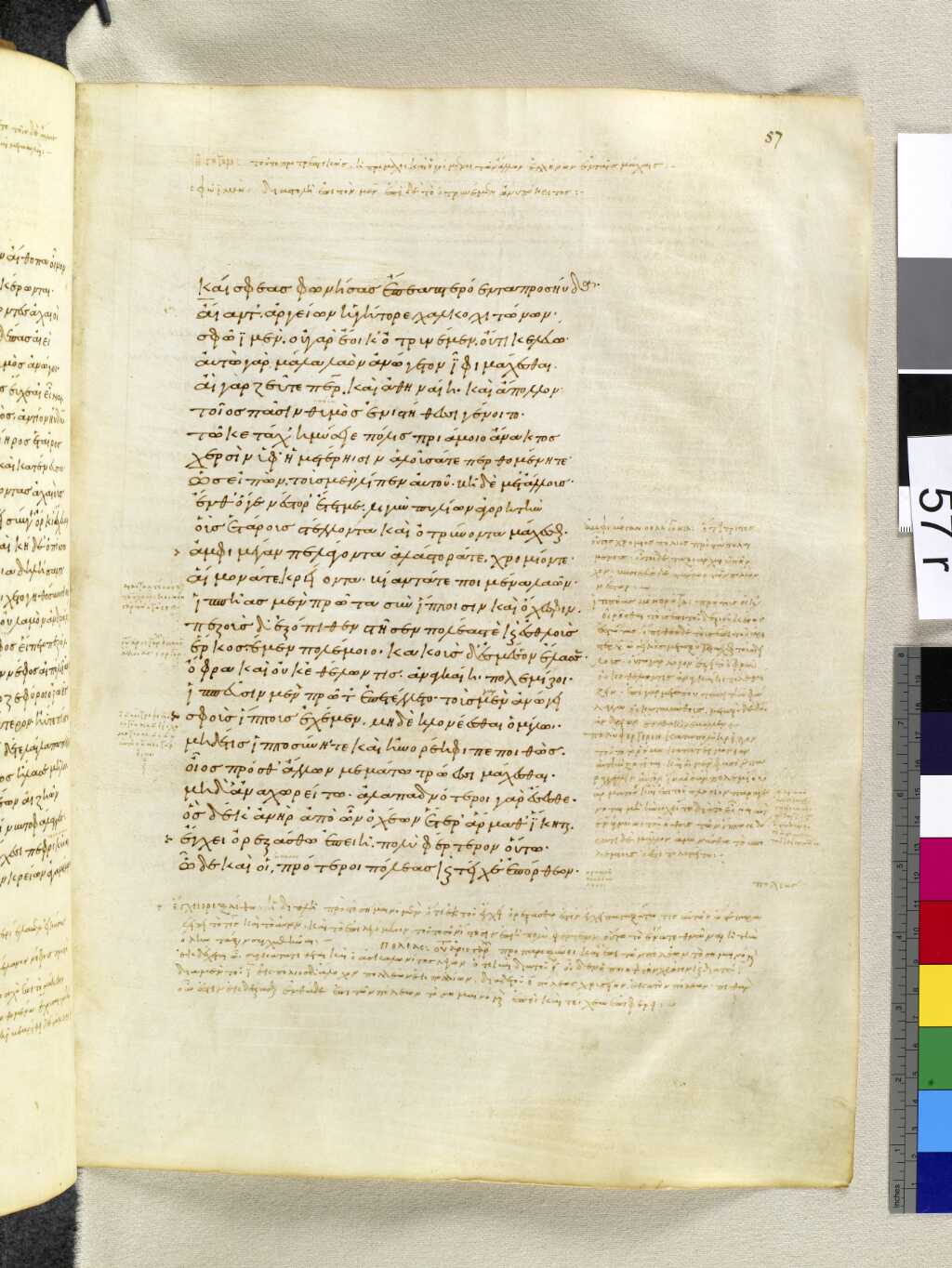
301ἱππεῦσιν μὲν πρῶτʼ ἐπετέλλετο· τοὺς γὰρ ἀνώγει 302σφοὺς ἵππους ἐχέμεν μηδὲ κλονέεσθαι ὁμίλῳ· 303μηδέ τις ἱπποσύνῃ τε καὶ ἠνορέηφι πεποιθὼς 304οἶος πρόσθʼ ἄλλων μεμάτω Τρώεσσι μάχεσθαι, 305μηδʼ ἀναχωρείτω· ἀλαπαδνότεροι γὰρ ἔσεσθε. 306ὃς δέ κʼ ἀνὴρ ἀπὸ ὧν ὀχέων ἕτερʼ ἅρμαθʼ ἵκηται 307ἔγχει ὀρεξάσθω, ἐπεὶ ἦ πολὺ φέρτερον οὕτω. 308ὧδε καὶ οἱ πρότεροι πόλεας καὶ τείχεʼ ἐπόρθεον 309τόνδε νόον καὶ θυμὸν ἐνὶ στήθεσσιν ἔχοντες. 310ὣς ὃ γέρων ὄτρυνε πάλαι πολέμων ἐῢ εἰδώς· 311καὶ τὸν μὲν γήθησεν ἰδὼν κρείων Ἀγαμέμνων, 312καί μιν φωνήσας ἔπεα πτερόεντα προσηύδα· 313ὦ γέρον εἴθʼ ὡς θυμὸς ἐνὶ στήθεσσι φίλοισιν 314ὥς τοι γούναθʼ ἕποιτο, βίη δέ τοι ἔμπεδος εἴη· 315ἀλλά σε γῆρας τείρει ὁμοίϊον· ὡς ὄφελέν τις 316ἀνδρῶν ἄλλος ἔχειν, σὺ δὲ κουροτέροισι μετεῖναι. 317τὸν δʼ ἠμείβετʼ ἔπειτα Γερήνιος ἱππότα Νέστωρ· 318Ἀτρεΐδη μάλα μέν τοι ἐγὼν ἐθέλοιμι καὶ αὐτὸς 319ὣς ἔμεν ὡς ὅτε δῖον Ἐρευθαλίωνα κατέκταν. 320ἀλλʼ οὔ πως ἅμα πάντα θεοὶ δόσαν ἀνθρώποισιν· 321εἰ τότε κοῦρος ἔα νῦν αὖτέ με γῆρας ὀπάζει. 322ἀλλὰ καὶ ὧς ἱππεῦσι μετέσσομαι ἠδὲ κελεύσω 323βουλῇ καὶ μύθοισι· τὸ γὰρ γέρας ἐστὶ γερόντων. 324αἰχμὰς δʼ αἰχμάσσουσι νεώτεροι, οἵ περ ἐμεῖο 325ὁπλότεροι γεγάασι πεποίθασίν τε βίηφιν.
The son of Atreus went on, glad at heart, till he came upon the two Ajaxes arming themselves amid a host of foot soldiers. As when a goat-herd from some high post watches a storm drive over the deep before the west wind—black as pitch is the offing and a mighty whirlwind draws towards him, so that he is afraid and drives his flock into a cave—even thus did the ranks of stalwart youths move in a dark mass to battle under the Ajaxes, horrid with shield and spear. Glad was King Agamemnon when he saw them. “No need,” he cried, “to give orders to such leaders of the Argives as you are, for of your own selves you spur your men on to fight with might and main. Would, by father Jove, Minerva, and Apollo that all were so minded as you are, for the city of Priam would then soon fall beneath our hands, and we should sack it.”
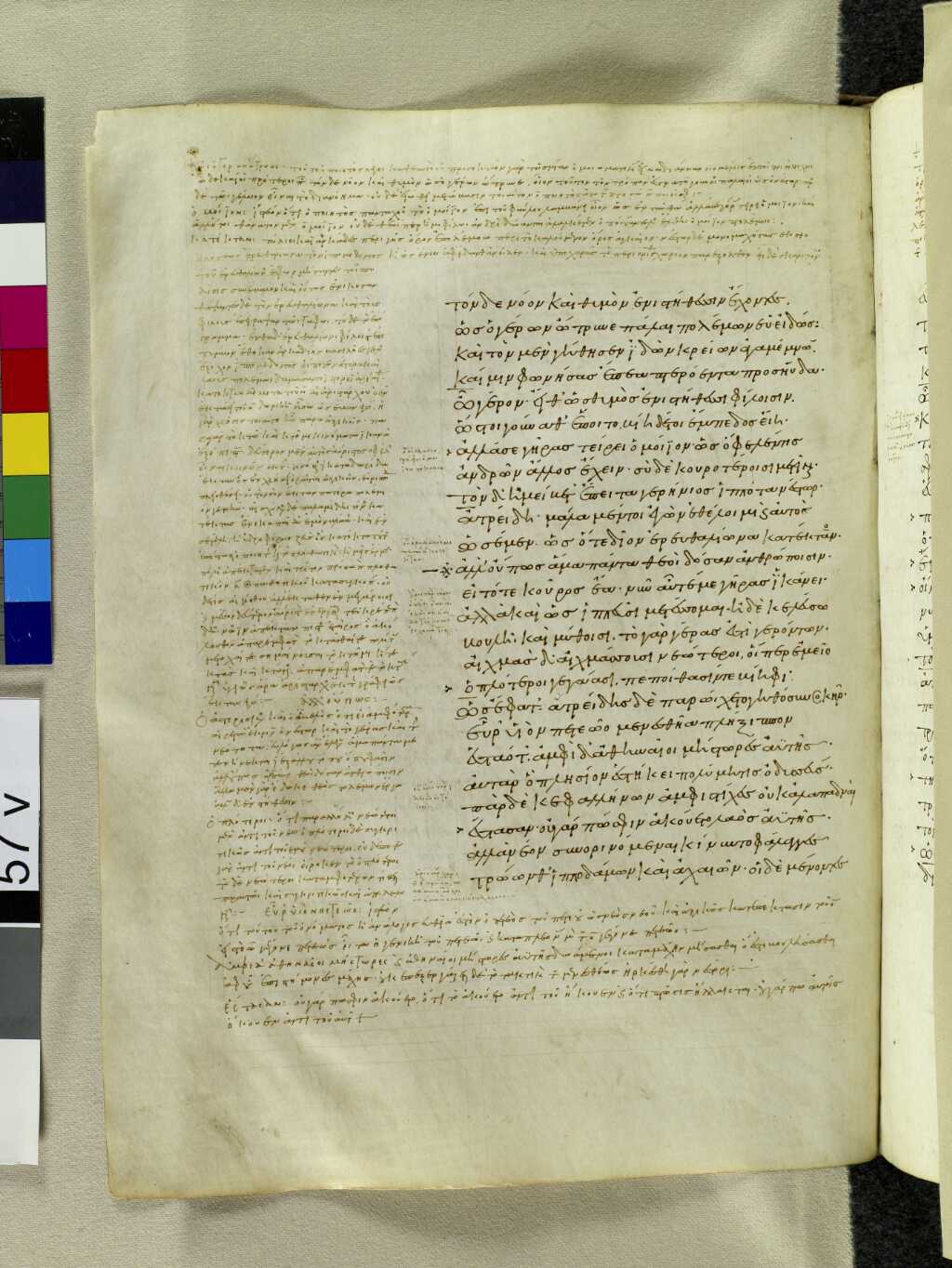
326ὣς ἔφατʼ, Ἀτρεΐδης δὲ παρῴχετο γηθόσυνος κῆρ. 327εὗρʼ υἱὸν Πετεῶο Μενεσθῆα πλήξιππον 328ἑσταότʼ· ἀμφὶ δʼ Ἀθηναῖοι μήστωρες ἀϋτῆς· 329αὐτὰρ ὃ πλησίον ἑστήκει πολύμητις Ὀδυσσεύς, 330πὰρ δὲ Κεφαλλήνων ἀμφὶ στίχες οὐκ ἀλαπαδναὶ 331ἕστασαν· οὐ γάρ πώ σφιν ἀκούετο λαὸς ἀϋτῆς, 332ἀλλὰ νέον συνορινόμεναι κίνυντο φάλαγγες 333Τρώων ἱπποδάμων καὶ Ἀχαιῶν· οἳ δὲ μένοντες 334ἕστασαν ὁππότε πύργος Ἀχαιῶν ἄλλος ἐπελθὼν 335Τρώων ὁρμήσειε καὶ ἄρξειαν πολέμοιο. 336τοὺς δὲ ἰδὼν νείκεσσεν ἄναξ ἀνδρῶν Ἀγαμέμνων, 337καί σφεας φωνήσας ἔπεα πτερόεντα προσηύδα· 338ὦ υἱὲ Πετεῶο διοτρεφέος βασιλῆος, 339καὶ σὺ κακοῖσι δόλοισι κεκασμένε κερδαλεόφρον 340τίπτε καταπτώσσοντες ἀφέστατε, μίμνετε δʼ ἄλλους; 341σφῶϊν μέν τʼ ἐπέοικε μετὰ πρώτοισιν ἐόντας 342ἑστάμεν ἠδὲ μάχης καυστείρης ἀντιβολῆσαι· 343πρώτω γὰρ καὶ δαιτὸς ἀκουάζεσθον ἐμεῖο, 344ὁππότε δαῖτα γέρουσιν ἐφοπλίζωμεν Ἀχαιοί. 345ἔνθα φίλʼ ὀπταλέα κρέα ἔδμεναι ἠδὲ κύπελλα 346οἴνου πινέμεναι μελιηδέος ὄφρʼ ἐθέλητον· 347νῦν δὲ φίλως χʼ ὁρόῳτε καὶ εἰ δέκα πύργοι Ἀχαιῶν 348ὑμείων προπάροιθε μαχοίατο νηλέϊ χαλκῷ. 349τὸν δʼ ἄρʼ ὑπόδρα ἰδὼν προσέφη πολύμητις Ὀδυσσεύς· 350Ἀτρεΐδη ποῖόν σε ἔπος φύγεν ἕρκος ὀδόντων;
With this he left them and went onward to Nestor, the facile speaker of the Pylians, who was marshalling his men and urging them on, in company with Pelagon, Alastor, Chromius, Haemon, and Bias shepherd of his people. He placed his knights with their chariots and horses in the front rank, while the foot soldiers, brave men and many, whom he could trust, were in the rear. The cowards he drove into the middle, that they might fight whether they would or no. He gave his orders to the knights first, bidding them hold their horses well in hand, so as to avoid confusion. “Let no man,” he said, “relying on his strength or horsemanship, get before the others and engage singly with the Trojans, nor yet let him lag behind or you will weaken your attack; but let each when he meets an enemy’s chariot throw his spear from his own; this be much the best; this is how the men of old took towns and strongholds; in this wise were they minded.”
Thus did the old man charge them, for he had been in many a fight, and King Agamemnon was glad. “I wish,” he said to him, “that your limbs were as supple and your strength as sure as your judgment is; but age, the common enemy of mankind, has laid his hand upon you; would that it had fallen upon some other, and that you were still young.”
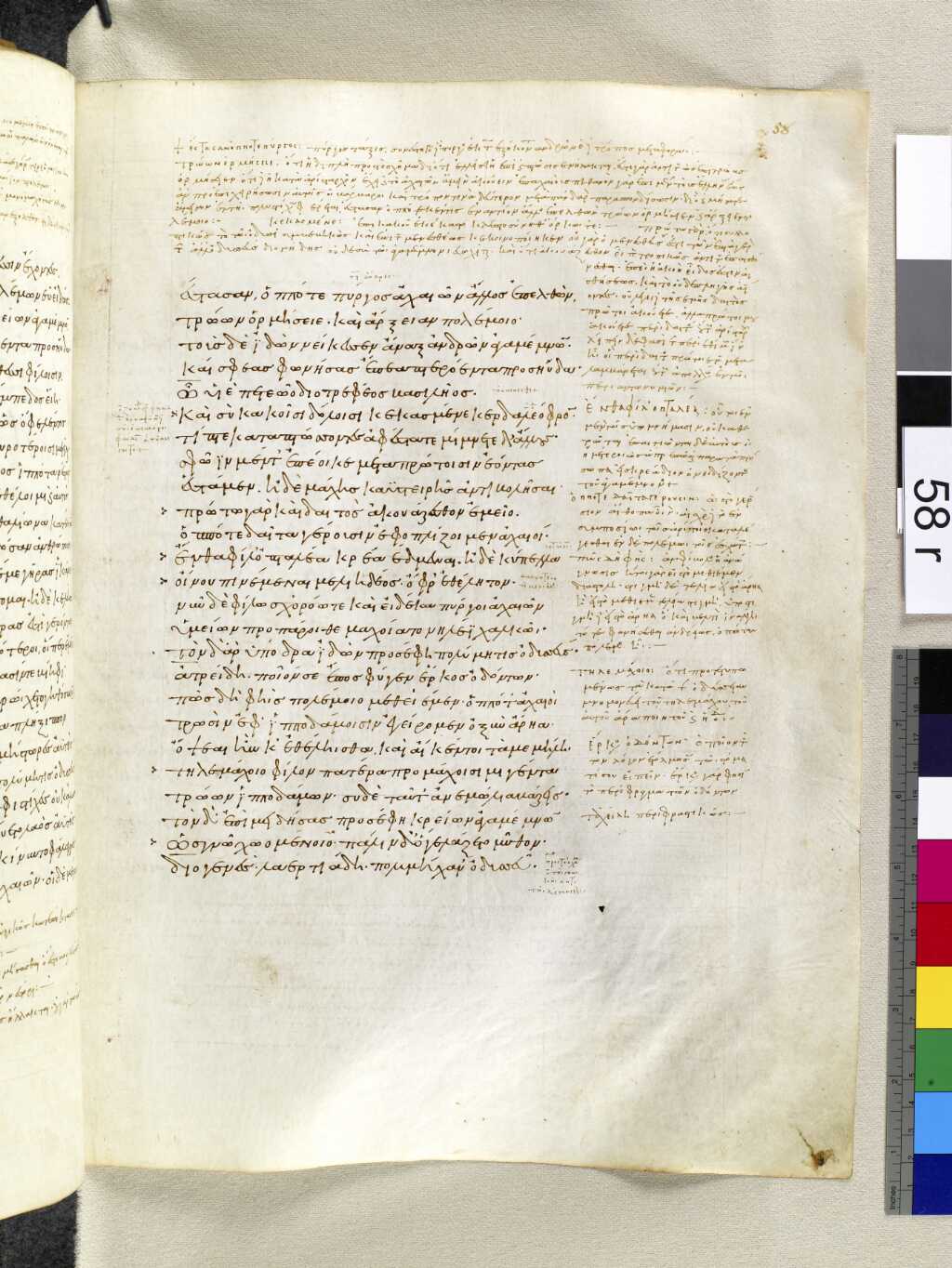
351πῶς δὴ φῂς πολέμοιο μεθιέμεν ὁππότʼ Ἀχαιοὶ 352Τρωσὶν ἐφʼ ἱπποδάμοισιν ἐγείρομεν ὀξὺν Ἄρηα; 353ὄψεαι αἴ κʼ ἐθέλῃσθα καὶ αἴ κέν τοι τὰ μεμήλῃ 354Τηλεμάχοιο φίλον πατέρα προμάχοισι μιγέντα 355Τρώων ἱπποδάμων· σὺ δὲ ταῦτʼ ἀνεμώλια βάζεις. 356τὸν δʼ ἐπιμειδήσας προσέφη κρείων Ἀγαμέμνων 357ὡς γνῶ χωομένοιο· πάλιν δʼ ὅ γε λάζετο μῦθον· 358διογενὲς Λαερτιάδη πολυμήχανʼ Ὀδυσσεῦ 359οὔτέ σε νεικείω περιώσιον οὔτε κελεύω· 360οἶδα γὰρ ὥς τοι θυμὸς ἐνὶ στήθεσσι φίλοισιν 361ἤπια δήνεα οἶδε· τὰ γὰρ φρονέεις ἅ τʼ ἐγώ περ. 362ἀλλʼ ἴθι ταῦτα δʼ ὄπισθεν ἀρεσσόμεθʼ εἴ τι κακὸν νῦν 363εἴρηται, τὰ δὲ πάντα θεοὶ μεταμώνια θεῖεν. 364ὣς εἰπὼν τοὺς μὲν λίπεν αὐτοῦ, βῆ δὲ μετʼ ἄλλους. 365εὗρε δὲ Τυδέος υἱὸν ὑπέρθυμον Διομήδεα 366ἑσταότʼ ἔν θʼ ἵπποισι καὶ ἅρμασι κολλητοῖσι· 367πὰρ δέ οἱ ἑστήκει Σθένελος Καπανήϊος υἱός. 368καὶ τὸν μὲν νείκεσσεν ἰδὼν κρείων Ἀγαμέμνων, 369καί μιν φωνήσας ἔπεα πτερόεντα προσηύδα· 370ὤ μοι Τυδέος υἱὲ δαΐφρονος ἱπποδάμοιο 371τί πτώσσεις, τί δʼ ὀπιπεύεις πολέμοιο γεφύρας; 372οὐ μὲν Τυδέϊ γʼ ὧδε φίλον πτωσκαζέμεν ἦεν, 373ἀλλὰ πολὺ πρὸ φίλων ἑτάρων δηΐοισι μάχεσθαι, 374ὡς φάσαν οἵ μιν ἴδοντο πονεύμενον· οὐ γὰρ ἔγωγε 375ἤντησʼ οὐδὲ ἴδον· περὶ δʼ ἄλλων φασὶ γενέσθαι.
And Nestor, knight of Gerene, answered, “Son of Atreus, I too would gladly be the man I was when I slew mighty Ereuthalion; but the gods will not give us everything at one and the same time. I was then young, and now I am old; still I can go with my knights and give them that counsel which old men have a right to give. The wielding of the spear I leave to those who are younger and stronger than myself.”
Agamemnon went his way rejoicing, and presently found Menestheus, son of Peteos, tarrying in his place, and with him were the Athenians loud of tongue in battle. Near him also tarried cunning Ulysses, with his sturdy Cephallenians round him; they had not yet heard the battle-cry, for the ranks of Trojans and Achaeans had only just begun to move, so they were standing still, waiting for some other columns of the Achaeans to attack the Trojans and begin the fighting. When he saw this Agamemnon rebuked them and said, “Son of Peteos, and you other, steeped in cunning, heart of guile, why stand you here cowering and waiting on others? You two should be of all men foremost when there is hard fighting to be done, for you are ever foremost to accept my invitation when we councillors of the Achaeans are holding feast. You are glad enough then to take your fill of roast meats and to drink wine as long as you please, whereas now you would not care though you saw ten columns of Achaeans engage the enemy in front of you.”
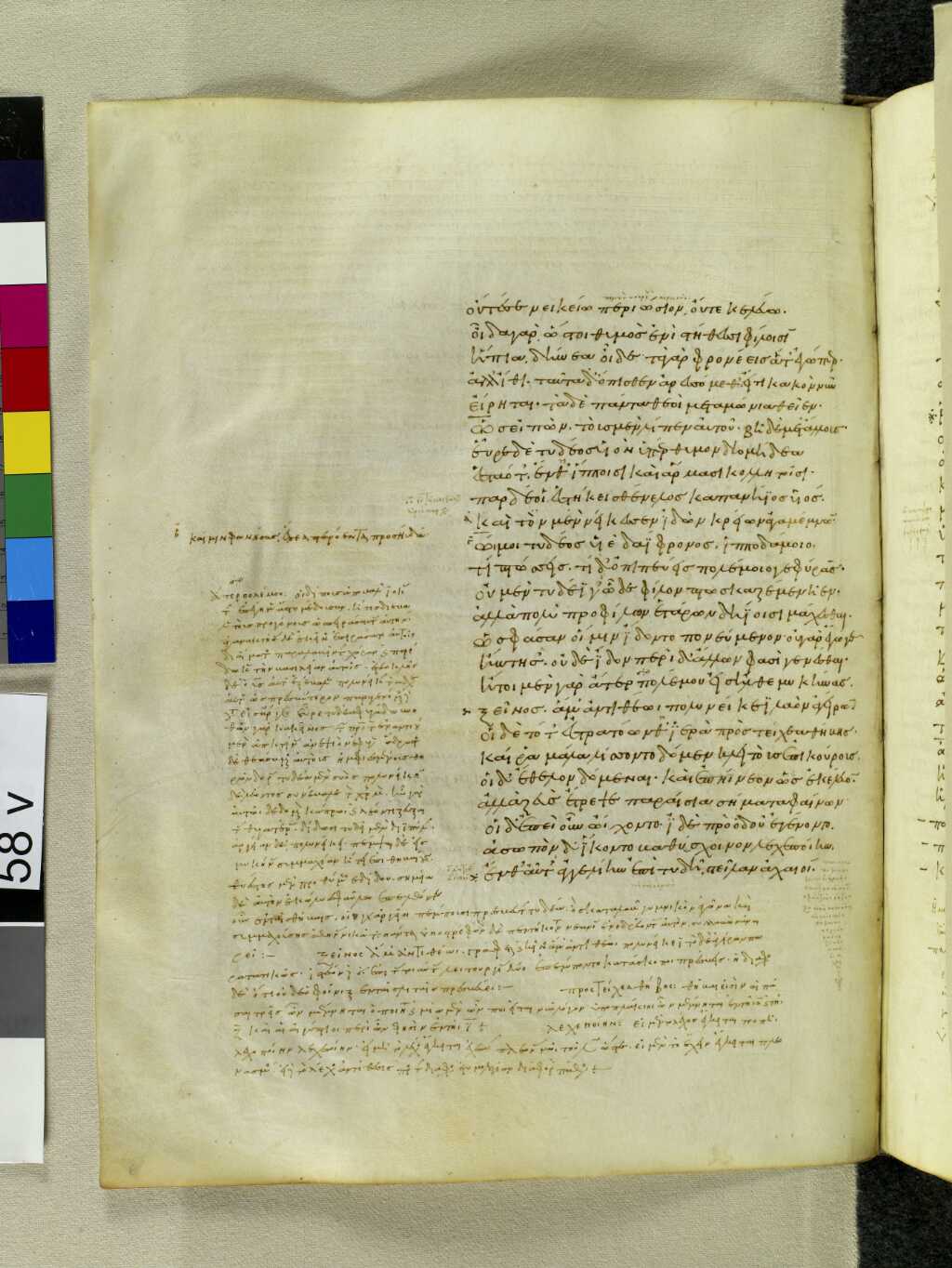
376ἤτοι μὲν γὰρ ἄτερ πολέμου εἰσῆλθε Μυκήνας 377ξεῖνος ἅμʼ ἀντιθέῳ Πολυνείκεϊ λαὸν ἀγείρων· 378οἳ δὲ τότʼ ἐστρατόωνθʼ ἱερὰ πρὸς τείχεα Θήβης, 379καί ῥα μάλα λίσσοντο δόμεν κλειτοὺς ἐπικούρους· 380οἳ δʼ ἔθελον δόμεναι καὶ ἐπῄνεον ὡς ἐκέλευον· 381ἀλλὰ Ζεὺς ἔτρεψε παραίσια σήματα φαίνων. 382οἳ δʼ ἐπεὶ οὖν ᾤχοντο ἰδὲ πρὸ ὁδοῦ ἐγένοντο, 383Ἀσωπὸν δʼ ἵκοντο βαθύσχοινον λεχεποίην, 384ἔνθʼ αὖτʼ ἀγγελίην ἐπὶ Τυδῆ στεῖλαν Ἀχαιοί. 385αὐτὰρ ὃ βῆ, πολέας δὲ κιχήσατο Καδμεΐωνας 386δαινυμένους κατὰ δῶμα βίης Ἐτεοκληείης. 387ἔνθʼ οὐδὲ ξεῖνός περ ἐὼν ἱππηλάτα Τυδεὺς 388τάρβει, μοῦνος ἐὼν πολέσιν μετὰ Καδμείοισιν, 389ἀλλʼ ὅ γʼ ἀεθλεύειν προκαλίζετο, πάντα δʼ ἐνίκα 390ῥηϊδίως· τοίη οἱ ἐπίρροθος ἦεν Ἀθήνη. 391οἳ δὲ χολωσάμενοι Καδμεῖοι κέντορες ἵππων 392ἂψ ἄρʼ ἀνερχομένῳ πυκινὸν λόχον εἷσαν ἄγοντες 393κούρους πεντήκοντα· δύω δʼ ἡγήτορες ἦσαν, 394Μαίων Αἱμονίδης ἐπιείκελος ἀθανάτοισιν, 395υἱός τʼ Αὐτοφόνοιο μενεπτόλεμος Πολυφόντης. 396Τυδεὺς μὲν καὶ τοῖσιν ἀεικέα πότμον ἐφῆκε· 397πάντας ἔπεφνʼ, ἕνα δʼ οἶον ἵει οἶκον δὲ νέεσθαι· 398Μαίονʼ ἄρα προέηκε θεῶν τεράεσσι πιθήσας. 399τοῖος ἔην Τυδεὺς Αἰτώλιος· ἀλλὰ τὸν υἱὸν 400γείνατο εἷο χέρεια μάχῃ, ἀγορῇ δέ τʼ ἀμείνω.
Ulysses glared at him and answered, “Son of Atreus, what are you talking about? How can you say that we are slack? When the Achaeans are in full fight with the Trojans, you shall see, if you care to do so, that the father of Telemachus will join battle with the foremost of them. You are talking idly.”
When Agamemnon saw that Ulysses was angry, he smiled pleasantly at him and withdrew his words. “Ulysses,” said he, “noble son of Laertes, excellent in all good counsel, I have neither fault to find nor orders to give you, for I know your heart is right, and that you and I are of a mind. Enough; I will make you amends for what I have said, and if any ill has now been spoken may the gods bring it to nothing.”
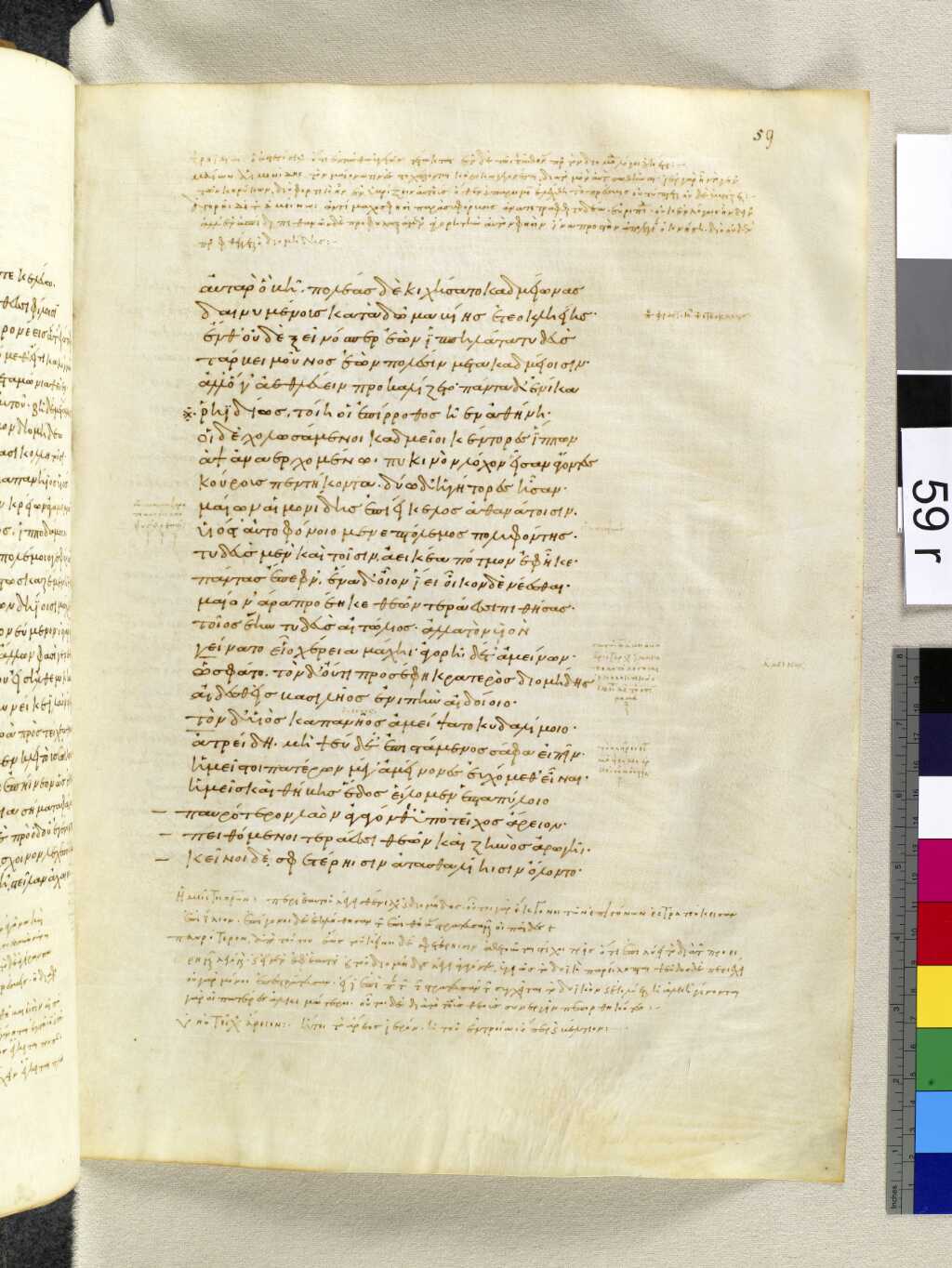
401ὣς φάτο, τὸν δʼ οὔ τι προσέφη κρατερὸς Διομήδης 402αἰδεσθεὶς βασιλῆος ἐνιπὴν αἰδοίοιο· 403τὸν δʼ υἱὸς Καπανῆος ἀμείψατο κυδαλίμοιο· 404Ἀτρεΐδη μὴ ψεύδεʼ ἐπιστάμενος σάφα εἰπεῖν· 405ἡμεῖς τοι πατέρων μέγʼ ἀμείνονες εὐχόμεθʼ εἶναι· 406ἡμεῖς καὶ Θήβης ἕδος εἵλομεν ἑπταπύλοιο 407παυρότερον λαὸν ἀγαγόνθʼ ὑπὸ τεῖχος ἄρειον, 408πειθόμενοι τεράεσσι θεῶν καὶ Ζηνὸς ἀρωγῇ· 409κεῖνοι δὲ σφετέρῃσιν ἀτασθαλίῃσιν ὄλοντο· 410τὼ μή μοι πατέρας ποθʼ ὁμοίῃ ἔνθεο τιμῇ. 411τὸν δʼ ἄρʼ ὑπόδρα ἰδὼν προσέφη κρατερὸς Διομήδης· 412τέττα, σιωπῇ ἧσο, ἐμῷ δʼ ἐπιπείθεο μύθῳ· 413οὐ γὰρ ἐγὼ νεμεσῶ Ἀγαμέμνονι ποιμένι λαῶν 414ὀτρύνοντι μάχεσθαι ἐϋκνήμιδας Ἀχαιούς· 415τούτῳ μὲν γὰρ κῦδος ἅμʼ ἕψεται εἴ κεν Ἀχαιοὶ 416Τρῶας δῃώσωσιν ἕλωσί τε Ἴλιον ἱρήν, 417τούτῳ δʼ αὖ μέγα πένθος Ἀχαιῶν δῃωθέντων. 418ἀλλʼ ἄγε δὴ καὶ νῶϊ μεδώμεθα θούριδος ἀλκῆς. 419ἦ ῥα καὶ ἐξ ὀχέων σὺν τεύχεσιν ἆλτο χαμᾶζε· 420δεινὸν δʼ ἔβραχε χαλκὸς ἐπὶ στήθεσσιν ἄνακτος 421ὀρνυμένου· ὑπό κεν ταλασίφρονά περ δέος εἷλεν. 422ὡς δʼ ὅτʼ ἐν αἰγιαλῷ πολυηχέϊ κῦμα θαλάσσης 423ὄρνυτʼ ἐπασσύτερον Ζεφύρου ὕπο κινήσαντος· 424πόντῳ μέν τε πρῶτα κορύσσεται, αὐτὰρ ἔπειτα 425χέρσῳ ῥηγνύμενον μεγάλα βρέμει, ἀμφὶ δέ τʼ ἄκρας
He then left them and went on to others. Presently he saw the son of Tydeus, noble Diomed, standing by his chariot and horses, with Sthenelus the son of Capaneus beside him; whereon he began to upbraid him. “Son of Tydeus,” he said, “why stand you cowering here upon the brink of battle? Tydeus did not shrink thus, but was ever ahead of his men when leading them on against the foe—so, at least, say they that saw him in battle, for I never set eyes upon him myself. They say that there was no man like him. He came once to Mycenae, not as an enemy but as a guest, in company with Polynices to recruit his forces, for they were levying war against the strong city of Thebes, and prayed our people for a body of picked men to help them. The men of Mycenae were willing to let them have one, but Jove dissuaded them by showing them unfavourable omens. Tydeus, therefore, and Polynices went their way. When they had got as far the deep-meadowed and rush-grown banks of the Aesopus, the Achaeans sent Tydeus as their envoy, and he found the Cadmeans gathered in great numbers to a banquet in the house of Eteocles. Stranger though he was, he knew no fear on finding himself single-handed among so many, but challenged them to contests of all kinds, and in each one of them was at once victorious, so mightily did Minerva help him. The Cadmeans were incensed at his success, and set a force of fifty youths with two captains—the godlike hero Maeon, son of Haemon, and Polyphontes, son of Autophonus—at their head, to lie in wait for him on his return journey; but Tydeus slew every man of them, save only Maeon, whom he let go in obedience to heaven’s omens. Such was Tydeus of Aetolia. His son can talk more glibly, but he cannot fight as his father did.”
Diomed made no answer, for he was shamed by the rebuke of Agamemnon; but the son of Capaneus took up his words and said, “Son of Atreus, tell no lies, for you can speak truth if you will. We boast ourselves as even better men than our fathers; we took seven-gated Thebes, though the wall was stronger and our men were fewer in number, for we trusted in the omens of the gods and in the help of Jove, whereas they perished through their own sheer folly; hold not, then, our fathers in like honour with us.”
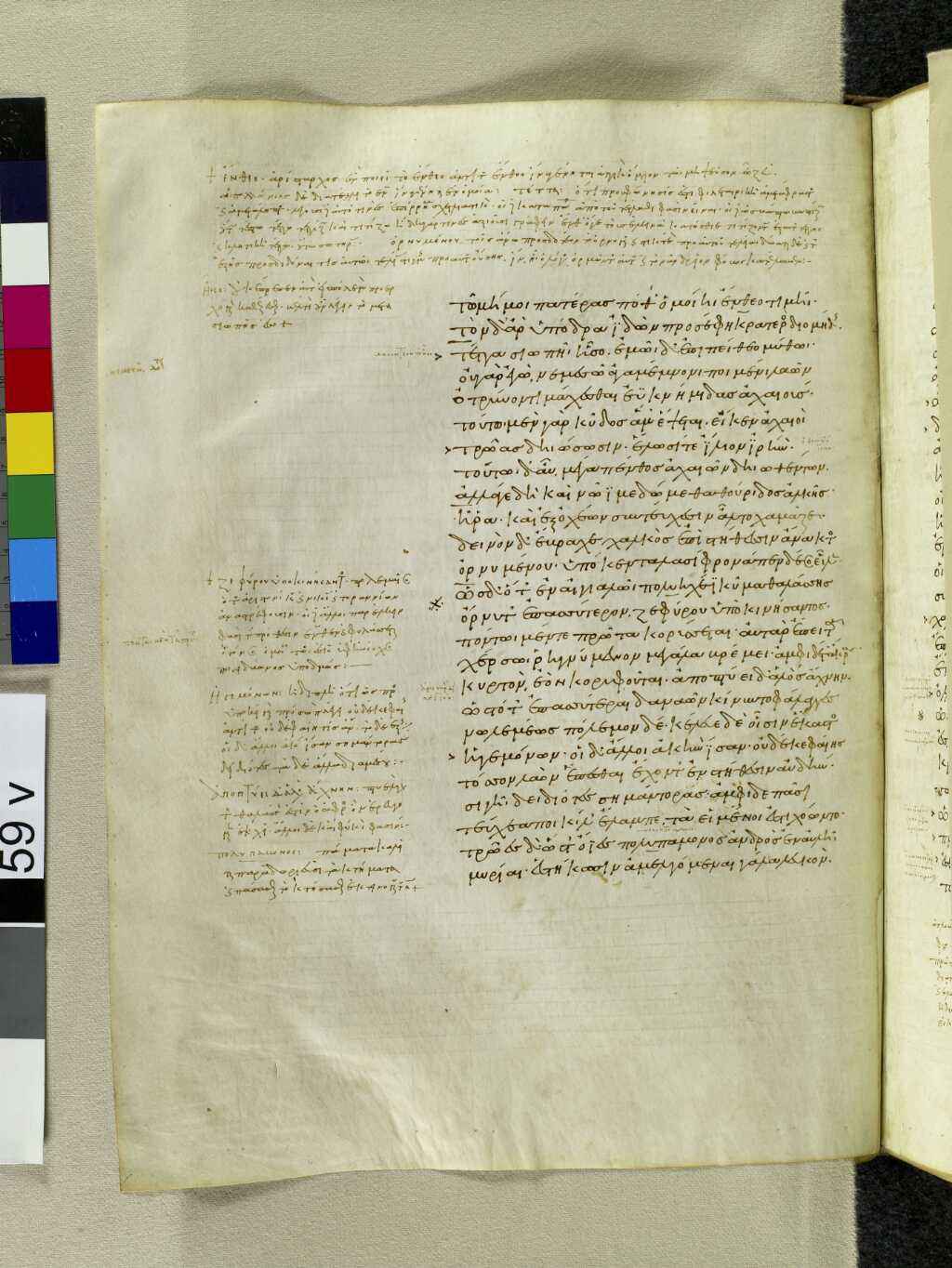
426κυρτὸν ἐὸν κορυφοῦται, ἀποπτύει δʼ ἁλὸς ἄχνην· 427ὣς τότʼ ἐπασσύτεραι Δαναῶν κίνυντο φάλαγγες 428νωλεμέως πόλεμον δέ· κέλευε δὲ οἷσιν ἕκαστος 429ἡγεμόνων· οἳ δʼ ἄλλοι ἀκὴν ἴσαν, οὐδέ κε φαίης 430τόσσον λαὸν ἕπεσθαι ἔχοντʼ ἐν στήθεσιν αὐδήν, 431σιγῇ δειδιότες σημάντορας· ἀμφὶ δὲ πᾶσι 432τεύχεα ποικίλʼ ἔλαμπε, τὰ εἱμένοι ἐστιχόωντο. 433Τρῶες δʼ, ὥς τʼ ὄϊες πολυπάμονος ἀνδρὸς ἐν αὐλῇ 434μυρίαι ἑστήκασιν ἀμελγόμεναι γάλα λευκὸν 435ἀζηχὲς μεμακυῖαι ἀκούουσαι ὄπα ἀρνῶν, 436ὣς Τρώων ἀλαλητὸς ἀνὰ στρατὸν εὐρὺν ὀρώρει· 437οὐ γὰρ πάντων ἦεν ὁμὸς θρόος οὐδʼ ἴα γῆρυς, 438ἀλλὰ γλῶσσα μέμικτο, πολύκλητοι δʼ ἔσαν ἄνδρες. 439ὄρσε δὲ τοὺς μὲν Ἄρης, τοὺς δὲ γλαυκῶπις Ἀθήνη 440Δεῖμός τʼ ἠδὲ Φόβος καὶ Ἔρις ἄμοτον μεμαυῖα, 441Ἄρεος ἀνδροφόνοιο κασιγνήτη ἑτάρη τε, 442ἥ τʼ ὀλίγη μὲν πρῶτα κορύσσεται, αὐτὰρ ἔπειτα 443οὐρανῷ ἐστήριξε κάρη καὶ ἐπὶ χθονὶ βαίνει· 444ἥ σφιν καὶ τότε νεῖκος ὁμοίϊον ἔμβαλε μέσσῳ 445ἐρχομένη καθʼ ὅμιλον ὀφέλλουσα στόνον ἀνδρῶν. 446οἳ δʼ ὅτε δή ῥʼ ἐς χῶρον ἕνα ξυνιόντες ἵκοντο, 447σύν ῥʼ ἔβαλον ῥινούς, σὺν δʼ ἔγχεα καὶ μένεʼ ἀνδρῶν 448χαλκεοθωρήκων· ἀτὰρ ἀσπίδες ὀμφαλόεσσαι 449ἔπληντʼ ἀλλήλῃσι, πολὺς δʼ ὀρυμαγδὸς ὀρώρει. 450ἔνθα δʼ ἅμʼ οἰμωγή τε καὶ εὐχωλὴ πέλεν ἀνδρῶν
Diomed looked sternly at him and said, “Hold your peace, my friend, as I bid you. It is not amiss that Agamemnon should urge the Achaeans forward, for the glory will be his if we take the city, and his the shame if we are vanquished. Therefore let us acquit ourselves with valour.”
As he spoke he sprang from his chariot, and his armour rang so fiercely about his body that even a brave man might well have been scared to hear it.
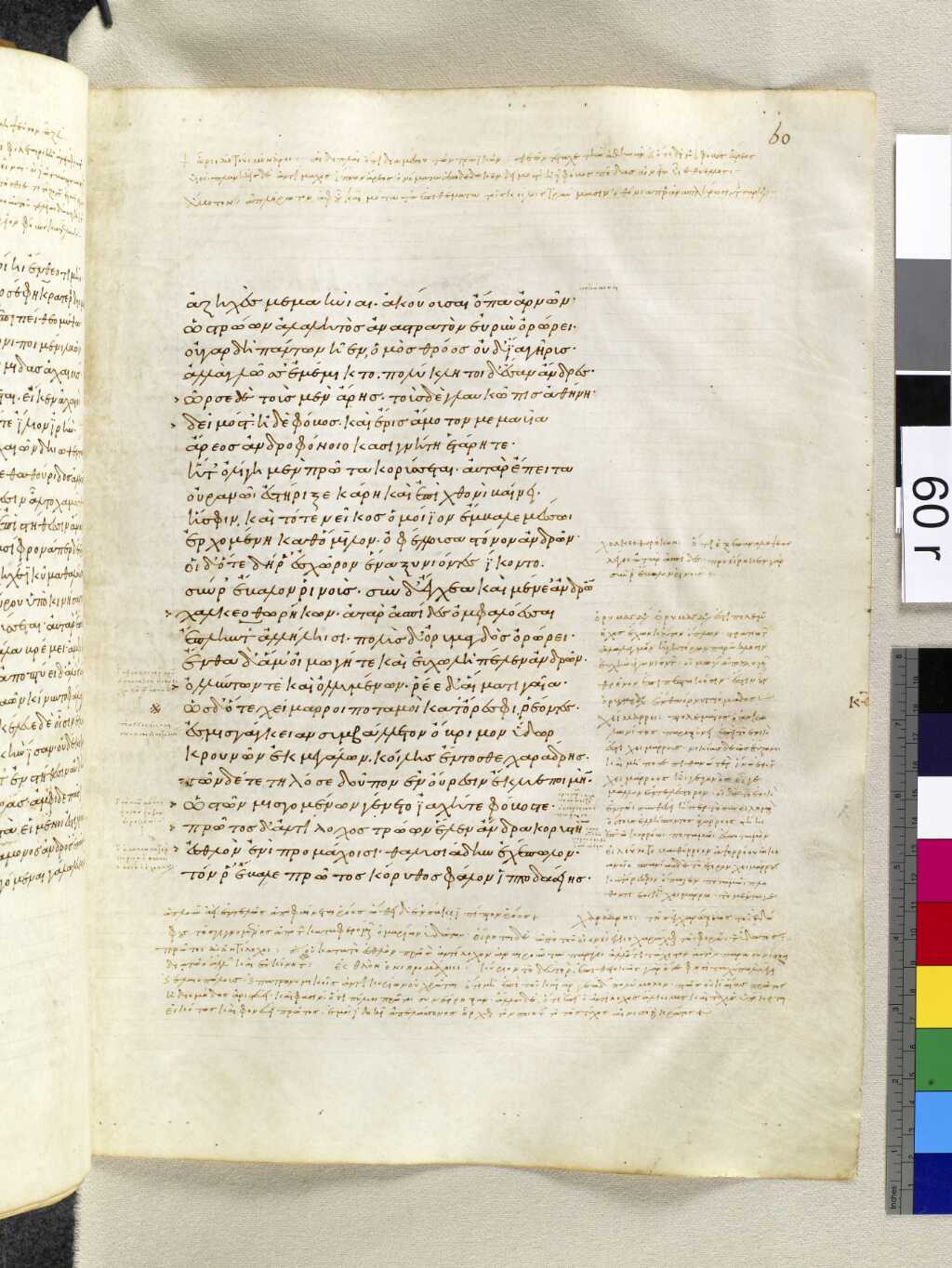
451ὀλλύντων τε καὶ ὀλλυμένων, ῥέε δʼ αἵματι γαῖα. 452ὡς δʼ ὅτε χείμαρροι ποταμοὶ κατʼ ὄρεσφι ῥέοντες 453ἐς μισγάγκειαν συμβάλλετον ὄβριμον ὕδωρ 454κρουνῶν ἐκ μεγάλων κοίλης ἔντοσθε χαράδρης, 455τῶν δέ τε τηλόσε δοῦπον ἐν οὔρεσιν ἔκλυε ποιμήν· 456ὣς τῶν μισγομένων γένετο ἰαχή τε πόνος τε. 457πρῶτος δʼ Ἀντίλοχος Τρώων ἕλεν ἄνδρα κορυστὴν 458ἐσθλὸν ἐνὶ προμάχοισι Θαλυσιάδην Ἐχέπωλον· 459τόν ῥʼ ἔβαλε πρῶτος κόρυθος φάλον ἱπποδασείης, 460ἐν δὲ μετώπῳ πῆξε, πέρησε δʼ ἄρʼ ὀστέον εἴσω 461αἰχμὴ χαλκείη· τὸν δὲ σκότος ὄσσε κάλυψεν, 462ἤριπε δʼ ὡς ὅτε πύργος ἐνὶ κρατερῇ ὑσμίνῃ. 463τὸν δὲ πεσόντα ποδῶν ἔλαβε κρείων Ἐλεφήνωρ 464Χαλκωδοντιάδης μεγαθύμων ἀρχὸς Ἀβάντων, 465ἕλκε δʼ ὑπʼ ἐκ βελέων, λελιημένος ὄφρα τάχιστα 466τεύχεα συλήσειε· μίνυνθα δέ οἱ γένεθʼ ὁρμή. 467νεκρὸν γὰρ ἐρύοντα ἰδὼν μεγάθυμος Ἀγήνωρ 468πλευρά, τά οἱ κύψαντι παρʼ ἀσπίδος ἐξεφαάνθη, 469οὔτησε ξυστῷ χαλκήρεϊ, λῦσε δὲ γυῖα. 470ὣς τὸν μὲν λίπε θυμός, ἐπʼ αὐτῷ δʼ ἔργον ἐτύχθη 471ἀργαλέον Τρώων καὶ Ἀχαιῶν· οἳ δὲ λύκοι ὣς 472ἀλλήλοις ἐπόρουσαν, ἀνὴρ δʼ ἄνδρʼ ἐδνοπάλιζεν. 473ἔνθʼ ἔβαλʼ Ἀνθεμίωνος υἱὸν Τελαμώνιος Αἴας 474ἠΐθεον θαλερὸν Σιμοείσιον, ὅν ποτε μήτηρ 475Ἴδηθεν κατιοῦσα παρʼ ὄχθῃσιν Σιμόεντος
As when some mighty wave that thunders on the beach when the west wind has lashed it into fury—it has reared its head afar and now comes crashing down on the shore; it bows its arching crest high over the jagged rocks and spews its salt foam in all directions—even so did the serried phalanxes of the Danaans march steadfastly to battle. The chiefs gave orders each to his own people, but the men said never a word; no man would think it, for huge as the host was, it seemed as though there was not a tongue among them, so silent were they in their obedience; and as they marched the armour about their bodies glistened in the sun. But the clamour of the Trojan ranks was as that of many thousand ewes that stand waiting to be milked in the yards of some rich flock-master, and bleat incessantly in answer to the bleating of their lambs; for they had not one speech nor language, but their tongues were diverse, and they came from many different places. These were inspired of Mars, but the others by Minerva—and with them came Panic, Rout, and Strife whose fury never tires, sister and friend of murderous Mars, who, from being at first but low in stature, grows till she uprears her head to heaven, though her feet are still on earth. She it was that went about among them and flung down discord to the waxing of sorrow with even hand between them.
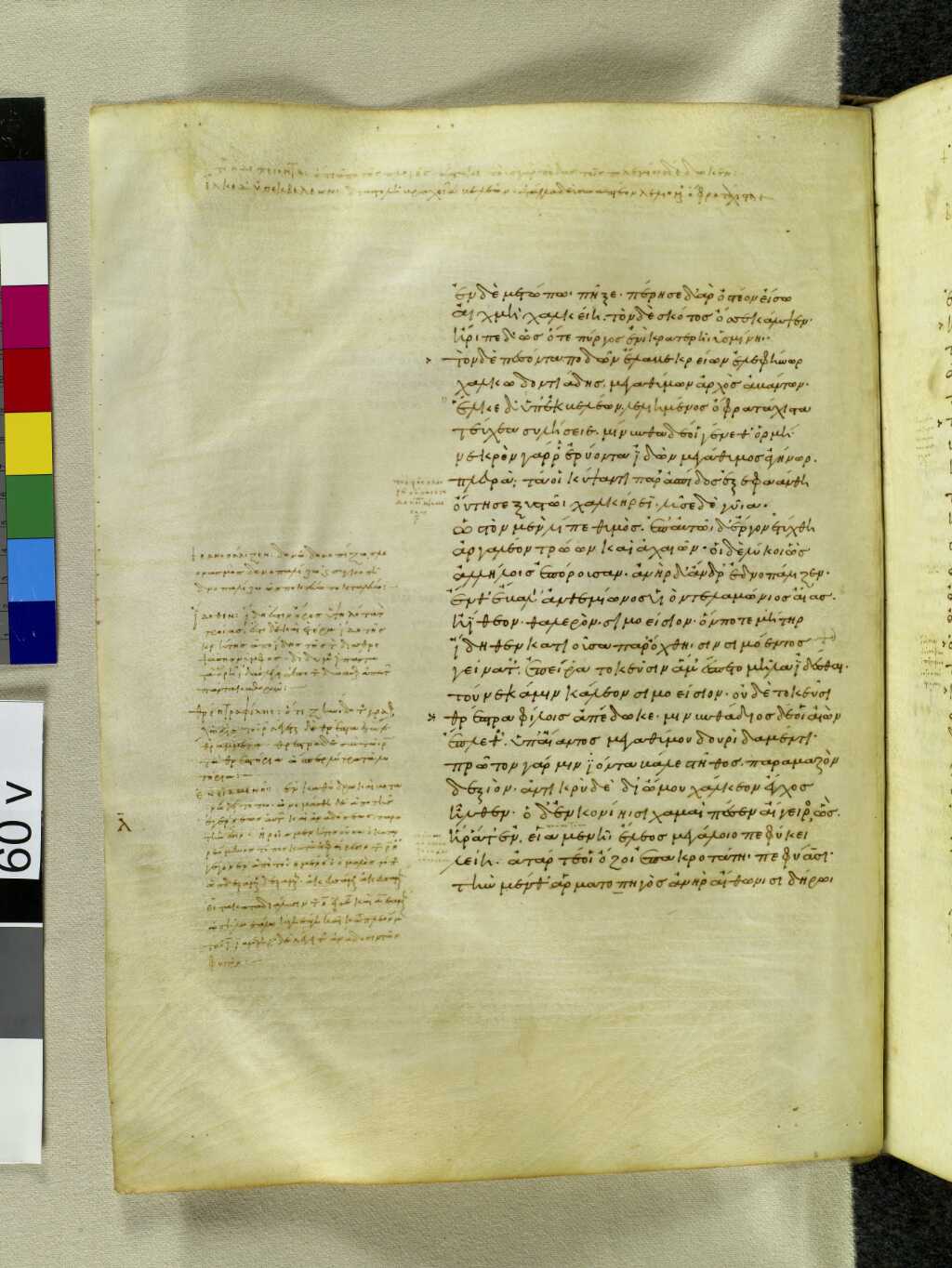
476γείνατʼ, ἐπεί ῥα τοκεῦσιν ἅμʼ ἕσπετο μῆλα ἰδέσθαι· 477τοὔνεκά μιν κάλεον Σιμοείσιον· οὐδὲ τοκεῦσι 478θρέπτρα φίλοις ἀπέδωκε, μινυνθάδιος δέ οἱ αἰὼν 479ἔπλεθʼ ὑπʼ Αἴαντος μεγαθύμου δουρὶ δαμέντι. 480πρῶτον γάρ μιν ἰόντα βάλε στῆθος παρὰ μαζὸν 481δεξιόν· ἀντικρὺ δὲ διʼ ὤμου χάλκεον ἔγχος 482ἦλθεν· ὁ δʼ ἐν κονίῃσι χαμαὶ πέσεν αἴγειρος ὣς 483ἥ ῥά τʼ ἐν εἱαμενῇ ἕλεος μεγάλοιο πεφύκει 484λείη, ἀτάρ τέ οἱ ὄζοι ἐπʼ ἀκροτάτῃ πεφύασι· 485τὴν μέν θʼ ἁρματοπηγὸς ἀνὴρ αἴθωνι σιδήρῳ 486ἐξέταμʼ, ὄφρα ἴτυν κάμψῃ περικαλλέϊ δίφρῳ· 487ἣ μέν τʼ ἀζομένη κεῖται ποταμοῖο παρʼ ὄχθας. 488τοῖον ἄρʼ Ἀνθεμίδην Σιμοείσιον ἐξενάριξεν 489Αἴας διογενής· τοῦ δʼ Ἄντιφος αἰολοθώρηξ 490Πριαμίδης καθʼ ὅμιλον ἀκόντισεν ὀξέϊ δουρί. 491τοῦ μὲν ἅμαρθʼ, ὃ δὲ Λεῦκον Ὀδυσσέος ἐσθλὸν ἑταῖρον 492βεβλήκει βουβῶνα, νέκυν ἑτέρωσʼ ἐρύοντα· 493ἤριπε δʼ ἀμφʼ αὐτῷ, νεκρὸς δέ οἱ ἔκπεσε χειρός. 494τοῦ δʼ Ὀδυσεὺς μάλα θυμὸν ἀποκταμένοιο χολώθη, 495βῆ δὲ διὰ προμάχων κεκορυθμένος αἴθοπι χαλκῷ, 496στῆ δὲ μάλʼ ἐγγὺς ἰὼν καὶ ἀκόντισε δουρὶ φαεινῷ 497ἀμφὶ ἓ παπτήνας· ὑπὸ δὲ Τρῶες κεκάδοντο 498ἀνδρὸς ἀκοντίσσαντος· ὃ δʼ οὐχ ἅλιον βέλος ἧκεν, 499ἀλλʼ υἱὸν Πριάμοιο νόθον βάλε Δημοκόωντα 500ὅς οἱ Ἀβυδόθεν ἦλθε παρʼ ἵππων ὠκειάων.
When they were got together in one place shield clashed with shield and spear with spear in the rage of battle. The bossed shields beat one upon another, and there was a tramp as of a great multitude—death-cry and shout of triumph of slain and slayers, and the earth ran red with blood. As torrents swollen with rain course madly down their deep channels till the angry floods meet in some gorge, and the shepherd on the hillside hears their roaring from afar—even such was the toil and uproar of the hosts as they joined in battle.
First Antilochus slew an armed warrior of the Trojans, Echepolus, son of Thalysius, fighting in the foremost ranks. He struck at the projecting part of his helmet and drove the spear into his brow; the point of bronze pierced the bone, and darkness veiled his eyes; headlong as a tower he fell amid the press of the fight, and as he dropped King Elephenor, son of Chalcodon and captain of the proud Abantes began dragging him out of reach of the darts that were falling around him, in haste to strip him of his armour. But his purpose was not for long; Agenor saw him haling the body away, and smote him in the side with his bronze-shod spear—for as he stooped his side was left unprotected by his shield—and thus he perished. Then the fight between Trojans and Achaeans grew furious over his body, and they flew upon each other like wolves, man and man crushing one upon the other.
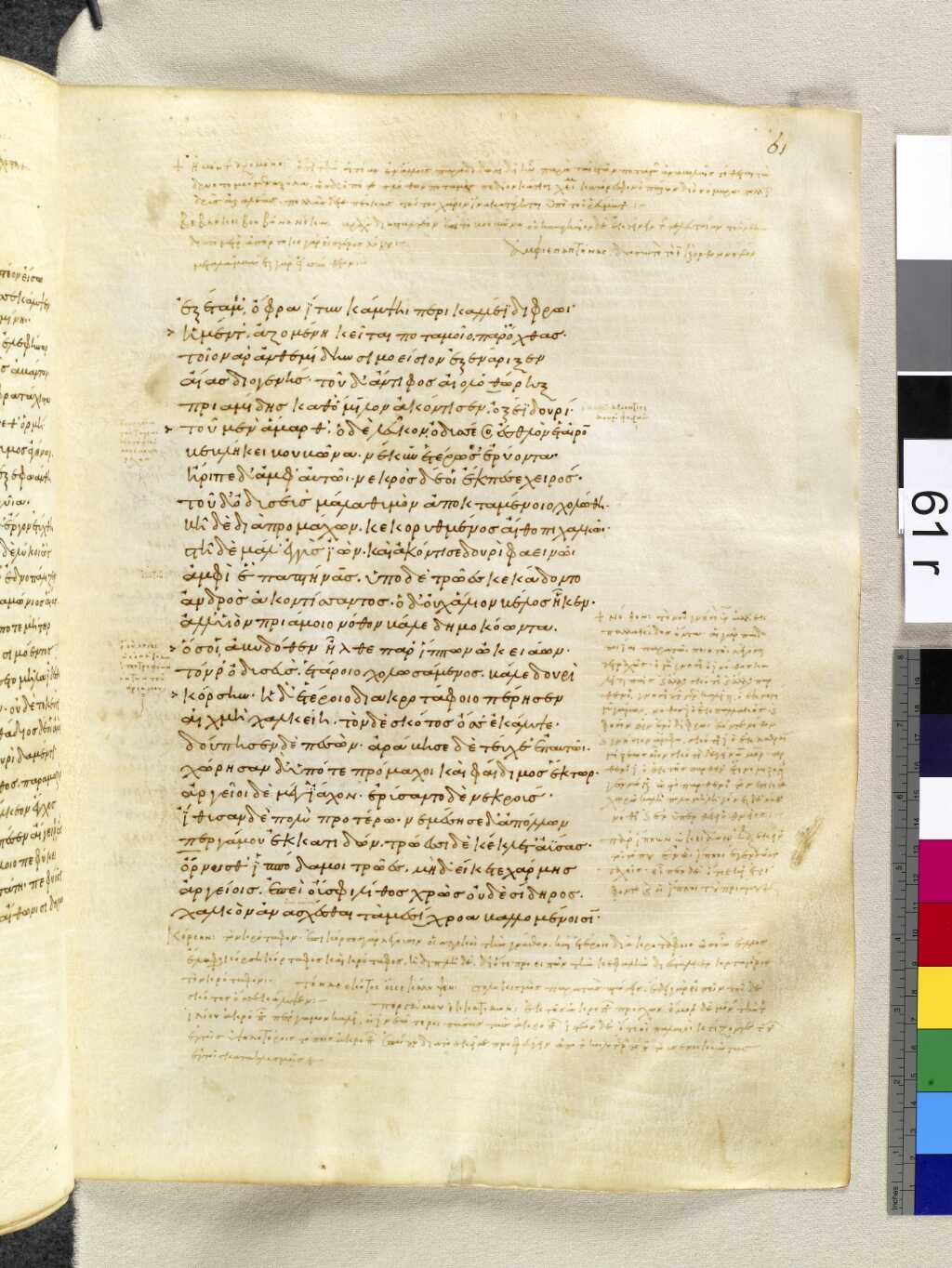
501τόν ῥʼ Ὀδυσεὺς ἑτάροιο χολωσάμενος βάλε δουρὶ 502κόρσην· ἣ δʼ ἑτέροιο διὰ κροτάφοιο πέρησεν 503αἰχμὴ χαλκείη· τὸν δὲ σκότος ὄσσε κάλυψε, 504δούπησεν δὲ πεσών, ἀράβησε δὲ τεύχεʼ ἐπʼ αὐτῷ. 505χώρησαν δʼ ὑπό τε πρόμαχοι καὶ φαίδιμος Ἕκτωρ· 506Ἀργεῖοι δὲ μέγα ἴαχον, ἐρύσαντο δὲ νεκρούς, 507ἴθυσαν δὲ πολὺ προτέρω· νεμέσησε δʼ Ἀπόλλων 508Περγάμου ἐκκατιδών, Τρώεσσι δὲ κέκλετʼ ἀΰσας· 509ὄρνυσθʼ ἱππόδαμοι Τρῶες μηδʼ εἴκετε χάρμης 510Ἀργείοις, ἐπεὶ οὔ σφι λίθος χρὼς οὐδὲ σίδηρος 511χαλκὸν ἀνασχέσθαι ταμεσίχροα βαλλομένοισιν· 512οὐ μὰν οὐδʼ Ἀχιλεὺς Θέτιδος πάϊς ἠϋκόμοιο 513μάρναται, ἀλλʼ ἐπὶ νηυσὶ χόλον θυμαλγέα πέσσει. 514ὣς φάτʼ ἀπὸ πτόλιος δεινὸς θεός· αὐτὰρ Ἀχαιοὺς 515ὦρσε Διὸς θυγάτηρ κυδίστη Τριτογένεια 516ἐρχομένη καθʼ ὅμιλον, ὅθι μεθιέντας ἴδοιτο. 517ἔνθʼ Ἀμαρυγκείδην Διώρεα μοῖρα πέδησε· 518χερμαδίῳ γὰρ βλῆτο παρὰ σφυρὸν ὀκριόεντι 519κνήμην δεξιτερήν· βάλε δὲ Θρῃκῶν ἀγὸς ἀνδρῶν 520Πείρως Ἰμβρασίδης ὃς ἄρʼ Αἰνόθεν εἰληλούθει. 521ἀμφοτέρω δὲ τένοντε καὶ ὀστέα λᾶας ἀναιδὴς 522ἄχρις ἀπηλοίησεν· ὃ δʼ ὕπτιος ἐν κονίῃσι 523κάππεσεν ἄμφω χεῖρε φίλοις ἑτάροισι πετάσσας 524θυμὸν ἀποπνείων· ὃ δʼ ἐπέδραμεν ὅς ῥʼ ἔβαλέν περ 525Πείροος, οὖτα δὲ δουρὶ παρʼ ὀμφαλόν· ἐκ δʼ ἄρα πᾶσαι
Forthwith Ajax, son of Telamon, slew the fair youth Simoeisius, son of Anthemion, whom his mother bore by the banks of the Simois, as she was coming down from Mt. Ida, where she had been with her parents to see their flocks. Therefore he was named Simoeisius, but he did not live to pay his parents for his rearing, for he was cut off untimely by the spear of mighty Ajax, who struck him in the breast by the right nipple as he was coming on among the foremost fighters; the spear went right through his shoulder, and he fell as a poplar that has grown straight and tall in a meadow by some mere, and its top is thick with branches. Then the wheelwright lays his axe to its roots that he may fashion a felloe for the wheel of some goodly chariot, and it lies seasoning by the waterside. In such wise did Ajax fell to earth Simoeisius, son of Anthemion. Thereon Antiphus of the gleaming corslet, son of Priam, hurled a spear at Ajax from amid the crowd and missed him, but he hit Leucus, the brave comrade of Ulysses, in the groin, as he was dragging the body of Simoeisius over to the other side; so he fell upon the body and loosed his hold upon it. Ulysses was furious when he saw Leucus slain, and strode in full armour through the front ranks till he was quite close; then he glared round about him and took aim, and the Trojans fell back as he did so. His dart was not sped in vain, for it struck Democoon, the bastard son of Priam, who had come to him from Abydos, where he had charge of his father’s mares. Ulysses, infuriated by the death of his comrade, hit him with his spear on one temple, and the bronze point came through on the other side of his forehead. Thereon darkness veiled his eyes, and his armour rang rattling round him as he fell heavily to the ground. Hector, and they that were in front, then gave round while the Argives raised a shout and drew off the dead, pressing further forward as they did so. But Apollo looked down from Pergamus and called aloud to the Trojans, for he was displeased. “Trojans,” he cried, “rush on the foe, and do not let yourselves be thus beaten by the Argives. Their skins are not stone nor iron that when you hit them you do them no harm. Moreover, Achilles, the son of lovely Thetis, is not fighting, but is nursing his anger at the ships.”
Thus spoke the mighty god, crying to them from the city, while Jove’s redoubtable daughter, the Trito-born, went about among the host of the Achaeans, and urged them forward whenever she beheld them slackening.
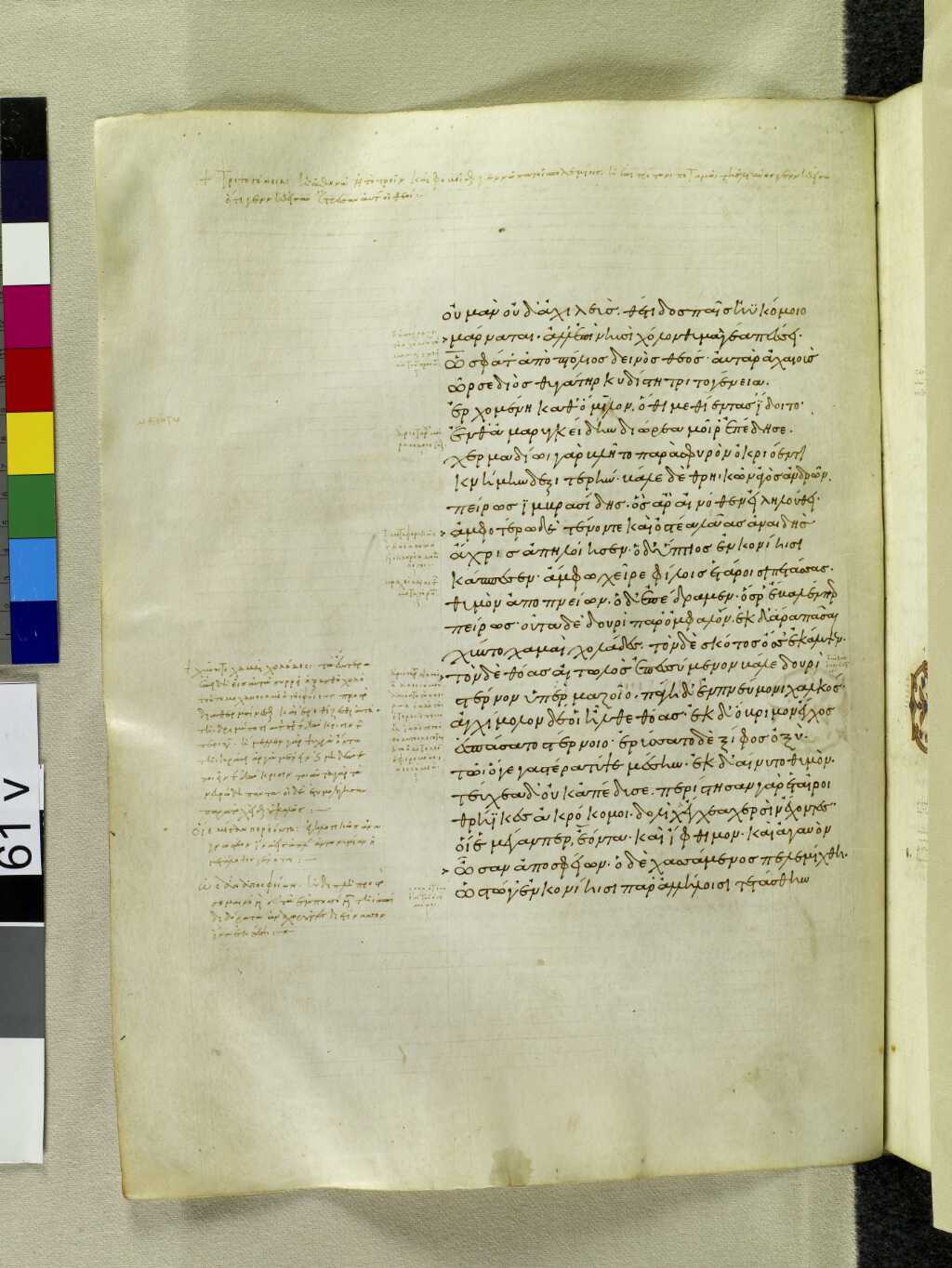
526χύντο χαμαὶ χολάδες, τὸν δὲ σκότος ὄσσε κάλυψε. 527τὸν δὲ Θόας Αἰτωλὸς ἀπεσσύμενον βάλε δουρὶ 528στέρνον ὑπὲρ μαζοῖο, πάγη δʼ ἐν πνεύμονι χαλκός· 529ἀγχίμολον δέ οἱ ἦλθε Θόας, ἐκ δʼ ὄβριμον ἔγχος 530ἐσπάσατο στέρνοιο, ἐρύσσατο δὲ ξίφος ὀξύ, 531τῷ ὅ γε γαστέρα τύψε μέσην, ἐκ δʼ αἴνυτο θυμόν. 532τεύχεα δʼ οὐκ ἀπέδυσε· περίστησαν γὰρ ἑταῖροι 533Θρήϊκες ἀκρόκομοι δολίχʼ ἔγχεα χερσὶν ἔχοντες, 534οἵ ἑ μέγαν περ ἐόντα καὶ ἴφθιμον καὶ ἀγαυὸν 535ὦσαν ἀπὸ σφείων· ὃ δὲ χασσάμενος πελεμίχθη. 536ὣς τώ γʼ ἐν κονίῃσι παρʼ ἀλλήλοισι τετάσθην, 537ἤτοι ὃ μὲν Θρῃκῶν, ὃ δʼ Ἐπειῶν χαλκοχιτώνων 538ἡγεμόνες· πολλοὶ δὲ περὶ κτείνοντο καὶ ἄλλοι. 539ἔνθά κεν οὐκέτι ἔργον ἀνὴρ ὀνόσαιτο μετελθών, 540ὅς τις ἔτʼ ἄβλητος καὶ ἀνούτατος ὀξέϊ χαλκῷ 541δινεύοι κατὰ μέσσον, ἄγοι δέ ἑ Παλλὰς Ἀθήνη 542χειρὸς ἑλοῦσʼ, αὐτὰρ βελέων ἀπερύκοι ἐρωήν· 543πολλοὶ γὰρ Τρώων καὶ Ἀχαιῶν ἤματι κείνῳ 544πρηνέες ἐν κονίῃσι παρʼ ἀλλήλοισι τέταντο.
Then fate fell upon Diores, son of Amarynceus, for he was struck by a jagged stone near the ancle of his right leg. He that hurled it was Peirous, son of Imbrasus, captain of the Thracians, who had come from Aenus; the bones and both the tendons were crushed by the pitiless stone. He fell to the ground on his back, and in his death-throes stretched out his hands towards his comrades. But Peirous, who had wounded him, sprang on him and thrust a spear into his belly, so that his bowels came gushing out upon the ground, and darkness veiled his eyes. As he was leaving the body, Thoas of Aetolia struck him in the chest near the nipple, and the point fixed itself in his lungs. Thoas came close up to him, pulled the spear out of his chest, and then drawing his sword, smote him in the middle of the belly so that he died; but he did not strip him of his armour, for his Thracian comrades, men who wear their hair in a tuft at the top of their heads, stood round the body and kept him off with their long spears for all his great stature and valour; so he was driven back. Thus the two corpses lay stretched on earth near to one another, the one captain of the Thracians and the other of the Epeans; and many another fell round them.
And now no man would have made light of the fighting if he could have gone about among it scatheless and unwounded, with Minerva leading him by the hand, and protecting him from the storm of spears and arrows. For many Trojans and Achaeans on that day lay stretched side by side face downwards upon the earth.
Cite
Source & Cross-References
- Source text: Venetus A (10th c.) via Homer Multitext IIIF + Perseus Greek + Butler English (PG #2199) — view original
- Critical edition: Munro & Allen (Perseus Digital Library)
← previous · → next · v cycle view · l back to library