The Iliad, Book 7
Introduction
Book 7 of the Iliad with 20 sections, each linked to its specific folio in Venetus A (Marcianus Graecus 454, 10th c.). The Homer Multitext Project provides line-level folio mappings, ensuring every section of text corresponds to the exact manuscript page where it appears.
How was this verified? (Provenance)
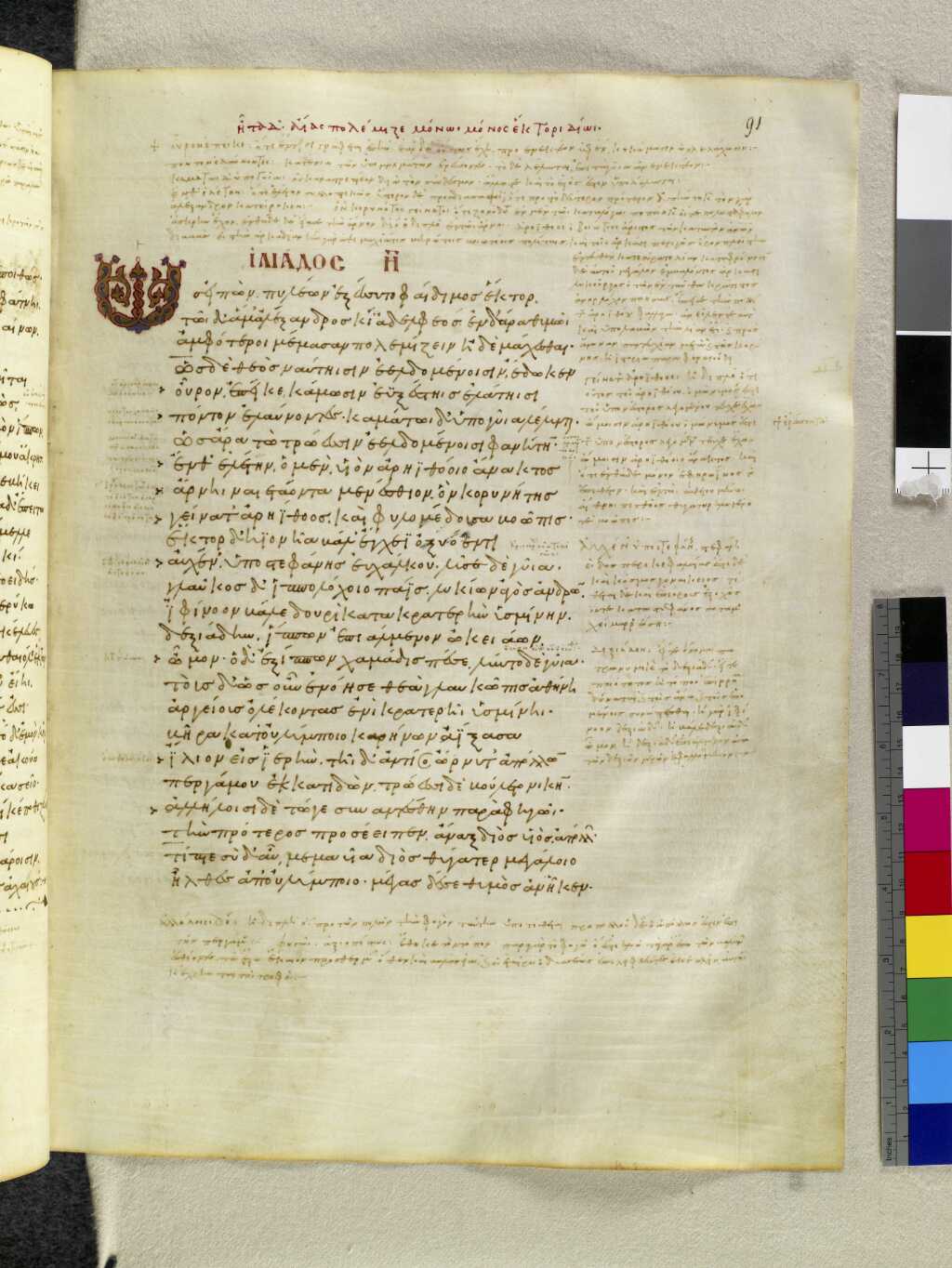
1ὣς εἰπὼν πυλέων ἐξέσσυτο φαίδιμος Ἕκτωρ, 2τῷ δʼ ἅμʼ Ἀλέξανδρος κίʼ ἀδελφεός· ἐν δʼ ἄρα θυμῷ 3ἀμφότεροι μέμασαν πολεμίζειν ἠδὲ μάχεσθαι. 4ὡς δὲ θεὸς ναύτῃσιν ἐελδομένοισιν ἔδωκεν 5οὖρον, ἐπεί κε κάμωσιν ἐϋξέστῃς ἐλάτῃσι 6πόντον ἐλαύνοντες, καμάτῳ δʼ ὑπὸ γυῖα λέλυνται, 7ὣς ἄρα τὼ Τρώεσσιν ἐελδομένοισι φανήτην. 8ἔνθʼ ἑλέτην ὃ μὲν υἱὸν Ἀρηϊθόοιο ἄνακτος 9Ἄρνῃ ναιετάοντα Μενέσθιον, ὃν κορυνήτης 10γείνατʼ Ἀρηΐθοος καὶ Φυλομέδουσα βοῶπις· 11Ἕκτωρ δʼ Ἠϊονῆα βάλʼ ἔγχεϊ ὀξυόεντι 12αὐχένʼ ὑπὸ στεφάνης εὐχάλκου, λύντο δὲ γυῖα. 13Γλαῦκος δʼ Ἱππολόχοιο πάϊς Λυκίων ἀγὸς ἀνδρῶν 14Ἰφίνοον βάλε δουρὶ κατὰ κρατερὴν ὑσμίνην 15Δεξιάδην ἵππων ἐπιάλμενον ὠκειάων 16ὦμον· ὃ δʼ ἐξ ἵππων χαμάδις πέσε, λύντο δὲ γυῖα. 17τοὺς δʼ ὡς οὖν ἐνόησε θεὰ γλαυκῶπις Ἀθήνη 18Ἀργείους ὀλέκοντας ἐνὶ κρατερῇ ὑσμίνῃ, 19βῆ ῥα κατʼ Οὐλύμποιο καρήνων ἀΐξασα 20Ἴλιον εἰς ἱερήν· τῇ δʼ ἀντίος ὄρνυτʼ Ἀπόλλων 21Περγάμου ἐκκατιδών, Τρώεσσι δὲ βούλετο νίκην· 22ἀλλήλοισι δὲ τώ γε συναντέσθην παρὰ φηγῷ. 23τὴν πρότερος προσέειπεν ἄναξ Διὸς υἱὸς Ἀπόλλων· 24τίπτε σὺ δʼ αὖ μεμαυῖα Διὸς θύγατερ μεγάλοιο 25ἦλθες ἀπʼ Οὐλύμποιο, μέγας δέ σε θυμὸς ἀνῆκεν;
Hector and Ajax fight—Hector is getting worsted when night comes on and parts them—They exchange presents—The burial of the dead, and the building of a wall round their ships by the Achaeans—The Achaeans buy their wine of Agamemnon and Menelaus.
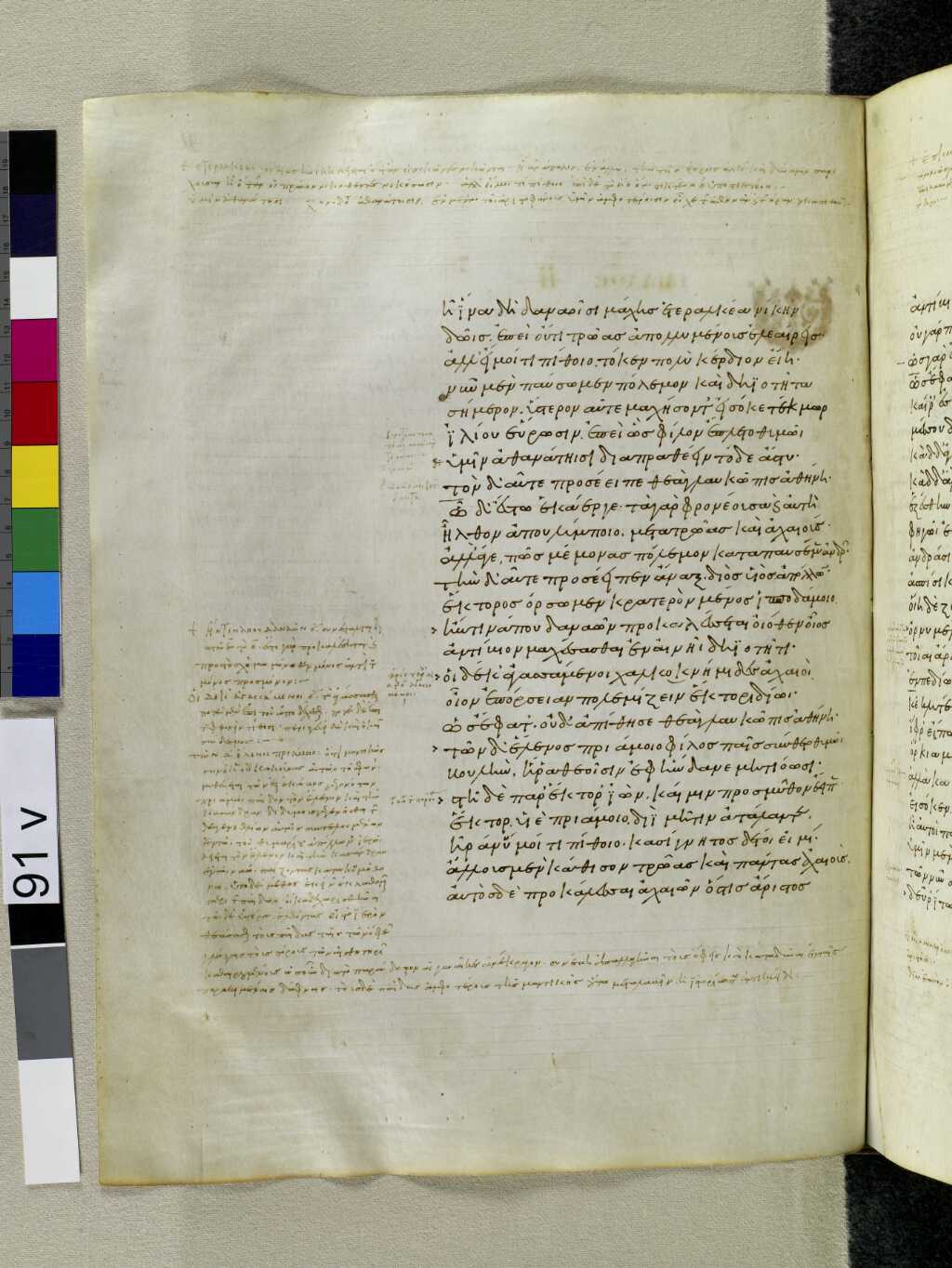
26ἦ ἵνα δὴ Δαναοῖσι μάχης ἑτεραλκέα νίκην 27δῷς; ἐπεὶ οὔ τι Τρῶας ἀπολλυμένους ἐλεαίρεις. 28ἀλλʼ εἴ μοί τι πίθοιο τό κεν πολὺ κέρδιον εἴη· 29νῦν μὲν παύσωμεν πόλεμον καὶ δηϊοτῆτα 30σήμερον· ὕστερον αὖτε μαχήσοντʼ εἰς ὅ κε τέκμωρ 31Ἰλίου εὕρωσιν, ἐπεὶ ὣς φίλον ἔπλετο θυμῷ 32ὑμῖν ἀθανάτῃσι, διαπραθέειν τόδε ἄστυ. 33τὸν δʼ αὖτε προσέειπε θεὰ γλαυκῶπις Ἀθήνη· 34ὧδʼ ἔστω ἑκάεργε· τὰ γὰρ φρονέουσα καὶ αὐτὴ 35ἦλθον ἀπʼ Οὐλύμποιο μετὰ Τρῶας καὶ Ἀχαιούς. 36ἀλλʼ ἄγε πῶς μέμονας πόλεμον καταπαυσέμεν ἀνδρῶν; 37τὴν δʼ αὖτε προσέειπεν ἄναξ Διὸς υἱὸς Ἀπόλλων· 38Ἕκτορος ὄρσωμεν κρατερὸν μένος ἱπποδάμοιο, 39ἤν τινά που Δαναῶν προκαλέσσεται οἰόθεν οἶος 40ἀντίβιον μαχέσασθαι ἐν αἰνῇ δηϊοτῆτι, 41οἳ δέ κʼ ἀγασσάμενοι χαλκοκνήμιδες Ἀχαιοὶ 42οἶον ἐπόρσειαν πολεμίζειν Ἕκτορι δίῳ. 43ὣς ἔφατʼ, οὐδʼ ἀπίθησε θεὰ γλαυκῶπις Ἀθήνη. 44τῶν δʼ Ἕλενος Πριάμοιο φίλος παῖς σύνθετο θυμῷ 45βουλήν, ἥ ῥα θεοῖσιν ἐφήνδανε μητιόωσι· 46στῆ δὲ παρʼ Ἕκτορʼ ἰὼν καί μιν πρὸς μῦθον ἔειπεν· 47Ἕκτορ υἱὲ Πριάμοιο Διὶ μῆτιν ἀτάλαντε 48ἦ ῥά νύ μοί τι πίθοιο, κασίγνητος δέ τοί εἰμι· 49ἄλλους μὲν κάθισον Τρῶας καὶ πάντας Ἀχαιούς, 50αὐτὸς δὲ προκάλεσσαι Ἀχαιῶν ὅς τις ἄριστος
With these words Hector passed through the gates, and his brother Alexandrus with him, both eager for the fray. As when heaven sends a breeze to sailors who have long looked for one in vain, and have laboured at their oars till they are faint with toil, even so welcome was the sight of these two heroes to the Trojans.
Thereon Alexandrus killed Menesthius the son of Areithous; he lived in Arne, and was son of Areithous the Mace-man, and of Phylomedusa. Hector threw a spear at Eioneus and struck him dead with a wound in the neck under the bronze rim of his helmet. Glaucus, moreover, son of Hippolochus, captain of the Lycians, in hard hand-to-hand fight smote Iphinous son of Dexius on the shoulder, as he was springing on to his chariot behind his fleet mares; so he fell to earth from the car, and there was no life left in him.
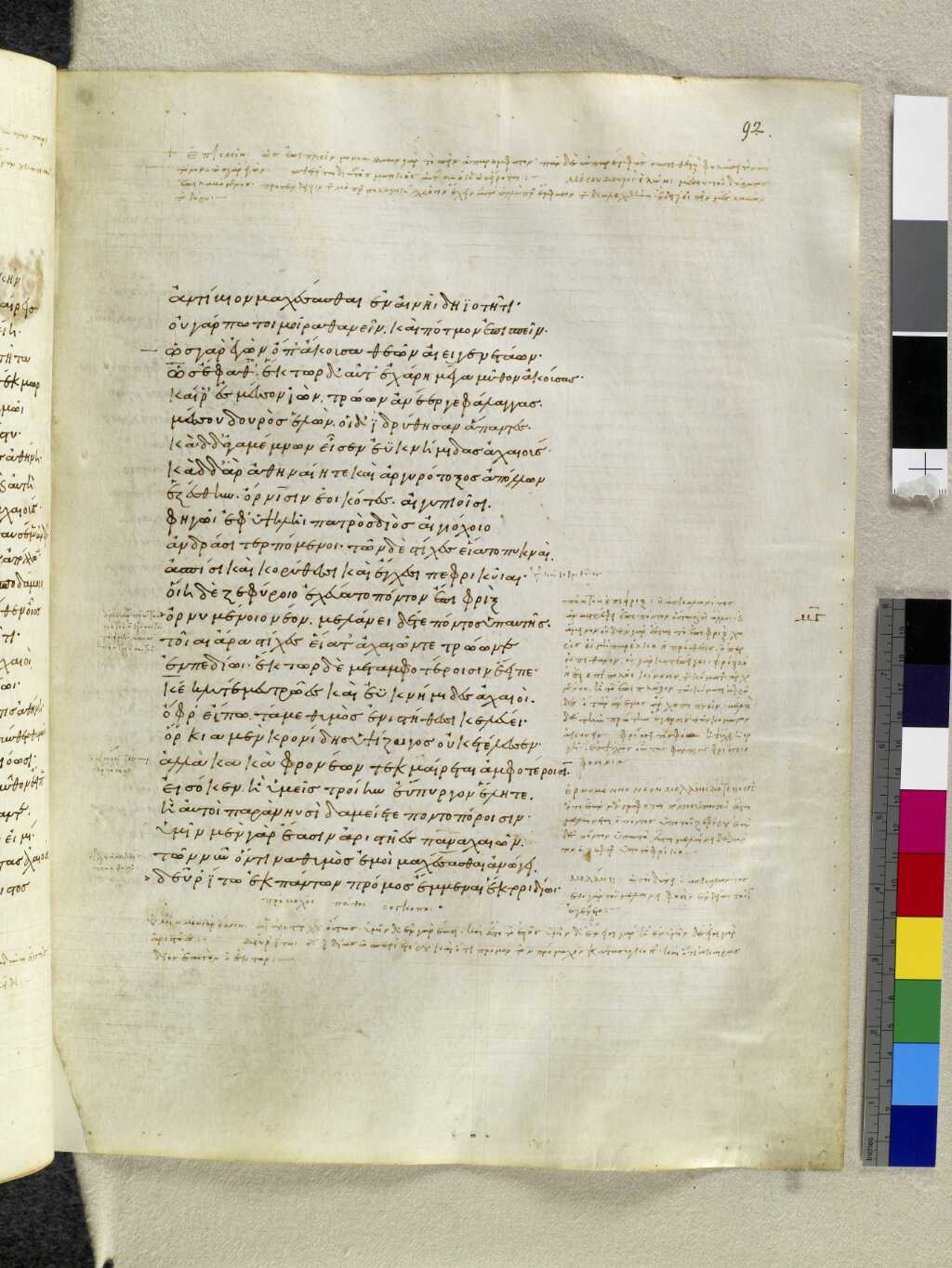
51ἀντίβιον μαχέσασθαι ἐν αἰνῇ δηϊοτῆτι· 52οὐ γάρ πώ τοι μοῖρα θανεῖν καὶ πότμον ἐπισπεῖν· 53ὣς γὰρ ἐγὼ ὄπʼ ἄκουσα θεῶν αἰειγενετάων. 54ὣς ἔφαθʼ, Ἕκτωρ δʼ αὖτε χάρη μέγα μῦθον ἀκούσας, 55καί ῥʼ ἐς μέσσον ἰὼν Τρώων ἀνέεργε φάλαγγας, 56μέσσου δουρὸς ἑλών· οἳ δʼ ἱδρύνθησαν ἅπαντες. 57κὰδ δʼ Ἀγαμέμνων εἷσεν ἐϋκνήμιδας Ἀχαιούς· 58κὰδ δʼ ἄρʼ Ἀθηναίη τε καὶ ἀργυρότοξος Ἀπόλλων 59ἑζέσθην ὄρνισιν ἐοικότες αἰγυπιοῖσι 60φηγῷ ἐφʼ ὑψηλῇ πατρὸς Διὸς αἰγιόχοιο 61ἀνδράσι τερπόμενοι· τῶν δὲ στίχες εἵατο πυκναὶ 62ἀσπίσι καὶ κορύθεσσι καὶ ἔγχεσι πεφρικυῖαι. 63οἵη δὲ Ζεφύροιο ἐχεύατο πόντον ἔπι φρὶξ 64ὀρνυμένοιο νέον, μελάνει δέ τε πόντος ὑπʼ αὐτῆς, 65τοῖαι ἄρα στίχες εἵατʼ Ἀχαιῶν τε Τρώων τε 66ἐν πεδίῳ· Ἕκτωρ δὲ μετʼ ἀμφοτέροισιν ἔειπε· 67κέκλυτέ μευ Τρῶες καὶ ἐϋκνήμιδες Ἀχαιοὶ 68ὄφρʼ εἴπω τά με θυμὸς ἐνὶ στήθεσσι κελεύει. 69ὅρκια μὲν Κρονίδης ὑψίζυγος οὐκ ἐτέλεσσεν, 70ἀλλὰ κακὰ φρονέων τεκμαίρεται ἀμφοτέροισιν 71εἰς ὅ κεν ἢ ὑμεῖς Τροίην εὔπυργον ἕλητε 72ἢ αὐτοὶ παρὰ νηυσὶ δαμείετε ποντοπόροισιν. 73ὑμῖν δʼ ἐν γὰρ ἔασιν ἀριστῆες Παναχαιῶν· 74τῶν νῦν ὅν τινα θυμὸς ἐμοὶ μαχέσασθαι ἀνώγει 75δεῦρʼ ἴτω ἐκ πάντων πρόμος ἔμμεναι Ἕκτορι δίῳ.
When, therefore, Minerva saw these men making havoc of the Argives, she darted down to Ilius from the summits of Olympus, and Apollo, who was looking on from Pergamus, went out to meet her; for he wanted the Trojans to be victorious. The pair met by the oak tree, and King Apollo son of Jove was first to speak. “What would you have,” said he, “daughter of great Jove, that your proud spirit has sent you hither from Olympus? Have you no pity upon the Trojans, and would you incline the scales of victory in favour of the Danaans? Let me persuade you—for it will be better thus—stay the combat for to-day, but let them renew the fight hereafter till they compass the doom of Ilius, since you goddesses have made up your minds to destroy the city.”
And Minerva answered, “So be it, Far-Darter; it was in this mind that I came down from Olympus to the Trojans and Achaeans. Tell me, then, how do you propose to end this present fighting?”
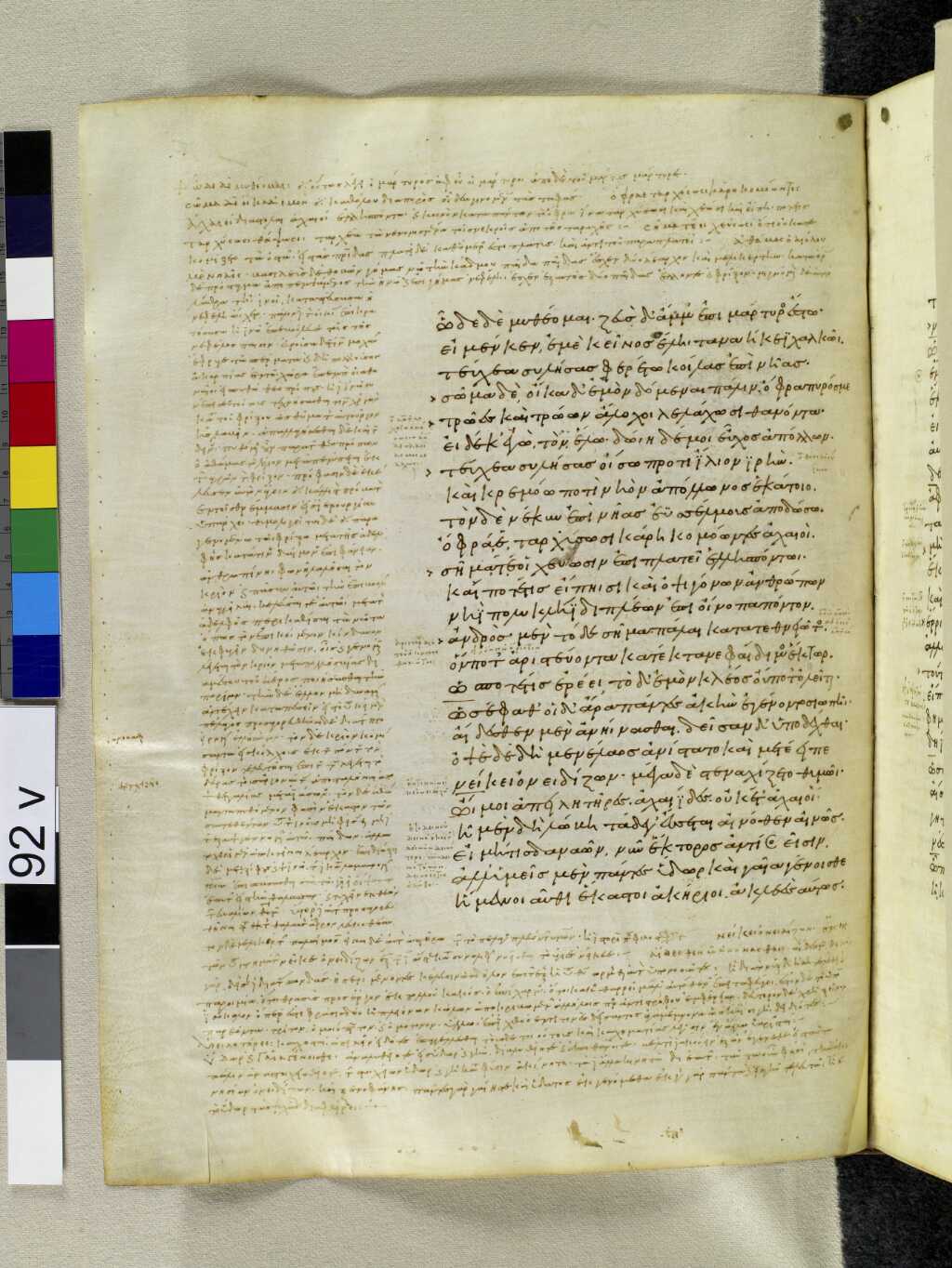
76ὧδε δὲ μυθέομαι, Ζεὺς δʼ ἄμμʼ ἐπιμάρτυρος ἔστω· 77εἰ μέν κεν ἐμὲ κεῖνος ἕλῃ ταναήκεϊ χαλκῷ, 78τεύχεα συλήσας φερέτω κοίλας ἐπὶ νῆας, 79σῶμα δὲ οἴκαδʼ ἐμὸν δόμεναι πάλιν, ὄφρα πυρός με 80Τρῶες καὶ Τρώων ἄλοχοι λελάχωσι θανόντα. 81εἰ δέ κʼ ἐγὼ τὸν ἕλω, δώῃ δέ μοι εὖχος Ἀπόλλων, 82τεύχεα σύλησας οἴσω προτὶ Ἴλιον ἱρήν, 83καὶ κρεμόω προτὶ νηὸν Ἀπόλλωνος ἑκάτοιο, 84τὸν δὲ νέκυν ἐπὶ νῆας ἐϋσσέλμους ἀποδώσω, 85ὄφρά ἑ ταρχύσωσι κάρη κομόωντες Ἀχαιοί, 86σῆμά τέ οἱ χεύωσιν ἐπὶ πλατεῖ Ἑλλησπόντῳ. 87καί ποτέ τις εἴπῃσι καὶ ὀψιγόνων ἀνθρώπων 88νηῒ πολυκλήϊδι πλέων ἐπὶ οἴνοπα πόντον· 89ἀνδρὸς μὲν τόδε σῆμα πάλαι κατατεθνηῶτος, 90ὅν ποτʼ ἀριστεύοντα κατέκτανε φαίδιμος Ἕκτωρ. 91ὥς ποτέ τις ἐρέει· τὸ δʼ ἐμὸν κλέος οὔ ποτʼ ὀλεῖται. 92ὣς ἔφαθʼ, οἱ δʼ ἄρα πάντες ἀκὴν ἐγένοντο σιωπῇ· 93αἴδεσθεν μὲν ἀνήνασθαι, δεῖσαν δʼ ὑποδέχθαι· 94ὀψὲ δὲ δὴ Μενέλαος ἀνίστατο καὶ μετέειπε 95νείκει ὀνειδίζων, μέγα δὲ στεναχίζετο θυμῷ· 96ὤ μοι ἀπειλητῆρες Ἀχαιΐδες οὐκέτʼ Ἀχαιοί· 97ἦ μὲν δὴ λώβη τάδε γʼ ἔσσεται αἰνόθεν αἰνῶς 98εἰ μή τις Δαναῶν νῦν Ἕκτορος ἀντίος εἶσιν. 99ἀλλʼ ὑμεῖς μὲν πάντες ὕδωρ καὶ γαῖα γένοισθε 100ἥμενοι αὖθι ἕκαστοι ἀκήριοι ἀκλεὲς αὔτως·
Apollo, son of Jove, replied, “Let us incite great Hector to challenge some one of the Danaans in single combat; on this the Achaeans will be shamed into finding a man who will fight him.”
Minerva assented, and Helenus son of Priam divined the counsel of the gods; he therefore went up to Hector and said, “Hector son of Priam, peer of gods in counsel, I am your brother, let me then persuade you. Bid the other Trojans and Achaeans all of them take their seats, and challenge the best man among the Achaeans to meet you in single combat. I have heard the voice of the ever-living gods, and the hour of your doom is not yet come.”
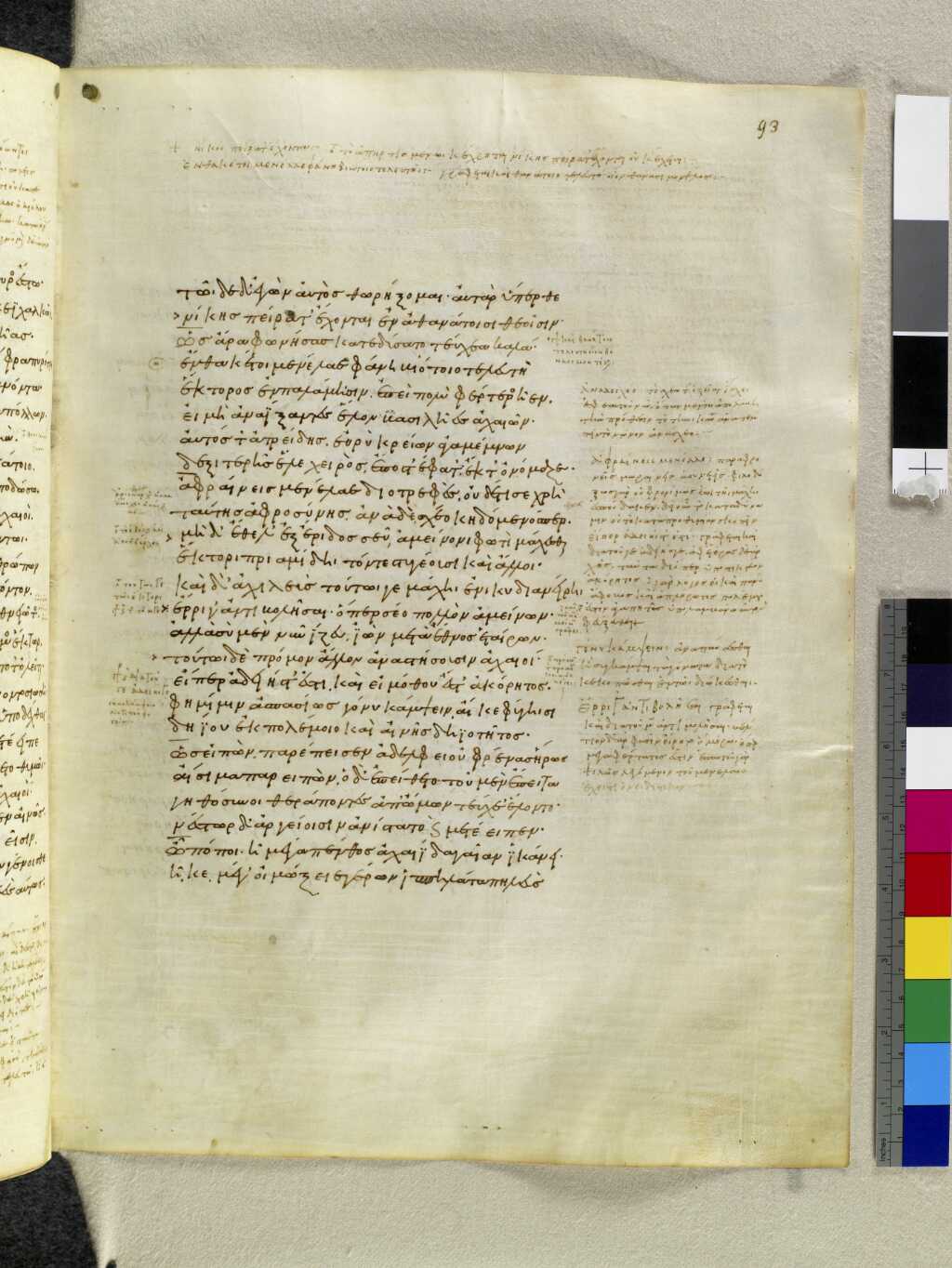
101τῷδε δʼ ἐγὼν αὐτὸς θωρήξομαι· αὐτὰρ ὕπερθε 102νίκης πείρατʼ ἔχονται ἐν ἀθανάτοισι θεοῖσιν. 103ὣς ἄρα φωνήσας κατεδύσετο τεύχεα καλά. 104ἔνθά κέ τοι Μενέλαε φάνη βιότοιο τελευτὴ 105Ἕκτορος ἐν παλάμῃσιν, ἐπεὶ πολὺ φέρτερος ἦεν, 106εἰ μὴ ἀναΐξαντες ἕλον βασιλῆες Ἀχαιῶν, 107αὐτός τʼ Ἀτρεΐδης εὐρὺ κρείων Ἀγαμέμνων 108δεξιτερῆς ἕλε χειρὸς ἔπος τʼ ἔφατʼ ἔκ τʼ ὀνόμαζεν· 109ἀφραίνεις Μενέλαε διοτρεφές, οὐδέ τί σε χρὴ 110ταύτης ἀφροσύνης· ἀνὰ δὲ σχέο κηδόμενός περ, 111μηδʼ ἔθελʼ ἐξ ἔριδος σεῦ ἀμείνονι φωτὶ μάχεσθαι 112Ἕκτορι Πριαμίδῃ, τόν τε στυγέουσι καὶ ἄλλοι. 113καὶ δʼ Ἀχιλεὺς τούτῳ γε μάχῃ ἔνι κυδιανείρῃ 114ἔρριγʼ ἀντιβολῆσαι, ὅ περ σέο πολλὸν ἀμείνων. 115ἀλλὰ σὺ μὲν νῦν ἵζευ ἰὼν μετὰ ἔθνος ἑταίρων, 116τούτῳ δὲ πρόμον ἄλλον ἀναστήσουσιν Ἀχαιοί. 117εἴ περ ἀδειής τʼ ἐστὶ καὶ εἰ μόθου ἔστʼ ἀκόρητος, 118φημί μιν ἀσπασίως γόνυ κάμψειν, αἴ κε φύγῃσι 119δηΐου ἐκ πολέμοιο καὶ αἰνῆς δηϊοτῆτος. 120ὣς εἰπὼν παρέπεισεν ἀδελφειοῦ φρένας ἥρως 121αἴσιμα παρειπών, ὃ δʼ ἐπείθετο· τοῦ μὲν ἔπειτα 122γηθόσυνοι θεράποντες ἀπʼ ὤμων τεύχεʼ ἕλοντο· 123Νέστωρ δʼ Ἀργείοισιν ἀνίστατο καὶ μετέειπεν· 124ὢ πόποι ἦ μέγα πένθος Ἀχαιΐδα γαῖαν ἱκάνει. 125ἦ κε μέγʼ οἰμώξειε γέρων ἱππηλάτα Πηλεὺς
Hector was glad when he heard this saying, and went in among the Trojans, grasping his spear by the middle to hold them back, and they all sat down. Agamemnon also bade the Achaeans be seated. But Minerva and Apollo, in the likeness of vultures, perched on father Jove’s high oak tree, proud of their men; and the ranks sat close ranged together, bristling with shield and helmet and spear. As when the rising west wind furs the face of the sea and the waters grow dark beneath it, so sat the companies of Trojans and Achaeans upon the plain. And Hector spoke thus:—
“Hear me, Trojans and Achaeans, that I may speak even as I am minded; Jove on his high throne has brought our oaths and covenants to nothing, and foreshadows ill for both of us, till you either take the towers of Troy, or are yourselves vanquished at your ships. The princes of the Achaeans are here present in the midst of you; let him, then, that will fight me stand forward as your champion against Hector. Thus I say, and may Jove be witness between us. If your champion slay me, let him strip me of my armour and take it to your ships, but let him send my body home that the Trojans and their wives may give me my dues of fire when I am dead. In like manner, if Apollo vouchsafe me glory and I slay your champion, I will strip him of his armour and take it to the city of Ilius, where I will hang it in the temple of Apollo, but I will give up his body, that the Achaeans may bury him at their ships, and then build him a mound by the wide waters of the Hellespont. Then will one say hereafter as he sails his ship over the sea, ‘This is the monument of one who died long since a champion who was slain by mighty Hector.’ Thus will one say, and my fame shall not be lost.”
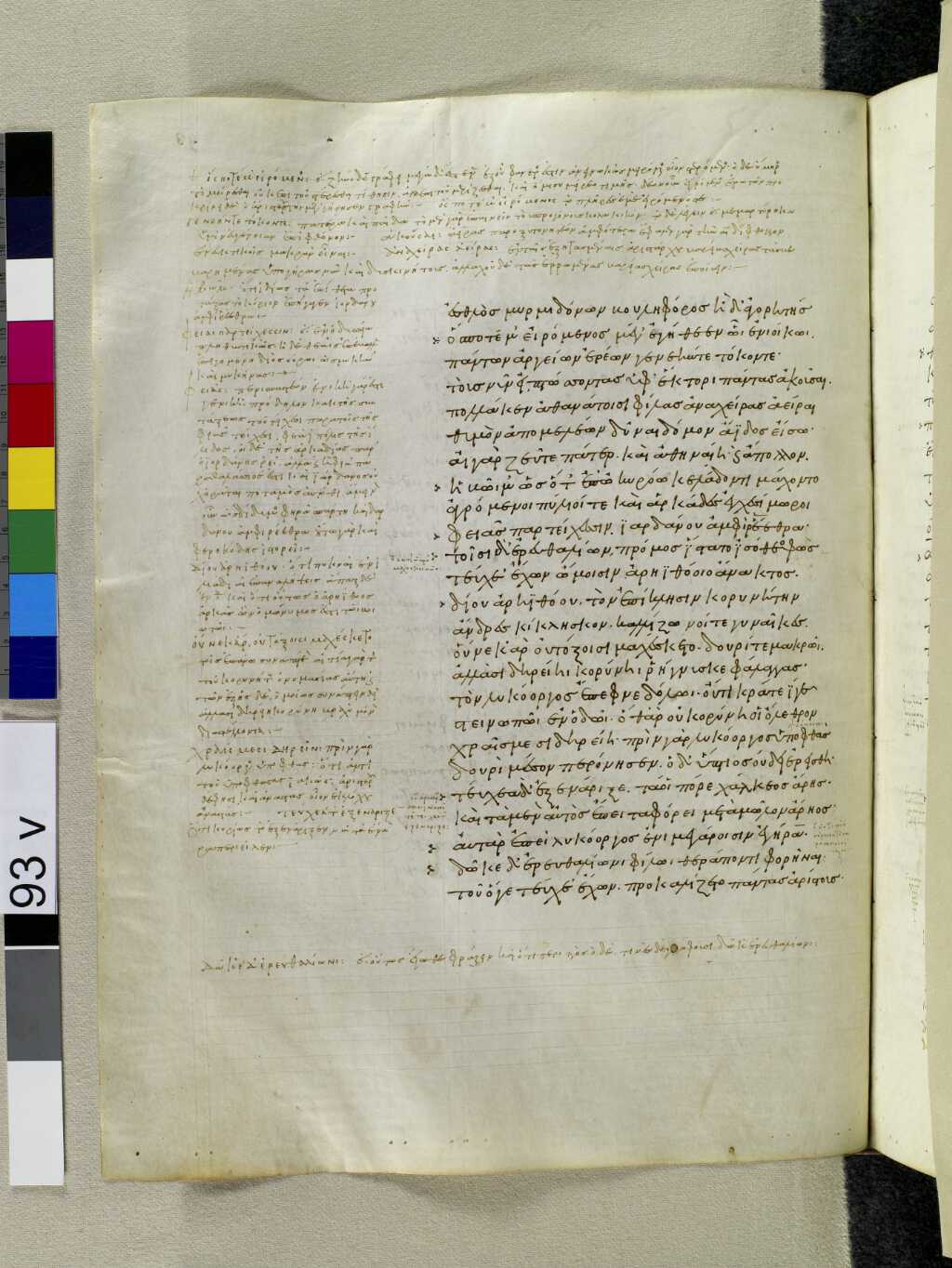
126ἐσθλὸς Μυρμιδόνων βουληφόρος ἠδʼ ἀγορητής, 127ὅς ποτέ μʼ εἰρόμενος μέγʼ ἐγήθεεν ᾧ ἐνὶ οἴκῳ 128πάντων Ἀργείων ἐρέων γενεήν τε τόκον τε. 129τοὺς νῦν εἰ πτώσσοντας ὑφʼ Ἕκτορι πάντας ἀκούσαι, 130πολλά κεν ἀθανάτοισι φίλας ἀνὰ χεῖρας ἀείραι 131θυμὸν ἀπὸ μελέων δῦναι δόμον Ἄϊδος εἴσω. 132αἲ γὰρ Ζεῦ τε πάτερ καὶ Ἀθηναίη καὶ Ἄπολλον 133ἡβῷμʼ ὡς ὅτʼ ἐπʼ ὠκυρόῳ Κελάδοντι μάχοντο 134ἀγρόμενοι Πύλιοί τε καὶ Ἀρκάδες ἐγχεσίμωροι 135Φειᾶς πὰρ τείχεσσιν Ἰαρδάνου ἀμφὶ ῥέεθρα. 136τοῖσι δʼ Ἐρευθαλίων πρόμος ἵστατο ἰσόθεος φὼς 137τεύχεʼ ἔχων ὤμοισιν Ἀρηϊθόοιο ἄνακτος 138δίου Ἀρηϊθόου, τὸν ἐπίκλησιν κορυνήτην 139ἄνδρες κίκλησκον καλλίζωνοί τε γυναῖκες 140οὕνεκʼ ἄρʼ οὐ τόξοισι μαχέσκετο δουρί τε μακρῷ, 141ἀλλὰ σιδηρείῃ κορύνῃ ῥήγνυσκε φάλαγγας. 142τὸν Λυκόοργος ἔπεφνε δόλῳ, οὔ τι κράτεΐ γε, 143στεινωπῷ ἐν ὁδῷ ὅθʼ ἄρʼ οὐ κορύνη οἱ ὄλεθρον 144χραῖσμε σιδηρείη· πρὶν γὰρ Λυκόοργος ὑποφθὰς 145δουρὶ μέσον περόνησεν, ὃ δʼ ὕπτιος οὔδει ἐρείσθη· 146τεύχεα δʼ ἐξενάριξε, τά οἱ πόρε χάλκεος Ἄρης. 147καὶ τὰ μὲν αὐτὸς ἔπειτα φόρει μετὰ μῶλον Ἄρηος· 148αὐτὰρ ἐπεὶ Λυκόοργος ἐνὶ μεγάροισιν ἐγήρα, 149δῶκε δʼ Ἐρευθαλίωνι φίλῳ θεράποντι φορῆναι· 150τοῦ ὅ γε τεύχεʼ ἔχων προκαλίζετο πάντας ἀρίστους.
Thus did he speak, but they all held their peace, ashamed to decline the challenge, yet fearing to accept it, till at last Menelaus rose and rebuked them, for he was angry. “Alas,” he cried, “vain braggarts, women forsooth not men, double-dyed indeed will be the stain upon us if no man of the Danaans will now face Hector. May you be turned every man of you into earth and water as you sit spiritless and inglorious in your places. I will myself go out against this man, but the upshot of the fight will be from on high in the hands of the immortal gods.”
With these words he put on his armour; and then, O Menelaus, your life would have come to an end at the hands of hands of Hector, for he was far better the man, had not the princes of the Achaeans sprung upon you and checked you. King Agamemnon caught him by the right hand and said, “Menelaus, you are mad; a truce to this folly. Be patient in spite of passion, do not think of fighting a man so much stronger than yourself as Hector son of Priam, who is feared by many another as well as you. Even Achilles, who is far more doughty than you are, shrank from meeting him in battle. Sit down your own people, and the Achaeans will send some other champion to fight Hector; fearless and fond of battle though he be, I ween his knees will bend gladly under him if he comes out alive from the hurly-burly of this fight.”
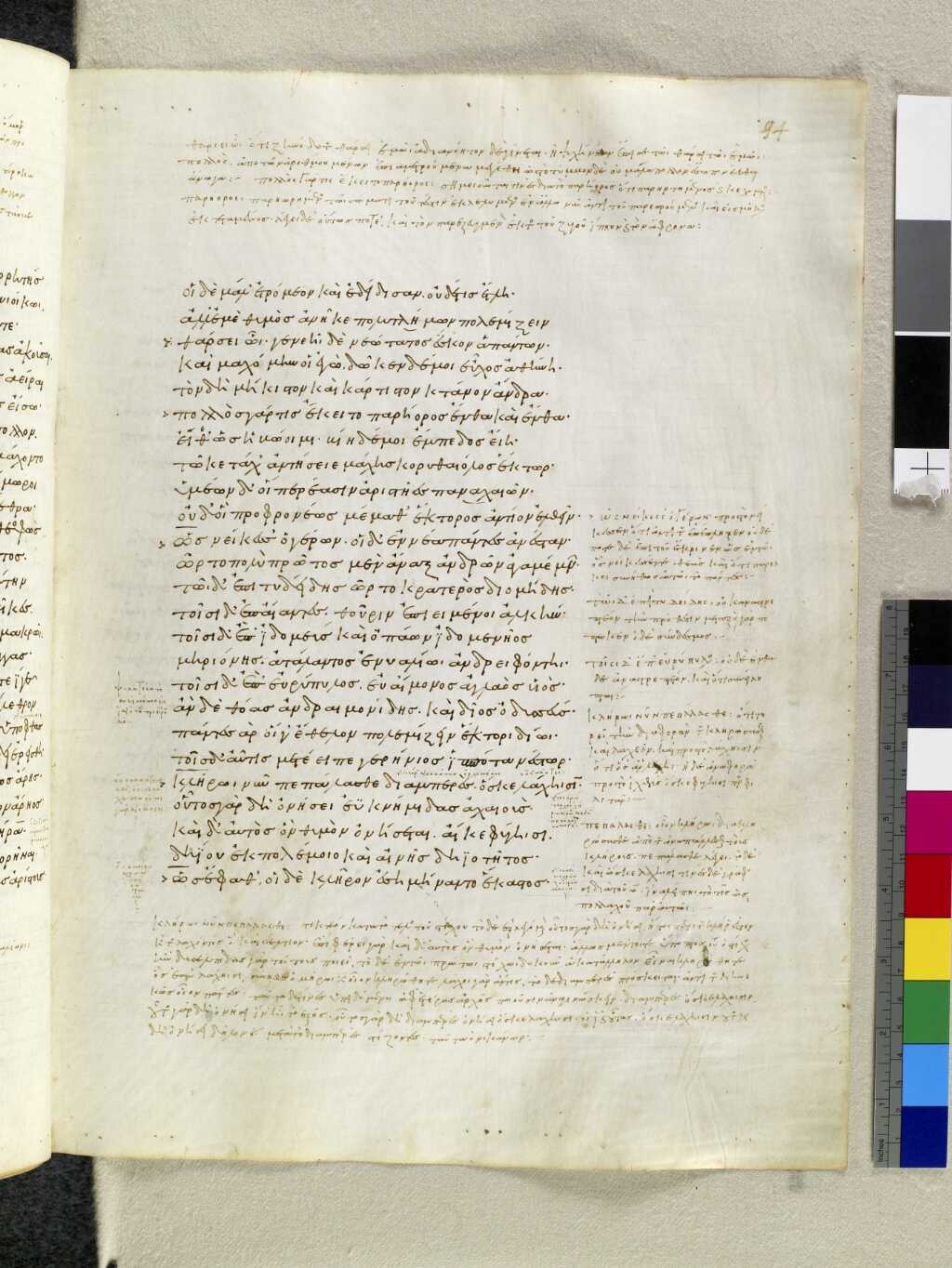
151οἳ δὲ μάλʼ ἐτρόμεον καὶ ἐδείδισαν, οὐδέ τις ἔτλη· 152ἀλλʼ ἐμὲ θυμὸς ἀνῆκε πολυτλήμων πολεμίζειν 153θάρσεϊ ᾧ· γενεῇ δὲ νεώτατος ἔσκον ἁπάντων· 154καὶ μαχόμην οἱ ἐγώ, δῶκεν δέ μοι εὖχος Ἀθήνη. 155τὸν δὴ μήκιστον καὶ κάρτιστον κτάνον ἄνδρα· 156πολλὸς γάρ τις ἔκειτο παρήορος ἔνθα καὶ ἔνθα. 157εἴθʼ ὣς ἡβώοιμι, βίη δέ μοι ἔμπεδος εἴη· 158τώ κε τάχʼ ἀντήσειε μάχης κορυθαίολος Ἕκτωρ. 159ὑμέων δʼ οἵ περ ἔασιν ἀριστῆες Παναχαιῶν 160οὐδʼ οἳ προφρονέως μέμαθʼ Ἕκτορος ἀντίον ἐλθεῖν. 161ὣς νείκεσσʼ ὃ γέρων, οἳ δʼ ἐννέα πάντες ἀνέσταν. 162ὦρτο πολὺ πρῶτος μὲν ἄναξ ἀνδρῶν Ἀγαμέμνων, 163τῷ δʼ ἐπὶ Τυδεΐδης ὦρτο κρατερὸς Διομήδης, 164τοῖσι δʼ ἐπʼ Αἴαντες θοῦριν ἐπιειμένοι ἀλκήν, 165τοῖσι δʼ ἐπʼ Ἰδομενεὺς καὶ ὀπάων Ἰδομενῆος 166Μηριόνης ἀτάλαντος Ἐνυαλίῳ ἀνδρειφόντῃ, 167τοῖσι δʼ ἐπʼ Εὐρύπυλος Εὐαίμονος ἀγλαὸς υἱός, 168ἂν δὲ Θόας Ἀνδραιμονίδης καὶ δῖος Ὀδυσσεύς· 169πάντες ἄρʼ οἵ γʼ ἔθελον πολεμίζειν Ἕκτορι δίῳ. 170τοῖς δʼ αὖτις μετέειπε Γερήνιος ἱππότα Νέστωρ· 171κλήρῳ νῦν πεπάλασθε διαμπερὲς ὅς κε λάχῃσιν· 172οὗτος γὰρ δὴ ὀνήσει ἐϋκνήμιδας Ἀχαιούς, 173καὶ δʼ αὐτὸς ὃν θυμὸν ὀνήσεται αἴ κε φύγῃσι 174δηΐου ἐκ πολέμοιο καὶ αἰνῆς δηϊοτῆτος. 175ὣς ἔφαθʼ, οἳ δὲ κλῆρον ἐσημήναντο ἕκαστος,
With these words of reasonable counsel he persuaded his brother, whereon his squires gladly stripped the armour from off his shoulders. Then Nestor rose and spoke, “Of a truth,” said he, “the Achaean land is fallen upon evil times. The old knight Peleus, counsellor and orator among the Myrmidons, loved when I was in his house to question me concerning the race and lineage of all the Argives. How would it not grieve him could he hear of them as now quailing before Hector? Many a time would he lift his hands in prayer that his soul might leave his body and go down within the house of Hades. Would, by father Jove, Minerva, and Apollo, that I were still young and strong as when the Pylians and Arcadians were gathered in fight by the rapid river Celadon under the walls of Pheia, and round about the waters of the river Iardanus. The godlike hero Ereuthalion stood forward as their champion, with the armour of King Areithous upon his shoulders—Areithous whom men and women had surnamed ‘the Mace-man,’ because he fought neither with bow nor spear, but broke the battalions of the foe with his iron mace. Lycurgus killed him, not in fair fight, but by entrapping him in a narrow way where his mace served him in no stead; for Lycurgus was too quick for him and speared him through the middle, so he fell to earth on his back. Lycurgus then spoiled him of the armour which Mars had given him, and bore it in battle thenceforward; but when he grew old and stayed at home, he gave it to his faithful squire Ereuthalion, who in this same armour challenged the foremost men among us. The others quaked and quailed, but my high spirit bade me fight him though none other would venture; I was the youngest man of them all; but when I fought him Minerva vouchsafed me victory. He was the biggest and strongest man that ever I killed, and covered much ground as he lay sprawling upon the earth. Would that I were still young and strong as I then was, for the son of Priam would then soon find one who would face him. But you, foremost among the whole host though you be, have none of you any stomach for fighting Hector.”
Thus did the old man rebuke them, and forthwith nine men started to their feet. Foremost of all uprose King Agamemnon, and after him brave Diomed the son of Tydeus. Next were the two Ajaxes, men clothed in valour as with a garment, and then Idomeneus, and Meriones his brother in arms. After these Eurypylus son of Euaemon, Thoas the son of Andraemon, and Ulysses also rose. Then Nestor knight of Gerene again spoke, saying: “Cast lots among you to see who shall be chosen. If he come alive out of this fight he will have done good service alike to his own soul and to the Achaeans.”
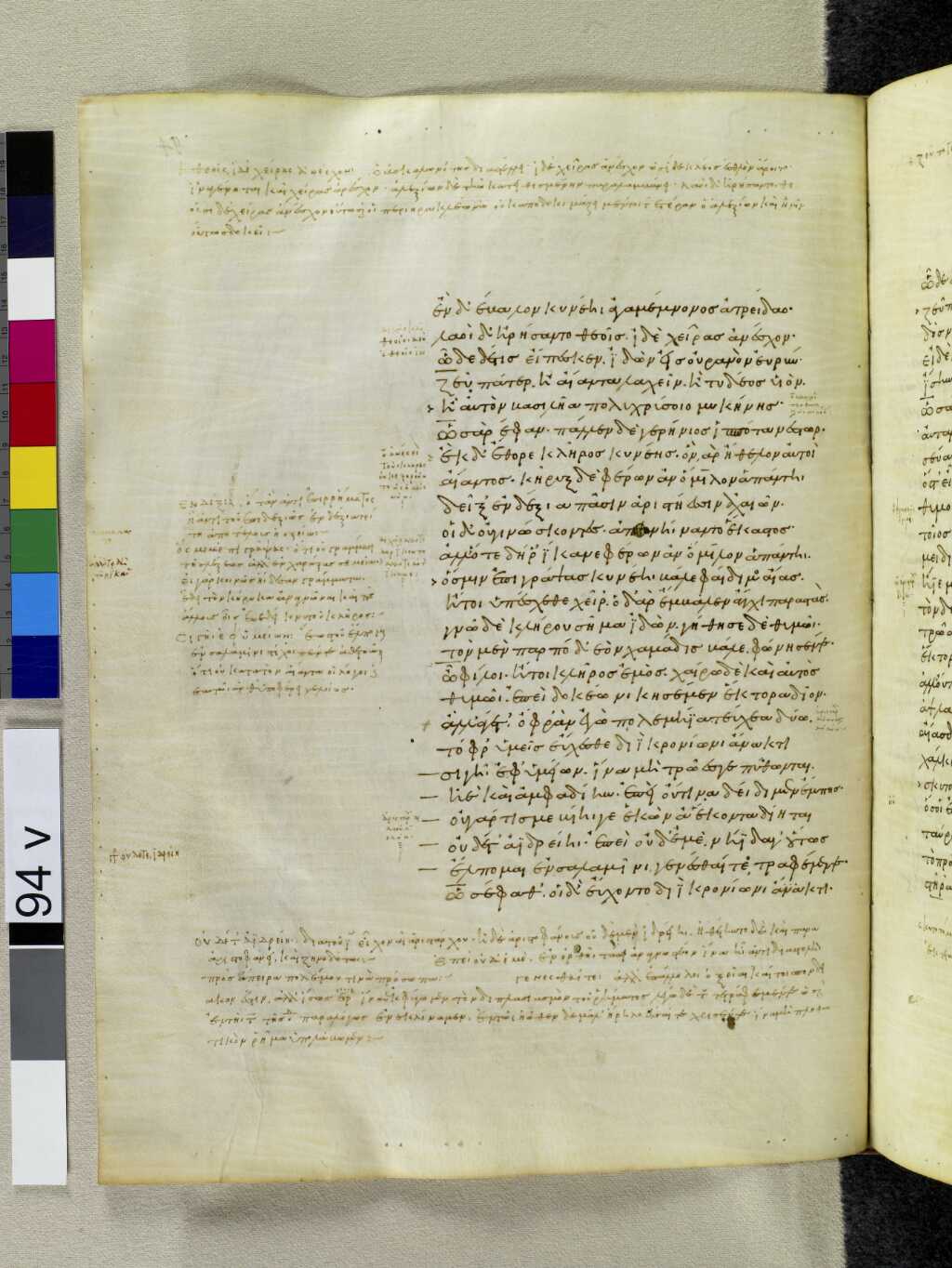
176ἐν δʼ ἔβαλον κυνέῃ Ἀγαμέμνονος Ἀτρεΐδαο. 177λαοὶ δʼ ἠρήσαντο, θεοῖσι δὲ χεῖρας ἀνέσχον· 178ὧδε δέ τις εἴπεσκεν ἰδὼν εἰς οὐρανὸν εὐρύν· 179Ζεῦ πάτερ ἢ Αἴαντα λαχεῖν, ἢ Τυδέος υἱόν, 180ἢ αὐτὸν βασιλῆα πολυχρύσοιο Μυκήνης. 181ὣς ἄρʼ ἔφαν, πάλλεν δὲ Γερήνιος ἱππότα Νέστωρ, 182ἐκ δʼ ἔθορε κλῆρος κυνέης ὃν ἄρʼ ἤθελον αὐτοὶ 183Αἴαντος· κῆρυξ δὲ φέρων ἀνʼ ὅμιλον ἁπάντῃ 184δεῖξʼ ἐνδέξια πᾶσιν ἀριστήεσσιν Ἀχαιῶν. 185οἳ δʼ οὐ γιγνώσκοντες ἀπηνήναντο ἕκαστος. 186ἀλλʼ ὅτε δὴ τὸν ἵκανε φέρων ἀνʼ ὅμιλον ἁπάντῃ 187ὅς μιν ἐπιγράψας κυνέῃ βάλε φαίδιμος Αἴας, 188ἤτοι ὑπέσχεθε χεῖρʼ, ὃ δʼ ἄρʼ ἔμβαλεν ἄγχι παραστάς, 189γνῶ δὲ κλήρου σῆμα ἰδών, γήθησε δὲ θυμῷ. 190τὸν μὲν πὰρ πόδʼ ἑὸν χαμάδις βάλε φώνησέν τε· 191ὦ φίλοι ἤτοι κλῆρος ἐμός, χαίρω δὲ καὶ αὐτὸς 192θυμῷ, ἐπεὶ δοκέω νικησέμεν Ἕκτορα δῖον. 193ἀλλʼ ἄγετʼ ὄφρʼ ἂν ἐγὼ πολεμήϊα τεύχεα δύω, 194τόφρʼ ὑμεῖς εὔχεσθε Διὶ Κρονίωνι ἄνακτι 195σιγῇ ἐφʼ ὑμείων ἵνα μὴ Τρῶές γε πύθωνται, 196ἠὲ καὶ ἀμφαδίην, ἐπεὶ οὔ τινα δείδιμεν ἔμπης· 197οὐ γάρ τίς με βίῃ γε ἑκὼν ἀέκοντα δίηται 198οὐδέ τι ἰδρείῃ, ἐπεὶ οὐδʼ ἐμὲ νήϊδά γʼ οὕτως 199ἔλπομαι ἐν Σαλαμῖνι γενέσθαι τε τραφέμεν τε. 200ὣς ἔφαθʼ, οἳ δʼ εὔχοντο Διὶ Κρονίωνι ἄνακτι·
Thus he spoke, and when each of them had marked his lot, and had thrown it into the helmet of Agamemnon son of Atreus, the people lifted their hands in prayer, and thus would one of them say as he looked into the vault of heaven, “Father Jove, grant that the lot fall on Ajax, or on the son of Tydeus, or upon the king of rich Mycene himself.”
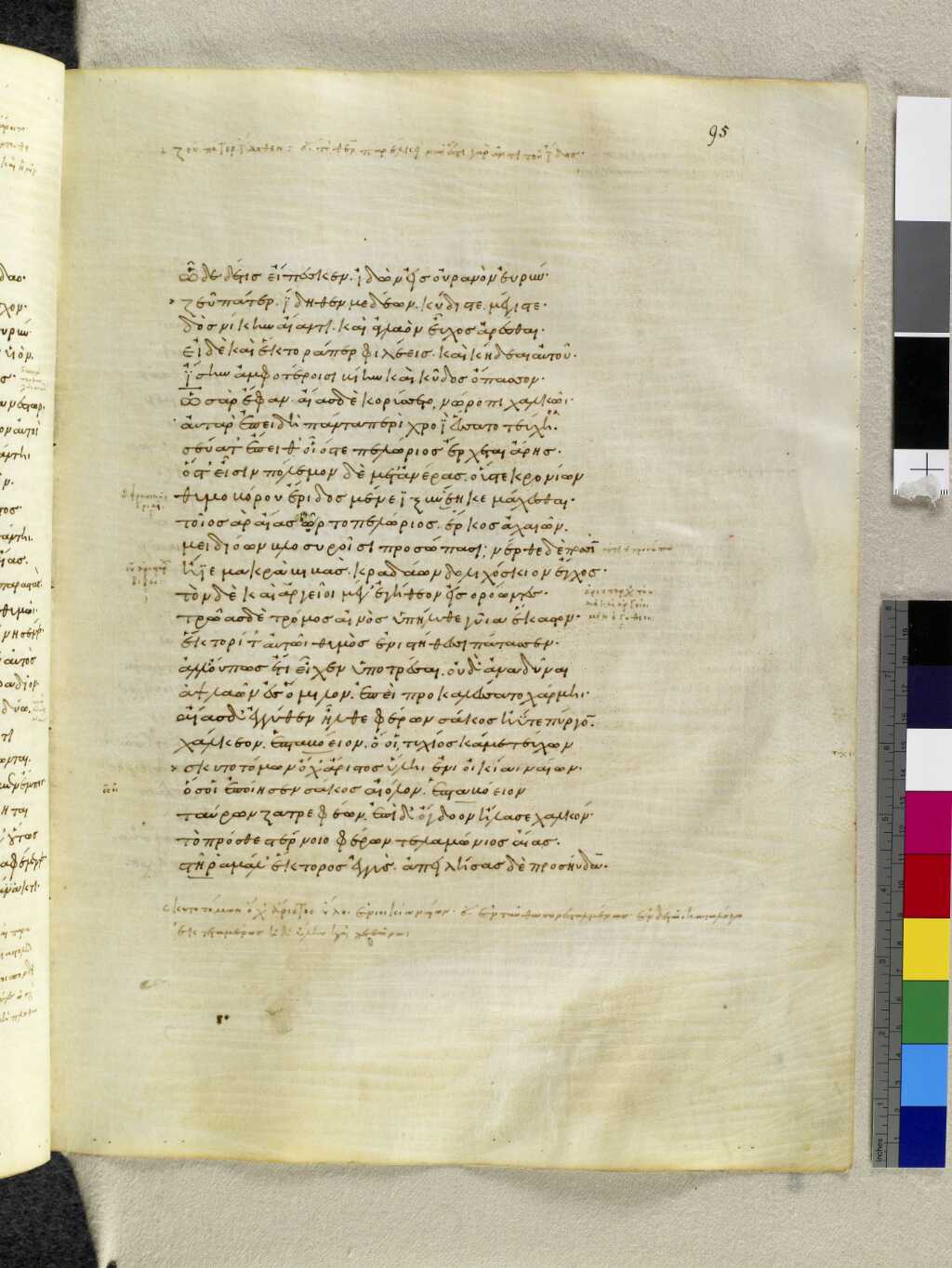
201ὧδε δέ τις εἴπεσκεν ἰδὼν εἰς οὐρανὸν εὐρύν· 202Ζεῦ πάτερ Ἴδηθεν μεδέων κύδιστε μέγιστε 203δὸς νίκην Αἴαντι καὶ ἀγλαὸν εὖχος ἀρέσθαι· 204εἰ δὲ καὶ Ἕκτορά περ φιλέεις καὶ κήδεαι αὐτοῦ, 205ἴσην ἀμφοτέροισι βίην καὶ κῦδος ὄπασσον. 206ὣς ἄρʼ ἔφαν, Αἴας δὲ κορύσσετο νώροπι χαλκῷ. 207αὐτὰρ ἐπεὶ δὴ πάντα περὶ χροῒ ἕσσατο τεύχεα, 208σεύατʼ ἔπειθʼ οἷός τε πελώριος ἔρχεται Ἄρης, 209ὅς τʼ εἶσιν πόλεμον δὲ μετʼ ἀνέρας οὕς τε Κρονίων 210θυμοβόρου ἔριδος μένεϊ ξυνέηκε μάχεσθαι. 211τοῖος ἄρʼ Αἴας ὦρτο πελώριος ἕρκος Ἀχαιῶν 212μειδιόων βλοσυροῖσι προσώπασι· νέρθε δὲ ποσσὶν 213ἤϊε μακρὰ βιβάς, κραδάων δολιχόσκιον ἔγχος. 214τὸν δὲ καὶ Ἀργεῖοι μὲν ἐγήθεον εἰσορόωντες, 215Τρῶας δὲ τρόμος αἰνὸς ὑπήλυθε γυῖα ἕκαστον, 216Ἕκτορί τʼ αὐτῷ θυμὸς ἐνὶ στήθεσσι πάτασσεν· 217ἀλλʼ οὔ πως ἔτι εἶχεν ὑποτρέσαι οὐδʼ ἀναδῦναι 218ἂψ λαῶν ἐς ὅμιλον, ἐπεὶ προκαλέσσατο χάρμῃ. 219Αἴας δʼ ἐγγύθεν ἦλθε φέρων σάκος ἠΰτε πύργον 220χάλκεον ἑπταβόειον, ὅ οἱ Τυχίος κάμε τεύχων 221σκυτοτόμων ὄχʼ ἄριστος Ὕλῃ ἔνι οἰκία ναίων, 222ὅς οἱ ἐποίησεν σάκος αἰόλον ἑπταβόειον 223ταύρων ζατρεφέων, ἐπὶ δʼ ὄγδοον ἤλασε χαλκόν. 224τὸ πρόσθε στέρνοιο φέρων Τελαμώνιος Αἴας 225στῆ ῥα μάλʼ Ἕκτορος ἐγγύς, ἀπειλήσας δὲ προσηύδα·
As they were speaking, Nestor knight of Gerene shook the helmet, and from it there fell the very lot which they wanted—the lot of Ajax. The herald bore it about and showed it to all the chieftains of the Achaeans, going from left to right; but they none of them owned it. When, however, in due course he reached the man who had written upon it and had put it into the helmet, brave Ajax held out his hand, and the herald gave him the lot. When Ajax saw his mark he knew it and was glad; he threw it to the ground and said, “My friends, the lot is mine, and I rejoice, for I shall vanquish Hector. I will put on my armour; meanwhile, pray to King Jove in silence among yourselves that the Trojans may not hear you—or aloud if you will, for we fear no man. None shall overcome me, neither by force nor cunning, for I was born and bred in Salamis, and can hold my own in all things.”
With this they fell praying to King Jove the son of Saturn, and thus would one of them say as he looked into the vault of heaven, “Father Jove that rulest from Ida, most glorious in power, vouchsafe victory to Ajax, and let him win great glory: but if you wish well to Hector also and would protect him, grant to each of them equal fame and prowess.”
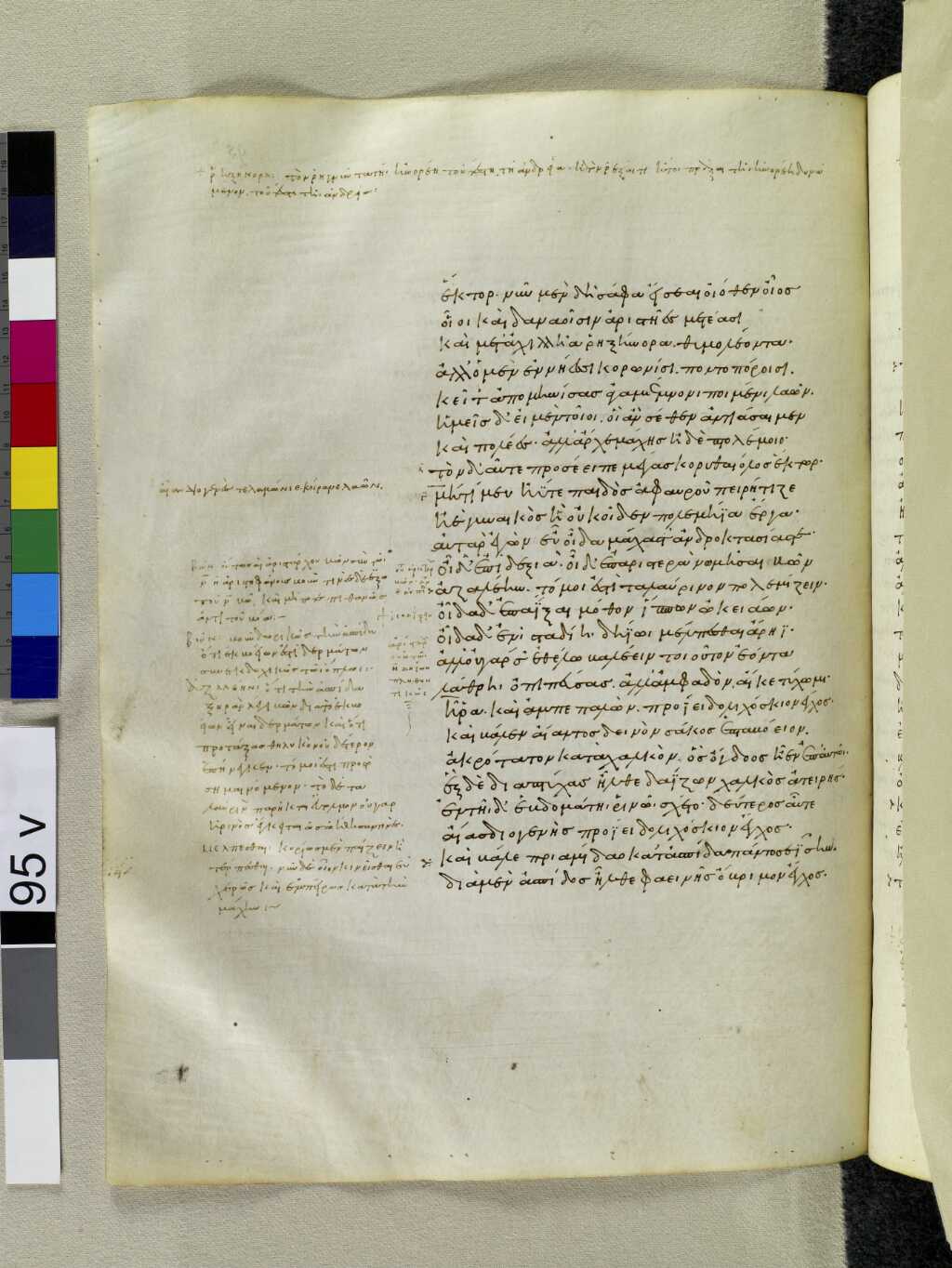
226Ἕκτορ νῦν μὲν δὴ σάφα εἴσεαι οἰόθεν οἶος 227οἷοι καὶ Δαναοῖσιν ἀριστῆες μετέασι 228καὶ μετʼ Ἀχιλλῆα ῥηξήνορα θυμολέοντα. 229ἀλλʼ ὃ μὲν ἐν νήεσσι κορωνίσι ποντοπόροισι 230κεῖτʼ ἀπομηνίσας Ἀγαμέμνονι ποιμένι λαῶν· 231ἡμεῖς δʼ εἰμὲν τοῖοι οἳ ἂν σέθεν ἀντιάσαιμεν 232καὶ πολέες· ἀλλʼ ἄρχε μάχης ἠδὲ πτολέμοιο. 233τὸν δʼ αὖτε προσέειπε μέγας κορυθαίολος Ἕκτωρ· 234Αἶαν διογενὲς Τελαμώνιε κοίρανε λαῶν 235μή τί μευ ἠΰτε παιδὸς ἀφαυροῦ πειρήτιζε 236ἠὲ γυναικός, ἣ οὐκ οἶδεν πολεμήϊα ἔργα. 237αὐτὰρ ἐγὼν εὖ οἶδα μάχας τʼ ἀνδροκτασίας τε· 238οἶδʼ ἐπὶ δεξιά, οἶδʼ ἐπʼ ἀριστερὰ νωμῆσαι βῶν 239ἀζαλέην, τό μοι ἔστι ταλαύρινον πολεμίζειν· 240οἶδα δʼ ἐπαΐξαι μόθον ἵππων ὠκειάων· 241οἶδα δʼ ἐνὶ σταδίῃ δηΐῳ μέλπεσθαι Ἄρηϊ. 242ἀλλʼ οὐ γάρ σʼ ἐθέλω βαλέειν τοιοῦτον ἐόντα 243λάθρῃ ὀπιπεύσας, ἀλλʼ ἀμφαδόν, αἴ κε τύχωμι. 244ἦ ῥα, καὶ ἀμπεπαλὼν προΐει δολιχόσκιον ἔγχος, 245καὶ βάλεν Αἴαντος δεινὸν σάκος ἑπταβόειον 246ἀκρότατον κατὰ χαλκόν, ὃς ὄγδοος ἦεν ἐπʼ αὐτῷ. 247ἓξ δὲ διὰ πτύχας ἦλθε δαΐζων χαλκὸς ἀτειρής, 248ἐν τῇ δʼ ἑβδομάτῃ ῥινῷ σχέτο· δεύτερος αὖτε 249Αἴας διογενὴς προΐει δολιχόσκιον ἔγχος, 250καὶ βάλε Πριαμίδαο κατʼ ἀσπίδα πάντοσʼ ἐΐσην.
Thus they prayed, and Ajax armed himself in his suit of gleaming bronze. When he was in full array he sprang forward as monstrous Mars when he takes part among men whom Jove has set fighting with one another—even so did huge Ajax, bulwark of the Achaeans, spring forward with a grim smile on his face as he brandished his long spear and strode onward. The Argives were elated as they beheld him, but the Trojans trembled in every limb, and the heart even of Hector beat quickly, but he could not now retreat and withdraw into the ranks behind him, for he had been the challenger. Ajax came up bearing his shield in front of him like a wall—a shield of bronze with seven folds of ox-hide—the work of Tychius, who lived in Hyle and was by far the best worker in leather. He had made it with the hides of seven full-fed bulls, and over these he had set an eighth layer of bronze. Holding this shield before him, Ajax son of Telamon came close up to Hector, and menaced him saying, “Hector, you shall now learn, man to man, what kind of champions the Danaans have among them even besides lion-hearted Achilles cleaver of the ranks of men. He now abides at the ships in anger with Agamemnon shepherd of his people, but there are many of us who are well able to face you; therefore begin the fight.”
And Hector answered, “Noble Ajax, son of Telamon, captain of the host, treat me not as though I were some puny boy or woman that cannot fight. I have been long used to the blood and butcheries of battle. I am quick to turn my leathern shield either to right or left, for this I deem the main thing in battle. I can charge among the chariots and horsemen, and in hand to hand fighting can delight the heart of Mars; howbeit I would not take such a man as you are off his guard—but I will smite you openly if I can.”
251διὰ μὲν ἀσπίδος ἦλθε φαεινῆς ὄβριμον ἔγχος, 252καὶ διὰ θώρηκος πολυδαιδάλου ἠρήρειστο· 253ἀντικρὺ δὲ παραὶ λαπάρην διάμησε χιτῶνα 254ἔγχος· ὃ δʼ ἐκλίνθη καὶ ἀλεύατο κῆρα μέλαιναν. 255τὼ δʼ ἐκσπασσαμένω δολίχʼ ἔγχεα χερσὶν ἅμʼ ἄμφω 256σύν ῥʼ ἔπεσον λείουσιν ἐοικότες ὠμοφάγοισιν 257ἢ συσὶ κάπροισιν, τῶν τε σθένος οὐκ ἀλαπαδνόν. 258Πριαμίδης μὲν ἔπειτα μέσον σάκος οὔτασε δουρί, 259οὐδʼ ἔρρηξεν χαλκός, ἀνεγνάμφθη δέ οἱ αἰχμή. 260Αἴας δʼ ἀσπίδα νύξεν ἐπάλμενος· ἣ δὲ διαπρὸ 261ἤλυθεν ἐγχείη, στυφέλιξε δέ μιν μεμαῶτα, 262τμήδην δʼ αὐχένʼ ἐπῆλθε, μέλαν δʼ ἀνεκήκιεν αἷμα, 263ἀλλʼ οὐδʼ ὧς ἀπέληγε μάχης κορυθαίολος Ἕκτωρ, 264ἀλλʼ ἀναχασσάμενος λίθον εἵλετο χειρὶ παχείῃ 265κείμενον ἐν πεδίῳ μέλανα τρηχύν τε μέγαν τε· 266τῷ βάλεν Αἴαντος δεινὸν σάκος ἑπταβόειον 267μέσσον ἐπομφάλιον· περιήχησεν δʼ ἄρα χαλκός. 268δεύτερος αὖτʼ Αἴας πολὺ μείζονα λᾶαν ἀείρας 269ἧκʼ ἐπιδινήσας, ἐπέρεισε δὲ ἶνʼ ἀπέλεθρον, 270εἴσω δʼ ἀσπίδʼ ἔαξε βαλὼν μυλοειδέϊ πέτρῳ, 271βλάψε δέ οἱ φίλα γούναθʼ· ὃ δʼ ὕπτιος ἐξετανύσθη 272ἀσπίδι ἐγχριμφθείς· τὸν δʼ αἶψʼ ὤρθωσεν Ἀπόλλων. 273καί νύ κε δὴ ξιφέεσσʼ αὐτοσχεδὸν οὐτάζοντο, 274εἰ μὴ κήρυκες Διὸς ἄγγελοι ἠδὲ καὶ ἀνδρῶν 275ἦλθον, ὃ μὲν Τρώων, ὃ δʼ Ἀχαιῶν χαλκοχιτώνων,
He poised his spear as he spoke, and hurled it from him. It struck the sevenfold shield in its outermost layer—the eighth, which was of bronze—and went through six of the layers but in the seventh hide it stayed. Then Ajax threw in his turn, and struck the round shield of the son of Priam. The terrible spear went through his gleaming shield, and pressed onward through his cuirass of cunning workmanship; it pierced the shirt against his side, but he swerved and thus saved his life. They then each of them drew out the spear from his shield, and fell on one another like savage lions or wild boars of great strength and endurance: the son of Priam struck the middle of Ajax’s shield, but the bronze did not break, and the point of his dart was turned. Ajax then sprang forward and pierced the shield of Hector; the spear went through it and staggered him as he was springing forward to attack; it gashed his neck and the blood came pouring from the wound, but even so Hector did not cease fighting; he gave ground, and with his brawny hand seized a stone, rugged and huge, that was lying upon the plain; with this he struck the shield of Ajax on the boss that was in its middle, so that the bronze rang again. But Ajax in turn caught up a far larger stone, swung it aloft, and hurled it with prodigious force. This millstone of a rock broke Hector’s shield inwards and threw him down on his back with the shield crushing him under it, but Apollo raised him at once. Thereon they would have hacked at one another in close combat with their swords, had not heralds, messengers of gods and men, come forward, one from the Trojans and the other from the Achaeans—Talthybius and Idaeus both of them honourable men; these parted them with their staves, and the good herald Idaeus said, “My sons, fight no longer, you are both of you valiant, and both are dear to Jove; we know this; but night is now falling, and the behests of night may not be well gainsaid.”
Ajax son of Telamon answered, “Idaeus, bid Hector say so, for it was he that challenged our princes. Let him speak first and I will accept his saying.”
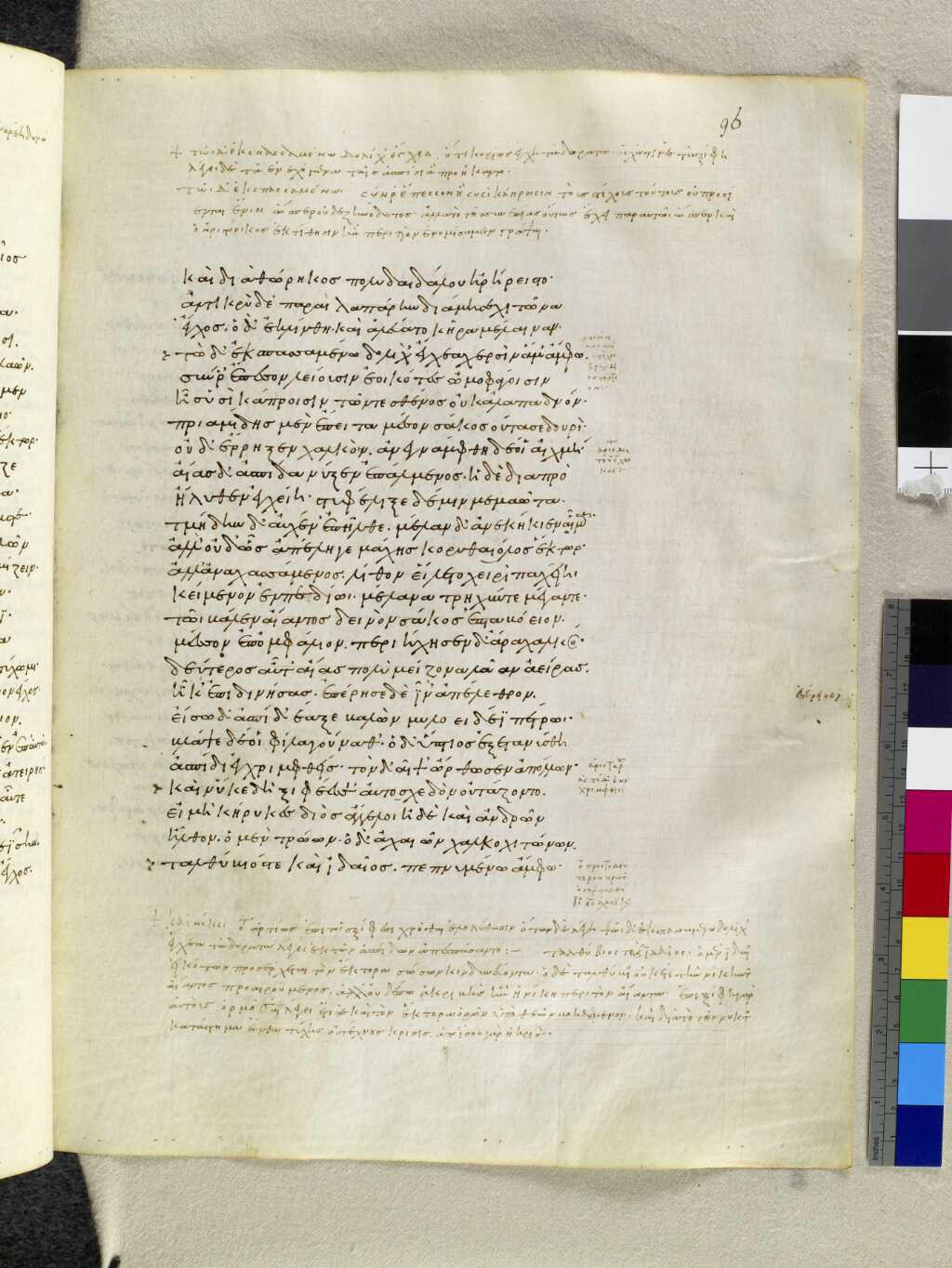
276Ταλθύβιός τε καὶ Ἰδαῖος πεπνυμένω ἄμφω· 277μέσσῳ δʼ ἀμφοτέρων σκῆπτρα σχέθον, εἶπέ τε μῦθον 278κῆρυξ Ἰδαῖος πεπνυμένα μήδεα εἰδώς· 279μηκέτι παῖδε φίλω πολεμίζετε μηδὲ μάχεσθον· 280ἀμφοτέρω γὰρ σφῶϊ φιλεῖ νεφεληγερέτα Ζεύς, 281ἄμφω δʼ αἰχμητά· τό γε δὴ καὶ ἴδμεν ἅπαντες. 282νὺξ δʼ ἤδη τελέθει· ἀγαθὸν καὶ νυκτὶ πιθέσθαι. 283τὸν δʼ ἀπαμειβόμενος προσέφη Τελαμώνιος Αἴας· 284Ἰδαῖʼ Ἕκτορα ταῦτα κελεύετε μυθήσασθαι· 285αὐτὸς γὰρ χάρμῃ προκαλέσσατο πάντας ἀρίστους. 286ἀρχέτω· αὐτὰρ ἐγὼ μάλα πείσομαι ᾗ περ ἂν οὗτος. 287τὸν δʼ αὖτε προσέειπε μέγας κορυθαίολος Ἕκτωρ· 288Αἶαν ἐπεί τοι δῶκε θεὸς μέγεθός τε βίην τε 289καὶ πινυτήν, περὶ δʼ ἔγχει Ἀχαιῶν φέρτατός ἐσσι, 290νῦν μὲν παυσώμεσθα μάχης καὶ δηϊοτῆτος 291σήμερον· ὕστερον αὖτε μαχησόμεθʼ εἰς ὅ κε δαίμων 292ἄμμε διακρίνῃ, δώῃ δʼ ἑτέροισί γε νίκην. 293νὺξ δʼ ἤδη τελέθει· ἀγαθὸν καὶ νυκτὶ πιθέσθαι, 294ὡς σύ τʼ ἐϋφρήνῃς πάντας παρὰ νηυσὶν Ἀχαιούς, 295σούς τε μάλιστα ἔτας καὶ ἑταίρους, οἵ τοι ἔασιν· 296αὐτὰρ ἐγὼ κατὰ ἄστυ μέγα Πριάμοιο ἄνακτος 297Τρῶας ἐϋφρανέω καὶ Τρῳάδας ἑλκεσιπέπλους, 298αἵ τέ μοι εὐχόμεναι θεῖον δύσονται ἀγῶνα. 299δῶρα δʼ ἄγʼ ἀλλήλοισι περικλυτὰ δώομεν ἄμφω, 300ὄφρά τις ὧδʼ εἴπῃσιν Ἀχαιῶν τε Τρώων τε·
Then Hector said, “Ajax, heaven has vouchsafed you stature and strength, and judgement; and in wielding the spear you excel all others of the Achaeans. Let us for this day cease fighting; hereafter we will fight anew till heaven decide between us, and give victory to one or to the other; night is now falling, and the behests of night may not be well gainsaid. Gladden, then, the hearts of the Achaeans at your ships, and more especially those of your own followers and clansmen, while I, in the great city of King Priam, bring comfort to the Trojans and their women, who vie with one another in their prayers on my behalf. Let us, moreover, exchange presents that it may be said among the Achaeans and Trojans, ‘They fought with might and main, but were reconciled and parted in friendship.’”
On this he gave Ajax a silver-studded sword with its sheath and leathern baldric, and in return Ajax gave him a girdle dyed with purple. Thus they parted, the one going to the host of the Achaeans, and the other to that of the Trojans, who rejoiced when they saw their hero come to them safe and unharmed from the strong hands of mighty Ajax. They led him, therefore, to the city as one that had been saved beyond their hopes. On the other side the Achaeans brought Ajax elated with victory to Agamemnon.
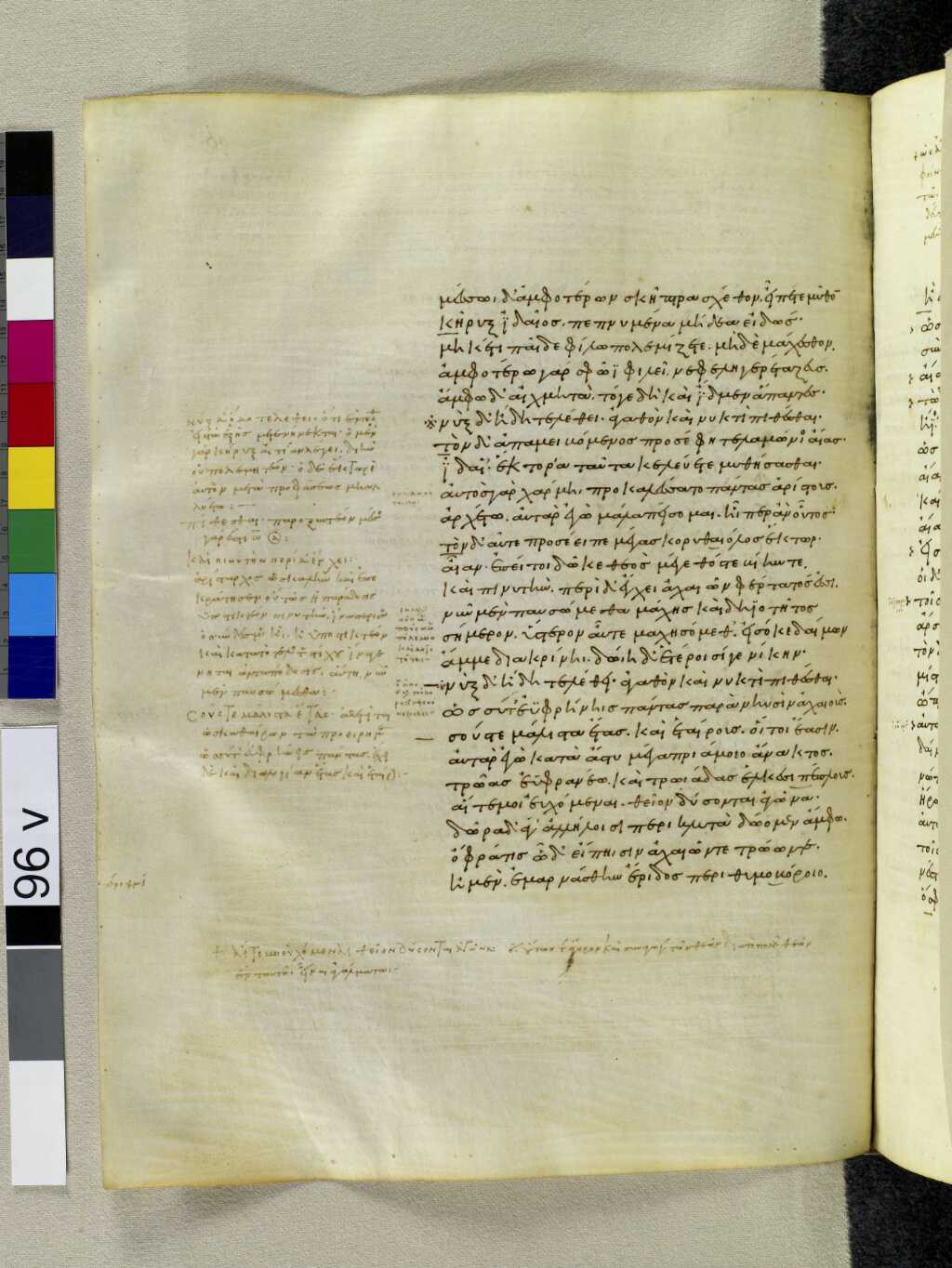
301ἠμὲν ἐμαρνάσθην ἔριδος πέρι θυμοβόροιο, 302ἠδʼ αὖτʼ ἐν φιλότητι διέτμαγεν ἀρθμήσαντε. 303ὣς ἄρα φωνήσας δῶκε ξίφος ἀργυρόηλον 304σὺν κολεῷ τε φέρων καὶ ἐϋτμήτῳ τελαμῶνι· 305Αἴας δὲ ζωστῆρα δίδου φοίνικι φαεινόν. 306τὼ δὲ διακρινθέντε ὃ μὲν μετὰ λαὸν Ἀχαιῶν 307ἤϊʼ, ὃ δʼ ἐς Τρώων ὅμαδον κίε· τοὶ δὲ χάρησαν, 308ὡς εἶδον ζωόν τε καὶ ἀρτεμέα προσιόντα, 309Αἴαντος προφυγόντα μένος καὶ χεῖρας ἀάπτους· 310καί ῥʼ ἦγον προτὶ ἄστυ ἀελπτέοντες σόον εἶναι. 311Αἴαντʼ αὖθʼ ἑτέρωθεν ἐϋκνήμιδες Ἀχαιοὶ 312εἰς Ἀγαμέμνονα δῖον ἄγον κεχαρηότα νίκῃ. 313οἳ δʼ ὅτε δὴ κλισίῃσιν ἐν Ἀτρεΐδαο γένοντο, 314τοῖσι δὲ βοῦν ἱέρευσεν ἄναξ ἀνδρῶν Ἀγαμέμνων 315ἄρσενα πενταέτηρον ὑπερμενέϊ Κρονίωνι. 316τὸν δέρον ἀμφί θʼ ἕπον, καί μιν διέχευαν ἅπαντα, 317μίστυλλόν τʼ ἄρʼ ἐπισταμένως πεῖράν τʼ ὀβελοῖσιν, 318ὄπτησάν τε περιφραδέως, ἐρύσαντό τε πάντα. 319αὐτὰρ ἐπεὶ παύσαντο πόνου τετύκοντό τε δαῖτα, 320δαίνυντʼ, οὐδέ τι θυμὸς ἐδεύετο δαιτὸς ἐΐσης· 321νώτοισιν δʼ Αἴαντα διηνεκέεσσι γέραιρεν 322ἥρως Ἀτρεΐδης εὐρὺ κρείων Ἀγαμέμνων. 323αὐτὰρ ἐπεὶ πόσιος καὶ ἐδητύος ἐξ ἔρον ἕντο, 324τοῖς ὁ γέρων πάμπρωτος ὑφαίνειν ἤρχετο μῆτιν 325Νέστωρ, οὗ καὶ πρόσθεν ἀρίστη φαίνετο βουλή·
When they reached the quarters of the son of Atreus, Agamemnon sacrificed for them a five-year-old bull in honour of Jove the son of Saturn. They flayed the carcass, made it ready, and divided it into joints; these they cut carefully up into smaller pieces, putting them on the spits, roasting them sufficiently, and then drawing them off. When they had done all this and had prepared the feast, they ate it, and every man had his full and equal share, so that all were satisfied, and King Agamemnon gave Ajax some slices cut lengthways down the loin, as a mark of special honour. As soon as they had had enough to eat and drink, old Nestor whose counsel was ever truest began to speak; with all sincerity and goodwill, therefore, he addressed them thus:—
“Son of Atreus, and other chieftains, inasmuch as many of the Achaeans are now dead, whose blood Mars has shed by the banks of the Scamander, and their souls have gone down to the house of Hades, it will be well when morning comes that we should cease fighting; we will then wheel our dead together with oxen and mules and burn them not far from the ships, that when we sail hence we may take the bones of our comrades home to their children. Hard by the funeral pyre we will build a barrow that shall be raised from the plain for all in common; near this let us set about building a high wall, to shelter ourselves and our ships, and let it have well-made gates that there may be a way through them for our chariots. Close outside we will dig a deep trench all round it to keep off both horse and foot, that the Trojan chieftains may not bear hard upon us.”
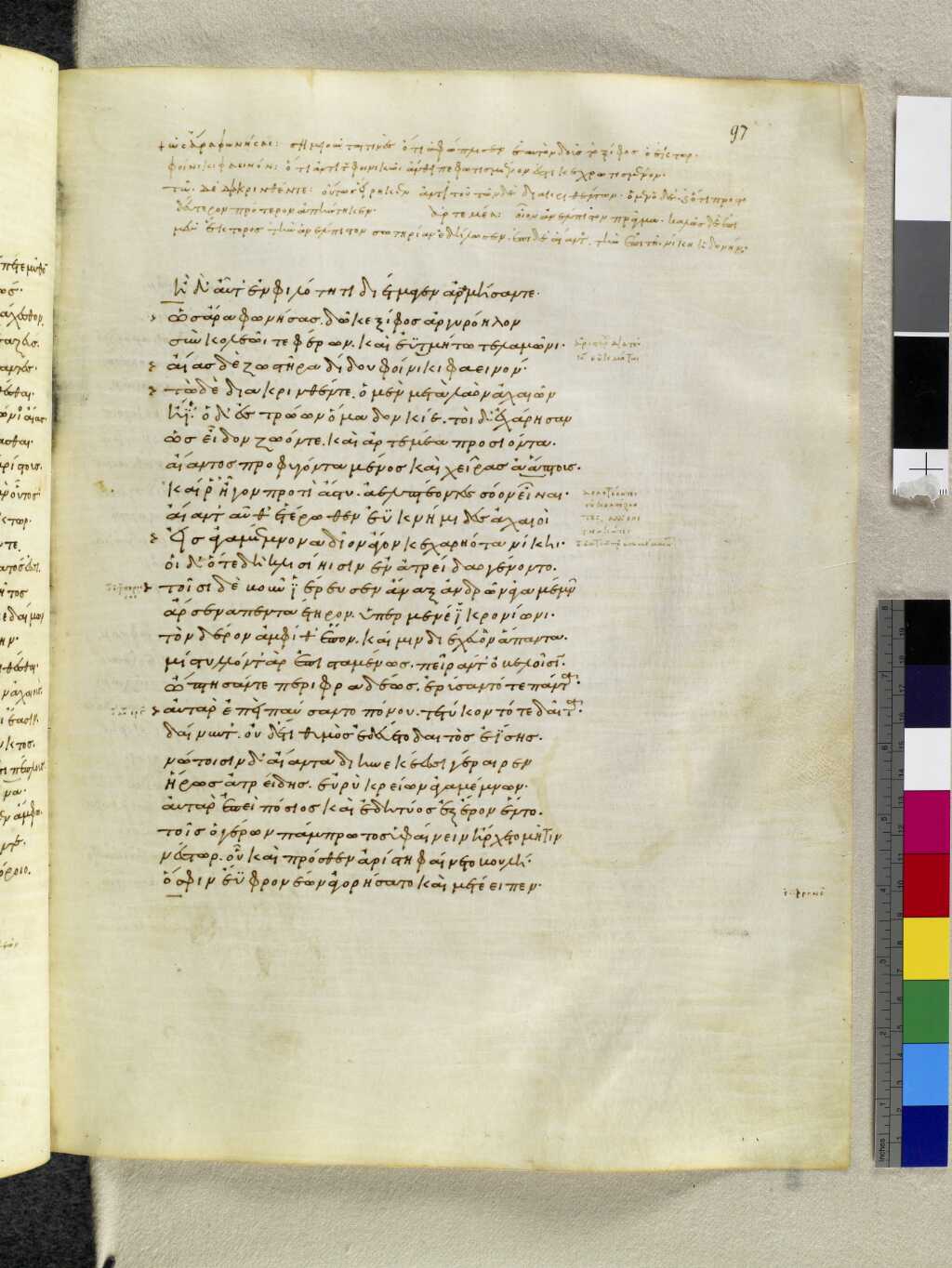
326ὅ σφιν ἐϋφρονέων ἀγορήσατο καὶ μετέειπεν· 327Ἀτρεΐδη τε καὶ ἄλλοι ἀριστῆες Παναχαιῶν, 328πολλοὶ γὰρ τεθνᾶσι κάρη κομόωντες Ἀχαιοί, 329τῶν νῦν αἷμα κελαινὸν ἐΰρροον ἀμφὶ Σκάμανδρον 330ἐσκέδασʼ ὀξὺς Ἄρης, ψυχαὶ δʼ Ἄϊδος δὲ κατῆλθον· 331τώ σε χρὴ πόλεμον μὲν ἅμʼ ἠοῖ παῦσαι Ἀχαιῶν, 332αὐτοὶ δʼ ἀγρόμενοι κυκλήσομεν ἐνθάδε νεκροὺς 333βουσὶ καὶ ἡμιόνοισιν· ἀτὰρ κατακήομεν αὐτοὺς 334τυτθὸν ἀπὸ πρὸ νεῶν, ὥς κʼ ὀστέα παισὶν ἕκαστος 335οἴκαδʼ ἄγῃ ὅτʼ ἂν αὖτε νεώμεθα πατρίδα γαῖαν. 336τύμβον δʼ ἀμφὶ πυρὴν ἕνα χεύομεν ἐξαγαγόντες 337ἄκριτον ἐκ πεδίου· ποτὶ δʼ αὐτὸν δείμομεν ὦκα 338πύργους ὑψηλοὺς εἶλαρ νηῶν τε καὶ αὐτῶν. 339ἐν δʼ αὐτοῖσι πύλας ποιήσομεν εὖ ἀραρυίας, 340ὄφρα διʼ αὐτάων ἱππηλασίη ὁδὸς εἴη· 341ἔκτοσθεν δὲ βαθεῖαν ὀρύξομεν ἐγγύθι τάφρον, 342ἥ χʼ ἵππον καὶ λαὸν ἐρυκάκοι ἀμφὶς ἐοῦσα, 343μή ποτʼ ἐπιβρίσῃ πόλεμος Τρώων ἀγερώχων. 344ὣς ἔφαθʼ, οἳ δʼ ἄρα πάντες ἐπῄνησαν βασιλῆες. 345Τρώων αὖτʼ ἀγορὴ γένετʼ Ἰλίου ἐν πόλει ἄκρῃ 346δεινὴ τετρηχυῖα, παρὰ Πριάμοιο θύρῃσι· 347τοῖσιν δʼ Ἀντήνωρ πεπνυμένος ἦρχʼ ἀγορεύειν· 348κέκλυτέ μευ Τρῶες καὶ Δάρδανοι ἠδʼ ἐπίκουροι, 349ὄφρʼ εἴπω τά με θυμὸς ἐνὶ στήθεσσι κελεύει. 350δεῦτʼ ἄγετʼ Ἀργείην Ἑλένην καὶ κτήμαθʼ ἅμʼ αὐτῇ
Thus he spoke, and the princes shouted in applause. Meanwhile the Trojans held a council, angry and full of discord, on the acropolis by the gates of King Priam’s palace; and wise Antenor spoke. “Hear me,” he said, “Trojans, Dardanians, and allies, that I may speak even as I am minded. Let us give up Argive Helen and her wealth to the sons of Atreus, for we are now fighting in violation of our solemn covenants, and shall not prosper till we have done as I say.”
He then sat down and Alexandrus husband of lovely Helen rose to speak. “Antenor,” said he, “your words are not to my liking; you can find a better saying than this if you will; if, however, you have spoken in good earnest, then indeed has heaven robbed you of your reason. I will speak plainly, and hereby notify to the Trojans that I will not give up the woman; but the wealth that I brought home with her from Argos I will restore, and will add yet further of my own.”
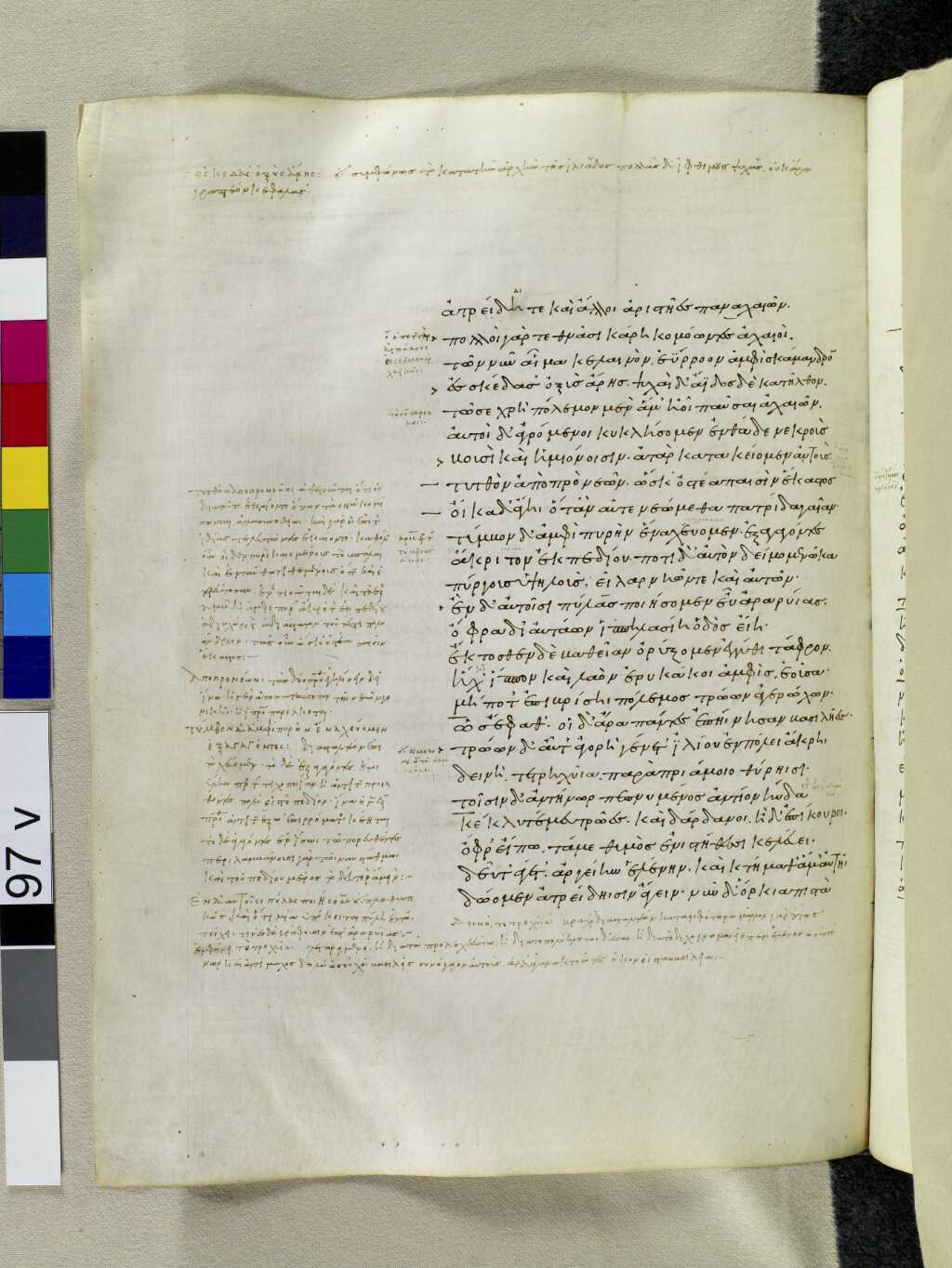
351δώομεν Ἀτρεΐδῃσιν ἄγειν· νῦν δʼ ὅρκια πιστὰ 352ψευσάμενοι μαχόμεσθα· τὼ οὔ νύ τι κέρδιον ἡμῖν 353ἔλπομαι ἐκτελέεσθαι, ἵνα μὴ ῥέξομεν ὧδε. 354ἤτοι ὅ γʼ ὣς εἰπὼν κατʼ ἄρʼ ἕζετο· τοῖσι δʼ ἀνέστη 355δῖος Ἀλέξανδρος Ἑλένης πόσις ἠϋκόμοιο, 356ὅς μιν ἀμειβόμενος ἔπεα πτερόεντα προσηύδα· 357Ἀντῆνορ σὺ μὲν οὐκέτʼ ἐμοὶ φίλα ταῦτʼ ἀγορεύεις· 358οἶσθα καὶ ἄλλον μῦθον ἀμείνονα τοῦδε νοῆσαι. 359εἰ δʼ ἐτεὸν δὴ τοῦτον ἀπὸ σπουδῆς ἀγορεύεις, 360ἐξ ἄρα δή τοι ἔπειτα θεοὶ φρένας ὤλεσαν αὐτοί. 361αὐτὰρ ἐγὼ Τρώεσσι μεθʼ ἱπποδάμοις ἀγορεύσω· 362ἀντικρὺ δʼ ἀπόφημι γυναῖκα μὲν οὐκ ἀποδώσω· 363κτήματα δʼ ὅσσʼ ἀγόμην ἐξ Ἄργεος ἡμέτερον δῶ 364πάντʼ ἐθέλω δόμεναι καὶ οἴκοθεν ἄλλʼ ἐπιθεῖναι. 365ἤτοι ὅ γʼ ὣς εἰπὼν κατʼ ἄρʼ ἕζετο· τοῖσι δʼ ἀνέστη 366Δαρδανίδης Πρίαμος, θεόφιν μήστωρ ἀτάλαντος, 367ὅ σφιν ἐϋφρονέων ἀγορήσατο καὶ μετέειπε· 368κέκλυτέ μευ Τρῶες καὶ Δάρδανοι ἠδʼ ἐπίκουροι, 369ὄφρʼ εἴπω τά με θυμὸς ἐνὶ στήθεσσι κελεύει. 370νῦν μὲν δόρπον ἕλεσθε κατὰ πτόλιν ὡς τὸ πάρος περ, 371καὶ φυλακῆς μνήσασθε καὶ ἐγρήγορθε ἕκαστος· 372ἠῶθεν δʼ Ἰδαῖος ἴτω κοίλας ἐπὶ νῆας 373εἰπέμεν Ἀτρεΐδῃς Ἀγαμέμνονι καὶ Μενελάῳ 374μῦθον Ἀλεξάνδροιο, τοῦ εἵνεκα νεῖκος ὄρωρε· 375καὶ δὲ τόδʼ εἰπέμεναι πυκινὸν ἔπος, αἴ κʼ ἐθέλωσι
On this, when Paris had spoken and taken his seat, Priam of the race of Dardanus, peer of gods in council, rose and with all sincerity and goodwill addressed them thus: “Hear me, Trojans, Dardanians, and allies, that I may speak even as I am minded. Get your suppers now as hitherto throughout the city, but keep your watches and be wakeful. At daybreak let Idaeus go to the ships, and tell Agamemnon and Menelaus sons of Atreus the saying of Alexandrus through whom this quarrel has come about; and let him also be instant with them that they now cease fighting till we burn our dead; hereafter we will fight anew, till heaven decide between us and give victory to one or to the other.”
Thus did he speak, and they did even as he had said. They took supper in their companies and at daybreak Idaeus went his way to the ships. He found the Danaans, servants of Mars, in council at the stern of Agamemnon’s ship, and took his place in the midst of them. “Son of Atreus,” he said, “and princes of the Achaean host, Priam and the other noble Trojans have sent me to tell you the saying of Alexandrus through whom this quarrel has come about, if so be that you may find it acceptable. All the treasure he took with him in his ships to Troy—would that he had sooner perished—he will restore, and will add yet further of his own, but he will not give up the wedded wife of Menelaus, though the Trojans would have him do so. Priam bade me inquire further if you will cease fighting till we burn our dead; hereafter we will fight anew, till heaven decide between us and give victory to one or to the other.”
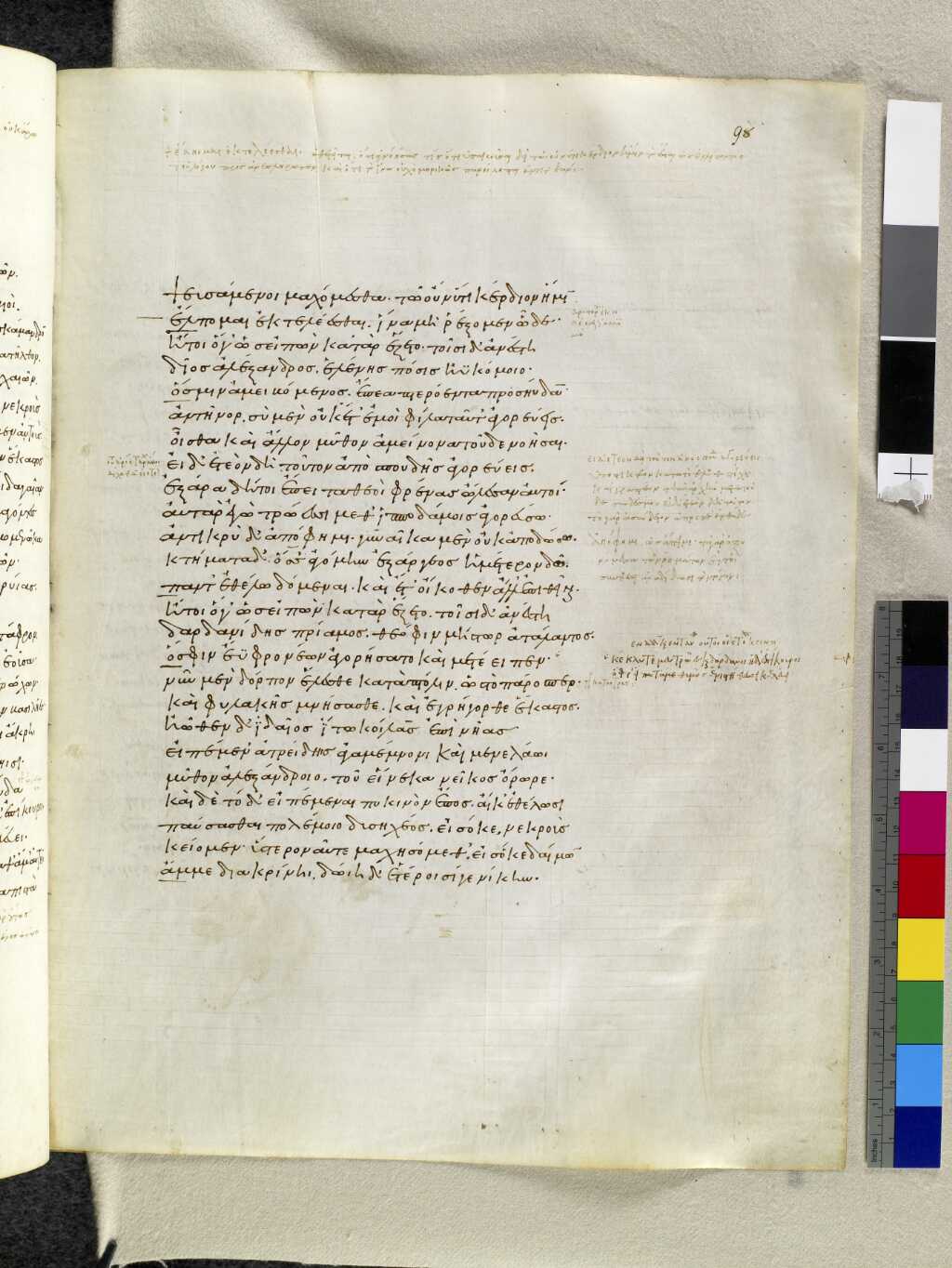
376παύσασθαι πολέμοιο δυσηχέος, εἰς ὅ κε νεκροὺς 377κήομεν· ὕστερον αὖτε μαχησόμεθʼ εἰς ὅ κε δαίμων 378ἄμμε διακρίνῃ, δώῃ δʼ ἑτέροισί γε νίκην. 379ὣς ἔφαθʼ, οἳ δʼ ἄρα τοῦ μάλα μὲν κλύον ἠδʼ ἐπίθοντο· 380δόρπον ἔπειθʼ εἵλοντο κατὰ στρατὸν ἐν τελέεσσιν· 381ἠῶθεν δʼ Ἰδαῖος ἔβη κοίλας ἐπὶ νῆας· 382τοὺς δʼ εὗρʼ εἰν ἀγορῇ Δαναοὺς θεράποντας Ἄρηος 383νηῒ πάρα πρύμνῃ Ἀγαμέμνονος· αὐτὰρ ὃ τοῖσι 384στὰς ἐν μέσσοισιν μετεφώνεεν ἠπύτα κῆρυξ· 385Ἀτρεΐδη τε καὶ ἄλλοι ἀριστῆες Παναχαιῶν 386ἠνώγει Πρίαμός τε καὶ ἄλλοι Τρῶες ἀγαυοὶ 387εἰπεῖν, αἴ κέ περ ὔμμι φίλον καὶ ἡδὺ γένοιτο, 388μῦθον Ἀλεξάνδροιο, τοῦ εἵνεκα νεῖκος ὄρωρε· 389κτήματα μὲν ὅσʼ Ἀλέξανδρος κοίλῃς ἐνὶ νηυσὶν 390ἠγάγετο Τροίηνδʼ· ὡς πρὶν ὤφελλʼ ἀπολέσθαι· 391πάντʼ ἐθέλει δόμεναι καὶ οἴκοθεν ἄλλʼ ἐπιθεῖναι· 392κουριδίην δʼ ἄλοχον Μενελάου κυδαλίμοιο 393οὔ φησιν δώσειν· ἦ μὴν Τρῶές γε κέλονται. 394καὶ δὲ τόδʼ ἠνώγεον εἰπεῖν ἔπος αἴ κʼ ἐθέλητε 395παύσασθαι πολέμοιο δυσηχέος εἰς ὅ κε νεκροὺς 396κήομεν· ὕστερον αὖτε μαχησόμεθʼ εἰς ὅ κε δαίμων 397ἄμμε διακρίνῃ, δώῃ δʼ ἑτέροισί γε νίκην. 398ὣς ἔφαθʼ, οἳ δʼ ἄρα πάντες ἀκὴν ἐγένοντο σιωπῇ· 399ὀψὲ δὲ δὴ μετέειπε βοὴν ἀγαθὸς Διομήδης· 400μήτʼ ἄρ τις νῦν κτήματʼ Ἀλεξάνδροιο δεχέσθω
They all held their peace, but presently Diomed of the loud war-cry spoke, saying, “Let there be no taking, neither treasure, nor yet Helen, for even a child may see that the doom of the Trojans is at hand.”
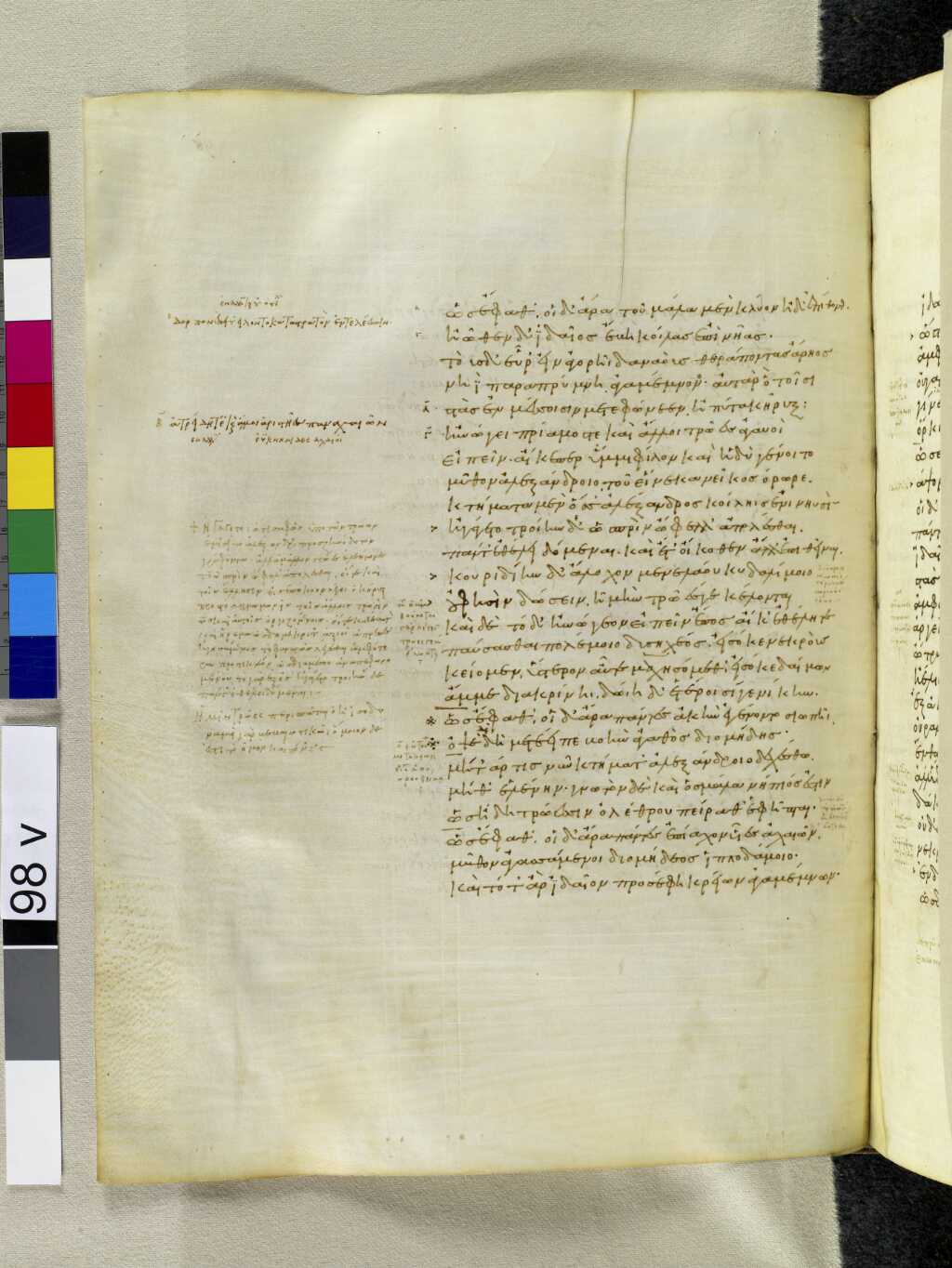
401μήθʼ Ἑλένην· γνωτὸν δὲ καὶ ὃς μάλα νήπιός ἐστιν 402ὡς ἤδη Τρώεσσιν ὀλέθρου πείρατʼ ἐφῆπται. 403ὣς ἔφαθʼ, οἳ δʼ ἄρα πάντες ἐπίαχον υἷες Ἀχαιῶν 404μῦθον ἀγασσάμενοι Διομήδεος ἱπποδάμοιο· 405καὶ τότʼ ἄρʼ Ἰδαῖον προσέφη κρείων Ἀγαμέμνων· 406Ἰδαῖʼ ἤτοι μῦθον Ἀχαιῶν αὐτὸς ἀκούεις 407ὥς τοι ὑποκρίνονται· ἐμοὶ δʼ ἐπιανδάνει οὕτως 408ἀμφὶ δὲ νεκροῖσιν κατακαιέμεν οὔ τι μεγαίρω· 409οὐ γάρ τις φειδὼ νεκύων κατατεθνηώτων 410γίγνετʼ ἐπεί κε θάνωσι πυρὸς μειλισσέμεν ὦκα. 411ὅρκια δὲ Ζεὺς ἴστω ἐρίγδουπος πόσις Ἥρης. 412ὣς εἰπὼν τὸ σκῆπτρον ἀνέσχεθε πᾶσι θεοῖσιν, 413ἄψορρον δʼ Ἰδαῖος ἔβη προτὶ Ἴλιον ἱρήν. 414οἳ δʼ ἕατʼ εἰν ἀγορῇ Τρῶες καὶ Δαρδανίωνες 415πάντες ὁμηγερέες, ποτιδέγμενοι ὁππότʼ ἄρʼ ἔλθοι 416Ἰδαῖος· ὃ δʼ ἄρʼ ἦλθε καὶ ἀγγελίην ἀπέειπε 417στὰς ἐν μέσσοισιν· τοὶ δʼ ὁπλίζοντο μάλʼ ὦκα, 418ἀμφότερον νέκυάς τʼ ἀγέμεν ἕτεροι δὲ μεθʼ ὕλην· 419Ἀργεῖοι δʼ ἑτέρωθεν ἐϋσσέλμων ἀπὸ νηῶν 420ὀτρύνοντο νέκυς τʼ ἀγέμεν, ἕτεροι δὲ μεθʼ ὕλην. 421Ἠέλιος μὲν ἔπειτα νέον προσέβαλλεν ἀρούρας 422ἐξ ἀκαλαρρείταο βαθυρρόου Ὠκεανοῖο 423οὐρανὸν εἰσανιών· οἳ δʼ ἤντεον ἀλλήλοισιν. 424ἔνθα διαγνῶναι χαλεπῶς ἦν ἄνδρα ἕκαστον· 425ἀλλʼ ὕδατι νίζοντες ἄπο βρότον αἱματόεντα
The sons of the Achaeans shouted applause at the words that Diomed had spoken, and thereon King Agamemnon said to Idaeus, “Idaeus, you have heard the answer the Achaeans make you and I with them. But as concerning the dead, I give you leave to burn them, for when men are once dead there should be no grudging them the rites of fire. Let Jove the mighty husband of Juno be witness to this covenant.”
As he spoke he upheld his sceptre in the sight of all the gods, and Idaeus went back to the strong city of Ilius. The Trojans and Dardanians were gathered in council waiting his return; when he came, he stood in their midst and delivered his message. As soon as they heard it they set about their twofold labour, some to gather the corpses, and others to bring in wood. The Argives on their part also hastened from their ships, some to gather the corpses, and others to bring in wood.
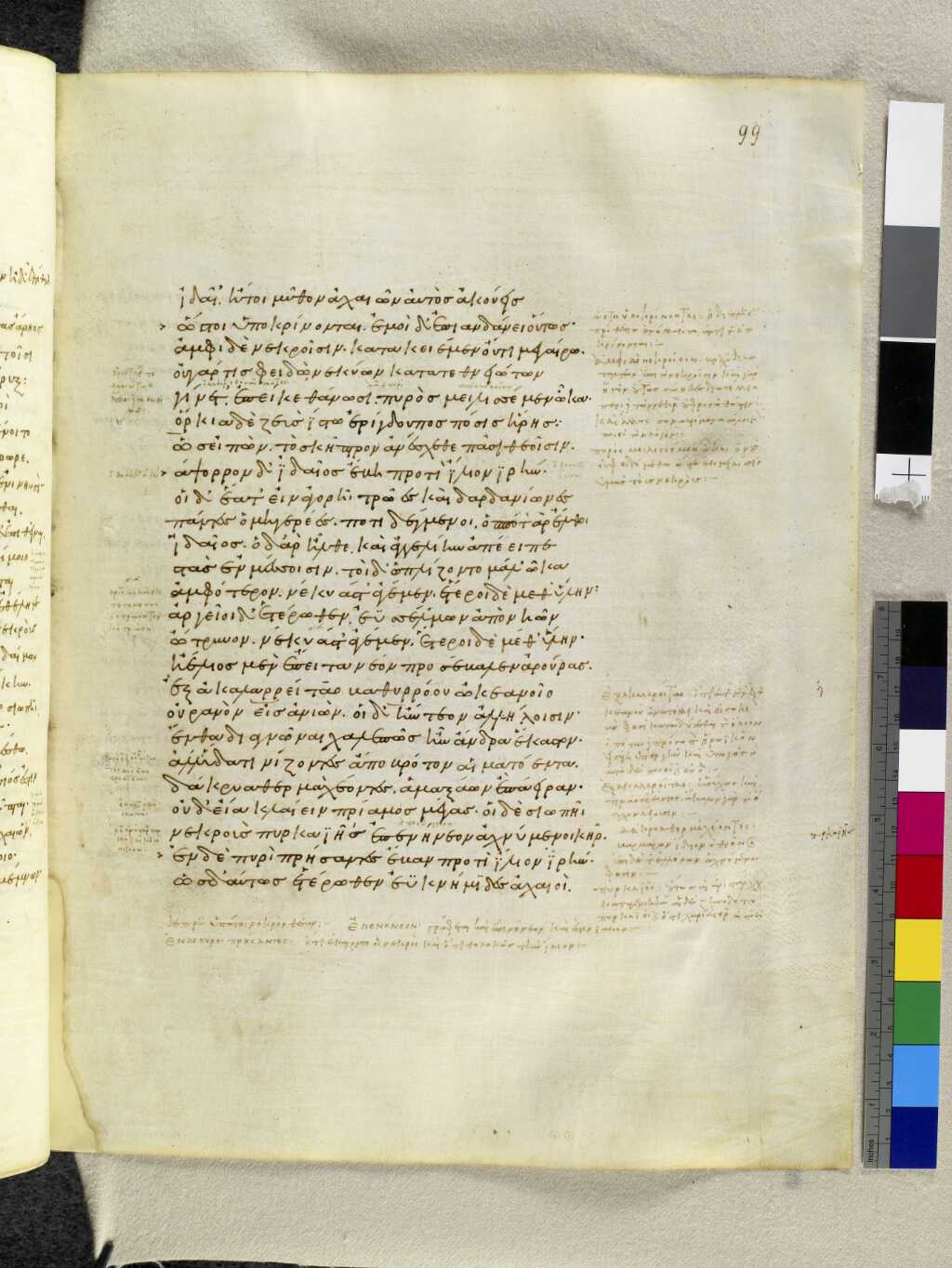
426δάκρυα θερμὰ χέοντες ἀμαξάων ἐπάειραν. 427οὐδʼ εἴα κλαίειν Πρίαμος μέγας· οἳ δὲ σιωπῇ 428νεκροὺς πυρκαϊῆς ἐπινήνεον ἀχνύμενοι κῆρ, 429ἐν δὲ πυρὶ πρήσαντες ἔβαν προτὶ Ἴλιον ἱρήν. 430ὣς δʼ αὔτως ἑτέρωθεν ἐϋκνήμιδες Ἀχαιοὶ 431νεκροὺς πυρκαϊῆς ἐπινήνεον ἀχνύμενοι κῆρ, 432ἐν δὲ πυρὶ πρήσαντες ἔβαν κοίλας ἐπὶ νῆας. 433ἦμος δʼ οὔτʼ ἄρ πω ἠώς, ἔτι δʼ ἀμφιλύκη νύξ, 434τῆμος ἄρʼ ἀμφὶ πυρὴν κριτὸς ἔγρετο λαὸς Ἀχαιῶν, 435τύμβον δʼ ἀμφʼ αὐτὴν ἕνα ποίεον ἐξαγαγόντες 436ἄκριτον ἐκ πεδίου, ποτὶ δʼ αὐτὸν τεῖχος ἔδειμαν 437πύργους θʼ ὑψηλούς, εἶλαρ νηῶν τε καὶ αὐτῶν. 438ἐν δʼ αὐτοῖσι πύλας ἐνεποίεον εὖ ἀραρυίας, 439ὄφρα διʼ αὐτάων ἱππηλασίη ὁδὸς εἴη· 440ἔκτοσθεν δὲ βαθεῖαν ἐπʼ αὐτῷ τάφρον ὄρυξαν 441εὐρεῖαν μεγάλην, ἐν δὲ σκόλοπας κατέπηξαν. 442ὣς οἳ μὲν πονέοντο κάρη κομόωντες Ἀχαιοί· 443οἳ δὲ θεοὶ πὰρ Ζηνὶ καθήμενοι ἀστεροπητῇ 444θηεῦντο μέγα ἔργον Ἀχαιῶν χαλκοχιτώνων. 445τοῖσι δὲ μύθων ἦρχε Ποσειδάων ἐνοσίχθων· 446Ζεῦ πάτερ, ἦ ῥά τίς ἐστι βροτῶν ἐπʼ ἀπείρονα γαῖαν 447ὅς τις ἔτʼ ἀθανάτοισι νόον καὶ μῆτιν ἐνίψει; 448οὐχ ὁράᾳς ὅτι δʼ αὖτε κάρη κομόωντες Ἀχαιοὶ 449τεῖχος ἐτειχίσσαντο νεῶν ὕπερ, ἀμφὶ δὲ τάφρον 450ἤλασαν, οὐδὲ θεοῖσι δόσαν κλειτὰς ἑκατόμβας;
The sun was beginning to beat upon the fields, fresh risen into the vault of heaven from the slow still currents of deep Oceanus, when the two armies met. They could hardly recognise their dead, but they washed the clotted gore from off them, shed tears over them, and lifted them upon their waggons. Priam had forbidden the Trojans to wail aloud, so they heaped their dead sadly and silently upon the pyre, and having burned them went back to the city of Ilius. The Achaeans in like manner heaped their dead sadly and silently on the pyre, and having burned them went back to their ships.
Now in the twilight when it was not yet dawn, chosen bands of the Achaeans were gathered round the pyre and built one barrow that was raised in common for all, and hard by this they built a high wall to shelter themselves and their ships; they gave it strong gates that there might be a way through them for their chariots, and close outside it they dug a trench deep and wide, and they planted it within with stakes.
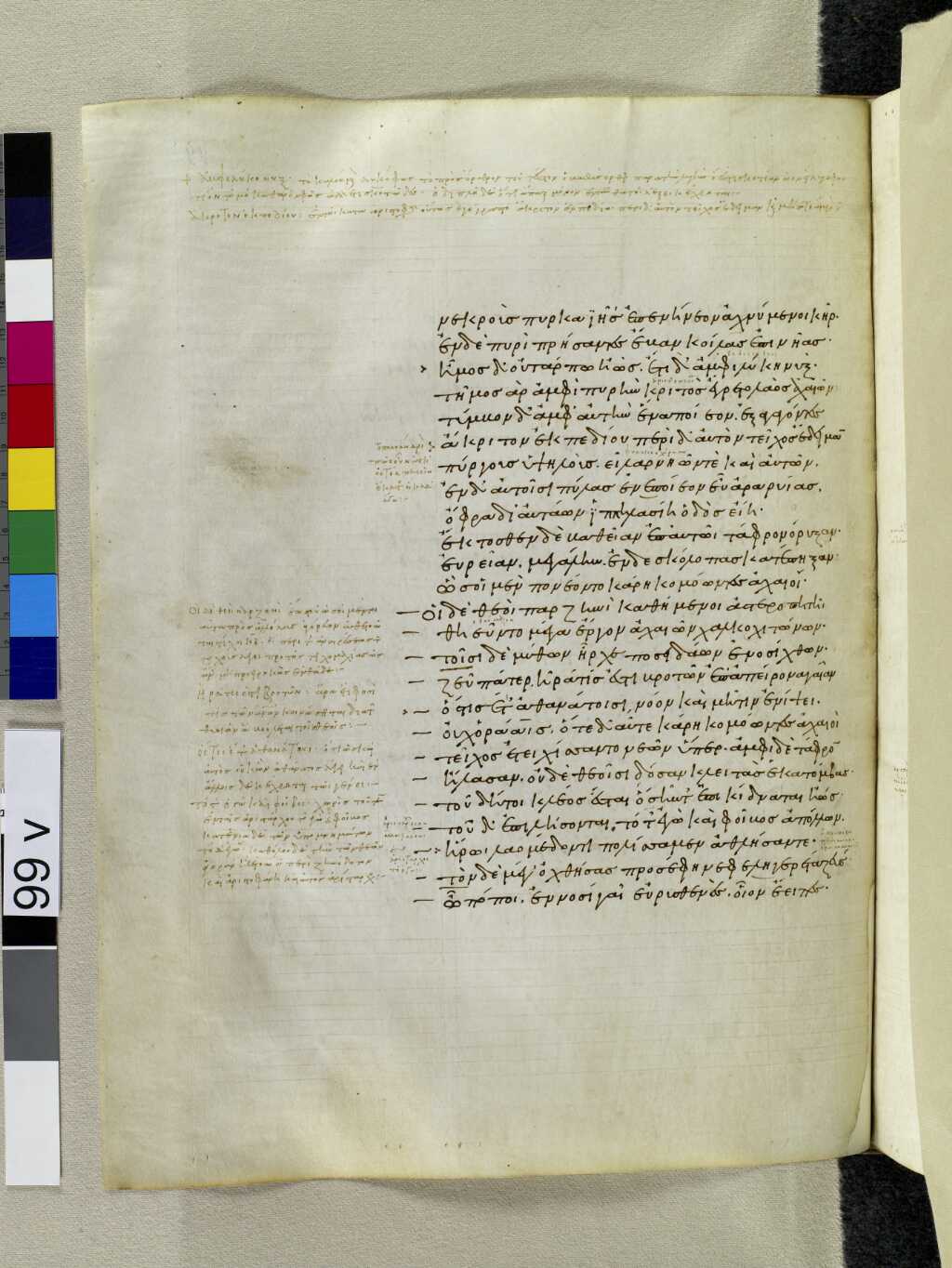
451τοῦ δʼ ἤτοι κλέος ἔσται ὅσον τʼ ἐπικίδναται ἠώς· 452τοῦ δʼ ἐπιλήσονται τὸ ἐγὼ καὶ Φοῖβος Ἀπόλλων 453ἥρῳ Λαομέδοντι πολίσσαμεν ἀθλήσαντε. 454τὸν δὲ μέγʼ ὀχθήσας προσέφη νεφεληγερέτα Ζεύς· 455ὢ πόποι ἐννοσίγαιʼ εὐρυσθενές, οἷον ἔειπες. 456ἄλλός κέν τις τοῦτο θεῶν δείσειε νόημα, 457ὃς σέο πολλὸν ἀφαυρότερος χεῖράς τε μένος τε· 458σὸν δʼ ἤτοι κλέος ἔσται ὅσον τʼ ἐπικίδναται ἠώς. 459ἄγρει μὰν ὅτʼ ἂν αὖτε κάρη κομόωντες Ἀχαιοὶ 460οἴχωνται σὺν νηυσὶ φίλην ἐς πατρίδα γαῖαν 461τεῖχος ἀναρρήξας τὸ μὲν εἰς ἅλα πᾶν καταχεῦαι, 462αὖτις δʼ ἠϊόνα μεγάλην ψαμάθοισι καλύψαι, 463ὥς κέν τοι μέγα τεῖχος ἀμαλδύνηται Ἀχαιῶν. 464ὣς οἳ μὲν τοιαῦτα πρὸς ἀλλήλους ἀγόρευον, 465δύσετο δʼ ἠέλιος, τετέλεστο δὲ ἔργον Ἀχαιῶν, 466βουφόνεον δὲ κατὰ κλισίας καὶ δόρπον ἕλοντο. 467νῆες δʼ ἐκ Λήμνοιο παρέσταν οἶνον ἄγουσαι 468πολλαί, τὰς προέηκεν Ἰησονίδης Εὔνηος, 469τόν ῥʼ ἔτεχʼ Ὑψιπύλη ὑπʼ Ἰήσονι ποιμένι λαῶν. 470χωρὶς δʼ Ἀτρεΐδῃς Ἀγαμέμνονι καὶ Μενελάῳ 471δῶκεν Ἰησονίδης ἀγέμεν μέθυ χίλια μέτρα. 472ἔνθεν οἰνίζοντο κάρη κομόωντες Ἀχαιοί, 473ἄλλοι μὲν χαλκῷ, ἄλλοι δʼ αἴθωνι σιδήρῳ, 474ἄλλοι δὲ ῥινοῖς, ἄλλοι δʼ αὐτῇσι βόεσσιν, 475ἄλλοι δʼ ἀνδραπόδεσσι· τίθεντο δὲ δαῖτα θάλειαν.
Thus did the Achaeans toil, and the gods, seated by the side of Jove the lord of lightning, marvelled at their great work; but Neptune, lord of the earthquake, spoke, saying, “Father Jove, what mortal in the whole world will again take the gods into his counsel? See you not how the Achaeans have built a wall about their ships and driven a trench all round it, without offering hecatombs to the gods? The fame of this wall will reach as far as dawn itself, and men will no longer think anything of the one which Phoebus Apollo and myself built with so much labour for Laomedon.”
Jove was displeased and answered, “What, O shaker of the earth, are you talking about? A god less powerful than yourself might be alarmed at what they are doing, but your fame reaches as far as dawn itself. Surely when the Achaeans have gone home with their ships, you can shatter their wall and fling it into the sea; you can cover the beach with sand again, and the great wall of the Achaeans will then be utterly effaced.”
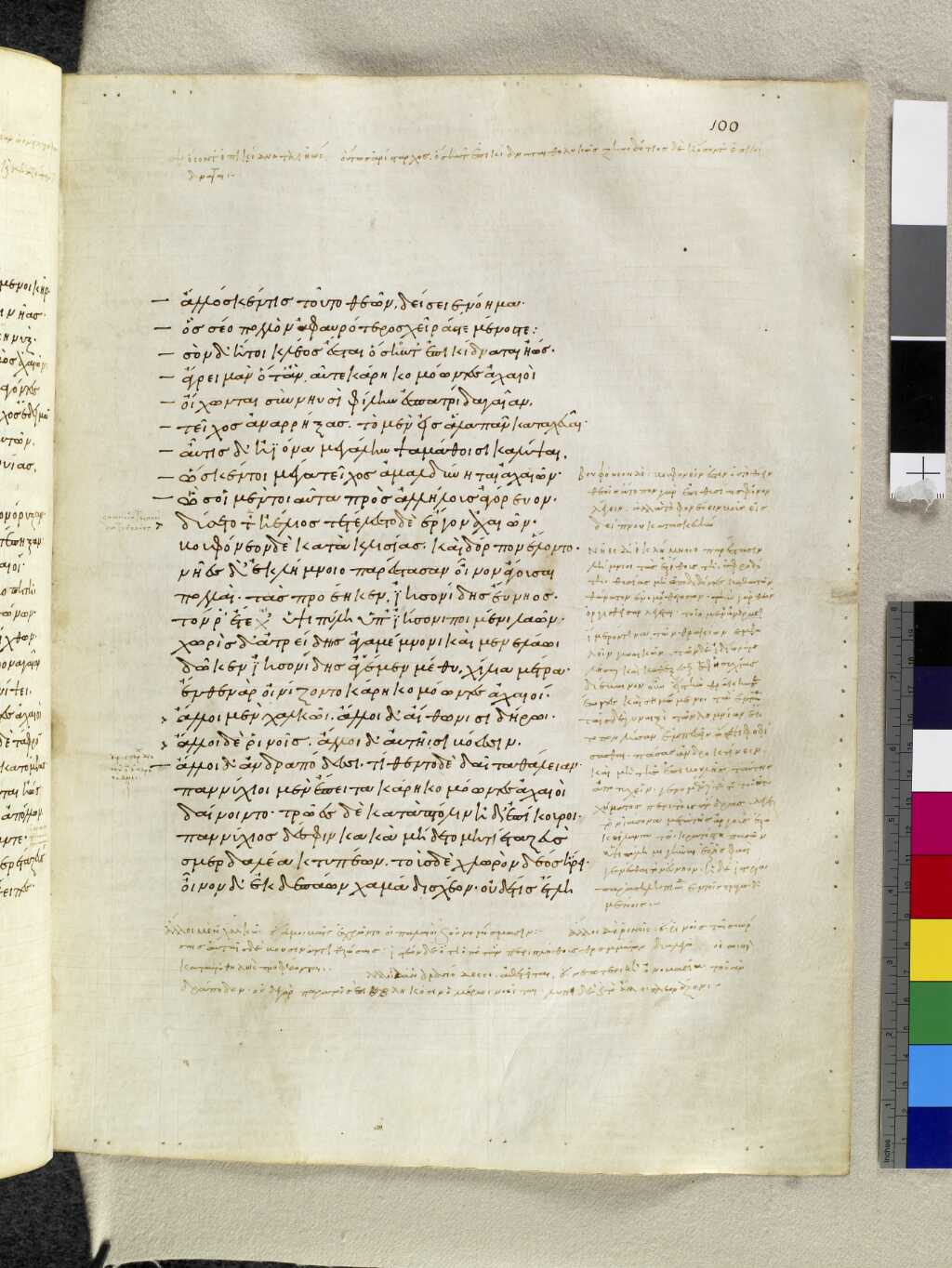
476παννύχιοι μὲν ἔπειτα κάρη κομόωντες Ἀχαιοὶ 477δαίνυντο, Τρῶες δὲ κατὰ πτόλιν ἠδʼ ἐπίκουροι· 478παννύχιος δέ σφιν κακὰ μήδετο μητίετα Ζεὺς 479σμερδαλέα κτυπέων· τοὺς δὲ χλωρὸν δέος ᾕρει· 480οἶνον δʼ ἐκ δεπάων χαμάδις χέον, οὐδέ τις ἔτλη 481πρὶν πιέειν πρὶν λεῖψαι ὑπερμενέϊ Κρονίωνι. 482κοιμήσαντʼ ἄρʼ ἔπειτα καὶ ὕπνου δῶρον ἕλοντο.
Thus did they converse, and by sunset the work of the Achaeans was completed; they then slaughtered oxen at their tents and got their supper. Many ships had come with wine from Lemnos, sent by Eueneus the son of Jason, born to him by Hypsipyle. The son of Jason freighted them with ten thousand measures of wine, which he sent specially to the sons of Atreus, Agamemnon and Menelaus. From this supply the Achaeans bought their wine, some with bronze, some with iron, some with hides, some with whole heifers, and some again with captives. They spread a goodly banquet and feasted the whole night through, as also did the Trojans and their allies in the city. But all the time Jove boded them ill and roared with his portentous thunder. Pale fear got hold upon them, and they spilled the wine from their cups on to the ground, nor did any dare drink till he had made offerings to the most mighty son of Saturn. Then they laid themselves down to rest and enjoyed the boon of sleep.
Cite
Source & Cross-References
- Source text: Venetus A (10th c.) via Homer Multitext IIIF + Perseus Greek + Butler English (PG #2199) — view original
- Critical edition: Munro & Allen (Perseus Digital Library)
← previous · → next · v cycle view · l back to library