Gathas, Yasna 30: the two primal spirits and the choice between them
Introduction
Yasna 30 belongs to the Ahunavaiti Gatha. It sets out the doctrine of the two primal spirits, the better and the evil, and the choice that each person must make between them.
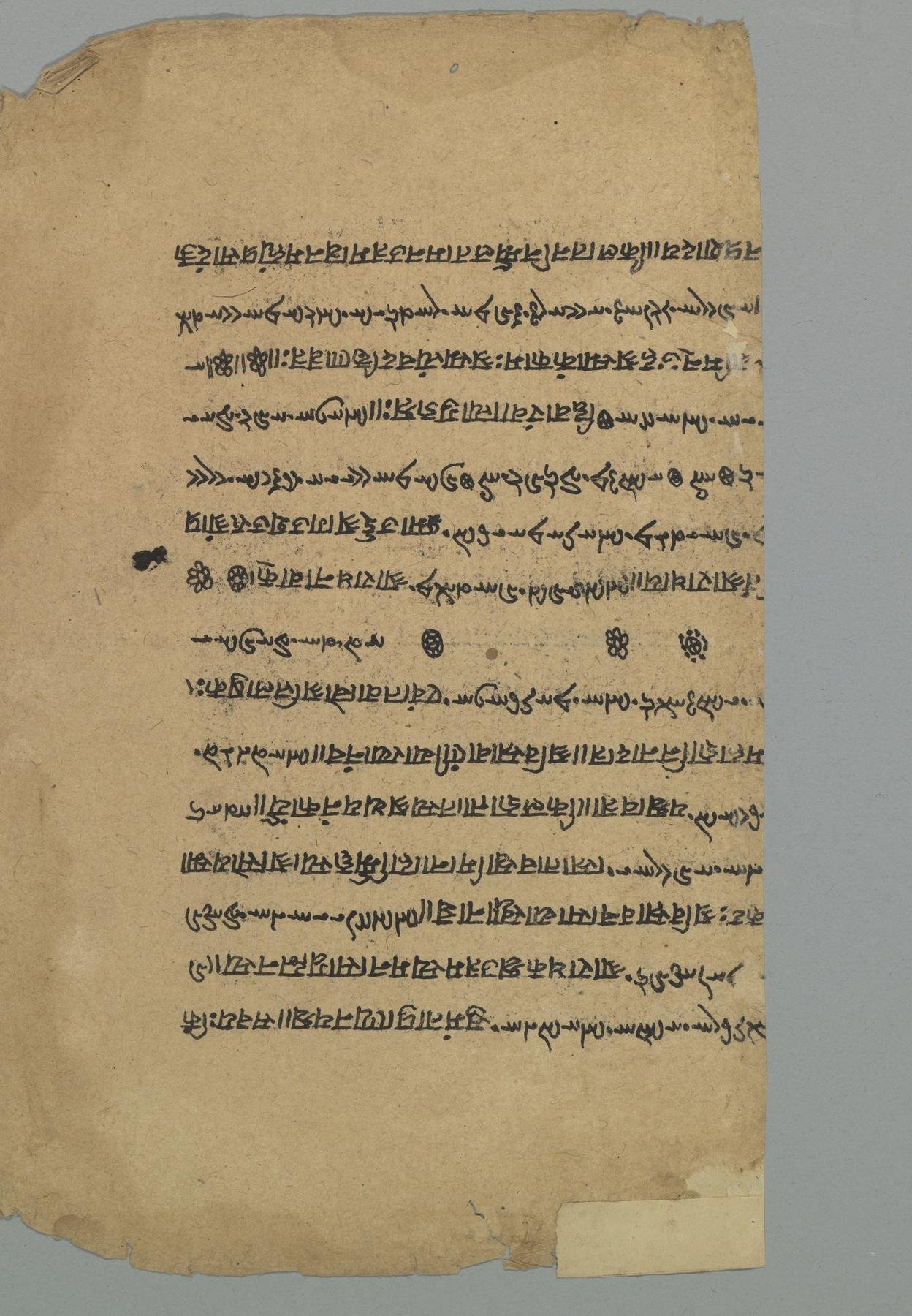
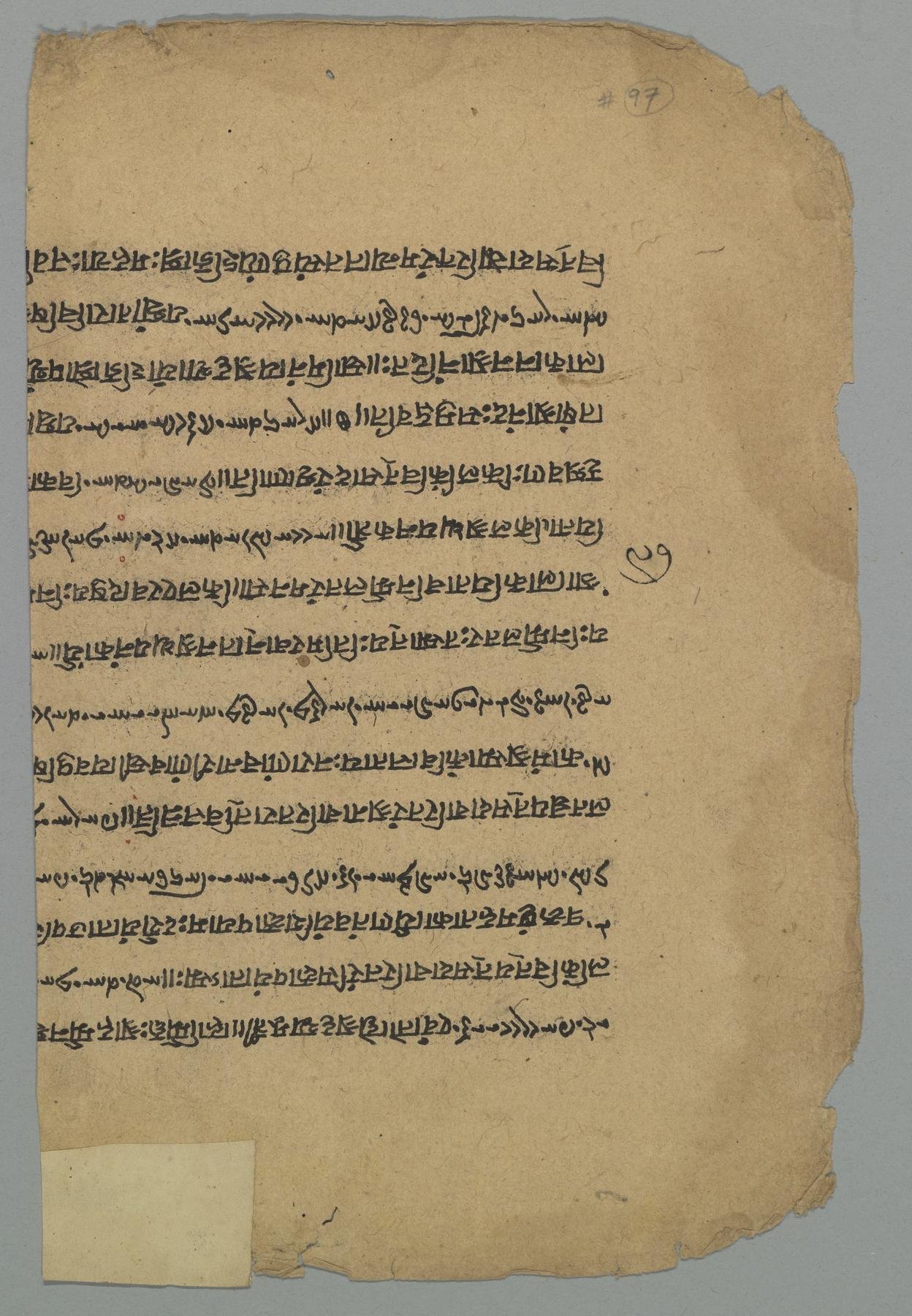
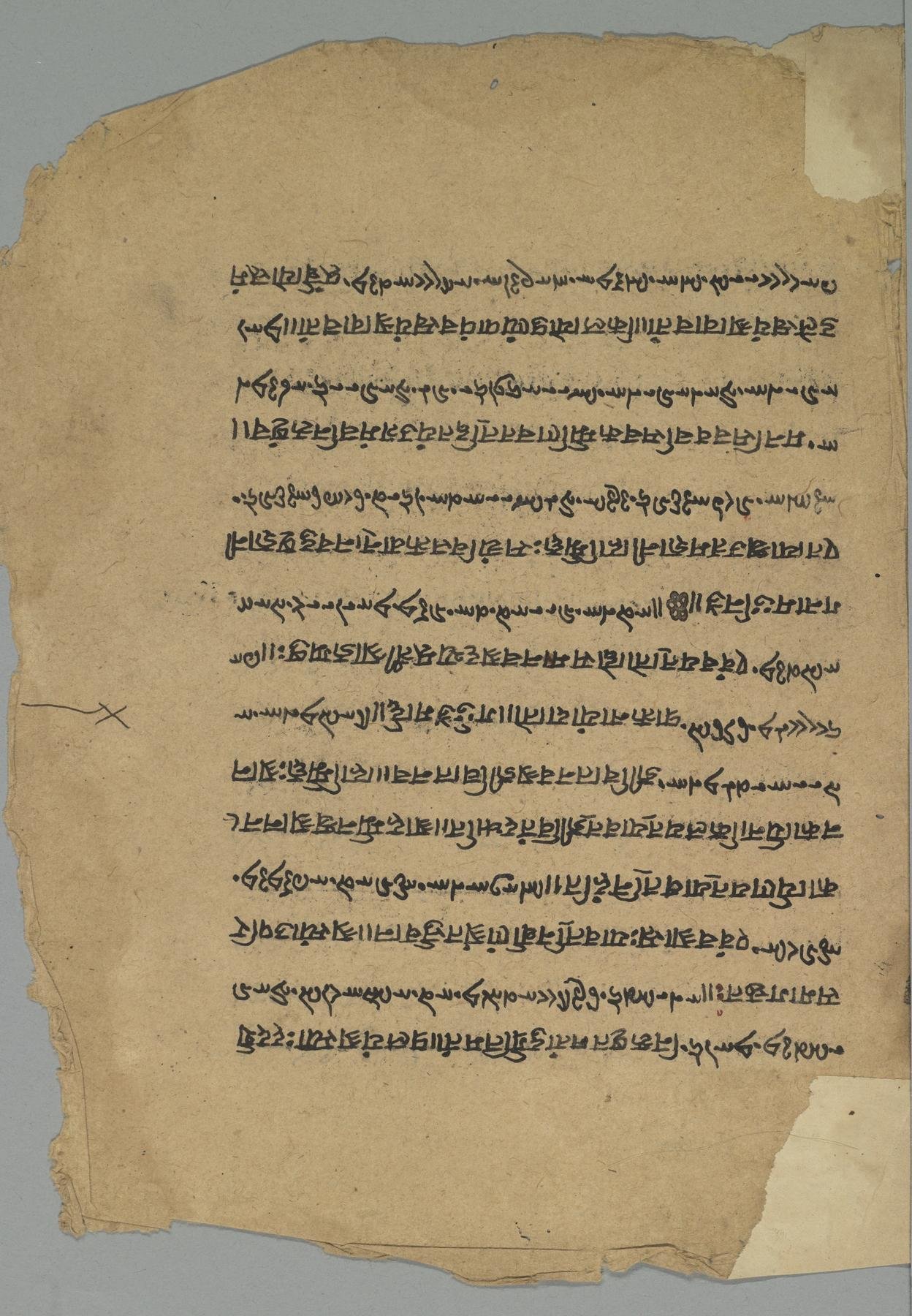
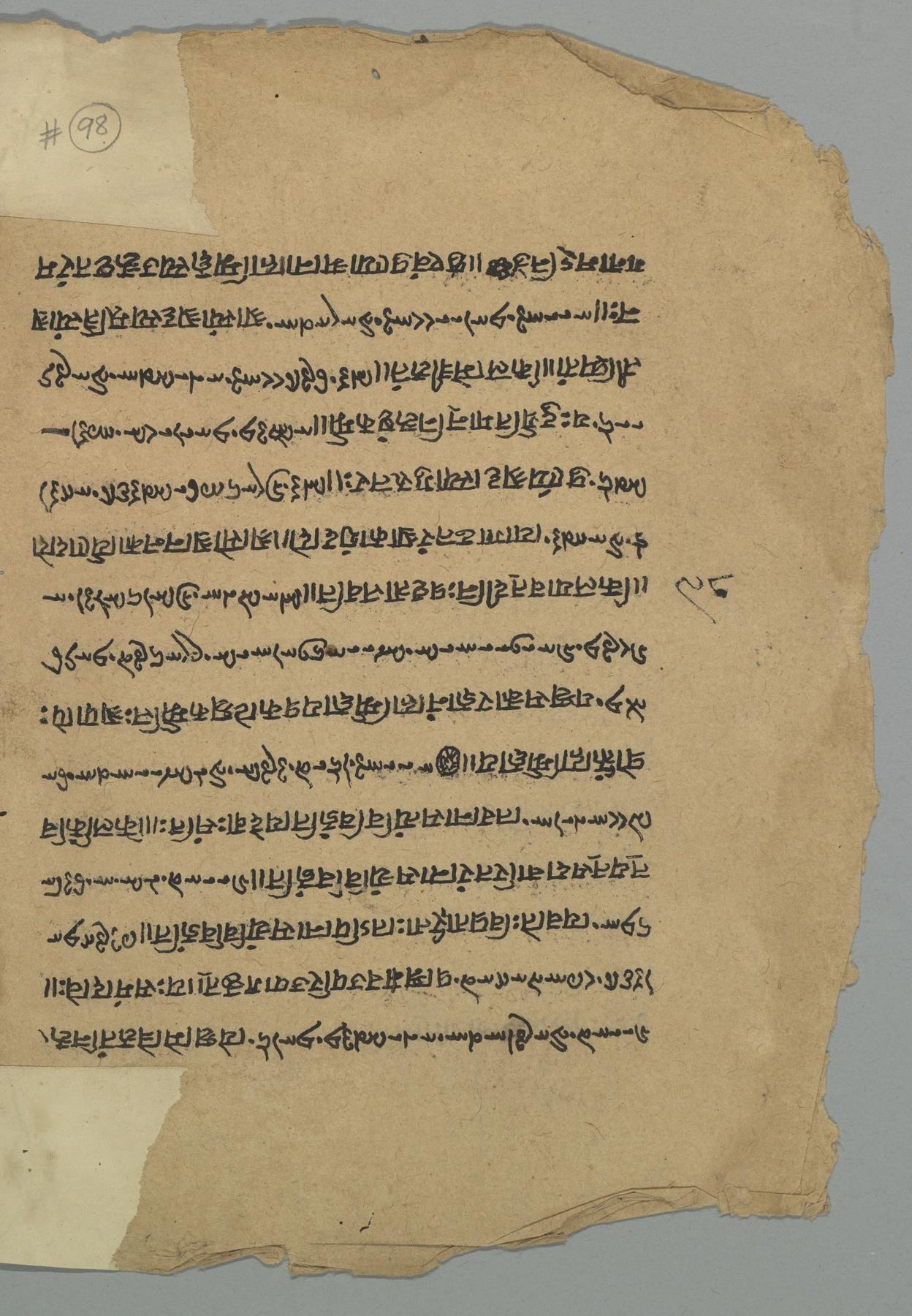
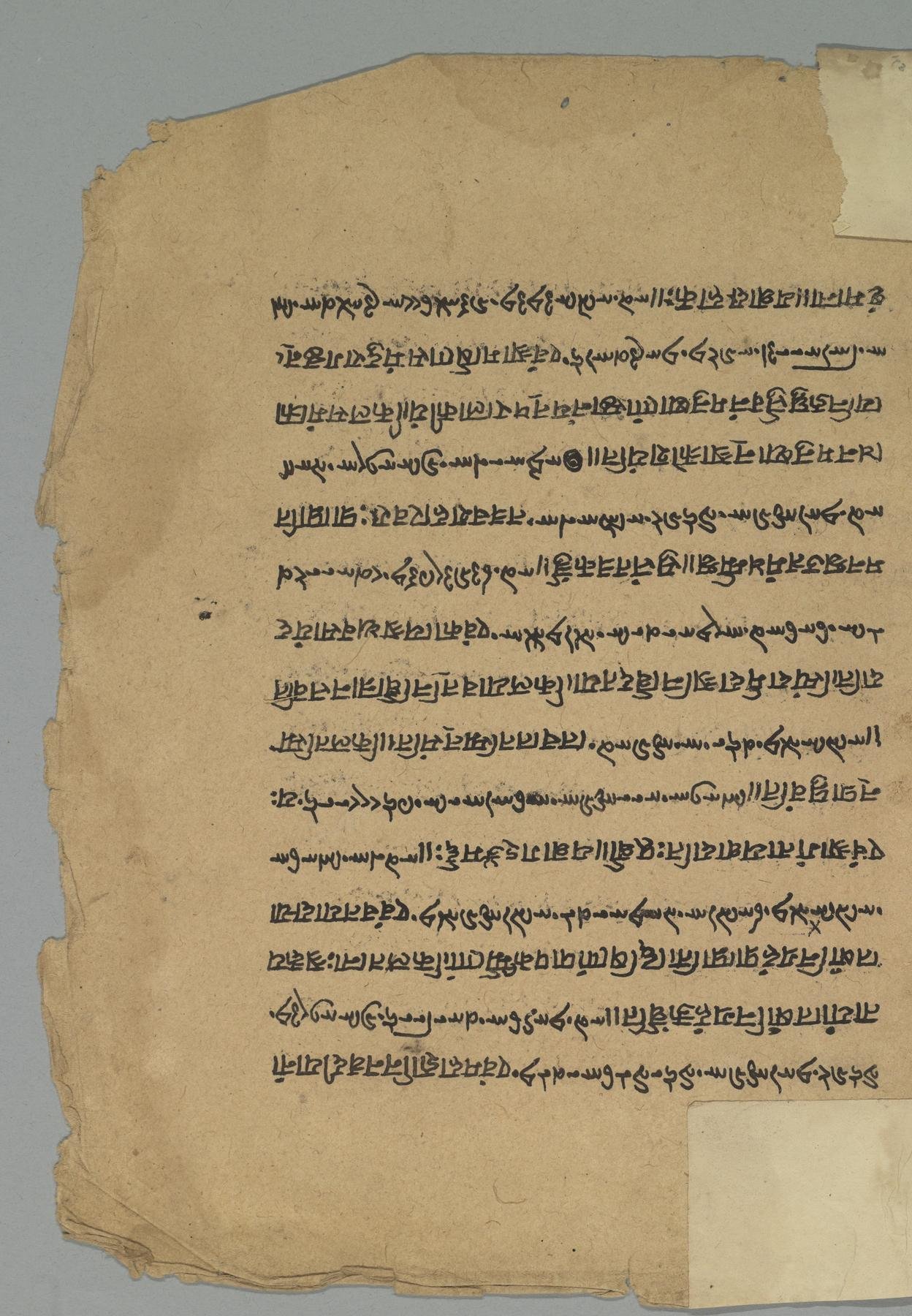
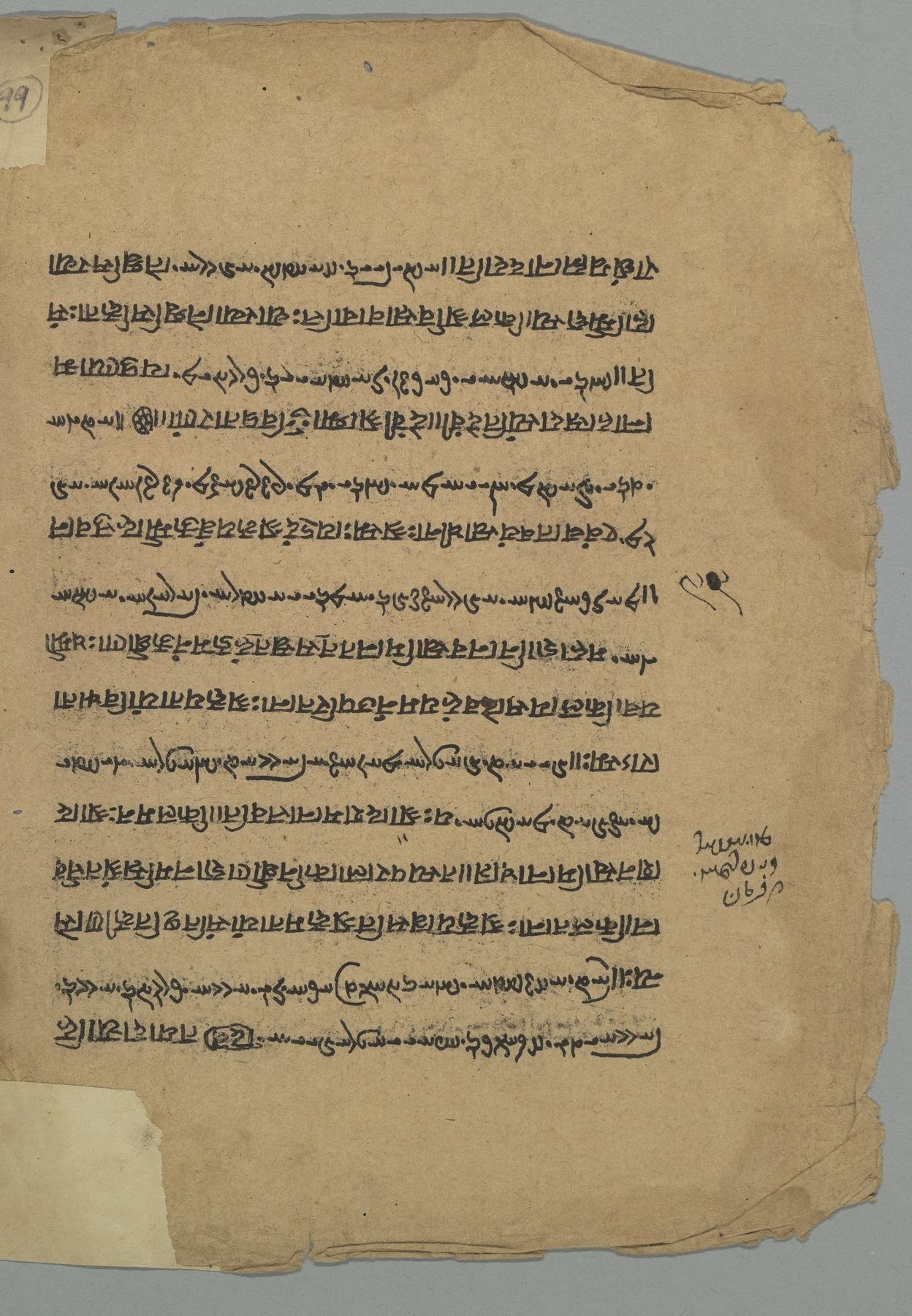
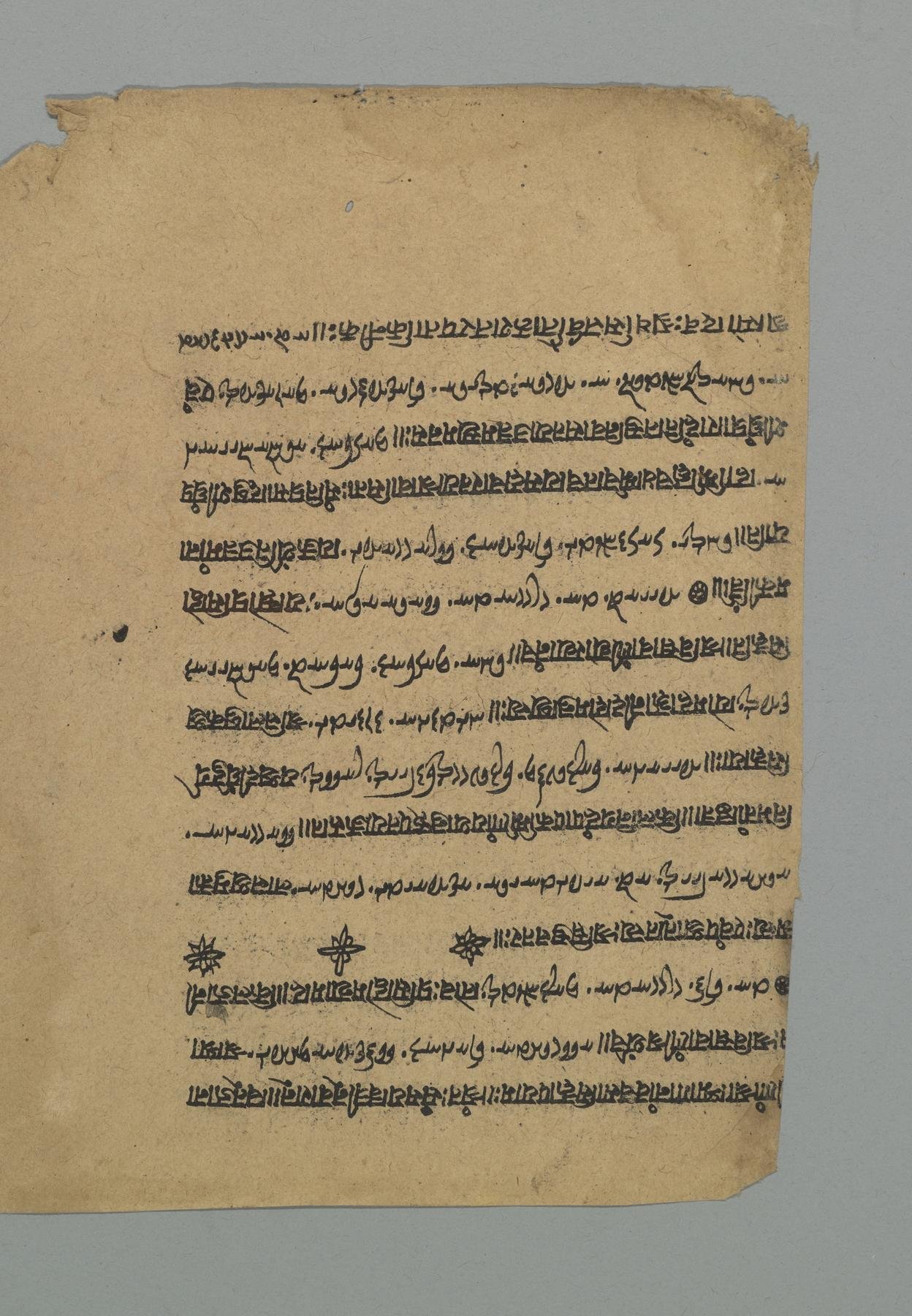
The manuscript shown is Columbia University, Rare Book & Manuscript Library, X892.5 Av3 N22, a Yasna in which every Avestan phrase is followed by the Sanskrit translation of Neryosangh (Nairyosangha, about the 12th century), written in Devanagari. Geldner, who used it for his edition as S1, called it an excellent old manuscript; Columbia dates it between 1700 and 1896. It came to Columbia in 1902 as a gift of Mobed Mancherji Barzoji Pavri to A. V. Williams Jackson. Its scribe wrote the Sanskrit upside down relative to the Avestan, so that both run from right to left along the line. This chapter fills fol. 97r-100r; its opening and close were read on the photographs, and the whole chapter forms one section listing all its pages.
The Avestan is Geldner's edition in the avesta.org transliteration; the English is L. H. Mills's translation in the Sacred Books of the East (1887), without his footnotes.
How was this verified? (Provenance)
Where on the image
Columbia University, Rare Book & Manuscript Library, X892.5 Av3 N22, fol. 97r-100r (7 pages, in order; OPenn images 10938_0186_web.jpg to 10938_0192_web.jpg). In these photographs the Avestan stands upright and the Sanskrit translation is written upside down; turn the image through 180 degrees to read the Sanskrit. Positions below (above, below, top, foot) refer to the photograph as shown, with the Avestan upright. Checked on the images: opening, fol. 97r, below the row of ornaments in the middle of the page: 'evam te vaco 'bhilasukah' (30.1), 'mahajnanina datta || avistavani vyakhyanam ca', 'yasca vakta || kila jnata tasya adhyayanam karyam'. Neryosangh's text as edited by Mills (1894) reads here: 'Evam te [tau] vacau abhilasukah [-kau] ye [yau] Mahajnani adatte, [Avistavanim vyakhyanam ca], yasca vetta [kila, jnata'. Close: fol. 100r, lower part of the page: the end of 30.11 '... asti sukrtatarah ||', then a row of three ornaments. The verses of the chapter run in order across these pages; they were not placed on single pages. Besides the Avestan, the pages carry Neryosangh's Sanskrit after every phrase, the rubrics of the recitation and the closing formula of the chapter, none of which is shown in the text columns.
1at tâ vaxshyâ isheñtô ýâ mazdâthâ hyatcît vîdushê staotâcâ ahurâi ýesnyâcâ vanghêush mananghô humãzdrâ ashâ ýecâ ýâ raocêbîsh daresatâ urvâzâ.
2sraotâ gêushâish vahishtâ avaênatâ sûcâ mananghâ âvarenå vîcithahyâ narêm narem hvah'yâi tanuyê parâ mazê ýånghô ahmâi nê sazdyâi baodañtô paitî.
3at tâ mainyû pouruyê ýâ ýêmâ hvafenâ asrvâtem manahicâ vacahicâ shyaothanôi hî vahyô akemcâ åscâ hudånghô eresh vîshyâtâ nôit duzhdånghô.
4atcâ hyat tâ hêm mainyû jasaêtem paourvîm dazdê gaêmcâ ajyâitîmcâ ýathâcâ anghat apêmem anghush acishtô dregvatãm at ashâunê vahishtem manô.
5ayå manivå varatâ ýê dregvå acishtâ verezyô ashem mainyush spênishtô ýê xraozhdishtêñg asênô vastê ýaêcâ xshnaoshen ahurem haithyâish shyaothanâish fraoret mazdãm.
6ayå nôit eresh vîshyâtâ daêvâcinâ hyat îsh â-debaomâ peresmanêñg upâ-jasat hyat verenâtâ acishtem manô, at aêshemem hêñdvâreñtâ ýâ bãnayen ahûm maretânô.
7ahmâicâ xshathrâ jasat mananghâ vohû ashâcâ dà at kehrpêm utayûitîsh dadât ârmaitish ãnmâ aêshãm tôi â anghat ýathâ ayanghâ âdânâish pouruyô.
8atcâ ýadâ aêshãm kaênâ jamaitî aênanghãm at mazdâ taibyô xshathrem vohû mananghâ vôivîdâitî aêibyô sastê ahurâ ýôi ashâi daden zastayô drujem.
9atcâ tôi vaêm h'yâmâ ýôi îm ferashêm kerenâun ahûm, mazdåscâ ahurånghô â-môyastrâ baranâ ashâcâ hyat hathrâ manå bavat ýathrâ cistish anghat maêthâ.
10adâ-zî avâ drûjô avô bavaitî skeñdô spayathrahyâ at asishtâ ýaojañtê â-hushitôish vanghêush mananghô mazdå ashah'yâcâ ýôi zazeñtî vanghâu sravahî.
11hyat tâ urvâtâ sashathâ ýâ mazdå dadât mashyånghô hvîticâ êneitî hyatcâ daregêm dregvôdebyô rashô savacâ ashavabyô at aipî tâish anghaitî ushtâ!
1And now I will proclaim, O ye who are drawing near and seeking to be taught! those animadversions which appertain to Him who knows (all things) whatsoever; the praises which are for Ahura, and the sacrifices (which spring) from the Good Mind, and likewise the benignant meditations inspired by Righteousness. And I pray that propitious results may be seen in the lights.
2Hear ye then with your ears; see ye the bright flames with the (eyes of the) Better Mind. It is for a decision as to religions, man and man, each individually for himself. Before the great effort of the cause, awake ye (all) to our teaching!
3Thus are the primeval spirits who as a pair (combining their opposite strivings), and (yet each) independent in his action, have been famed (of old). (They are) a better thing, they two, and a worse, as to thought, as to word, and as to deed. And between these two let the wisely acting choose aright. (Choose ye) not (as) the evil-doers!
4(Yea) when the two spirits came together at the first to make life, and life's absence, and to determine how the world at the last shall be (ordered), for the wicked (Hell) the worst life, for the holy (Heaven) the Best Mental State,
5(Then when they had finished each his part in the deeds of creation, they chose distinctly each his separate realm.) He who was the evil of them both (chose the evil), thereby working the worst of possible results, but the more bounteous spirit chose the (Divine) Righteousness; (yea, He so chose) who clothes upon Himself the firm stones of heaven (as His robe). And He chose likewise them who content Ahura with actions, which (are performed) really in accordance with the faith.
6And between these two spirits the Demon-gods (and they who give them worship) can make no righteous choice, since we have beguiled them. As they were questioning and debating in their council the (personified) Worst Mind approached them that he might be chosen. (They made their fatal decision.) And thereupon they rushed together unto the Demon of Fury, that they might pollute the lives of mortals.
7Upon this Âramaiti (the personified Piety of the saints) approached, and with her came the Sovereign Power, the Good Mind, and the Righteous Order. And (to the spiritual creations of good and of evil) Âramaiti gave a body, she the abiding and ever strenuous. And for these (Thy people) so let (that body) be (at the last), O Mazda! as it was when Thou camest first with creations!
8And (when the great struggle shall have been fought out which began when the Daêvas first seized the Demon of Wrath as their ally), and when the (just) vengeance shall have come upon these wretches, then, O Mazda! the Kingdom shall have been gained for Thee by (Thy) Good Mind (within Thy folk). For to those, O living Lord! does (that Good Mind) utter his command, who will deliver the Demon of the Lie into the two hands of the Righteous Order (as a captive to a destroyer).
9And may we be such as those who bring on this great renovation, and make this world progressive, (till its perfection shall have been reached). (As) the Ahuras of Mazda (even) may we be; (yea, like Thyself), in helpful readiness to meet (Thy people), presenting (benefits) in union with the Righteous Order. For there will our thoughts be (tending) where true wisdom shall abide in her home.
10(And when perfection shall have been attained) then shall the blow of destruction fall upon the Demon of Falsehood, (and her adherents shall perish with her), but swiftest in the happy abode of the Good Mind and of Ahura the righteous saints shall gather, they who proceed in their walk (on earth) in good repute (and honour).
11Wherefore, O ye men! ye are learning (thus) these religious incitations which Ahura gave in (our) happiness and (our) sorrow. (And ye are also learning) what is the long wounding for the wicked, and the blessings which are in store for the righteous. And when these (shall have begun their course), salvation shall be (your portion)!
Notes
- Avestan: Geldner's text in the avesta.org transliteration; the recitation rubrics '(zot,)' and '(zot u raspi,)' and the closing formula printed after the chapter are left out. '(2)' after a verse marks that it is recited twice.
- English: L. H. Mills, Sacred Books of the East 31 (1887), without his footnotes and chapter summaries; his headings naming the speakers are printed in italics. Mills prints some letters of Avestan names in italic type (as in Zarathustra); they are given here in roman type.
Cite
Sources
- Source: Columbia University, Rare Book & Manuscript Library, X892.5 Av3 N22 (Yasna with Neryosangh's Sanskrit; OPenn, Public Domain Mark) + Geldner's Avestan text (avesta.org) + L. H. Mills's English (SBE 31, 1887) (holding institution)
- Critical edition: Geldner, Avesta (1886-1896), avesta.org transliteration
← previous · → next · v cycle view · l back to library