Gathas, Yasna 31: the progress and struggles of the cause
Introduction
Yasna 31 belongs to the Ahunavaiti Gatha. The longest chapter of the Ahunavaiti, it speaks of the teaching to be proclaimed to those who have not heard it and of the reward and punishment of the righteous and the wicked.
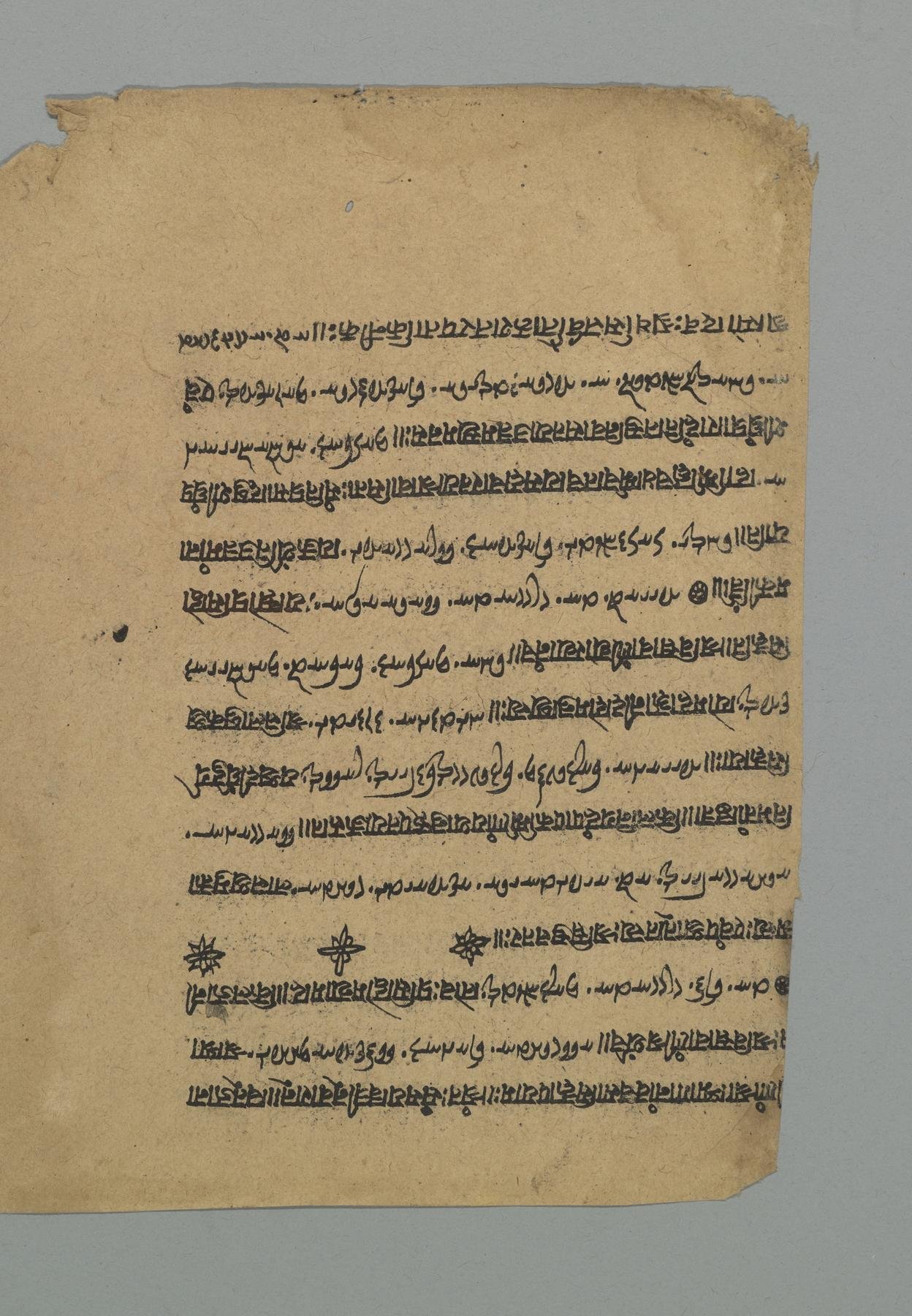
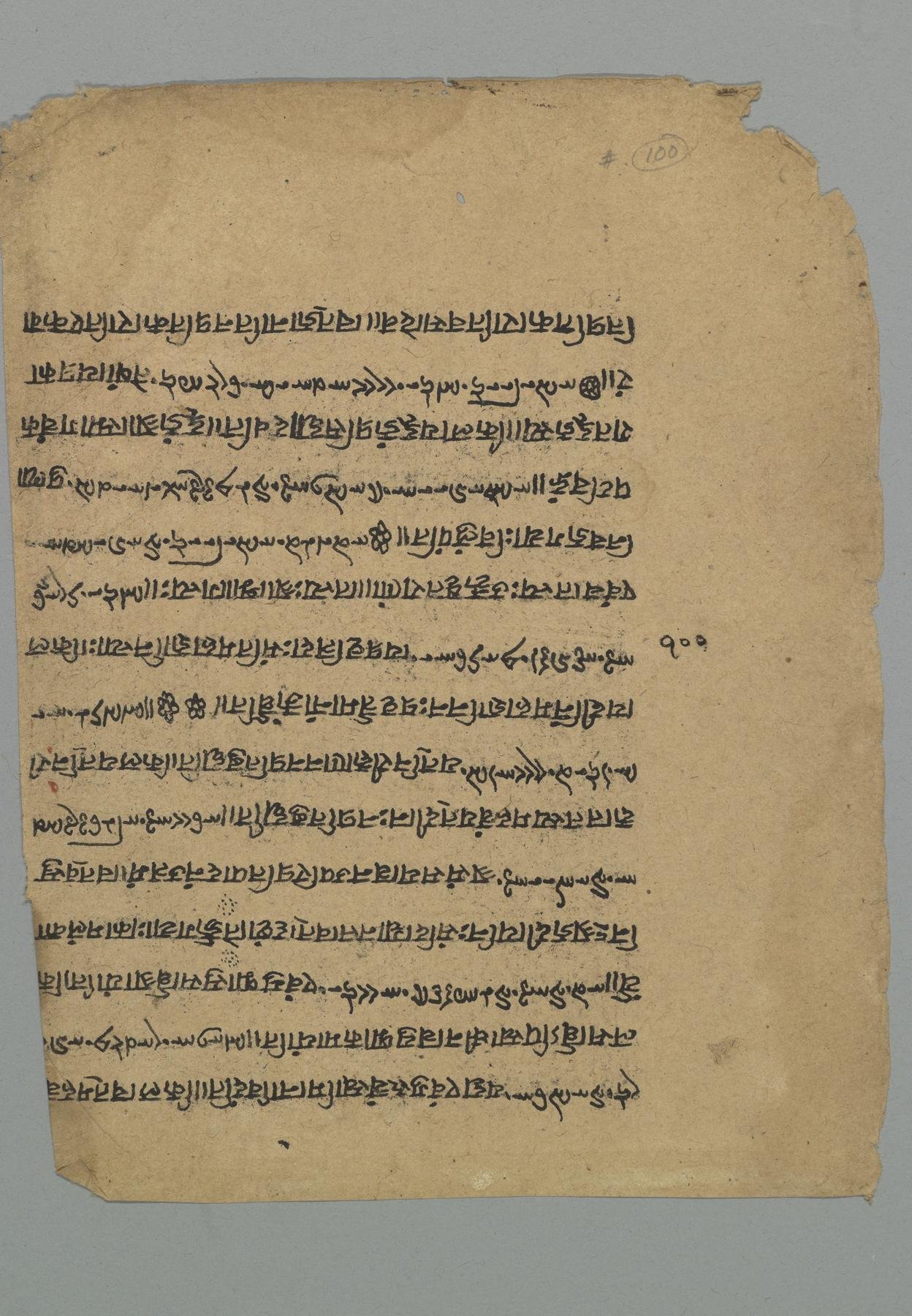
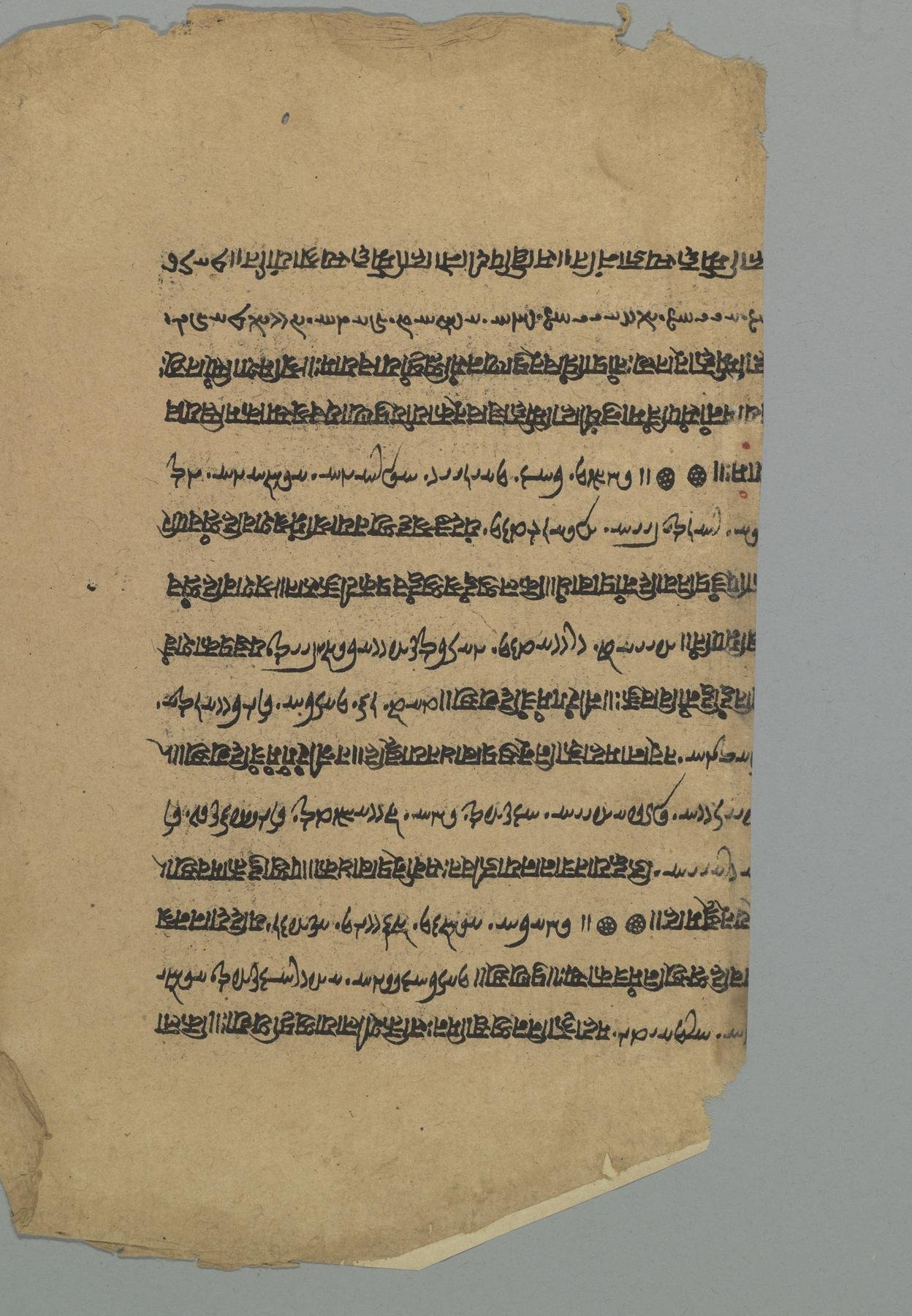
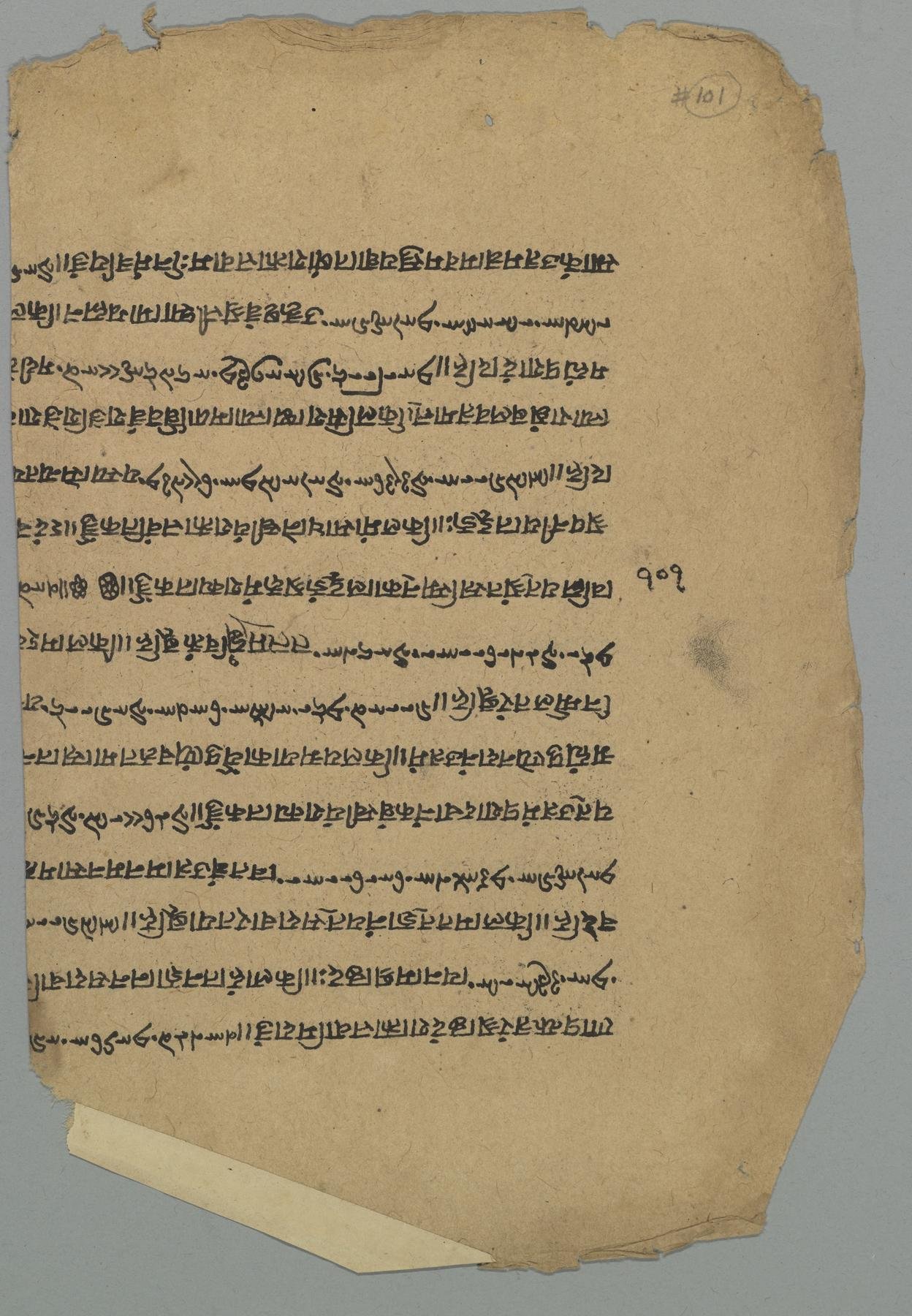
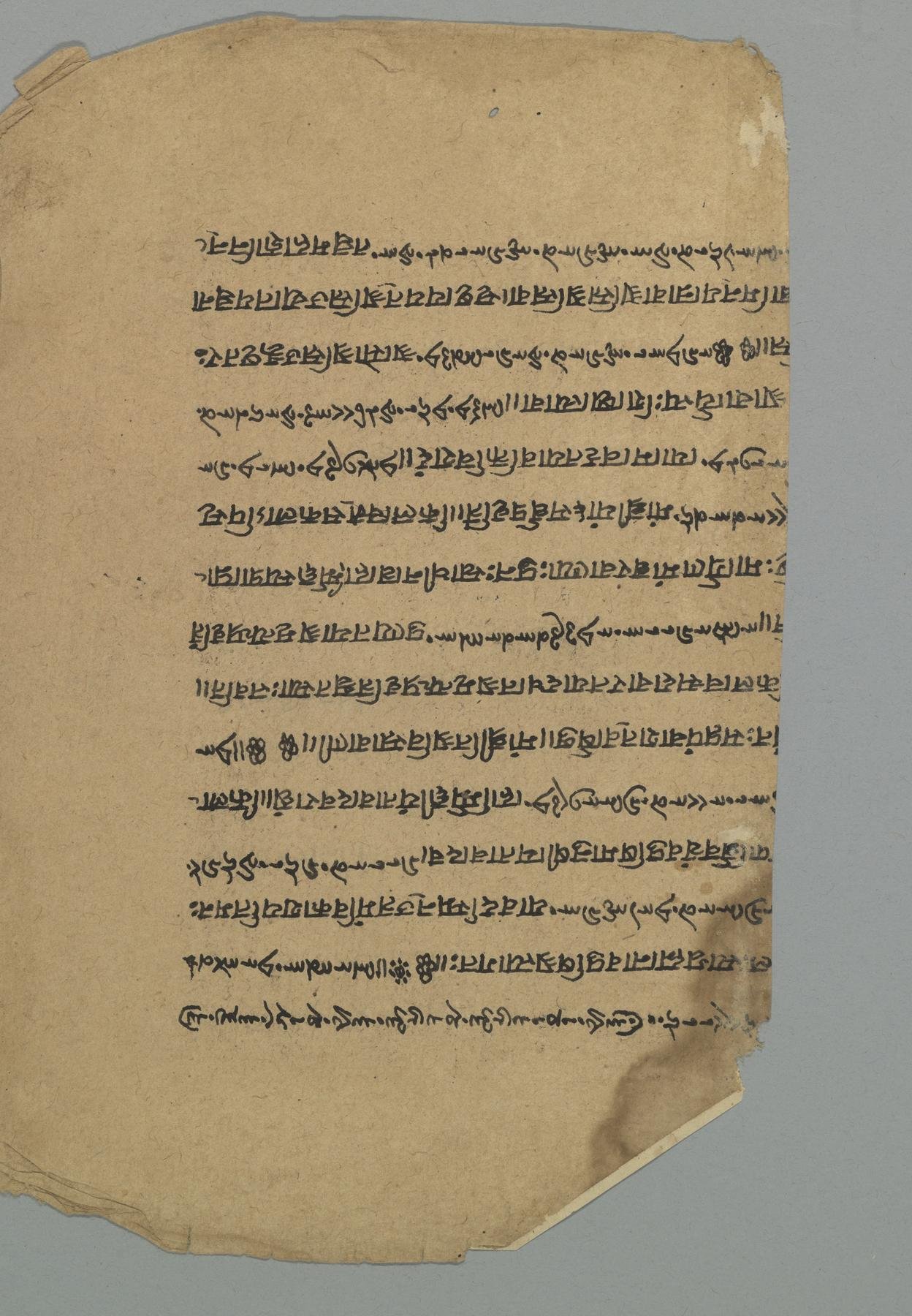
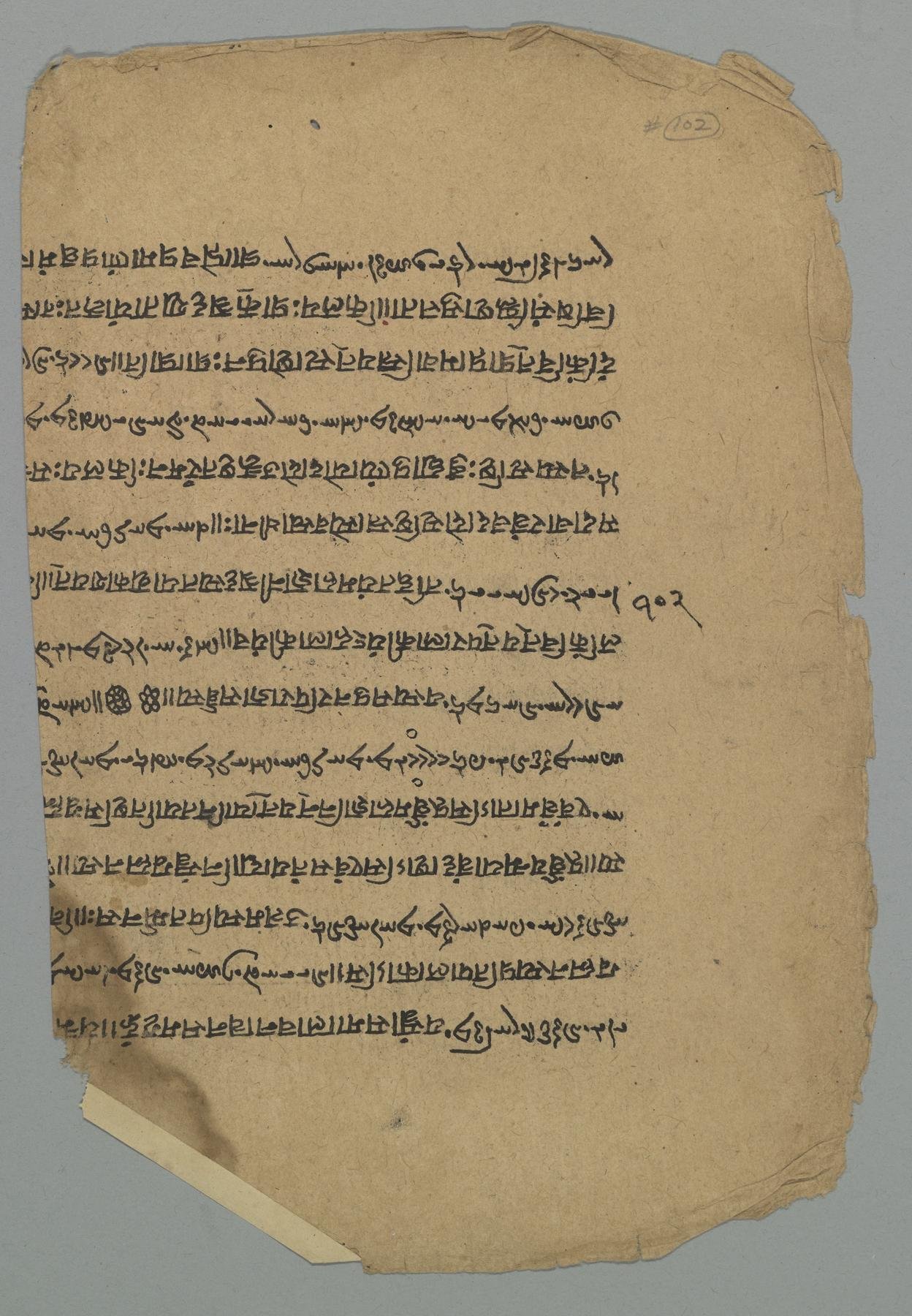
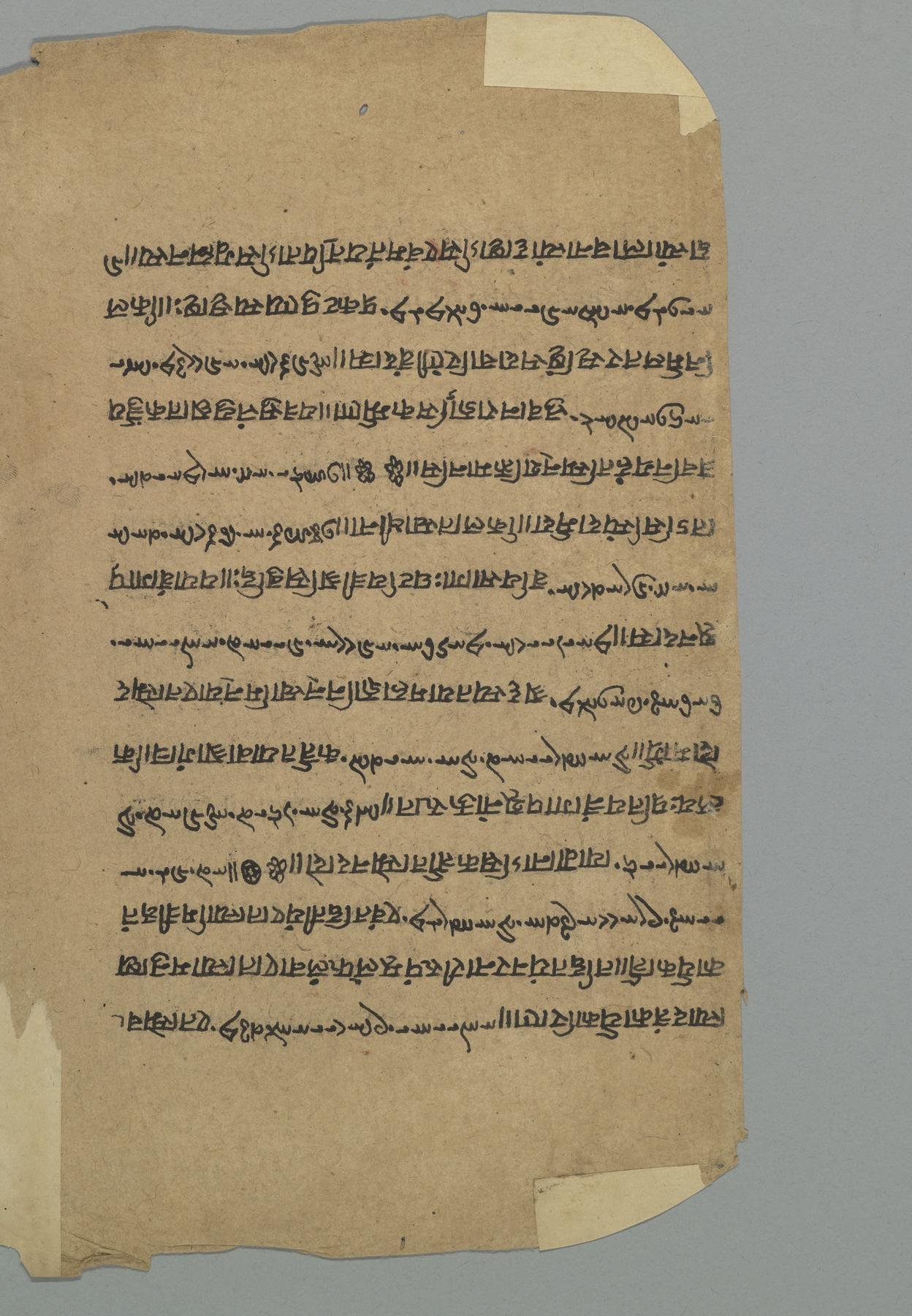
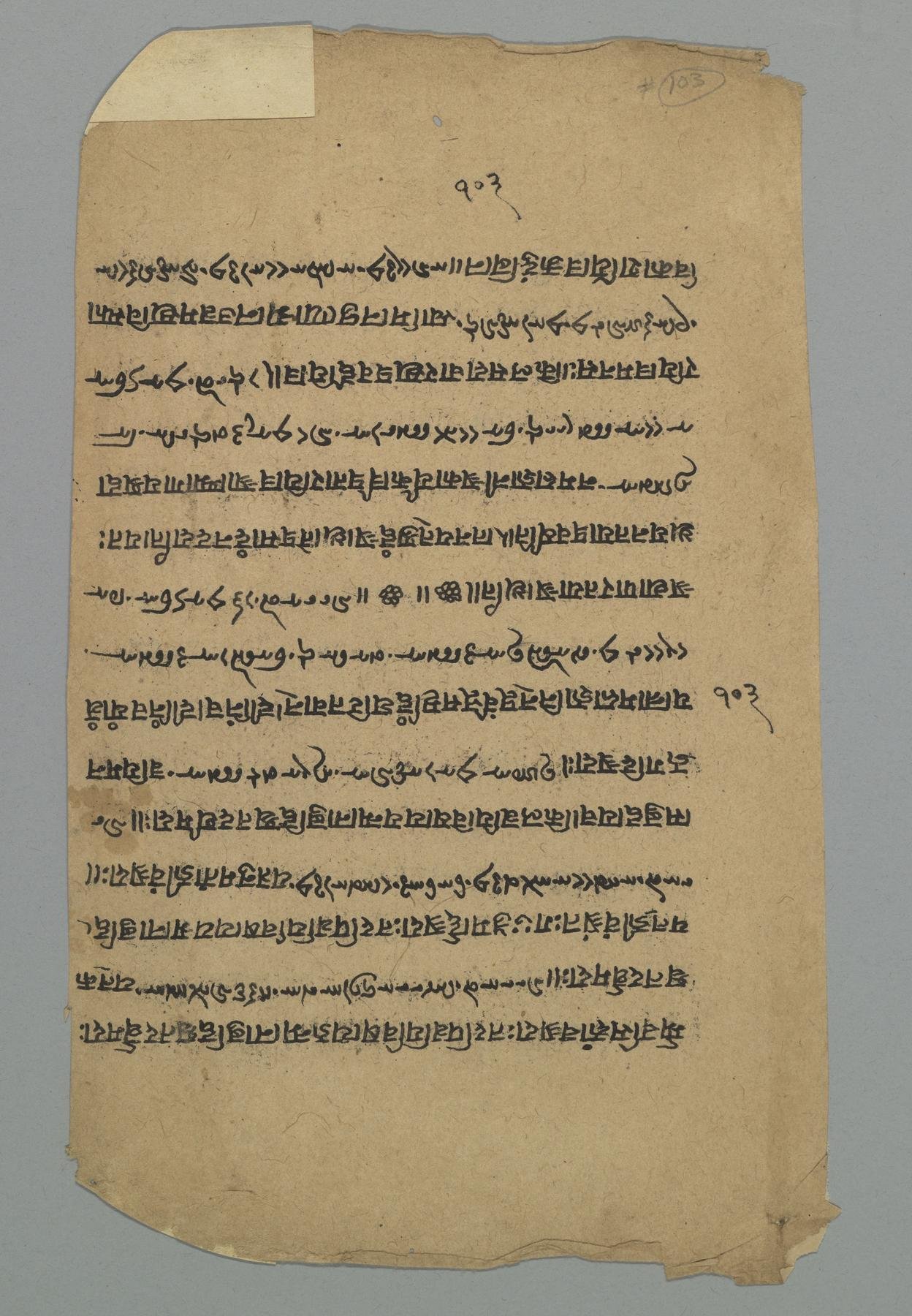
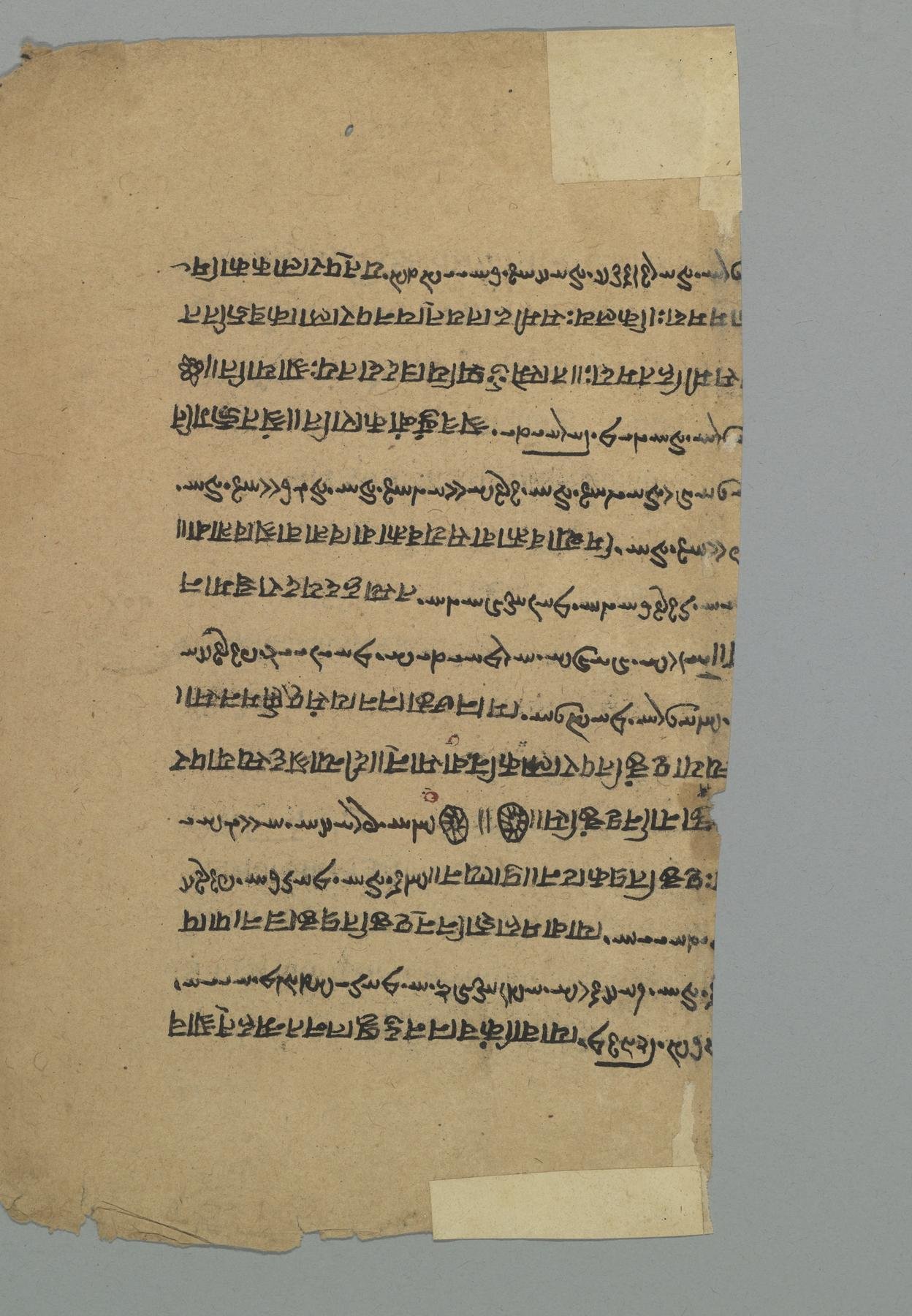
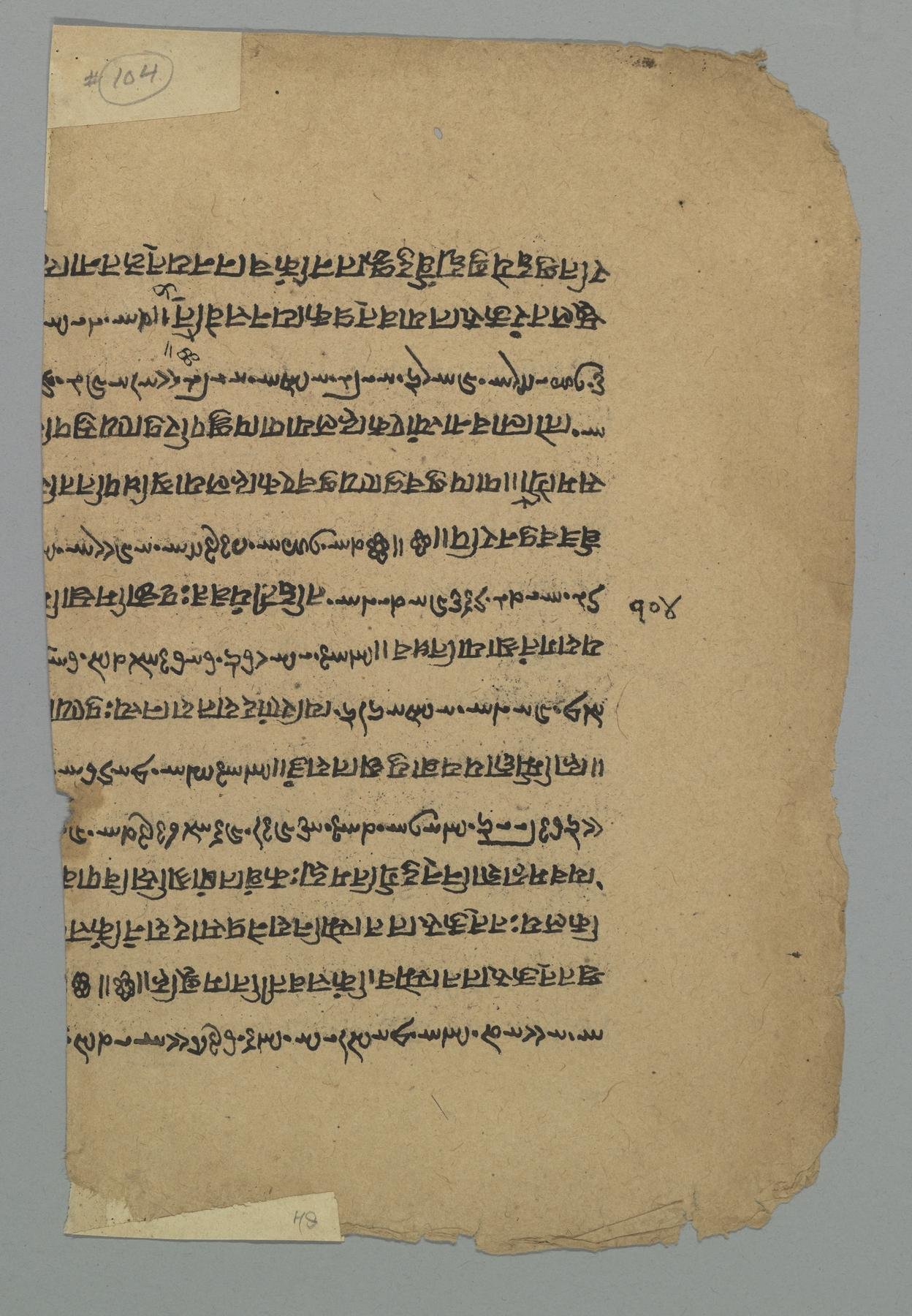
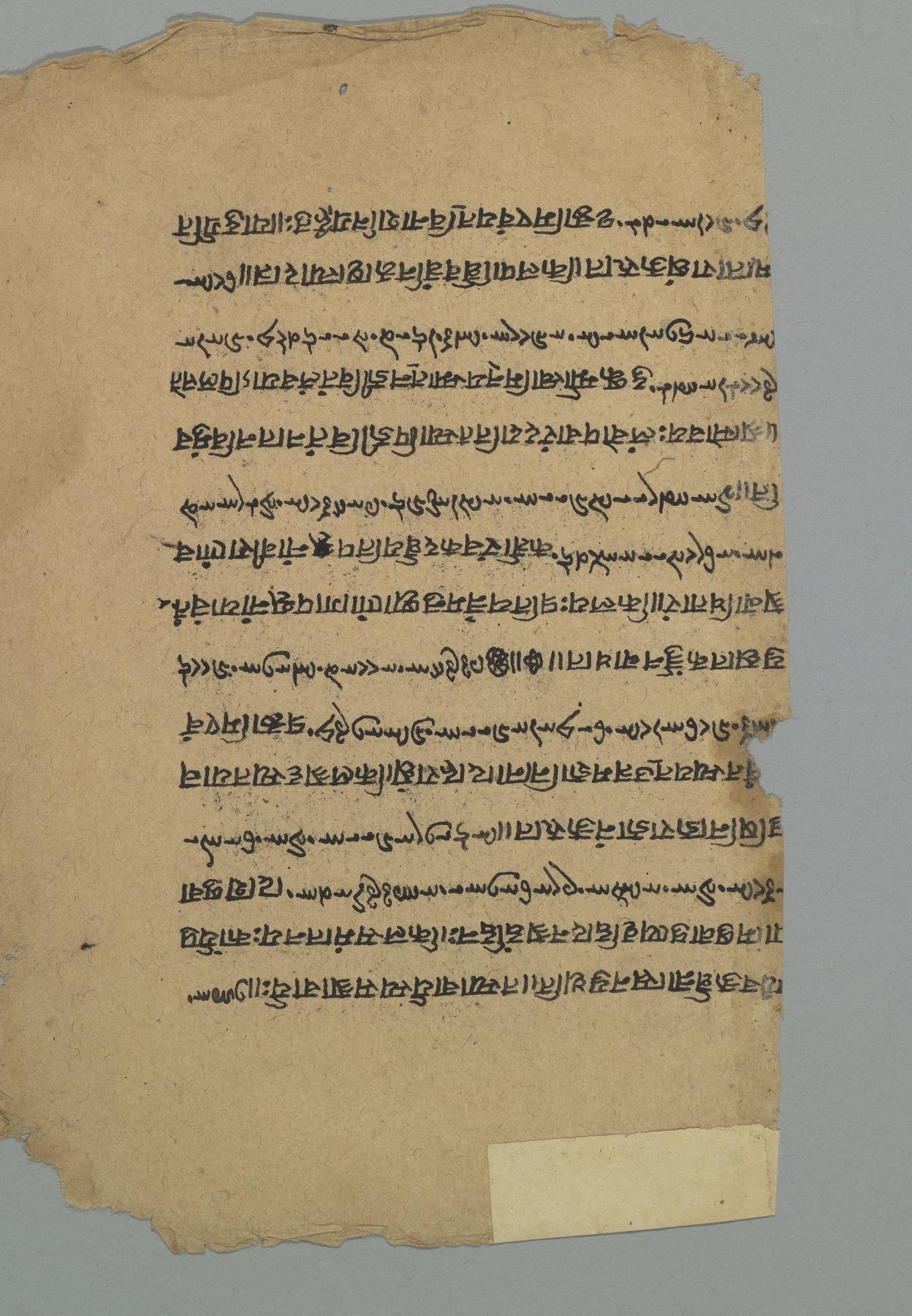
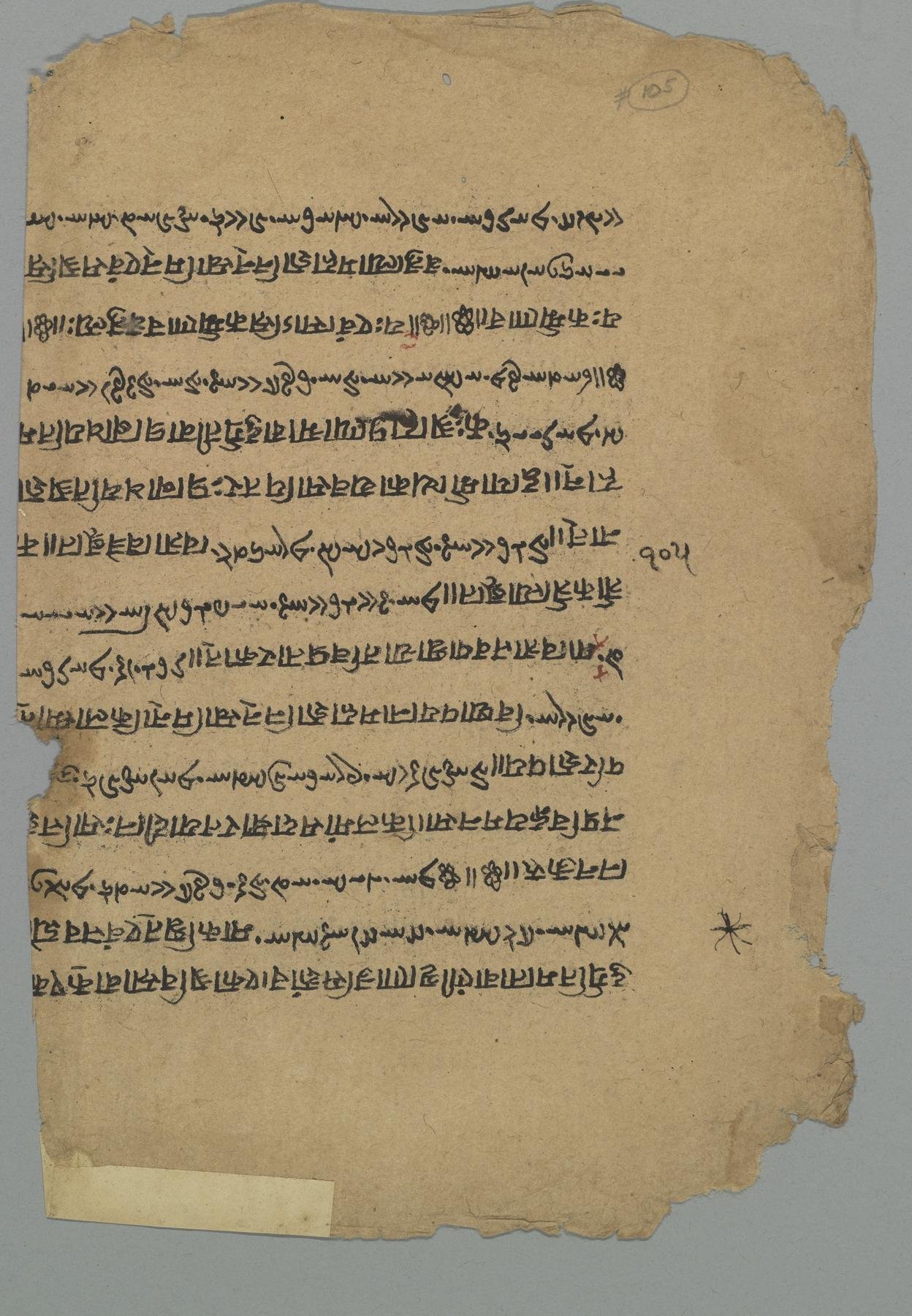
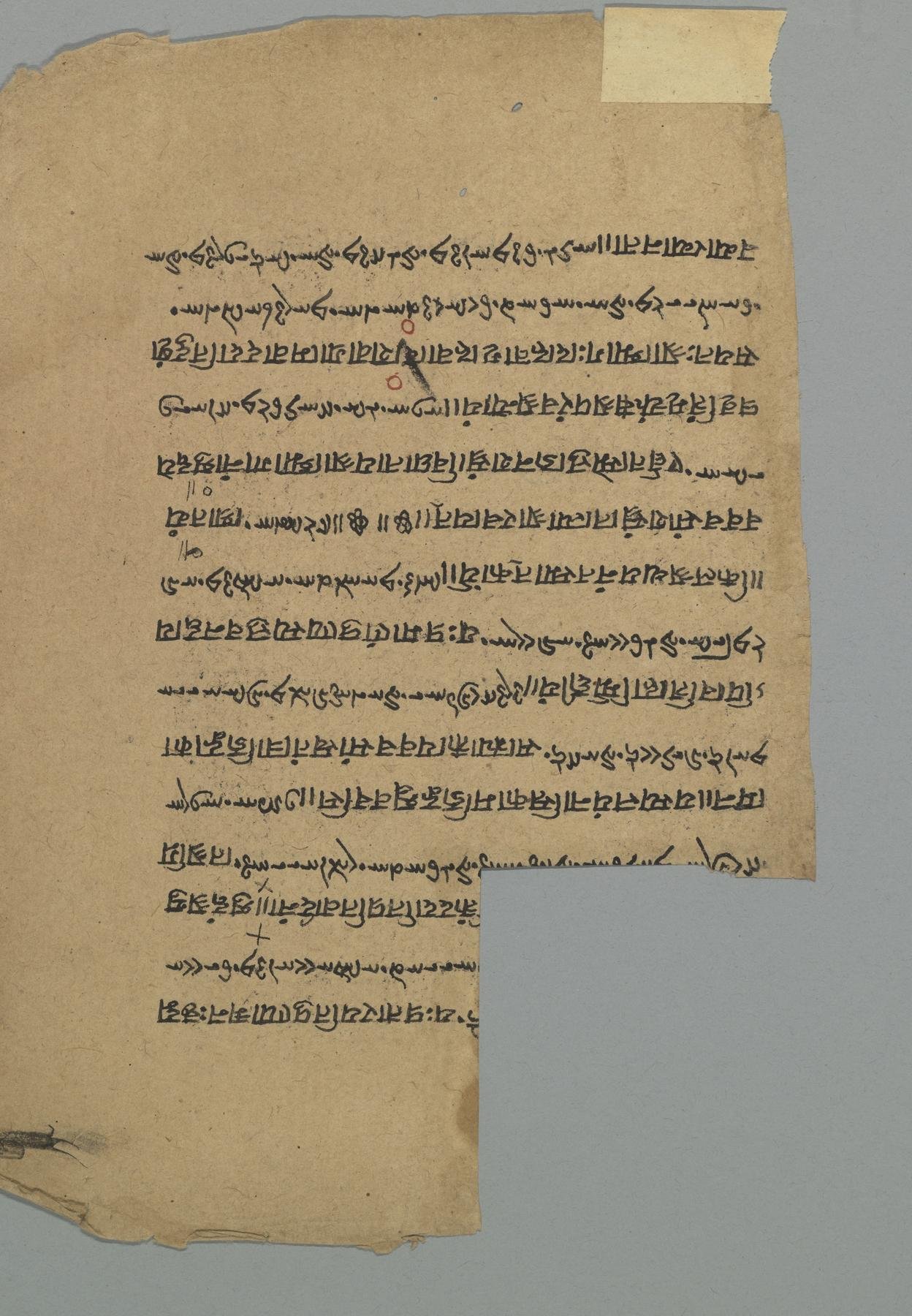
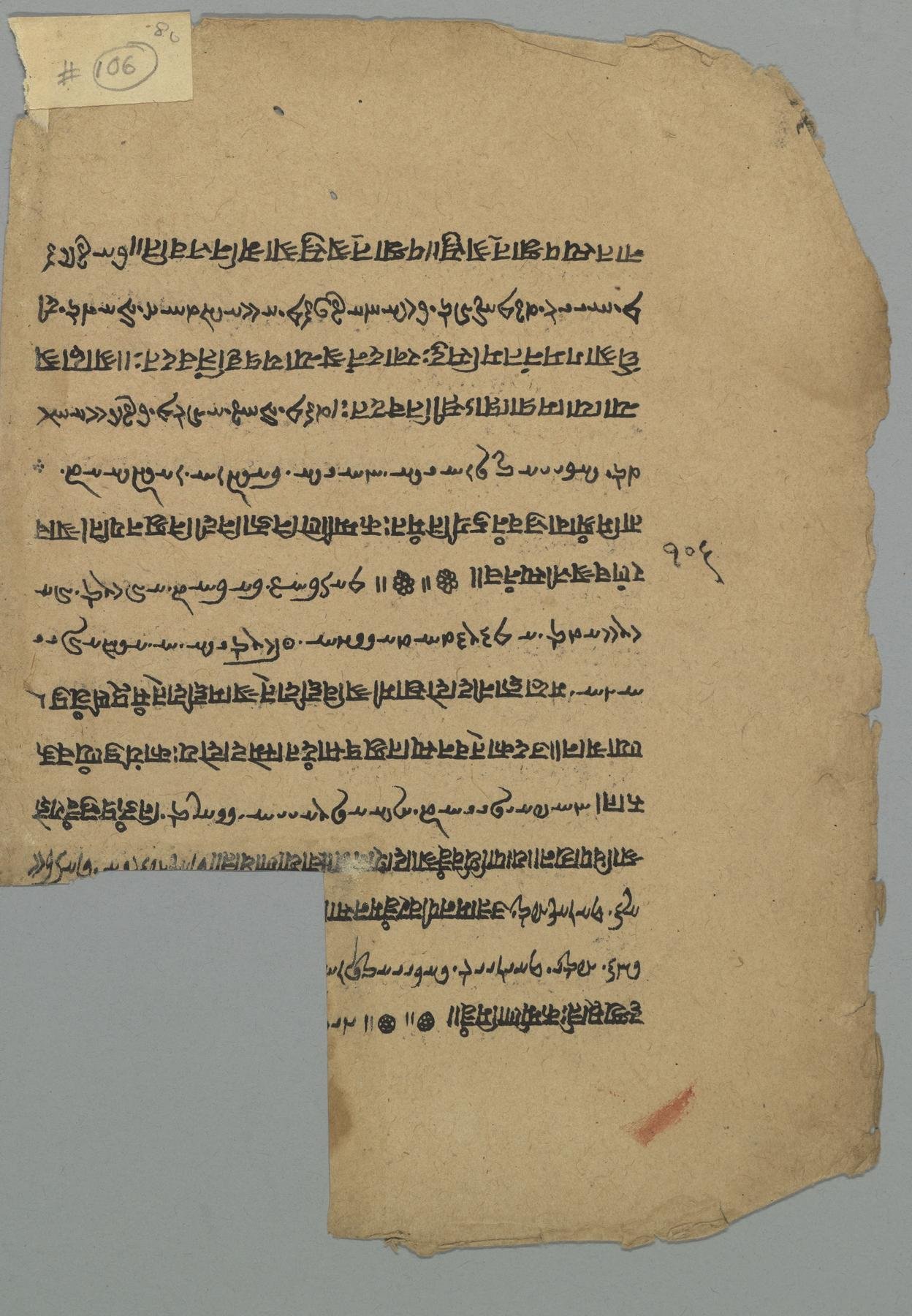
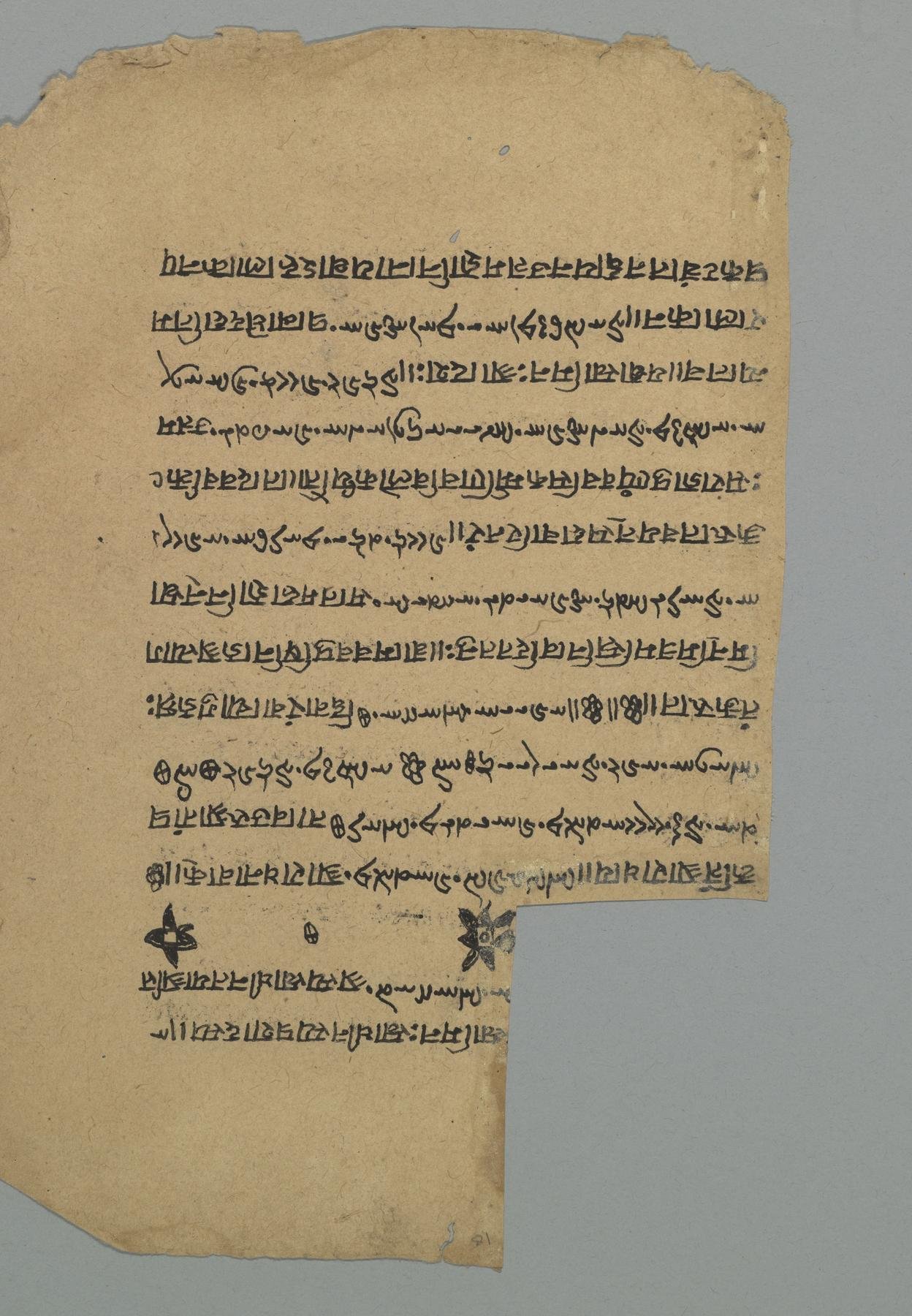
The manuscript shown is Columbia University, Rare Book & Manuscript Library, X892.5 Av3 N22, a Yasna in which every Avestan phrase is followed by the Sanskrit translation of Neryosangh (Nairyosangha, about the 12th century), written in Devanagari. Geldner, who used it for his edition as S1, called it an excellent old manuscript; Columbia dates it between 1700 and 1896. It came to Columbia in 1902 as a gift of Mobed Mancherji Barzoji Pavri to A. V. Williams Jackson. Its scribe wrote the Sanskrit upside down relative to the Avestan, so that both run from right to left along the line. This chapter fills fol. 100r-107r; its opening and close were read on the photographs, and the whole chapter forms one section listing all its pages.
The Avestan is Geldner's edition in the avesta.org transliteration; the English is L. H. Mills's translation in the Sacred Books of the East (1887), without his footnotes.
How was this verified? (Provenance)
Where on the image
Columbia University, Rare Book & Manuscript Library, X892.5 Av3 N22, fol. 100r-107r (15 pages, in order; OPenn images 10938_0192_web.jpg to 10938_0206_web.jpg). In these photographs the Avestan stands upright and the Sanskrit translation is written upside down; turn the image through 180 degrees to read the Sanskrit. Positions below (above, below, top, foot) refer to the photograph as shown, with the Avestan upright. Checked on the images: opening, fol. 100r, below the three ornaments in the lower part of the page: '[tau] ca prasiddhau manyamahe || kila janimah avistavani artham ca', '... asmoganam vacasa siksapayamah || antah samsayatve trin varan' (31.1). Neryosangh's text as edited by Mills (1894) reads here: 'Tau ca prasiddhau manyamahe, [kila, janimah Avistavanim artham ca] asrotrinam [Asmoganam] vacasa siksapayamah [antah samsayatve trin varan'. Close: fol. 107r, lower part of the page: 'dvivaram vacya', 'aradhanavak', then a row of ornaments. The verses of the chapter run in order across these pages; they were not placed on single pages. Besides the Avestan, the pages carry Neryosangh's Sanskrit after every phrase, the rubrics of the recitation and the closing formula of the chapter, none of which is shown in the text columns.
1tâ vê urvâtâ mareñtô agushtâ vacå sêñghâmahî aêibyô ýôi urvâtâish drûjô ashahyâ gaêthå vîmereñcaitê atcît aêibyô vahishtâ ýôi zarazdå anghen mazdâi.
2ýezî âish nôit urvânê advå aibî-dereshtâ vah'yå at vå vîspêñg âyôi ýathâ ratûm ahurô vaêdâ mazdå ayå ãsayå ýâ ashât hacâ jvâmahî.
3ýãm då mainyû athrâcâ ashâcâ côish rânôibyâ xshnûtem dà hyat urvatem cazdôñnghvadebyô tat nê mazdâ vîdvanôi vaocâ hizvâ thwahyâ ånghô ýâ jvañtô vîspêñg vâurayâ.
4ýadâ ashem zevîm anghen mazdåscâ ahurånghô ashicâ ârmaitî vahishtâ ishasâ mananghâ maibyô xshathrem aojôñghvat ýehyâ veredâ vanaêmâ drujem.
5tat môi vîcidyâi vaocâ hyat môi ashâ dâtâ vahyô vîduyê vohû mananghâ mêñcâ daidyâi ýehyâ-mâ ereshish tâcît mazdâ ahurâ ýâ nôit vâ anghat anghaitî vâ.
6ahmâi anghat vahishtem ýê môi vîdvå vaocât haithîm mãthrem ýim haurvatâtô ashahyâ ameretâtascâ, mazdâi avat xshathrem hyat hôi vohû vaxshat mananghâ.
7ýastâ mañtâ pouruyô raocêbîsh rôithwen hvâthrâ hvô xrathwâ dãmish ashem ýâ dârayat vahishtem manô, tâ mazdâ mainyû uxshyô ýê â nûrêmcît ahurâ hâmô.
8at thwâ mêñghî pourvîm mazdâ ýezîm stôi mananghâ vanghêush patarêm mananghô hyat thwâ hêm cashmainî hêñgrabem haithîm ashahyâ dãmîm anghêush ahurem shyaothanaêshû.
9thwôi as ârmaitîsh thwê â gêush tashâ as xratûsh manyêush mazdâ ahurâ hyat ah'yâi dadå pathãm vâstryât vâ âitê ýê vâ nôit anghat vâstryô.
10at hî ayå fravaretâ vâstrîm ah'yâi fshuyañtem ahurem ashavanem vanghêush fshêñghîm mananghô, nôit mazdâ avâstryô davãscinâ humeretôish baxshtâ.
11hyat nê mazdâ paourvîm gaêthåscâ tashô daênåscâ thwâ mananghâ xratûshcâ hyat astvañtem dadå ushtanem hyat shyaothanâcâ sêñghãscâ ýathrâ varenêñg vaså dâyetê.
12athrâ vâcem baraitî mithahvacå vâ ereshvacå vâ dà vîdvå vâ evîdvå vâ ahyâ zeredâcâ mananghâcâ, ânush-haxsh ârmaitîsh mainyû peresâitê ýathrâ maêthâ.
13ýâ frasâ âvîshyâ ýâ vâ mazdâ peresâitê tayâ ýê vâ kasêush aênanghô â mazishtãm ayamaitê bûjem tâ cashmêñg thwisrâ hârô aibî ashâ aibî vaênahî vîspâ.
14tâ-thwâ peresâ ahurâ ýâ-zî âitî jêñghaticâ ýå ishudô dadeñtê dâthranãm hacâ ashâunô ýåscâ mazdâ dregvôdebyô ýathâ tå anghen hêñkeretâ hyat.
15peresâ avat ýâ mainish ýê dregvâitê xshathrem hunâitî dush-shyaothanâi ahurâ ýê nôit jyôtûm hanare vînastî vâstryehyâ aênanghô pasêush vîrâatcâ adrujyañtô.
16peresâ avat ýathâ hvô ýê hudânush demanahyâ xshathrem shôithrahyâ vâ dah'yêush vâ ashâ fradathâi asperezatâ thwâvãs mazdâ ahurâ ýadâ hvô anghat ýâ-shyaothanascâ.
17katârêm ashavâ vâ dregvå vâ verenvaitê mazyô, vîdvå vîdushê mraotû mâ evîdvå aipî-dêbâvayat, zdî-nê mazdâ ahurâ vanghêush fradaxshtâ mananghô.
18mâ-cish at vê dregvatô mãthrãscâ gûshtâ sâsnåscâ, âzî demânem vîsem vâ shôithrem vâ dah'yûm vâ âdât dushitâcâ marakaêcâ athâ îsh sâzdûm snaithishâ.
19gûshtâ ýê mañtâ ashem ahûmbish vîdvå ahurâ erezhuxdhâi vacanghãm xshayamnô hizvô vasô thwâ âthrâ suxrâ mazdâ vanghâu vîdâtâ rãnayå.
20ýê âyat ashavanem divamnem hôi aparem xshyô daregêm âyû temanghô dushhvarethêm avaêtâs vacô têm vâ ahûm dregvañtô shyaothanâish hvâish daênâ naêshat.
21mazdå dadât ahurô haurvatô ameretâtascâ dà bûrôish â ashah'yâcâ hvâpaithyât xshathrahyâ sarô vanghêush vazdvarê mananghô ýê hôi mainyû shyaothanâishcâ urvathô.
22cithrâ î hudånghê ýathanâ vaêdemnâi mananghâ vohû hvô xshathrâ ashem vacanghâ shyaothanâcâ haptî hvô tôi mazdâ ahurâ vâzishtô anghaitî astish!
1These doctrines (therefore) we are earnestly declaring to You as we recite them forth from memory, words (till now) unheard (with faith) by those who by means of the doctrinal vows of the harmful Lie are delivering the settlements of Righteousness to death, but words which are of the best unto those who are heartily devoted to Ahura.
2And if by this means the indubitable truths are not seen in the soul, then as better (than these words) I will come to you all (in my person) with that power, and in that way according to which Ahura Mazda knows and appoints His ruler, that ruler over both the two (struggling) bands, in order that we (in obedience to him), may live according to Righteousness.
3And that keenness, that deciding satisfaction, which Thou hast given by (Thy) Spirit, and (Thy) Fire, and by Thy Righteousness (itself) to the two battling (sides), do Thou declare unto us, O Ahura! that vow which is for the seeing (as those endowed with mental light). Yea, do Thou declare this that we may know it, O Mazda! With the tongue of Thy mouth do Thou speak it (that as I preach its mighty truths) I may make all the living believers!
4And when the Divine Righteousness shall be inclined to my appeal, and with him all those (remaining ones who are as) Mazda's (own) Ahuras then with the blessedness (of the reward), with (my) Piety and with Thy Best Mind (active within me), I will pray for that mighty Kingdom by whose force we may smite the Lie-demon.
5Aye, do Thou tell me that I may discern it, since through (Thy) Righteous Order the better (lot) is given; tell me this that I may know it with (Thy) Good Mind (as it speaks within me), and that I may ponder that to which these my truths belong (and of which my prophet speaks; yea), tell me those things, O Mazda Ahura! which may not be, and which may be.
6And that verily shall be the best of all words to Him which the All-(wise one) will declare to me in very deed, that word which is the Mãthra of Welfare and of Immortality (for it proclaims His beneficent power). And to the Great Creator (shall there be) a Realm such as that (whose strength I asked for victory), and which (at the last) shall flourish in its holiness to His (glory)!
7(For He has sovereign control.) He who conceived of these (truths of the Mãthra) as their first (inspirer), (and as He thought their existence they (all) as (His) glorious (conceptions first) clothed themselves in the stars), He is through His understanding the Creator of the Righteous Order. And thus likewise He supports His Beneficent Mind (in His saints). And these (holy creatures) may’st Thou cause to prosper by Thy Spirit (since they are Thine own), O Ahura Mazda! Thou who art for every hour the same!
8Therefore, as the first did I conceive of Thee, O Ahura Mazda! as the one to be adored with the mind in the creation, as the Father of the Good Mind within us, when I beheld Thee with my (enlightened) eyes as the veritable maker of our Righteousness, as the Lord of the actions of life!
9Thine, O Ahura! was Piety; yea, Thine, O Creator of the Kine! was understanding and the Spirit, when Thou didst order a path for her (guiding). From the earth's tiller (aided) she goeth (in that allotted way), or from him who was never tiller. (Thy path hath given her choice.)
10(But she did not pause in temptation.) Of the two she chose the husbandman, the thrifty toiler in the fields, as a holy master endowed with the Good Mind's wealth. Never, Mazda! shall the thieving nomad share the good creed. (For the Kine's choice would bestow it!)
11(And this doctrine was the first of rules to regulate our actions. Yet the opposer speaks beside Thee.) For when first, O Ahura Mazda! Thou didst create the (holy) settlements, and didst reveal the religious laws; and when Thou gavest (us) understanding from Thine own mind, and madest our (full) bodily life, and (didst thus determine) actions (by Thy power), and didst moreover deliver to us (nearer) injunctions whereby (as by a rule) the wisher may place his choices,
12(There strife at once arose, and still is raging.) There (beside Thy prophet) the truthful or liar, the enlightened or unenlightened, lifts his voice (to utter his faith), and with devoted mind and heart. (But without hindrance from this striving, or pausing with feeble search, our) Piety steadily questions the two spirits (not here on earth) but (there in the spirit-world) where (they dwell as) in their home.
13(Yea, my Piety questions searchingly, for Thou, O Maker! hast Thy view on all; we cannot question lightly.) What questions are asked which are open (permitted to our thoughts), or what questions (are asked) which are furtive (hiding themselves from the light), or (what decision soever we may make, and the man) who for the smallest sin binds on the heaviest penance, on all with Thy glittering eye(s) as a righteous guard Thou art gazing!
14This then I will ask Thee, O Ahura Mazda! (as I seek Thy counsel once again). What events are coming now, and what events shall come in the future; and what prayers with debt-confessions are offered with the offerings of the holy? And what (are the awards) for the wicked? And how shall they be in the (final) state of completion?
15And I would ask Thee this, O Mazda! (concerning the coadjutor of the wicked): What is the award for him who prepares the throne for the evil, for the evil-doer, O Ahura! for him who cannot else reclaim his life, not else save with lawless harm to the tiller's herd, to the pious husbandman's flock, who speaks no word with lying, (who abjures the Lie-demon's faith)?
16Yea, I would ask Thee such a thing as this: How such an one as he who, with wise action, has striven to promote (Thy holy) Rule over house, and region, and province, in the Righteous Order and in truth, how he may become like Thee, O Great Creator, Living Lord? And when he may so become, (this also I would ask), and in what actions living he may so be?
17And which of the (religions) is the greater (and the more prevailing as to these questions which thus concern the soul?) Is it that which the righteous believes, or the wicked? (Let then our questionings cease.) Let the enlightened (alone) speak to the enlightened. Let not the ignorant (further) deceive us, (high though he may lift his voice). Do Thou thyself, O Ahura Mazda! declare to us (the truth) as Thy Good Mind's full revealer.
18(And you, ye assembled throngs!) let not a man of you lend a hearing to Mãthra, or to command of that sinner (ignorant as he is), for home, village, region, and province he would deliver to ruin and death. But (fly ye to arms without hearing), and hew ye them all with the halberd!
19Let them hear Him who conceived of the Righteous Order for the worlds, the (all)-wise One, O Ahura! For truthful speech He rules with absolute sway over words, and ever free of tongue (to guide us in our way). By Thy shining flame (He doth guide us, Thine altar's flame with its signs of decision and of grace) sent forth for the good of the strivers.
20(But, O ye listening men!) he who renders the saint deceived, for him shall be later destruction. Long life shall be his lot in the darkness; foul shall be his food; his speech shall be of the lowest. And this, which is such a life as your own, O ye vile! your (perverted) conscience through your own deeds will bring you!
21But Ahura Mazda will give both Universal Weal and Immortality in the fulness of His Righteous Order, and from himself as the head of Dominion (within His saints). And He will likewise give the Good Mind's vigorous might to him who in spirit and deeds is His friend, (and with faith fulfils his vows)
22And to the wise are these things clear as to the one discerning with his mind (not blinded by the perverter). With Thy Good Mind and Thy (holy) Kingdom he follows the Righteous Order both in his words and his actions. And to Thee, O Ahura Mazda! such a man shall be the most helpful and vigorous being (for he serves with every power)!
Notes
- Avestan: Geldner's text in the avesta.org transliteration; the recitation rubrics '(zot,)' and '(zot u raspi,)' and the closing formula printed after the chapter are left out. '(2)' after a verse marks that it is recited twice.
- English: L. H. Mills, Sacred Books of the East 31 (1887), without his footnotes and chapter summaries; his headings naming the speakers are printed in italics. Mills prints some letters of Avestan names in italic type (as in Zarathustra); they are given here in roman type.
Cite
Sources
- Source: Columbia University, Rare Book & Manuscript Library, X892.5 Av3 N22 (Yasna with Neryosangh's Sanskrit; OPenn, Public Domain Mark) + Geldner's Avestan text (avesta.org) + L. H. Mills's English (SBE 31, 1887) (holding institution)
- Critical edition: Geldner, Avesta (1886-1896), avesta.org transliteration
← previous · → next · v cycle view · l back to library