Gathas, Yasna 32: the Daevas and their followers
Introduction
Yasna 32 belongs to the Ahunavaiti Gatha. It condemns the Daevas, the gods of the rival cult, and those who follow them.
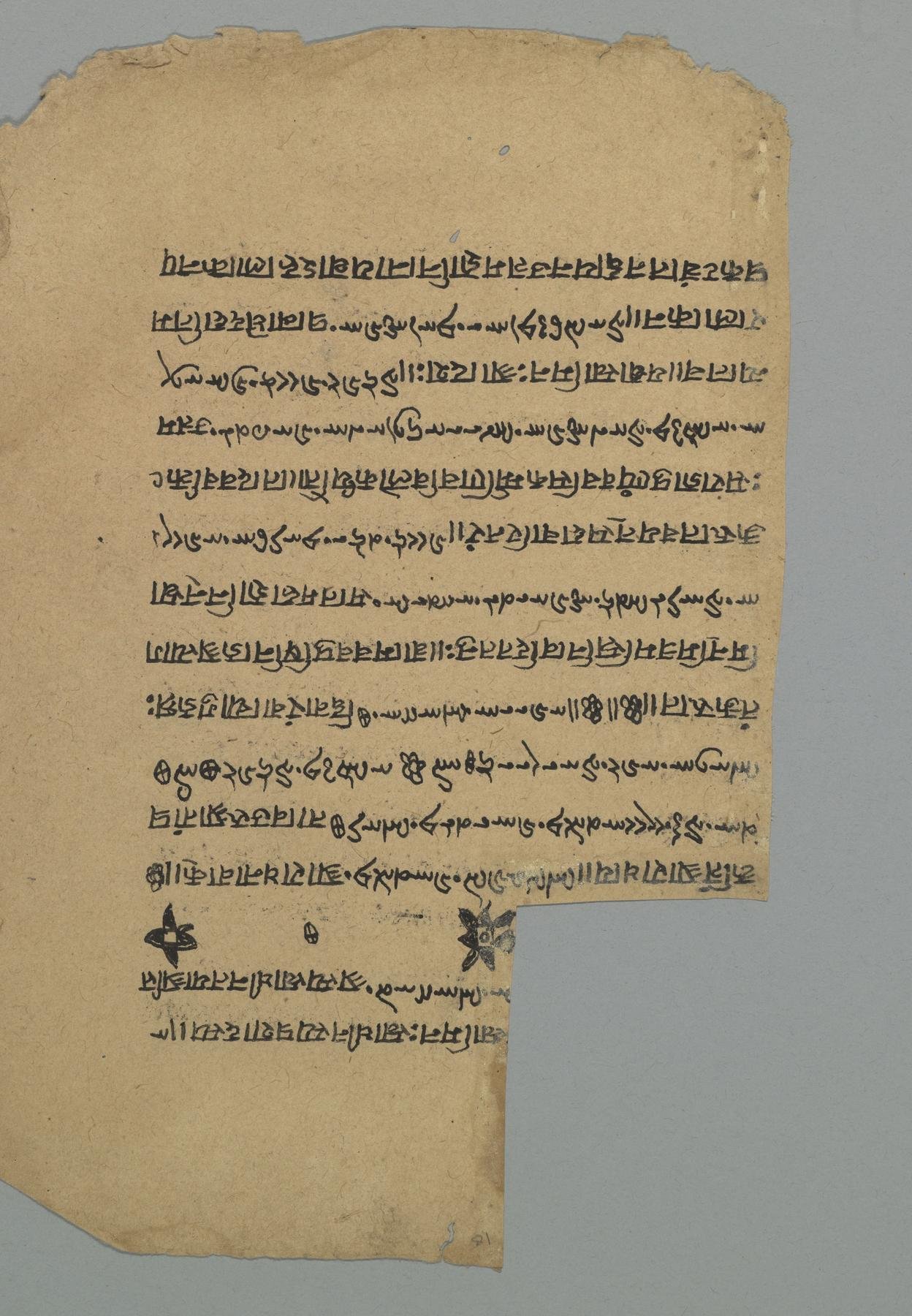
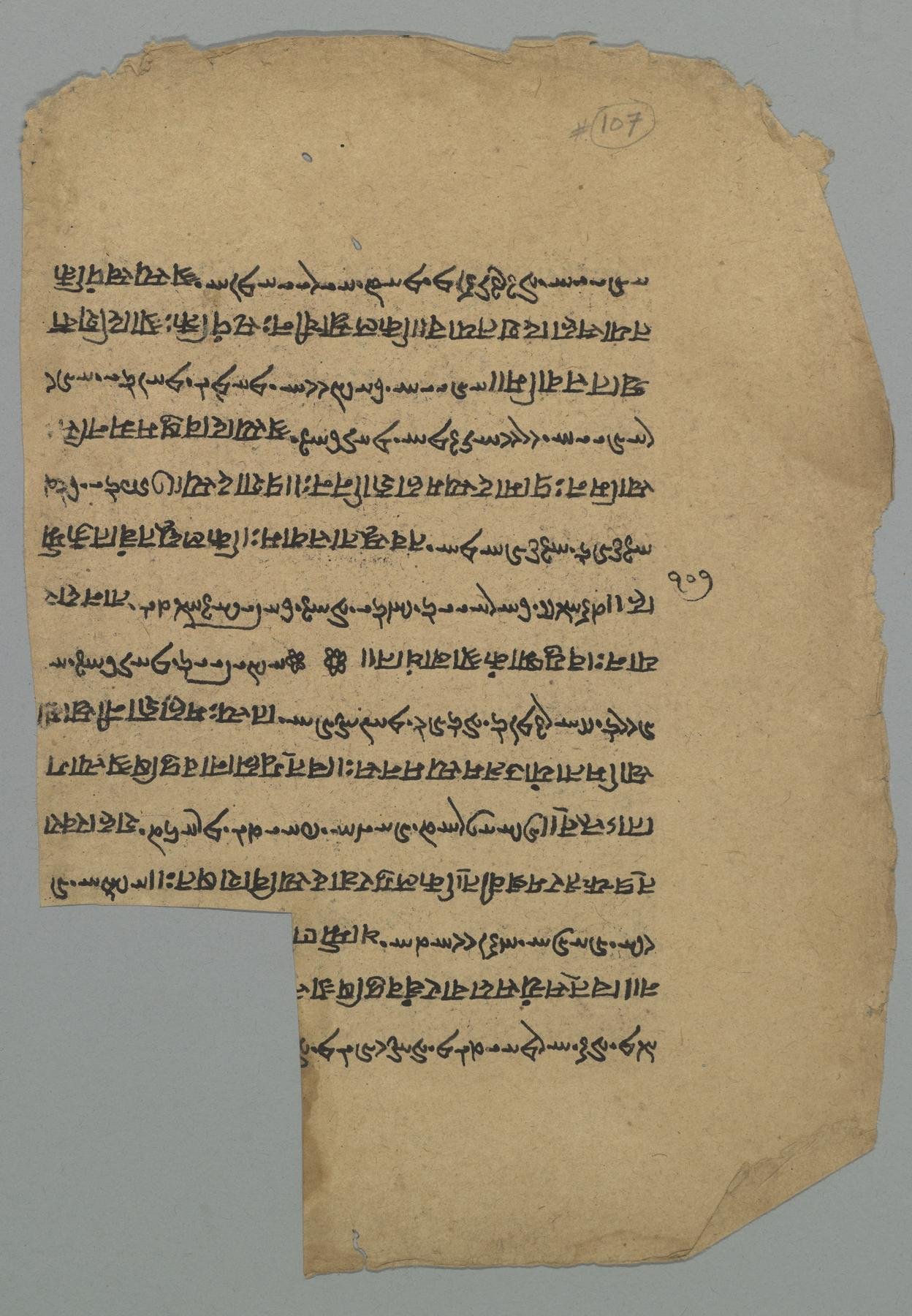
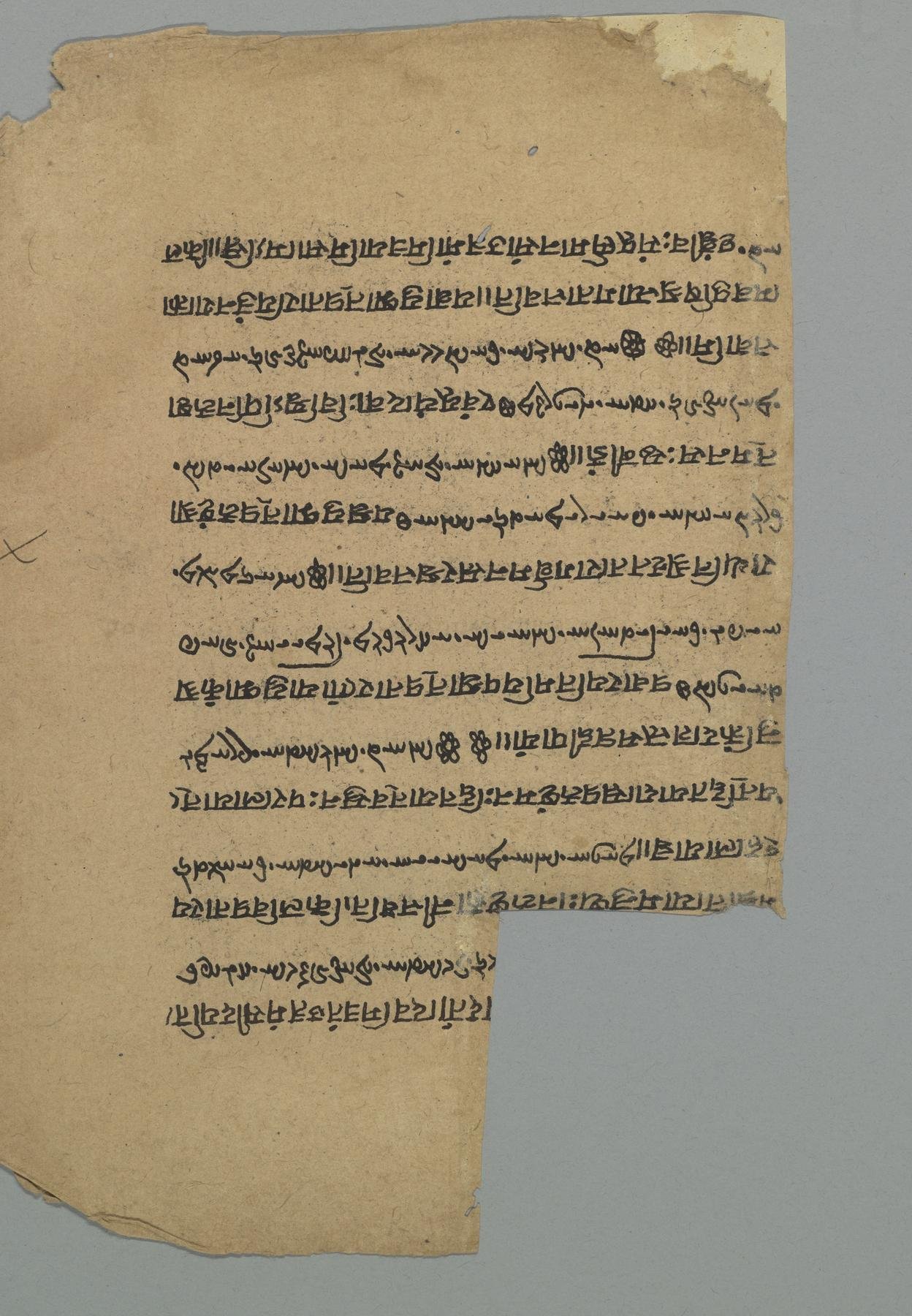
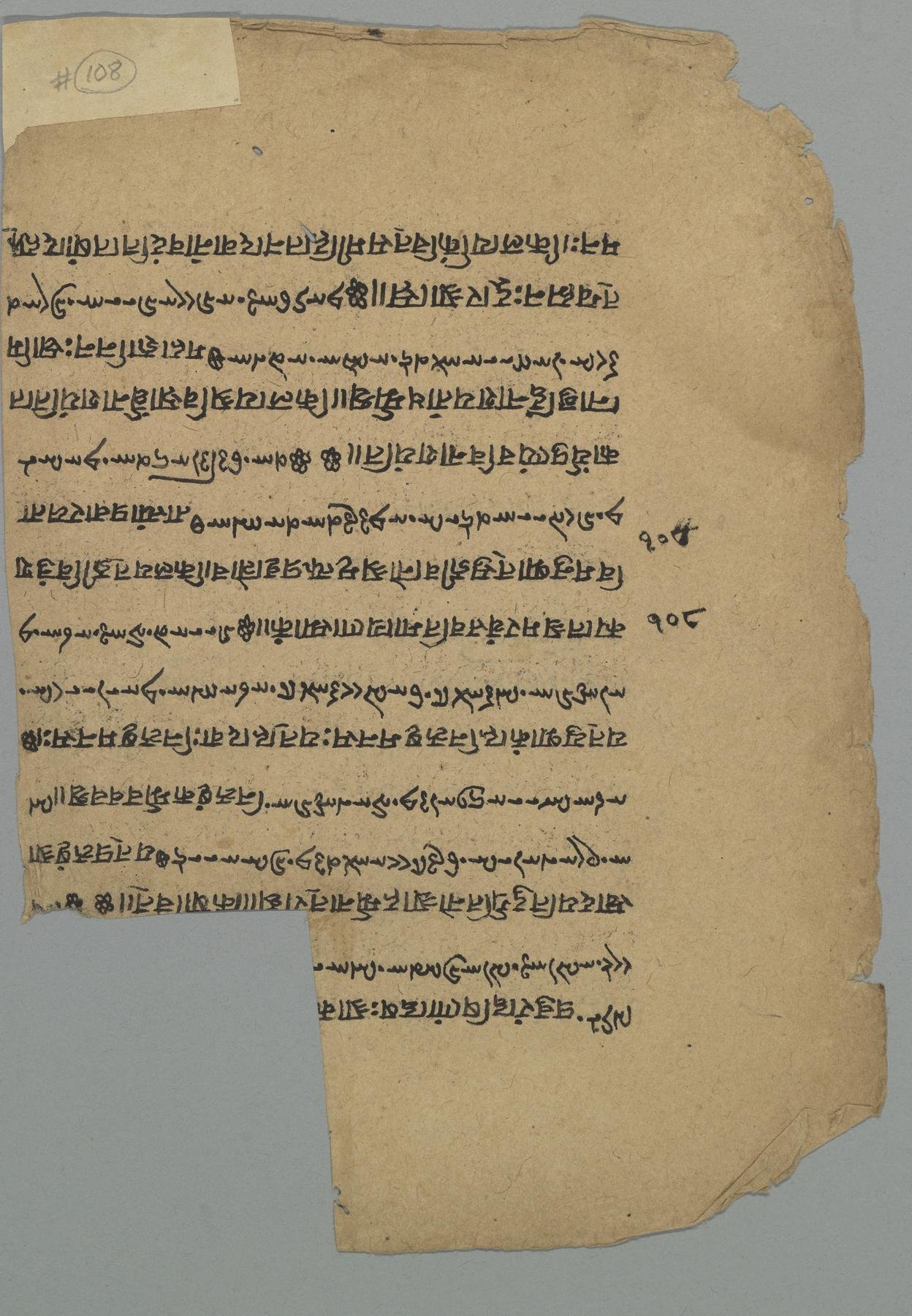
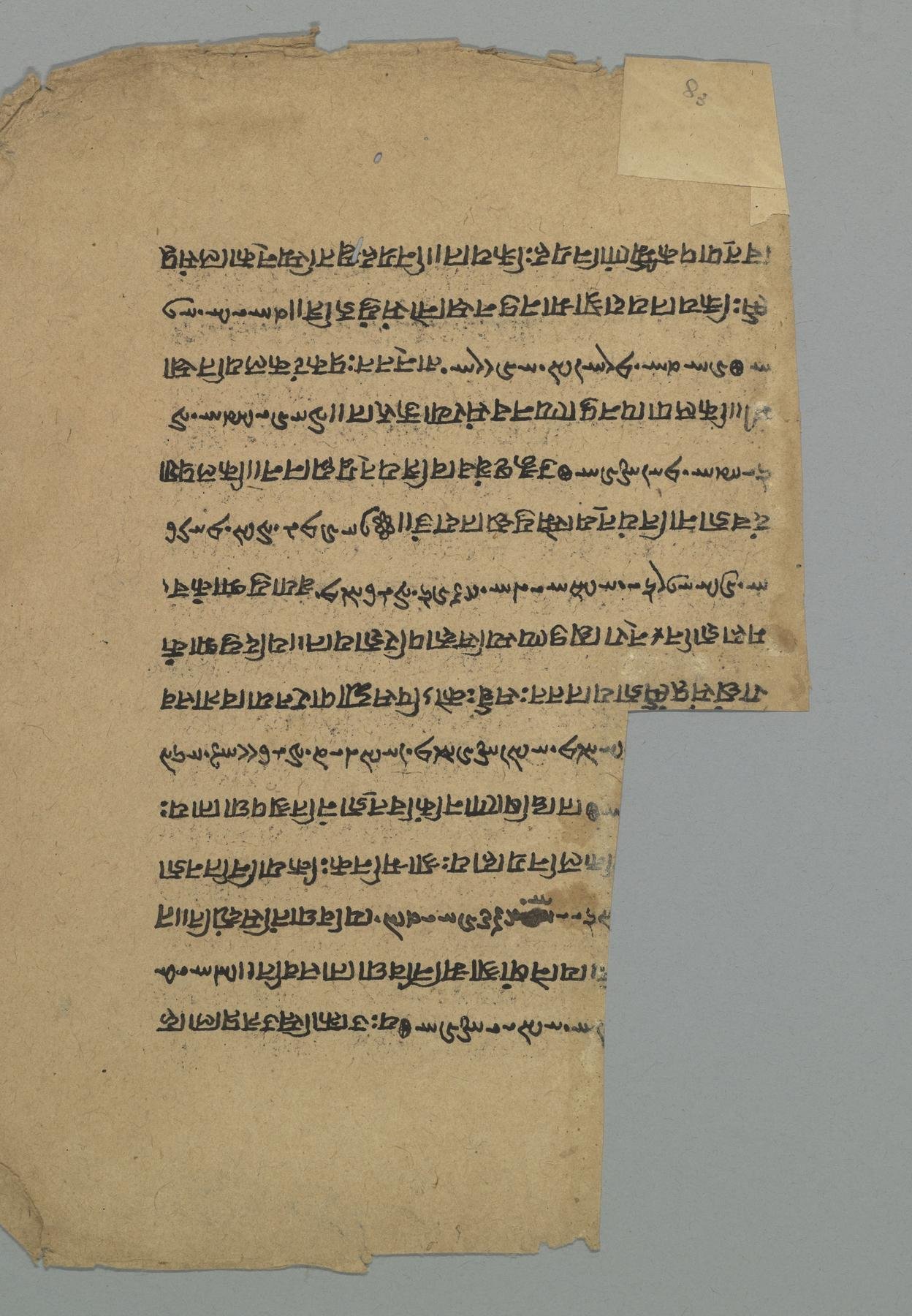
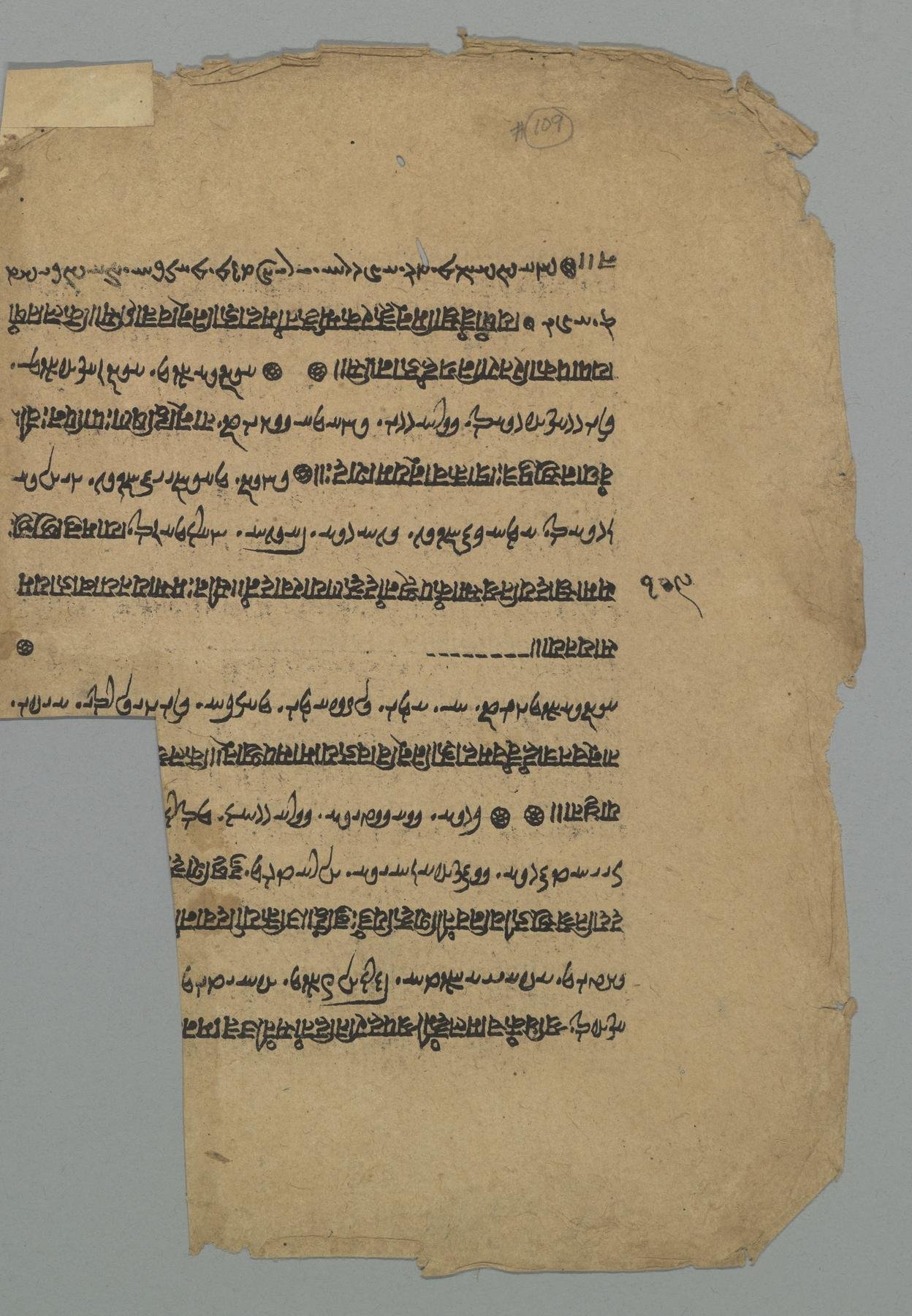
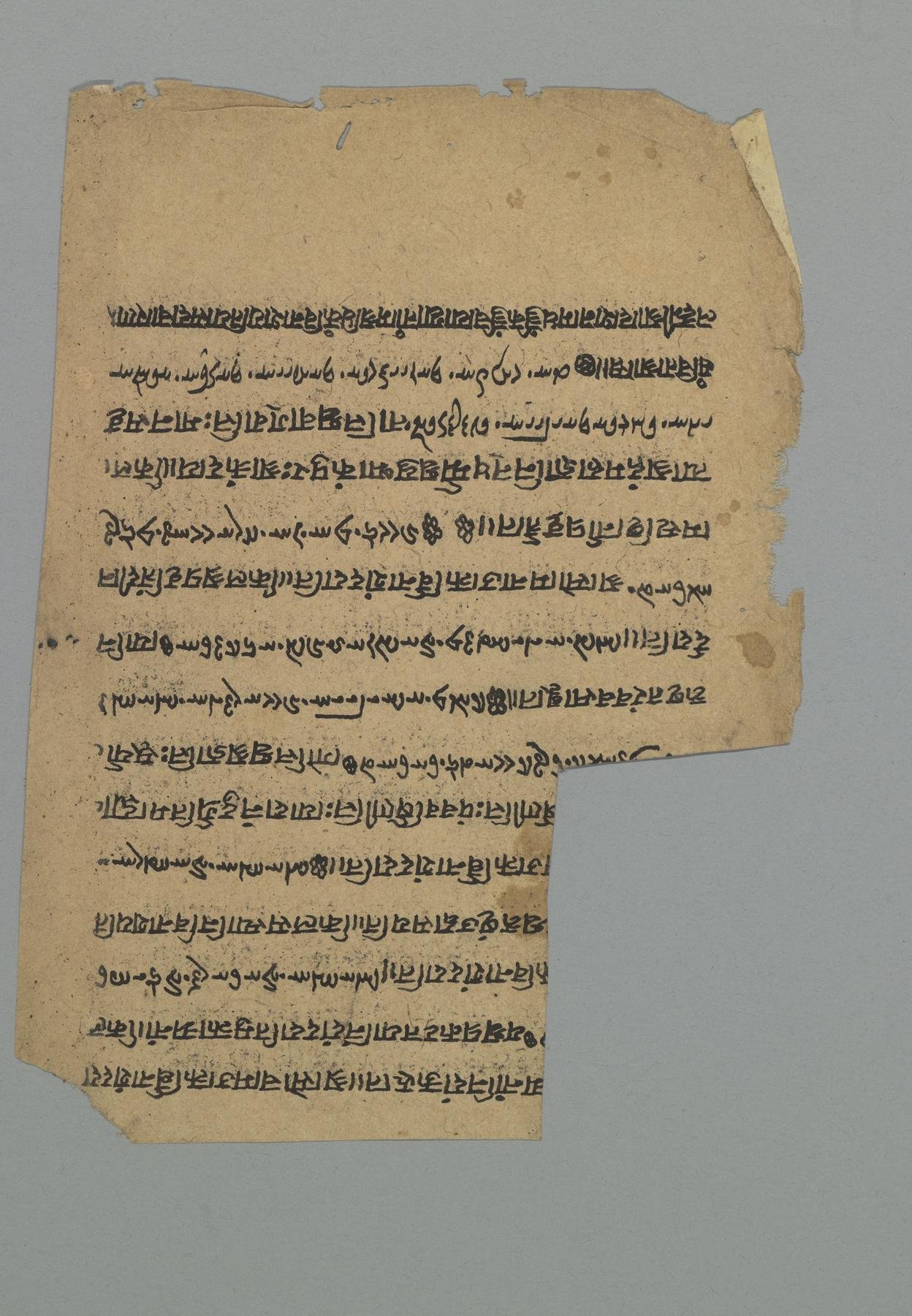
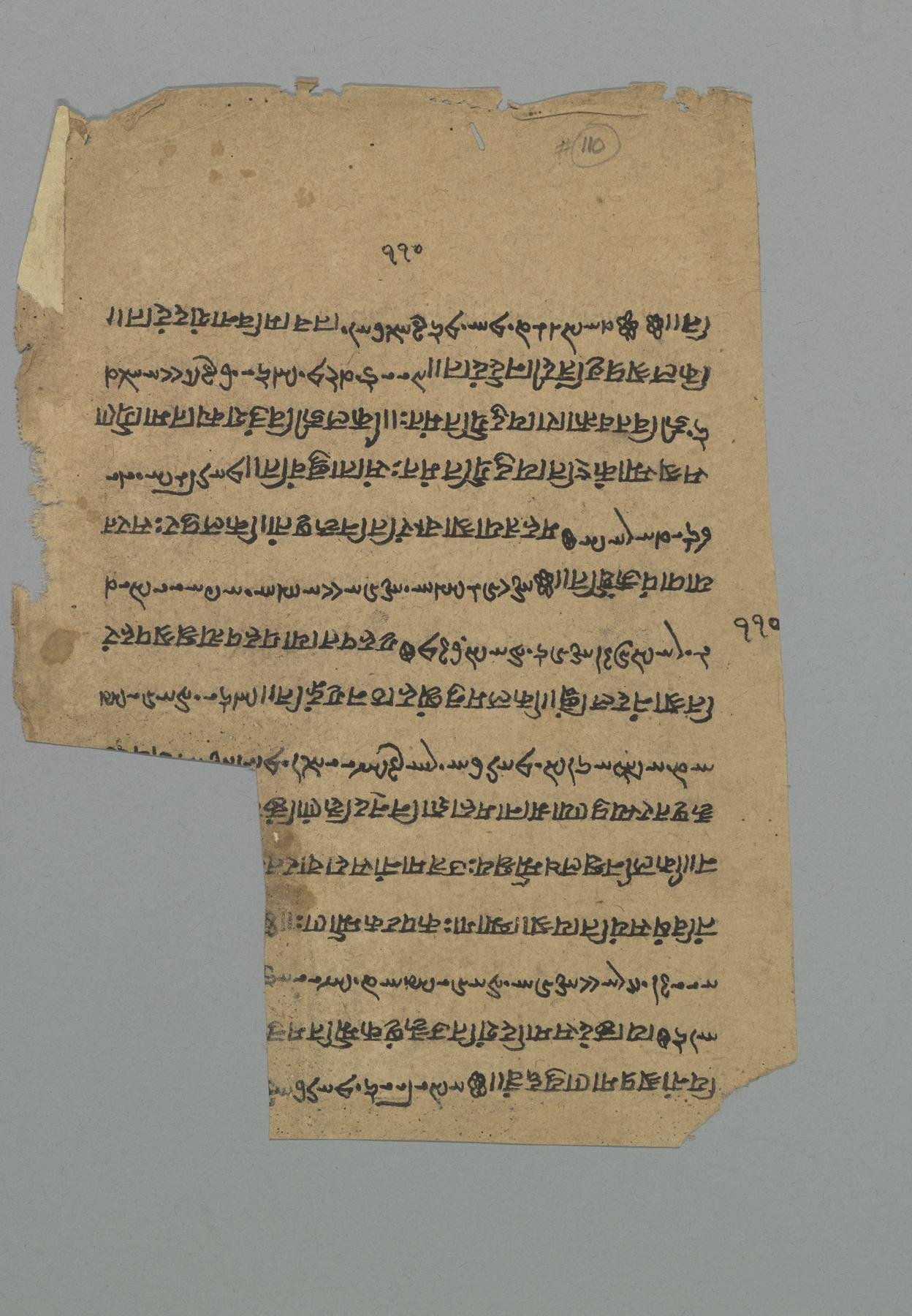
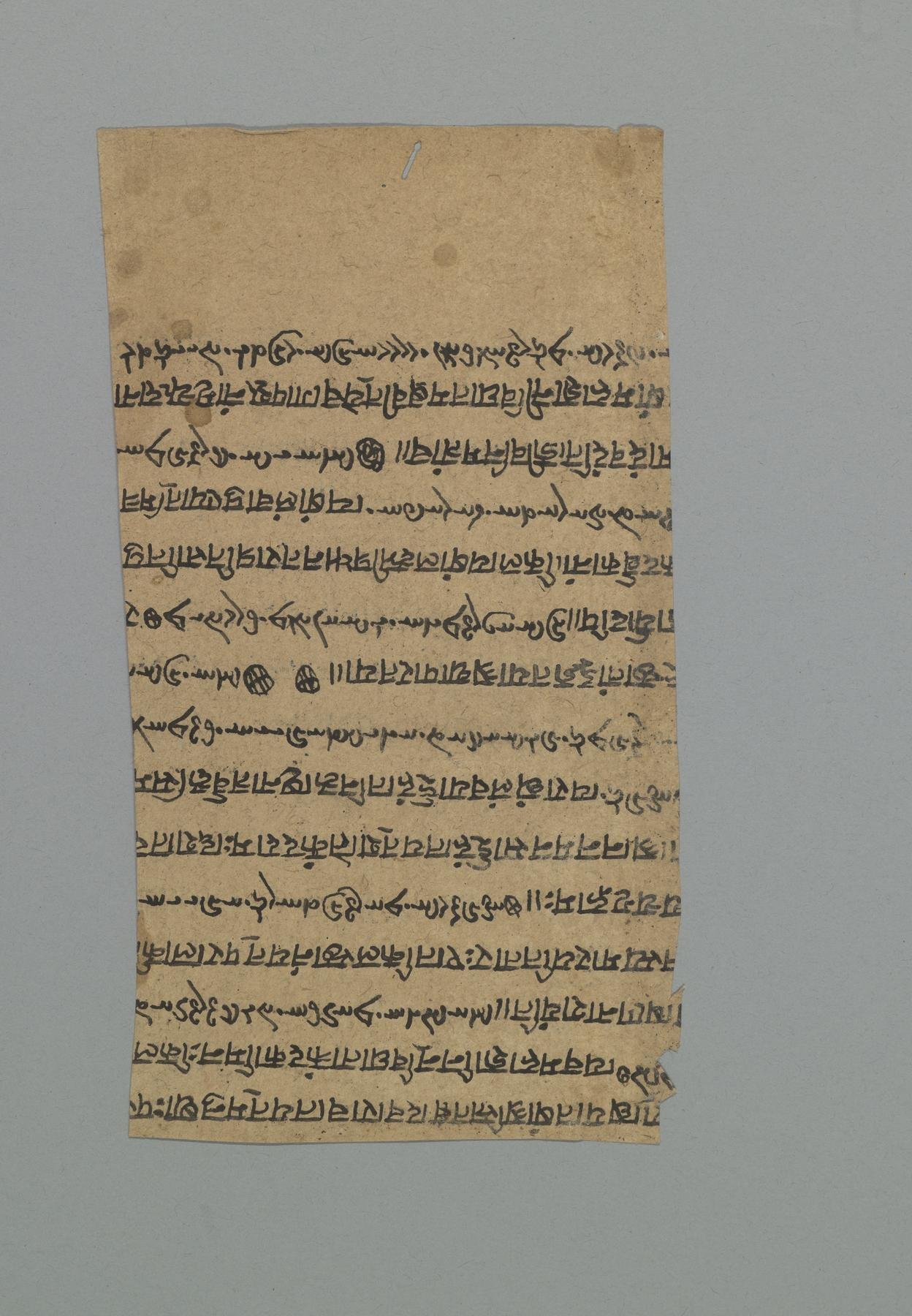
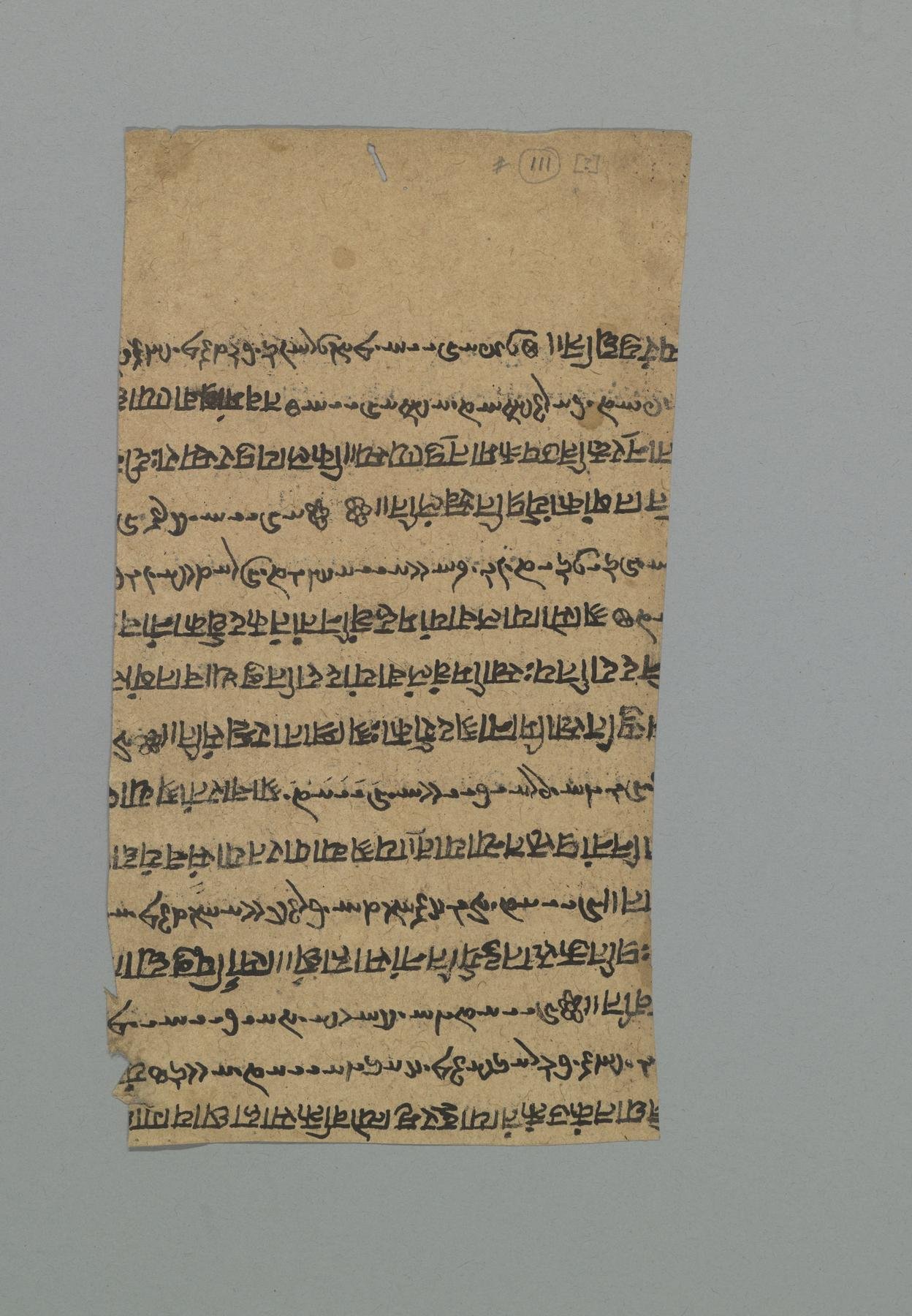
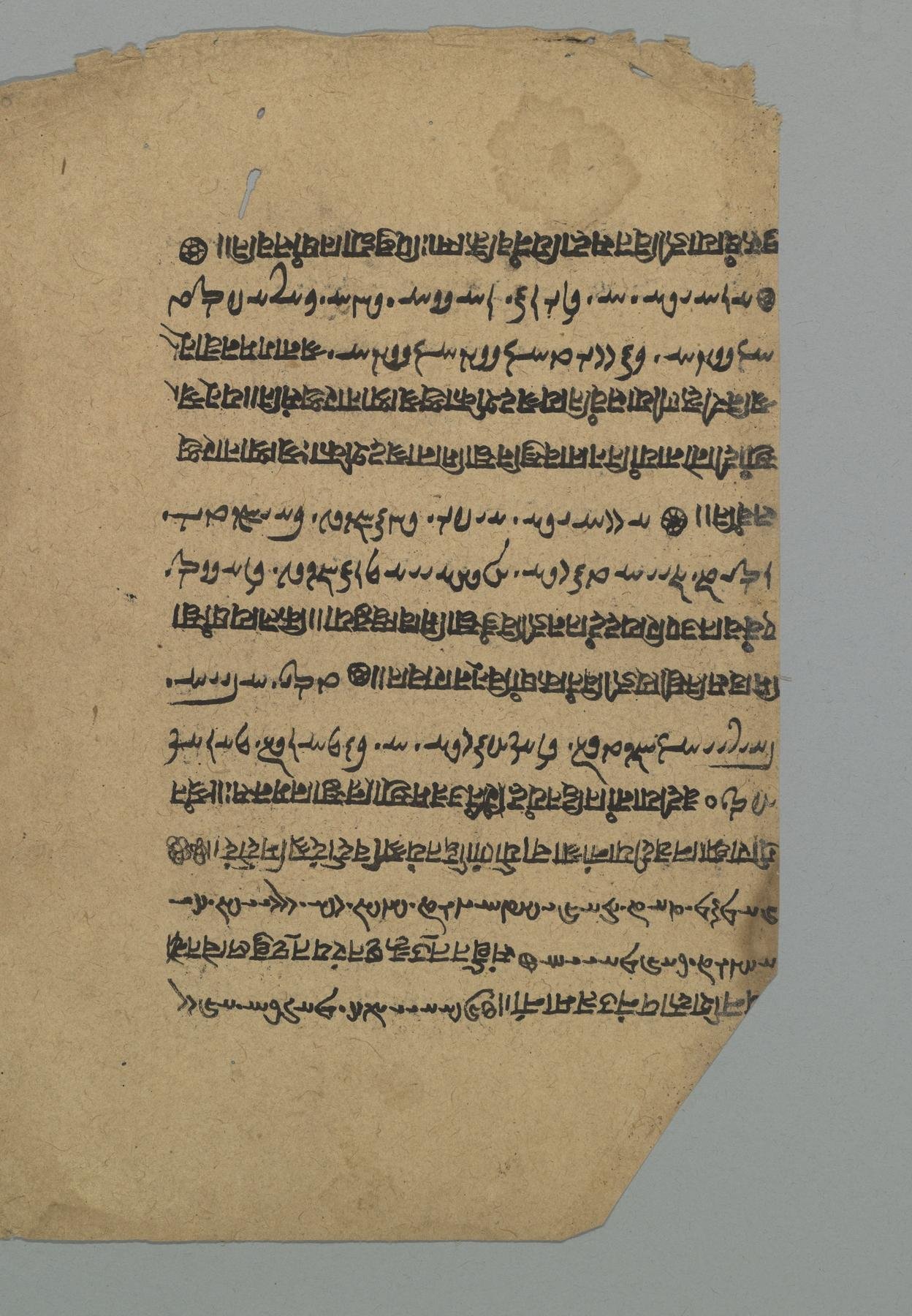
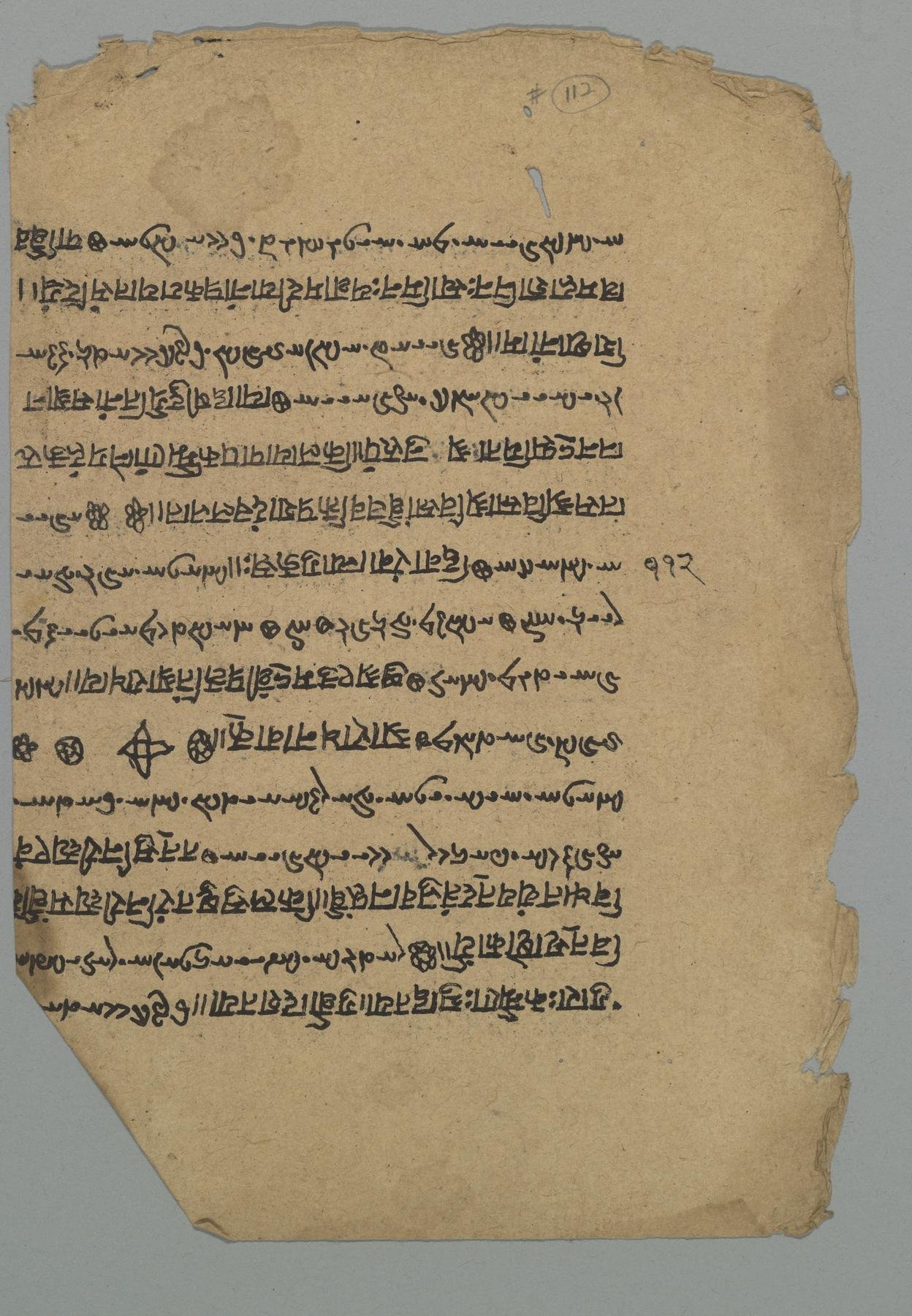
The manuscript shown is Columbia University, Rare Book & Manuscript Library, X892.5 Av3 N22, a Yasna in which every Avestan phrase is followed by the Sanskrit translation of Neryosangh (Nairyosangha, about the 12th century), written in Devanagari. Geldner, who used it for his edition as S1, called it an excellent old manuscript; Columbia dates it between 1700 and 1896. It came to Columbia in 1902 as a gift of Mobed Mancherji Barzoji Pavri to A. V. Williams Jackson. Its scribe wrote the Sanskrit upside down relative to the Avestan, so that both run from right to left along the line. This chapter fills fol. 107r-112v; its opening and close were read on the photographs, and the whole chapter forms one section listing all its pages.
The Avestan is Geldner's edition in the avesta.org transliteration; the English is L. H. Mills's translation in the Sacred Books of the East (1887), without his footnotes.
How was this verified? (Provenance)
Where on the image
Columbia University, Rare Book & Manuscript Library, X892.5 Av3 N22, fol. 107r-112v (12 pages, in order; OPenn images 10938_0206_web.jpg to 10938_0217_web.jpg). In these photographs the Avestan stands upright and the Sanskrit translation is written upside down; turn the image through 180 degrees to read the Sanskrit. Positions below (above, below, top, foot) refer to the photograph as shown, with the Avestan upright. Checked on the images: opening, fol. 107r, below the ornaments in the lower part of the page: 'asya svadhinataya abhi-' and 'svaminah svadhinasya prasadasya ||' (32.1). Neryosangh's text as edited by Mills (1894) reads here: 'Asya svadhinataya abhilasukesu [asya iti svaminah svadhinasya prasadasya]'. Close: fol. 112v, above the middle of the page: the end of 32.16, 'dvivaram vacya', 'aradhanavak', then a row of ornaments (32.15-16 read on fol. 112r: 'anagamanatvat ... adarsakah', 'sarvam tat utkrstataram yat prthulacaitanyena siksapanam uttamanam'). The verses of the chapter run in order across these pages; they were not placed on single pages. Besides the Avestan, the pages carry Neryosangh's Sanskrit after every phrase, the rubrics of the recitation and the closing formula of the chapter, none of which is shown in the text columns.
1ah'yâcâ hvaêtush ýâsat ahyâ verezênem mat airyamnâ ahyâ daêvâ mahmî manôi ahurahyâ urvâzemâ mazdå, thwôi dûtånghô ånghâmâ têñg dârayô ýôi vå daibisheñtî.
2aêibyô mazdå ahurô sâremnô vohû mananghâ xshathrât hacâ paitî-mraot ashâ hush-haxâ hvênvâtâ, speñtãm vê ârmaitîm vanguhîm varemaidî hâ-nê anghat.
3at ýûsh daêvâ vîspånghô akât mananghô stâ cithrem ýascâ vå mash ýazaitê drûjascâ pairimatôishcâ shyaomãm aipî daibitânâ ýâish asrûdûm bûmyå haptaithê.
4ýât ýûshtâ framîmathâ ýâ mashyâ acishtâ dañtô vaxsheñtê daêvô-zushtâ vanghêush sîzhdyamnâ mananghô mazdå ahurahyâ xratêush nasyañtô ashâatcâ.
5tâ debenaotâ mashîm hujyâtôish ameretâtascâ hyat vå akâ mananghâ ýêñg daêvêñg akascâ mainyush akâ shyaothanem vacanghâ ýâ fracinas dregvañtem xshayô.
6pourû-aênå ênâxshtâ ýâish srâvahyeitî ýezî tâish athâ dà vôistâ hâtâ-marânê vahishtâ mananghâ ahurâ thwahmî vê mazdâ xshathrôi ashâicâ sêñghô vîdãm.
7aêshãm aênanghãm naêcît vîdvå aojôi hâdrôyâ ýâ jôyâ sêñghaitê ýâish srâvî hvaênâ ayanghâ ýaêshãm tû ahurâ irixtem mazdâ vaêdishtô ahî.
8aêshãm aênanghãm vîvanghushô srâvî ýimascît ýê mashyêñg cixshnushô ahmâkêñg gâush bagâ hvâremnô aêshãmcît â ahmî thwahmî mazdâ vîcithôi aipî.
9dush-sastish sravå môreñdat hvô jyâtêush sêñghanâish xratûm apô mâ îshtîm apayañtâ berexdhãm hâitîm vanghêush mananghô tâ uxdhâ manyêush mahyâ mazdâ ashâicâ ýûshmaibyâ gerezê.
10hvô mâ-nâ sravå môreñdat ýê acishtem vaênanghê aogedâ gãm ashibyâ hvarecâ ýascâ dâthêñg dregvatô dadât ýascâ vâstrâ vîvâpat ýascâ vadarê vôizhdat ashâunê.
11taêcît mâ môreñden jyôtûm ýôi dregvatô mazibîsh cikôiteresh anguhîshcâ anghvascâ apayeitî raêxenanghô vaêdem ýôi vahishtât ashâunô mazdâ râreshyãn mananghô.
12ýâ rånghayen sravanghâ vahishtât shyaothanât maretânô aêibyô mazdå akâ mraot ýôi gêush môreñden urvâxsh-uxtî jyôtûm ýâish gerêhmâ ashât varatâ karapâ xshathremcâ îshanãm drujem.
13ýâ xshathrâ gerêhmô hîshasat acishtahyâ demânê mananghô anghêush maraxtârô ahyâ ýaêcâ mazdâ jîgerezat kâmê thwahyâ mãthrânô dûtîm ýê-îsh pât daresât ashahyâ.
14ahyâ gerêhmô â-hôithôi nî kâvayascît xratûsh nî dadat varecå hîcâ fraidivâ hyat vîsêñtâ dregvañtem avô hyatcâ gâush jaidyâi mraoî ýê dûraoshem saocayat avô.
15anâish â vî-nênâsâ ýâ karapôtåscâ kevîtåscâ dà avâish aibî ýêñg daiñtî nôit jyâtêush xshayamnêñg vasô tôi âbyâ bairyåñtê vanghêush â-demânê mananghô.
16hamêm tat vahishtâcît ýê ushuruyê syascît dahmahyâ xshayãs mazdâ ahurâ ýehyâ-mâ aithîshcît dvaêthâ hyat aênanghê dregvatô êeânû ishyêñg anghayâ!
1(That rival-monarch (thus we may supply the sense of lost verses) for whom some are plotting to secure the sovereignty, and who, once in power, would deliver over home, village, town, and province to ruin and to death, is active in his efforts, and offering the devotions of his false religion to accomplish his ends.) 1. His lord-kinsman will pray (as I Zarathustra prayed), and his labouring villagers, with his (trusted) peers, and his (fellow) Daêva-worshippers. But in my mind is the friendship of Ahura Mazda, the Great Creator, the living Lord; and Thine heralds, O Ahura! may we be; may we hold back those who hate and who offend You!
2To these (for whom the prophet spake) Ahura Mazda answered, ruling as He does through His Good Mind (within their souls), He replied from His Sovereign Power, our good friend (as he is) through His surpassing Righteousness: We have accepted your good and bountiful Piety, and we have chosen her; ours shall she be!
3But you, O ye Daêvas! are all a seed from the Evil Mind. He who offers sacrifice to You the most is of the Lie-demon, and (he is a child) of perversion. In advance (are your) deceits whereby ye are famed in the sevenfold earth!
4For ye (are) confusing our thoughts, whereby men, giving forth the worst deeds, will speak, as of the Demon-gods beloved, forsaken by the Good Mind, (far) astray from the understanding of the Great Creator, the Living Lord, and (far astray) from His Righteousness!
5Therefore ye would beguile mankind of happy life (upon earth) and of Immortality (beyond it), since the Evil Spirit (has ruled) you with his evil mind. Yea, he has ruled you, (ye) who are of the Demon-gods, and with an evil word unto action, as his ruler (governs) the wicked!
6Full of crime (your leader) has desired to destroy us, wherefore he is famed, (and his doctrine is declared); but if this be so of these, then in the same manner, O Ahura! Thou possessest (because Thou knowest) the true (teachings) in Thy memory. And in Thy kingdom and Thy Righteous Order I will establish Thy precepts (in Thy name).
7Among these wretched beings (this their leader) knows not that those things which are declared as victorious (by his allies) are bound together for the smiting; yea, those things by which he was famed (as victorious) by his (blade of) glittering iron. But the utter destruction of those things Thou, O Ahura Mazda! knowest, most surely!
8Of these wretched beings Yima Vîvanghusha was famed to be; he who, desiring to content our men, was eating kine's flesh in its pieces. But from (such as) these, O Ahura Mazda! in Thy discerning discrimination, am I (to be seen as distinct).
9An evil teacher (as that leader is), he will destroy (our) doctrines, and by his teachings he will pervert the (true) understanding of life, seizing away (from me) my riches, the choice and real wealth of (Thy) Good Mind. To You and to Asha, O Ahura Mazda! am I therefore crying with the voice of my spirit's (need)!
10Aye, this man will destroy my doctrines (indeed, for he blasphemes the highest of creatures that live or are made). He declares that the (sacred) Kine and the Sun are the worst of things which eye can see; and he will offer the gifts of the wicked (as priest to their Demon-gods). And at the last he will parch our meadows with drought, and will hurl his mace at Thy saint (who may fall before his arms).
11Yea, these will destroy my life, for they consult with the great of the wicked (enlightening themselves by their words). And they are seizing away the gifts of inherited treasures from both household-lord and from house-wife; (wretched men that they are), and those who will fiercely wound (my folk, repelled and in no way kindly moved) by the better mind of the holy.
12(But Ahura will speak His rebuke, for) as to those doctrines which (such) men may be (basely) delivering (repelled) by the holiest action, (and galled by its sacred truth) God hath said: Evil (are they! Yea, unto these He hath said it) who have slain the Kine's life by a blessing (and have cursed her while they offered to help her), men by whom Grehmas are loved above Righteousness, and the Karpans, and the Throne of those who have wished for the Demon of lies (as their deity and friend).
13And the Grehma will seek for these things by means of his (evil) kingdom in the abode of (Hell which is) the Worst Mind (who both are together) the destroyers of life, and who, O Mazda! will bewail with glad but (envious) wish the message of Thy prophet. (But he will not abate with his vengeance), he will hold them afar from the sight of the truth!
14His is Grehma; aye, his! And to (oppose) Thee he will establish the Kavis and (their) scheming plans. Their deeds of power are but deceits since they have come as an aid to the wicked, and since he has been (falsely) said (to be set) to conquer the Kine, he who shall kindle that (very) help of grace which removes our death afar, (and lightens Thy saving flame).
15And therefore will I drive from hence the Karpans’ and Kavis’ disciples. And after these (have thus been driven hence and away) then these (my princely aiding saints) whom they (now) render no longer rulers at will over life, (and deprive of their absolute power), these shall be borne (at last) by the (immortal) two to the home of (Thy) Good Mind (in Heaven)!
16(And) this entire (reward of the righteous) is from that Best One who teaches in the wide (mental) light of the pious, ruling (as supreme), O Mazda Ahura! whose are my woes and my doubtings (yea, they lie in His power to heal), when I shall make (my prophets) men to be sought for the harm of the wicked. And this I shall do by the word of my mouth (to defend and avenge my saints)!
Notes
- Avestan: Geldner's text in the avesta.org transliteration; the recitation rubrics '(zot,)' and '(zot u raspi,)' and the closing formula printed after the chapter are left out. '(2)' after a verse marks that it is recited twice.
- English: L. H. Mills, Sacred Books of the East 31 (1887), without his footnotes and chapter summaries; his headings naming the speakers are printed in italics. Mills prints some letters of Avestan names in italic type (as in Zarathustra); they are given here in roman type.
- Mills begins Yasna 32 with a bracketed sentence of his own that 'supplies the sense of lost verses'; it is kept before verse 1 as printed.
Cite
Sources
- Source: Columbia University, Rare Book & Manuscript Library, X892.5 Av3 N22 (Yasna with Neryosangh's Sanskrit; OPenn, Public Domain Mark) + Geldner's Avestan text (avesta.org) + L. H. Mills's English (SBE 31, 1887) (holding institution)
- Critical edition: Geldner, Avesta (1886-1896), avesta.org transliteration
← previous · → next · v cycle view · l back to library