Gathas, Yasna 33: prayers, hopes and self-consecration
Introduction
Yasna 33 belongs to the Ahunavaiti Gatha. It describes the judgement of the righteous and the wicked and ends with Zarathustra offering his own life and body to Mazda.
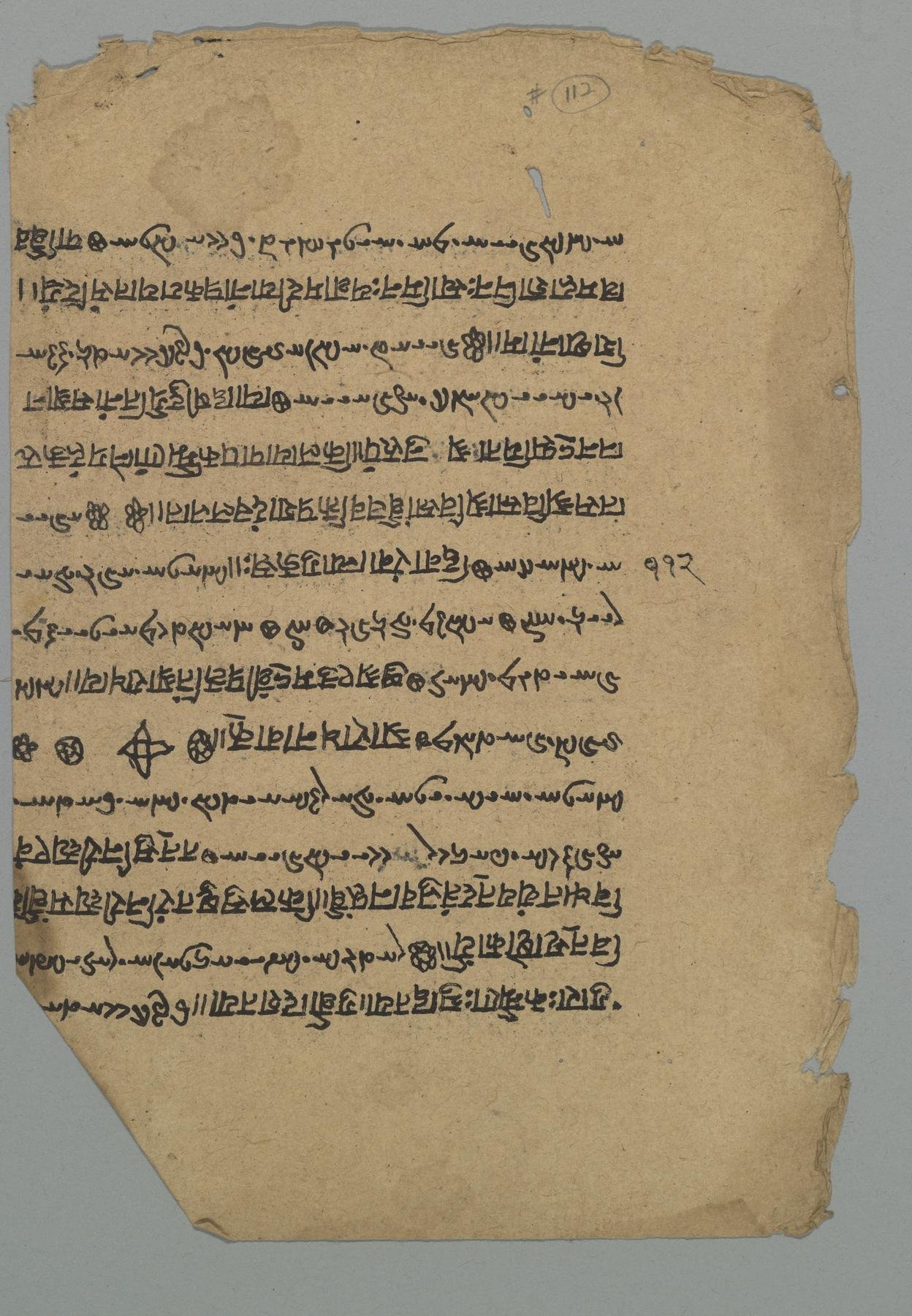
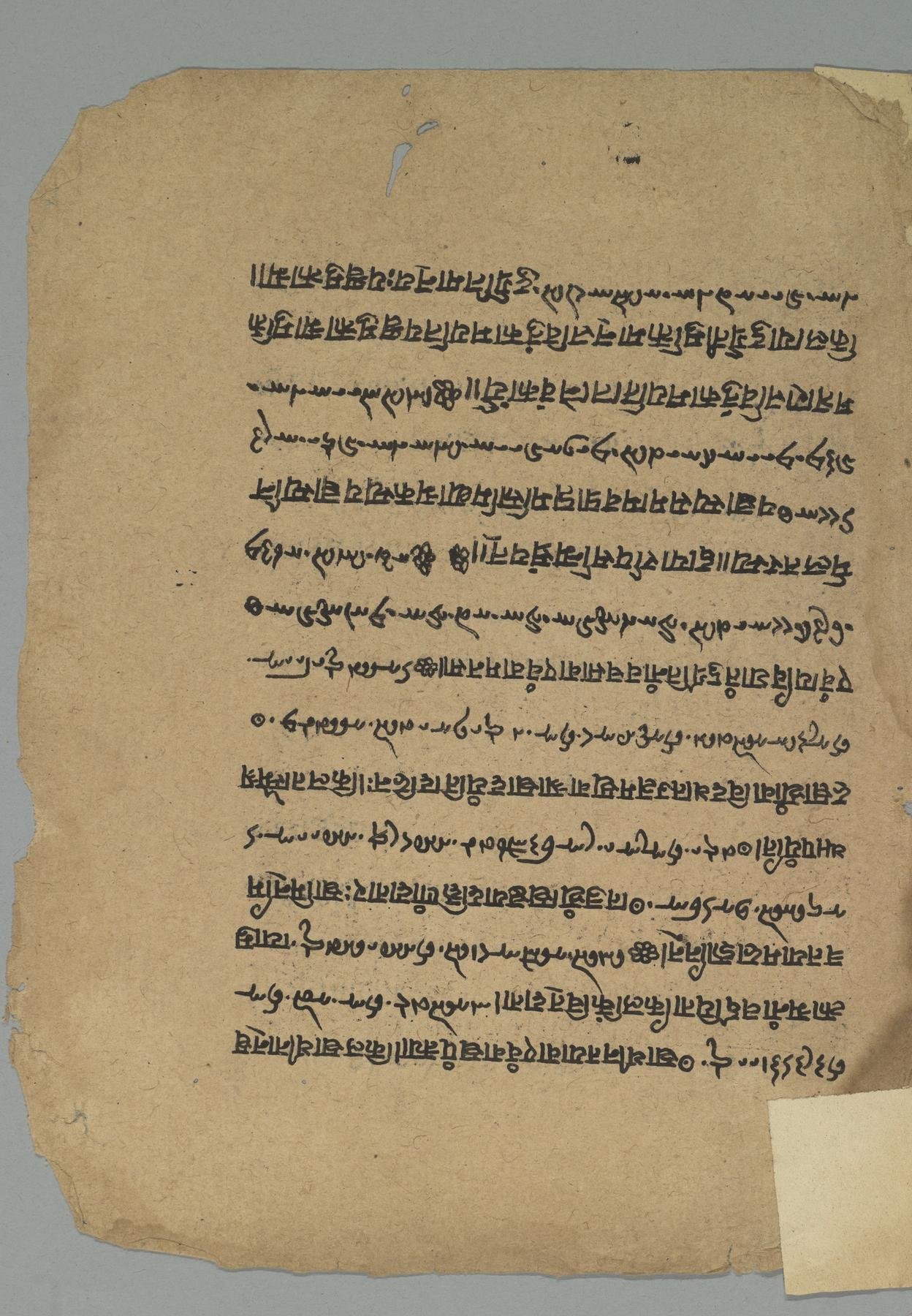
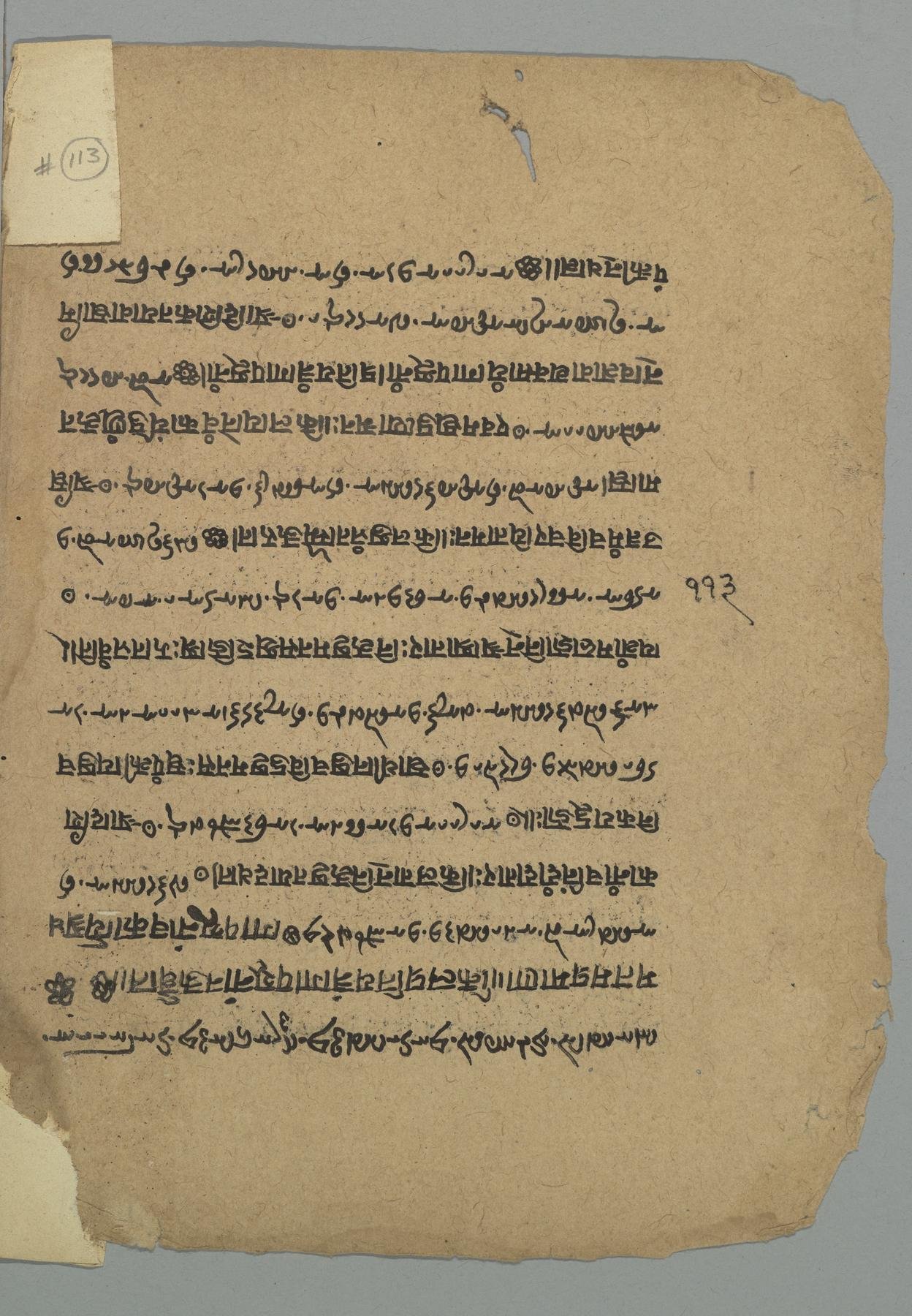
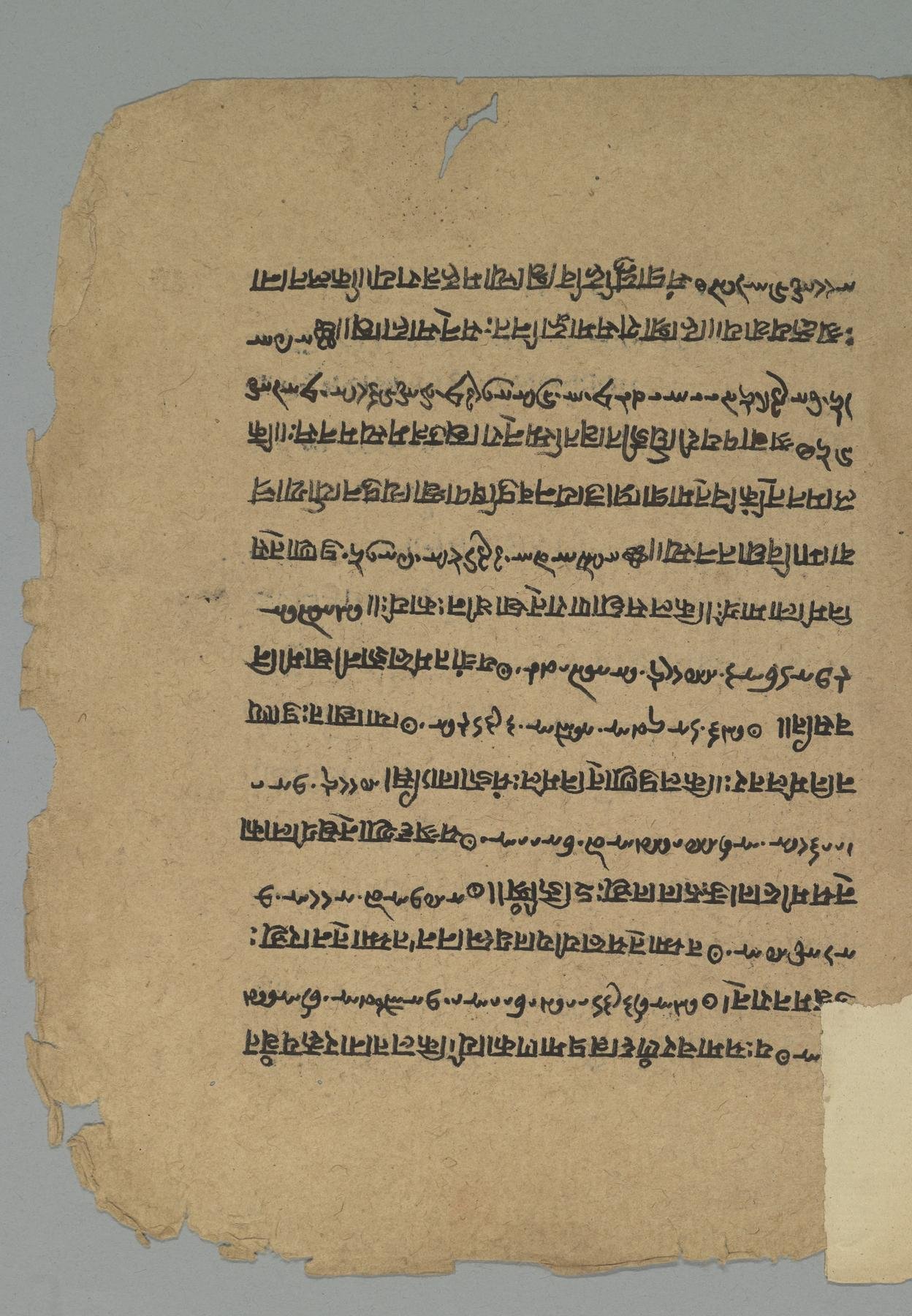
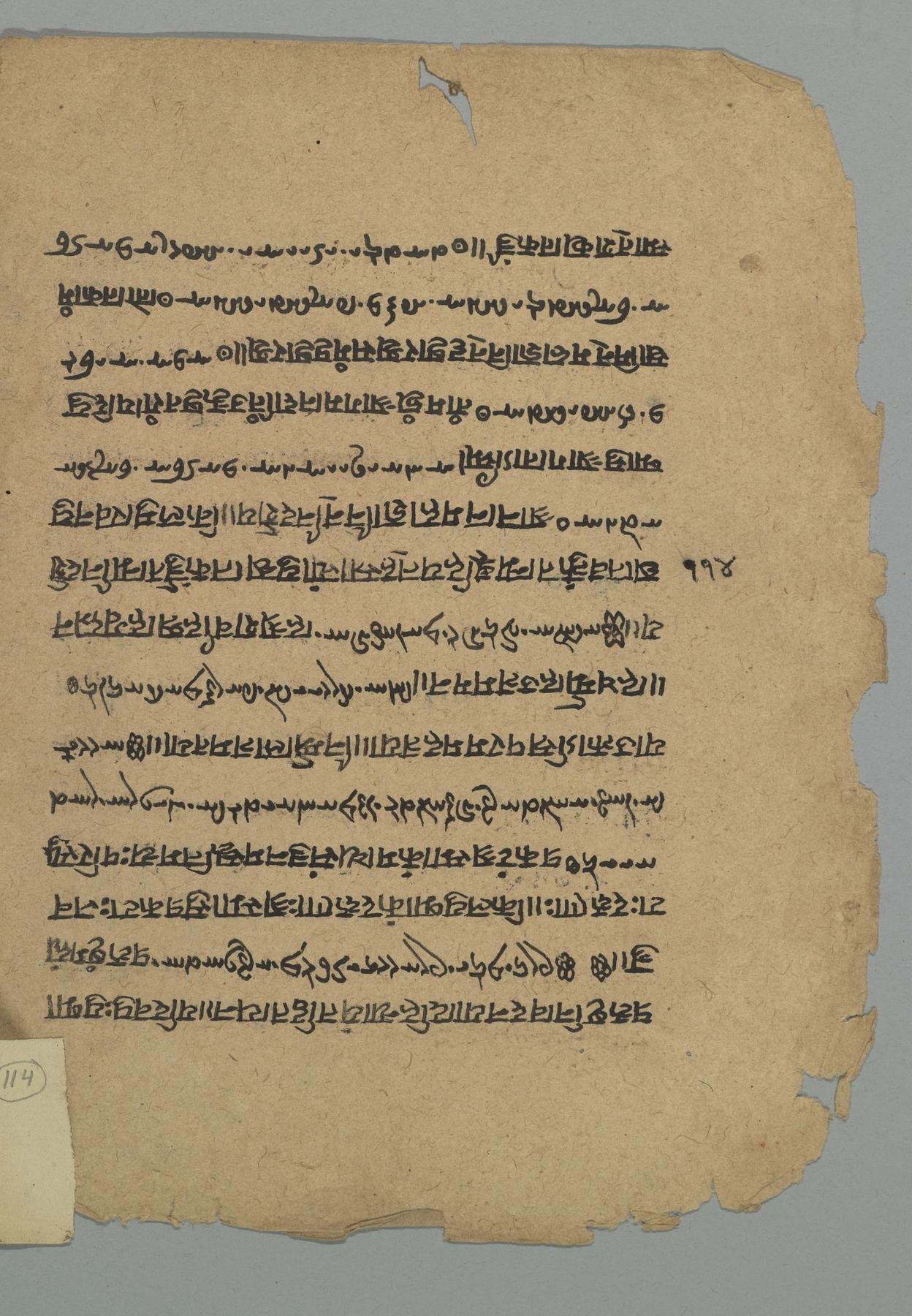
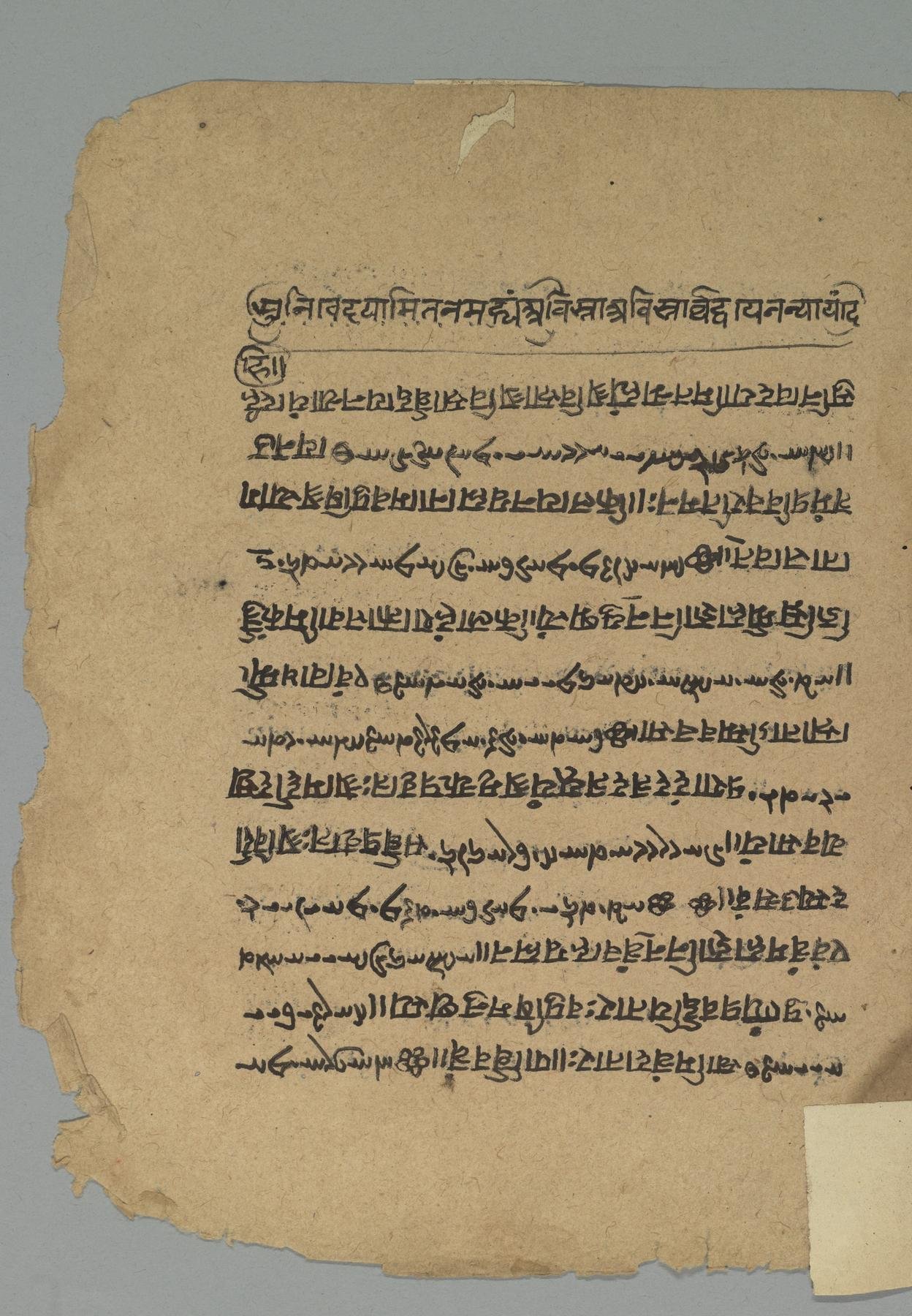
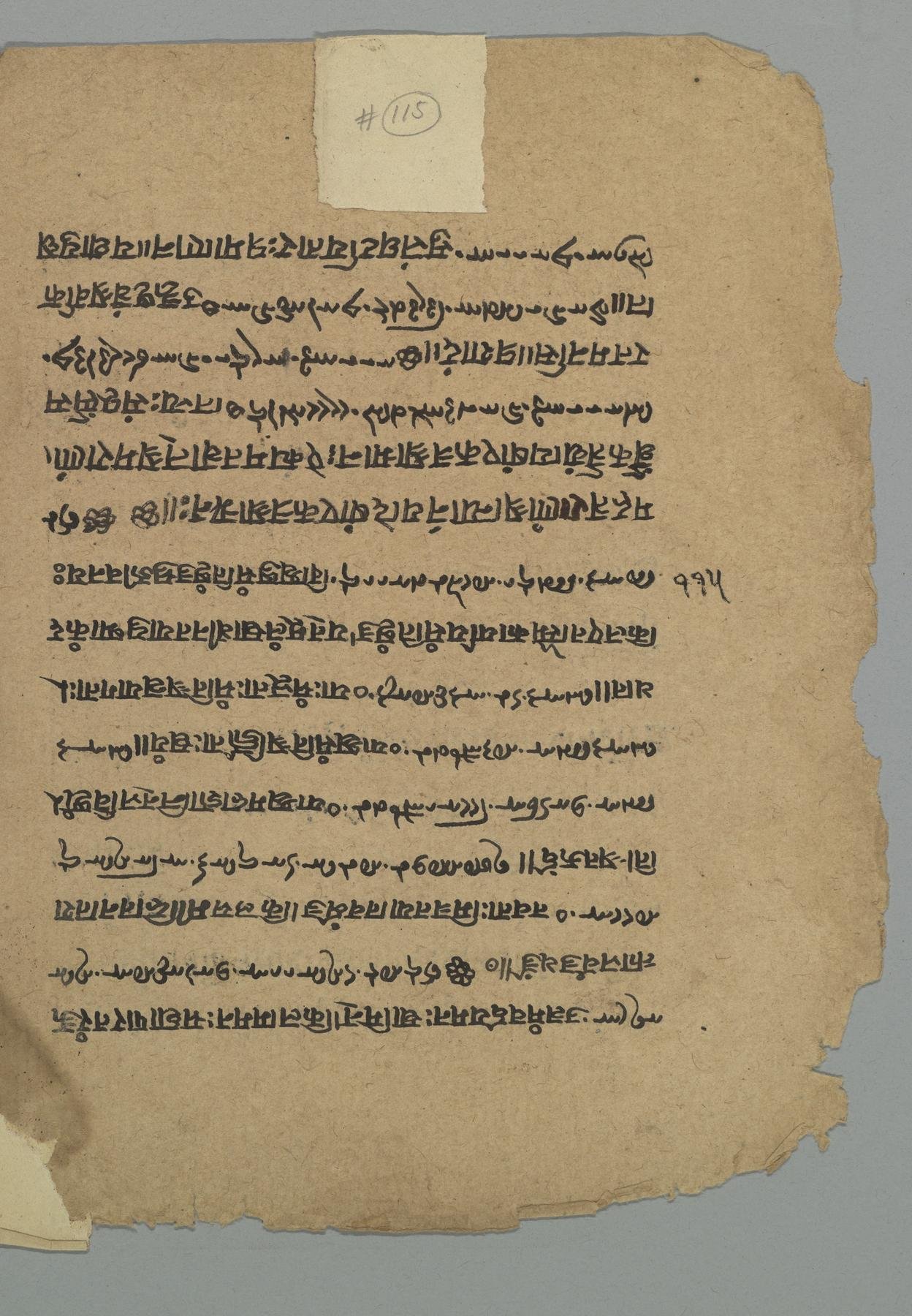
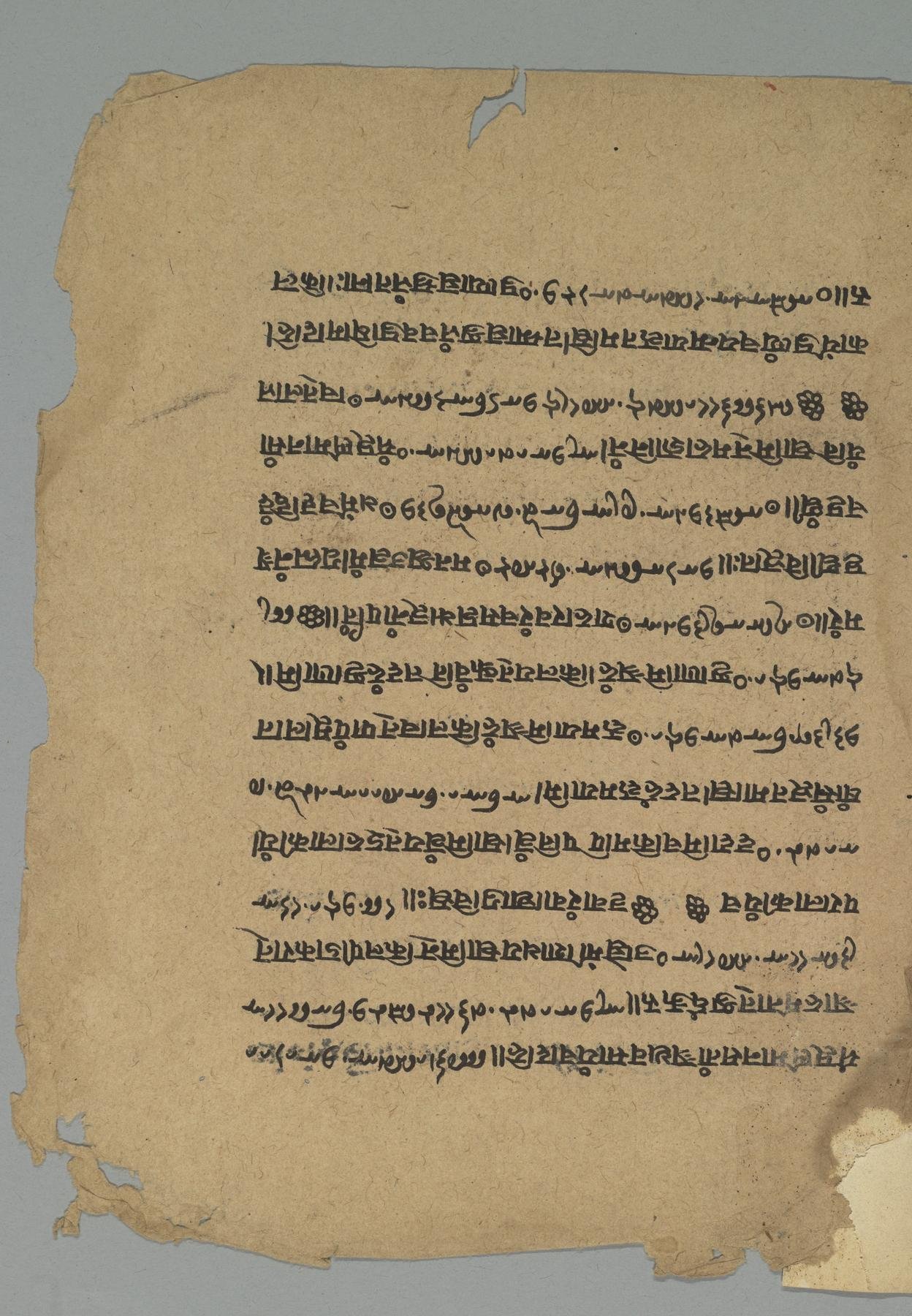
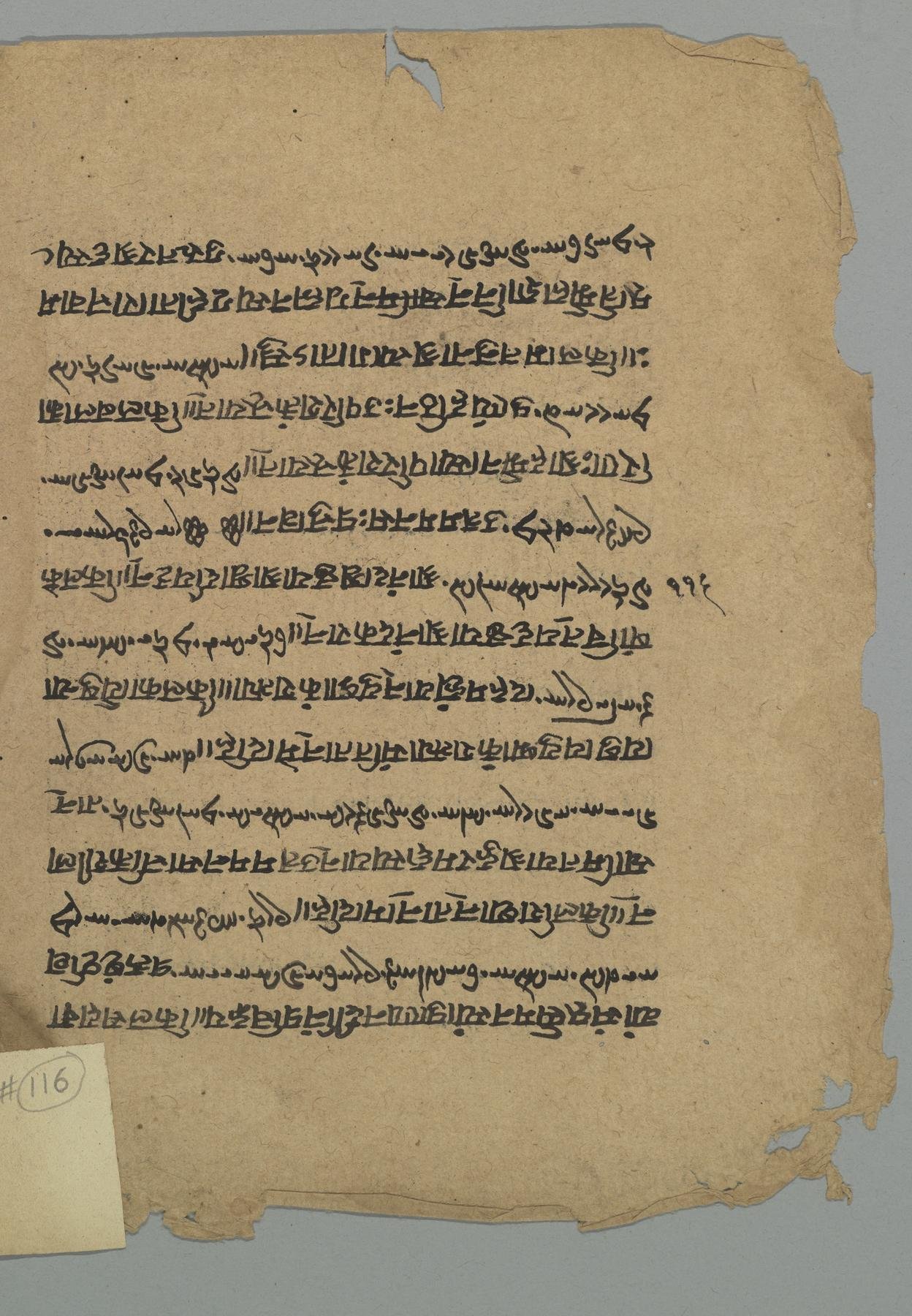
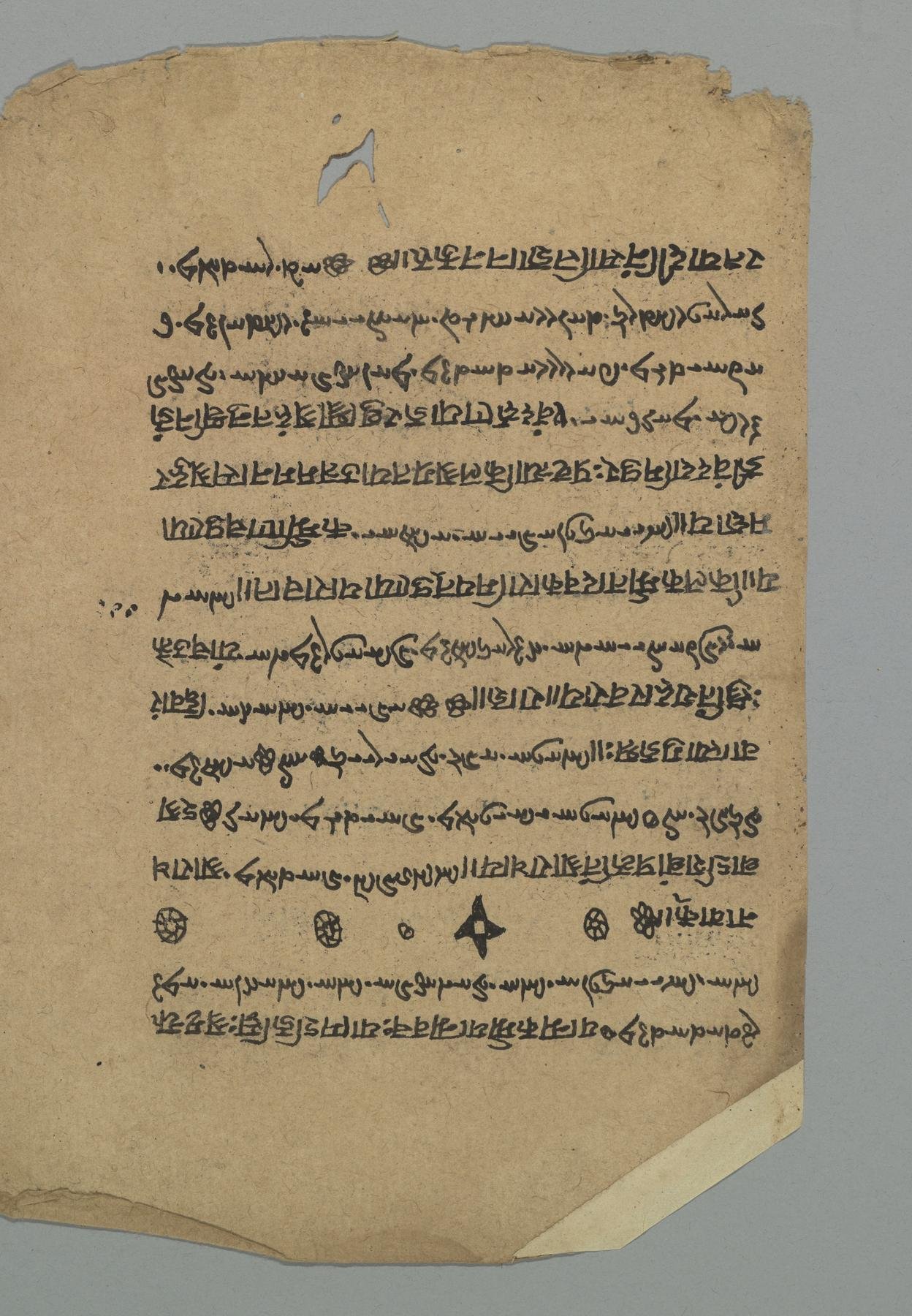
The manuscript shown is Columbia University, Rare Book & Manuscript Library, X892.5 Av3 N22, a Yasna in which every Avestan phrase is followed by the Sanskrit translation of Neryosangh (Nairyosangha, about the 12th century), written in Devanagari. Geldner, who used it for his edition as S1, called it an excellent old manuscript; Columbia dates it between 1700 and 1896. It came to Columbia in 1902 as a gift of Mobed Mancherji Barzoji Pavri to A. V. Williams Jackson. Its scribe wrote the Sanskrit upside down relative to the Avestan, so that both run from right to left along the line. This chapter fills fol. 112v-117r; its opening and close were read on the photographs, and the whole chapter forms one section listing all its pages.
The Avestan is Geldner's edition in the avesta.org transliteration; the English is L. H. Mills's translation in the Sacred Books of the East (1887), without his footnotes.
How was this verified? (Provenance)
Where on the image
Columbia University, Rare Book & Manuscript Library, X892.5 Av3 N22, fol. 112v-117r (10 pages, in order; OPenn images 10938_0217_web.jpg to 10938_0226_web.jpg). In these photographs the Avestan stands upright and the Sanskrit translation is written upside down; turn the image through 180 degrees to read the Sanskrit. Positions below (above, below, top, foot) refer to the photograph as shown, with the Avestan upright. Checked on the images: opening, fol. 112v, below the ornaments: 'tat suniriksyam evam vidhatavyam yat dattam bhuvane purvam || kila susthutaram niriksya' (33.1). Neryosangh's text as edited by Mills (1894) reads here: 'Tat suniriksya evam vidhatavyam yat dattam bhuvane purvam, [kila, su-'. Close: fol. 117r, lower part of the page: 'dvivaram vacya', 'aradhanavak', then a row of ornaments with a large star. The verses of the chapter run in order across these pages; they were not placed on single pages. Besides the Avestan, the pages carry Neryosangh's Sanskrit after every phrase, the rubrics of the recitation and the closing formula of the chapter, none of which is shown in the text columns.
1ýathâish ithâ vareshaitê ýâ dâtâ anghêush paouruyehyâ ratûsh shyaothanâ razishtâ dregvataêcâ hyatcâ ashâunê ýeh'yâcâ hêmemyâsaitê mithahyâ ýâcâ hôi ârezvâ.
2at ýê akem dregvâitê vacanghâ vâ at vâ mananghâ zastôibyâ vâ vareshaitî vanghâu vâ côithaitê astîm tôi vârâi râdeñtî ahurahyâ zaoshê mazdå.
3ýê ashâunê vahishtô hvaêtû vâ at vâ verezênyô airyamnâ vâ ahurâ vîdãs vâ thwaxshanghâ gavôi at hvô ashahyâ anghat vanghêushcâ vâstrê mananghô.
4ýê thwat mazdâ asrushtîm akemcâ manô ýazâi apâ hvaêtêushcâ tarêmaitîm verezênah'yâcâ nazdishtãm drujem airyamanascâ nadeñtô gêushcâ vâstrât acishtem mañtûm.
5ýastê vîspê-mazishtem seraoshem zbayâ avanghânê apânô daregô-jyâitîm â-xshathrem vanghêush mananghô ashât â erezûsh pathô ýaêshû mazdå ahurô shaêtî.
6ýê zaotâ ashâ erezûsh hvô manyêush â vahishtât kayâ ahmât avâ mananghâ ýâ verezyeidyâi mañtâ vâstryâ dà tâ-tôi izyâi ahurâ mazdâ darshtôishcâ hêm-parshtôishcâ.
7â-mâ âidûm vahishtâ â- hvaithyâcâ mazdâ dareshatcâ ashâ vohû mananghâ ýâ sruyê parê magâunô, âvish-nå añtare hêñtû nemahvaitîsh cithrå râtayô.
8frô-môi fravôizdûm arethâ tâ ýâ vohû shyavâi mananghâ ýasnem mazdâ xshmâvatô at vâ ashâ staomyâ vacå dâtâ vê ameretåscâ utayûitî haurvatâs draonô.
9at tôi mazdâ têm mainyûm ashaoxshayañtå saredyayå hvâthrâ maêthâ mayâ vahishtâ baretû mananghâ ayå arôi hâkurenem ýayå haciñtê urvãnô.
10vîspå-stôi hujîtayô ýå-zî ångharê ýåscâ heñtî ýåscâ mazdâ bavaiñtî thwahmî hîsh zaoshê âbaxshôhvâ vohû uxshyâ mananghâ xshathrâ ashâcâ ushtâ tanûm.
11ýê sevishtô ahurô mazdåscâ ârmaitishcâ ashemcâ frâdat-gaêthem manascâ vohû xshathremcâ sraotâ-môi merezhdâtâ-môi âdâi kahyâicît paitî.
12us-môi uzâreshvâ ahurâ ârmaitî tevîshîm dasvâ spênishtâ mainyû mazdâ vanghuyâ zavô âdâ ashâ hazô êmavat vohû mananghâ feseratûm.
13rafedhrâi vourucashânê dôishî-môi ýâ-vê abifrâ tâ xshathrahyâ ahurâ ýâ vanghêush ashish mananghô frô speñtâ ârmaitê ashâ daênå fradaxshayâ.
14at râtãm zarathushtrô tanvascît hvah'yå ushtanem dadâitî paurvatâtem mananghascâ vanghêush mazdâi shyaothanahyâ ashâi ýâcâ uxdhah'yâcâ seraoshem xshathremcâ!
1As by the laws of the primeval world, so will our spiritual chieftain act (that chief besought-for by the Kine, and named as Zarathustra by the Lord). Deeds most just he will do toward the wicked, as toward the righteous, and toward him whose deeds of fraud and righteous deeds combine (in equal measure).
2Yea, (he will act with justice but with vengeance, for) he who does evil to the wicked by word, or with thought (and plan), and (who therein does not dally, but toils labouring as) with both the hands, or he (again) who admonishes one for his good, such as these are offering (a gift) to their religious faith in the love (and with the approving view) of Ahura Mazda; (they are offering to conscience.)
3(And so may it be), O Ahura! Let the man who is the best toward the righteous saint, whether lord's kinsman, or as village labourer, with the allied peer (of the master), having light, and endowed with energy for the cattle (a Ratu such as Ahura sought to satisfy their wail), let such an one be (for us) in the work-field of the Righteous Order, in the pastures of Thy Good Mind.
4(And I beseech for Thine instruction), I who will abjure all disobedience (toward Thee, praying that others likewise may withhold it) from Thee; I who abjure the Evil Mind as well, the lordly kinsman's arrogance, and that lying sin which is (alas!) the next thing to the people (their most familiar fault), and the blaming ally's falsehood, and from the Kine the worst care of her meadows (the crime of stint in labour),
5I, who (abjuring these sins), call earnestly on Thine Obedience of all (assisting guardians) the greatest one for our help, gaining (thereby) long life in the Realm of (Thy) Good Mind (incarnate in our tribes), and paths that are straight from their Righteous Order, wherein Ahura Mazda dwells,
6(Yea), I who, as this Thy faithful priest, invoke Thee through (my) Righteousness, (now) seek with longing from (Thy) Best Spirit, and with that (best) intention of mind, (to know) what he himself thought of the working of (our) fields. Therefore (because I abjure the Evil Mind, and all disobedience, arrogance, falsehood), O Mazda! would I beseech of Thee for a sight of Thee, and for consultation with Thee! (What is Thy will and mind?)
7Come Ye, then, to my best (regulations. Come to my men, and my laws), my very own, O Mazda! and let them see through the Righteous Order and (Thy) Good Mind (which Thou wilt bestow in Thy drawing near) how I am heard before the rich giver (in the assembly of Thy worshippers). Yea, (come Ye); and let the manifold offerings of worship be manifest among us. (Arouse Ye, and help our zeal!)
8(Come Ye) and show me the worthy aims of our faith, so that I may approach and fulfil them with (Thy) Good Mind, the offering, O Mazda! of the One like You, or the words of praises offered with Righteousness. And give Ye as Your offering (of grace to me) the abiding gifts of Your Immortality and Welfare!
9And let (one like those), O Mazda! bear on to Thee the spirit of the two leaders who cause the holy ritual Truth to flourish; let him bear them to (Thy) brilliant home with preternatural insight, and with the Better Mind. Yea, let him bear that spirit on as a fellow-help in (furthering) the readiness of those (in their holy work) whose souls go hand in hand.
10(And not for these alone do I pray, but for us as well.) All prosperous states in being which have been enjoyed in the past, which men are now enjoying, and which shall be known in the future, do Thou grant (me) these in Thy love. (Yea), cause (our) bodily and personal life to be blest with salvation through (Thy) Good Mind, (Thy) Sovereign Power, and (Thy) Sanctity.
11And, O Thou who art the most beneficent Ahura Mazda! and thou who art Âramaiti (our piety), and also the Righteous Order who dost further on the settlements; and Thou, the Good Mind, and the Sovereign Power! hear ye me all, and have mercy for every deed which I do whatsoever!
12And Thou, O Ahura! do Thou (Thyself) arise to me! Through Âramaiti give me power, O most bountiful Spirit Mazda! through (my) faithful appeals and offerings; and for (my) Righteousness grant me mighty strength, and (Thy) thrift-law through (Thy) Good Mind.
13(Arise to give me power), and then for grace in a wide perception (that I may view its depth and extent), do Thou reveal to me Thy nature (?), O Ahura! (the power of Thine attributes), and those of Thy (holy) kingdom, and by these, the blessed gifts of (Thy) Good Mind! And do Thou, O bountiful Piety show forth the religious truths through (Thy) Righteous Order.
14Thus, as an offering, Zarathustra gives the life of his very body. And he offers, likewise, O Mazda! the priority of the Good Mind, (his eminence gained) by his holiness (with Thy folk); and he offers (above all his) Obedience (to Thee) in deed and in speech, and with these (Thine established) Sovereign Power!
Notes
- Avestan: Geldner's text in the avesta.org transliteration; the recitation rubrics '(zot,)' and '(zot u raspi,)' and the closing formula printed after the chapter are left out. '(2)' after a verse marks that it is recited twice.
- English: L. H. Mills, Sacred Books of the East 31 (1887), without his footnotes and chapter summaries; his headings naming the speakers are printed in italics. Mills prints some letters of Avestan names in italic type (as in Zarathustra); they are given here in roman type.
Cite
Sources
- Source: Columbia University, Rare Book & Manuscript Library, X892.5 Av3 N22 (Yasna with Neryosangh's Sanskrit; OPenn, Public Domain Mark) + Geldner's Avestan text (avesta.org) + L. H. Mills's English (SBE 31, 1887) (holding institution)
- Critical edition: Geldner, Avesta (1886-1896), avesta.org transliteration
← previous · → next · v cycle view · l back to library