Gathas, Yasna 34: offering of deeds and words, and the close of the Ahunavaiti Gatha
Introduction
The Gathas are the five groups of hymns in Old Avestan that Zoroastrian tradition ascribes to Zarathustra himself. They stand in the middle of the Yasna, the liturgy of the Zoroastrian sacrifice, and are named after the opening words or metre of their first chapter: the Ahunavaiti Gatha (Yasna 28-34), the Ushtavaiti (43-46), the Spenta Mainyu (47-50), the Vohu Khshathra (51) and the Vahishta Ishti (53). Their date is disputed; most scholars place them between about 1500 and 1000 BCE.
Yasna 34 belongs to the Ahunavaiti Gatha. It offers deeds, words and worship to Ahura Mazda and closes the Ahunavaiti Gatha.
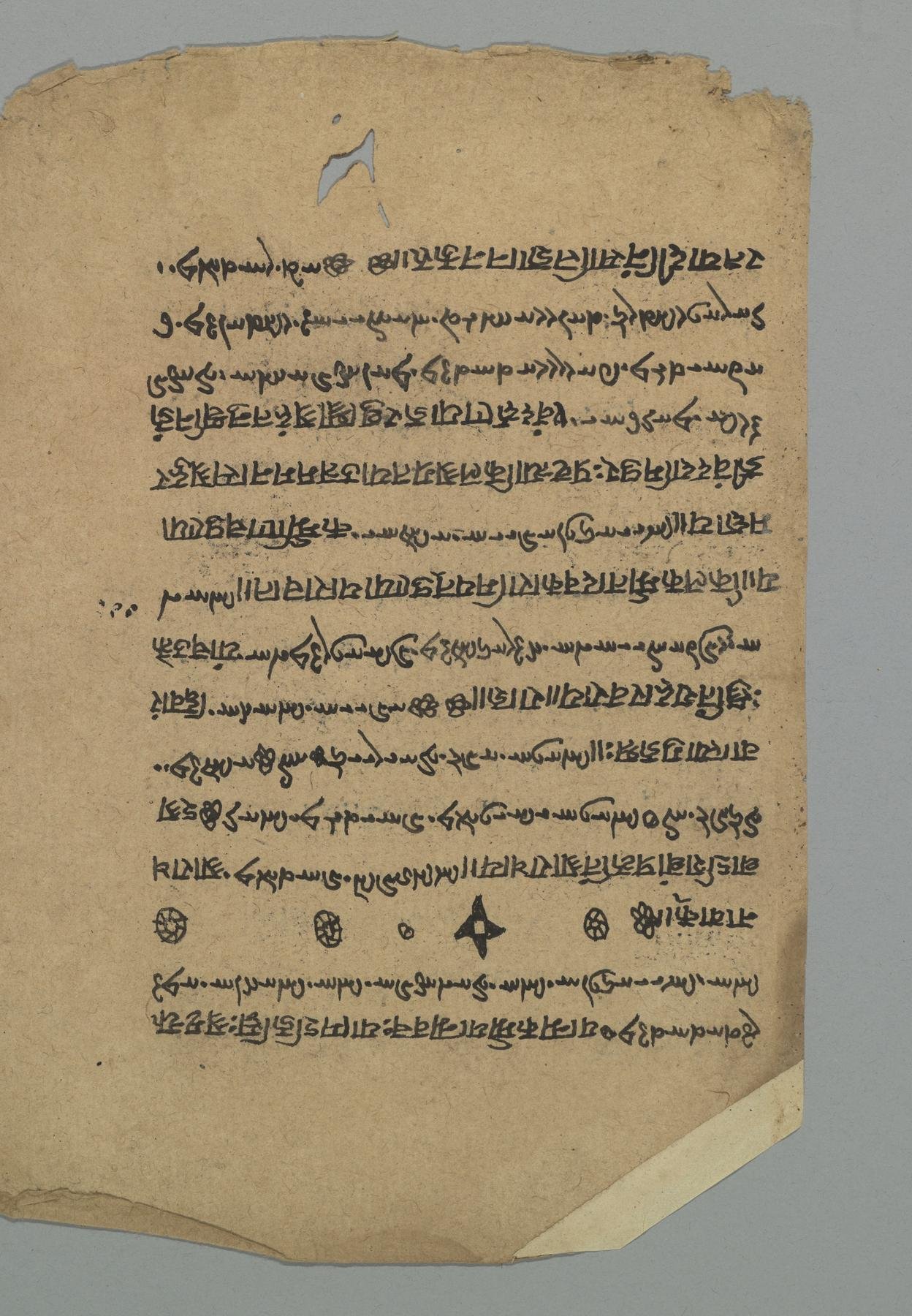
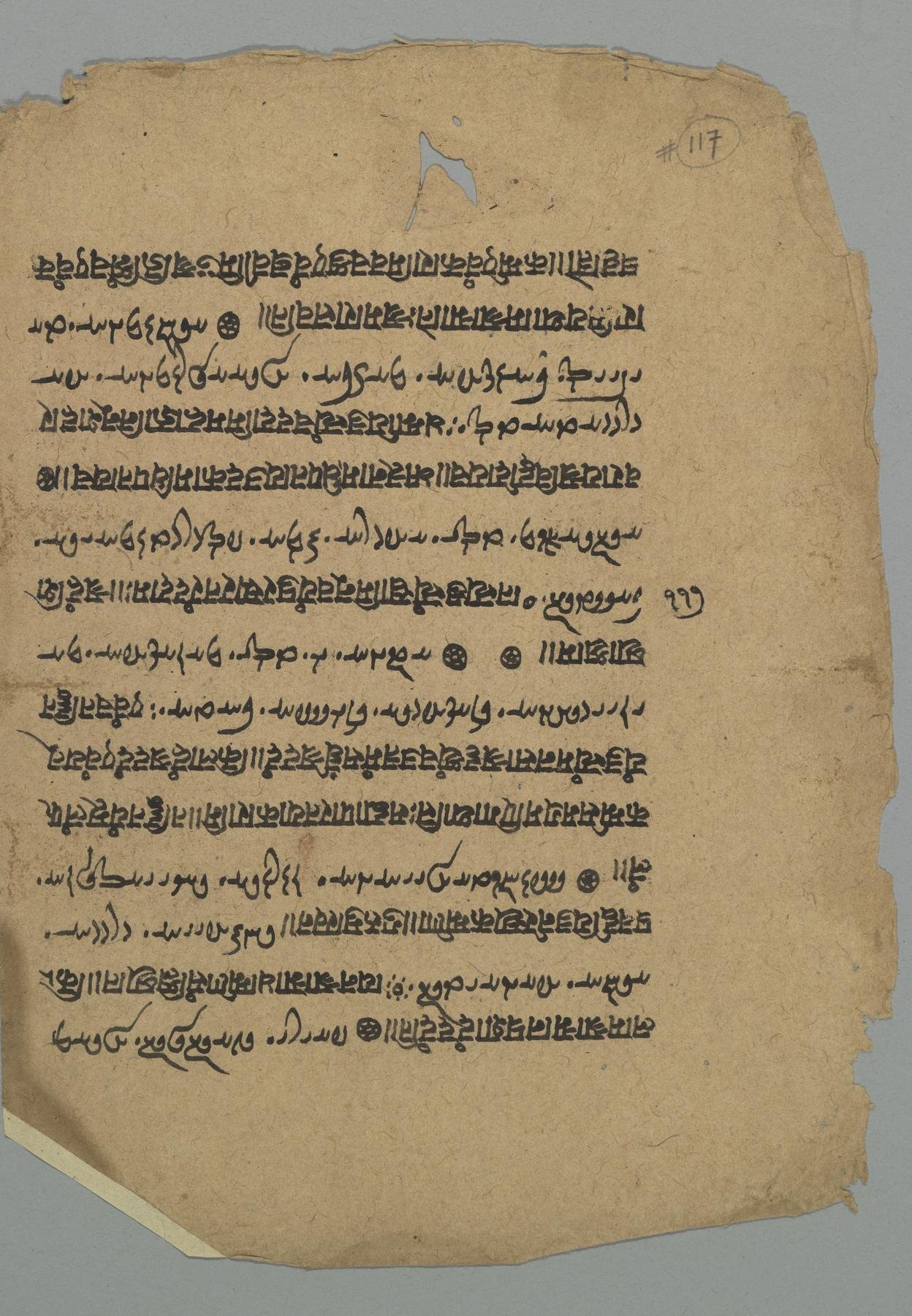
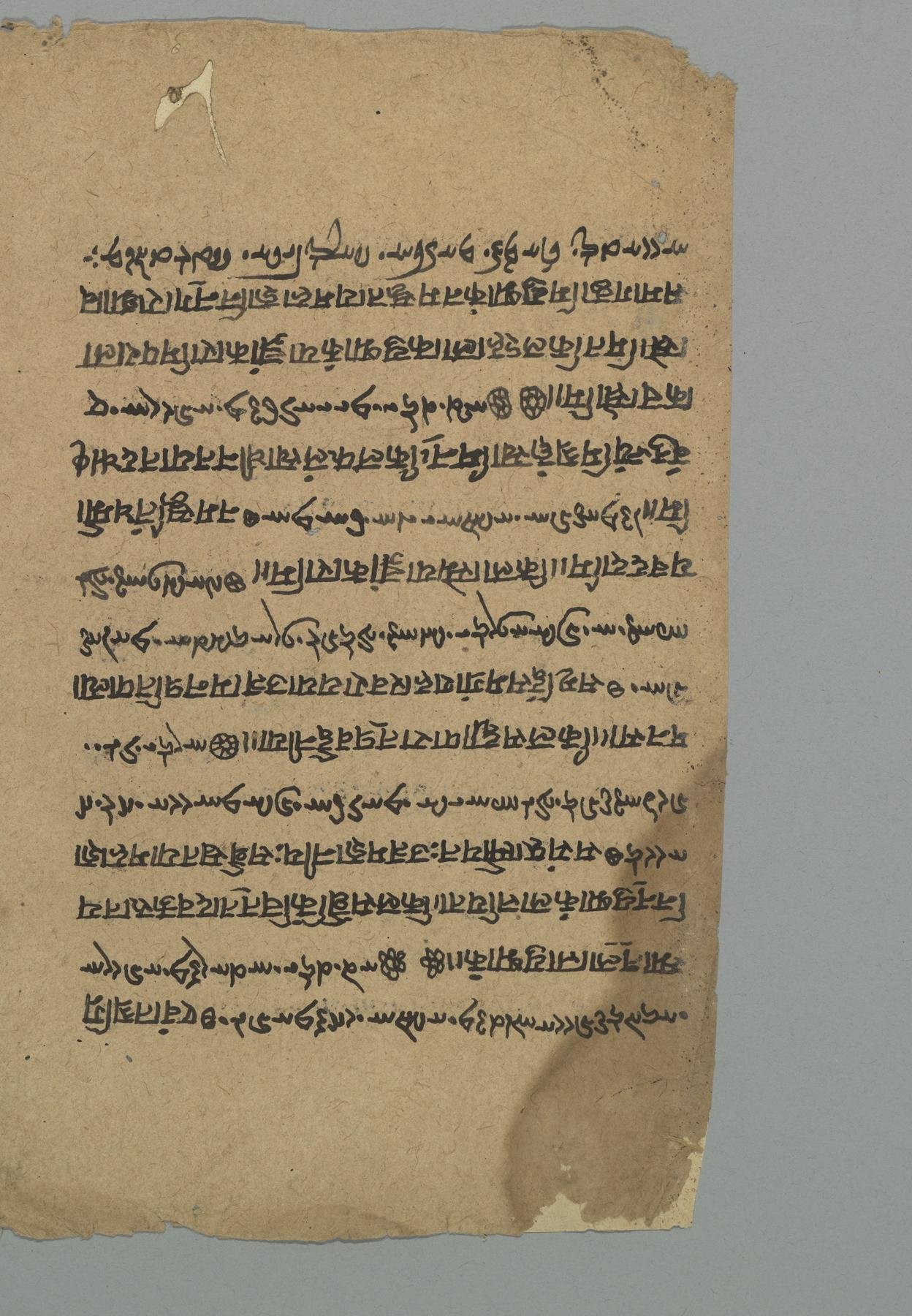
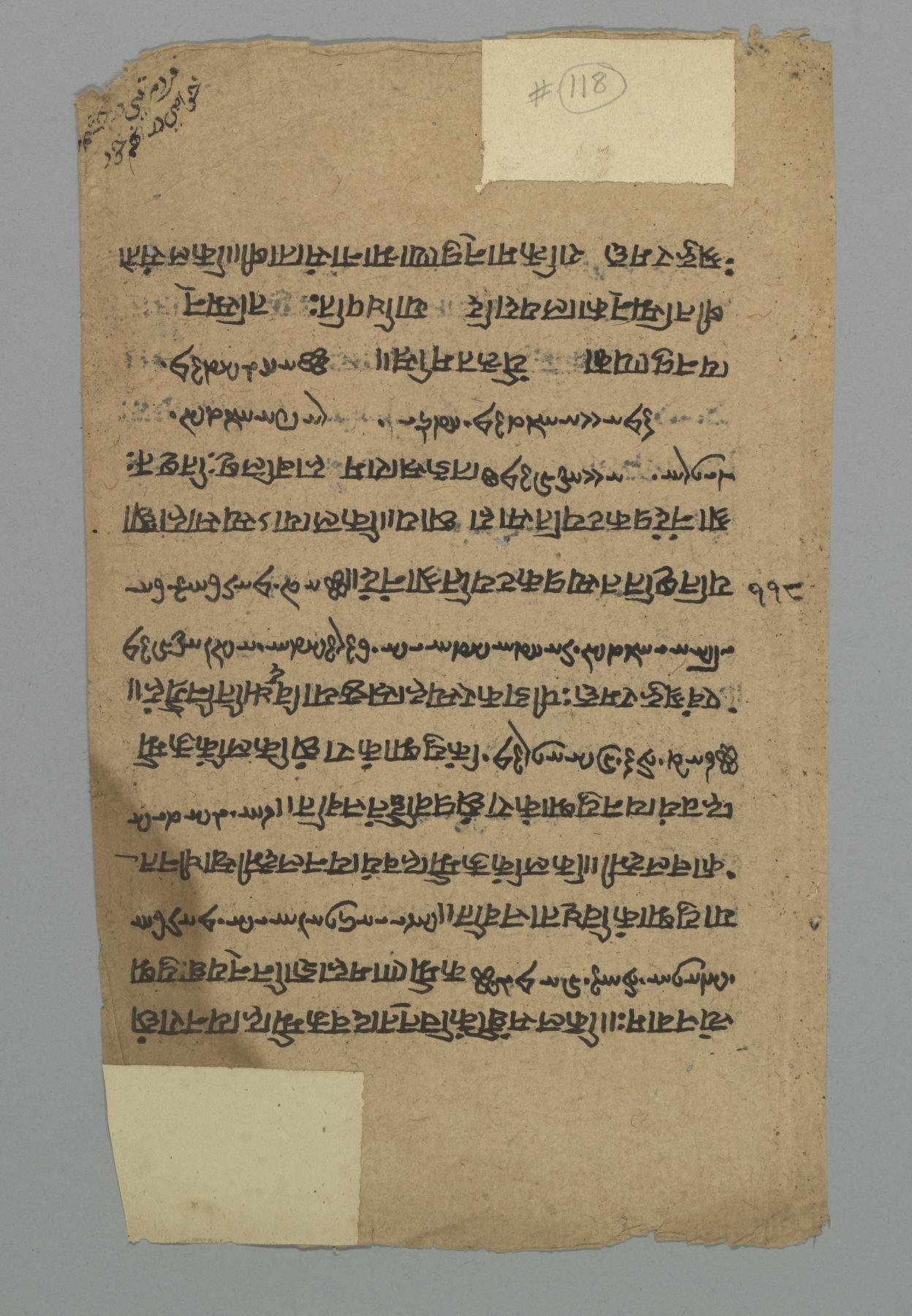
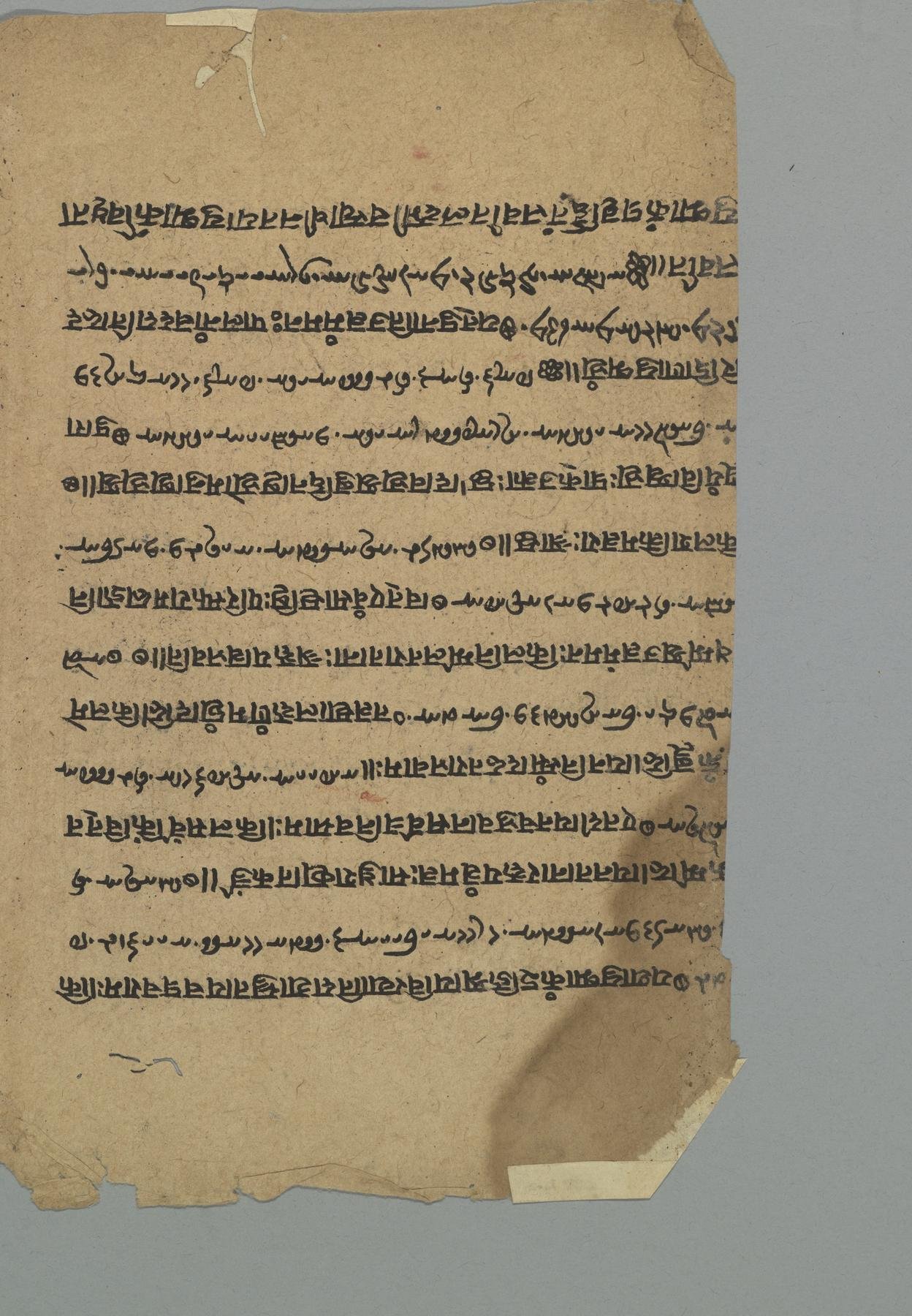
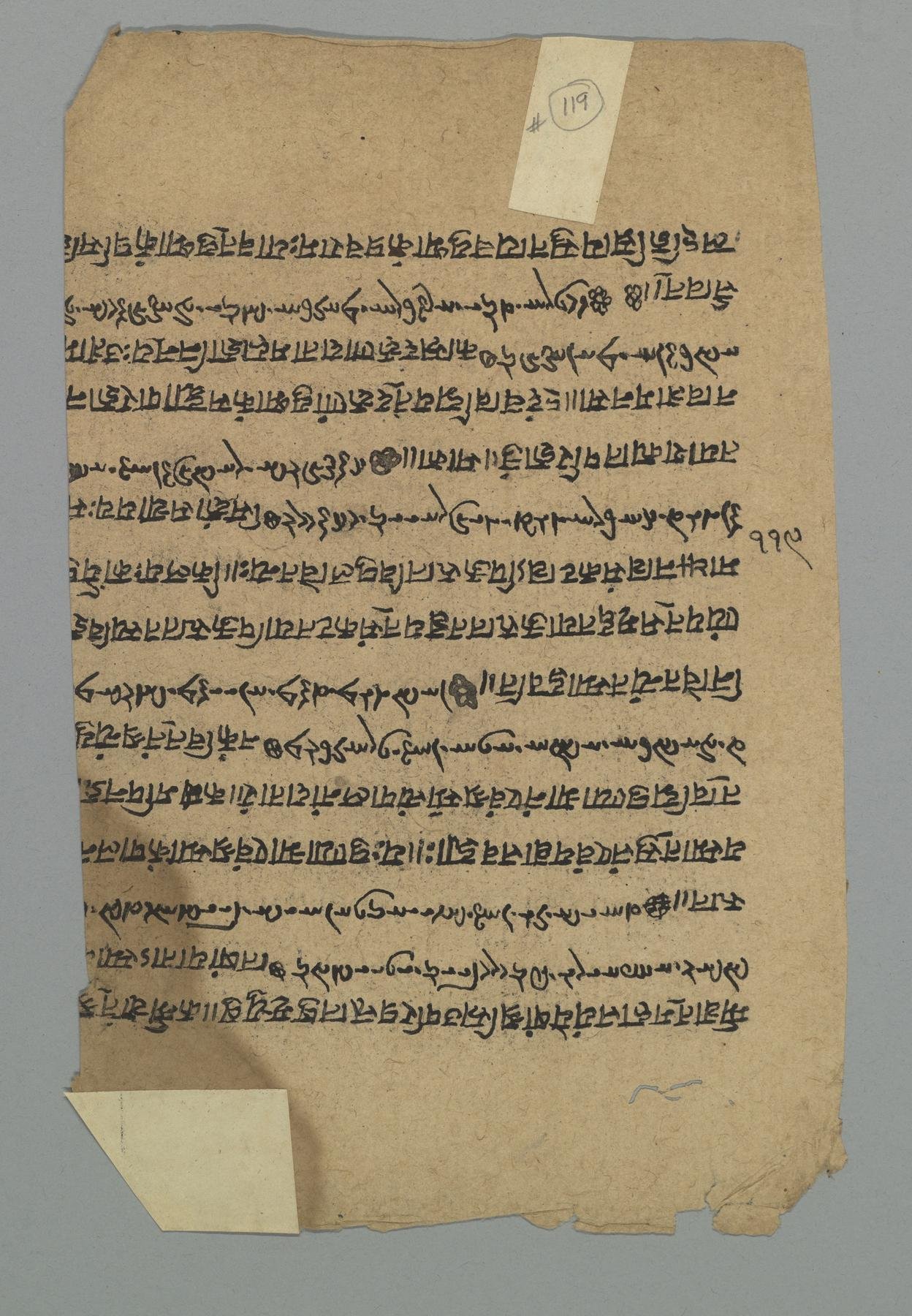
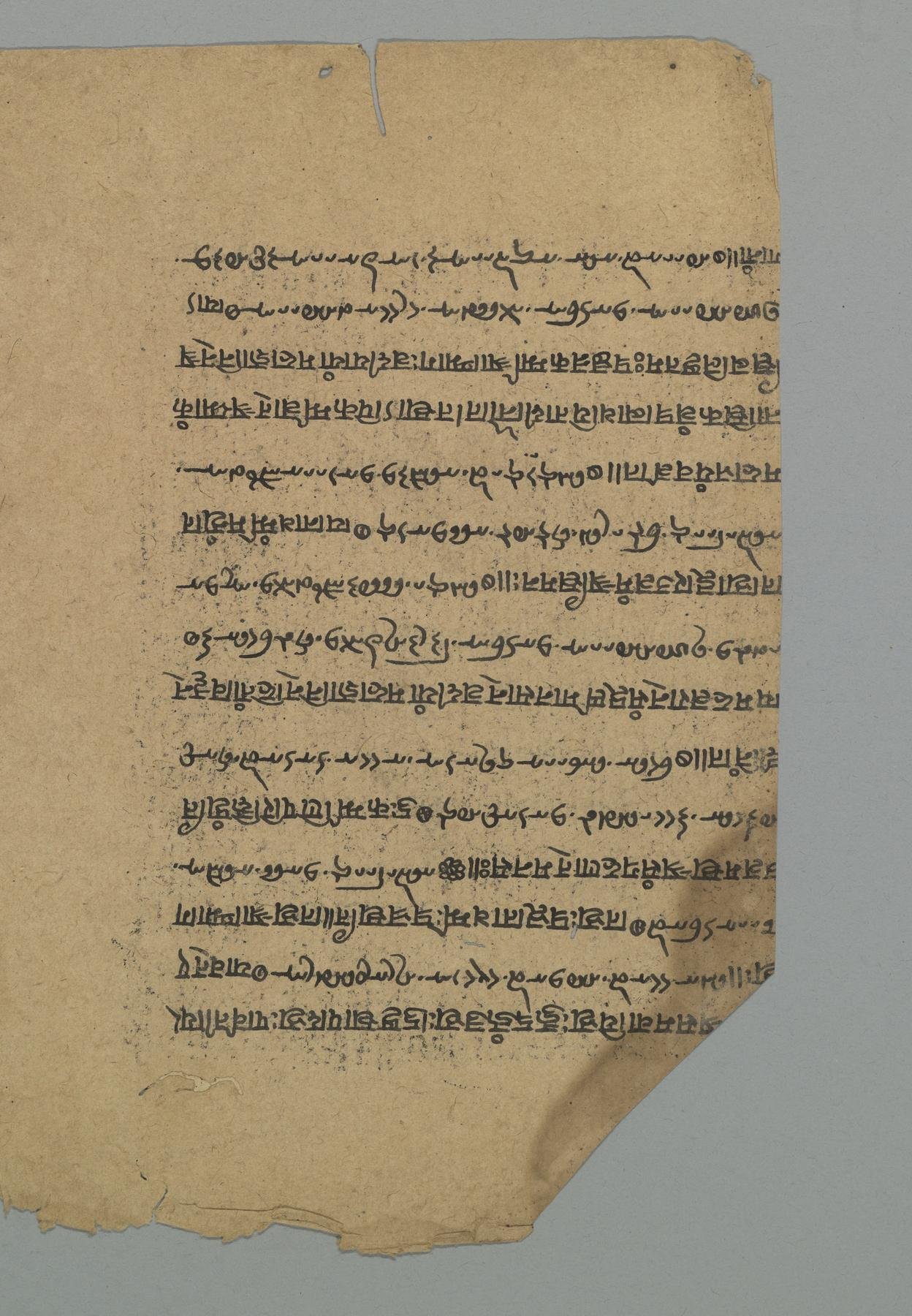
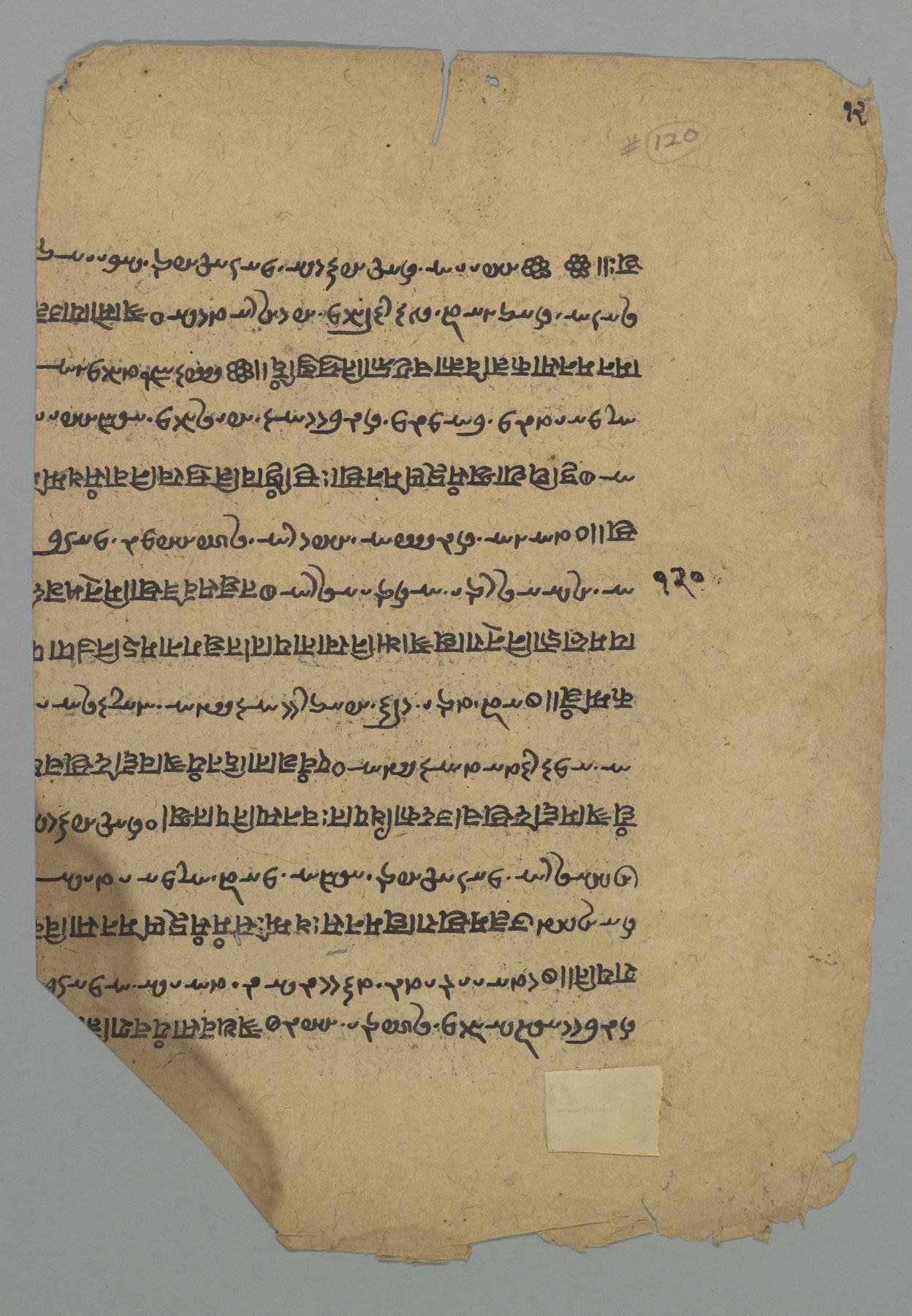
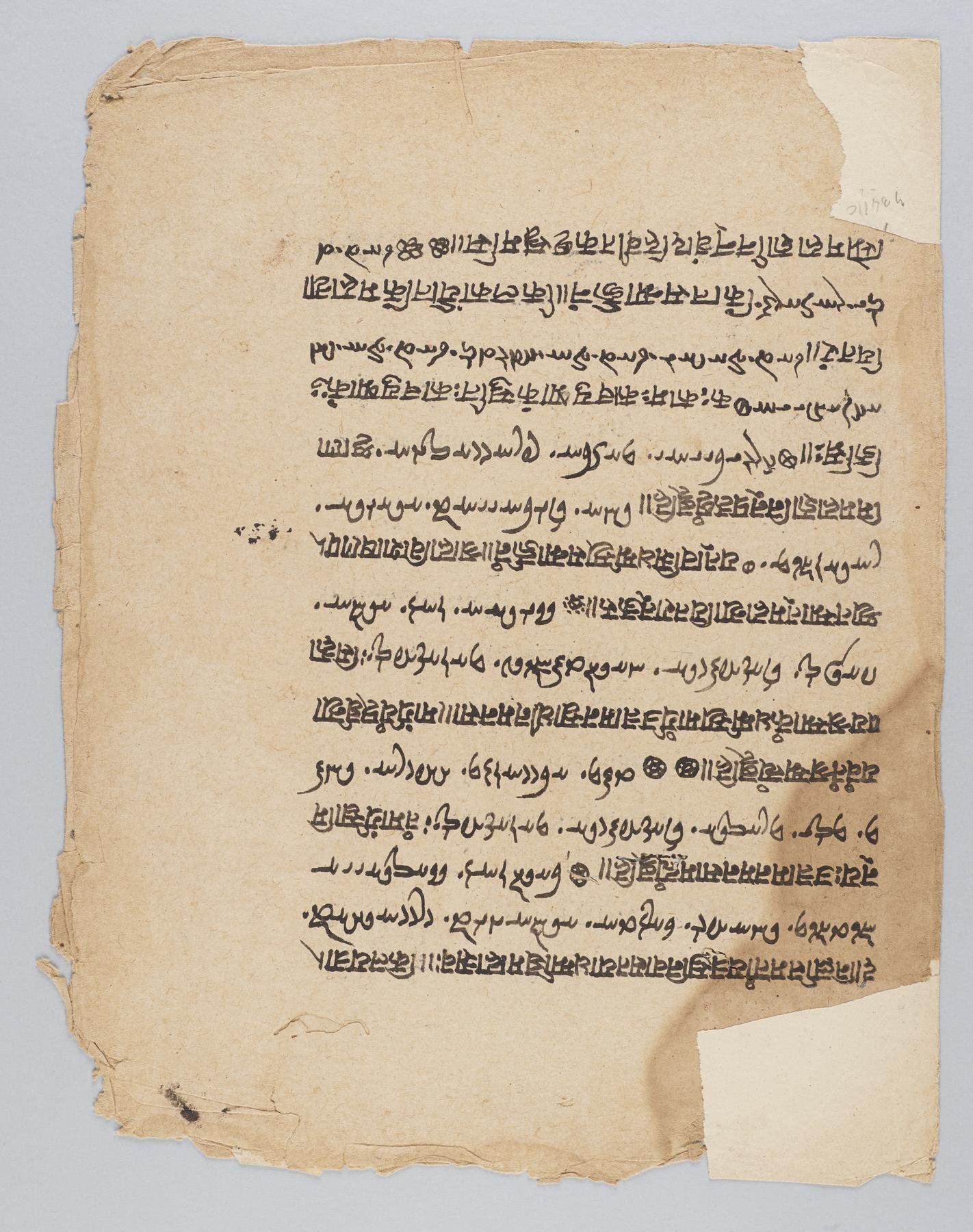
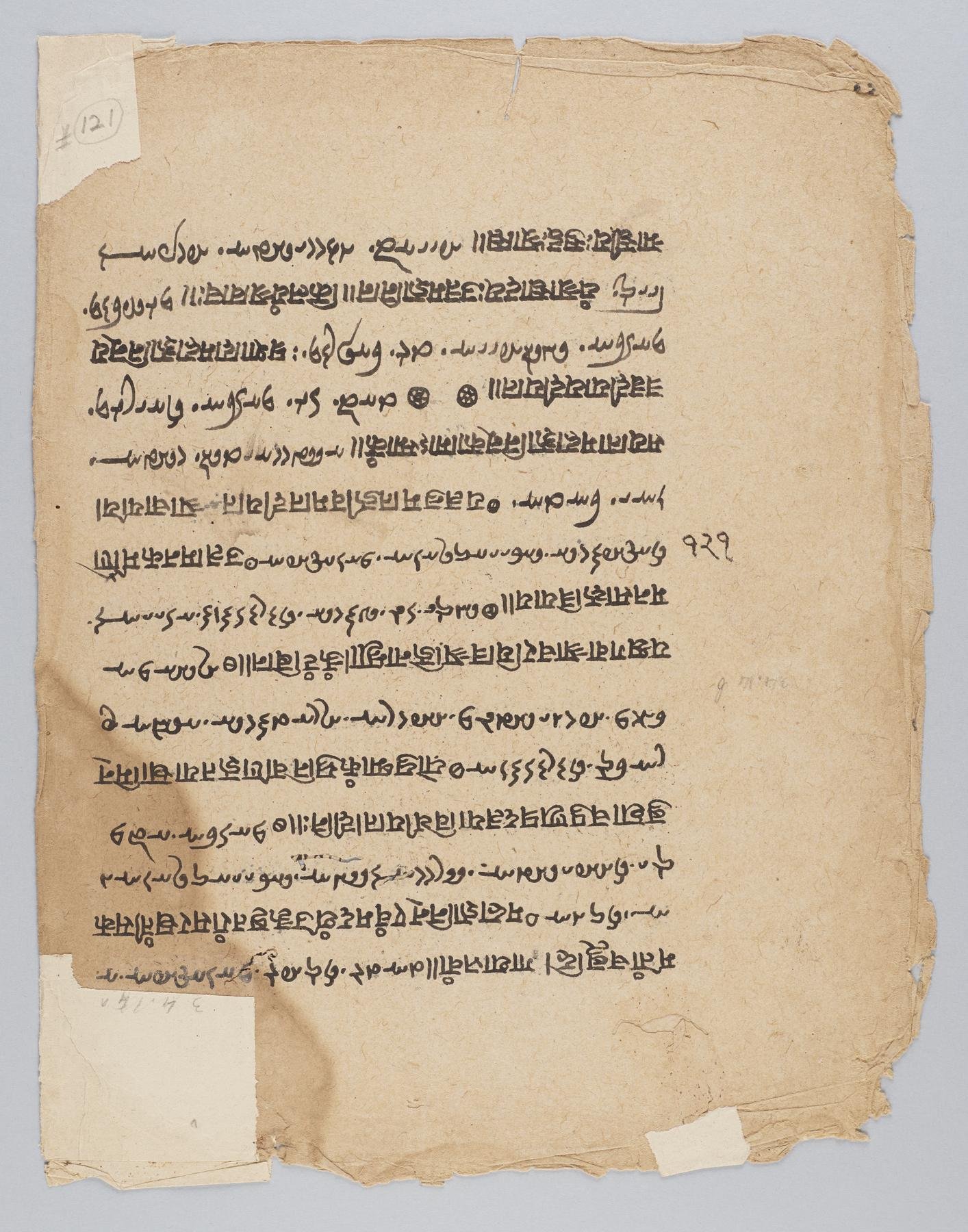
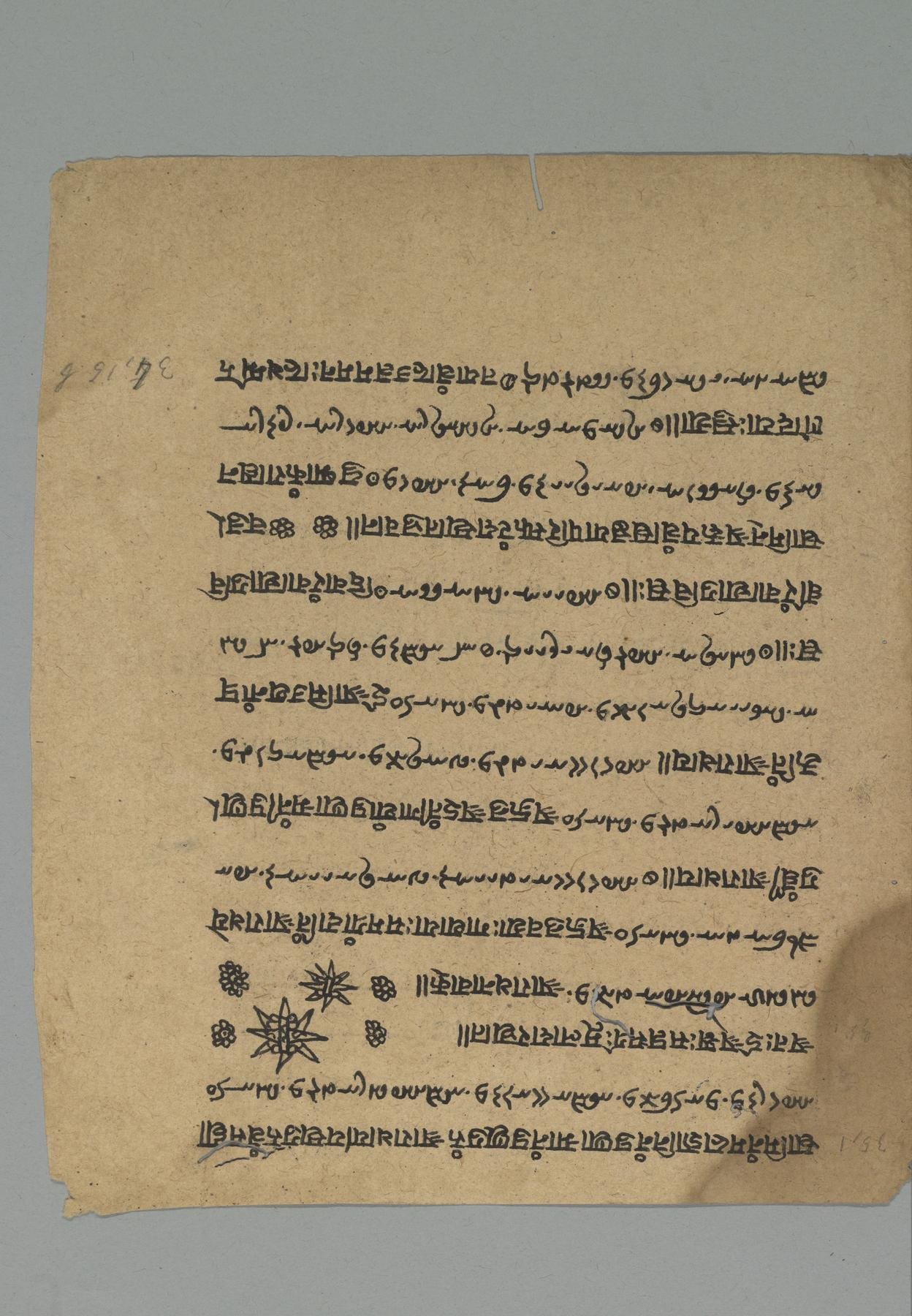
The manuscript shown is Columbia University, Rare Book & Manuscript Library, X892.5 Av3 N22, a Yasna in which every Avestan phrase is followed by the Sanskrit translation of Neryosangh (Nairyosangha, about the 12th century), written in Devanagari. Geldner, who used it for his edition as S1, called it an excellent old manuscript; Columbia dates it between 1700 and 1896. It came to Columbia in 1902 as a gift of Mobed Mancherji Barzoji Pavri to A. V. Williams Jackson. Its scribe wrote the Sanskrit upside down relative to the Avestan, so that both run from right to left along the line. This chapter fills fol. 117r-122r; its opening and close were read on the photographs, and the whole chapter forms one section listing all its pages.
The Avestan is Geldner's edition in the avesta.org transliteration; the English is L. H. Mills's translation in the Sacred Books of the East (1887), without his footnotes.
How was this verified? (Provenance)
Where on the image
Columbia University, Rare Book & Manuscript Library, X892.5 Av3 N22, fol. 117r-122r (11 pages, in order; OPenn images 10938_0226_web.jpg to 10938_0236_web.jpg). In these photographs the Avestan stands upright and the Sanskrit translation is written upside down; turn the image through 180 degrees to read the Sanskrit. Positions below (above, below, top, foot) refer to the photograph as shown, with the Avestan upright. Checked on the images: opening, fol. 117r, below the ornaments, last lines of the page: 'yan me karma yan me vacah ya me ijisnih amr-' (34.1). Neryosangh's text as edited by Mills (1894) reads here: 'Yan me karma, yan me vacah, ya me ijisnih, amrtyupravrttau'. Close: fol. 122r, lower part of the page: the end of 34.15 '... bhuvanah ||', 'dvivaram vacya', a closing formula that names 'ahunavati gatha punyatmani', 'aradhanavak' and two rows of ornaments; below them Yasna 35 begins 'svaminam mahajnaninam punyatmanam' (a modern pencil note in the margin reads '35,1', another lower down '34,15 b'). The verses of the chapter run in order across these pages; they were not placed on single pages. Besides the Avestan, the pages carry Neryosangh's Sanskrit after every phrase, the rubrics of the recitation and the closing formula of the chapter, none of which is shown in the text columns.
1ýâ shyaothanâ ýâ vacanghâ ýâ ýasnâ ameretatâtem ashemcâ taêibyô dånghâ mazdâ xshathremcâ haurvatâtô aêshãm tôi ahurâ êhmâ pourutemâish dastê.
2atcâ î-tôi mananghâ mainyushcâ vanghush vîspâ dâtâ speñtah'yâcâ neresh shyaothanâ ýehyâ urvâ ashâ hacaitê pairigaêthê xshmâvatô vahmê mazdâ garôbîsh stûtãm.
3at tôi myazdem ahurâ nemanghâ ashâicâ dâmâ gaêthå vîspå â-xshathrôi ýå vohû thraoshtâ mananghâ ârôi-zî hudånghô vîspâish mazdâ xshmâvasû savô.
4at tôi âtrêm ahurâ aojônghvañtem ashâ usêmahî asîshtîm êmavañtem stôi rapañtê cithrâ-avanghem at mazdâ daibishyañtê zastâishtâish dereshtâ-aênanghem.
5kat vê xshathrem kâ îshtîsh shyaothanâi mazdâ ýathâ vâ hahmî ashâ vohû mananghâ thrâyôidyâi drigûm ýûshmâkem parê-vå vîspâish parê vaoxemâ daêvâishcâ xrafstrâish mashyâishcâ.
6ýezî athâ stâ haithîm mazdâ ashâ vohû mananghâ at tat môi daxshtem dâtâ ahyâ anghêush vîspâ maêthâ ýathâ vå ýazemnascâ urvâidyå stavas ayenî paitî.
7kuthrâ tôi aredrâ mazdâ ýôi vanghêush vaêdenâ mananghô sêñghûsh raêxenå aspêñcît sâdrâcît caxrayô usheurû naêcîm têm anyêm ýûshmat vaêdâ ashâ athâ-nå thrâzdûm.
8tâish zî-nå shyaothanâish byeñtê ýaêshû as pairî pourubyô ithyejô hyat as aojyå nâidyånghem thwahyâ mazdâ ãstâ urvâtahyâ dà ýôi nôit ashem mainyañtâ aêibyô dûirê vohû as manô.
9ýôi speñtãm ârmaitîm thwahyâ mazdâ berexdhãm vîdushô dush-shyaothanâ avazazat vanghêush evistî mananghô aêibyô mash ashâ syazdat ýavat ahmat aurunâ xrafstrâ.
10ahyâ vanghêush mananghô shyaothanâ vaocat gerebãm huxratush speñtãmcâ ârmaitîm dãmîm vîdvå hithãm ashahyâ tâcâ vîspâ ahurâ thwahmî mazdâ xshathrôi â vôyathrâ.
11at tôi ubê haurvåscâ hvarethâi â ameretatåscâ vanghêush xshathrâ mananghô ashâ mat ârmaitish vaxsht utayûitî tevîshî tâish â mazdâ vîdvaêshãm thwôi ahî.
12kat tôi râzarê kat vashî kat vâ stûtô kat vâ ýasnahyâ srûidyâi mazdâ frâvaocâ vâ vîdâyât ashîsh râshnãm sîshâ-nå ashâ pathô vanghêush hvaêtêñg mananghô.
13têm advânem ahurâ ýêm môi mraosh vanghêush mananghô daênå saoshyañtãm ýâ hû-karetâ ashâcît urvâxshat hyat civishtâ hudâbyô mîzhdem mazdâ ýehyâ tû dathrem.
14tat zî mazdâ vairîm astvaitê ushtânâi dâtâ vanghêush shyaothanâ mananghô ýôi zî gêush verezênê azyå xshmâkãm hucistîm ahurâ xratêush ashâ frâdô verezênâ.
15mazdâ at môi vahishtâ sravåscâ shyaothanâcâ vaocâ tâ-tû vohû mananghâ ashâcâ ishudem stûtô xshmâkâ xshathrâ ahurâ ferashêm vasnâ haithyêm då ahûm (4)!
1As to those (three gifts of blessings), Immortality, the Righteous Order, and the (established) Kingdom of Welfare, which Thou, O Mazda! hast given through (holy) deeds, words, and the sacrifice unto these (Thy servants here in my sight), gifts (shall) be offered by us in return to Thee, O Ahura! and with the foremost of them all.
2Yea, and all those gifts of the Good Spirit have been given (back in gratitude) to Thee by the mind and the deed of the bountiful man, whose soul goes hand in hand with the Righteous Order in the settlement, in homage toward the One like You, O Mazda! and with the chants of the (thankful) praisers.
3And unto Thee, O Ahura! will we offer the (thankful) meat-offering with self-humbling praise, and to Thy Righteousness (like Thee a person), and for all the settlements in Thy kingdom which are guarded by Thy Good Mind. For in the perfect preparation of the justly acting (has that offering its power), O Mazda! together with all (others of its kind). Among those like You and worthy of Yourselves, it is a blessing.
4And we pray likewise for Thy Fire, O Ahura! strong through Righteousness (as it is), most swift, (most) powerful, to the house with joy receiving it, in many wonderful ways our help, but to the hater, O Mazda! it is a steadfast harm as if with weapons hurled from the hands.
5What is then Your Kingdom, O Mazda? What are Your riches? that I may become Your own in my actions, with the Righteous Order, and (Thy) Good Mind, to care for Your poor (in their suffering). Apart from all would we declare You, yea, apart from Daêvas, and Khrafstra-polluted mortals!
6If thus Ye are in verity, O Mazda! with the Righteous Order and Thy Good Mind, then grant Ye me a sign of this in this world's entire abiding (while I live amid its scenes), how offering sacrifice and praising You the more devoutly, I may approach You (in my worship)!
7Where are Thine offerers, O Mazda! Thy helpers, who as the enlightened of the Good Mind are producing the doctrines with wide mental light as inherited treasures, (delivering them as Thy word) in misfortune and in woe? I know none other than You; then do Ye save us through Your righteousness!
8Through these our deeds (of sacrifice and zeal), they are terrified among whom there was (once) destruction, and for many (at the time) when the oppressor of Thy holy vows was as the stronger oppressing the weaker. They who have not thought (in consonance) with Thy Righteous Order, from these Thy Good Mind abideth afar.
9Aye, they who desert Thy bountiful Piety, O Mazda! that one desired of Thee, O Thou omniscient! and who thus abandon her by reason of the evil-doer, and in their ignorance of (Thy) Good Mind, from such as these (Âramaiti) with her holiness utterly departs as the red Khrafstras (who destroy and pollute all life, flee) from us (Thy faithful servants).
10Through the action of this (His) Good Mind (as he works his grace within us) the benevolently wise One declared a result as its fruit, He knowing the bountiful Piety, the creatrix of righteous beings. These all, O Mazda Ahura! in Thy Kingdom (are 'helps to our progress') for they smite (our tyrants) with fear.
11And for Thee hath Âramaiti (who is Our Piety) increased both the Universal Weal and (its continuance in) Immortality, and (with them as ever united) the Righteous (ritual and moral) Order (established and made firm) in the Kingdom of (Thy Good Mind). Those powerful lasting two (hath she increased) to (give us the needful) food. And through these, O Mazda! art Thou with Thy perfect expellers of hate. (Thou removest Thy foes afar!)
12What then are Thy regulations? And what wilt Thou? What of praise, or of (fuller) offering? Speak forth that we hear it, O Mazda! what will establish the blessed rewards of Thine ordinance! Teach Thou us the paths through Righteousness, those verily trod by (Thy) Good Mind as he lives within Thy saints.
13(Do I ask what is that path?) That way which Thou declarest to me as the path of the Good Mind, O Ahura! (is made in its parts by) the religious precepts and laws of the Saviours, wherein the well-doer thrives from (his) Righteousness. And it marks for the good a reward of which Thou art Thyself the bestower.
14For that (reward), O Mazda! ye have given as the one to be chosen for (our) bodily life through the deeds of Thy Good Mind (in us). They who work in the toil of the mother. Kine, these further Your merciful care through the understanding's action, and (taught) by Thine Order's (word).
15Yea, (show me, O Mazda! that path and its reward); tell me the best (of truths); reveal the best words and best actions, and the confessing prayer of the praiser through Thy Good Mind (living within us); and through the Righteous Order, O Ahura! And by Your Sovereign Power and grace may’st Thou make life really progressive (till perfection shall have been reached)!
Notes
- Avestan: Geldner's text in the avesta.org transliteration; the recitation rubrics '(zot,)' and '(zot u raspi,)' and the closing formula printed after the chapter are left out. '(2)' after a verse marks that it is recited twice.
- English: L. H. Mills, Sacred Books of the East 31 (1887), without his footnotes and chapter summaries; his headings naming the speakers are printed in italics. Mills prints some letters of Avestan names in italic type (as in Zarathustra); they are given here in roman type.
Cite
Sources
- Source: Columbia University, Rare Book & Manuscript Library, X892.5 Av3 N22 (Yasna with Neryosangh's Sanskrit; OPenn, Public Domain Mark) + Geldner's Avestan text (avesta.org) + L. H. Mills's English (SBE 31, 1887) (holding institution)
- Critical edition: Geldner, Avesta (1886-1896), avesta.org transliteration
← previous · → next · v cycle view · l back to library