Gathas, Yasna 43: the Ushtavaiti Gatha begins
Introduction
Yasna 43 belongs to the Ushtavaiti Gatha. It opens the second Gatha with the blessing 'Well-being to him through whom well-being comes to anyone', and tells how Zarathustra came to know Mazda as bountiful.
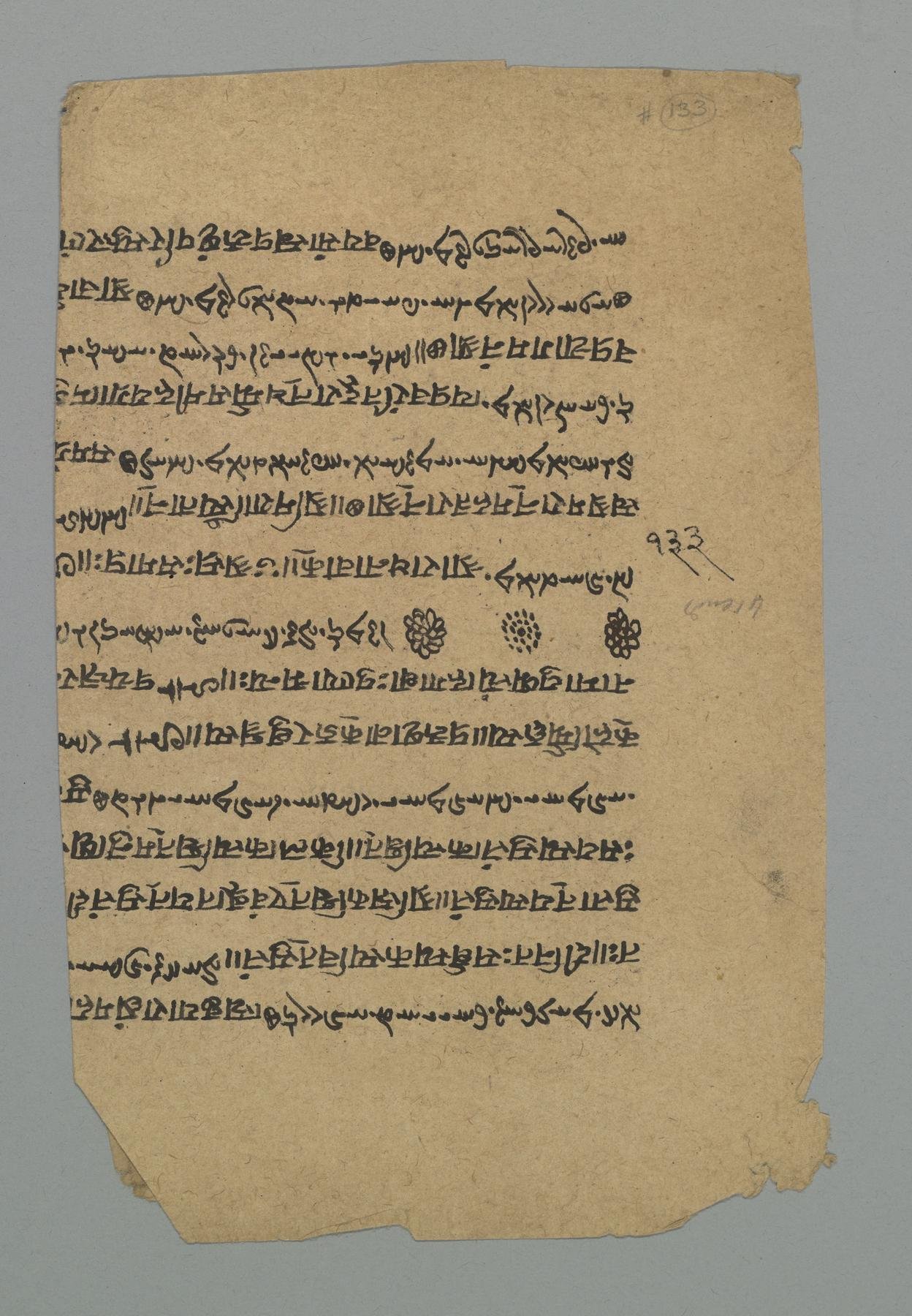
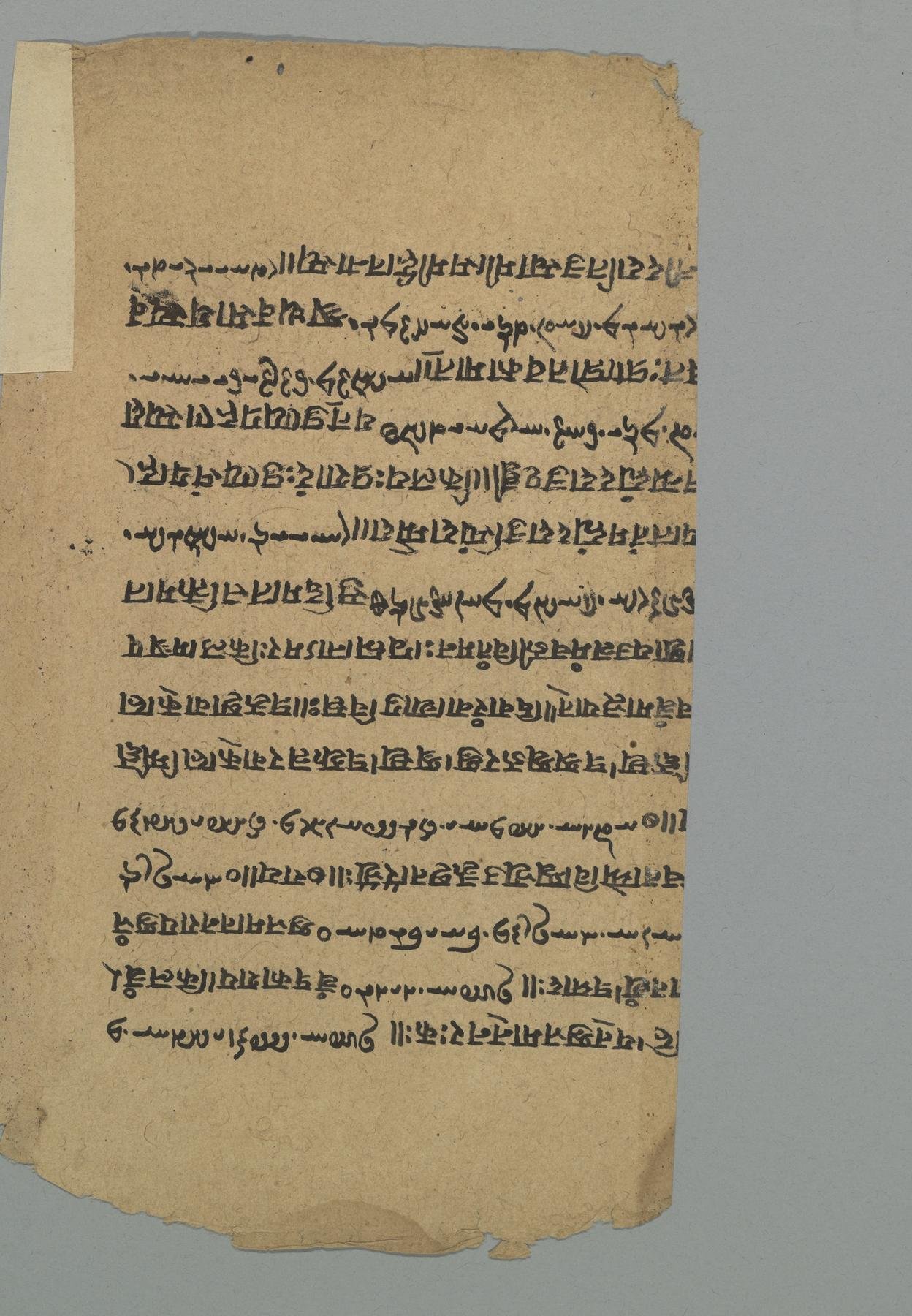
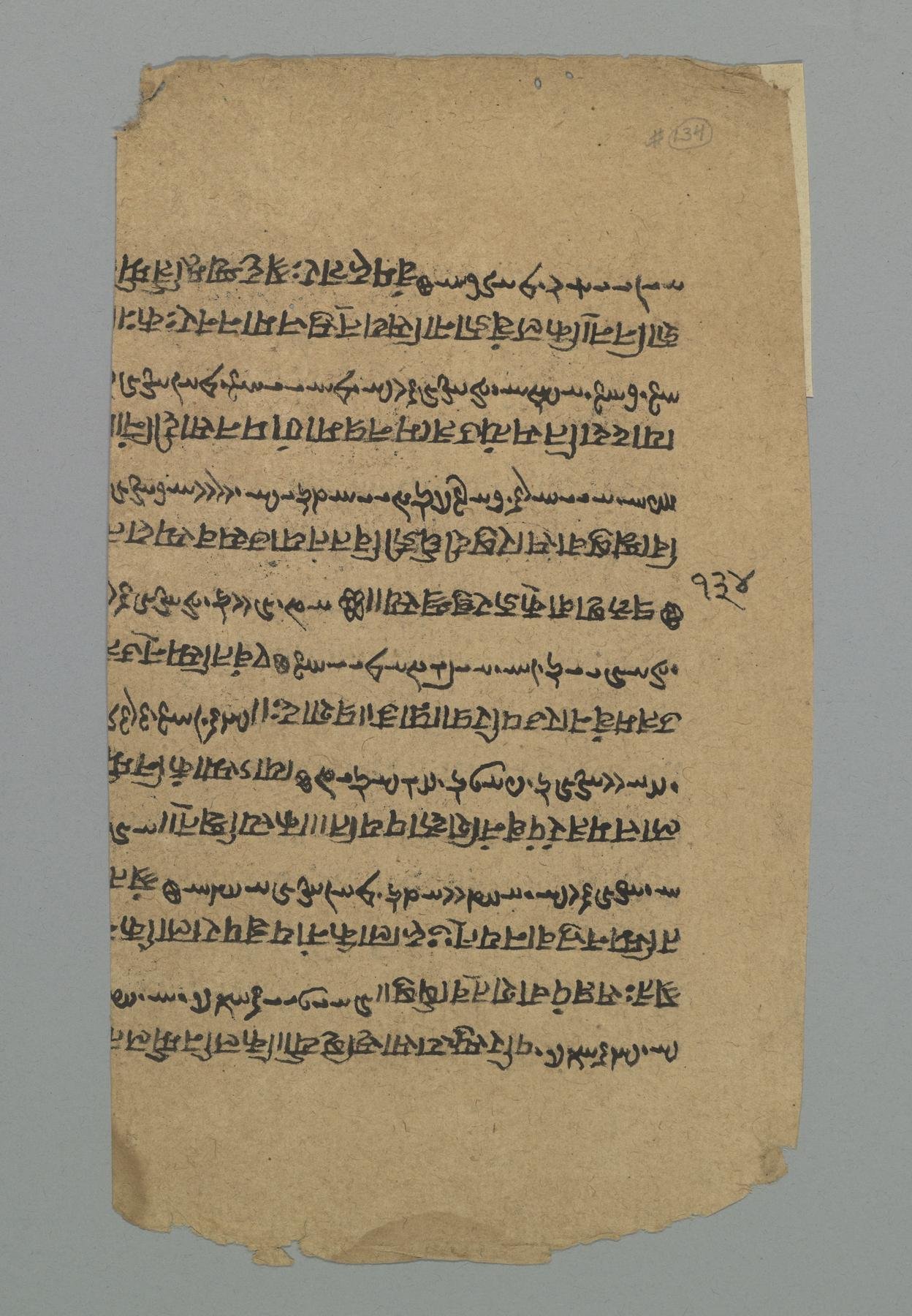
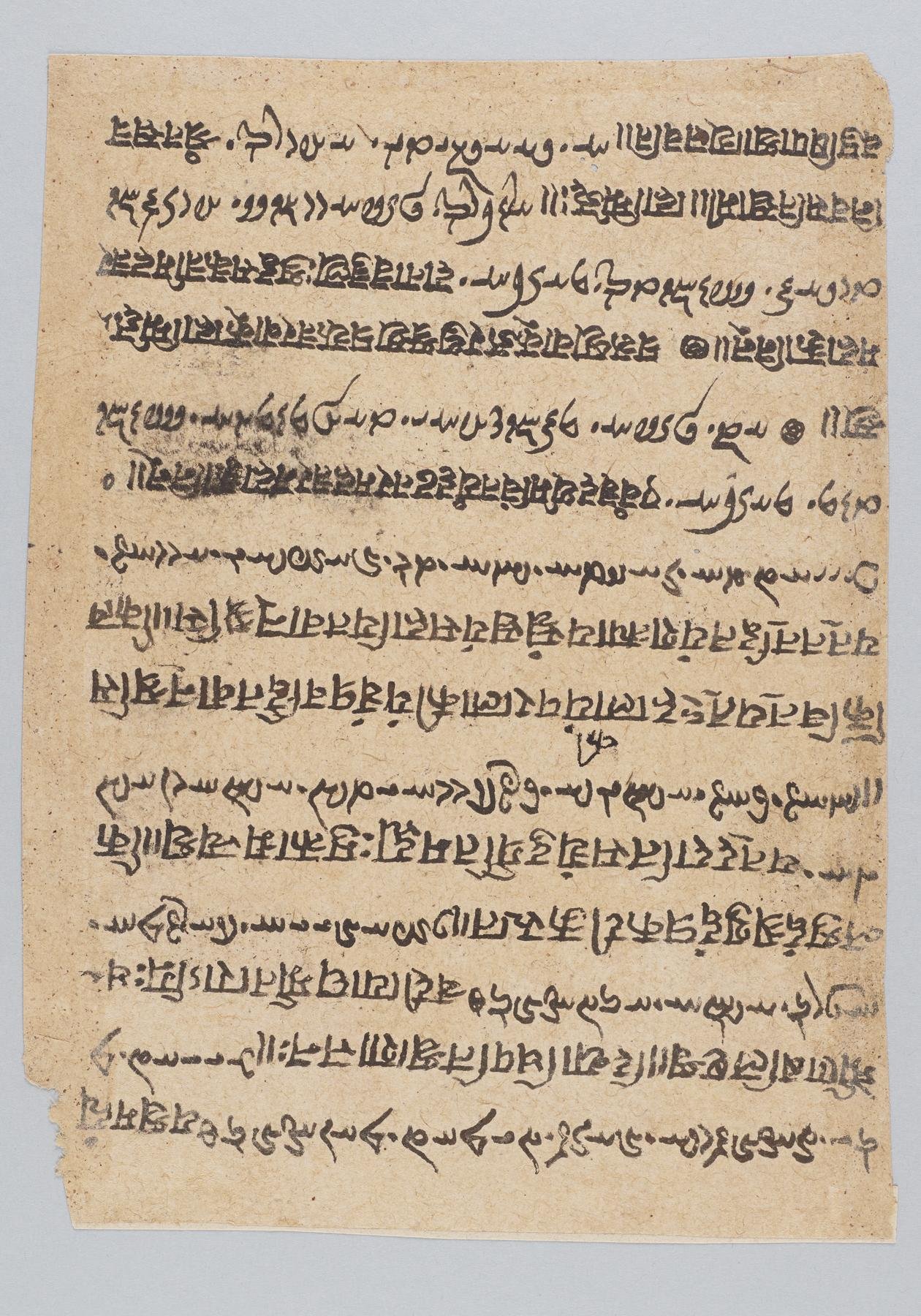
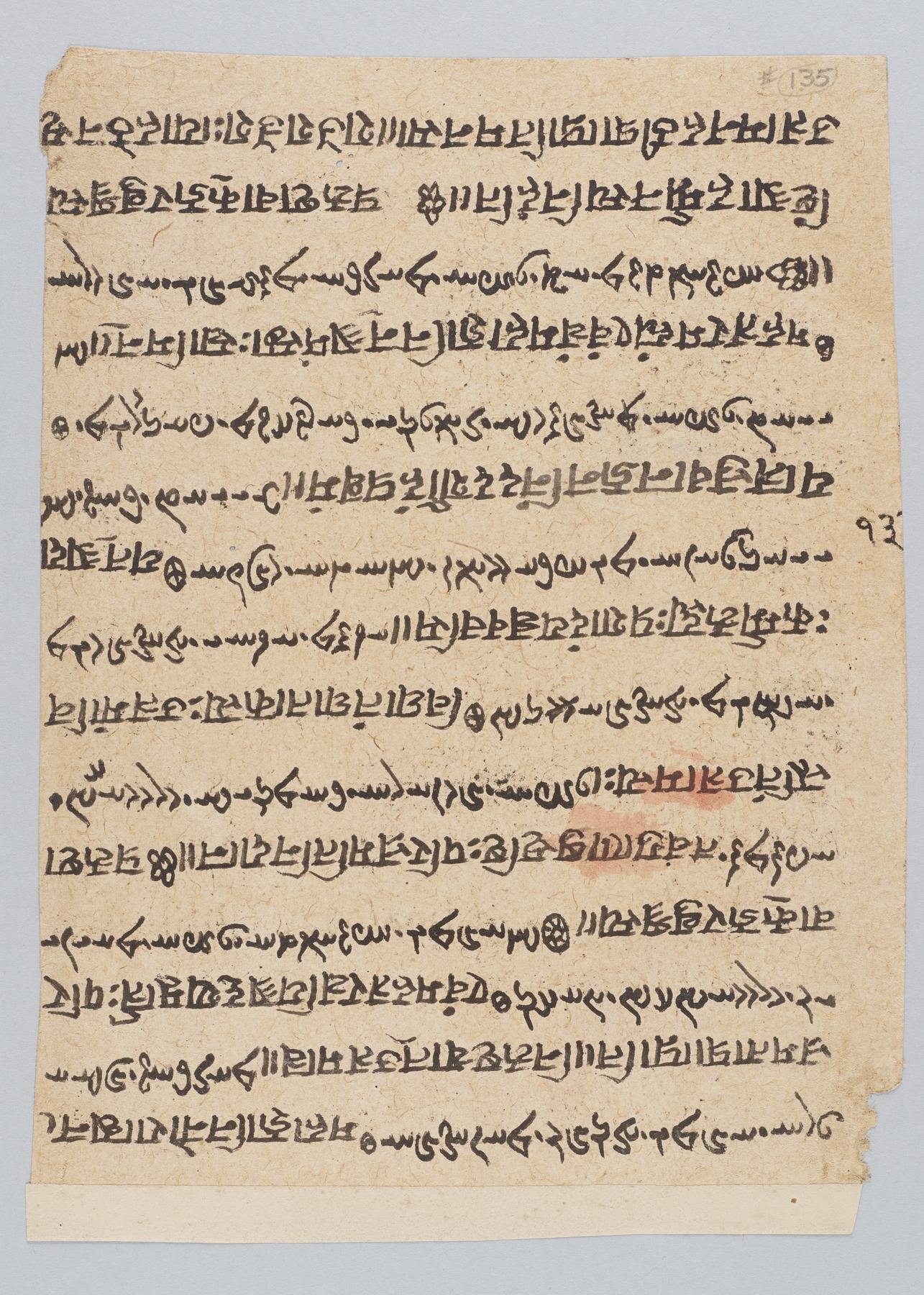
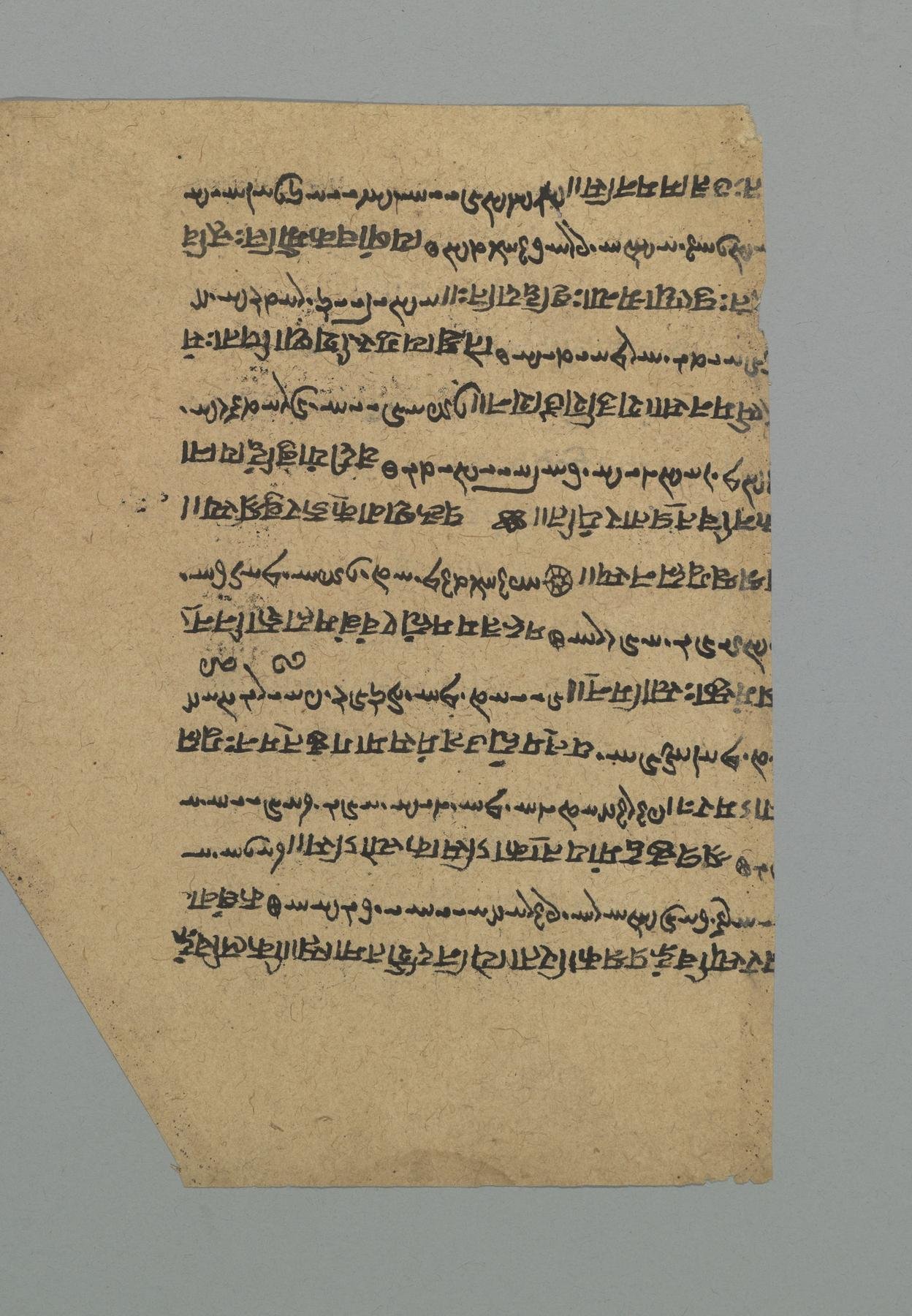
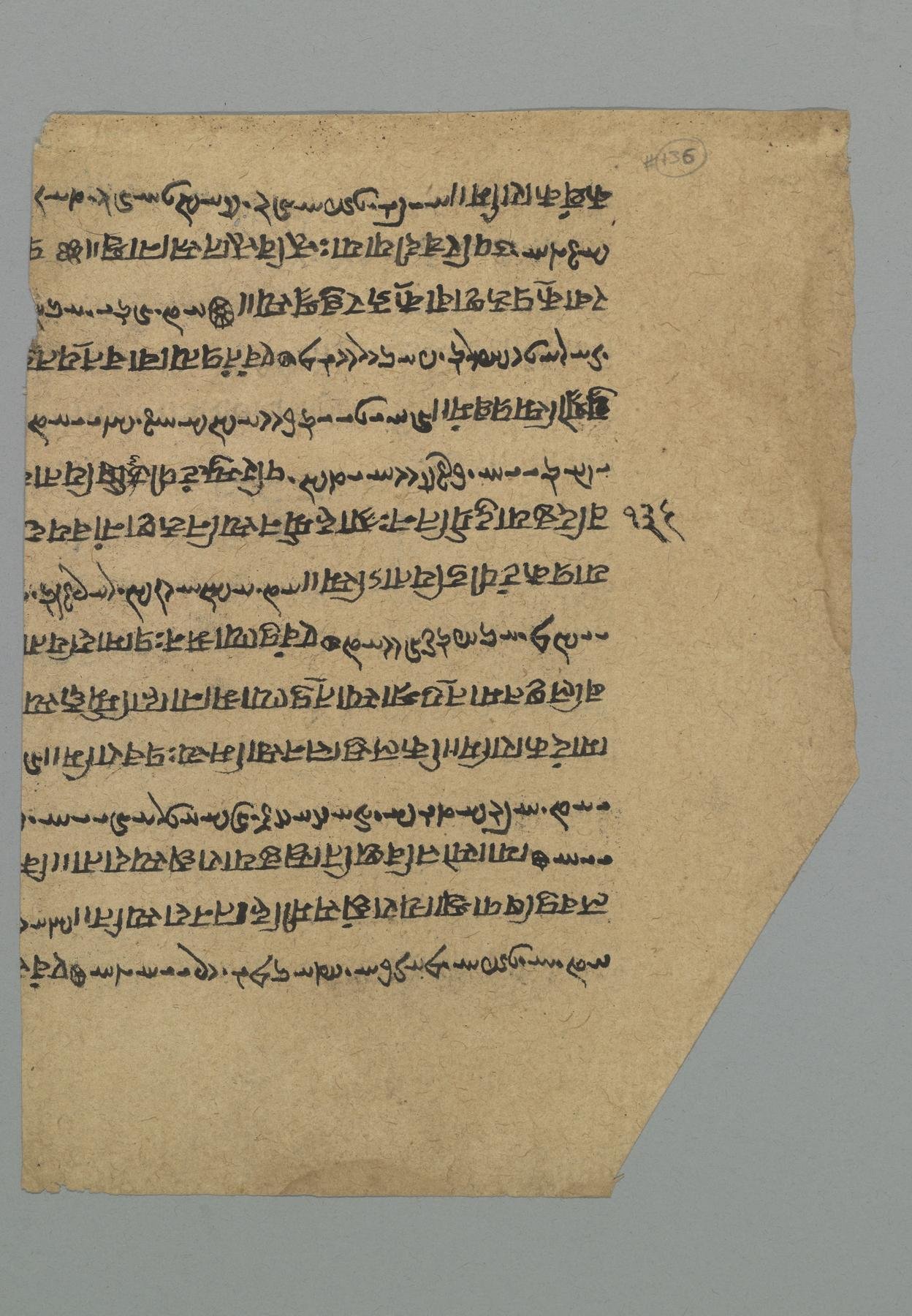
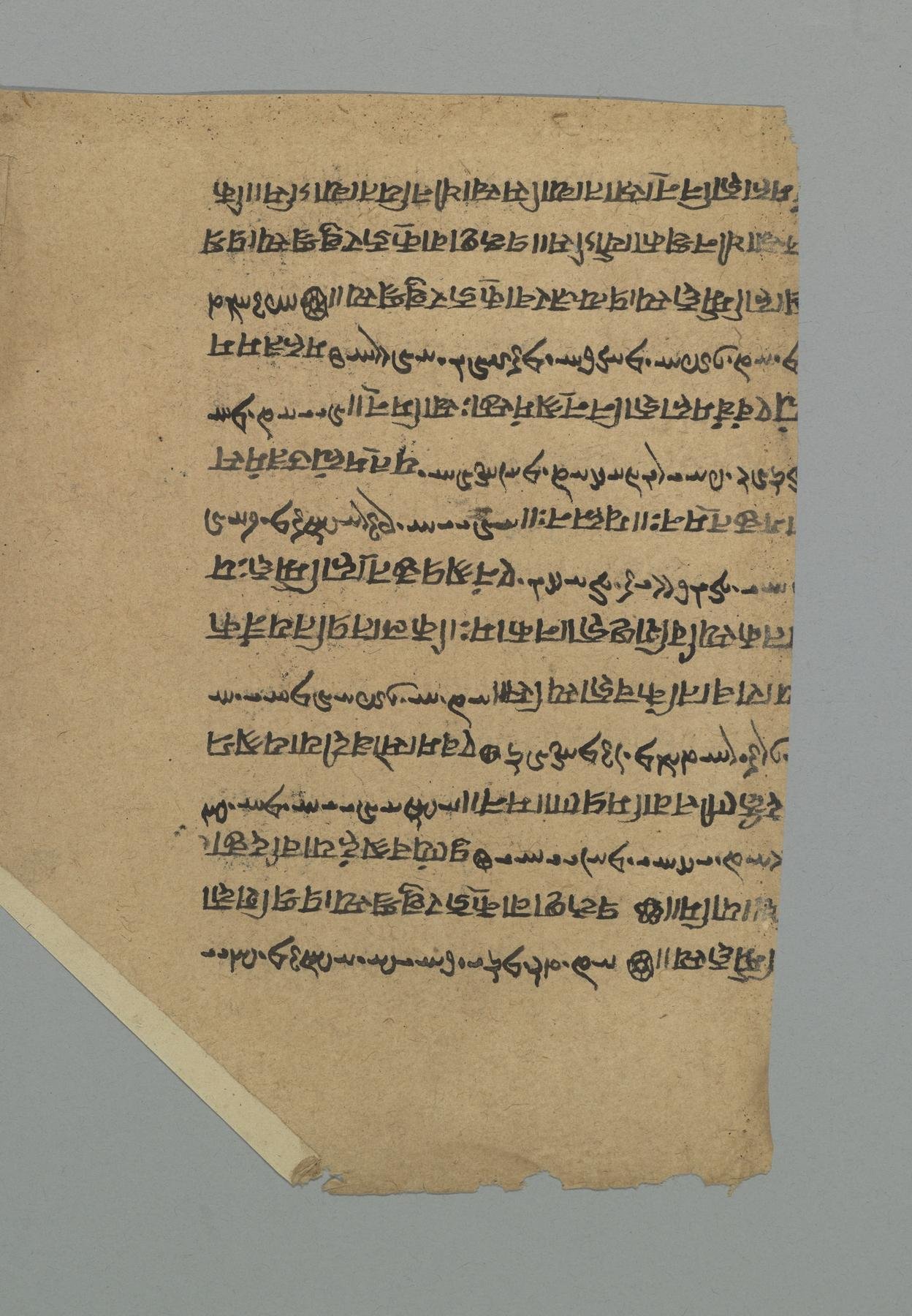
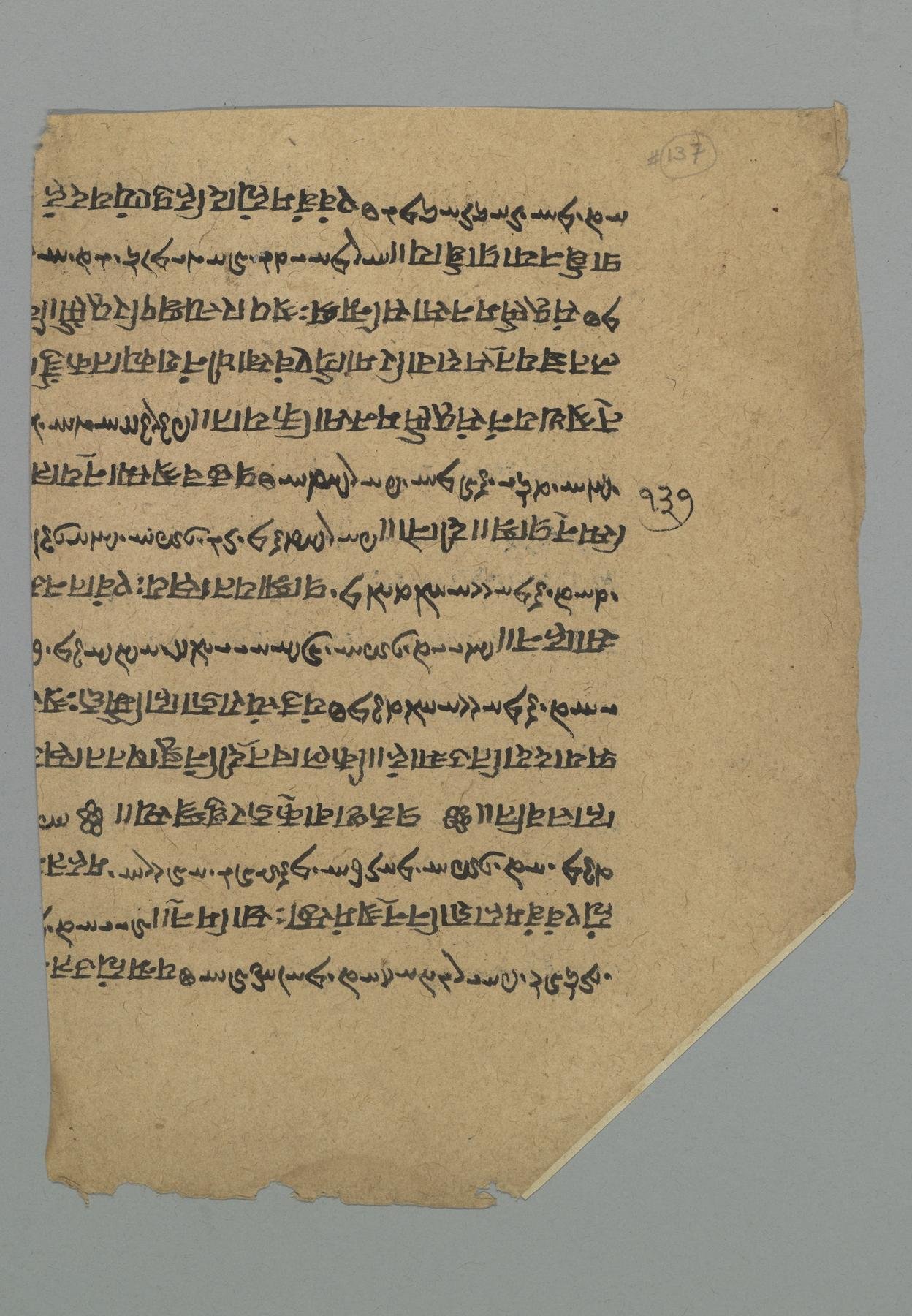
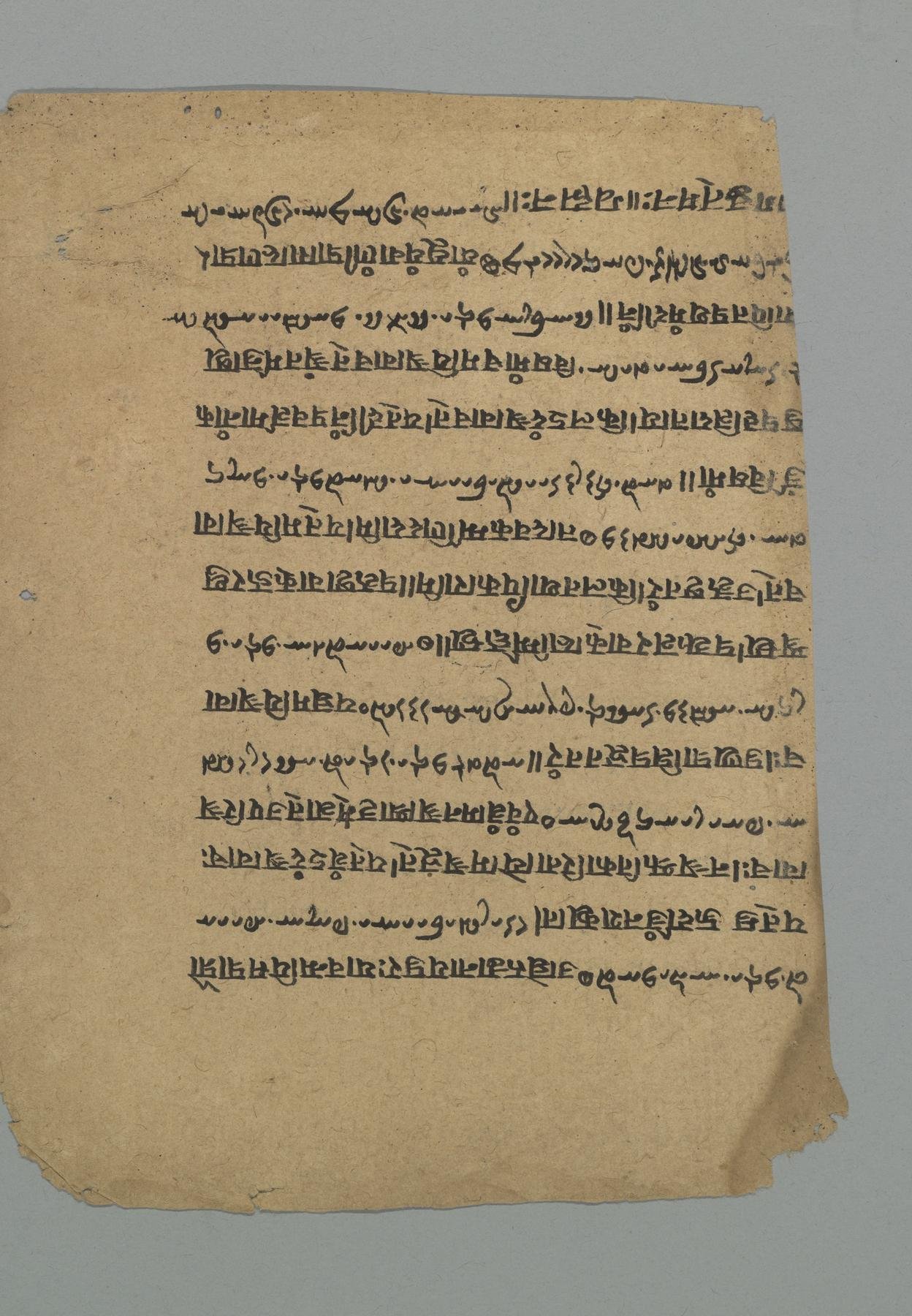
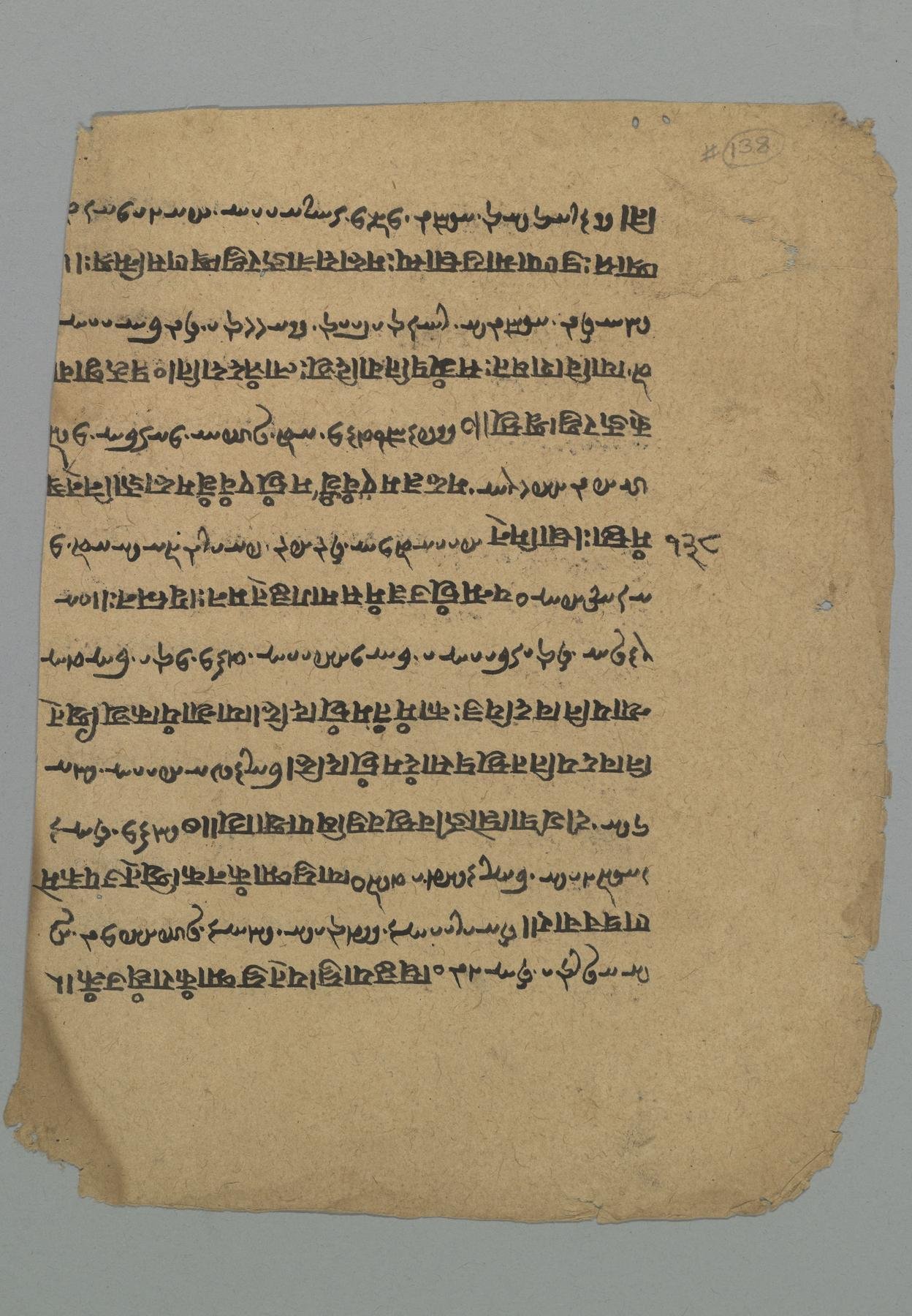
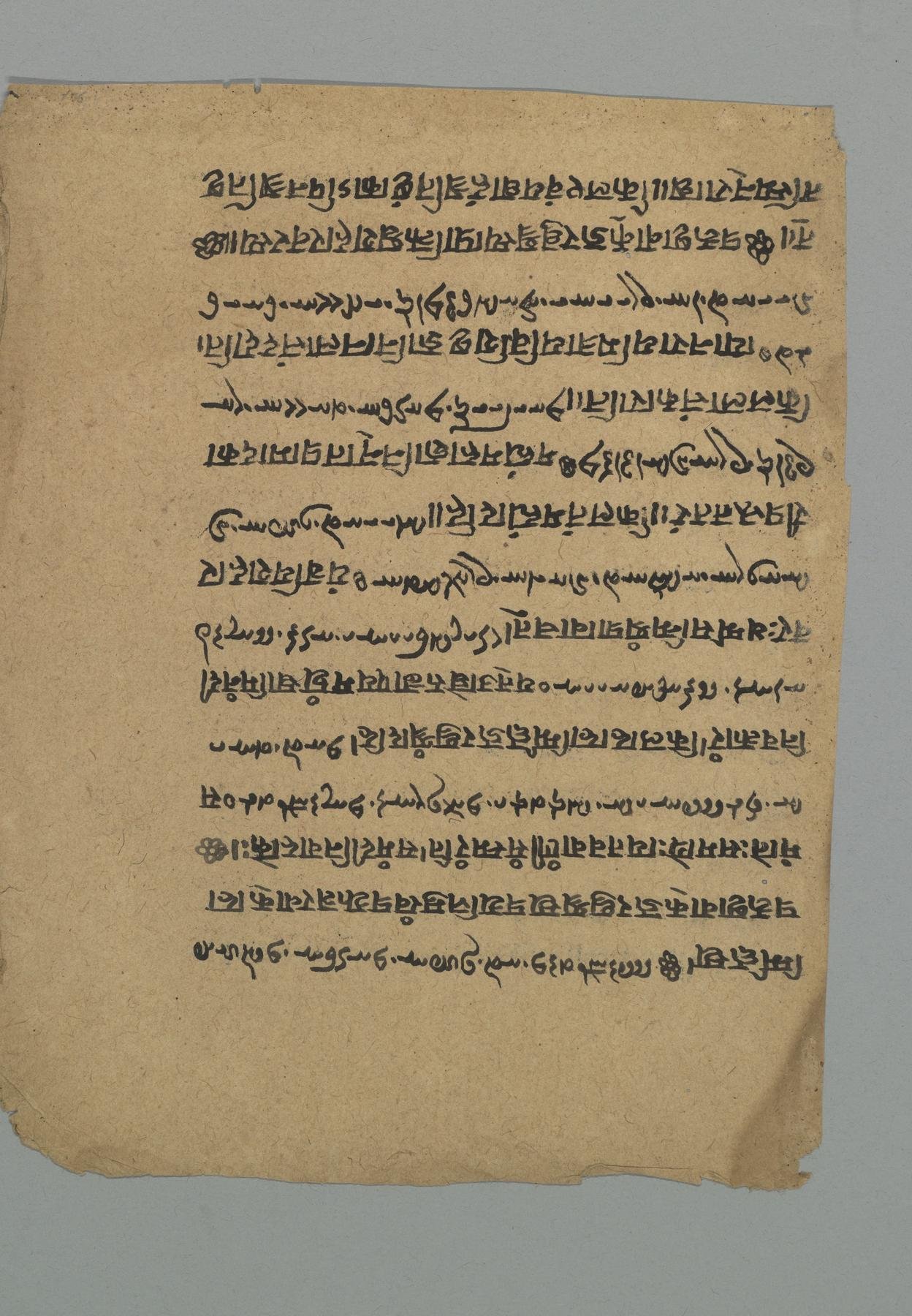
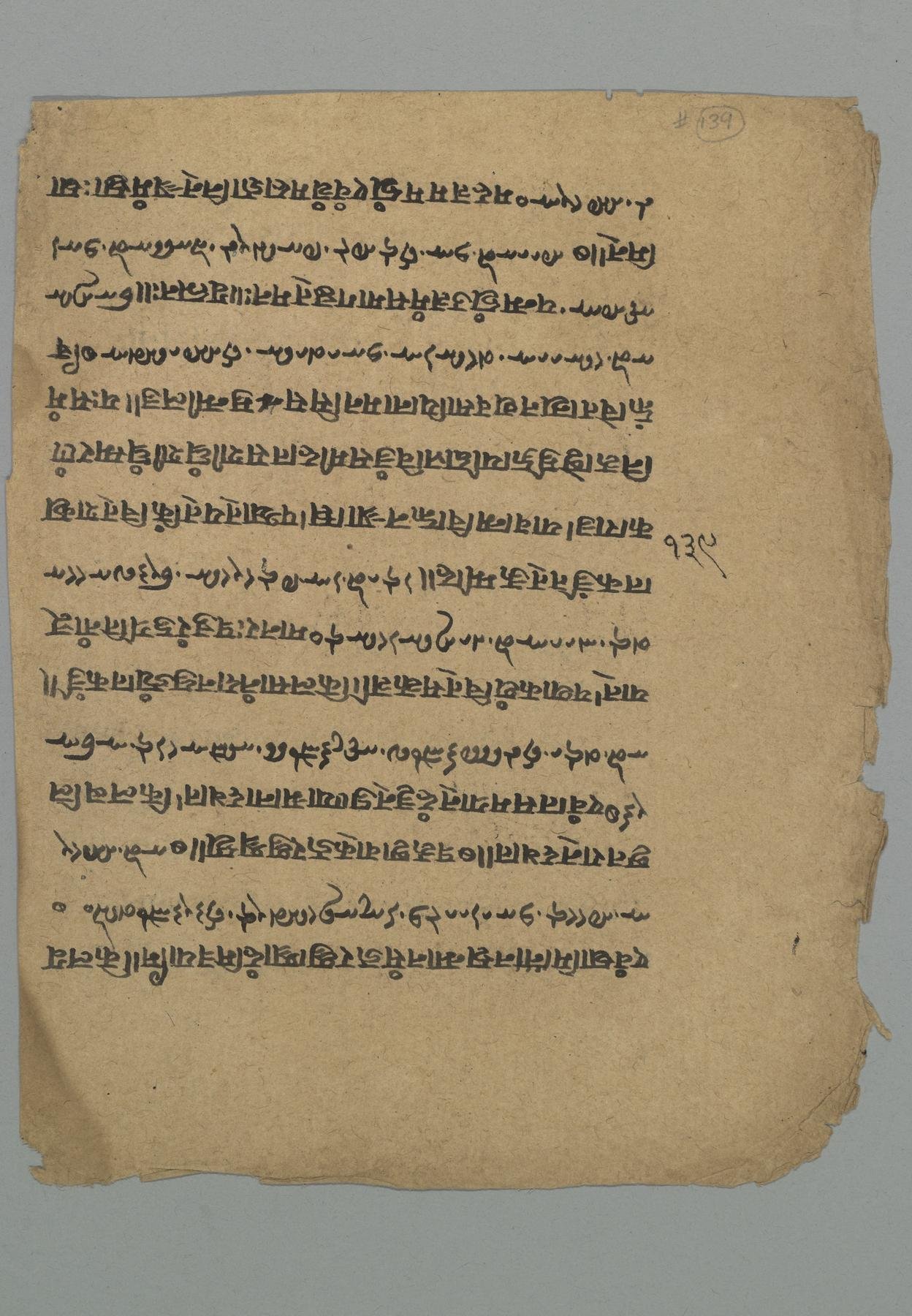
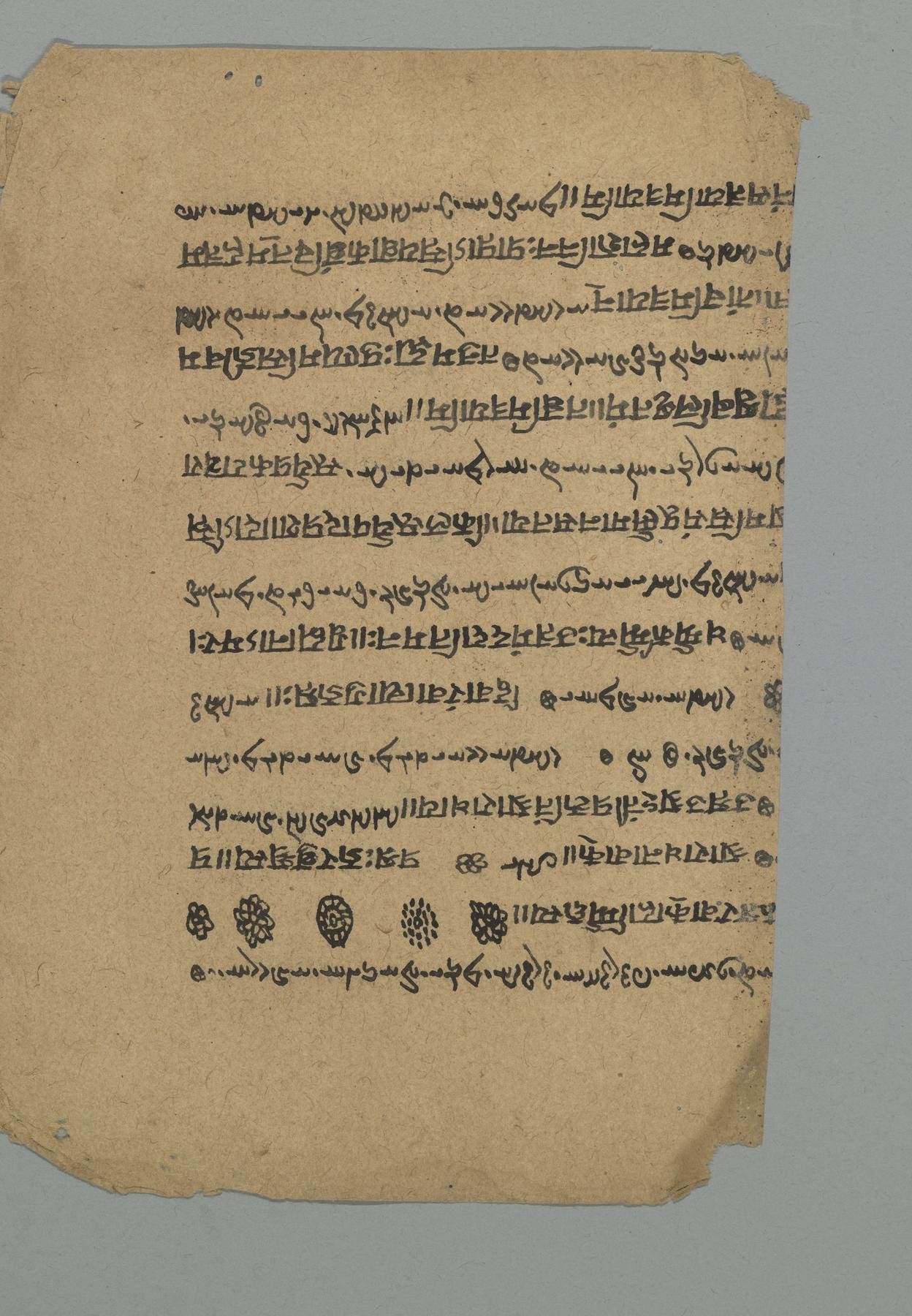
The manuscript shown is Columbia University, Rare Book & Manuscript Library, X892.5 Av3 N22, a Yasna in which every Avestan phrase is followed by the Sanskrit translation of Neryosangh (Nairyosangha, about the 12th century), written in Devanagari. Geldner, who used it for his edition as S1, called it an excellent old manuscript; Columbia dates it between 1700 and 1896. It came to Columbia in 1902 as a gift of Mobed Mancherji Barzoji Pavri to A. V. Williams Jackson. Its scribe wrote the Sanskrit upside down relative to the Avestan, so that both run from right to left along the line. This chapter fills fol. 133v-140r; its opening and close were read on the photographs, and the whole chapter forms one section listing all its pages.
The Avestan is Geldner's edition in the avesta.org transliteration; the English is L. H. Mills's translation in the Sacred Books of the East (1887), without his footnotes.
How was this verified? (Provenance)
Where on the image
Columbia University, Rare Book & Manuscript Library, X892.5 Av3 N22, fol. 133v-140r (14 pages, in order; OPenn images 10938_0259_web.jpg to 10938_0272_web.jpg). In these photographs the Avestan stands upright and the Sanskrit translation is written upside down; turn the image through 180 degrees to read the Sanskrit. Positions below (above, below, top, foot) refer to the photograph as shown, with the Avestan upright. Checked on the images: opening, fol. 133v, below the row of three ornaments in the middle of the page: 'namo yusmabhyam he gathah punyatmanyah || ... pratyuttaravak hormijdasya || prakrstavak jarathustrasya', then for 43.1 'sundarah sa yasya subham kebhyascit || kila kebhyascit manusyebhyah subhat yasya subham || asti kascit evam brute yat subham dinitah || dinitah sarvasya kasyacit subham', 'asya svecchaya rajyam maha-'. Neryosangh's text as edited by Mills (1894) reads here: 'Namo yusmabhyam, he Gathah punyatmanyah! pratyuttaravak Hormijdasya; prakrsta vak Jarathustrasya. Sundarah sa yasya subham kebhyascit ... Dinitah sarvasya kasyacit subham ... Asya svecchaya rajyam Mahajnani dadati'. Close: fol. 140r, lower part of the page: the end of 43.16 'dharmakarmibhyah uttamam dadati manah', 'dvivaram vacya', 'aradhanavak || ... prasnah jarathustrasya || pratyuttaravak hormijdasya ||', then a row of five ornaments. The verses of the chapter run in order across these pages; they were not placed on single pages. Besides the Avestan, the pages carry Neryosangh's Sanskrit after every phrase, the rubrics of the recitation and the closing formula of the chapter, none of which is shown in the text columns.
1ushtâ ahmâi ýahmâi ushtâ kahmâicît vasê-xshayãs mazdå dâyât ahurô utayûitî tevîshîm gat tôi vasemî ashem deredyâi tat môi då ârmaitê râyô ashîsh vanghêush gaêm mananghô (2).
2atcâ ahmâi vîspanãm vahishtem hvâthrôyâ nâ hvâthrem daidîtâ thwâ cîcîthwâ spênishtâ mainyû mazdâ ýâ då ashâ vanghêush mâyå mananghô vîspâ ayârê daregôjyâtôish urvâdanghâ.
3at hvô vanghêush vahyô nâ aibî- jamyât ýê nå erezûsh savanghô pathô sîshôit ahyâ anghêush astvatô mananghascâ haithyêñg âstîsh ýêñg â-shaêtî ahurô aredrô thwâvãs huzêñtushe speñtô mazdâ. dà
4at thwâ mêñghâi taxmemcâ speñtem mazdâ hyat tâ zastâ ýâ-tû hafshî avå ýå då ashîsh dregvâitê ashâunaêcâ thwahyâ garemâ âthrô ashâ-aojanghô hyat môi vanghêush hazê jimat mananghô!
5speñtem at thwâ mazdâ mêñghî ahurâ hyat thwâ anghêush zãthôi daresem paourvîm hyat då shyaothanâ mîzhdavãn ýâcâ uxdhâ akêm akâi vanguhîm ashîm vanghaovê thwâ hunarâ dâmôish urvaêsê apêmê.
6ýahmî speñtâ thwâ mainyû urvaêsê jasô mazdâ xshathrâ ahmî vohû mananghâ ýehyâ shyaothanâish gaêthå ashâ frâdeñtê aêibyô ratûsh sêñghaitî ârmaitish thwahyâ xratêush ýêm naêcish dâbayeitî!
7speñtem at thwâ mazdâ mêñghî ahurâ hyat mâ vohû pairî-jasat mananghâ peresatcâ mâ, cish ahî kahyâ ahî kathâ ayârê daxshârâ ferasayâi dîshâ aibî thwâhû gaêthâhû tanushicâ.
8at hôi aojî zarathushtrô paourvîm haithyô dvaêshå hyat isôyâ dregvâitê at ashâunê rafenô h'yêm aojôñghvat hyat âbûshtîsh vasase xshathrahyâ dyâ ýavat â thwâ mazdâ stâumî ufyâcâ!
9speñtem at thwâ mazdâ mêñghî ahurâ hyat mâ vohû pairî-jasat mananghâ ahyâ ferasêm kahmâi vîvîduyê vashî at â thwahmâi âthrê râtãm nemanghô ashahyâ-mâ ýavat isâi manyâi.
10at tû môi dâish ashem hyat mâ zaozaomî ârmaitî hacimnô ît ârem peresâcâ nå ýâ tôi êhmâ parshtâ parshtêm zî thwâ ýathanâ tat êmavatãm dà hyat thwâ xshayãsh aêshem dyât êmavañtem!
11speñtem at thwâ mazdâ mêñghî ahurâ hyat mâ vohû pairî-jasat mananghâ hyat xshmâ uxdhâish dîdainghê paourvîm sâdrâ-môi sãs mashyaêshû zarazdâitish tat verezyeidyâi hyat môi mraotâ vahishtem.
12hyatcâ môi mraosh ashem jasô frâxshnenê at tû-môi nôit asrushtâ pairyaokhzhâ uzeredyâi parâ hyat môi â-jimat seraoshô ashî mãzâ-rayâ hacimnô ýâ vî ashîsh rânôibyô savôi vîdâyât!
13speñtem at thwâ mazdâ mêñghî ahurâ hyat mâ vohû pairî-jasat mananghâ arethâ vôizdyâi kâmahyâ têm môi dâtâ daregahyâ ýâush ýêm vå naêcîsh dâresht itê vairyå stôish ýâ thwahmî xshathrôi vâcî.
14hyat nâ fryâi vaêdamnô isvâ daidît maibyô mazdâ tavâ rafenô frâxshnenem hyat thwâ xshathrâ ashât hacâ frãshtâ uzereidyâi azêm saredanå sêñghahyâ mat tâish vîspâish ýôi-tôi mãthrå mareñtî!
15speñtem at thwâ mazdâ mêñghî ahurâ hyat mâ vohû pairî-jasat mananghâ daxshat ushyâi tushnâ maitish vahishtâ nôit nâ pourûsh dregvatô h'yât cixshnushô at tôi vîspêñg añgrêñg ashâunô âdarê.
16at ahurâ hvô mainyûm zarathushtrô vereñtê mazdâ ýastê cishcâ spênishtô astvat ashem h'yât ushtânâ aojôñghvat hvêñg daresôi xshathrôi h'yât ârmaitish ashîm shyaothanâish vohû daidît mananghâ!
1Salvation to this man, salvation to him whosoever (he may be)! Let the absolutely ruling Great Creator grant (us, He) the living Lord, the two eternal powers. Yea, verily, I ask it of Thee (O Ahura) for the maintaining Righteousness. And may’st Thou also give it to me, (O inspiring) Piety! splendour (as it is), holy blessings, the Good Mind's life.
2Yea, to this one may the man endowed with glory give that best of all things, the (spiritual) glory. And do Thou likewise (Thyself) reveal Thine own (gifts) through Thy most bountiful spirit, O Mazda! (And do Thou teach us) Thy wonderful thoughts of wisdom, those of Thy Good Mind, which Thou hast revealed (to us) by Thy Righteousness (within us) with the happy increase of (our joy), and on a long life's every day.
3And may that (holy man) approach toward that which is the better than the good, he who will show to us the straight paths of (spiritual) profit, (the blessings) of this corporeal life, and of that the mental, in those veritably real (eternal) worlds, where dwells Ahura; (that holy man) an offerer of Thine, O Mazda! a faithful citizen, and bountiful of (mind).
4Yea, I will regard Thee as mighty and likewise bountiful, O Ahura Mazda! when (I behold) those aids of grace (approach me), aids which Thou dost guard and nurture as (Thy) just awards to the wicked (to hold him far from us), as well as to the righteous (for our help), Thy Fire's flame therewith so strong through the Holy Order, and when to me the Good Mind's power comes +
5(For) so I conceived of Thee as bountiful, O Great Giver, Mazda! when I beheld Thee as supreme in the generation of life, when, as rewarding deeds and words, Thou didst establish evil for the evil, and happy blessings for the good, by Thy (great) virtue (to be adjudged to each) in the creation's final change.
6In which (last) changing Thou shalt come, and with Thy bounteous spirit, and Thy sovereign power, O Ahura Mazda! by deeds of whom the settlements are furthered through the Righteous Order. And saving regulations likewise unto these shall Âramaiti utter, (she, our Piety within us), yea, (laws) of Thine understanding which no man may deceive.
7Yea, I conceived of Thee as bountiful, O Great Giver Mazda! when he (Thy messenger, Obedience) drew near me, and asked me thus: Who art thou? And whose is thine allegiance? And how to-day shall I show the signs that give the light on this (our) question, (signs) as to the lands (from whence thou camest) and in thyself?
8Then to him I, Zarathustra, as my first answer, said: To the wicked (would that I could be) in very truth a strong tormentor and avenger, but to the righteous may I be a mighty help and joy, since to preparations for Thy Kingdom, and in desire (for its approach), I would devote myself so long as to Thee, O Mazda! I may praise, and weave my song.
9Yea, I conceived of Thee as bountiful, O Ahura Mazda! when (Thine herald) with Thy Good Mind near approached me, and asked me thus: For what dost thou desire that thou may’st gain, and that thou may’st know it? Then for Thy Fire an offering of praise and holiness (I desired. And on that offering for myself) as long as I have the power, will I meditate, (and for its holy power among Thy people will I plan).
10And may’st Thou likewise grant me (Thy) Righteousness (within me), since I earnestly invoke that perfect readiness (of mind), joining in my prayer with Âramaiti (our Piety toward Thee. Yea, pray Thou Thyself within me through these holy powers). Ask Thou (Thyself) our questions, those which shall be asked by us of Thee; for a question asked by Thee (as its inspirer), is as the question of the mighty, whene’er Thy (?) ruler speaks his potent wish.
11Yea, I conceived of Thee as bountiful, O Ahura Mazda! when (Thy messenger) with Thy Good Mind near approached me, and with your words I first impressed (my soul). Woes then 'midst men Thy heart-devoted one declared (to be) my (portion); but that will I do which Thou did’st say was best.
12And since Thou, coming thus, Thy legal Righteousness in fulness spakest, then declare not to me words as yet unheard (with faith or knowledge; command me not) to go forth (with these upon my task) before Thy Sraosha (Obedience) comes to me, to go on hand in hand with me with holy recompense and mighty splendour, whereby to give the contending throngs(?), as a blessing, (Your) spiritual gifts (of certainty and peace).
13Thus I conceived of Thee as bounteous, O Ahura Mazda! when with Thy Good Mind (Sraosha, Obedience) approached me. (And I would therefore pray thus of Thee, that bounteous one.) In order that I may make known to men the true and sacred aims of their desires (in the rite or daily toil), grant Ye me long life for this, (that blessing) which none with daring may extort from You, even this (gift) of that desired place which has been declared to be within Thy Realm.
14Yea, as the man enlightened (in Thy law), and who has possessions, gives to his friend, (so give Ye) me, O Great Creator! Thy rejoicing and abounding grace, when through Thy sovereign Power, and from (the motives of Thy cause of) Righteous Order, I stand forth to go out to, or to arouse, the chiefs of Thy (pure) proclamation, with all those (others) who recite Thy well-remembered Mãthra word.
15Yea, I conceived of Thee as bounteous, O Ahura Mazda! when with the Good Mind's grace Thy Sraosha (Obedience) approached me, (and said): Let the quiet and long-enduring better mind with understanding teach (thee); let not a foremost man conciliate the wicked (as sycophant desiring aid), for with that (quiet mind of faith), Thy saints have brought full many a sinner unto Thee (as convert, and in penitence).
16Thus, O Ahura Mazda! this Zarathustra loves the Spirit, and every man most bounteous prays (beside him): Be Righteousness life-strong, and clothed with body. In that (holy) Realm which shines (with splendour) as the sun, let Piety be present; and may she through the indwelling of Thy Good Mind give us blessings in reward for deeds!
Notes
- Avestan: Geldner's text in the avesta.org transliteration; the recitation rubrics '(zot,)' and '(zot u raspi,)' and the closing formula printed after the chapter are left out. '(2)' after a verse marks that it is recited twice.
- English: L. H. Mills, Sacred Books of the East 31 (1887), without his footnotes and chapter summaries; his headings naming the speakers are printed in italics. Mills prints some letters of Avestan names in italic type (as in Zarathustra); they are given here in roman type.
- The transcription used ran verse 11 into verse 10 and read 'II.' for '11.'; the verse is separated as printed (p. 103).
Cite
Sources
- Source: Columbia University, Rare Book & Manuscript Library, X892.5 Av3 N22 (Yasna with Neryosangh's Sanskrit; OPenn, Public Domain Mark) + Geldner's Avestan text (avesta.org) + L. H. Mills's English (SBE 31, 1887) (holding institution)
- Critical edition: Geldner, Avesta (1886-1896), avesta.org transliteration
← previous · → next · v cycle view · l back to library