Gathas, Yasna 44: 'This I ask Thee, tell me truly, O Ahura'
Introduction
Yasna 44 belongs to the Ushtavaiti Gatha. Almost every verse opens with the question 'This I ask Thee, tell me truly, O Ahura', on the creation of the world, the nature of the good religion and the fate of the followers of the Lie.
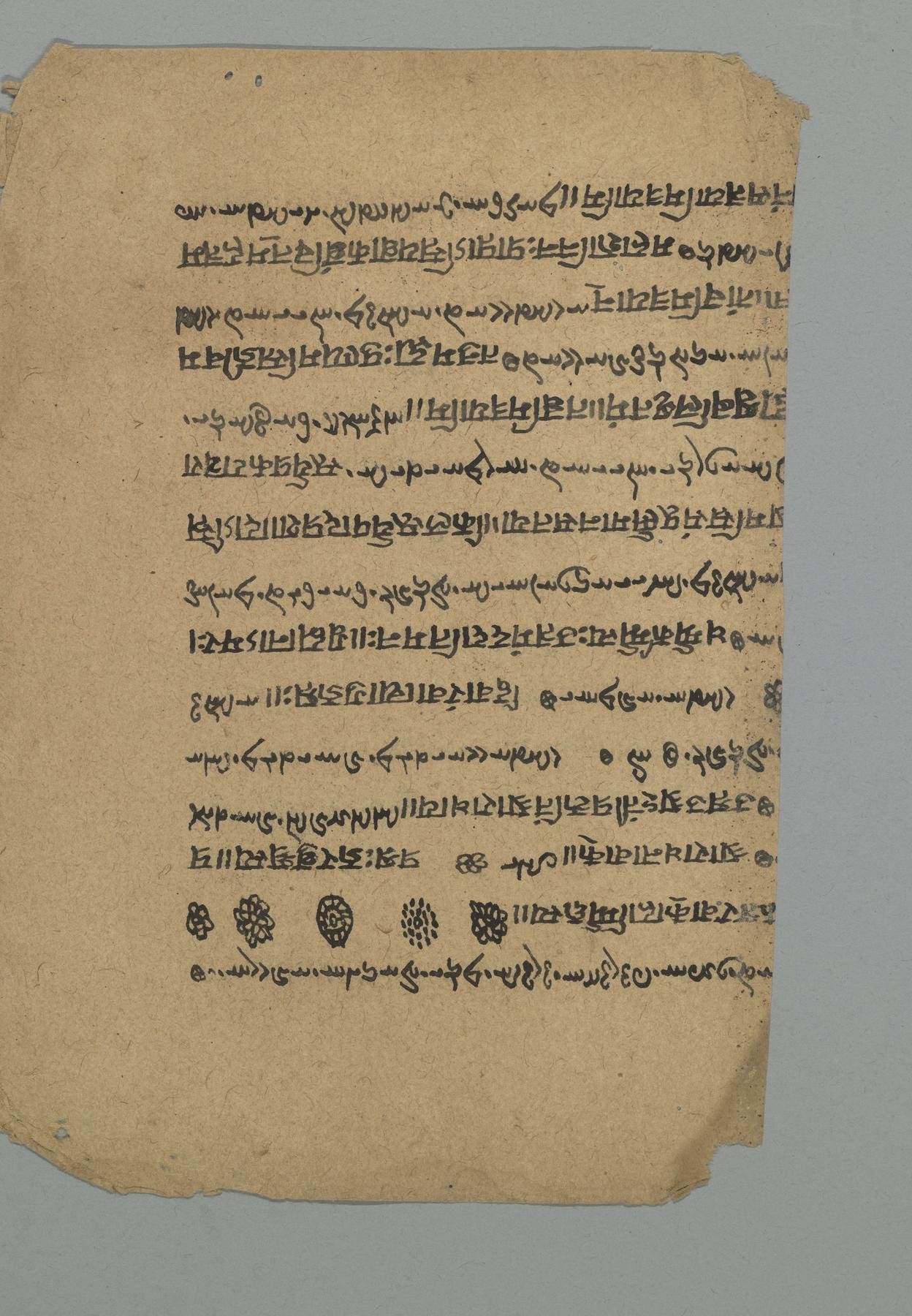
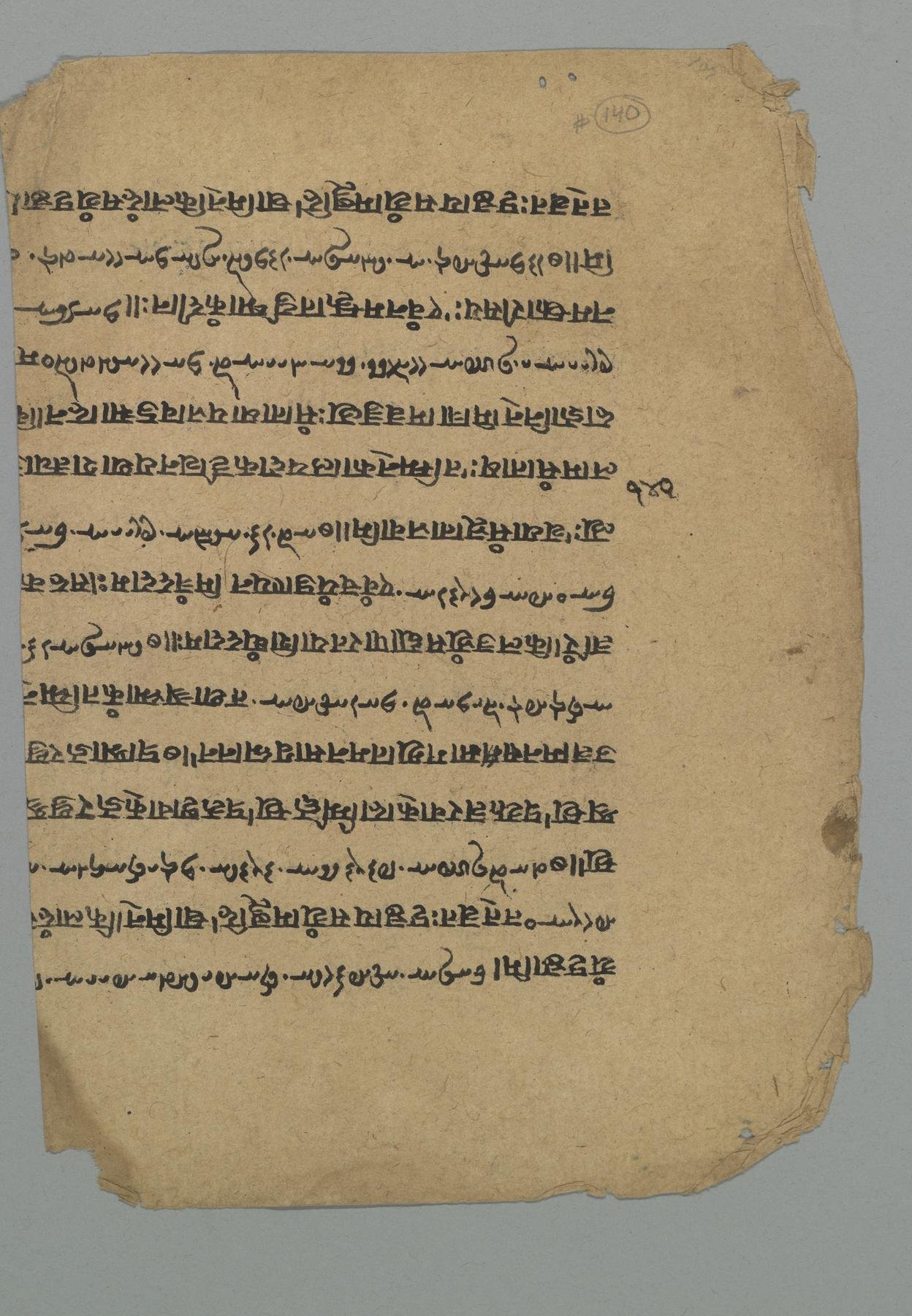
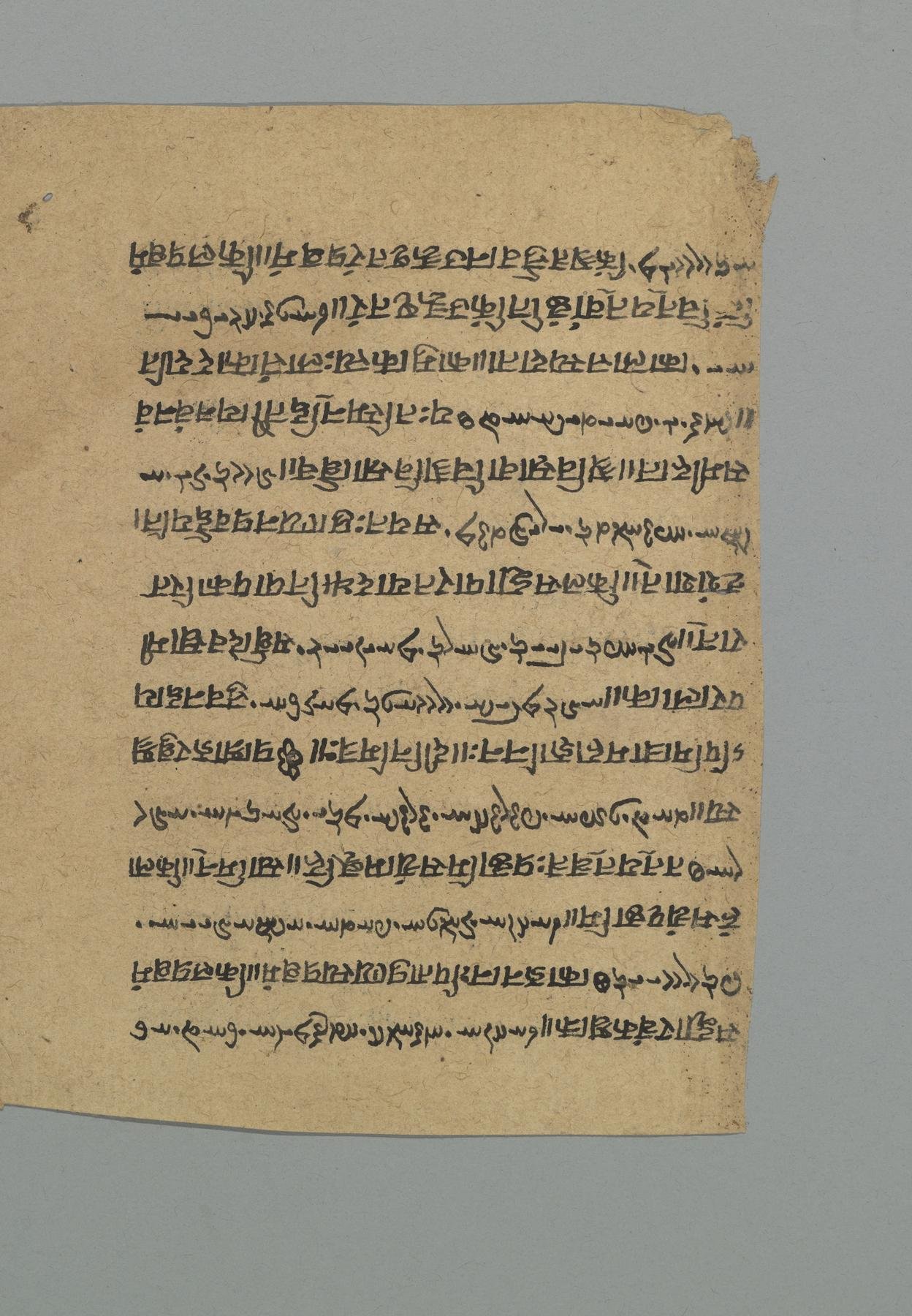
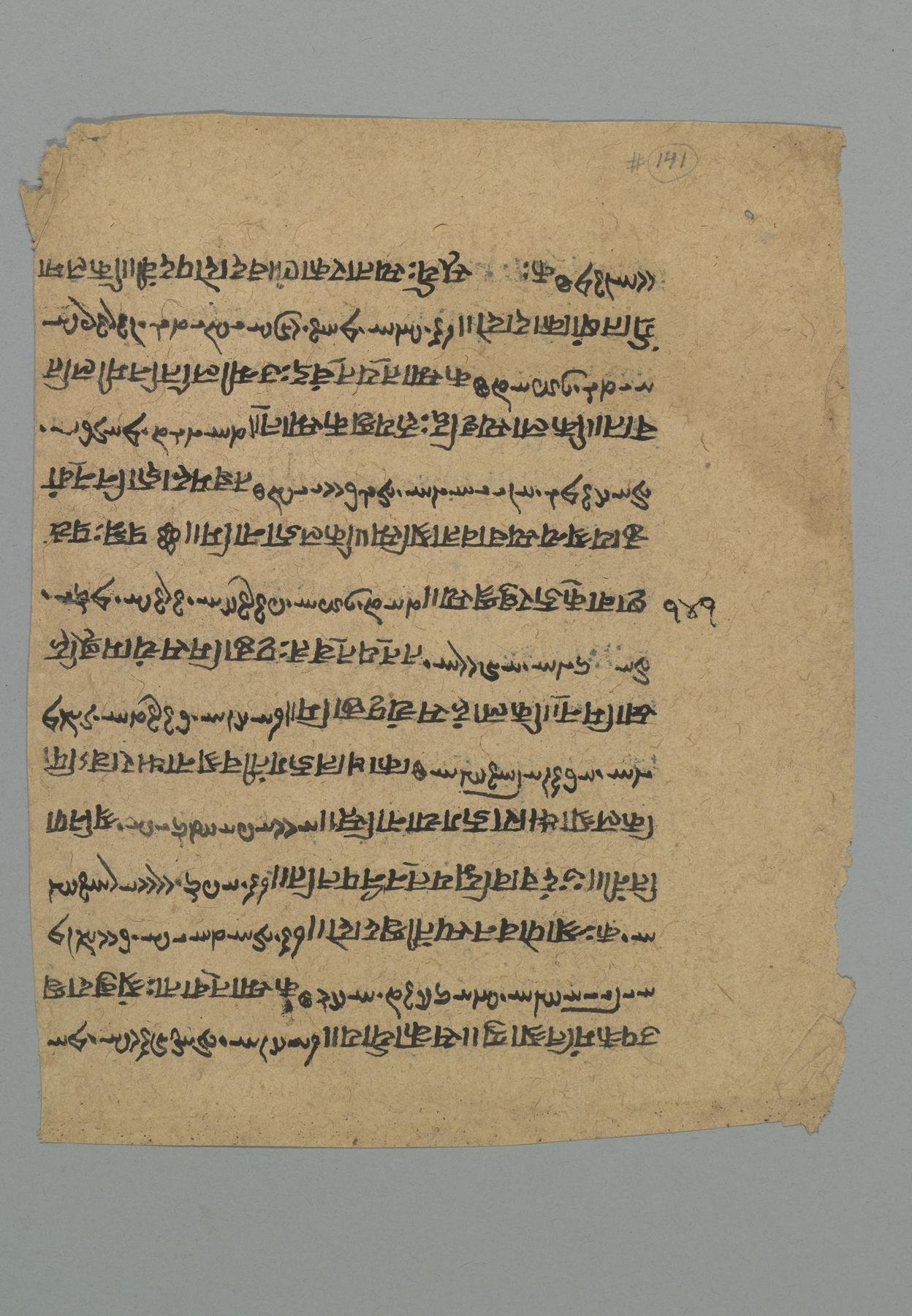
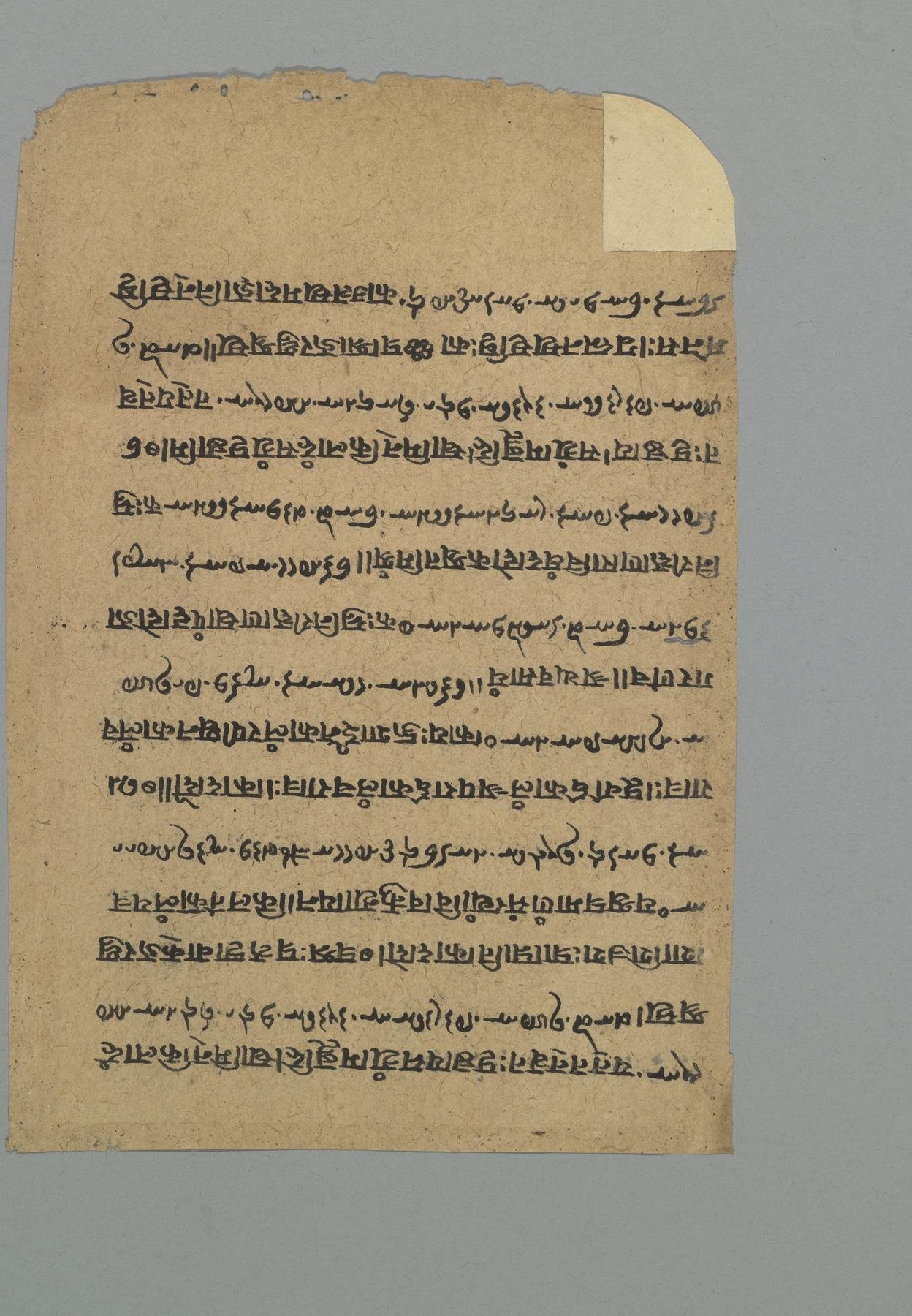
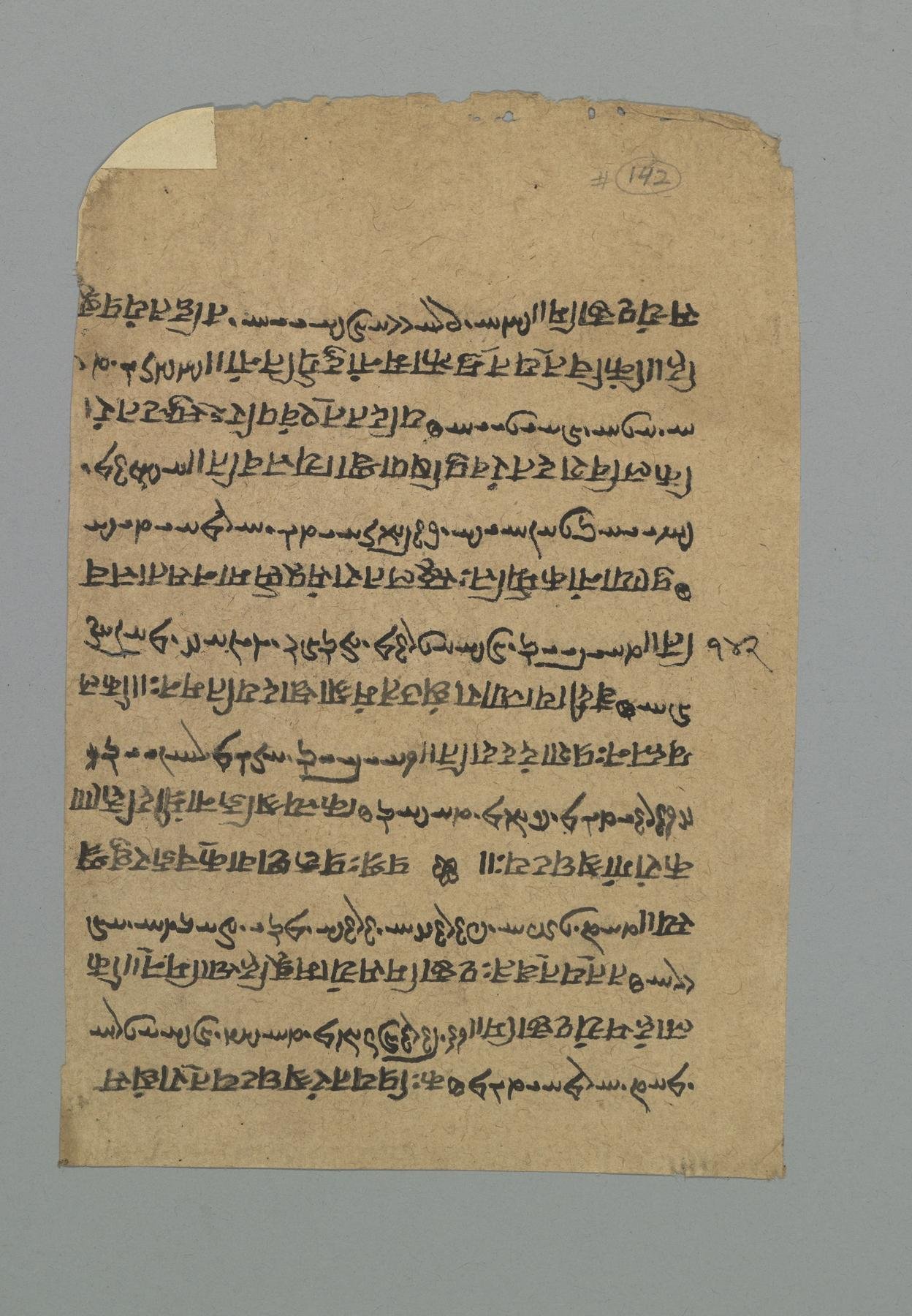
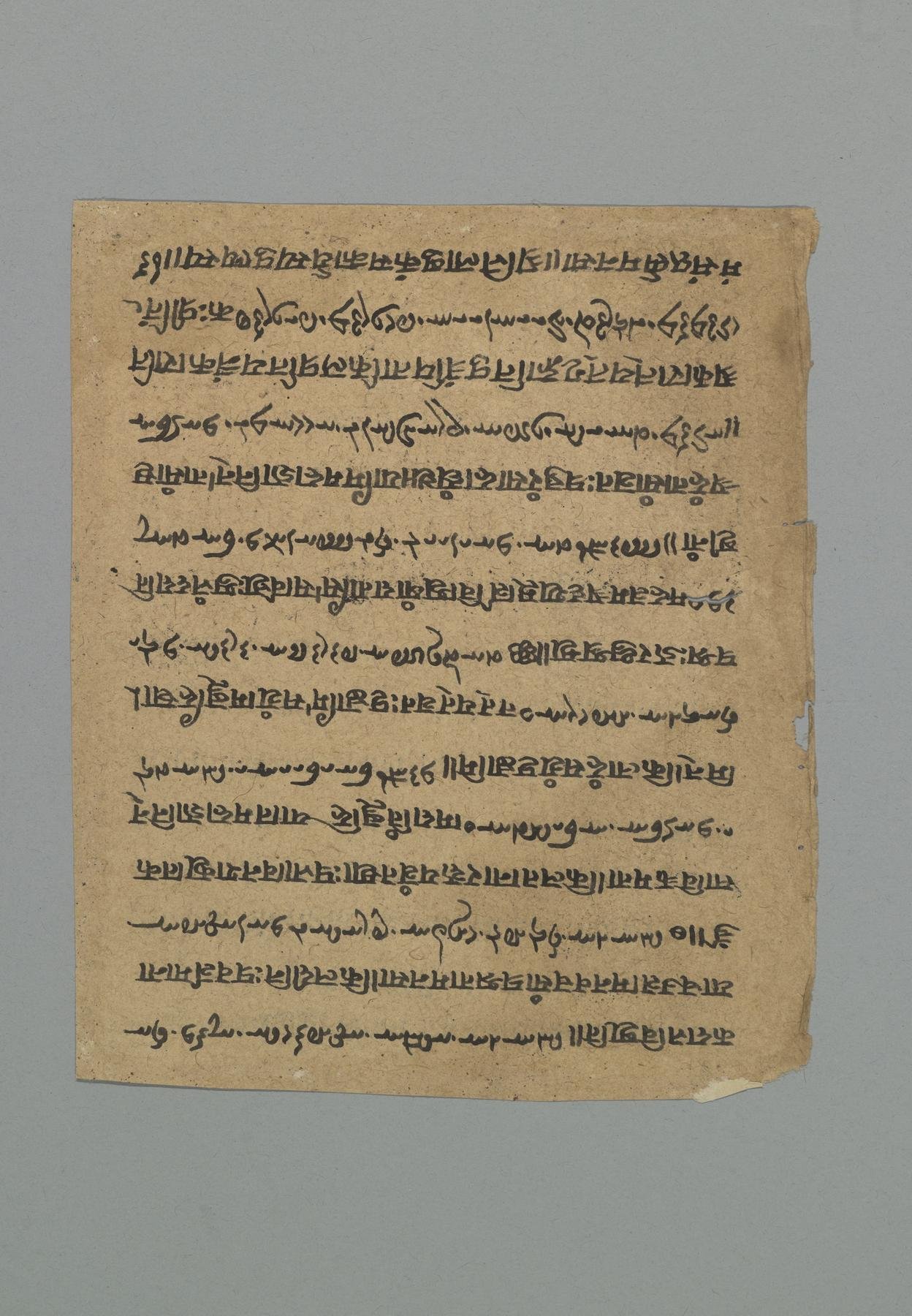
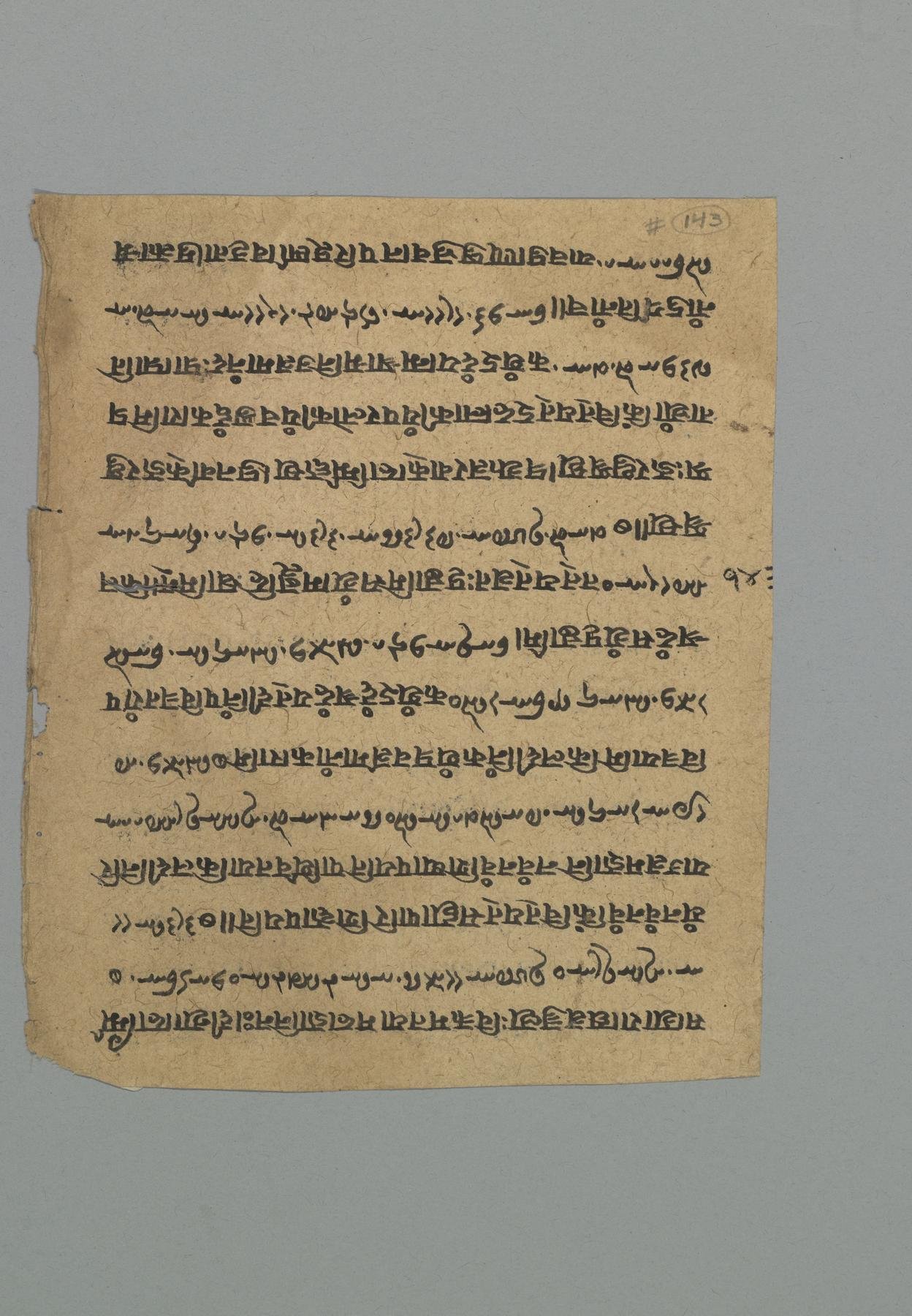
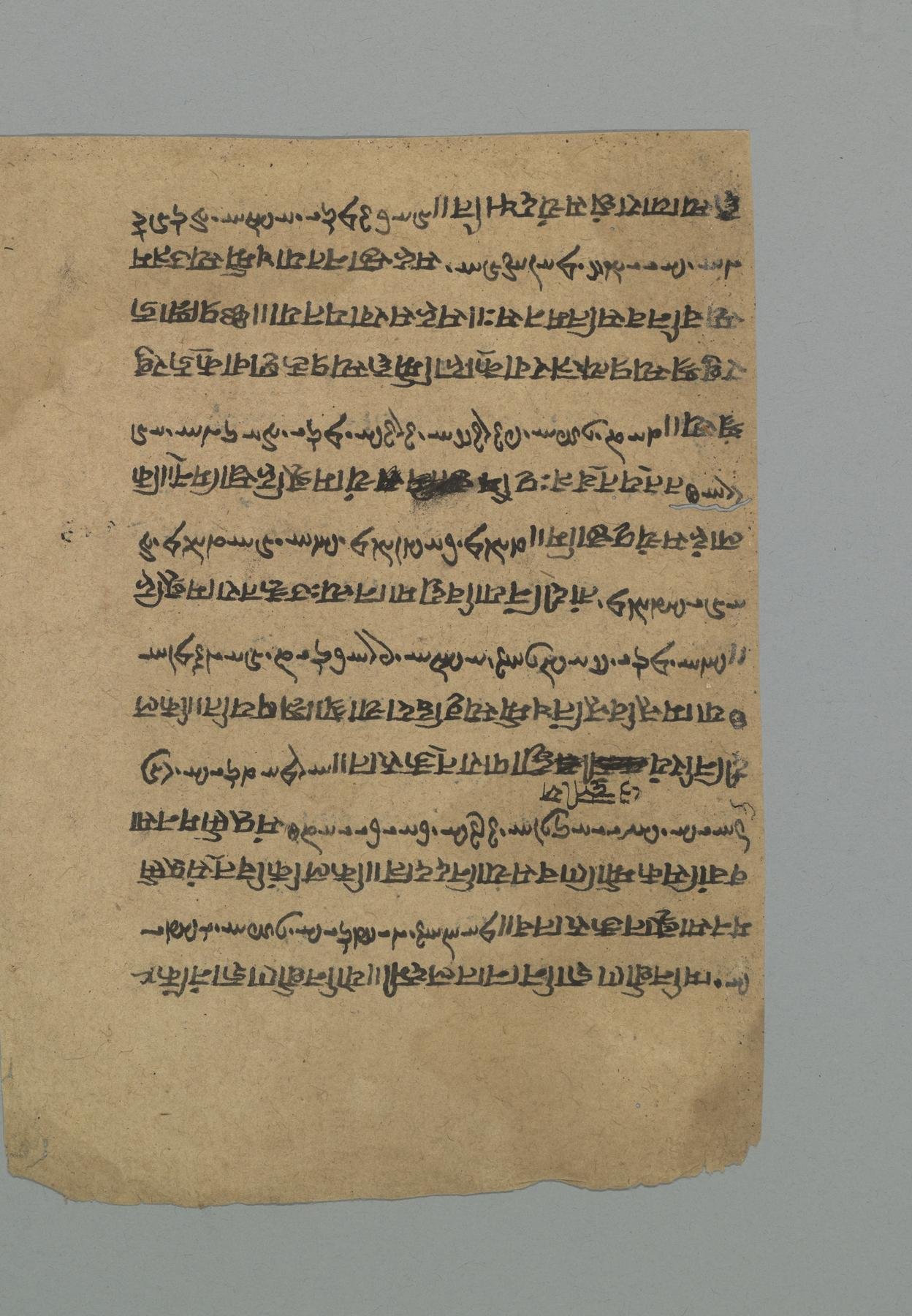
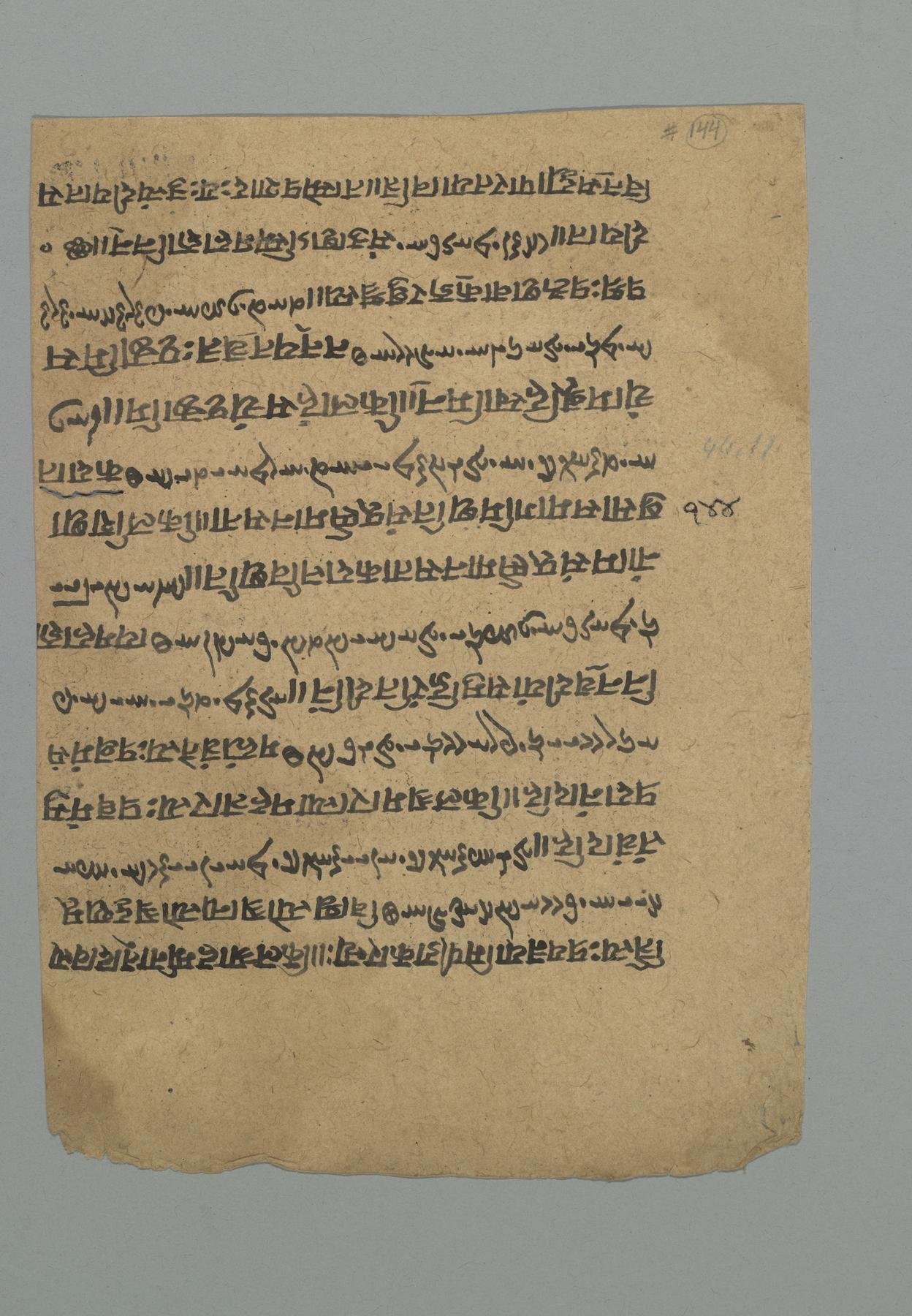
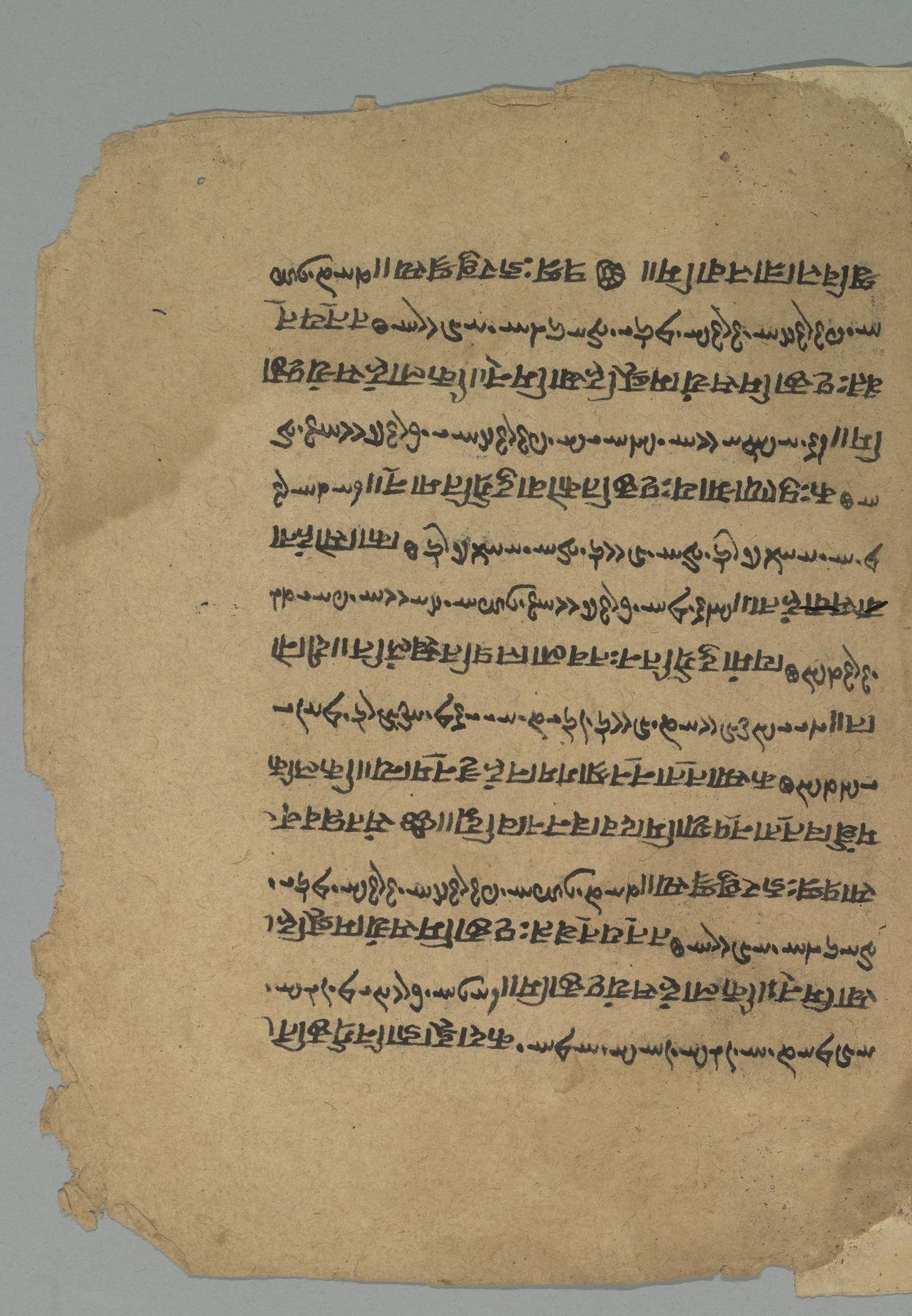
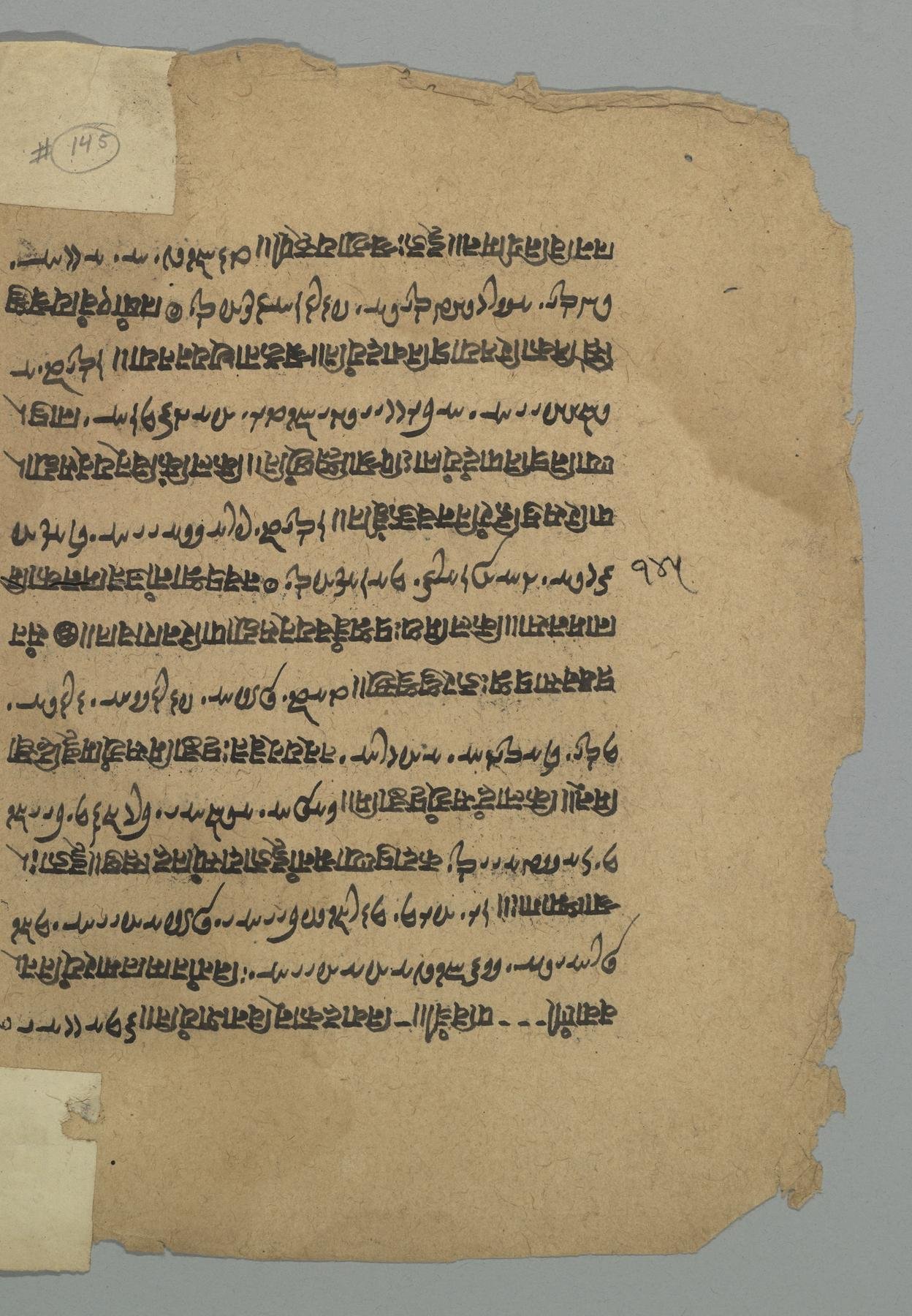
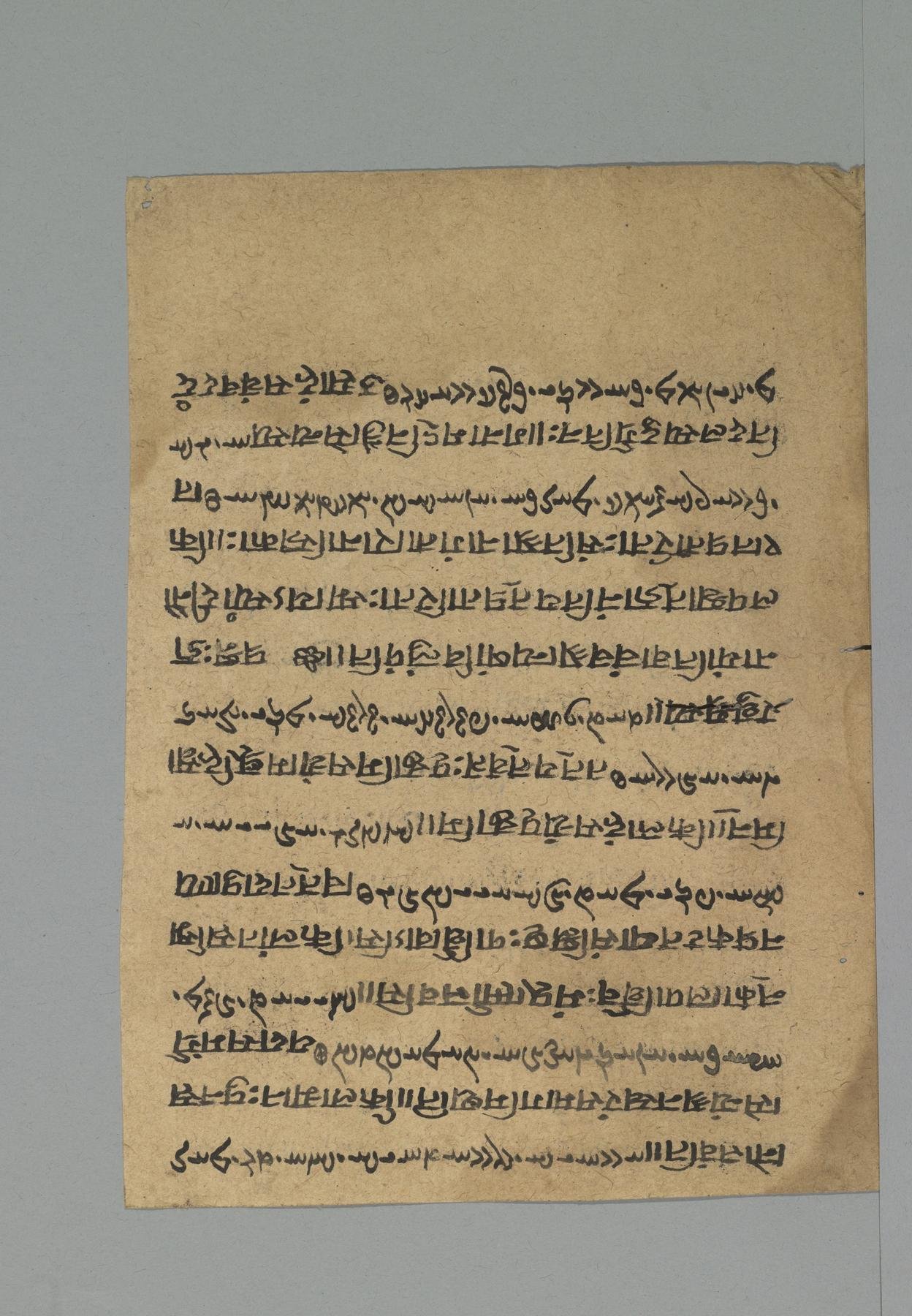
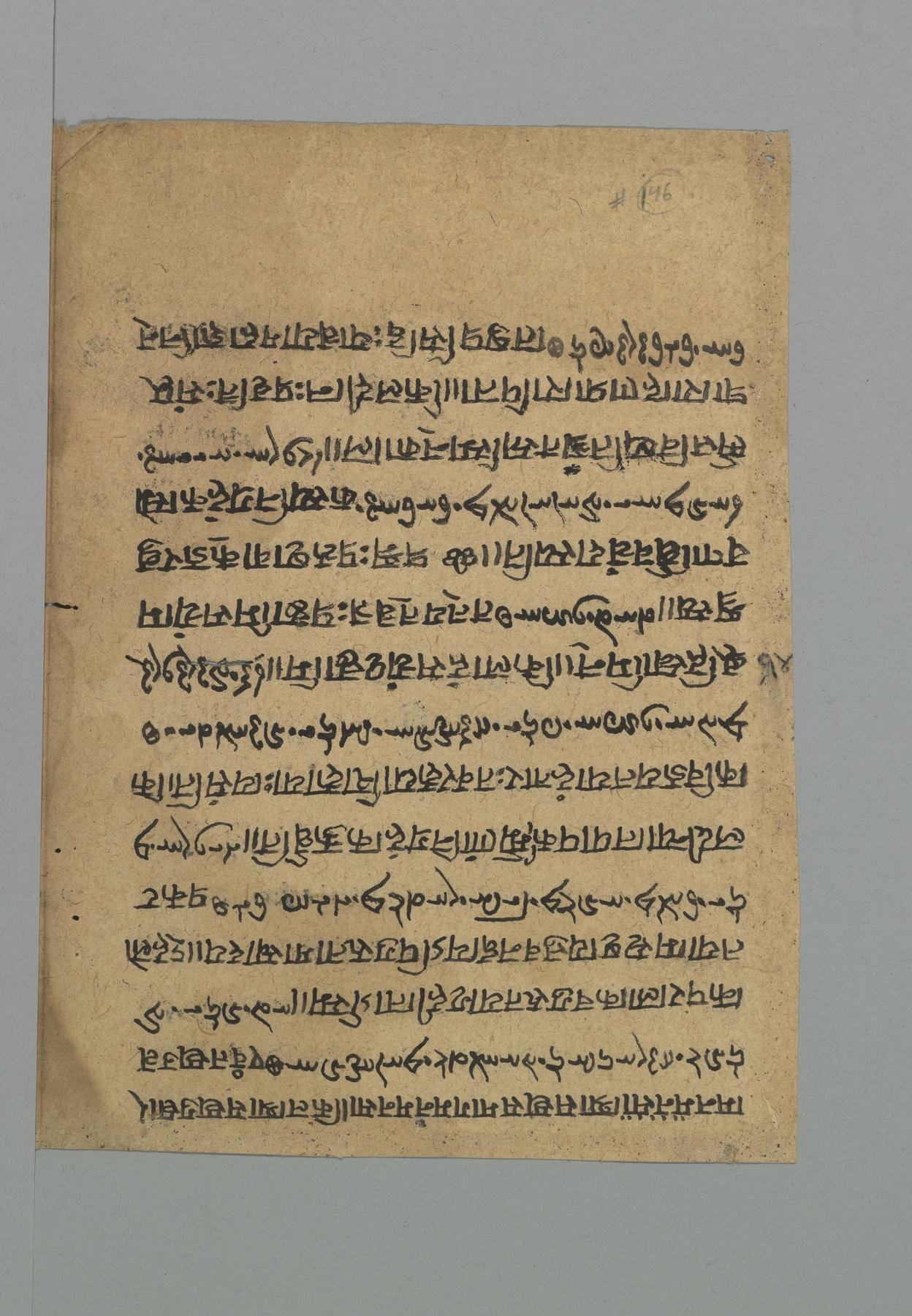
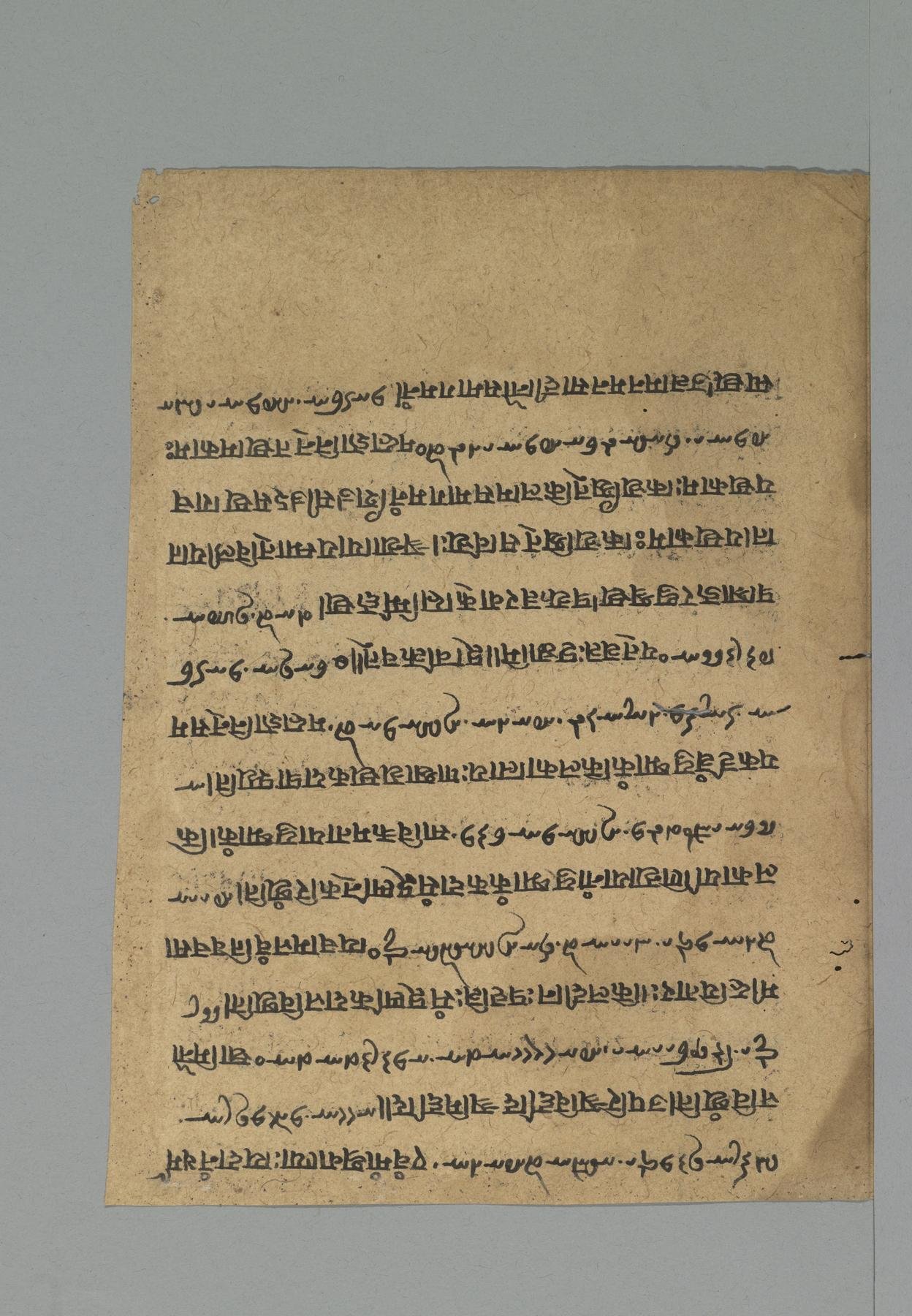
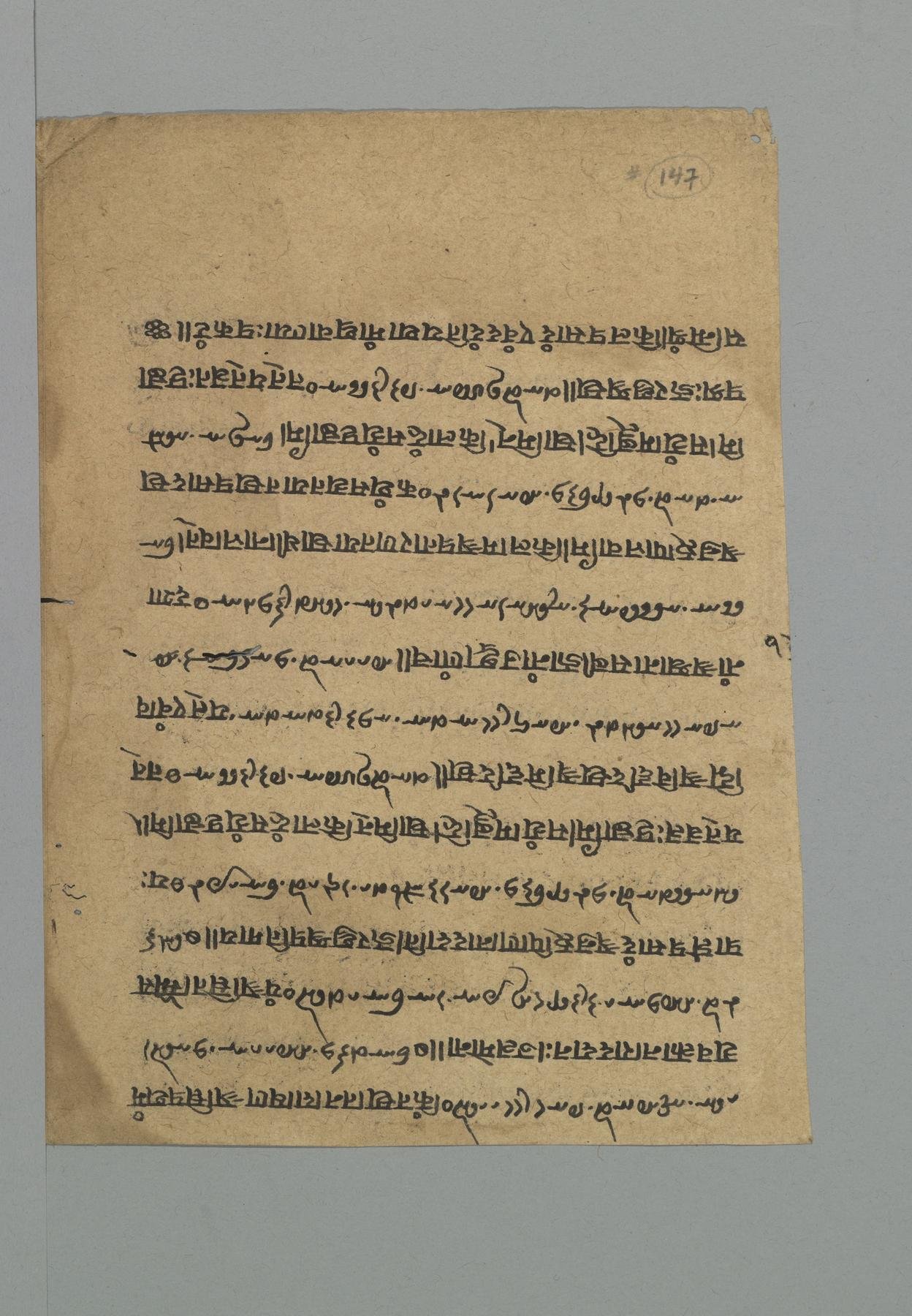
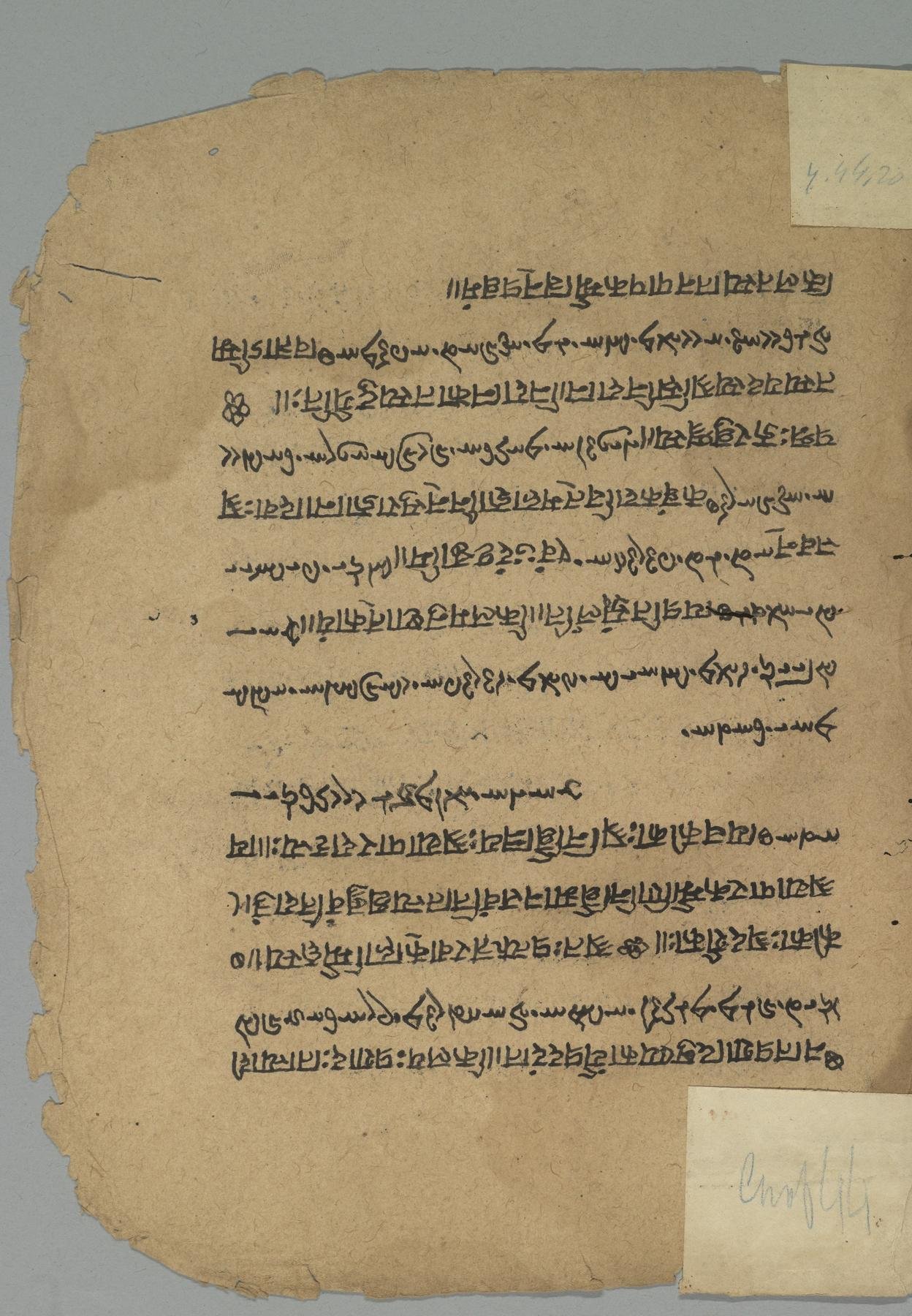
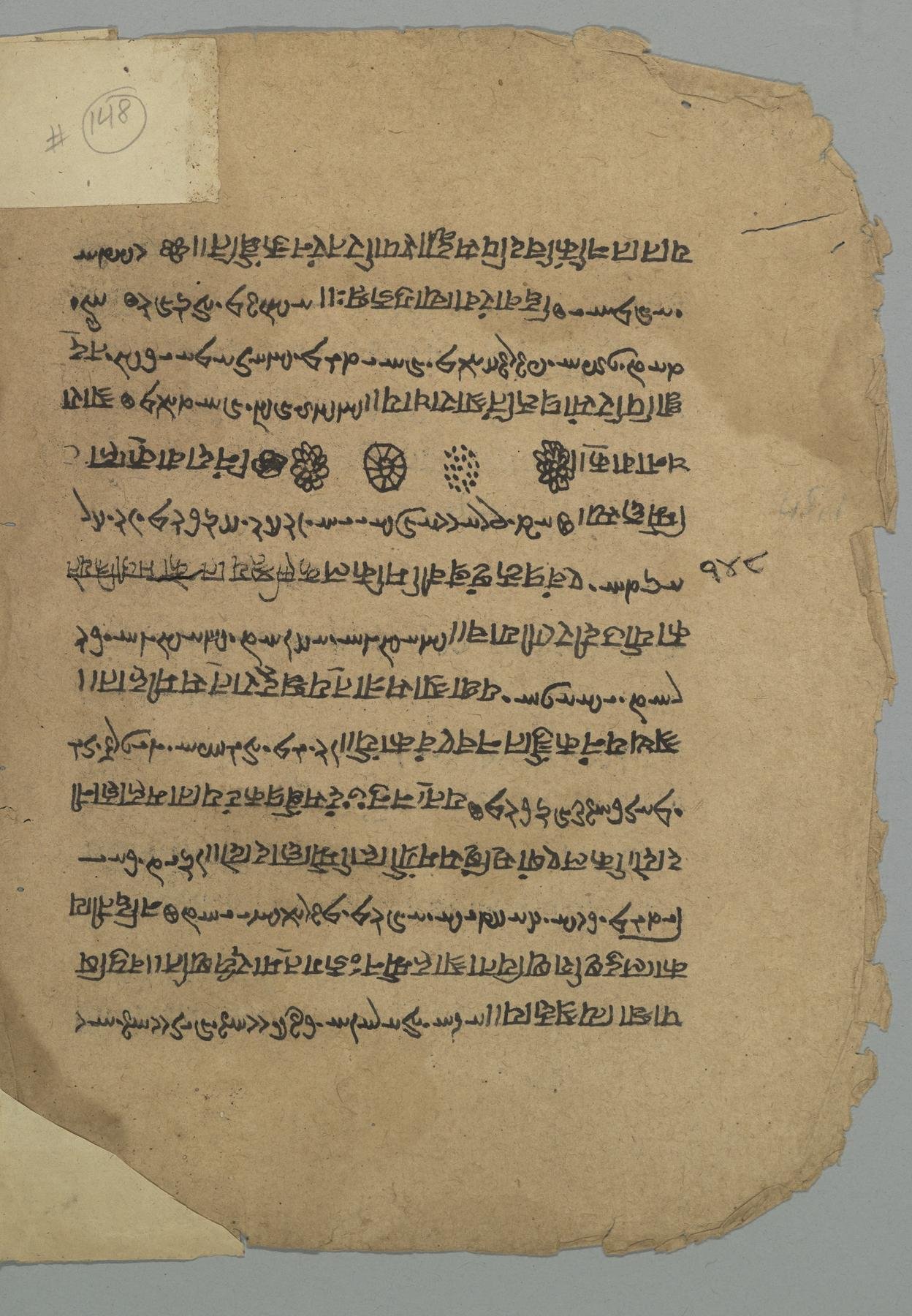
The manuscript shown is Columbia University, Rare Book & Manuscript Library, X892.5 Av3 N22, a Yasna in which every Avestan phrase is followed by the Sanskrit translation of Neryosangh (Nairyosangha, about the 12th century), written in Devanagari. Geldner, who used it for his edition as S1, called it an excellent old manuscript; Columbia dates it between 1700 and 1896. It came to Columbia in 1902 as a gift of Mobed Mancherji Barzoji Pavri to A. V. Williams Jackson. Its scribe wrote the Sanskrit upside down relative to the Avestan, so that both run from right to left along the line. This chapter fills fol. 140r-148v; its opening and close were read on the photographs, and the whole chapter forms one section listing all its pages.
The Avestan is Geldner's edition in the avesta.org transliteration; the English is L. H. Mills's translation in the Sacred Books of the East (1887), without his footnotes.
How was this verified? (Provenance)
Where on the image
Columbia University, Rare Book & Manuscript Library, X892.5 Av3 N22, fol. 140r-148v (18 pages, in order; OPenn images 10938_0272_web.jpg to 10938_0289_web.jpg). In these photographs the Avestan stands upright and the Sanskrit translation is written upside down; turn the image through 180 degrees to read the Sanskrit. Positions below (above, below, top, foot) refer to the photograph as shown, with the Avestan upright. Checked on the images: opening, fol. 140r, last line of the page, below the ornaments: the Avestan of 44.1a (tat thwa peresa eresh moi vaoca ahura), compared letter by letter with the expected words; its Sanskrit is the first line of fol. 140v: 'tat tvattah prcchami satyam me bruhi svamin kila aham satyam prcchami'. Neryosangh's text as edited by Mills (1894) reads here: 'Tat tvattah prcchami satyam me bruhi, Svamin, [kila 'ham satyam prcchami]'. Close: fol. 148v, top of the page: the end of the gloss on 44.20e '[di]yate tena kimcid api sadvyaparitaram karoti ||' (begun on fol. 148r: 'na te prasadesu punyakaryam pradadante || kila yah prasadah tebhyo di-'), then 'dvivaram vacya' and the closing rubrics, and a row of five ornaments. The verses of the chapter run in order across these pages; they were not placed on single pages. Besides the Avestan, the pages carry Neryosangh's Sanskrit after every phrase, the rubrics of the recitation and the closing formula of the chapter, none of which is shown in the text columns.
1tat thwâ peresâ eresh-môi vaocâ ahurâ, nemanghô â ýathâ nemê xshmâvatô mazdâ fryâi thwâvãs sah'yât mavaitê at nê ashâ fryâ dazdyâi hâkurenâ ýathâ-nê â vohû jimat mananghâ.
2tat thwâ peresâ eresh-môi vaocâ ahurâ, kathâ anghêush vahishtahyâ paourvîm kâthê sûidyâi ýê-î paitishât hvô zî ashâ speñtô irixtem vîspôibyô hârô mainyû ahûmbish urvathô mazdâ.
3tat thwâ peresâ eresh-môi vaocâ ahurâ, kasnâ zãthâ patâ ashahyâ pouruyô kasnâ hvêñg starêmcâ dât advânem kê ýâ må uxshyeitî nerefsaitî thwat tâcît mazdâ vasemî anyâcâ vîduyê.
4tat thwâ peresâ eresh-môi vaocâ ahurâ, kasnâ deretâ zãmcâ adê nabåscâ avapastôish kê apô urvaråscâ kê vâtâi dvãnmaibyascâ ýaoget âsû kasnâ vanghêush mazdâ dãmish mananghô.
5tat thwâ peresâ eresh-môi vaocâ ahurâ, kê hvâpå raocåscâ dât temåscâ kê hvâpå hvafnemcâ dât zaêmâcâ kê ýâ ushå arêm-pithwâ xshapâcâ ýå manaothrîsh cazdôñghvañtem arethahyâ.
6tat thwâ peresâ eresh-môi vaocâ ahurâ ýâ fravaxshyâ ýezî tâ athâ haithyâ, ashem shyaothanâish debãzaitî ârmaitish taibyô xshathrem vohû cinas mananghâ kaêibyô azîm rânyô-skeretîm gãm tashô.
7tat thwâ peresâ eresh-môi vaocâ ahurâ, kê berexdhãm tâsht xshathrâ mat ârmaitîm kê uzemêm côret vyânayâ puthrem pithrê azêm tâish thwâ fraxshnî avâmî mazdâ speñtâ mainyû vîspanãm dâtârem.
8tat thwâ peresâ eresh-môi vaocâ ahurâ meñdaidyâi ýâ-tôi mazdâ âdishtish dà ýâcâ vohû uxdhâ frashî mananghâ ýâcâ ashâ anghêush arêm vaêdyâi kâ-mê urvâ vohû urvâshat âgemat tâ.
9tat thwâ peresâ eresh-môi vaocâ ahurâ, kathâ-môi ýãm ýaosh daênãm ýaosh dânê ýãm hudânâush paitishe sah'yât xshathrahyâ ereshvâ xshathrâ thwâvãs asîshtîsh mazdâ hademôi ashâ vohucâ shyãs mananghâ.
10tat thwâ peresâ eresh-môi vaocâ ahurâ tãm daênãm ýâ hâtãm vahishtâ ýâ-môi gaêthå ashâ frâdôit hacêmnâ ârmatôish uxdhâish shyaothanâ eresh daidyat mah'yå cistôish thwâ îshtîsh usên mazdâ.
11tat thwâ peresâ eresh-môi vaocâ ahurâ, kathâ têñg-â vîjêmyât ârmaitish ýaêibyô mazdâ thwôi vashyetê daênâ azêm tôi âish pouruyô fravôivîdê vîspêñg anyêñg manyêush spasyâ dvaêshanghâ.
12tat thwâ peresâ eresh-môi vaocâ ahurâ, kê ashavâ ýâish peresâi dregvå vâ katârêm â añgrô vâ hvô vâ añgrô ýê-mâ dregvå thwâ savâ paitî-eretê cyanghat hvô nôit ayêm añgrô manyetê.
13tat thwâ peresâ eresh-môi vaocâ ahurâ, kathâ drujem nîsh ahmat â nîsh nâshâmâ têñg-â avâ ýôi asrushtôish perenånghô nôit ashahyâ âdîvyeiñtî hacêmnâ nôit frasayâ vanghêush câxnarê mananghô.
14tat thwâ peresâ eresh-môi vaocâ ahurâ, kathâ ashâi drujêm dyãm zastayô nî hîm merãzhdyâi thwahyâ mãthrâish sêñghahyâ êmavaitîm sinãm dâvôi dregvasû dà â-îsh dvafshêñg mazdâ anâshê ãstãscâ.
15tat thwâ peresâ eresh-môi vaocâ ahurâ, ýezî ahyâ ashâ pôi mat xshayehî hyat hêm spâdâ anaocanghâ jamaêtê avâish urvâtâish ýâ-tû mazdâ dîderezhô kuthrâ ayå kahmâi vananãm dadå.
16tat thwâ peresâ eresh-môi vaocâ ahurâ, kê verethrem-jâ thwâ pôi sêñghâ ýôi heñtî cithrâ môi dãm ahûmbish ratûm cîzhdî at hôi vohû seraoshô jañtû mananghâ mazdâ ahmâi ýahmâi vashî kahmâicît.
17tat thwâ peresâ eresh-môi vaocâ ahurâ, kathâ mazdâ zarem carânî hacâ xshmat âsketîm xshmâkãm hyatcâ môi h'yât vâxsh aêshô sarôi bûzhdyâi haurvâtâ ameretâtâ avâ mãthrâ ýê râthemô ashât hacâ.
18tat thwâ peresâ eresh-môi vaocâ ahurâ, kathâ ashâ tat mîzhdem hanânî dasâ aspå arshnavaitîsh ushtremcâ hyat môi mazdâ apivaitî haurvâtâ ameretâtâ ýathâ hî taêibyô dånghâ.
19tat thwâ peresâ eresh-môi vaocâ ahurâ, ýastat mîzhdem haneñtê nôit dâitî ýê-ît ahmâi erezhuxdhâ nâ dâitê kâ-têm ahyâ mainish anghat pouruyê vîdvå avãm ýâ-îm anghat apêmâ.
20cithenâ mazdâ huxshathrâ daêvâ ångharê at ît peresâ ýôi pishyeiñtî aêibyô kãm ýâish gãm karapâ usixshcâ aêshemâi dâtâ ýâcâ kavâ ãnmênî urûdôyatâ nôit hîm mîzên ashâ vâstrem frâdainghê!
1This I ask Thee, O Ahura! tell me aright; when praise is to be offered, how (shall I complete) the praise of the One like You, O Mazda? Let the One like Thee declare it earnestly to the friend who is such as I, thus through Thy Righteousness (within us) to offer friendly help to us, so that the One like Thee may draw near us through Thy Good Mind (within the soul).
2This I ask Thee, O Ahura! tell me aright, how, in pleasing Him, may we serve the supreme one of (Heaven) the better world; yea, how to serve that chief who may grant us those (blessings of His grace, and) who will seek for (grateful requitals at our hands); for He, bountiful (as He is) through the Righteous Order, (will hold off) ruin from (us) all, guardian (as He is) for both the worlds, O Spirit Mazda! and a friend.
3This I ask Thee, O Ahura! tell me aright: Who by generation was the first father of the Righteous Order (within the world)? Who gave the (recurring) sun and stars their (undeviating) way? Who established that whereby the moon waxes, and whereby she wanes, save Thee? These things, O Great Creator! would I know, and others likewise still.
4This I ask Thee, O Ahura! tell me aright, who from beneath hath sustained the earth and the clouds above that they do not fall? Who made the waters and the plants? Who to the wind has yoked on the storm-clouds, the swift and fleetest two? Who, O Great Creator! is the inspirer of the good thoughts (within our souls)?
5This I ask Thee, O Ahura! tell me aright; who, as a skilful artisan, hath made the lights and the darkness? Who, as thus skilful, hath made sleep and the zest (of waking hours)? Who (spread) the Auroras, the noontides and midnight, monitors to discerning (man), duty's true (guides)?
6This I ask Thee, O Ahura! tell me aright these things which I shall speak forth, if they are truly thus. Doth the Piety (which we cherish) in reality increase the sacred orderliness within our actions? To these Thy true saints hath she given the Realm through the Good Mind. For whom hast Thou made the Mother-kine, the producer of joy?
7This I ask Thee, O Ahura! tell me aright; who fashioned Âramaiti (our piety) the beloved, together with Thy Sovereign Power? Who, through his guiding wisdom, hath made the son revering the father? (Who made him beloved?) With (questions such as) these, so abundant, O Mazda! I press Thee, O bountiful Spirit, (Thou) maker of all!
8This I ask Thee, O Ahura! tell me aright, that I may ponder these which are Thy revelations, O Mazda! and the words which were asked (of Thee) by Thy Good Mind (within us), and that whereby we may attain, through Thine Order, to this life's perfection. Yea, how may my soul with joyfulness increase in goodness? Let it thus be.
9This I ask Thee, O Ahura! tell me aright, how to myself shall I hallow the Faith of Thy people, which the beneficent kingdom's lord hath taught me, even the admonitions which He called Thine equal, hath taught me through His lofty (and most righteous Sovereignty and) Power, as He dwells in like abode with Thine Order and Thy Good Mind?
10This I ask Thee, O Ahura! tell me aright that holy Faith which is of all things best, and which, going on hand in hand with Thy people, shall further my lands in Asha, Thine order, and, through the words of Âramaiti (our piety), shall render actions just. The prayers of mine understanding will seek for Thee, O Ahura!
11This I ask Thee, O Ahura! tell me aright; how to these your (worshippers) may (that Piety once again and evermore) approach, to them to whom O Lord, Thy Faith is uttered? Yea, I beseech of Thee to tell me this, I who am known to Thee as Thy foremost of (servants); all other (Gods, with their polluted worshippers), I look upon with (my) spirit's hate.
12This I ask Thee, O Ahura! tell me aright; who is the righteous one in that regard in which I ask Thee my question? And who is evil? For which is the wicked? Or which is himself the (foremost) wicked one? And the vile man who stands against me (in this gain of) Thy blessing, wherefore is he not held and believed to be the sinner that he is?
13This I ask Thee, O Ahura! tell me aright, how shall I banish this Demon-of-the-Lie from us hence to those beneath who are filled with rebellion? The friends of Righteousness (as it lives in Thy saints) gain no light (from their teachings), nor have they loved the questions which Thy Good Mind (asks in the soul)!
14This I ask Thee, O Ahura! tell me aright; how shall I deliver that Demon-of-the-Lie into the two hands of Thine Order (as he lives in our hosts) to cast her down to death through Thy Mãthras of doctrine, and to send mighty destruction among her evil believers, to keep those deceitful and harsh oppressors from reaching their (fell) aims?
15This I ask Thee, O Ahura! tell me aright. If through Thy Righteousness (within our souls) Thou hast the power over this for my protection, when the two hosts shall meet in hate (as they strive) for those vows which Thou dost desire to maintain, how, O Mazda! and to which of both wilt Thou give the day?
16This I ask Thee, O Ahura! tell me aright, who smites with victory in the protection (of all) who exist, and for the sake of, and by means of Thy doctrine? Yea, clearly reveal a lord having power (to save us) for both lives. Then let (our) Obedience with Thy Good Mind draw near to that (leader), O Mazda! yea, to him to whomsoever Thou (shalt) wish that he should come.
17This I ask Thee, O Ahura! tell me aright; how, O Mazda! shall I proceed to that (great) conference with You, to that consummation of Your own, when my spoken wish shall be (effected) unto me, (the desire) to be in the chieftainship (and supported) by (the hope of) Weal and Immortality (those saving powers of Thy grace), and by that (holy) Mãthra (Thy word of thought) which fully guides our way through Righteousness (within).
18(And, having gained Thine audience and Thine Order's sacred chieftainship), then I ask of Thee, O Ahura! and tell me aright, how shall I acquire that Thy Righteous Order's prize, ten (costly) mares male-mated, and with them the camel (those signs of honour and blessing for Thy chief. I ask Thee for these gifts for sacrifice). For it was told me for the sake of our Welfare (in our salvation), and of our Immortality, in what manner Thou shalt give to these (Thy conquering hosts) both of these Thy (gifts of grace).
19This I ask Thee, O Ahura! tell me aright; (in the case of the recreant, of him) who does not give this (honoured) gift to him who hath earned it; yea, who does not give it to this (veracious tiller of the earth, to him who in no respect shows favour to the Demon-of-the-Lie, even to the) correct speaker (of Thy sacrificial word), what shall be his sentence at the first (now at this time, and because of this false dealing? I ask it), knowing well his doom at last
20(And how as to our deluded foes?) Have Daêva-(worshippers) e’er reigned as worthy kings? (This verily I ask of Thee, the Daêva-worshippers) who fight for these (who act amiss? Have they well reigned) by whom the Karpan and the Usig(k) gave the (sacred) Kine to Rapine, whence, too, the Kavian in persistent strength has flourished? (And these have also never given us tribal wealth nor blessings), nor for the Kine have they brought waters to the fields for the sake of the Righteous Order (in our hosts), to further on their growth (and welfare)!
Notes
- Avestan: Geldner's text in the avesta.org transliteration; the recitation rubrics '(zot,)' and '(zot u raspi,)' and the closing formula printed after the chapter are left out. '(2)' after a verse marks that it is recited twice.
- English: L. H. Mills, Sacred Books of the East 31 (1887), without his footnotes and chapter summaries; his headings naming the speakers are printed in italics. Mills prints some letters of Avestan names in italic type (as in Zarathustra); they are given here in roman type.
Cite
Sources
- Source: Columbia University, Rare Book & Manuscript Library, X892.5 Av3 N22 (Yasna with Neryosangh's Sanskrit; OPenn, Public Domain Mark) + Geldner's Avestan text (avesta.org) + L. H. Mills's English (SBE 31, 1887) (holding institution)
- Critical edition: Geldner, Avesta (1886-1896), avesta.org transliteration
← previous · → next · v cycle view · l back to library